Mercedes AMG Uhlenhaut Shooting Brake by Gabriel Naretto
By Hugo Mattson March 1, 2026

A proportion-led reinterpretation of the Mercedes-Benz 300 SLR Uhlenhaut Coupé.
Shooting brake architecture integrated into a low, fastback grand tourer silhouette.
A measured alternative to both coachbuilt performance extremes and sculptural brand concept cars.
Gabriel Naretto's Mercedes AMG Uhlenhaut Shooting Brake has been designed in the configuration of the proportions of the Mercedes Benz 300 SLR Uhlenhaut Coupe as a reference for architecture rather than style. This includes emphasis on the hood length, placement of the cabin and surface discipline.
.jpg "Mercedes-AMG Uhlenhaut Shooting Brake with 1955 Mercedes-Benz 300 SLR Uhlenhaut Coupe W196 S")
The concept employs classic proportions for grand touring vehicles; i.e.: long front overhang, cab rearward position and a continuous roofline that flows into a shooting brake volume. The two door format retains the exclusivity expected with traditional AMG coupes, but offers greater depth of behind-the-seats/backward cargo spacing.
The roofline does not give the vehicle a second identity, rather it continuously pursues the fastback perimeter logic. The mass continues to be relatively low with the glasshouse being relatively compact compared to body volume. The distribution of visual weight occurs across the horizontal plane.
Development of Surface and Control of Form
.jpg)
There is a conscious restriction of the body side. Limited character lines are used primarily as a direction for the reflection of light, rather than as a primary source of graphic emphasis from the character lines. The overall volumes of the vehicle are defined by the curvature/tension relationship between each of the fenders.
The front and rear wheel arches are defined; however, they are more integrated into the overall design of the vehicle. Hence, the transition from fender to door surface is a progressive transition with no layering of surfaces; therefore, the vehicle is designed to communicate a muscular sensation via the light reflection off its body surfaces.
.jpg)
The front face has an overall width and low grille style that is aligned with a clear vertical axis. The lighting elements have been designed to reflect a star-based theme and are located within an overall clean graphic field. The design of the rear bumper geometry emphasizes the overall width of the vehicle more than the vertical aggressiveness of the rear bumper geometry.
.jpg)
The horizontal lighting located on the rear of the vehicle emulates what is located on the front of the vehicle; thus creating visual continuity between the front and rear. The design of the tailgate and rear window is aligned with the arc of the roof, with no abrupt styling termination. The overall shooting-brake profile is integrated into the original vehicle silhouette and does not appear as an afterthought.
.jpg)
Positioning Against the Brabus Rocket GTS
One example of a relevant production-adjacent reference is the Brabus Rocket GTS. Based off of the most recent AMG SL chassis, the Rocket GTS has been transformed from an open-air roadster into a hard-top shooting brake through significant carbon rebodying.
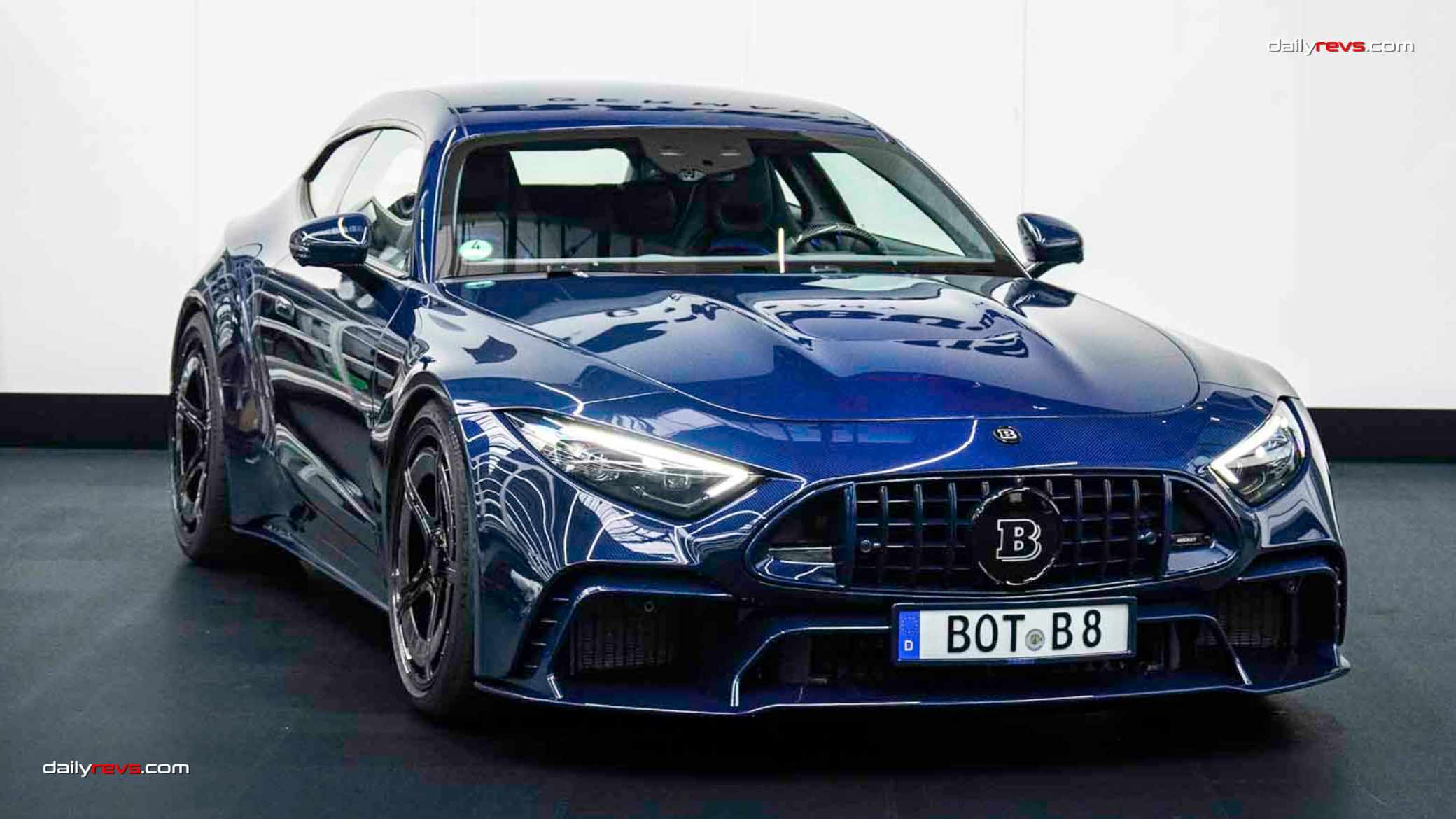
The way in which Brabus interprets the functionality of the original vehicle is predominately focused on producing maximum mechanical output as well as visually dominating the road with it. The wheel arches are very significantly widened, there are many exposed aerodynamic appendages, and the carbon fiber has become the most visually prominent design element. The roof has been extended and now has an aggressive look to it, which will change the overall mass distribution and raise the rear section's profile.
In comparison, Naretto's proposal keeps much tighter visual control than Brabus does; therefore, he has defined the stance of the vehicle primarily through proportionality, rather than by using aerodynamic layering to define the stance. In this instance, the shooting brake format is still secondary to the grand tourer purpose.
The difference between the two companies is primarily methodological, wherein Brabus's initial engineering platform is enhanced via modifications, whereas Naretto's aesthetic proposal starts with proportionality and moves outward from there.
Comparison with Recent Long-Hood Mercedes Concepts
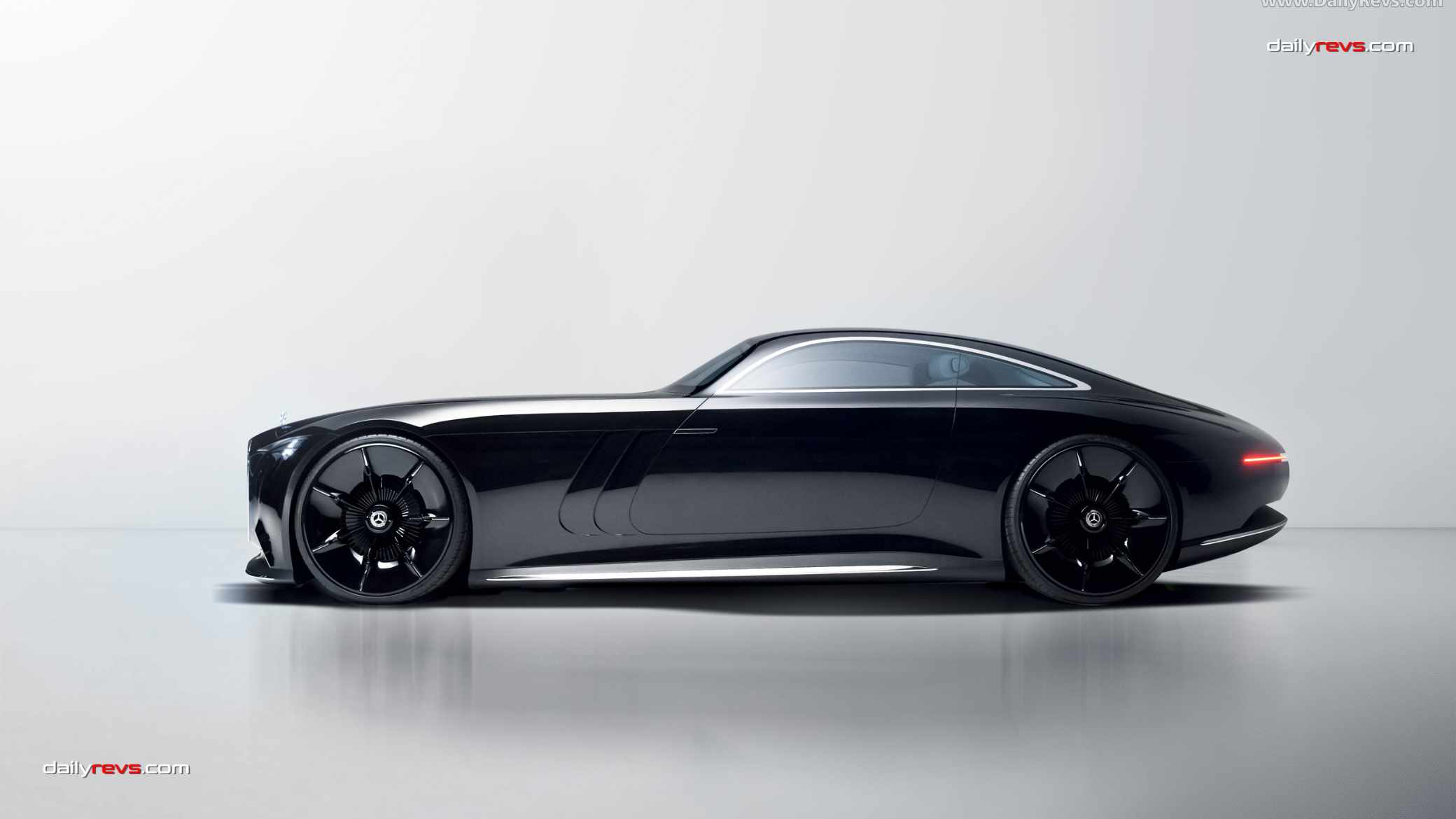
Recent concepts such as the Mercedes-Benz Vision Iconic bring back long hood designs in vehicles focused on luxury. The length of the hood symbolises history and status within that vehicle’s brand.
The Vision Iconic is based on the coupe shape. The grill looks more sculptural and emphasizes vertical forms, with fully integrated light elements and an illuminated brand identity.
Naretto’s concept is different in two ways. First, it creates a long hood layout in a shooting brake format (2-door with hatchback) rather than a traditional coupe layout. Second, he has downplayed graphics in favor of a more continuous surface treatment. Compared to the official concept cars that emphasize large front-end masses (presence) or large proportions (ceremonial), the Uhlenhaut Shooting Brake is designed with a lower center of gravity to create greater performance characteristics.
.jpg)
Proportion as the Central Theme
The importance of hood length as an embodiment of the brand's core values might not be immediately apparent, but all three interpretations demonstrate this principle. In contrast, each interpretation takes the core value, which is hood length, and utilizes it to help define other aspects of the brand at play.
.jpg)
- The Uhlenhaut Shooting Brake uses hood length to create a disciplined silhouette that embodies the rigid geometry typically found in GTs.
- The Rocket GTS utilizes hood length to facilitate the extreme transformation of the vehicle's performance characteristics.
- The Vision Iconic uses hood length as a basic building block in its luxury-oriented design narrative.
All three interpretations also illustrate how different surface treatments and rear volume strategies can create variations from one another. Naretto's concept integrates an additional cargo architecture; however, the additional cargo architecture does not impact the overall mass hierarchy of the vehicle. Brabus aggressively alters the mass in order to provide the aerodynamic and performance visages. The official Mercedes concepts maintain a more "pure" coupe envelope relative to their respective designs.
.jpg)
Our Assessment
With respect to proportion-based concepts, Gabriel Naretto's Mercedes AMG Uhlenhaut Shooting Brake adheres closely to AMG design principles. This evaluation has no reliance on overt retro style elements and connects with the 300 SLR Uhlenhaut Coupé under infrastructural characteristics and through architecture rather than through ornamentation.
Relative to both the Brabus Rocket GTS and the Mercedes concept cars with a long hood for their respective genres, this design study occupies an intermediate space. It is not in the same extreme end of the spectrum as other coachbuilt performance conversion vehicles nor does it take on the symbolic theatricality typical of many official concept vehicles.
The resulting form is an integrated grand touring vehicle based on shooting brake design principles with clear proportions and rationally designed surfaces.
The full gallery featuring this Project can be found right at the end of this article.
Related News
When Architecture Meets Car Design, You Get the Audi 20quattro Vision GT
912 M Feels Like a Ferrari Concept That Knows Its History
Alfa Romeo 4T Concept Mixes Cosmic Inspiration With the Wild Legacy of Bertone’s BAT Series
Connect with Gabriel Brando Naretto
To explore more of Gabriel Brando Naretto’s work, including ongoing projects and portfolio highlights, you can follow or connect with him on the following platforms:
Disclaimer
These projects are creative explorations by young
car designers. In some cases, they were developed independently, while
in others they were created with guidance or mentorship from OEM design
studios, such as during internships. Unless otherwise noted, they are
not official works of the manufacturers or studios involved.
DailyRevs
does not claim credit for the vision or effort behind these projects
and receives no financial compensation for publishing them. Each feature
is shared with the consent of the designer following direct outreach
and agreement. We also welcome submissions from designers who wish to be
featured, provided the quality of the work meets our editorial
standards.


