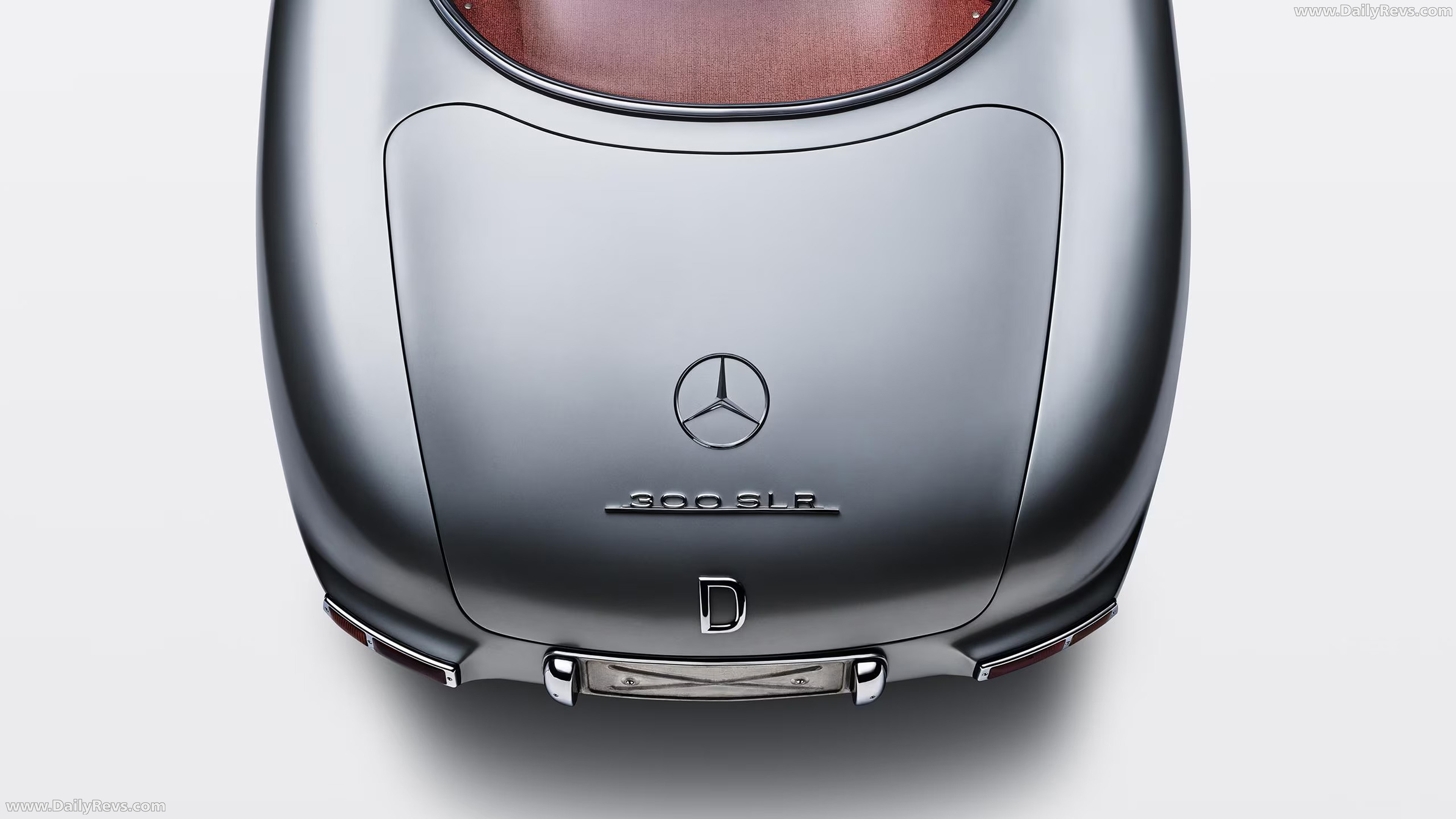
1955 Mercedes-Benz 300 SLR Uhlenhaut Coupe W196 S
By Lorenzo Bianchi February 27, 1955
Powered by a 302 PS inline-eight derived from Formula 1 technology.
Two prototypes built, nicknamed “The Red” and “The Blue”.
Claimed 300 km/h top speed in the mid-1950s.
The Engineer Behind the Myth
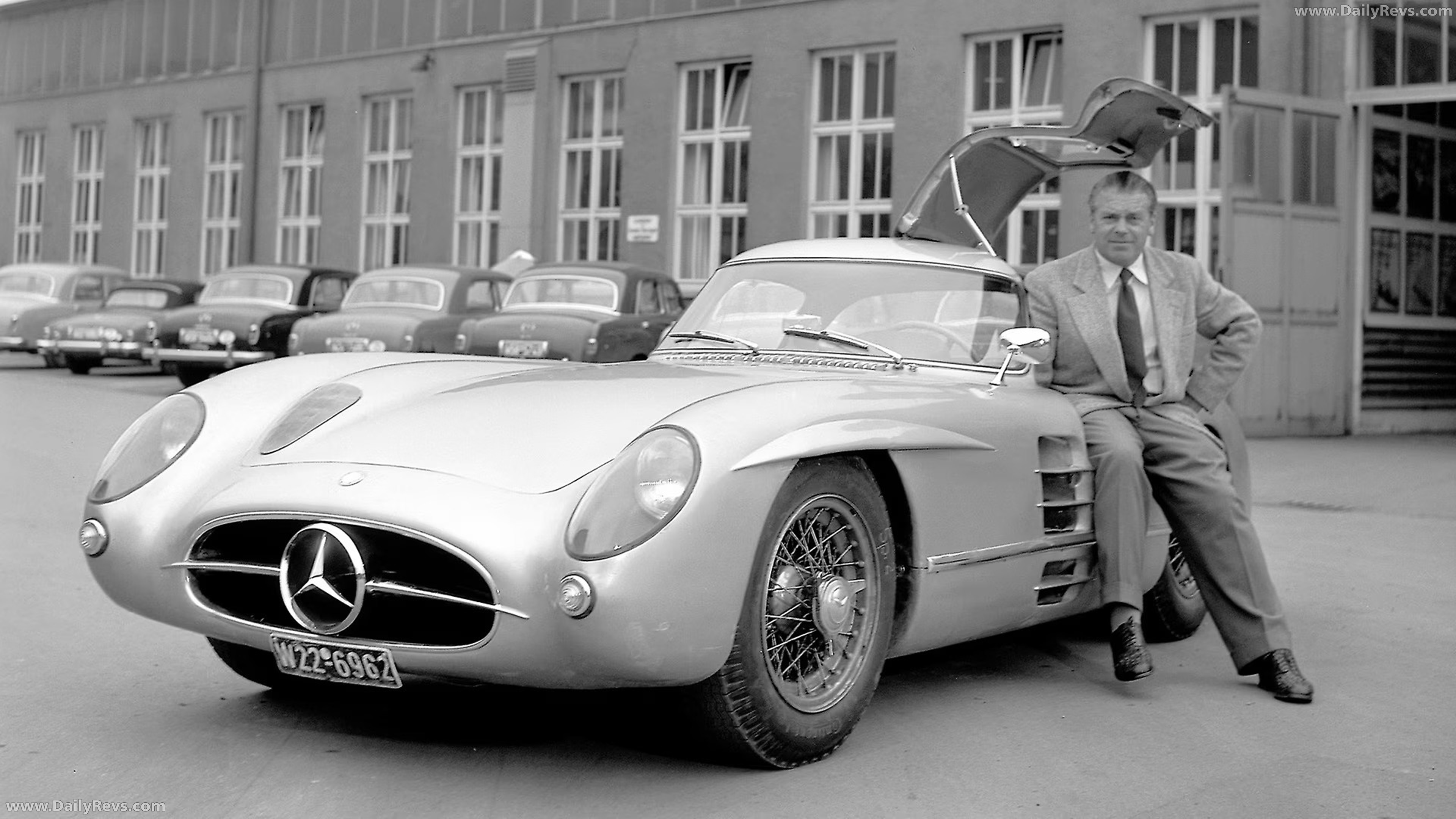
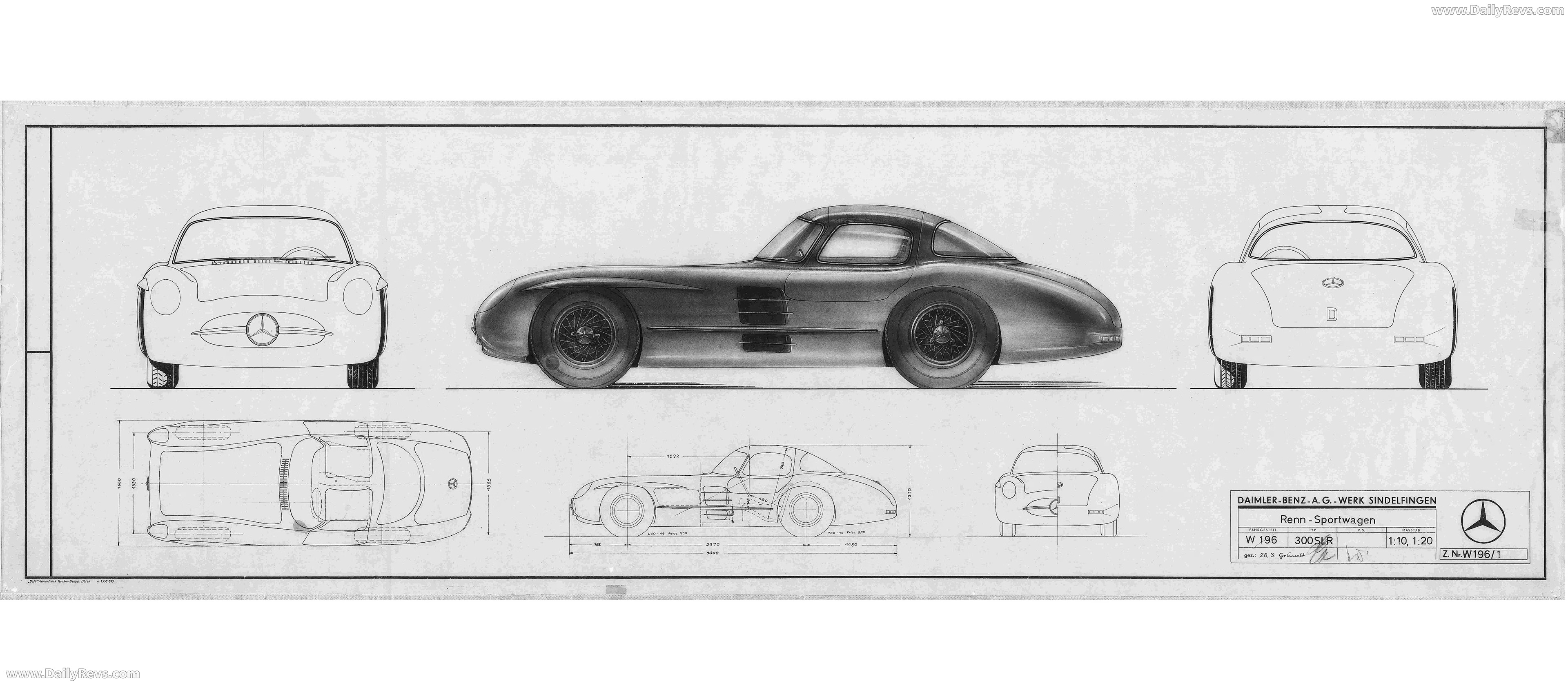
The 1955 Mercedes-Benz 300 SLR Uhlenhaut Coupe was not conceived as a styling exercise. It was an engineering solution. Rudolf Uhlenhaut, then head of passenger car development and responsible for racing activities, sought to create a closed version of the 300 SLR to improve aerodynamic efficiency and driver endurance in long-distance competition.
Uhlenhaut was already associated with the 300 SL and the W 196 R Silver Arrow. Anecdotes from the period describe his technical confidence and driving ability, including stories of him lapping the Nürburgring faster than Formula 1 champion Juan Manuel Fangio in a development car.
In 1955, he translated that mindset into the 300 SLR Coupe. The result was a machine that exceeded the technical standards of its era.
Motorsport Roots and Closed Body Concept
The 300 SLR racing sports car (W 196 S) had already proven its competitiveness in the Sports Car World Championship, while Mercedes-Benz dominated Formula 1 in 1954 and 1955. Stirling Moss’ record-setting Mille Miglia victory cemented the car’s reputation.
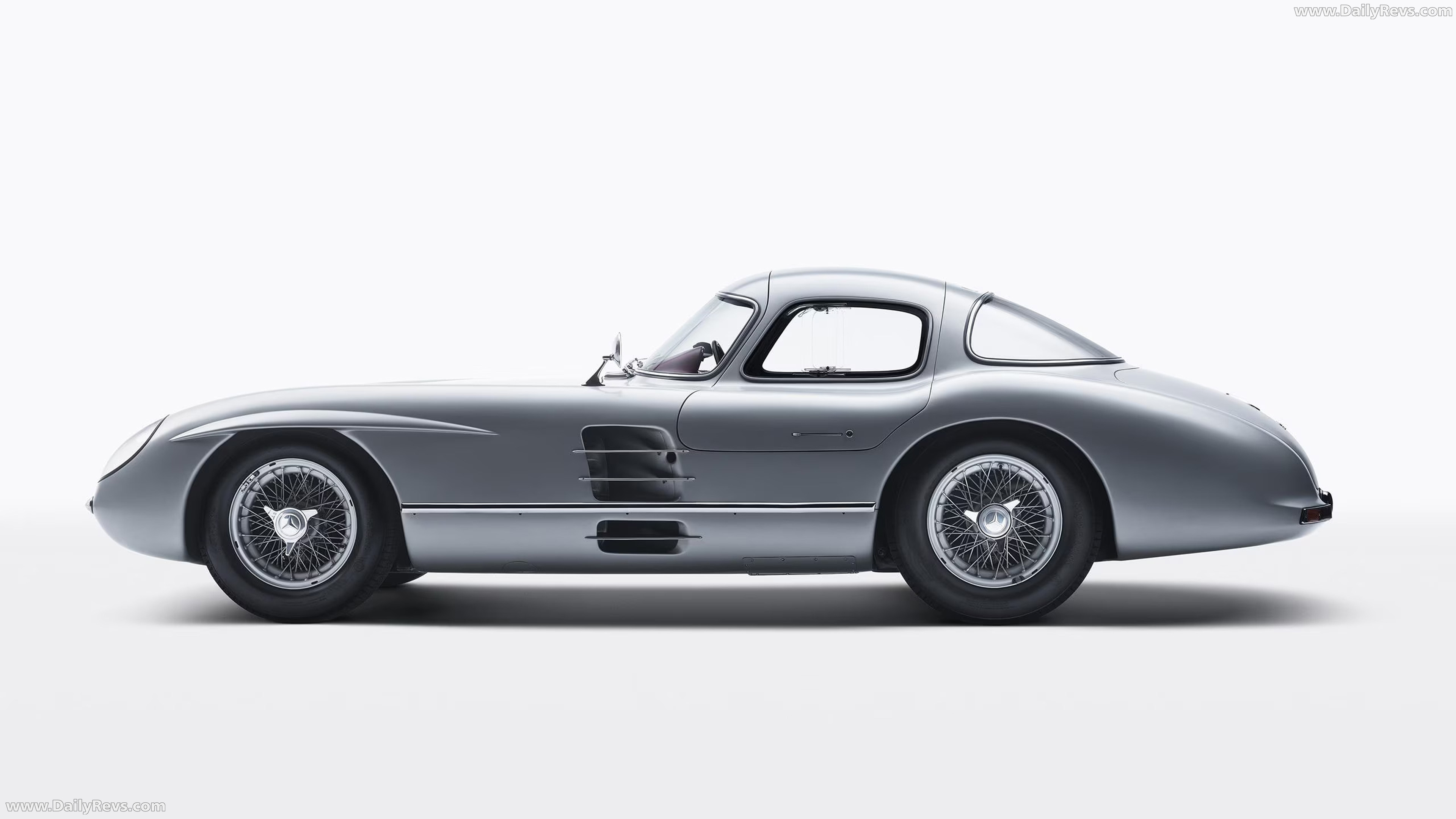
The open 300 SLR was exceptionally fast, but high speeds exposed drivers to significant aerodynamic strain. Uhlenhaut proposed enclosing the body to reduce drag and increase comfort over endurance distances. The idea was straightforward. If the open car was already formidable, a streamlined coupe could be faster still.
Ultimately, that hypothesis was never tested in competition. The 1955 Carrera Panamericana was cancelled, and Mercedes-Benz withdrew from motorsport at the end of the season. The coupe prototypes never raced.
Engineering Specification and Performance
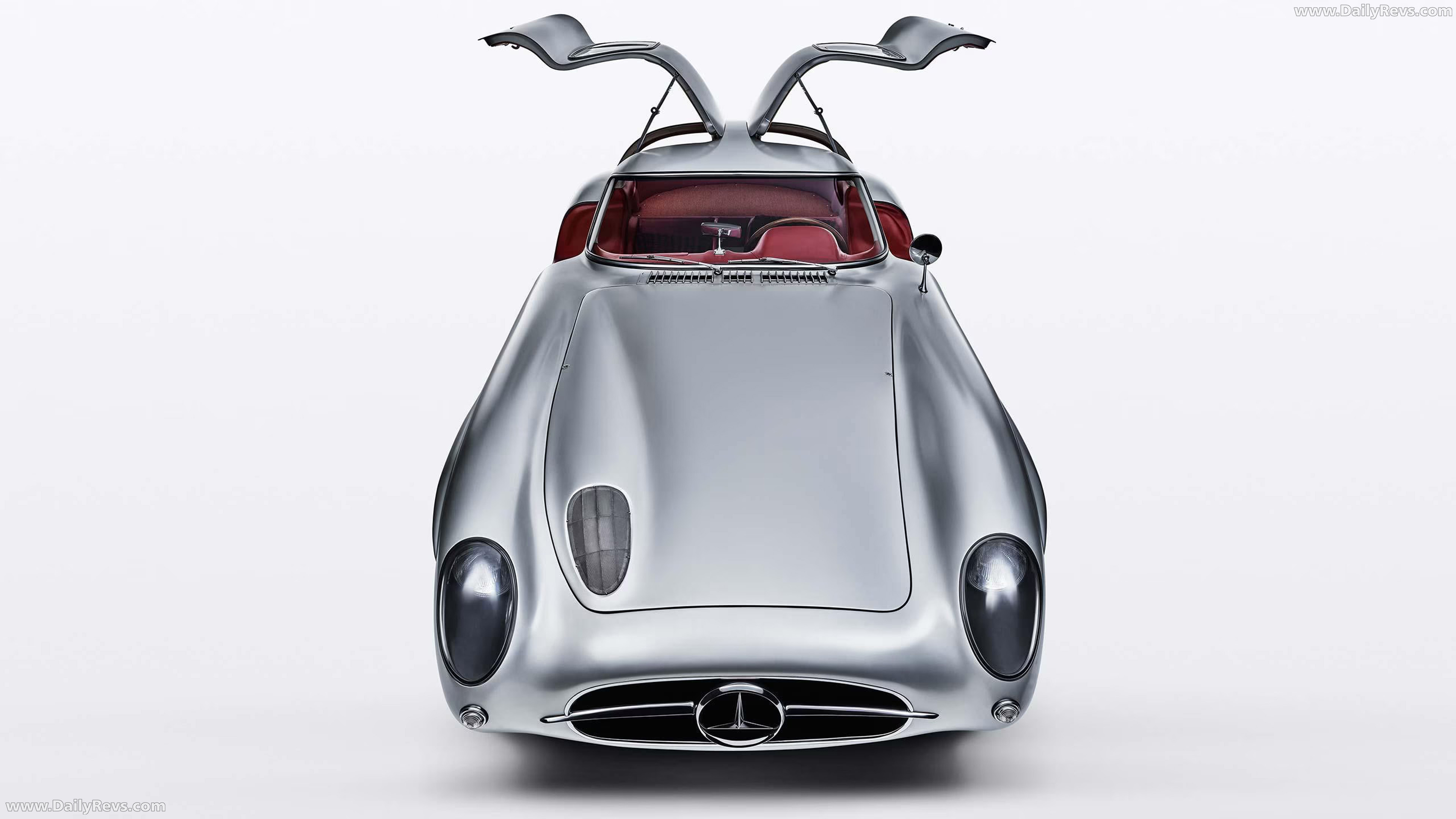
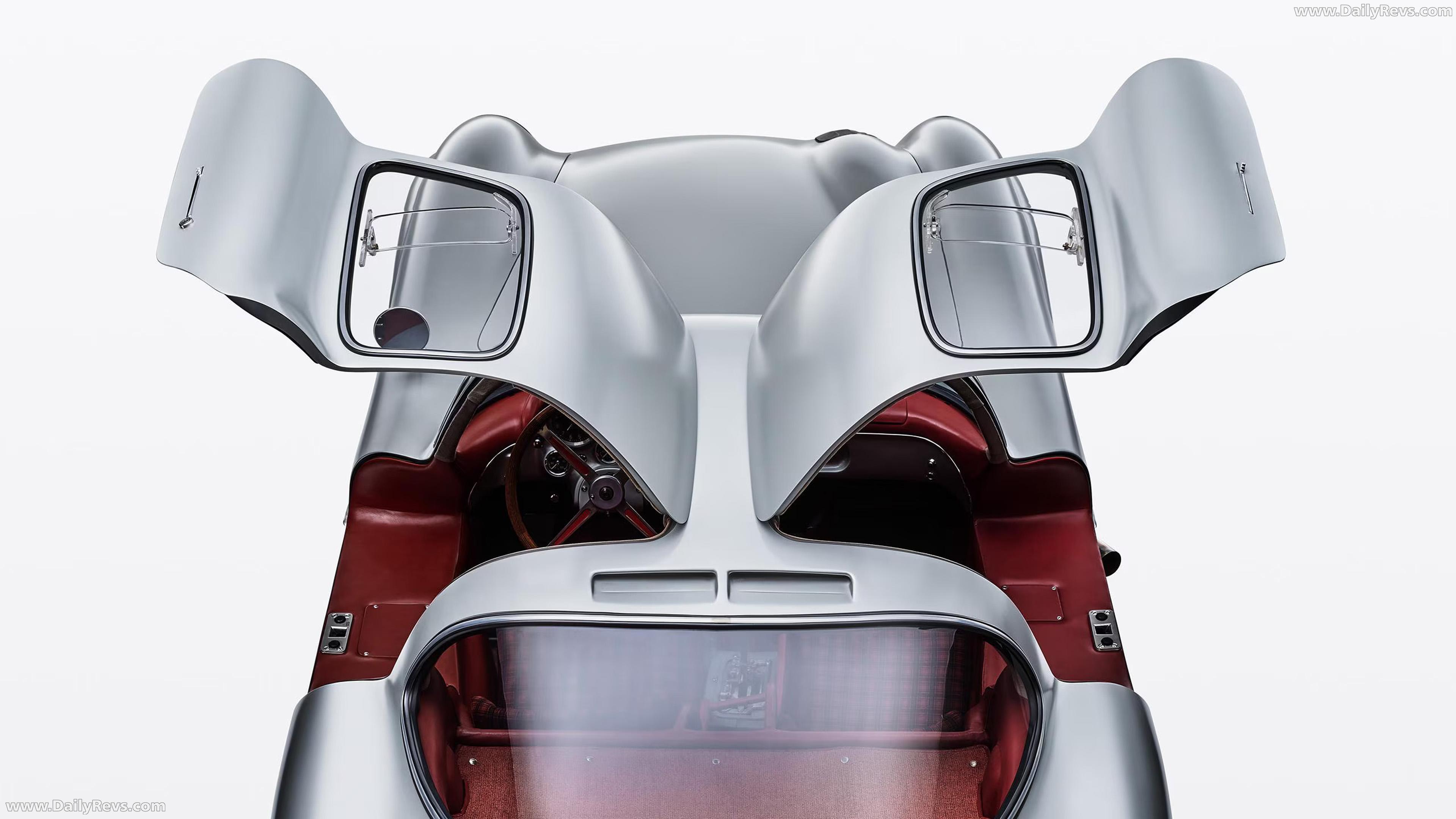
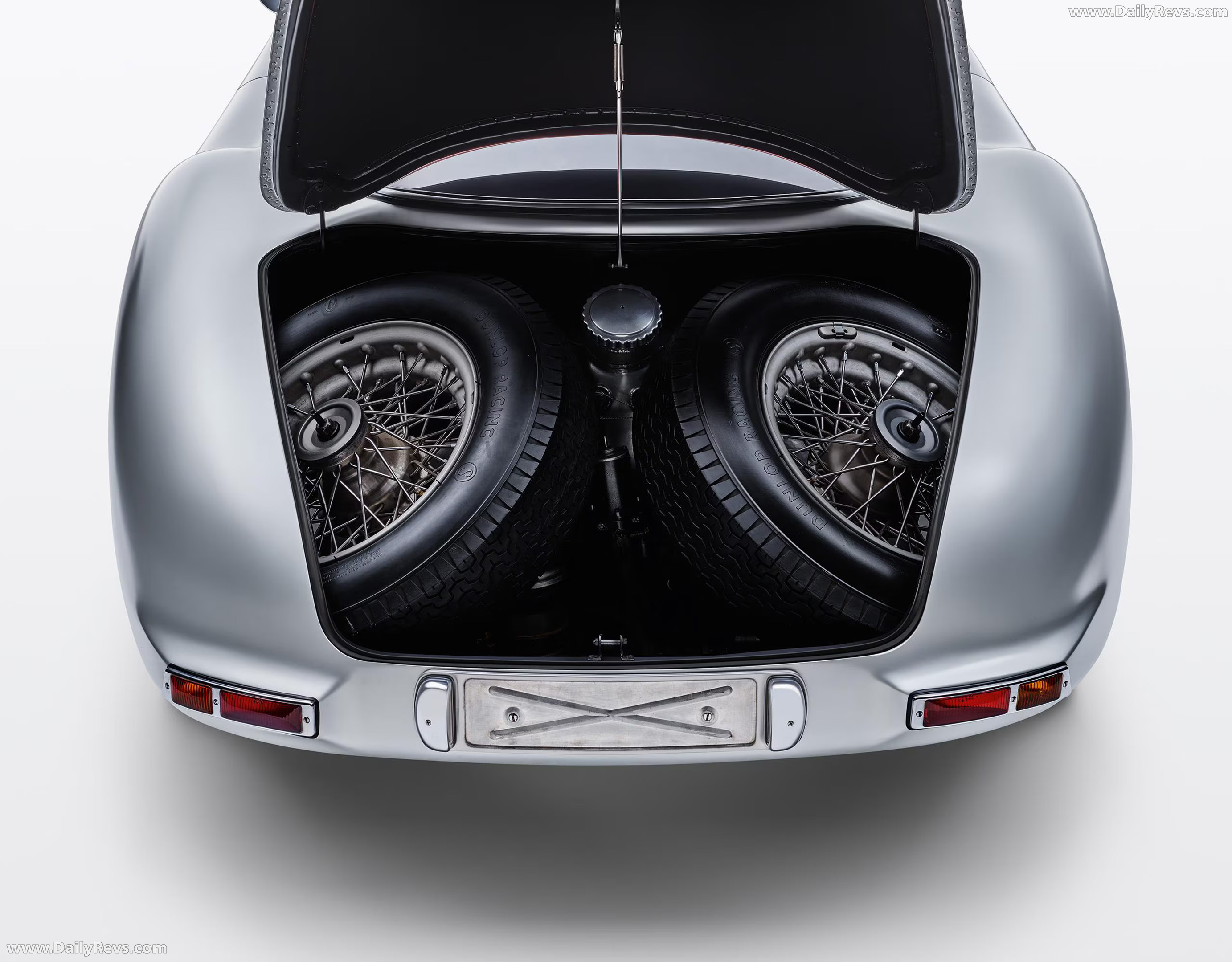
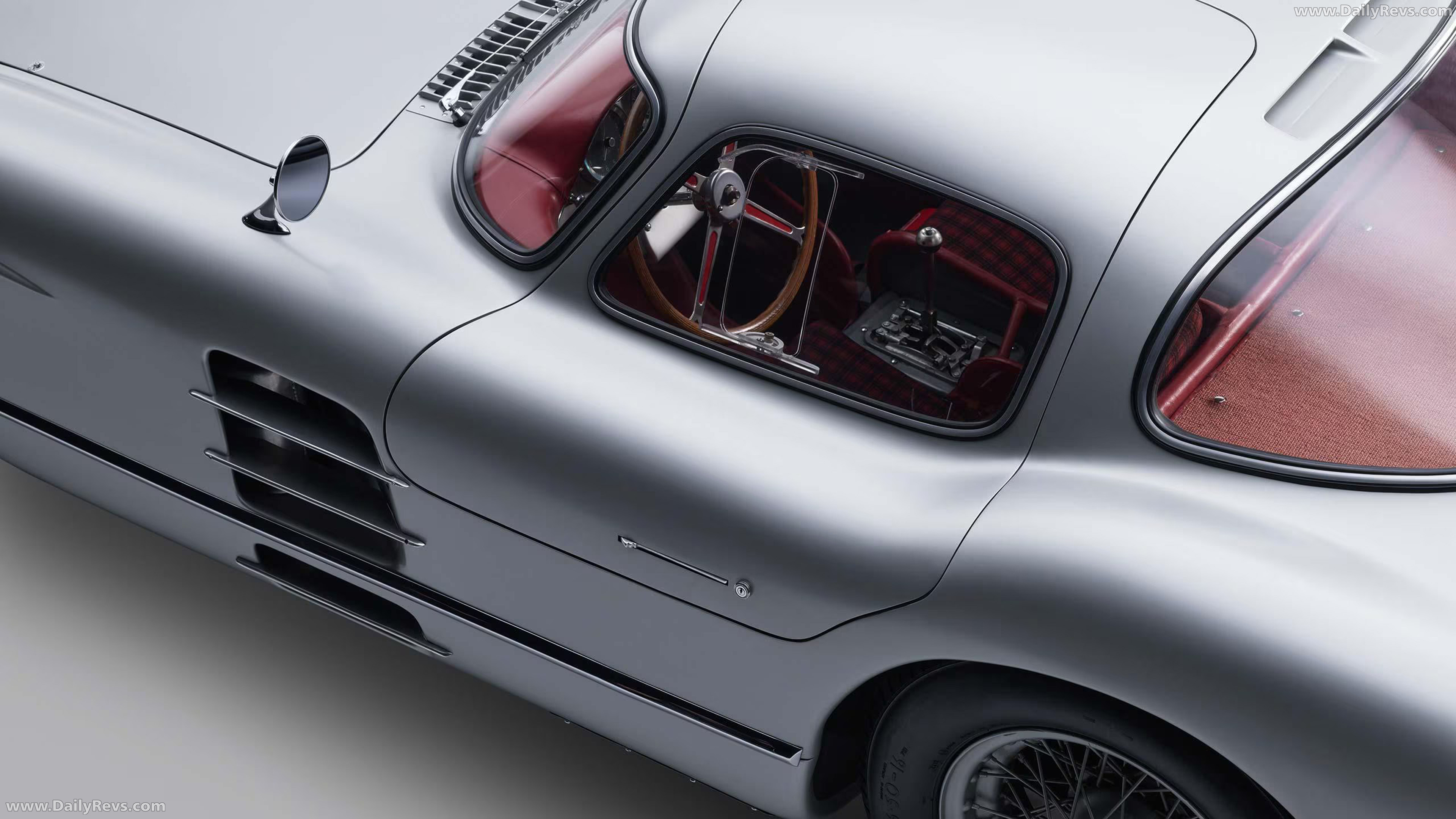
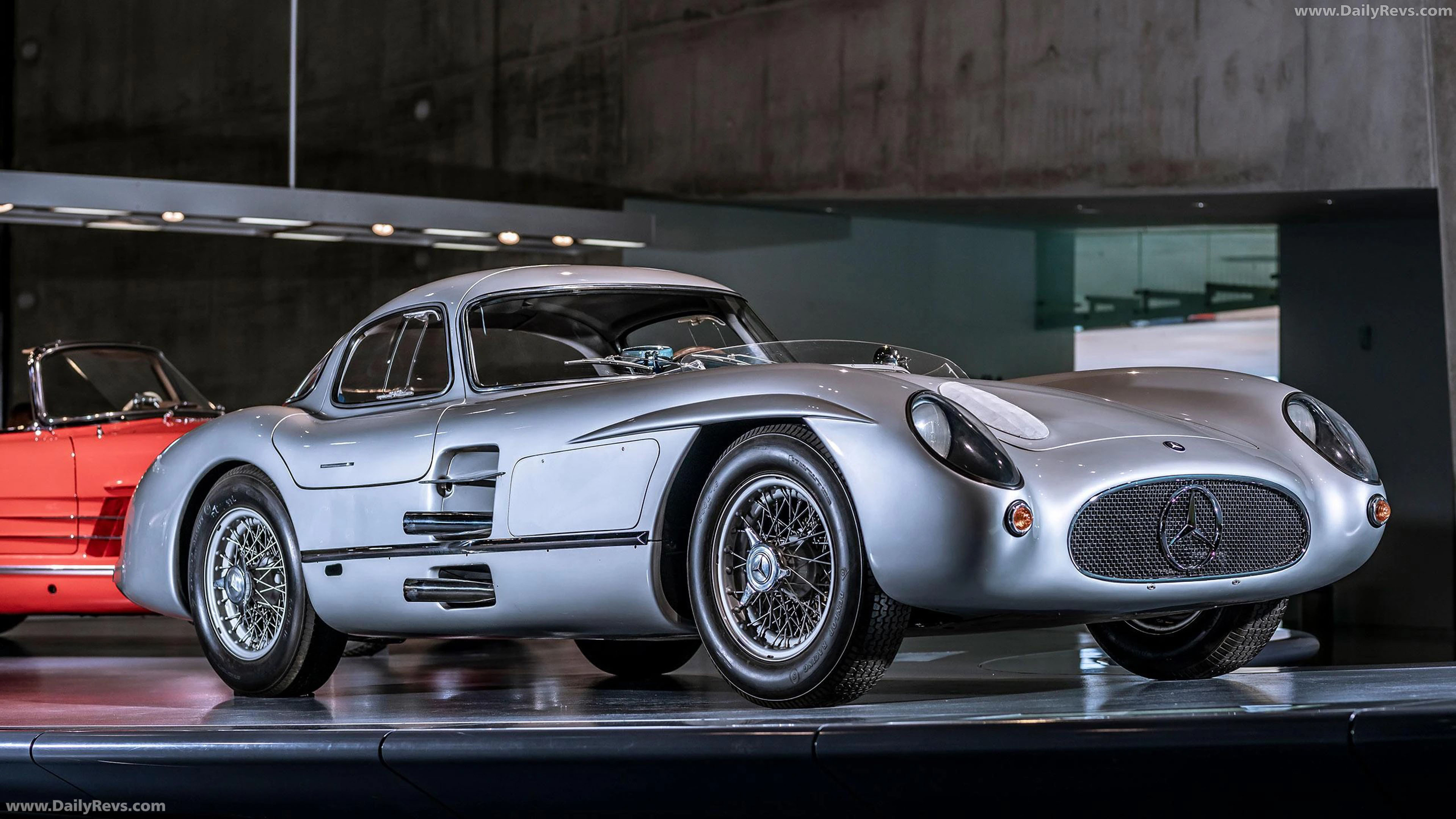
Only two examples of the 1955 Mercedes-Benz 300 SLR Uhlenhaut Coupe were built, later known as “The Red” and “The Blue” after their interior colours. The car weighed 998 kilograms unladen and featured a manual five-speed transmission paired with an inline-eight engine producing 302 PS (222 kW).
Power was taken through eight light-alloy cylinders with chrome-plated barrels, derived from Formula 1 technology. The fusion of sprinting capability and endurance engineering distinguished the car from conventional racers of the period.
Top speed was recorded at 300 km/h, at a time when even the fastest German sports cars struggled to reach 200 km/h. Uhlenhaut reportedly used one example as a company car, completing the 220-kilometre journey between Stuttgart and Munich in roughly an hour.
The Fastest Race Car That Never Raced
The 1955 Mercedes-Benz 300 SLR Uhlenhaut Coupe earned a reputation as the “fastest race car to never compete in a race.” Contemporary testing, including a 3,500-kilometre evaluation by the Swiss Automobil Revue through alpine passes, praised its cornering stability and engineering sophistication.
The vehicle demanded skill. Cold composure. Mechanical sympathy. Yet it also demonstrated that extreme speed and structural integrity could coexist.
In retrospect, the Uhlenhaut Coupe represented a threshold moment. It merged Formula 1-derived engineering with road-going usability. It was described as “the 20th Century’s ultimate hypercar.”
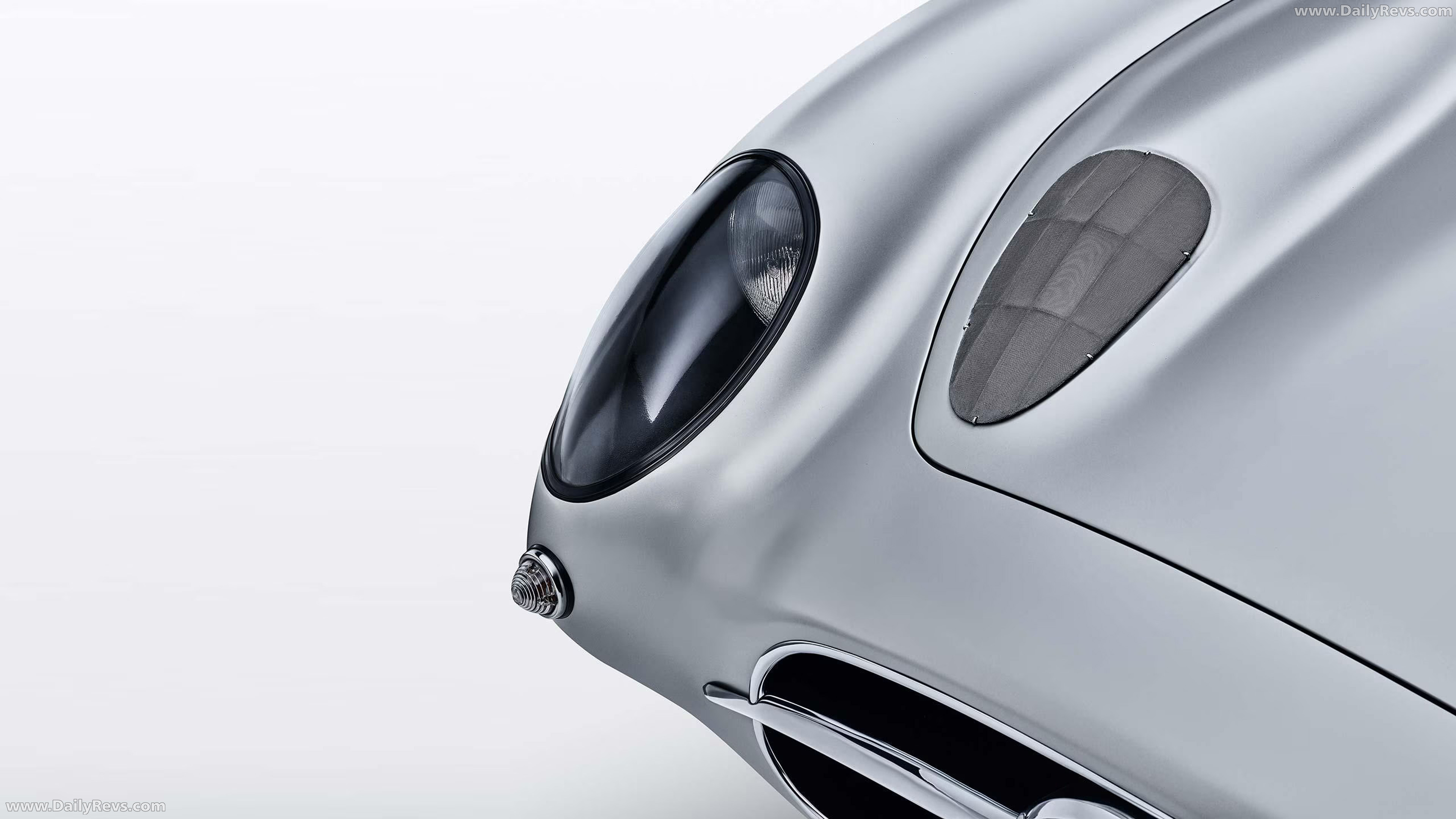
Nearly seven decades later, the silhouette remains uncompromised. Gullwing doors arch skyward. The long bonnet stretches ahead of a compact cabin. Proportion is pure function.
The 1955 Mercedes-Benz 300 SLR Uhlenhaut Coupe did not shape history through racing victories. It shaped it through possibility.