Scintìa by Automobili Mignatta: A Young Designer’s V12 Tribute to 1960s Italy
By Hugo Mattson July 19, 2025

Scintìa channels 1960s Italian design values through clean proportions and handcrafted detail
The car emphasizes analog engagement over digital complexity, blending emotion with purpose
Designed for a clientele that values form, exclusivity, and aesthetic depth
Reimagining Italian Coachbuilding with Modern Clarity
Automobili Mignatta is a design vision rooted in Piedmont, introduced in 2024 with a clear philosophy: to craft elegant and tailored automobiles inspired by Italy’s heritage of handmade excellence. Following the imagined debut of the Rina model, the Scintìa expands that vision. It is a V12 sports car designed to be experienced, not just seen.
It is refined, sculptural, and dedicated to the timeless idea that driving pleasure begins with beauty and balance.
A Name That Sparks Emotion
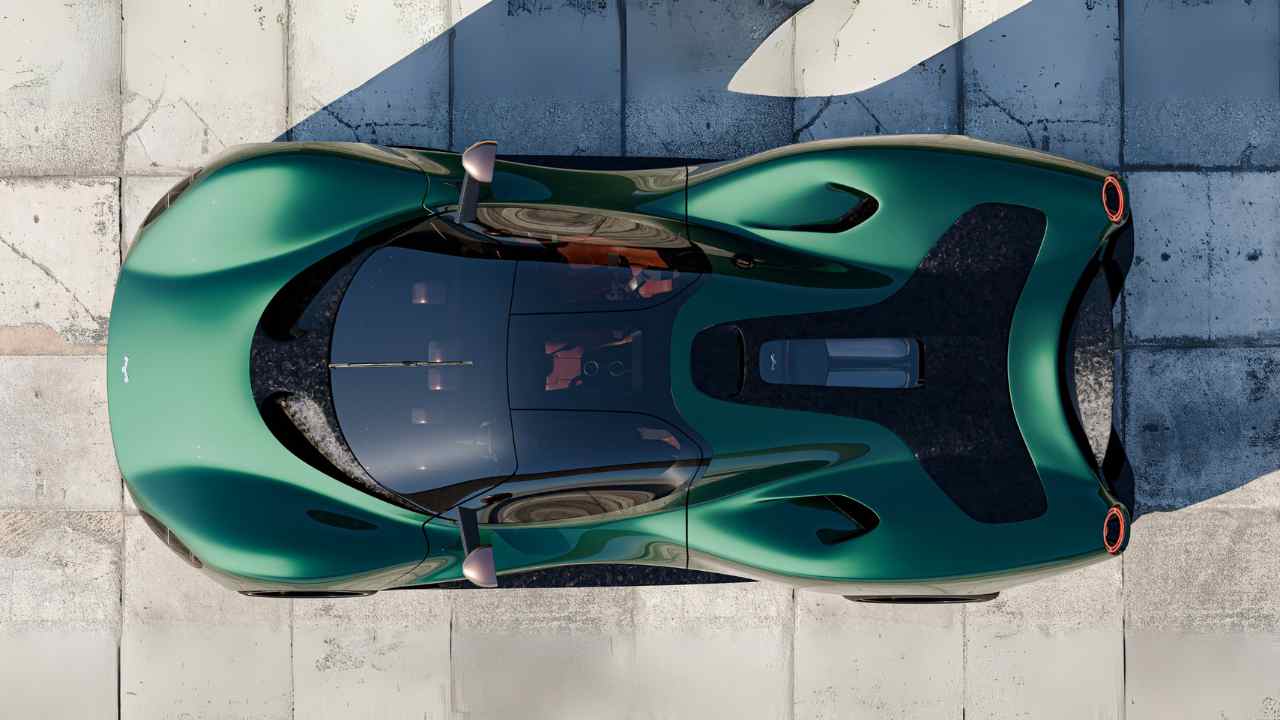
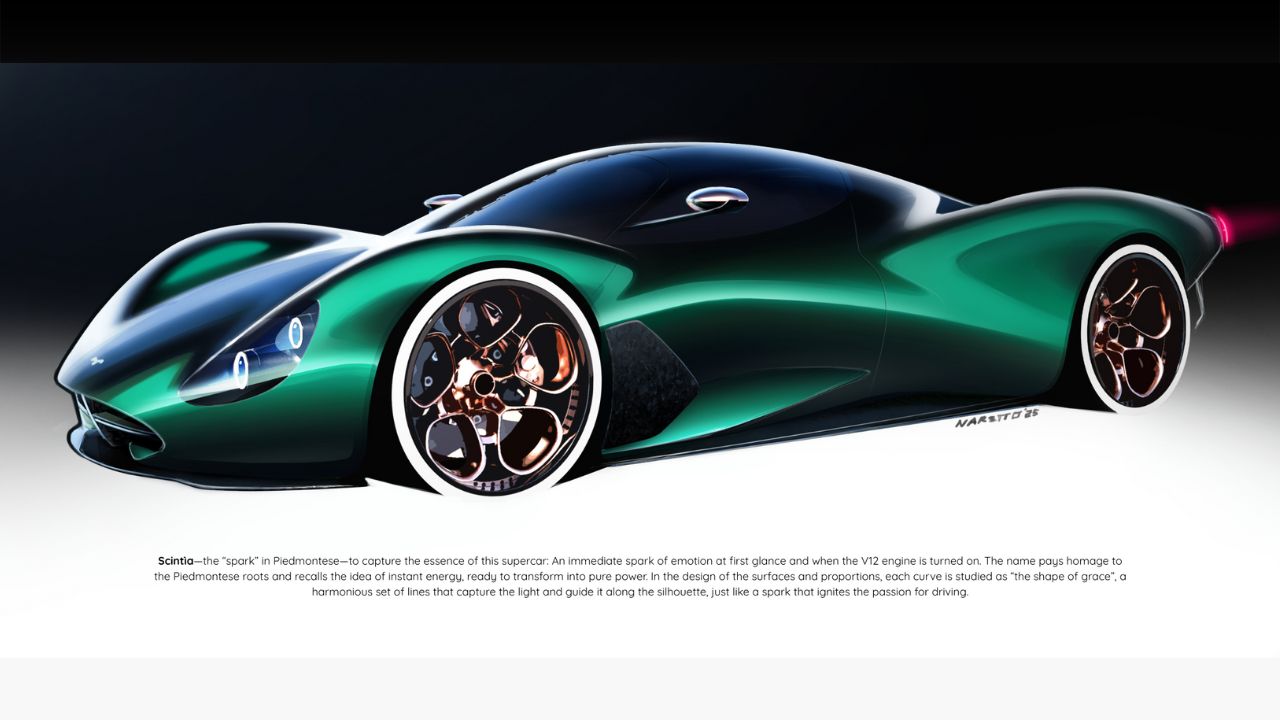
The name Scintìa comes from the Piedmontese word for “spark,” symbolizing immediate energy and connection. Its design reflects that intent — a mid-engined V12 silhouette with flowing surfaces, subtle contrasts, and focused proportions.
Every line is sculpted to guide light and tension across the bodywork. The visual language is expressive yet restrained, enhancing both the sensuality of the form and its aerodynamic function.
In Conversation with Italy’s Design Renaissance
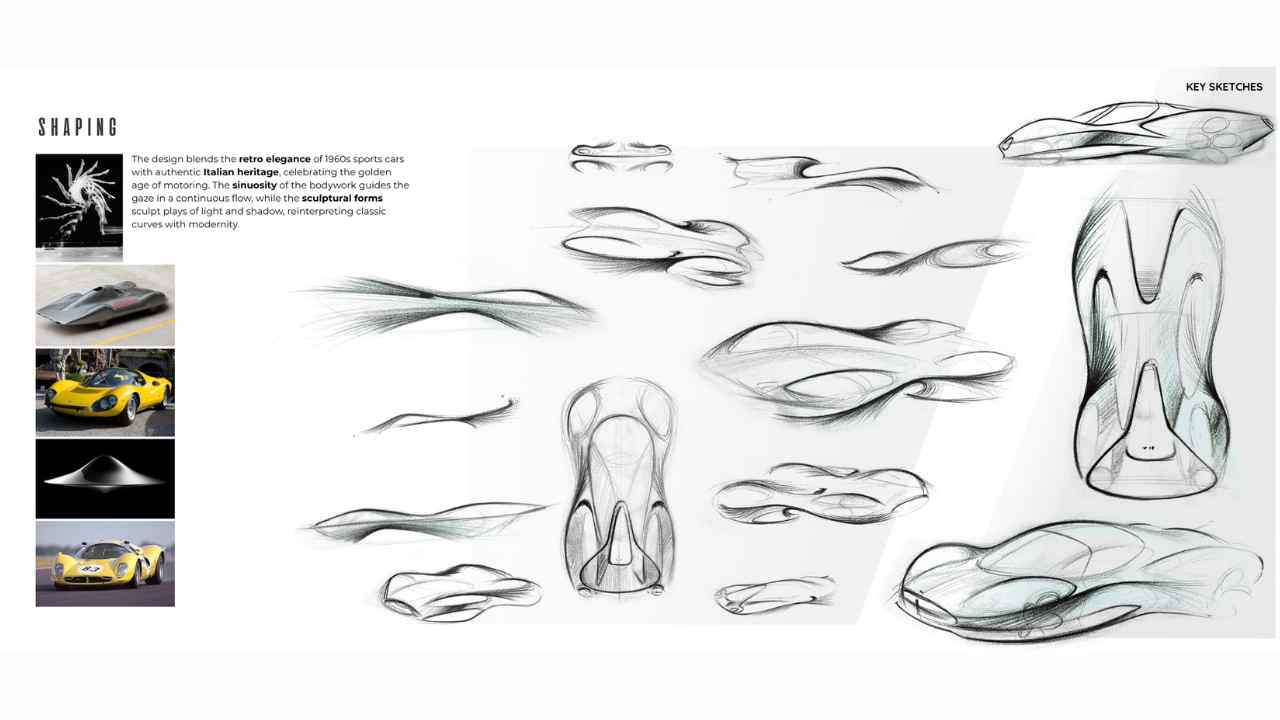
The design process began with a deliberate reference point — Italy in the 1960s, a decade that defined not just automotive history but design culture as a whole. The Ferrari P4 set the tone for that era, with a shape that was both race-bred and beautifully resolved. It later inspired the Ferrari P4/5 by Pininfarina, and more recently, the De Tomaso P72.
Scintìa stands in quiet conversation with these icons. Its purpose is not to mimic but to reinterpret. The goal was to extract core values — elegance, restraint, coherence — and apply them with a present-day sensibility. It becomes more than a study in aesthetics. It becomes a cultural continuation.
Created for Collectors Who Appreciate Clarity
The imagined audience for Scintìa includes collectors and enthusiasts who value discretion over attention. These are individuals who view the automobile as a reflection of character rather than a platform for status.
They are drawn to timeless form, natural materials, and the kind of design that creates an emotional response without needing explanation.

A Design Language Rooted in Intent
From Sketch to Surface
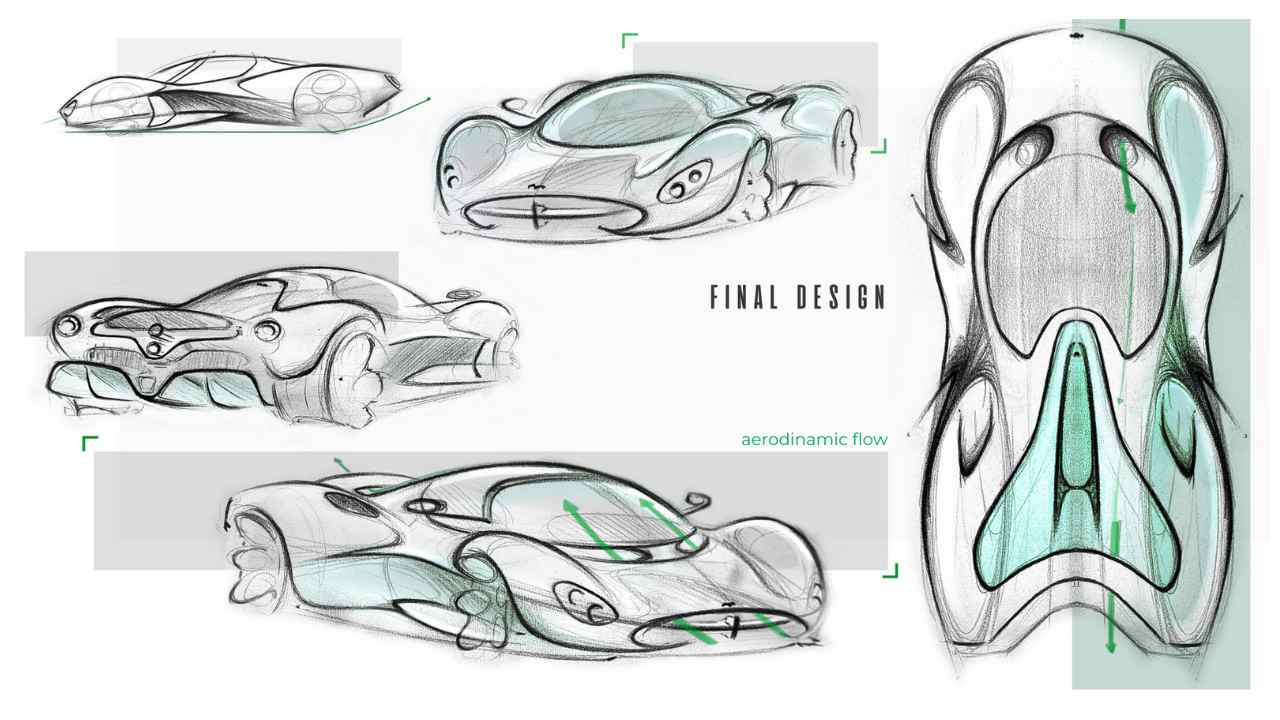
The project began with studies in retro elegance and Italian heritage. Early sketches explored how proportion and surface could suggest motion without being aggressive. The overall form developed through fluid volumes, held together with structural clarity. Each surface was shaped to interact with light and create rhythm.
Exterior Composition with a Sense of Place
The final design carries a grounded stance and a long, uninterrupted silhouette. From above, the rear features a material division inspired by the Mole Antonelliana — Turin’s most iconic architectural landmark. This reference is subtle, not decorative, and it connects the car to its cultural origin.
The wheels, finished in bronze with an inverted channel profile, add visual depth and contrast against the British Green paintwork. Every decision contributes to the car’s quiet confidence.
A Cabin Designed for Driving, Not Distraction
Interior Philosophy
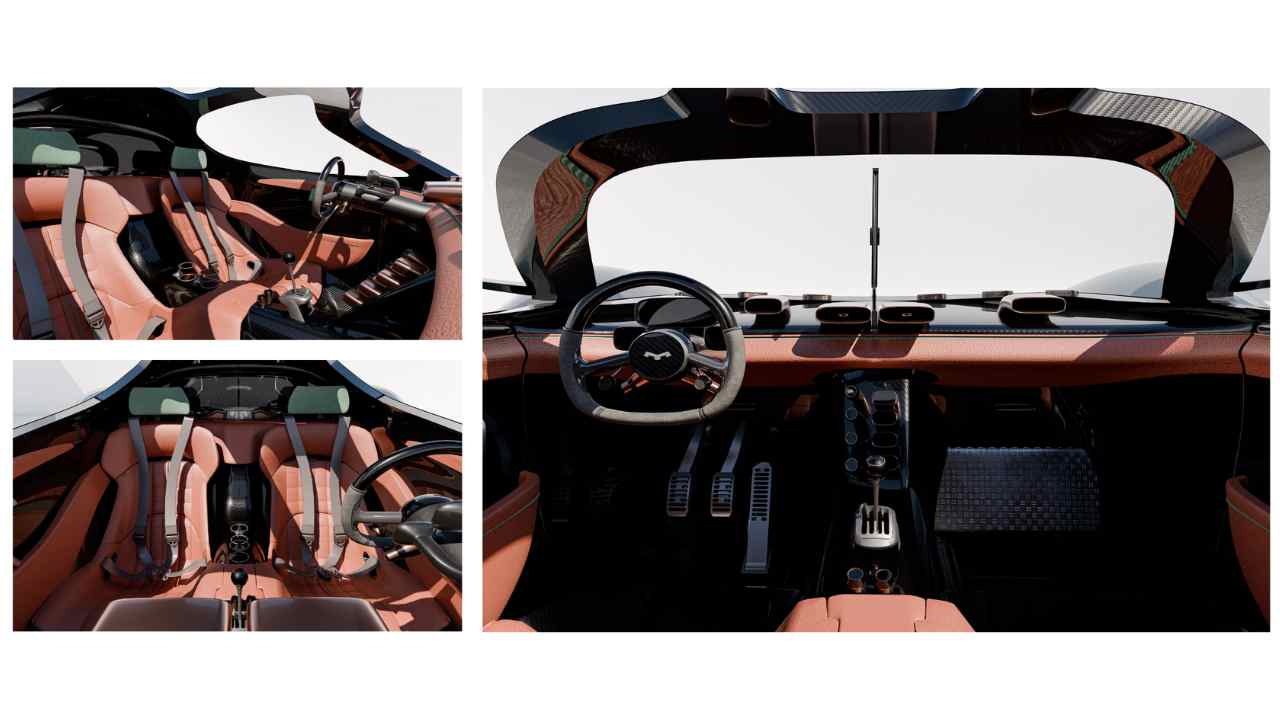
Inside, the layout is minimal and purposeful. The cockpit is shaped around the driver, with two shell seats divided by a central leather-wrapped tunnel. There are no screens or ambient interfaces, only tactile controls and honest materials.
This is not a rejection of technology but a choice to prioritize experience over automation.
Material Presence
The interior features tobacco leather, Alcantara accents, and carbon fiber panels. These materials are used not to signal luxury, but to enhance physical connection. The setting feels natural, not excessive. It invites the driver to engage with the car rather than filter it through digital layers.
A Personal Vision That Bridges Past and Present
Scintìa is not just a design proposal. It is a reflection of how history can inform the future without being nostalgic. It draws from a culture of craftsmanship, proportion, and emotional clarity.
The result is a car that tells a story through volume, material, and purpose. It does not chase trends. It responds to them with perspective.
About the Designer
Gabriel Brando Naretto is a transportation designer from Turin, Italy. A graduate of IAAD, he approaches vehicle design with a focus on emotion, introspection, and cultural storytelling.
Inspired by architecture and travel, his work explores how objects can become more than functional. With Scintìa, he presents a vision of the automobile as a crafted experience — something that begins with a sketch and becomes a story worth remembering.
Connect with Gabriel Brando Naretto
To explore more of Gabriel Brando Naretto’s work, including ongoing projects and portfolio highlights, you can follow or connect with him on the following platforms:
Disclaimer: These works are not affiliated with the official efforts of OEM design studios. They are independent reflections of the creative minds of young car designers whose voices deserve to be heard. DailyRevs does not claim any credit for the effort or vision behind these projects. We do not receive financial compensation for publishing such work. These features are shared only with the consent of the designers, after direct outreach and agreement. We also welcome submissions from designers who wish to be featured, provided the quality of the work meets editorial standards.


