Isotta Fraschini Tipo XXI Reimagines Italian Luxury
By Hugo Mattson October 9, 2026

Roberto Lacarbonara’s independent Isotta Fraschini Tipo XXI concept imagines a contemporary luxury passenger car for the historic Italian marque.
Its H shaped body incorporates two air channels, supporting a proposed inflatable seating system designed around passenger comfort.
The electric, autonomous concept combines a richly detailed interior with a visual identity inspired by Giorgio de Chirico.
The future of luxury electric cars offers designers an opportunity to reconsider what passengers actually receive for their money. Quiet propulsion is part of the appeal, but the cabin, seating and character of the vehicle still need to make the journey feel special.
.jpg "Isotta Fraschini Tipo XXI Antonietta Beside a Classic Isotta Fraschini")
Roberto Lacarbonara’s Isotta Fraschini Tipo XXI “Antonietta” takes that question in an unusual direction. His electric luxury car concept proposes autonomous driving and air supported seats intended to give occupants a sensation of floating. Its sculptural exterior and carefully furnished cabin develop around that passenger experience.
The concept also considers how Isotta Fraschini could present itself as a contemporary luxury marque. Lacarbonara develops a new logo and design language alongside the vehicle, drawing on historical references and the atmosphere of Italian Metaphysical art. Antonietta is a purely personal project with no commercial purpose. It is an independent design study, with no stated connection to an official production programme.
Isotta Fraschini Tipo XXI Puts Passenger Comfort First
Lacarbonara began by asking how Isotta Fraschini might return to luxury passenger cars in the twenty first century. The ambition was to create a vehicle that could express the prestige he associates with the marque while offering a distinctive contemporary experience.
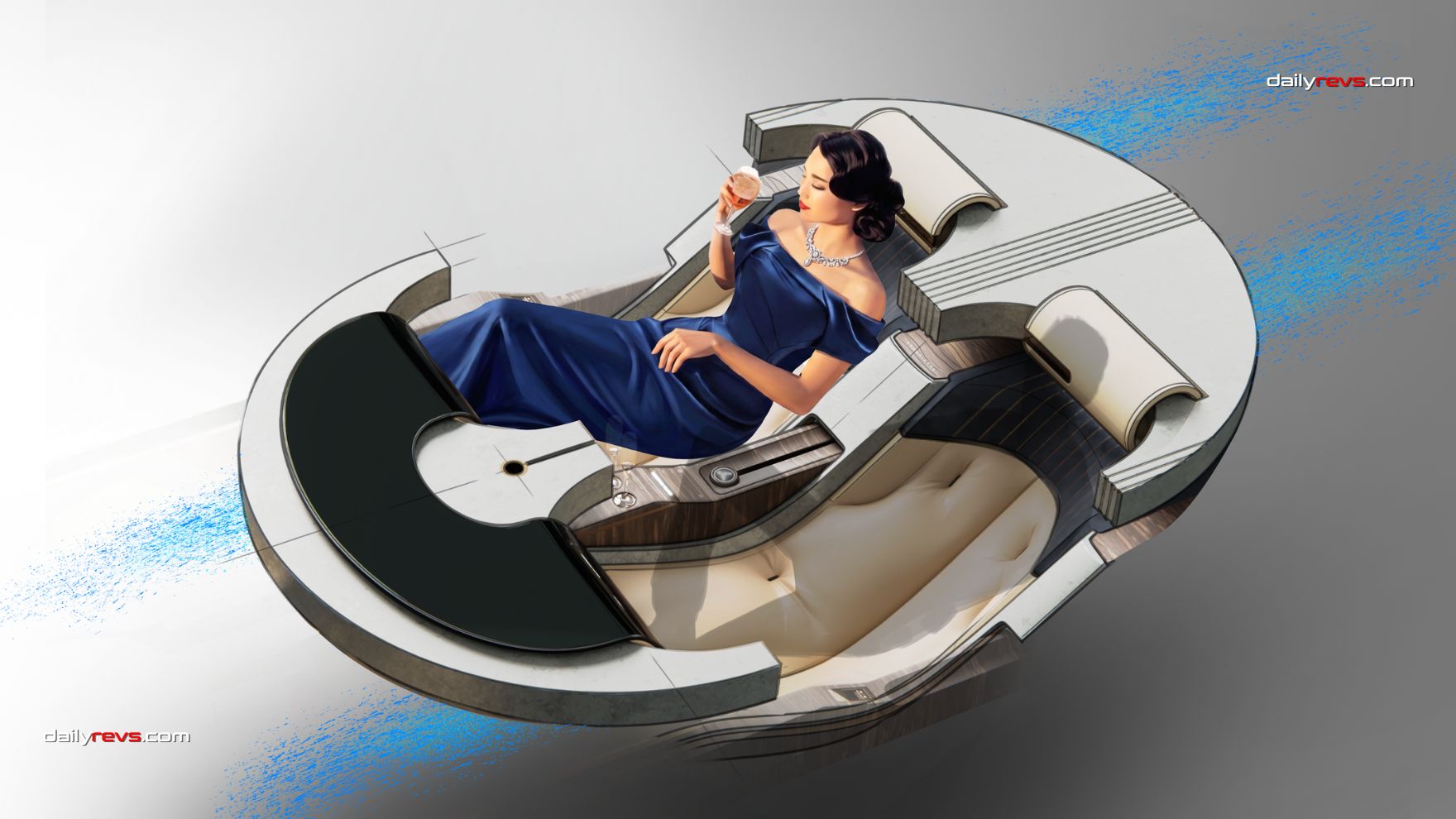
That question belongs to a wider discussion about heritage and electrification. Jaguar’s newly unveiled Type 01, for example, demonstrates how an established luxury name can use an electric vehicle to introduce a new design direction. Antonietta explores that subject through an independent designer’s interpretation, with its focus firmly on passenger comfort and a proposed identity for Isotta Fraschini.
For Lacarbonara, relaxation establishes the brief. Electric propulsion is intended to contribute to a quiet journey, while fully autonomous operation would remove the need for a chauffeur. The seating then addresses how occupants would feel physically supported during travel.
These decisions give the project a common purpose. Its body layout, interior furnishings and proposed technology all contribute to the experience of being transported.
Two Air Channels Define The H Shaped Body
Antonietta’s unusual proportions become easier to understand through the development sketches. Early volume studies took inspiration from organ pipes, before Lacarbonara selected an H shaped footprint when viewed from above.
The research board describes a passenger cabin crossed by two air channels. This arrangement makes airflow part of the vehicle’s fundamental layout and gives the exterior a visible relationship with its intended function.
.jpg "Isotta Fraschini Tipo XXI Internal Airflow Concept")
Initial sketches explore parallel volumes connected around the passenger space. As the design develops, those volumes acquire rounded surfaces, pronounced wheel arches and a more flowing overall form.
The channels remain central to the composition. An accompanying airflow illustration depicts air moving through the body, explaining the intended connection between the exterior and the seating concept.
This is a visual proposal rather than evidence of a tested system. Its significance lies in the design process: Lacarbonara establishes a passenger comfort idea, then gives that idea a role in organising the vehicle.
.jpg "Isotta Fraschini Tipo XXI H Shaped Design Research")
Sculptural Bodywork References Isotta Fraschini’s Past
The finished exterior has a substantial presence. Broad wheel arches occupy each corner, while a low glazed canopy sits within the surrounding bodywork. Large wheels carry prominent IF centre emblems. Along the side, a sweeping surface connects the wheel volumes. The green finish shown in one render highlights that contour, with light catching the upper body while the recessed lower section falls into shadow.
.jpg "Isotta Fraschini Tipo XXI Body Volume Development")
The front adopts a more formal composition. Deep openings sit beneath rounded upper surfaces, framed by upright lighting elements and a slim horizontal strip. A small ornament on the forward bodywork adds another deliberate detail.
.jpg)
Historical references appear in the research imagery. One board places the paired headlights of an older Isotta Fraschini beside early studies of the concept’s channels, illustrating how the marque’s past informed the development. Those references are absorbed into a new arrangement. Antonietta’s proportions, surfaces and lighting establish an individual character while retaining selected connections with the original cars.
The result gives Lacarbonara’s imagined luxury vehicle a recognisable visual structure, with the strongest emphasis on its broad stance and architectural front end.
Giorgio De Chirico Inspires The Italian Design Language
Lacarbonara’s investigation extends beyond automotive references. His description identifies Art Déco as an important influence on Isotta Fraschini’s visual expression during the 1930s. For Antonietta, he explores Metaphysical art, taking particular inspiration from Giorgio de Chirico.
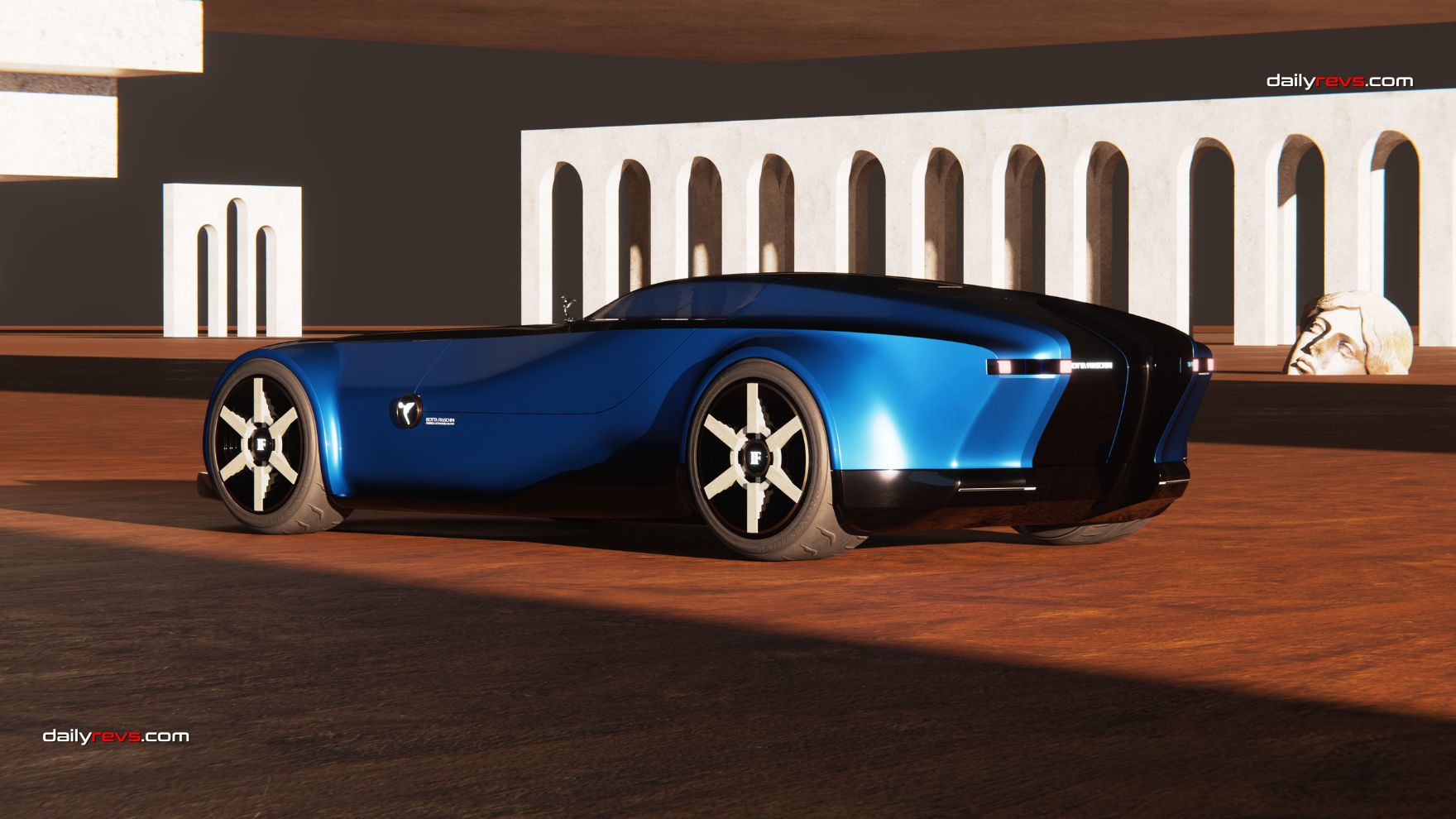
The intention is to convey monumental simplicity and majesty. This provides a cultural direction for the project’s Italian car design, influencing the atmosphere surrounding the vehicle as well as its proposed identity.
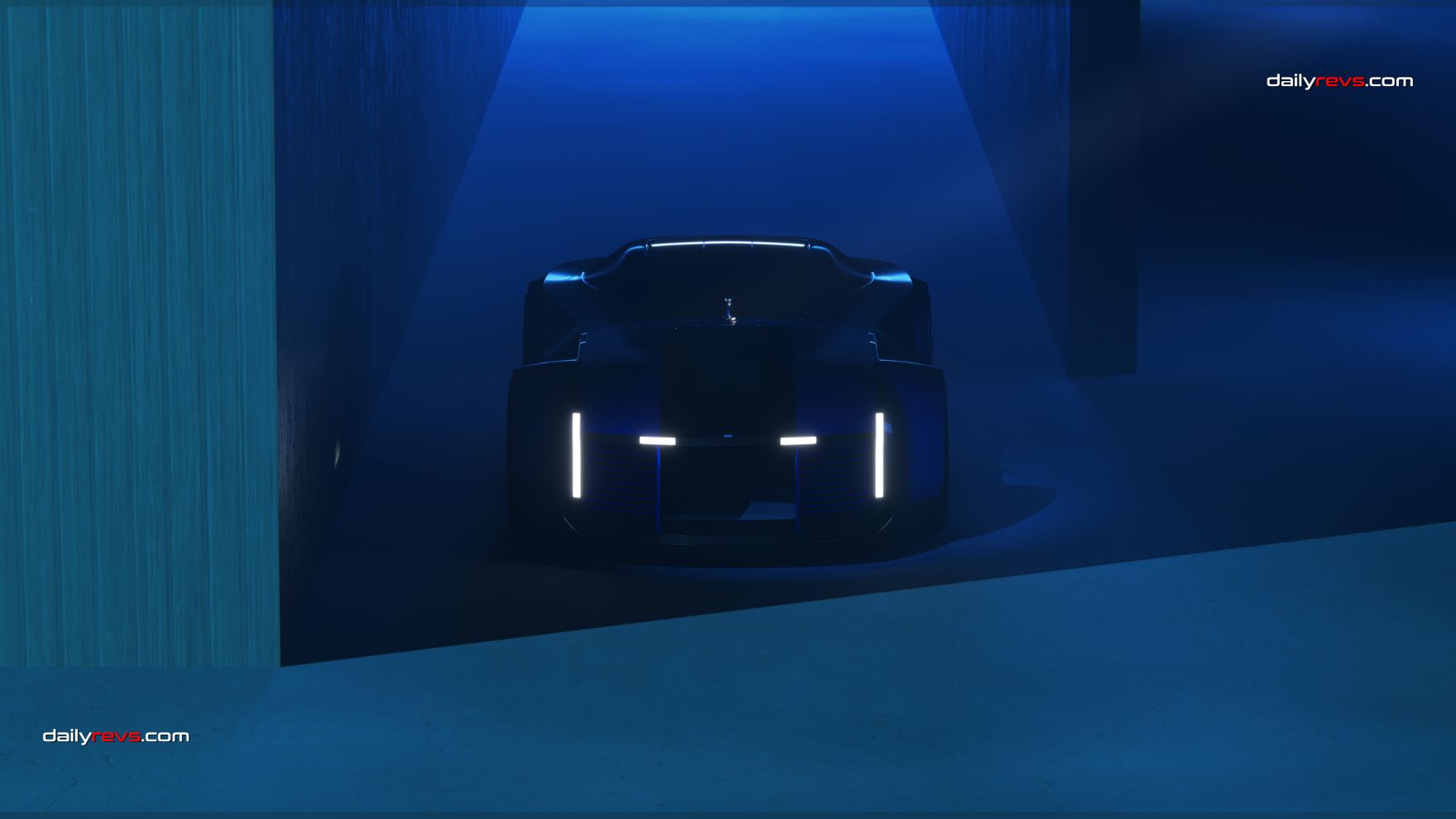
The presentation imagery makes that ambition visible. In one scene, Antonietta sits within a shadowed architectural space, framed by tall structures. Blue illumination reveals the front lighting and parts of the body, leaving other surfaces almost concealed. The setting emphasises scale and stillness. It also draws attention to the car’s upright frontal elements, which remain clearly defined against the surrounding darkness.
This artistic direction continues into Lacarbonara’s work on the logo and visual language. The vehicle is considered as part of a broader identity, with its presentation supporting the solemn character he envisages for the marque.
The Luxury Interior Combines Texture And Passenger Amenities
The cabin offers a more intimate expression of the same brief. Cream upholstery, dark wood finishes and pale patterned trim give the interior a layered appearance, while thin lines of illumination trace selected edges.
The rendered seating surfaces include perforations and shaped sections. Cylindrical upholstered elements introduce another recurring form, and rigid surrounding pieces frame the softer furnishings.
.jpg "Isotta Fraschini Tipo XXI Antonietta Front Lighting")
A wooden console incorporates holders for two champagne glasses. Nearby, a small circular element is outlined by light. These details communicate how Lacarbonara imagines passengers occupying the space during a journey.
.jpg "Isotta Fraschini Tipo XXI Antonietta Passenger Displays")
The surface treatments contribute just as much to the luxury car interior design. Pale sections carry a mottled appearance, while another panel features a flowing pattern. The supplied description does not identify their exact material composition, so their visual finish is the clearest basis for discussing them. Together, the furnishings give Antonietta’s comfort brief a tangible expression. The interior shows attention to the immediate passenger environment, from seating contours to the arrangement of small amenities.
Air Supported Seats Propose A Floating Sensation
The seating system is the concept’s most distinctive proposition. Lacarbonara describes air passing through the vehicle and into the seats, inflating them to create a sensation of floating.
That proposal brings the exterior airflow theme into direct contact with the occupants. The channels establish it within the body, while the seats translate it into an intended physical experience.
The concept concerns a feeling of lightness and support. It does not claim that passengers or seats physically levitate.
The available project material does not specify the pressure control system, seat construction or behaviour during braking and cornering. Those details would need development before the proposal could be assessed as functioning vehicle technology.
Within this independent study, the idea nevertheless has a clear role. It makes seating an active component of the design identity and provides a specific comfort experience for the rest of the vehicle to support.
Autonomous Travel Shapes The Proposed Luxury Experience
Antonietta is conceived as a fully autonomous luxury car. Lacarbonara uses that premise to remove driving responsibilities from the passenger experience and eliminate the need for a chauffeur.
Electric propulsion serves the related objective of quiet travel. A working vehicle’s refinement would also depend on insulation, aerodynamic noise, tyres and suspension, but the design intention is straightforward: an environment suited to relaxation.
.jpg "Isotta Fraschini Tipo XXI Antonietta Urban Driving Render")
The project does not include validated autonomous capabilities, battery specifications or measured refinement figures. These features establish the conditions of the imagined journey rather than document a completed engineering programme.
That keeps the focus on the design itself. Lacarbonara explores how body architecture, cabin furnishings and seating could work together when the occupant’s main role is simply to travel.
Roberto Lacarbonara Develops A Complete Brand Identity
The Tipo XXI “Antonietta” includes a redesigned logo and a proposed visual language for Isotta Fraschini. Exterior, interior and graphics are developed around the same ambition, giving the project coherence beyond its finished renders.
The research boards are valuable in showing that progression. Organ pipe references lead into volume studies, the H shaped layout establishes the air channels, and subsequent sketches develop the surfaces and historical cues.
Antonietta remains a personal exploration of the future of luxury cars. Its strongest contribution is the relationship it establishes between form and passenger experience: sculptural bodywork organised around airflow, a detailed cabin designed for relaxation and seating intended to make travel feel lighter.
For Roberto Lacarbonara, a contemporary Isotta Fraschini begins with that experience. The Tipo XXI gives his interpretation a distinctive shape and a clearly defined purpose.
Connect with Roberto Lacarbonara
To explore more of Roberto Lacarbonara's work, including ongoing projects and portfolio highlights, you can follow or connect with him on the following platforms:


