What If Mercedes Still Built Sports Cars Like This? Justin Bellevin Has an Answer
By Hugo Mattson August 3, 2026

Justin Bellevin's Mercedes-AMG Concept reimagines the brand's sports car heritage with modern proportions, restrained surfacing, and contemporary technology.
The concept arrives as Mercedes-Benz continues to refine its evolving design language following mixed reactions to its first generation of dedicated EVs.
Inspired by classic Mercedes roadsters, the design demonstrates how heritage and innovation can coexist without relying on excessive visual complexity.
Mercedes' New Direction Has Sparked One of the Industry's Biggest Design Debates
Few luxury brands have stirred up as much conversation regarding design in recent years like Mercedes-Benz. While the company is making strides towards both software-defined and electric vehicles, it has become known for its design language in recent times. The initial generation of EQ models was heavily criticized for having very aerodynamic proportions and an attractive one-bow body shape. Even though the vehicles were technologically advanced, many enthusiasts believed that they lacked the good looks and grace that a Mercedes-Benz's luxury or sports car should have.
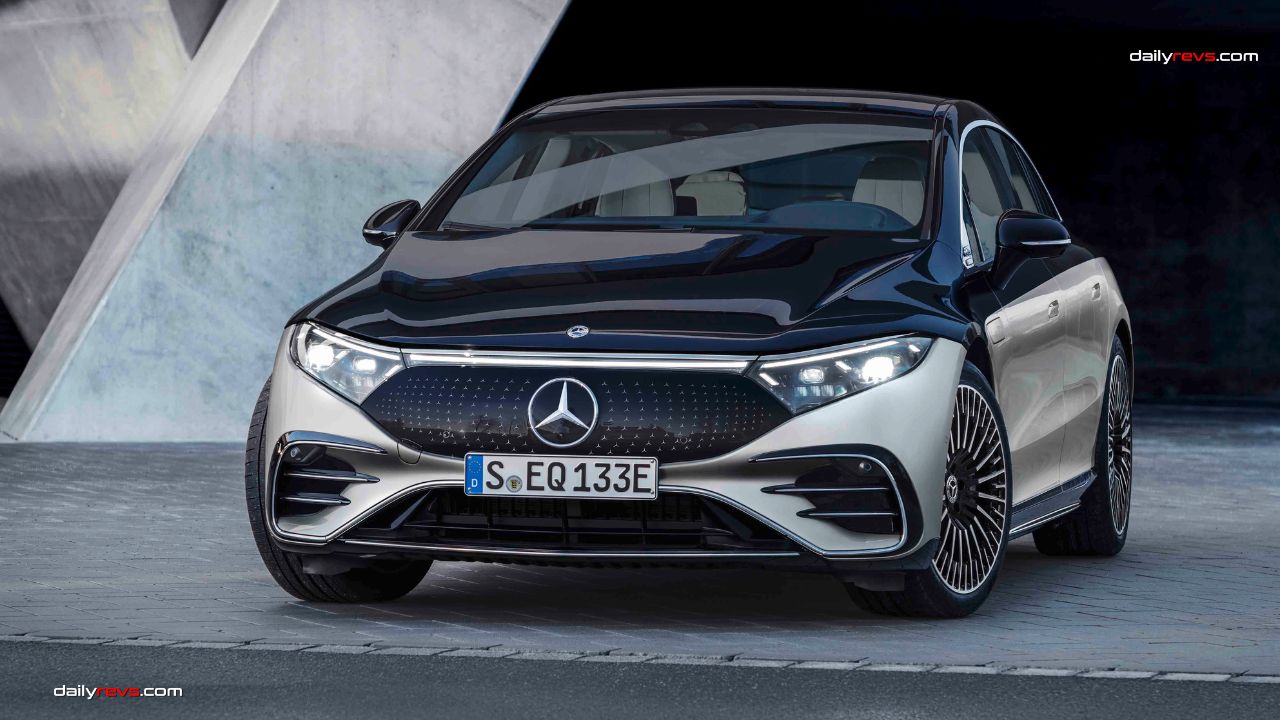
Mercedes-Benz seems to realize this mistake. The latest generation of models seems to pursue the same design direction by creating a closely related design language for both electric and combustion-engine powered cars instead of letting the two technologies have separate design identities. The company also seems to pay special attention to the proportions, which have become more traditional again, while introducing various innovations like a new lighting signature and new interpretations of Mercedes design elements.
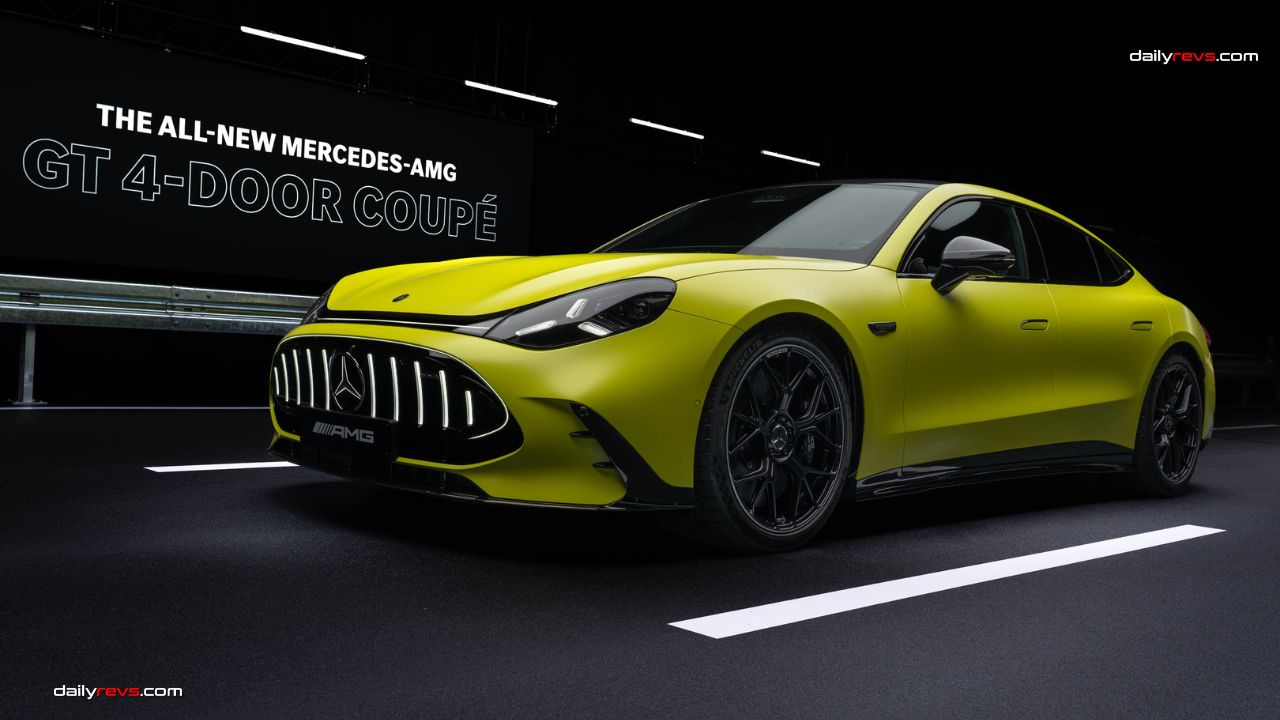
A Contemporary Interpretation of Mercedes Sports Car Tradition
The first thing is the originality of the concept that brings the feeling of familiarity. It does this without utilizing the excessive aerodynamics or complex details of the bodywork. The emphasis is put on proportions, surface quality and visuals, characteristics that have marked Mercedes-Benz's sports cars.
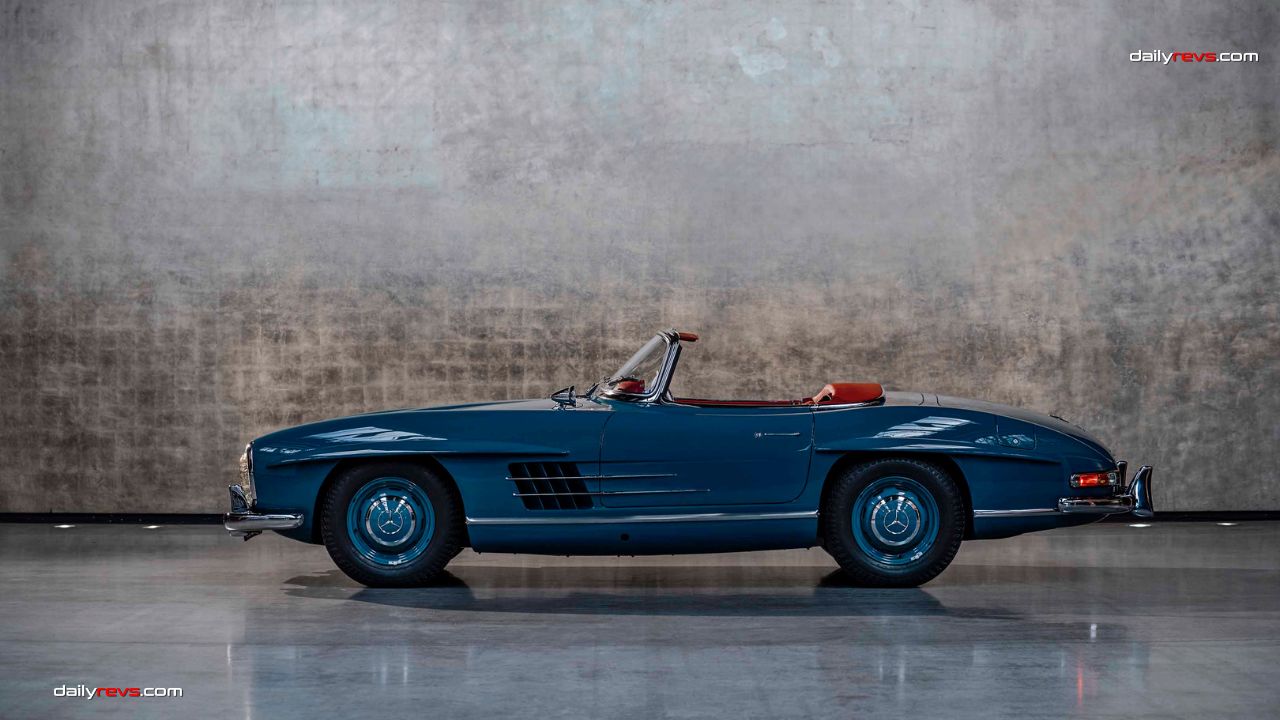
The classic front-mid-engine silhouette reflects the extraordinary length of the front hood, compactness of the passenger space, and powerful back arches conveying the message about the performance of the vehicle without any flashy accents. One of the main advantages of the concept is the natural flow of the body lines, making rigidity unnecessary.
Simplicity Becomes the Strongest Statement
The front part of the concept shows a good deal of restraint. Rather than cluttering the face with an oversized grille or elaborate opening designs, Bellevin gives the car an impressively clean front that allows the proportions to speak for themselves. Thin vertical lights highlight the corners of the body and introduce a modern yet not too far-fetched design. The three-point lighting motif clearly references the Mercedes star, but does this in a subtle way that avoids turning it into an obvious styling gimmick. The big central grille is understated and practical, and lack of any unnecessary crease gives opportunity for the sculptured hood to serve as a focal point of the design.
.jpg)
The twin power domes like surfaces that rise from the bodywork and follow a design philosophy that fans of Mercedes have learned to appreciate o ver the years. It is a front end that is perfectly contemporary yet does not look temporary.
.jpg)
The Influence of Classic Mercedes Roadsters Is Impossible to Ignore
While the concept created by Bellevin is completely unique, elements of design appear to be influenced by some of the renowned sports cars of Mercedes-Benz. The long bonnet and cabin positioned at the rear create a silhouette that can be associated with the iconic models such as the 300 SL Roadster, SLR Stirling Moss, SLS AMG Roadster, and even the contemporary AMG GT.

2013 Mercedes-Benz SLS AMG GT Roadster gallery
Instead of copying a special layout, the new concept uses the general ideas that are associated with each of the mentioned models: beauty in proportions, sophistication, and ease of operation. The open cabin strengthens that idea. Bellevin does not use the fact that the car has no roof as an opportunity to have a creative design. Instead, he employs it to underline the simplicity of shapes.
.jpg)
In the absence of a usual roof, the bulging surface of the car becomes even more evident, giving the car a specific character. The massive rear wings smoothly go into the rear of the car. Due to that, the vehicle has a stable and powerful design and remains at the same time quite elegant in form.
A Modern Cabin That Puts the Driver First
The interior of the car is just as well thought out as the exterior. It manages to avoid the temptation to put touchscreens everywhere, and instead focus on creating a driving-orientated cockpit that doesn't sacrifice style for the latest technology.
.jpg)
A large digital display takes pride of place on the dash, but it's surrounded by other details that make the interior feel special. From the quilted leather and carbon fibre accents to the Alcantara and satin aluminium, it's a mix of high-end materials, but it's the flat-bottomed sports seats, six-point harnesses and minimalist windscreens that give the interior just the right amount of roadster appeal.
.jpg)
The centre console is also something special. With physical switches and dials, it retains some of the traditionalism of driving that so many performance cars are now lacking in their pursuit of tech-heavy touchscreens. But the most interesting part of the cabin is the apparent manual gear lever. Whether it's a real thing or just a stylistic feature, it's a nice way to bring in some driving engagement that's sadly lacking elsewhere in the modern performance car market.
.jpg)
The steering wheel itself is also noteworthy, as it combines a modern design with traditional paddle shifters and control elements. The blue upholstery adds a pop of colour to the cabin without overwhelming the driver.
Designed Like a Pure Mercedes
The exterior maintains that same restraint. Bellevin refuses the urge for big diffusers, big vents, or big graphics, and instead uses proportioning. The long bonnet and muscular rear haunches create proportioning, while the design remains clean and the sides clear thanks to small intakes and small light signatures.
.jpg)
The concept's greatest strength is that it actually feels believable. Most designs that stray from the sketches become wildly unreasonable, while Bellevin's Mercedes-AMG Concept is not fantasy. Visually, it is very believable, and as a result, it is very easy to see this is a sports car from Mercedes and not a fantasy of something that could not be built.
.jpg)
Because Mercedes-Benz is still shaping their verbal style of design for the electric era, their newer designs show that the current age technology and the design and beauty of the sports car do not need to be at opposites. Bellevin shows there is still plenty of room for creativity in Mercedes performance cars.
Connect with Justin Bellevin
To explore more of Justin Bellevin’s work, including ongoing projects and portfolio highlights, you can follow or connect with him on the following platforms:


