
2026 Ford Ranger Super Duty XLT
By Lorenzo Bianchi December 2, 2025
Equipped with a 3.0-litre turbo-diesel V6 delivering 154 kW and 600 Nm.
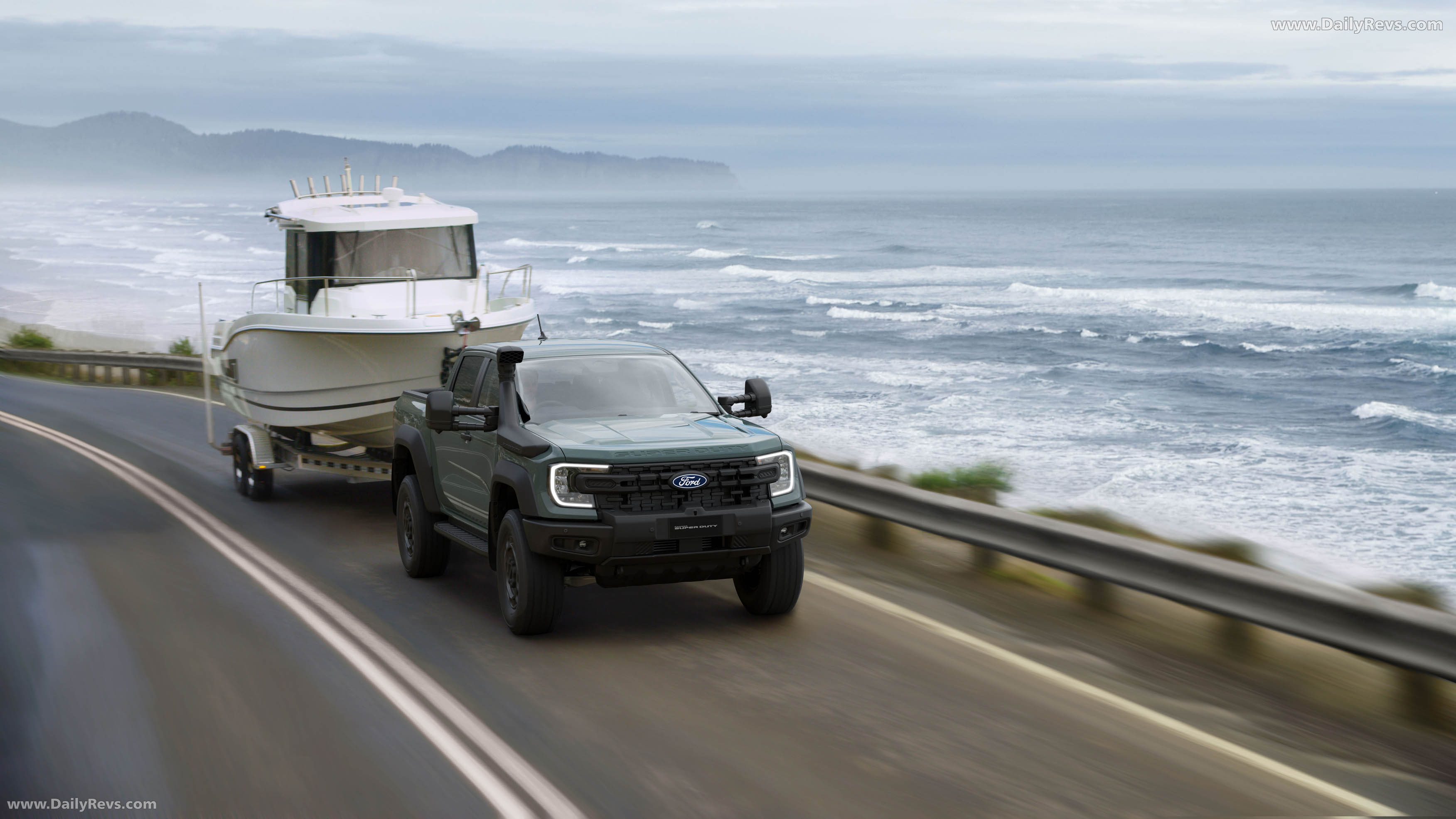
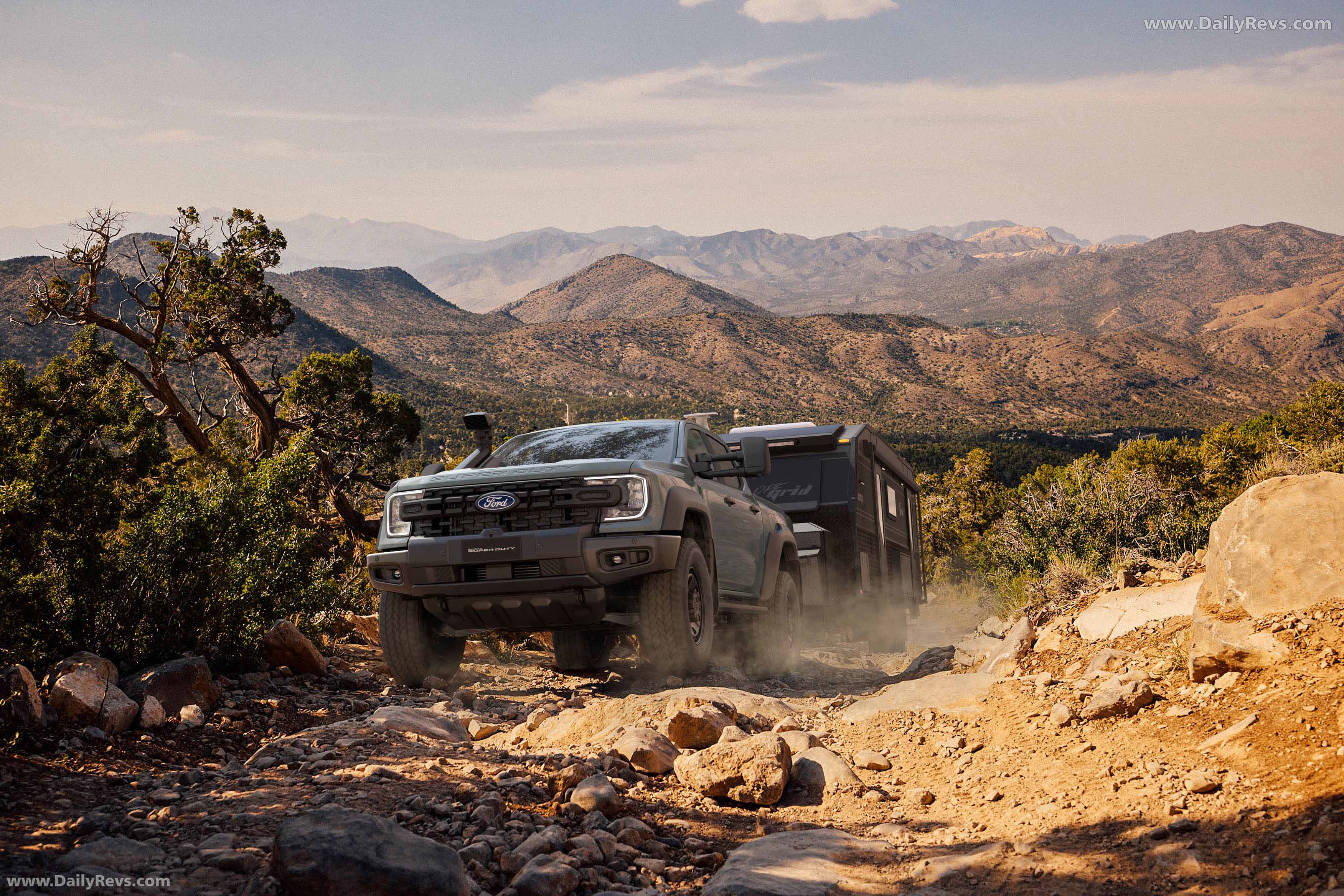
Rated for up to 4,500 kg braked towing and a gross vehicle mass (GVM) of 4,500 kg.
Built on a reinforced chassis with heavy-duty suspension, locking differentials, 33″ all-terrain tyres and 130 L long-range fuel tank.
Design and Proportions Emphasise Capability
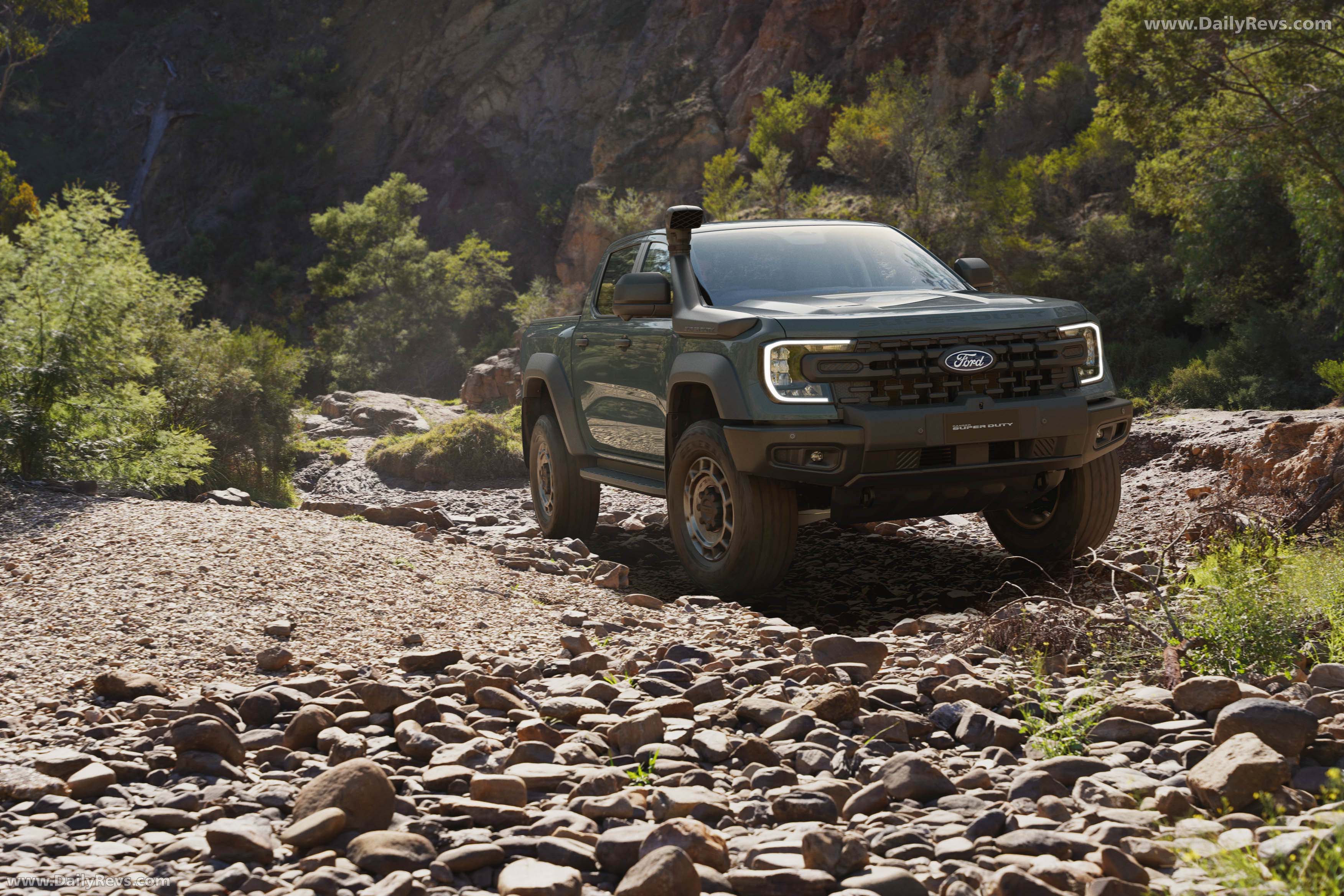
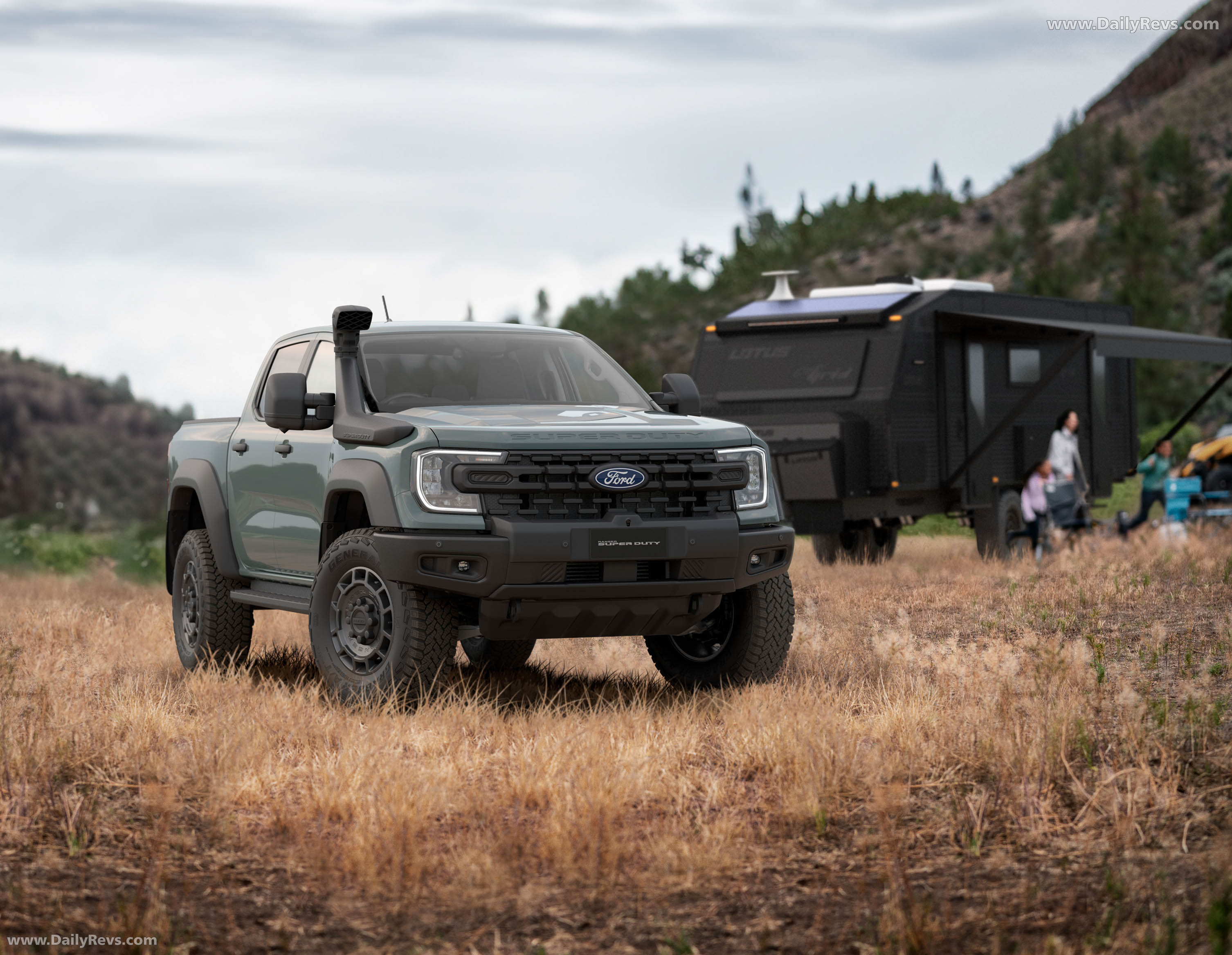
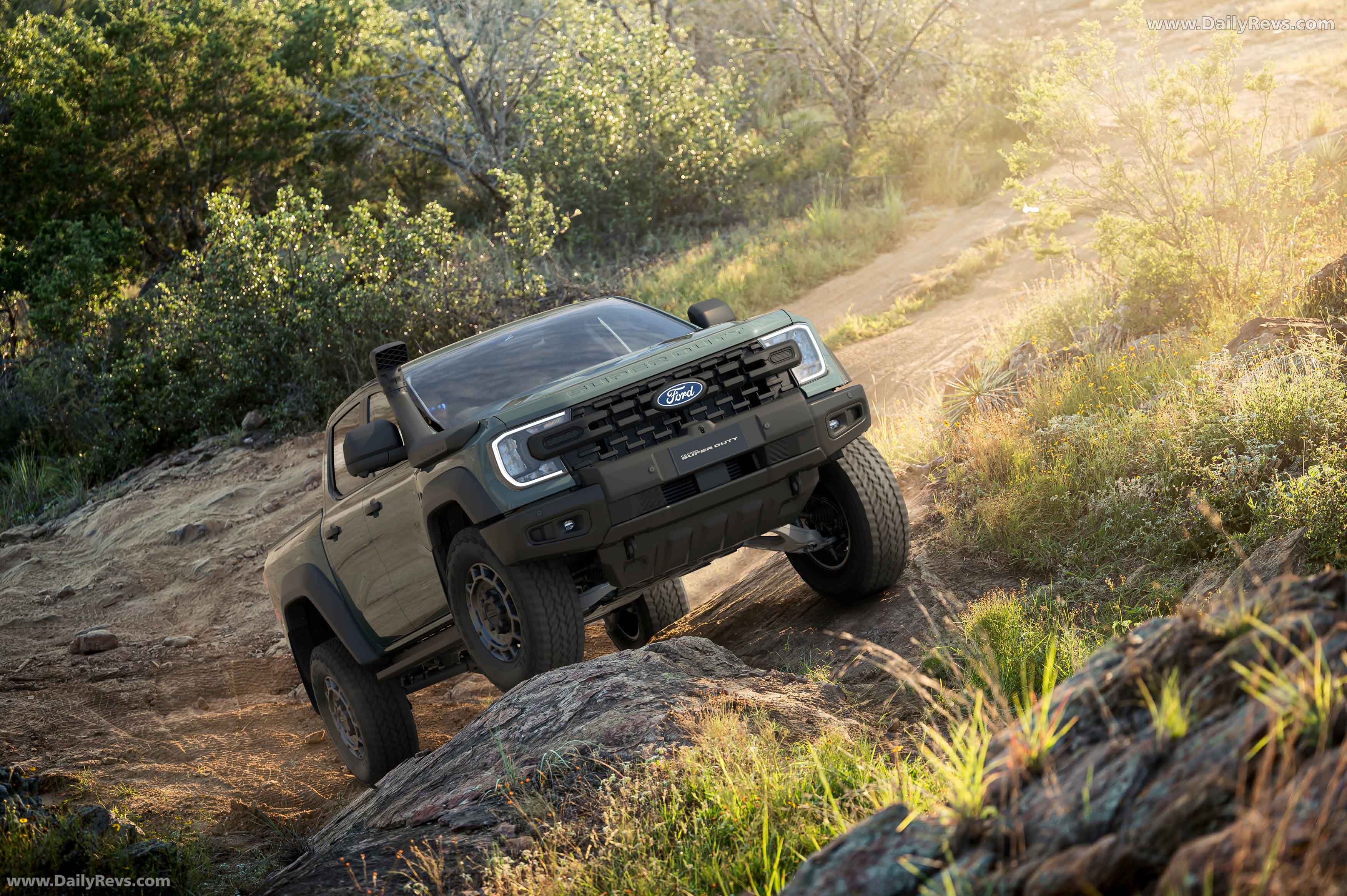
The 2026 Ford Ranger Super Duty XLT presents a more robust physical presence than a standard Ranger. The front end features a distinctive jammed grille bearing “SUPER DUTY” embossing, flanked by C-clamp LED headlamps and LED daytime-running lights.
Visually the truck sits higher, with a raised ride height and wider track (about 1,710 mm).
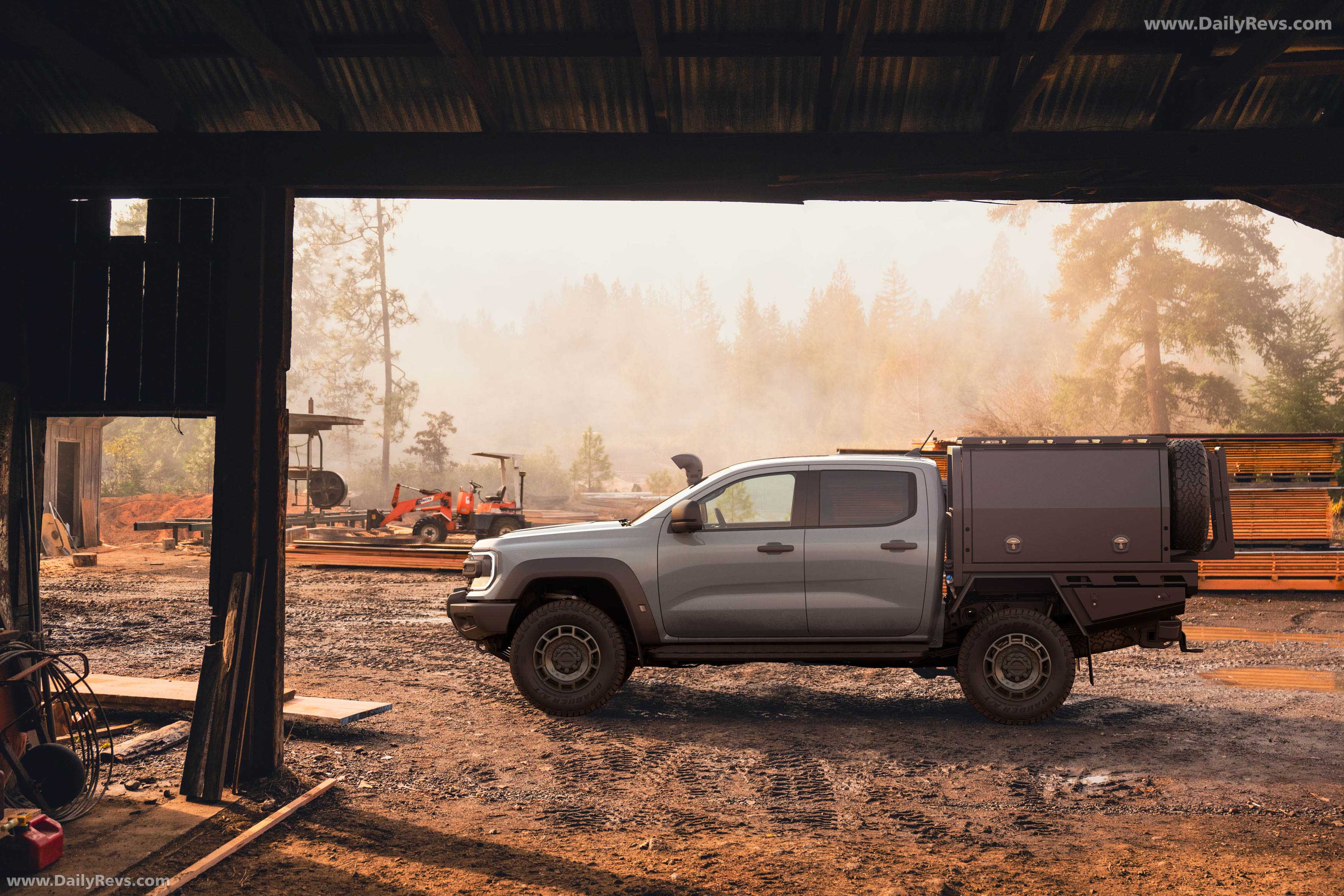
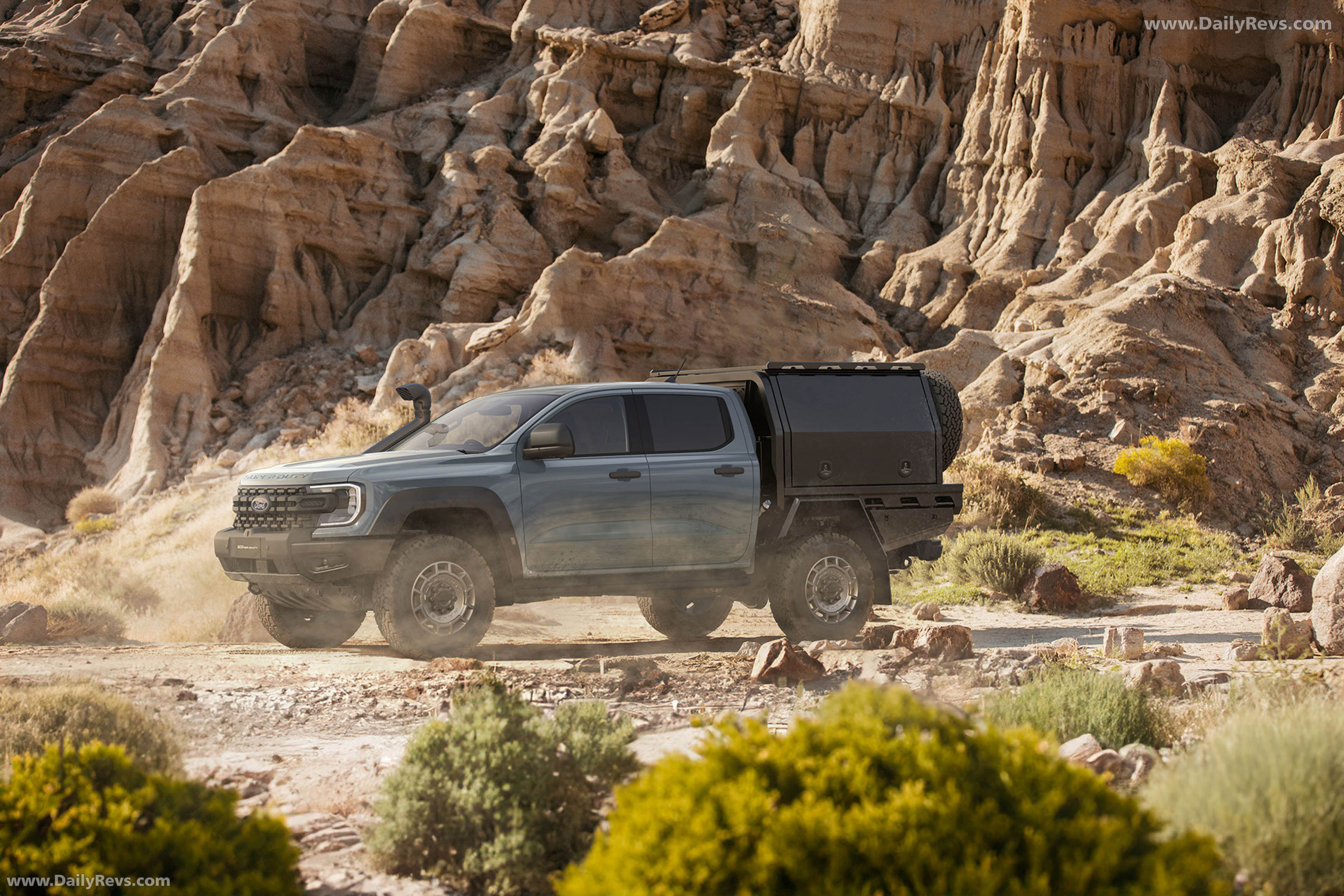
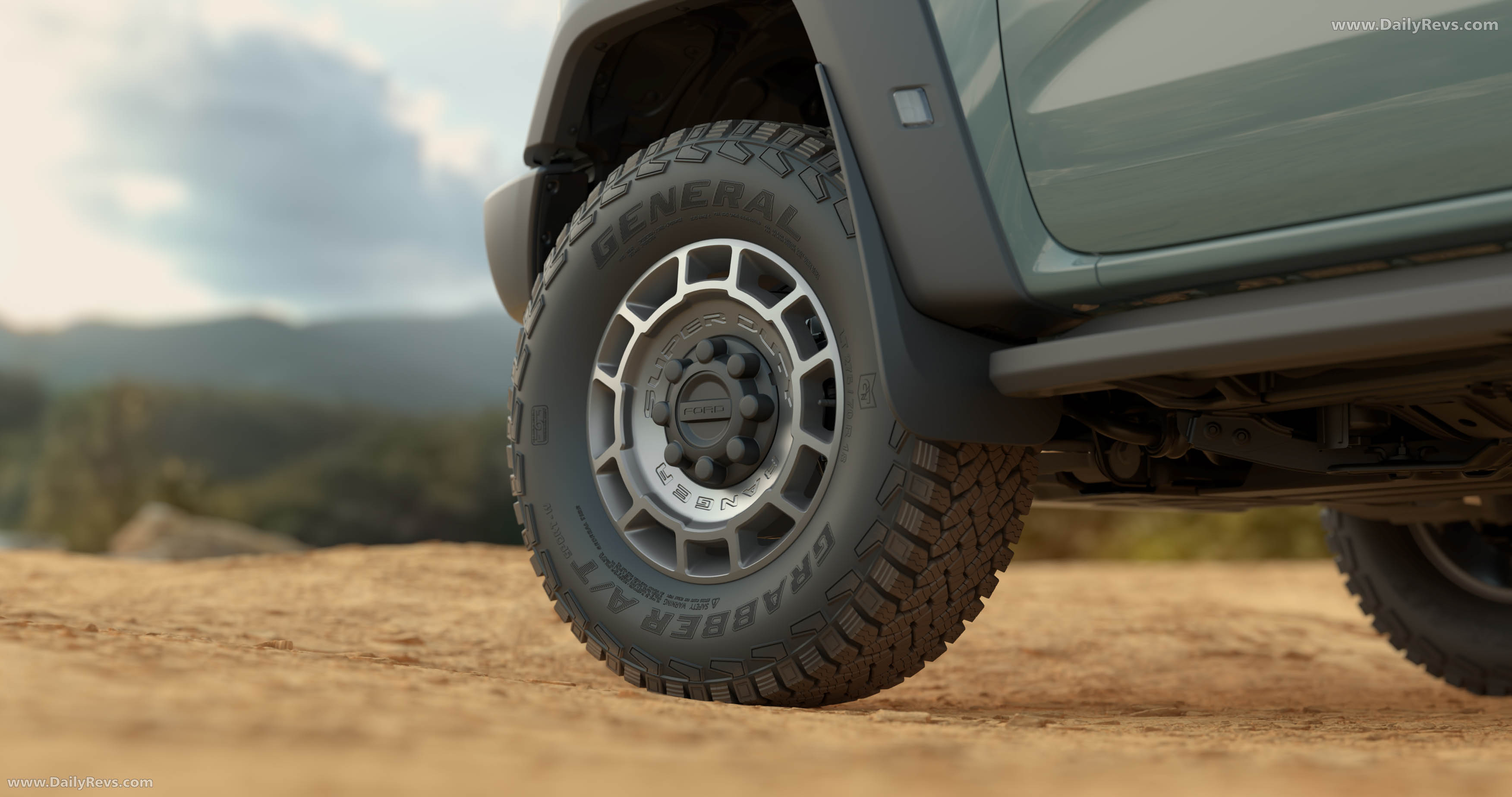
Large 33″ all-terrain General Grabber tyres fill squared-off wheel arches — the stance looks firm, ready for off-road or load-heavy tasks. The body reads purposeful: flanks are clean, surfaces minimal, hinting at functional utility over styling flair.
Overall, the design communicates strength – this is not an SUV dressed as a pickup, but a truck intended for rigorous labor.
Performance and Heavy-Duty Capability
The 3.0-liter turbo-diesel V6 engine that powers the Ranger Super Duty XLT produces 154 kW at 3,250 rpm and a massive 600 Nm of torque at 1,750 rpm.
This engine is combined with a 10-speed automatic transmission and full-time 4WD, intended to cope with continuous heavy loads and towing demands.
On the capability side, the Super Duty is rated for a braked towing capacity of 4,500 kg, a gross vehicle mass (GVM) of 4,500 kg, and a gross combined mass (GCM) up to 8,000 kg.
Reinforced suspension, heavier- duty axles, eight-stud wheel hubs, and thicker driveshafts underpin the powertrain — they form a foundation meant for heavy work, whether towing trailers, hauling loads, or venturing off-road.
Off-road readiness is further supported by locking front and rear differentials, dual recovery hooks, up to 299 mm ground clearance (on cab-chassis models), and a sealed snorkel for deep water crossings.
A 130-litre long-range fuel tank, protected by steel shielding, completes the package — offering extended range for remote work sites or long hauls.
Features and Interior Setup
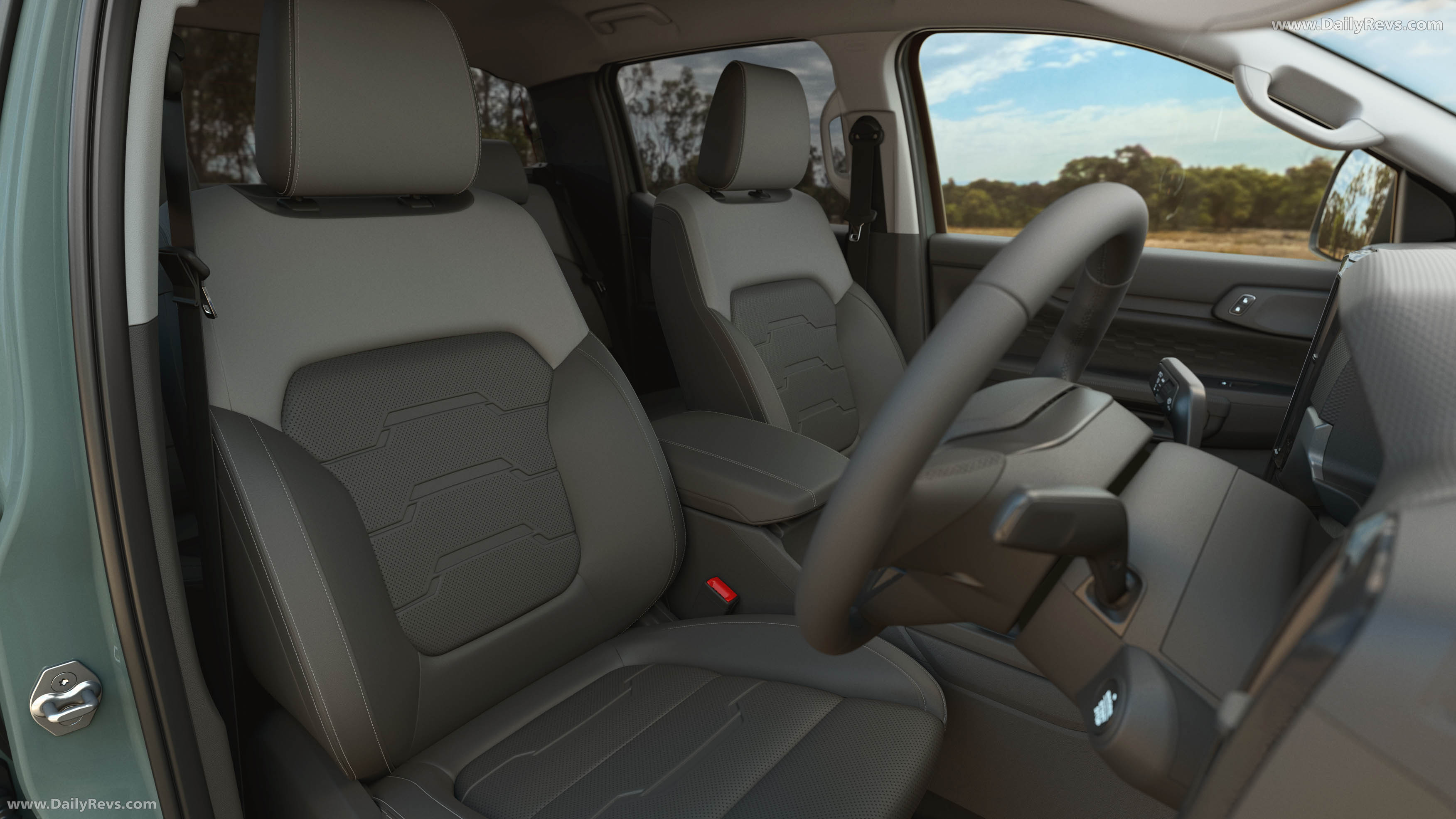
Although the Super Duty targets work and heavy-duty use, the XLT trim aims to blend capability with comfort. According to product documentation, the XLT is outfitted with alloy wheels and “touring-focused upgrades,” indicating the pickup is meant not just for jobsites but for long-distance drives as well.
Inside, Ford retains Ranger’s usability: features such as driver-assist technology, a full-time 4WD system, and the provision to mount essential devices and work gear via the Integrated Device Mounting System and Instrument Panel Top Console Mount.
For those needing to haul heavy loads or trailers, tech such as Onboard Scales (to estimate load weight) and Smart Hitch (to assess towball weight and load distribution) are offered — useful tools to avoid overload and ensure safety.
Market Positioning and Segment Context
With the launch of the Ranger Super Duty, Ford aims to redefine expectations in the mid-size ute segment — particularly for buyers needing work-grade toughness without stepping up to full-size trucks like the American F-Series or global heavy-duty pickups.
Pricing for the cab-chassis variants begins at AUD $82,990 (excluding on-road costs), rising to $89,990 for the dual-cab chassis variants.
The XLT version, arriving mid-2026, is pitched at buyers who demand serious heavy-duty capability but expect enough comfort and practicality for long-distance travel or mixed usage — whether worksite, farm, or remote outback trips.
In a crowded field of mid-size utes and light trucks, the Ranger Super Duty XLT stands out for its factory-backed heavy-duty hardware, strong towing and hauling specs, and a package that balances toughness with usability.