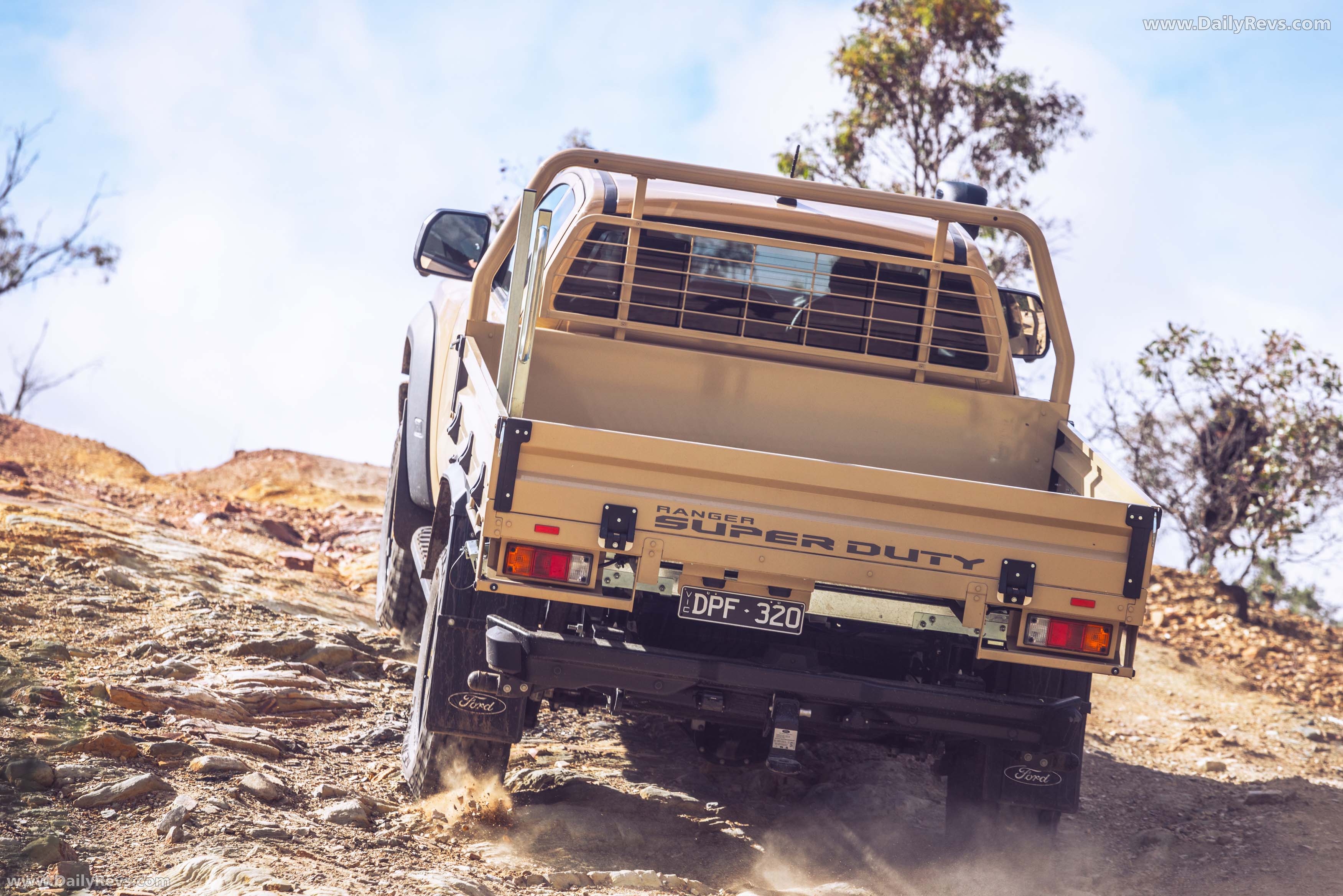
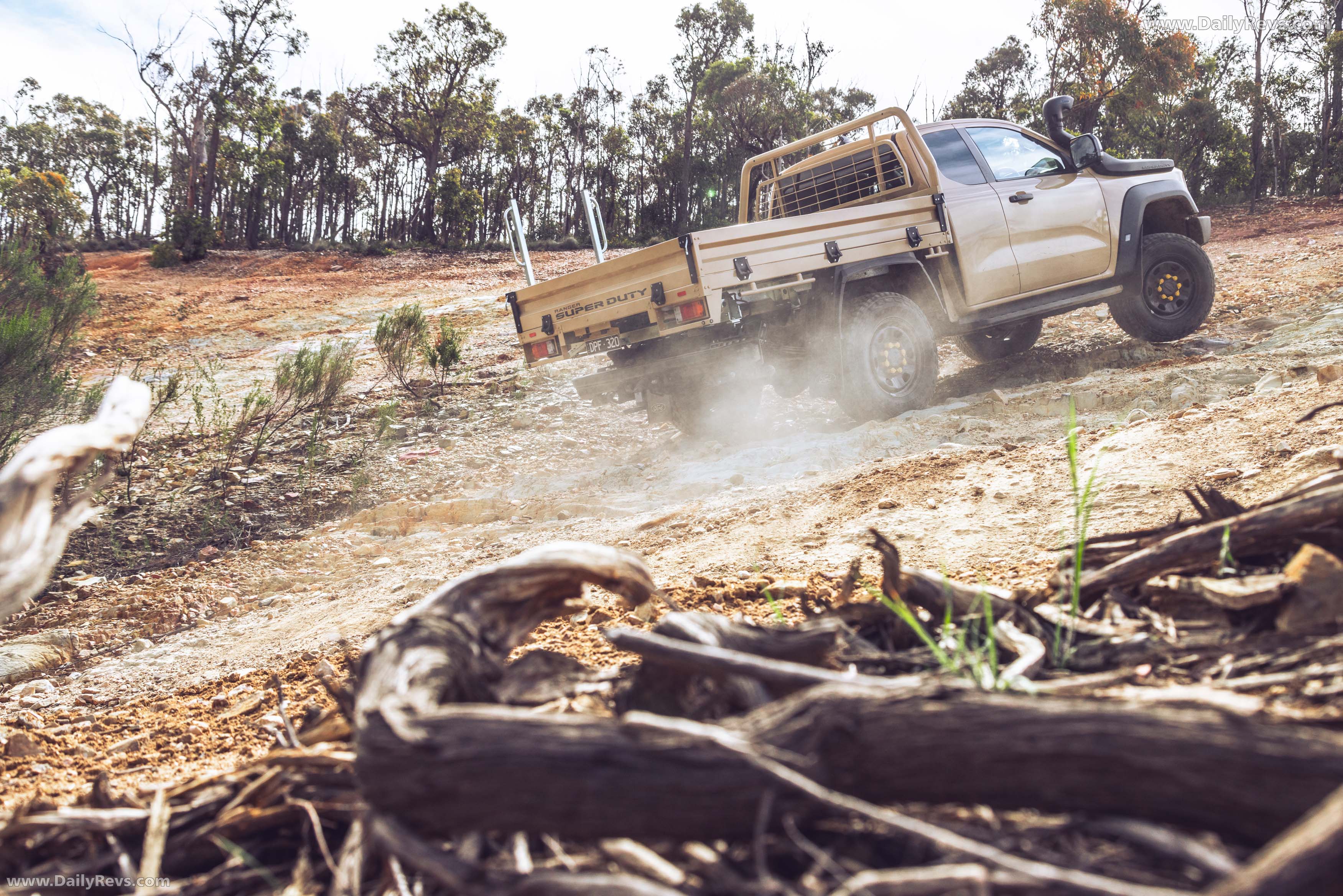
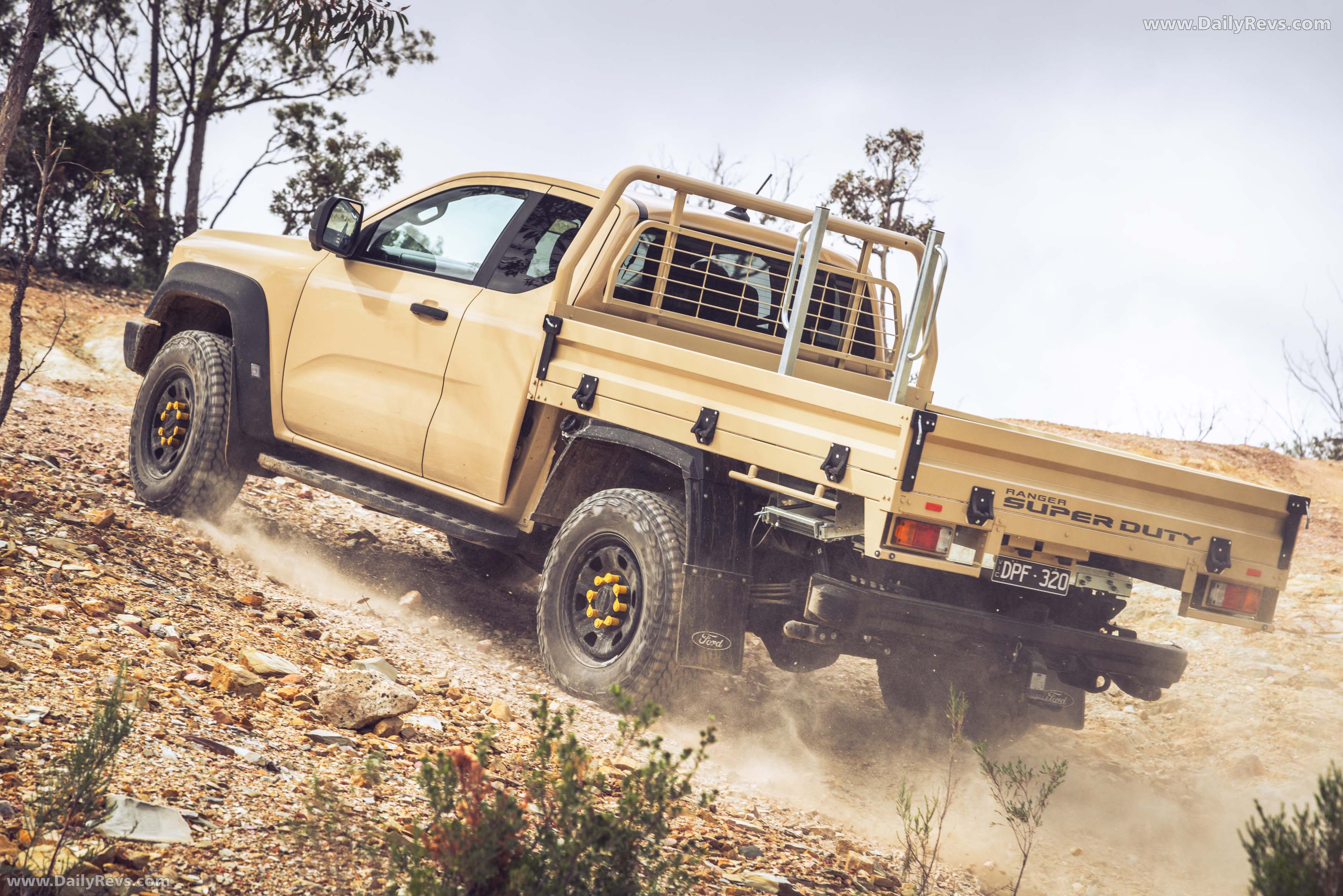
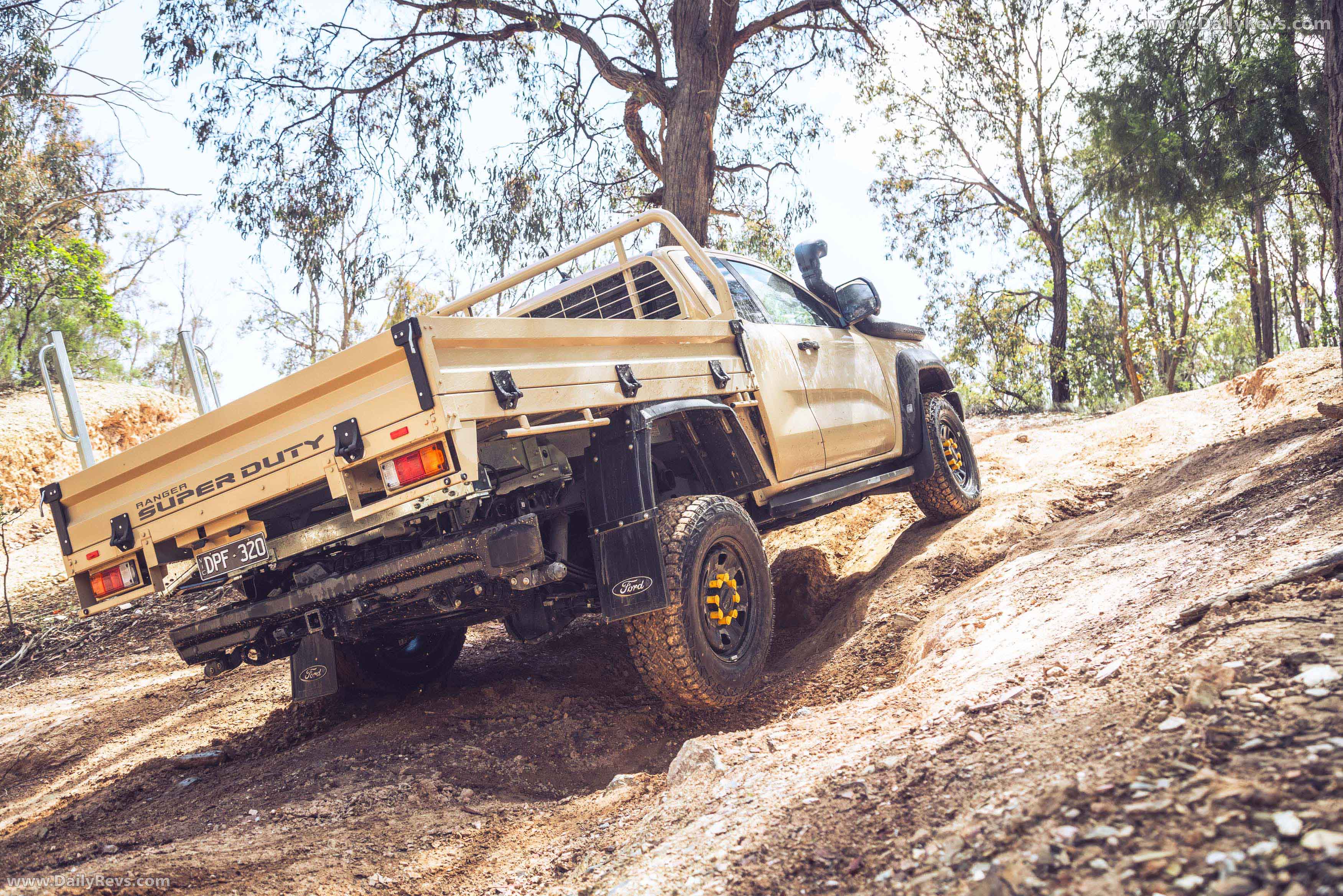
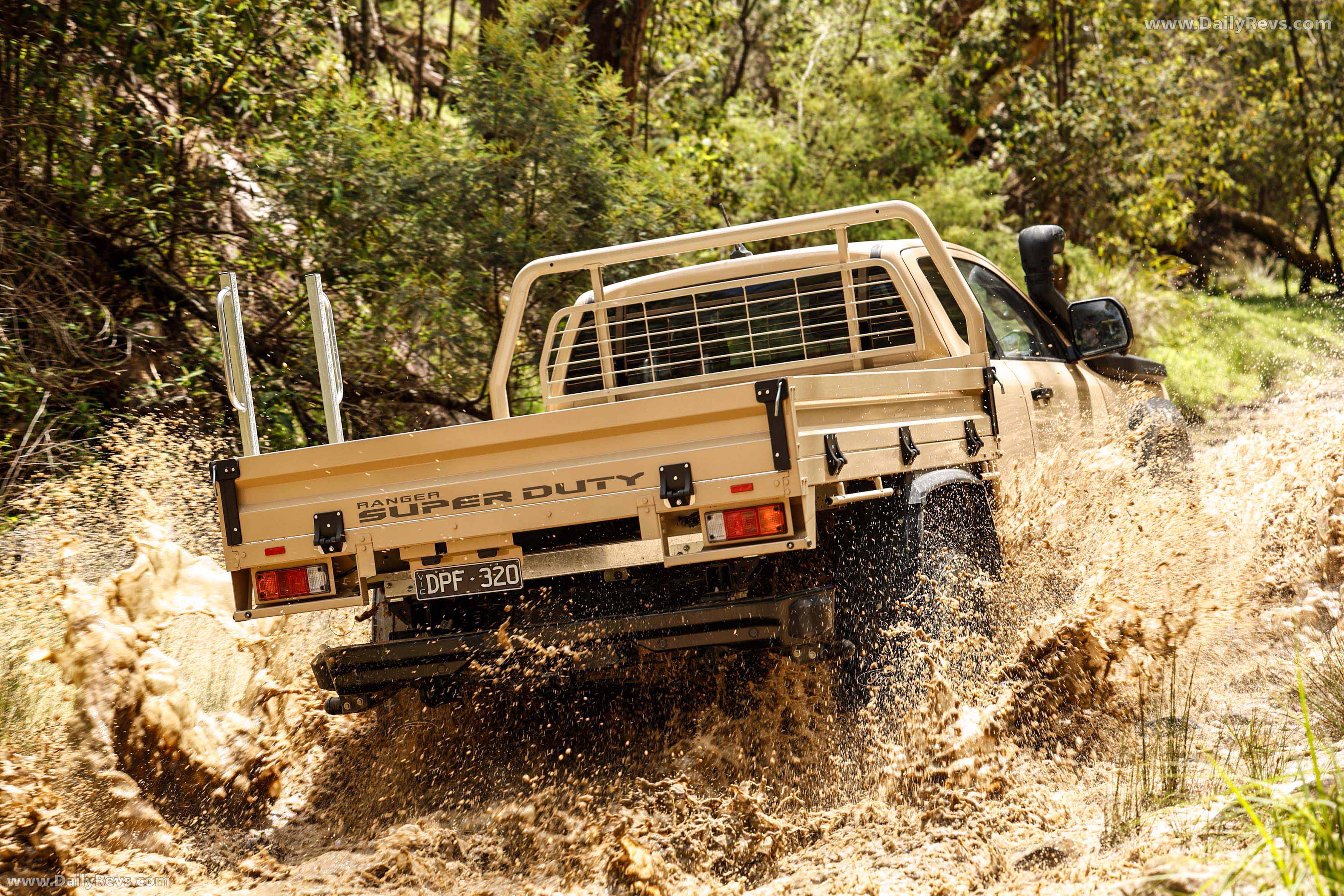
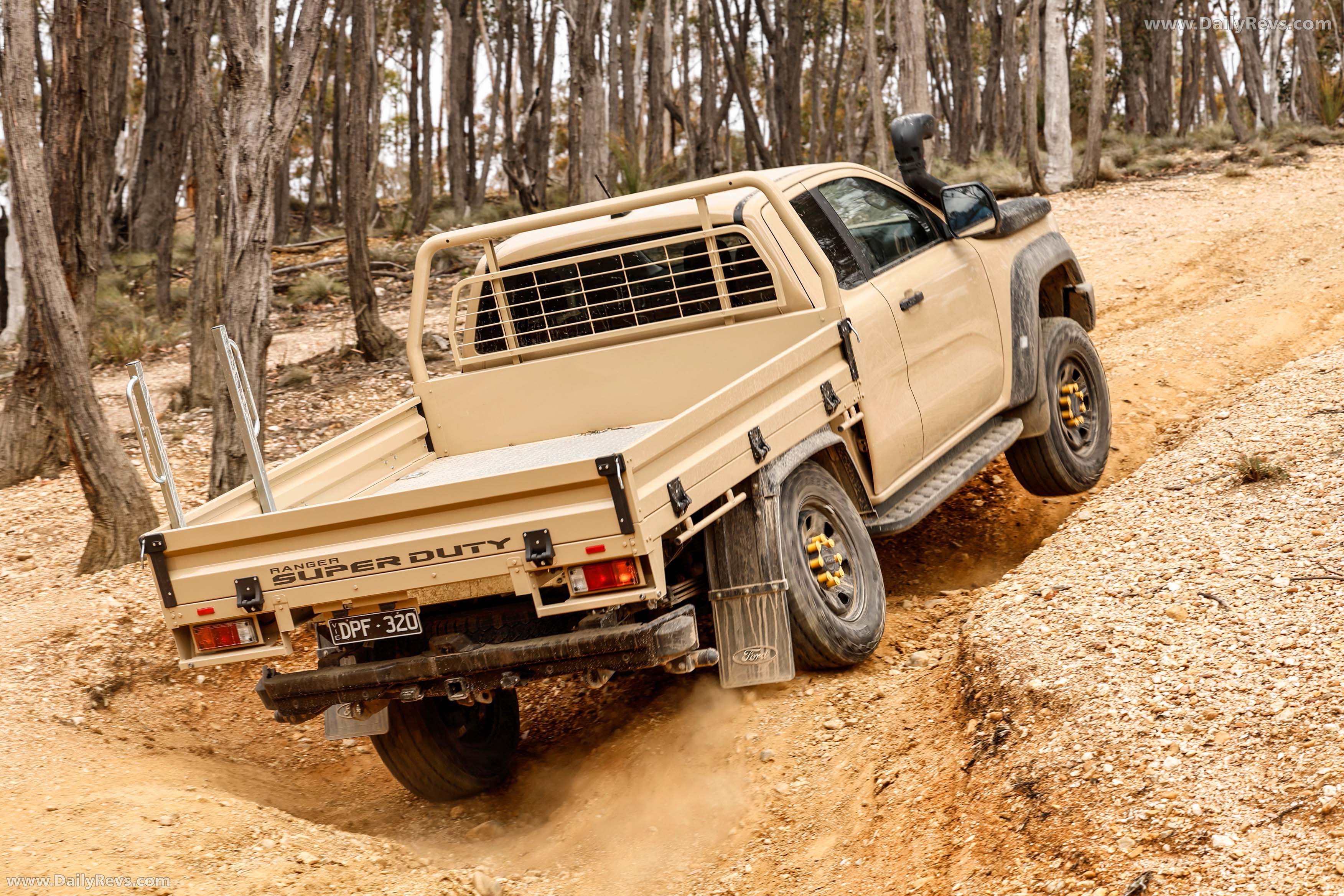
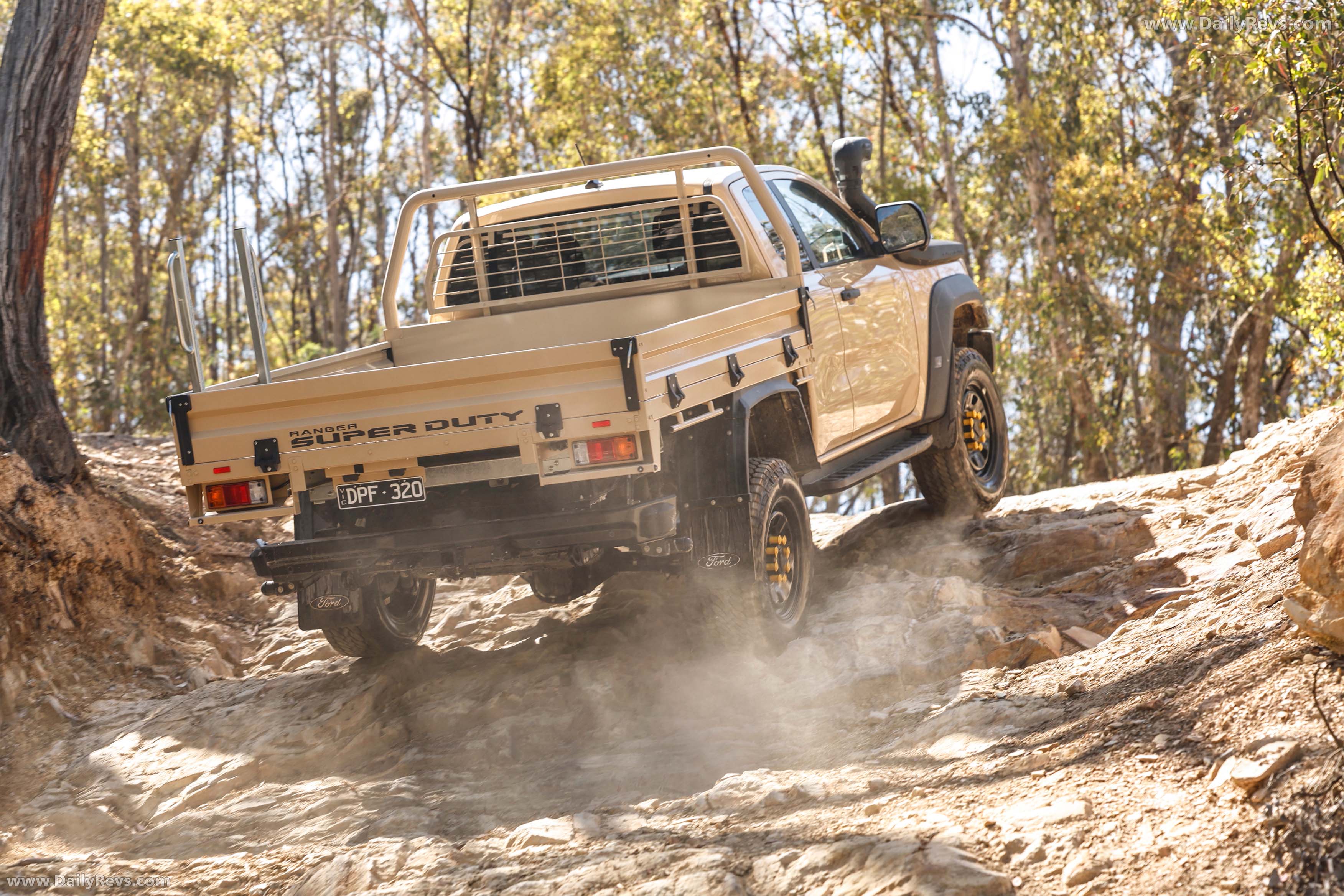
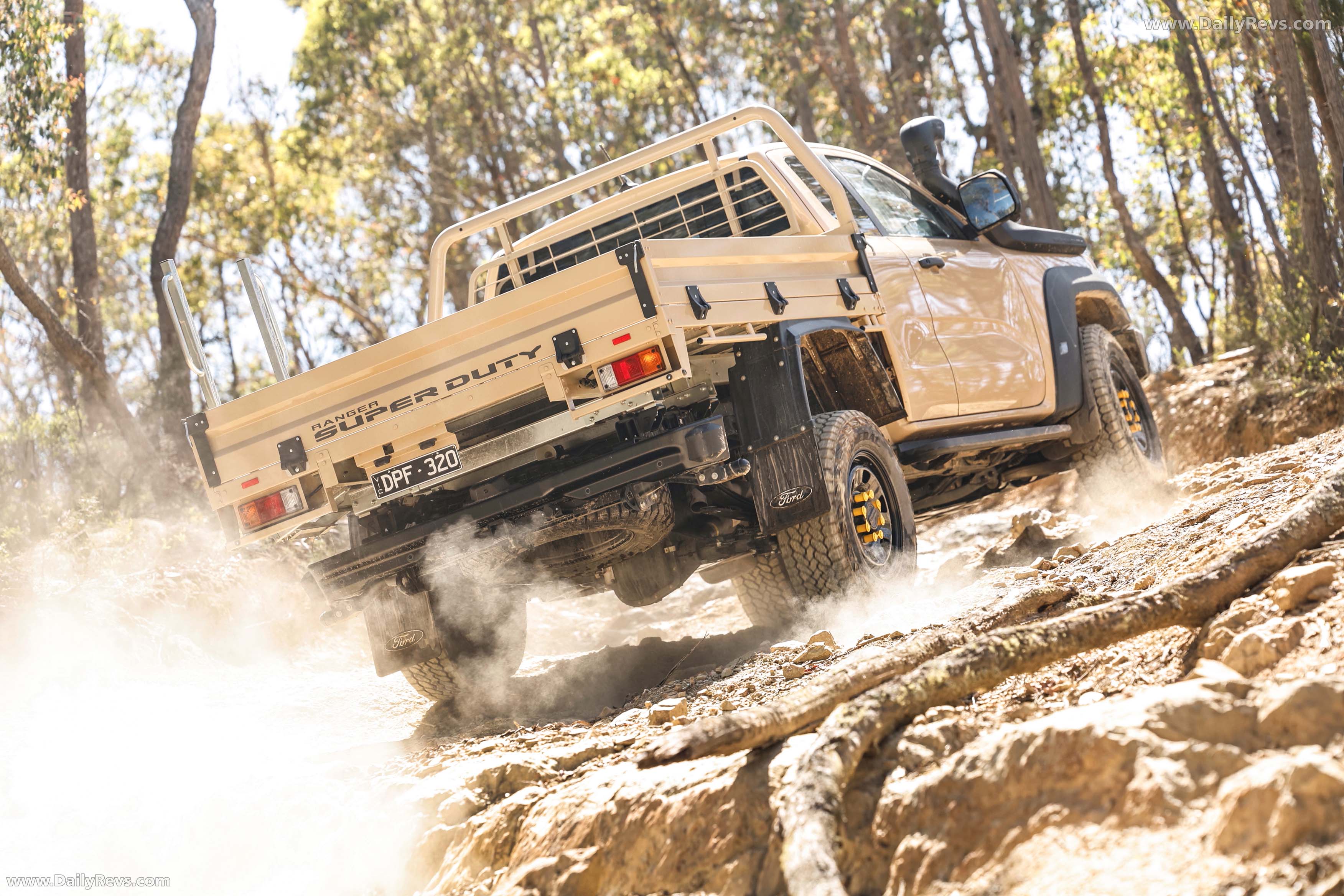
2026 Ford Ranger Super Duty Super Cab
By Lorenzo Bianchi November 28, 2025
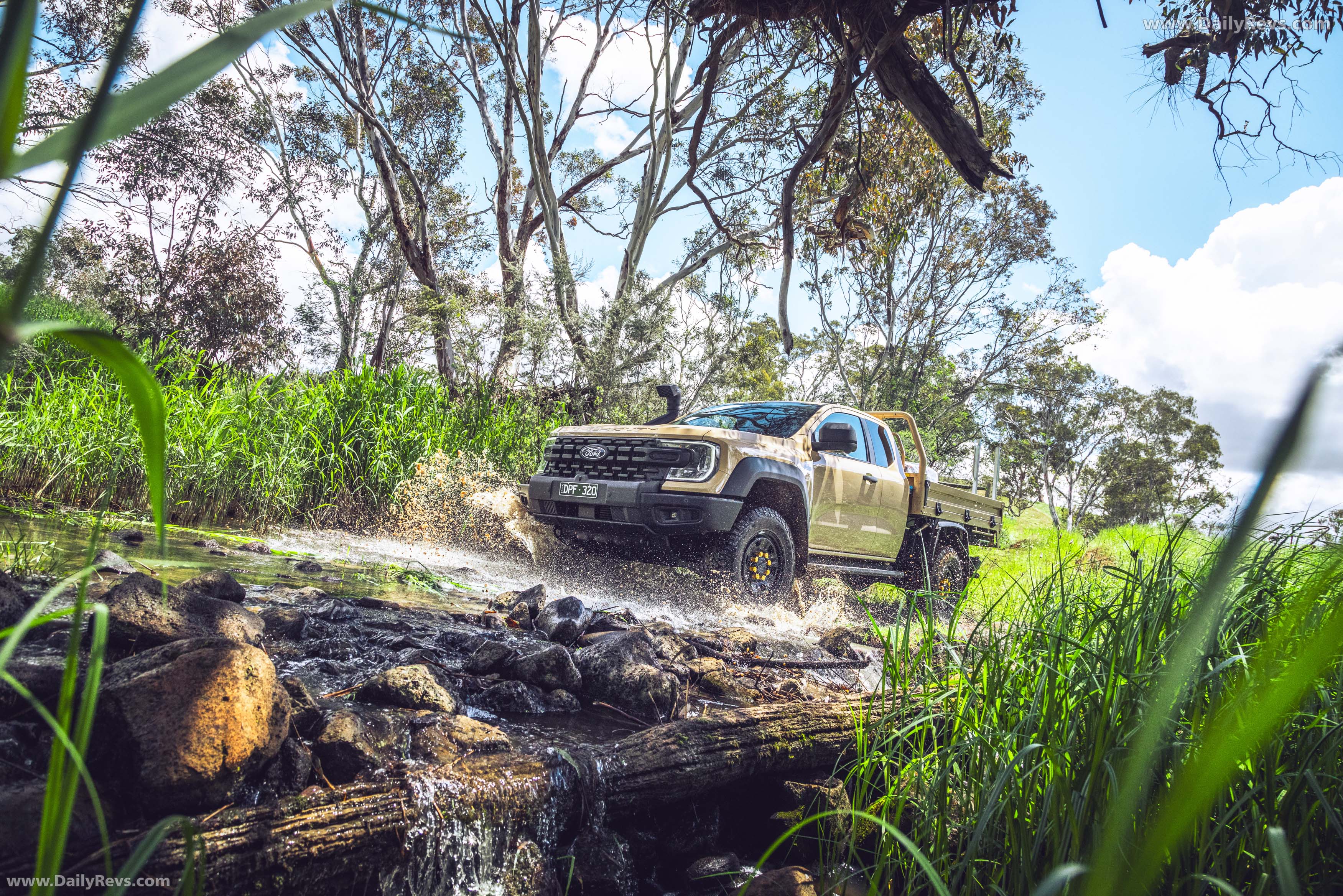
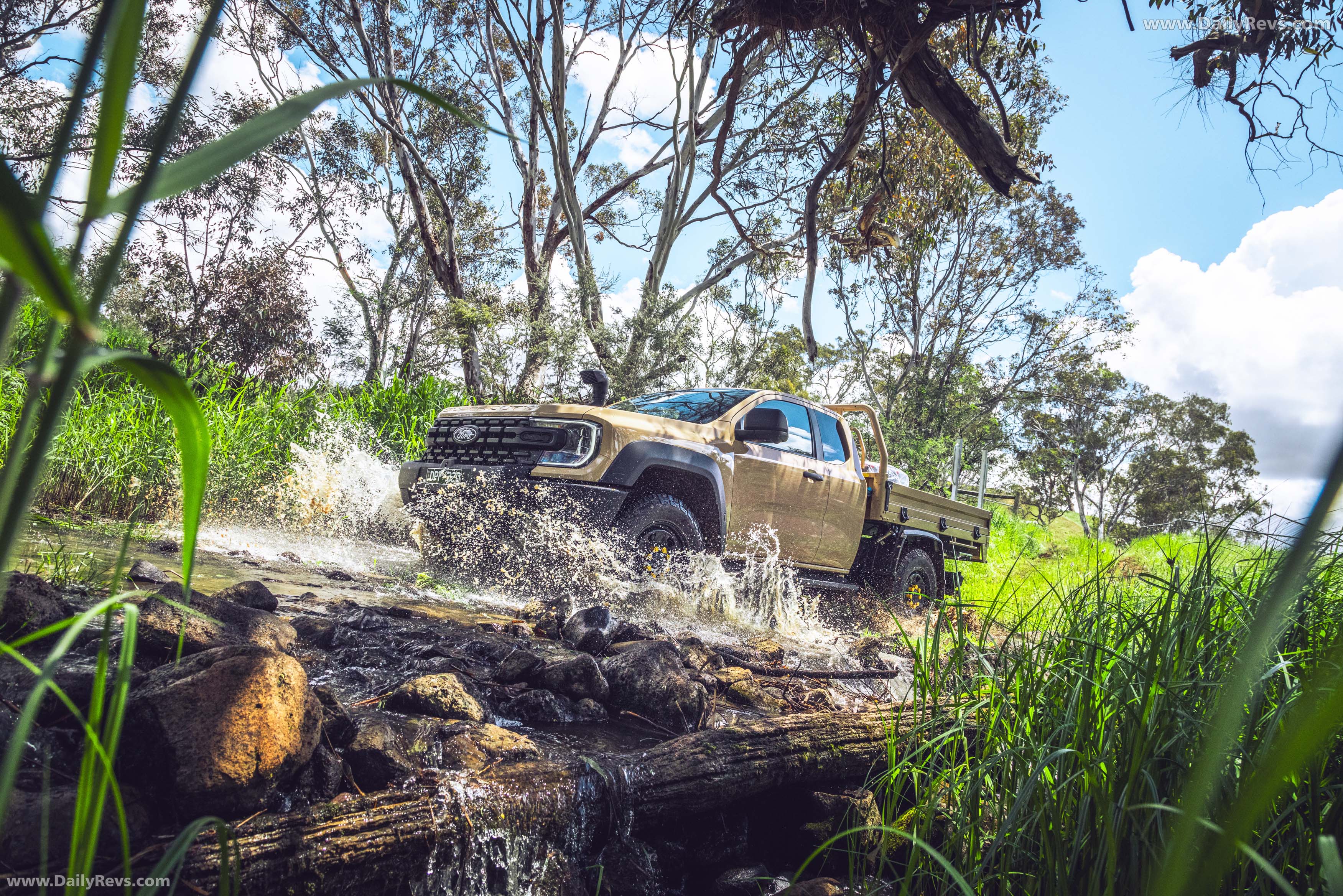
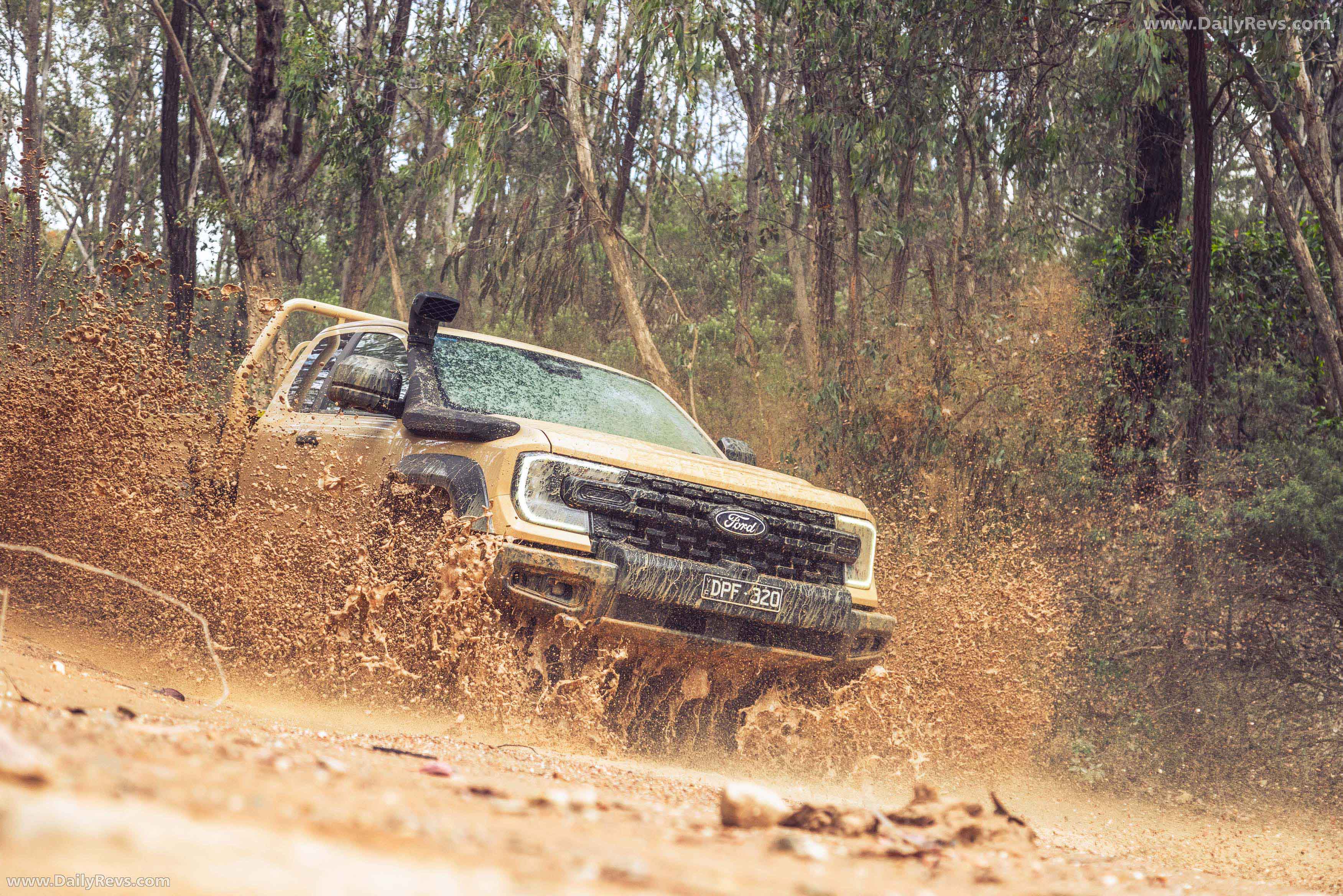
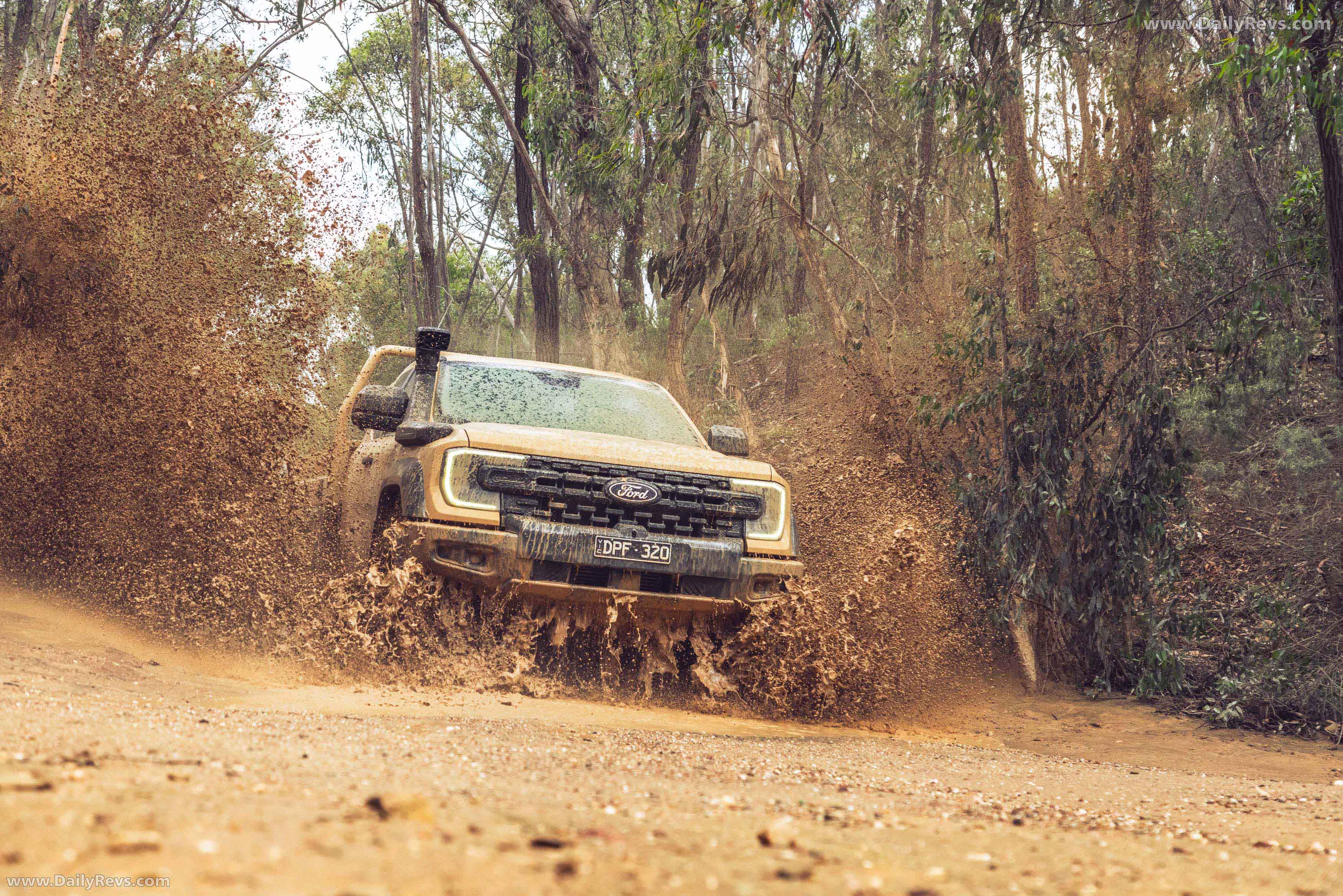
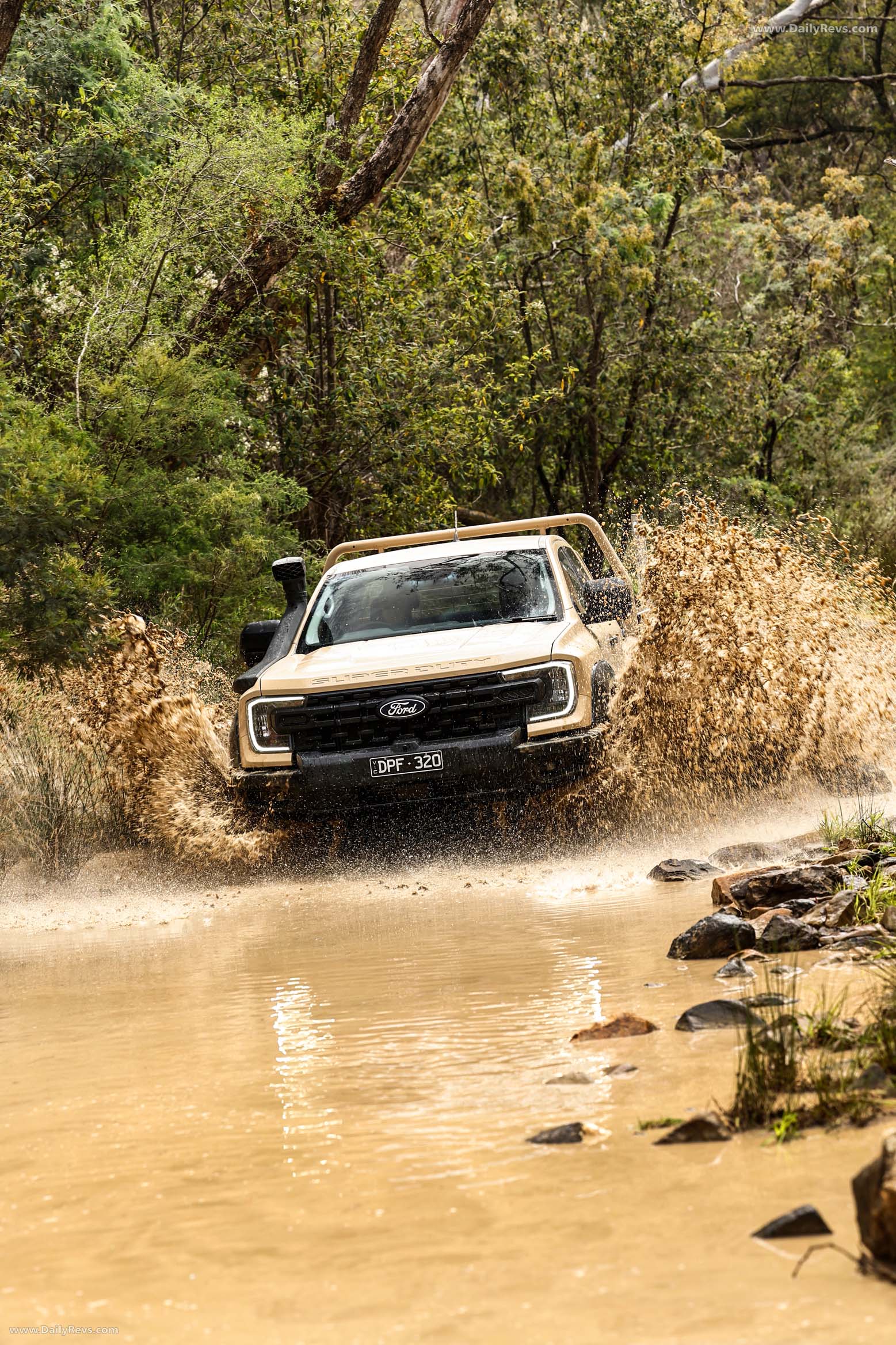
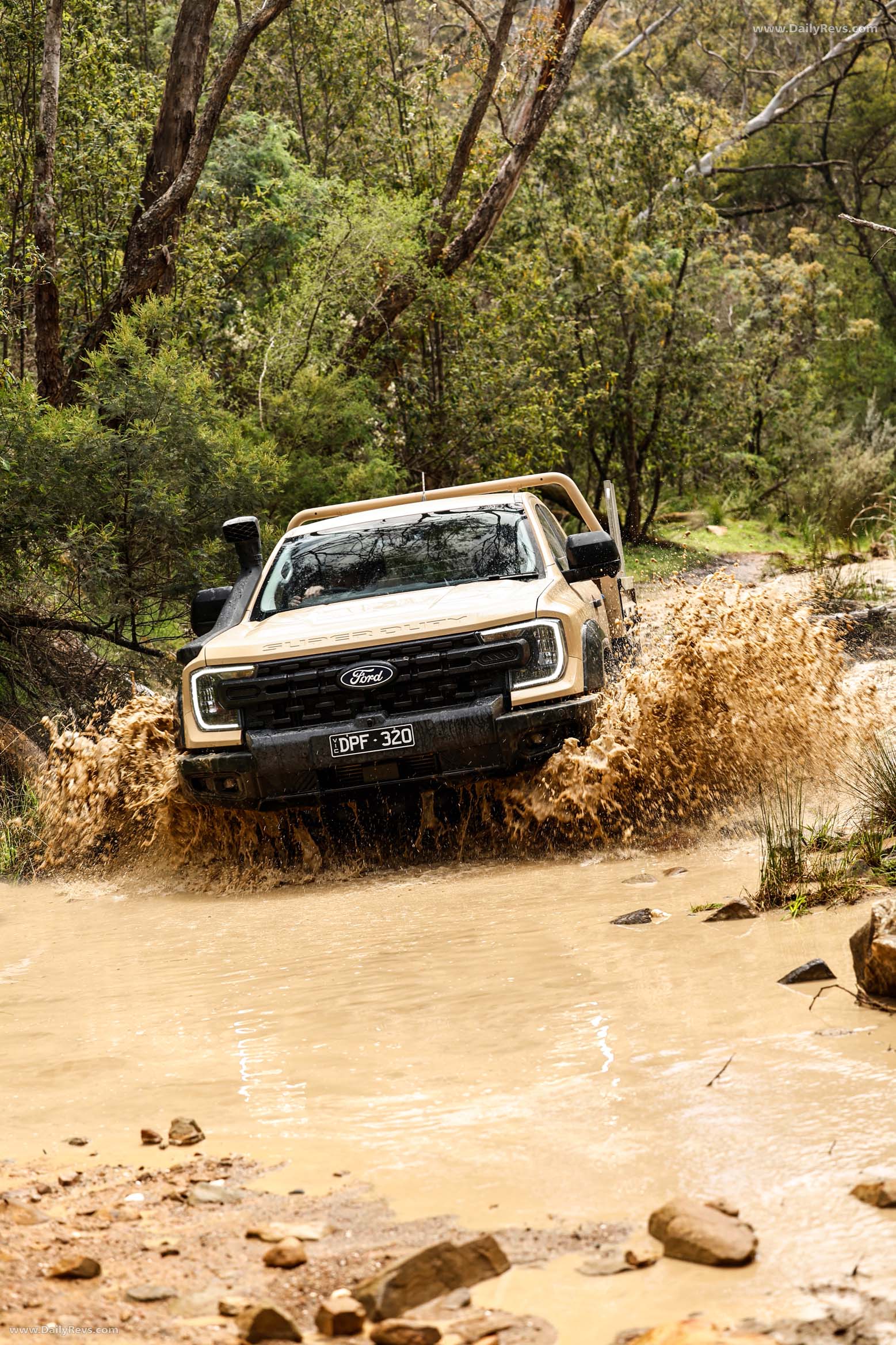
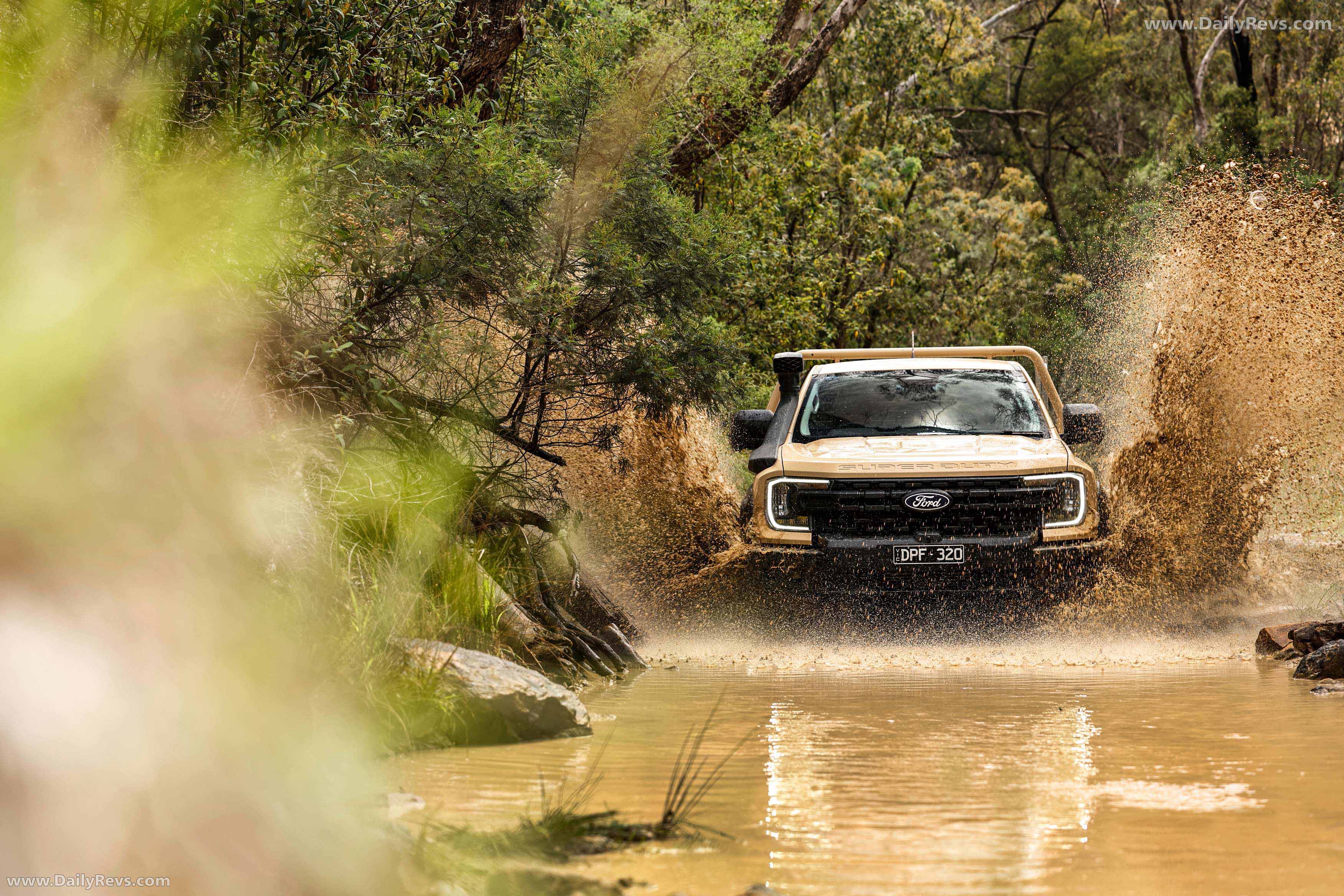
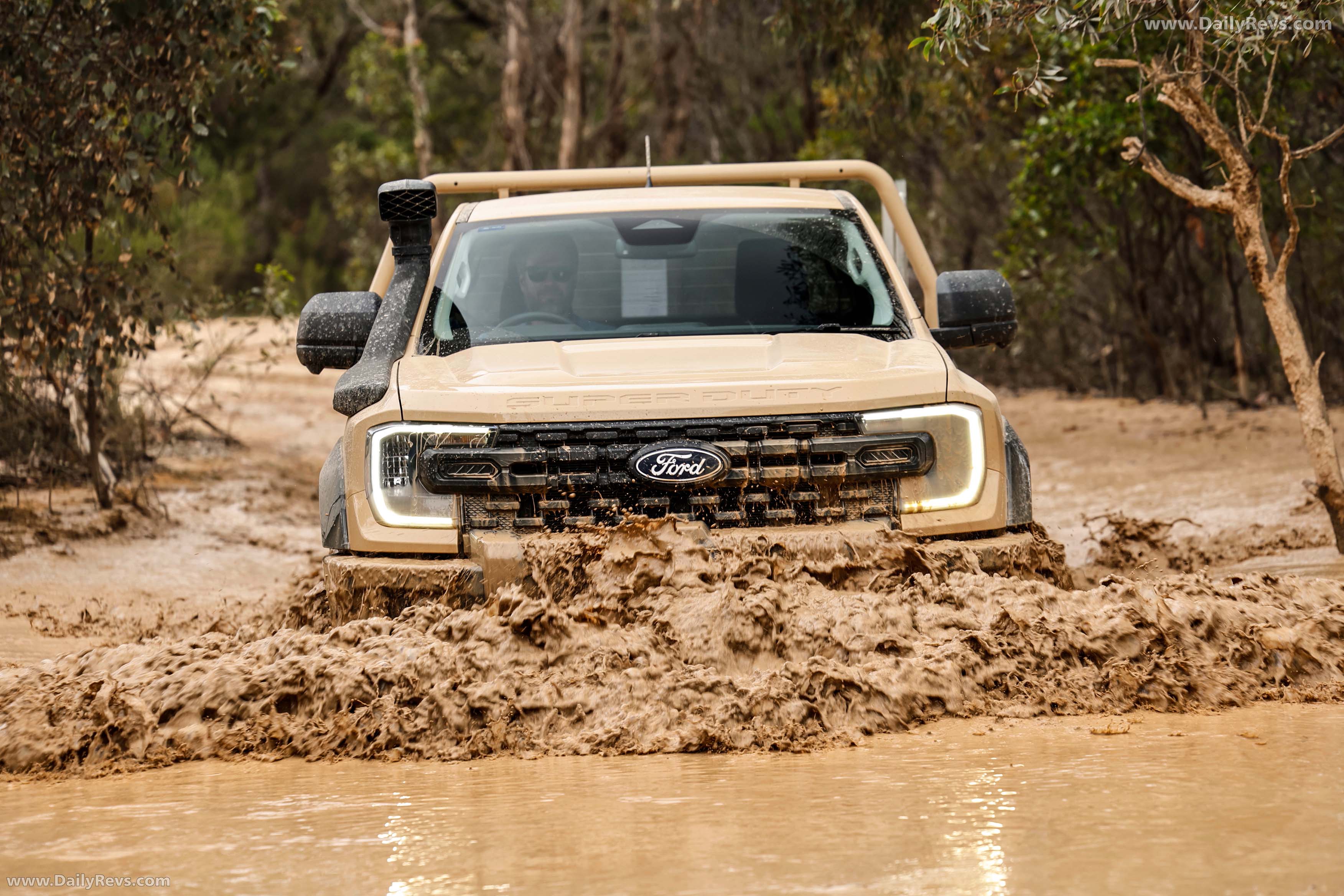
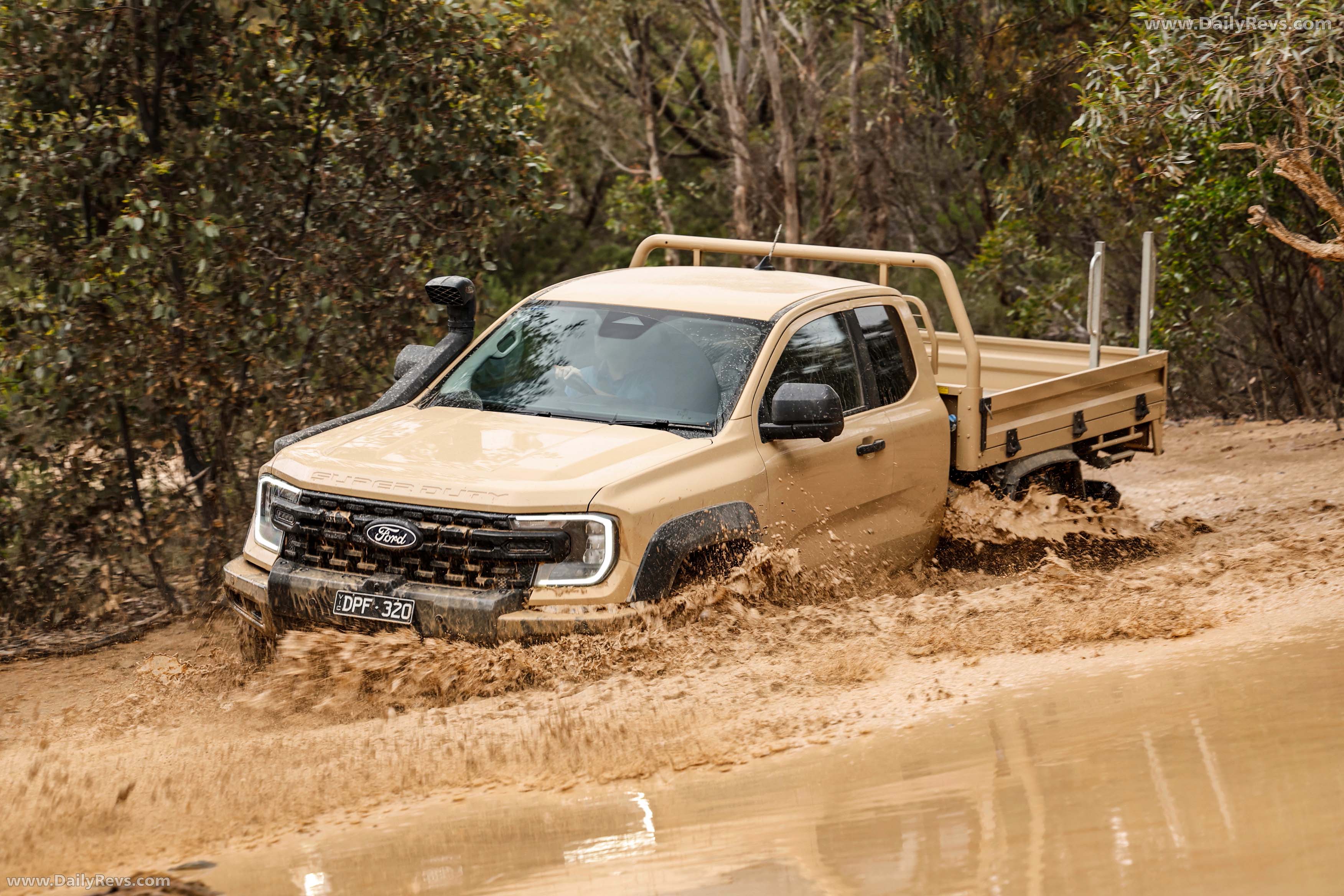
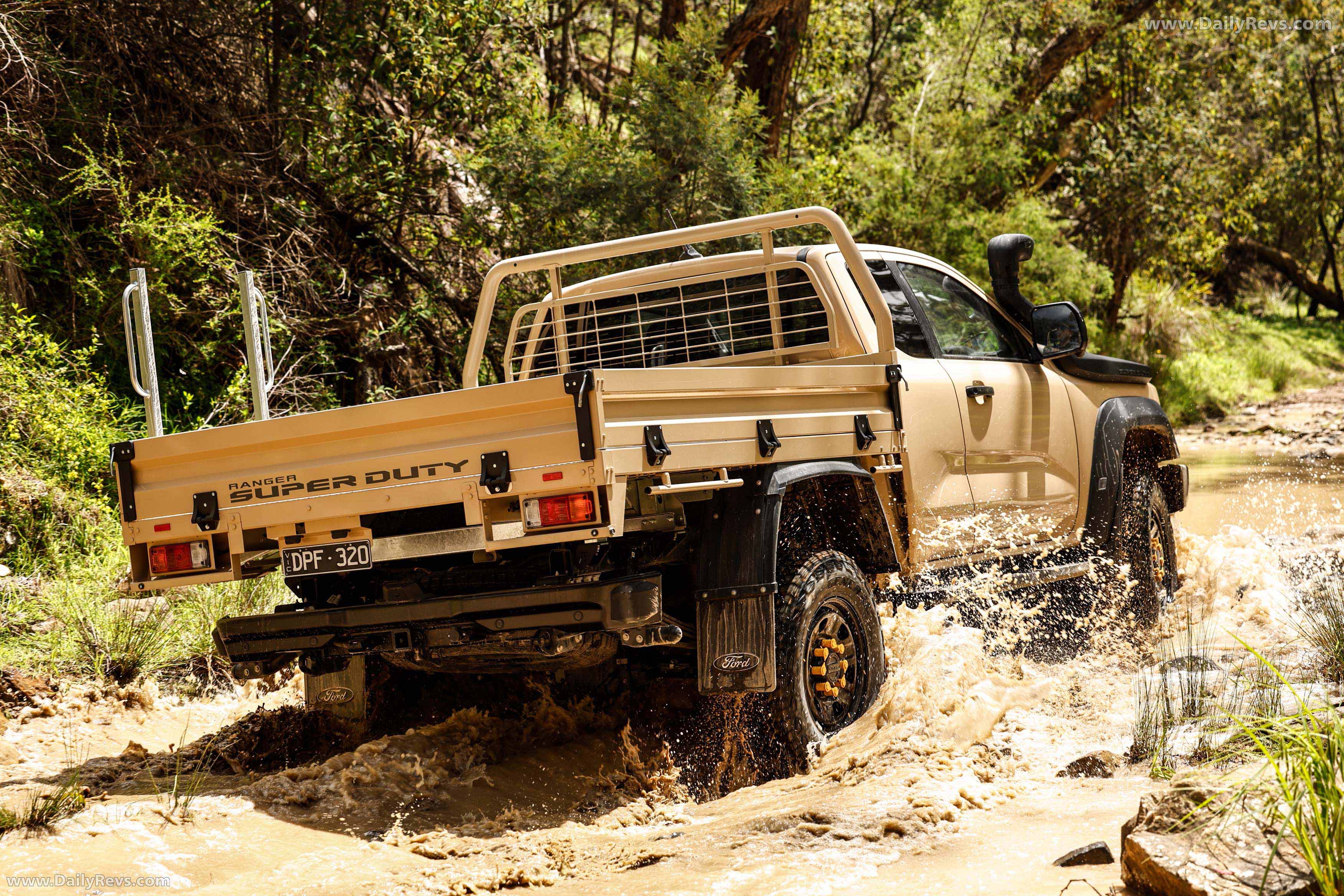
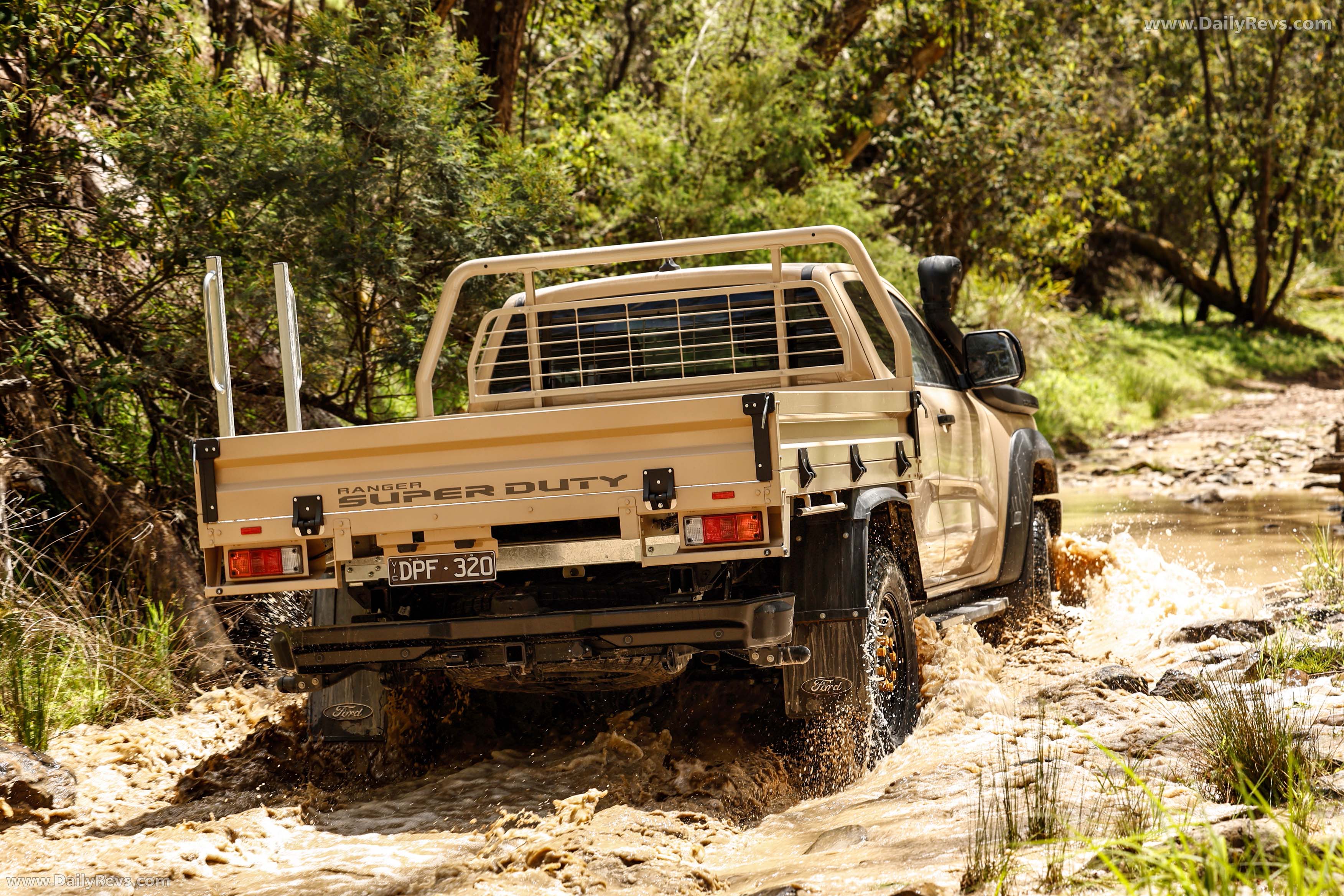
Super Cab joins the Super Duty lineup with reinforced frame, upgraded driveline components and 850 mm wading capability.
Powered by Ford’s 3.0-litre V6 turbo-diesel tuned to EU6.2 emissions with enhanced cooling for sustained high-load work.
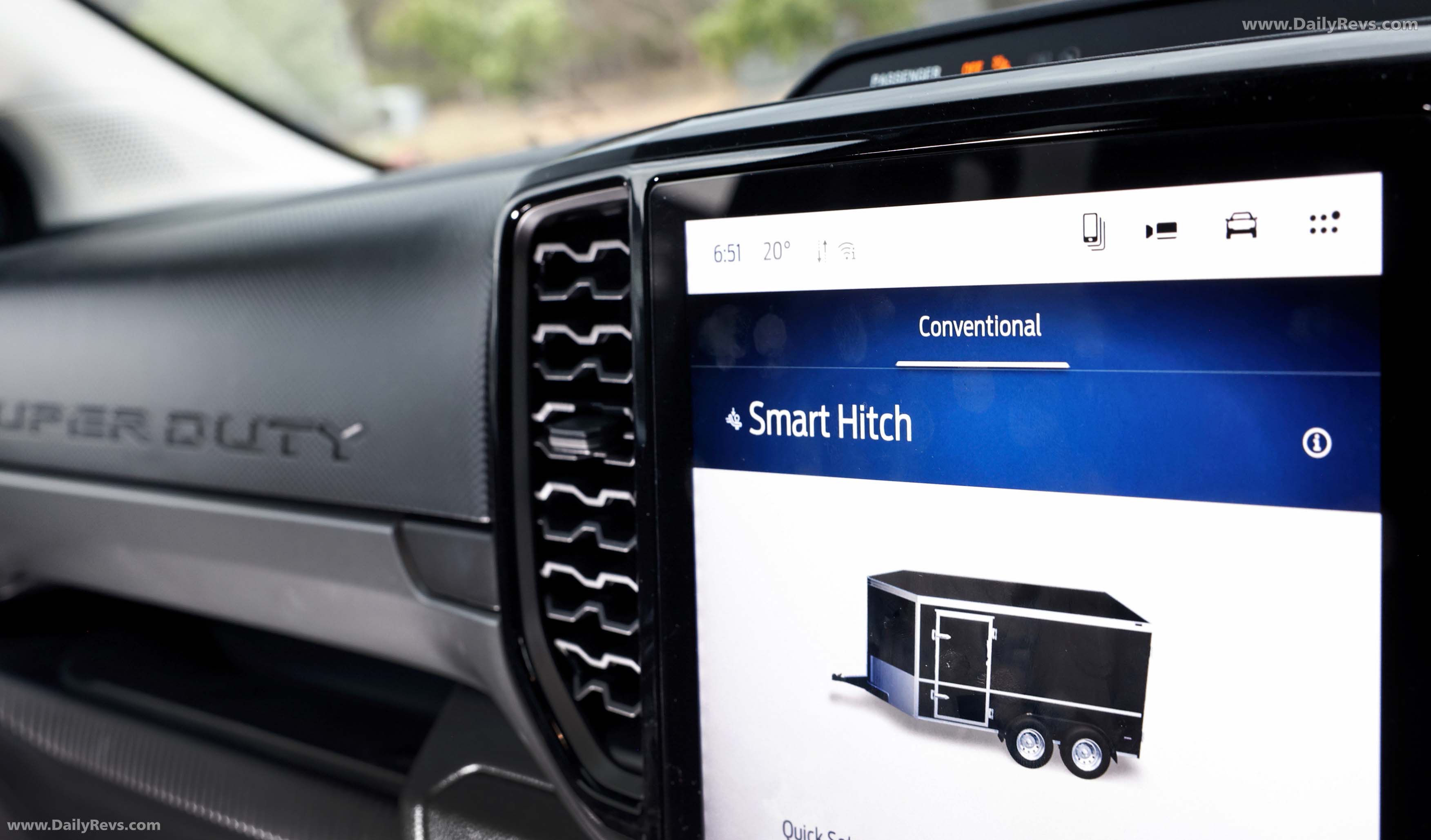
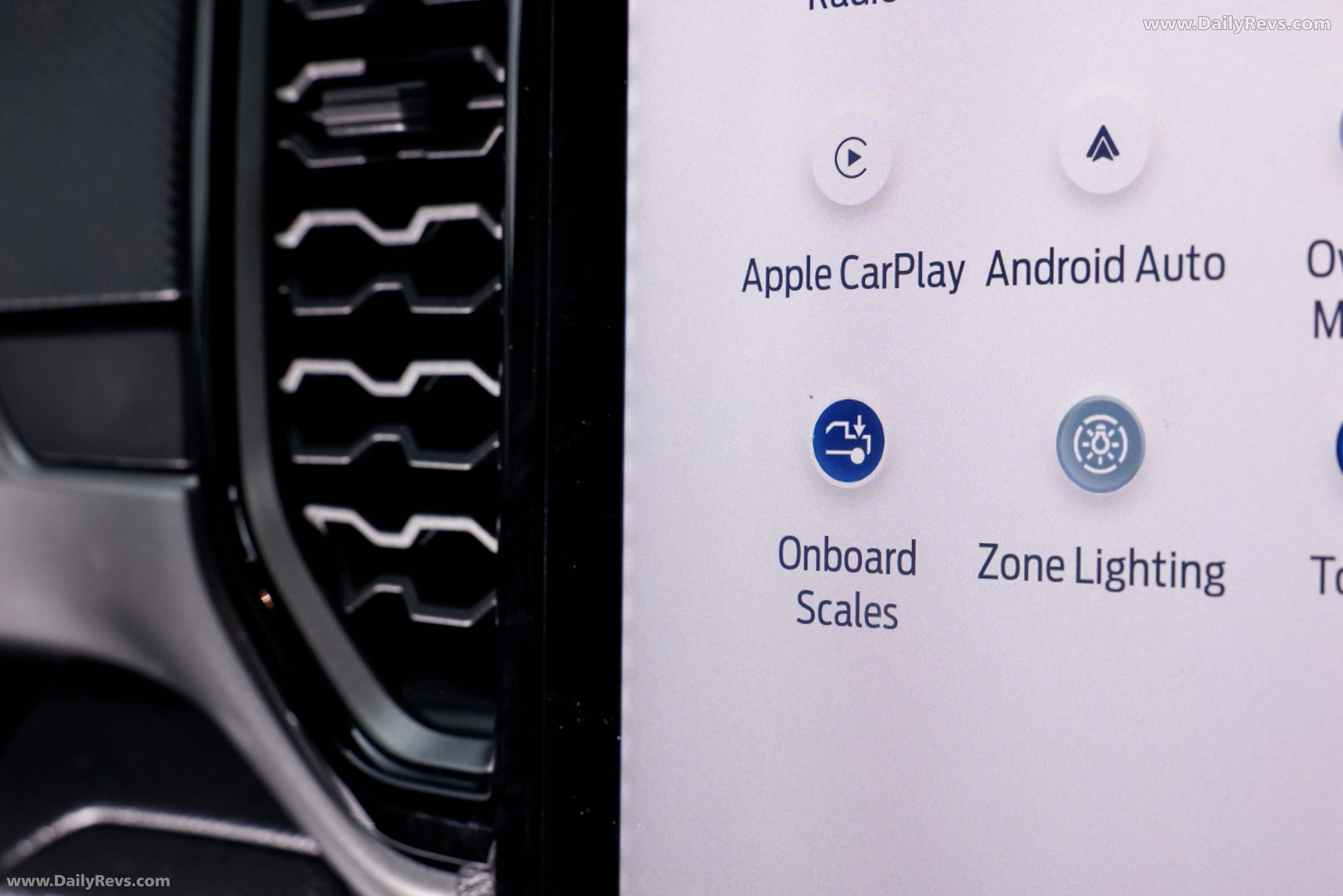
Integrates intelligent towing and payload systems including Onboard Scales, Smart Hitch and SYNC 5 off-road interfaces.
Design and Proportions of the Vehicle
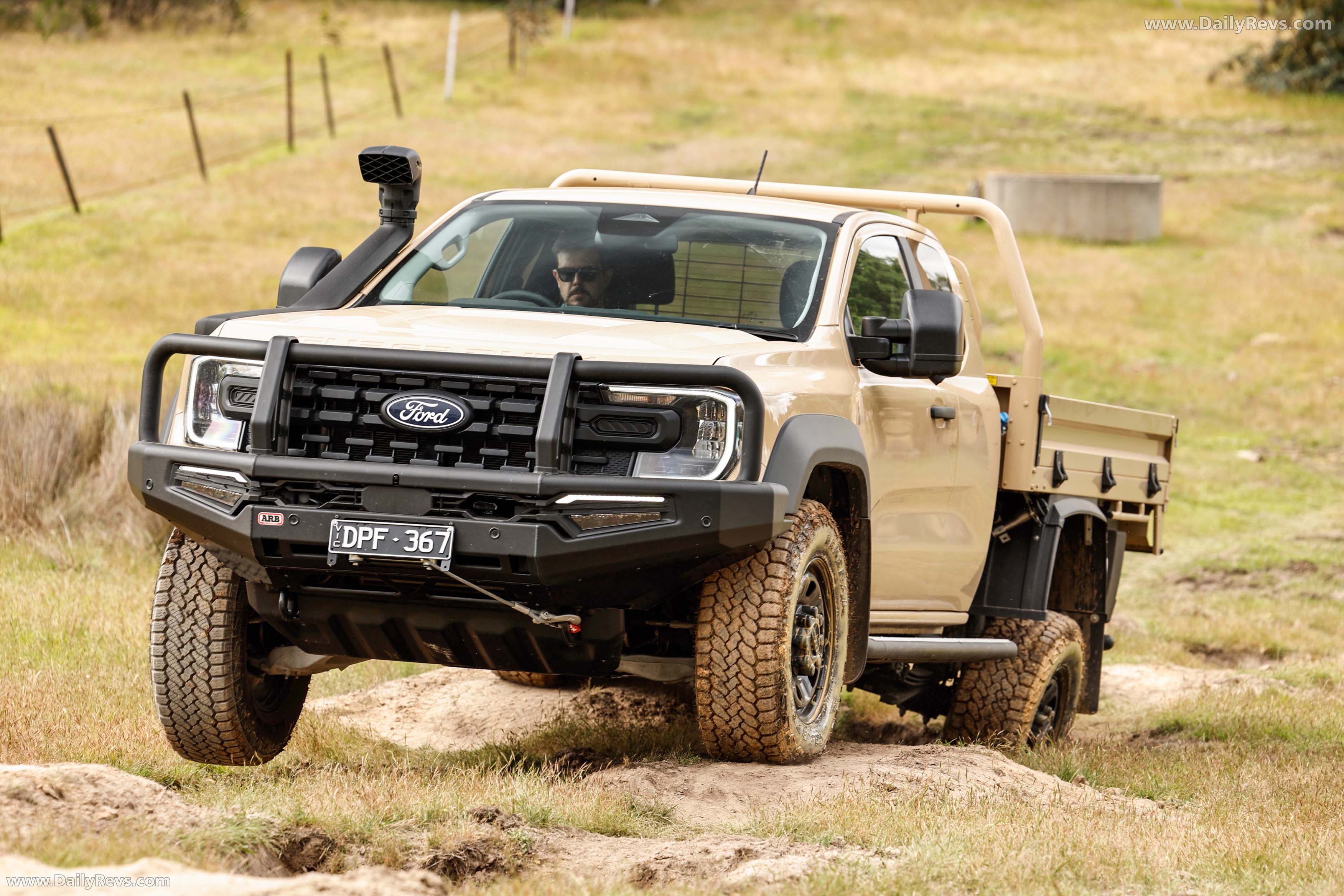
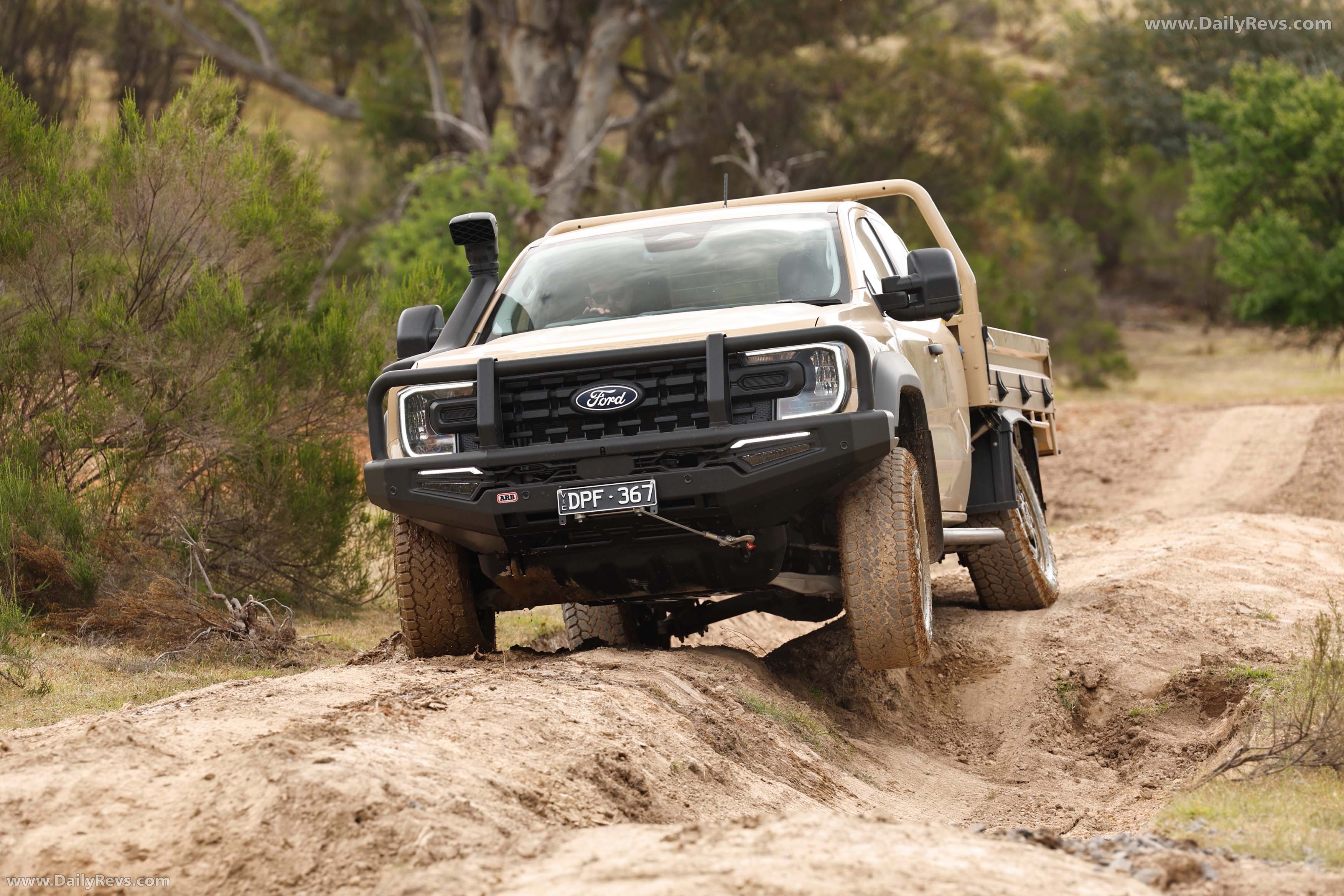
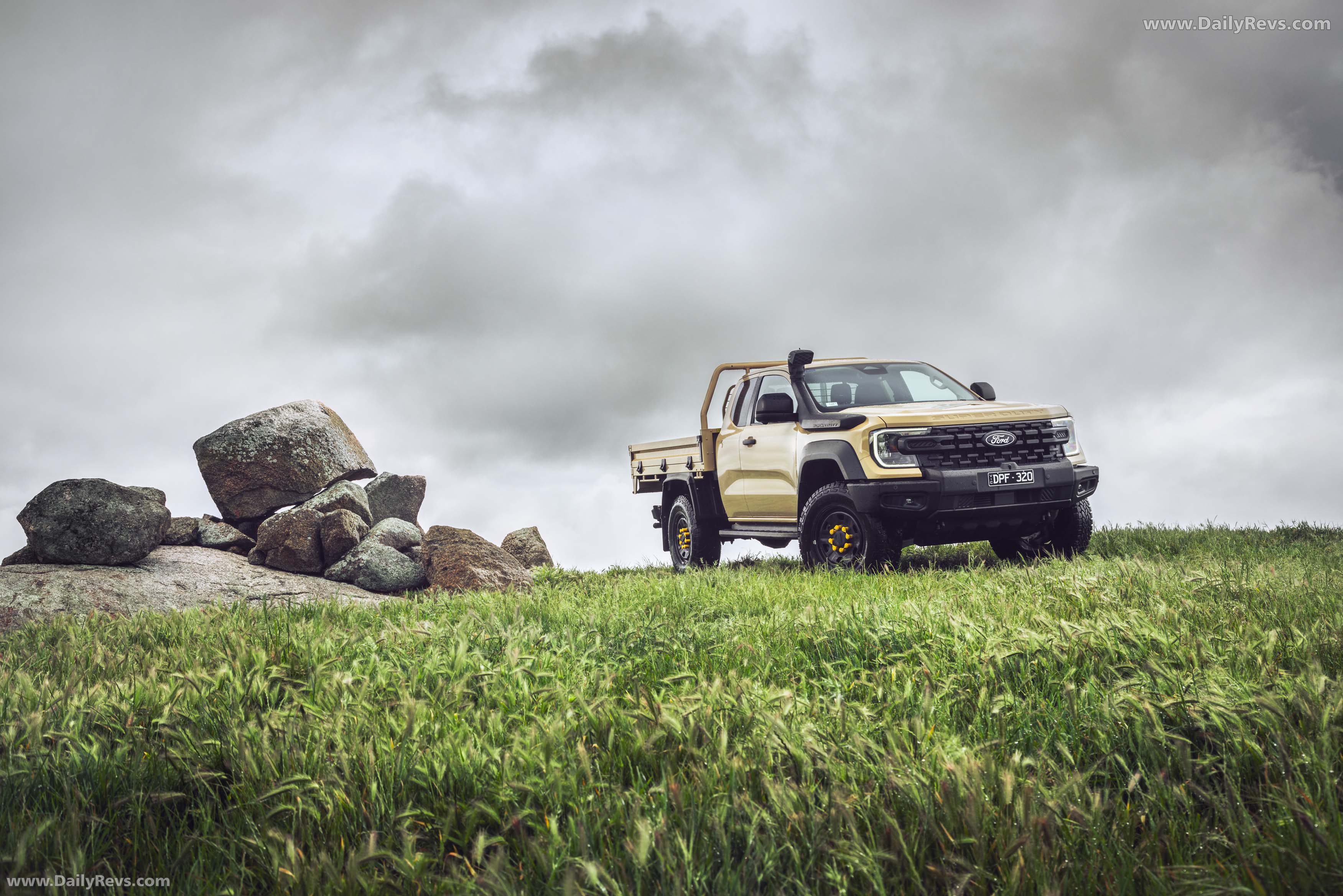
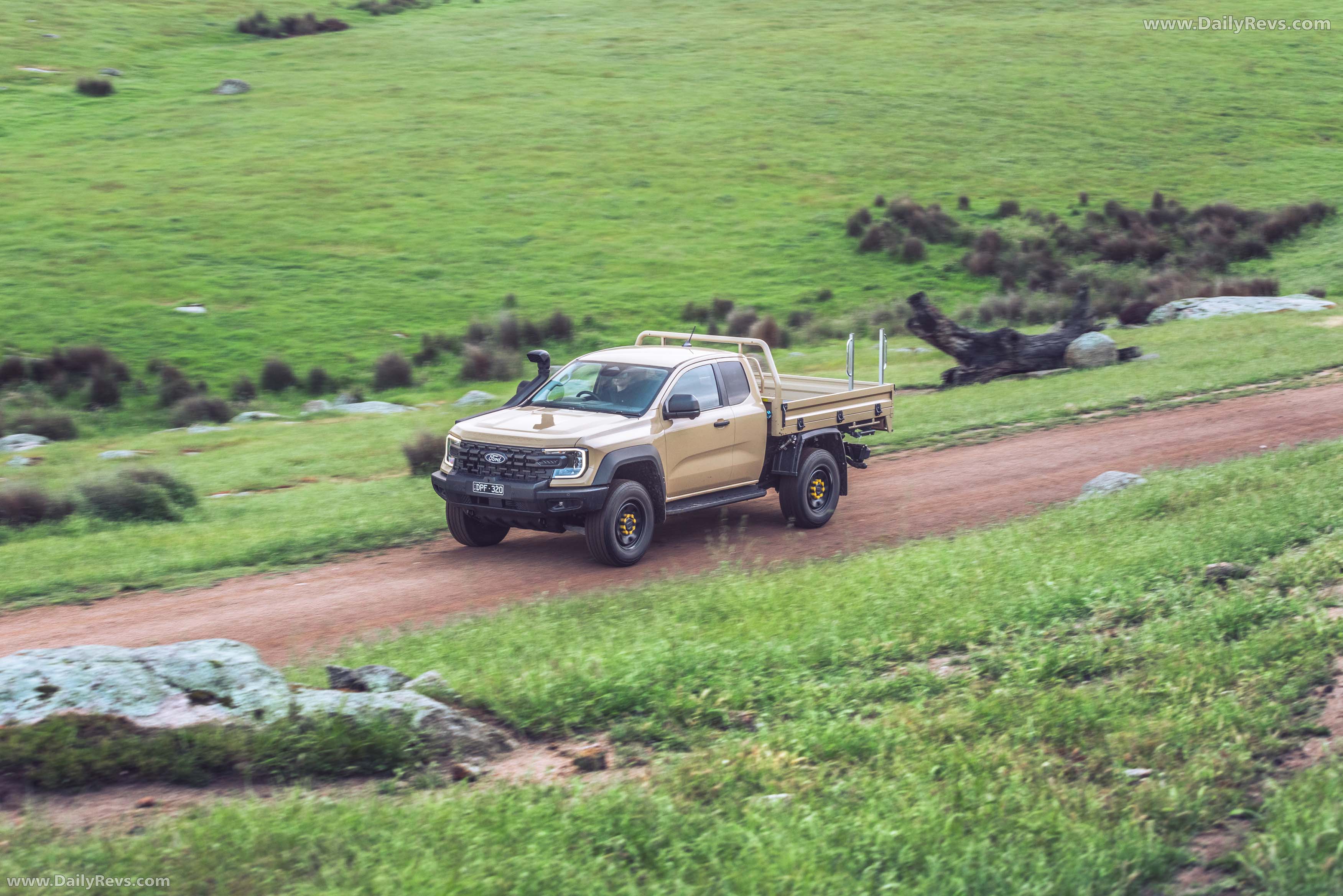
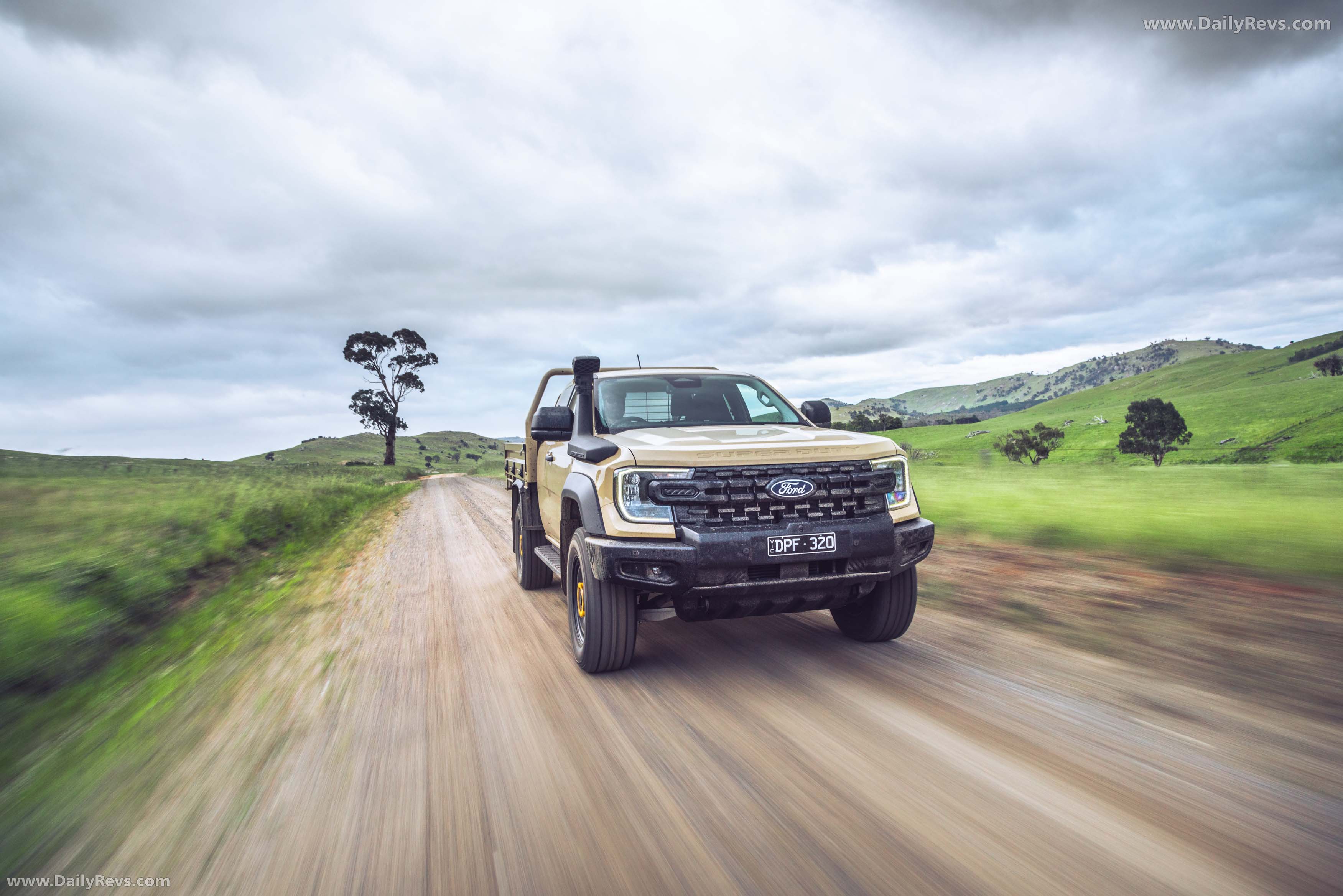
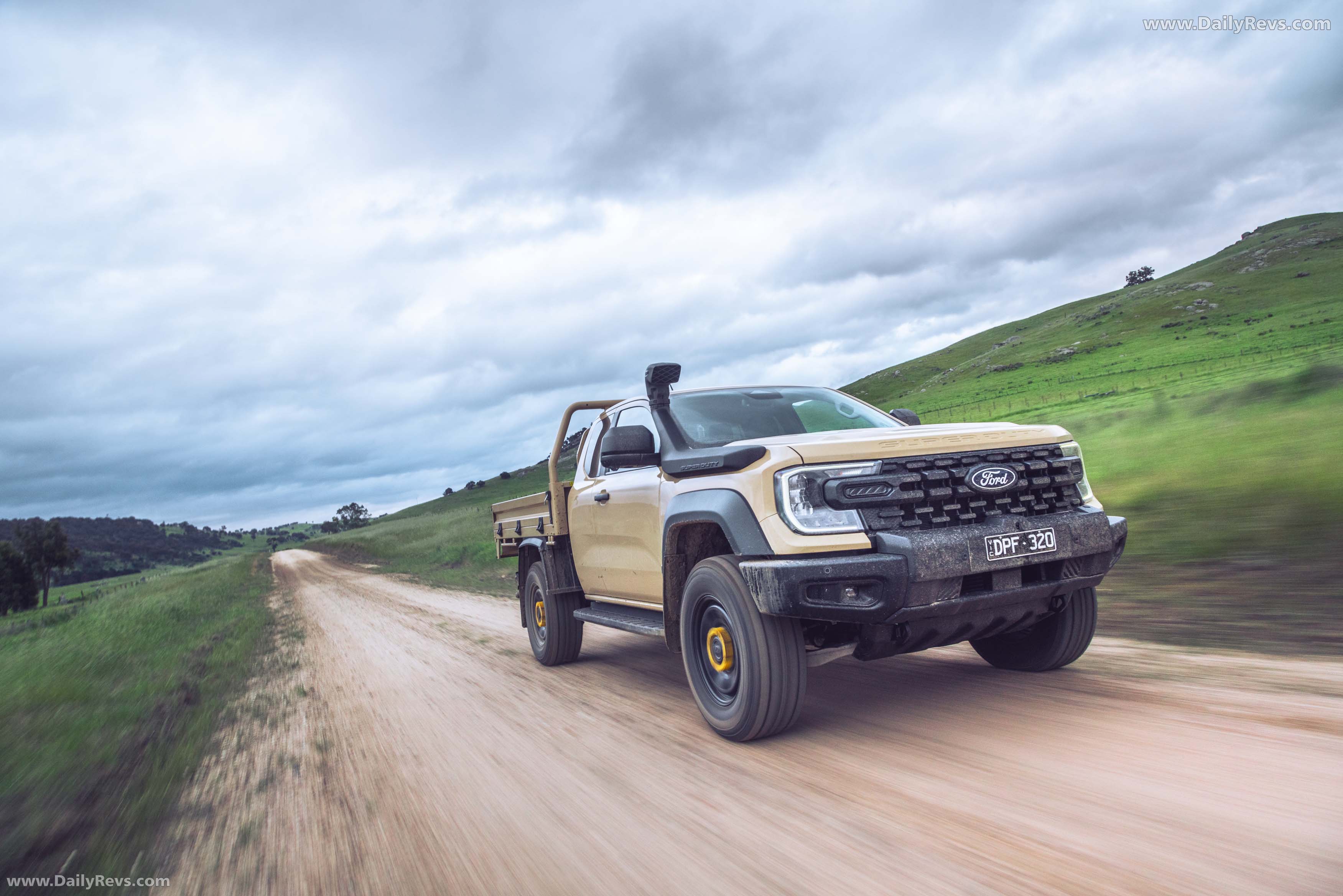
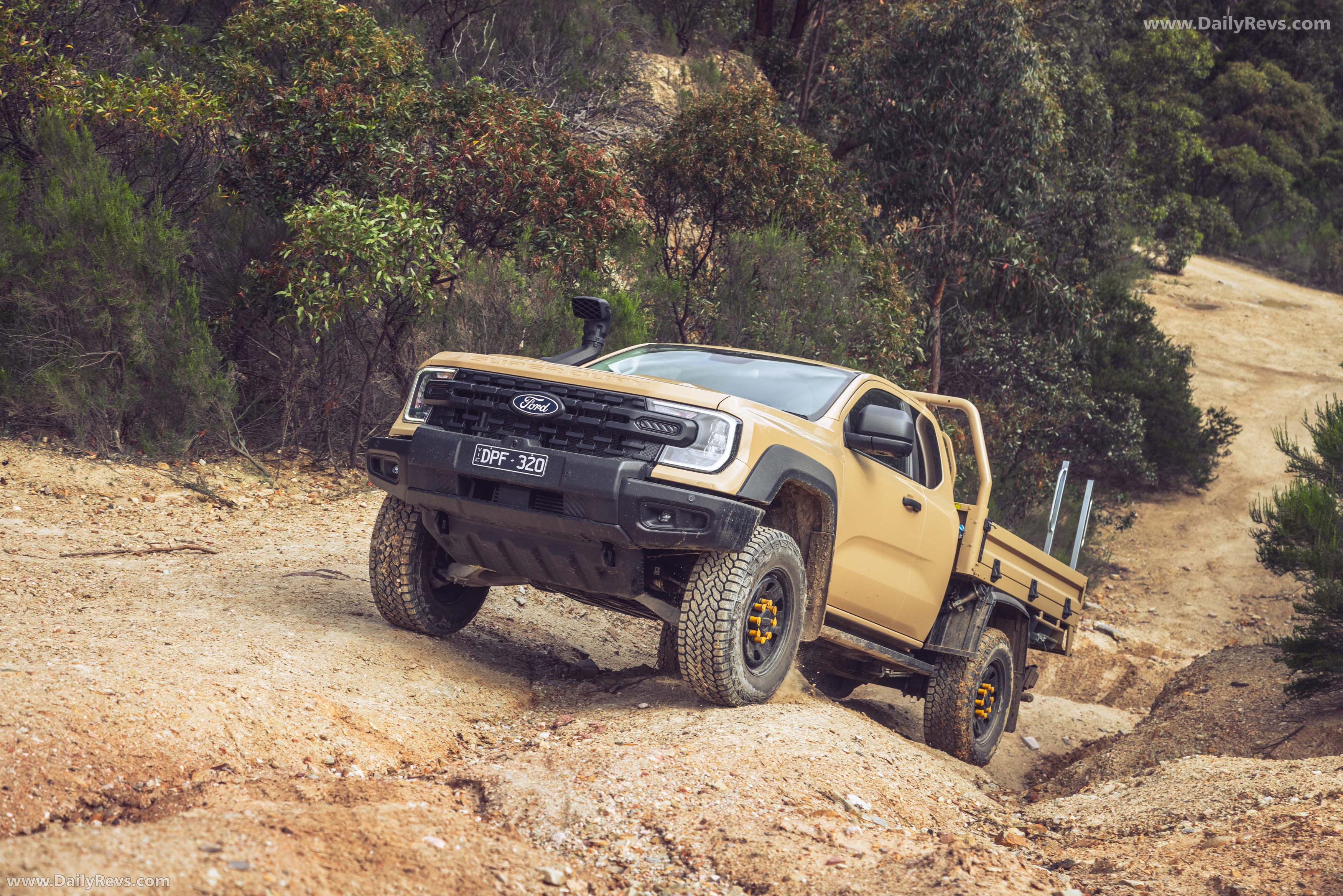
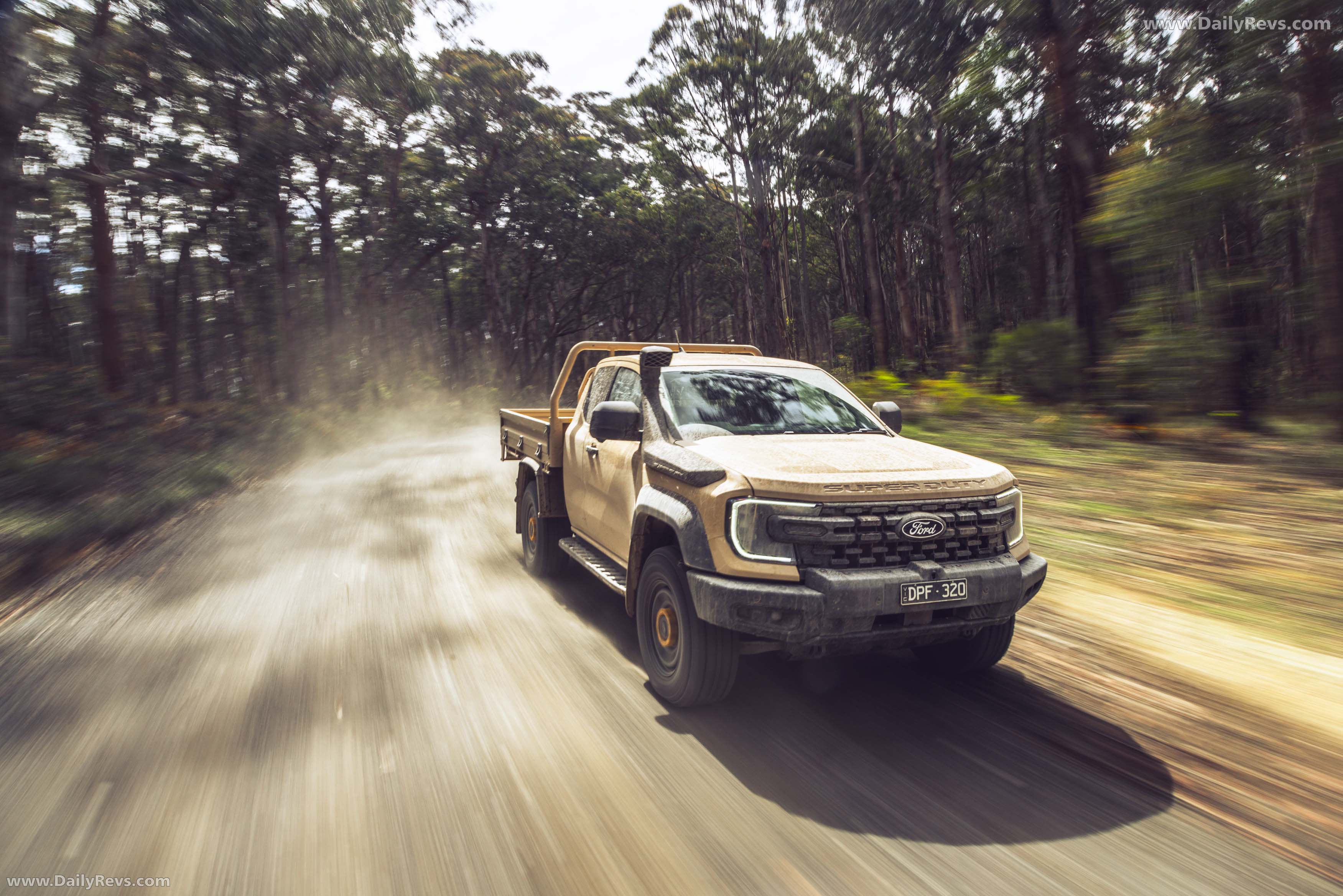
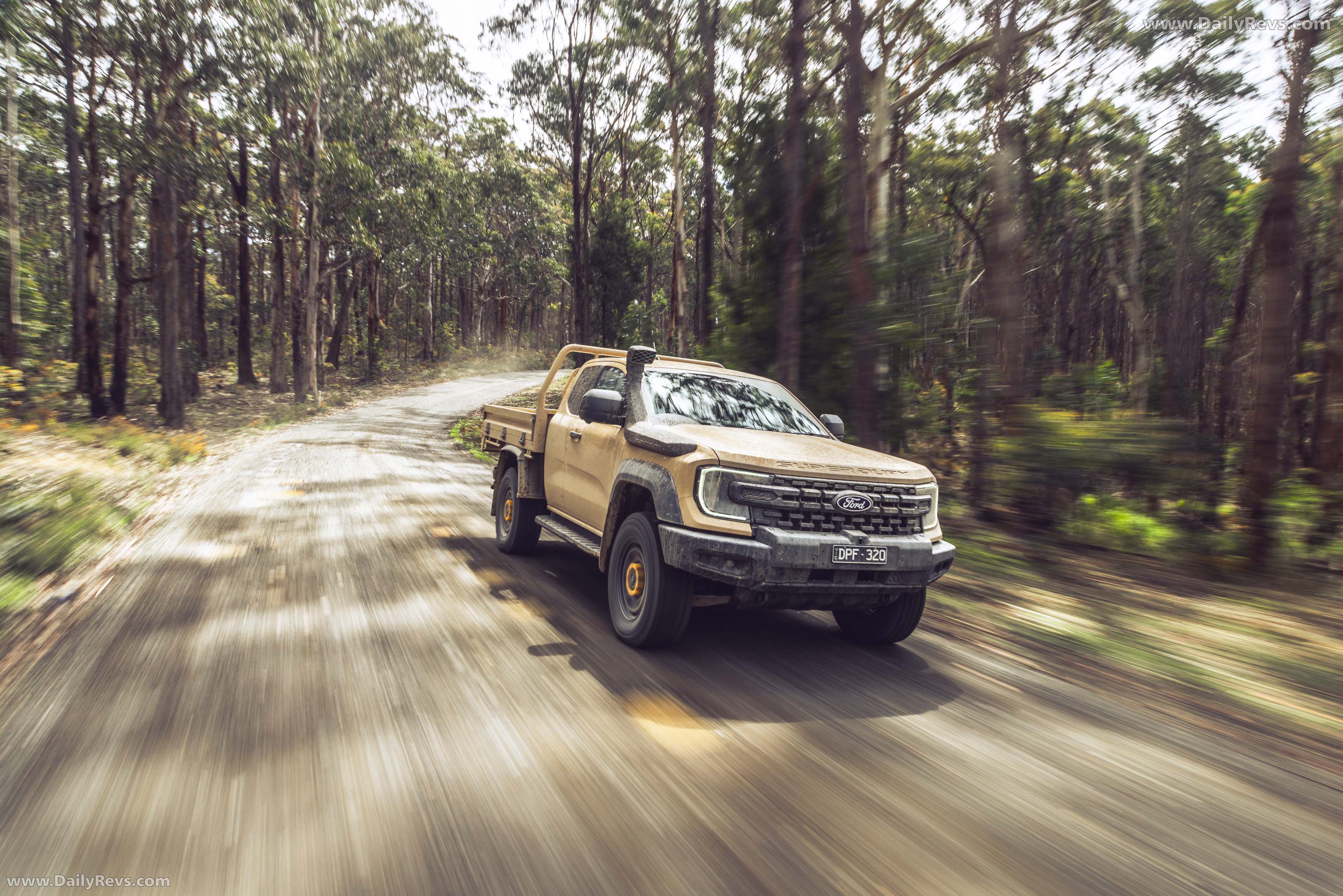
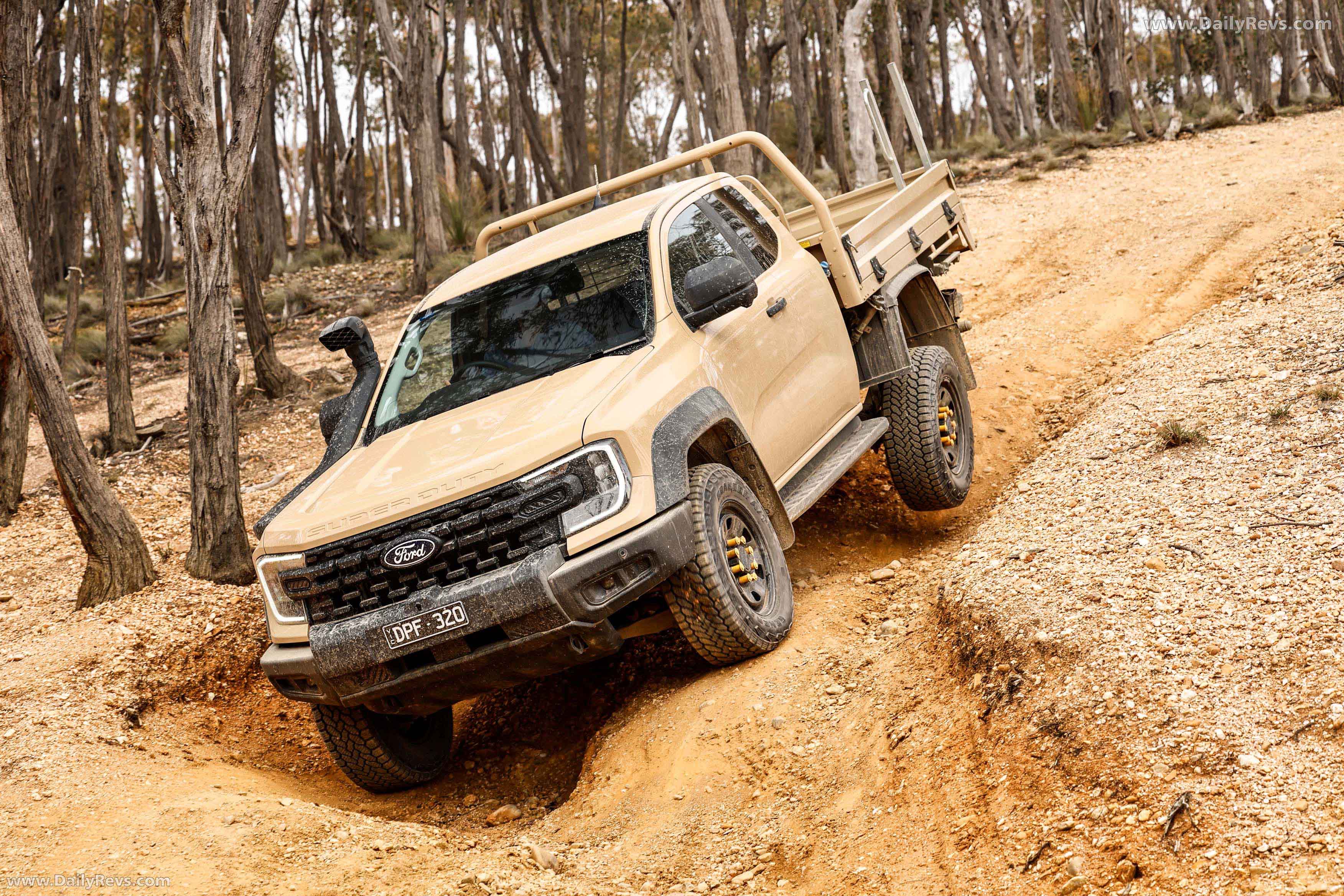
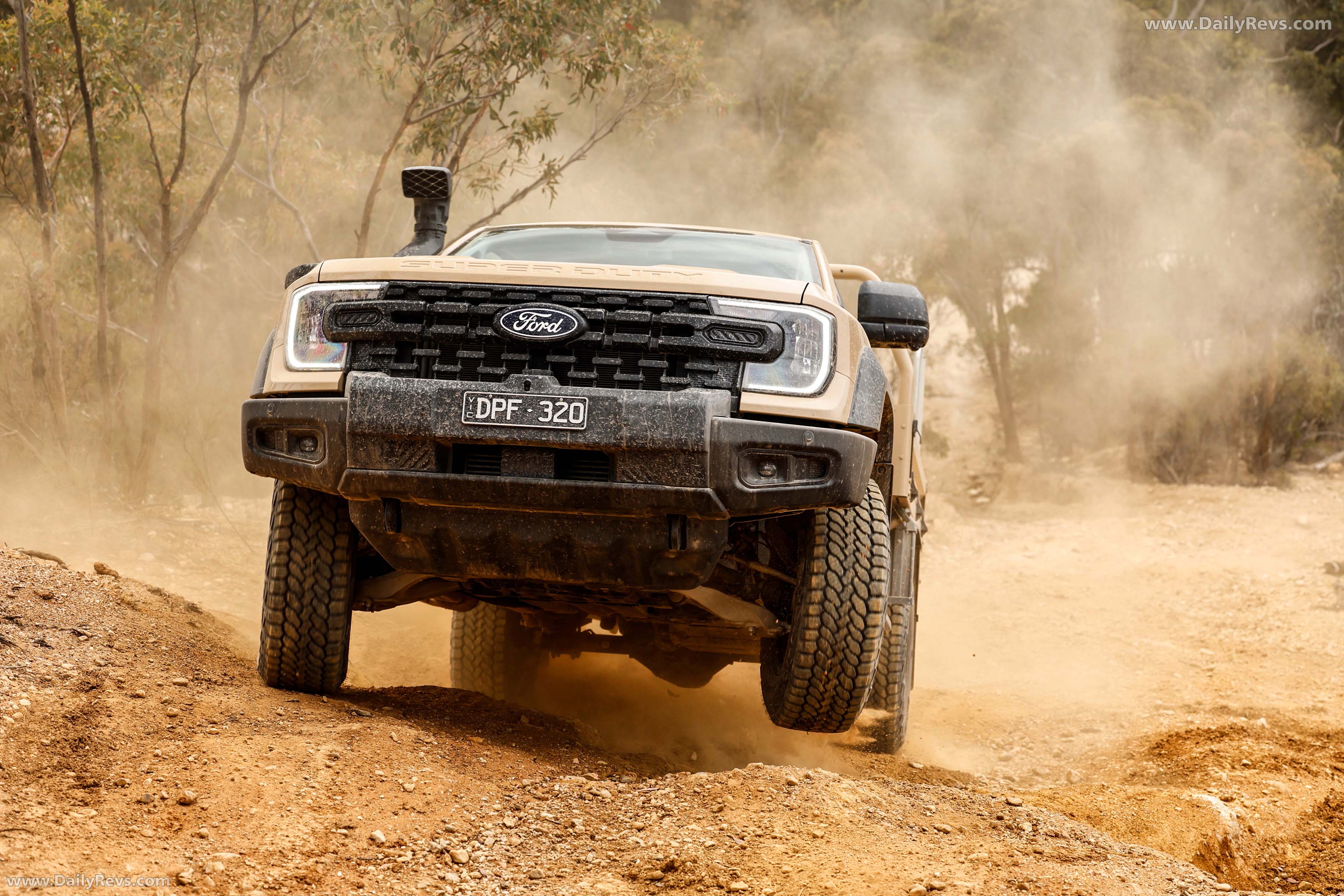
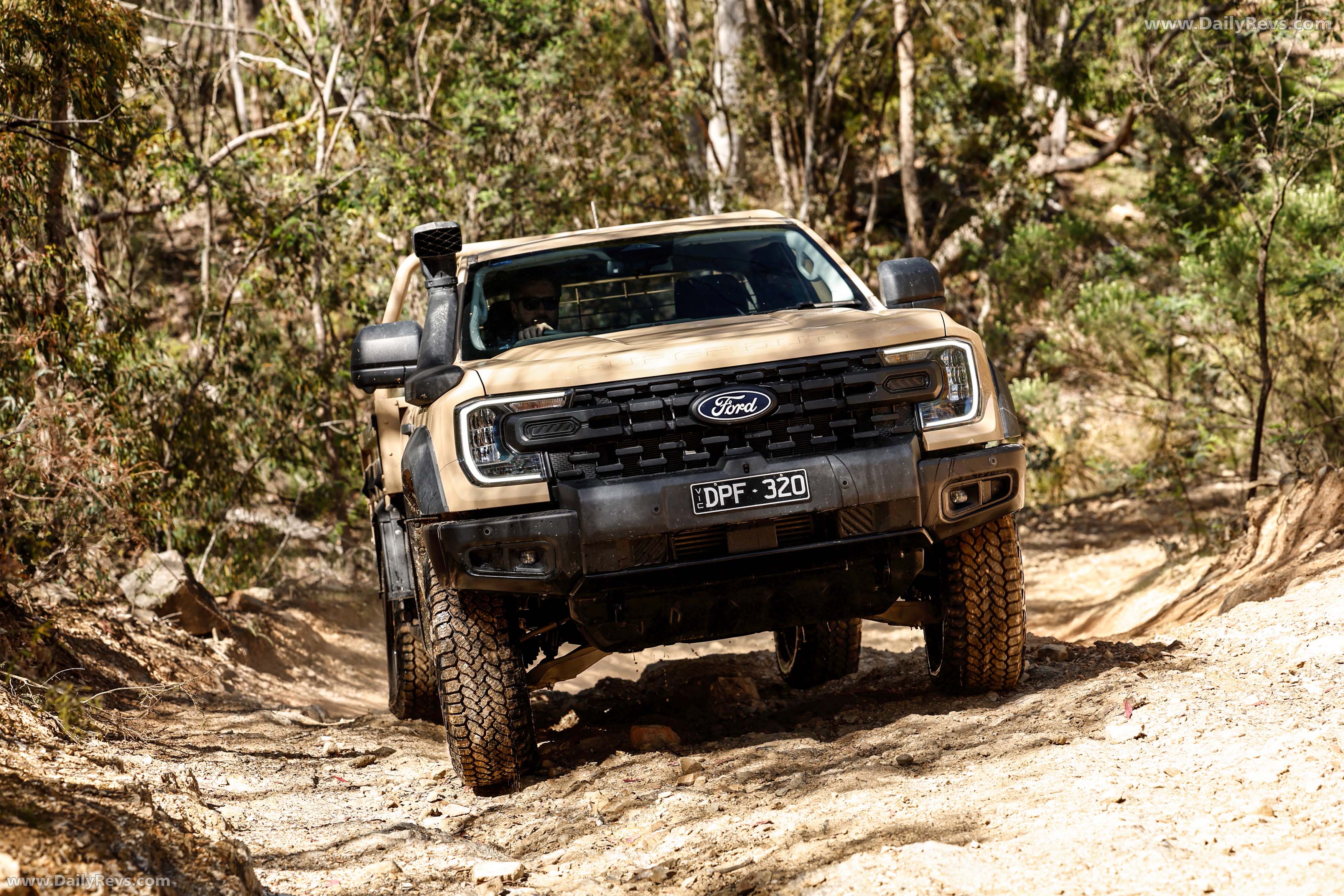
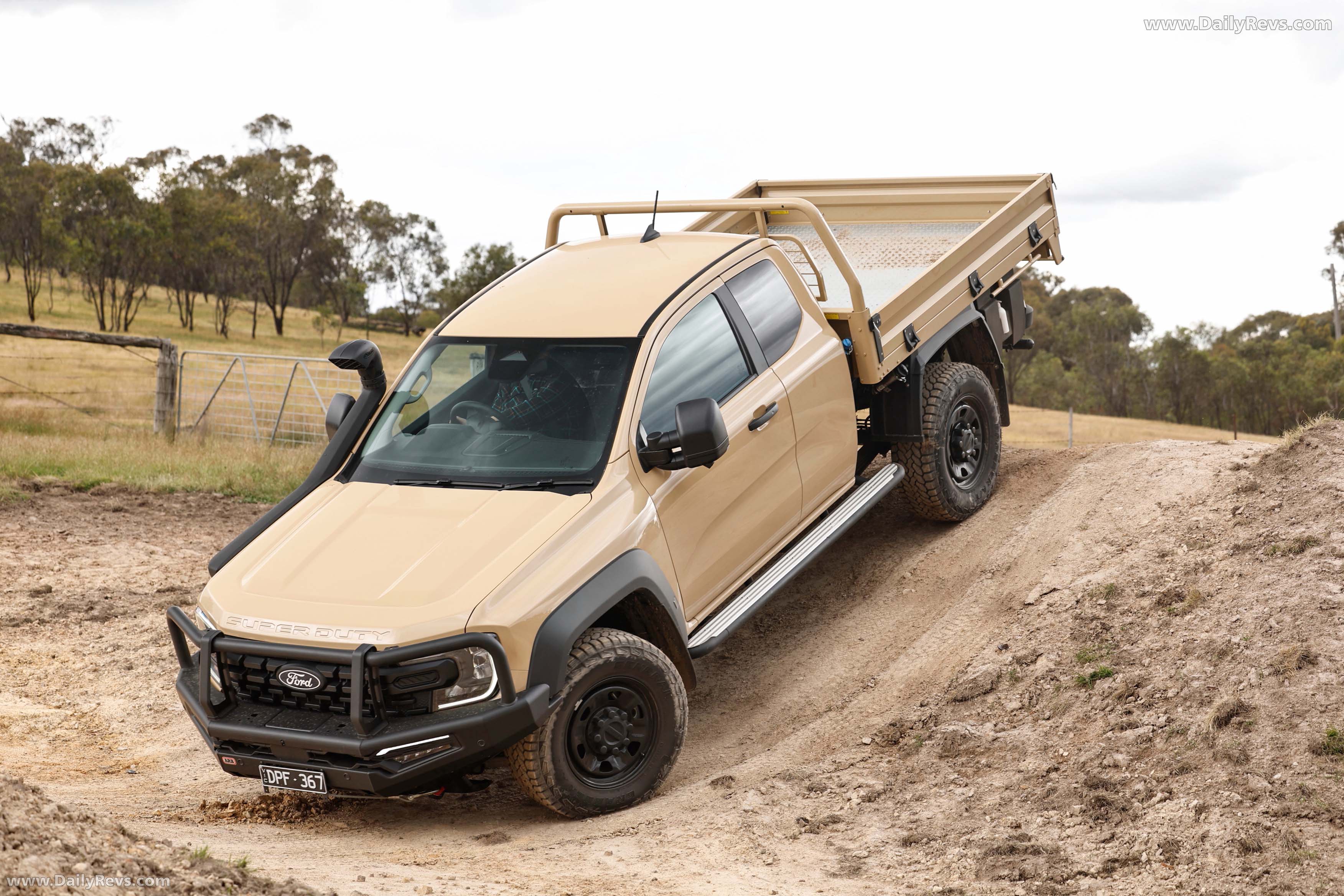
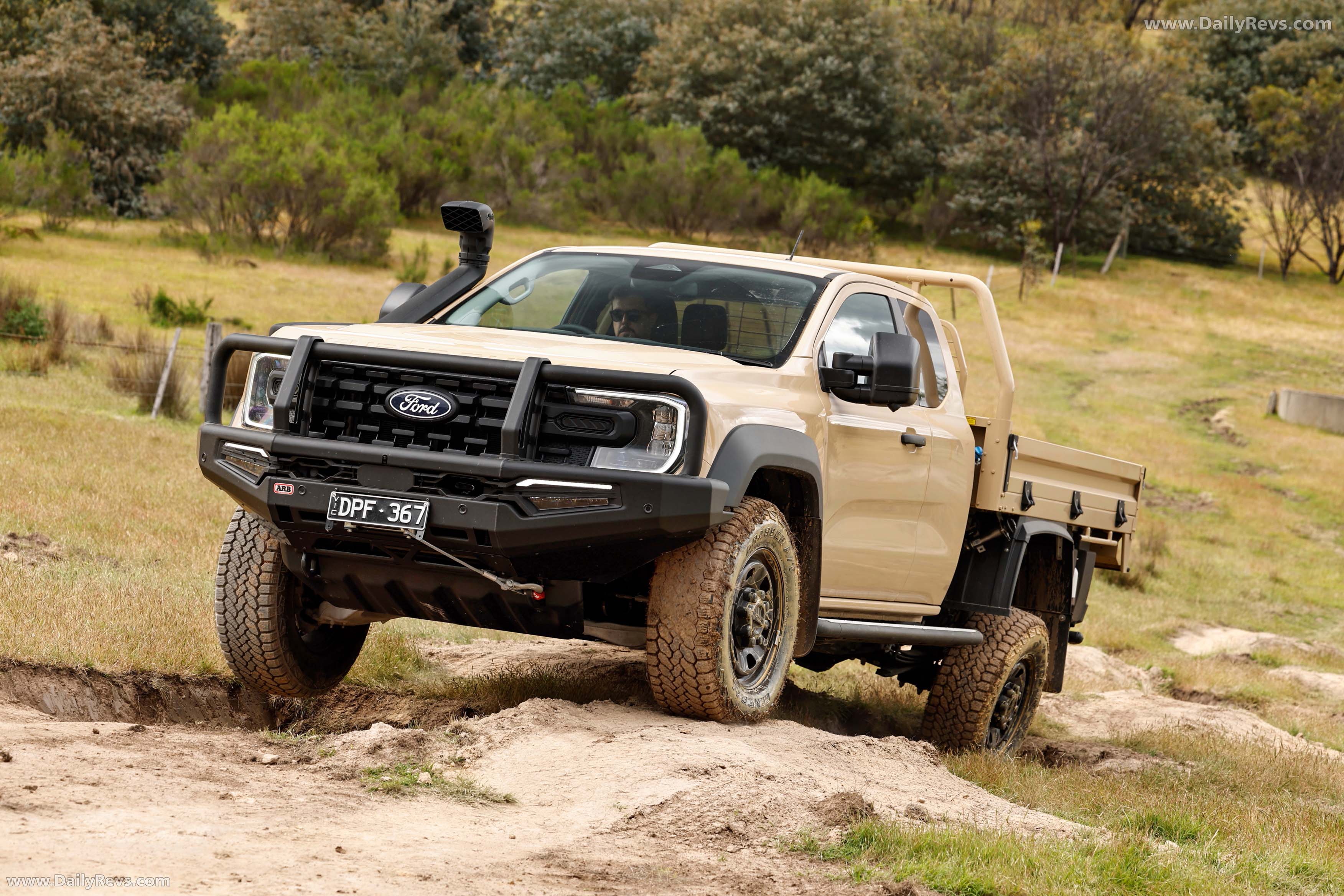
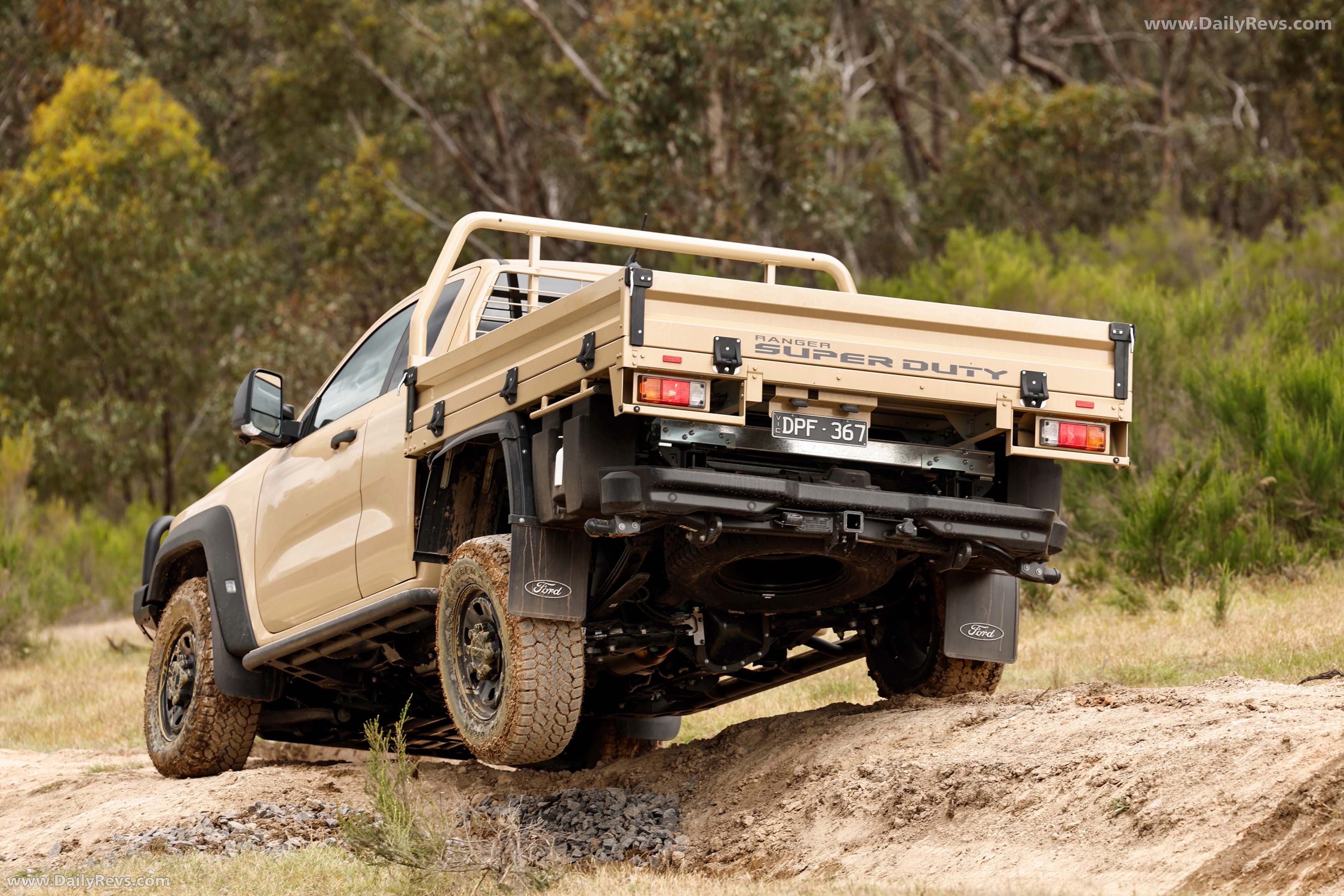
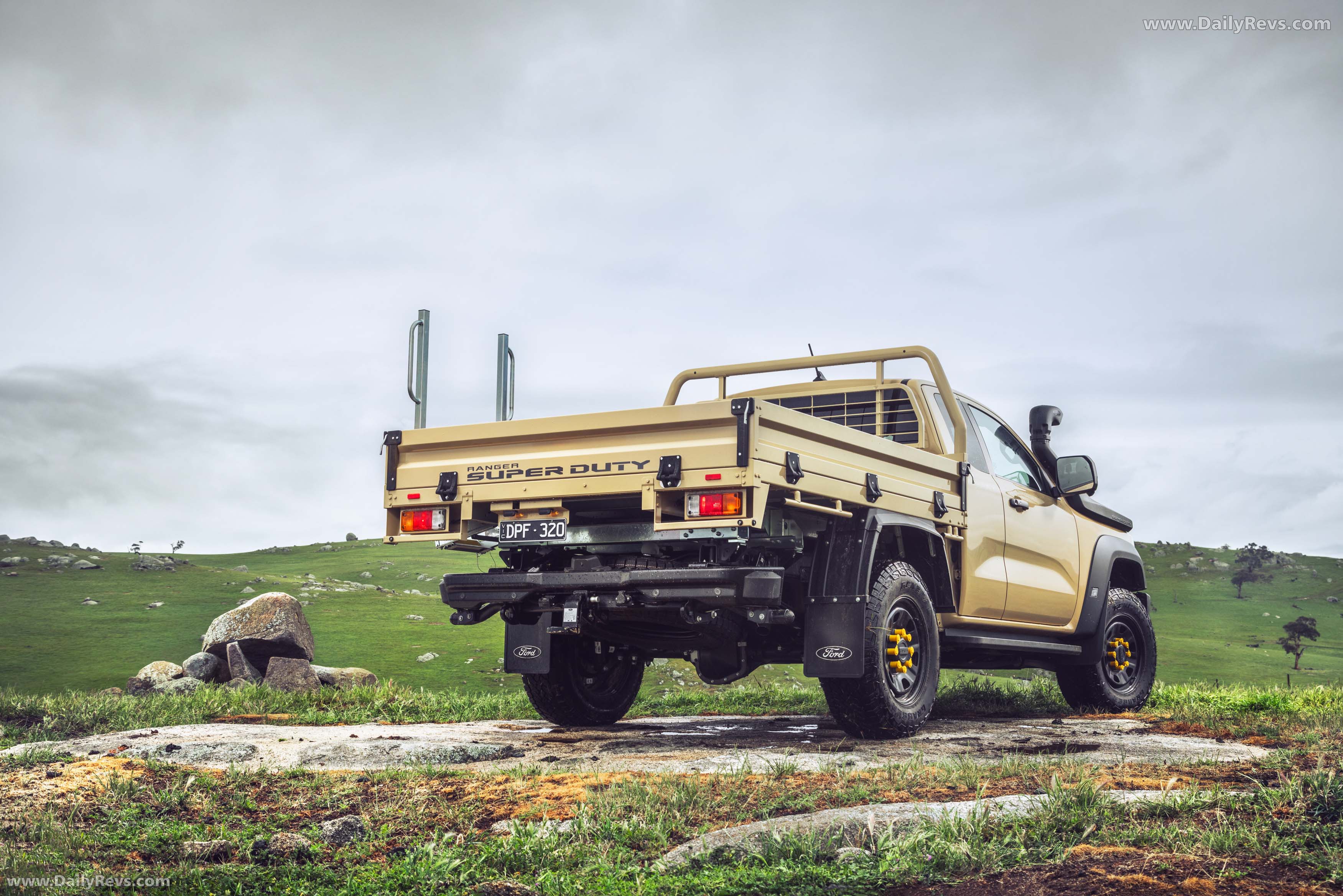
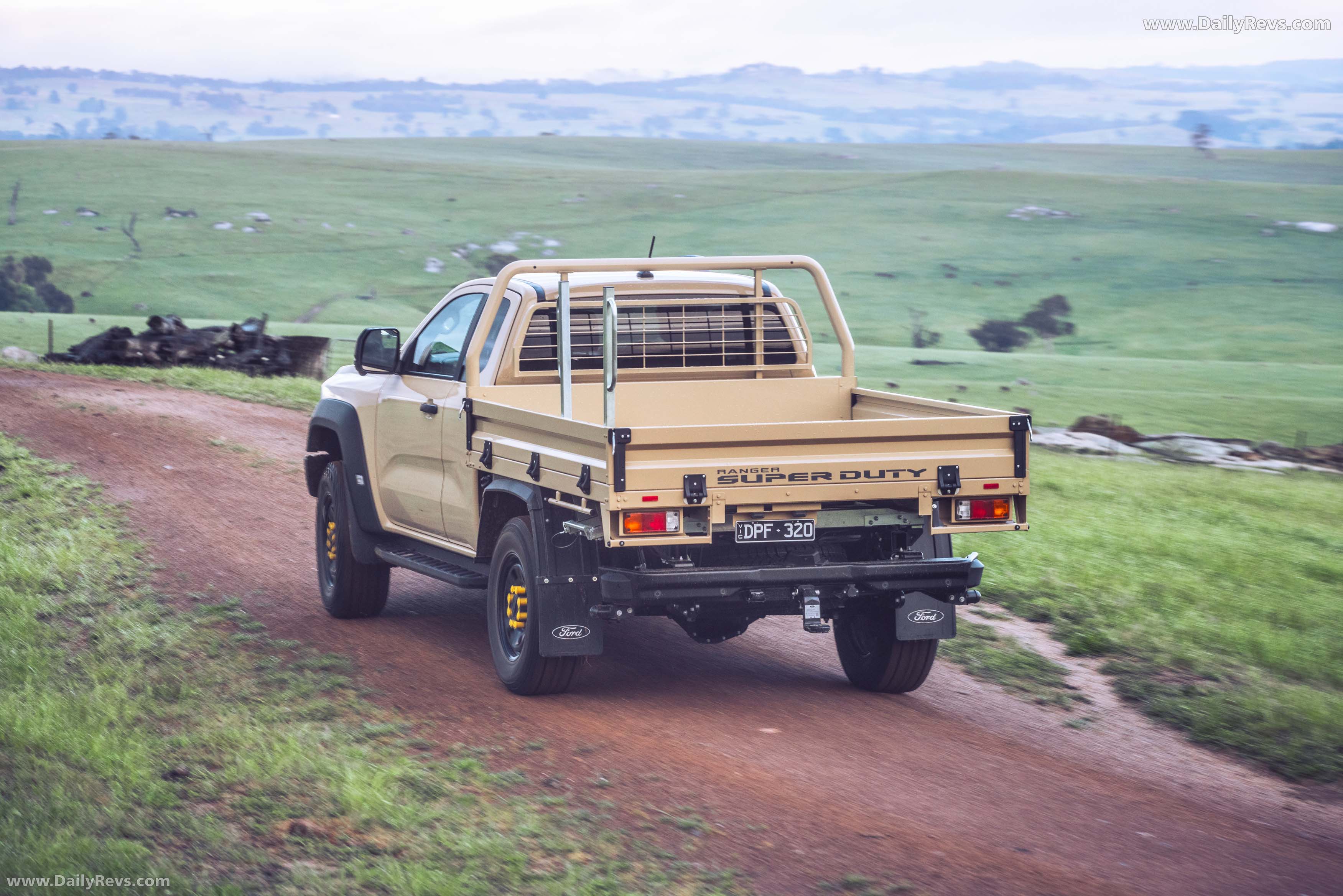
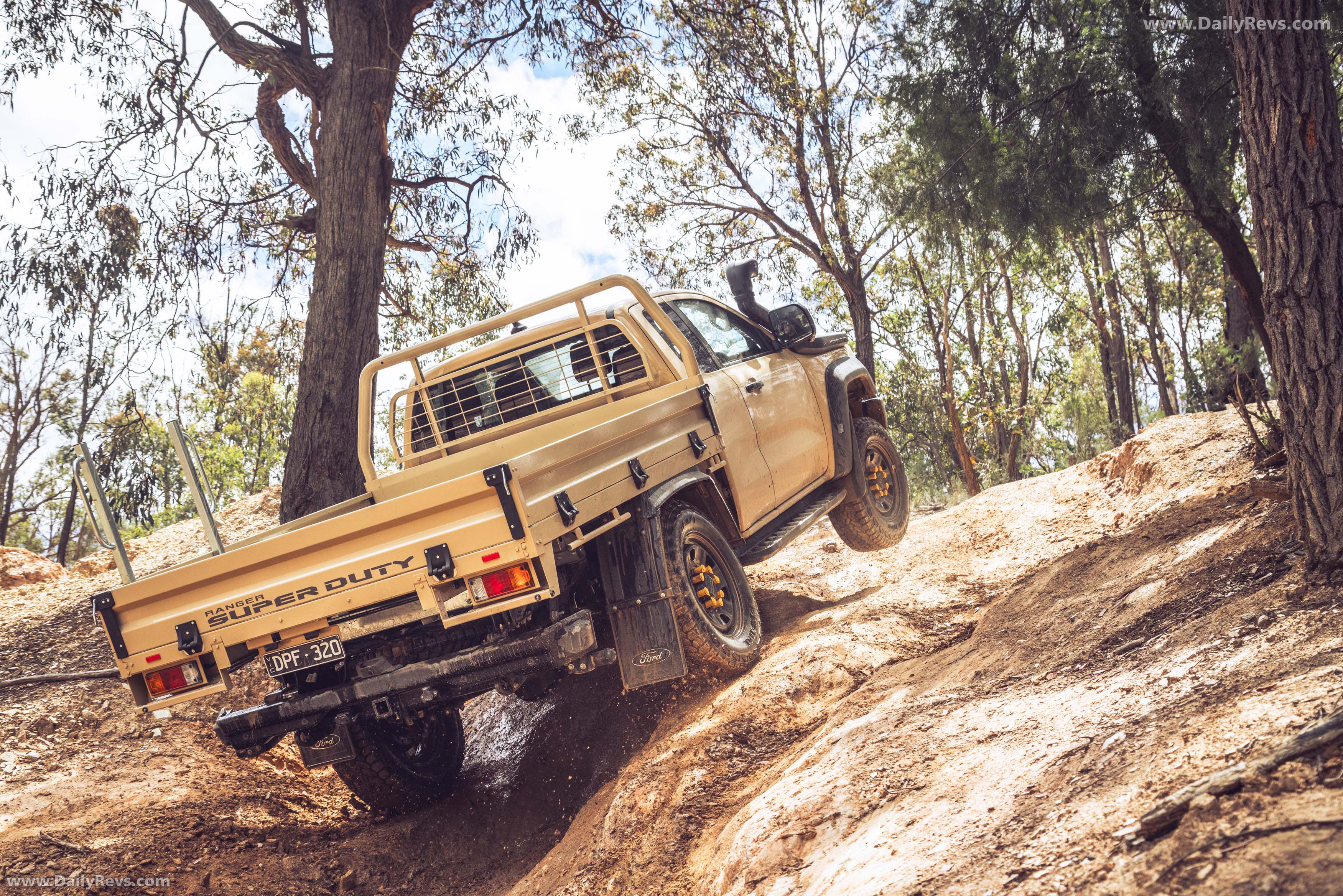
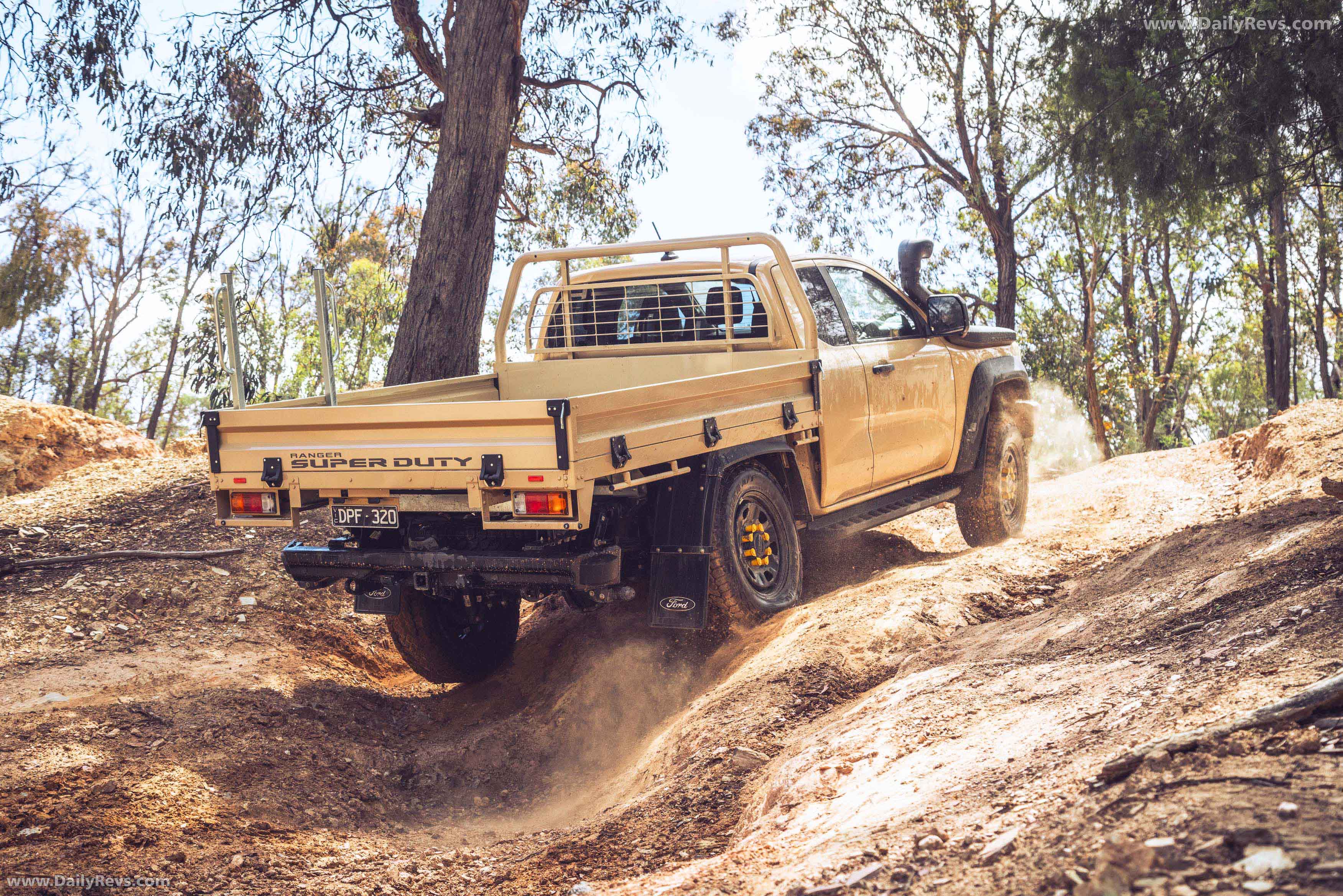
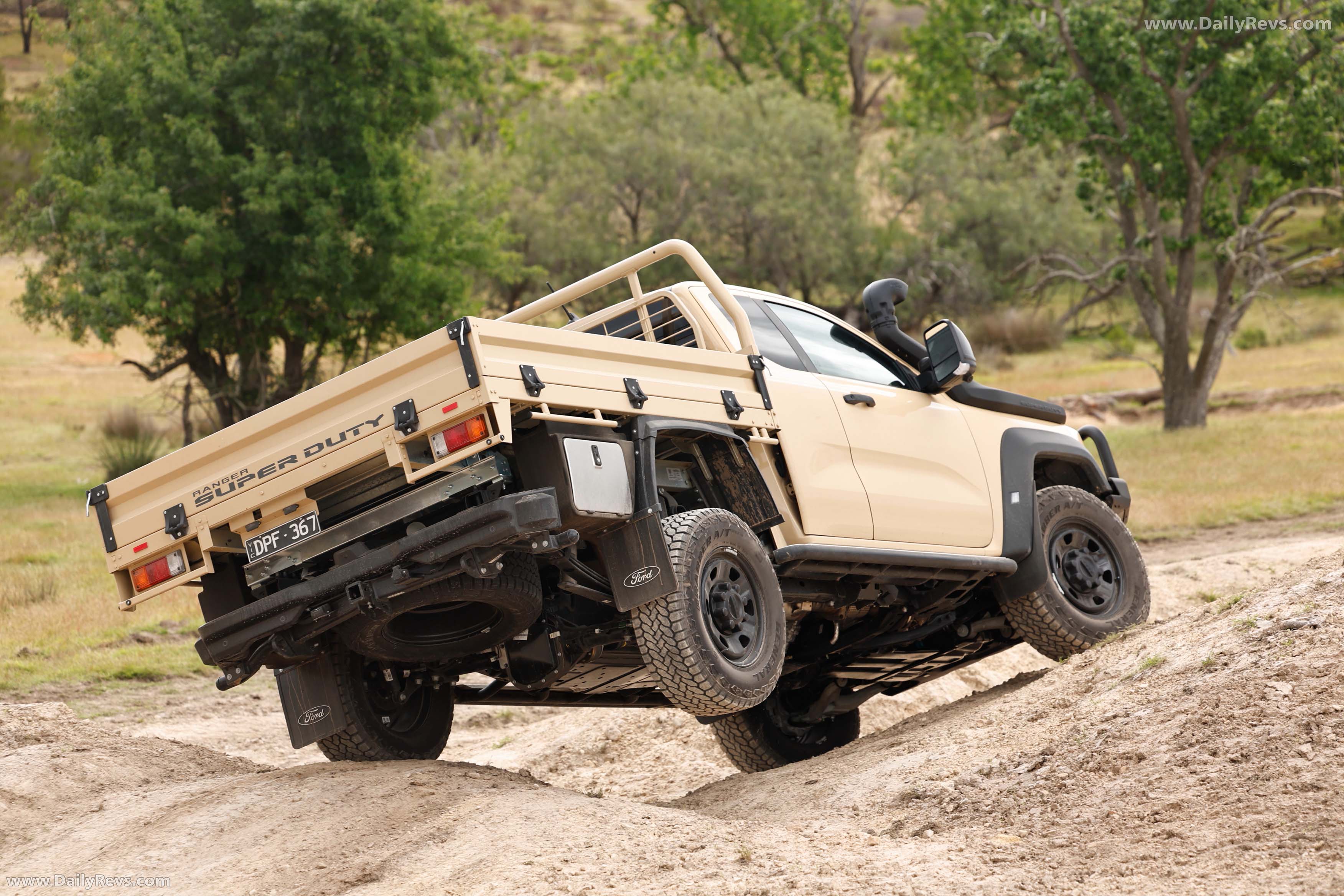
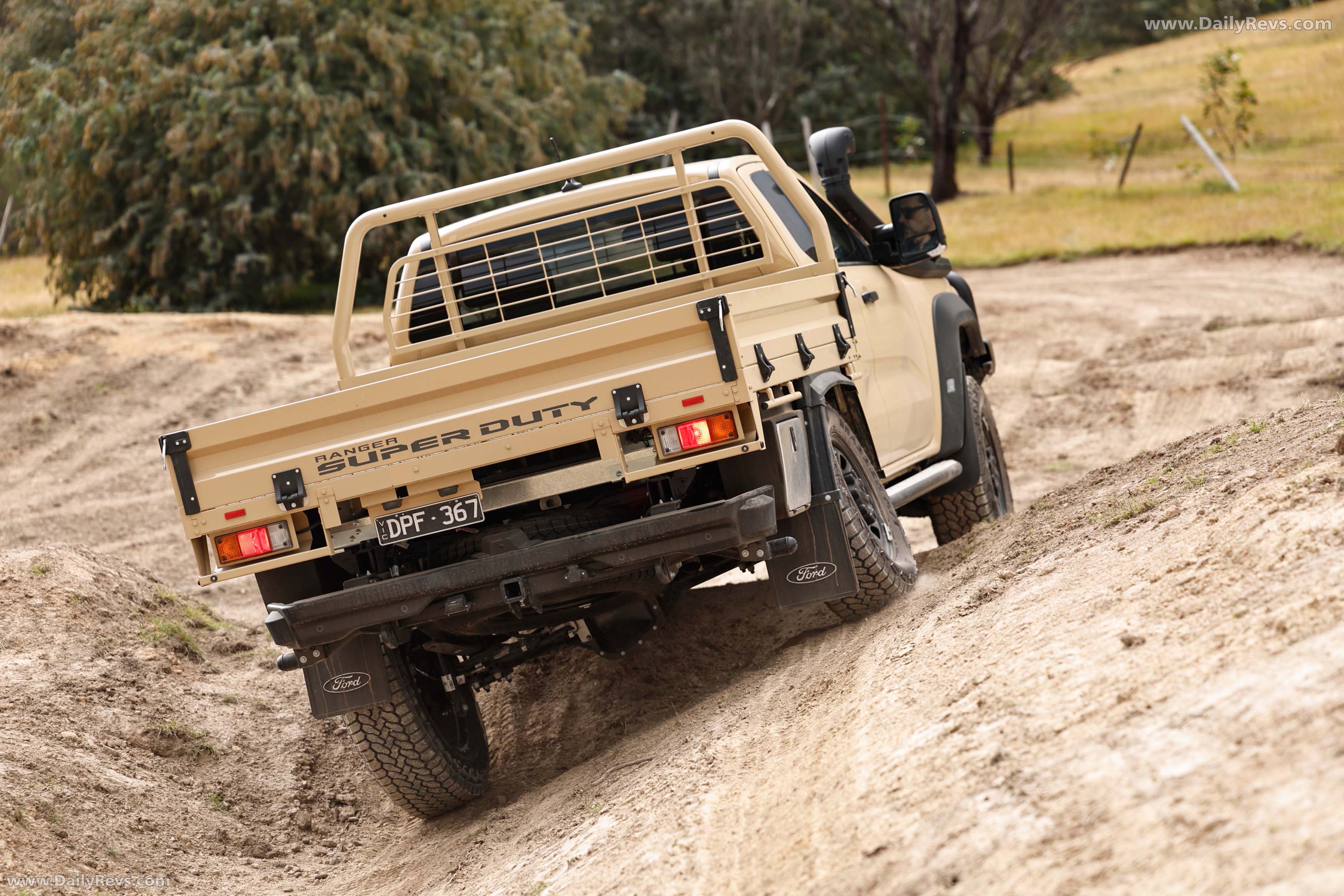
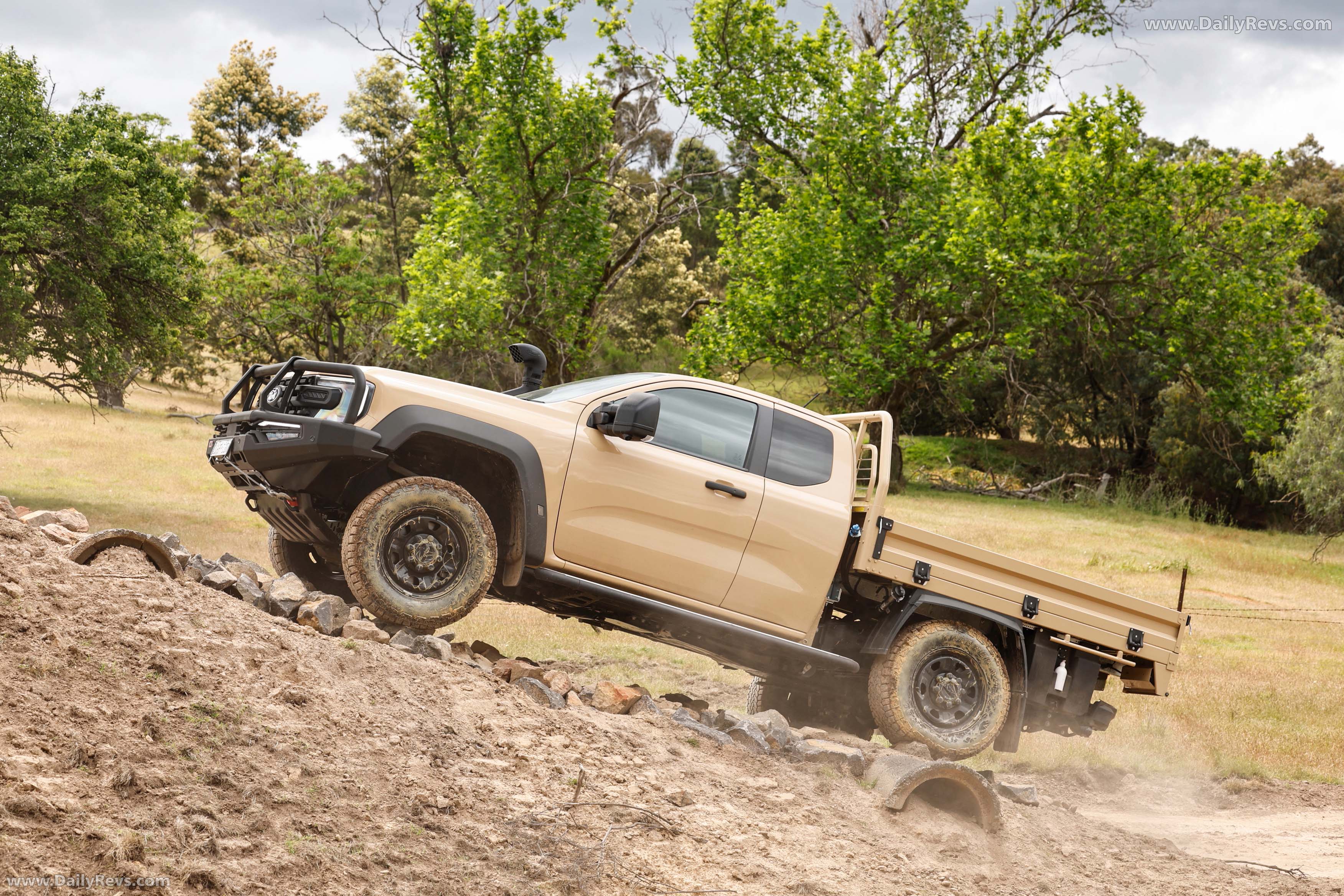
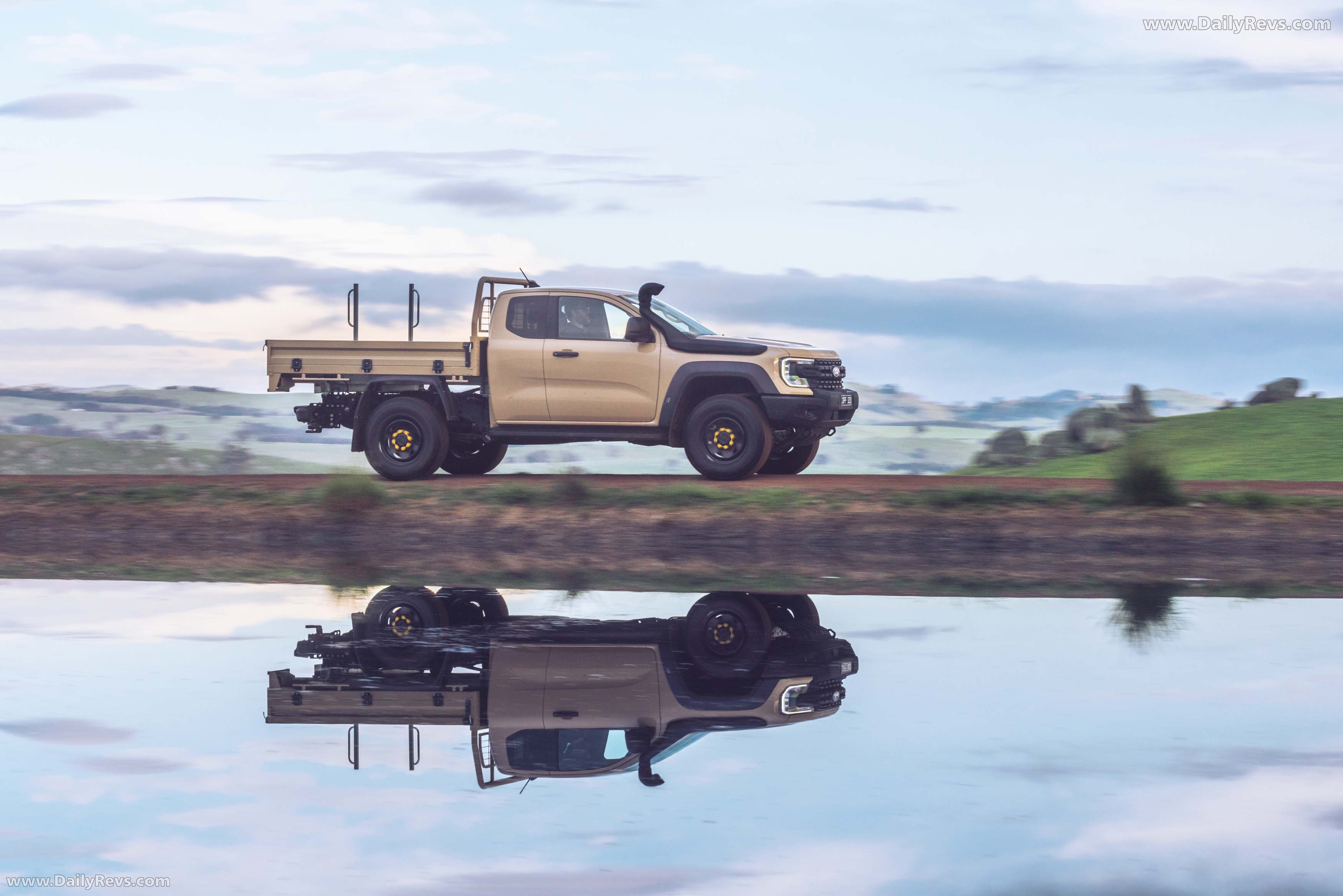
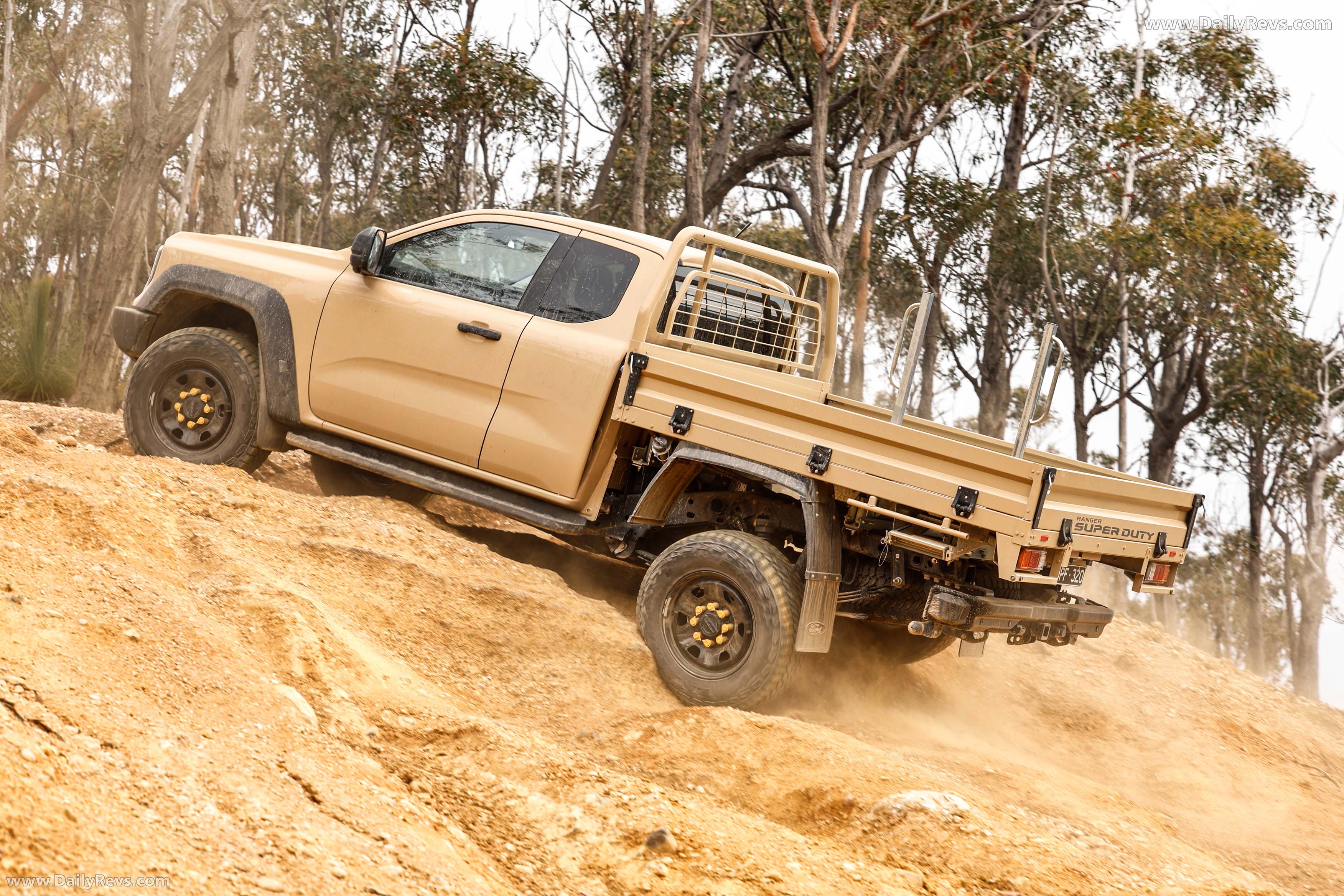
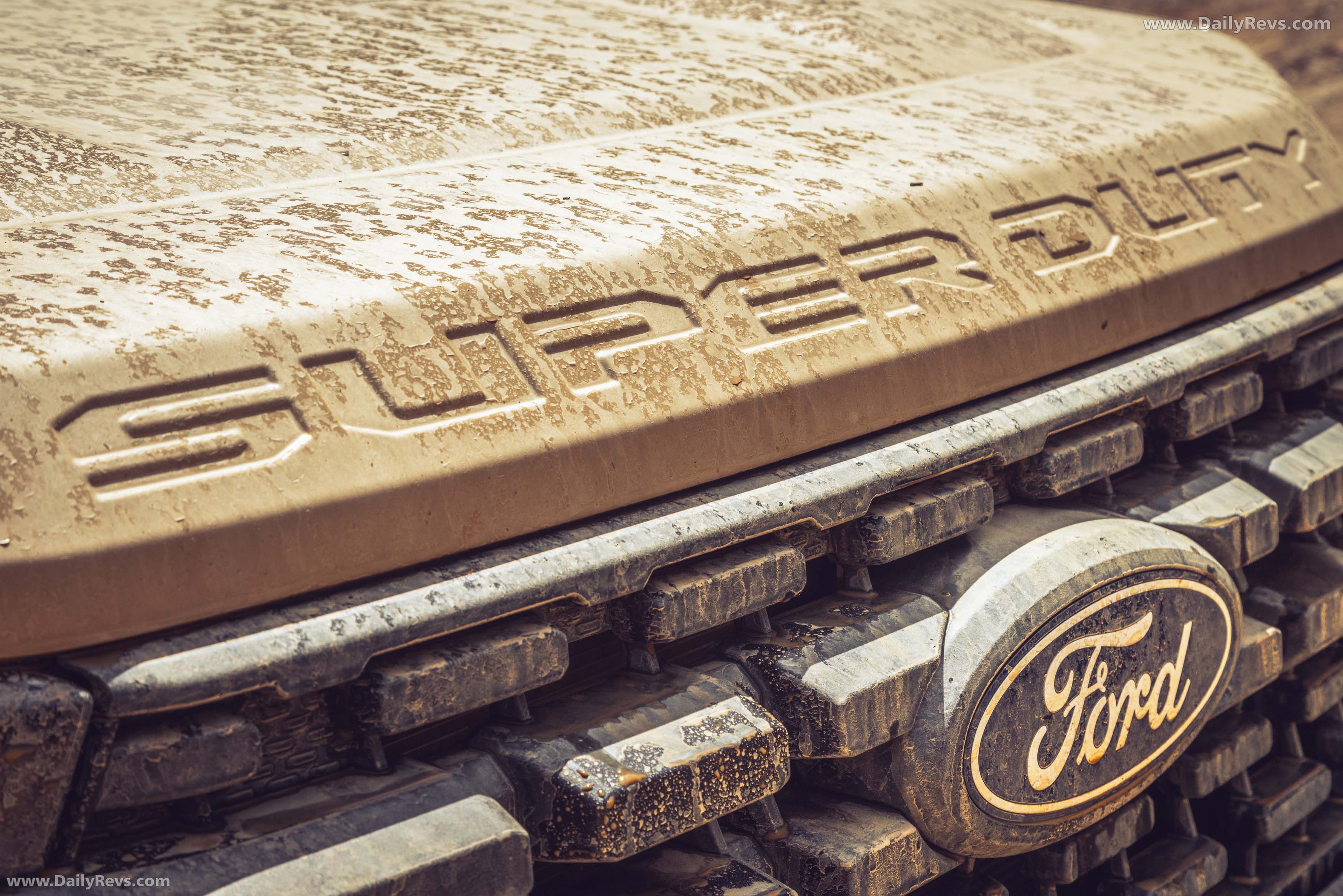
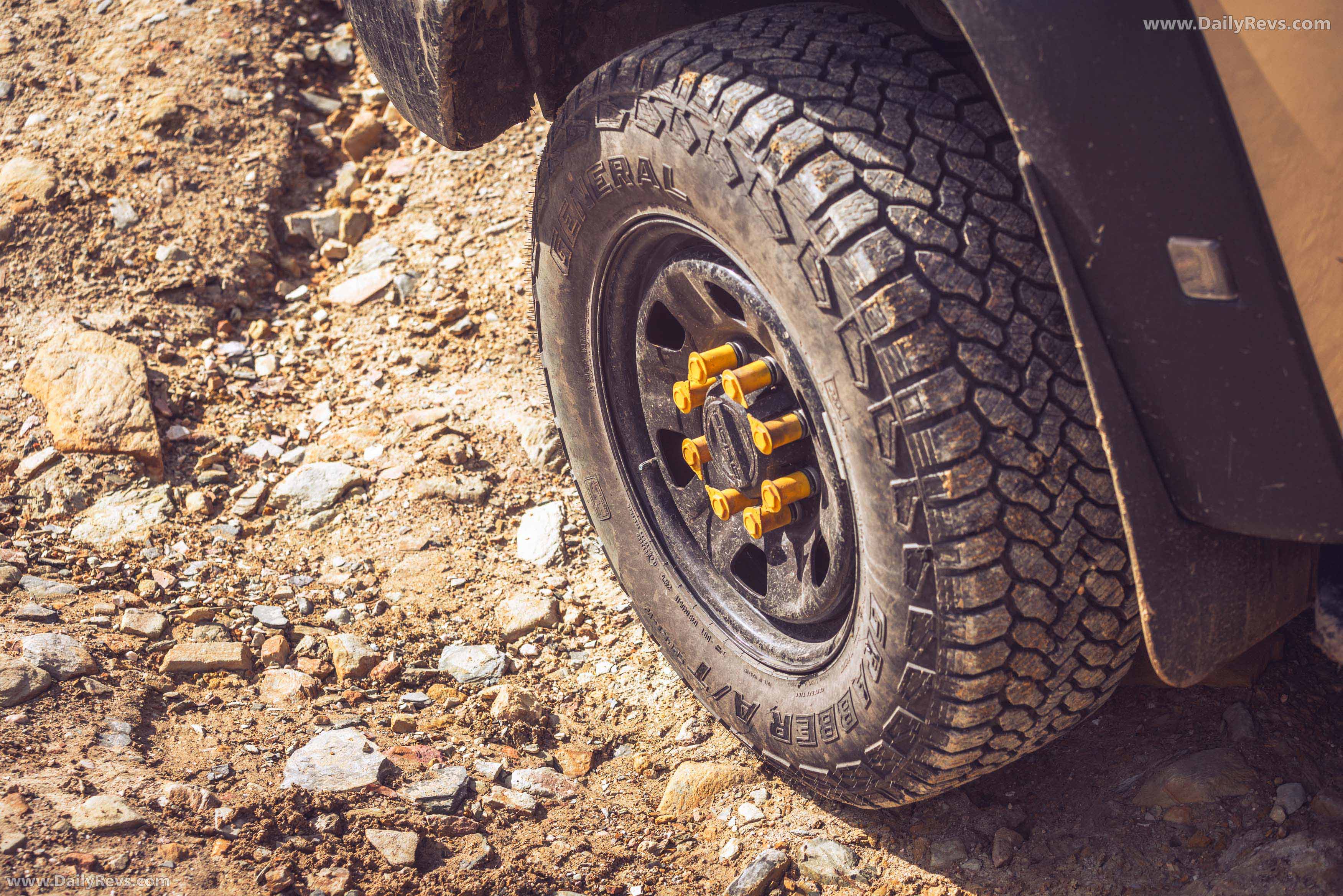
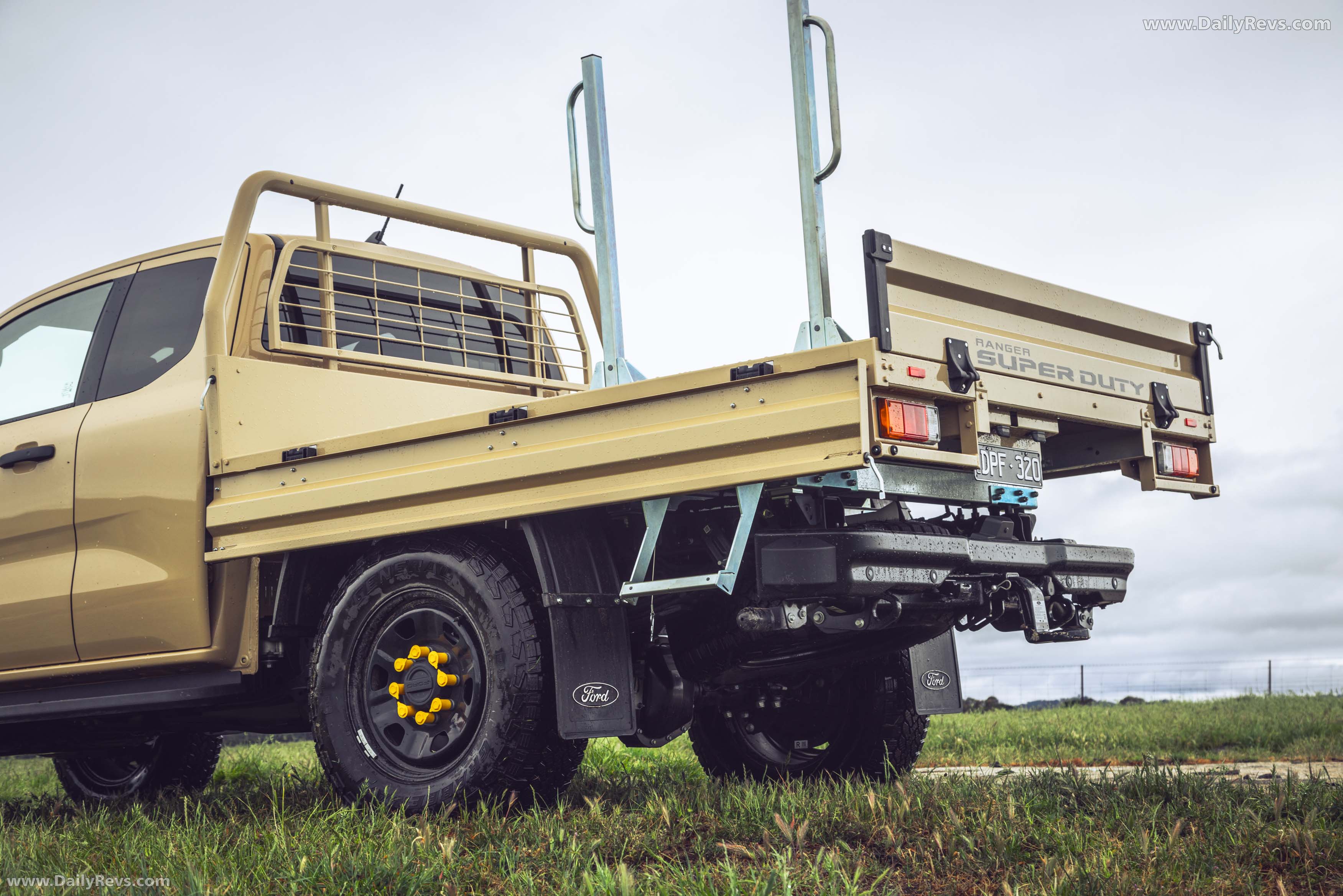
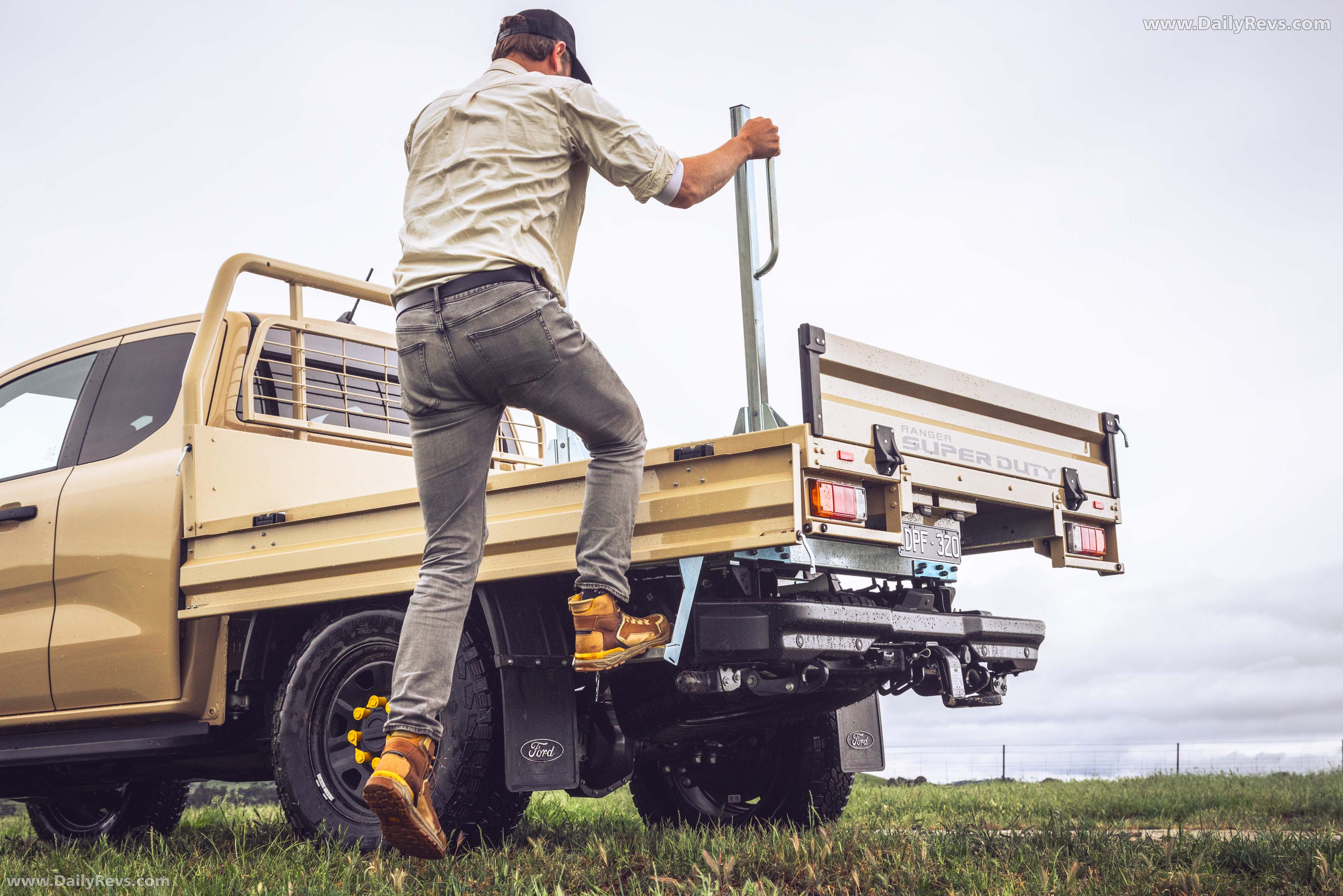
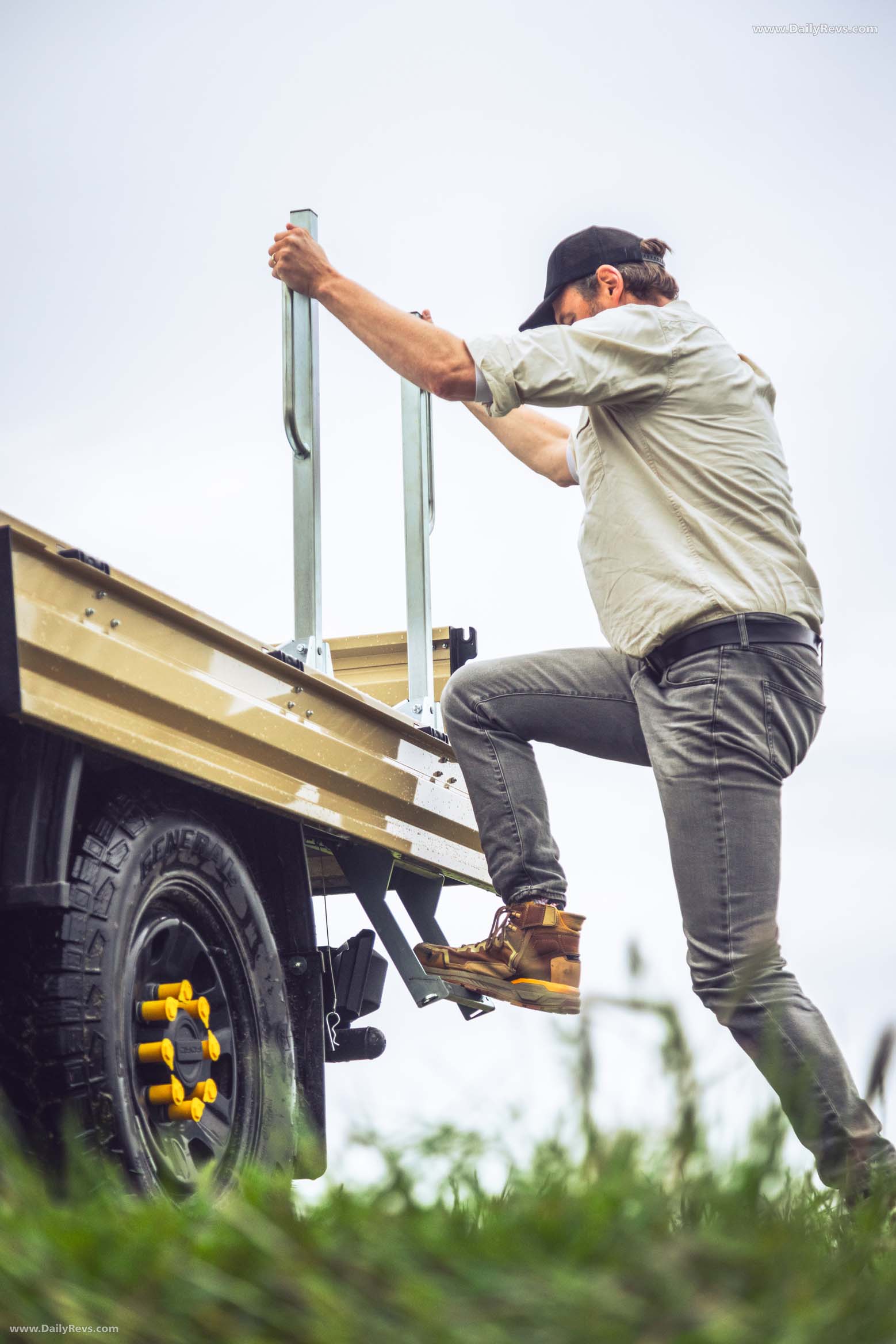
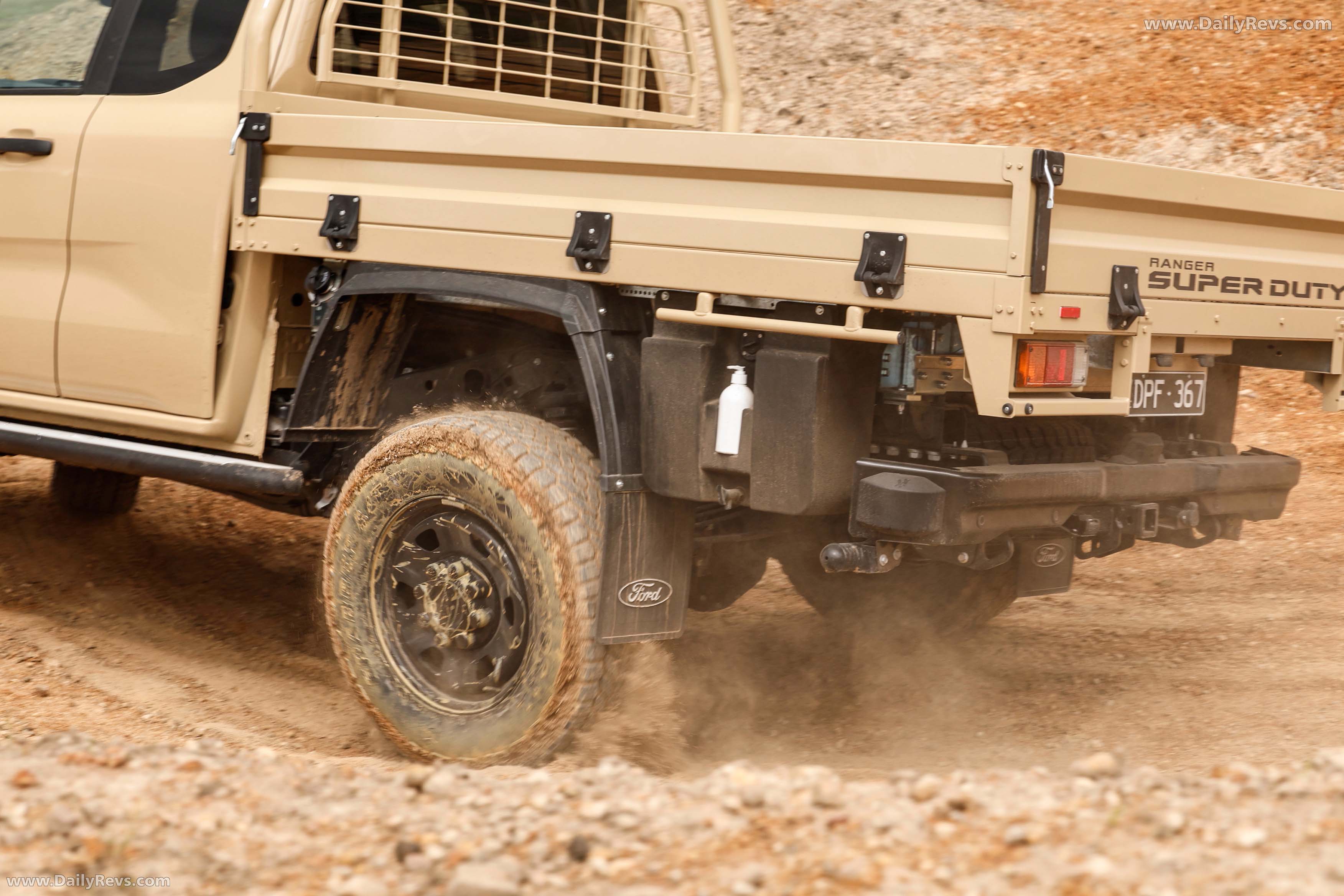
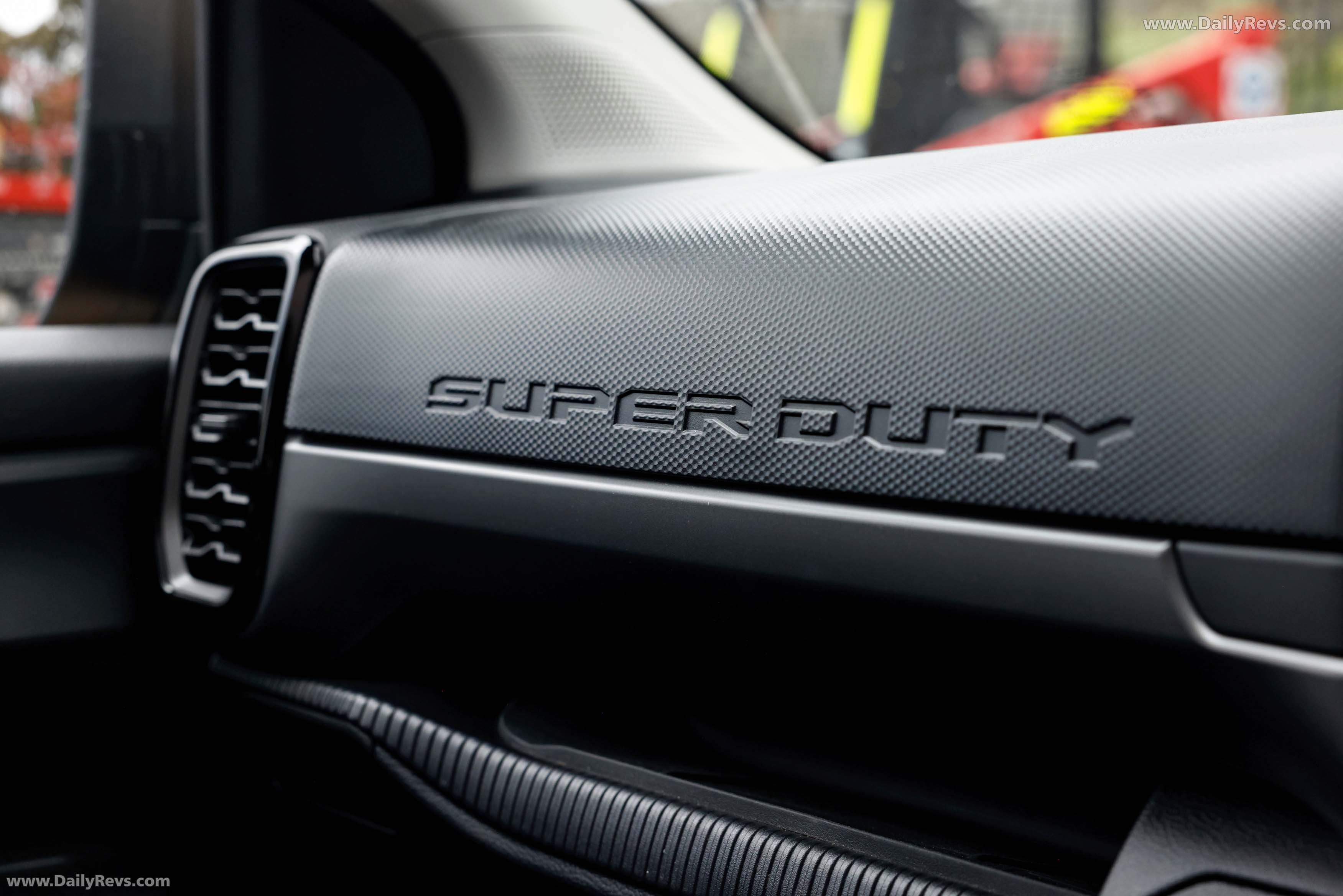
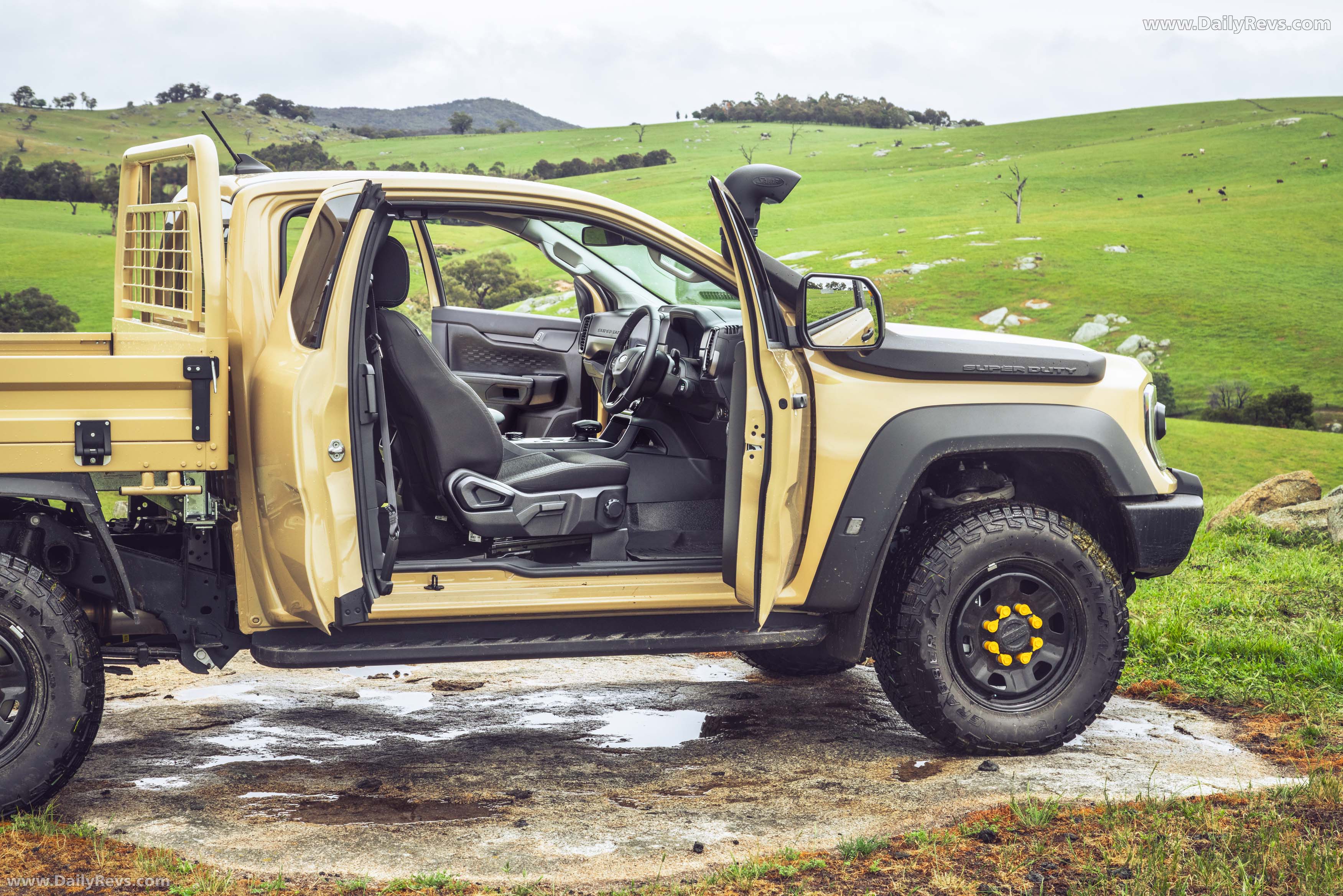
The Super Cab sits between the Single Cab and Double Cab in the broader Super Duty rollout, but the design cues are identical across the range: purposeful, industrial and clearly engineered for hard work. In images, the 2026 Ford Ranger Super Duty Super Cab has a compact but heavy-set stance, shaped by its reinforced frame and the heavy-duty axle and driveshaft hardware beneath it. Eight-stud hubs, larger bolt patterns and an enlarged rear differential visibly shift the truck’s proportions toward the “medium-duty” end of the spectrum rather than lifestyle pickup territory
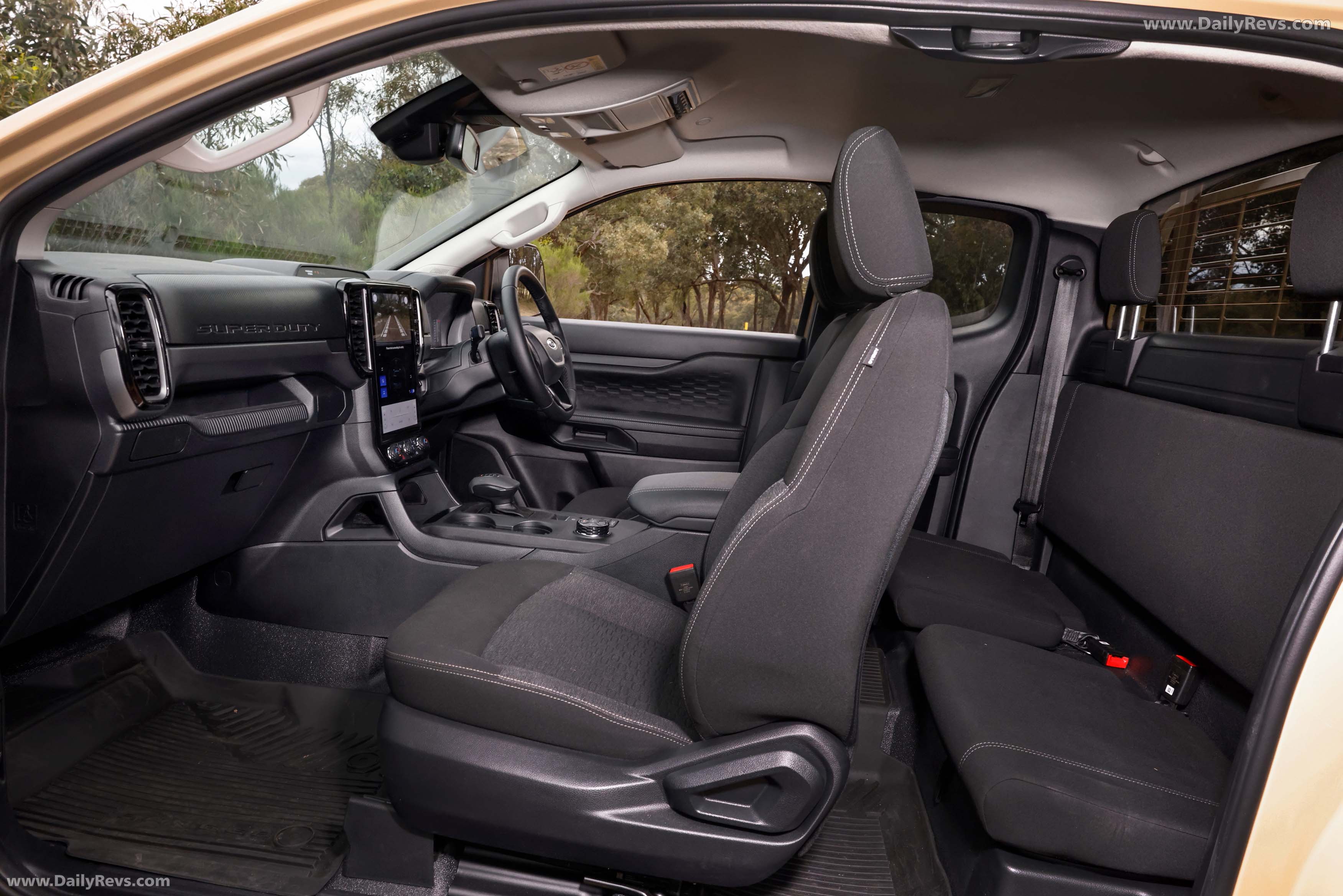
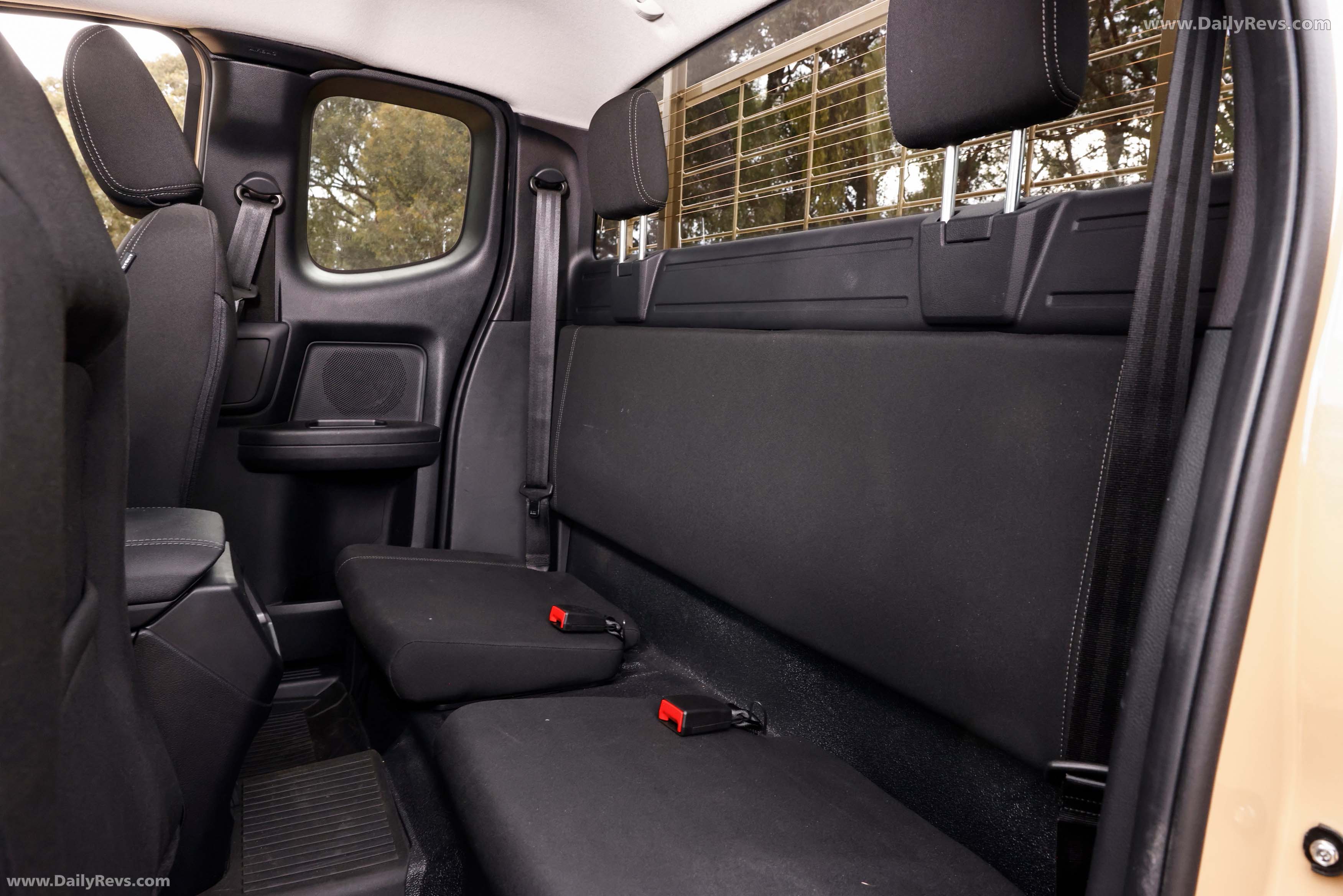
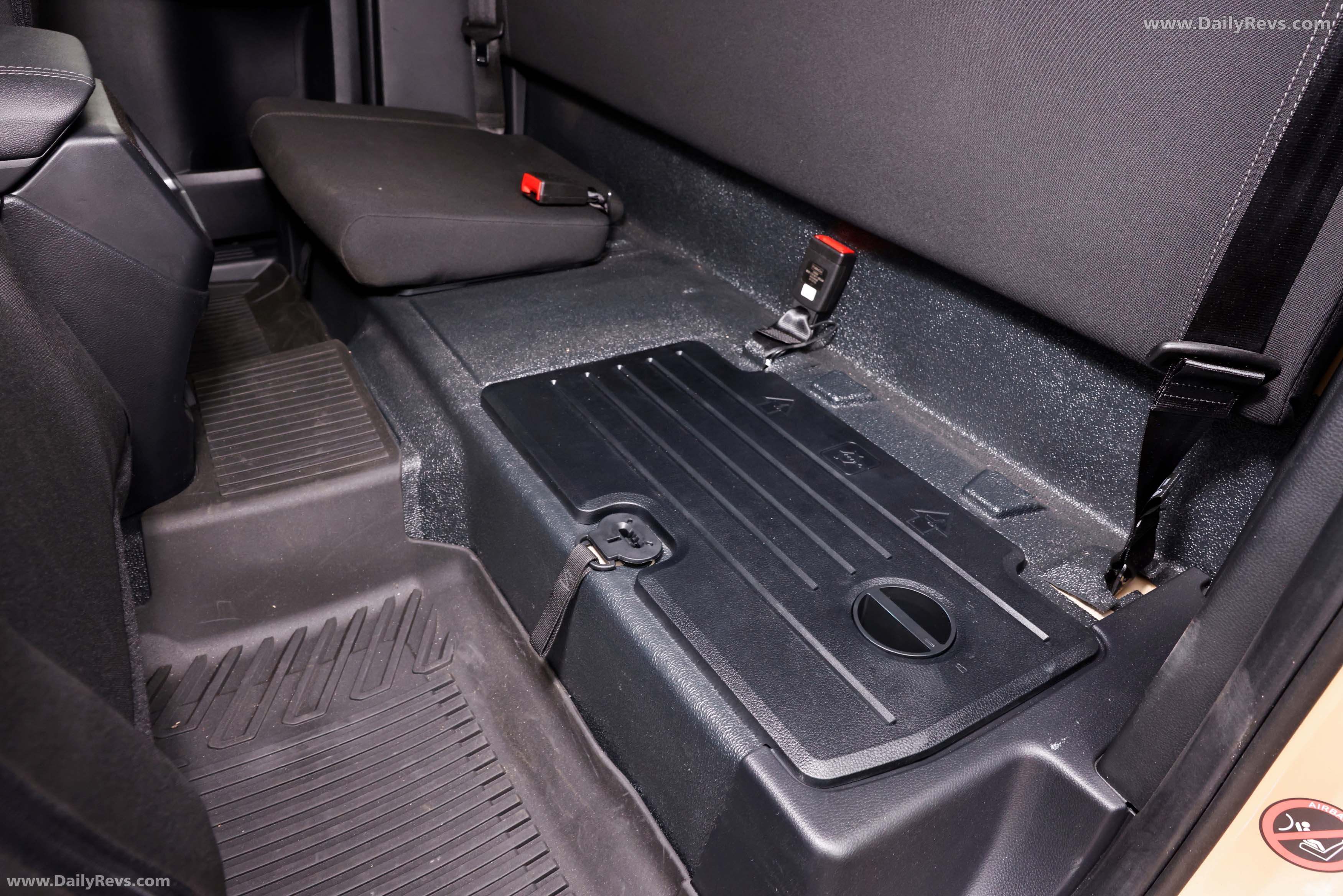
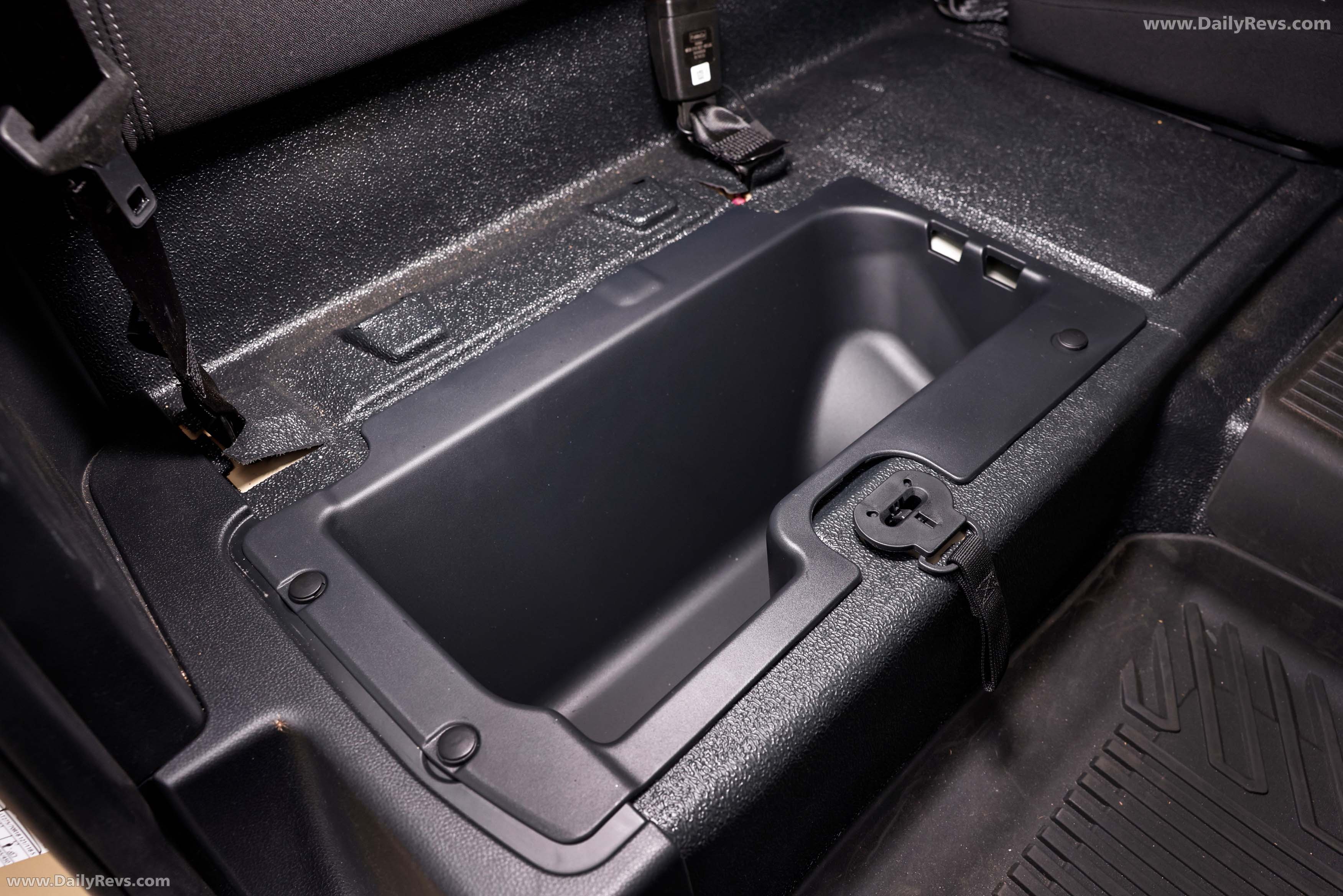
The Super Cab body style keeps the wheelbase manageable while offering additional in-cab storage behind the front seats—a layout well suited to forestry crews, station hands and remote-area operators who need both tools and seats without the length of a Double Cab. High-mounted breathers for the transmission, fuel system and transfer case are tucked cleanly into the body, a subtle but telling reminder of the terrain this truck is meant to cross.
Performance and Powertrain Overview
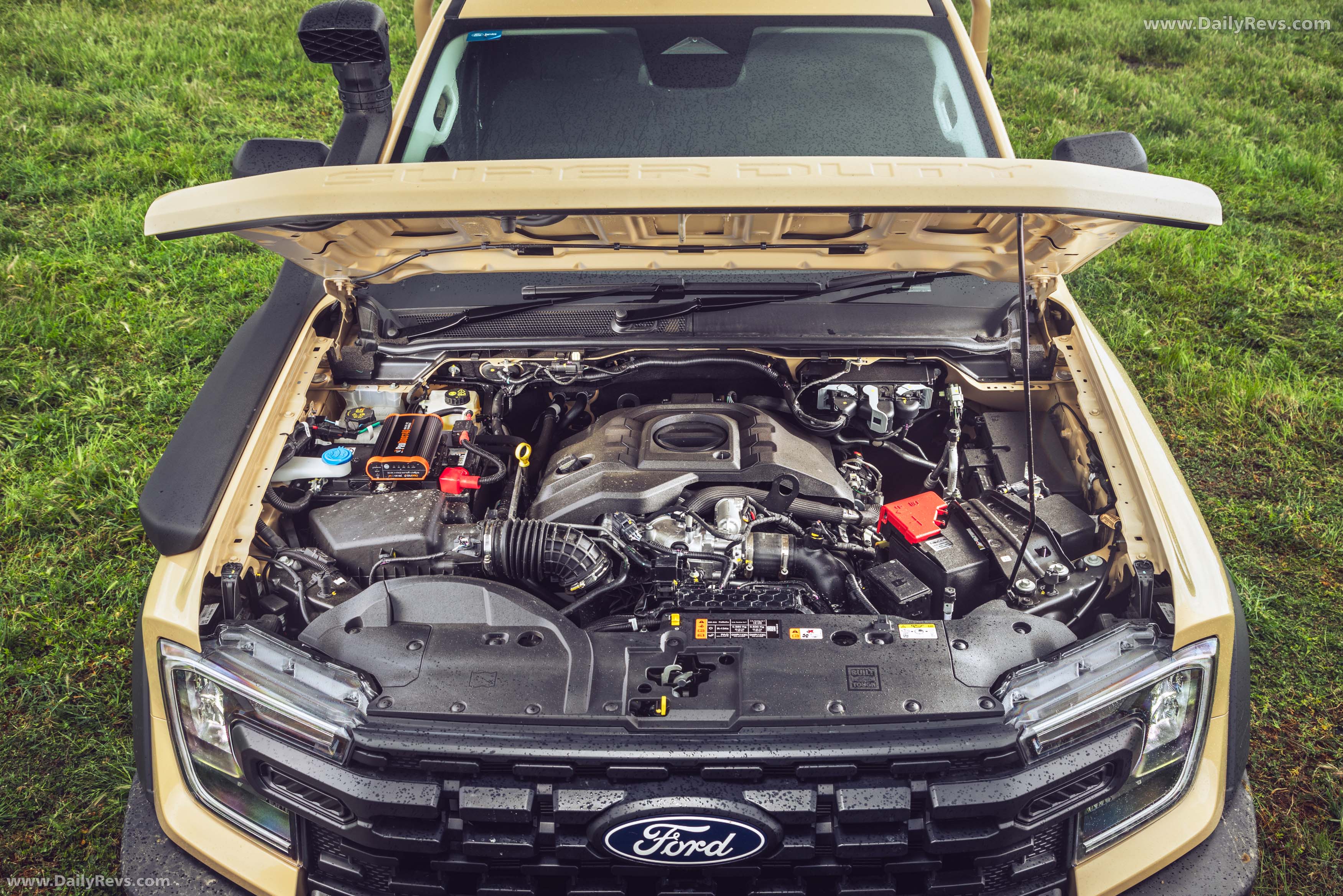
Under the bonnet sits Ford’s 3.0-litre V6 turbo-diesel, calibrated to EU6.2 emissions and linked to an upgraded cooling system designed for hot-climate load cycles and prolonged low-speed off-roading
The ability to delay and manually initiate DPF regeneration is particularly useful for operators who can’t afford a parked-up regen in remote areas.
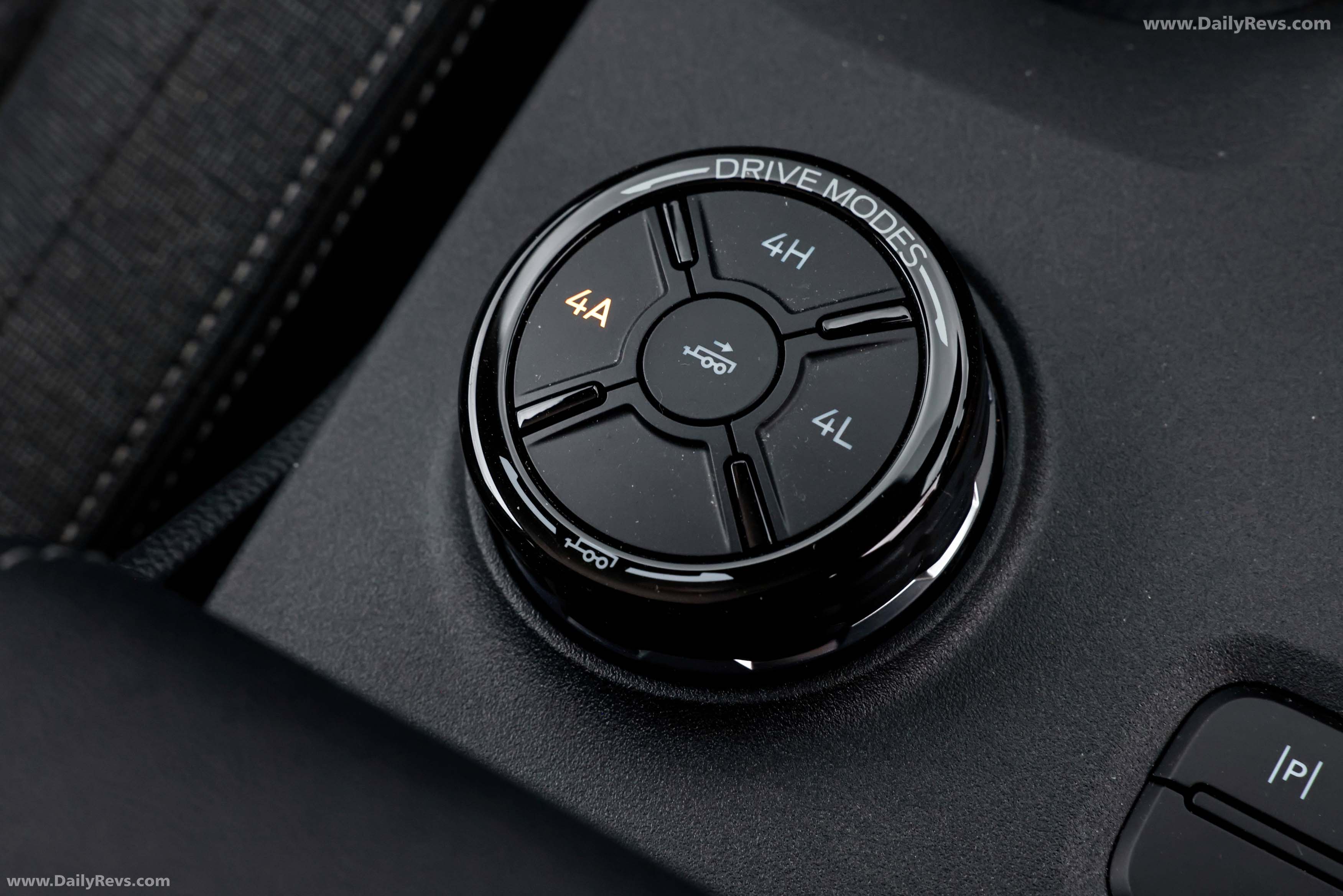
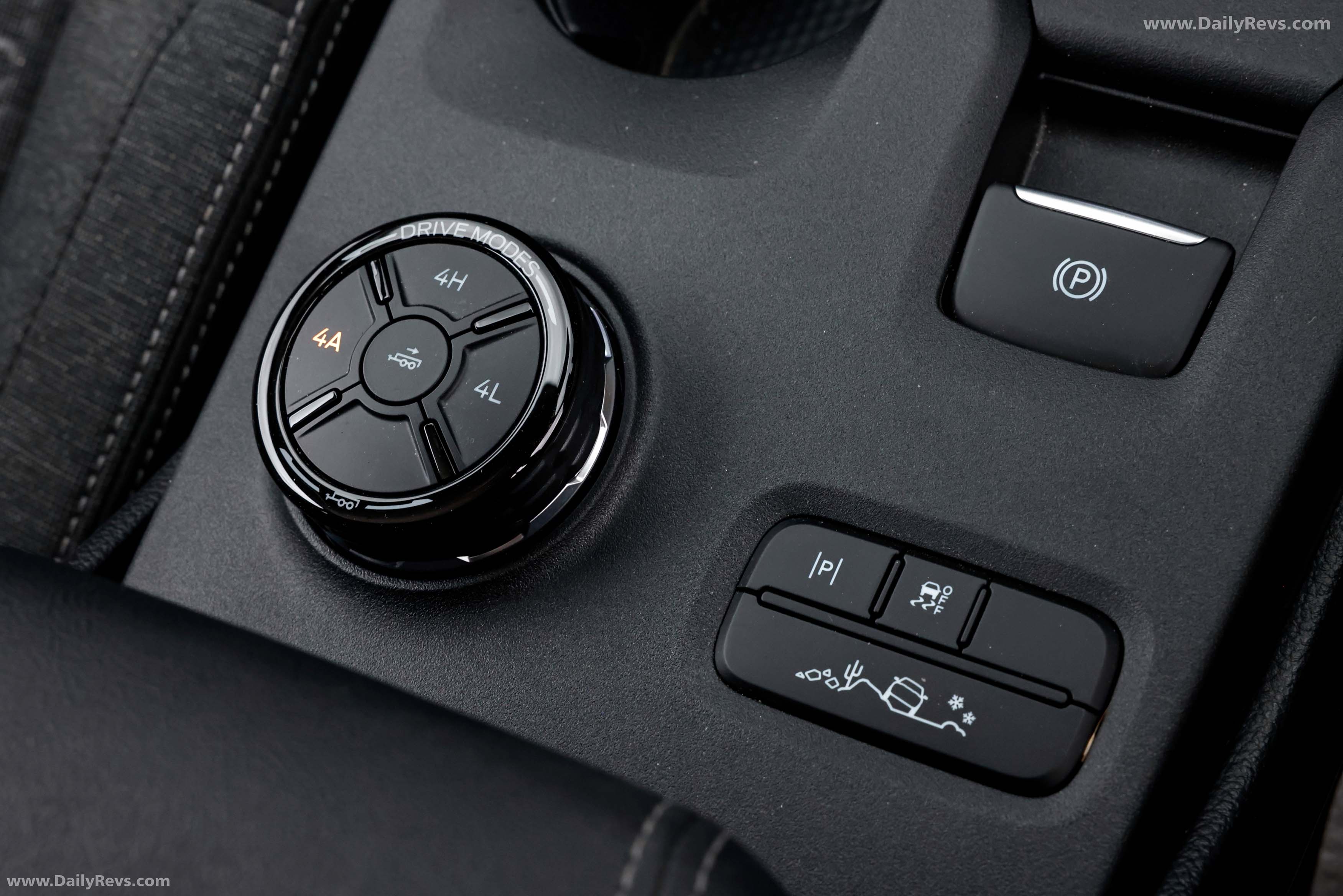
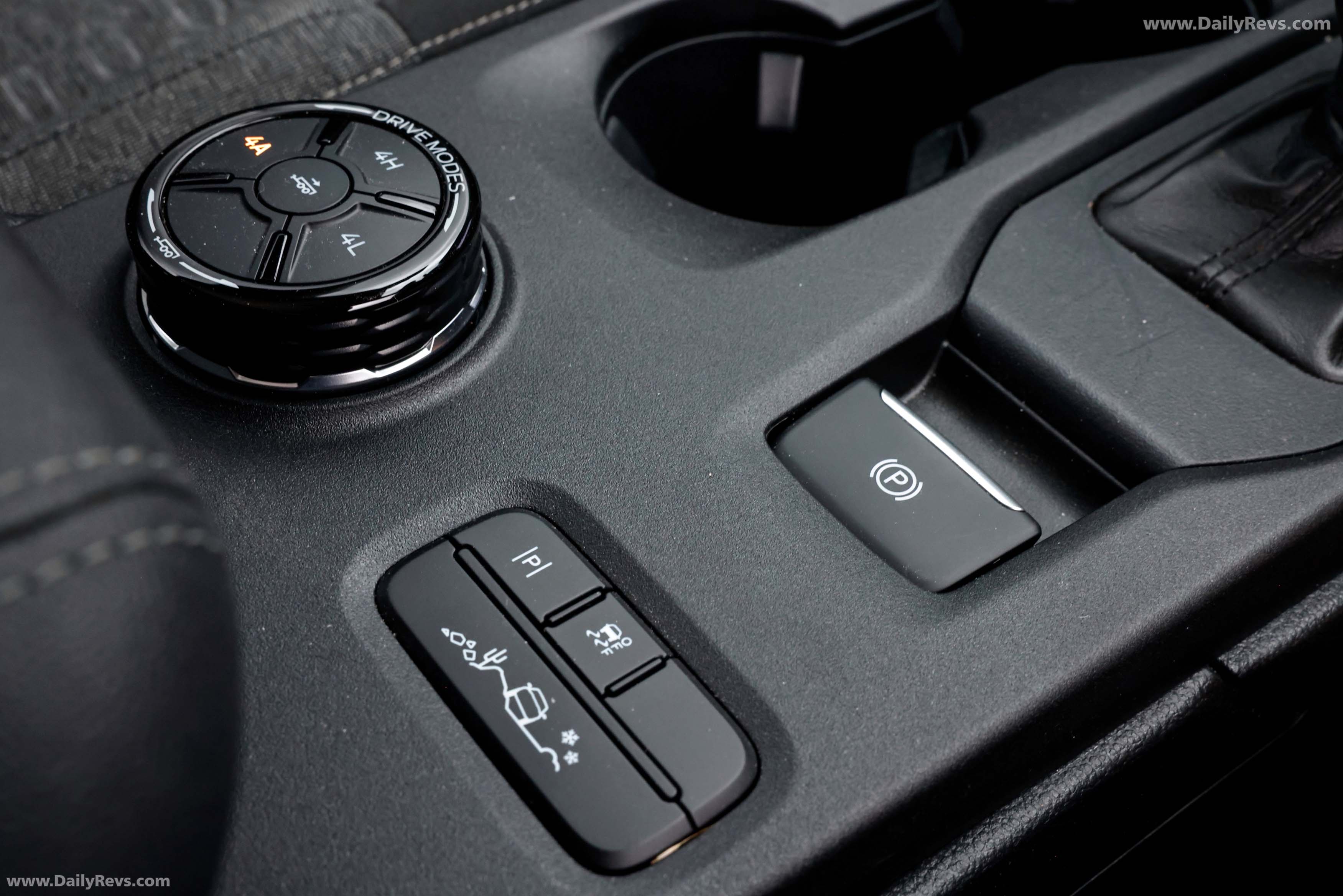
Capability gains come from a strengthened two-speed transfer case with components borrowed from the F-Series Super Duty, a key upgrade for extreme low-range work. Seven selectable drive modes—including Tow/Haul, Mud/Ruts, Sand and Rock Crawl—modulate throttle sensitivity, stability control and driveline behaviour across changing conditions.
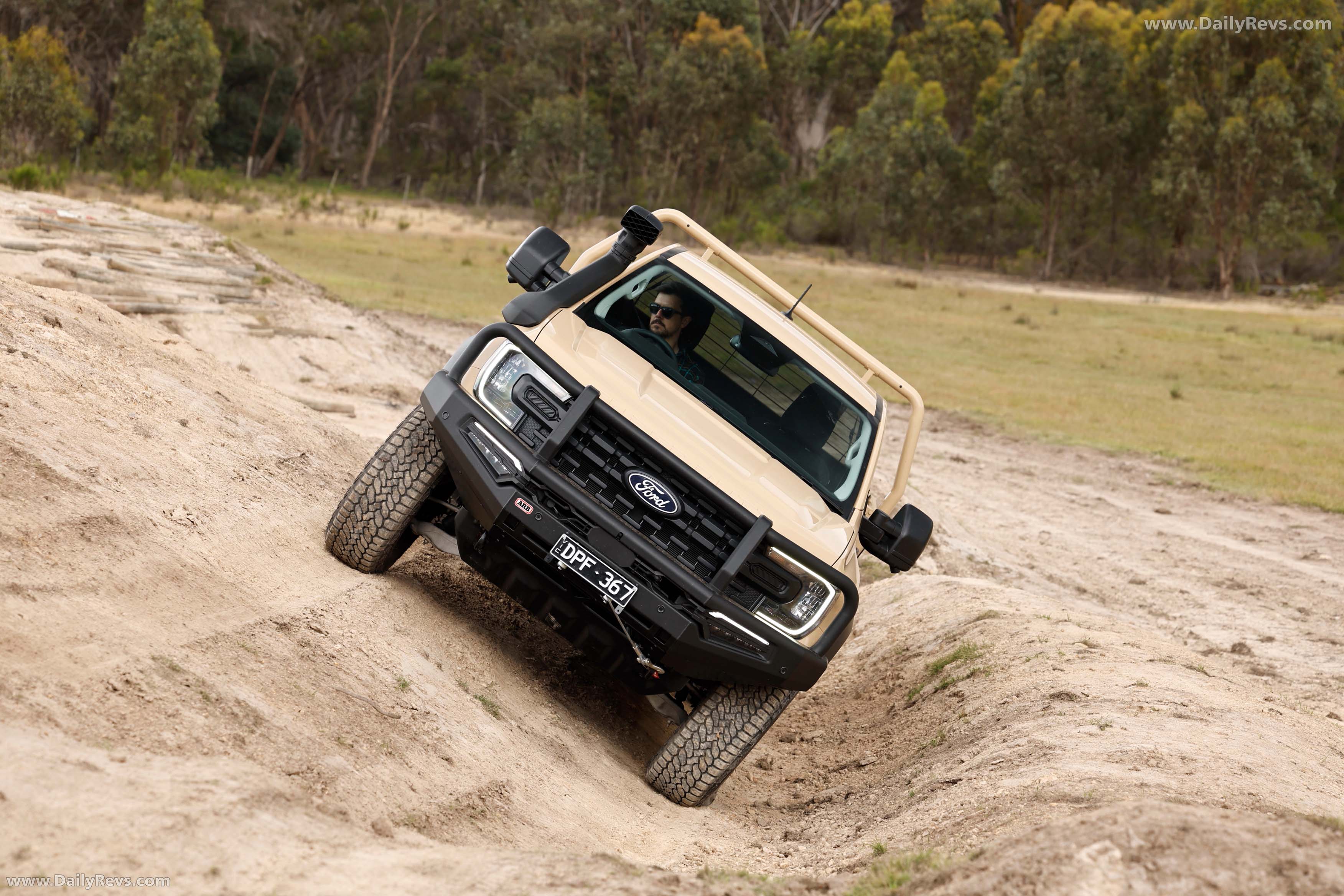
Standard front and rear locking differentials give the Super Cab the same traction hardware as the Double Cab and Single Cab variants. The front locker, adapted from the Bronco Raptor and re-engineered for higher loads, is a notable inclusion at this class level.
Key Features and Interior Impression
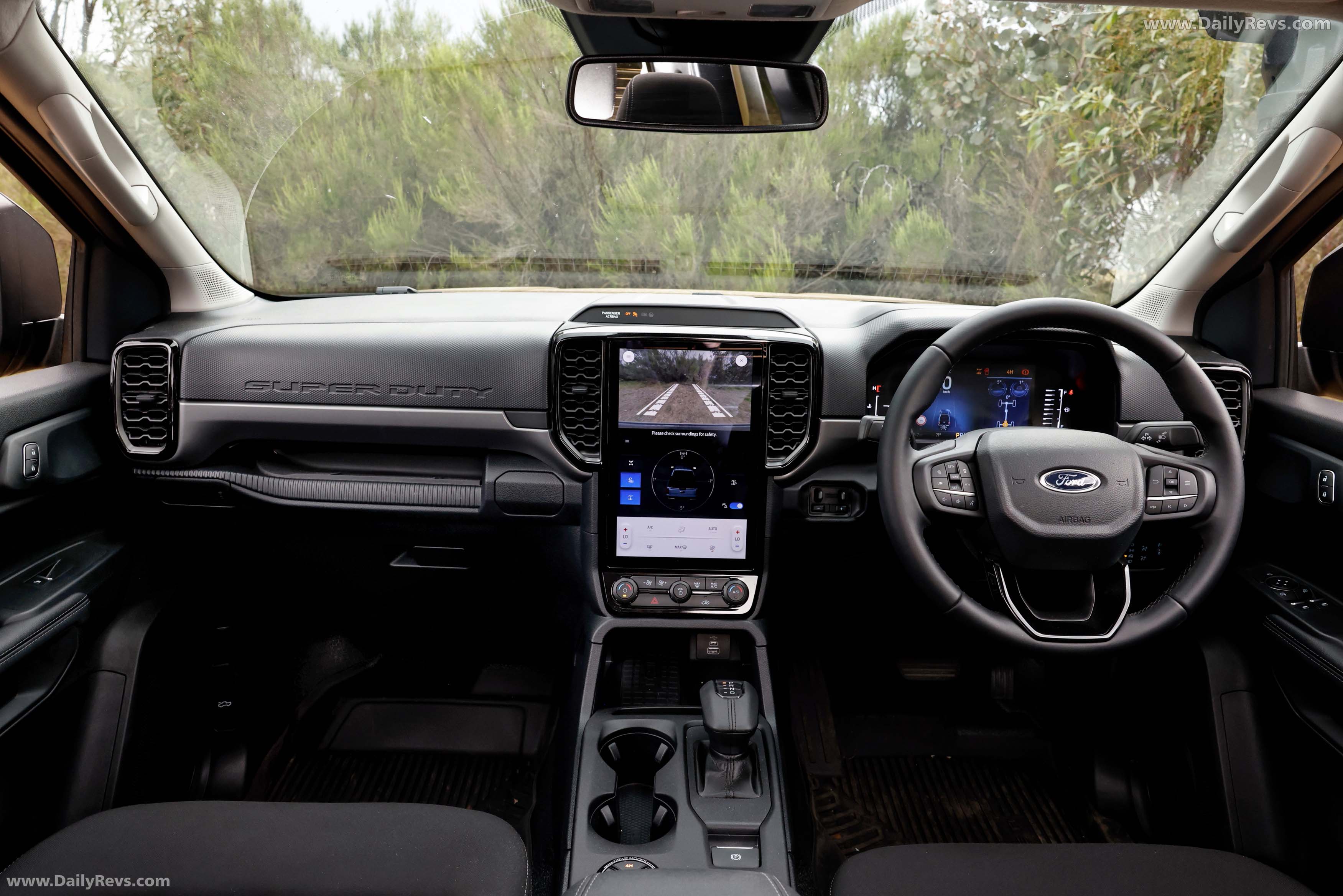
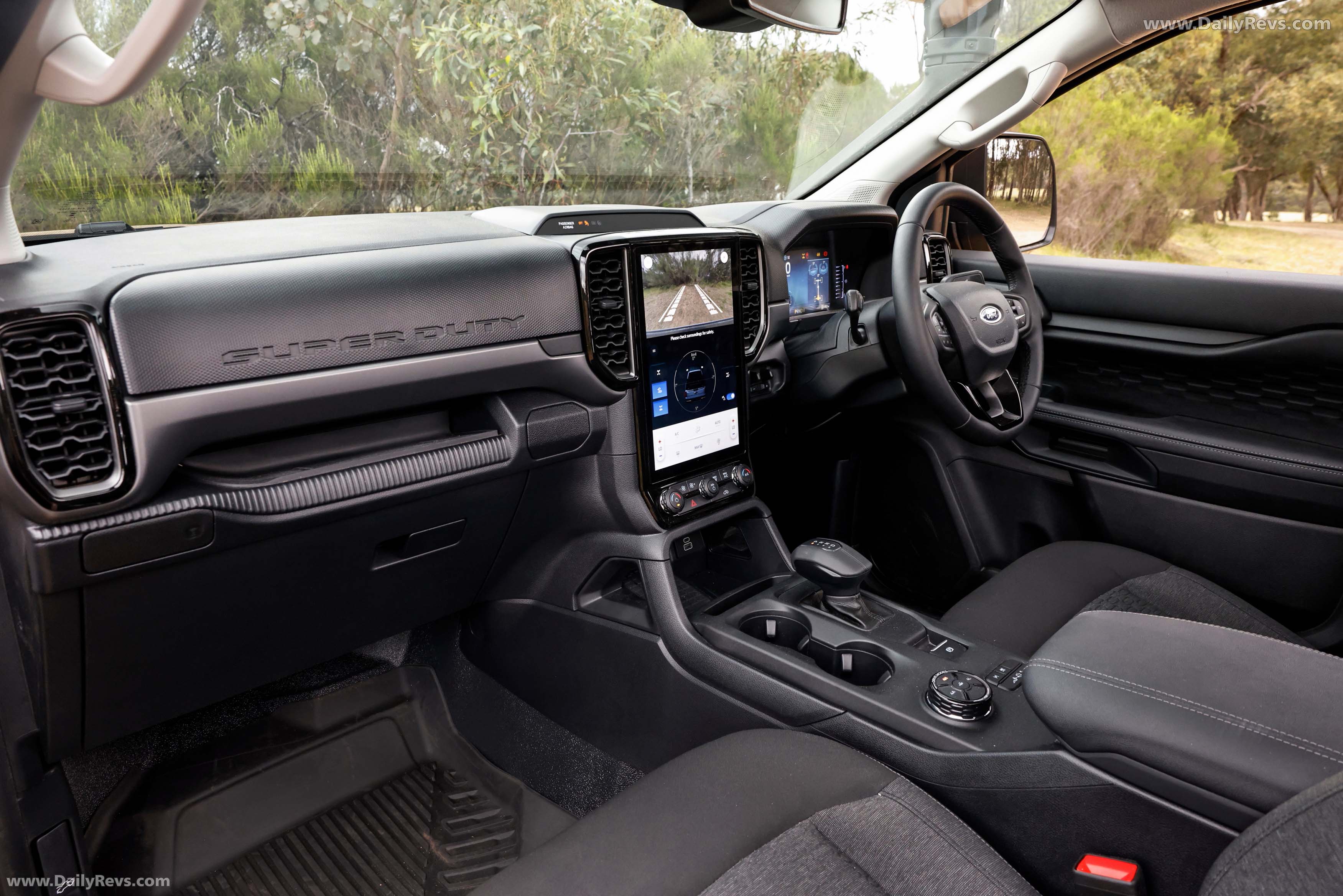
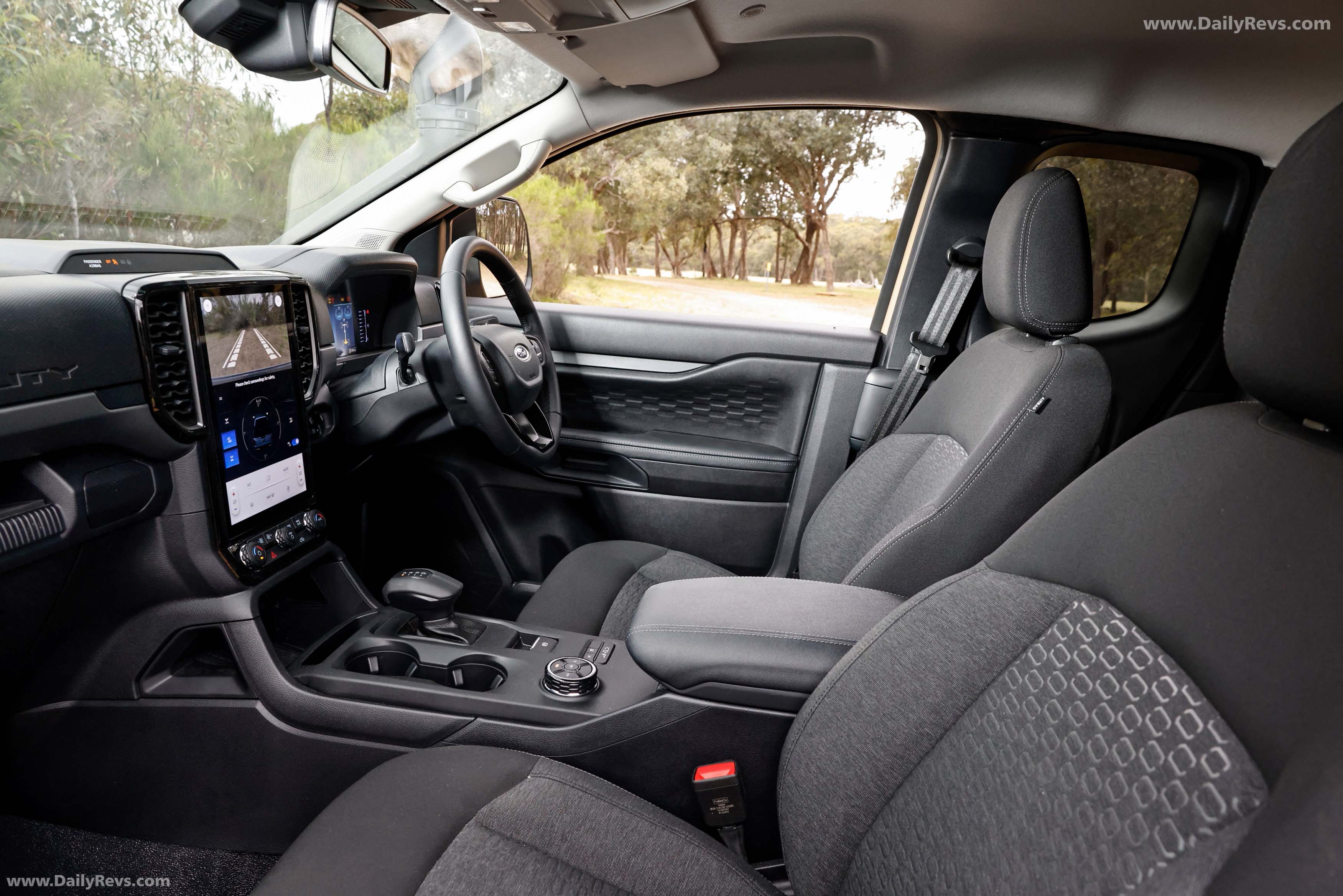
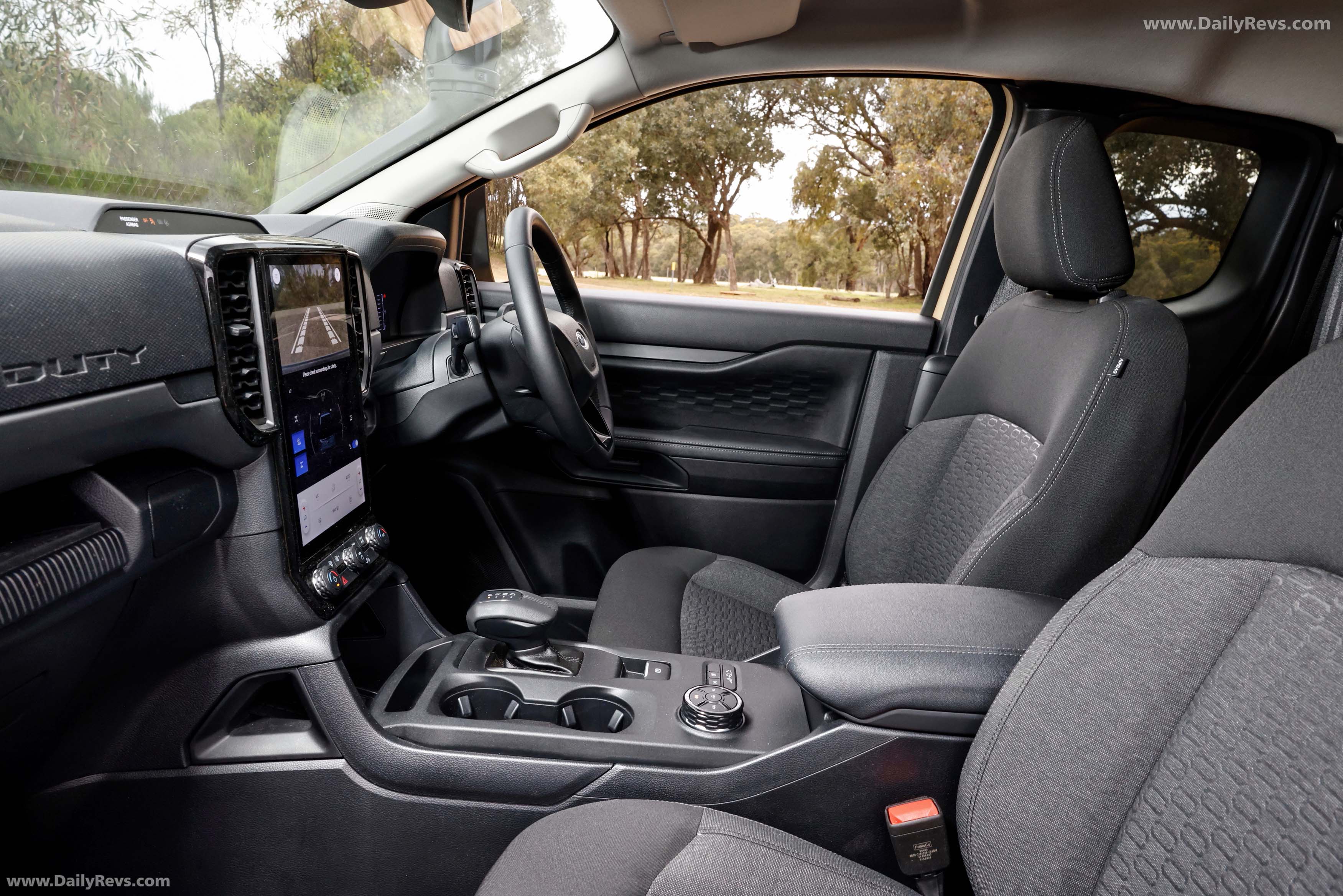
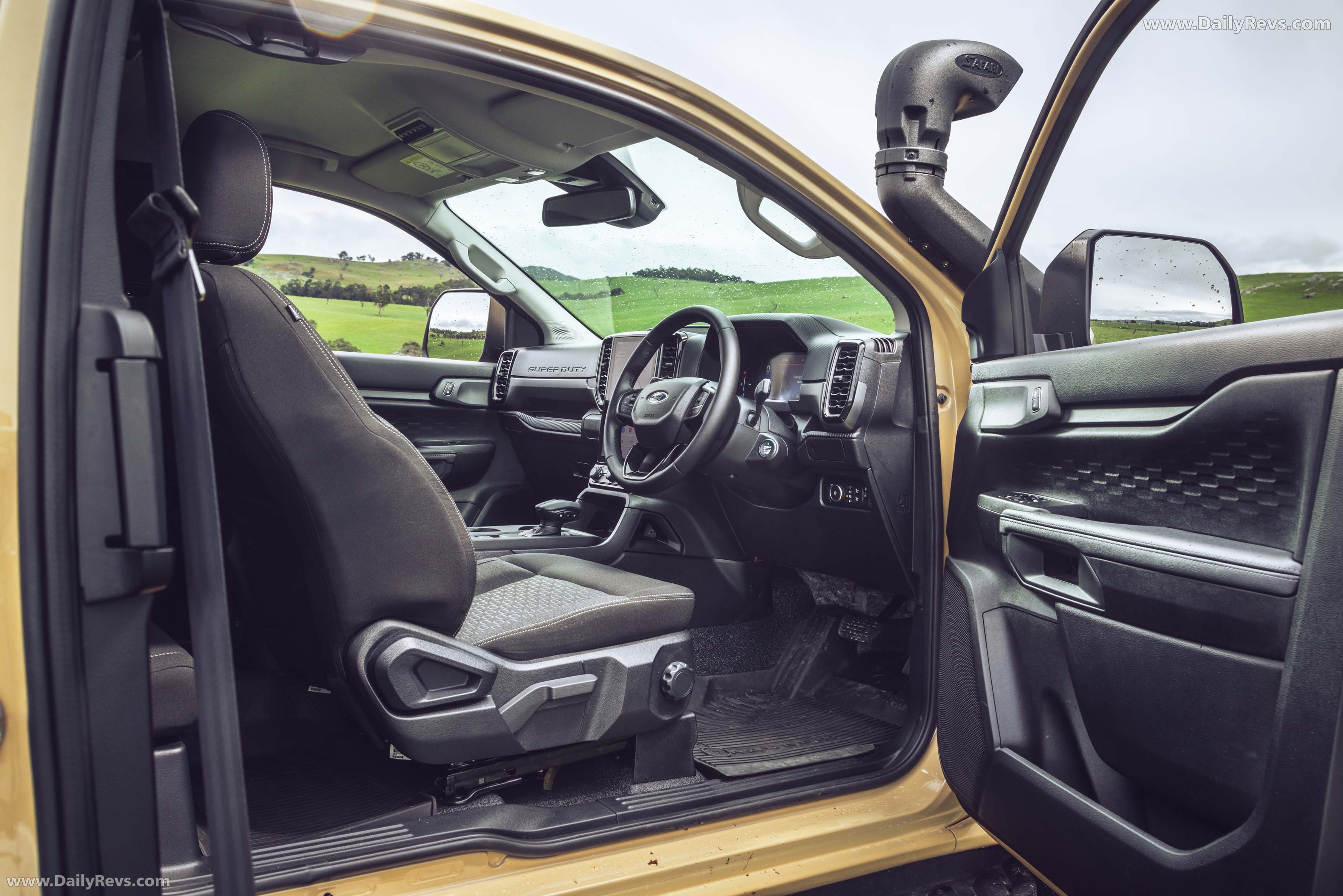
The Super Cab receives the full suite of Super Duty technology. SYNC 5 integrates off-road tools—Trail Control, the Off-Road Shortcut button, steering-angle and pitch/roll displays—into a single interface. Trail Turn Assist tightens the turning radius by selectively braking the inside rear wheel on loose terrain.
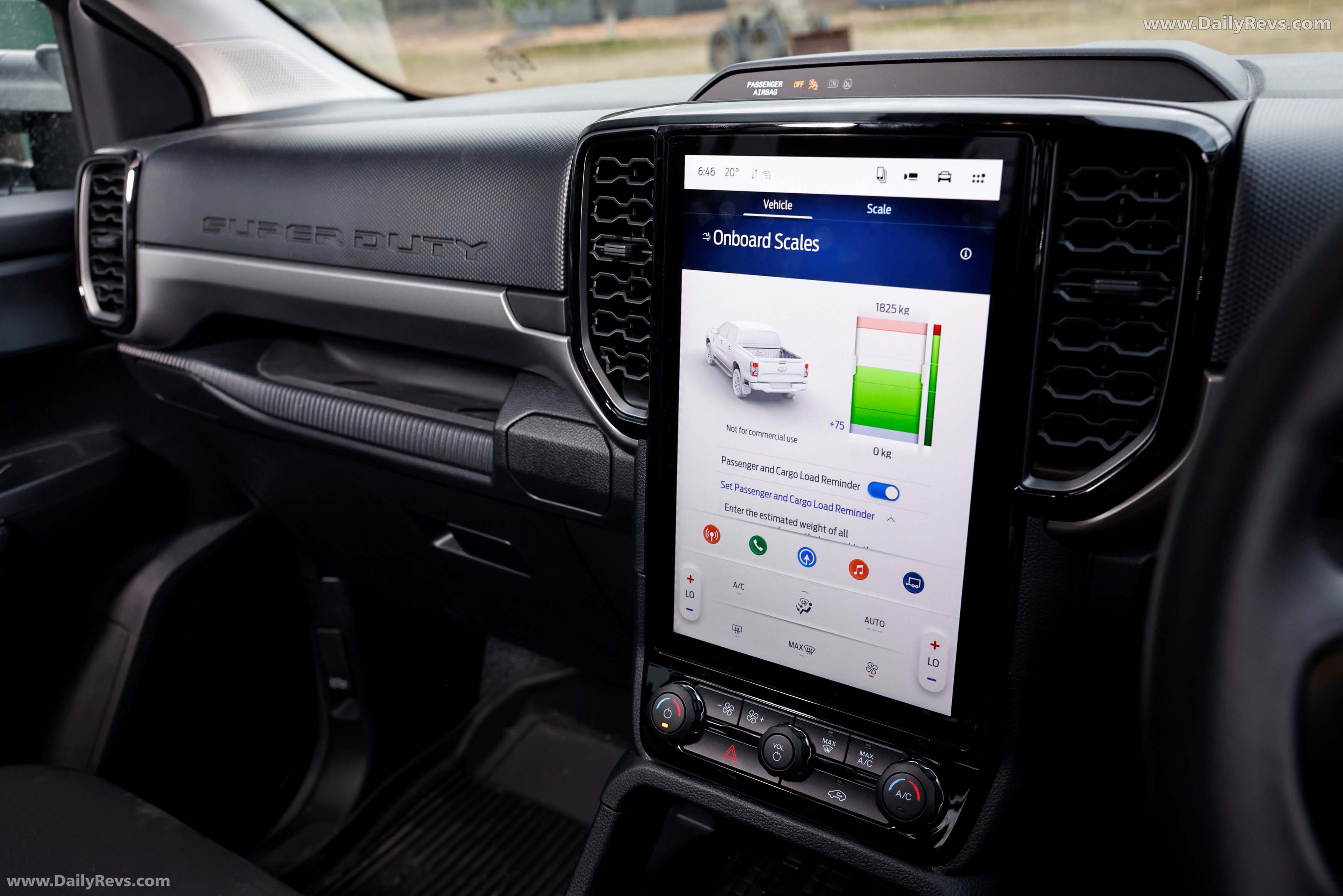
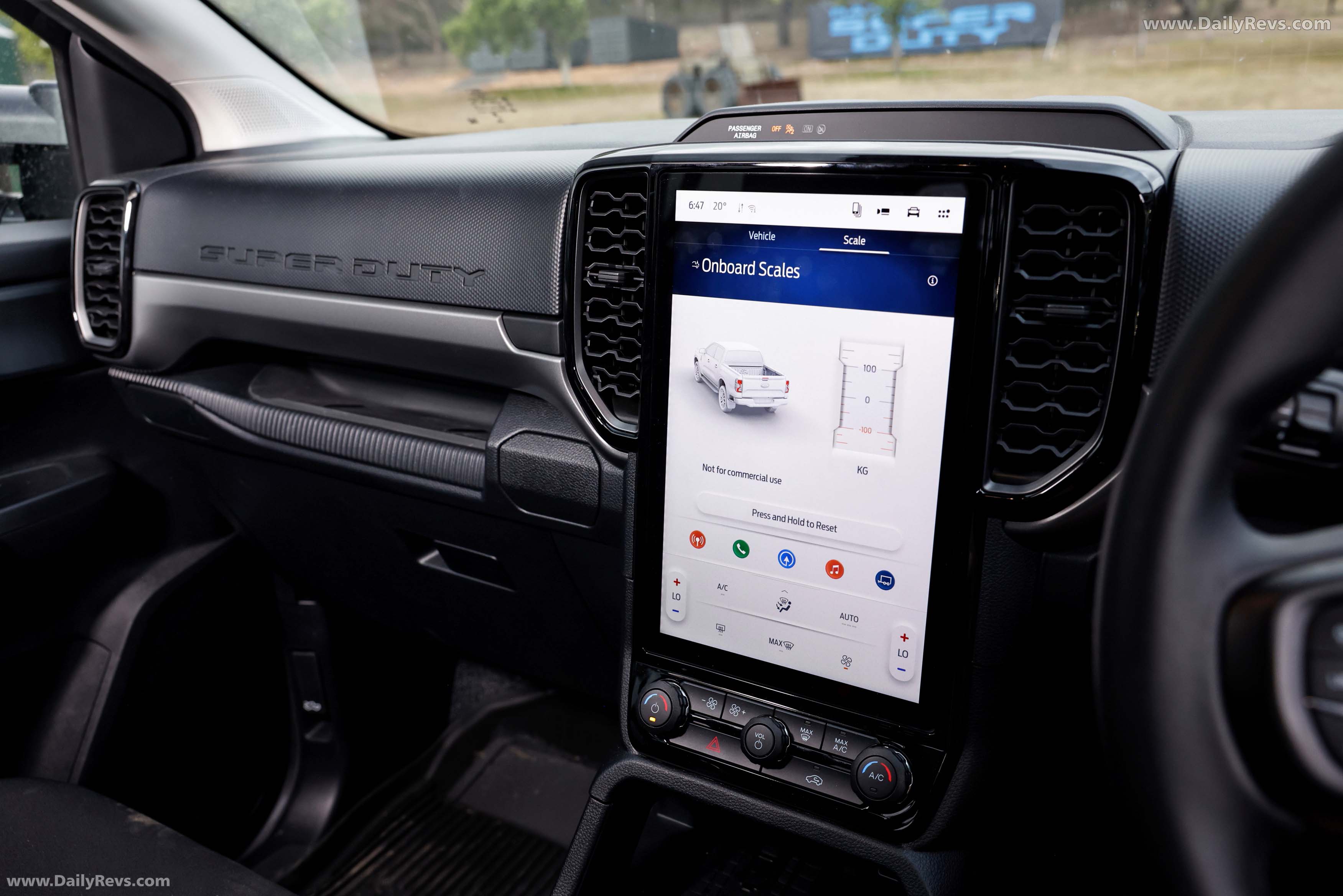
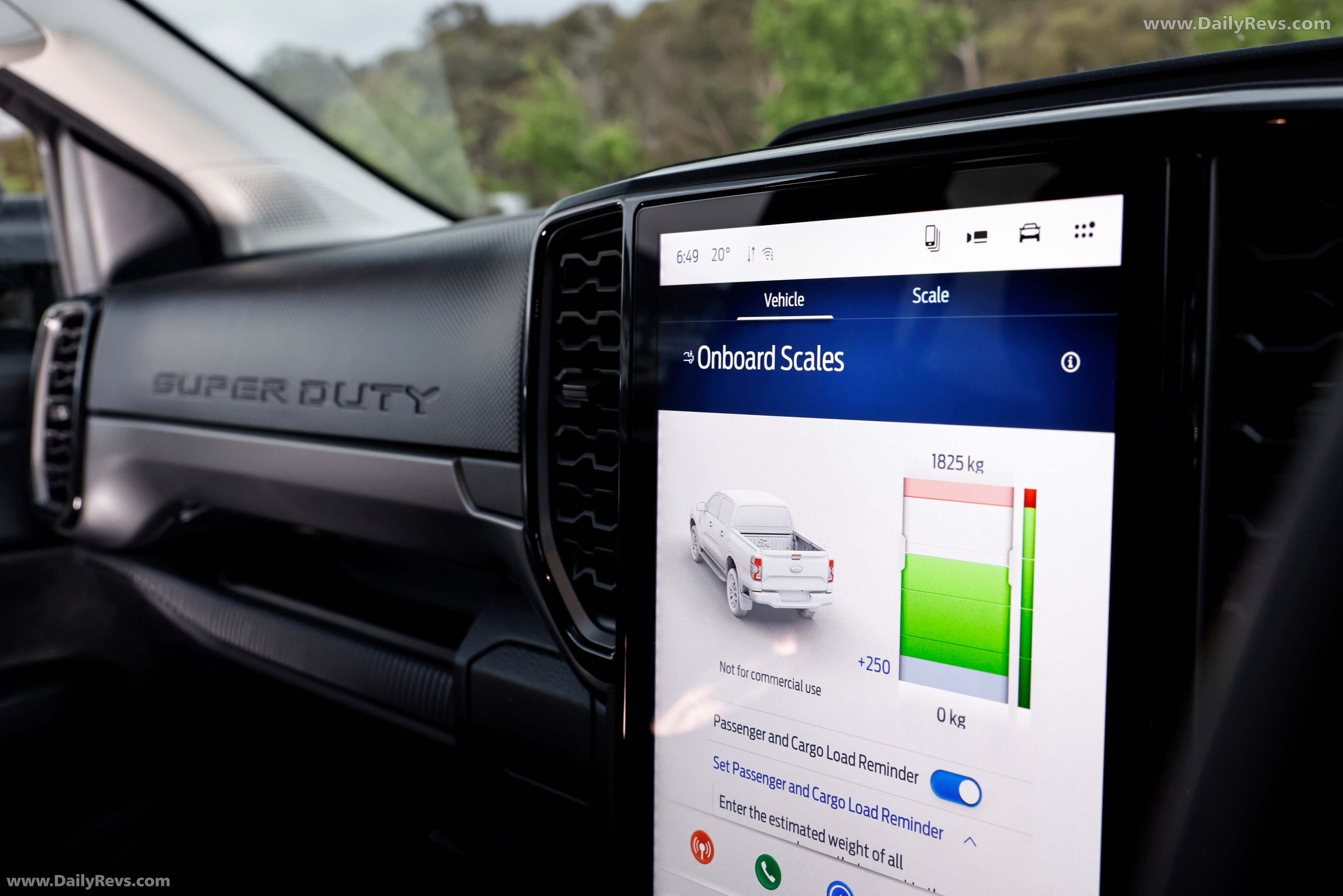
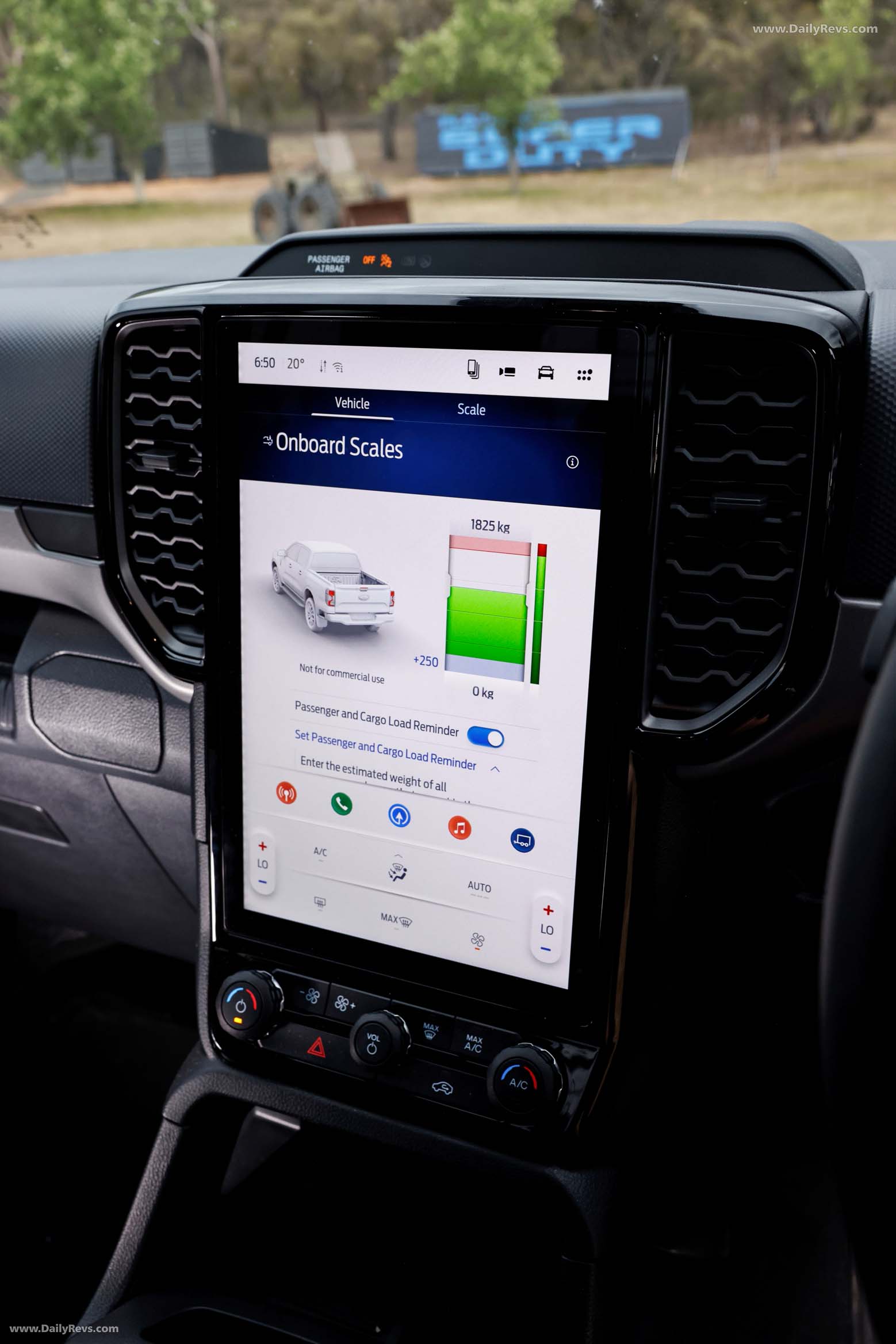
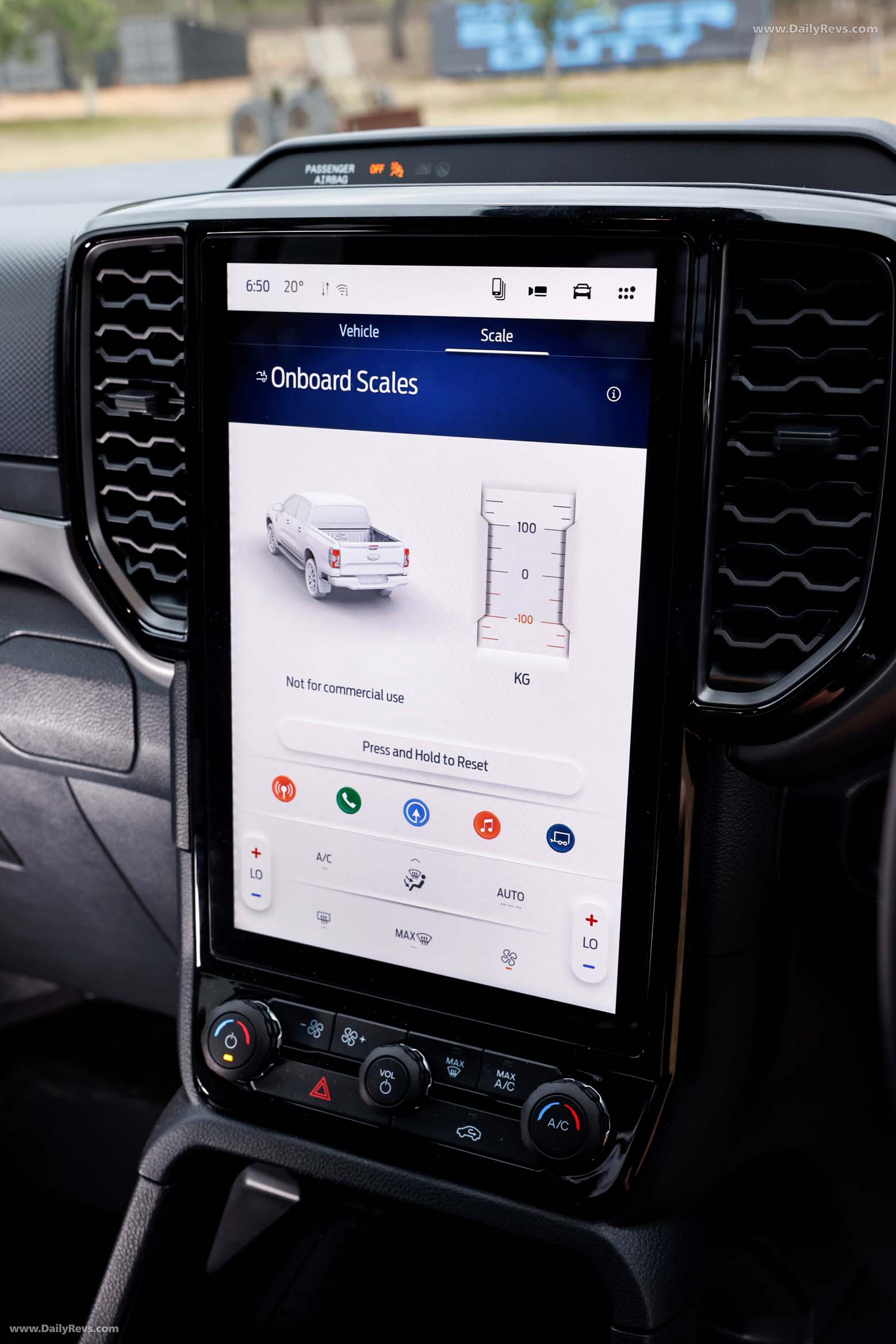
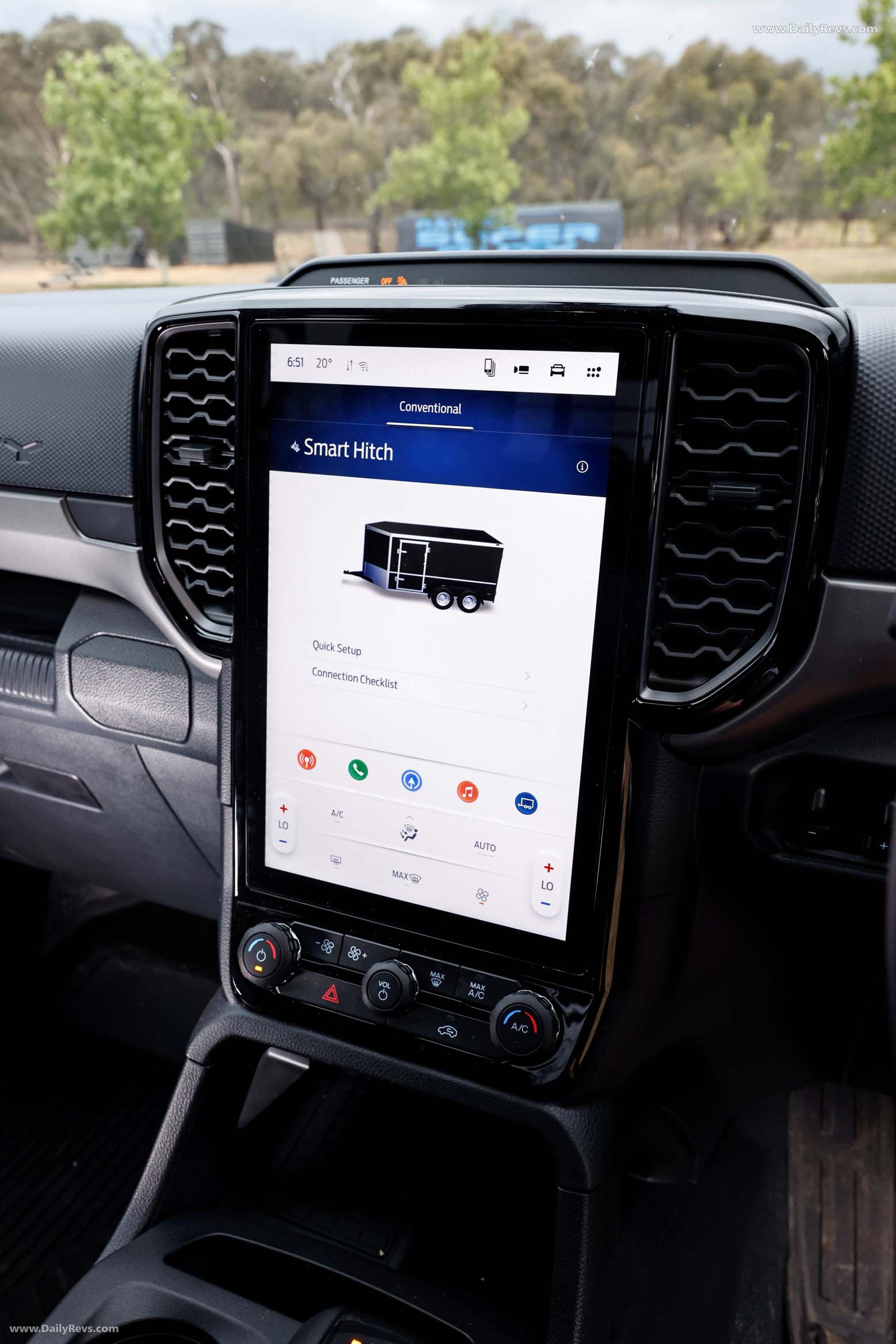
Payload and towing management stand out as major differentiators. Onboard Scales estimate real-time payload via suspension sensors, while Smart Hitch measures trailer tongue weight, helping prevent instability during heavy towing
These systems elevate the Super Cab beyond brute-force capability and into precision-tool territory.
The rear driver-assistance technology bar, available to cab-chassis configurations, bundles features such as blind-spot monitoring with trailer coverage, 360-degree camera, reverse brake assist and cross-traffic alert—technology not previously offered on Ranger cab-chassis models.
Interior materials and trims are not detailed in the release [Unverified].
Market Positioning and Segment Context
Ford built the Ranger Super Duty range as a response to industry operators who required medium-truck durability in a smaller footprint. After extensive consultation with forestry teams, emergency services and land managers, Ford identified a gap: large trucks could carry the load but couldn’t fit down Australia’s narrow bush tracks. The Super Duty Super Cab arrives as the middle-sized answer—big capability in a format still suited to remote access roads.
Its validation program included mud-pack overload testing, 24/7 autonomous durability cycles on Silver Creek’s violent terrain simulation, corrosion baths and real-world shadowing of active fleet teams working with loads of up to 4,500 kg GVM
The result is a Super Cab variant engineered specifically for long-term punishment rather than showroom gloss.