Oceanliner Concept Shows What Maybach Could Be Without Mercedes Influence
By Hugo Mattson July 21, 2025

Design concept borrows from Maybach streamliner tradition and seafaring proportions
Focus on symmetry, reductionism, and surface continuity
Offers a autonomous design path independent of existing Mercedes-Maybach designs
Overview of the Concept
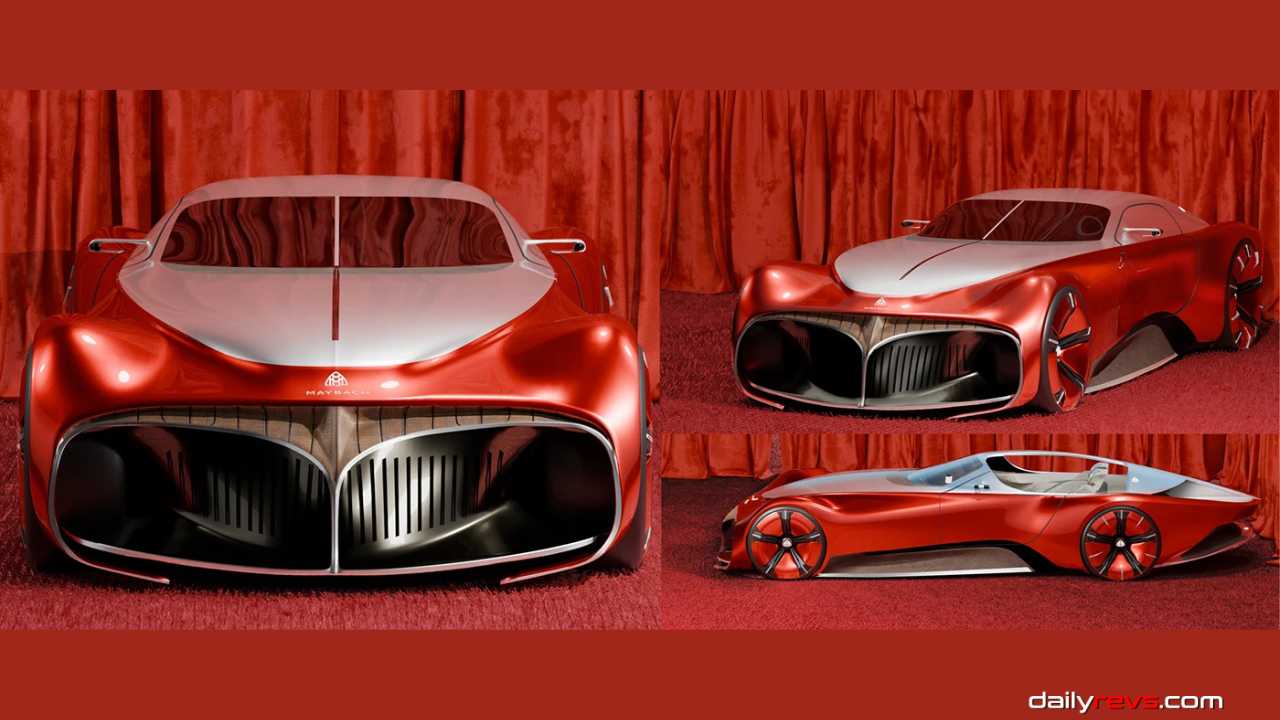
Maybach Oceanliner is a design concept by Hyun Woo Choi that redefines the brand's identity based on yacht-inspired architecture. The project moves away from the typical visual language associated with Mercedes-Benz, offering in its place an alternative that leverages Maybach's historical beginnings and luxury positioning.
Its proportions are long and restrained. Surface detail is minimal, with an emphasis instead on volume and continuity. The design is intended to speak of calm and control, not visual spectacle.
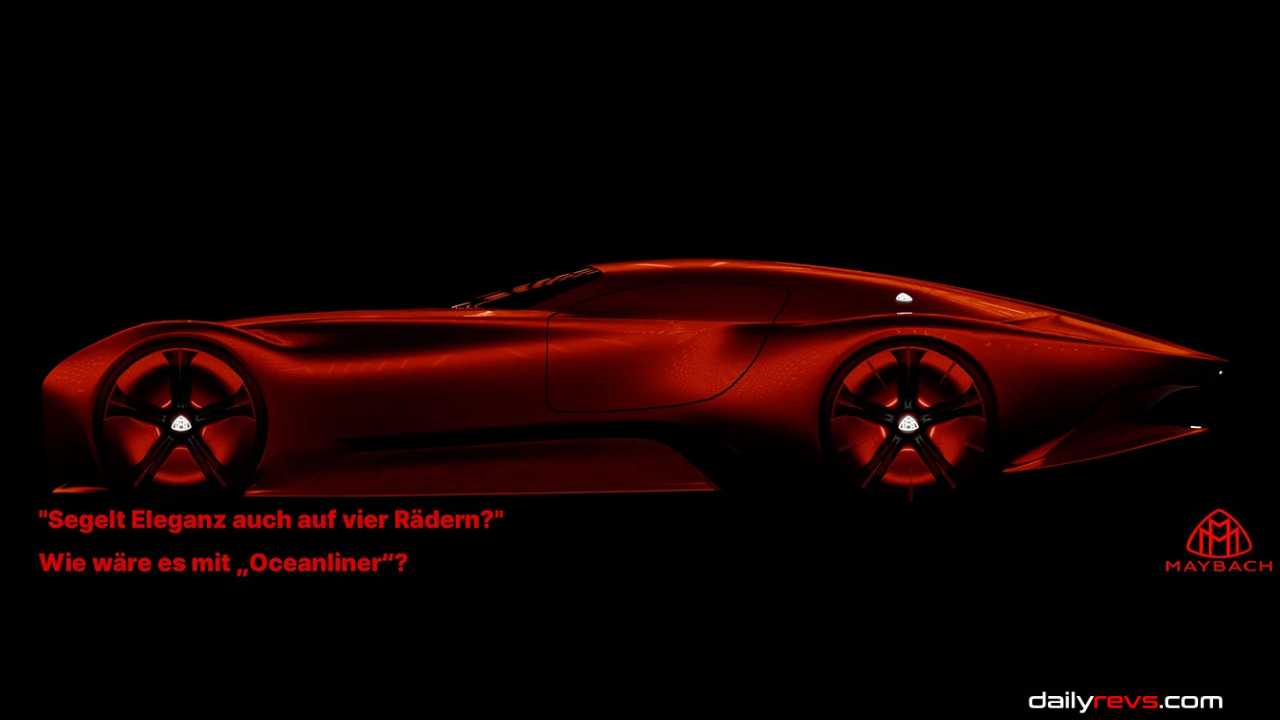
Full gallery of the Maybach Oceanliner can be found below the article
Design Framework and Conceptual Guidelines
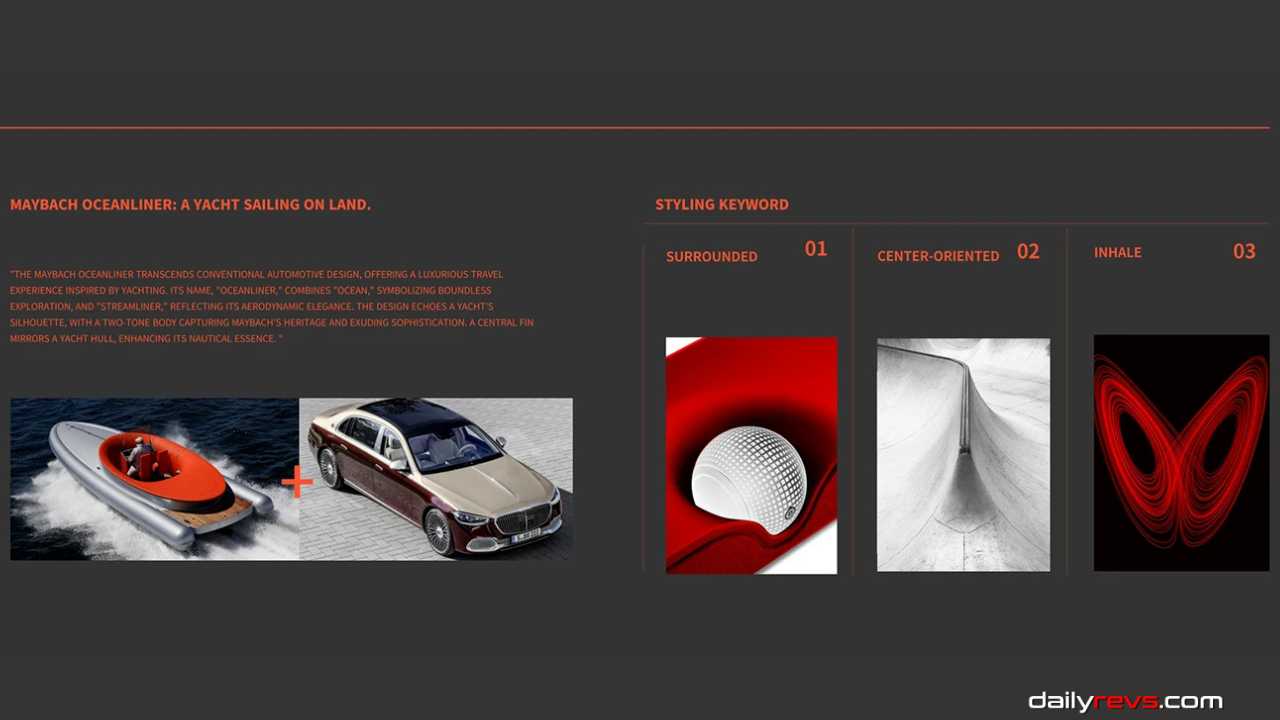
Instead of trusting in intuitive styling choices, the Oceanliner is based on three design principles. These concepts bring direction and harmony throughout the development phases.
Enclosure of Volume
The bodywork seems to enfold and shield the cabin without overpowering it. The shapes are solid but not fierce, with gentle tapering that adds to a sense of contained enclosure.
 Symmetry and Centrality
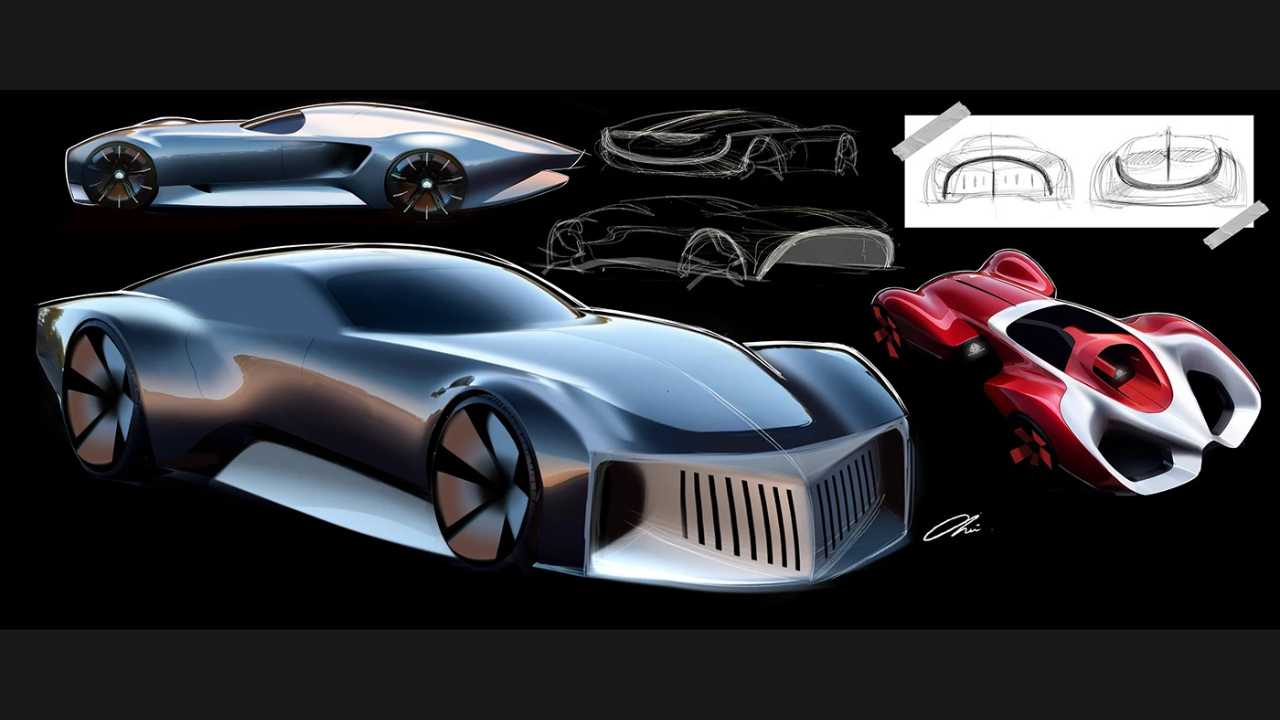
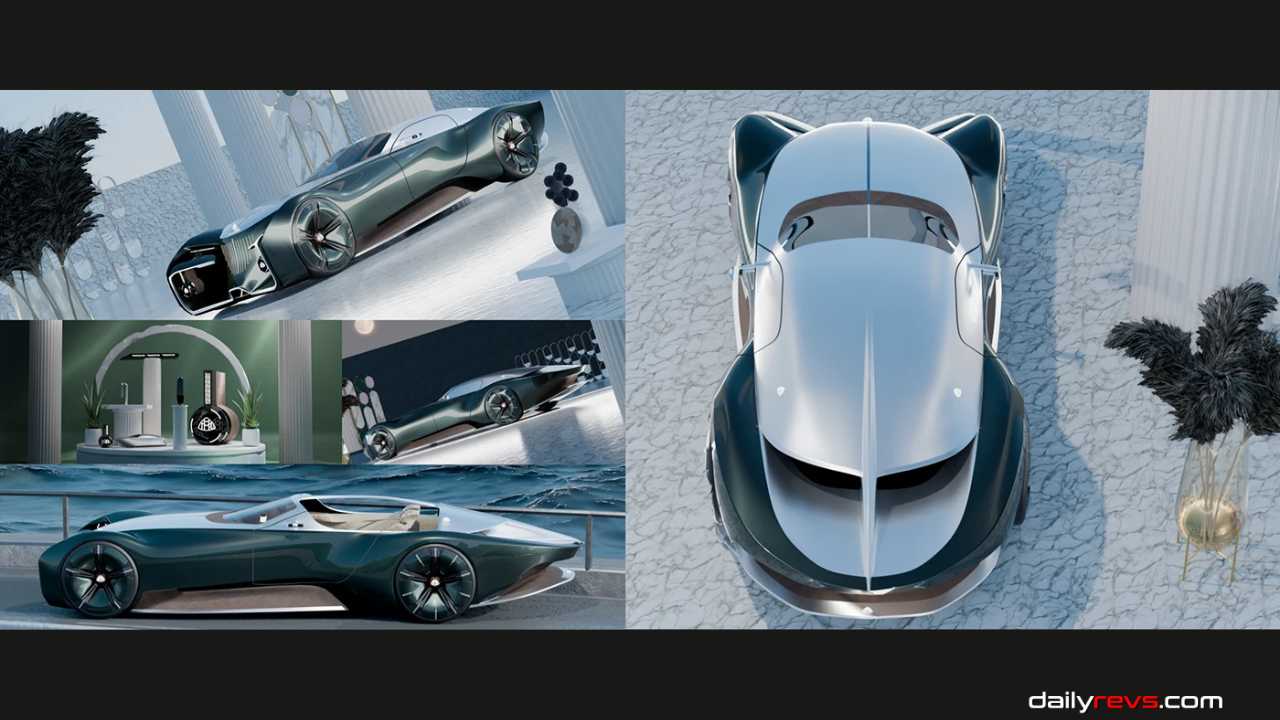
The design is dictated by an evident centerline. The spine is not an ornament, but a structural element that can organize the composition. Rear glass, fender profiles, and roof shapes all align along this axis.
Visual Tension Through Surface Compression
The surface of the outer body shows moments of inward tug before opening again. This tension, which is reinforced, provides depth and a feeling of movement without depending on aggressive detailing.
Reference to Historical Maybach Models
The Oceanliner looks to the Maybach Zeppelin DS8 Stromlinie, an early instance of luxury aerodynamics. Design elements like the split rear glass and horizontally divided bodywork are borrowed from the DS8, but reinterpreted according to modern proportions.This reference is not used as nostalgia. Rather, it acts as a visual leitmotif, serving to underpin the coherence of an independent Maybach design language.
Refinement Process and Development
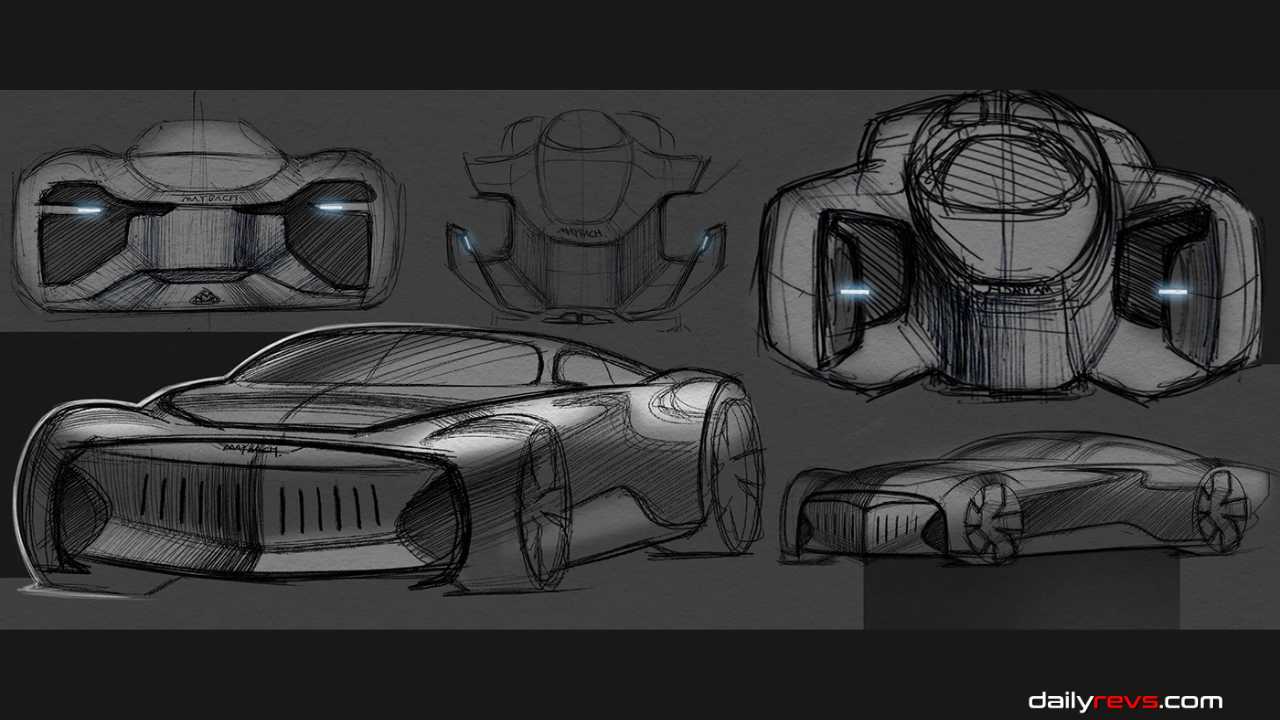
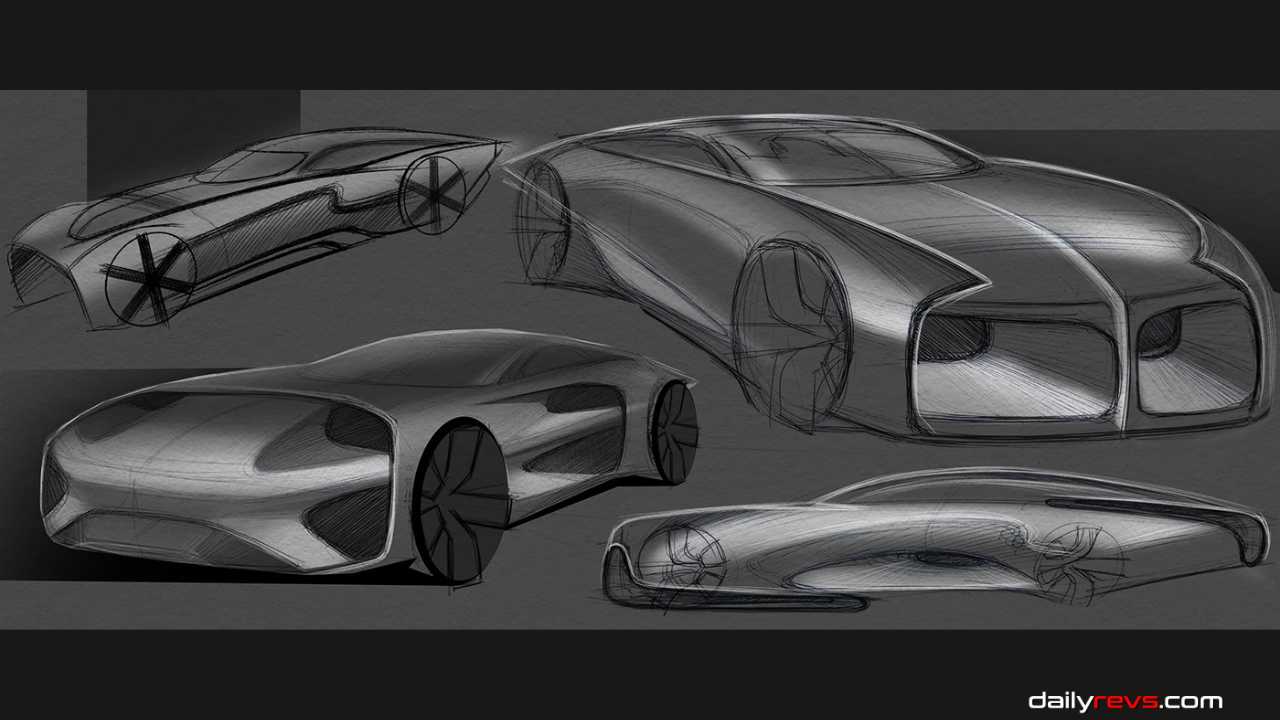
Early sketches concentrated on general proportions, such as the position of the spine, cabin size, and fender weight. These early studies defined the overall posture and gesture of the design.
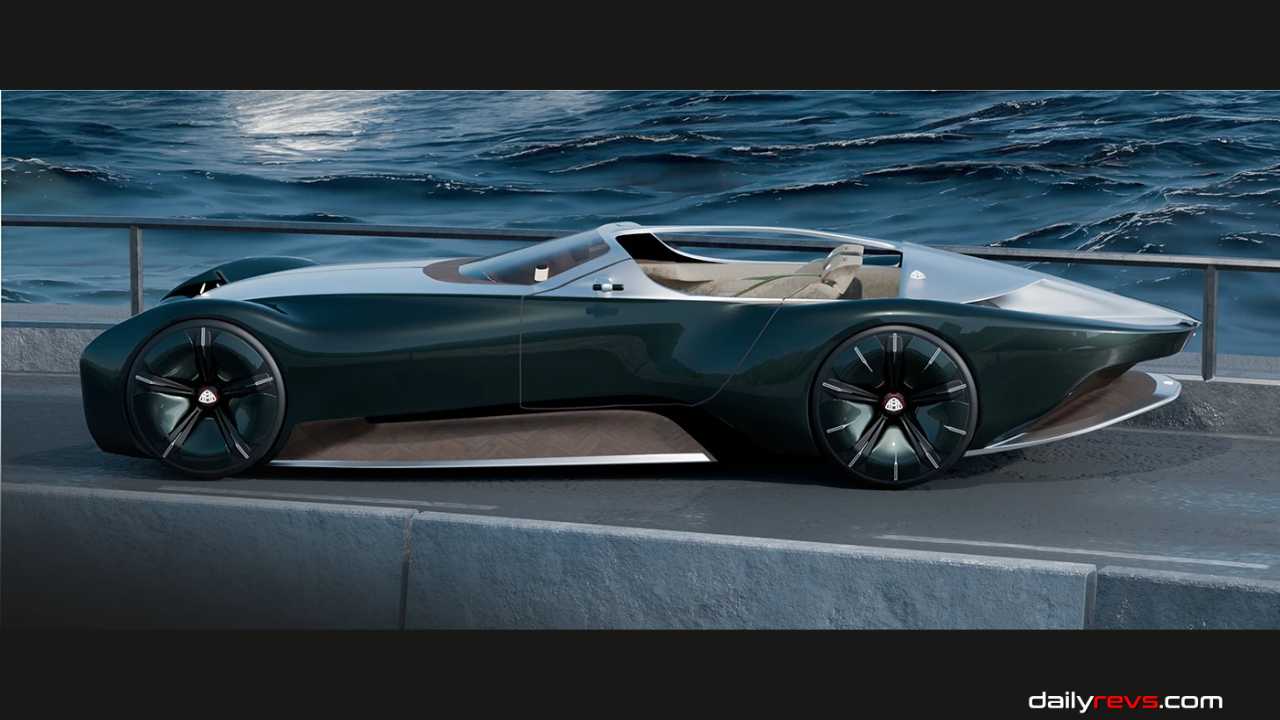
In the open-roof version, the cabin develops quite a nautical configuration. The rear bench space is sunk and separated by the middle spine. The materials are matte and soft, prioritizing open space over enclosure. One configuration of the design is painted navy and white, which completes the link to marine design. In color or not, the arrangement implies movement, space, and quiet luxury.
Design Restraint in a Student Project
This project does not overdo stylistic notions. Choi keeps the number of visual gestures at a minimum and emphasizes keeping form clear. Every step of the process illustrates consistency of intent and fulfillment.
This kind of restraint is rare in student projects. Instead of attempting to contain every design notion within a single vehicle, the Oceanliner stays concentrated during its development.
The following picture shows the following stage in the design evolution.
Independent Development Beyond Mercedes-Benz Design
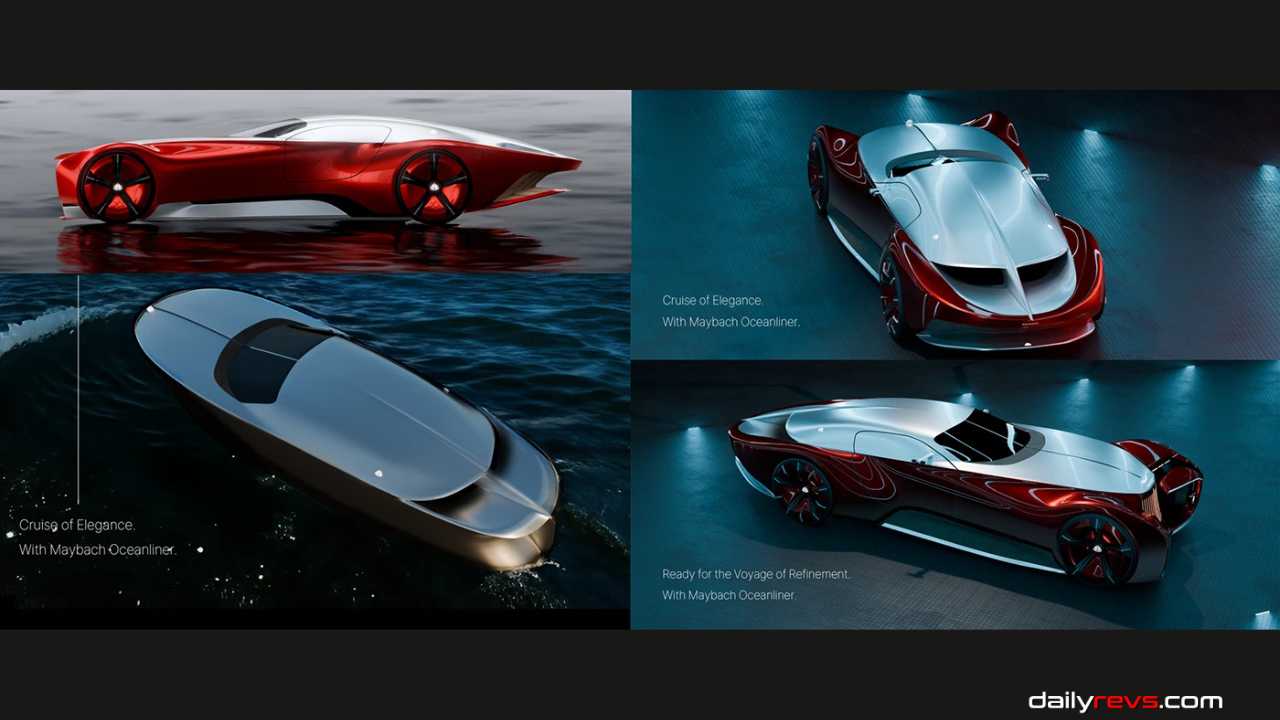
The Maybach Oceanliner breaks away from the look of Mercedes-Benz. It steers clear of common proportions and surface approaches, suggesting a vision of Maybach that references only its heritage and tradition.
The concept is not based on an existing production model. It does not attempt to reinterpret the S-Class or other shared platforms. Instead, it demonstrates how Maybach could evolve as a fully independent brand, with its own formal language and design priorities.
The image below shows an updated development of the concept based on this direction.
Learn More About the Designer
Hyun Woo Choi’s Maybach Oceanliner project reflects a thoughtful and disciplined approach to design. To explore more of his work and follow future developments, you can view his portfolio and profiles below:
Related News
Scintìa by Automobili Mignatta: A Young Designer’s V12 Tribute to 1960s Italy
BMW Ethos Revives the DNA of the M1, i8, and Nazca M12
McLaren Short Tail Concept Prioritizes Agility Over Power
Morris Garages' Past Meets the Future in Hanum Jeong’s EXE:ION Concept
Disclaimer: These works are not affiliated with the official efforts of OEM design studios. They are independent reflections of the creative minds of young car designers whose voices deserve to be heard. DailyRevs does not claim any credit for the effort or vision behind these projects. We do not receive financial compensation for publishing such work. These features are shared only with the consent of the designers, after direct outreach and agreement. We also welcome submissions from designers who wish to be featured, provided the quality of the work meets editorial standards.


