Jaguar’s 97 Percent Sales Plunge Isn’t the Full Story—but the Rebrand Fallout Is Hard to Ignore
By Hugo Mattson July 3, 2025

Jaguar's 97.5 percent European sales decline is linked to a scheduled production hiatus, not merely market failure.
The brand's aggressive rebranding—featuring abstract commercials and "Copy Nothing" marketing—has prompted backlash and polarized enthusiasts.
Jaguar has a perilous chasm with no immediate internal combustion model lineup and no EVs until the end of 2025.
Jaguar April Sales Crash is an Exhibitor of a Strategic Overhaul, Not a Rejection in the Market
Jaguar reported a 97.5 percent drop in European sales this April, registering only 49 cars sold across key markets. On the surface, it looks like a disaster. And for those skimming headlines, it might seem like Jaguar’s rebranding efforts and marketing strategy have alienated their core customer base.
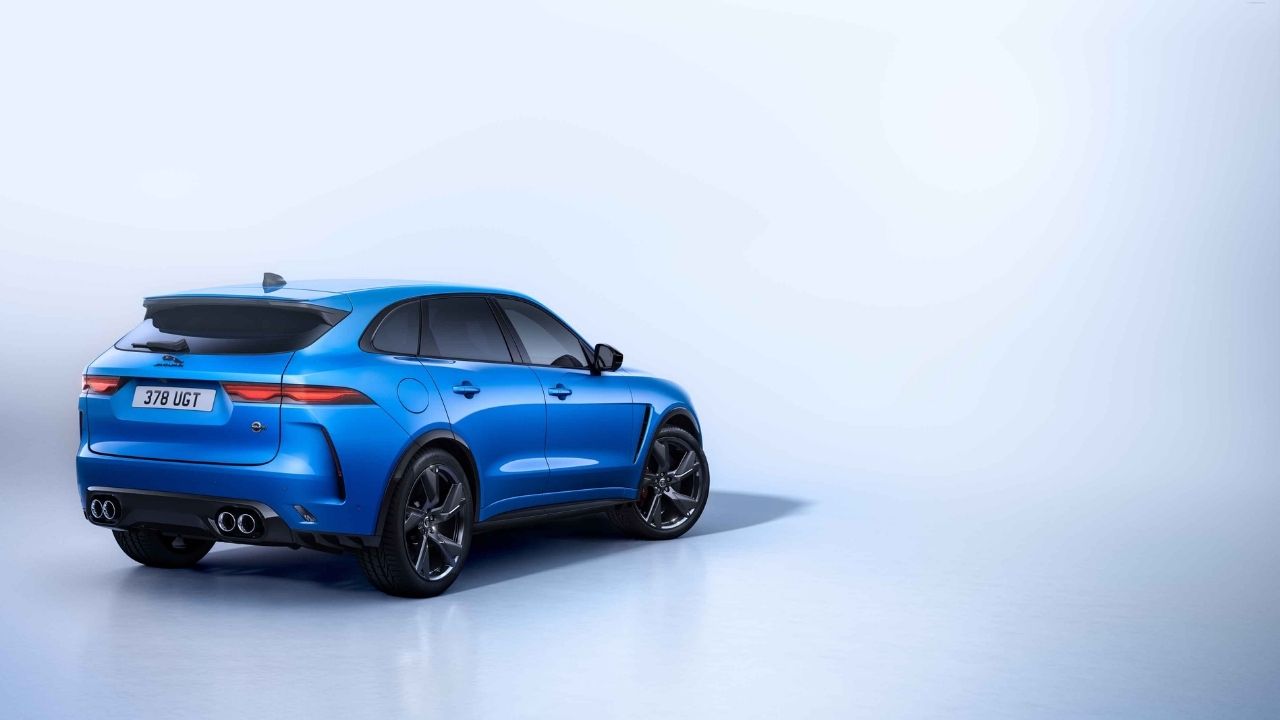
But the sales collapse has a simpler, more direct explanation: Jaguar had almost nothing to sell. The company had already halted production of all internal combustion models as part of its transition to an all-electric future. As a result, dealerships were left without new petrol or diesel vehicles—and with no electric cars available yet to fill the gap.
This deliberate supply shutdown, part of a broader repositioning under Jaguar’s “Reimagine” strategy, meant that a sharp decline in registrations was not just anticipated but inevitable.
Still, the optics are difficult—and when combined with a polarizing rebrand, the public perception has been harder to manage.
A Rebrand That Chose Risk Over Familiarity
What makes the narrative more difficult to contain is the concurrent marketing transition. Jaguar just launched a new brand image with simple graphics, gender-neutral models, and assertive slogans such as "Copy Nothing" and "Live Vivid."
Accompanying a fresh "claw" logo and a bright pink and turquoise color scheme, the campaign asserts Jaguar's intention to move on from the past. It's obviously designed to reposition the brand as an exclusive, design-led electric badge.
But that positioning cost something. Opponents—notably public figures like Elon Musk and Nigel Farage—swiftly branded the campaign as elitist or just plain "woke." Social media backlash was rapid, comparing the effort with other high-profile branding disputes across consumer industries.
Loyalists Feel Left Behind as Jaguar Bets on the Future
Jaguar's current sales slump isn't merely the product of incendiary marketing or cultural backlash. It's mostly mechanical. With factory floors idled and dealerships out of stock, the brand doesn't have much to sell—by intent.
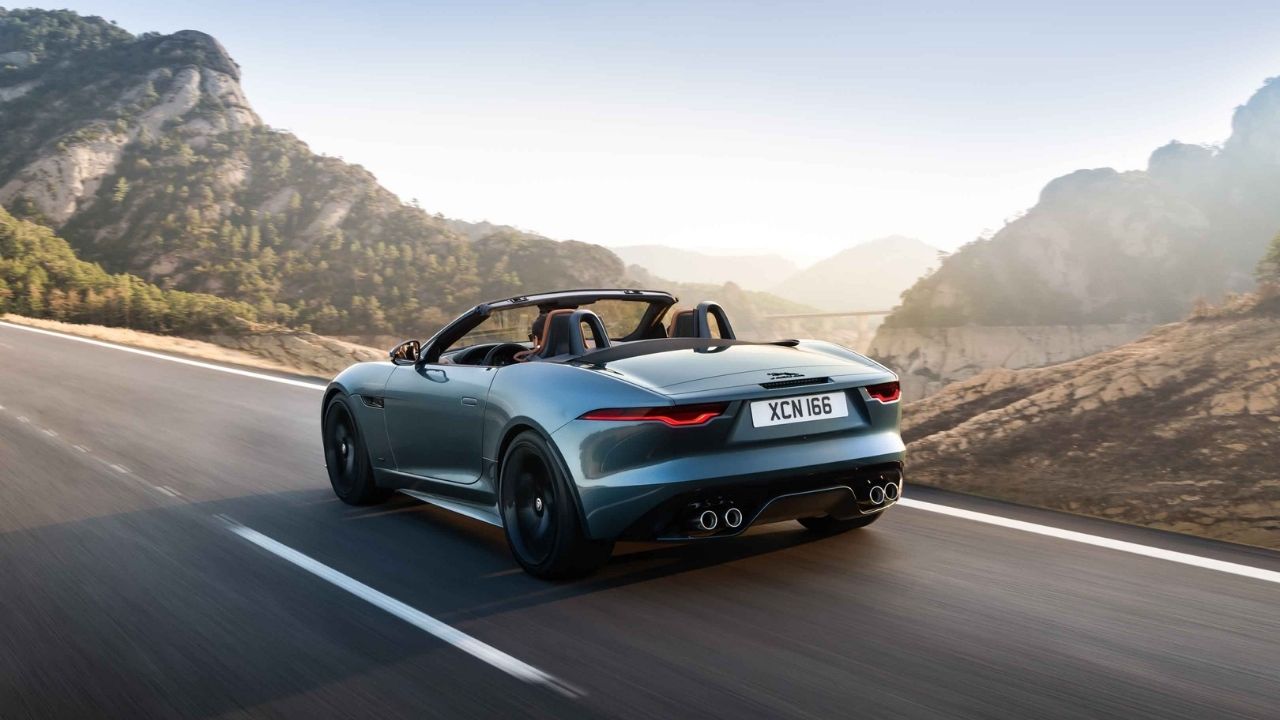
Nevertheless, the optics are challenging. To long-time Jaguar customers, the drastic departure from tradition—with no XJ, no F-Type, and no near-term replacement—feels sudden. It has created serious questions about brand continuity and identity.
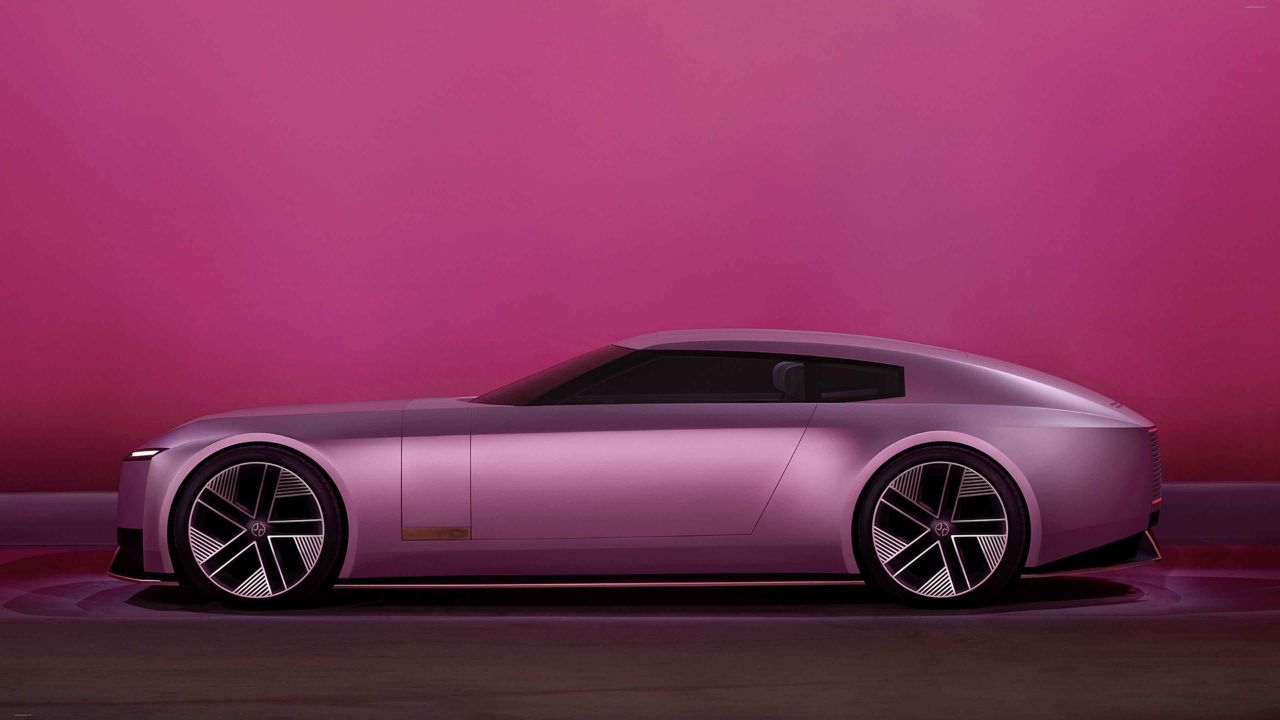
Jaguar's parent, Tata Motors, had set the stage for this change in 2021 with its "Reimagine" plan. The idea was always to stop, retool, and come back with an all-electric flagship. That new GT appears late in 2025, priced about $200,000, and due to run with the best EV luxury.
But in the meantime, Jaguar must hold the line—with no legacy product and under close examination.
Website Traffic Tells a Different Story
It is interesting, though, that as sales numbers dropped, online engagement went up. Reports indicate an increase in web traffic to Jaguar's website by 110 percent after the introduction of its rebranding effort. That is curiosity, at least, if not direct conversion.
Short-term, that kind of interaction is not revenue—but it could become future leads once the new product lineup arrives.
The Road Ahead for Jaguar Is High-Risk, High-Stakes
Jaguar's wager is obvious: shed the old identity and come back with a clean sheet and a tightly focused all-electric lineup. No hybrids, no middle-of-the-road solutions—just a hard switch. That leaves almost two years of operating in limbo.
While competitors such as Mercedes, BMW, and Audi will keep sending ICE and hybrid models in addition to EVs, Jaguar's overall hiatus seems like a risk. The brand is basically giving up on short-term relevance for a decade-long reinvention attempt.
Whether that plan succeeds or fails will not only hinge on design and tech but on the extent to which the brand can win back trust and loyalty after discouraging half its traditional base.