2027 Kia K4 Sportswagon GT-Line
By Lorenzo Bianchi May 27, 2026
Kia adds a new Sportswagon body style to the European K4 range.
Cargo capacity reaches up to 604 litres with a longer rear profile.
Hybrid, mild-hybrid and turbo petrol engines are confirmed for launch.
Kia Gives The K4 A More Practical Shape
The 2027 Kia K4 Sportswagon GT-Line feels like a reminder that Europe still has room for wagons, even as crossovers continue to dominate most showrooms.
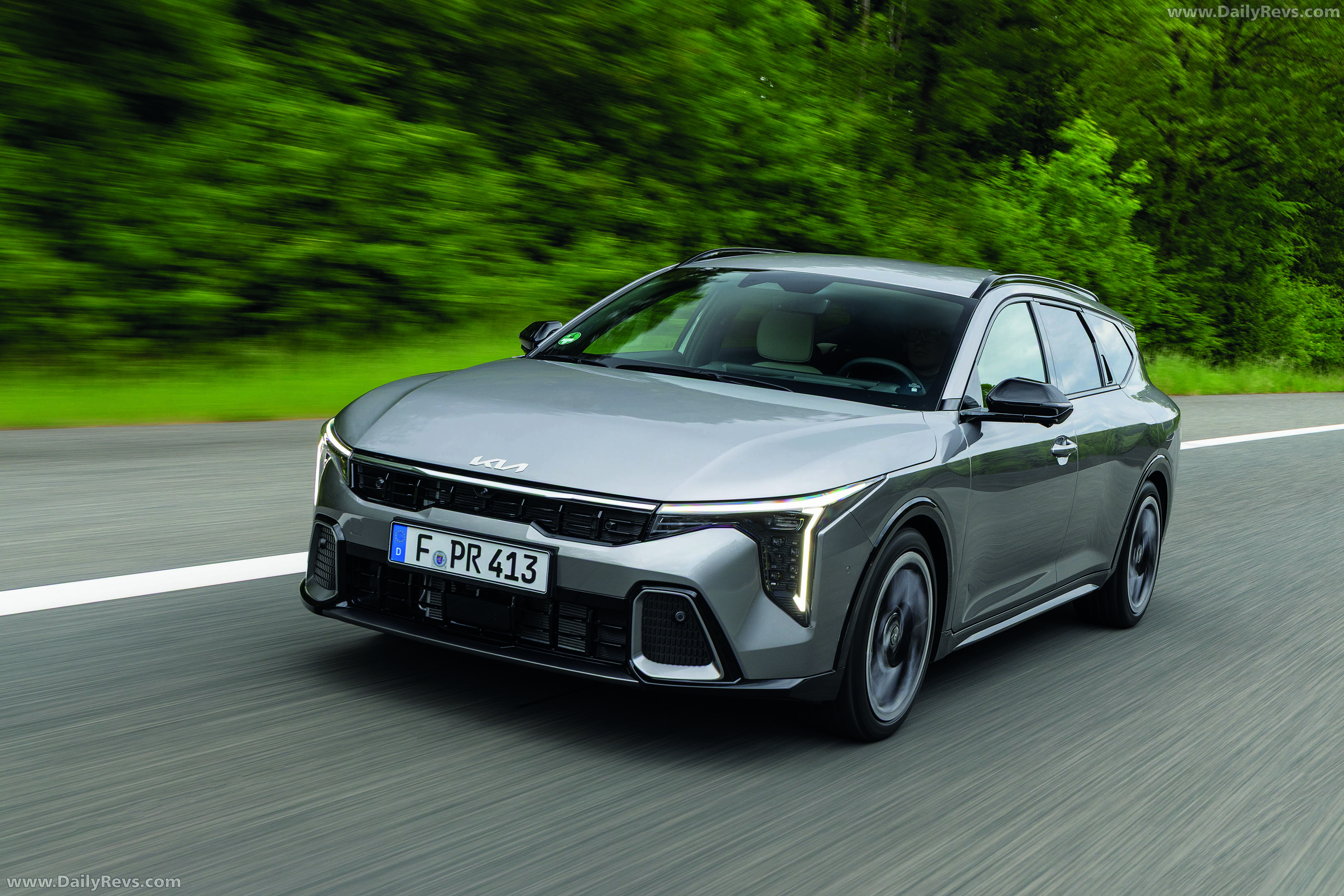
Kia has officially expanded the K4 family with a new Sportswagon variant aimed directly at the upper C-segment market. Developed specifically for Europe, the model combines the sharper design language already seen on the K4 Hatchback with the added practicality buyers still expect from a traditional estate body style.
The proportions immediately separate it from the hatchback.
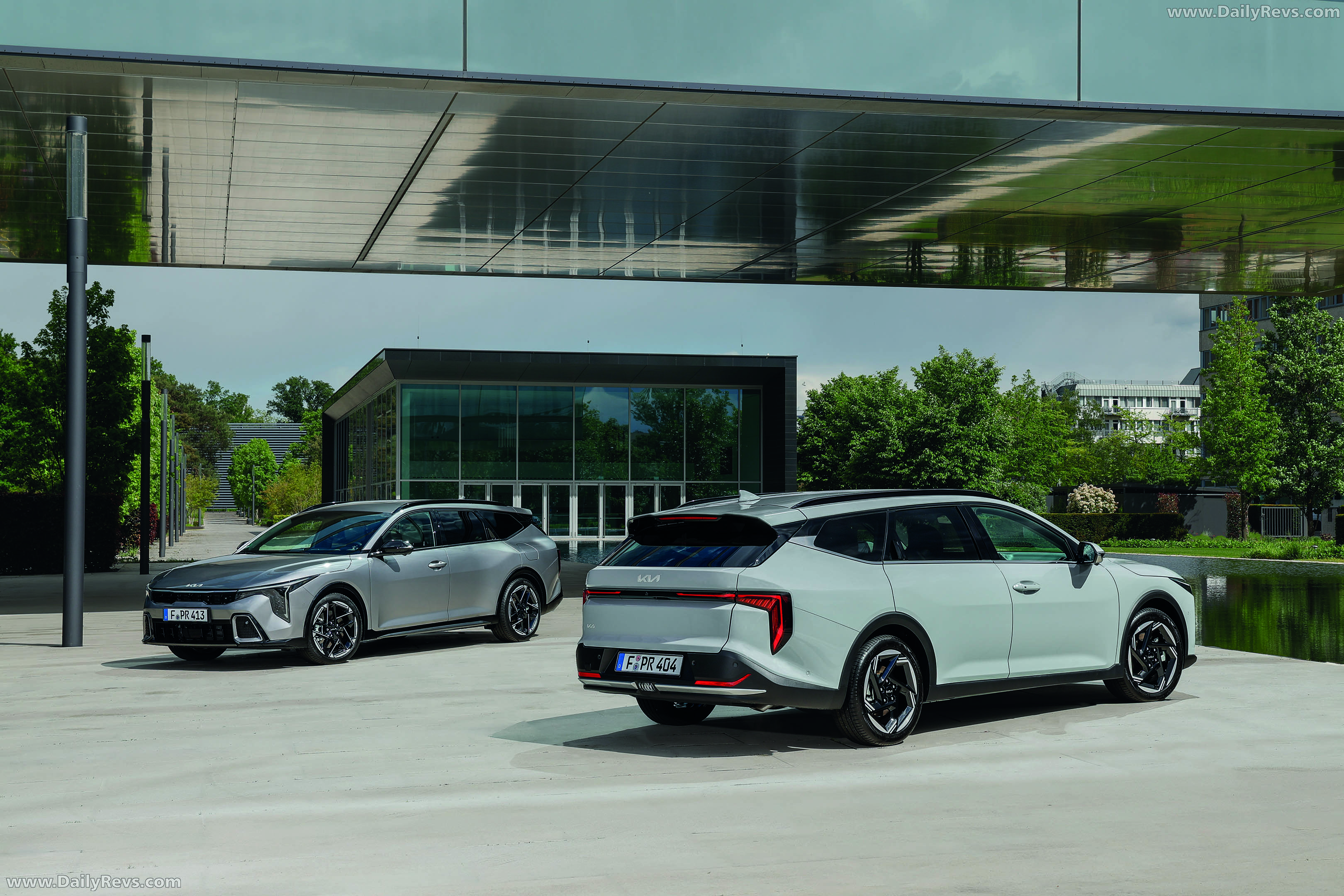
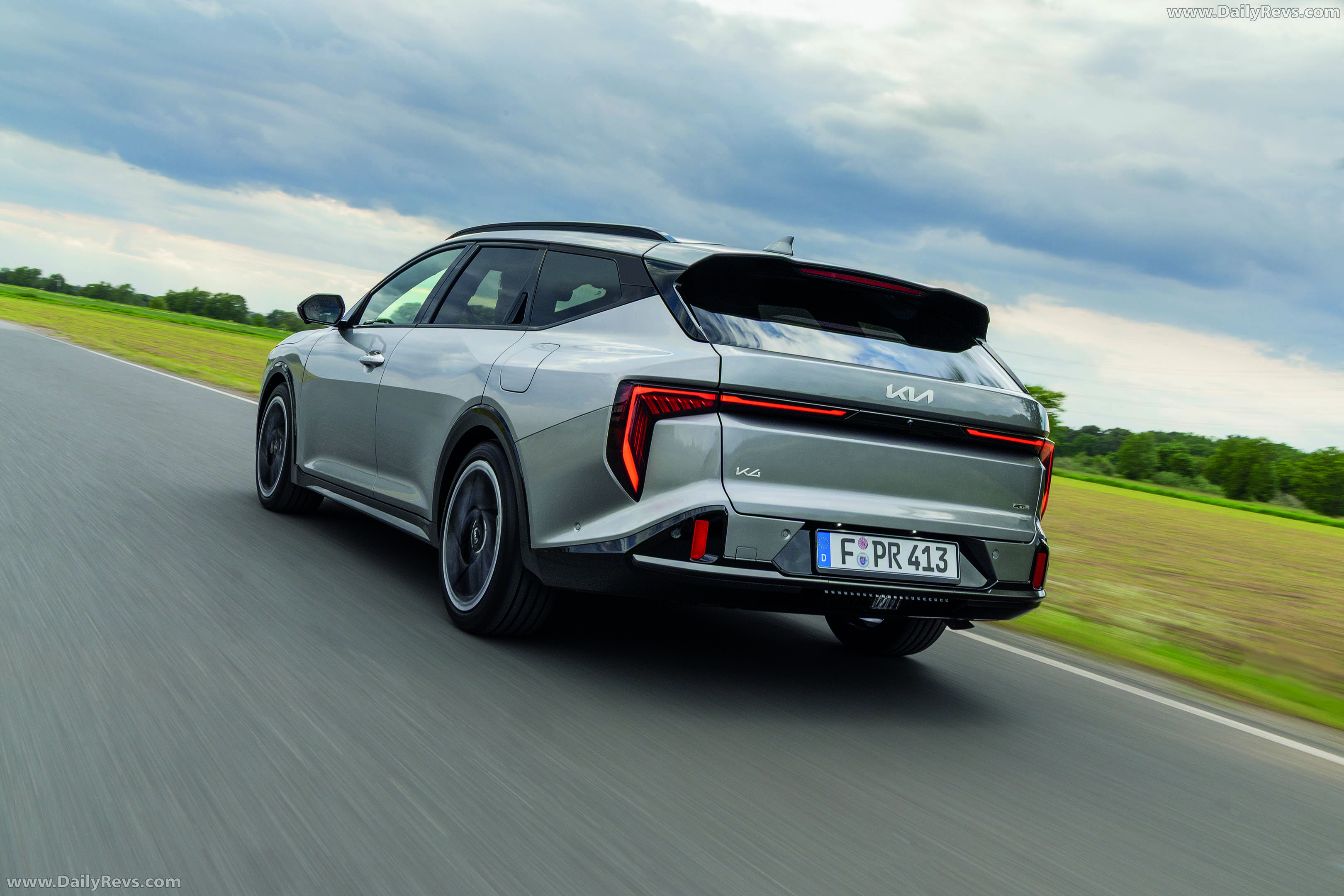
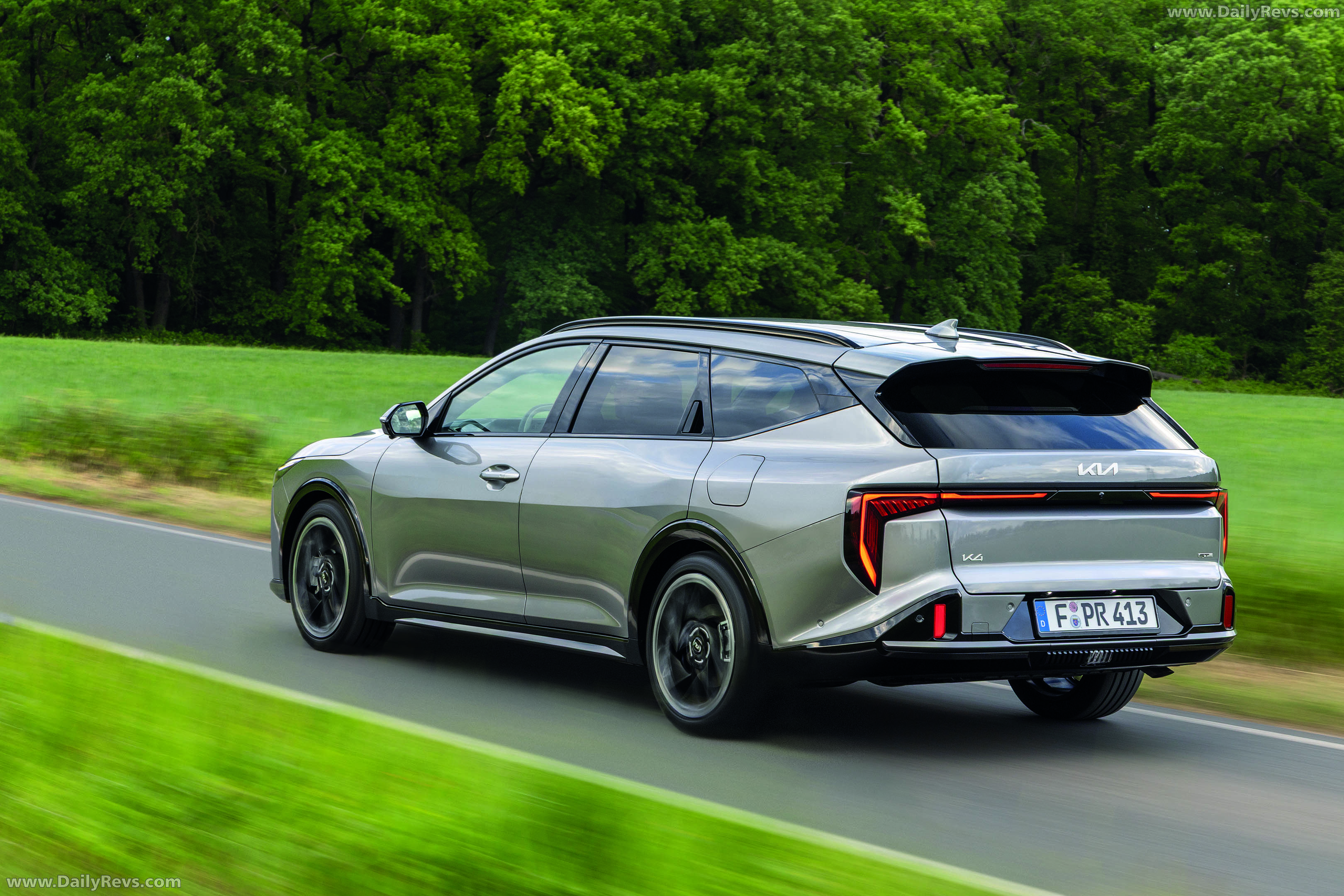
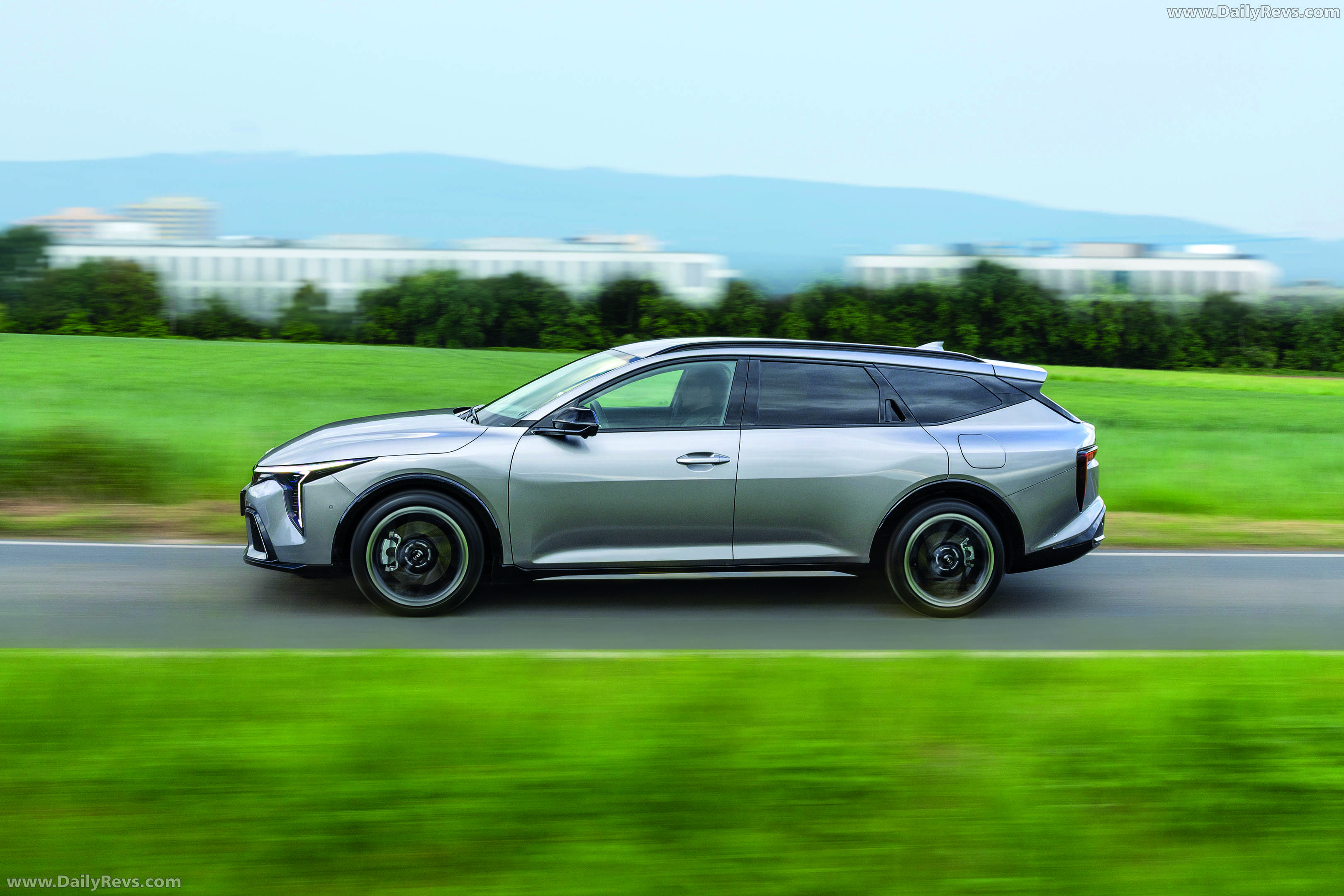
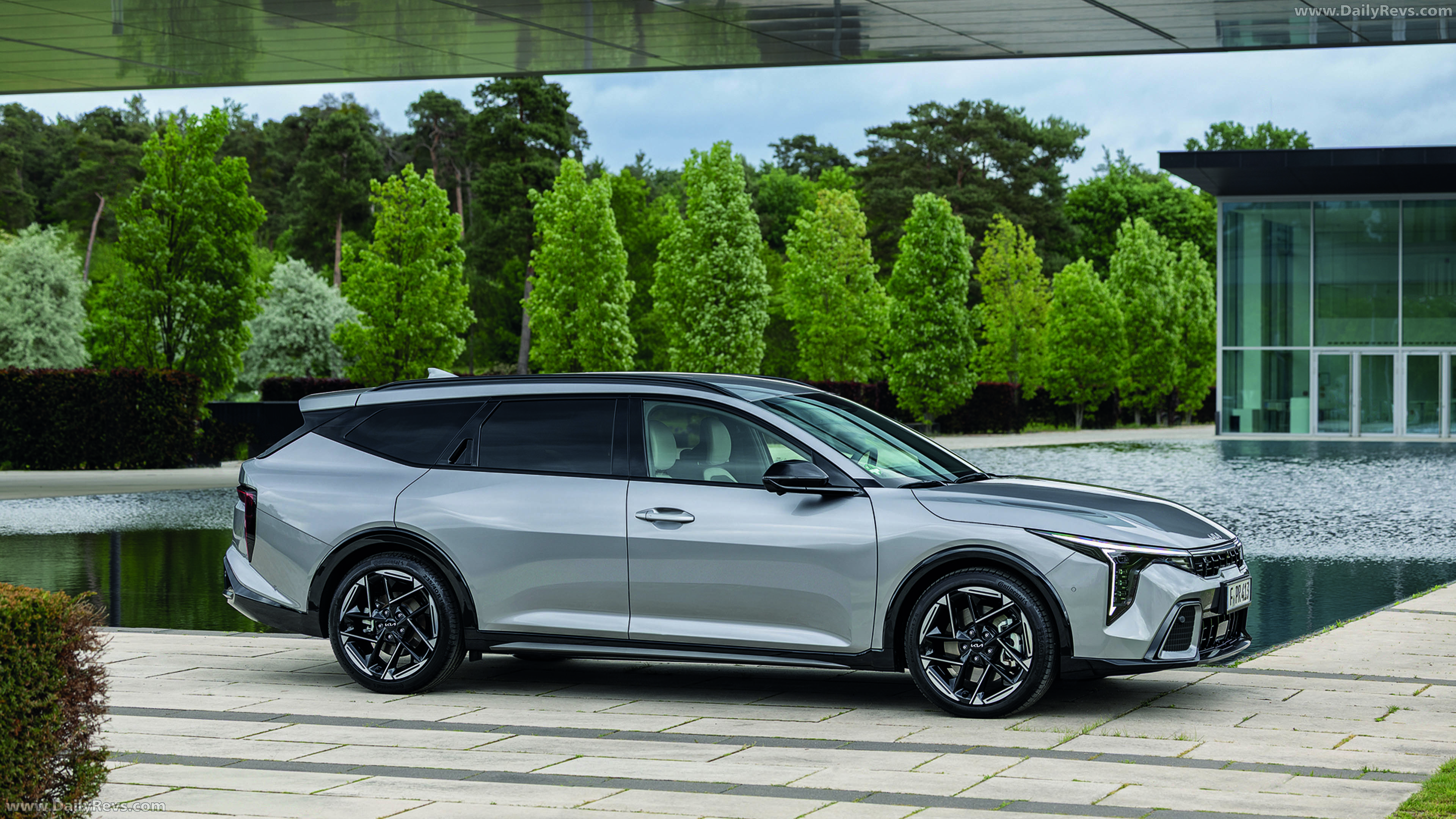
At 4,695 mm long with a 2,720 mm wheelbase, the Sportswagon stretches further rearward while keeping a relatively low roofline and planted stance. It avoids the upright SUV look entirely. Instead, the profile leans more toward a fast wagon silhouette with strong shoulder lines and a long tapering rear section.
GT Line Styling Adds More Visual Tension
Kia’s current “Opposites United” design language translates surprisingly well to the wagon format.
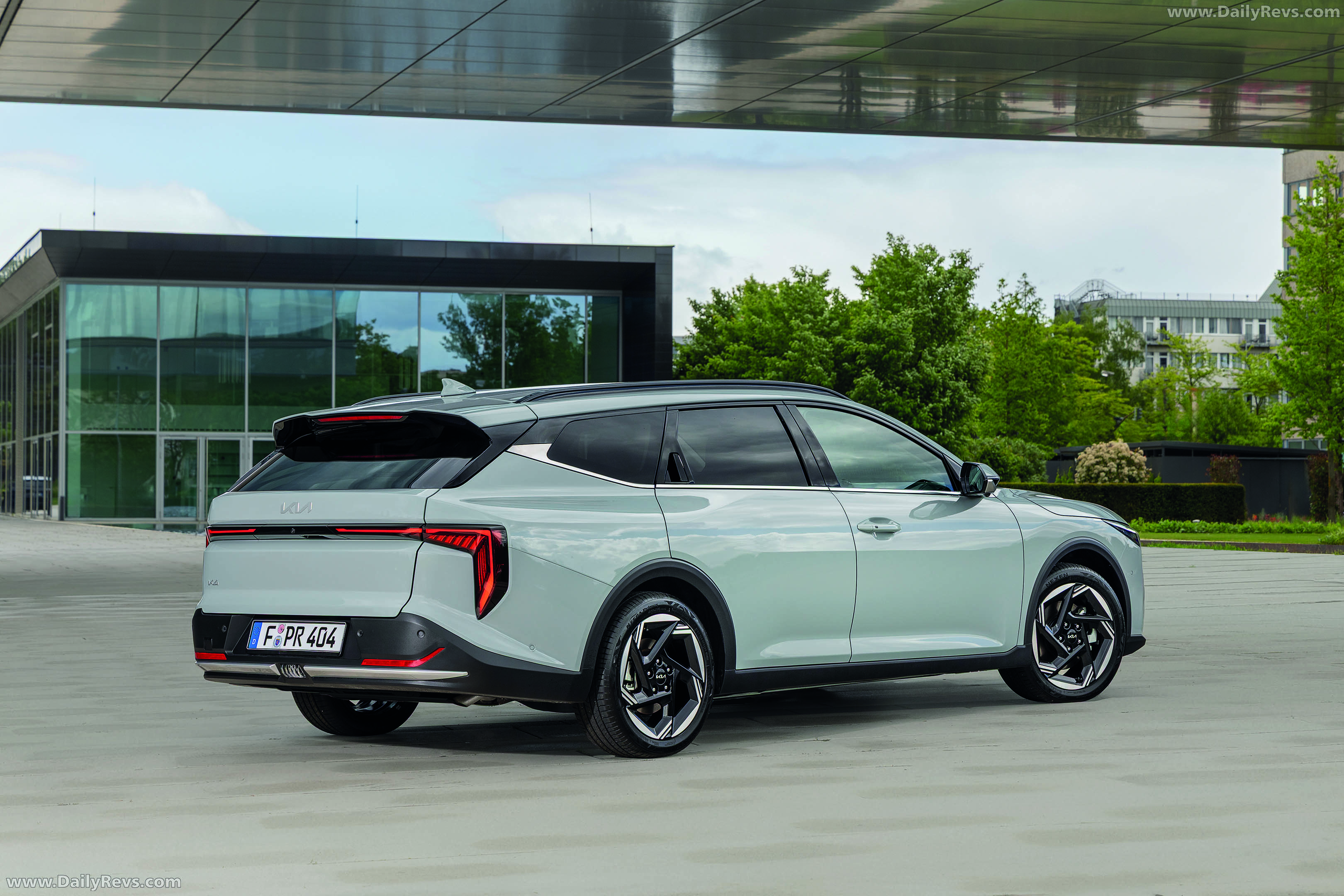
The front fascia carries the familiar Star Map lighting signature, while the rear receives inverted L-shaped taillights connected visually by horizontal surfacing elements. On GT-Line variants, the lower bumper details and larger alloy wheels help give the car a slightly more aggressive edge without going overboard.
Hidden rear door handles integrated into the C-pillar also help clean up the side profile. It is a small detail, though it gives the wagon a smoother and more modern appearance from certain angles.
The overall shape looks more mature than some recent Kia products. Less busy. That probably suits European buyers better anyway.
A Cabin Focused On Everyday Use
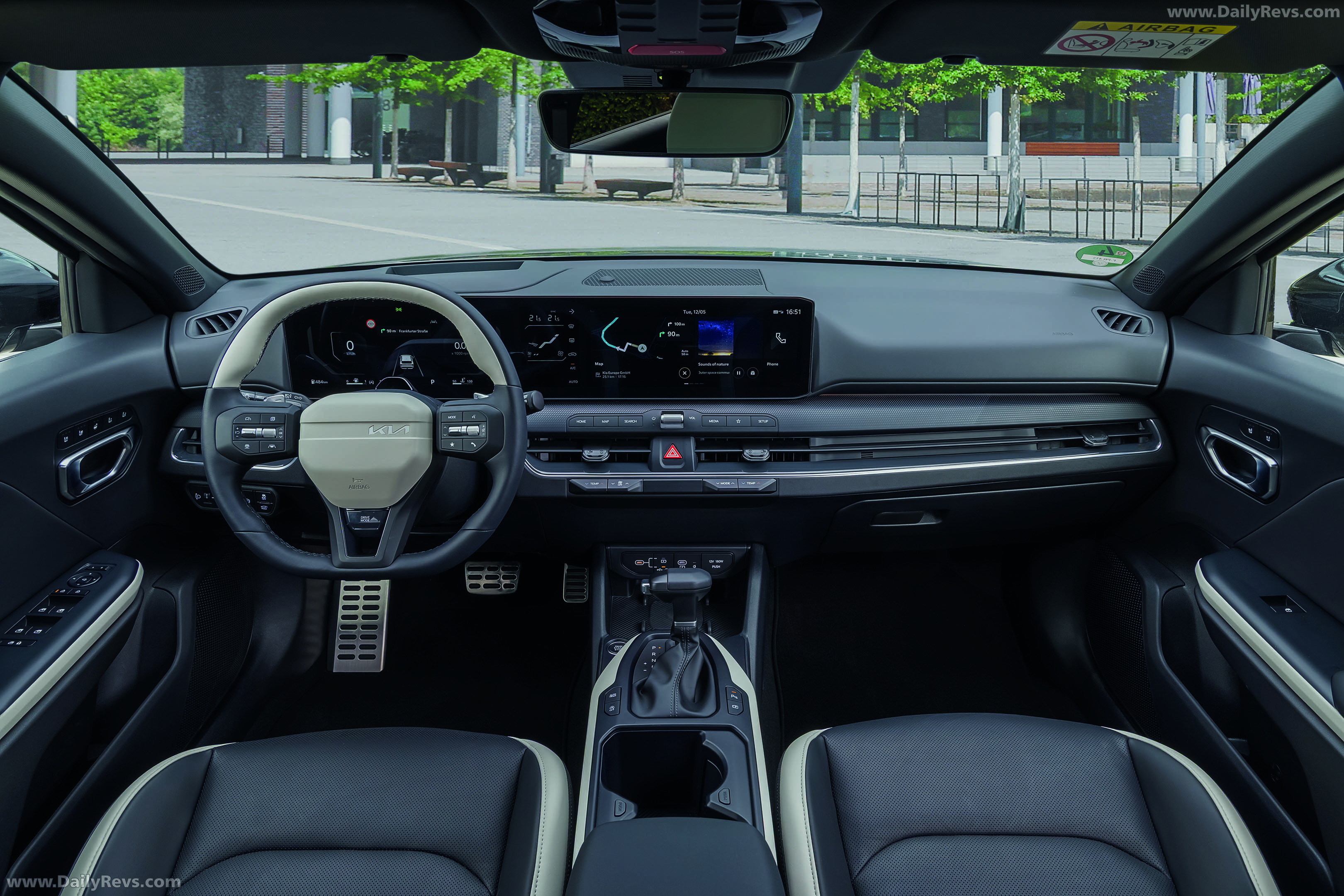
Inside, the K4 Sportswagon largely mirrors the hatchback up front, but the extended rear body transforms its practicality.
Kia claims luggage capacity of up to 604 litres, expanding to 1,439 litres with the rear seats folded. Rear passenger space also appears generous thanks to the long wheelbase and relatively flat roofline through the second row.
The dashboard is dominated by a panoramic display layout combining dual 12.3-inch screens with a separate 5.3-inch climate interface. Wireless Apple CarPlay and Android Auto are included, alongside Kia’s latest Connected Car Navigation Cockpit system.
Depending on trim, buyers can also specify a Harman Kardon audio system, head-up display, ambient lighting and Digital Key 2.0 functionality.
Turbocharged Engines And Hybrid Plans
The powertrain range covers a fairly broad spread of buyers.
Entry models use a 1.0-litre turbocharged petrol engine producing 115 PS, available in both standard petrol and 48-volt mild-hybrid forms. Kia also offers a larger 1.6-litre turbocharged petrol engine with outputs of 150 PS and 180 PS.
A full hybrid version is scheduled to arrive later this year, though final specifications have not yet been released.
Kia says the chassis tuning was developed specifically for European roads, with particular attention paid to motorway refinement, rear axle stability and steering response.
That may end up being one of the more important details. Wagons still attract buyers who actually enjoy driving long distances, not just sitting high above traffic.