2027 Kia K4 Sportswagon
By Lorenzo Bianchi January 14, 2026
The K4 Sportswagon prioritizes usability for consumers seeking wagon practicality without converting to an SUV, with a 2,720 mm wheelbase and up to 604 liters of luggage space.
Both petrol and electrified powertrains support Kia's gradual transition to full electrification
A wagon placed in between sections
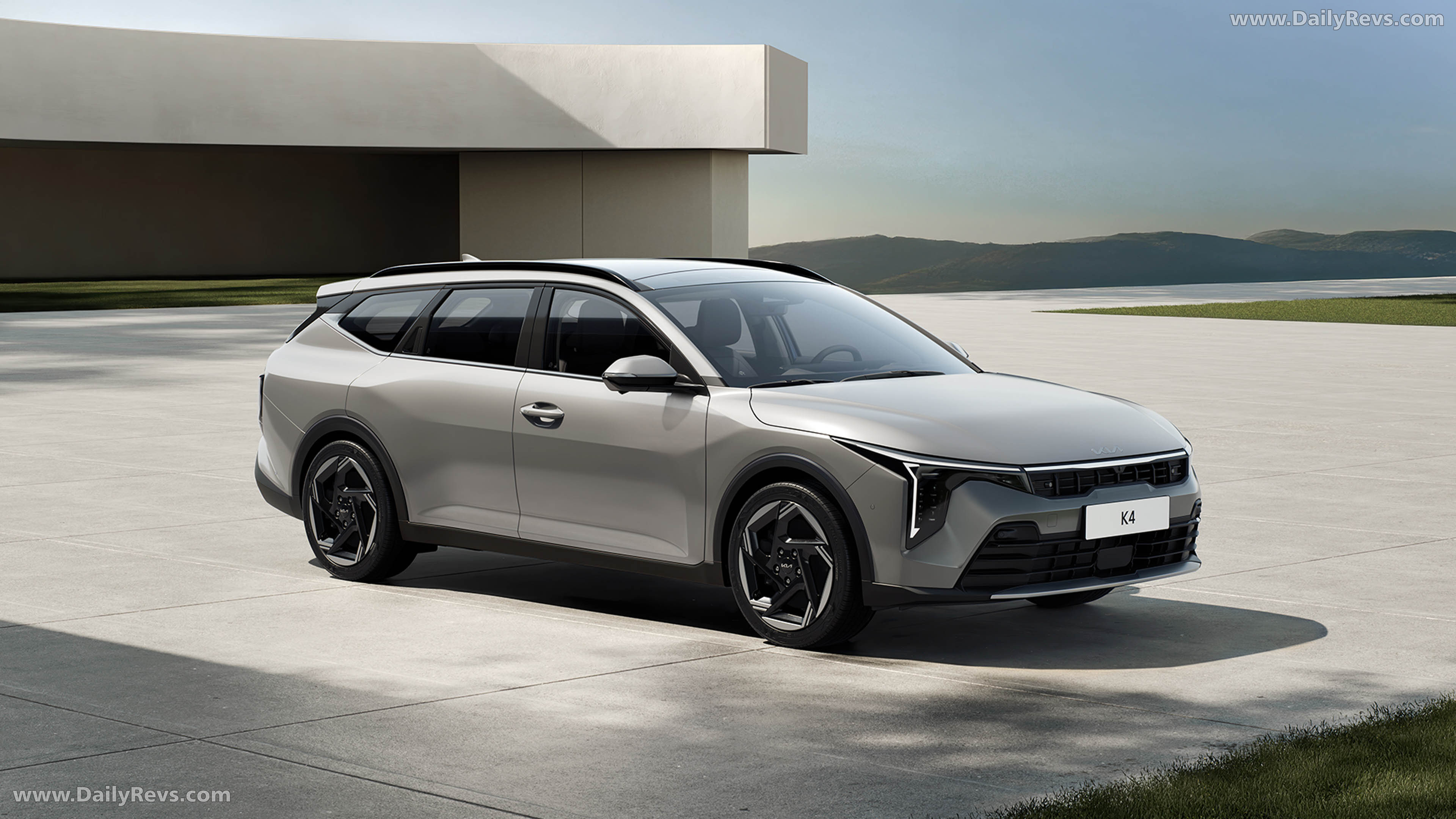
The K4 nameplate has been purposefully expanded in Europe with the 2027 Kia K4 Sportswagon. It is positioned between the C and D categories and is intended for buyers who want more room and versatility than a hatchback can provide without having to upgrade to a full-size SUV.
Kia frames the car as a response to everyday needs rather than a niche body style, with proportions and packaging aimed squarely at usability.
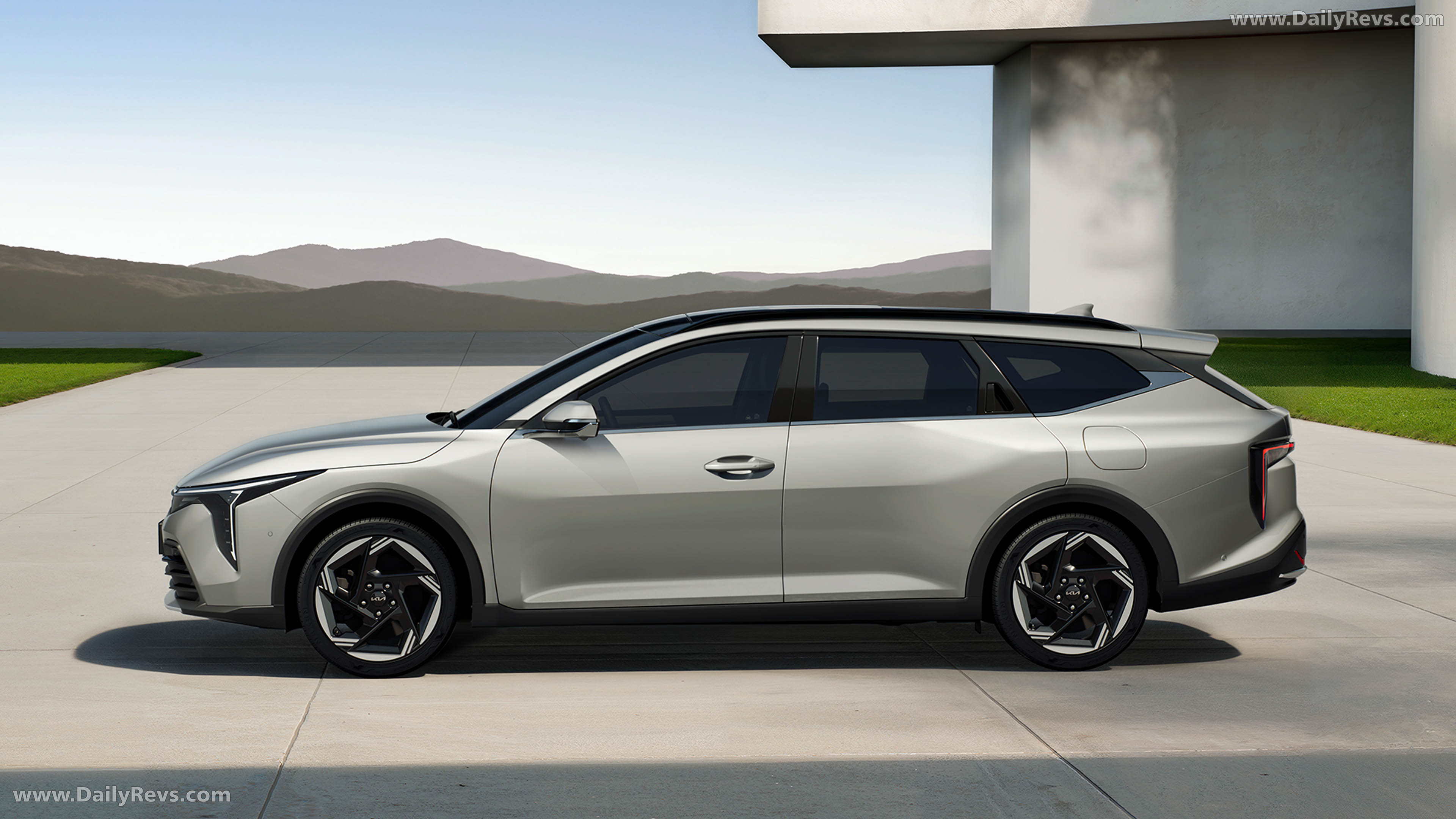
At 4,695 mm in length, the Sportswagon adopts a longer silhouette than its hatchback counterpart, paired with a wheelbase of 2,720 mm. That footprint allows it to cover familiar wagon territory traditionally occupied by models such as the Volkswagen Golf Variant or Skoda Octavia Combi, while keeping overall dimensions manageable for urban use [Inference].
Exterior design shaped by function
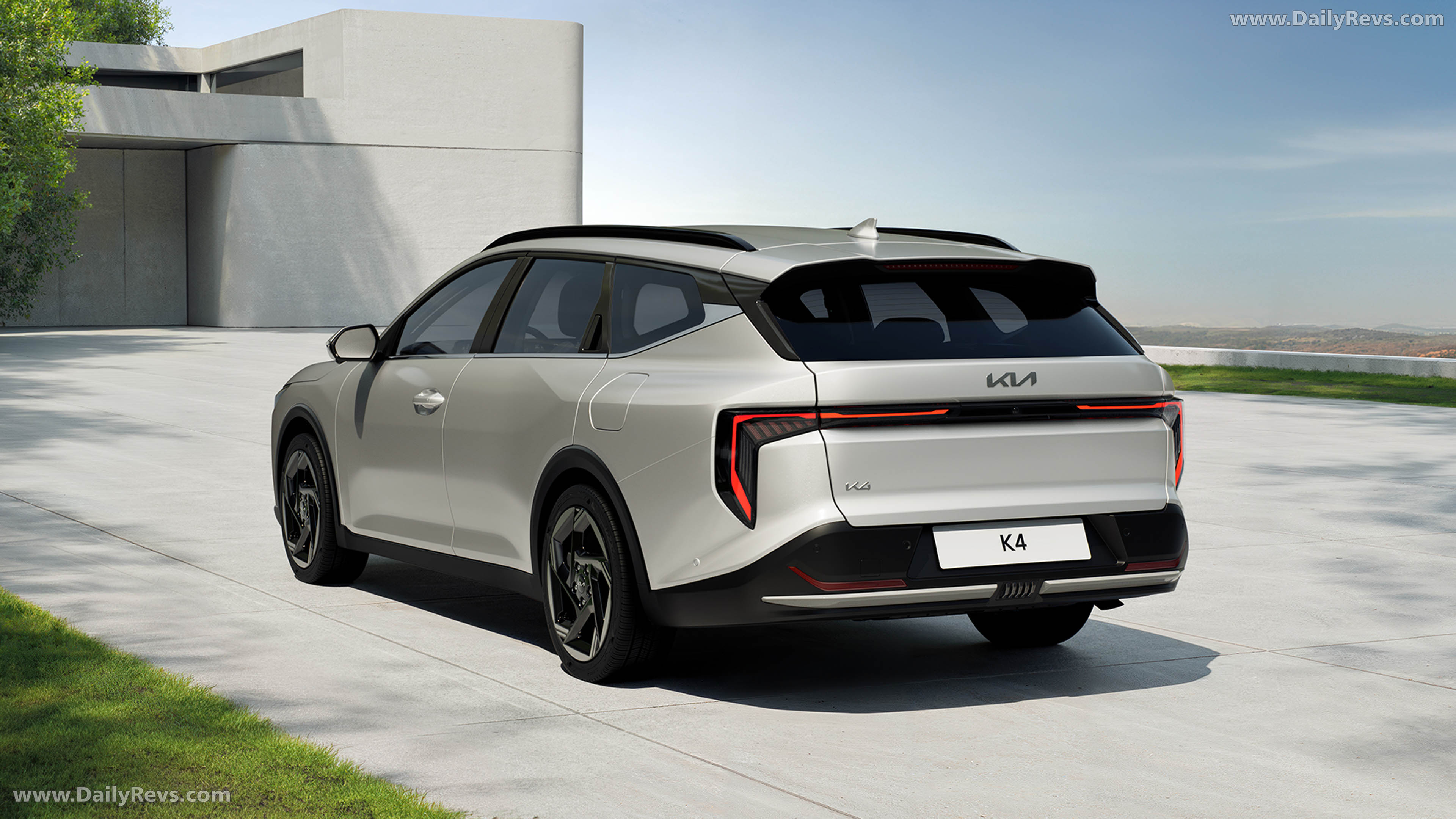
The exterior design follows Kia’s Opposites United philosophy, reinterpreted for a wagon format. Clean, horizontal lines emphasize width and stability, while the extended roofline flows into a sculpted rear designed to balance visual mass with functionality. Kia’s Star Map lighting signature features prominently, complemented by inverted L-shaped LED rear lamps that give the car a distinctive night-time identity.
Details such as hidden rear door handles, a unique C-pillar graphic, and a dynamically contoured tailgate help avoid the slab-sided look that often defines practical estates. In GT-line trim, high-gloss black exterior accents, specific bumpers, and darker cladding sharpen the stance without altering the car’s core role.
A digital, comfort-focused cabin
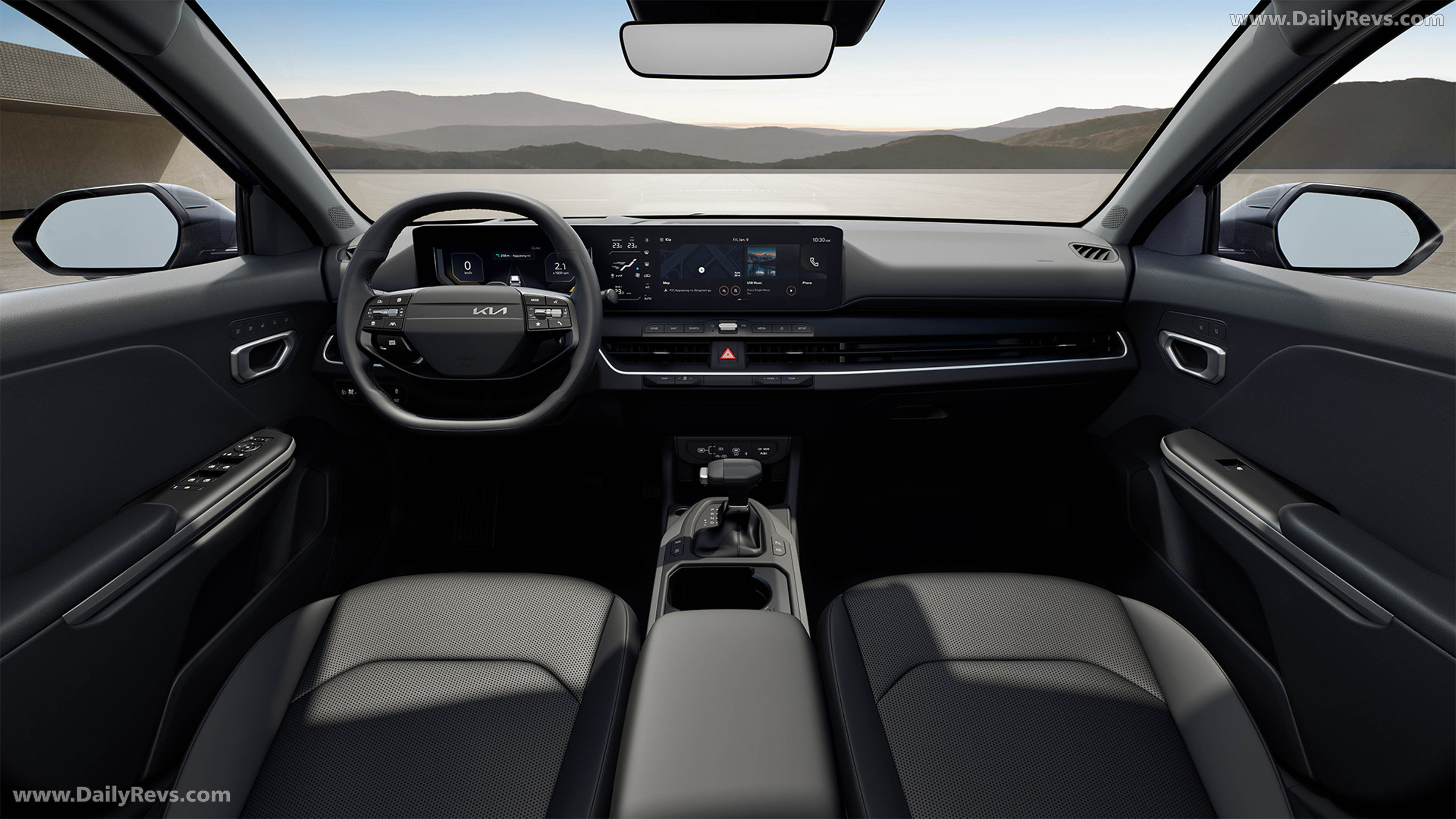
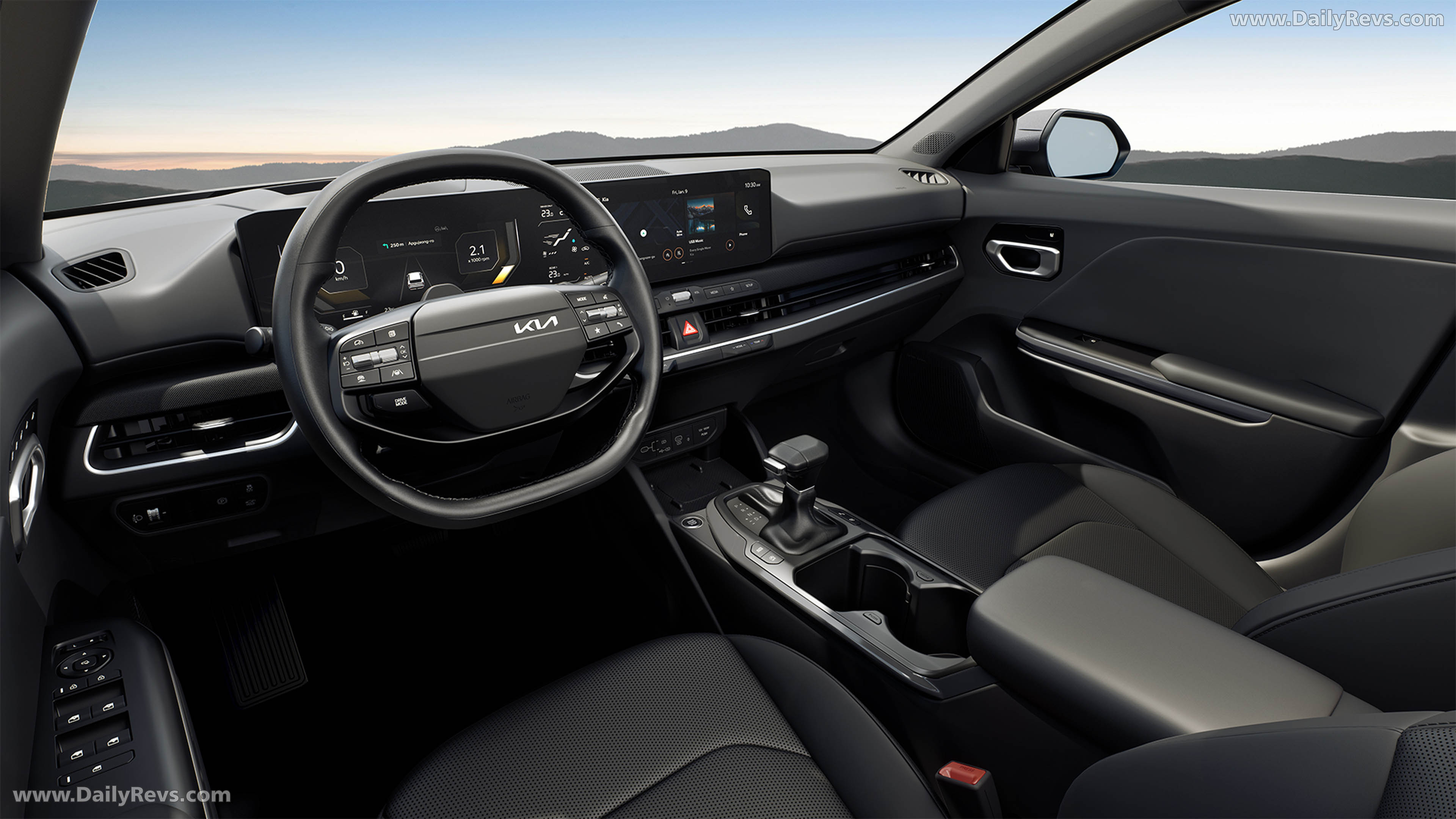
Inside, the K4 Sportswagon carries over the tech-forward layout seen across the K4 range. A wide panoramic display integrates a 12.3-inch digital instrument cluster, a 5.3-inch climate control screen, and a 12.3-inch infotainment touchscreen running Kia’s Connected Car Navigation Cockpit system.
Wireless Apple CarPlay and Android Auto are standard, while higher trims add a wireless phone charger, heated and ventilated front seats, and a Harman Kardon audio system. Kia Digital Key 2.0 allows compatible smartphones to act as keys, and over-the-air updates support long-term software maintenance. Streaming services and an AI-based voice assistant further underline the model’s connected focus.
Practicality as the main selling point
Usability is where the Sportswagon makes its strongest case. The luggage compartment offers up to 604 litres of capacity, increasing to 1,439 litres with the rear seats folded. That places it firmly among upper-segment wagons, despite its compact footprint.
Rear legroom benefits directly from the long wheelbase, and a wagon-exclusive power tailgate adds everyday convenience. The emphasis is clear: this is a car designed for family use, long trips, and varied lifestyles rather than image-led positioning.
Powertrains and market intent
The powertrain lineup starts with a 1.0-litre T-GDI petrol engine producing 115 PS, available with a six-speed manual or mild-hybrid assistance paired to a seven-speed dual-clutch transmission. A larger 1.6-litre T-GDI engine offers 150 or 180 PS with a dual-clutch automatic. A full hybrid variant is planned for later in 2026, supporting Kia’s broader electrification strategy.
Produced in Mexico for global markets, the 2027 Kia K4 Sportswagon reinforces the argument that the wagon still has relevance, provided it delivers space, technology, and efficiency in equal measure.