2026 Toyota Hilux BEV Australian Version
By Lorenzo Bianchi November 11, 2025
First-ever HiLux BEV developed with Australian input.
Launching locally in 2026, aimed at fleet and business customers.
Features new design, advanced tech, and improved comfort.
The Next Chapter for an Australian Icon
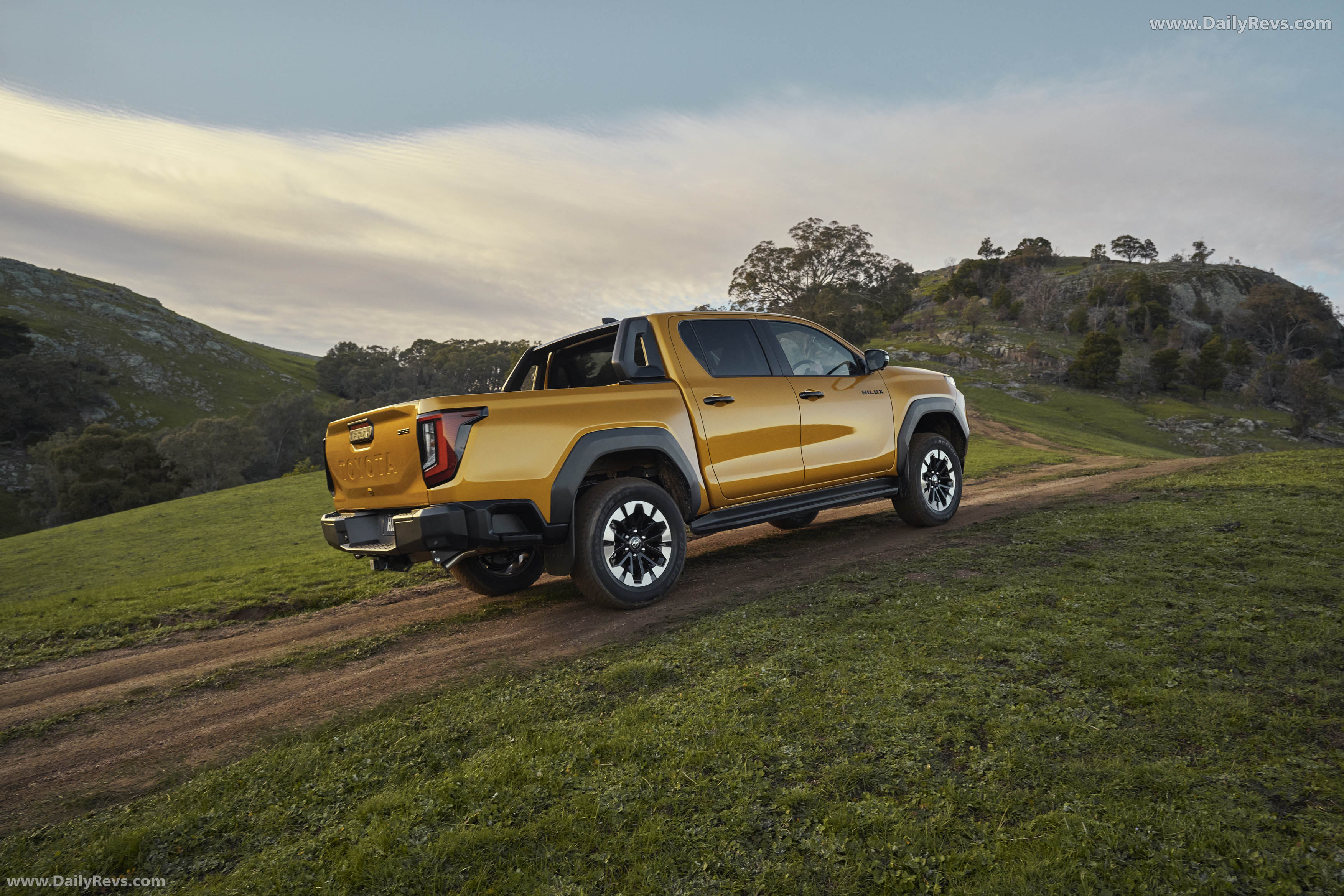
Toyota has revealed the 2025 Toyota HiLux BEV Australian Version, marking the first time the brand’s workhorse enters the battery-electric era. Developed and tested extensively in Australia, this new model combines local design expertise with Toyota’s global engineering resources, setting a new course for one of the country’s most trusted vehicles
Scheduled to reach local showrooms in December 2025, the new HiLux range introduces bold exterior styling, a refined cabin, and substantial mechanical and technological upgrades — including Toyota’s first-ever battery-electric powertrain for the model.
Designed and Developed in Australia
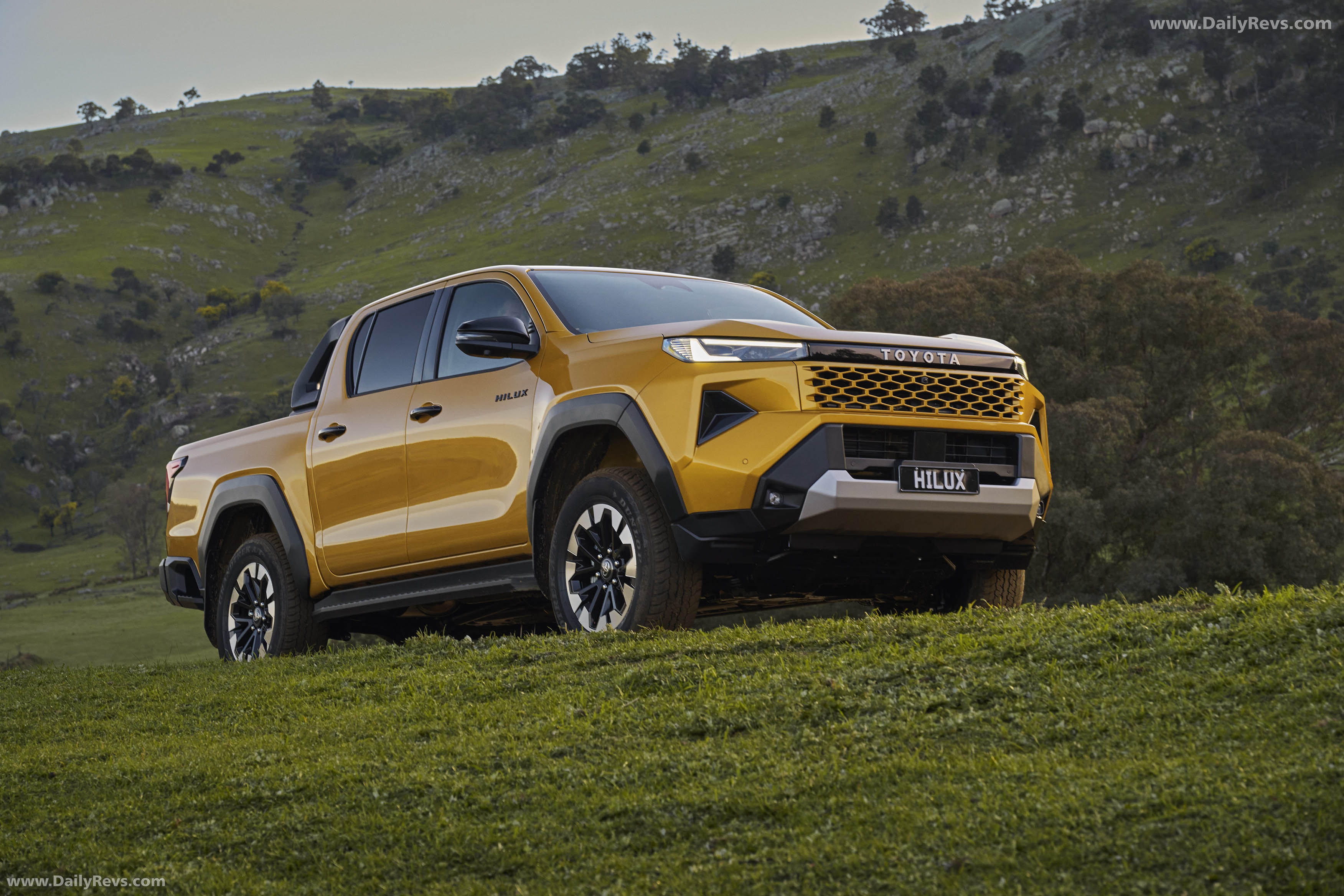
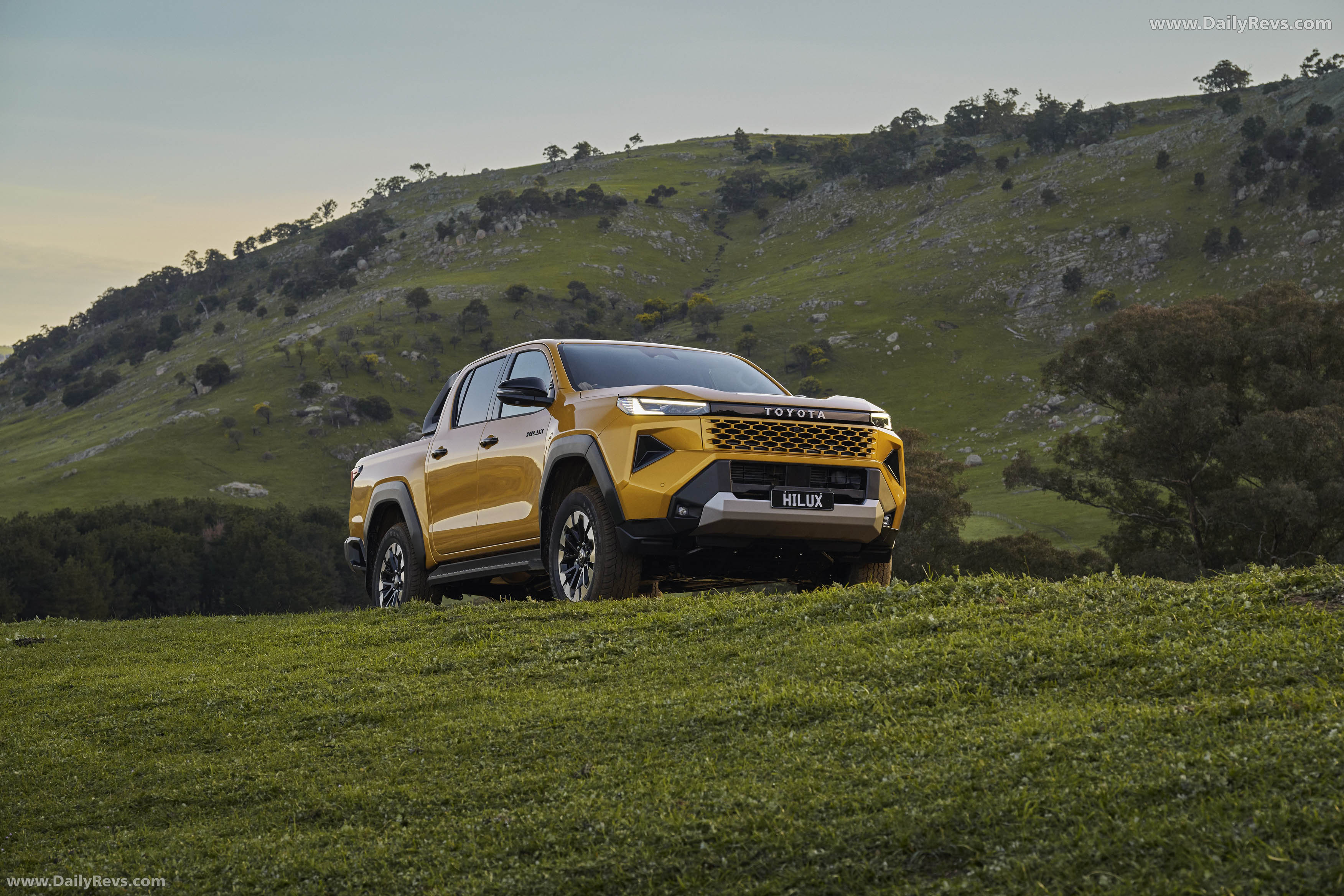
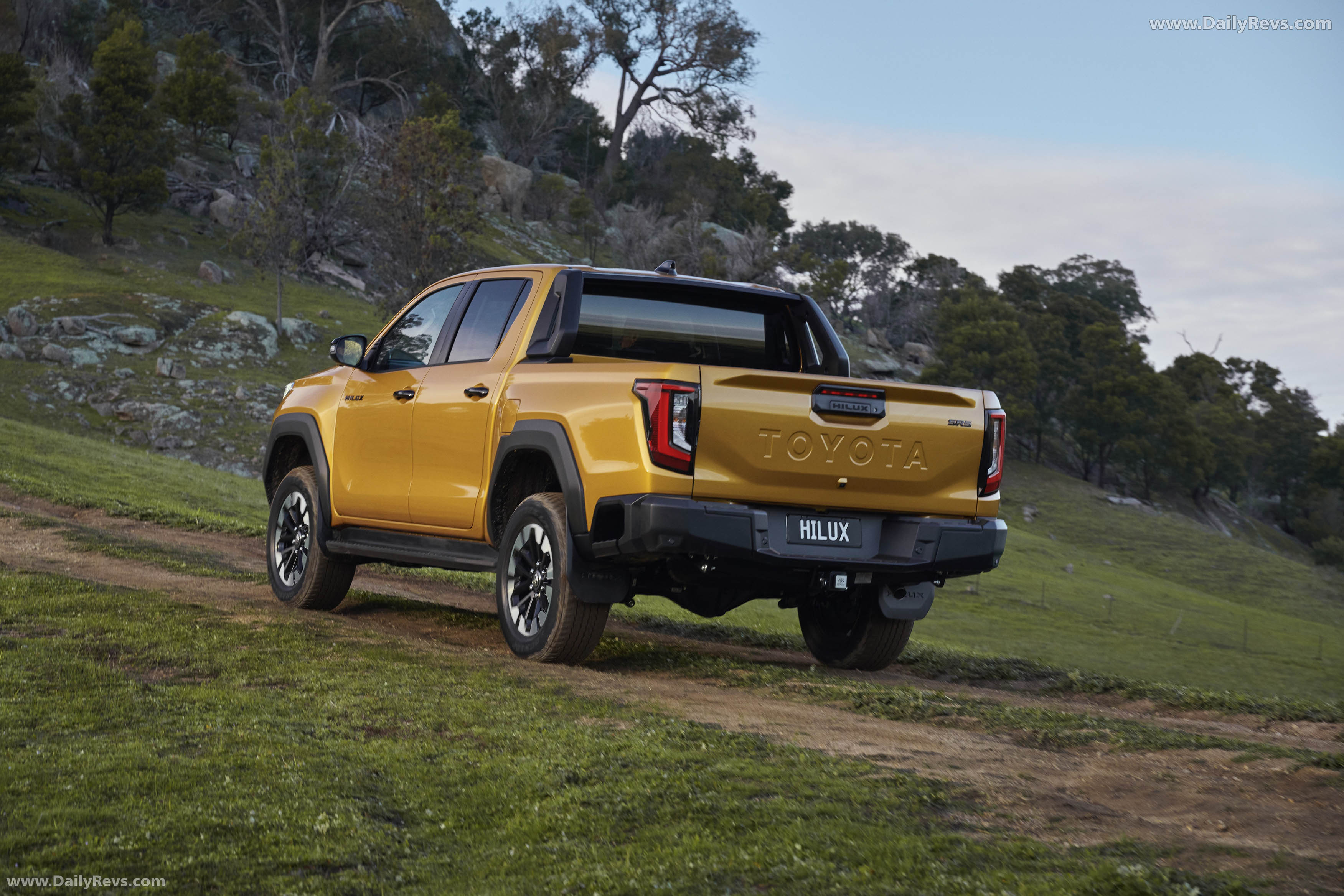
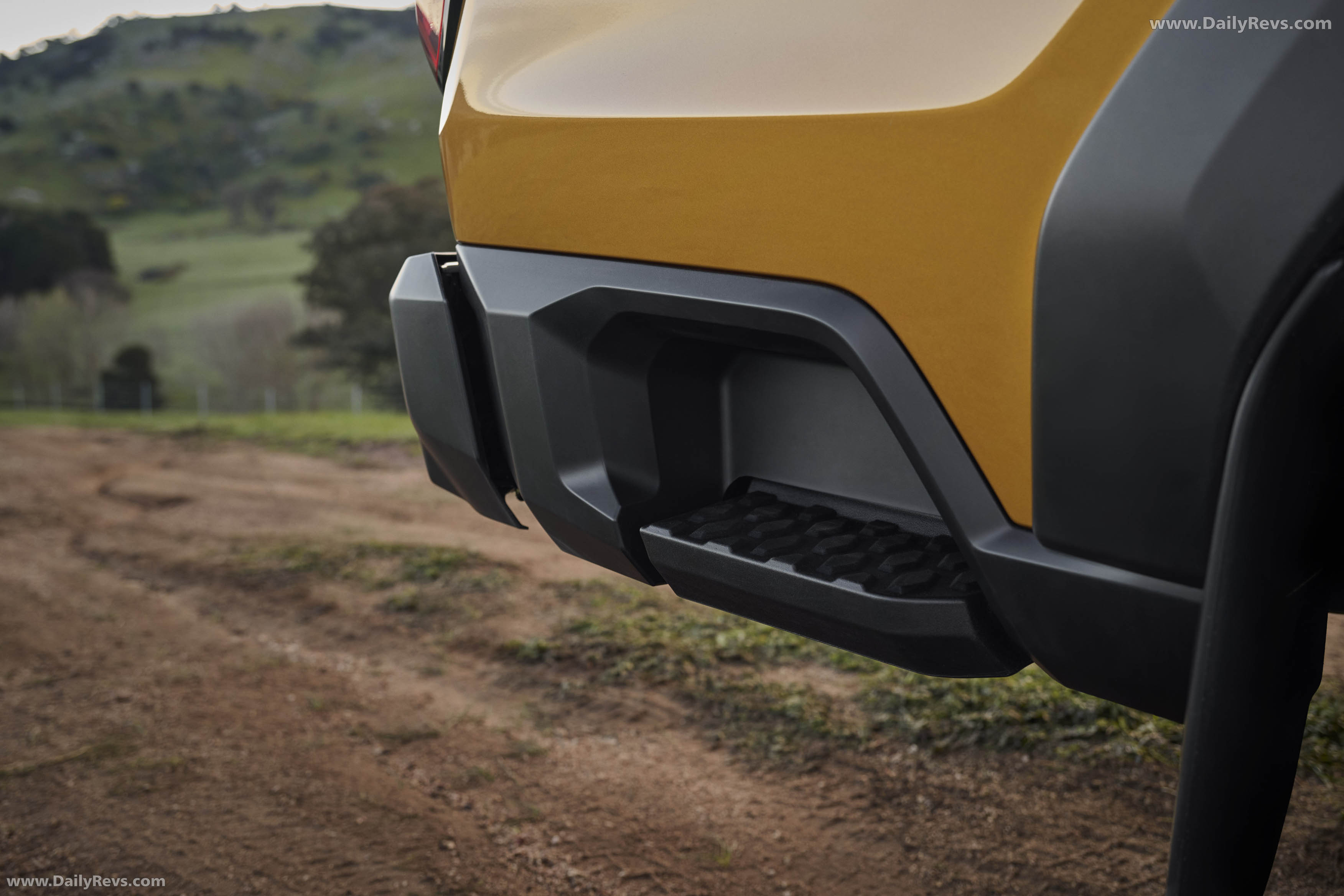
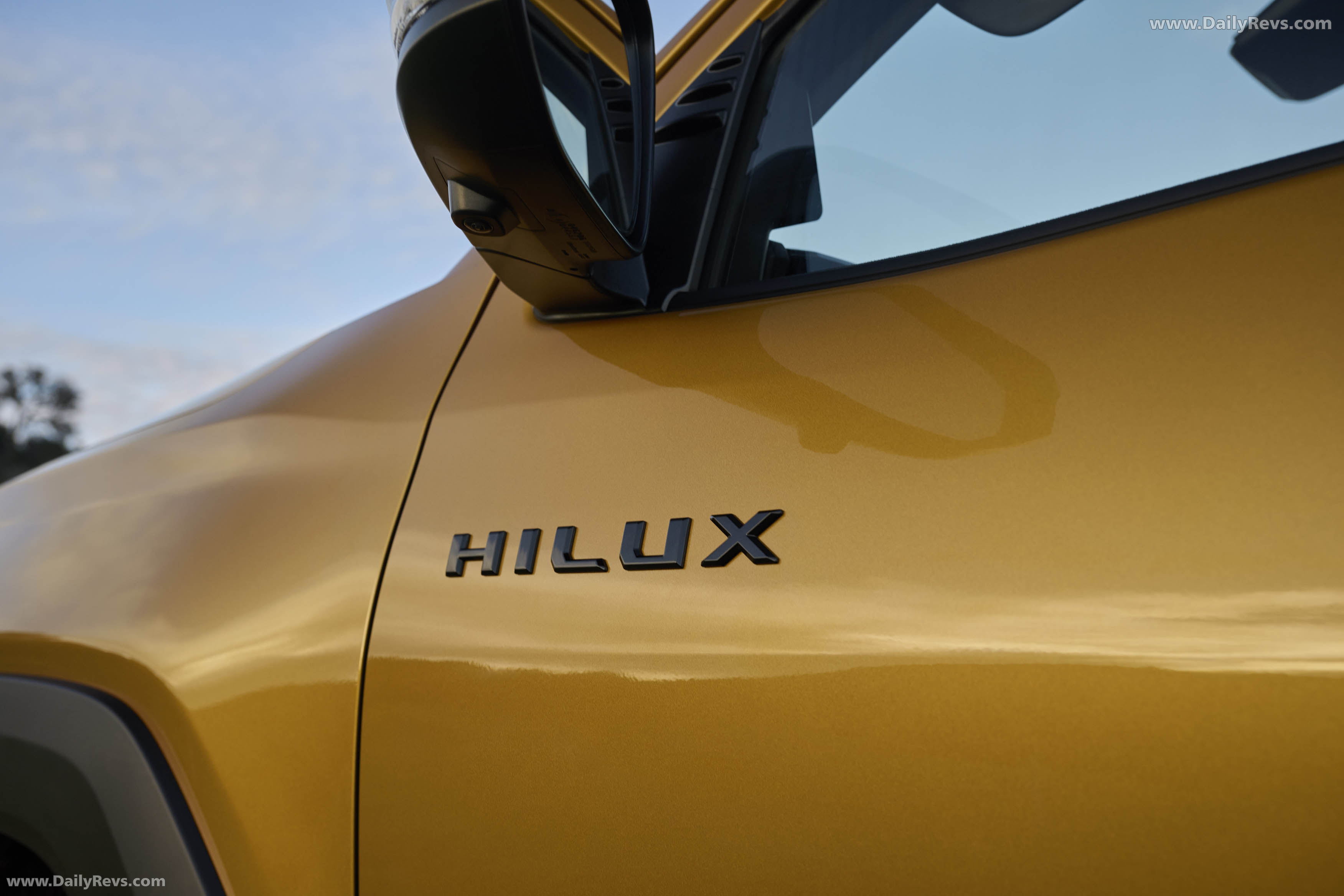
The exterior of the new HiLux was led by Toyota Australia’s Product Centre team at Altona and reflects what the brand calls a “Cyber Sumo” design language. The look is modern yet muscular — slim-line headlights, squared contours, and a broad stance give it a distinctly Australian toughness.
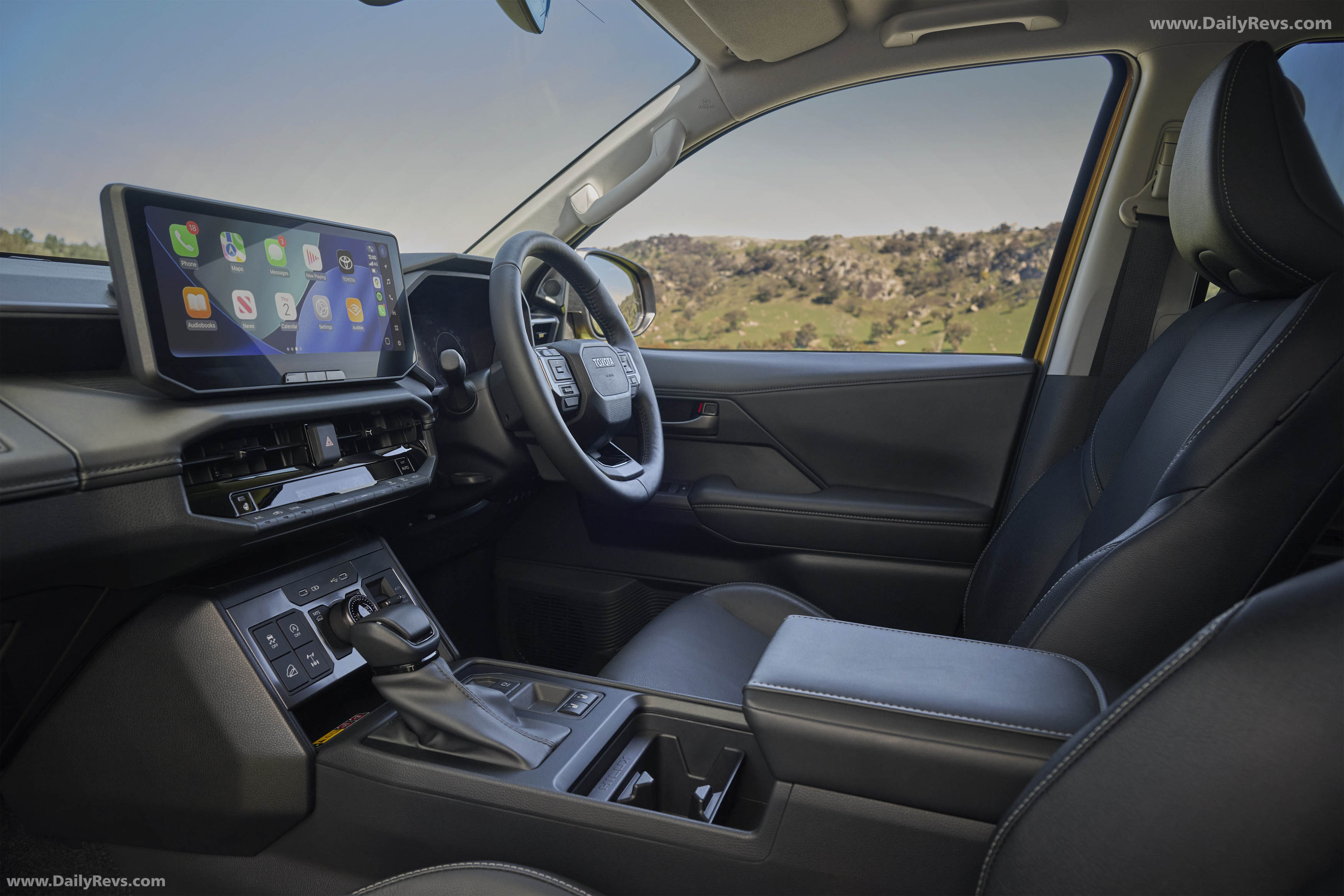
Inside, the cabin has been rethought around functionality and comfort. A flatter dashboard improves visibility, particularly off-road, while a 12.3-inch multimedia touchscreen and new digital cluster bring the HiLux in line with Toyota’s latest global interiors. Revised seats and improved ergonomics show a clear intent to make the pickup more liveable for both work and leisure use
Powertrain and Technology
For now, Toyota’s trusted 2.8-litre turbo-diesel remains the backbone of the lineup, producing 150 kW and up to 500 Nm through either a manual or automatic transmission. Automatic variants feature 48V V-Active technology, which provides smoother stop-start operation and an extra power boost for low-speed response.
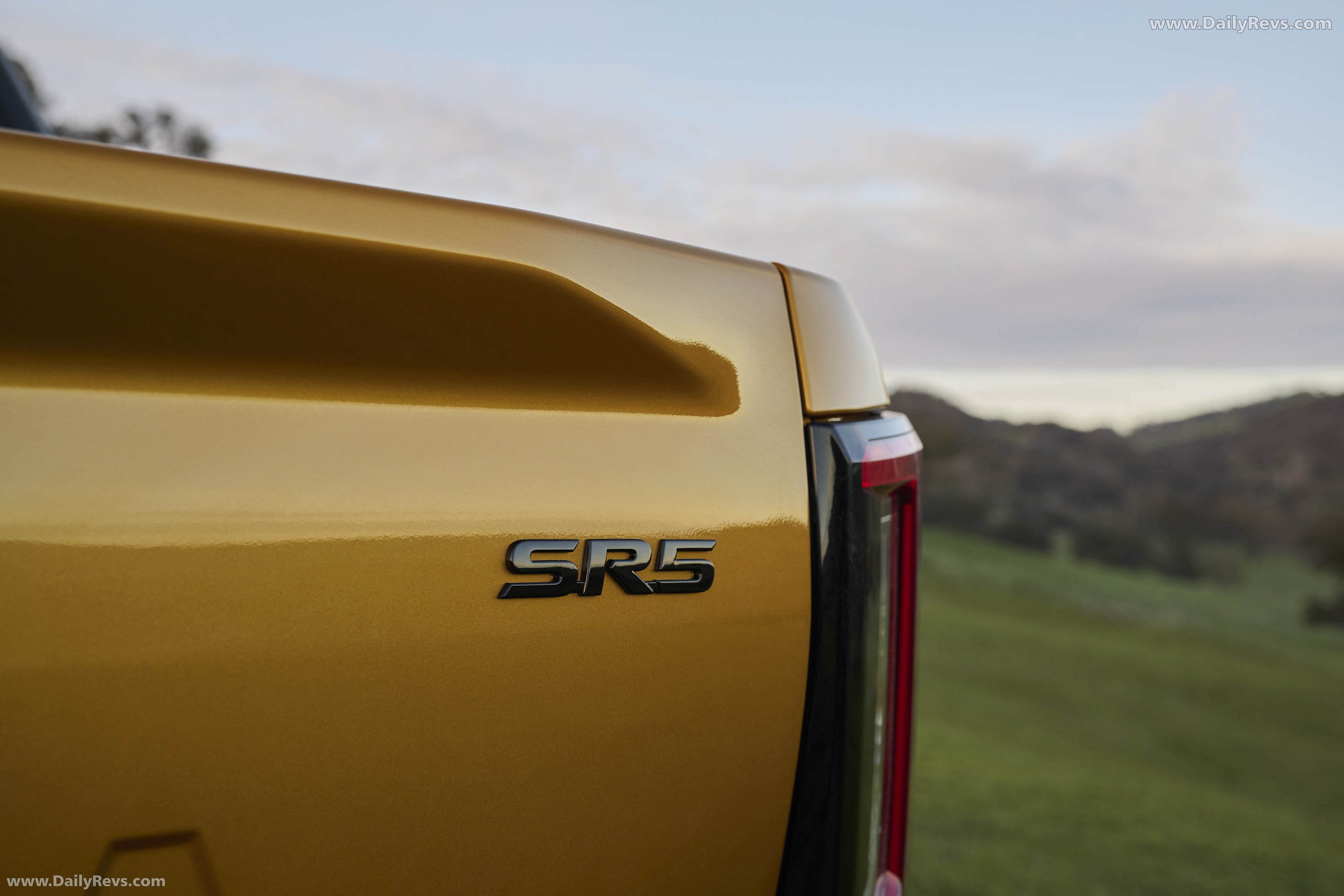
The all-new HiLux BEV, however, represents a pivotal shift. Available initially in double-cab SR and SR5 4x4 grades, it uses an electric motor on each axle paired with a lithium-ion battery pack. Toyota hasn’t disclosed full specifications yet — those will arrive closer to the 2026 launch — but it confirms the BEV will target fleet buyers seeking to reduce tailpipe emissions without compromising capability
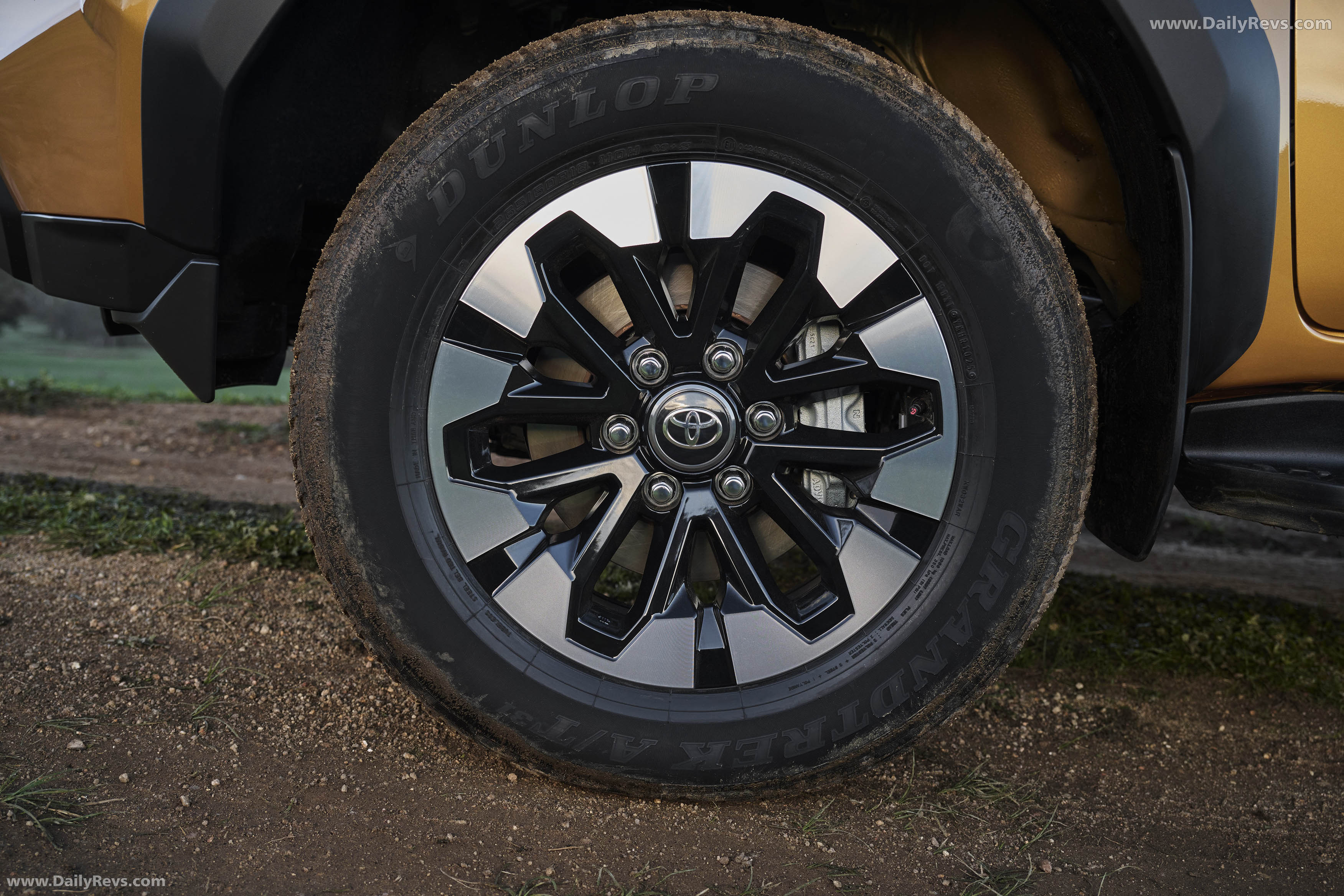
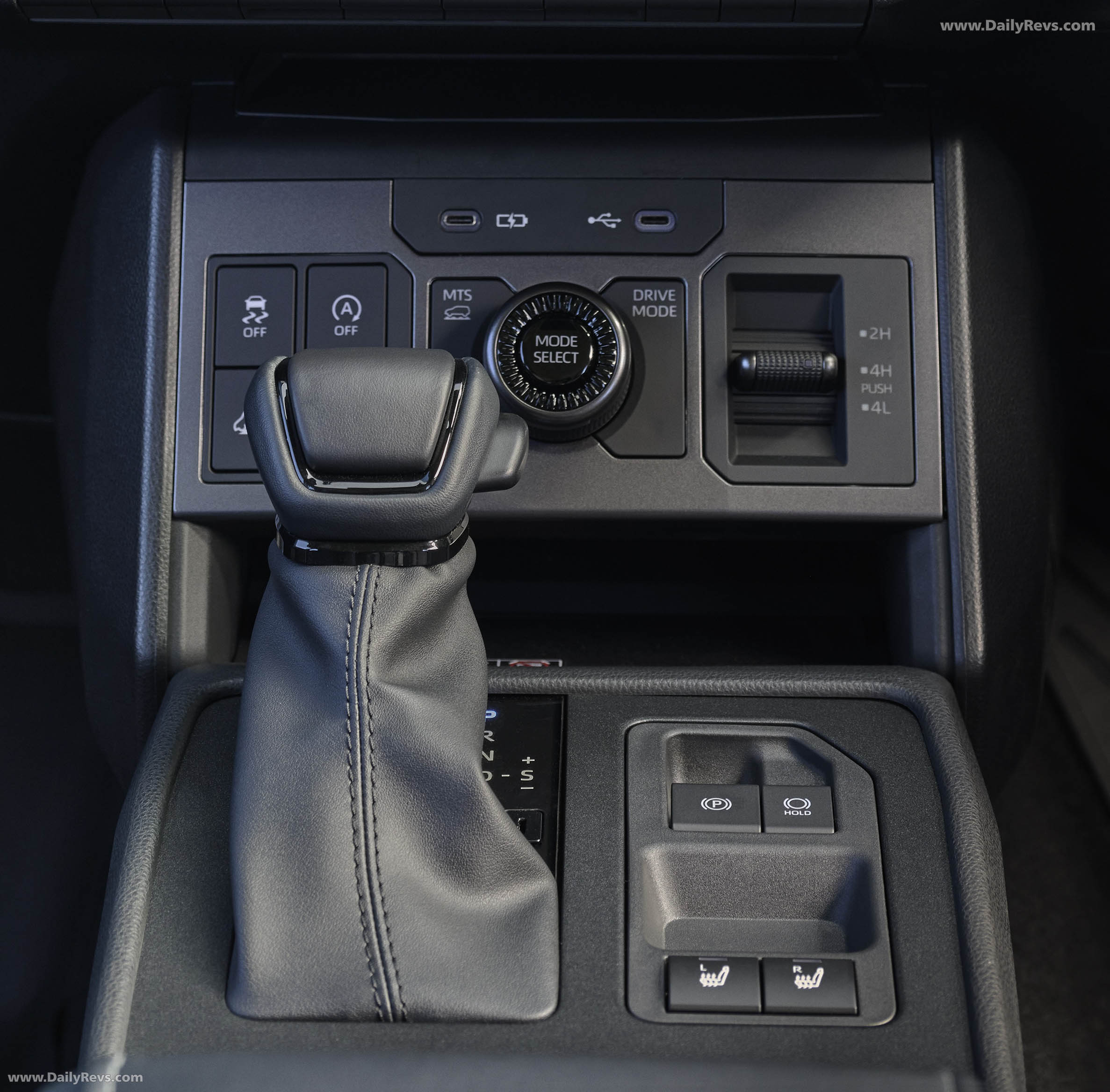
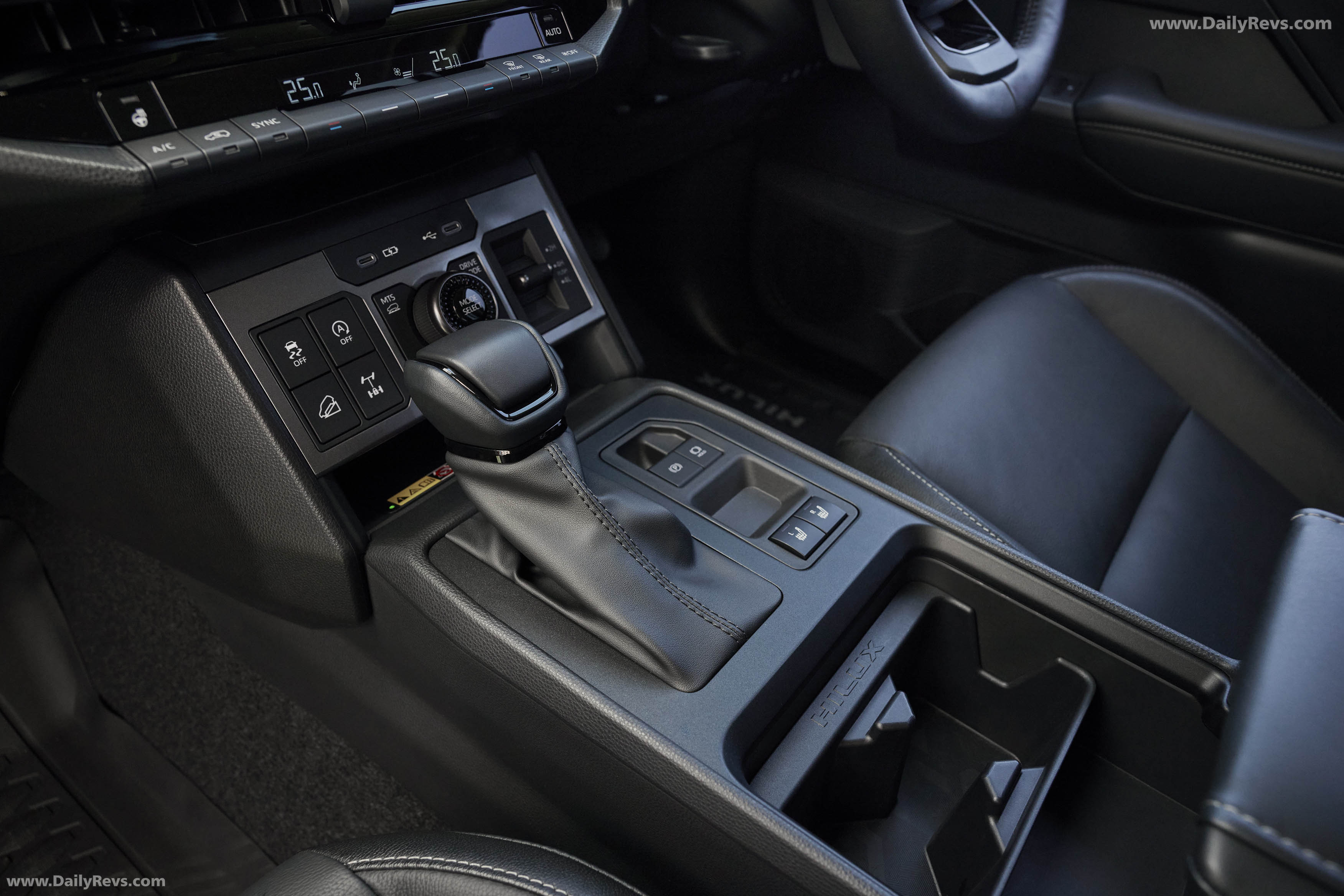
Supporting hardware upgrades include electric power steering for improved feel and control, and a re-engineered suspension setup with separate calibrations for heavy-duty and comfort-oriented use. Off-road systems such as Multi-Terrain Select and a rear locking differential continue to underscore the model’s all-terrain credibility.
Technology and Safety
Every variant benefits from Toyota’s latest Safety Sense suite, including lane trace assist, adaptive cruise control, blind-spot monitoring, and the debut of a cabin detection alert to prevent rear-seat occupants from being left behind.
The HiLux also integrates Toyota Connected Services, giving owners access to remote functions and real-time safety notifications via a smartphone app.
Looking Ahead
For Toyota, the HiLux BEV isn’t just another powertrain option — it’s a signal of intent. With a hydrogen fuel cell (FCEV) variant already confirmed for 2028, the brand is embracing a multi-pathway strategy for carbon reduction.
Australia remains its proving ground — both figuratively and literally. And if history is any indicator, this next-generation HiLux will carry its reputation forward, powered now by silence and torque instead of noise and diesel.
Technical Specifications
- Launch: December 2025 (Australia)
- Variants: Diesel, 48 V Hybrid, and new Battery-Electric Vehicle (BEV)
- Body Styles: Single, Extra, and Double Cab
- Grades: WorkMate, SR, SR5, Rogue, and Rugged X
Powertrains
- Diesel Engine: 2.8-litre turbo-diesel 4-cylinder producing 150 kW and 500 Nm (automatic); 420 Nm (manual)
- Transmission: 6-speed manual or 6-speed automatic
- 48 V Mild Hybrid (V-Active): Adds 8.5 kW and 65 Nm assist for smoother stop/start and stronger low-speed response (standard on automatic Double Cab SR and above)
- BEV Powertrain: Dual electric motors (front and rear axles) with lithium-ion battery pack — final output figures to be announced closer to launch
- FCEV Variant: Hydrogen fuel cell version planned for 2028 introduction
Chassis and Suspension
- Platform: Body-on-frame construction with revised ladder frame
- Suspension: Independent coil-sprung front and rigid leaf-sprung rear axle
- Suspension Tune: Two distinct setups — WorkMate/SR for heavy-duty loads and towing; SR5 and above prioritize ride comfort and refinement
- Steering: New electric power steering (EPS) system for enhanced feedback and lane-keeping integration
Off-Road Capability
- Drivetrain: Part-time 4×4 with high and low range ratios
- Differential: Rear locking differential standard on SR 4×4 auto and above
- Traction: Multi-Terrain Select system calibrated for Australian conditions
- Cameras: Multi-Terrain Monitor with 360° view and underbody feed on SR5 and higher grades
Interior and Technology
- Dashboard: Flatter, three-tier layout for improved forward visibility
- Instrument Cluster: 7.0-inch digital display (WorkMate/SR); 12.3-inch unit (SR5 and above)
- Infotainment: 12.3-inch touchscreen with wireless Apple CarPlay and Android Auto, embedded navigation, voice command, and Toyota Connected Services
- Comfort: New front and rear seats with enhanced support and available 8-way power adjustment plus lumbar support
- Steering Wheel: Redesigned unit with improved ergonomics and optional heating function
Safety and Driver Assistance
- Toyota Safety Sense Suite includes: Pre-collision braking, Lane Trace Assist, Active Cruise Control, Road Sign Assist, and Automatic High Beam
- Additional Safety Tech: Blind Spot Monitor, Rear Cross-Traffic Alert, Front and Rear Parking Sensors
- New Feature: Cabin Occupant Detection Alert for rear-seat safety
Dimensions [Unverified until official data release]
- Length approx. 5,325 mm
- Width approx. 1,855 mm
- Wheelbase approx. 3,085 mm