2026 Nissan LEAF B7
By Lorenzo Bianchi December 11, 2025
Up to 702 km range from a 78 kWh battery, with 150 kW rapid charging capability.
New 3-in-1 EV powertrain improves torque, refinement, and efficiency.
Introduces ProPILOT 2.0, advanced safety systems, and a new panoramic dimmable roof.
Aerodynamic Design and Crossover Proportions
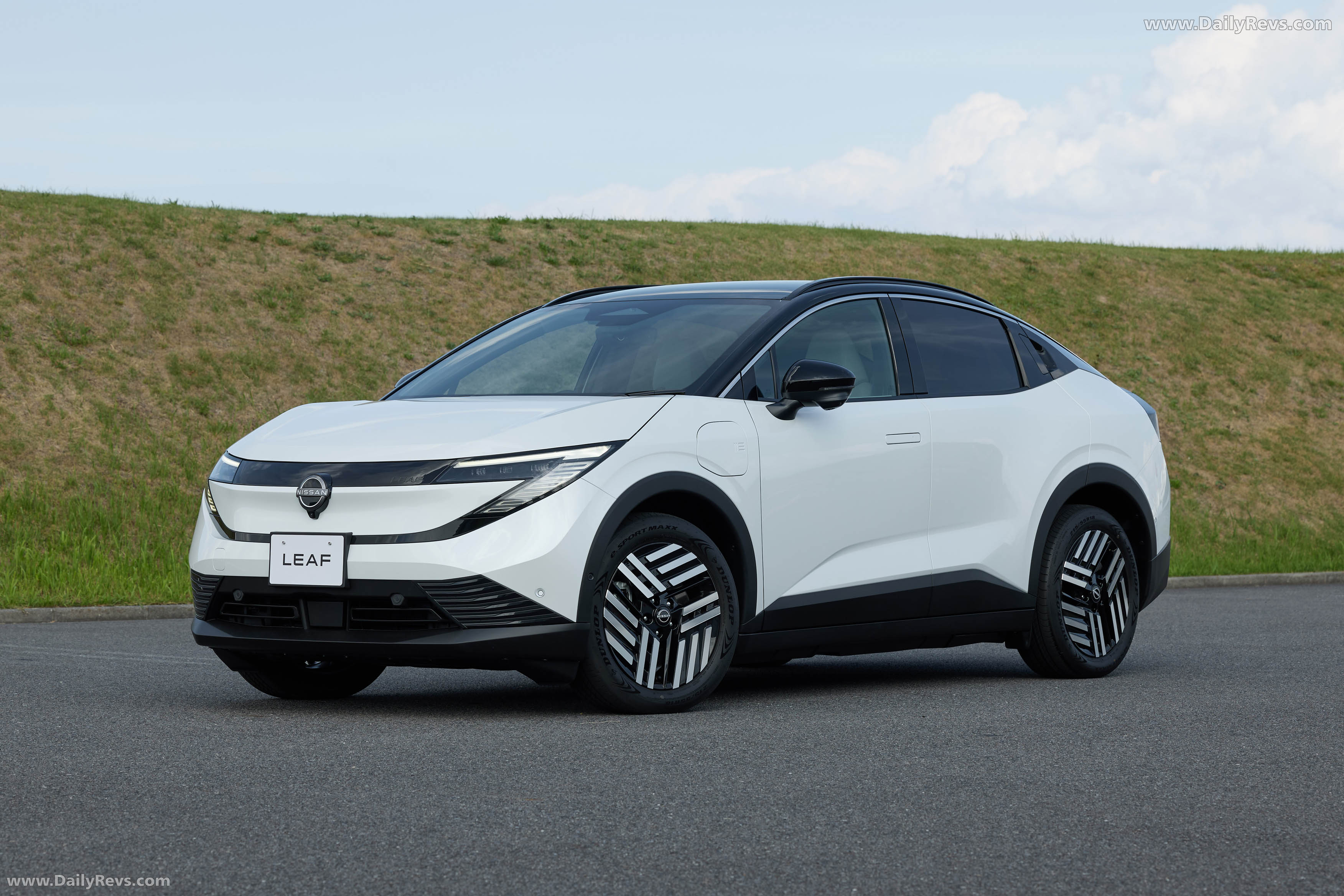
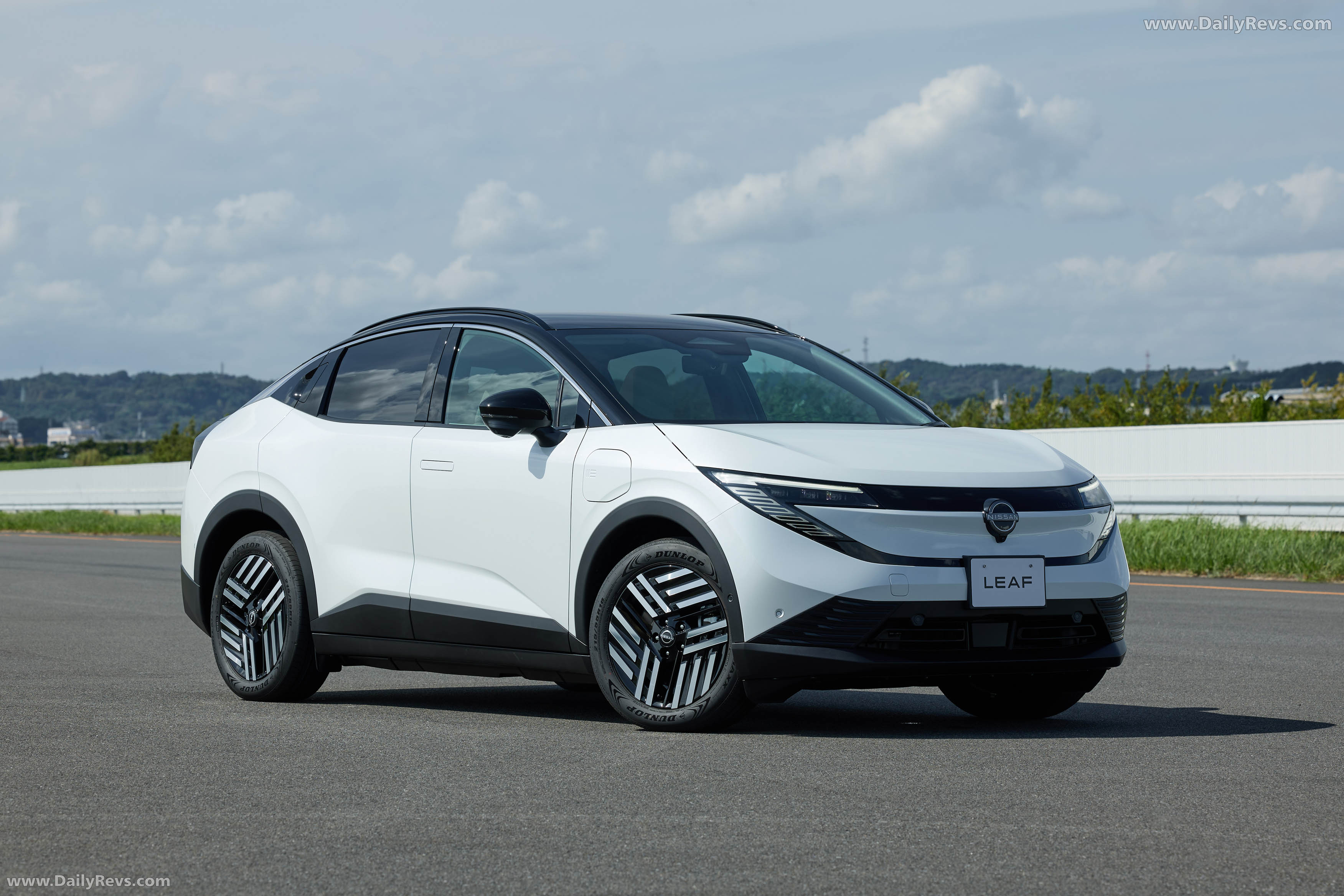
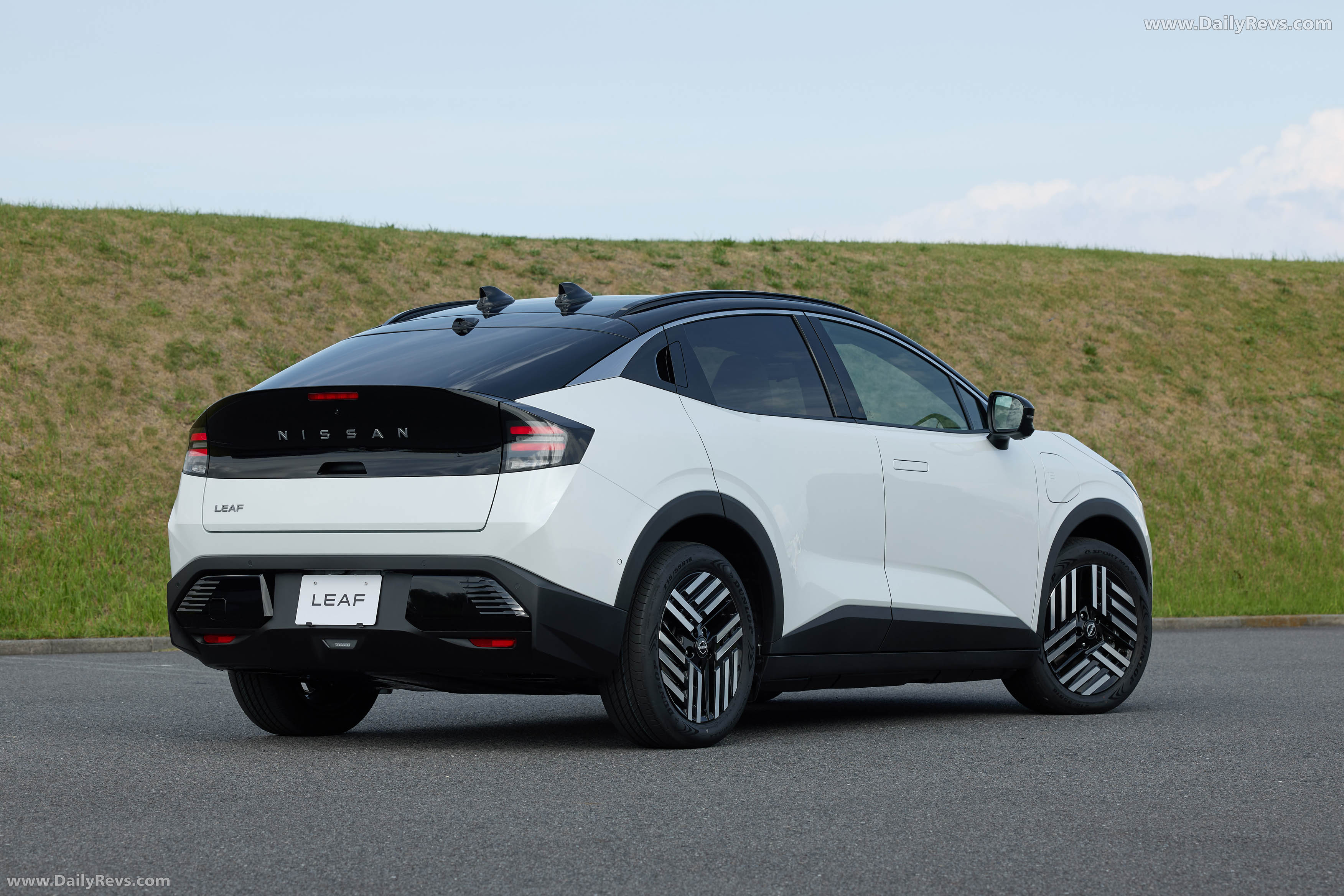
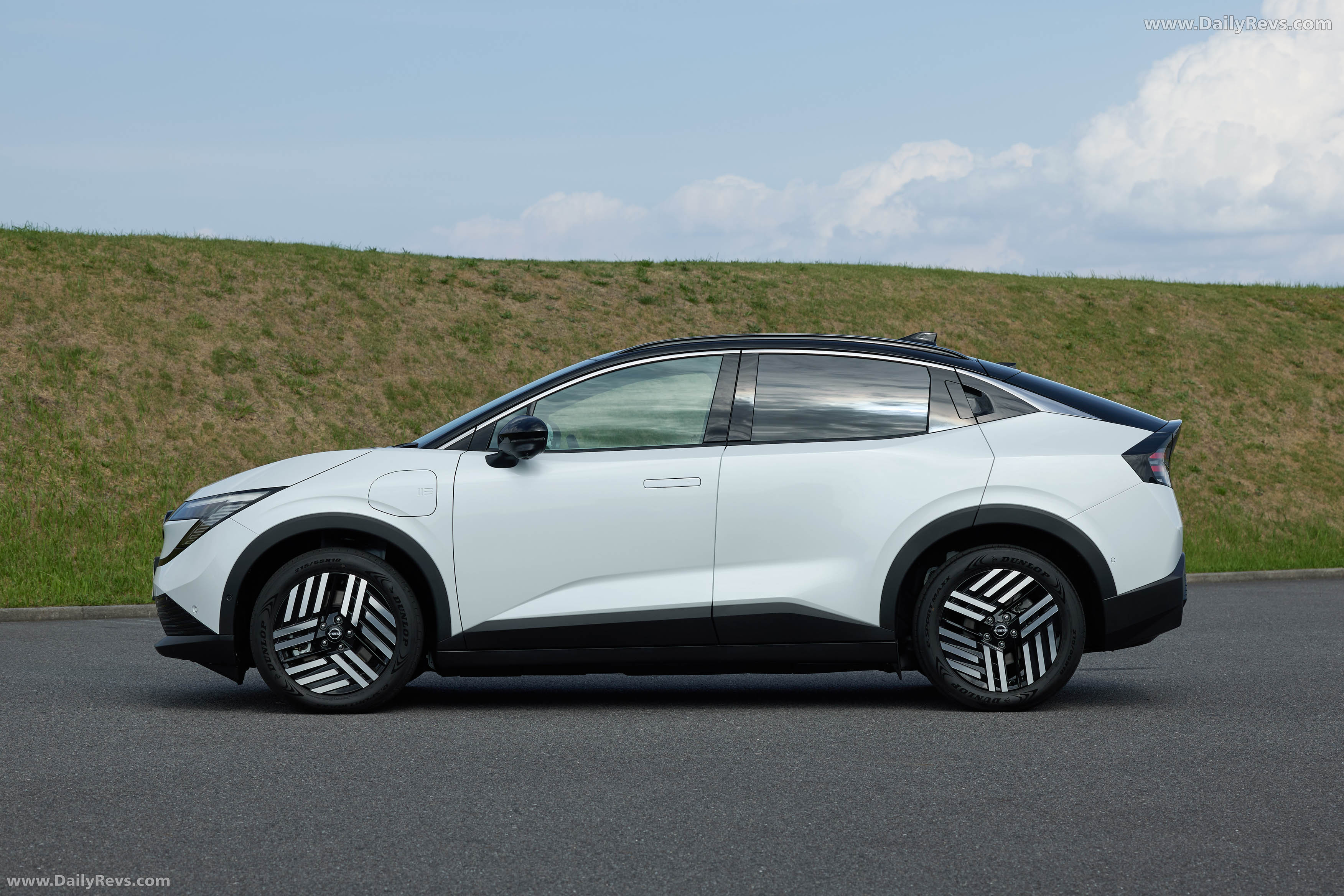
The 2026 Nissan LEAF B7 arrives as a significant evolution of one of the world’s earliest mass-market EVs. The new model shifts to a crossover silhouette, with a fastback-influenced roofline and a noticeably cleaner surface treatment. From the images in the press release, the front fascia is defined by six rounded rectangular lighting elements and a horizontal LED accent stretching across the nose—an identity marker specific to this new generation.
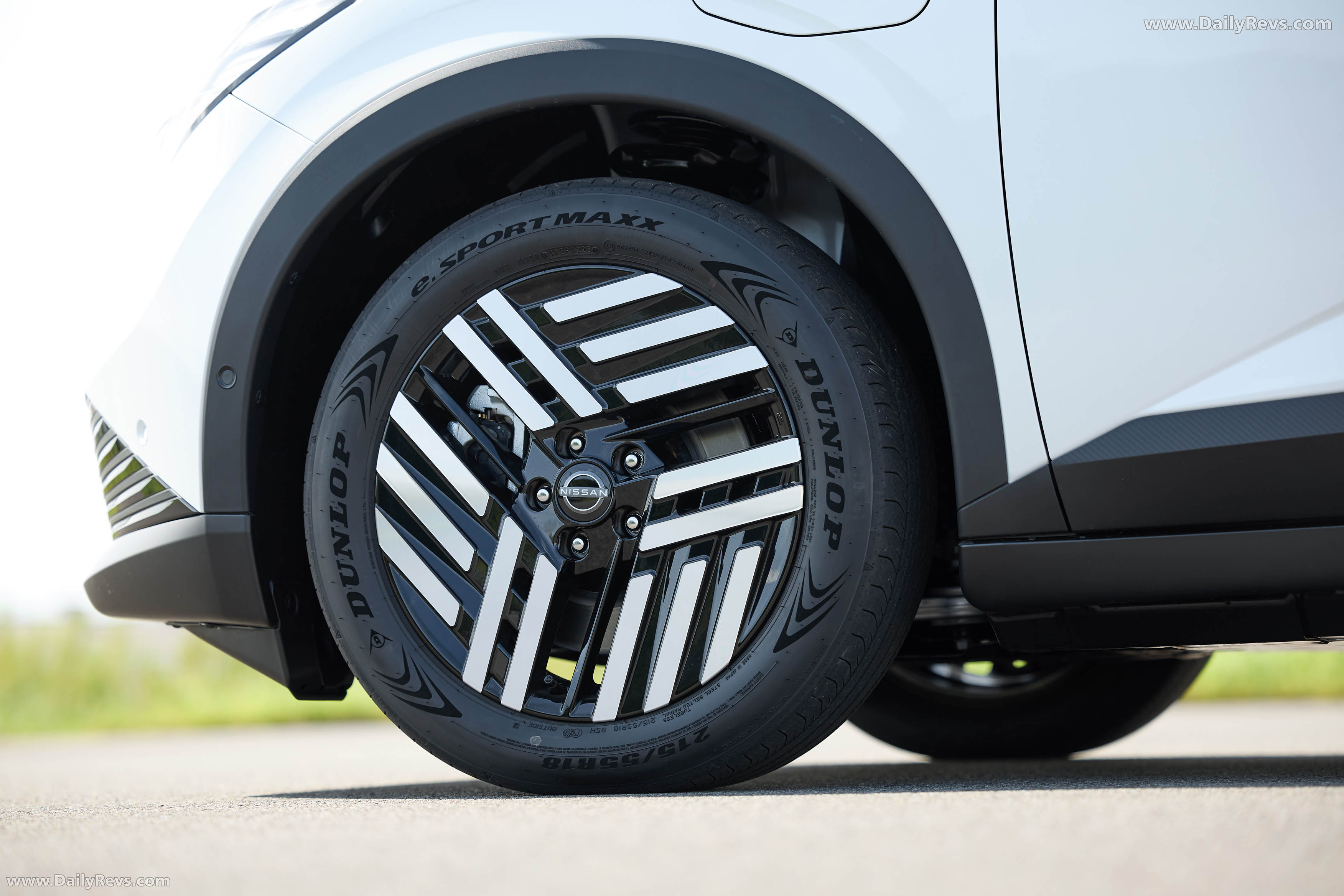
Aerodynamics play an unusually central role. Nissan quotes a 0.26 Cd, supported by flush-fitting door handles, aero-focused wheels, and a flat underbody. The rear features a 3D hologram-style LED signature in the “Ⅱ三” pattern shown clearly in the product photography. These details contribute directly to the extended range while giving the LEAF a more technical, deliberate stance.
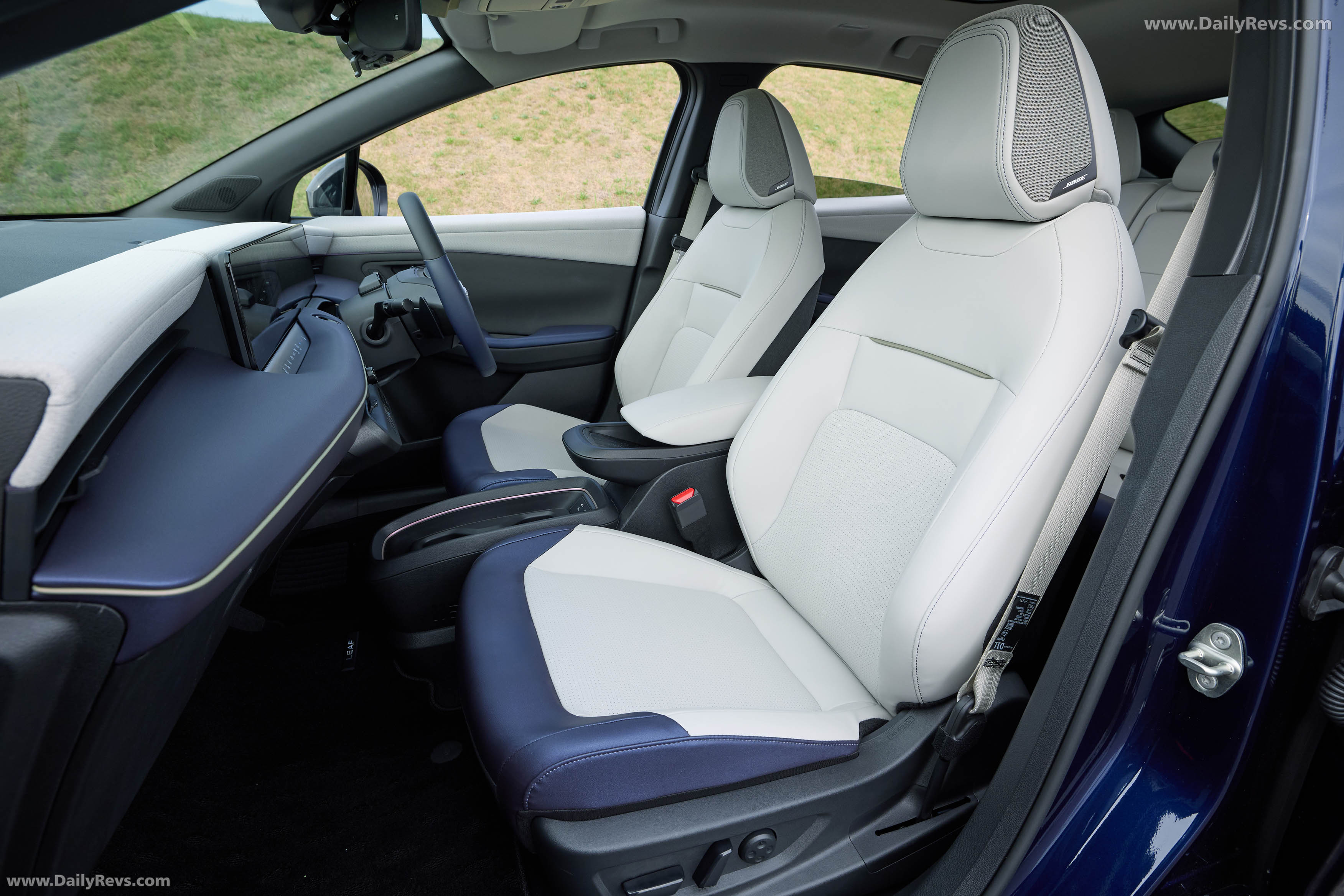
Inside, the cabin benefits from the CMF-EV platform’s packaging: a flat floor, wider footwell space, and a horizontal floating instrument panel that visually opens the interior. The newly introduced panoramic dimmable glass roof, visible in the images on page 1, can shift transparency at the press of a button while adding thermal control for year-round comfort.
EV Powertrain and Driving Character
The LEAF B7 adopts a newly developed 3-in-1 EV power unit, integrating the motor, inverter and reduction gear into a more compact assembly. Nissan confirms a 10% reduction in package size and a 4% improvement in peak motor torque. Noise and vibration improvements come from a segmented skewed rotor design and reinforced housings, contributing to a quieter, smoother drive.
Suspension hardware includes a multi-link rear setup tuned specifically for Japanese road conditions. The drive-mode structure introduces a new PERSONAL mode—allowing owners to fine-tune acceleration and deceleration feel—while e-Pedal Step and a paddle-based regeneration controller give the car a more intuitive EV character.
The 78 kWh battery is capable of up to 702 km WLTC range (B7 X). Charging performance peaks at 150 kW; Nissan states that a 10–80% recharge can be completed in roughly 35 minutes under optimal conditions. Battery conditioning linked to the navigation system preheats or cools the pack before fast-charging sessions to ensure consistent charging speed.
Technology and Safety Systems
The LEAF B7 introduces a dual 12.3-inch display layout with Google built-in, supporting Google Maps, Assistant and Play—visible in the layout shown on page 3. The NissanConnect app allows route planning with real-time charging requirements considered before entering the vehicle.
Safety technology expands substantially. ProPILOT 2.0 (optional), ProPILOT Parking, ProPILOT Remote Parking, Intelligent Rear-View Mirror and front/rear dash cameras all appear in the equipment list. A full 360° Safety Assist suite manages hazard detection, lane support, adaptive cruise, and intelligent distance control for more comfortable highway driving.
V2H and 1,500W external power outlets remain central to the LEAF’s utility. Nissan reinforces that the vehicle can serve as a home emergency power source, a feature carried forward from previous generations.
Segment Positioning and Market Rollout
The LEAF B7 will be available for order in Japan from October 17, with deliveries beginning in January. Pricing starts at ¥5,188,700 for the B7 X and ¥5,999,400 for the B7 G. The expanded battery range and crossover format place the model against compact EVs such as the Toyota bZ3X [Speculation] and the upcoming Honda EV SUV [Speculation], though Nissan’s focus on efficiency and advanced driver-assist systems creates a distinctive technical appeal.
This third-generation LEAF is presented not as an evolution, but as a complete reframing of what the LEAF represents—long-range EV capability, enhanced comfort, and a stronger visual identity.