2026 JAS Motorsport Tensei Deep Blue
By Lorenzo Bianchi October 9, 2026
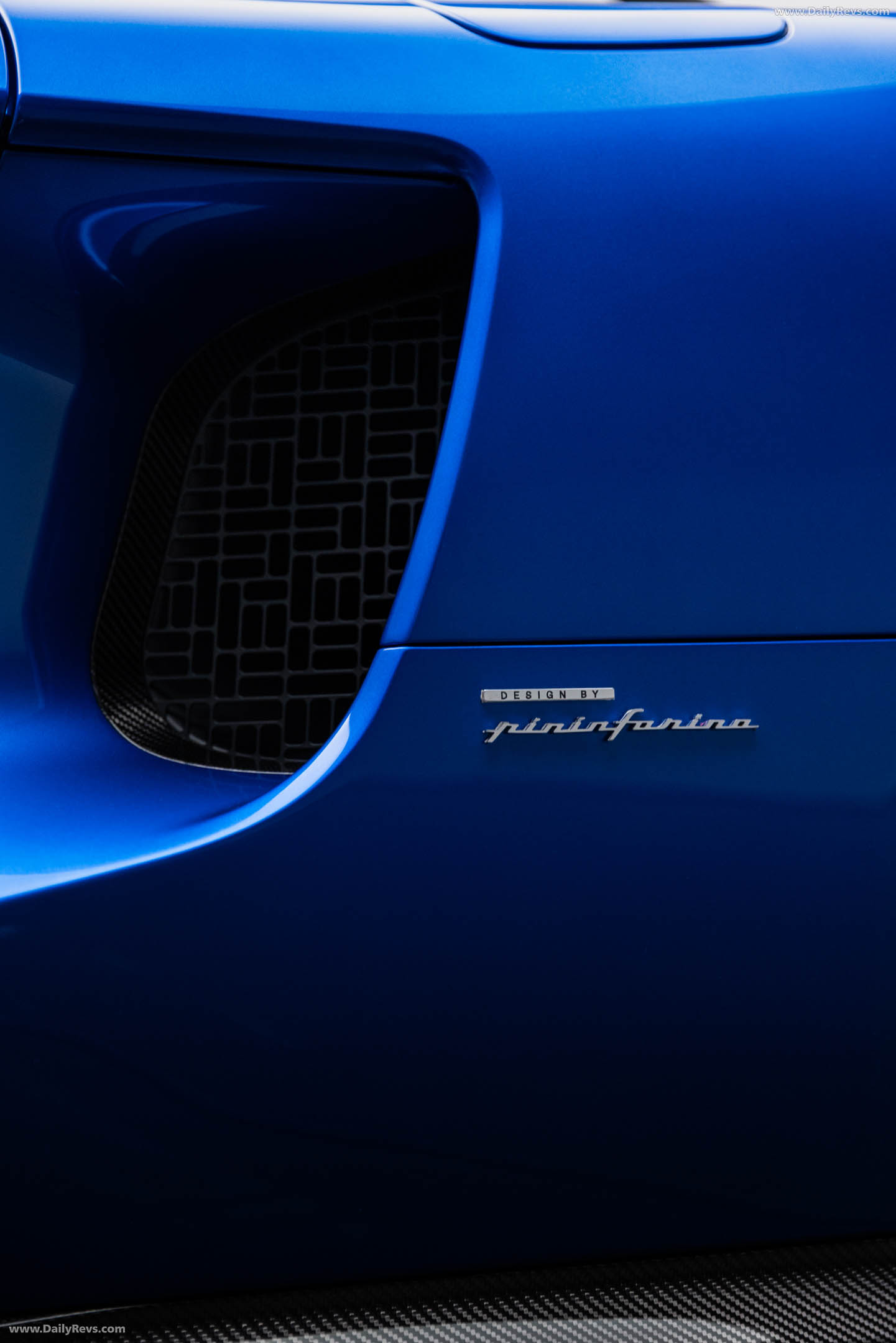
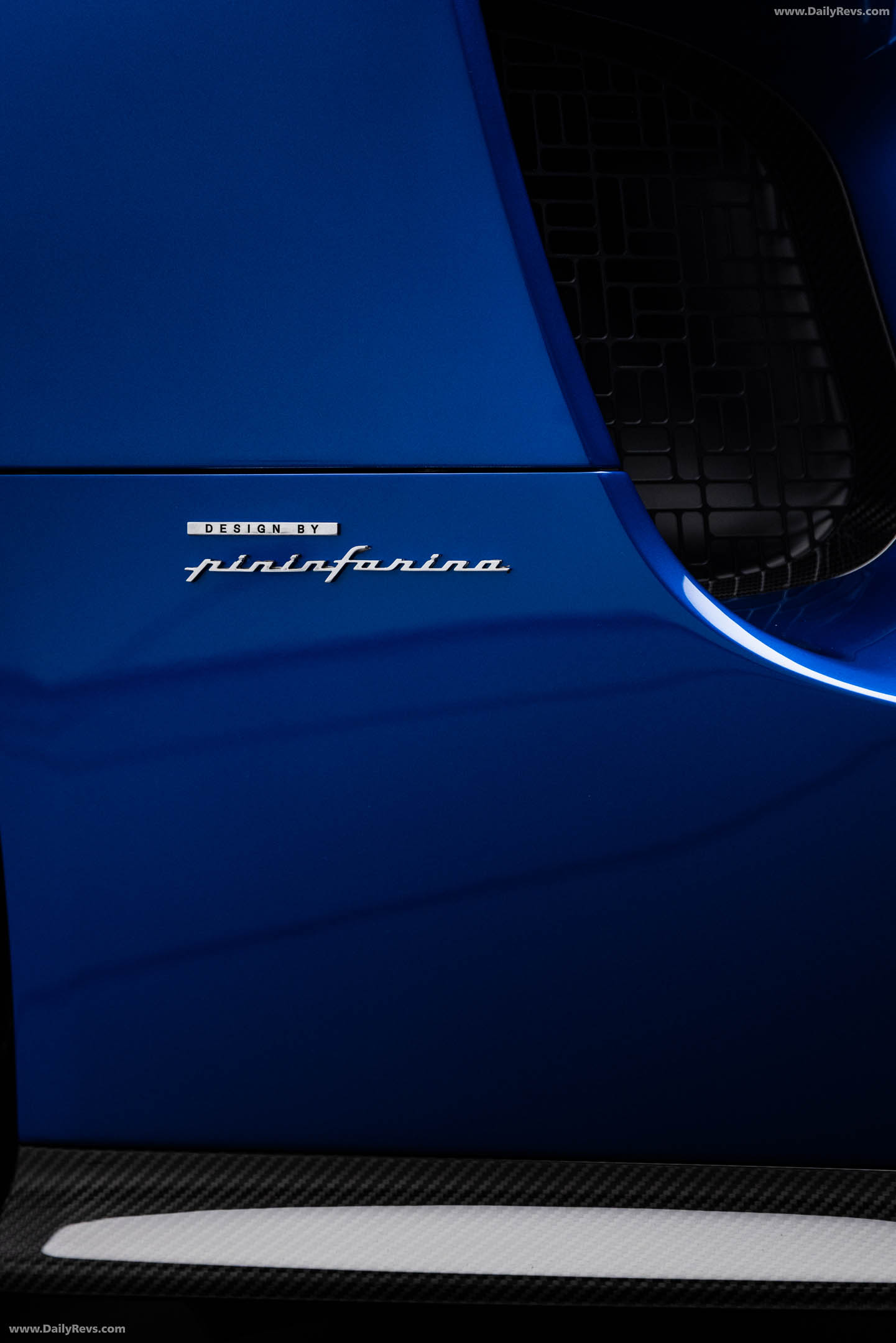
Pininfarina redesigned the original Honda NSX with wider tracks, carbon-fibre body panels and retained pop-up headlights.
The naturally aspirated 3.5-litre JAS-JUDD V6 is paired with a six-speed manual transmission and rear-wheel drive.
Production is planned for 35 individually commissioned examples, featuring bespoke interiors and motorsport-derived chassis components.
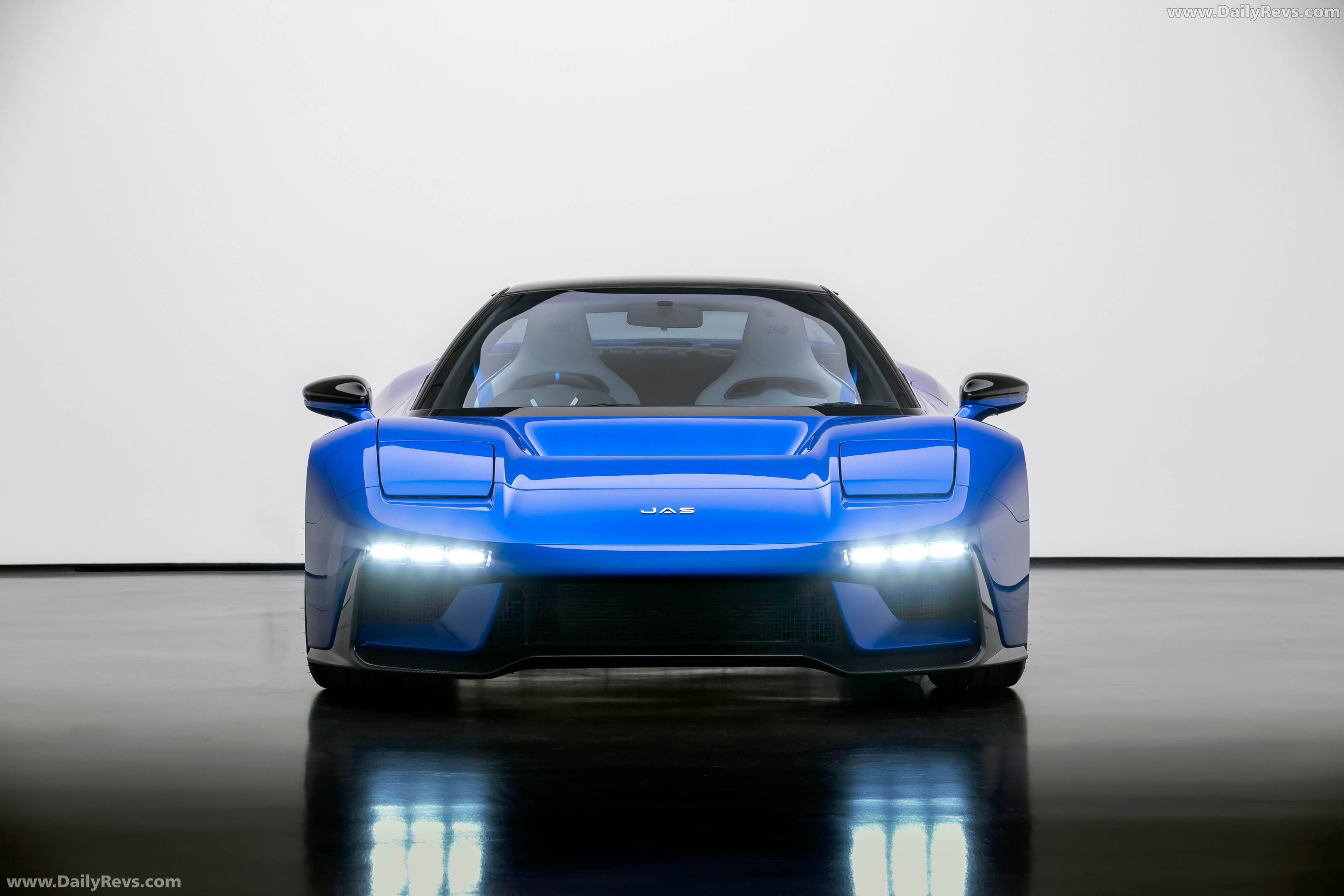
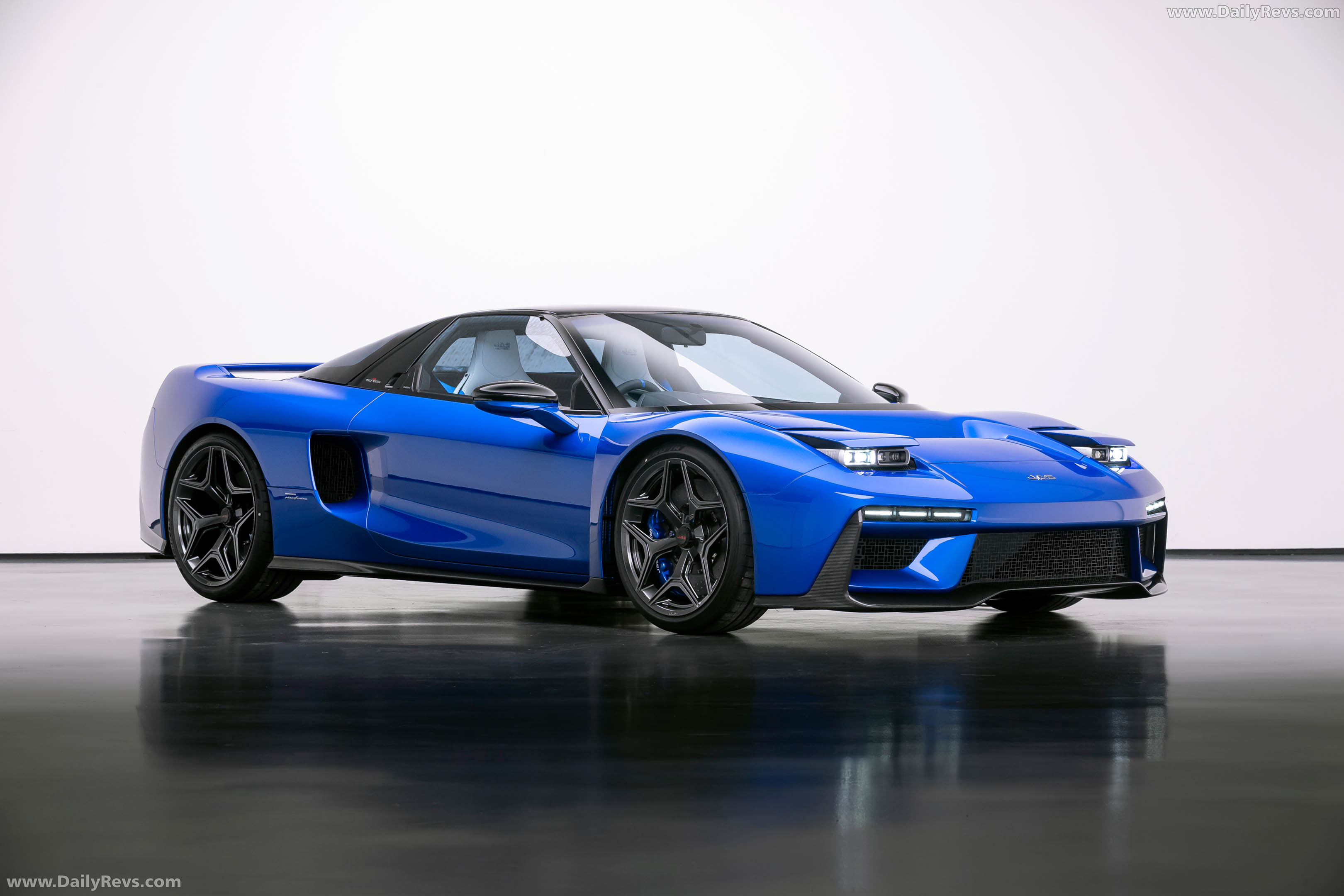
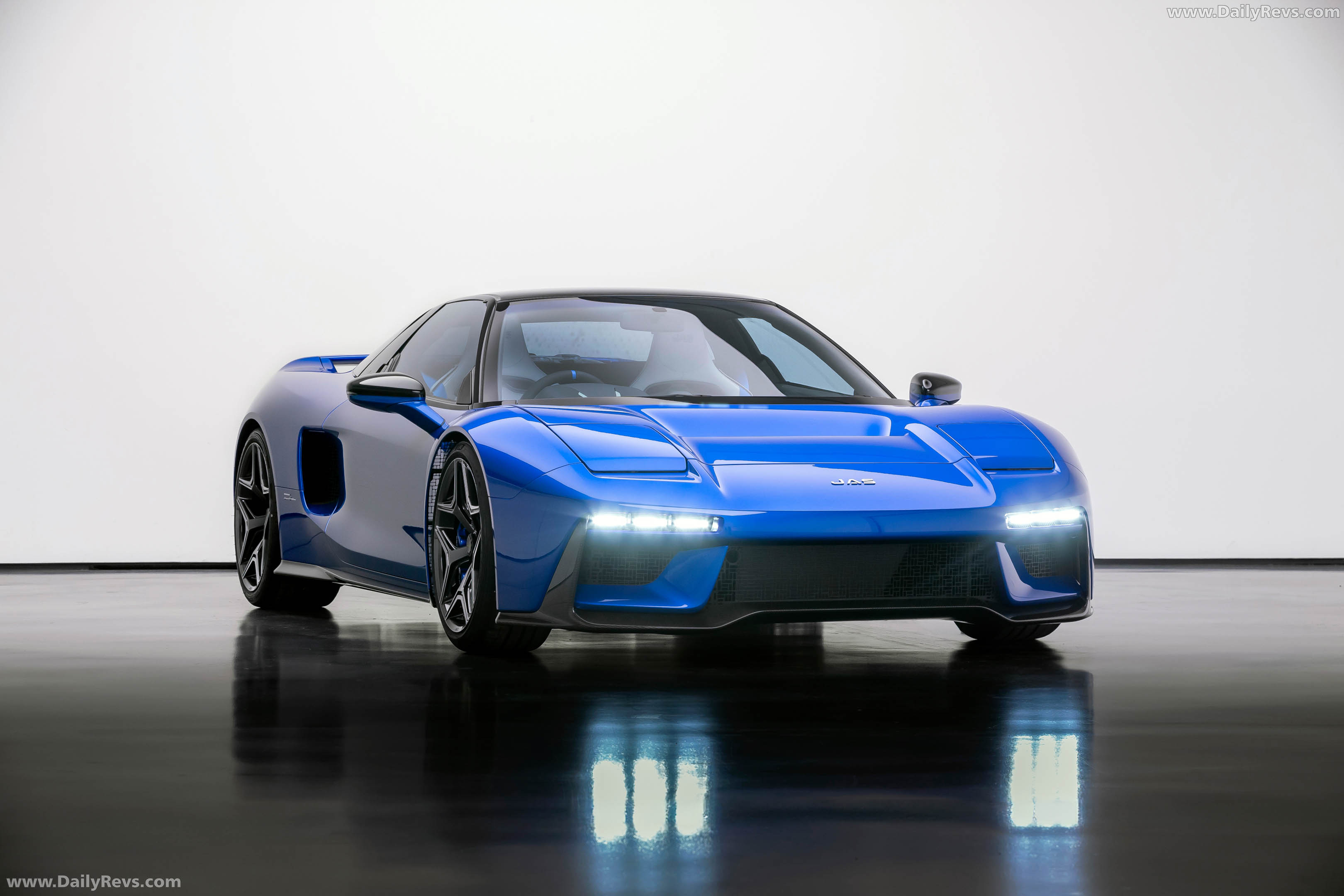
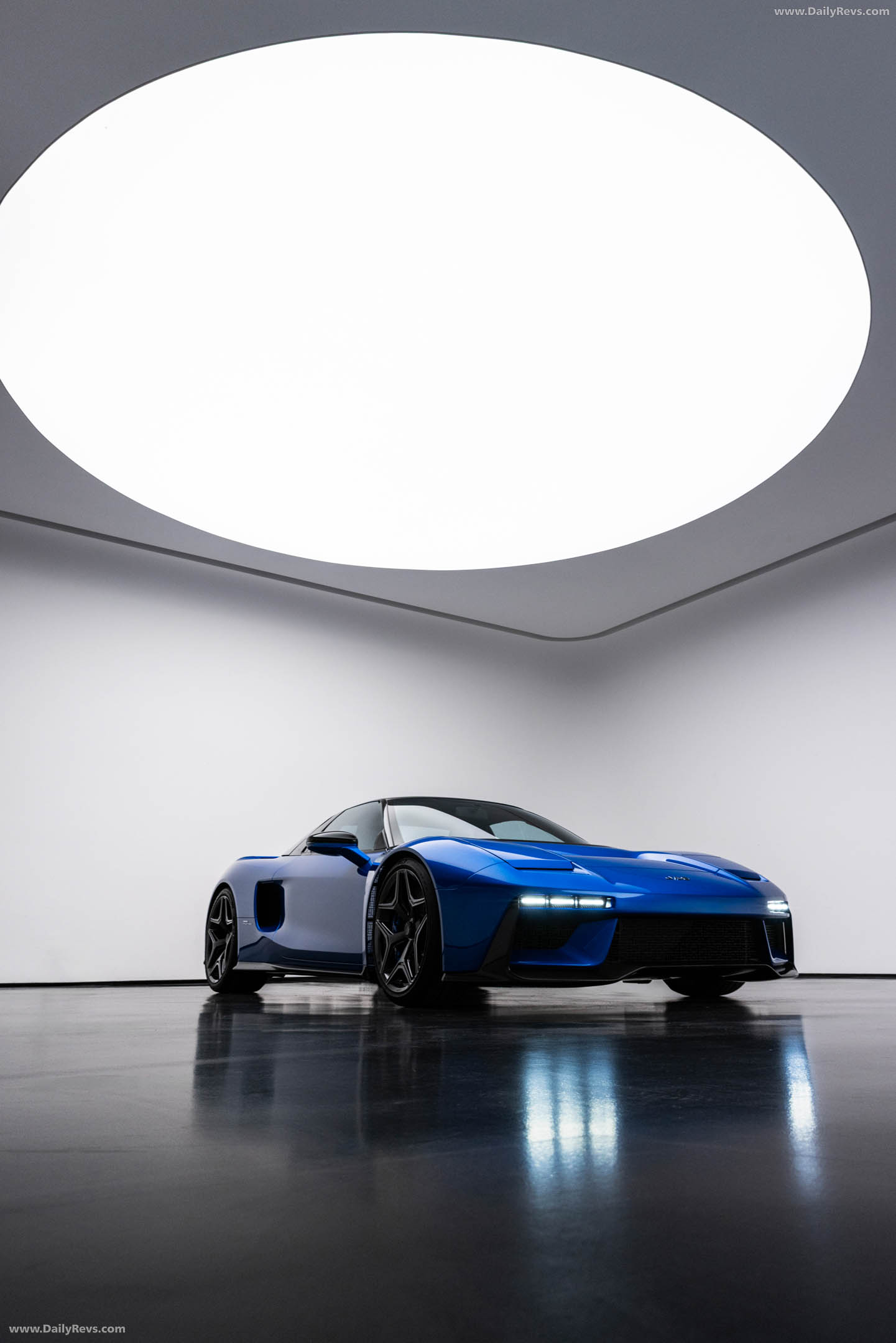
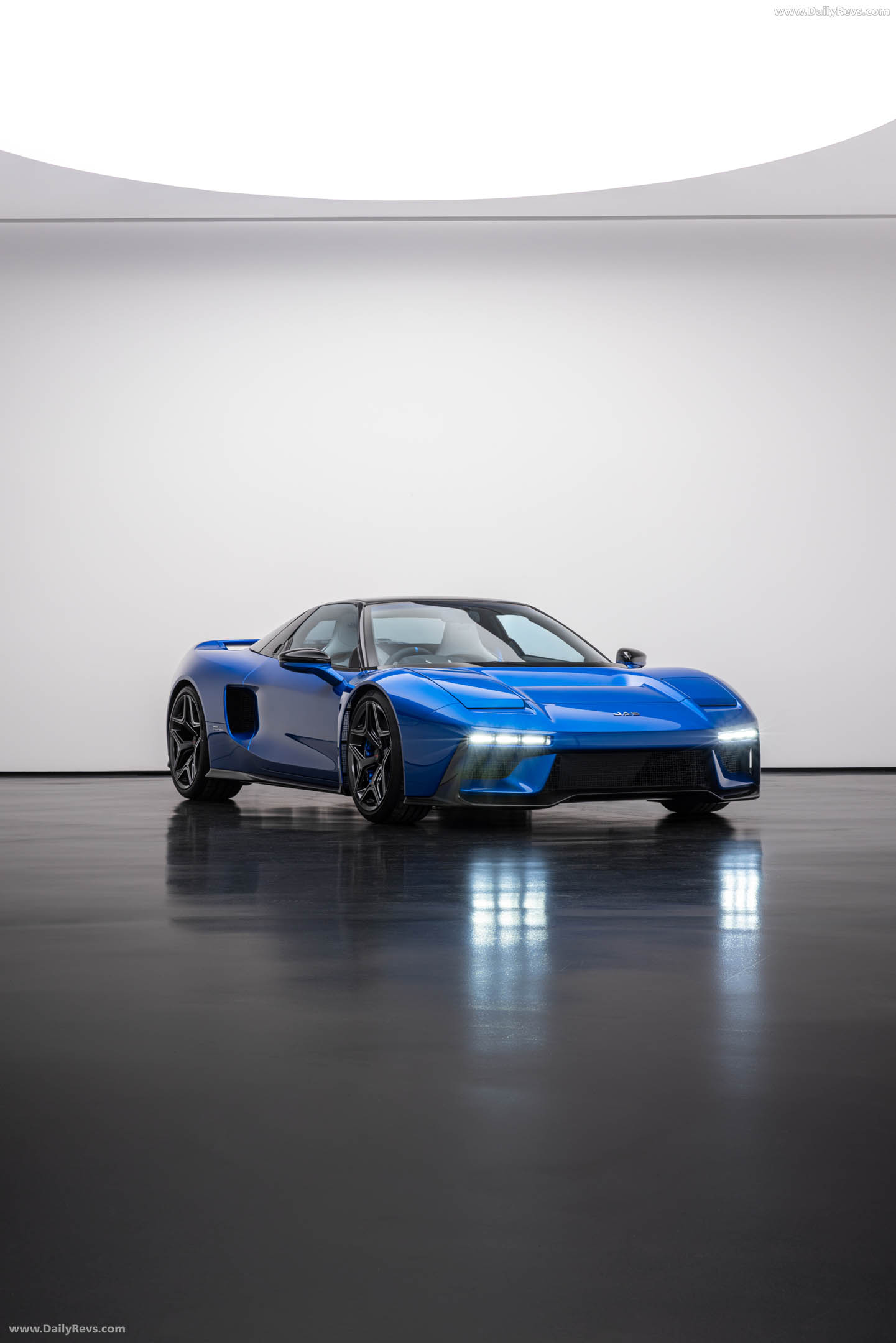
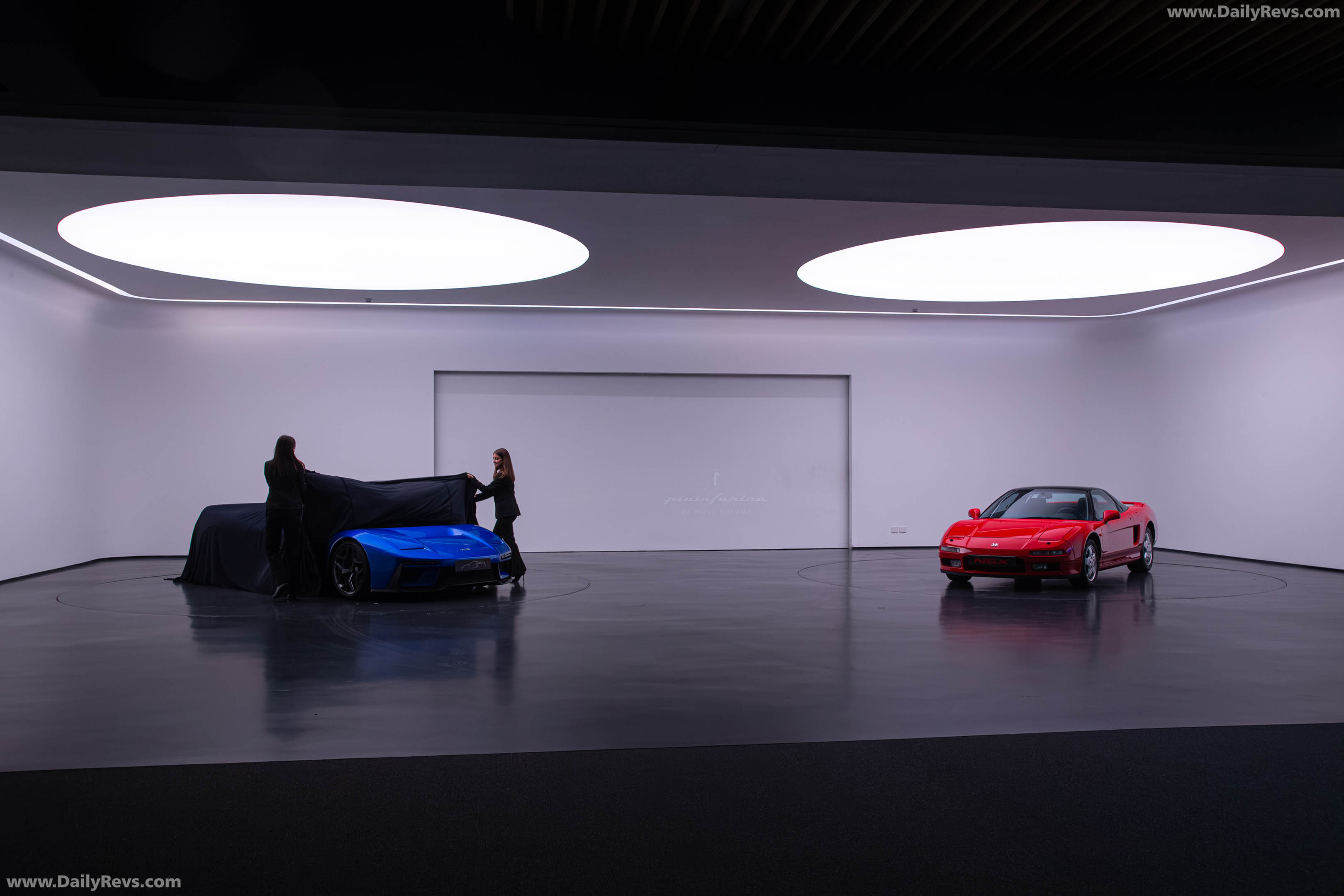
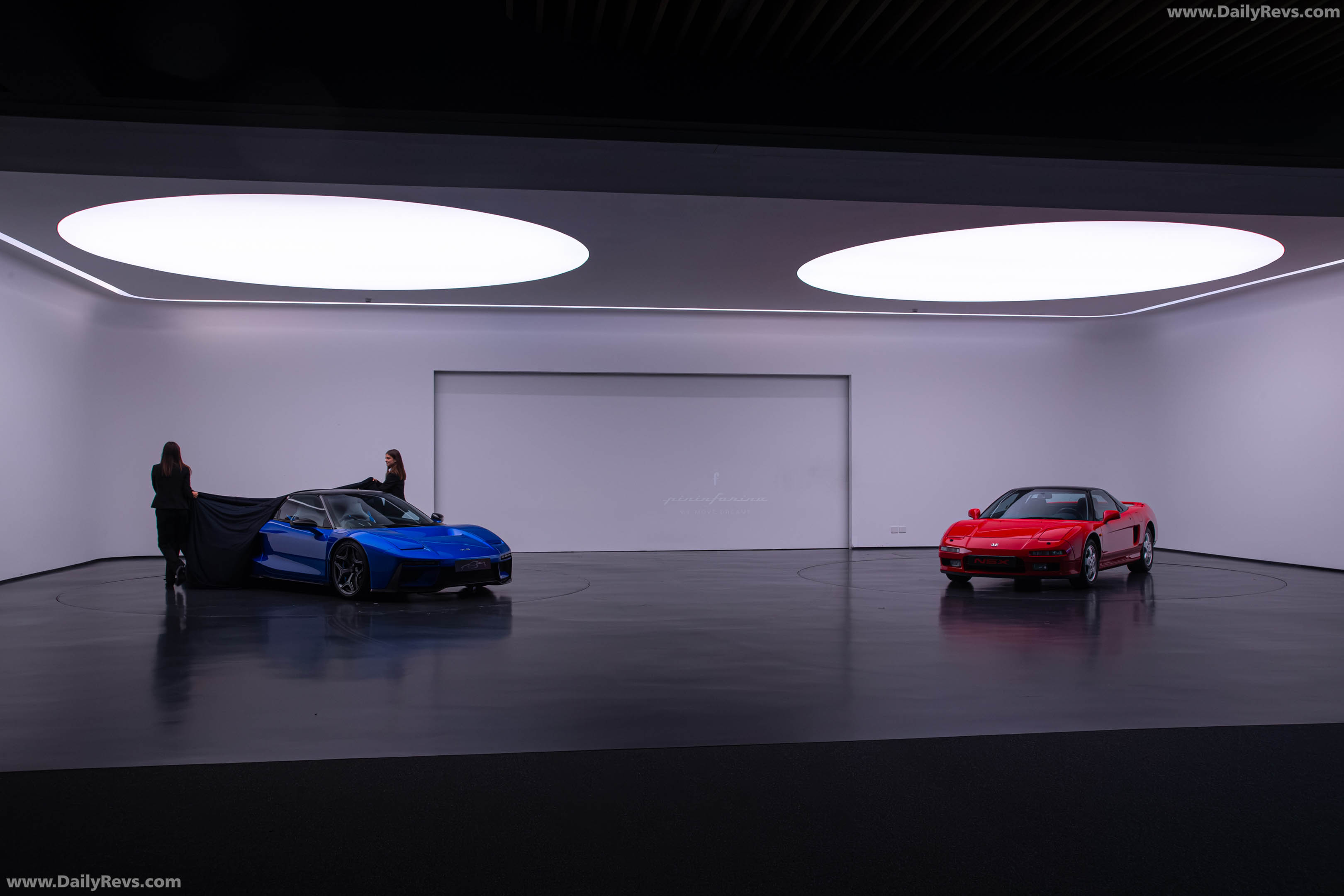
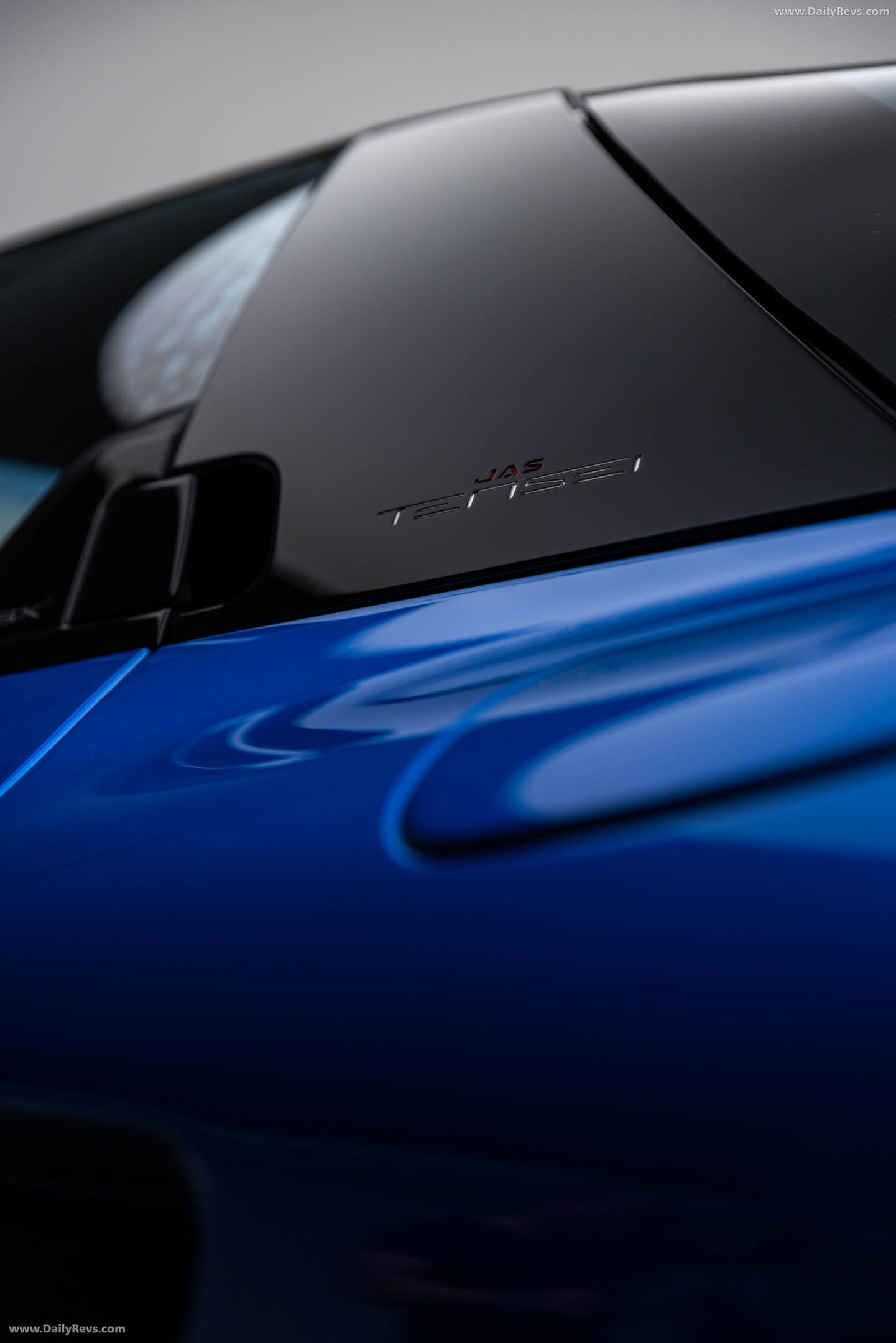
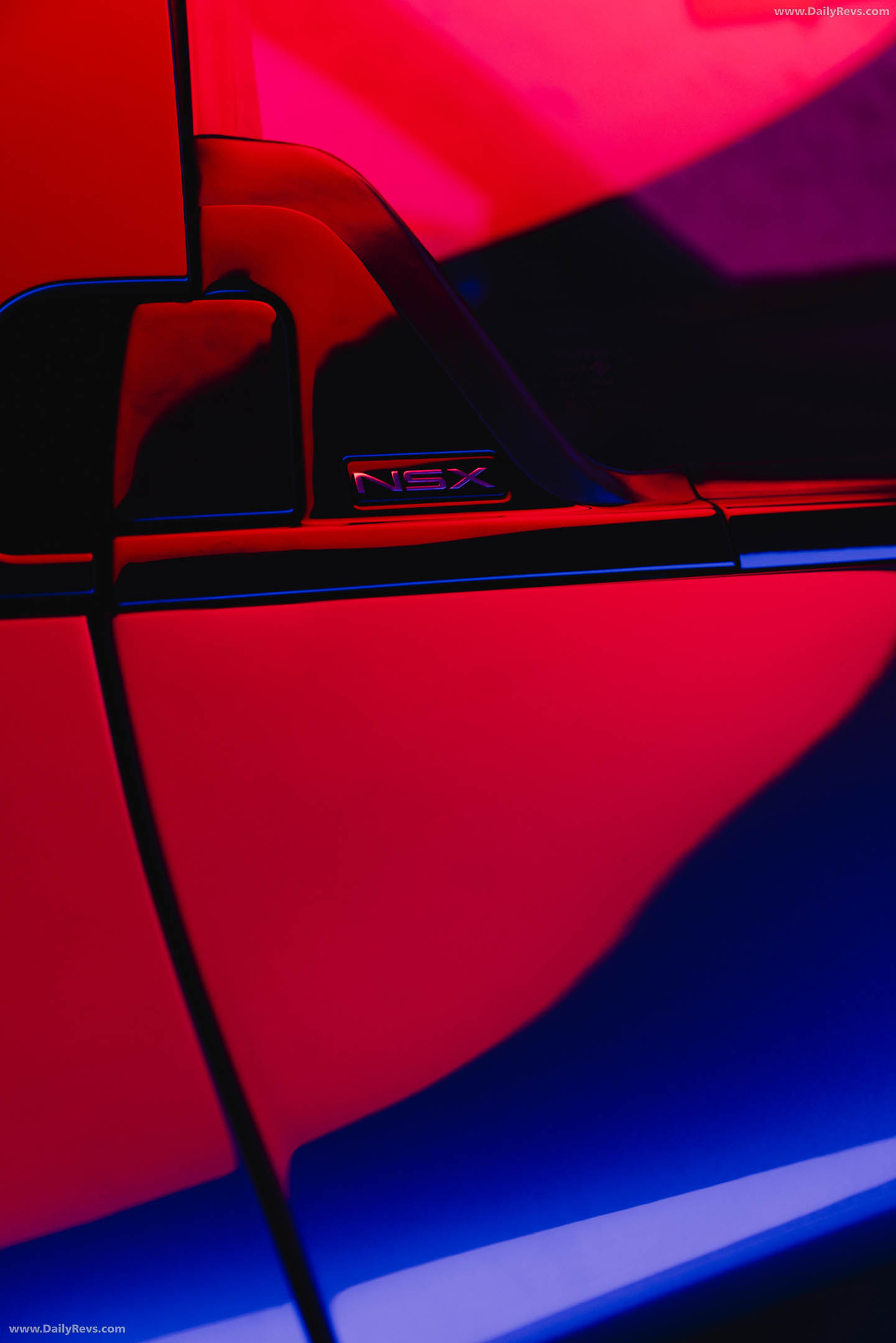
The 2026 JAS Motorsport Tensei has made its world premiere on October 8, bringing a modern interpretation of the original 1990 Honda NSX developed by Italian racing specialist JAS Motorsport and designed by Pininfarina.
Named after the Japanese word for rebirth, the Tensei retains the NSX's mid-engined layout and recognisable silhouette while introducing carbon-fibre bodywork, revised suspension and a substantially reworked V6 engine.
Only 35 examples are planned, with each car tailored to its owner.
Pininfarina Retains The NSX Pop Up Headlights
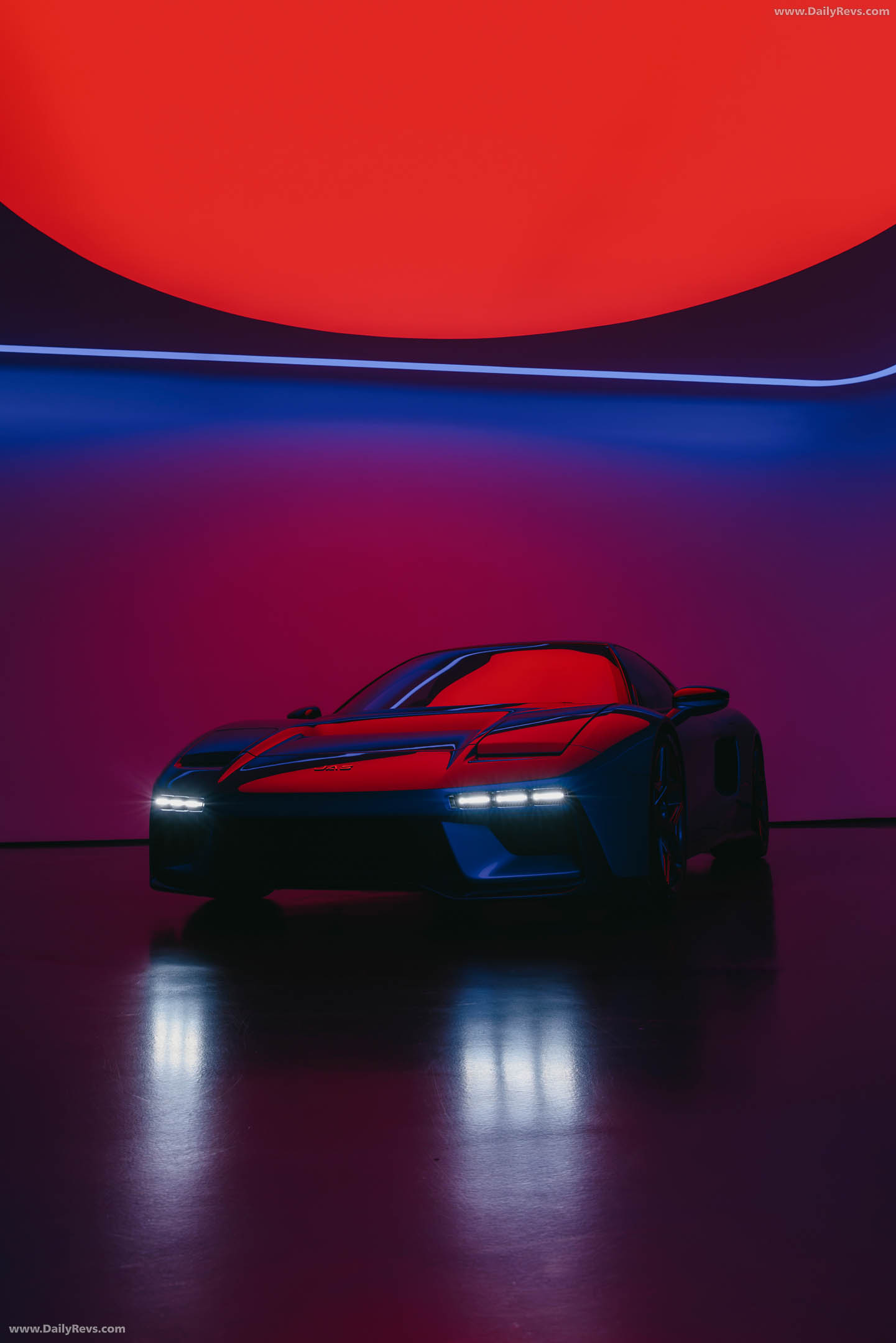
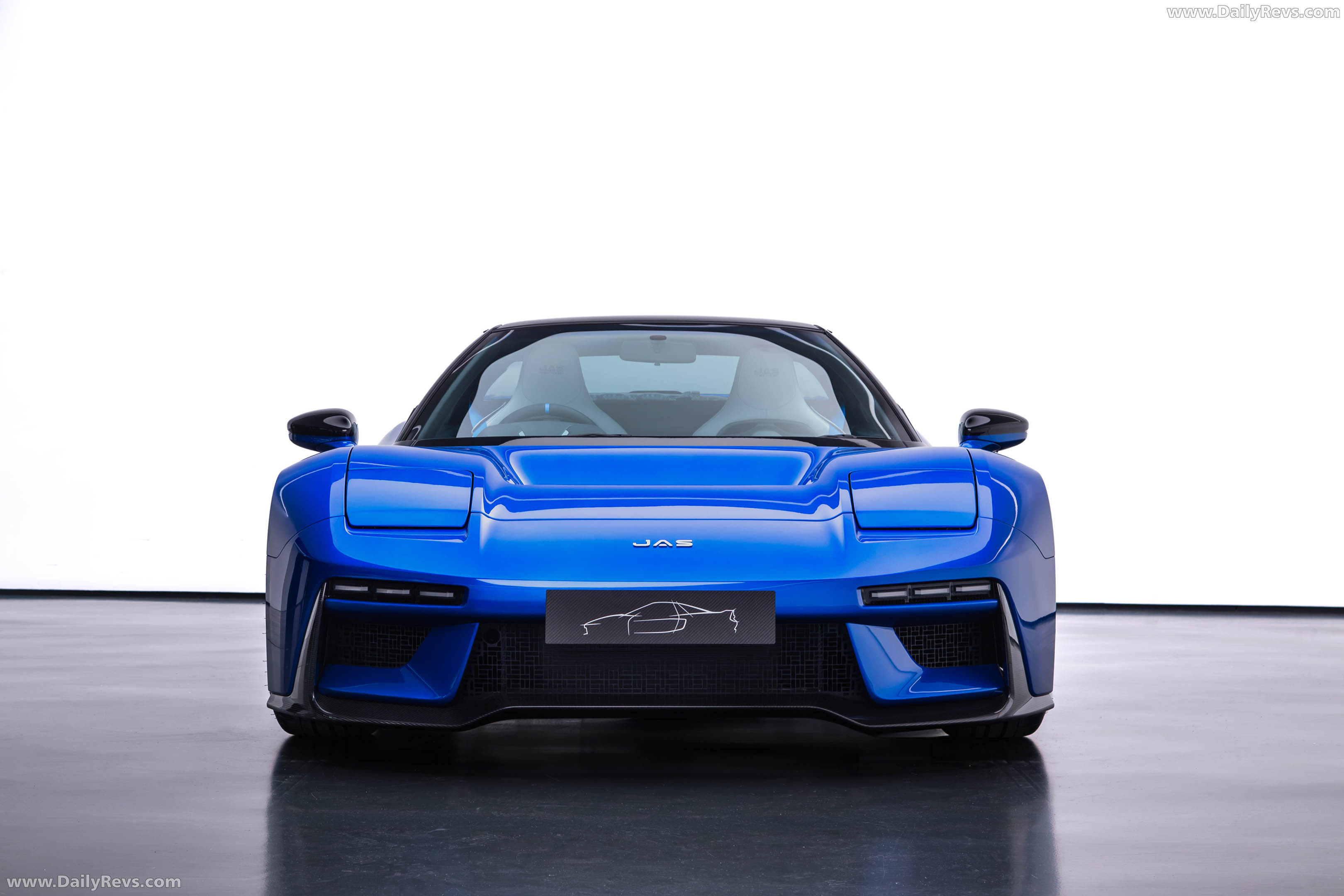
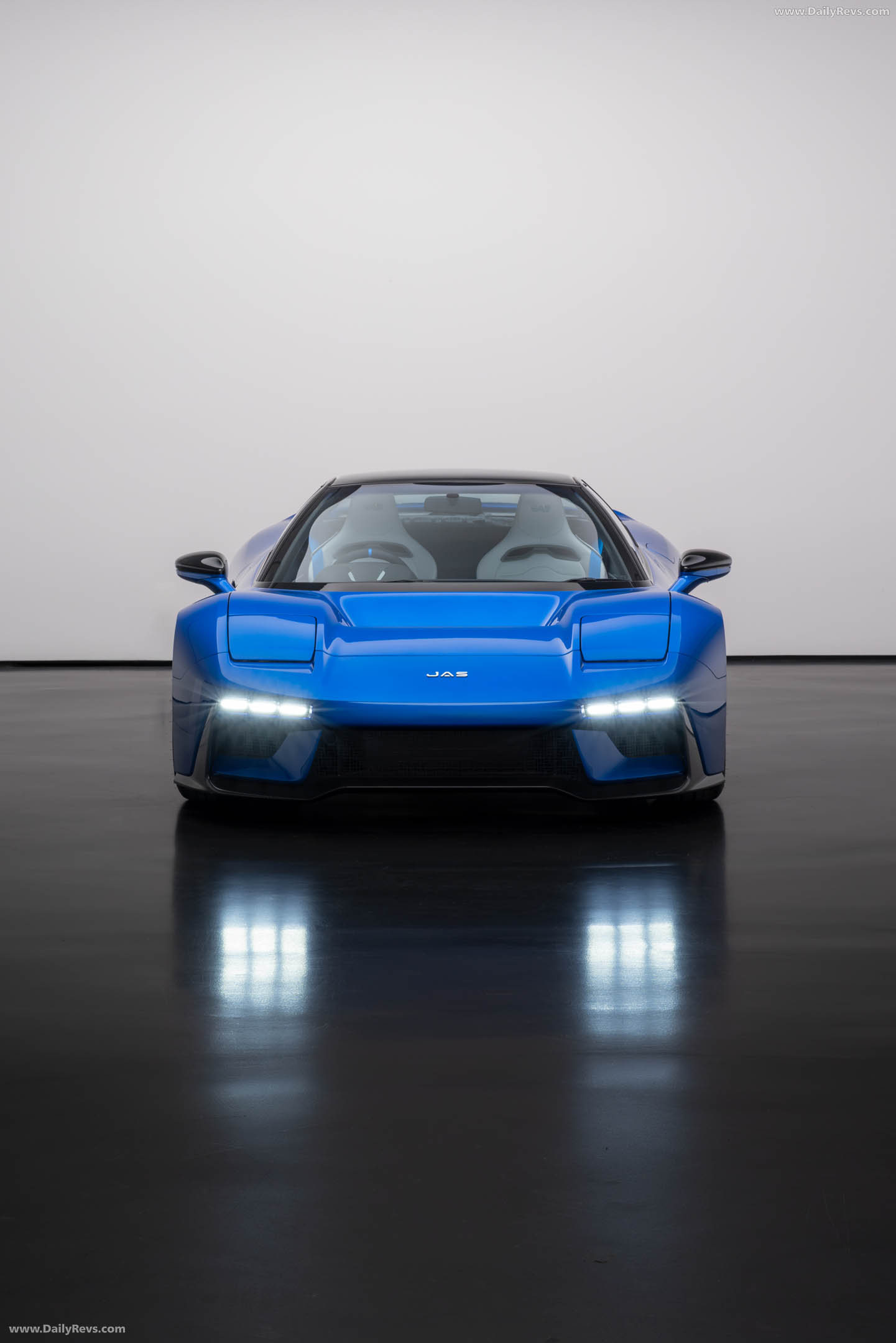
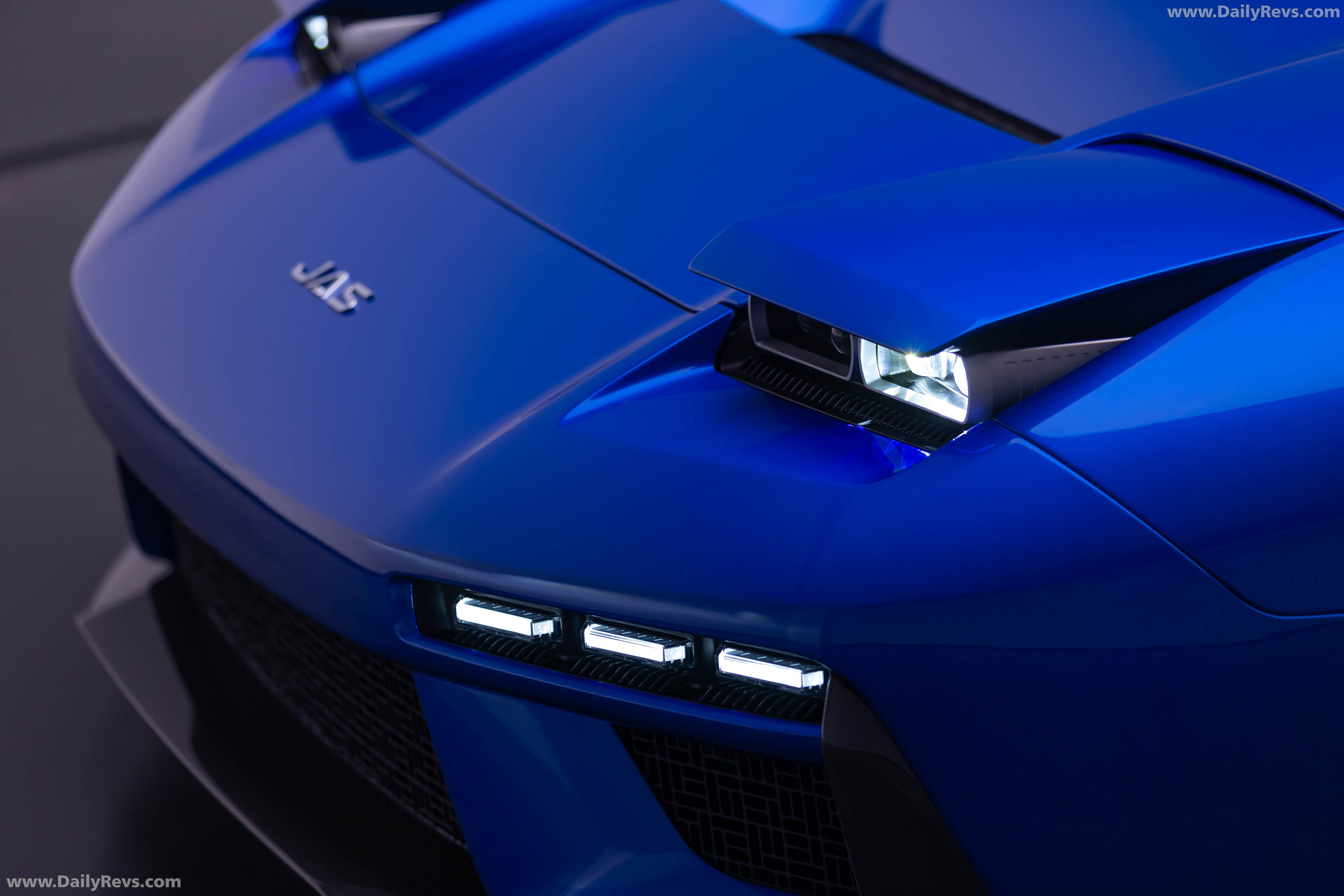
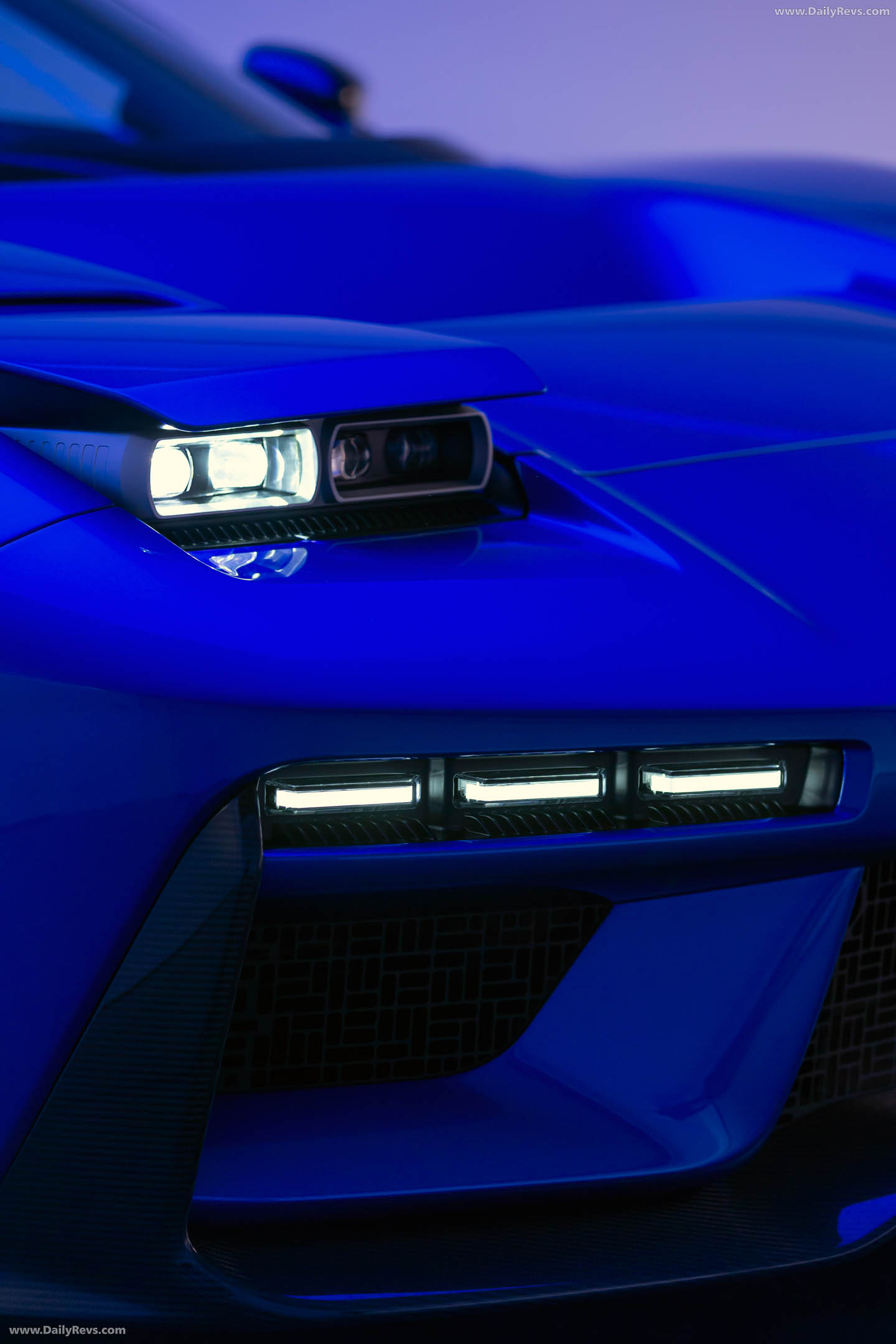
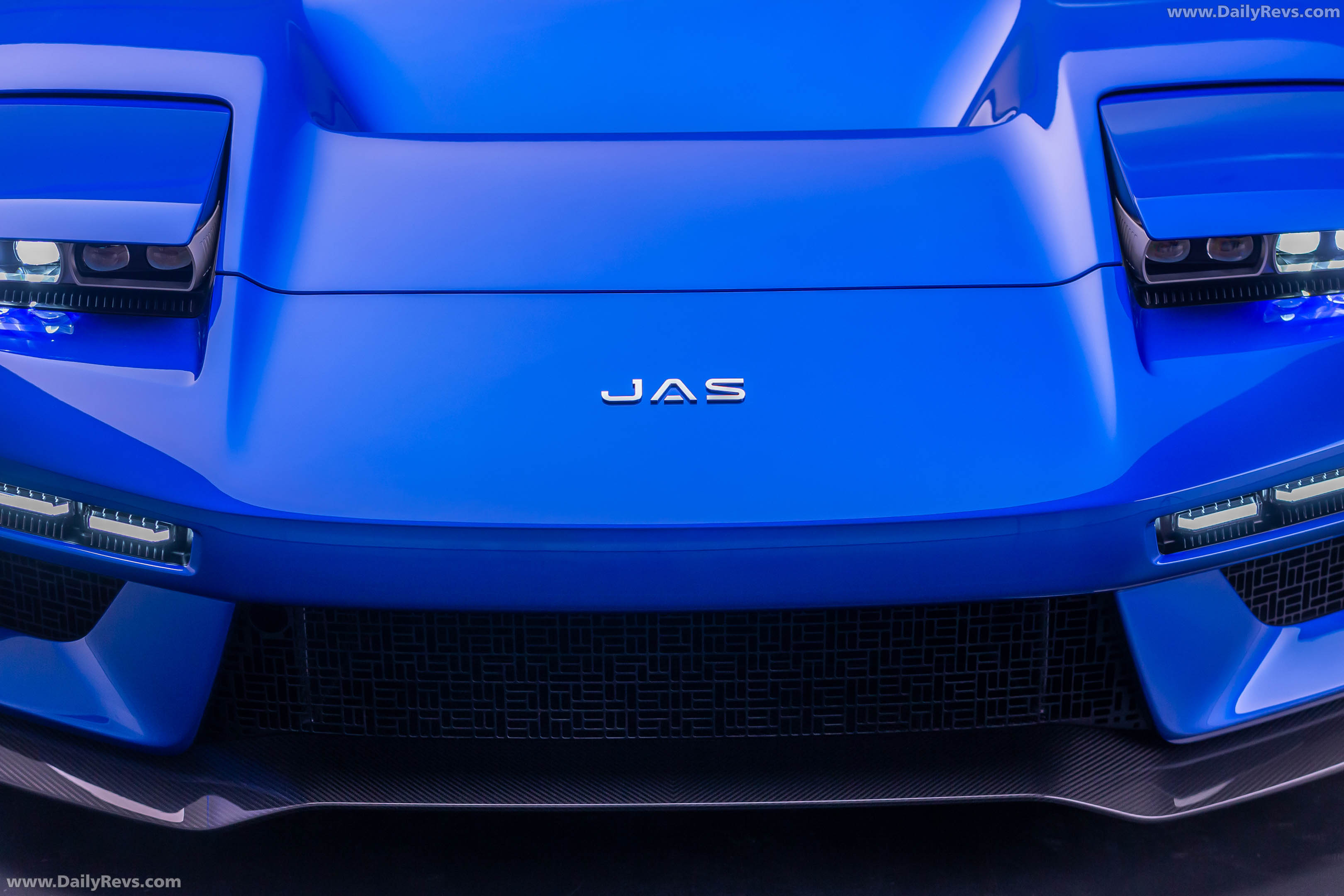
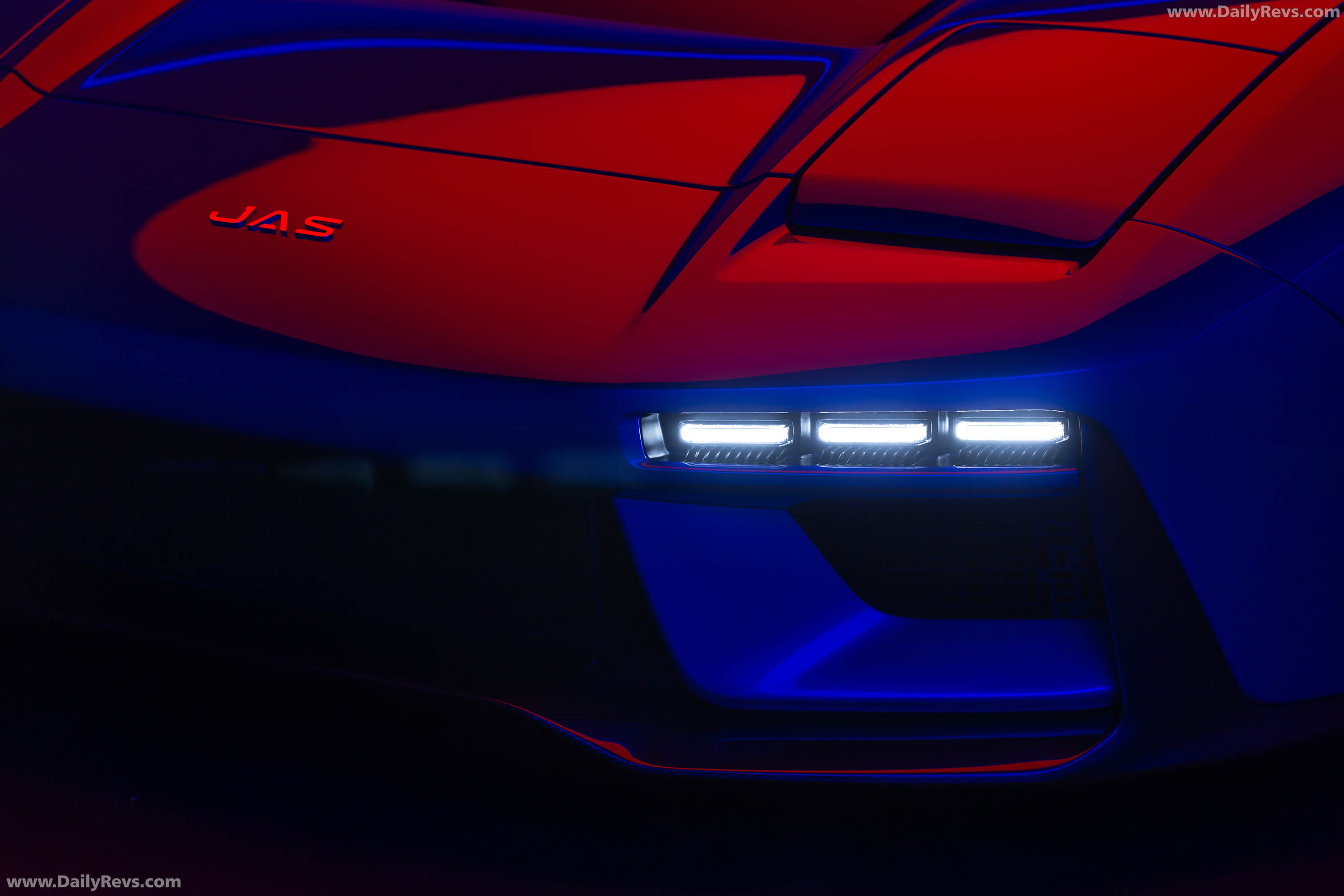
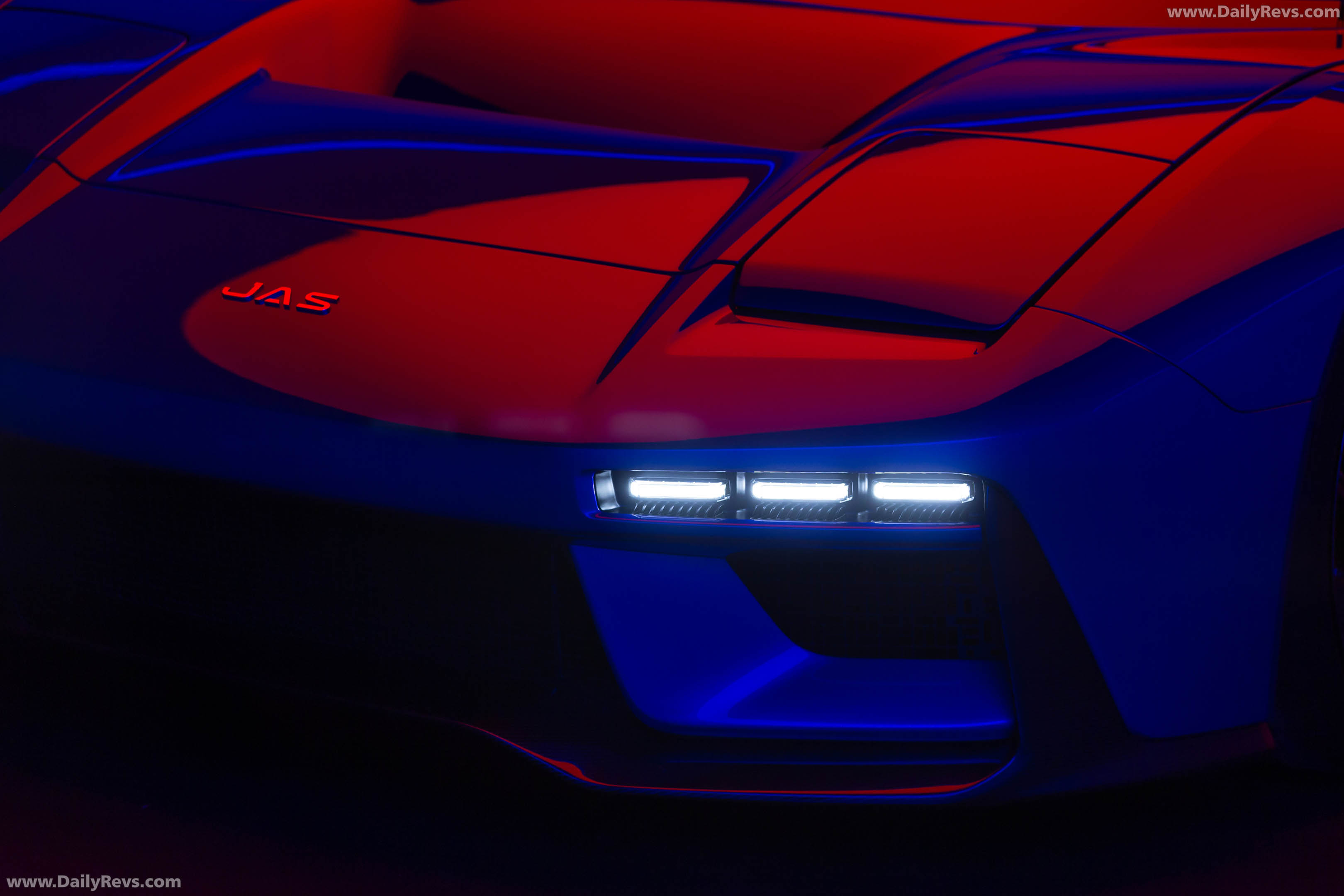
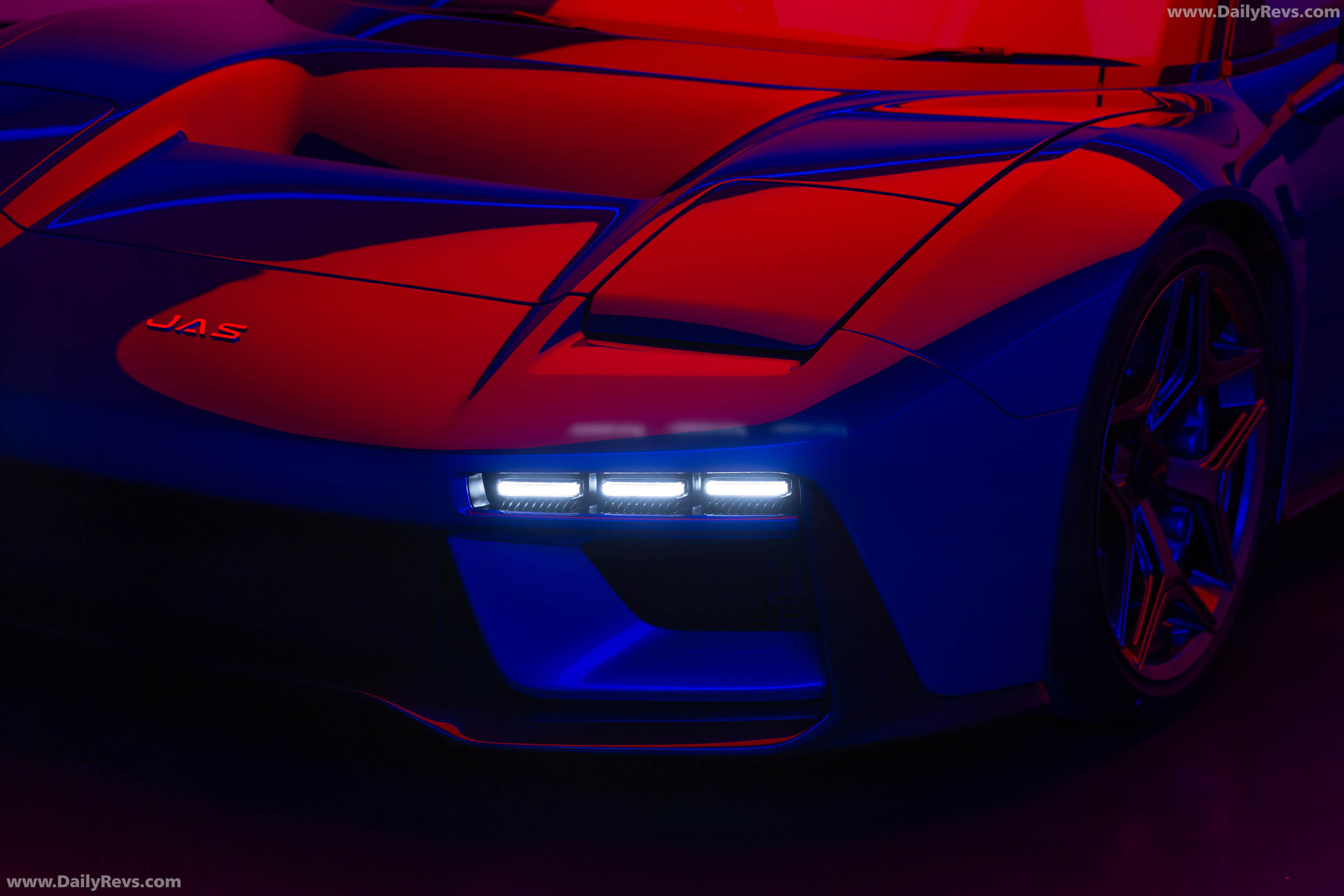
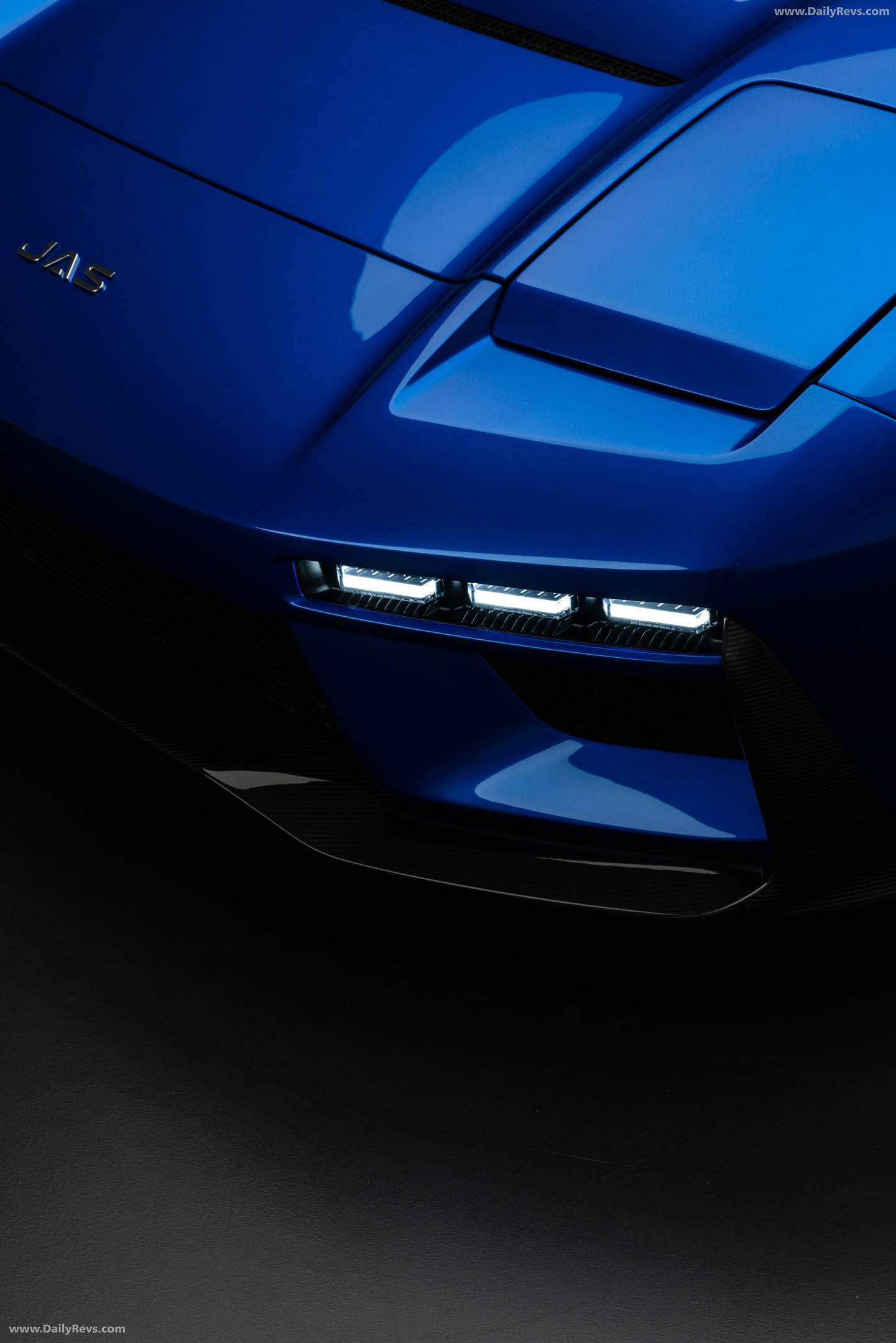
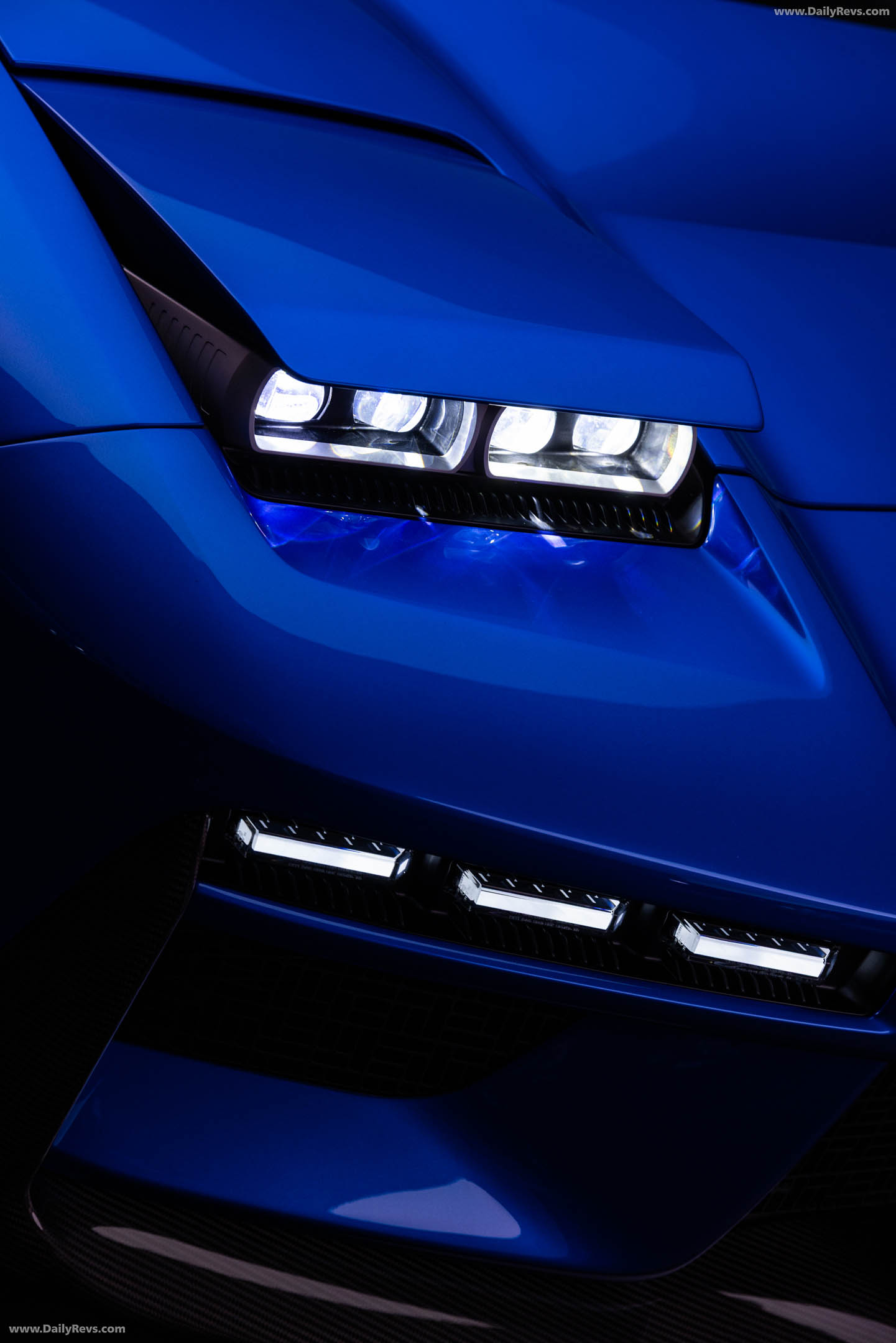
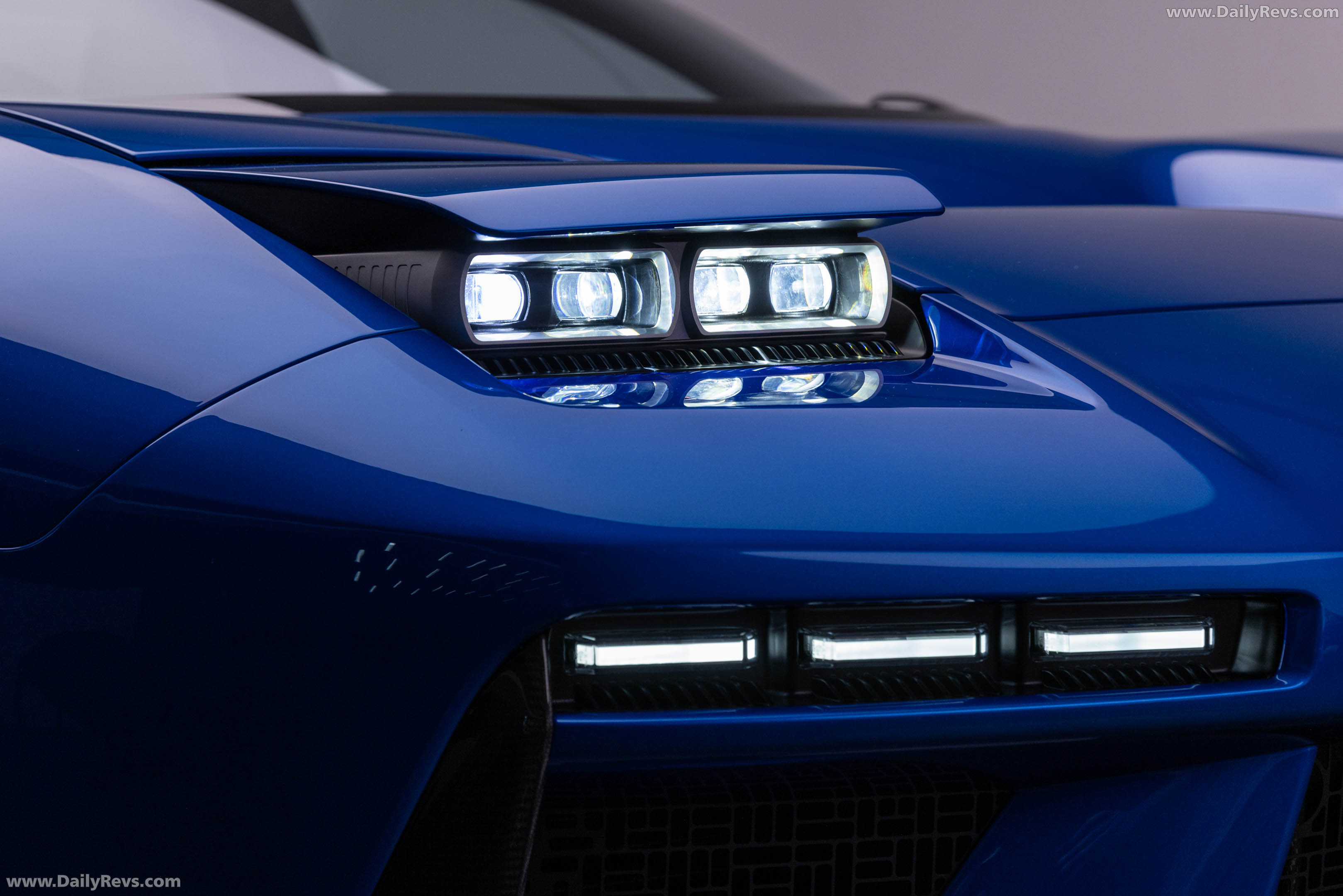
One of the most recognisable details is the return of the original NSX's retractable headlights.
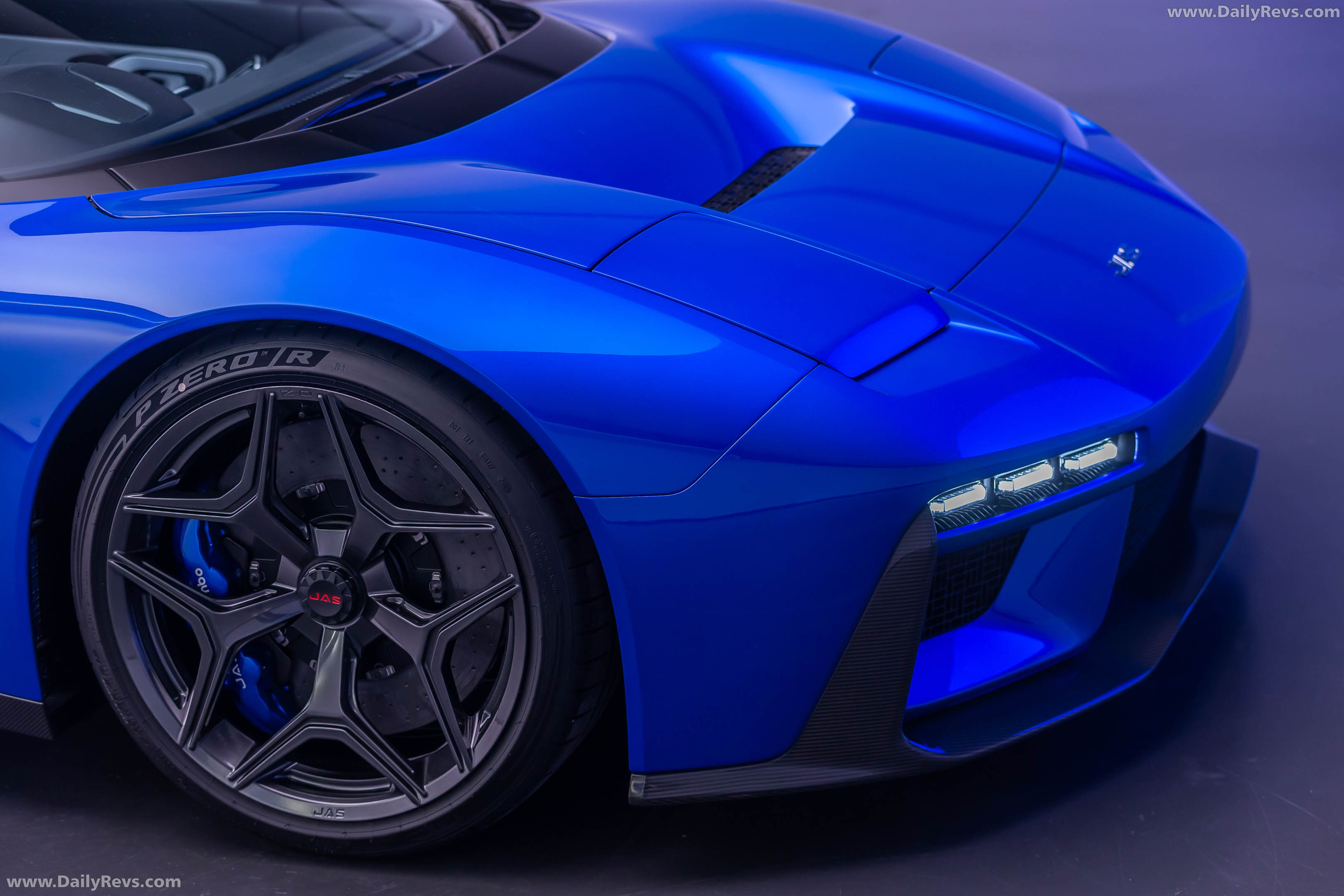
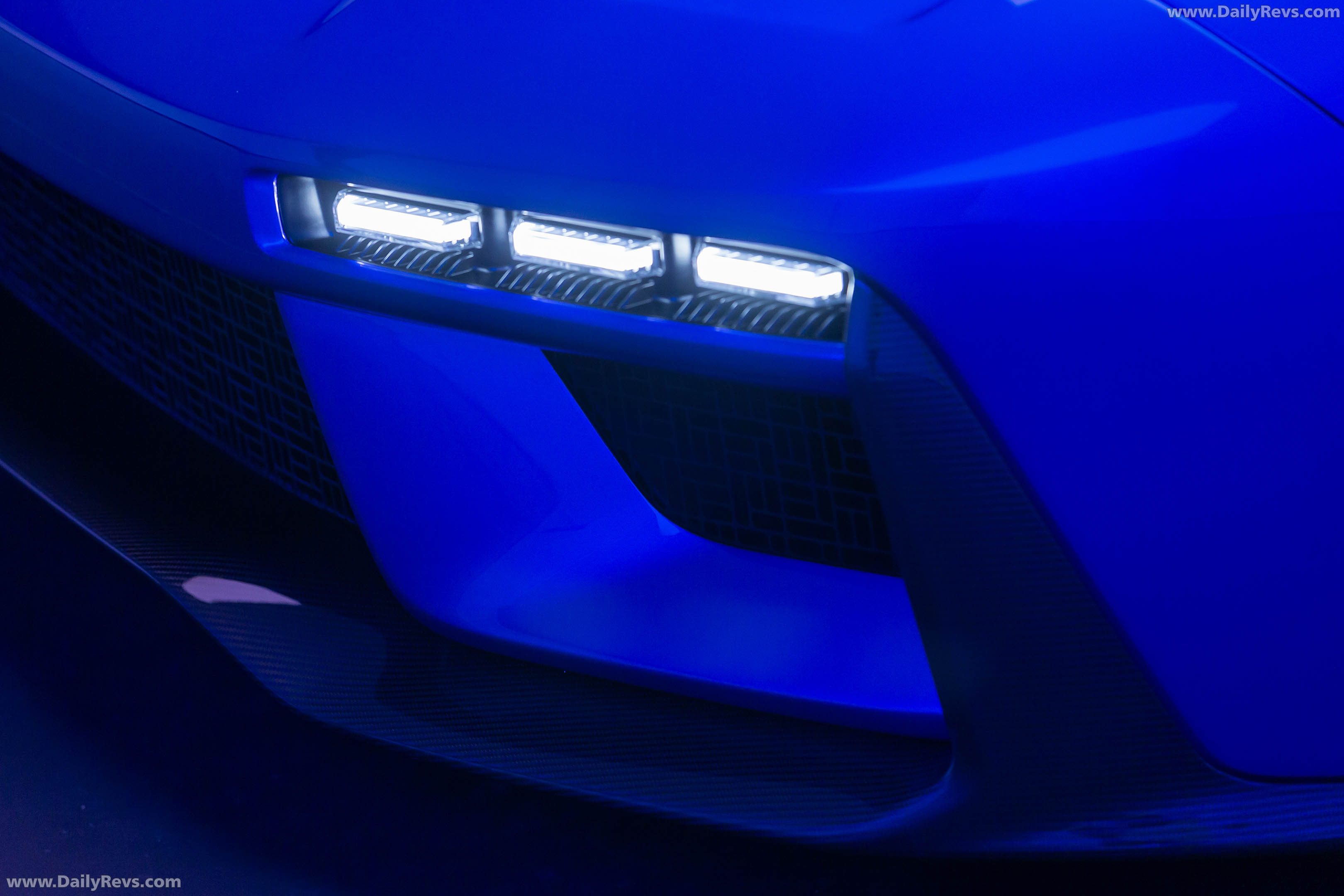
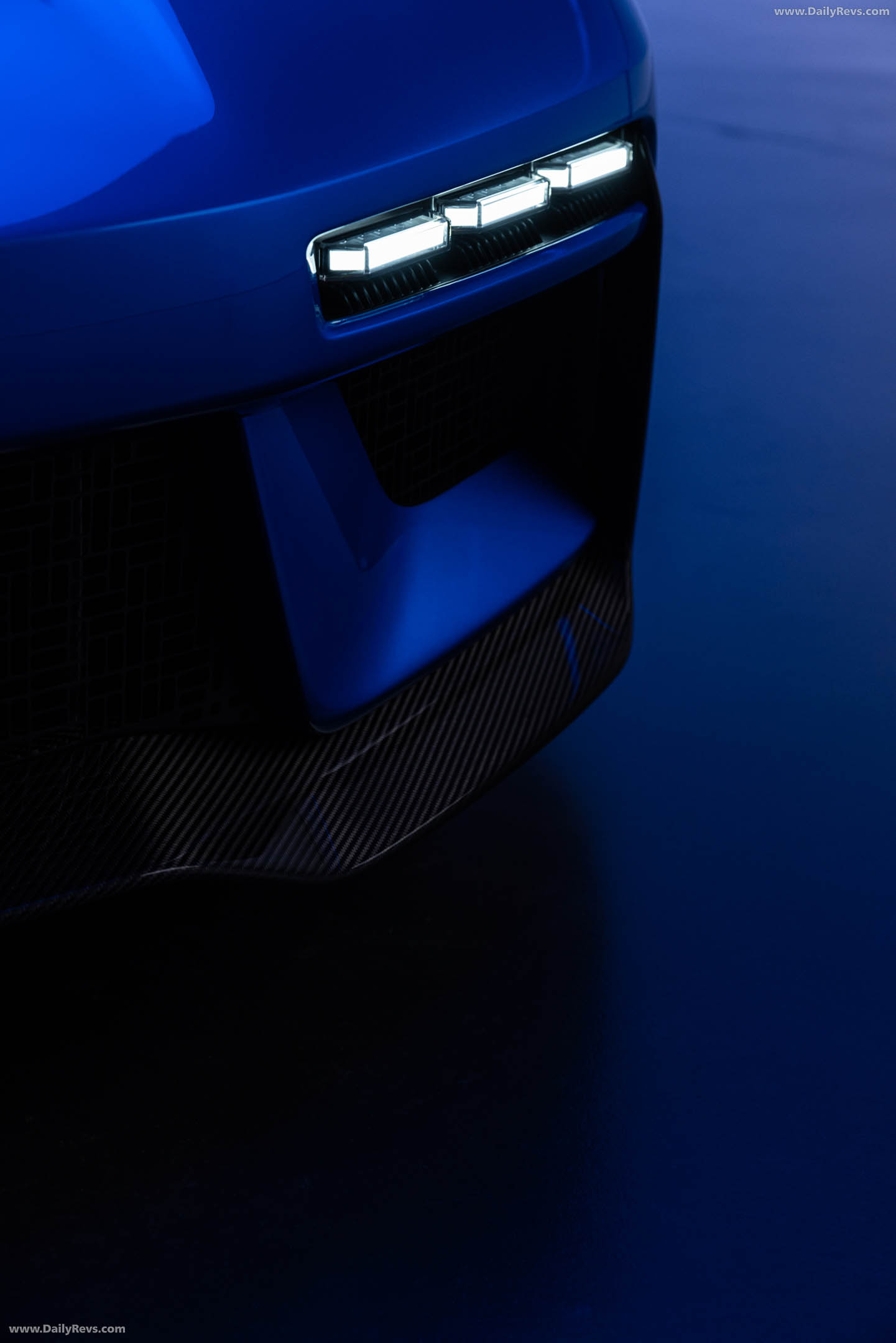
Pininfarina redesigned the assemblies with LED Matrix technology, titanium mechanisms and servo-assisted operation. When closed, they sit flush with the carbon-fibre bonnet.
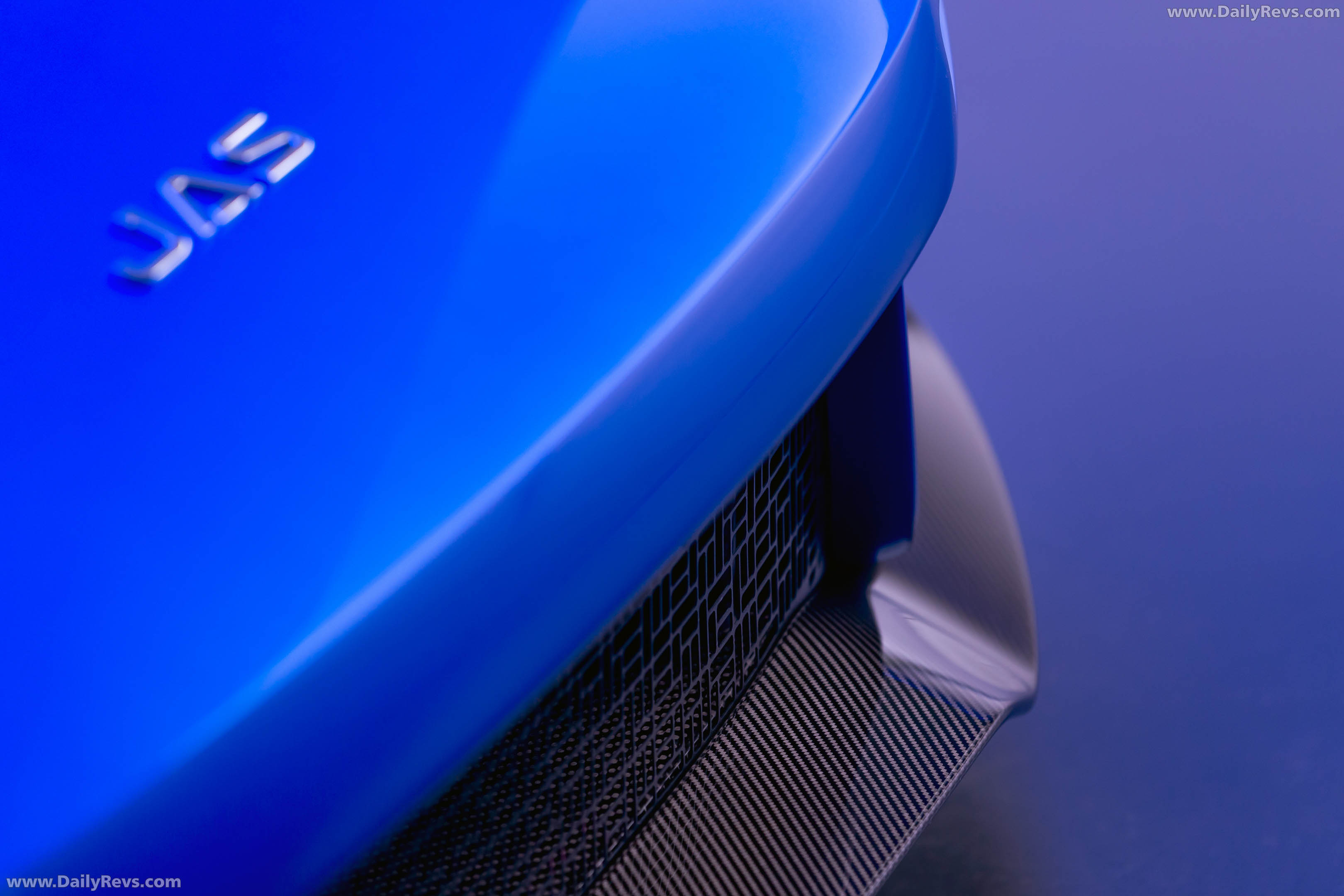
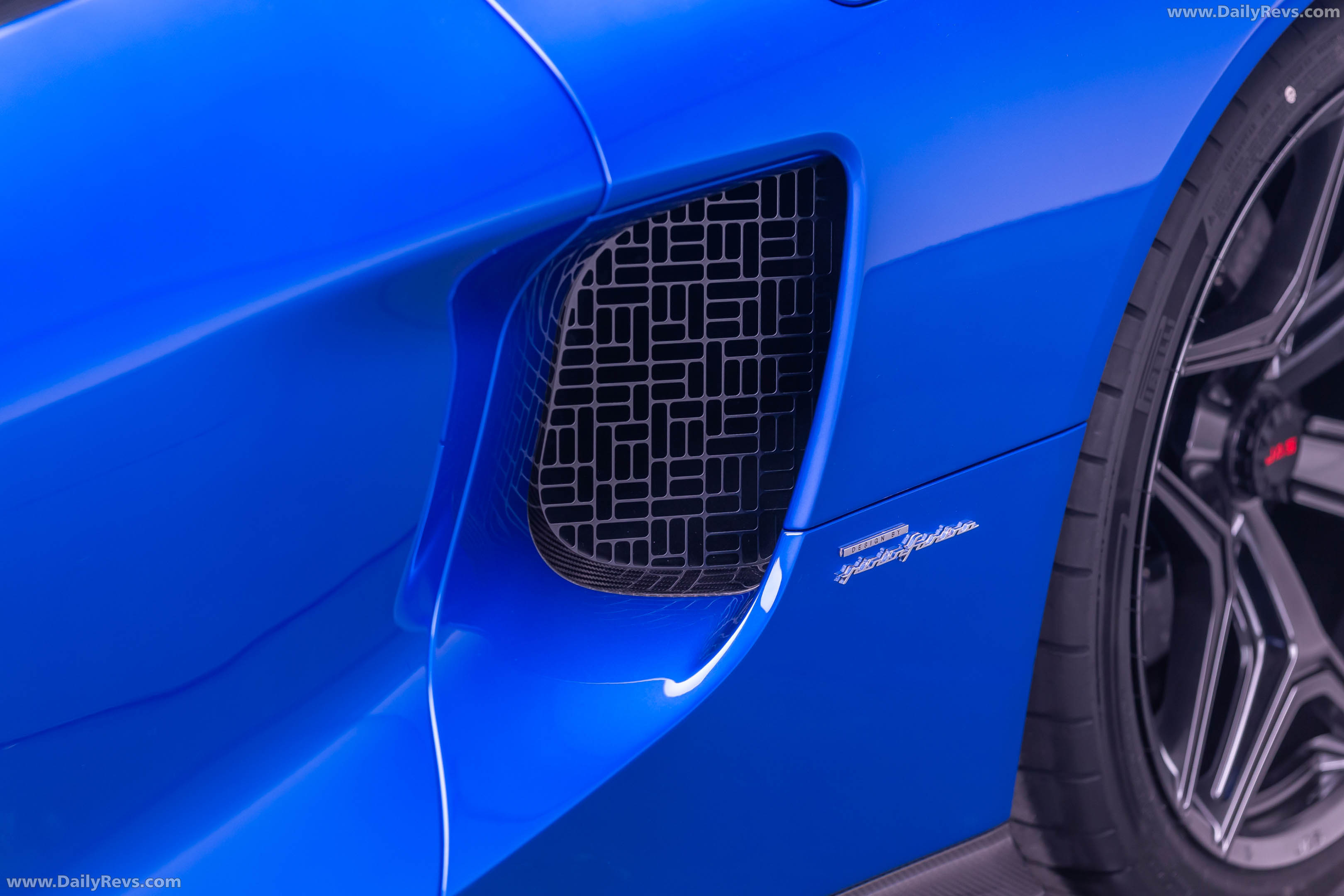
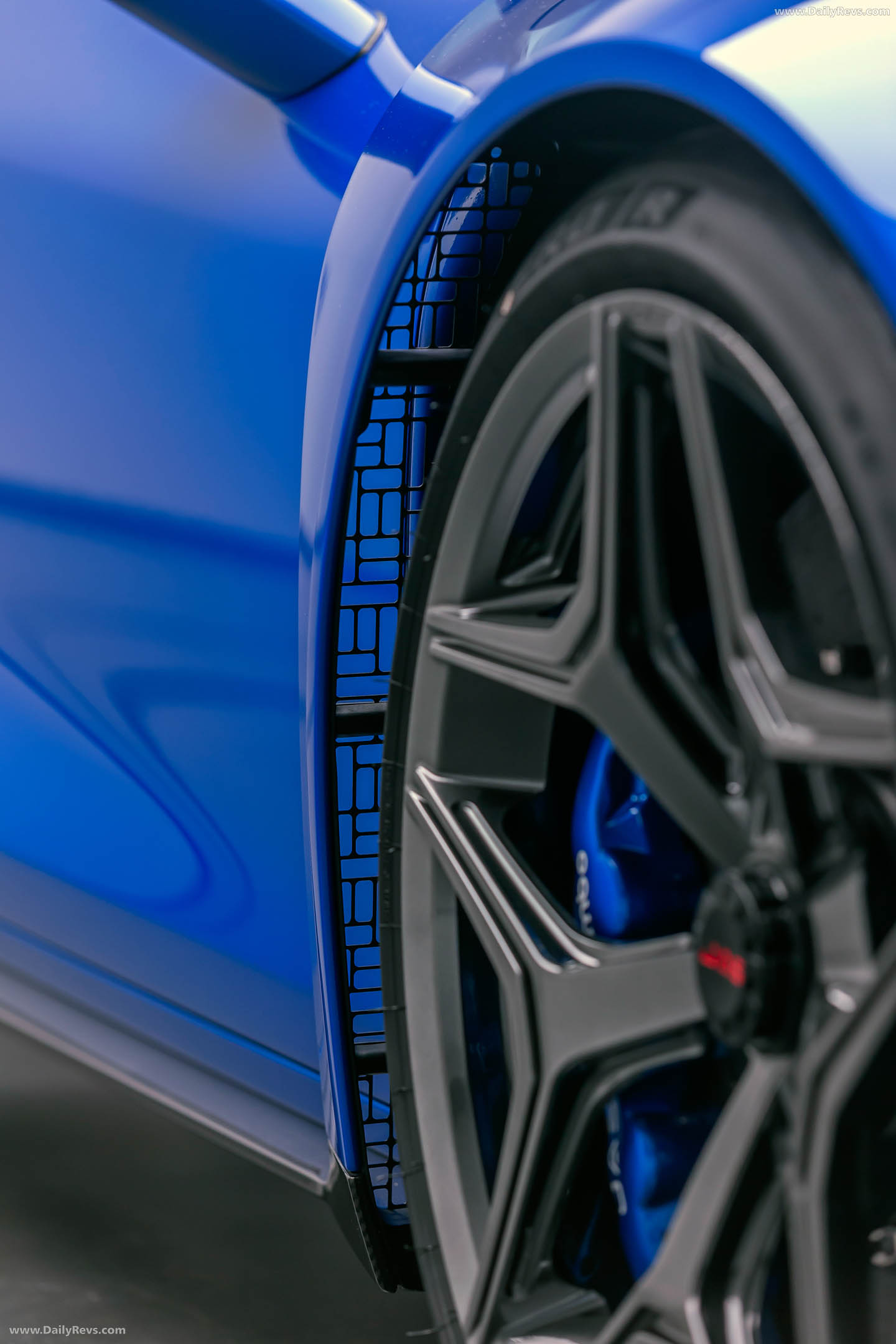
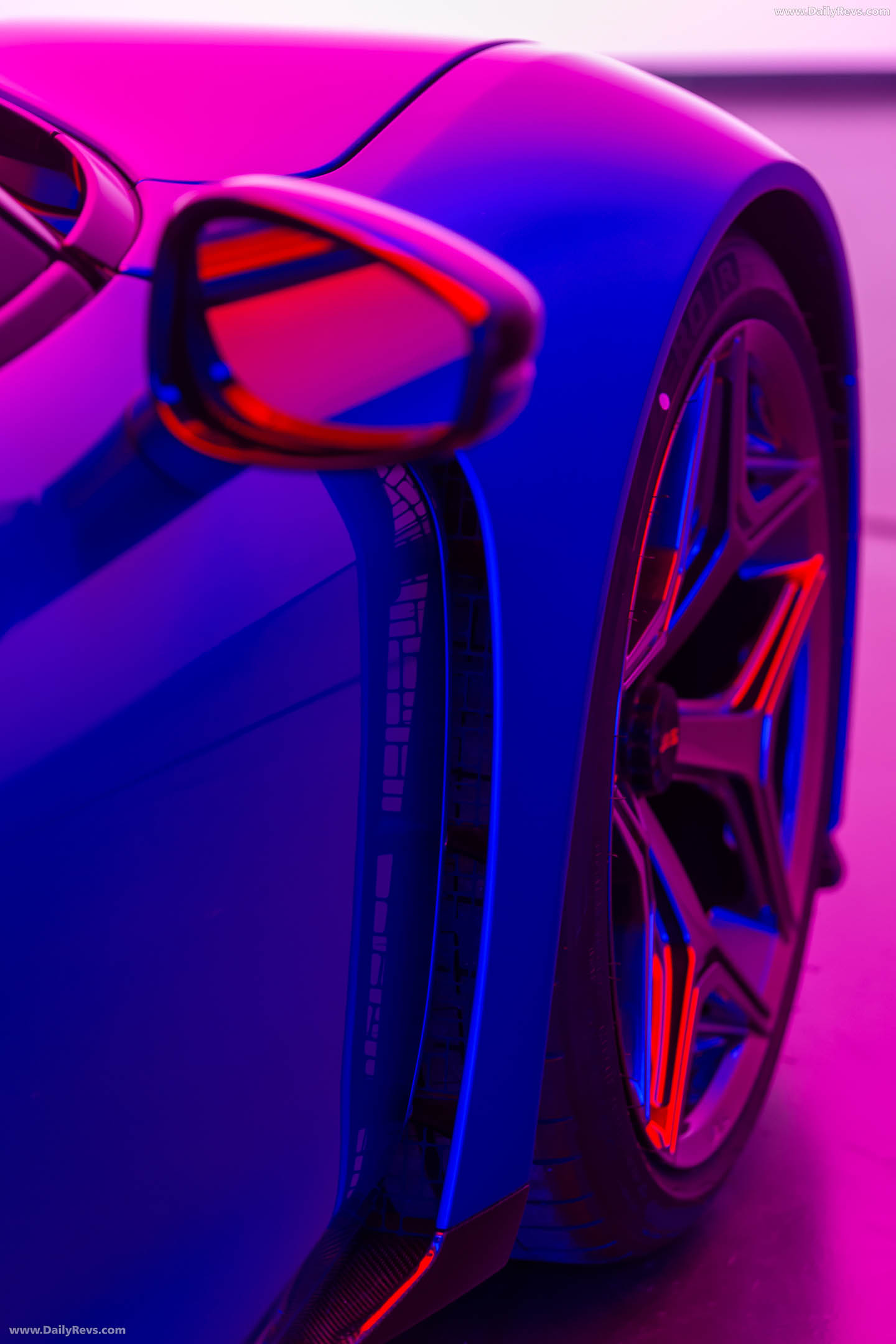
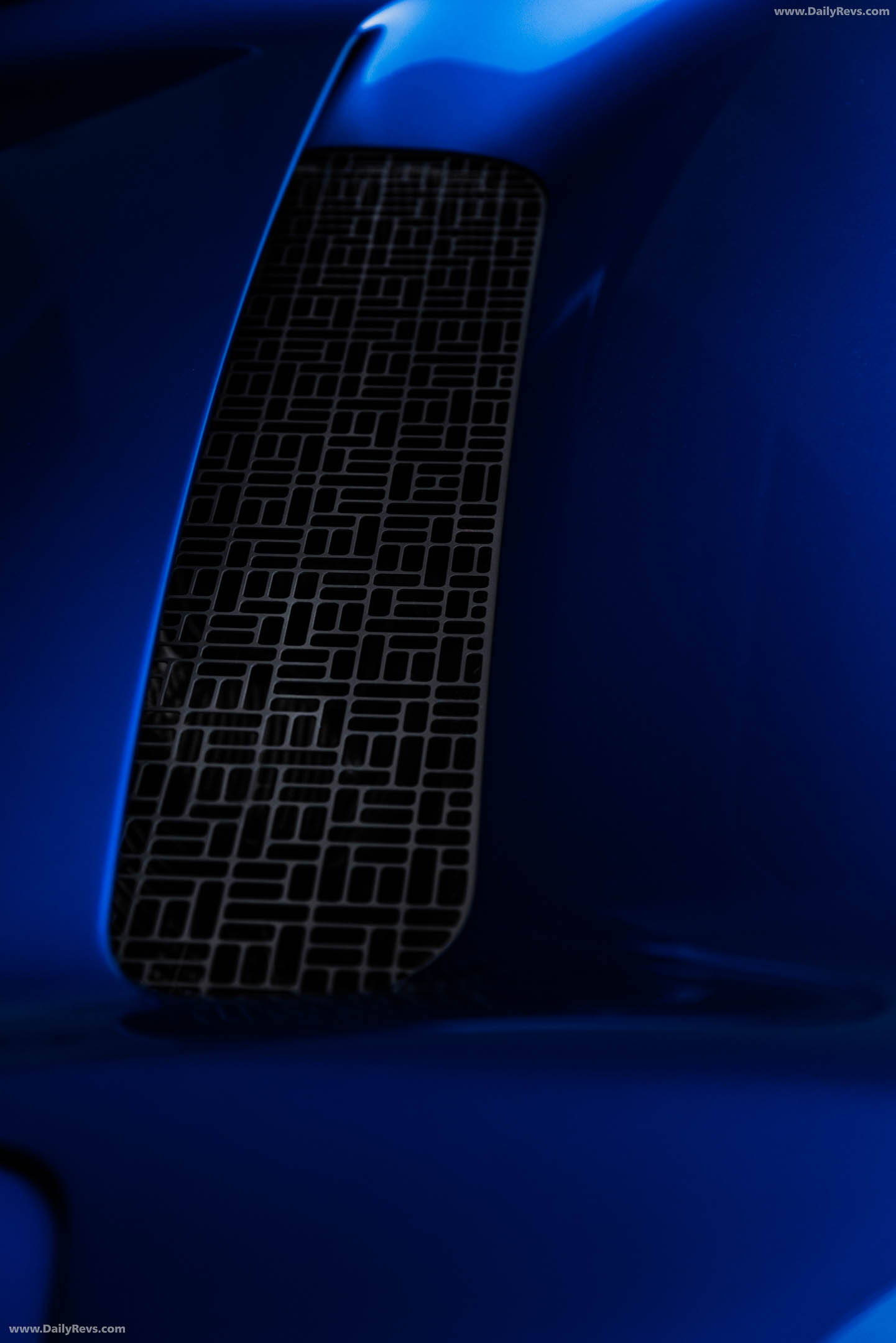
The front also incorporates cooling passages that direct air towards angled radiators before exiting behind the front wheels.
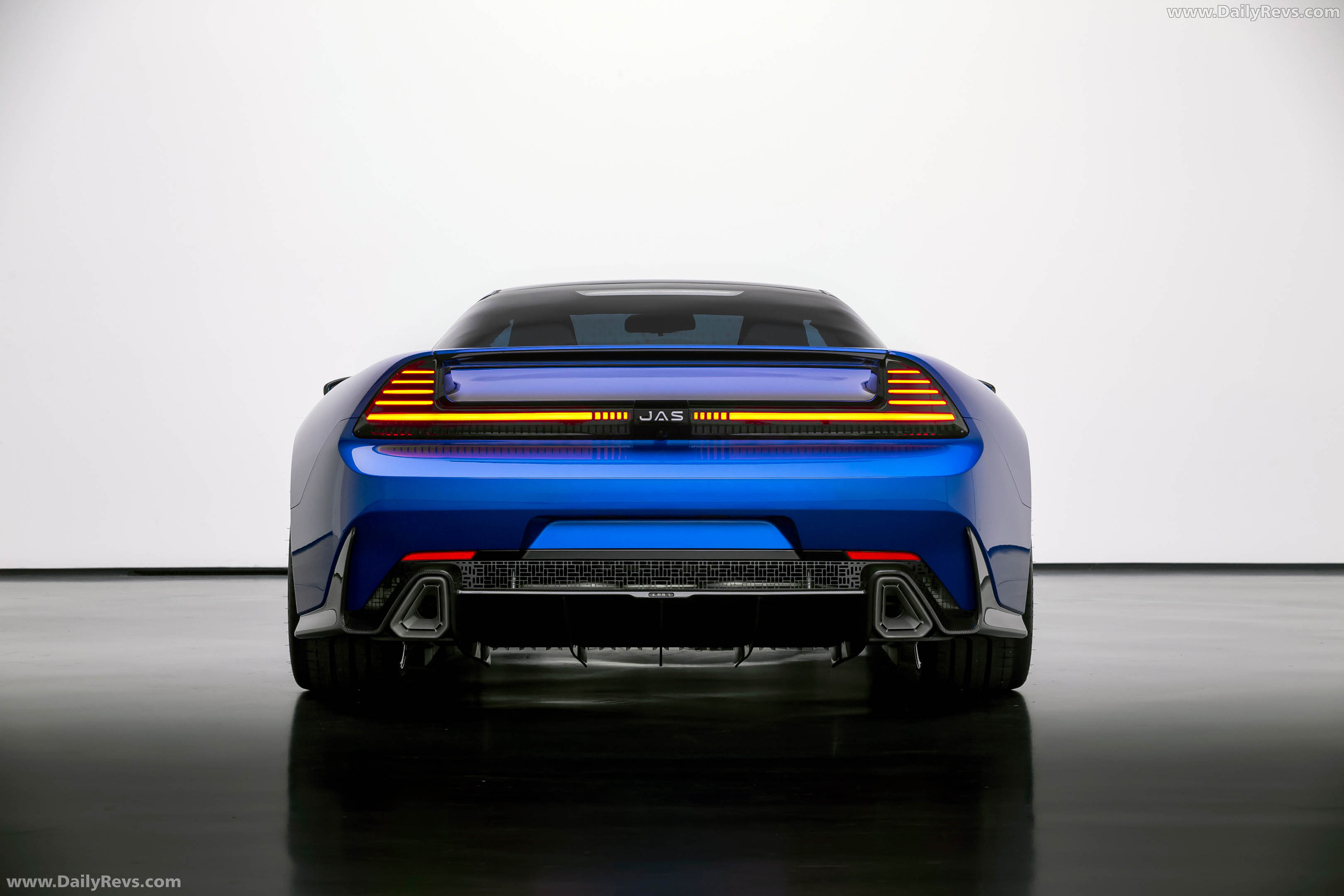
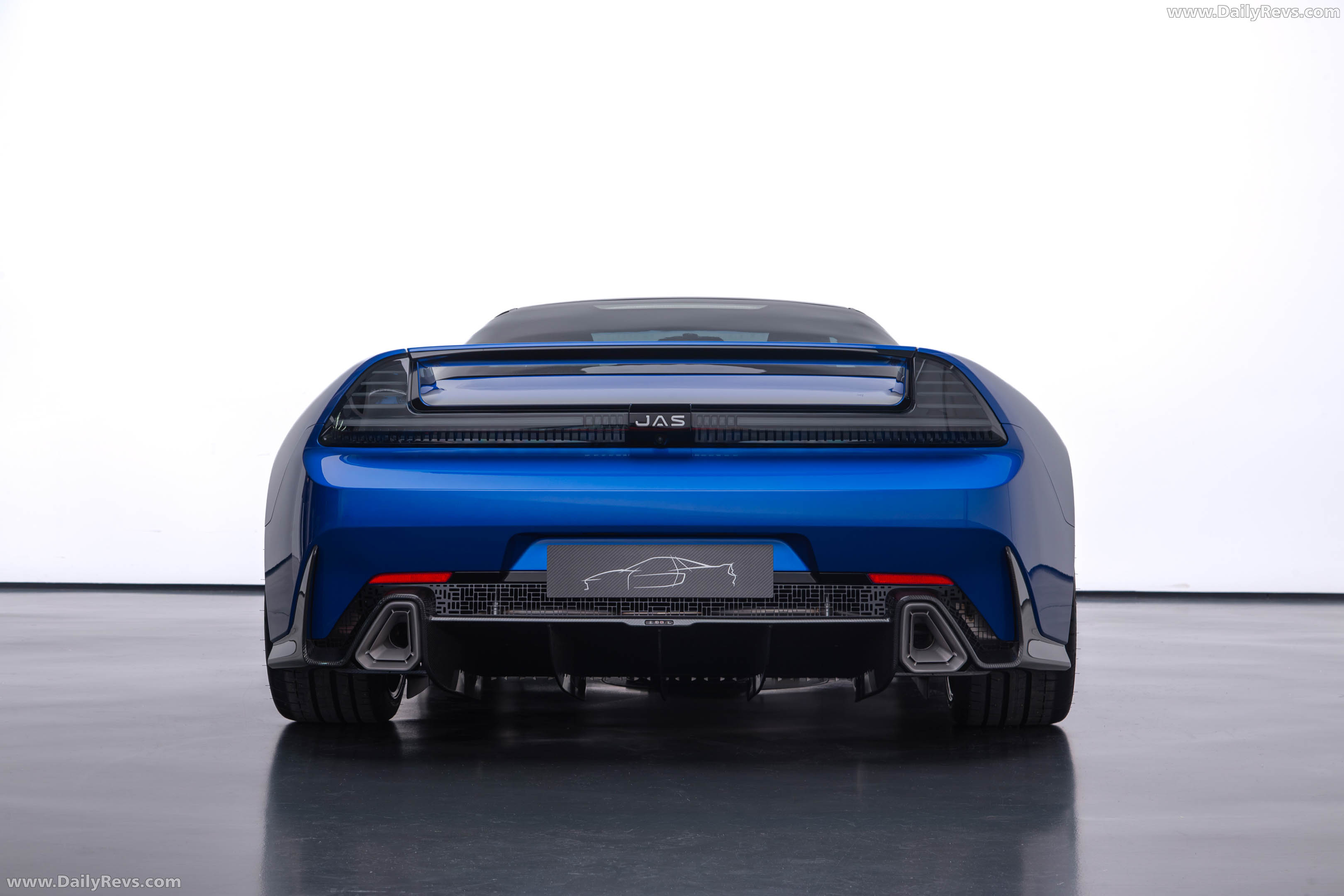
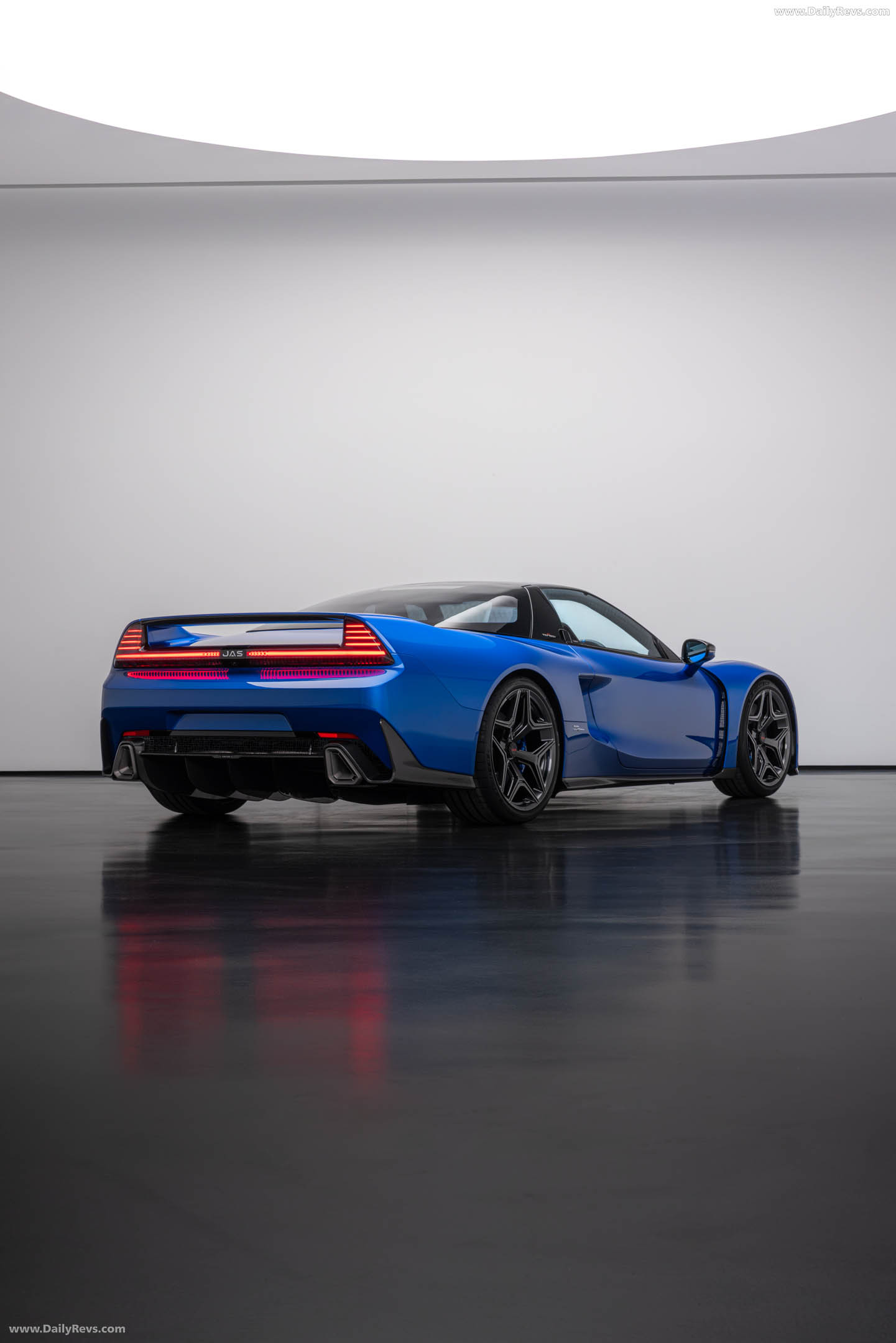
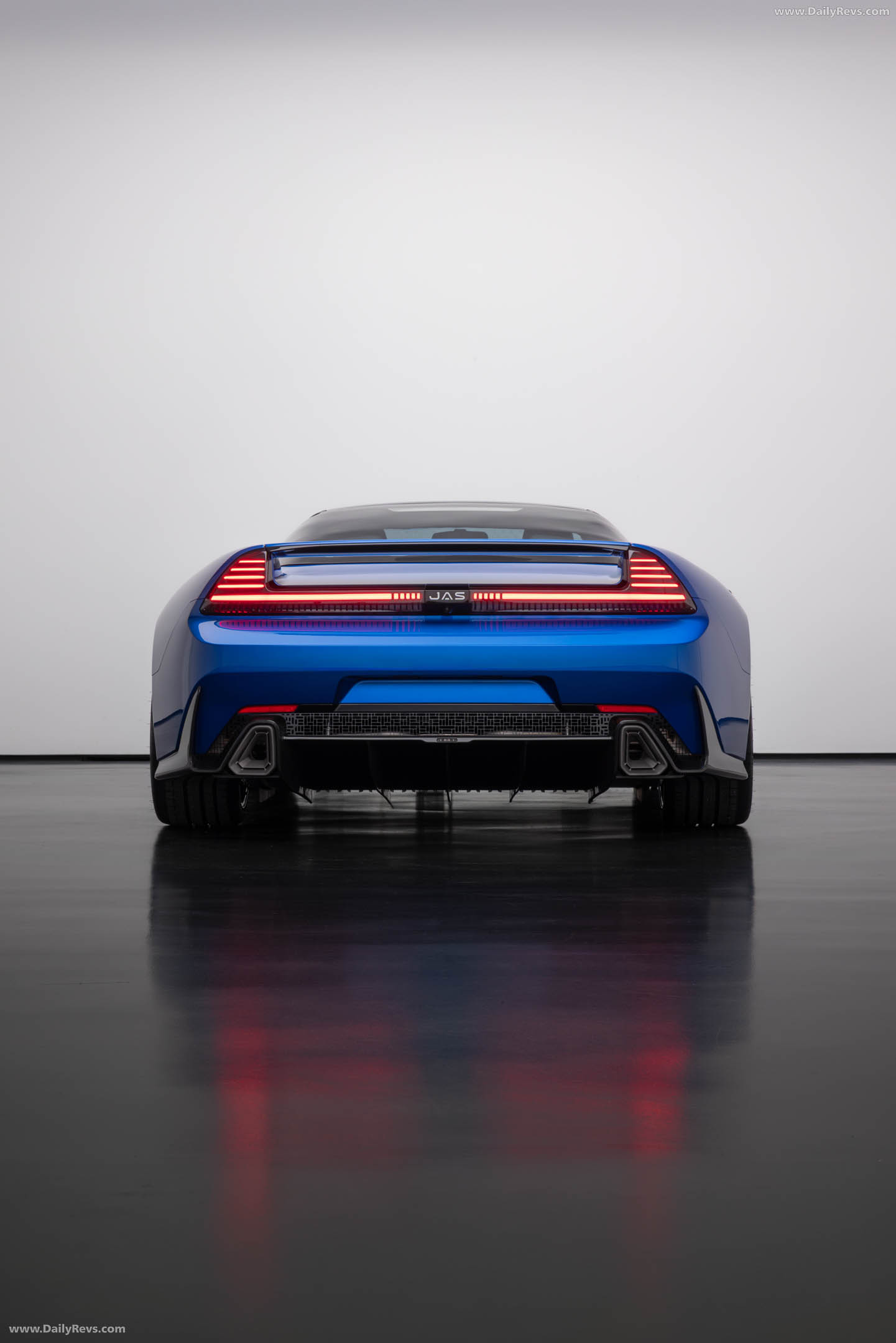
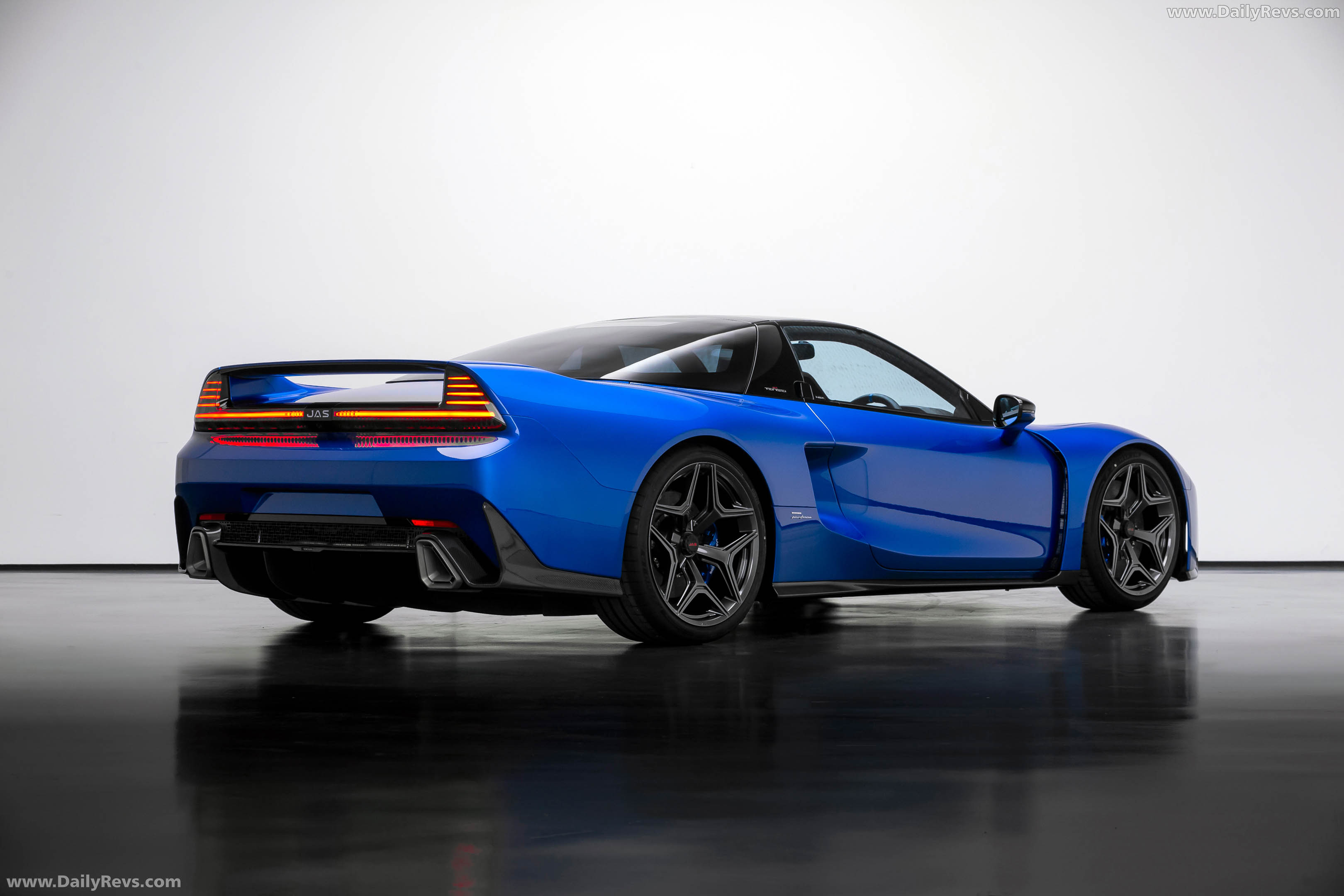
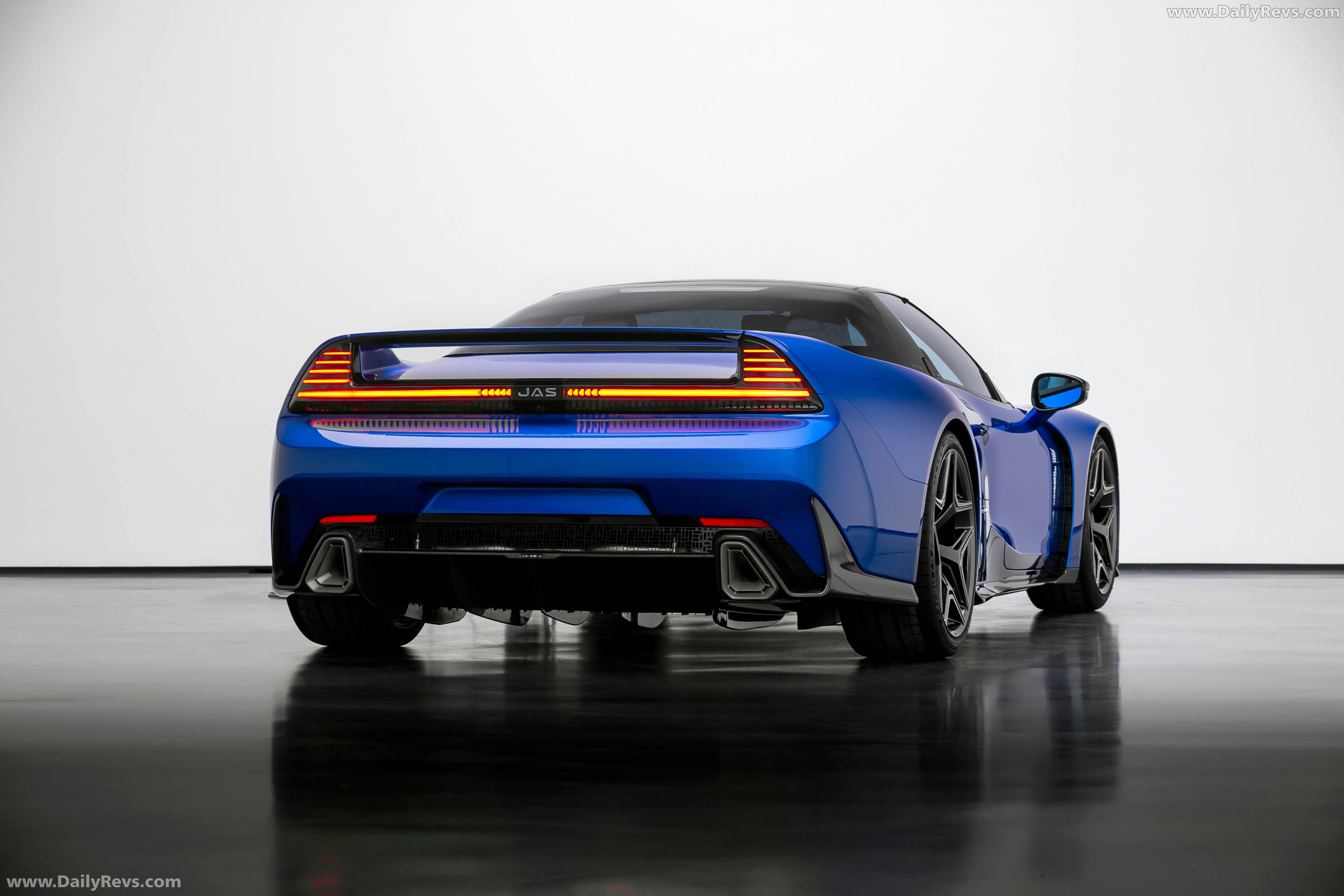
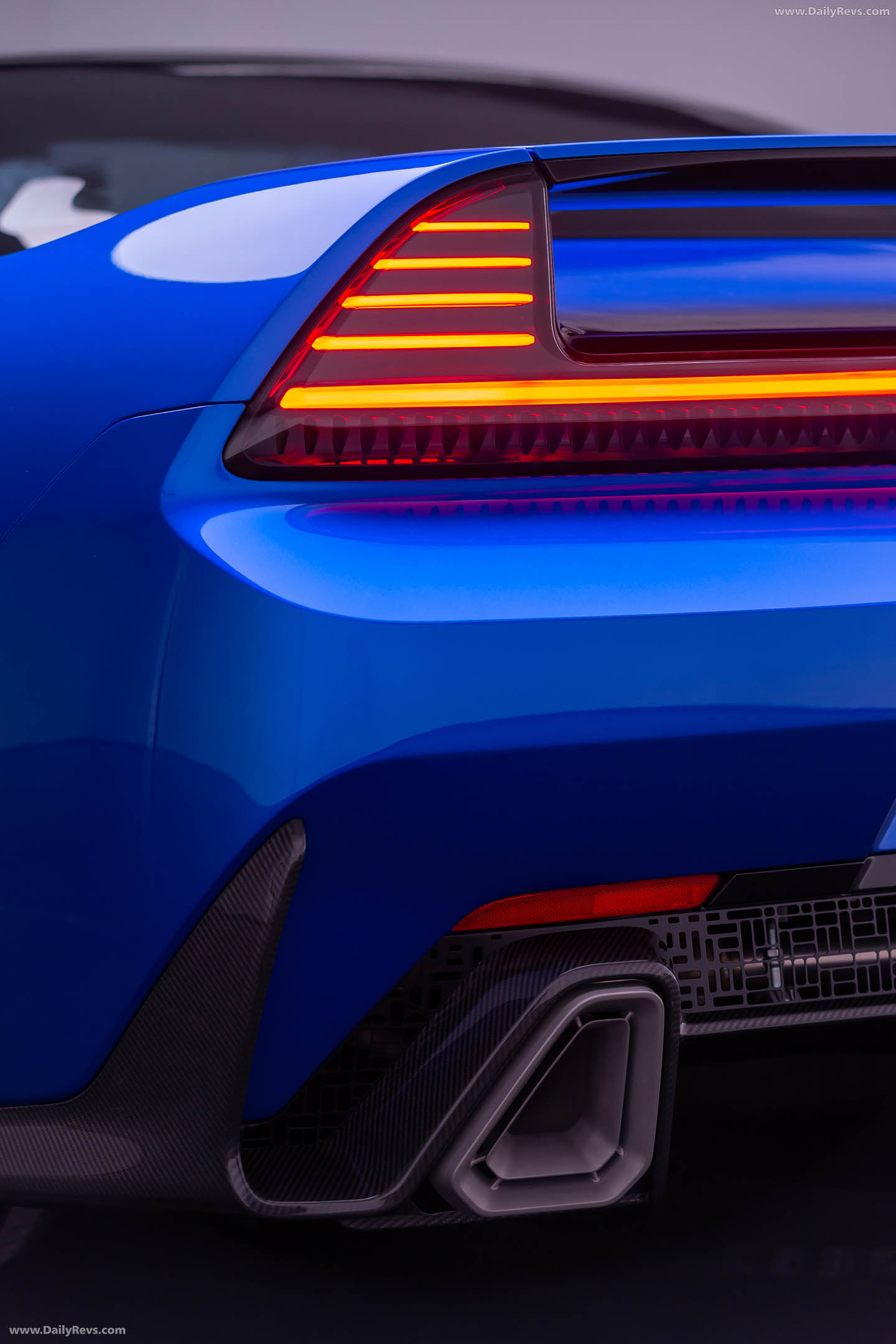
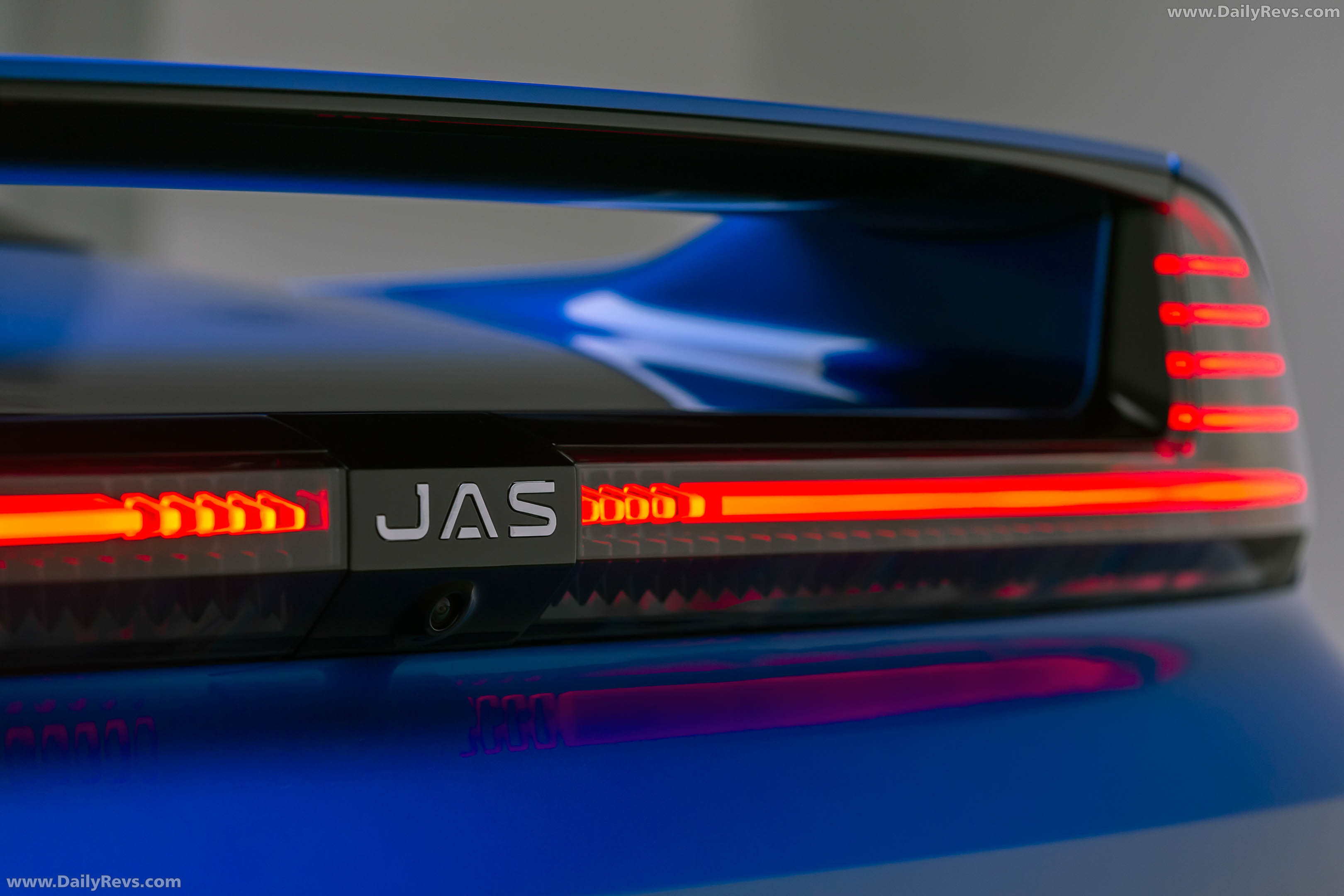
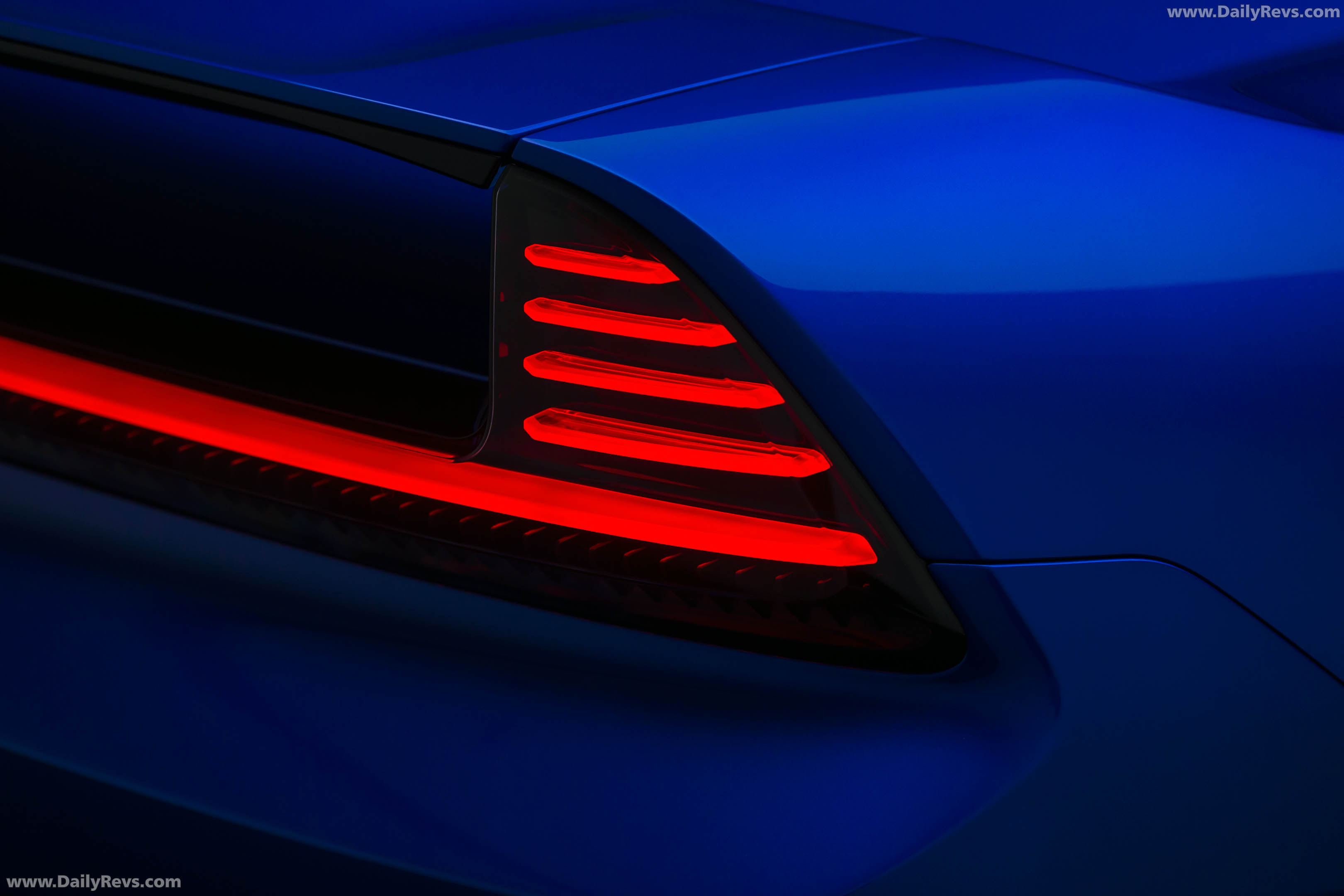
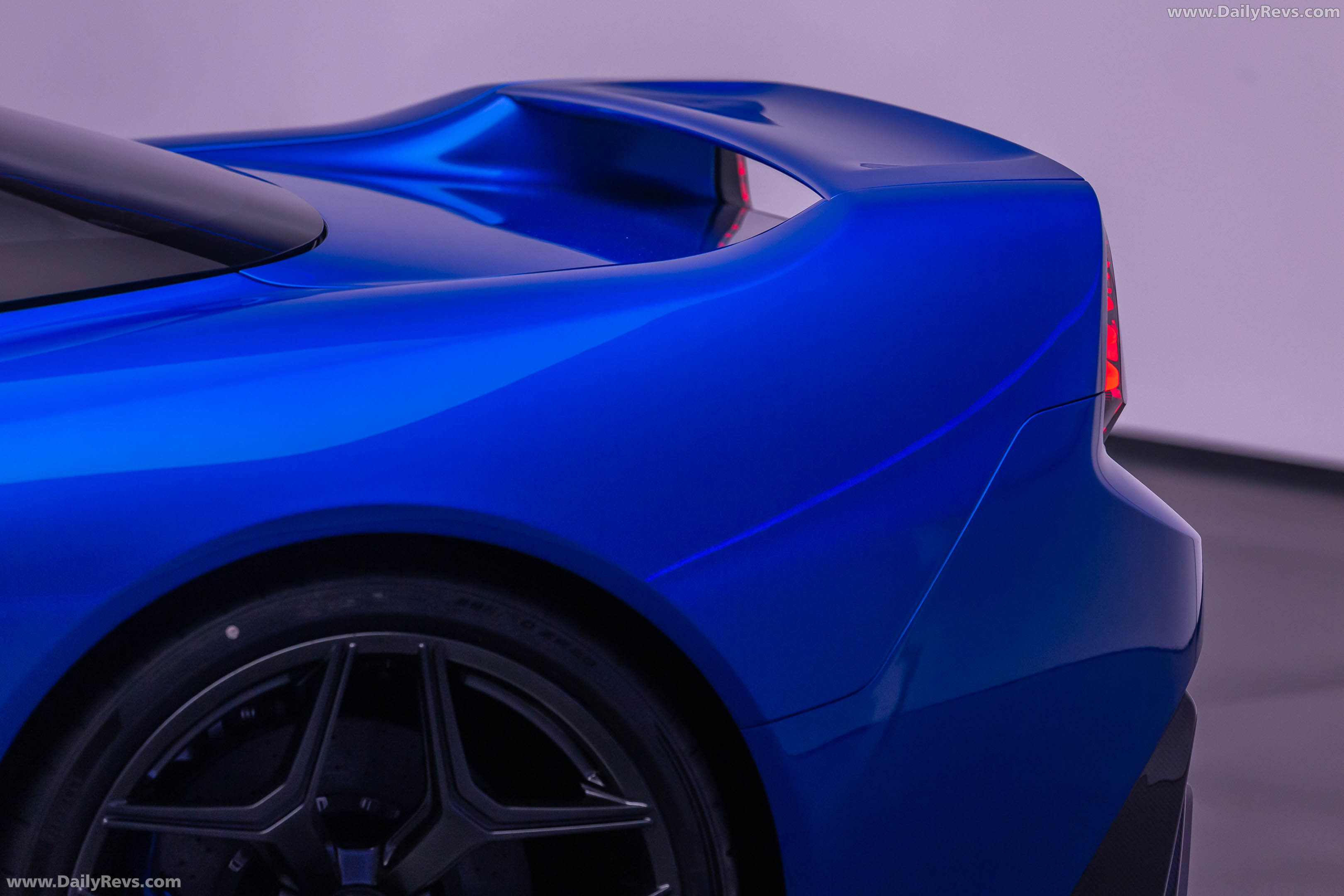
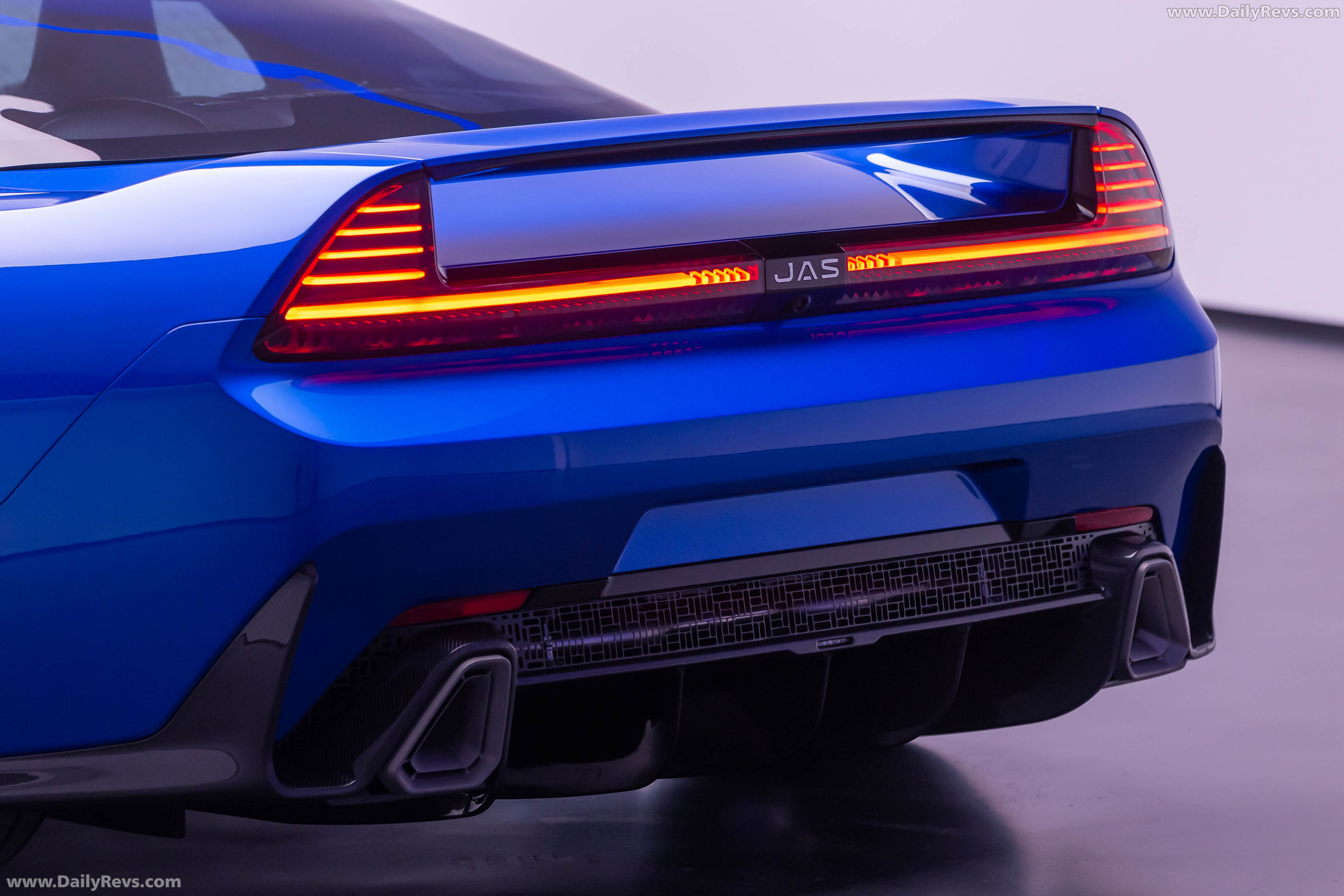
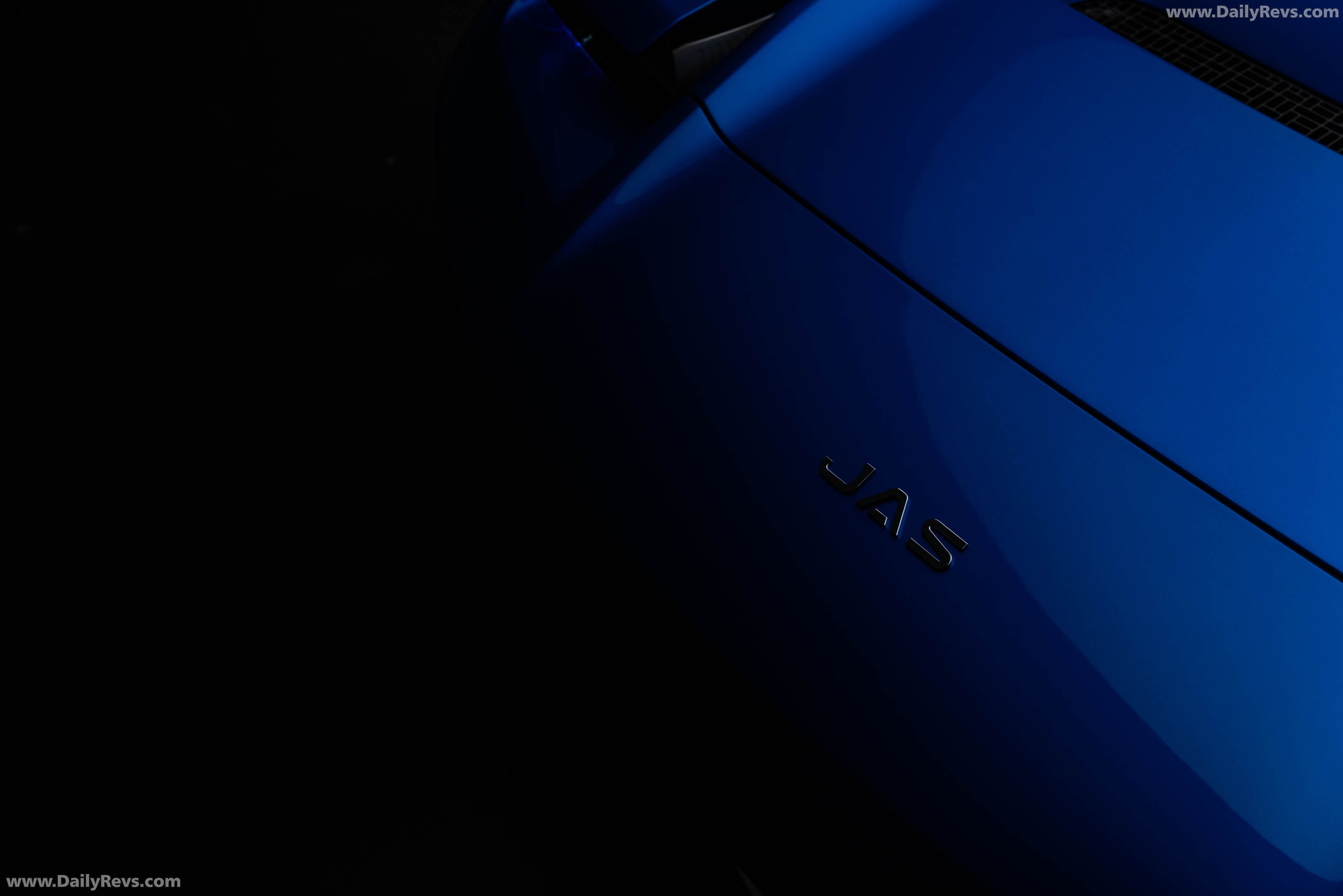
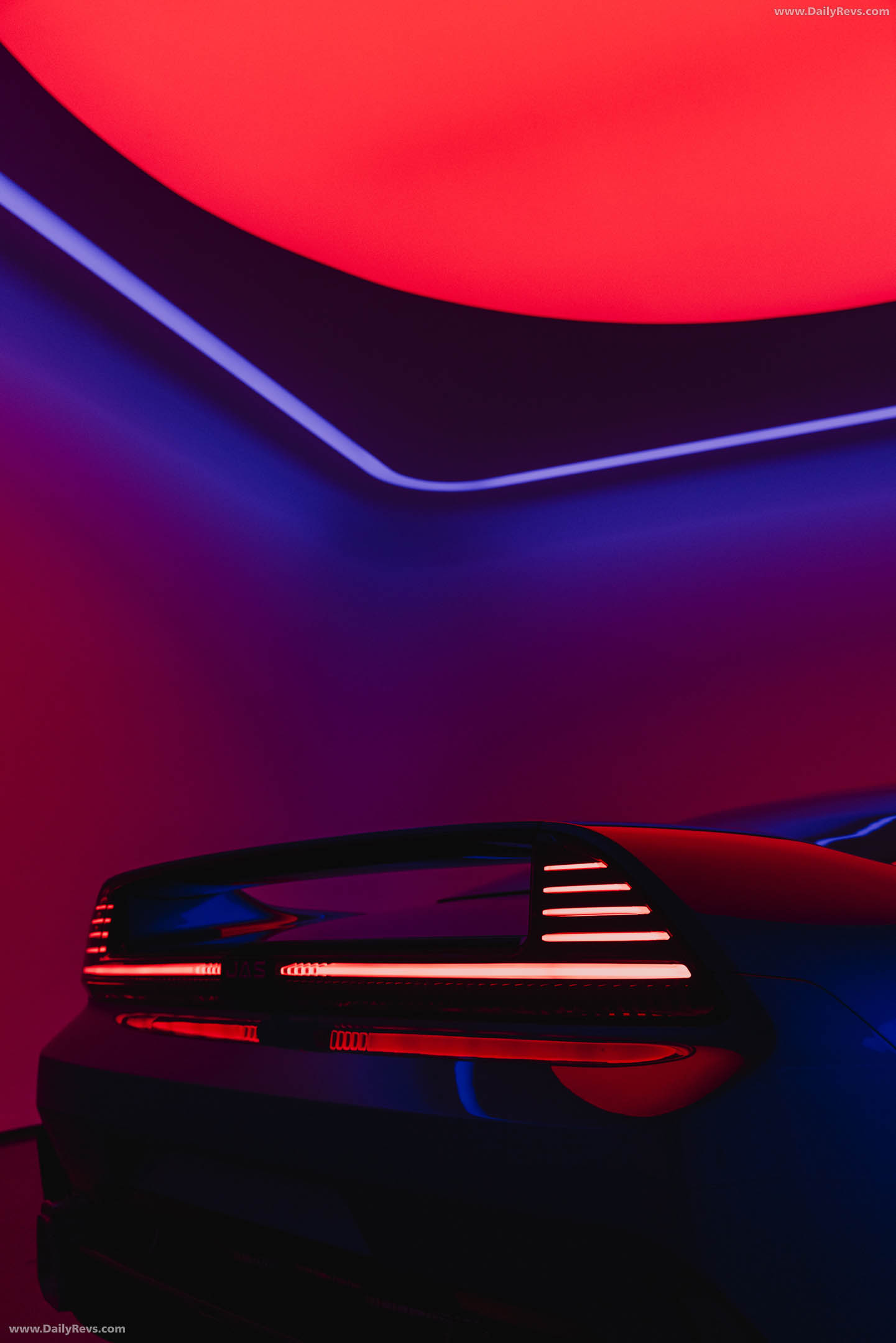
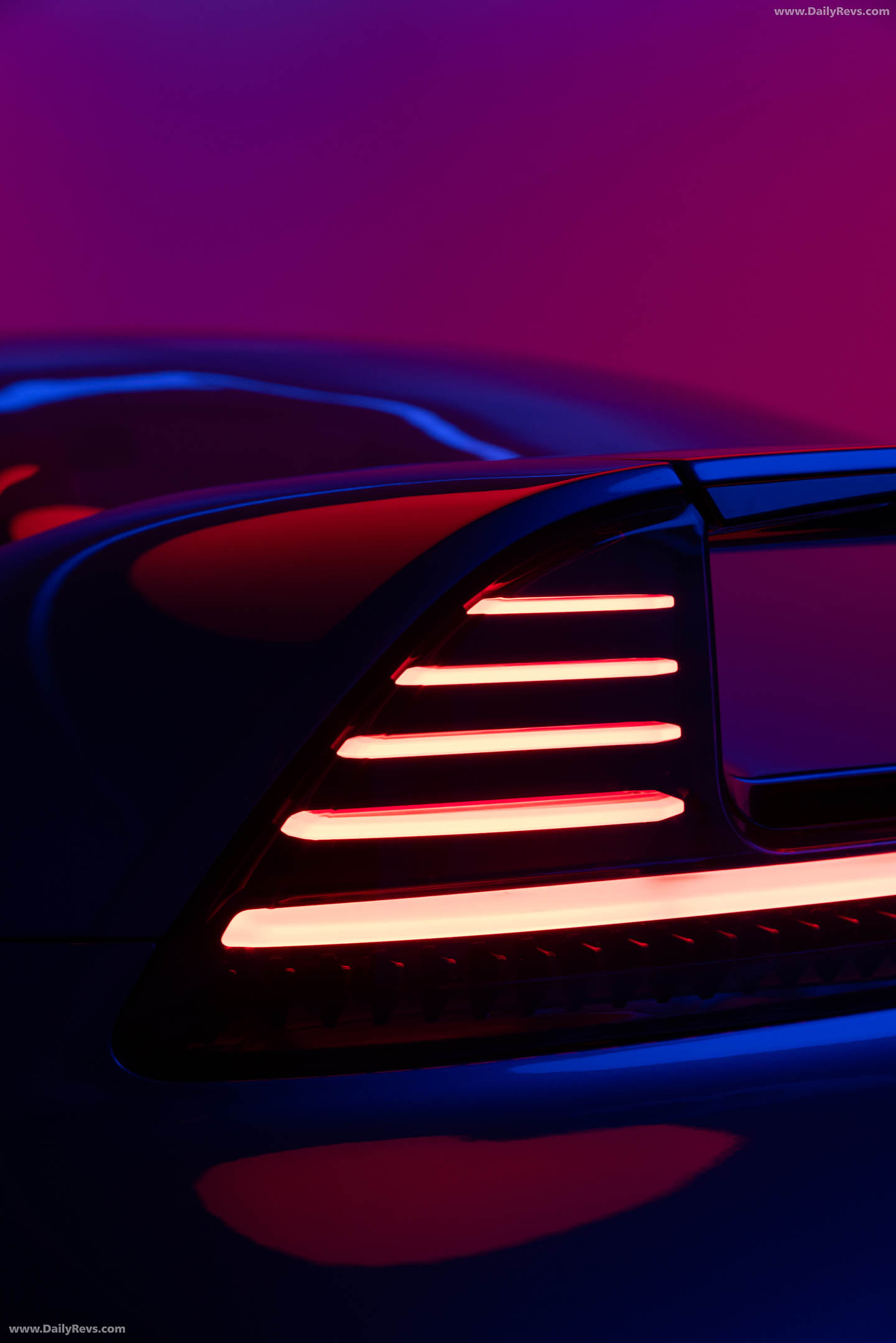
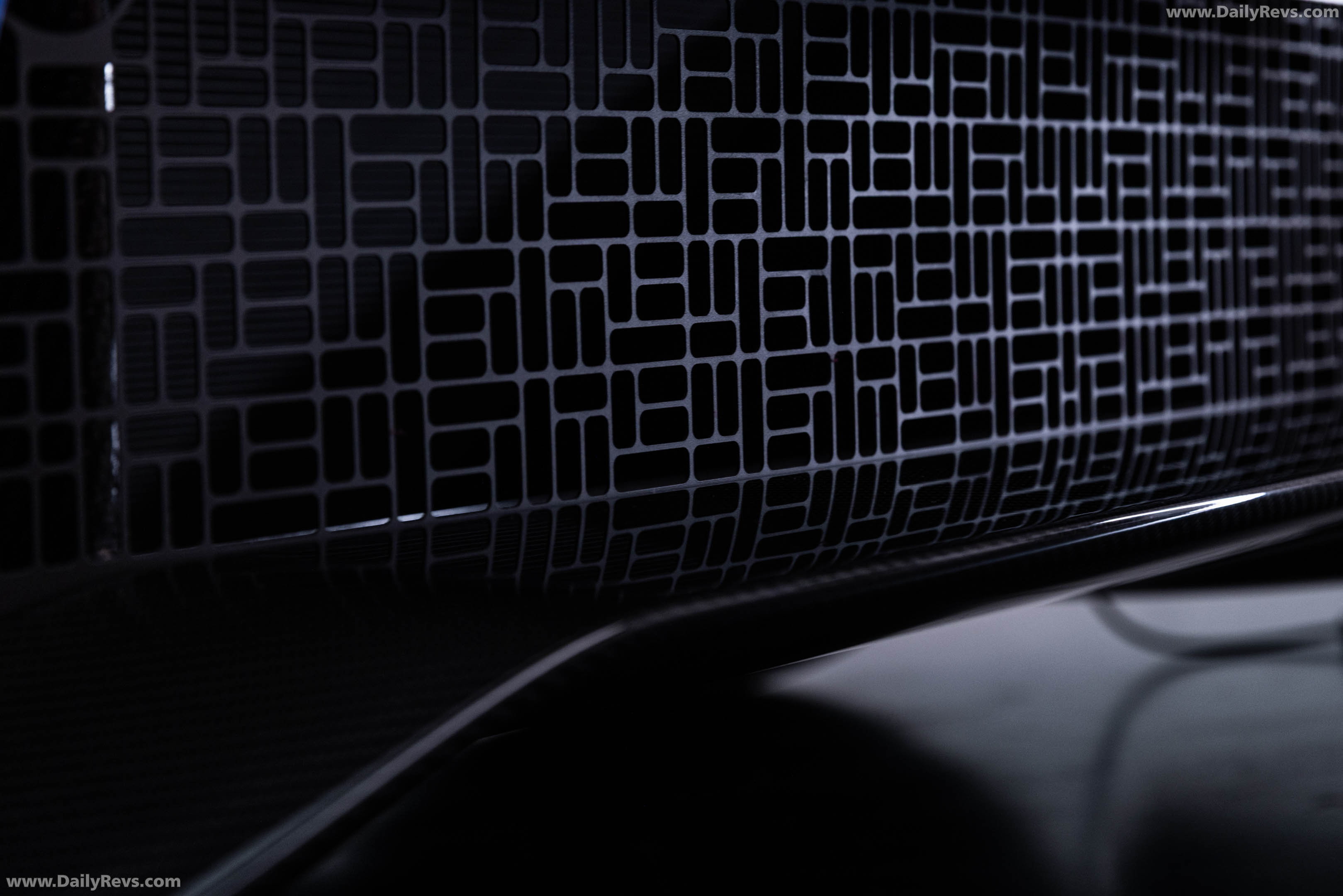
At the rear, a revised spoiler sits above a full-width lighting strip featuring three-dimensional LEDs and a centrally positioned JAS emblem.
Wider Tracks And Carbon Fibre Bodywork
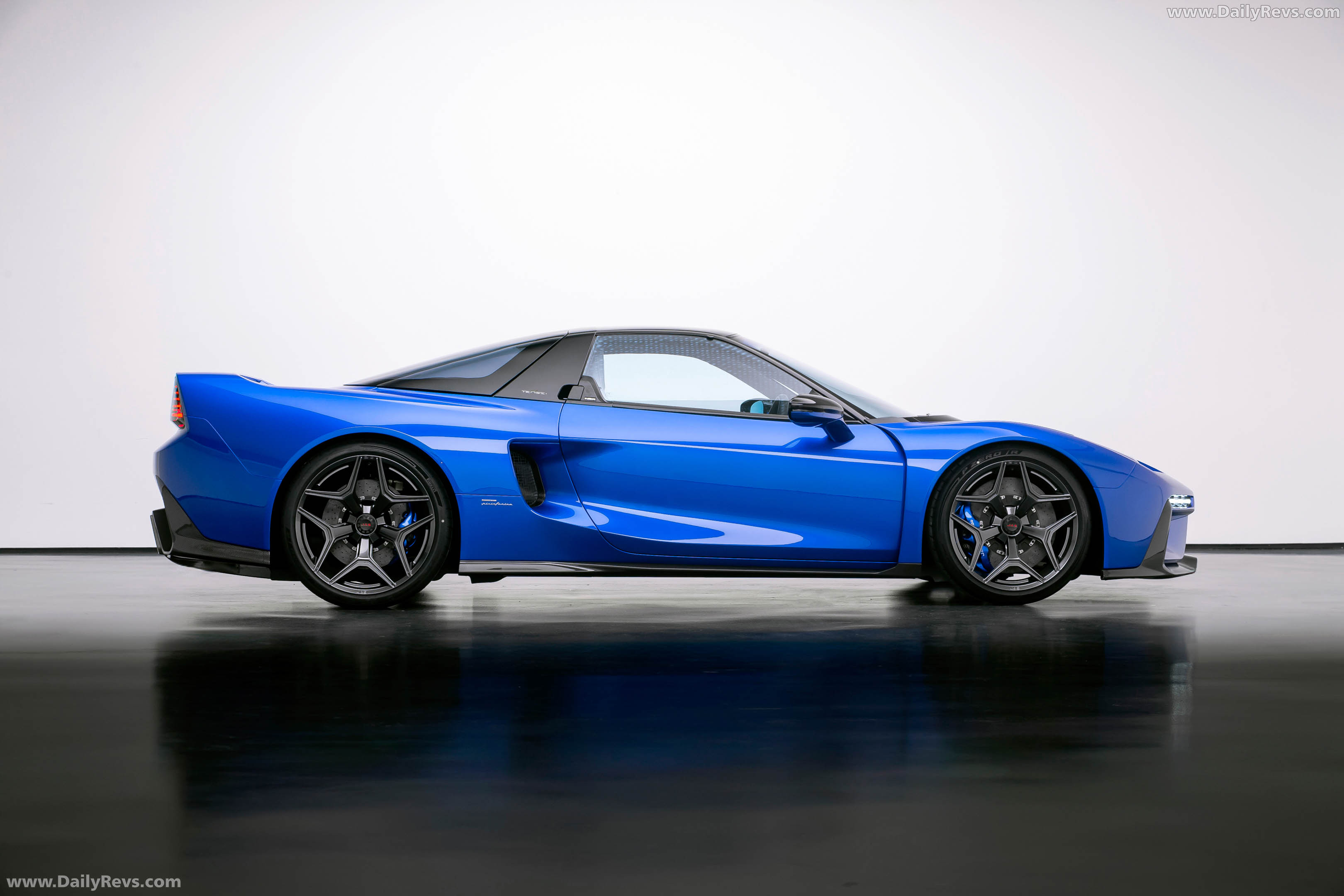
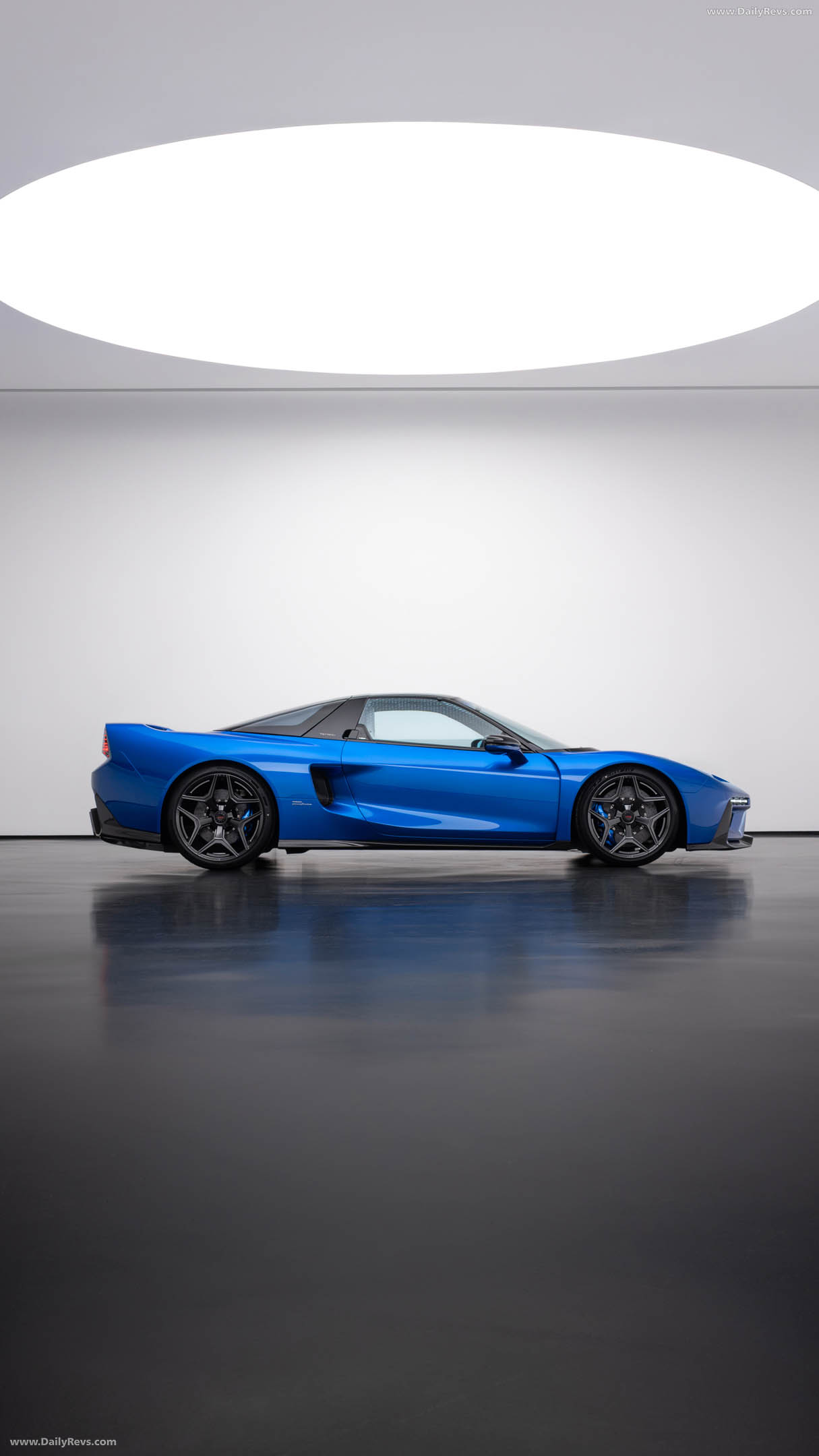
The Tensei preserves the original NSX's low beltline and wedge-shaped profile, although its proportions have changed.
Track width increases by 170 mm at the front and 190 mm at the rear. The wheelbase is extended by 55 mm, reducing the visual length of the overhangs.
New body panels use autoclave-cured carbon fibre, while the original aluminium structure receives additional carbon-Kevlar reinforcement.
JAS quotes a dry weight of 1,250 kg.
Analogue Cabin With Titanium Details
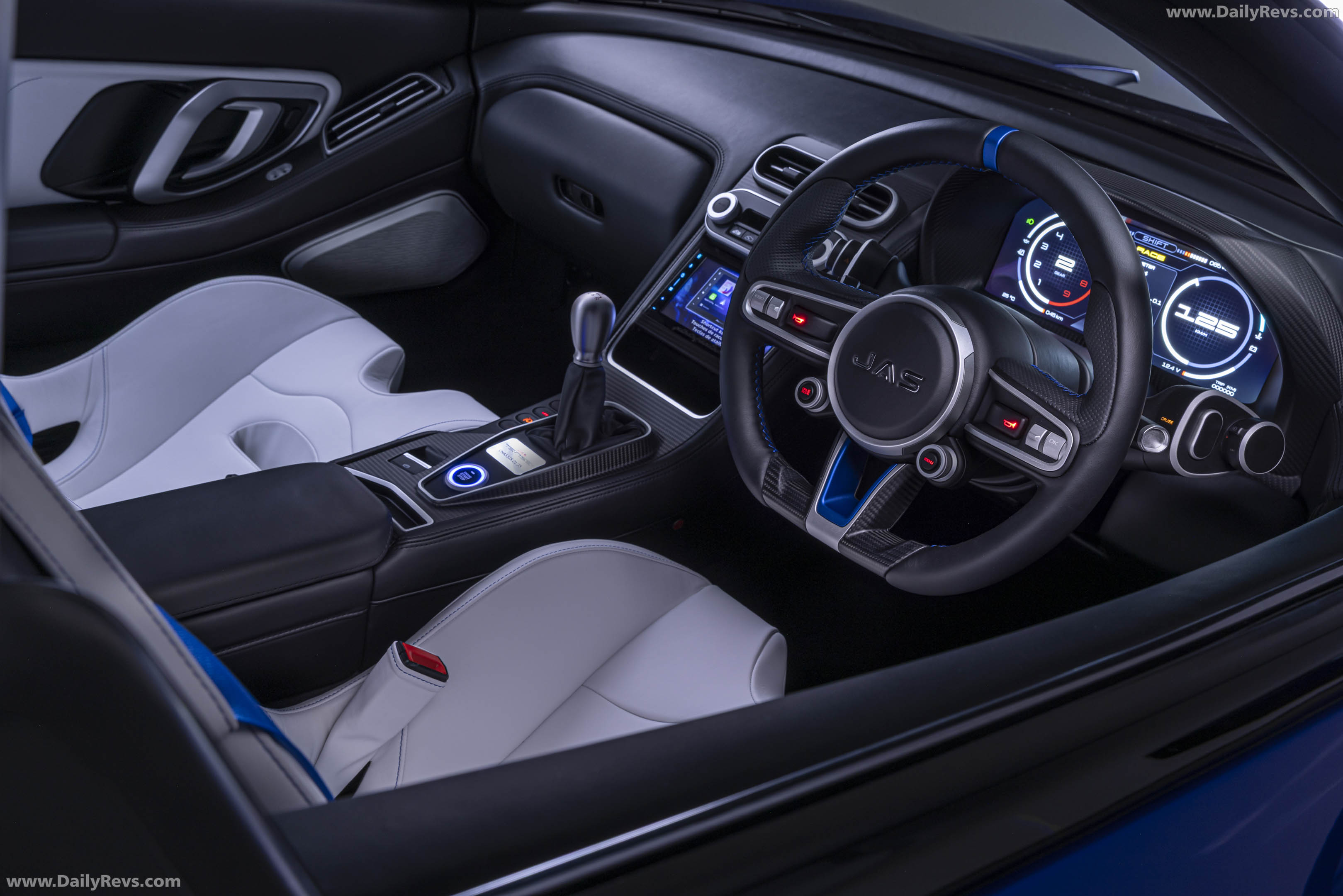
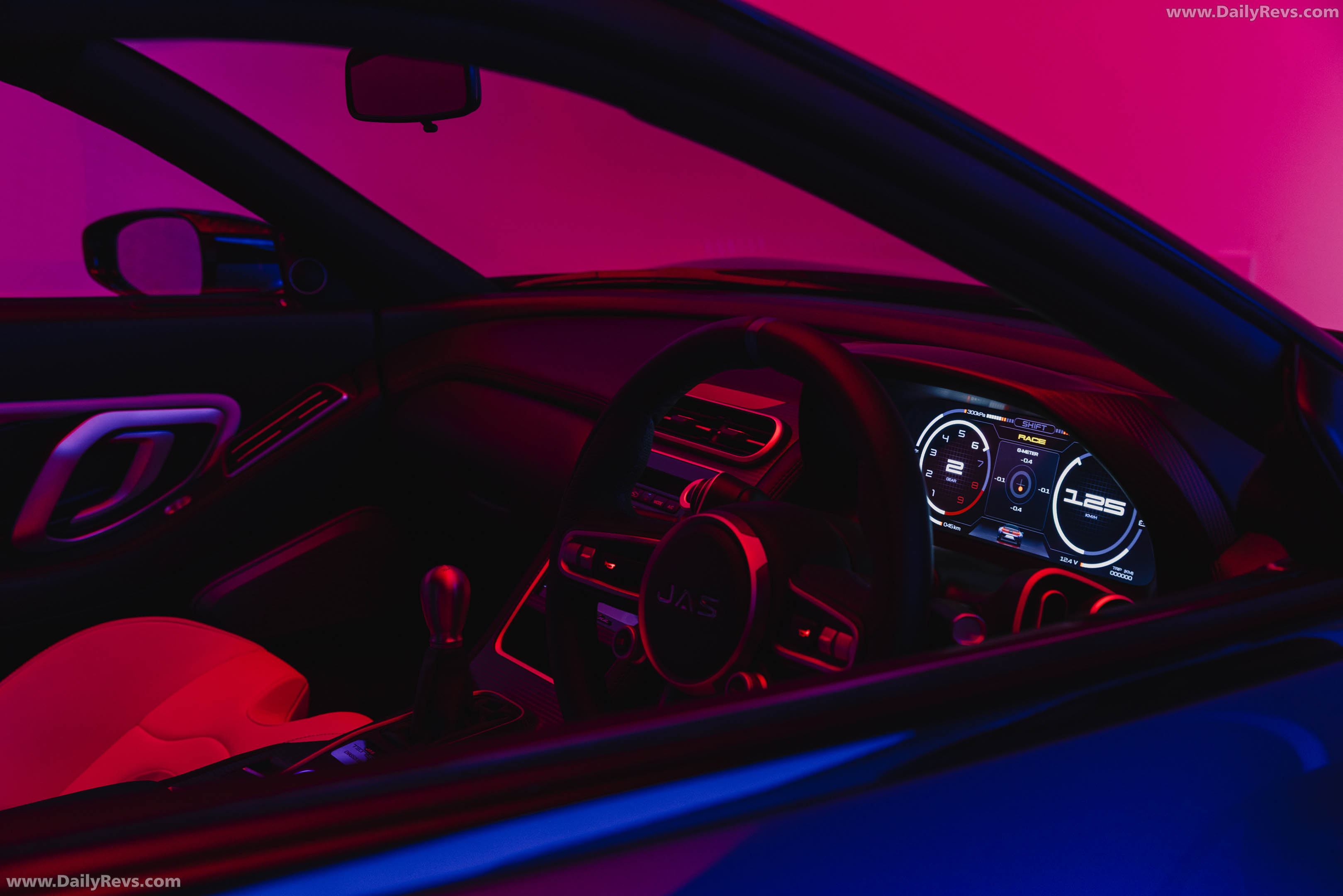
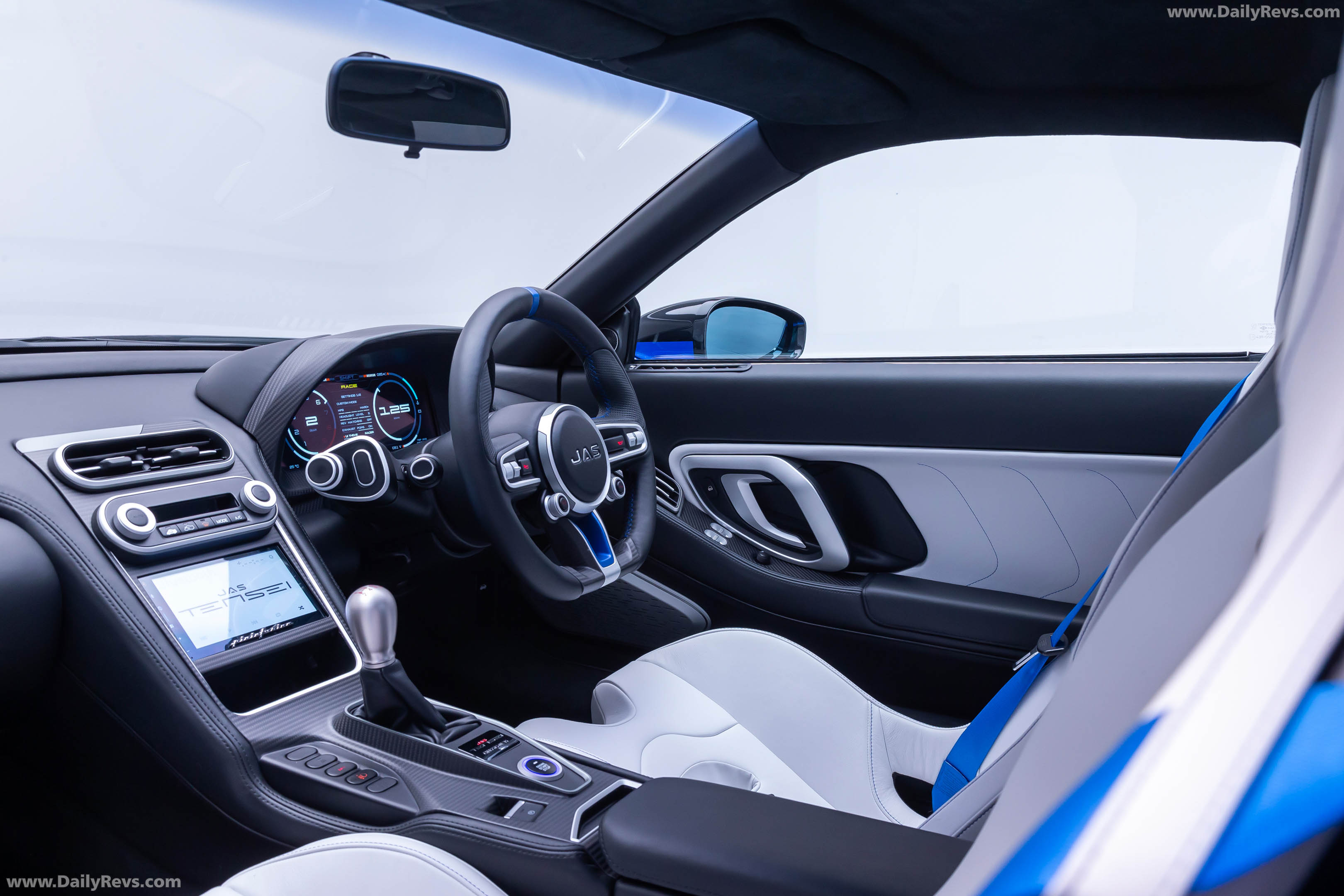
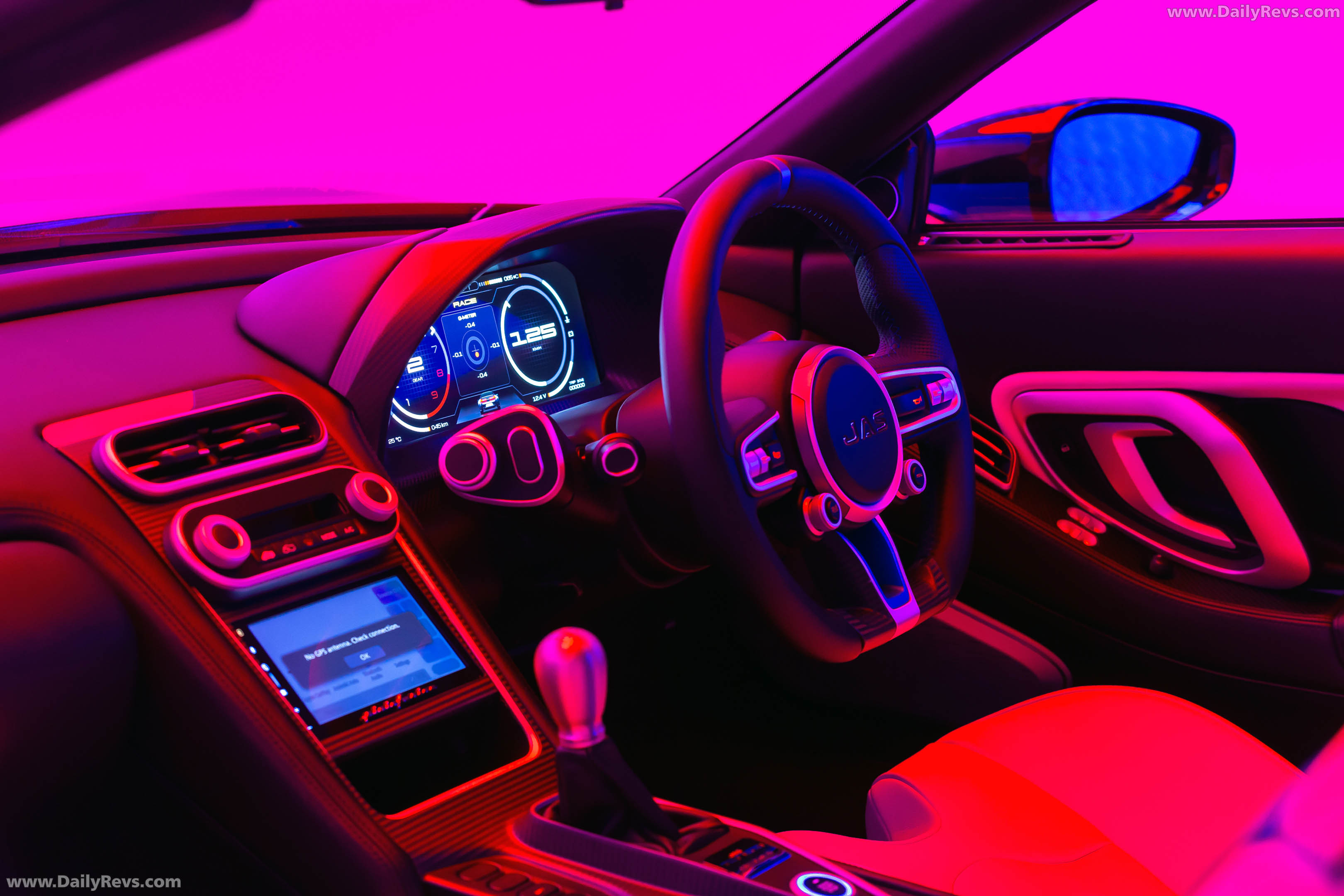
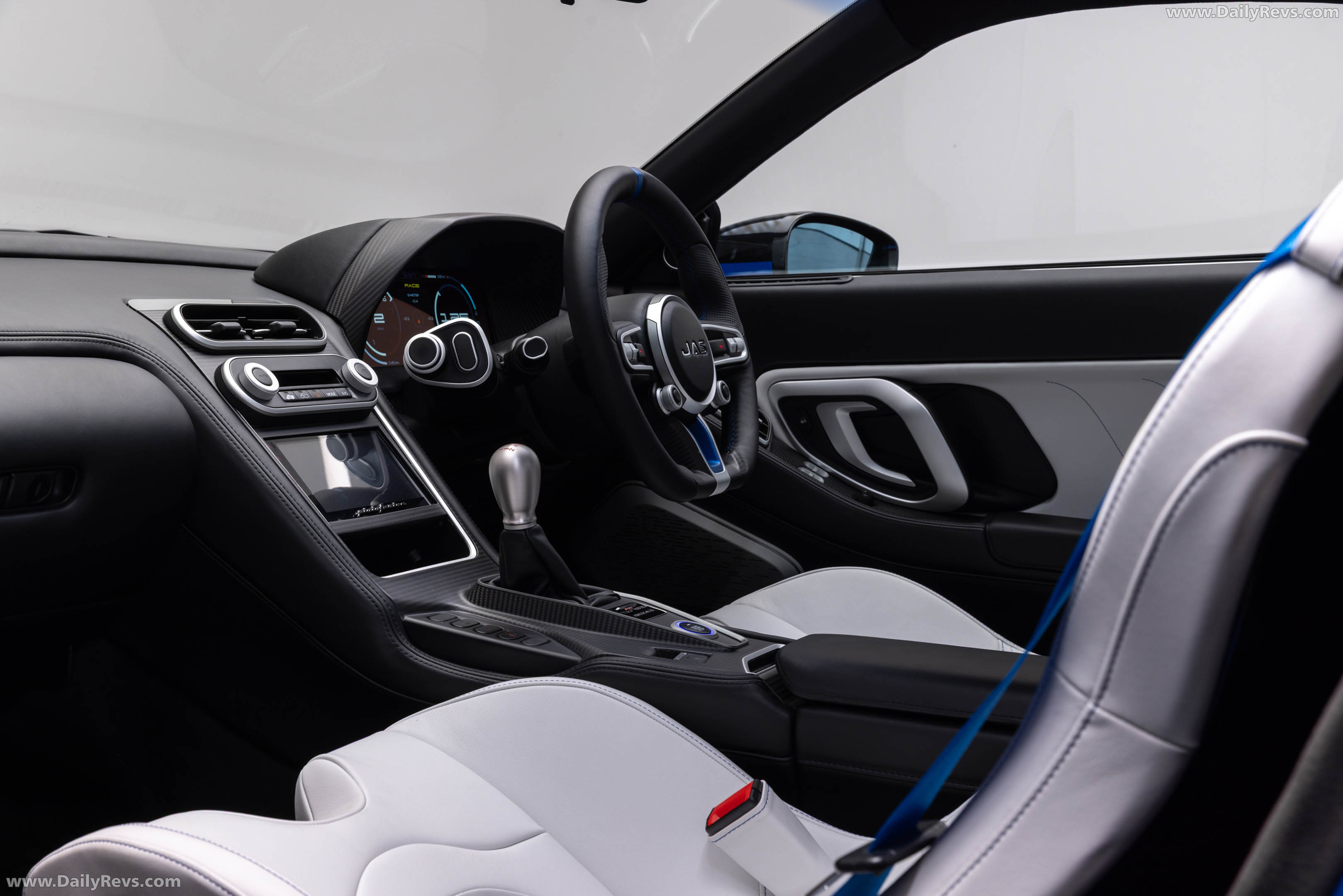
Pininfarina has retained the NSX's low dashboard and slender pillars, maintaining the outward visibility associated with the original car.
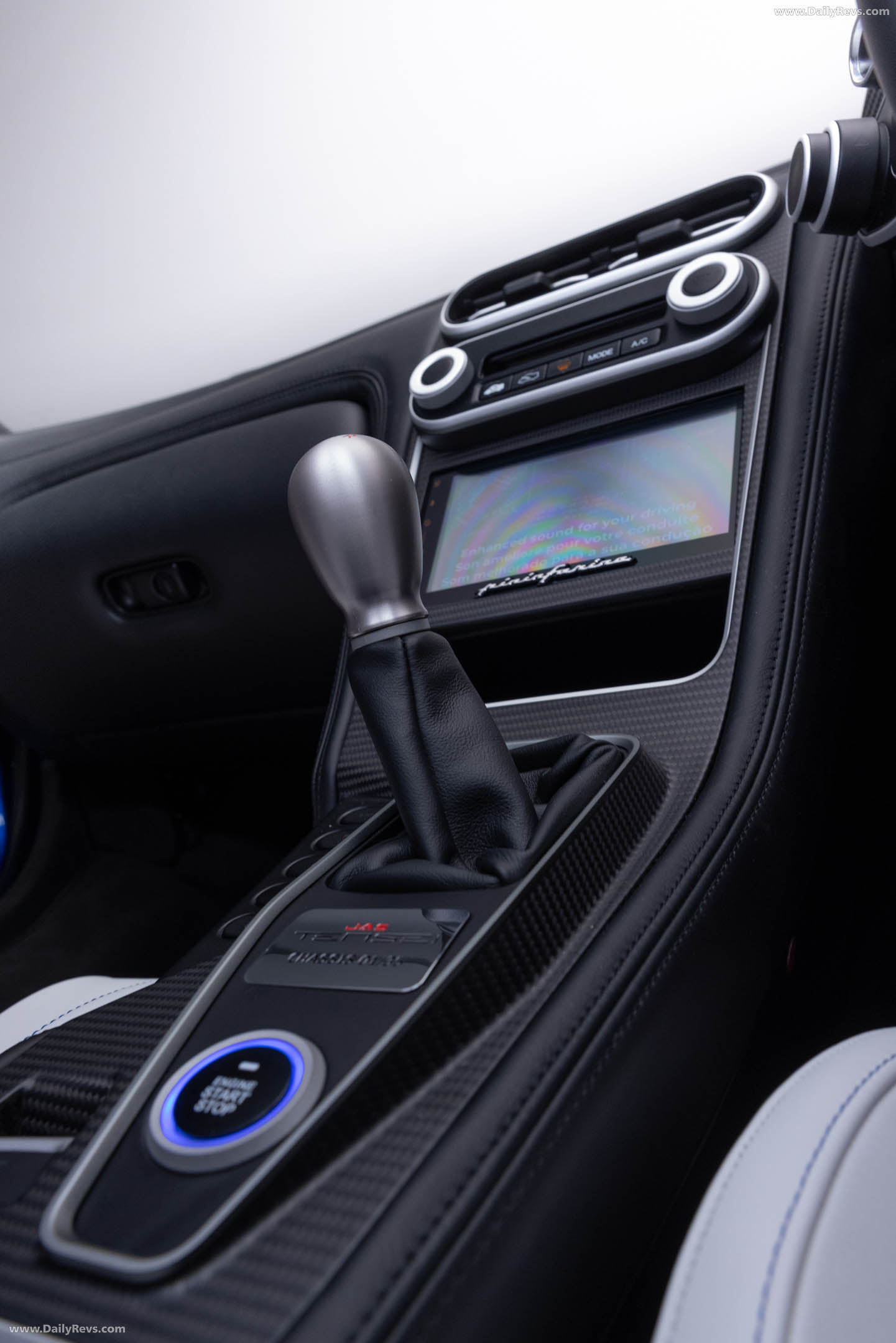
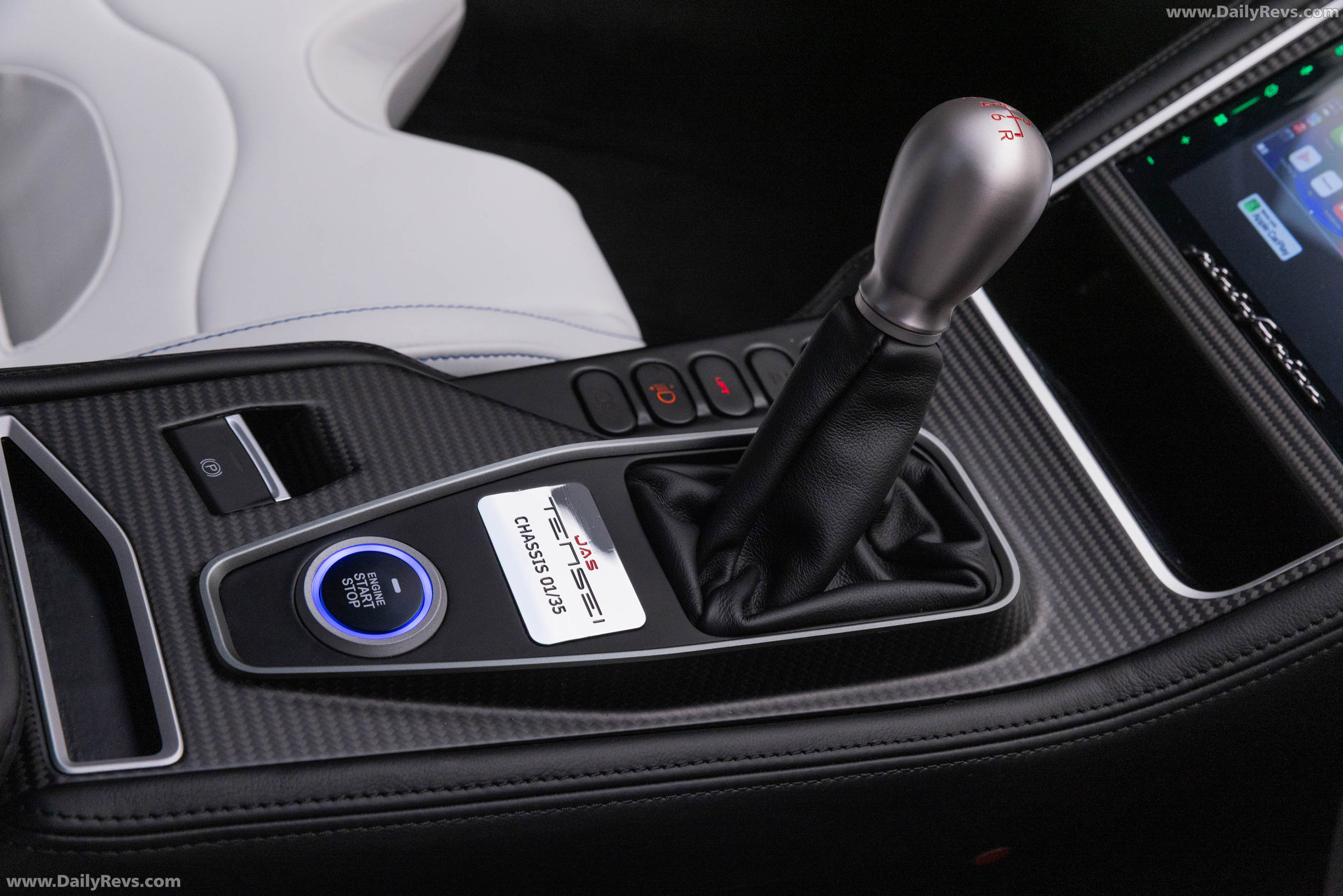
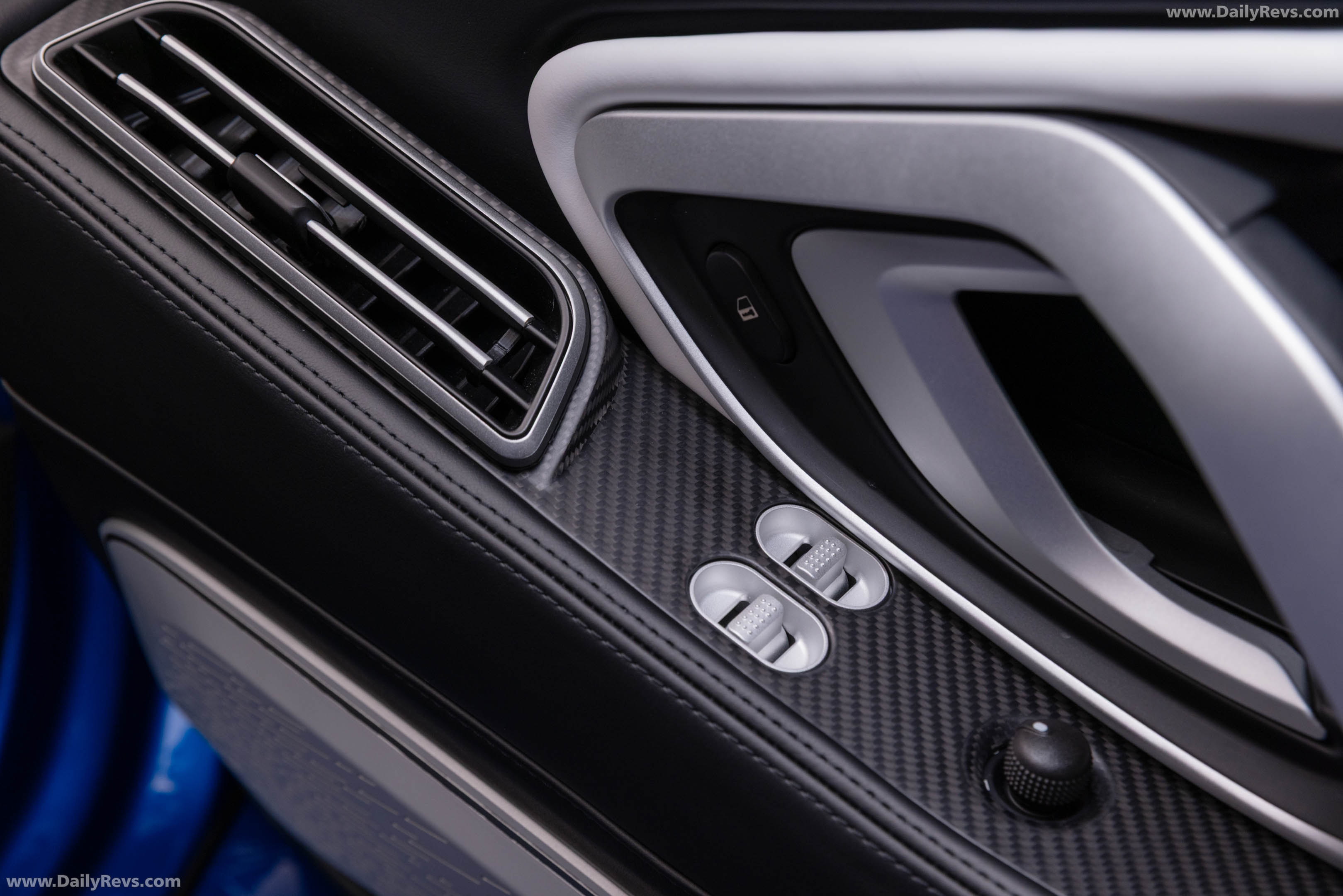
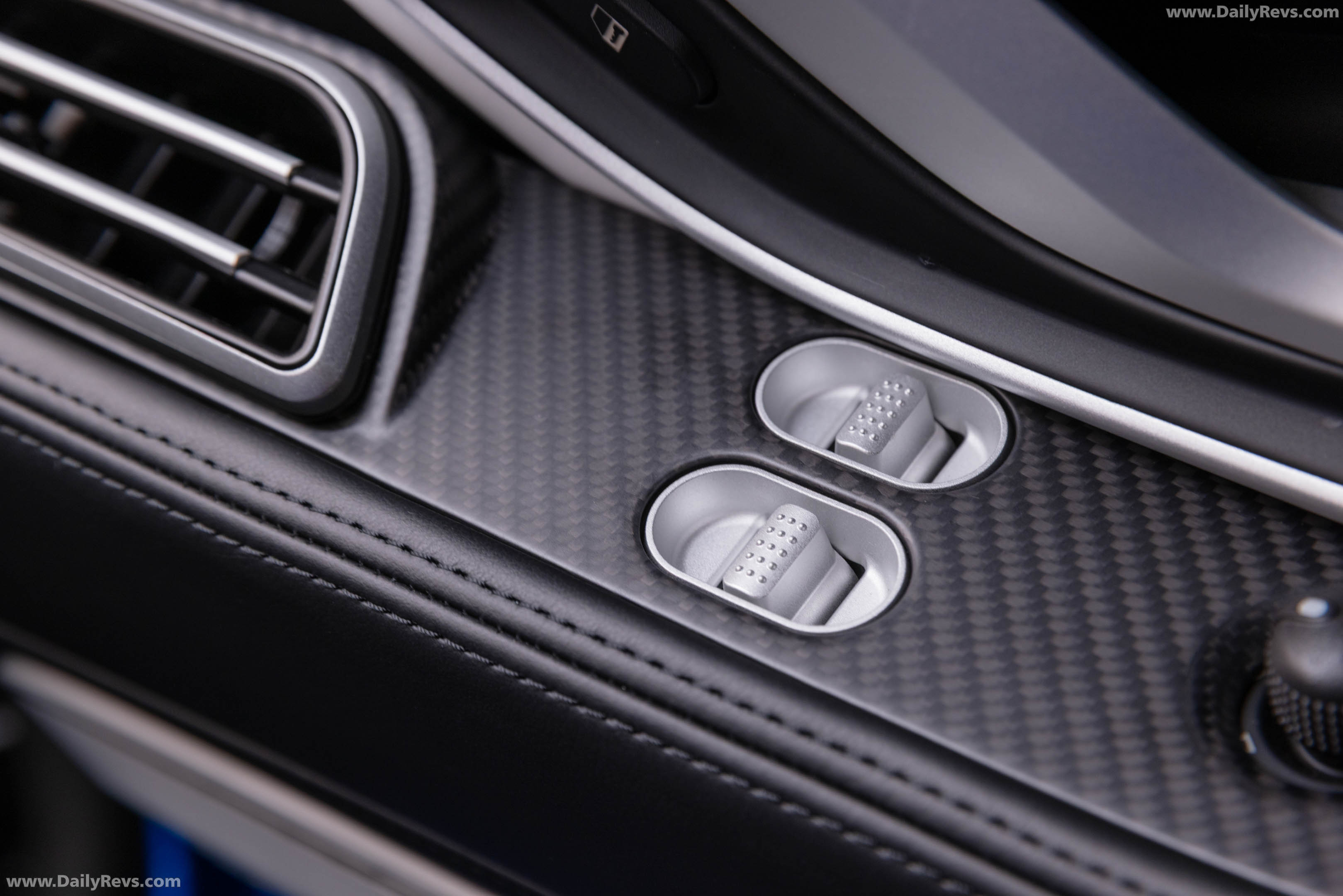
The redesigned interior combines matte carbon fibre, natural-tanned leather and black Alcantara.
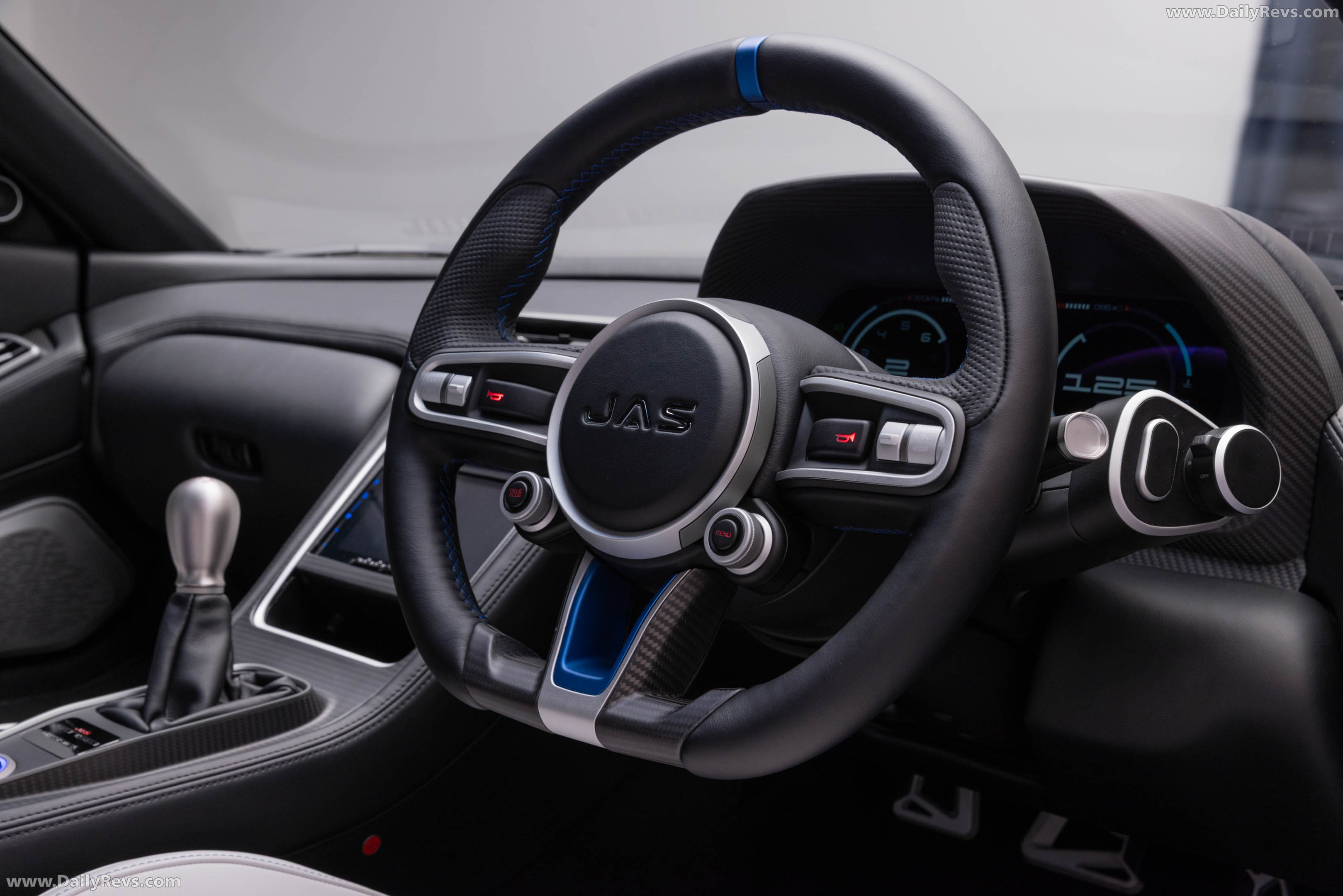
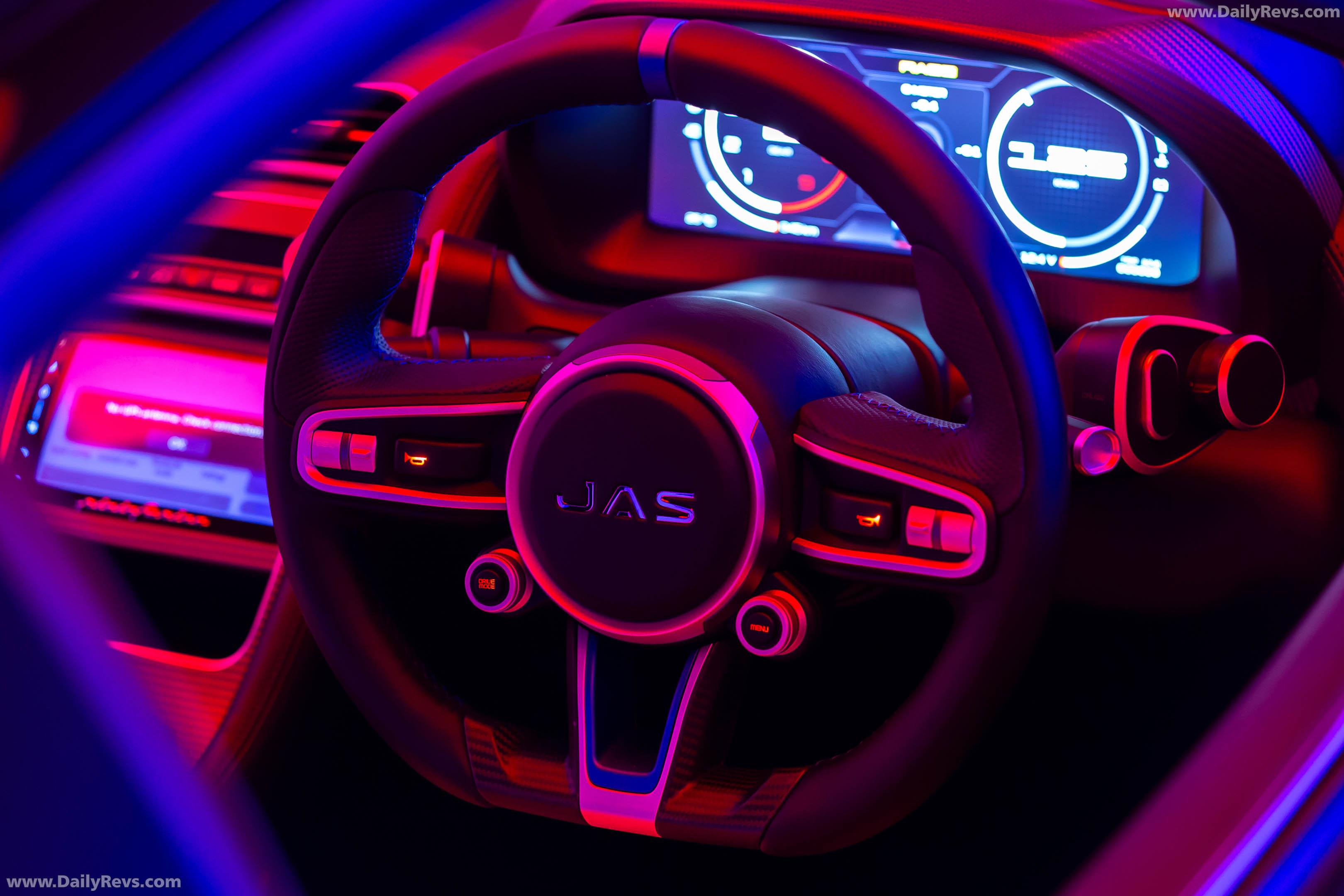
Sabelt supplies exposed carbon-fibre seats with leather padding, while the compact steering wheel carries a titanium centre marker.
A large analogue tachometer sits between two configurable OLED displays. The exposed manual gear linkage and machined titanium gear knob occupy the centre console.
JUDD Developed 3.5 Litre V6 Engine
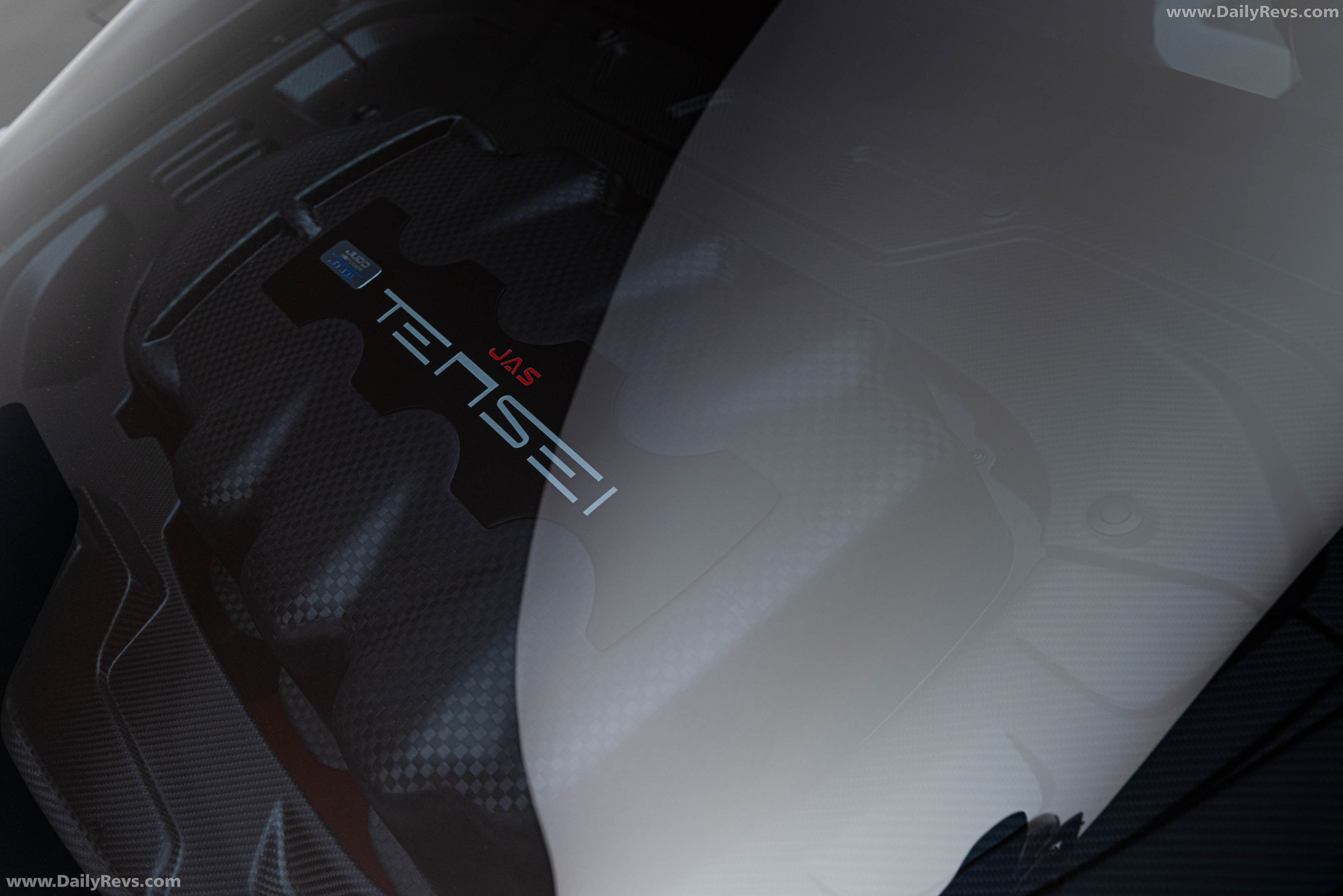
British engine specialist JUDD has reworked the original Honda C30A V6, increasing displacement from 3.0 to 3.5 litres.
The naturally aspirated engine receives revised cylinder heads, titanium valves, individual throttle bodies and a new crankshaft.
The release contains conflicting output figures of 420 hp and 425 hp, leaving the final rating. An 8,500 rpm engine redline is specified.
A six-speed manual gearbox sends power to the rear wheels through a mechanical Torsen limited-slip differential.
Motorsport Suspension And Ceramic Brakes
The chassis uses machined aluminium double wishbones at the front and a multi-link rear arrangement, supported by adjustable KW dampers.
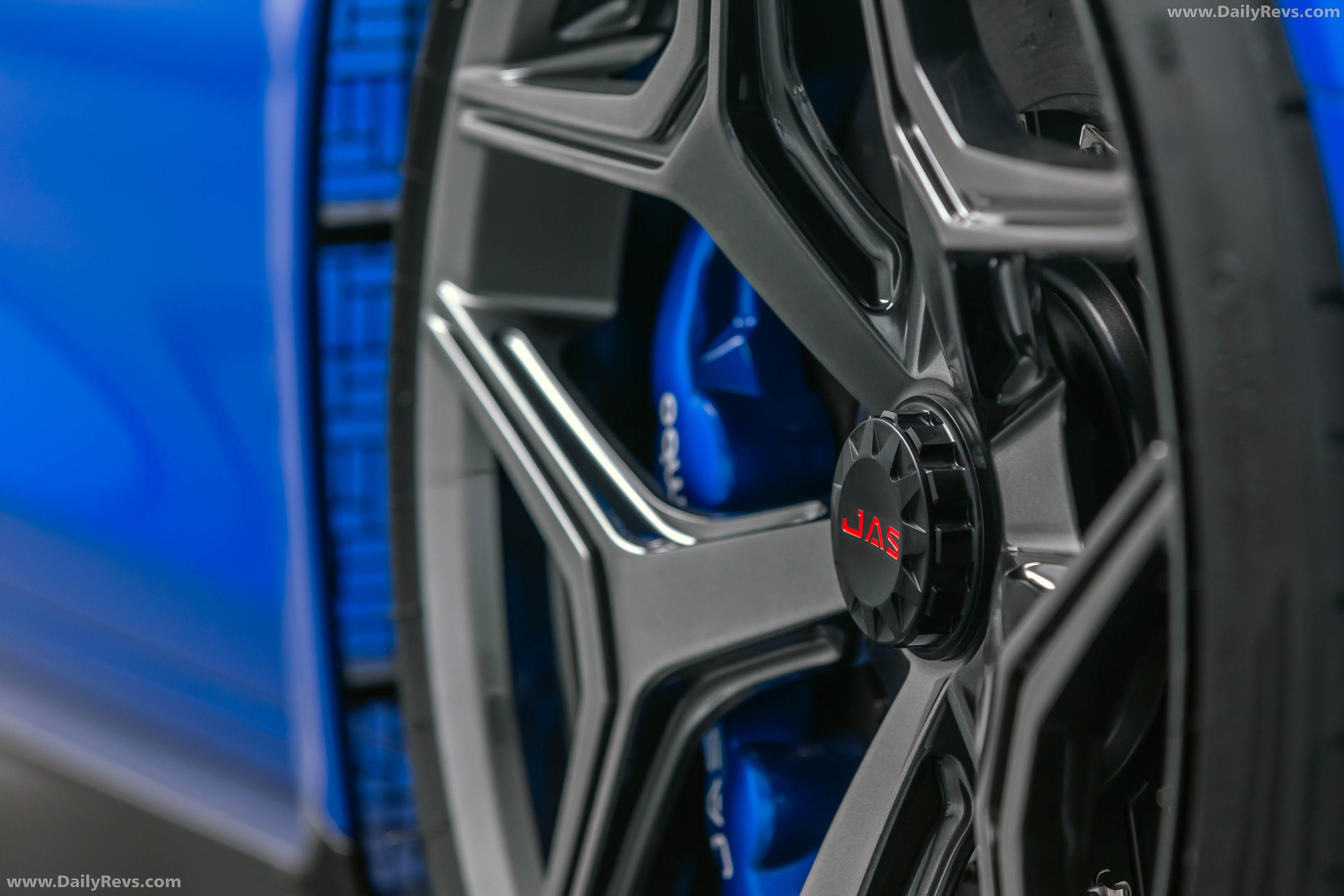
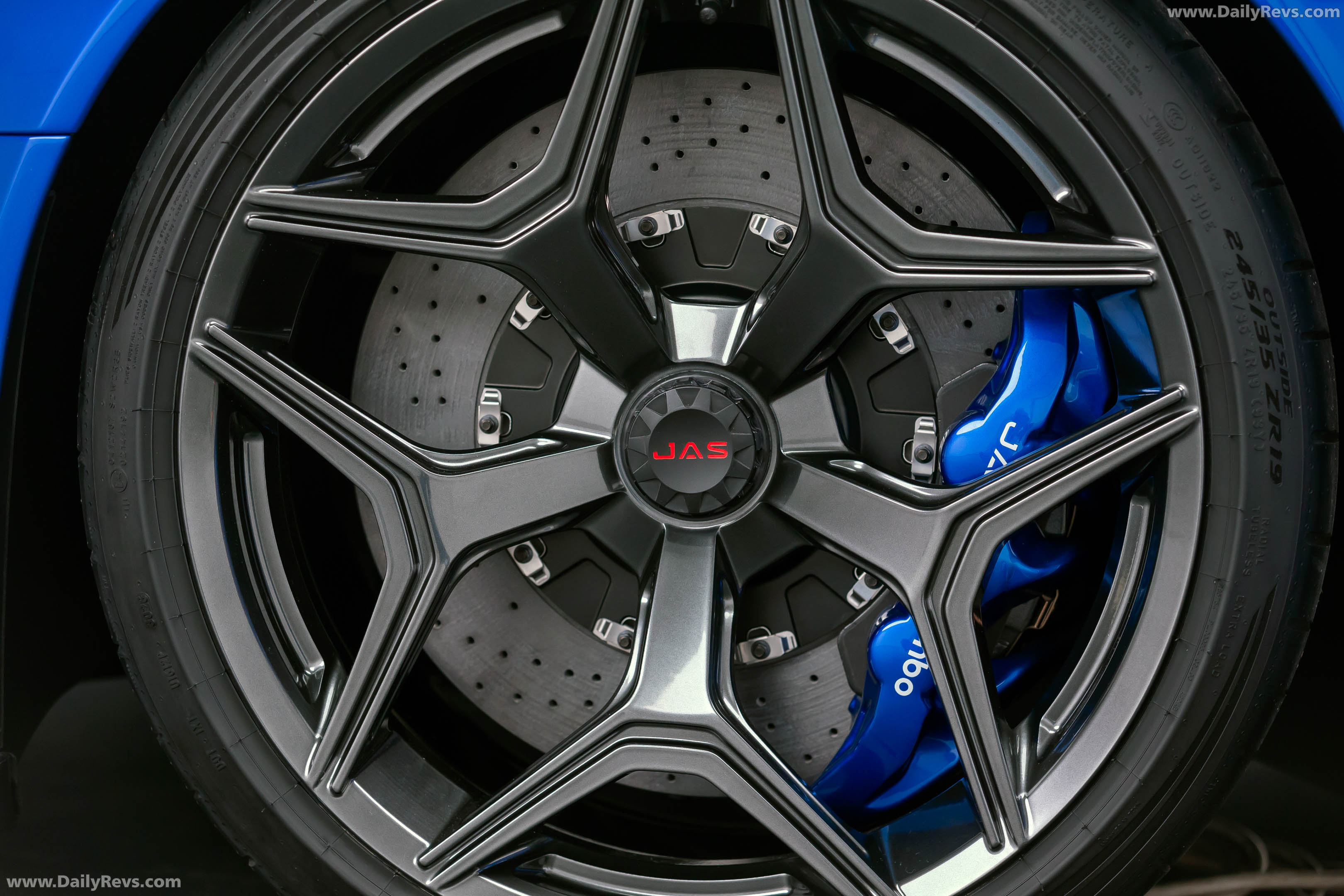
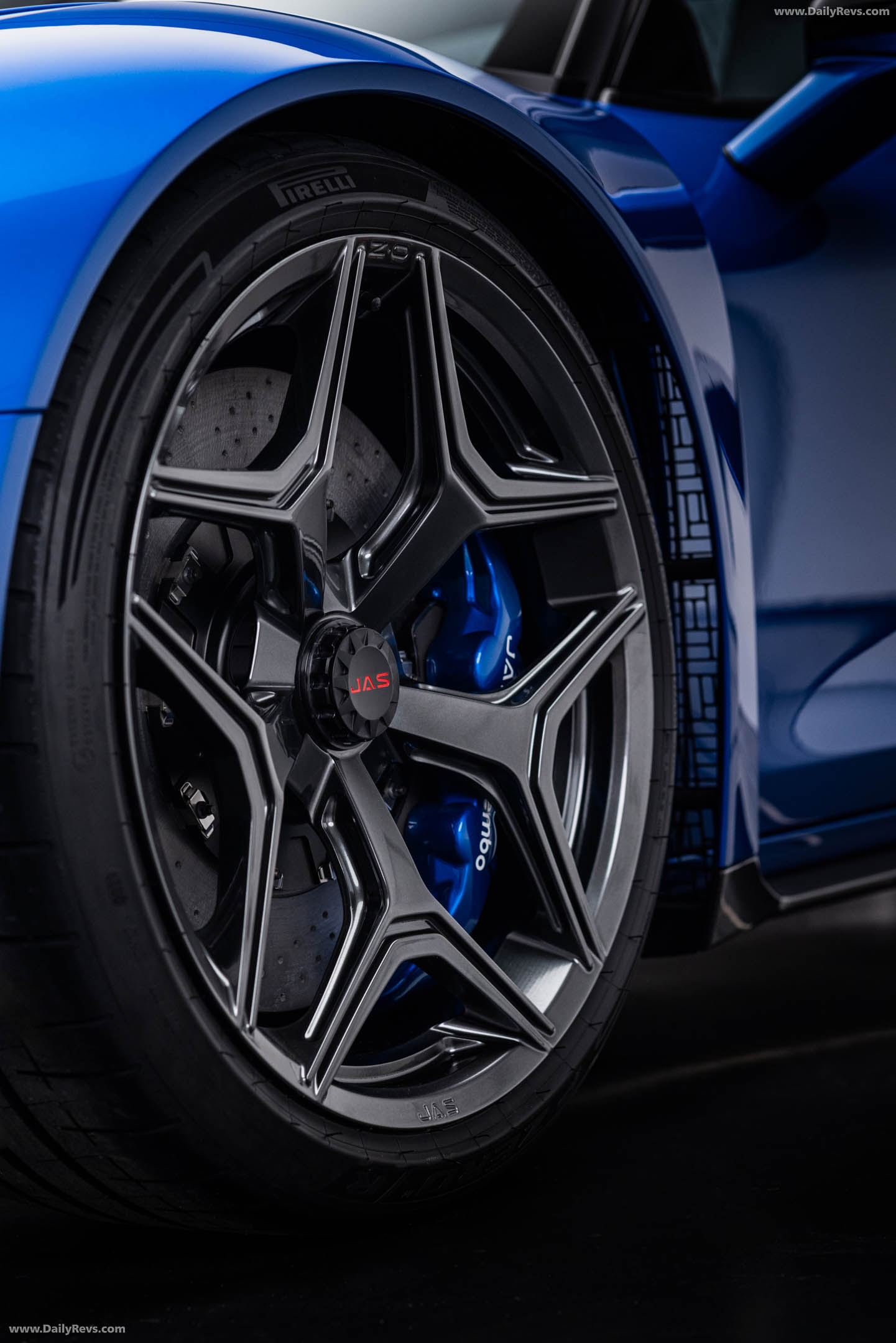
Brembo carbon-ceramic brakes measure 380 mm at the front and 355 mm at the rear.
Forged centre-lock wheels measure 19 inches and 20 inches respectively, wearing Pirelli tyres.
The Tensei occupies a specialist position among modern NSX reinterpretations, with its manual transmission, naturally aspirated engine and limited production distinguishing it from contemporary hybrid supercars.