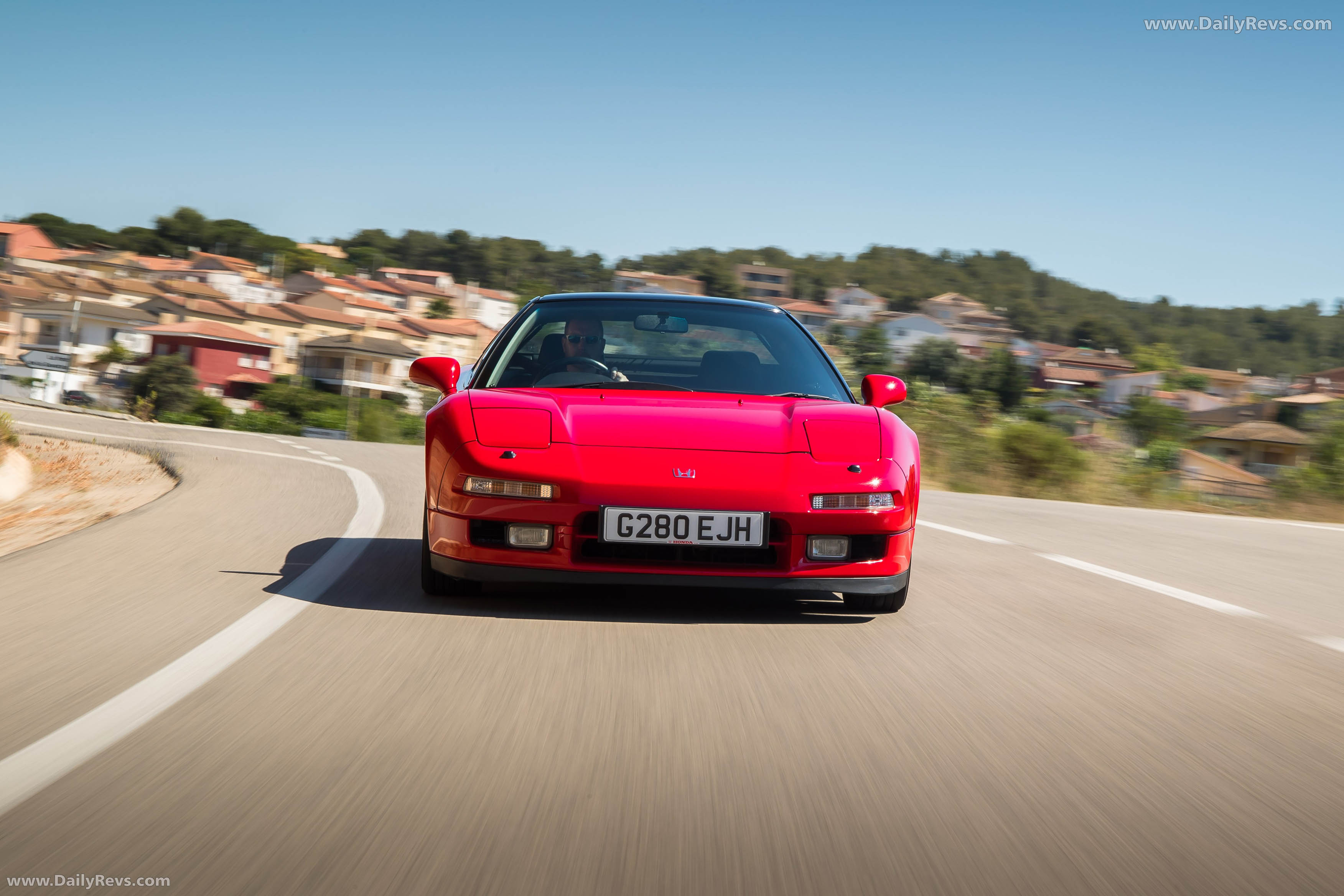
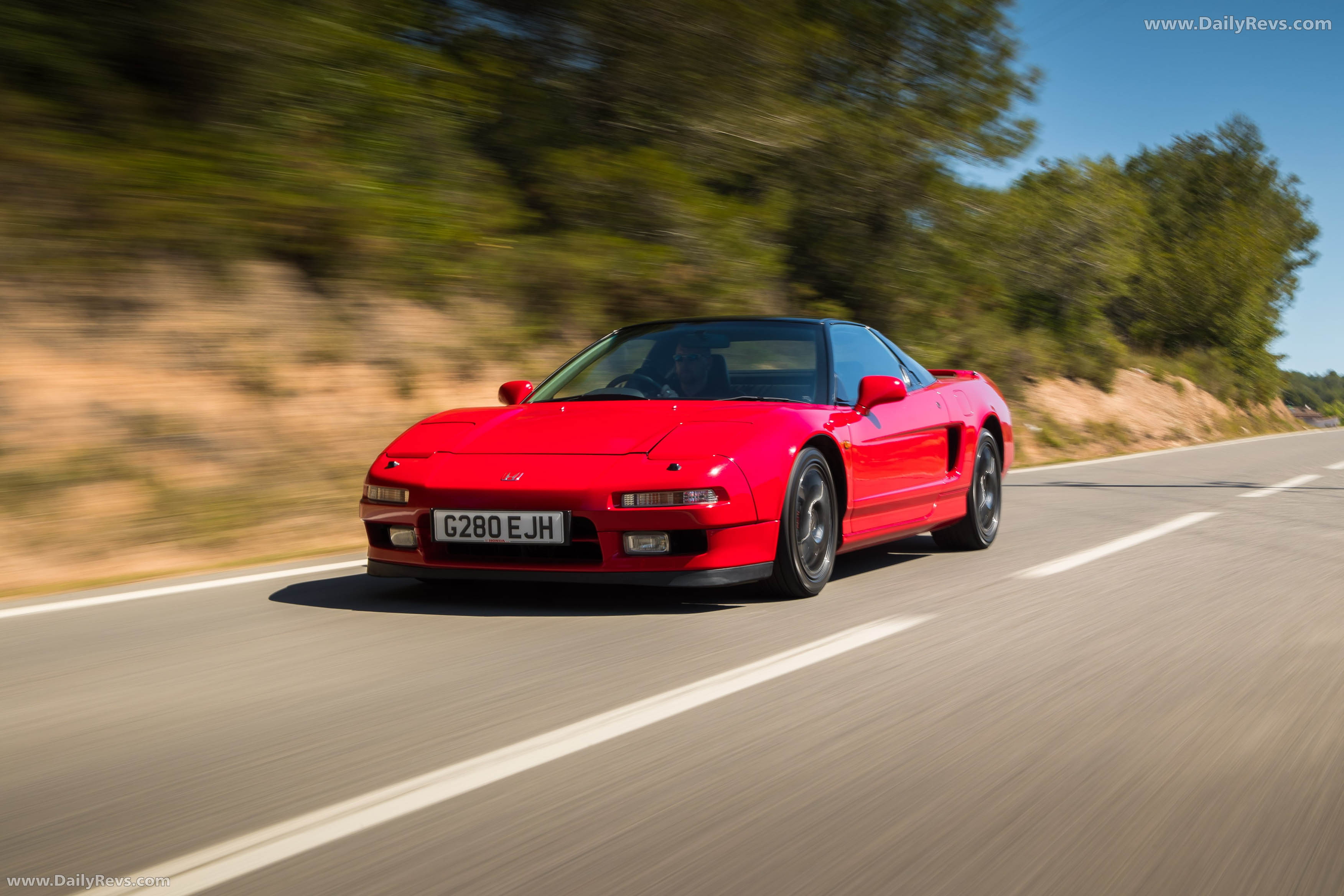
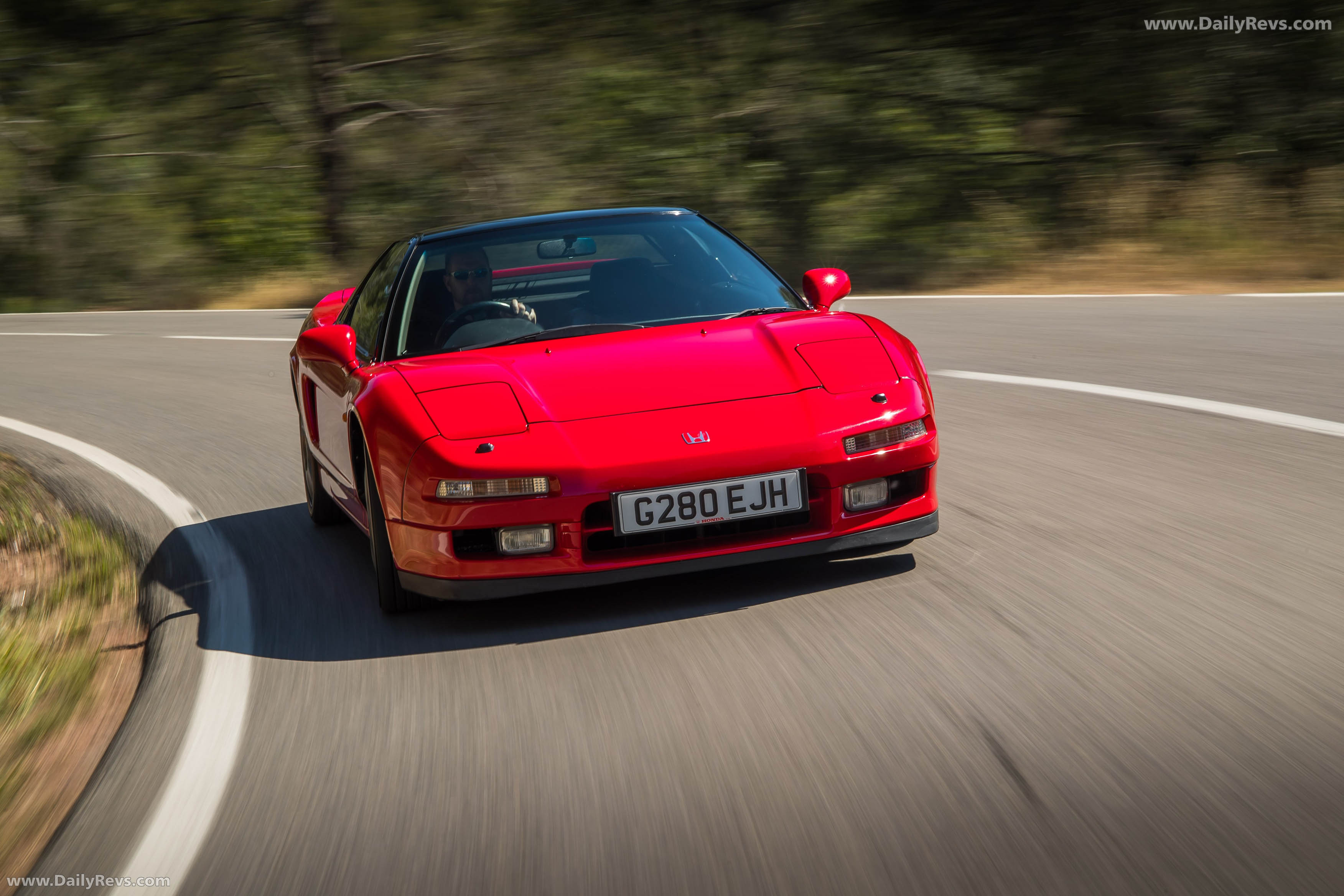
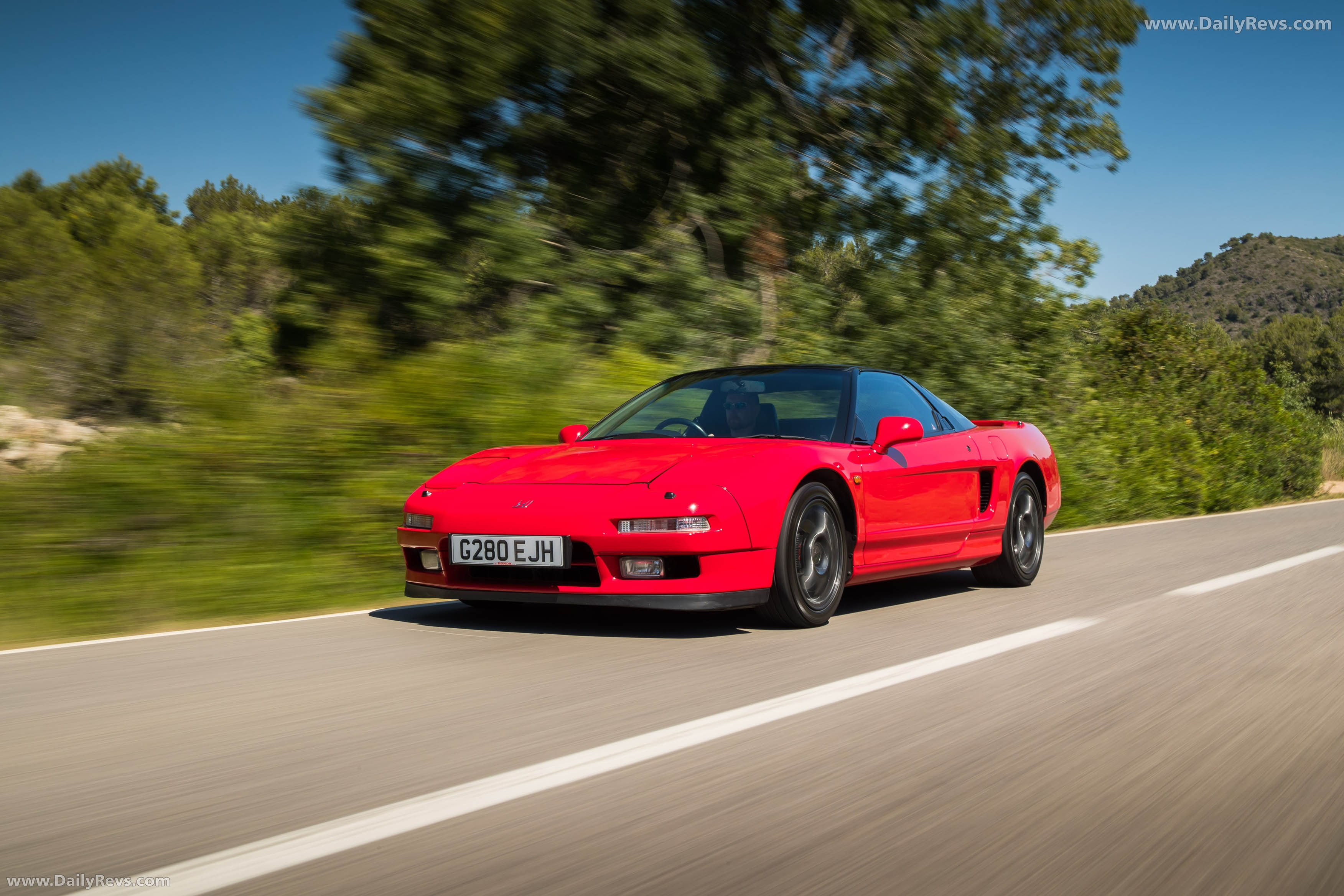
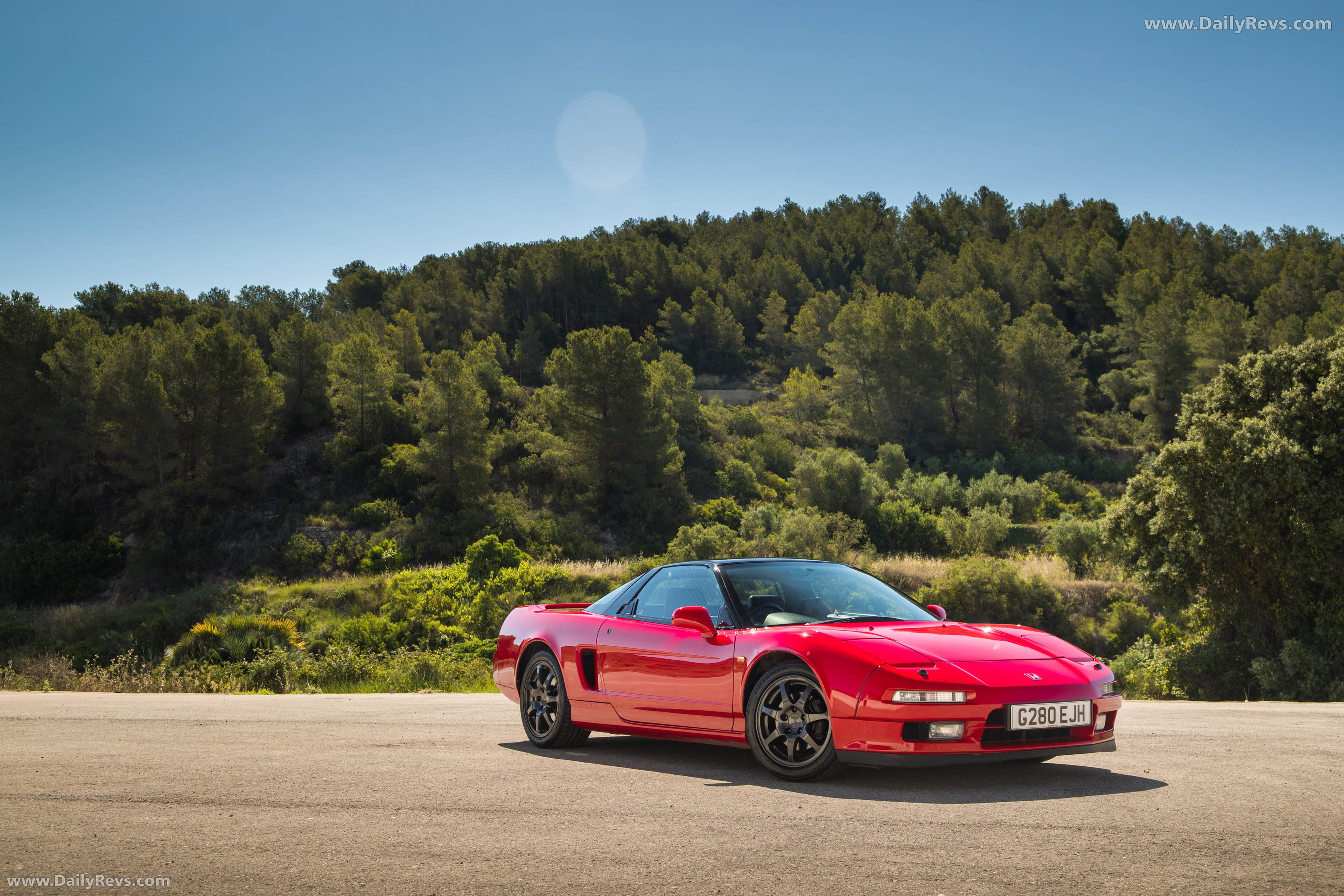
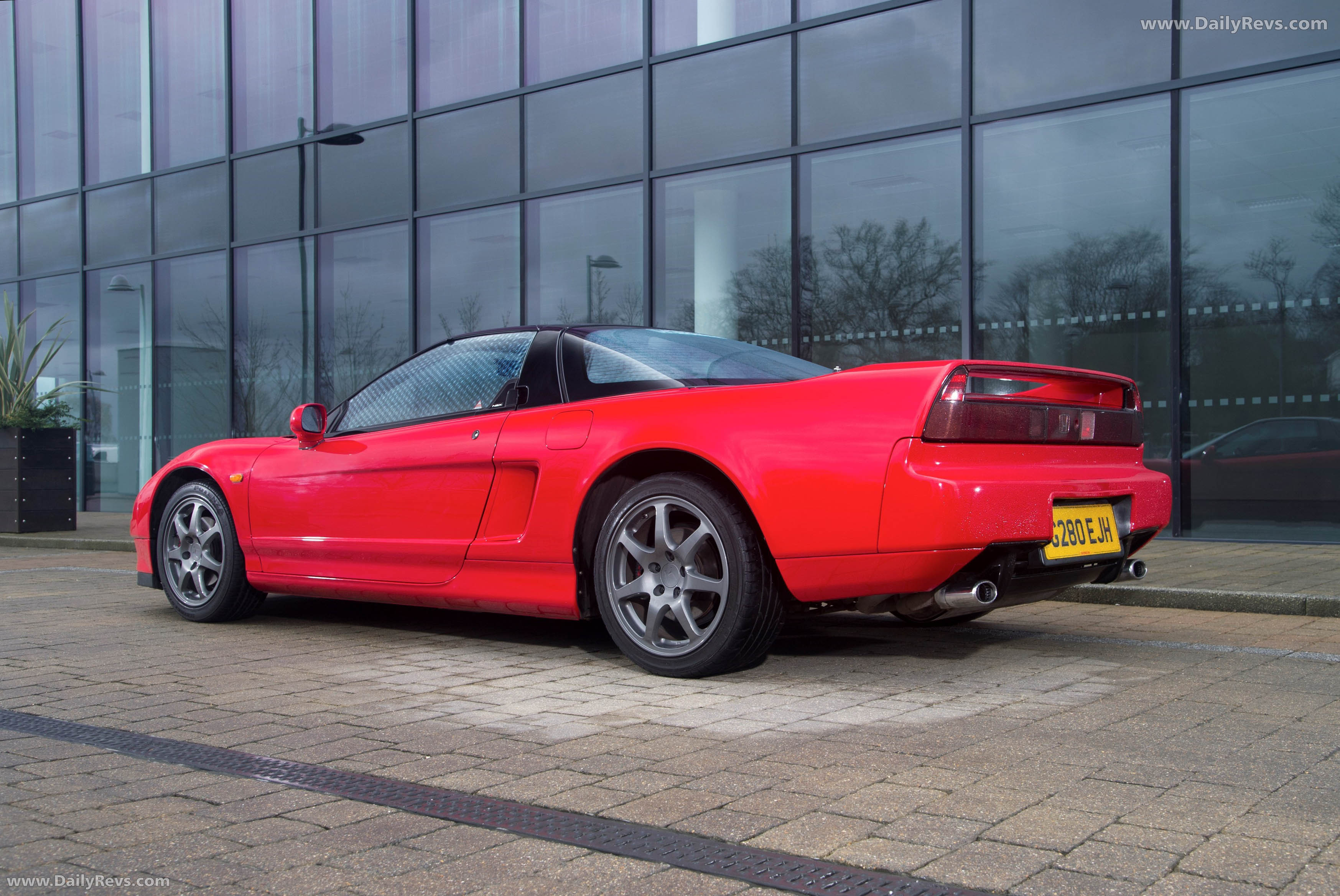
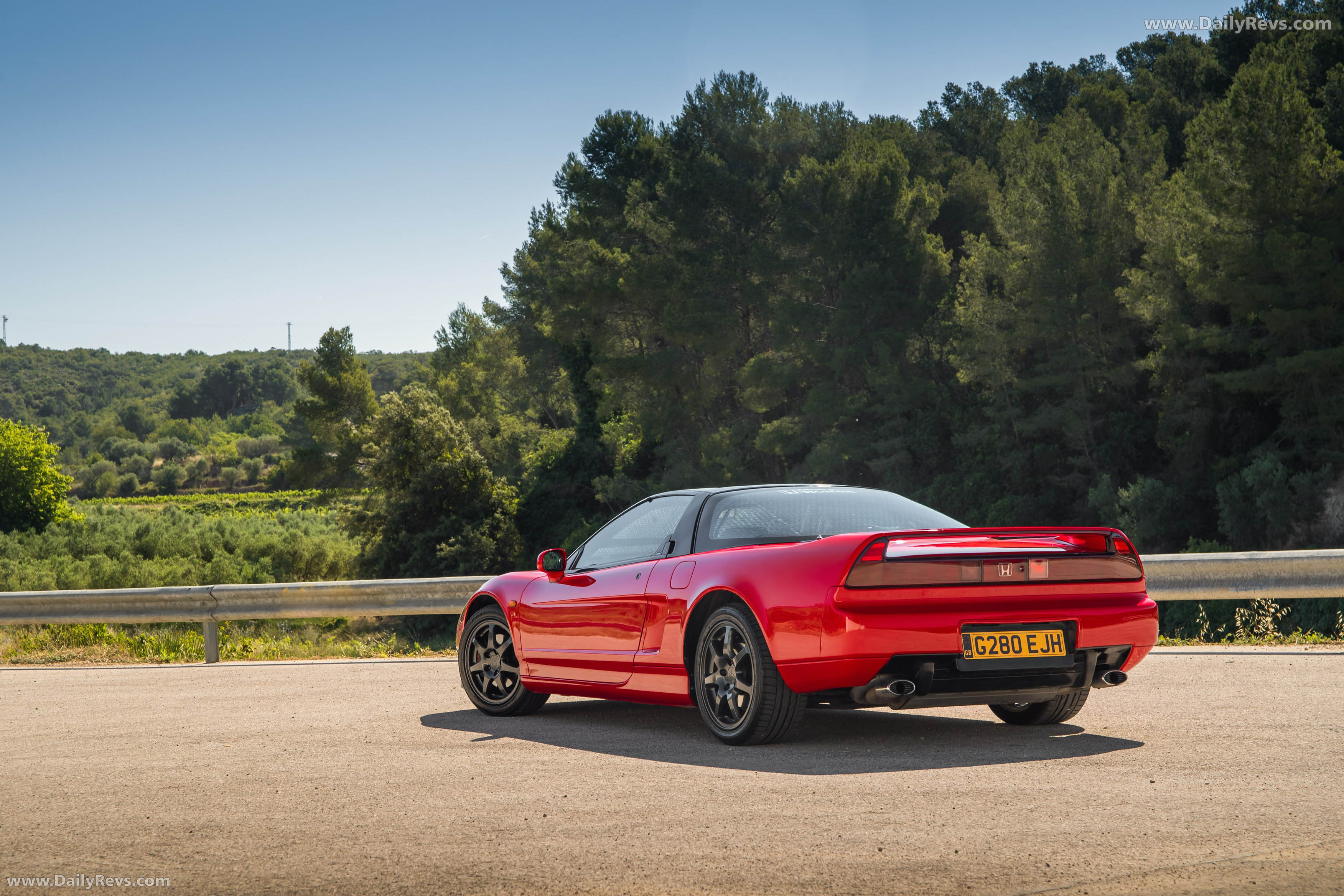
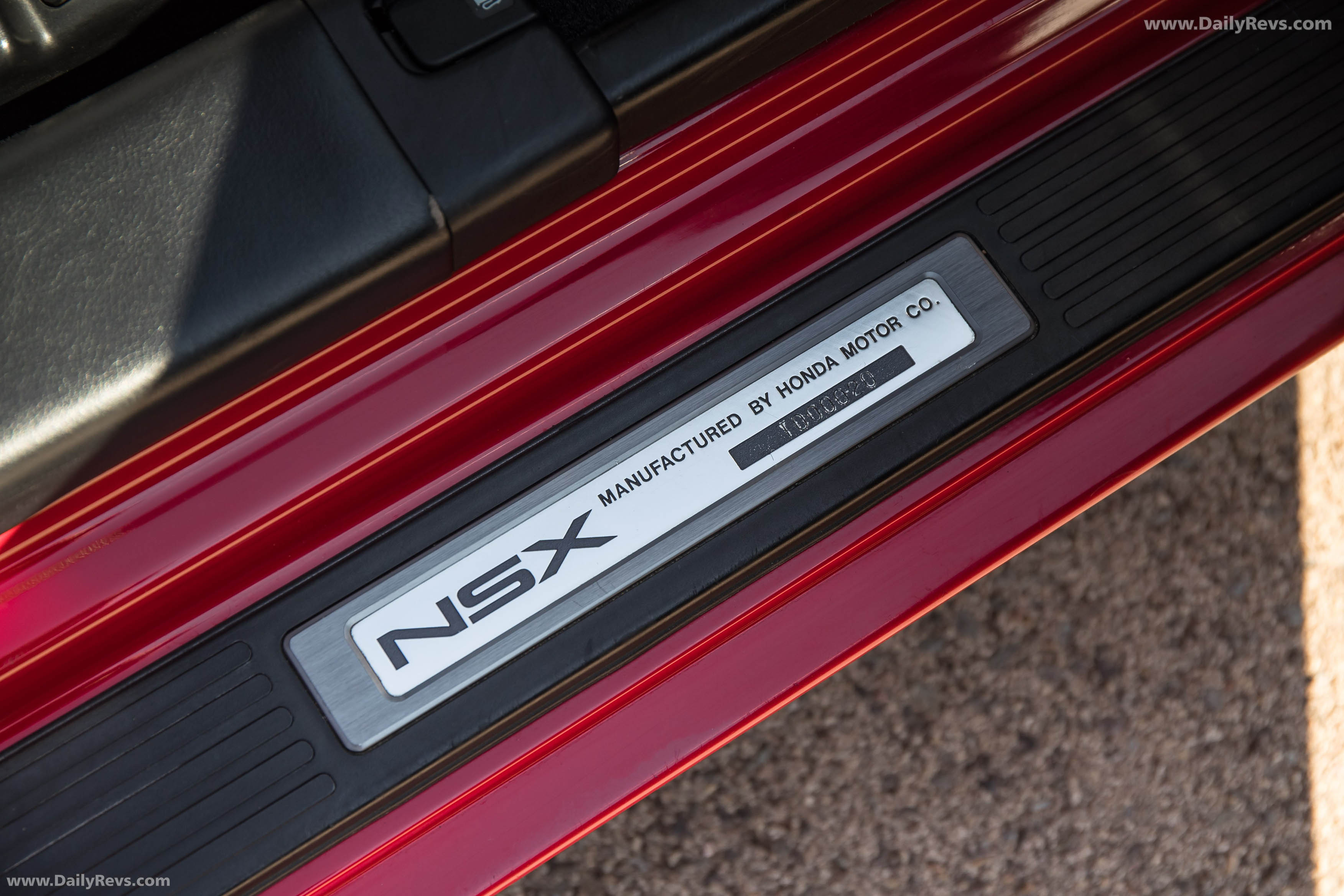
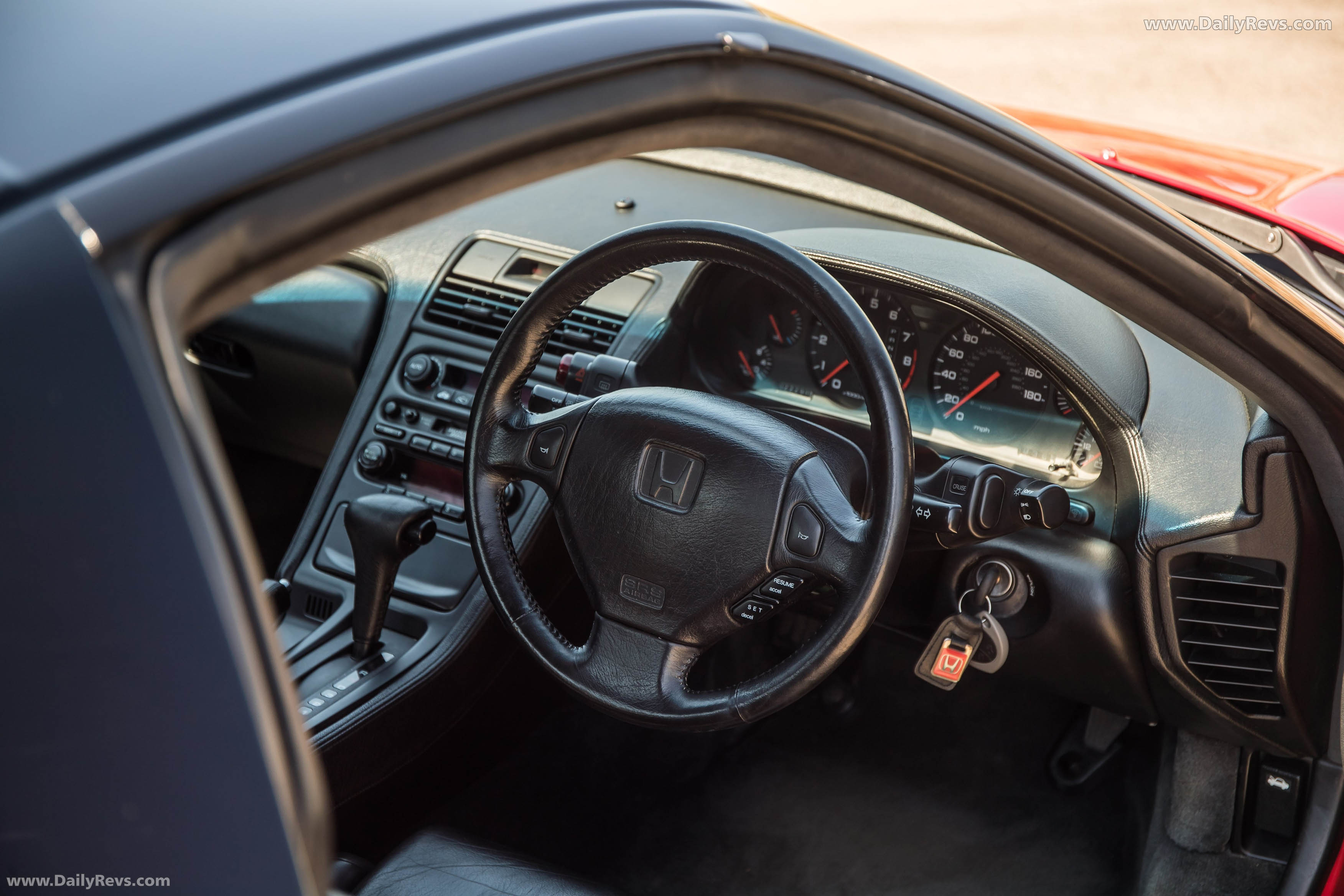
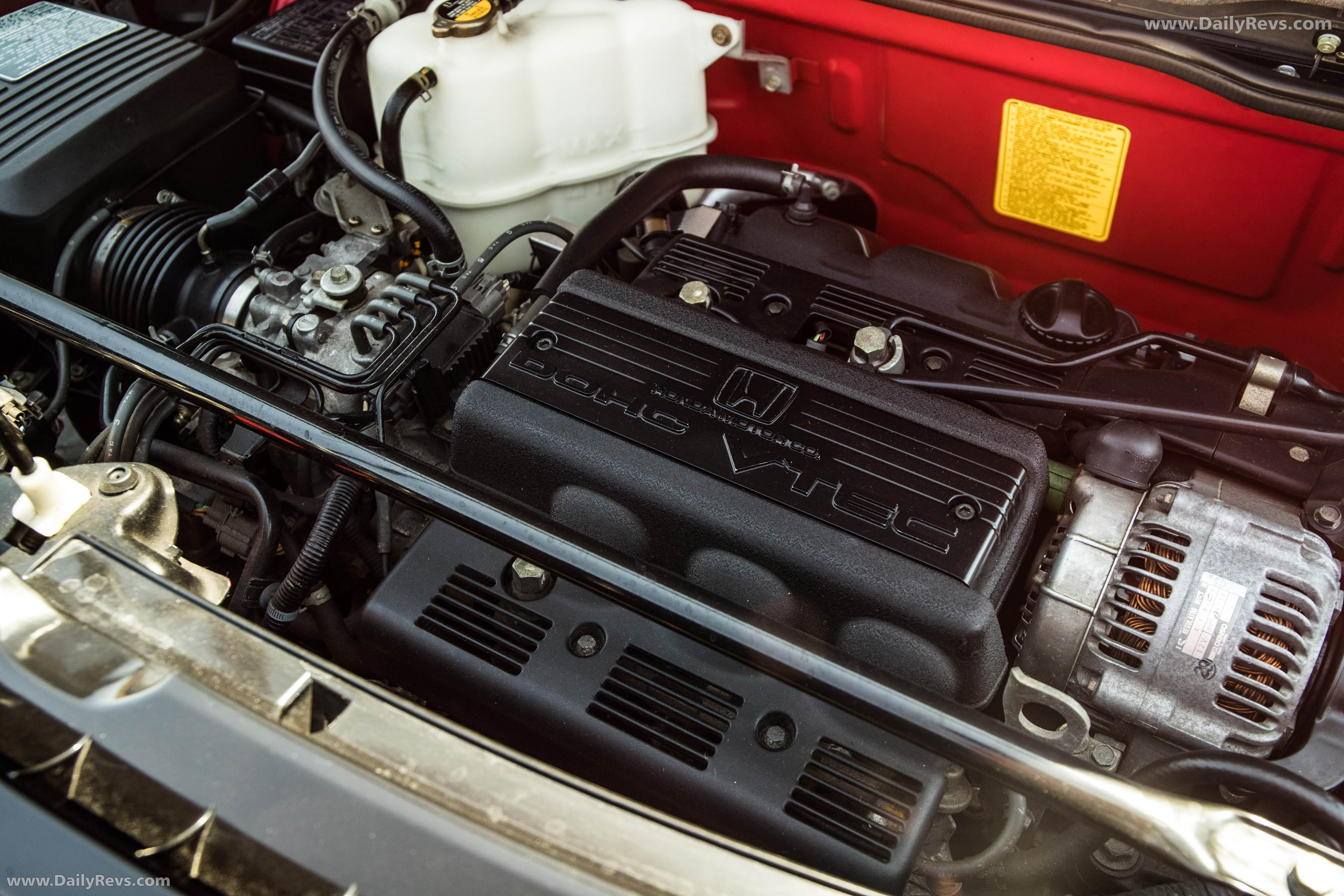
1990 Honda NSX
By Lorenzo Bianchi October 25, 1990
First production car with a full aluminium monocoque chassis.
Powered by a 3.0L DOHC VTEC V6 producing 250 hp at 8,000 rpm.
Developed with input from F1 champion Ayrton Senna and Honda’s racing engineers.
A New Kind of Supercar
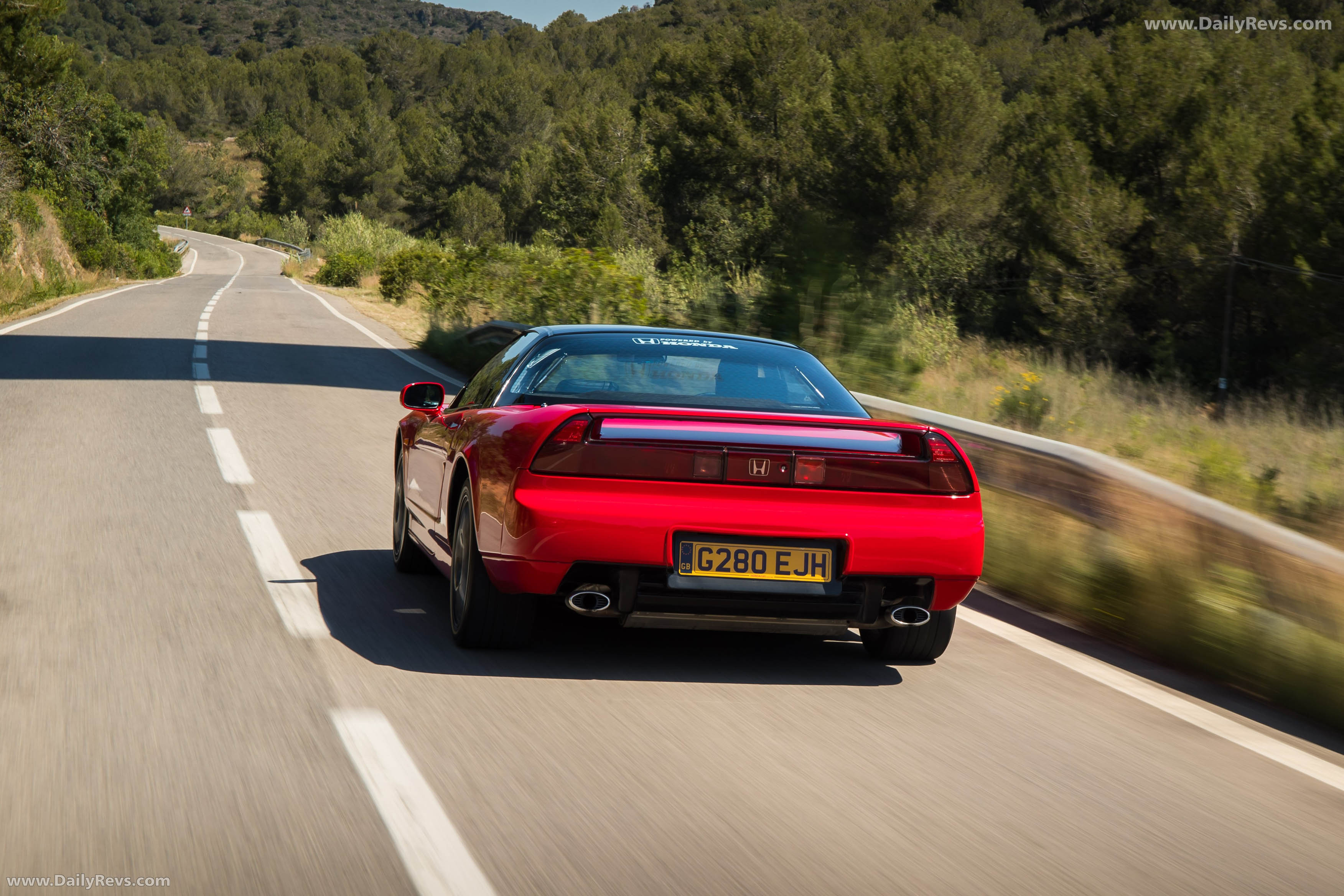
The 1990 Honda NSX wasn’t just another Japanese sports car — it was a declaration. Honda wanted to prove it could build a machine as fast and thrilling as anything from Italy or Germany, yet dependable enough for daily use. What began in 1984 as an experiment with a mid-engined Honda City would become one of the most influential performance cars of the 20th century.
The early concept, designed by Pininfarina and dubbed HP-X (Honda Pininfarina eXperimental), laid the foundation. When the project evolved into the NS-X — later simplified to NSX, standing for New Sports eXperimental — Honda management made the goal clear: match Ferrari’s performance, surpass its reliability, and do so with typical Honda precision.
Engineering Precision Meets Emotion
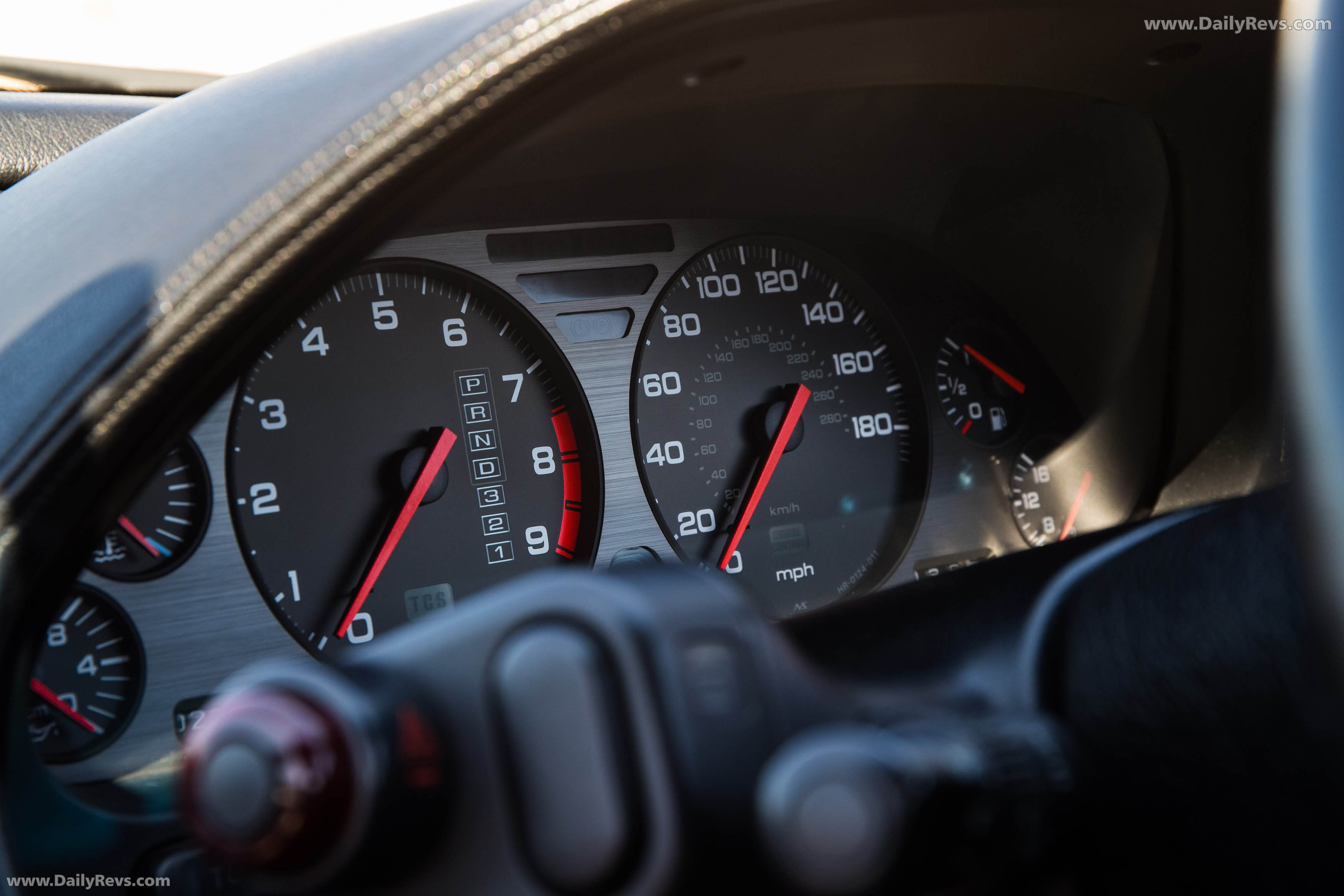
At the heart of the NSX was Honda’s newly developed C30A 3.0-liter V6, a masterpiece of late-1980s engineering. Featuring dual overhead cams, 24 valves, and the brand’s innovative VTEC variable valve timing, it produced 250 horsepower and 282 Nm of torque. More remarkably, it revved freely to 8,000 rpm, aided by titanium connecting rods — an exotic touch unheard of in production cars at the time.
The chassis was equally radical. When compared to steel, the NSX was the first production car made completely of aluminum, saving almost 200 kg. Electric power steering, which was a first for a performance car at the time, independent 4-channel ABS, and double wishbone suspension were all designed for response and balance.
Even the paint job demonstrated Honda's obsession with perfection. For durability and depth, the aluminum body was coated in 23 steps, which included a waterborne base coat and an aircraft-grade chromate treatment.
Developing and Designing with a Racing Spirit
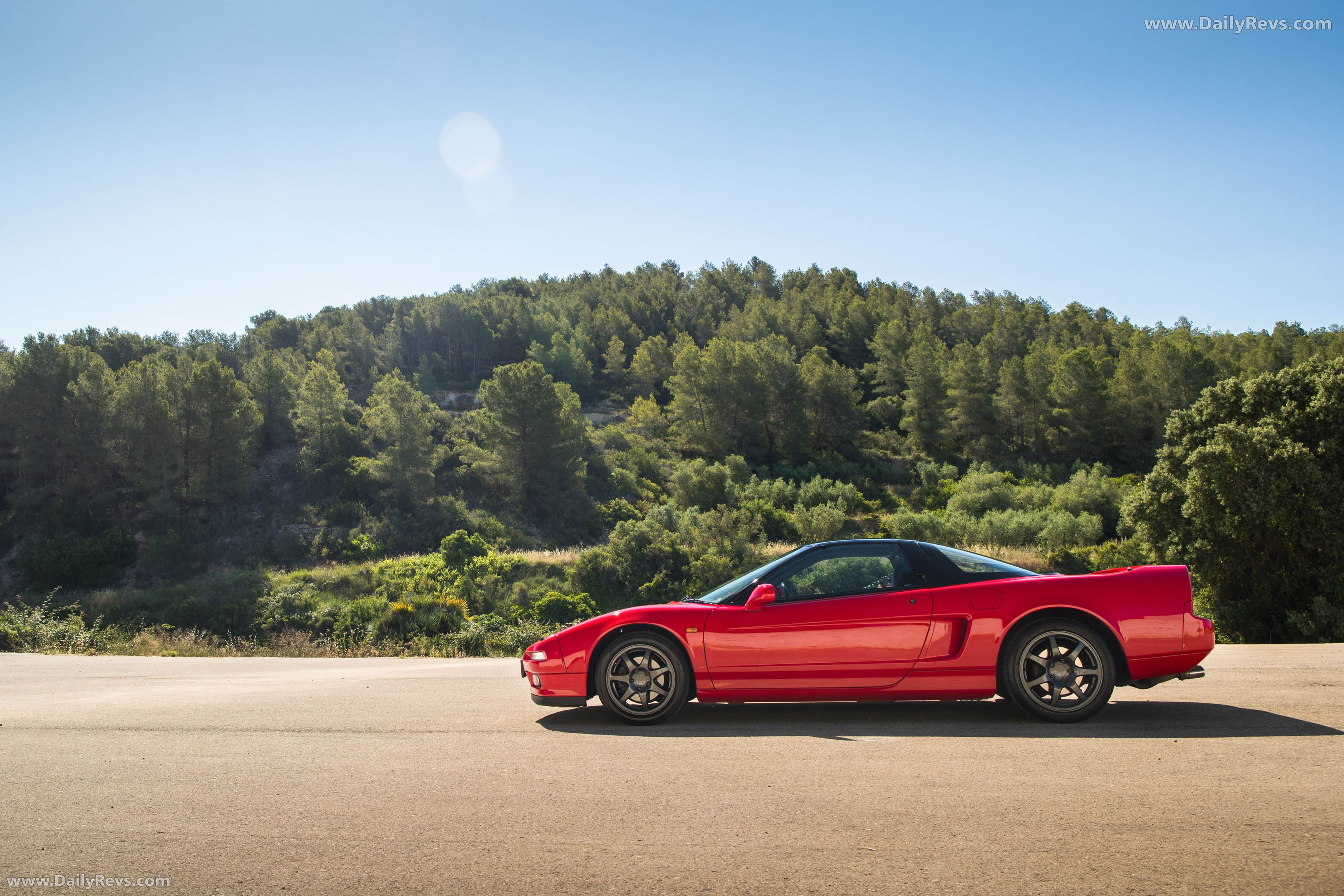
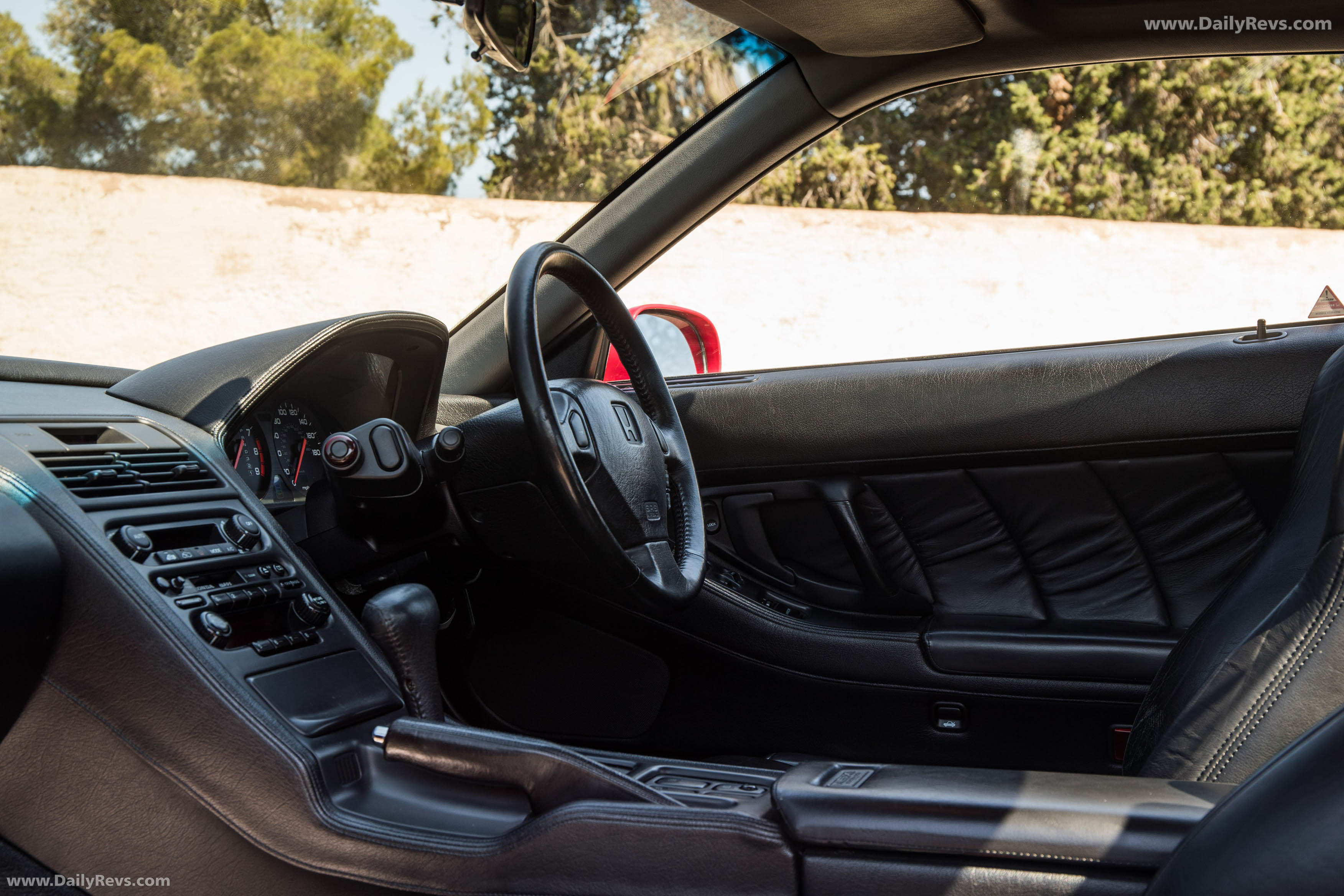
A cab-forward cockpit with panoramic visibility was the result of executive chief engineer Shigeru Uehara and chief designer Masahito Nakano's inspiration from aviation, specifically the F-16 fighter jet.This design improved both driver awareness and high-speed stability.
To refine the handling, Honda enlisted its motorsport division — and, crucially, Ayrton Senna. During testing at Suzuka and Nürburgring, Senna pushed the prototype to its limits, urging engineers to stiffen the chassis and fine-tune suspension compliance. The result was a car that felt alive yet forgiving, communicative but never punishing.
Senna’s feedback led to over 50% increased chassis rigidity, achieved through countless hand-welded reinforcements and data-modelled revisions. It was this blend of racing expertise and engineering method that gave the NSX its fabled precision.
Legacy of the 1990 Honda NSX
When it debuted at the 1989 Chicago and Tokyo Auto Shows, the NSX stunned crowds. It was lower, lighter, and more advanced than anything in its price range. Production began in 1989 at Honda’s Takanezawa plant, where just 200 of Honda’s most skilled craftsmen assembled each car by hand.
The NSX proved that supercars didn’t have to be temperamental or fragile — they could start every morning, idle in traffic, and still thrill on a circuit. It reshaped expectations not just for Honda but for the entire industry. Three decades later, its influence still echoes in every driver-focused performance car that values precision over drama.
Technical Specifications
- Manufacturer: Honda Motor Co., Ltd.
- Production Start: 1989 (Takanezawa R&D Plant, Tochigi, Japan)
- Body Type: Two-door, two-seat mid-engine sports coupe
- Chassis Construction: All-aluminium monocoque with aluminium suspension components
- Engine: 3.0-liter DOHC 24-valve V6 (C30A) with VTEC variable valve timing
- Displacement: 2,977 cc
- Power Output: 250 hp (186 kW) @ 7,300 rpm
- Torque: 282 Nm (208 lb-ft) @ 5,400 rpm
- Redline: 8,000 rpm
- Transmission: 5-speed manual or 4-speed automatic
- Drivetrain Layout: Mid-engine, rear-wheel drive (MR)
- Steering System: Electric power-assisted rack-and-pinion
- Brakes: Independent 4-channel anti-lock braking system (ABS)
- Suspension: Double wishbone front and rear, forged aluminium control arms
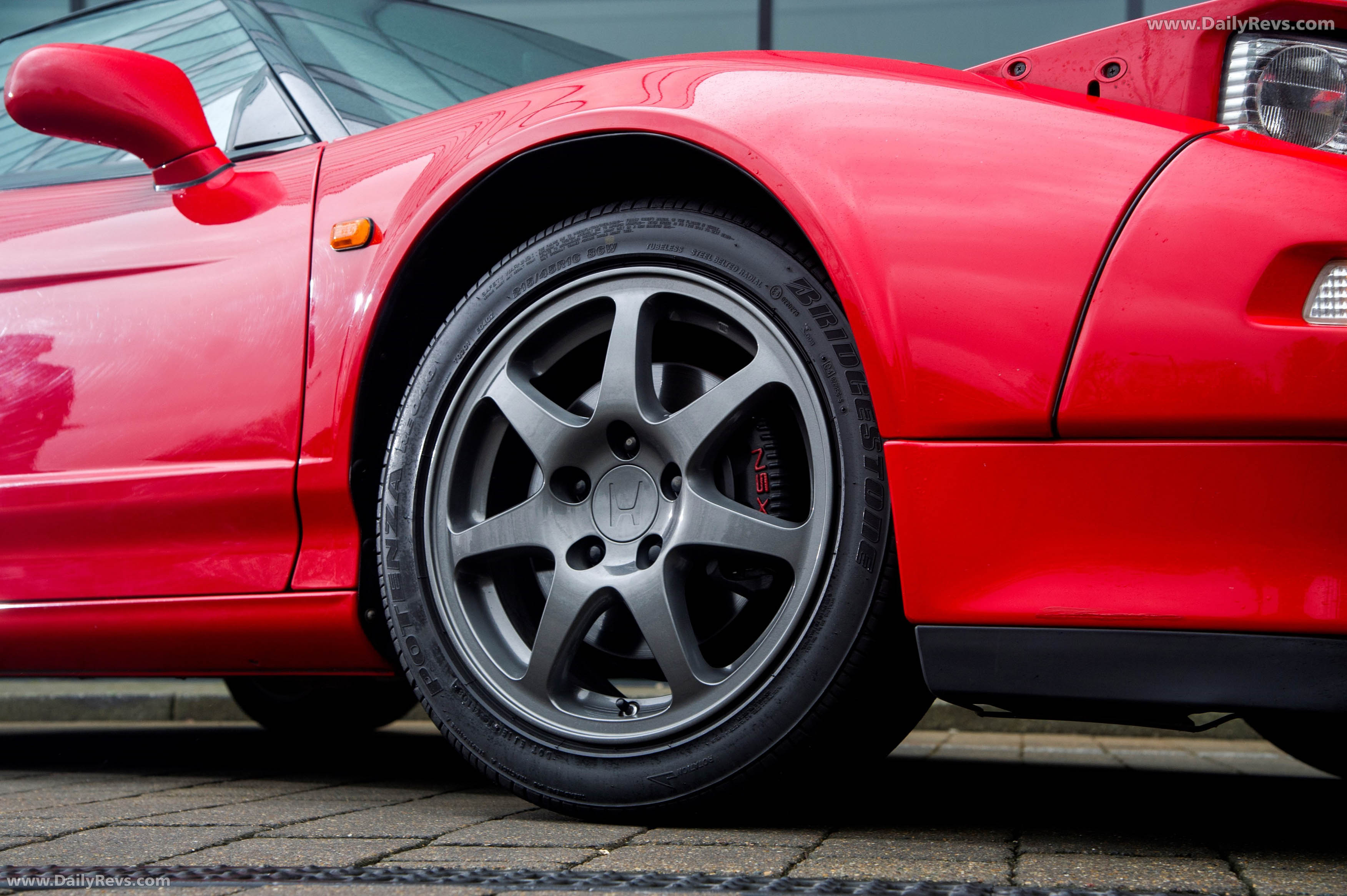
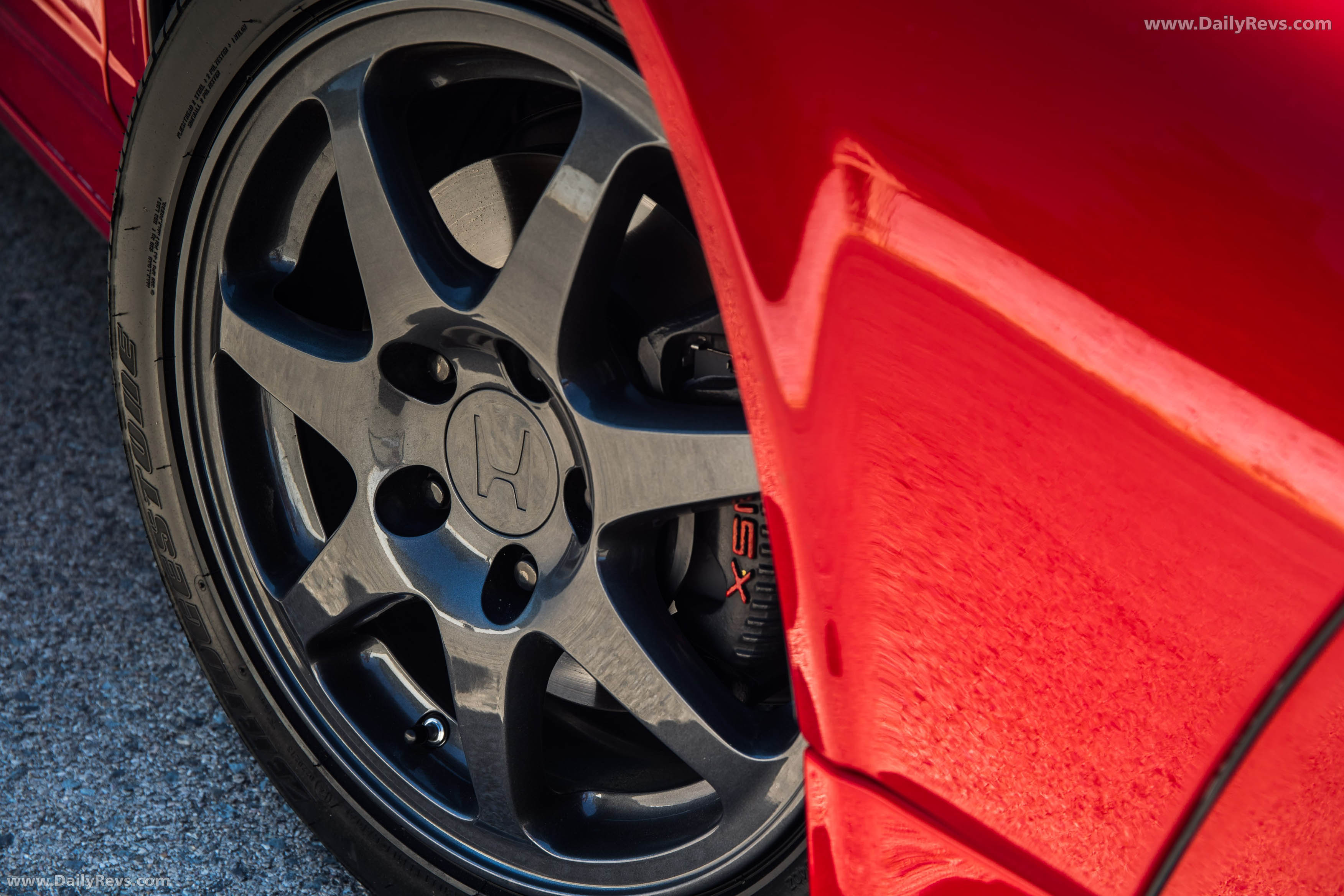
- Wheels: Forged alloy wheels
Dimensions:
- Length: 4,430 mm
- Width: 1,810 mm
- Height: 1,170 mm
- Wheelbase: 2,530 mm
- Weight: Approximately 1,350 kg (varies by market specification)
Performance:
- 0–100 km/h (0–62 mph): Approx. 5.9 seconds
- Top Speed: Around 270 km/h (168 mph)
Body Features:
- 23-step aircraft-grade paint process, aerodynamic cab-forward design inspired by the F-16 fighter jet
- Interior: Driver-oriented cockpit with leather-trimmed seats and panoramic visibility
- Development Input: Chassis and suspension tuned with input from F1 World Champion Ayrton Senna
- Assembly: Hand-built by a team of approximately 200 master technicians
- Legacy: First production car with a full aluminium structure; benchmark for reliability and handling balance among 1990s supercars