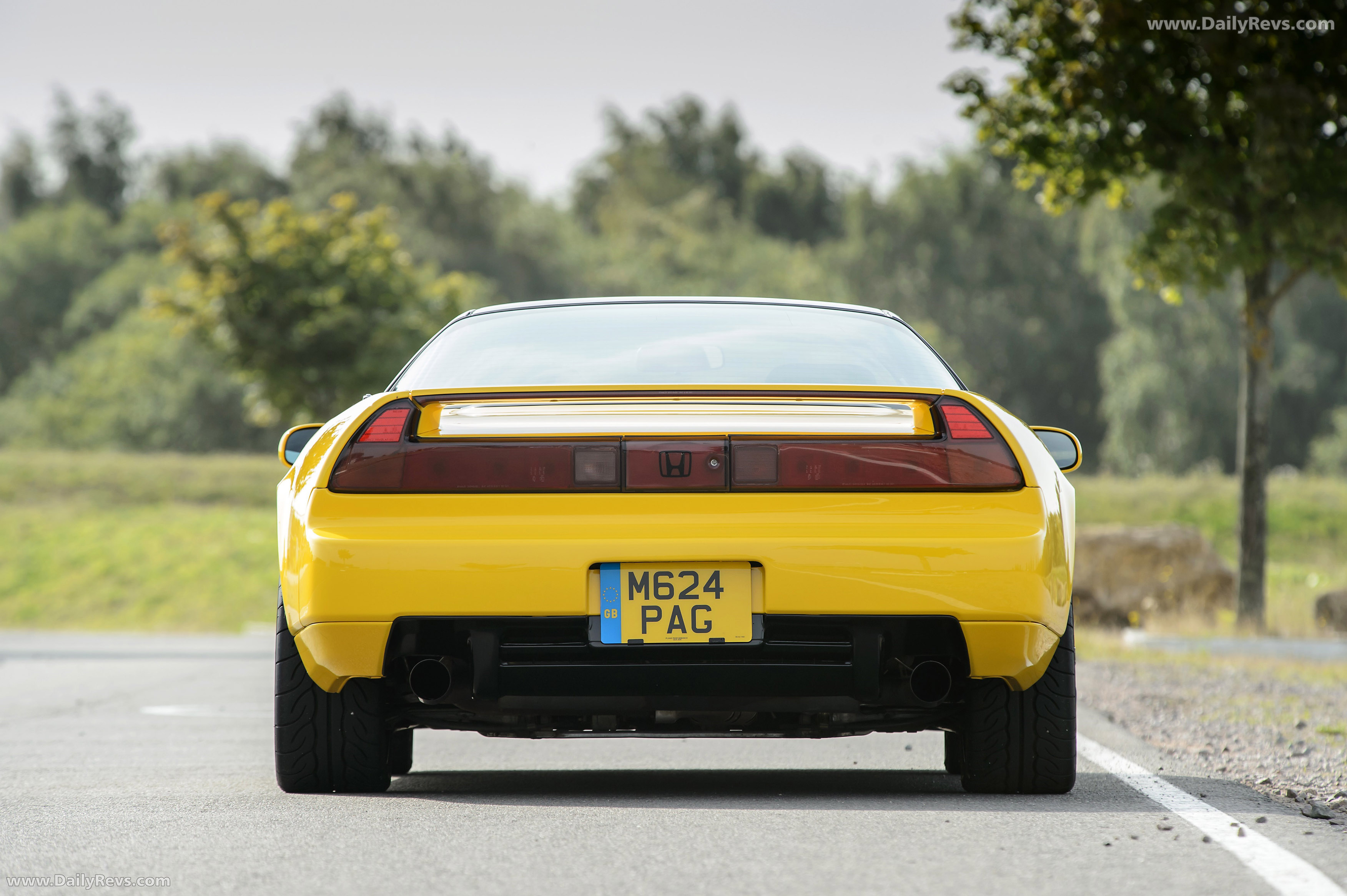
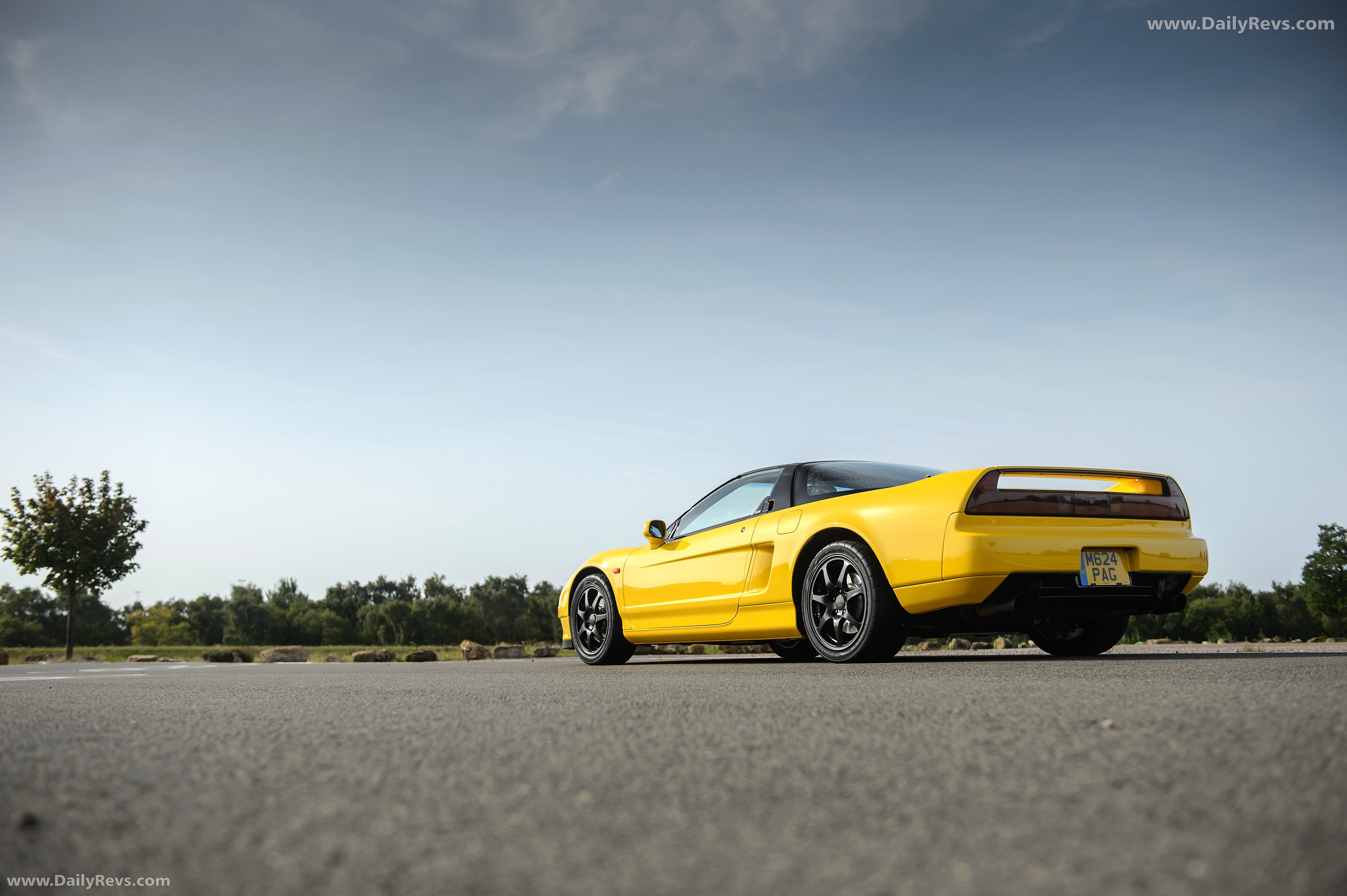
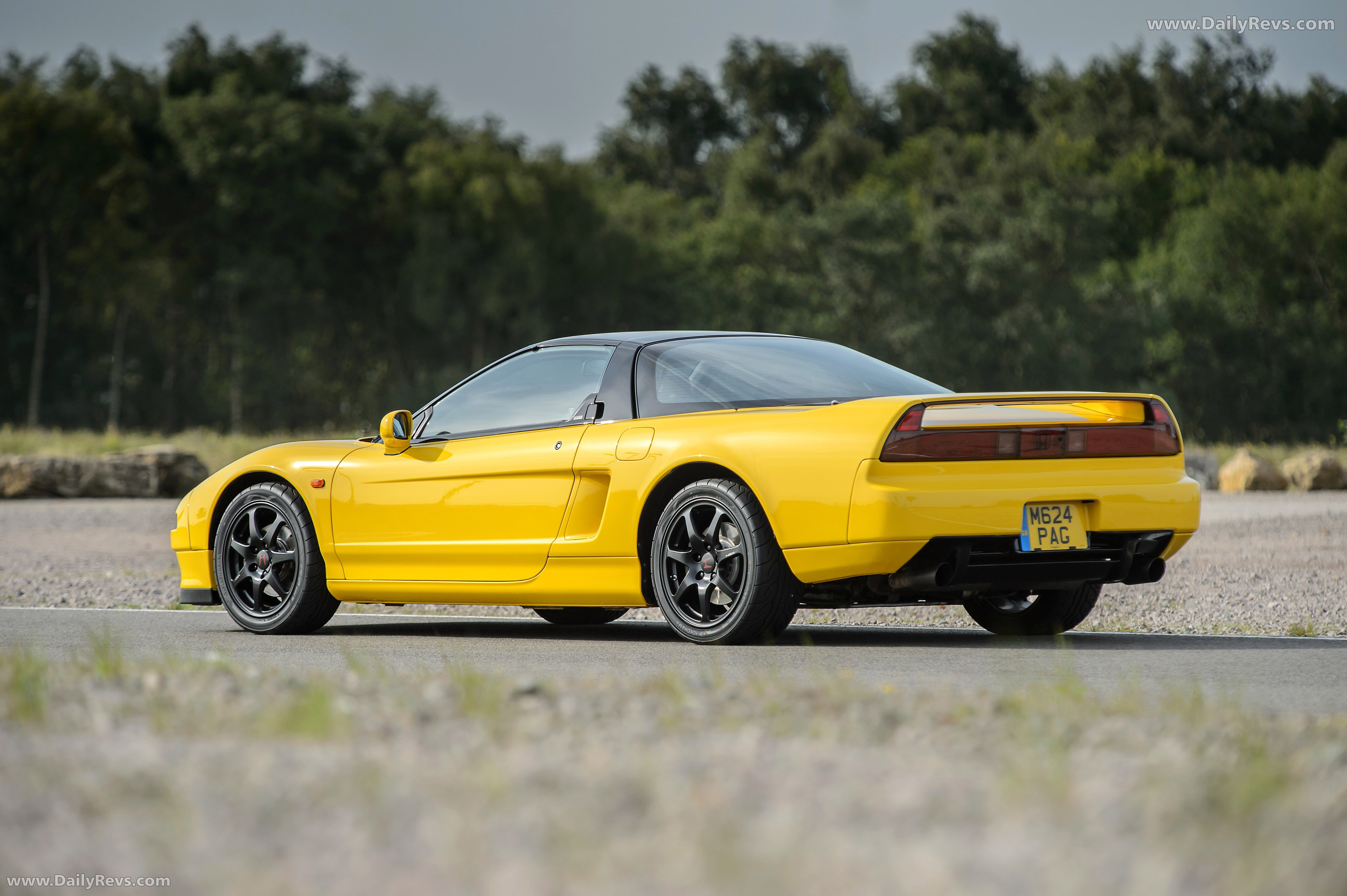
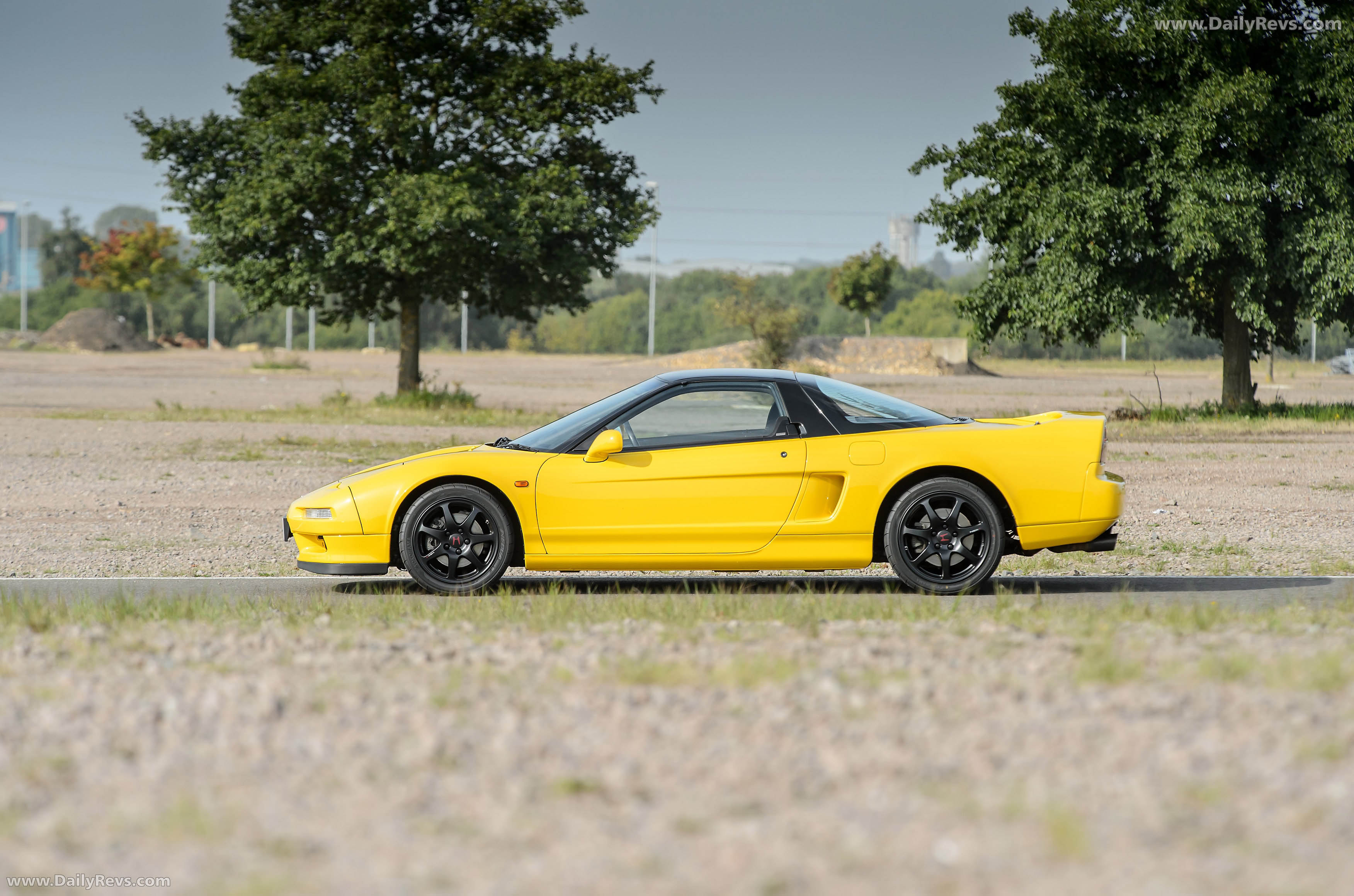
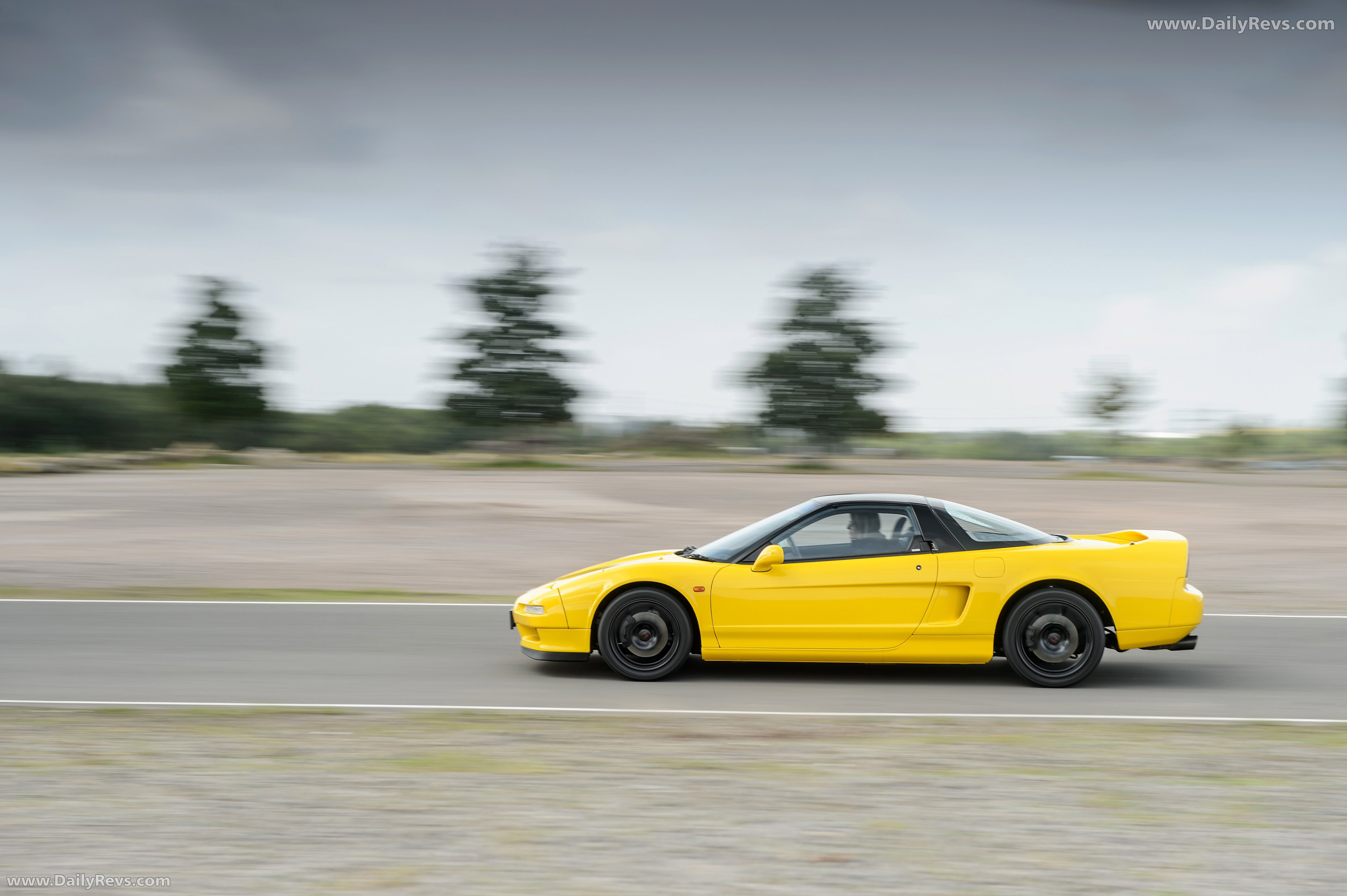
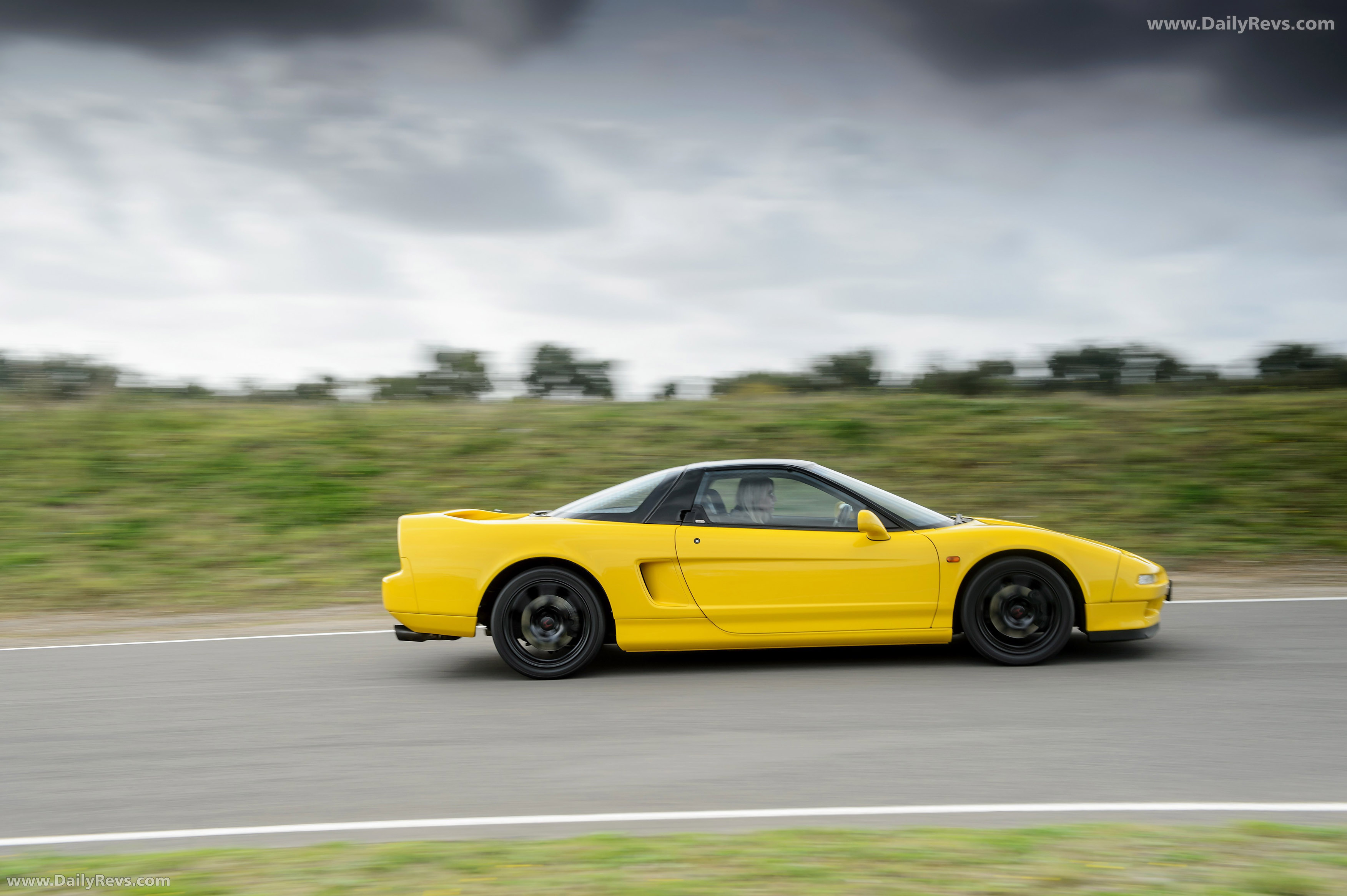

1992 Honda NSX-R
By Lorenzo Bianchi October 25, 1992
Weight cut by 120 kg through stripped interiors and lightweight materials.
Stiffer suspension setup reversed spring bias for greater stability.
Limited to 483 units, hand-built for Japan’s most dedicated drivers.
Honda’s Racing Spirit Refined
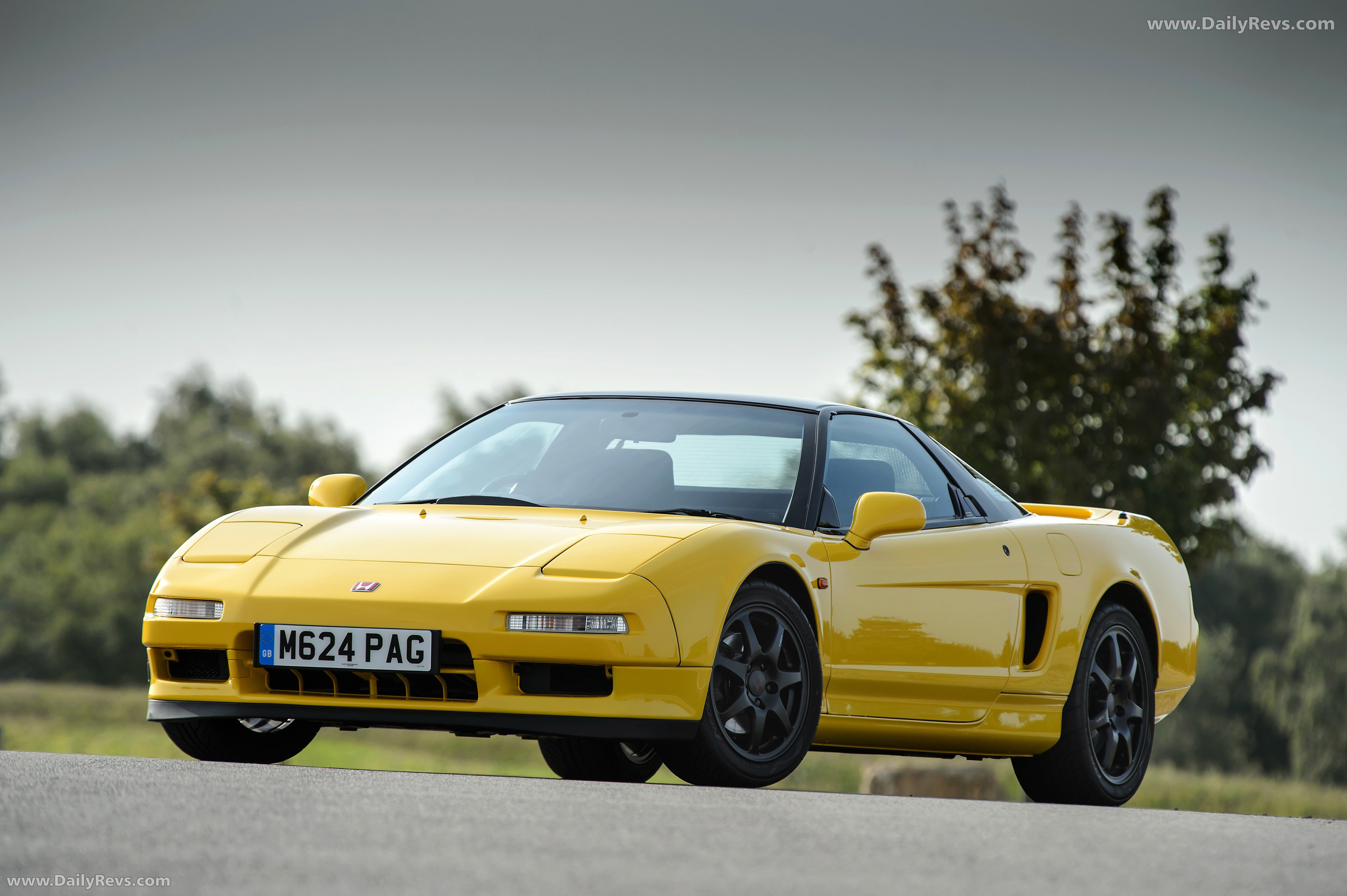
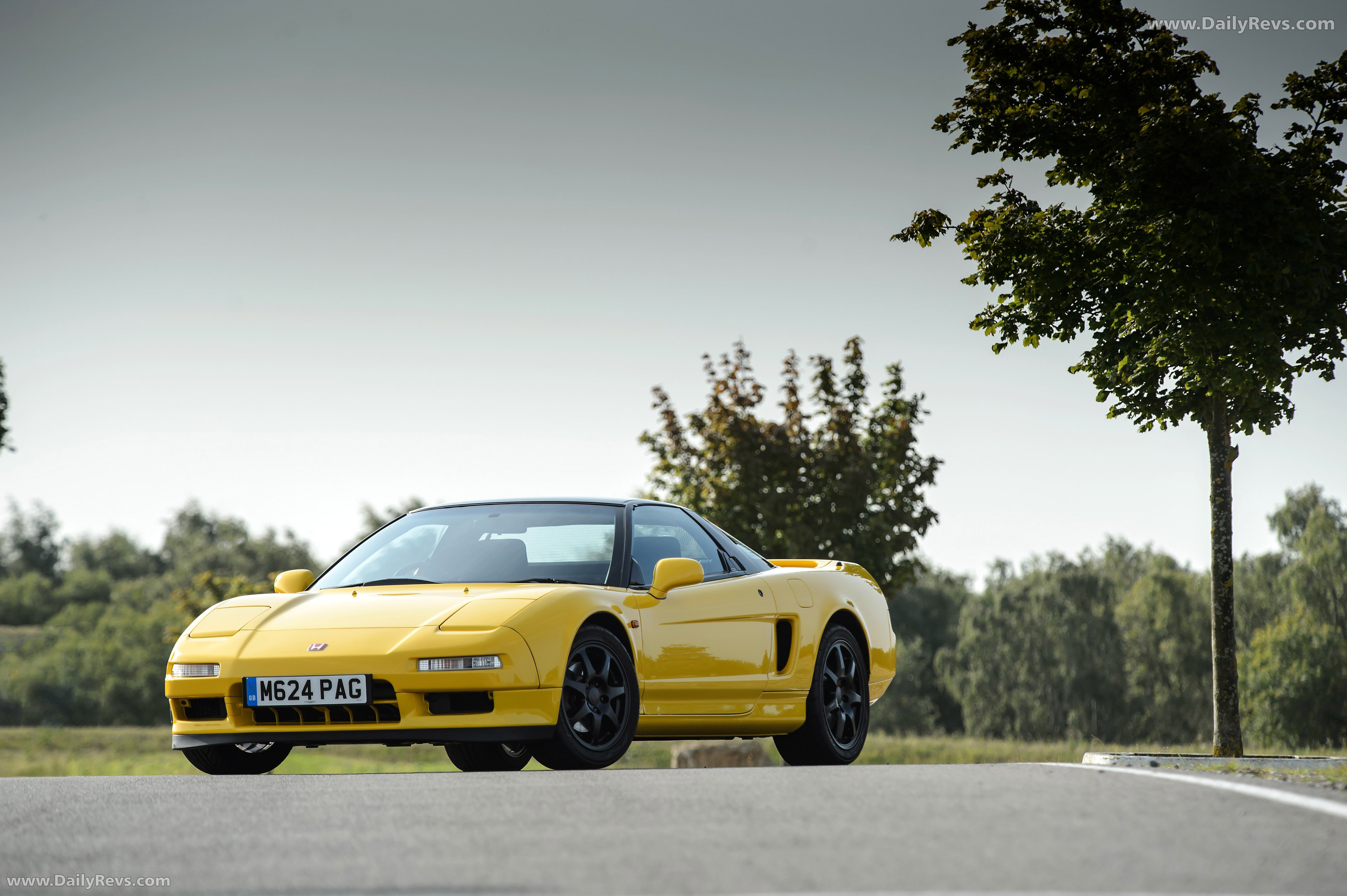
When Honda introduced the 1992 Honda NSX-R, it wasn’t chasing lap-time bragging rights. It was reaffirming what made the NSX exceptional in the first place — a car shaped by engineering discipline, not excess. The original NSX balanced performance with refinement, but for some owners, the balance leaned too far toward comfort. Honda's answer was the NSX-R, an uncompromisingly designed driver's car.
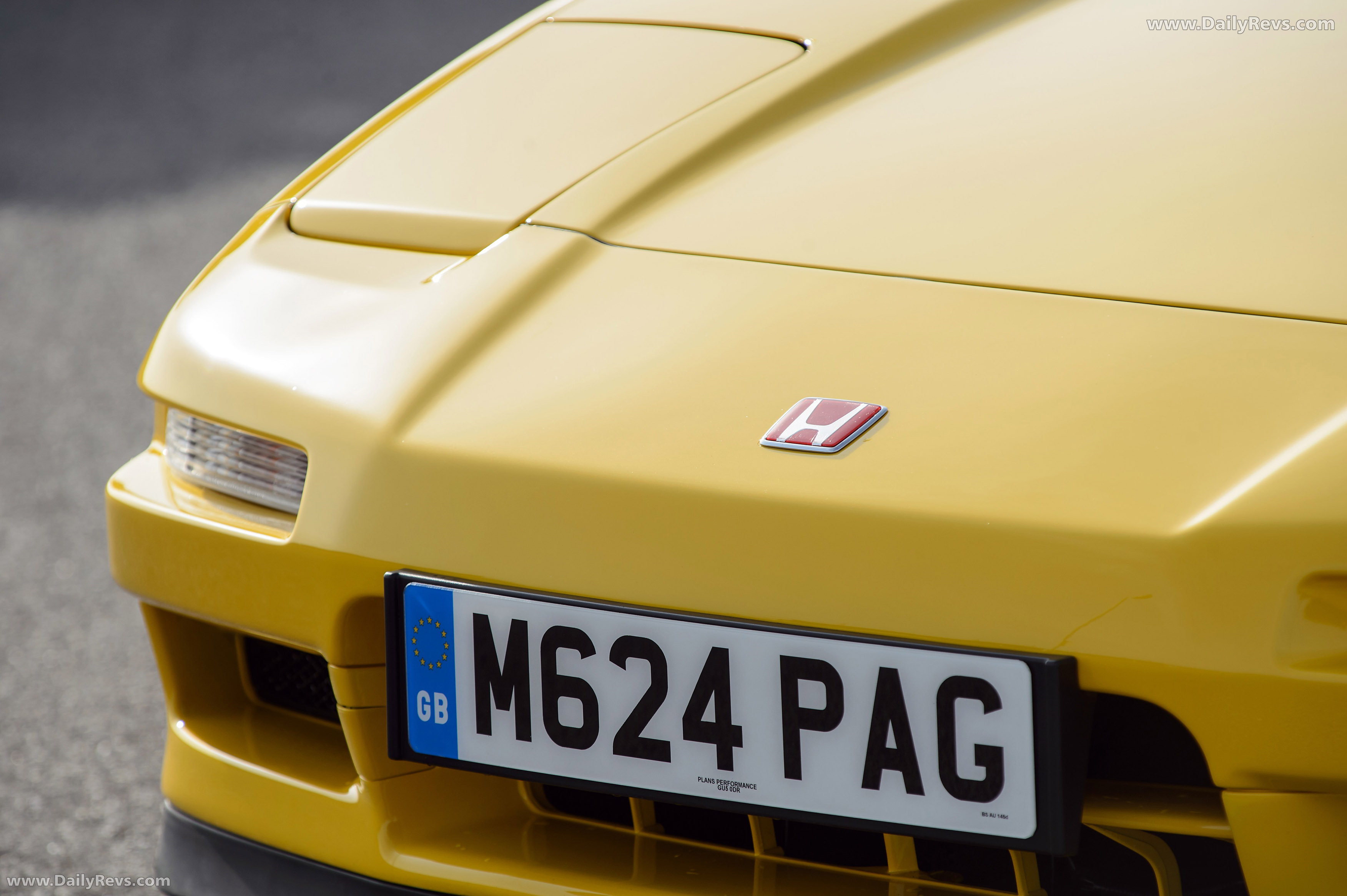
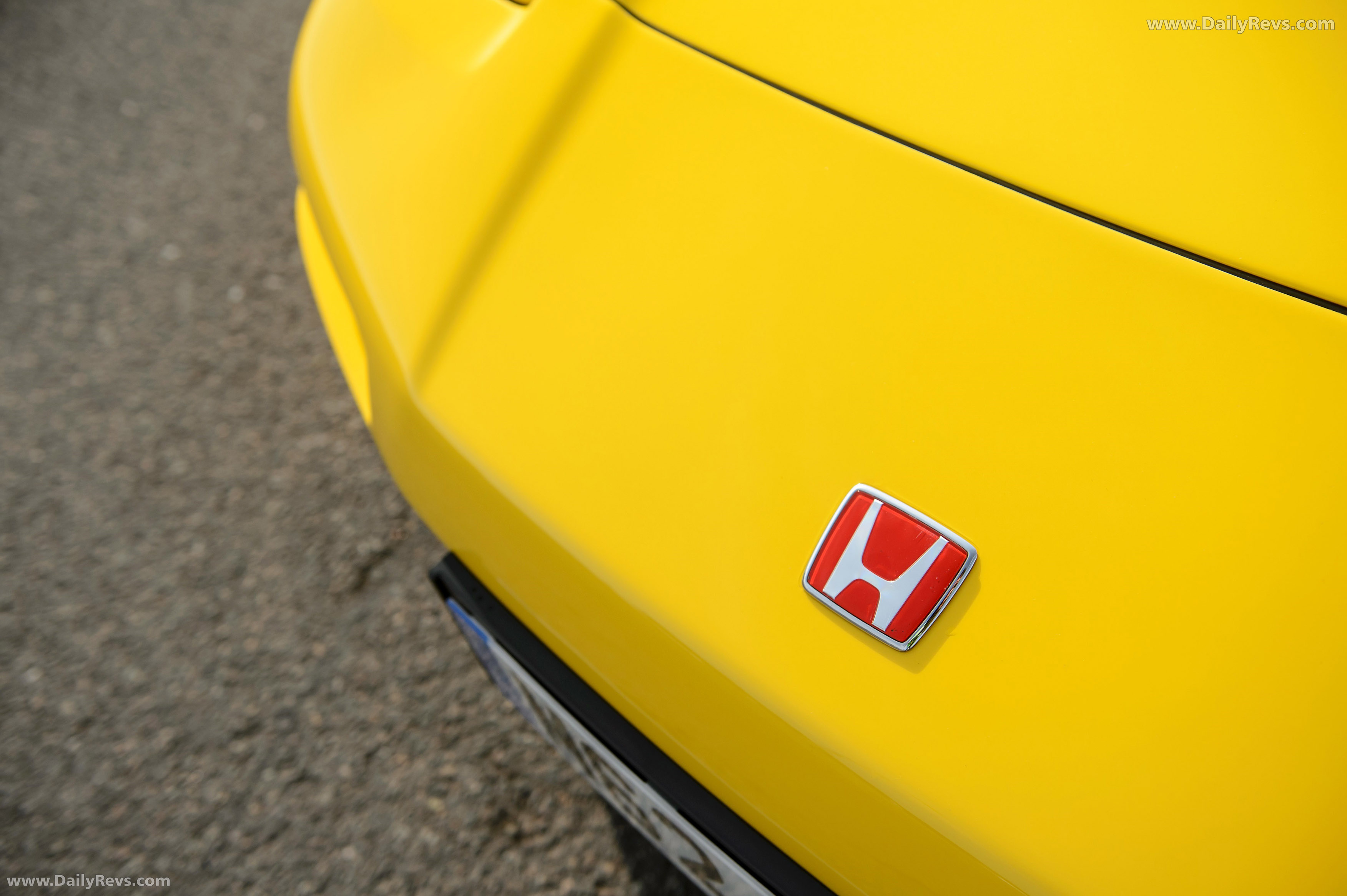
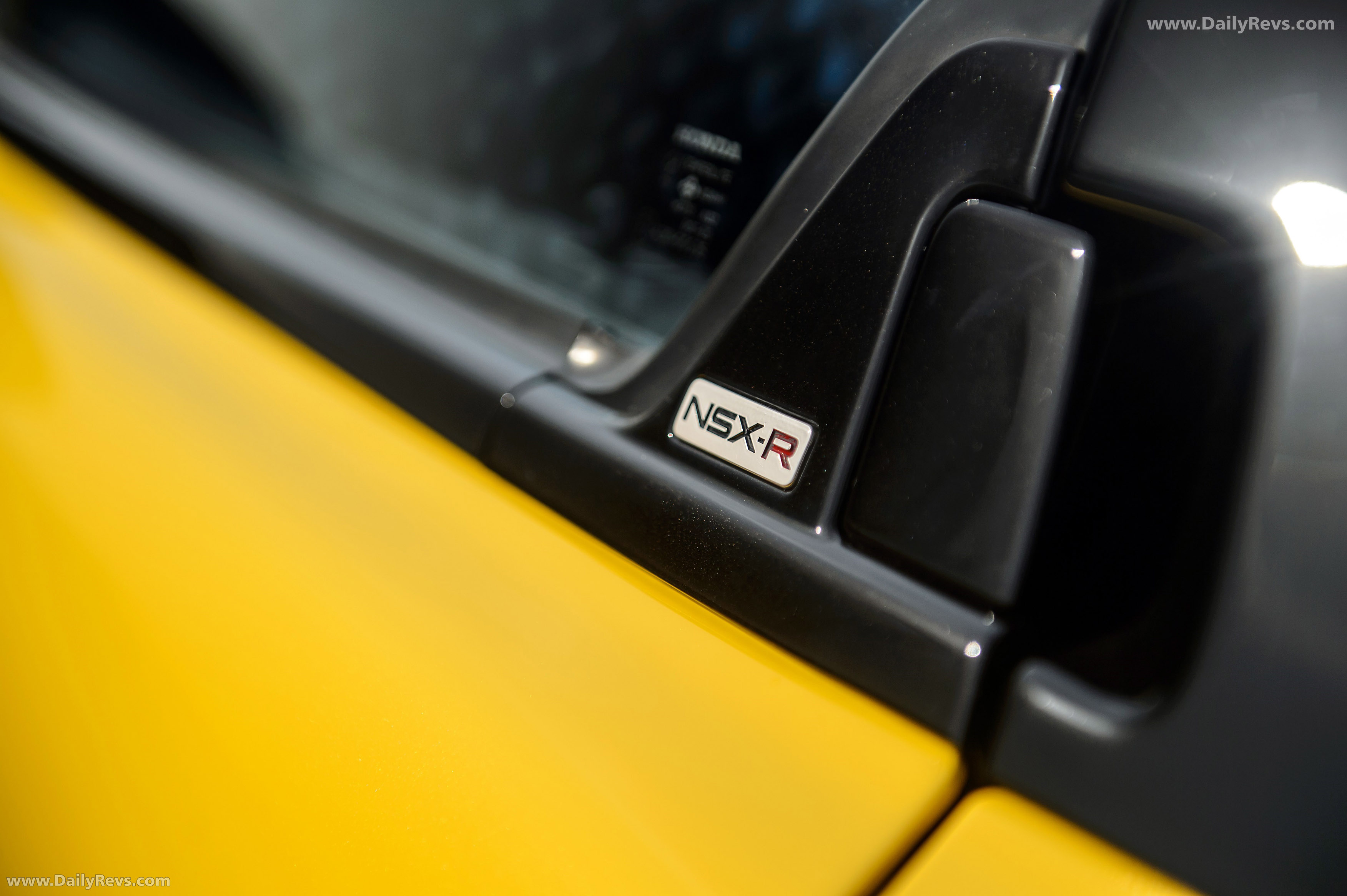
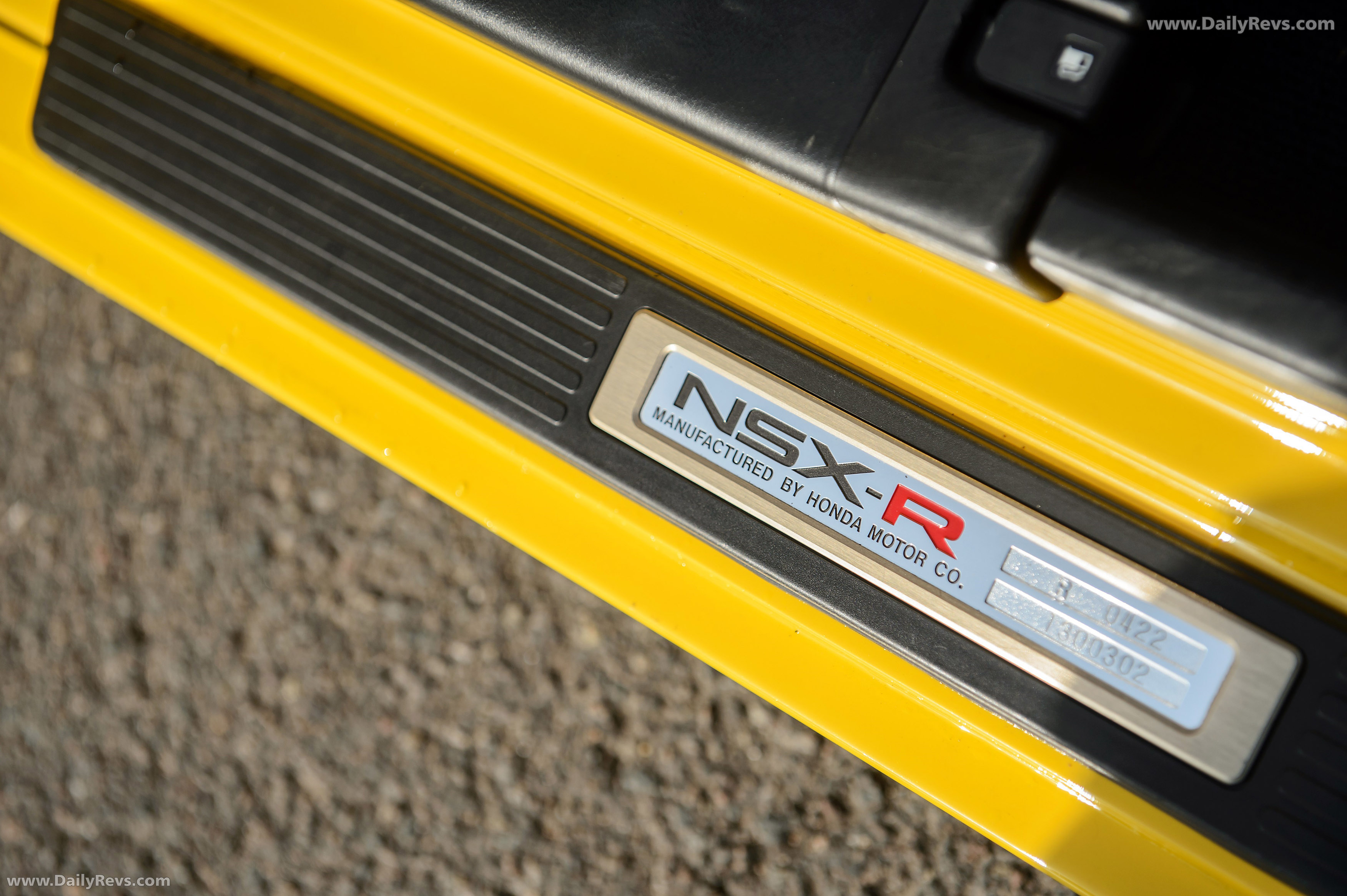
Honda's flagship featured the "Type R" badge for the first time, indicating a link to the company's racing heritage. The NSX was reduced to its most basic form by engineers, who eliminated everything superfluous and optimized everything that was necessary.
Weight Reduction as a Philosophy
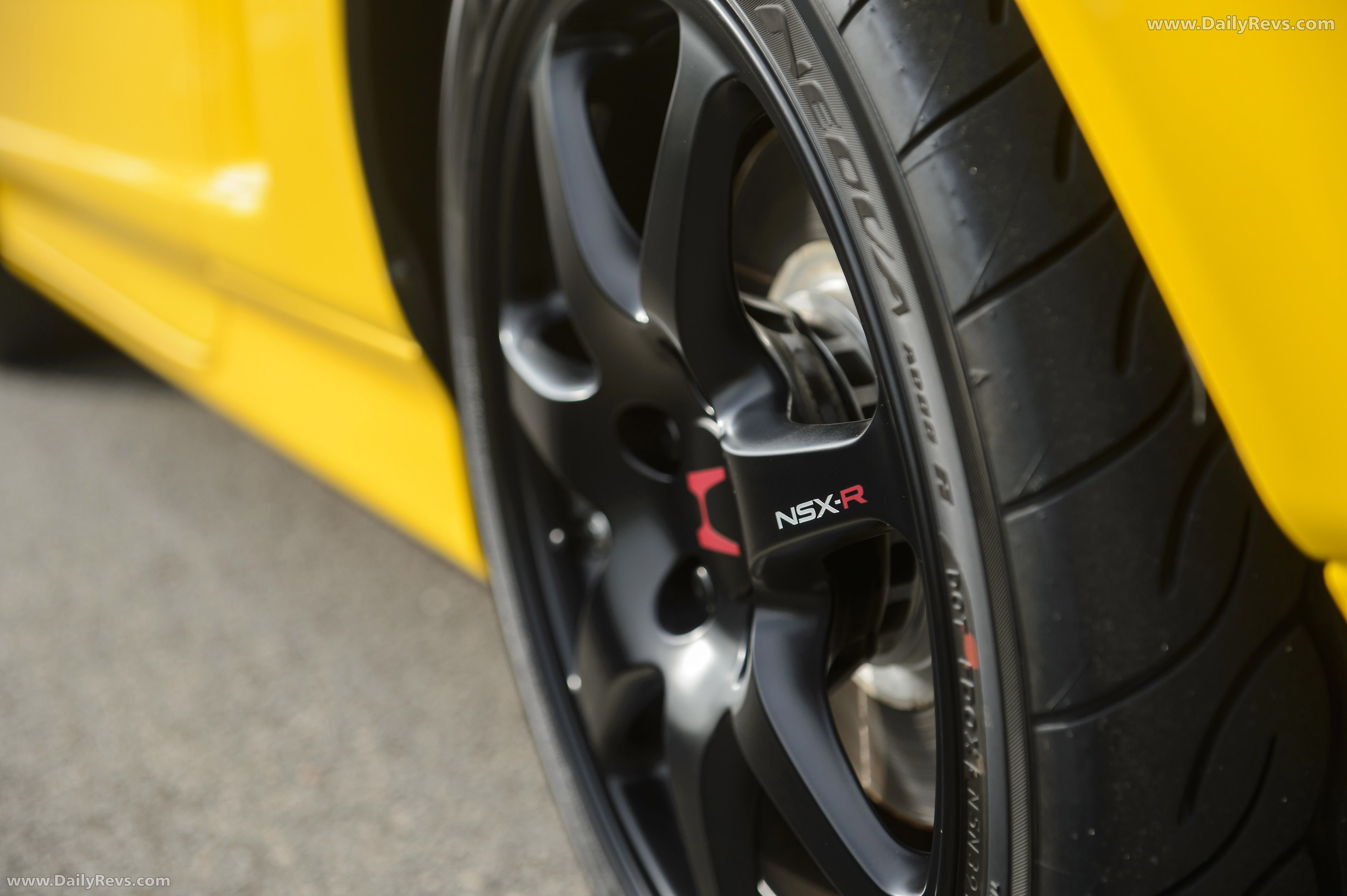
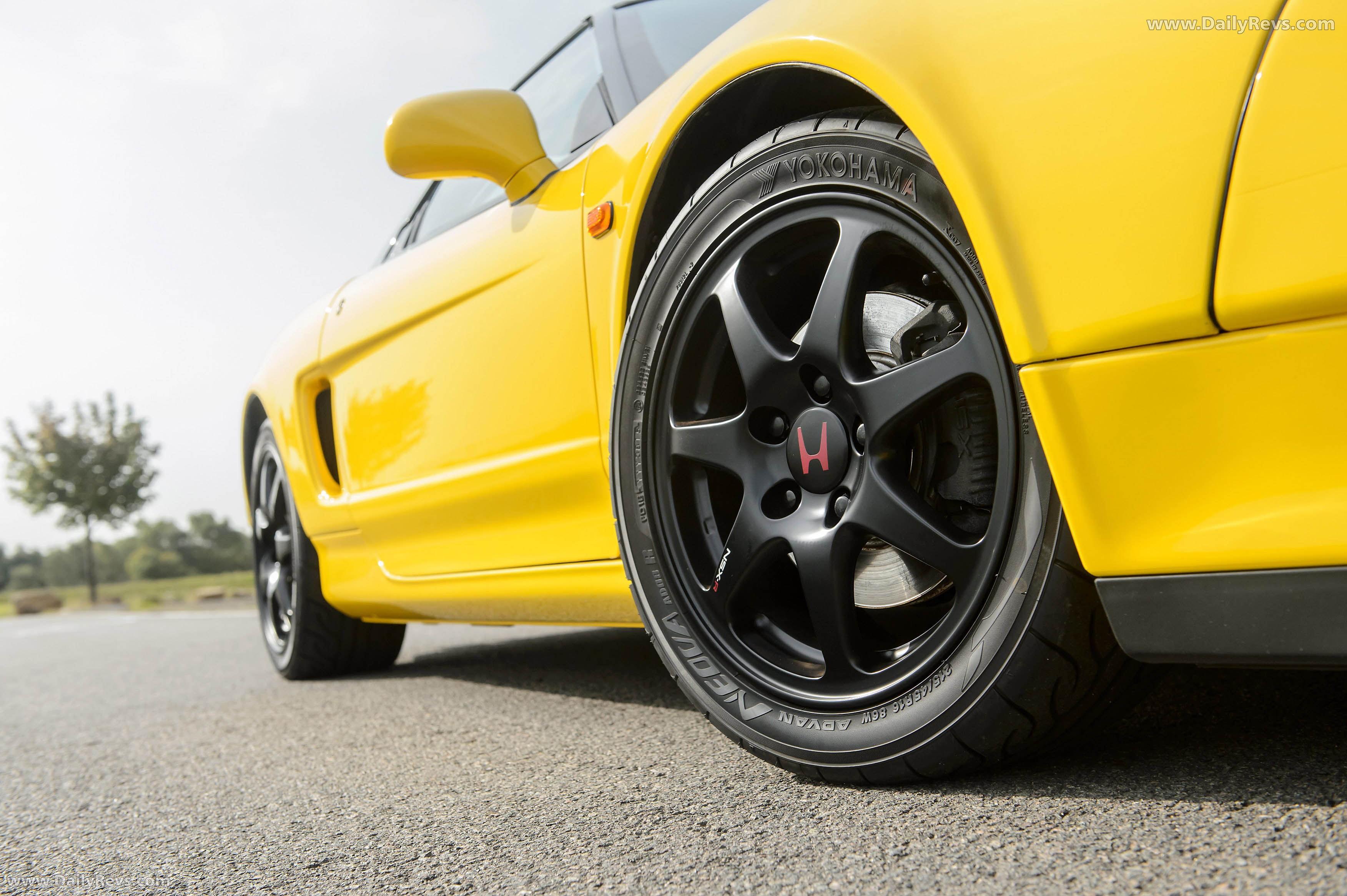
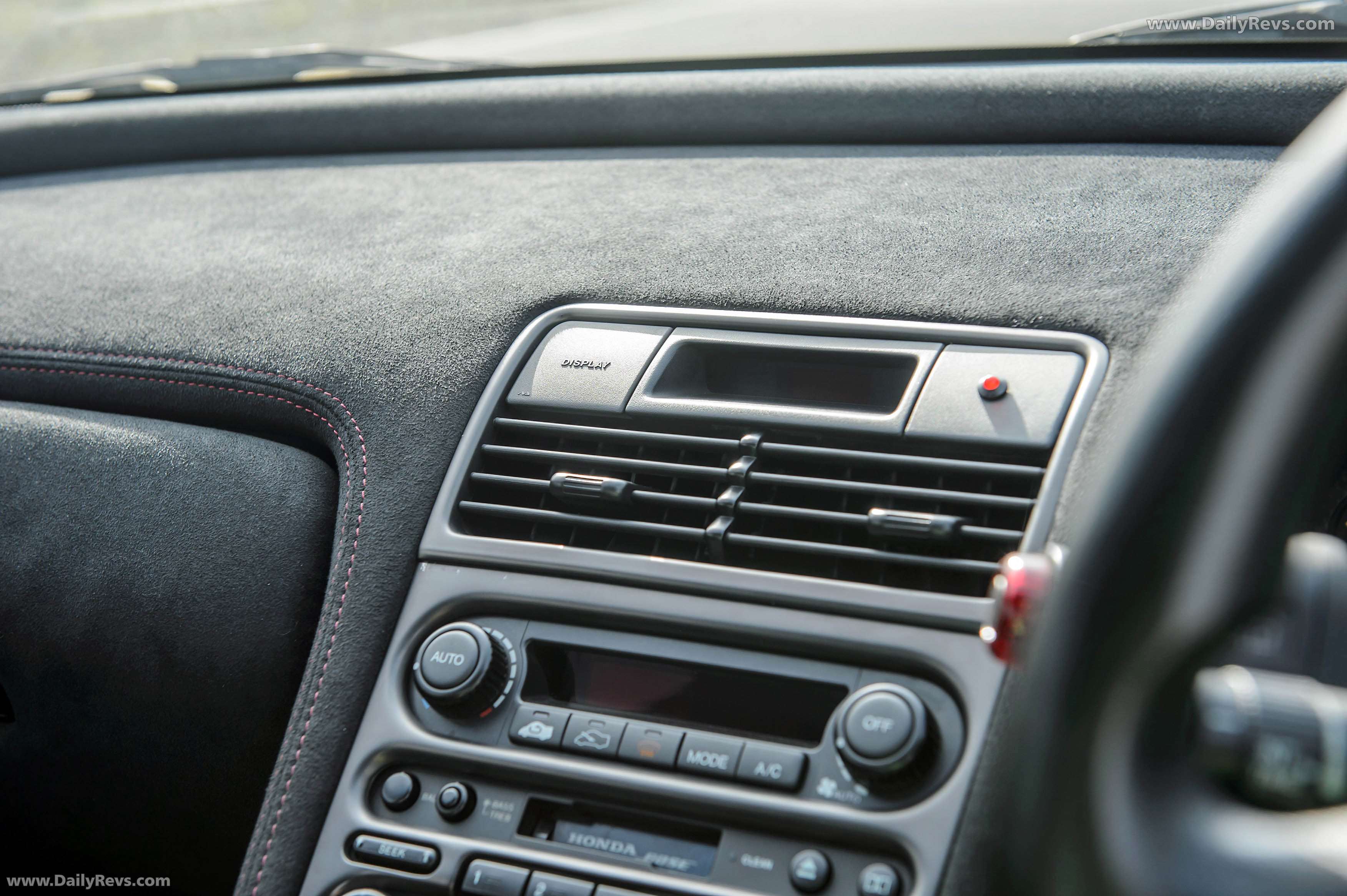
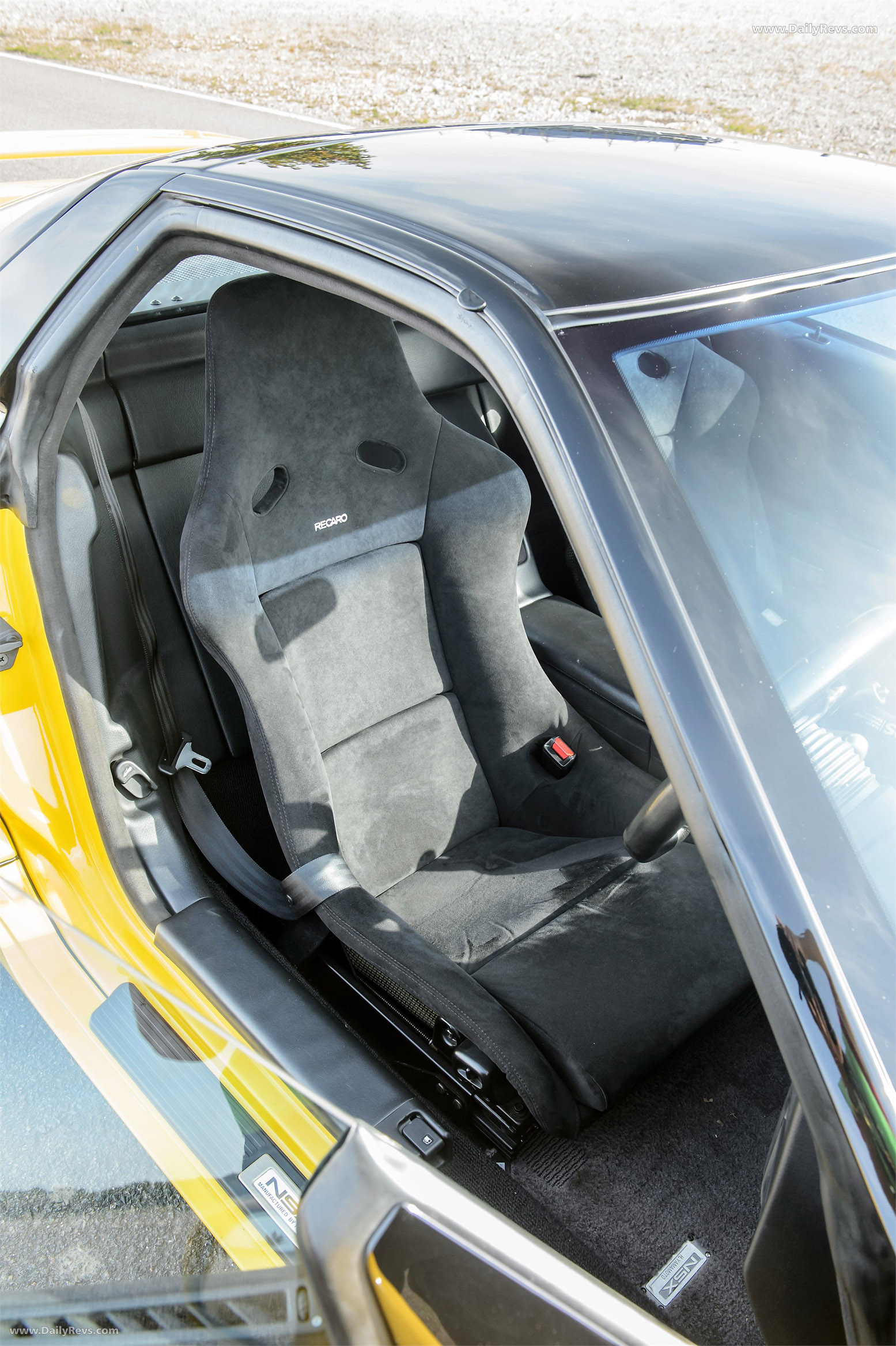
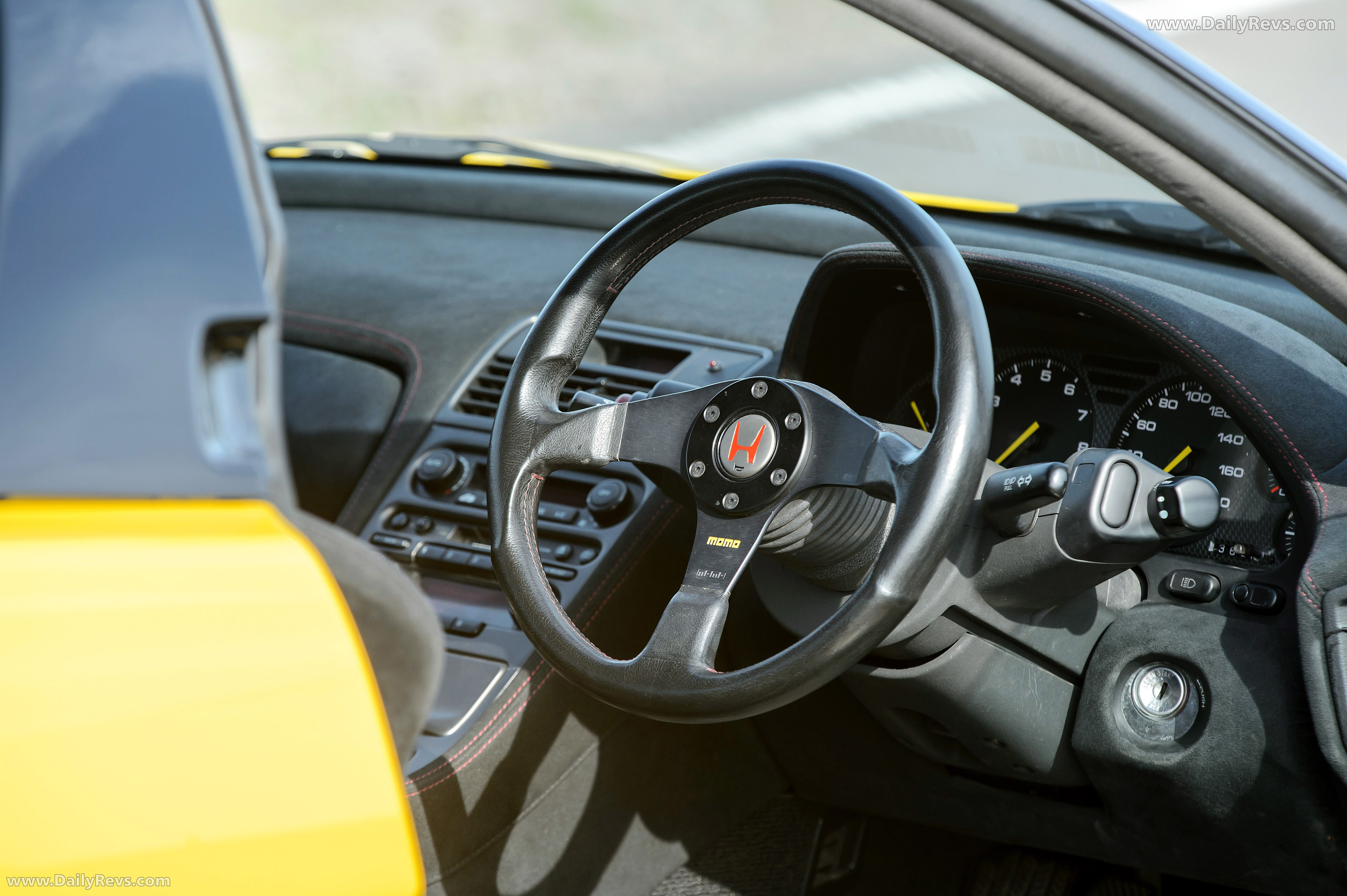
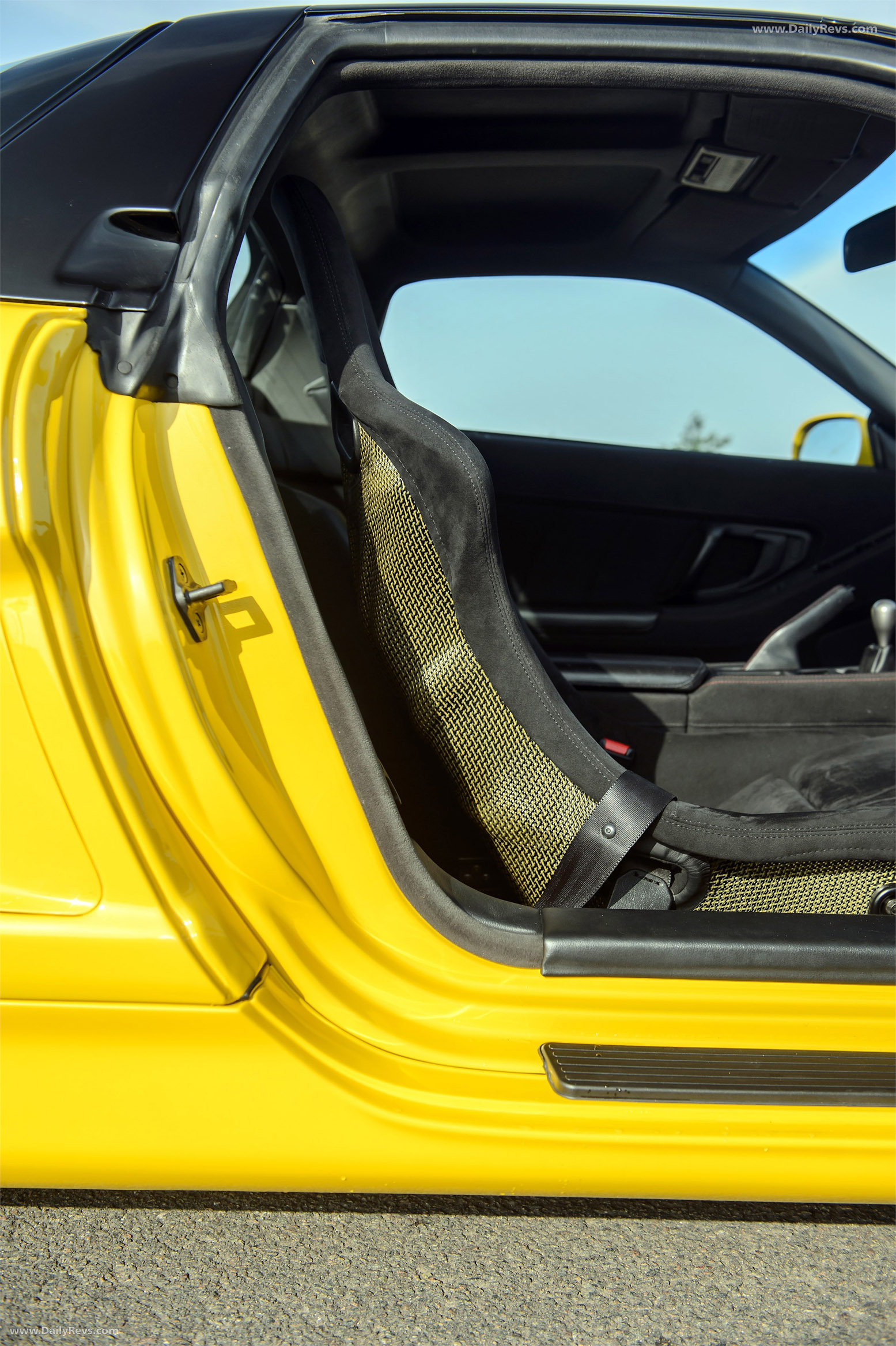
The NSX-R’s transformation began with weight. Engineers went through the car piece by piece, cutting a remarkable 120 kilograms from the base model. Gone were the sound insulation, audio system, spare tire, and air conditioning. In their place came carbon-Kevlar Recaro bucket seats, lightweight Enkei forged aluminum wheels, and even a titanium shift knob.
Yet, it wasn’t entirely brutal. Electric windows and seat adjusters remained, a subtle acknowledgment that this was still a road car — albeit one with track intentions. The result was a curb weight of just 1,230 kg, giving the NSX-R the agility and balance to match its competition from Ferrari and Porsche, despite having less outright power.
Engine and Chassis, Tuned by Hand
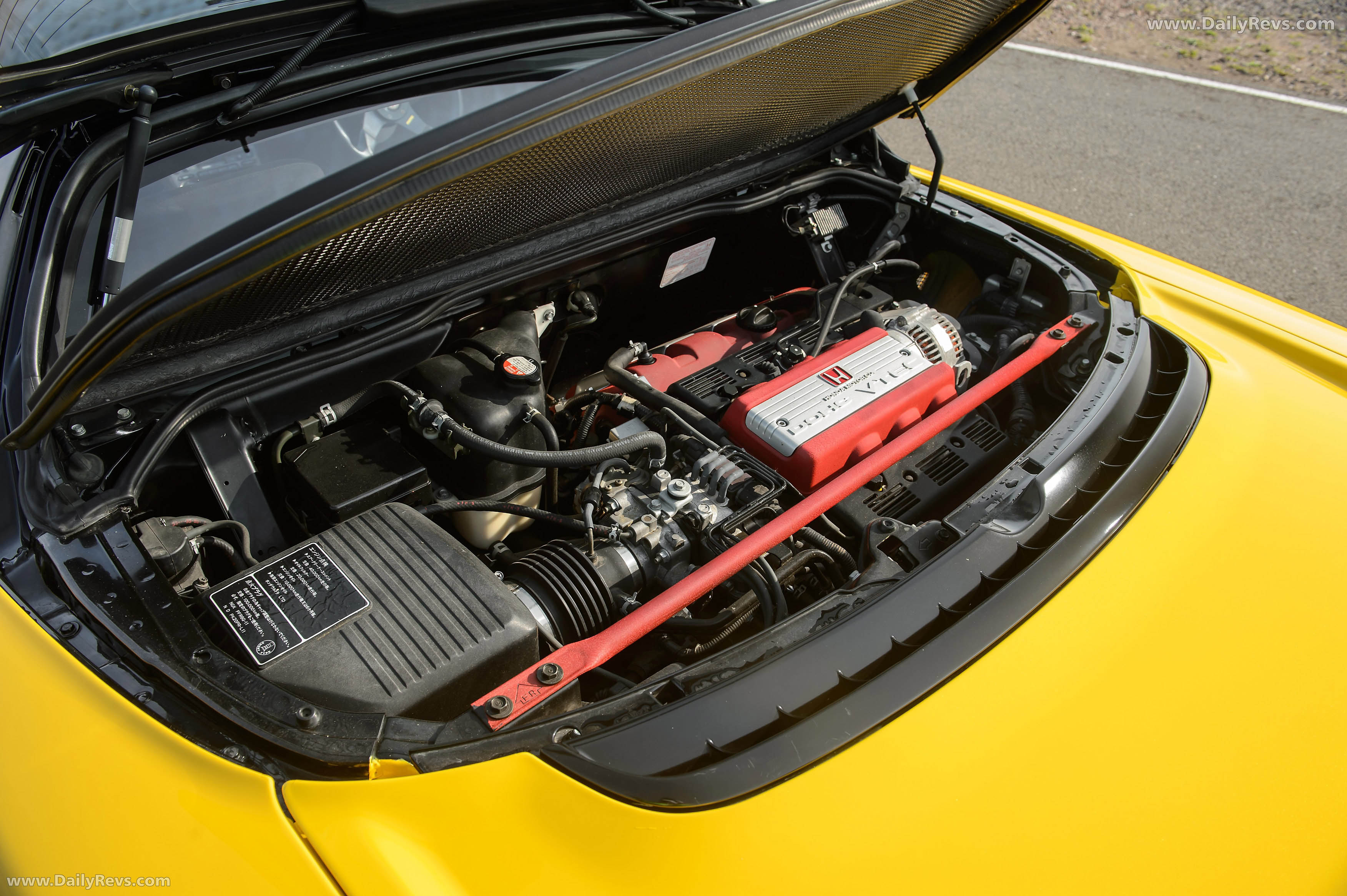
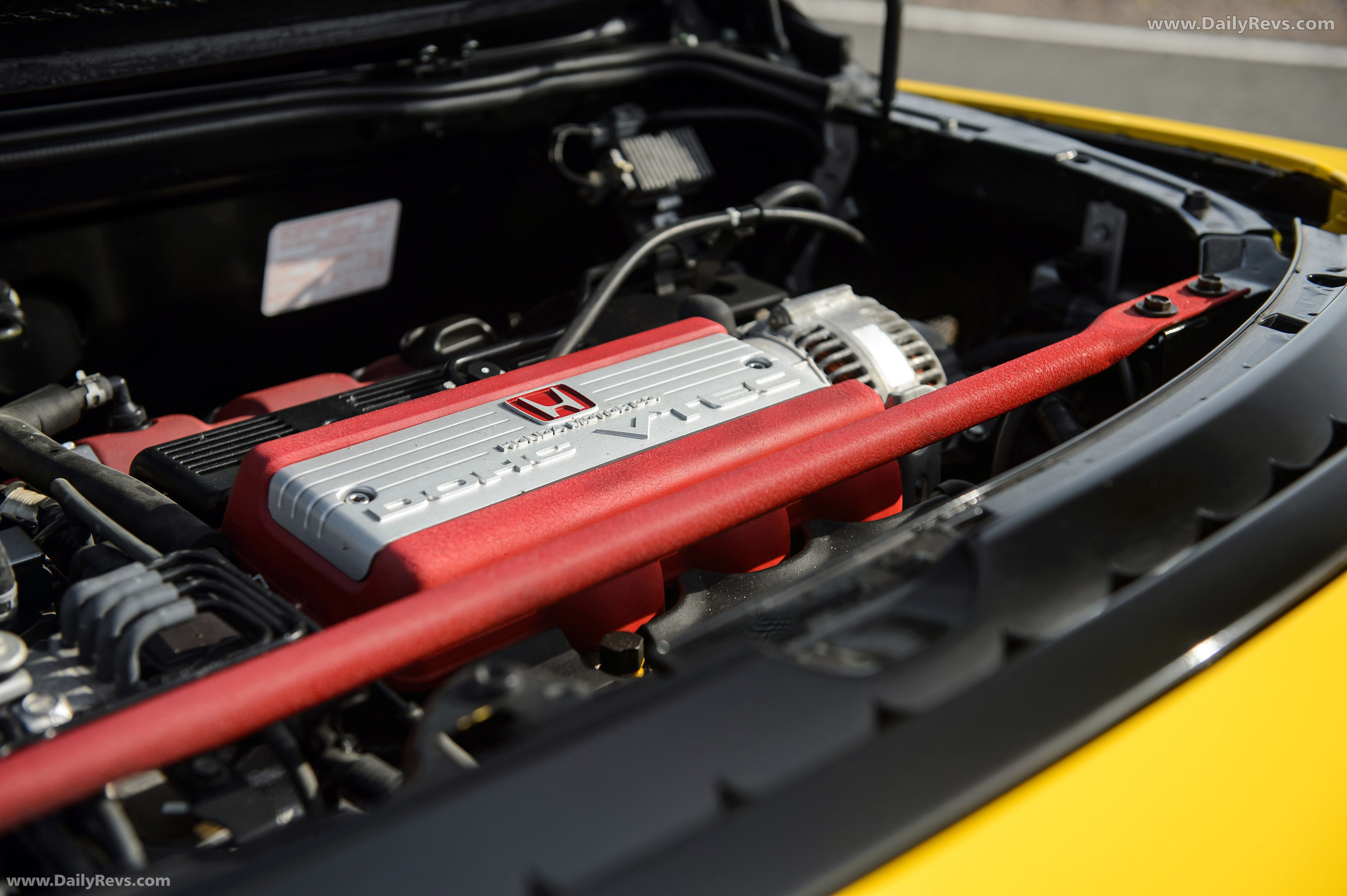
The NSX-R retained Honda’s 3.0-liter DOHC VTEC V6, but each unit underwent blueprinting and balancing, the same meticulous process used in Honda’s race engines. This precision brought smoother response and greater consistency, even if the official output figures remained unchanged.
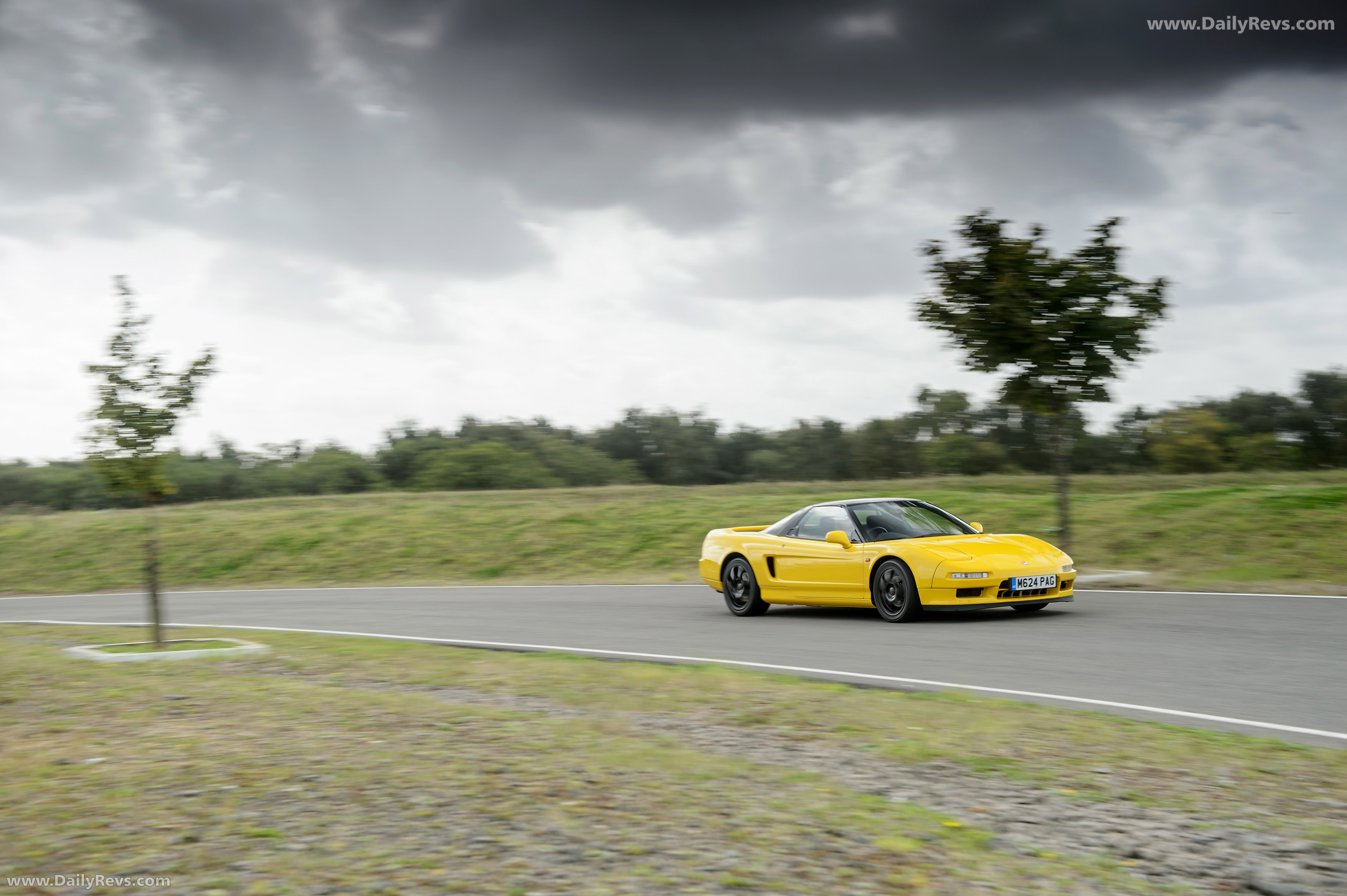
Underneath, the transformation was even more striking. The suspension setup was completely revised. The original NSX had a rearward spring bias, making it playful but occasionally unpredictable at high speeds. The NSX-R reversed that setup — stiffer front springs, a stronger front sway bar, and softer rear rates gave the car far greater stability in fast corners.
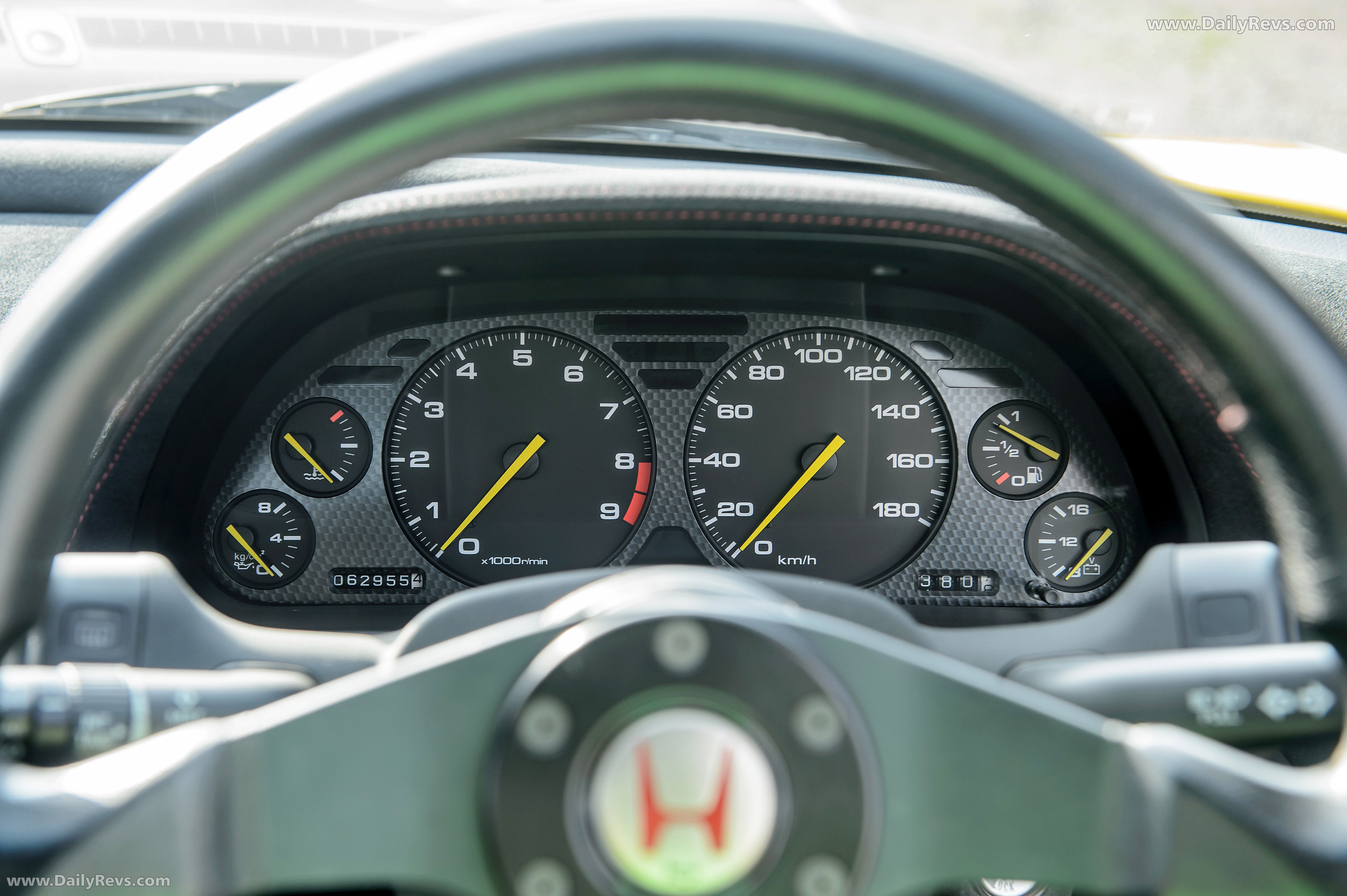
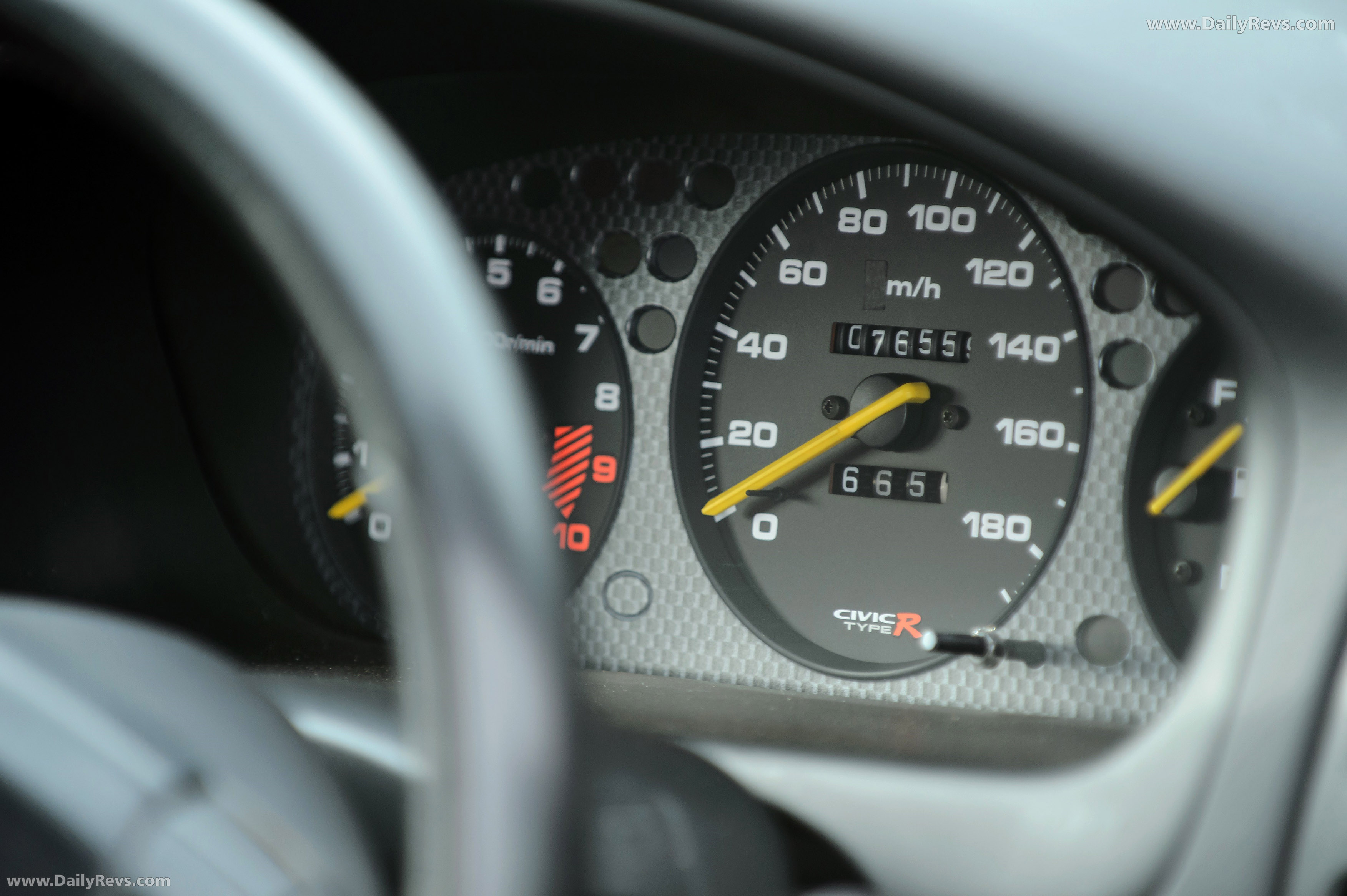
Honda also shortened the final drive ratio to 4.235:1, improving acceleration and gear response at the expense of top speed, now capped at around 168 mph. The limited-slip differential was recalibrated for better traction and precision when exiting corners.
Built for Japan’s Most Devoted Drivers
Production of the NSX-R began in late 1992, with only 483 units built exclusively for the Japanese domestic market. Optional equipment included air conditioning, a Bose stereo, carbon-fiber trim, and signature Championship White wheels — 16 inches at the front, 17 at the rear.
By September 1995, production had ended, but the NSX-R had already cemented its place in history. It wasn’t about luxury or lap times; it was about purity — the rarest kind of engineering obsession.
The NSX-R distilled Honda’s F1 expertise and its road-car restraint into a single, razor-sharp package. More than thirty years later, it remains a benchmark for what happens when engineers, not marketers, are allowed to define performance.
Technical Specifications
- Manufacturer: Honda Motor Co., Ltd.
- Production Years: 1992–1995
- Production Volume: 483 units (Japanese Domestic Market only)
- Body Style: Two-door mid-engine sports coupé
- Engine: 3.0-liter DOHC VTEC V6 (C30A)
- Power Output: 250 hp (186 kW) @ 7,300 rpm
- Torque: 282 Nm (208 lb-ft) @ 5,400 rpm
- Transmission: 5-speed manual
- Drivetrain: Mid-engine, rear-wheel drive
- Curb Weight: 1,230 kg (2,712 lb)
- Power-to-Weight Ratio: Approximately 203 hp per tonne
- Final Drive Ratio: 4.235:1
- Top Speed: 270 km/h (168 mph)
- 0–100 km/h (0–62 mph): 4.9 seconds
Chassis Enhancements:
- Stiffer suspension with front-biased spring and sway bar setup
- Recalibrated limited-slip differential
- Lighter forged Enkei alloy wheels (16-inch front, 17-inch rear)
Weight Reduction Measures:
- Removal of air conditioning, sound insulation, audio system, spare tire, and traction control
- Carbon-Kevlar Recaro racing seats
- Titanium shift knob
- Braking System: Ventilated disc brakes front and rear
- Color Options: Championship White (with matching wheels)
- Assembly Location: Takanezawa R&D Plant, Tochigi, Japan
- Notable Features: Hand-balanced engine assembly, race-oriented chassis tuning, and limited production exclusivity for Japan