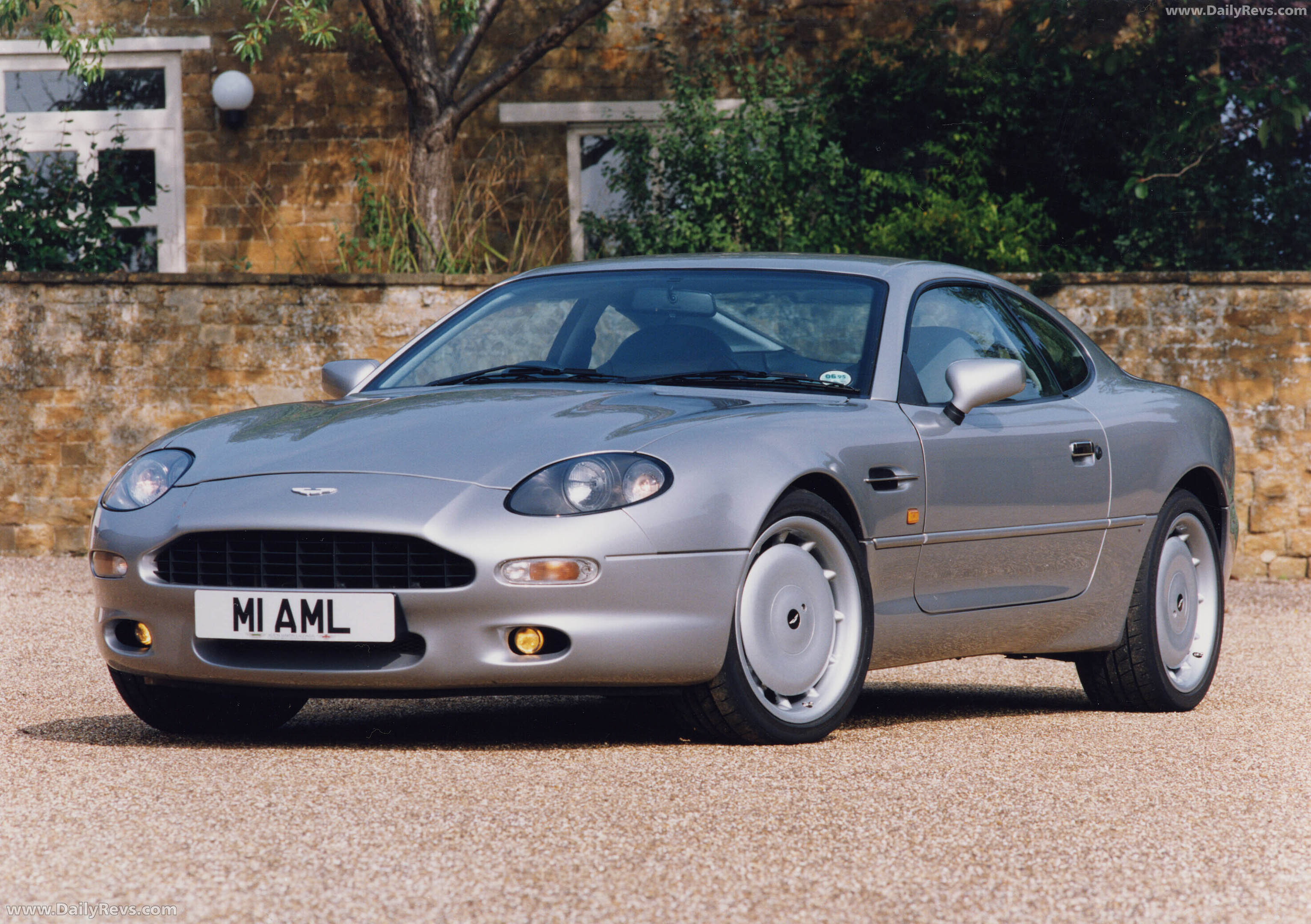
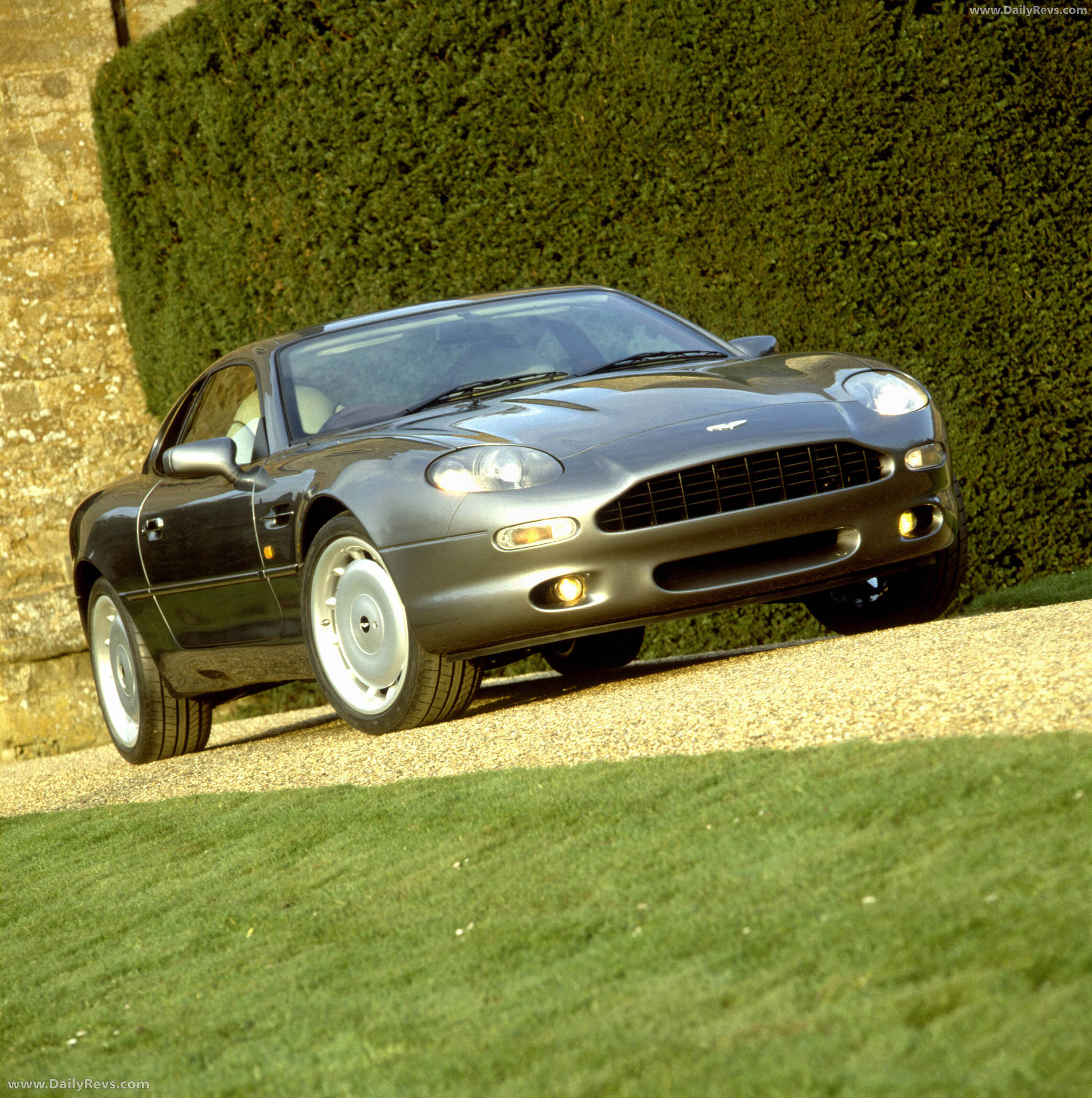
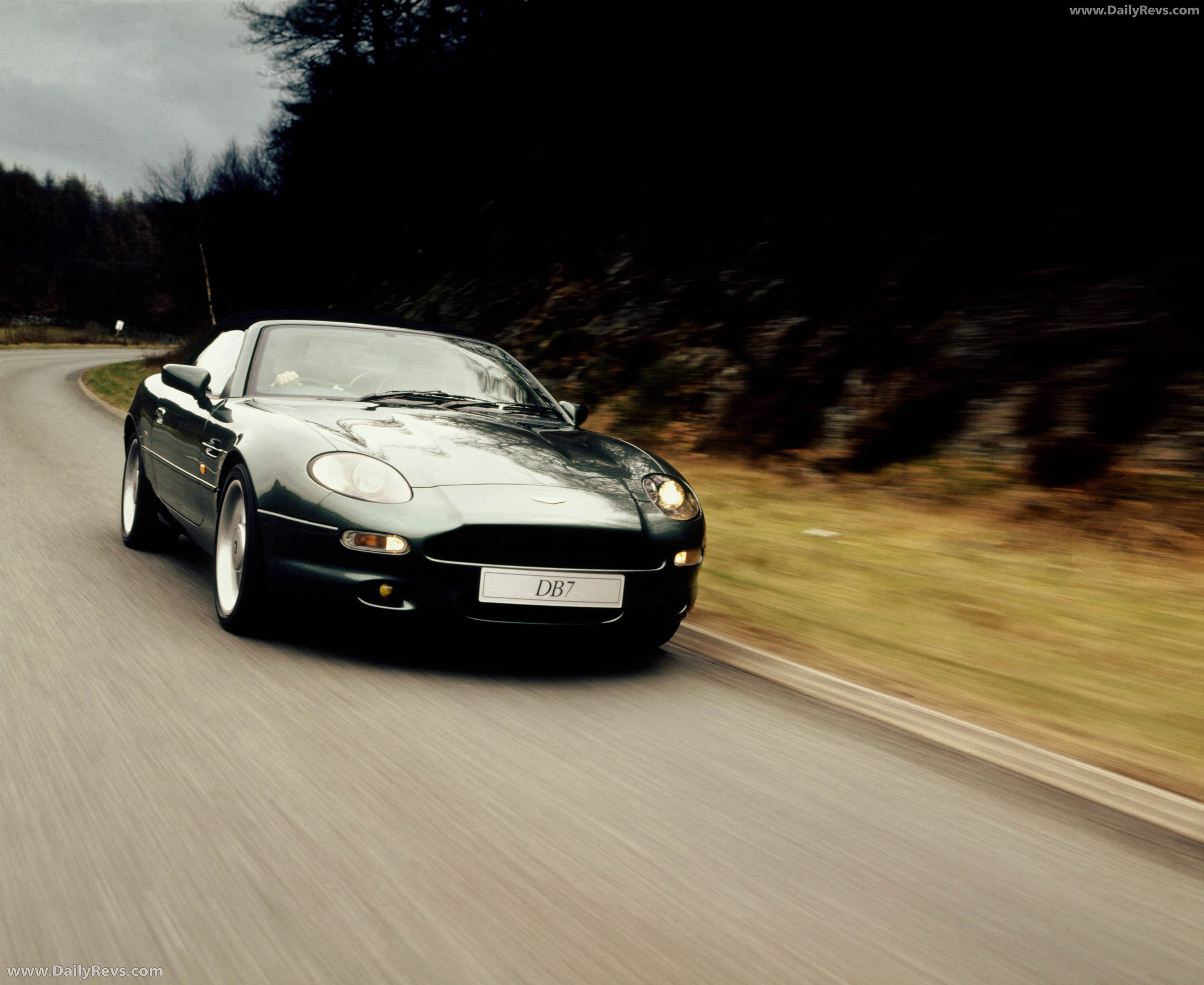
1994 Aston Martin DB7 i6 Coupe
By Lorenzo Bianchi November 11, 1994
The 1994 Aston Martin DB7 i6 Coupe features a 3,228cc supercharged straight-six engine with twin overhead camshafts, four valves per cylinder and electronic fuel injection.
Originally unveiled at the Geneva Motor Show in March 1993, the DB7 was developed as a smaller Aston Martin positioned alongside the company's larger V8 models.
Development involved approximately 30 prototypes subjected to extensive testing in extreme temperatures and operating conditions around the world.
1994 Aston Martin DB7 i6 Coupe Introduces a New Grand Tourer
The 1994 Aston Martin DB7 i6 Coupe represented an important addition to the British manufacturer's range, introducing a smaller grand tourer powered by a supercharged six-cylinder engine.
First shown to the public at the Geneva Motor Show in March 1993, the DB7 emerged from a development programme intended to broaden Aston Martin's model lineup beyond its established V8 cars.
The idea had originally been proposed by Victor Gauntlett, who believed Aston Martin needed a smaller model capable of attracting a wider customer base.
By 1994, the DB7 had become the production expression of that plan.
Exterior Design and DB7 Coupe Identity
The DB7 was introduced as a separate model within Aston Martin's range, rather than another development of its existing V8 cars.
Its fixed-roof coupe configuration formed the starting point for the model family, with an open-top derivative following later.
The supplied historical material concentrates on the DB7's development and mechanical construction rather than individual exterior styling features.
Specific details concerning its grille, headlights, body panels and exterior finishes are not provided.
Those elements therefore remain outside the verified information available in the document.
Smaller Grand Touring Proportions
The original development brief called for a smaller Aston Martin to sit alongside the company's larger V8 models.
This positioning shaped the DB7's role within the manufacturer's range.
The project initially carried the DP1999 development designation, while the subsequent design programme used the NPX codename.
Although the DB7 was conceived as a smaller model, the supplied material does not establish its overall length, width, height or wheelbase.
Wheel dimensions and suspension specifications are similarly undocumented.
Interior Design and Cabin Equipment
The original DB7 programme was intended to introduce a new grand touring model, but the available announcement contains little information about its passenger compartment.
It does not specify upholstery materials, dashboard architecture, seating arrangements or interior technology.
Transmission options and cabin equipment are also absent from the supplied document.
These details cannot be independently established from the available source material.
Supercharged 3.2 Litre Straight Six Engine
The DB7 i6's defining mechanical feature was its 3,228cc straight-six engine.
Based on an earlier Jaguar design, the lightweight alloy engine incorporated twin overhead camshafts and four valves per cylinder.
Fuel delivery was managed through Zytec electronic multipoint injection.
A water-cooled Eaton Roots-type supercharger supplied compressed air to the engine, driven by a toothed belt from the camshaft.
The announcement does not provide horsepower, torque, acceleration or maximum speed figures.
Development History and Aston Martin's Expanding Range
Development of the DB7 gained momentum following Ford's involvement with Aston Martin and the appointment of Walter Hayes as chief executive.
Engineering Director Rod Mansfield, appointed in 1990, was responsible for advancing the smaller Aston Martin project.
Approximately 30 prototypes underwent testing in demanding conditions worldwide.
The DB7 family subsequently expanded with the Volante in 1996 and the V12-powered Vantage in 1999.
The original supercharged i6 Coupe established the foundation for that broader model range.