2003 Aston Martin DB7 GT
By Lorenzo Bianchi November 10, 2003
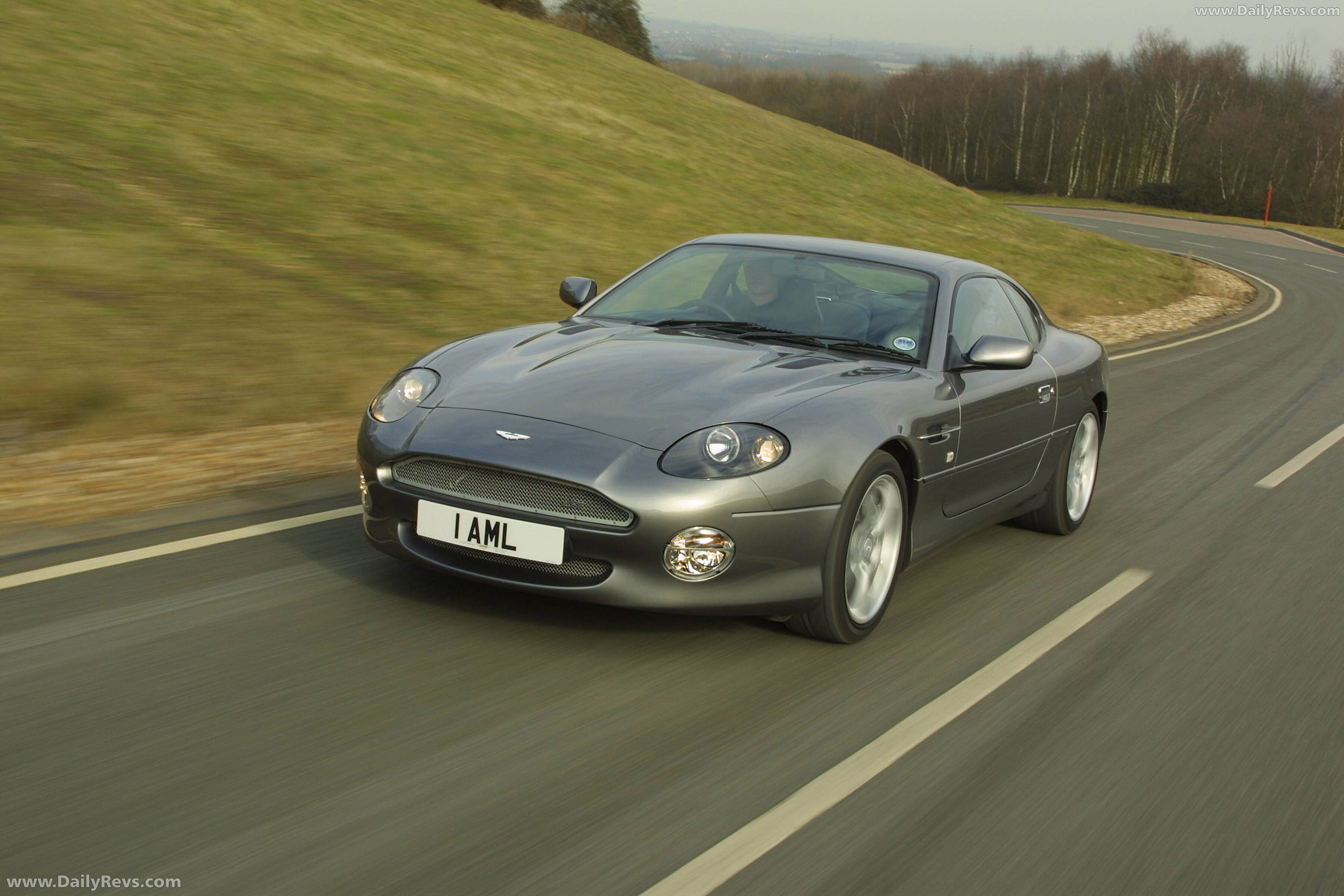
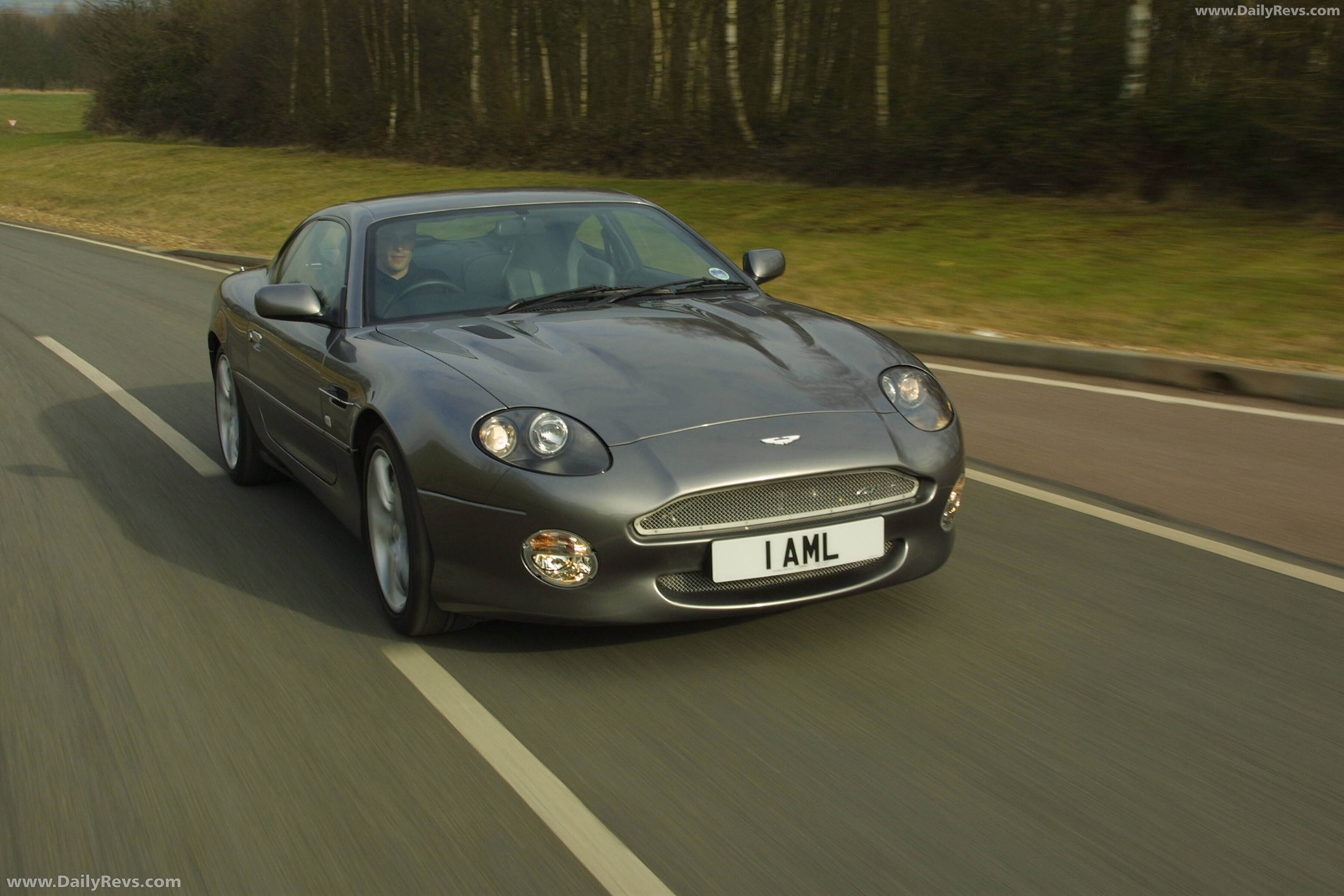
The 2003 Aston Martin DB7 GT develops 435 bhp and 410 lb-ft of torque from its revised 6.0-litre V12, improving on the standard DB7 Vantage.
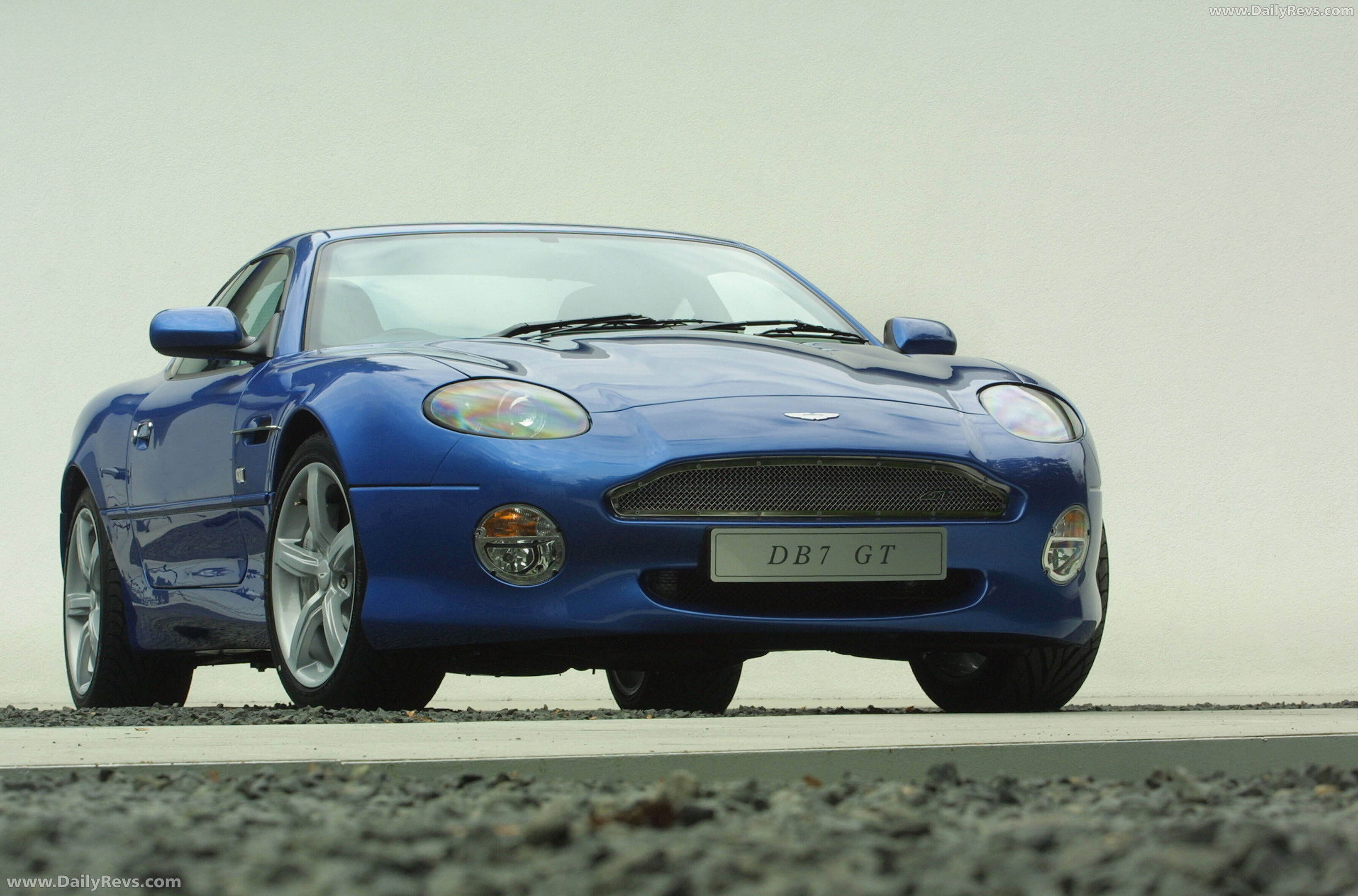
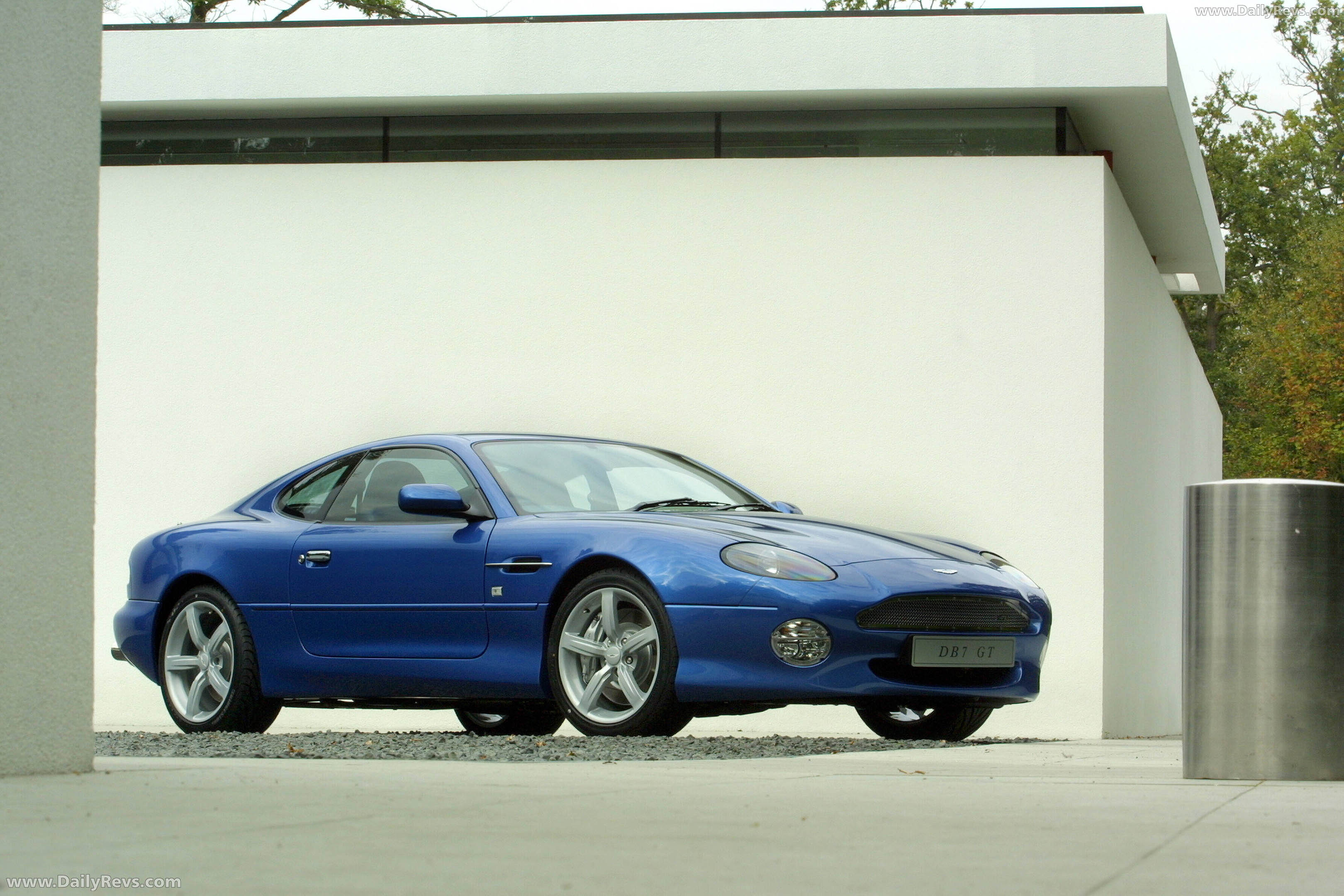
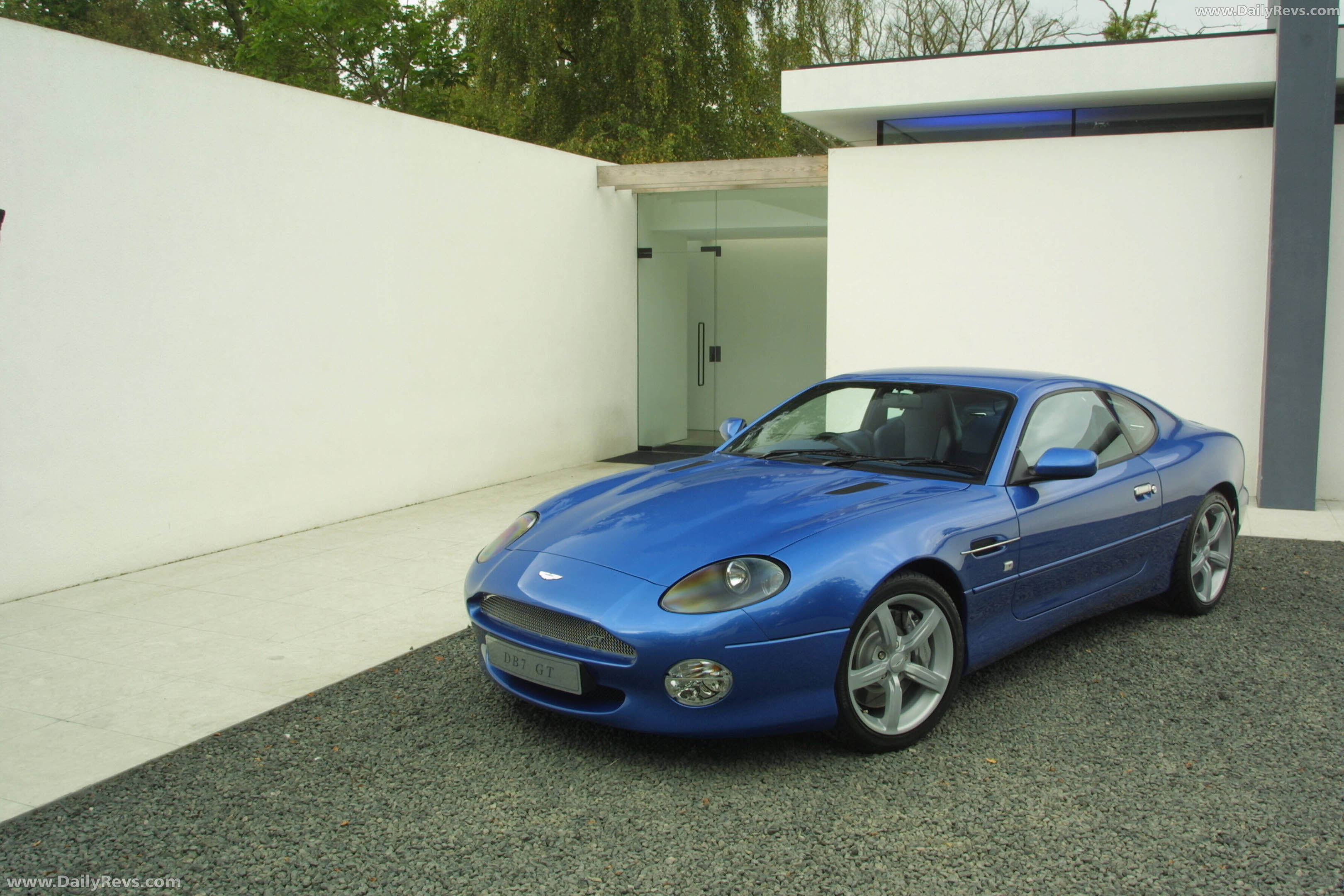
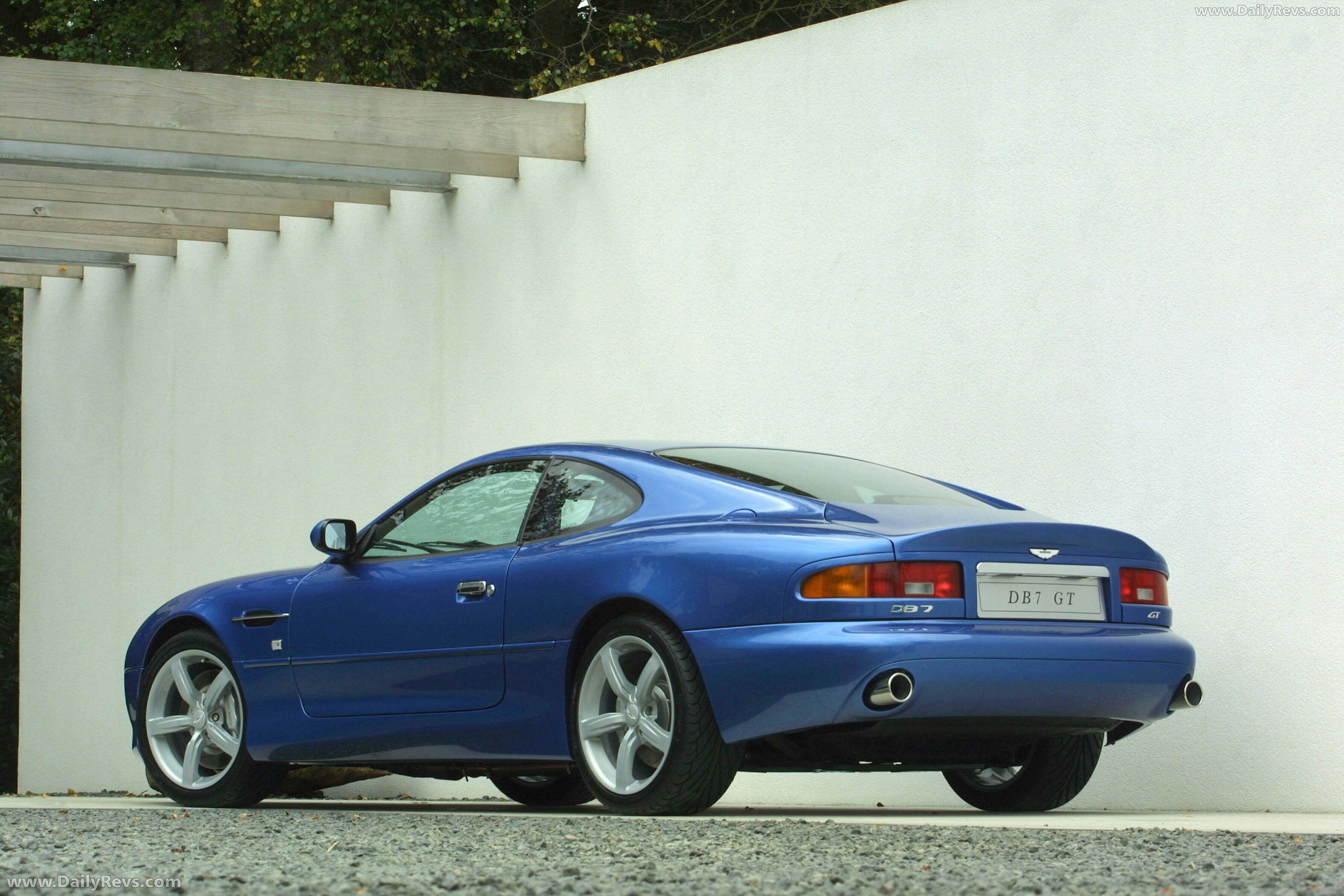
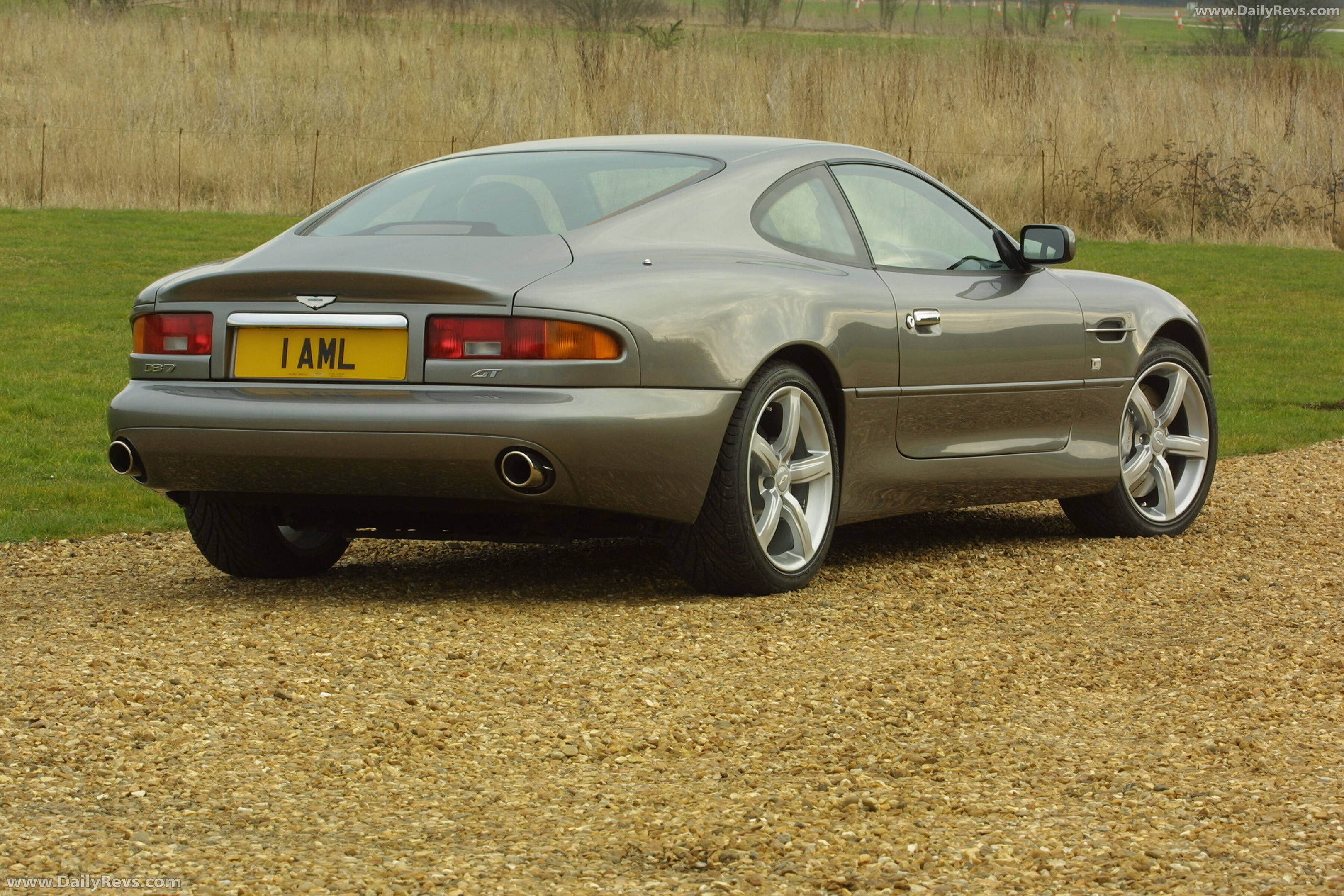
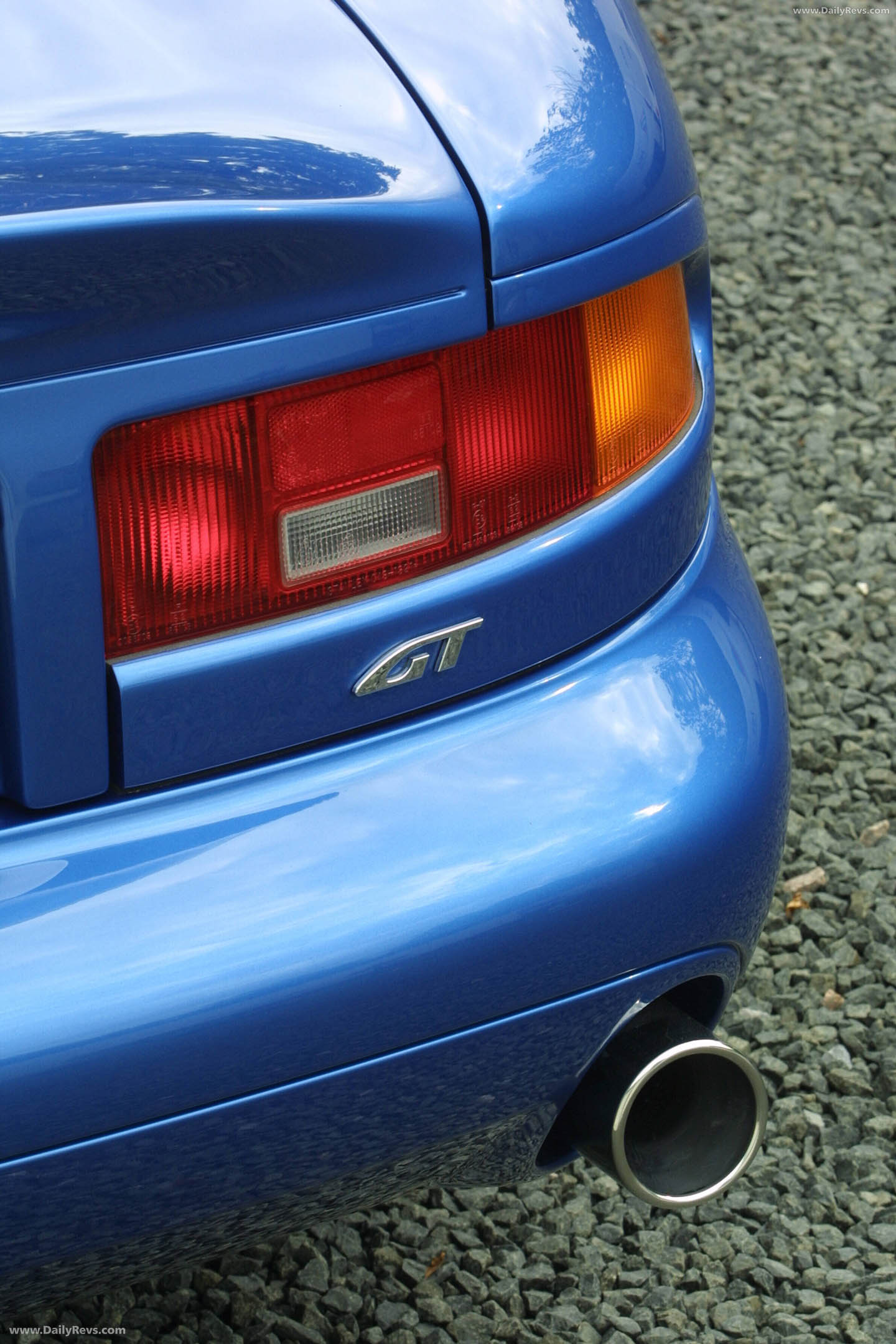
Exterior changes include twin bonnet vents, revised rear bodywork and aerodynamic modifications that reduce lift by almost 50 percent.
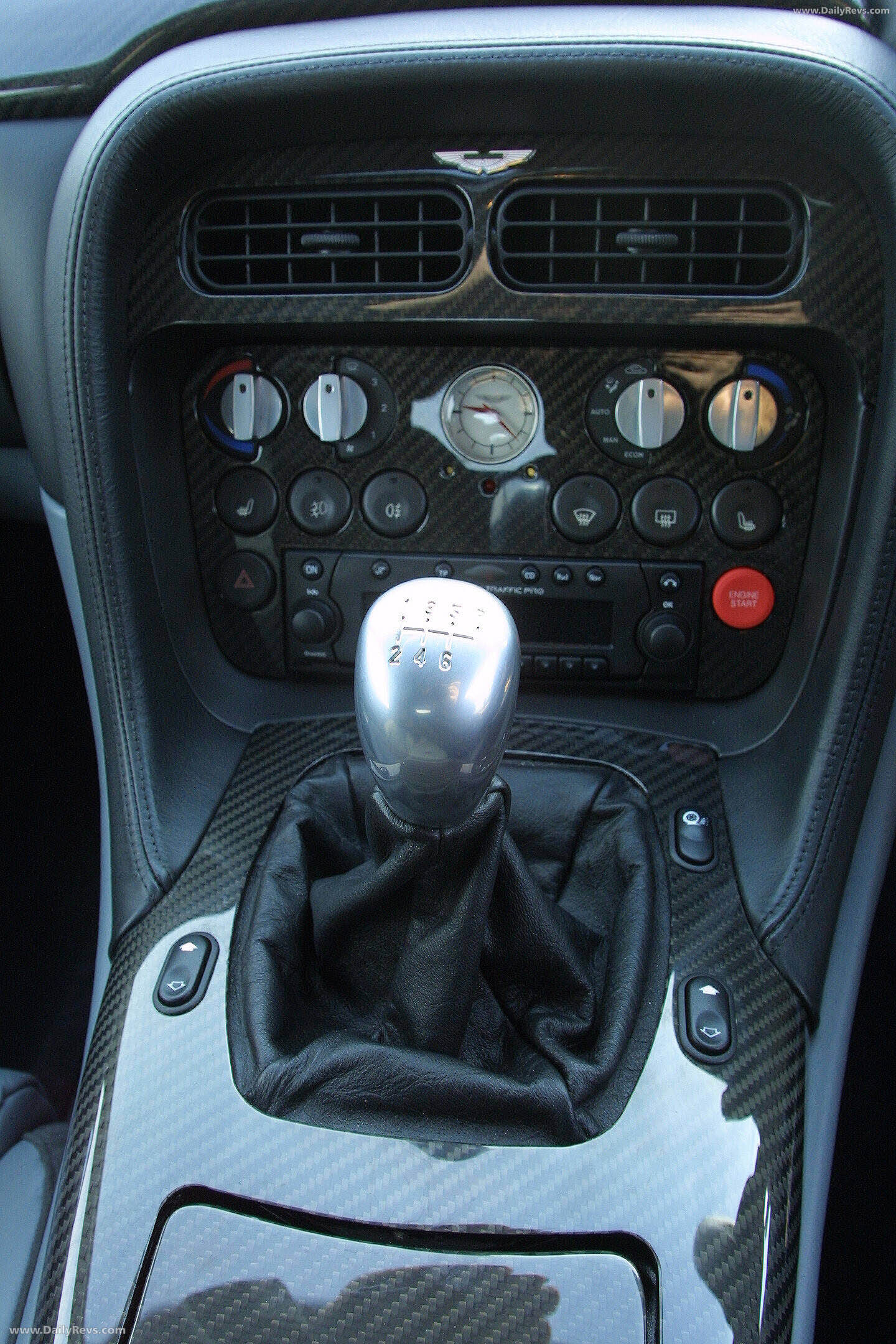
The DB7 GT features a six-speed manual gearbox, quick-shift gear lever and racing twin-plate clutch, while the separate GTA version uses a five-speed automatic.
2003 Aston Martin DB7 GT Brings More Power to the V12 Coupe
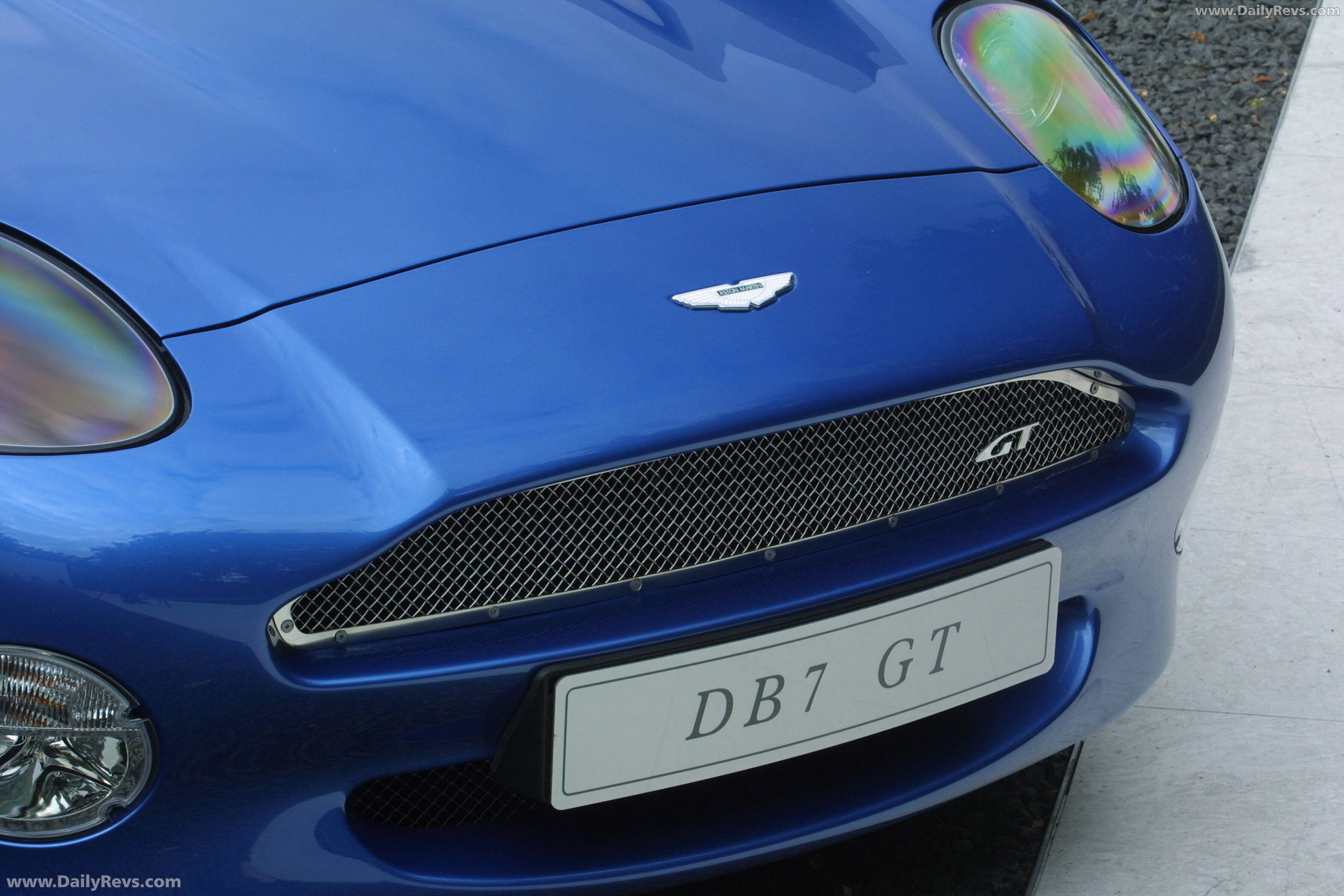
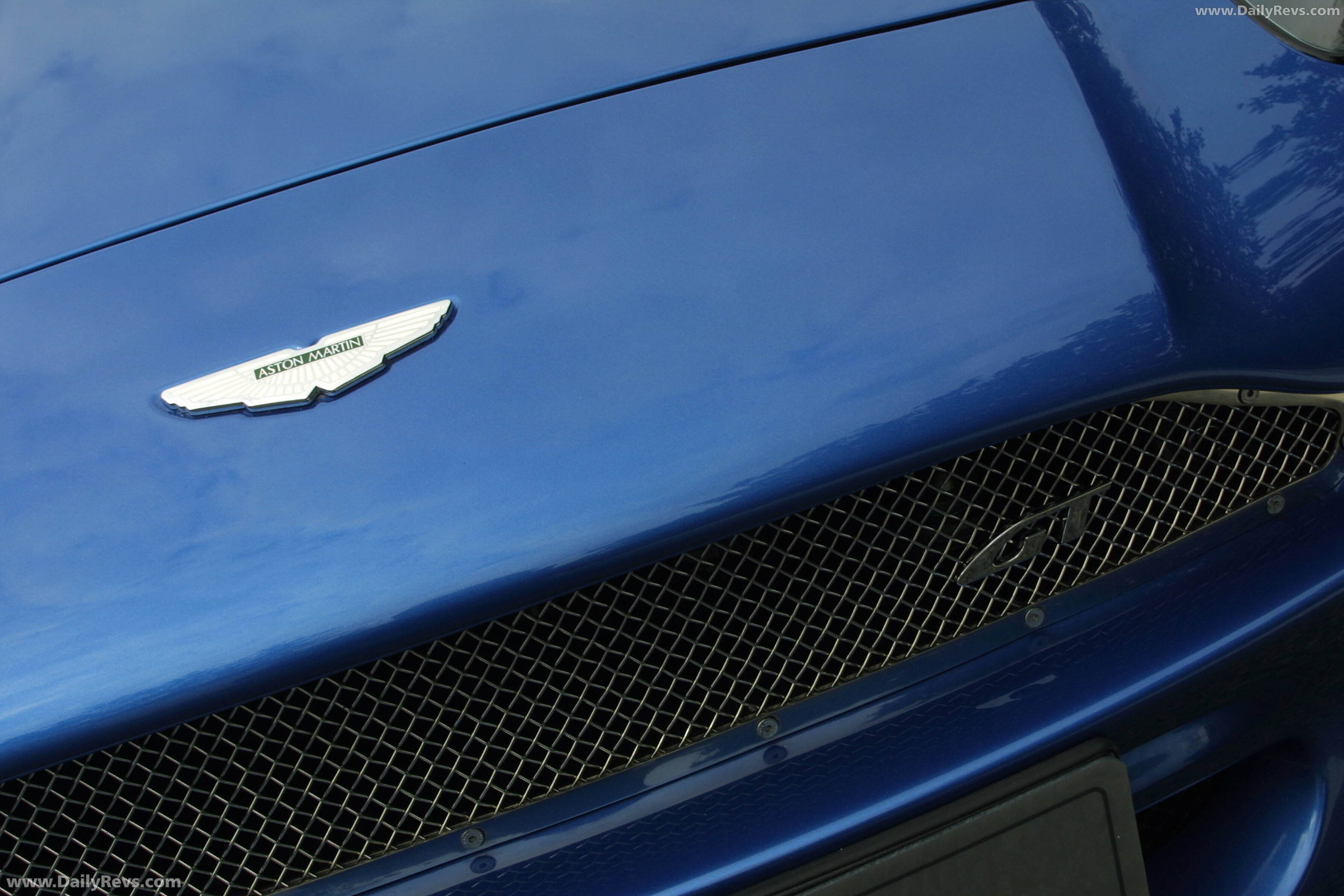
The 2003 Aston Martin DB7 GT arrived as the most powerful version of the DB7, bringing a series of mechanical and aerodynamic changes to the existing Vantage Coupe.
Originally unveiled at the 2002 International Birmingham Motor Show, the GT was developed around the familiar 6.0-litre V12 engine, but with additional power and a more responsive drivetrain.
Aston Martin also introduced the DB7 GTA, which offered a five-speed automatic transmission. The GT itself retained a six-speed manual gearbox.
Neither model represented an entirely new generation. The changes were concentrated on extracting more performance from the established DB7 platform.
Twin Bonnet Vents and Revised Aerodynamics
The exterior remains closely related to the DB7 Vantage Coupe, retaining the underlying body design introduced during the DB7's original development.
The most noticeable difference is the addition of two bonnet vents.
These openings help release heat from the engine compartment while improving airflow management beneath the bonnet.
Aston Martin also revised the boot lid and introduced additional aerodynamic undertray sections.
Wheel arch liner extensions form part of the same programme.
Together, the changes were designed to improve high-speed stability, with Aston Martin reporting an almost 50 percent reduction in aerodynamic lift.
Five Spoke Alloy Wheels and Coupe Proportions
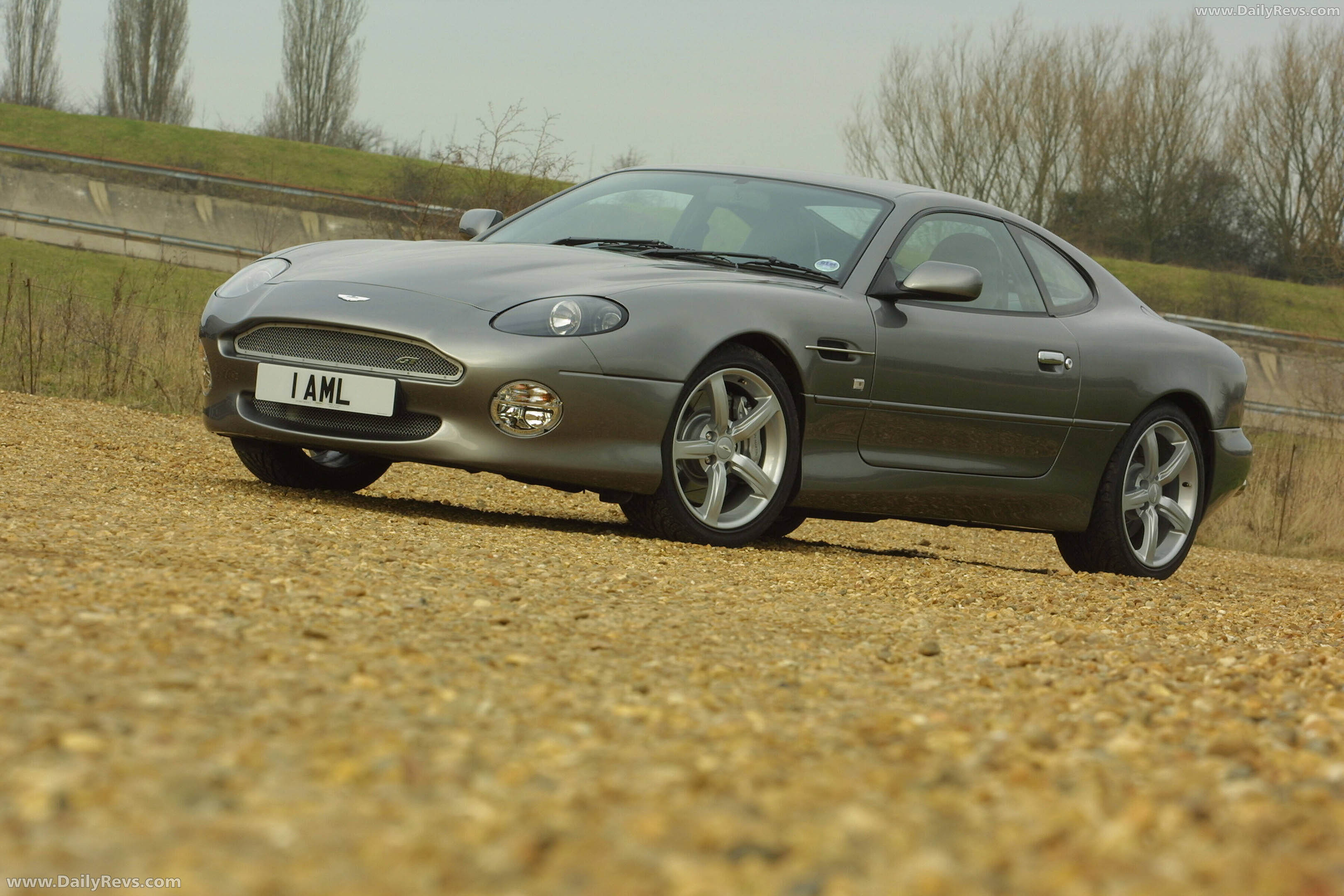
The DB7 GT retains the familiar grand touring coupe body, but its wheel and tyre specification gives it a more performance-oriented appearance.
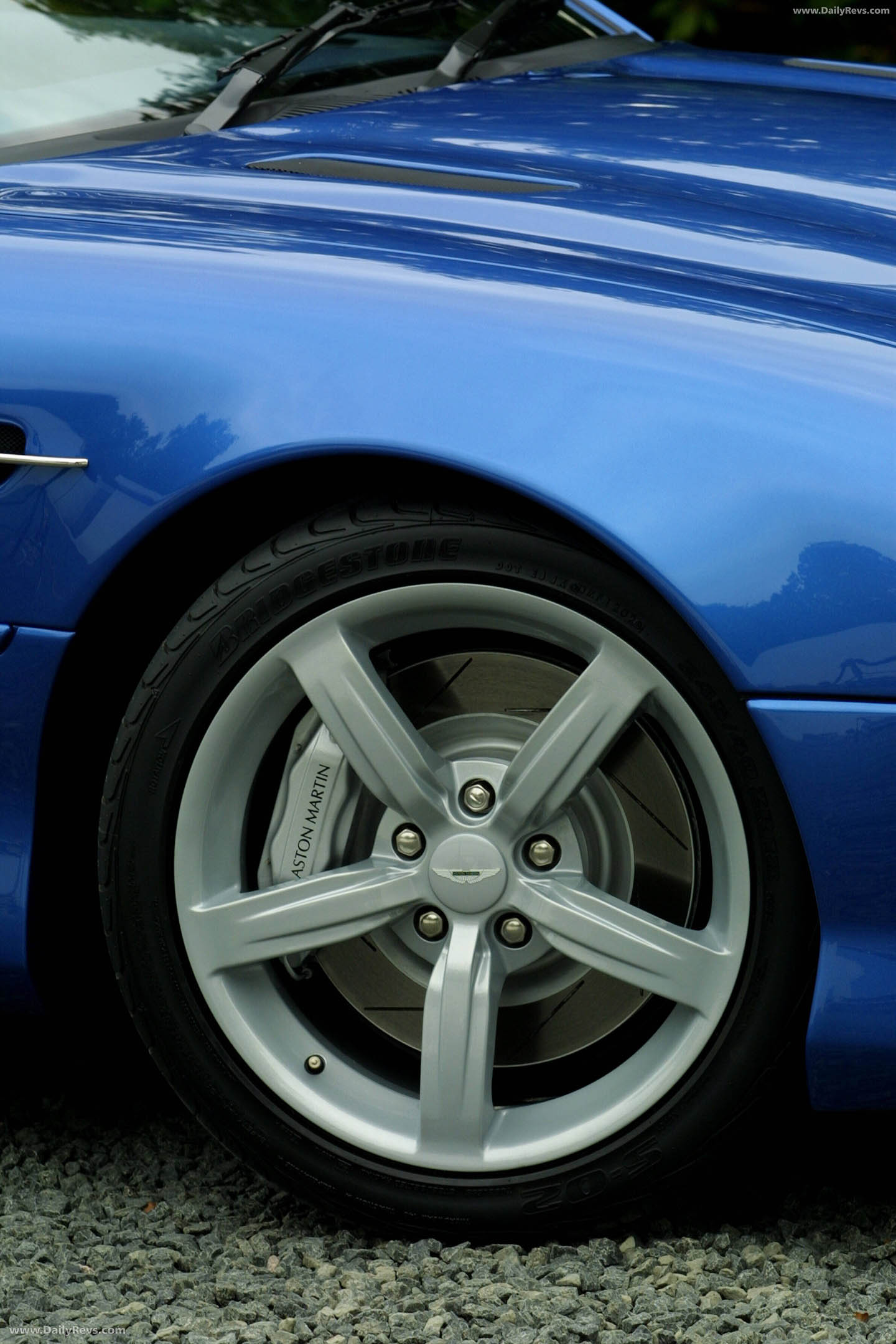
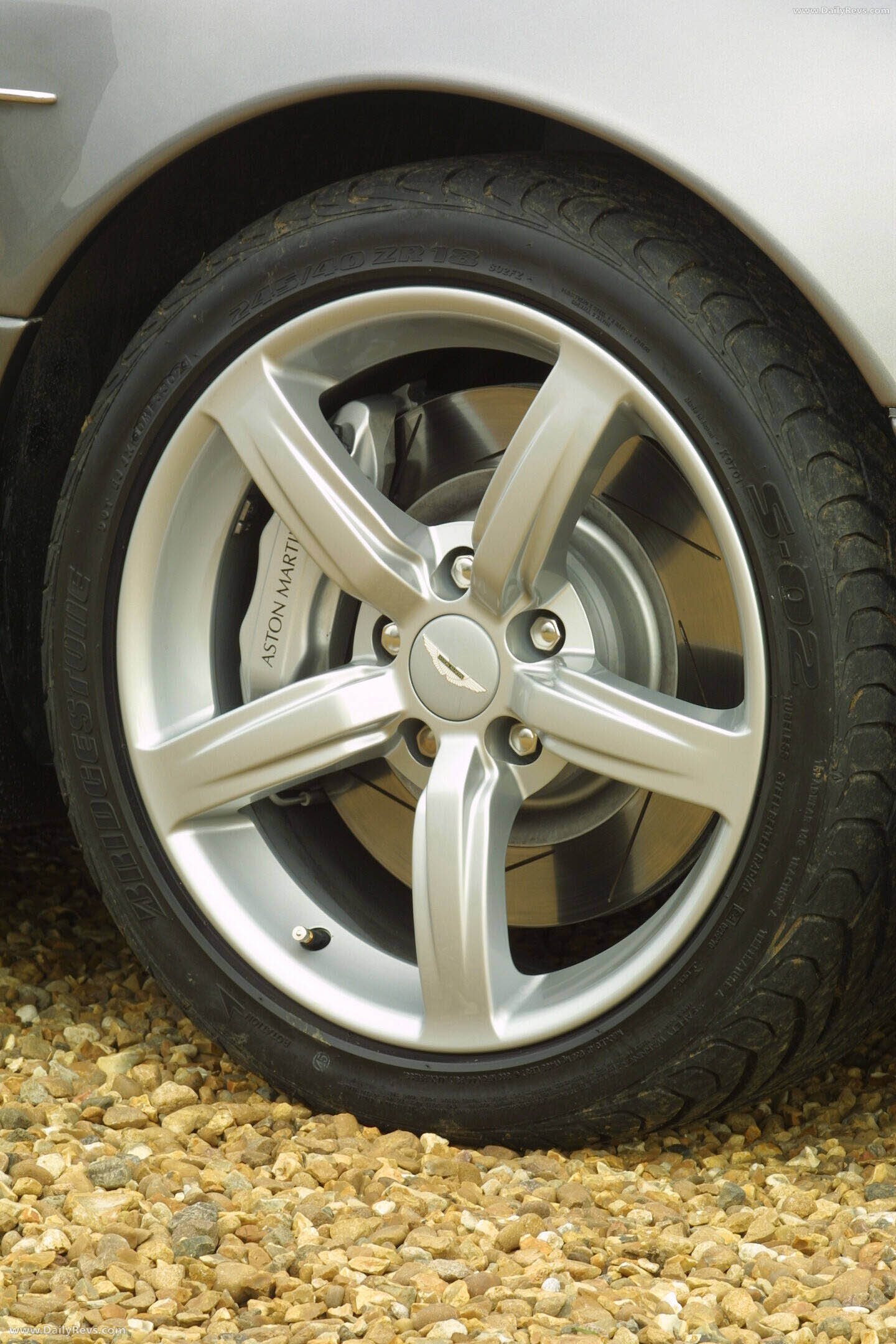
New 18-inch five-spoke alloy wheels distinguish the GT from the regular DB7 Vantage.
Bridgestone tyres measure 245/40 at the front and 265/35 at the rear.
The wider rear tyres form part of the upgraded performance package.
Aston Martin did not specify revised exterior dimensions, wheelbase measurements or track widths in the supplied announcement.
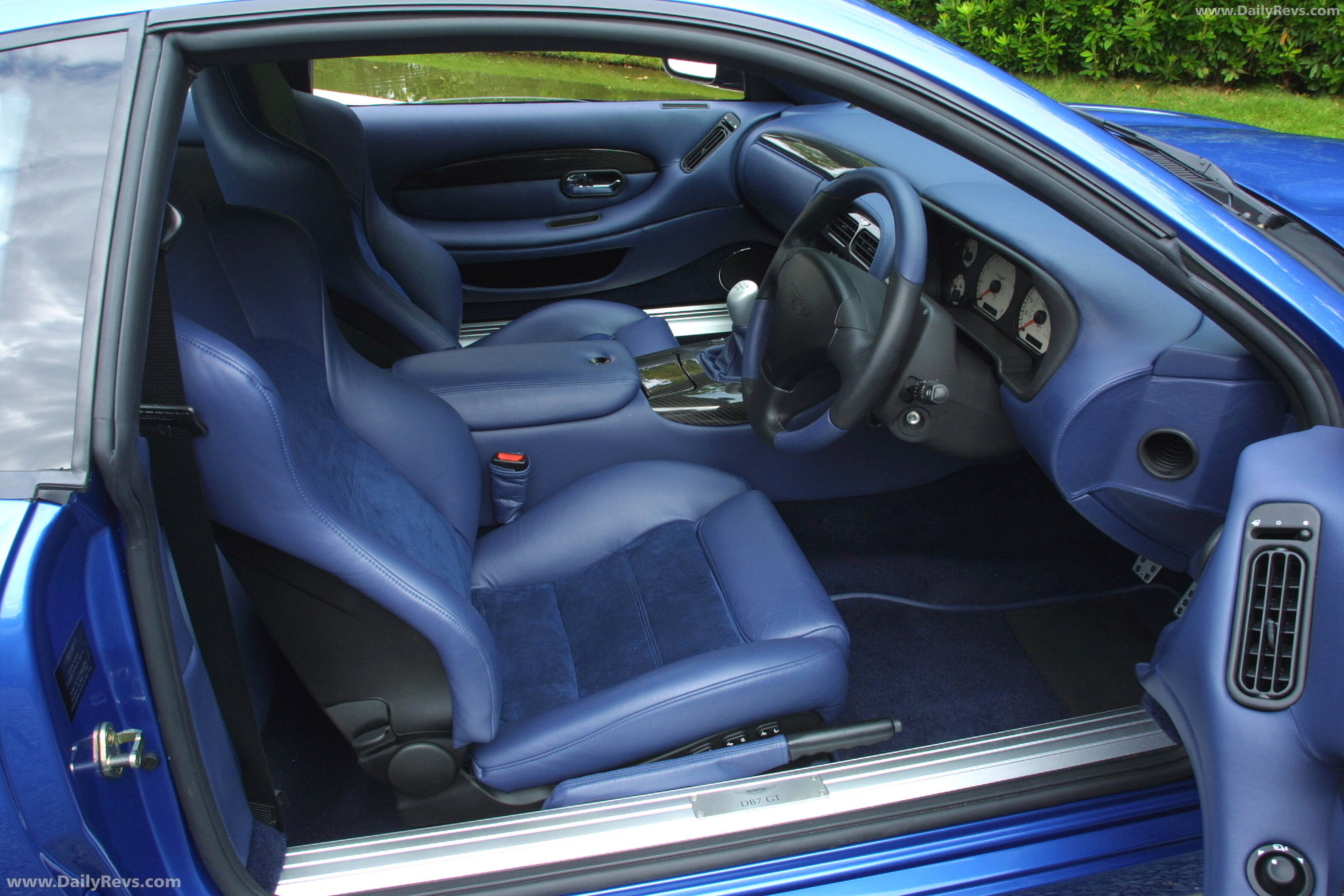
Interior and Manual Gearshift Changes
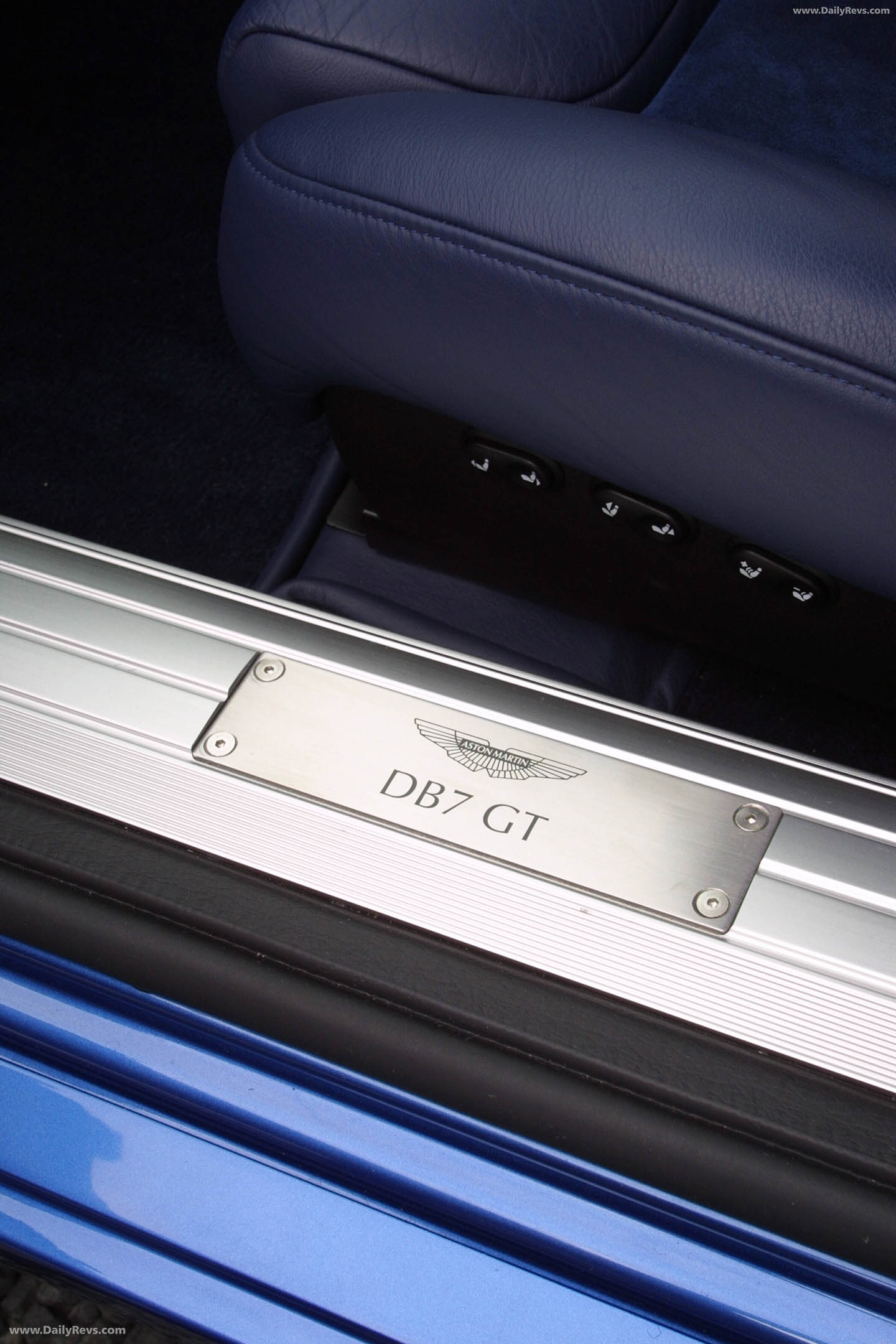
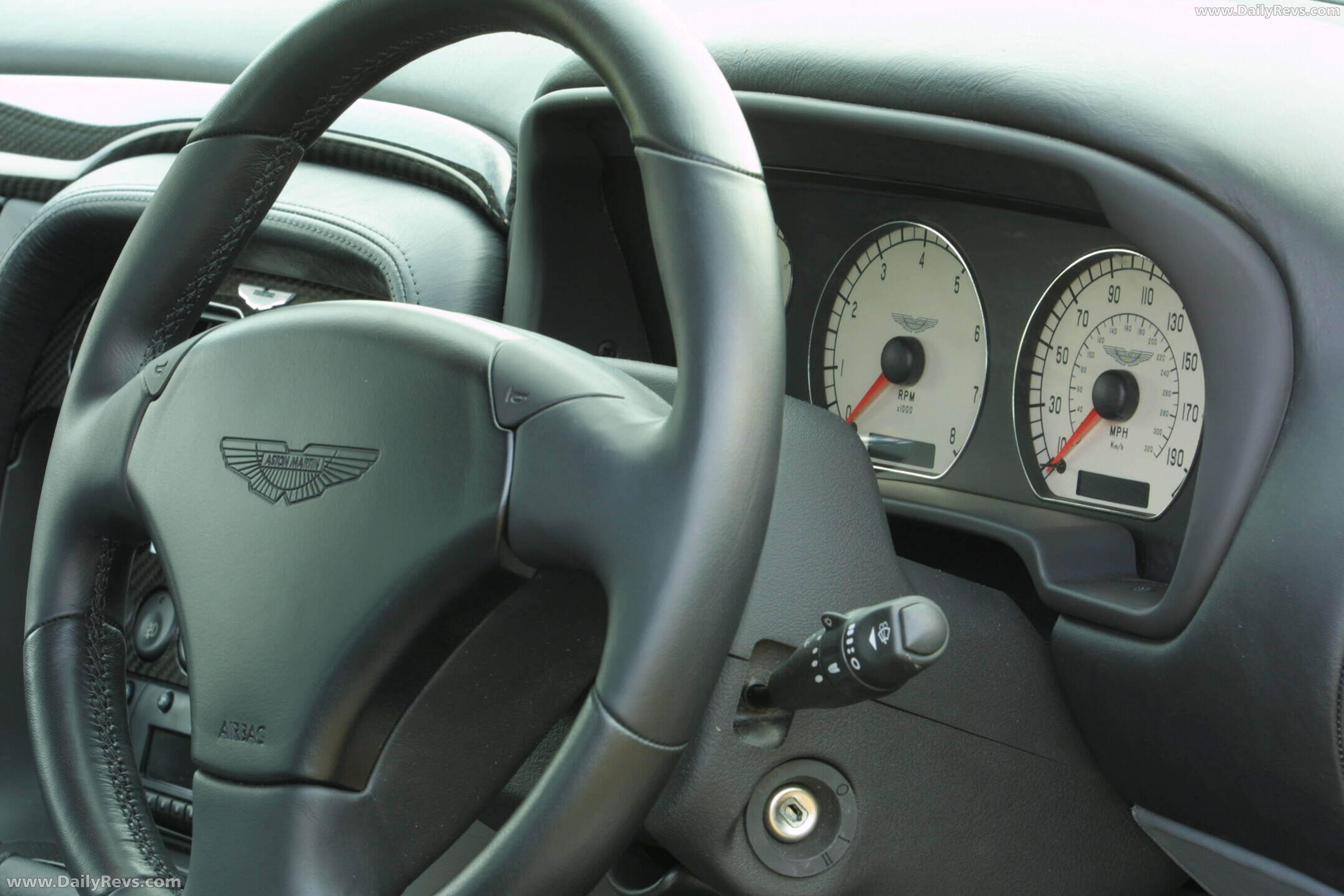
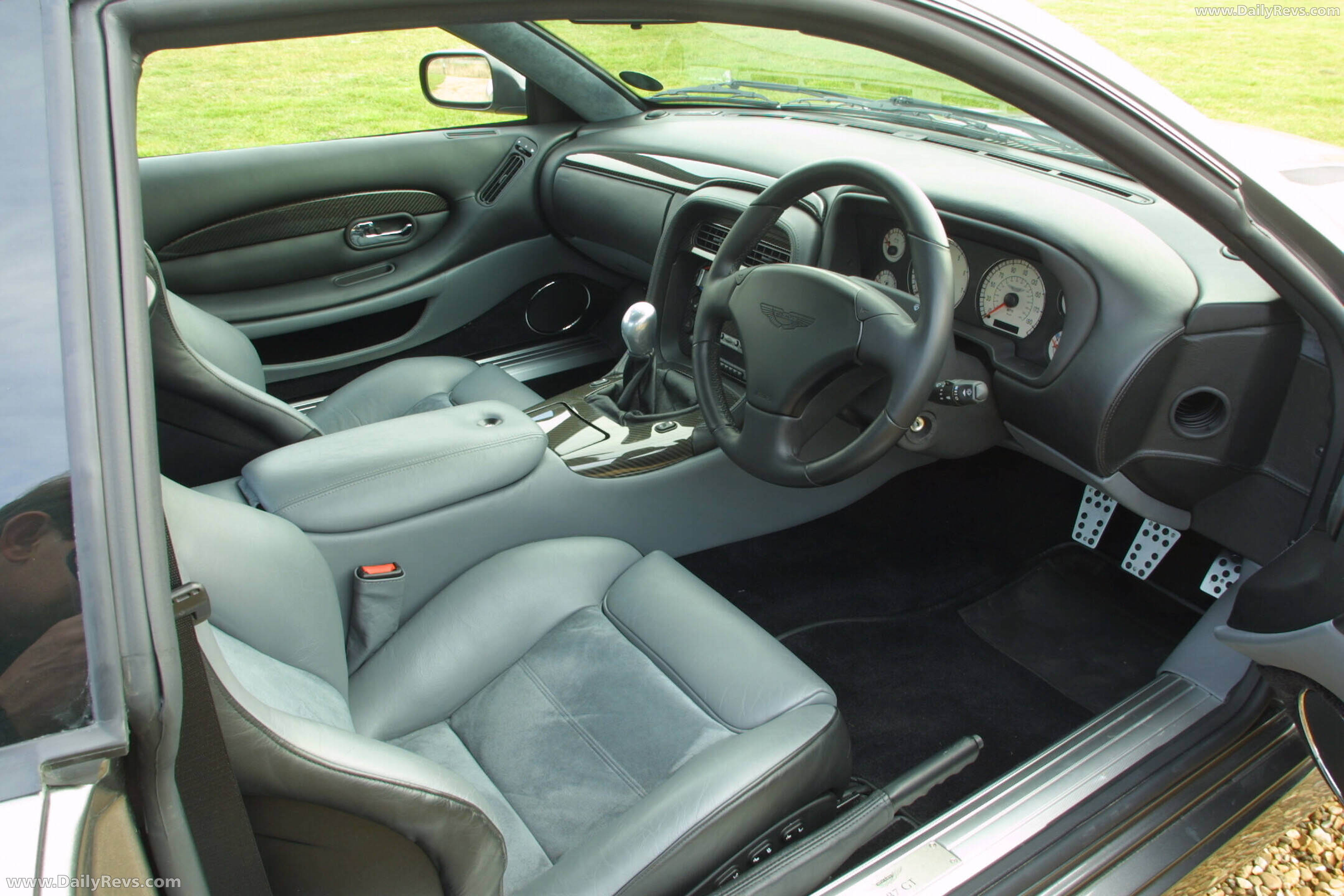
Inside, one of the principal mechanical differences concerns the manual gearshift.
The DB7 GT uses a revised quick-shift gear lever, intended to reduce the time and effort required between gear changes.
It works alongside a racing-derived twin-plate clutch.
The supplied press material does not detail new upholstery, dashboard finishes or infotainment equipment.
The emphasis in the original announcement is instead on the changes affecting the driver's interaction with the engine and transmission.
Upgraded 6.0 Litre V12 Produces 435 BHP
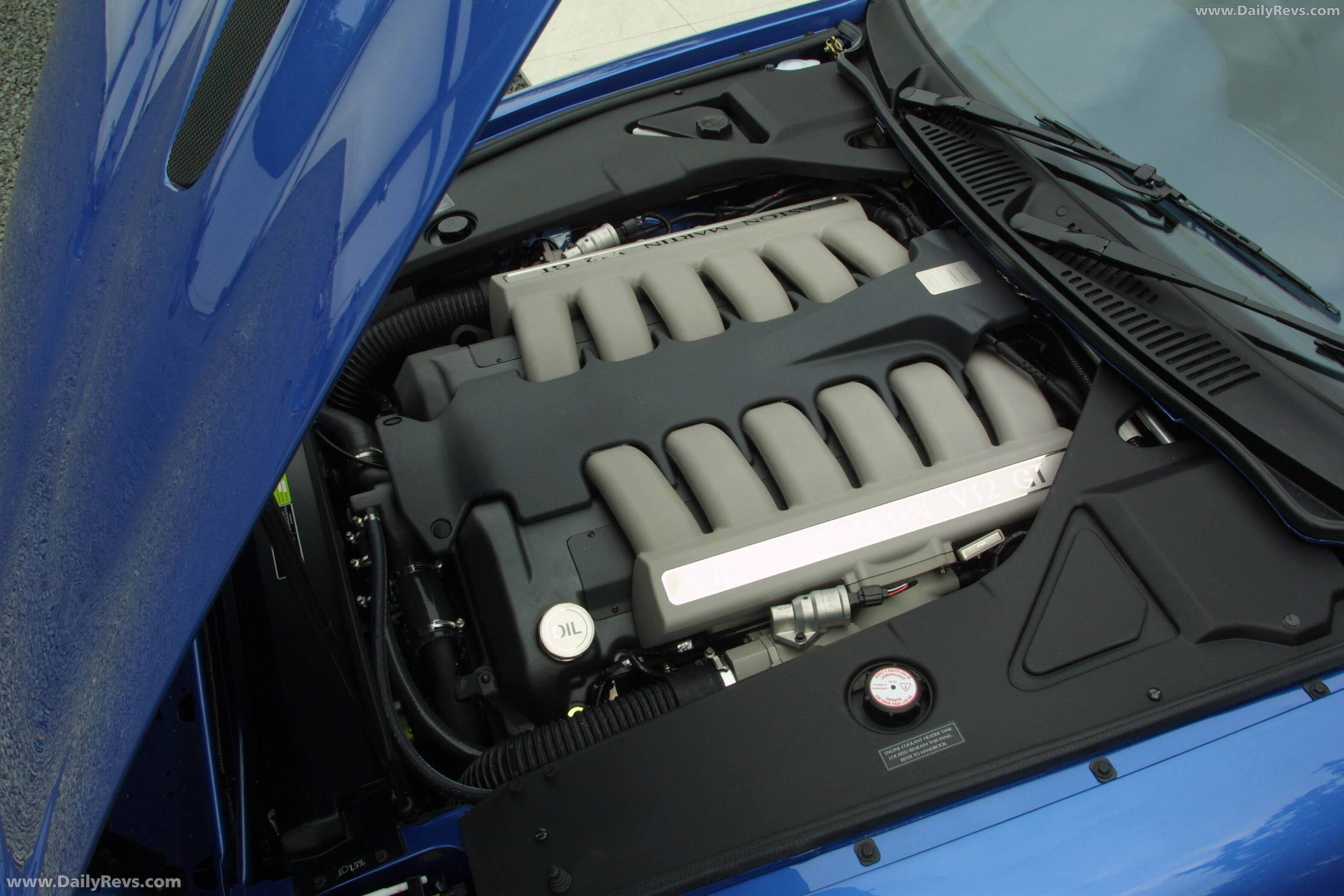
The DB7 GT retains Aston Martin's all-alloy, 48-valve 6.0-litre V12, featuring twin overhead camshafts.
Output increases from the DB7 Vantage's 420 bhp to 435 bhp.
Torque also rises, from 400 lb-ft to 410 lb-ft.
A revised final drive ratio and active sports exhaust system accompany the engine changes.
These modifications improve mid-range response and acceleration, although the supplied announcement does not specify a 0–100 km/h time or maximum speed.
DB7 GT and GTA Market Positioning
The GT and GTA expanded the DB7 range with two different transmission choices.
The six-speed manual GT placed greater emphasis on driver involvement, while the five-speed automatic GTA provided an alternative within the same model family.
Introduced near the end of the DB7's original production era, the GT represented a further development of Aston Martin's established V12 grand tourer rather than a replacement for it.