2002 Aston Martin DB7 Vantage Zagato
By Lorenzo Bianchi November 10, 2002
The 2002 Aston Martin DB7 Vantage Zagato was announced at the Geneva Motor Show, reviving the collaboration between Aston Martin and Italian coachbuilder Zagato.
Its shortened wheelbase, aluminium body and unique 18-inch wheels give the car a wider stance and a 60 kg weight advantage over the standard DB7.
Powered by a 6.0-litre V12 with a six-speed manual transmission, the DB7 Vantage Zagato was limited to 99 examples, with bodies manufactured in Italy and final assembly completed in Britain.
2002 Aston Martin DB7 Vantage Zagato Revives a Historic Partnership
The 2002 Aston Martin DB7 Vantage Zagato marked another chapter in the relationship between the British sports car manufacturer and Italian coachbuilder Zagato.
Announced at the Geneva Motor Show in 2002, the limited-production coupe took the mechanical foundations of the DB7 Vantage and wrapped them in a substantially different aluminium body.
The connection went back to 1961, when Aston Martin and Zagato produced 19 examples of the DB4 GT Zagato. Another collaboration followed in 1987 with the V8 Zagato and V8 Zagato Volante.
For the DB7 project, designer Andrea Zagato and his team revisited several characteristics of those earlier cars.
Double Bubble Roof and Shortened Rear Design
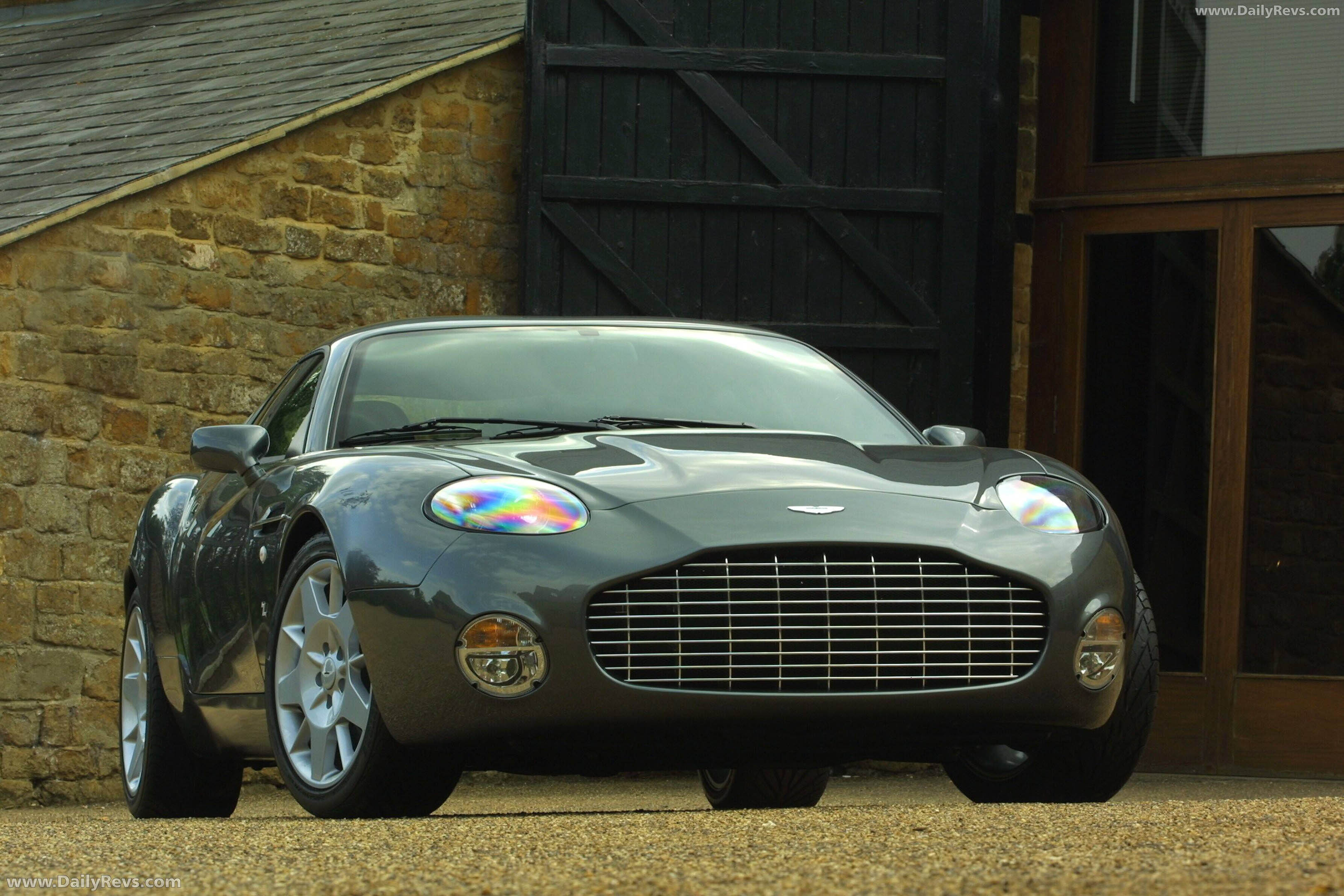
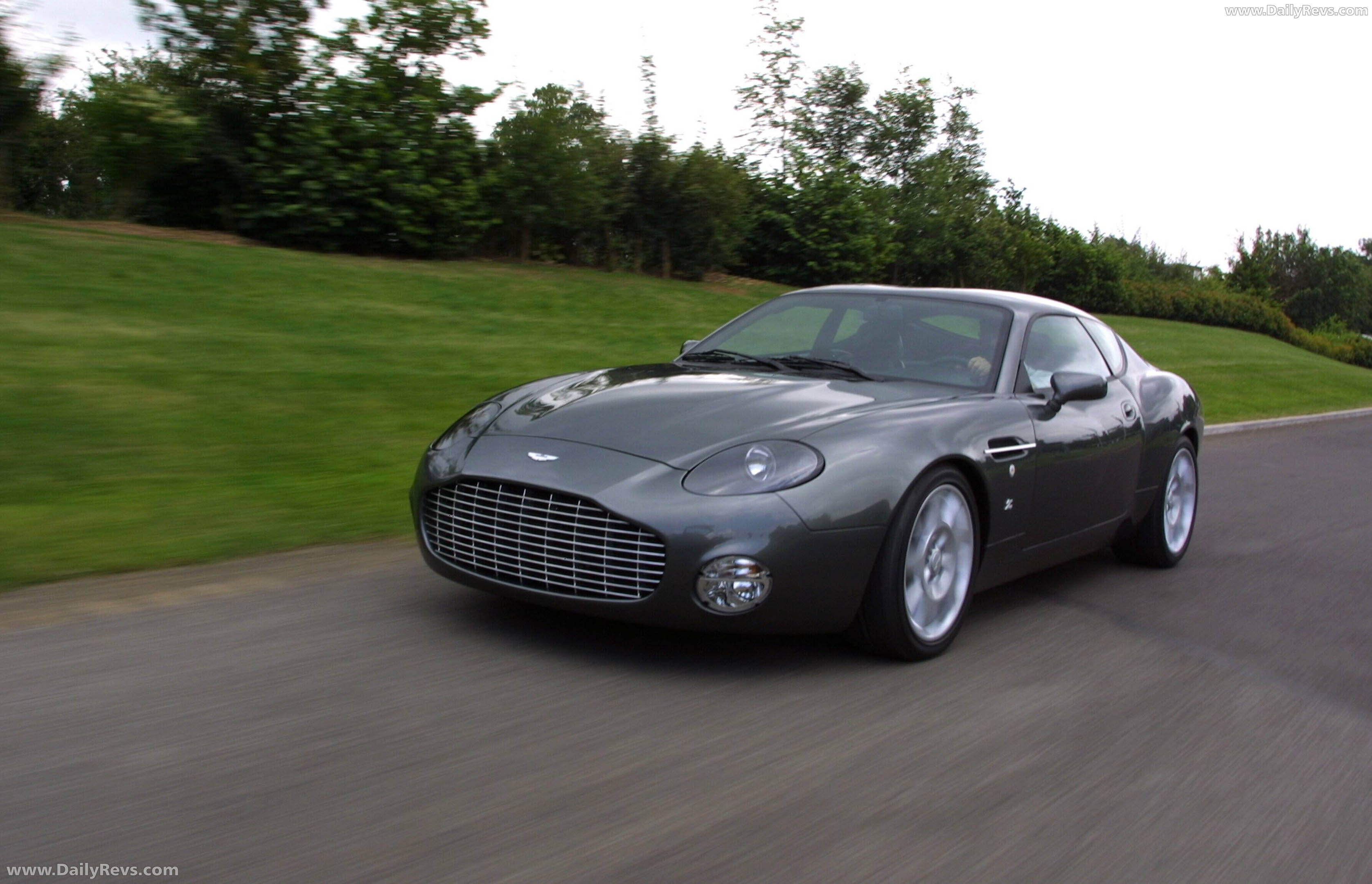
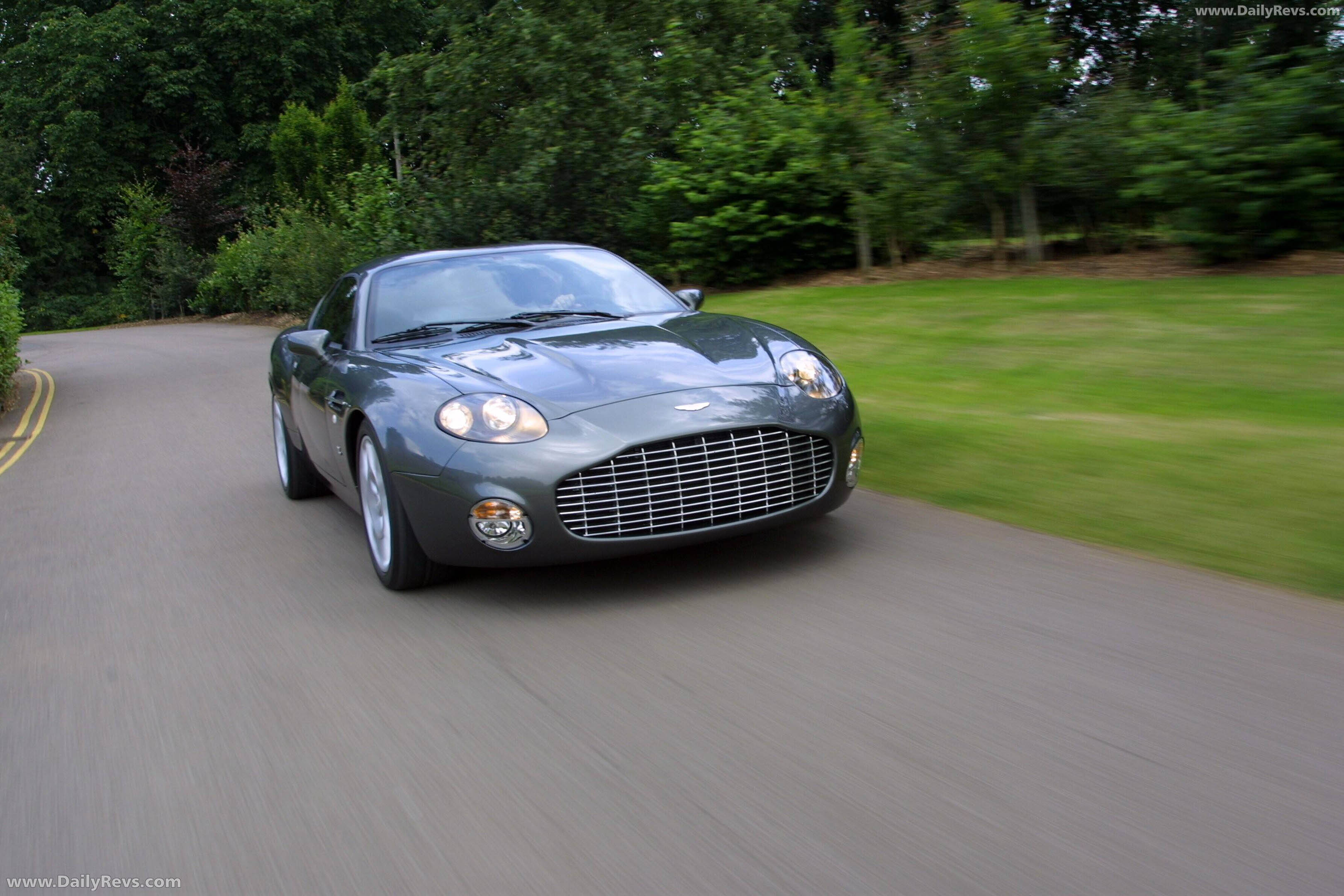
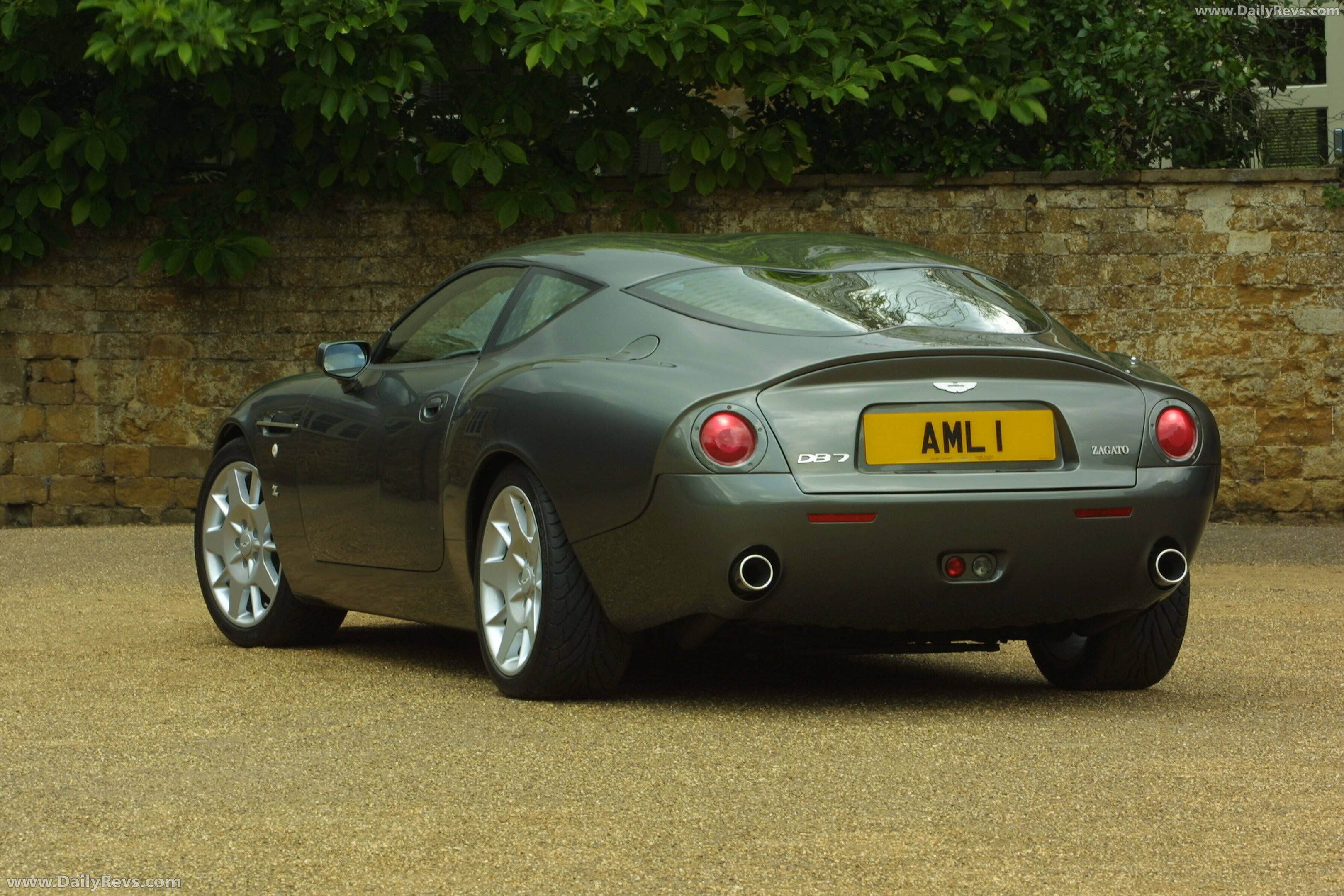
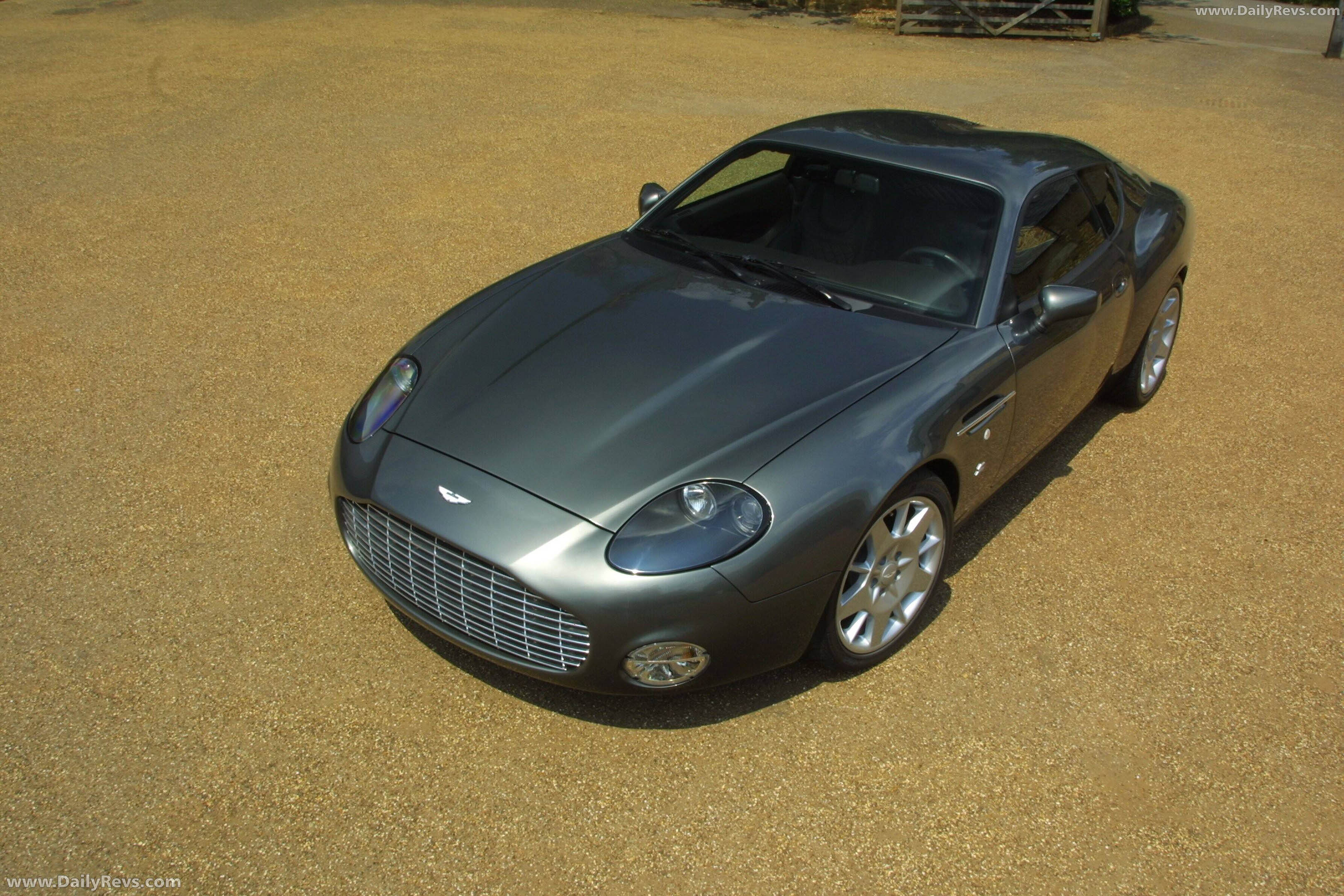
The exterior differs considerably from the regular DB7 Vantage.
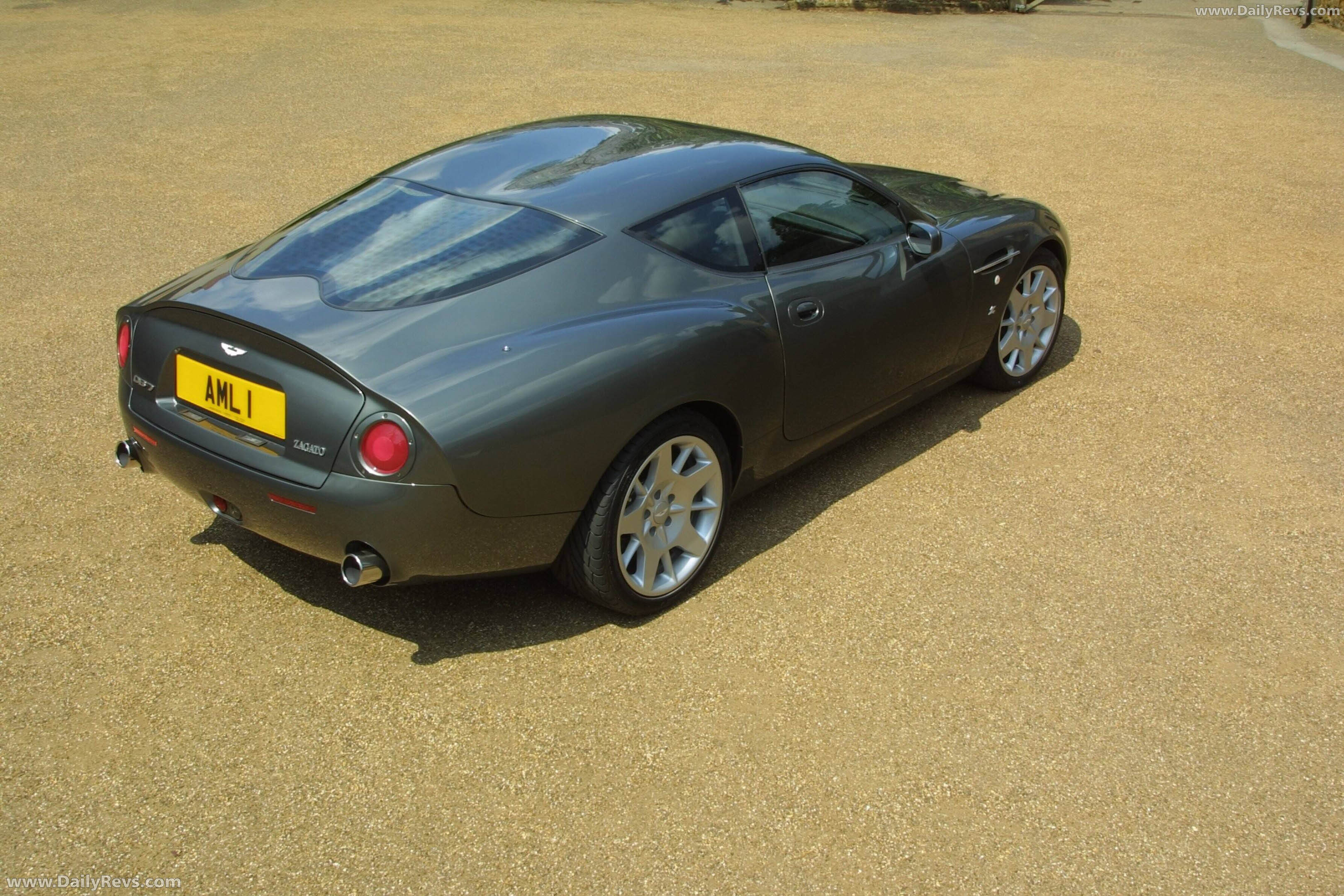
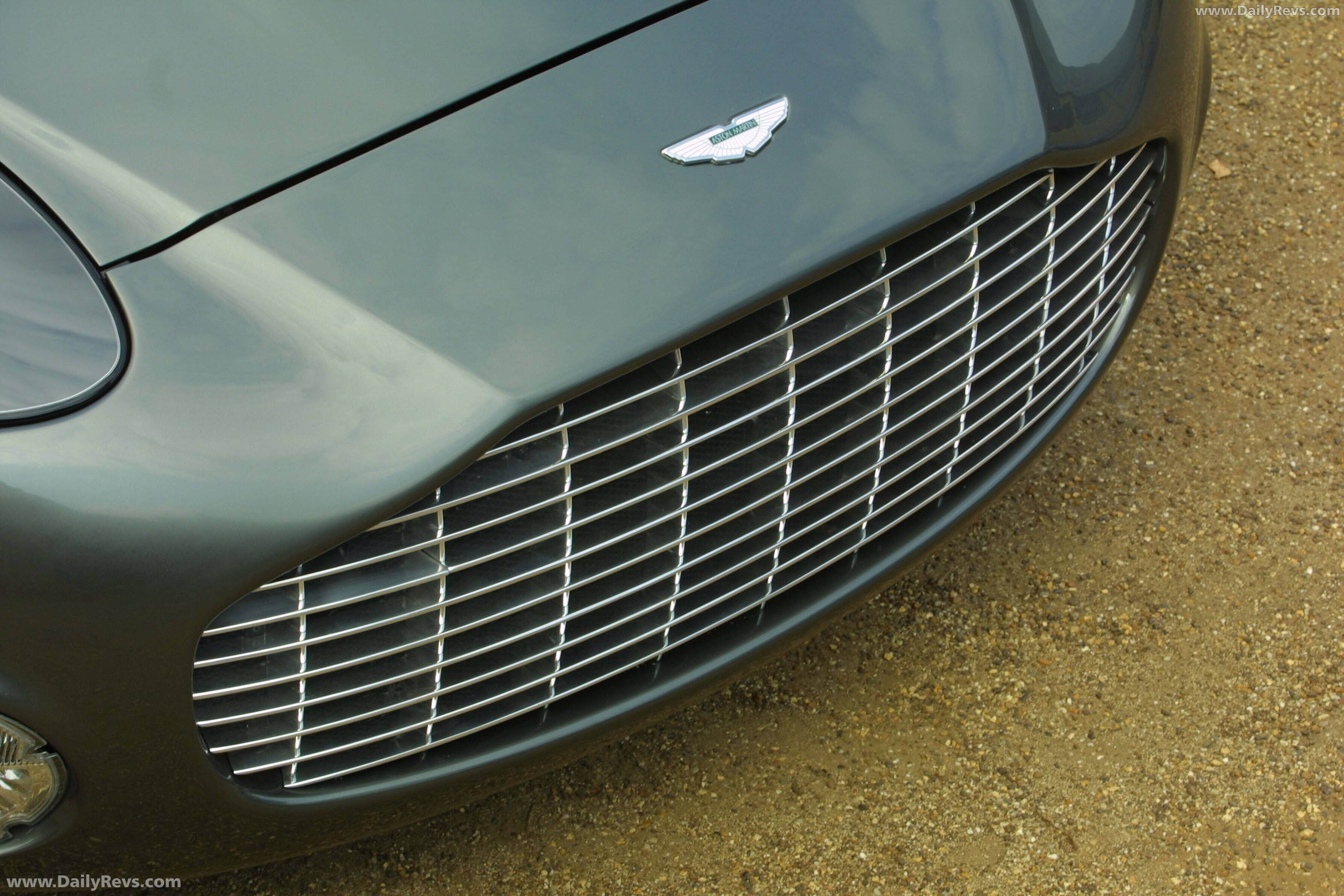
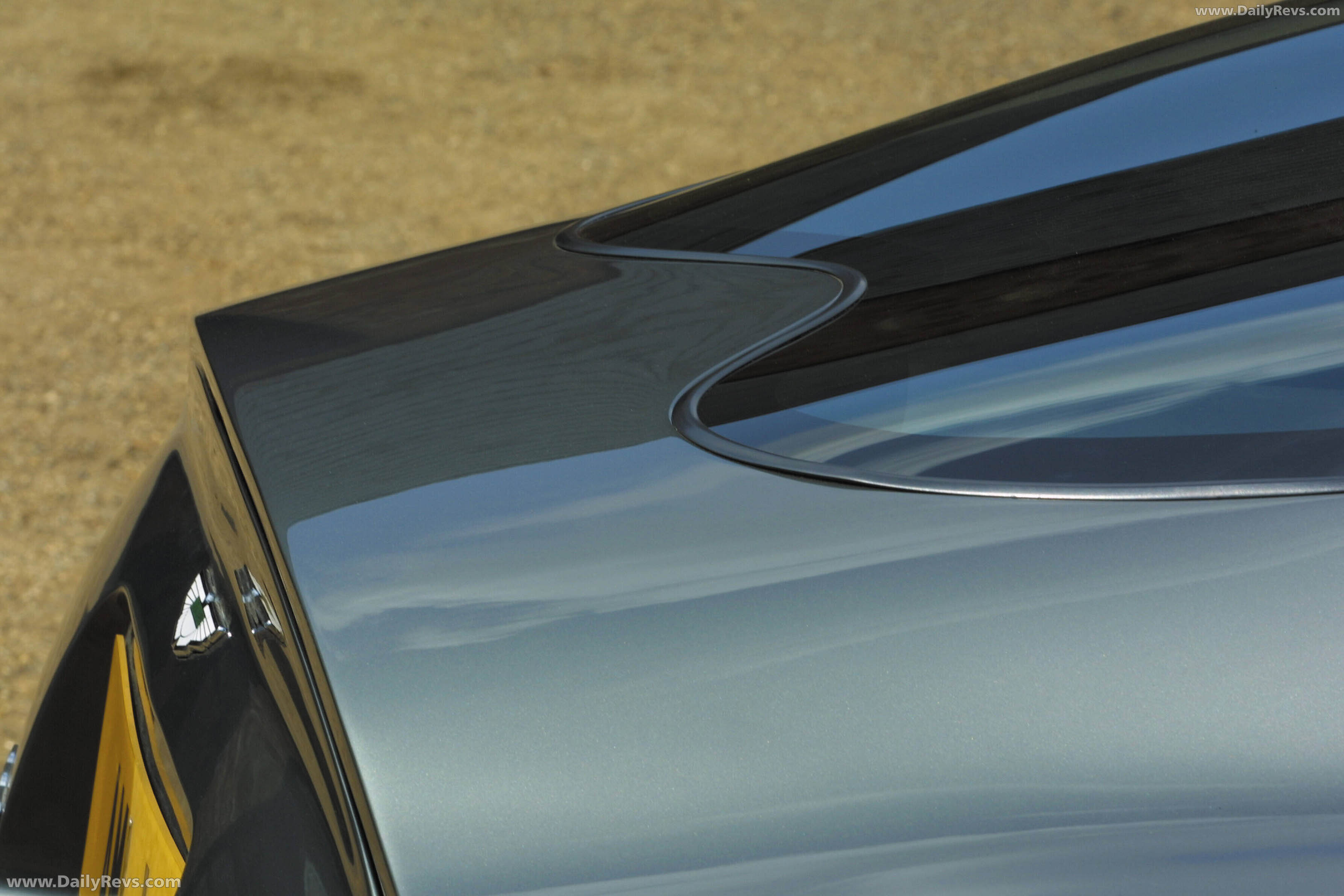
A long bonnet meets a large, distinctive radiator grille, while the roof carries Zagato's familiar double-bubble treatment.
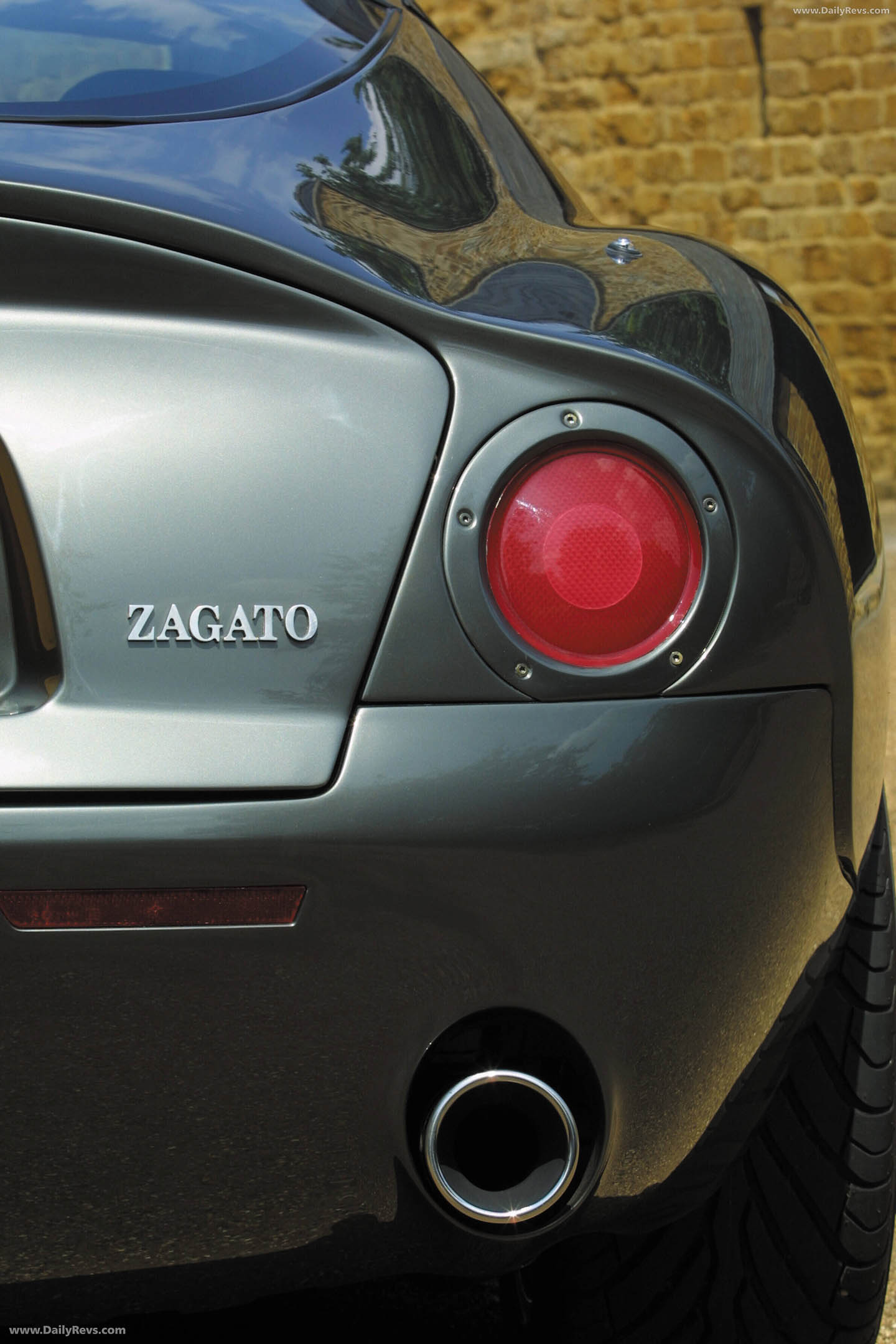
The rear is noticeably shorter than that of the standard car, giving the coupe a more compact appearance.
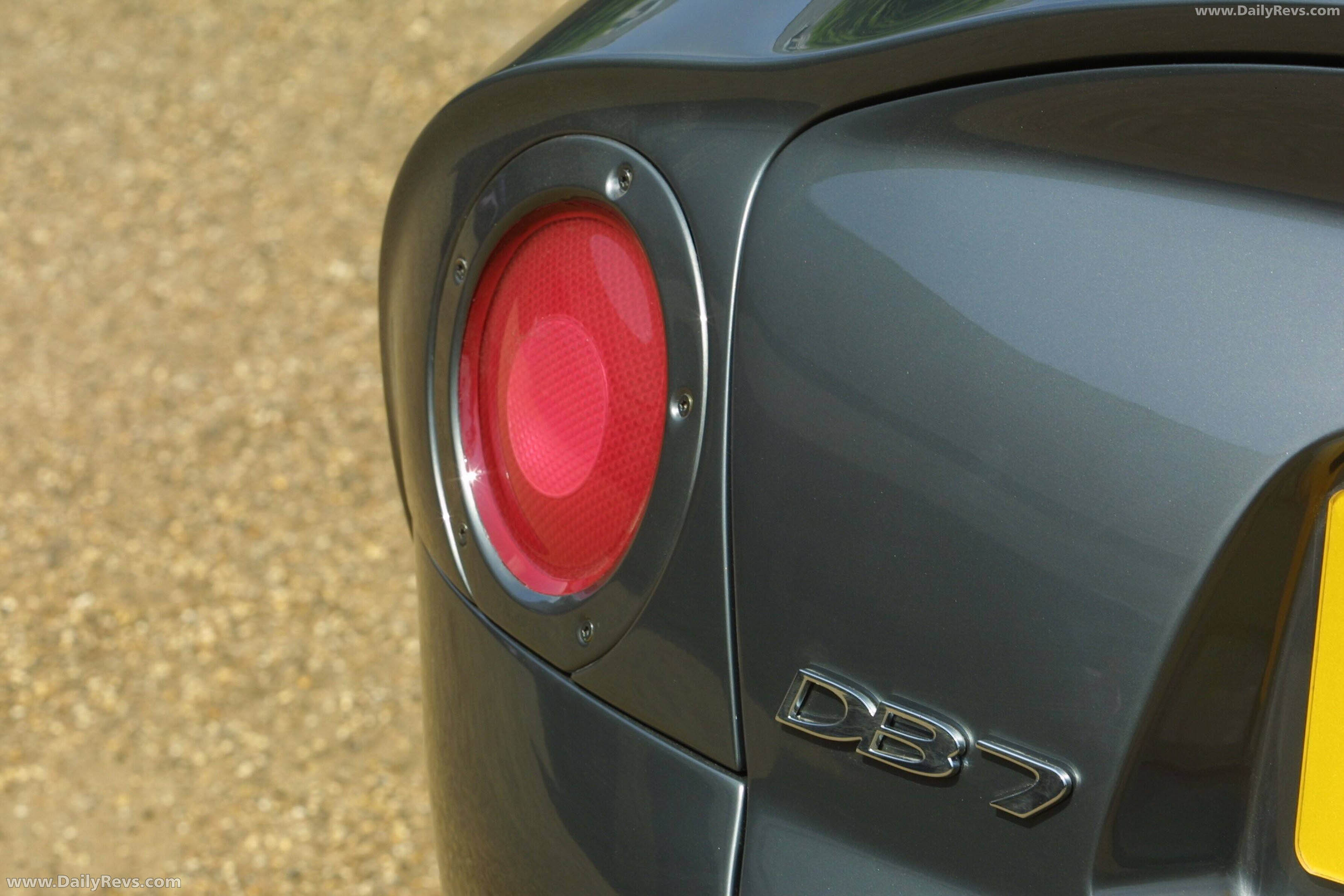
Pronounced rear wheel arches add width to the bodywork, and the rear lighting incorporates a specially detailed reversing and fog lamp arrangement.
The aluminium panels were individually crafted, reflecting the coachbuilder's traditional approach to low-volume production.
Shorter Wheelbase and Wider Track
Underneath the redesigned body, Aston Martin used a shortened version of the DB7 Vantage Volante's wheelbase.
The aluminium construction contributed to a 60 kg weight reduction compared with the standard car.
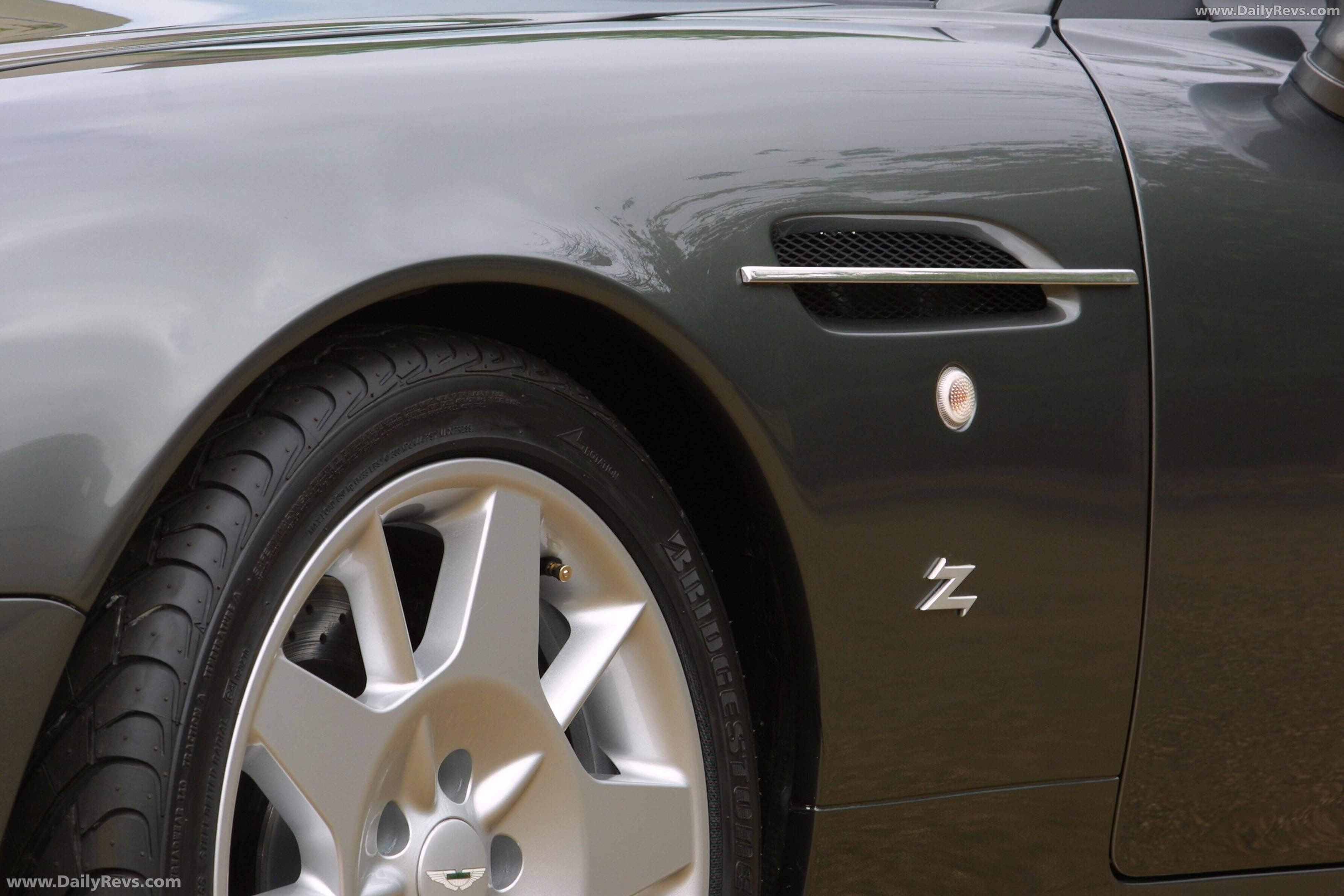
Unique Zagato-designed 18-inch wheels were fitted, measuring eight inches wide at the front and nine inches at the rear.
Revised wheel offsets produced a wider track.
Both front and rear suspension systems were specifically developed for the model, while upgraded ventilated brake discs used Pagid RS4-2-1 pads.
Hand Stitched Leather Interior
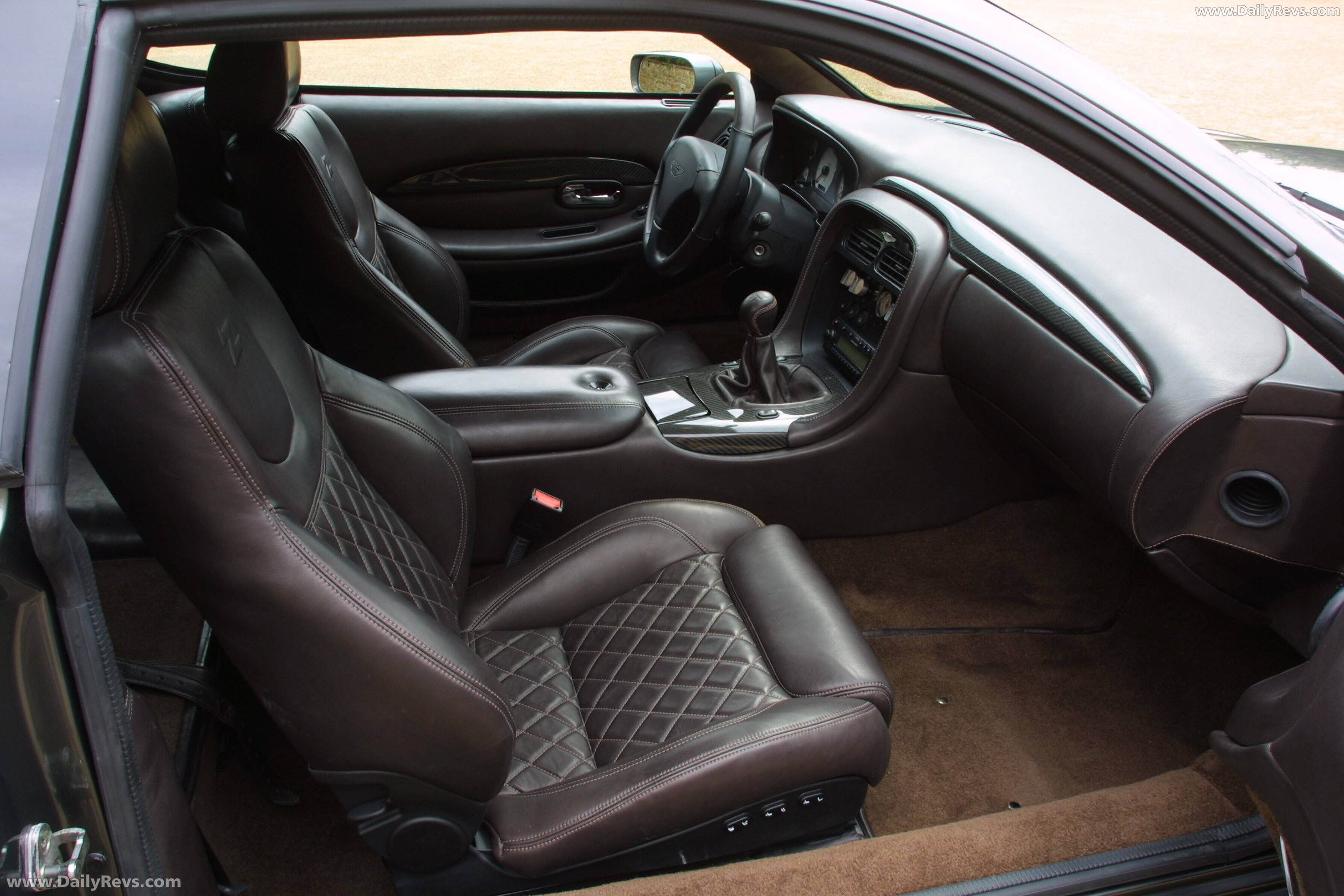
The DB7 Vantage Zagato received an interior developed specifically for the limited-production model.
Dark Chocolate aniline leather covered the cabin, with hand-stitched upholstery distinguishing it from the regular DB7.
The original announcement concentrates on these materials rather than describing individual dashboard controls or infotainment equipment.
Exterior colour choices were equally restrained, with Mercury Grey, Aqua Verde and Zagato Nero offered as the three standard finishes.
6.0 Litre V12 and Six Speed Manual Gearbox
The coupe retained Aston Martin's all-alloy, 48-valve 6.0-litre V12 engine.
It featured twin overhead camshafts and was paired with a six-speed close-ratio manual transmission.
A twin-plate clutch, revised differential and shorter gear lever formed part of the mechanical specification.
Aston Martin reported increased engine output and reduced vehicle weight, although the supplied material does not provide a numerical horsepower figure.
Acceleration and maximum speed figures are also not specified.
Limited Production and Coachbuilt Heritage
Only 99 examples of the DB7 Vantage Zagato were produced.
The aluminium bodies were manufactured in Italy before the cars underwent final assembly at Aston Martin's Bloxham facility in Britain.
Within the DB7 family, the Zagato occupied a distinct position, combining familiar V12 mechanical components with a shorter body, individual interior trim and coachbuilt styling.
Its limited production run also continued the tradition established by the original DB4 GT Zagato.