1973 Lancia Stratos
By Lorenzo Bianchi October 23, 1973
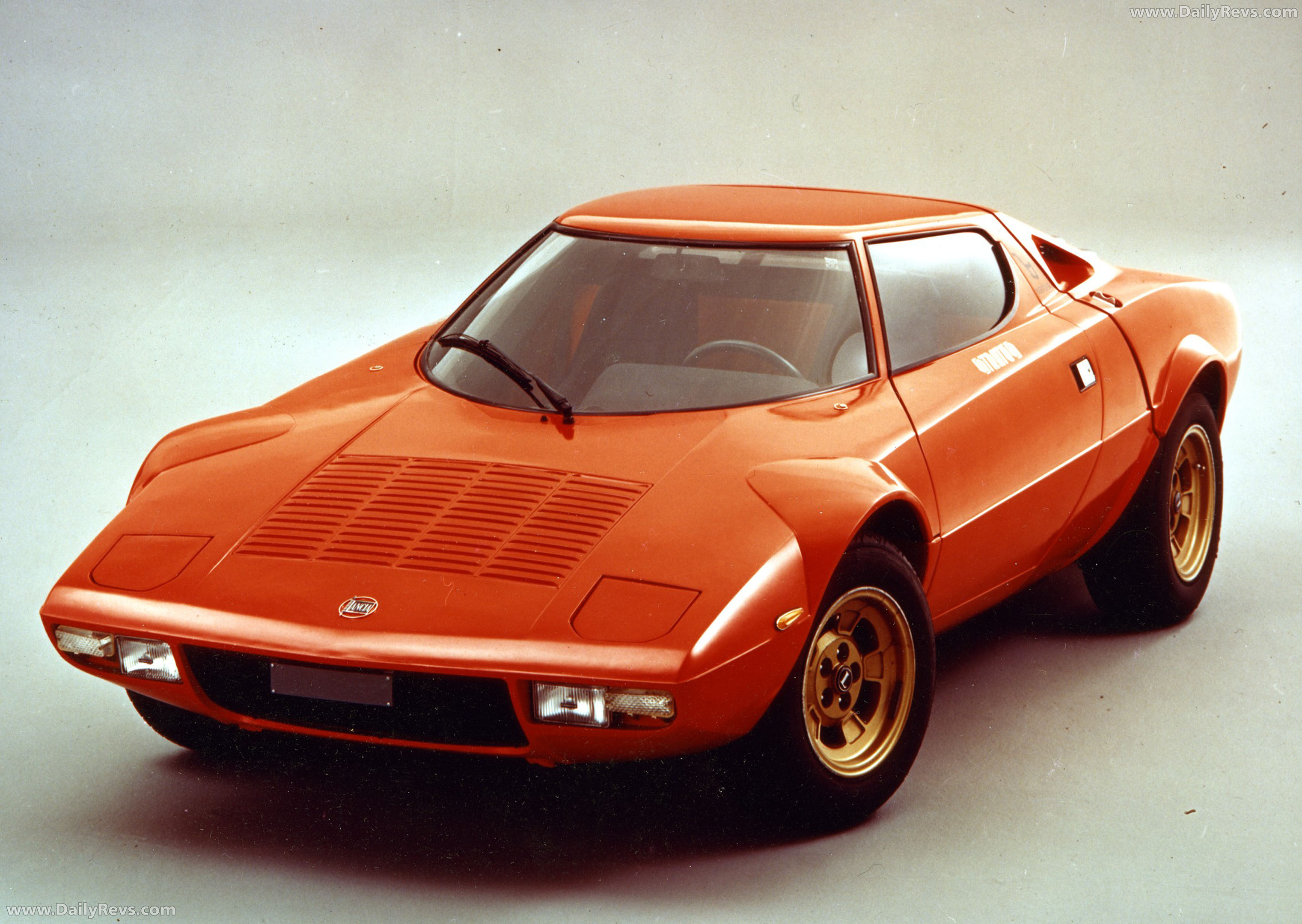
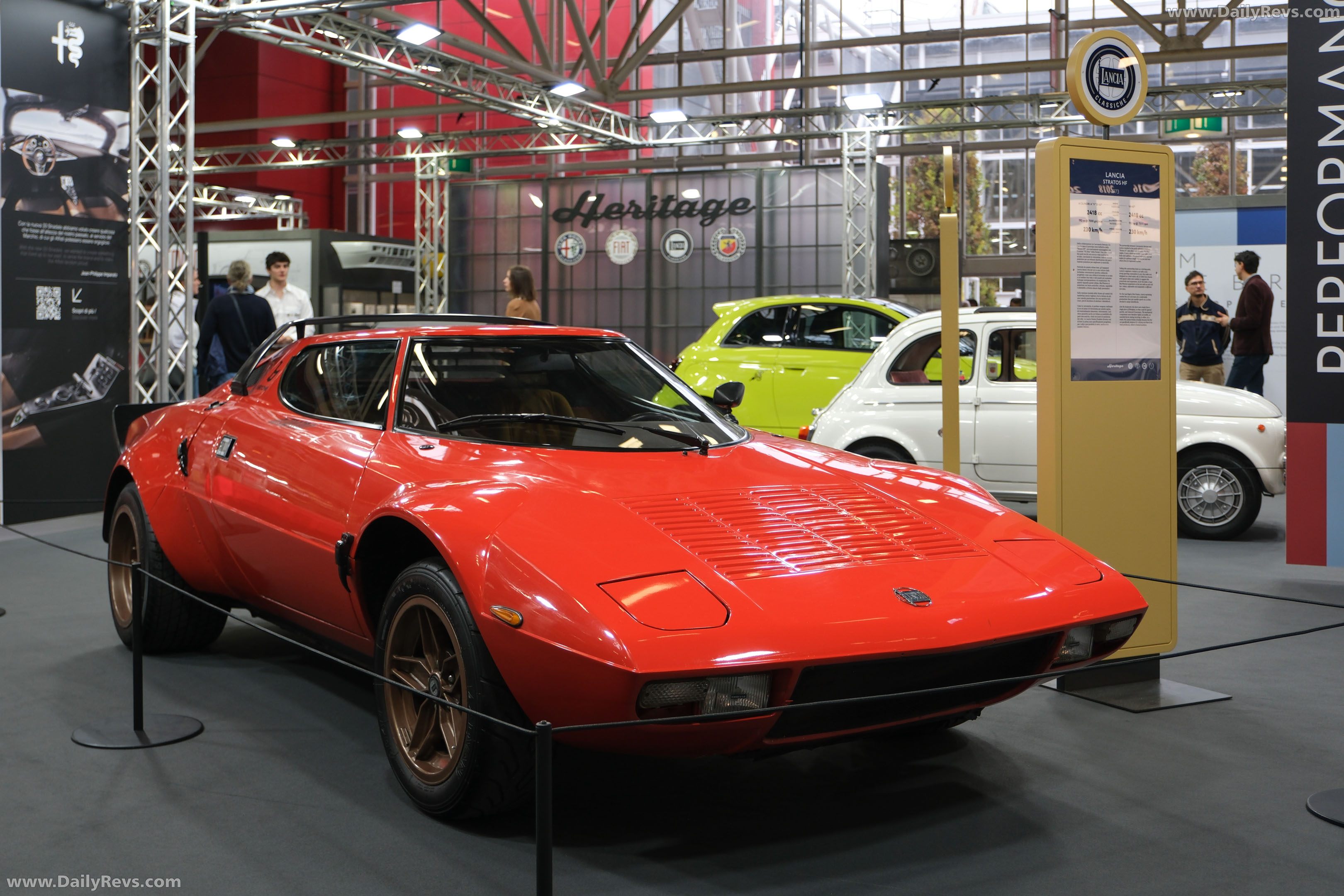
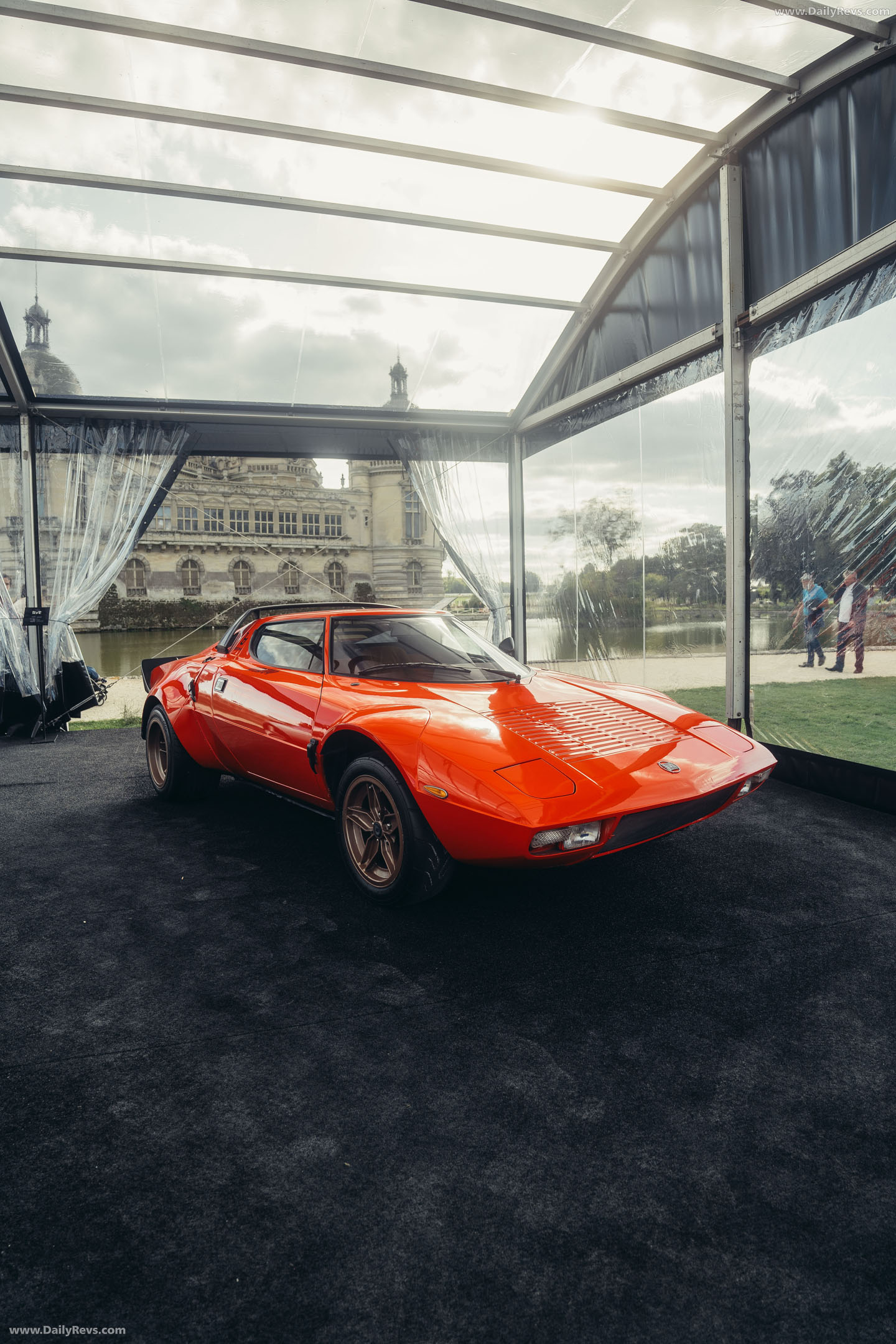
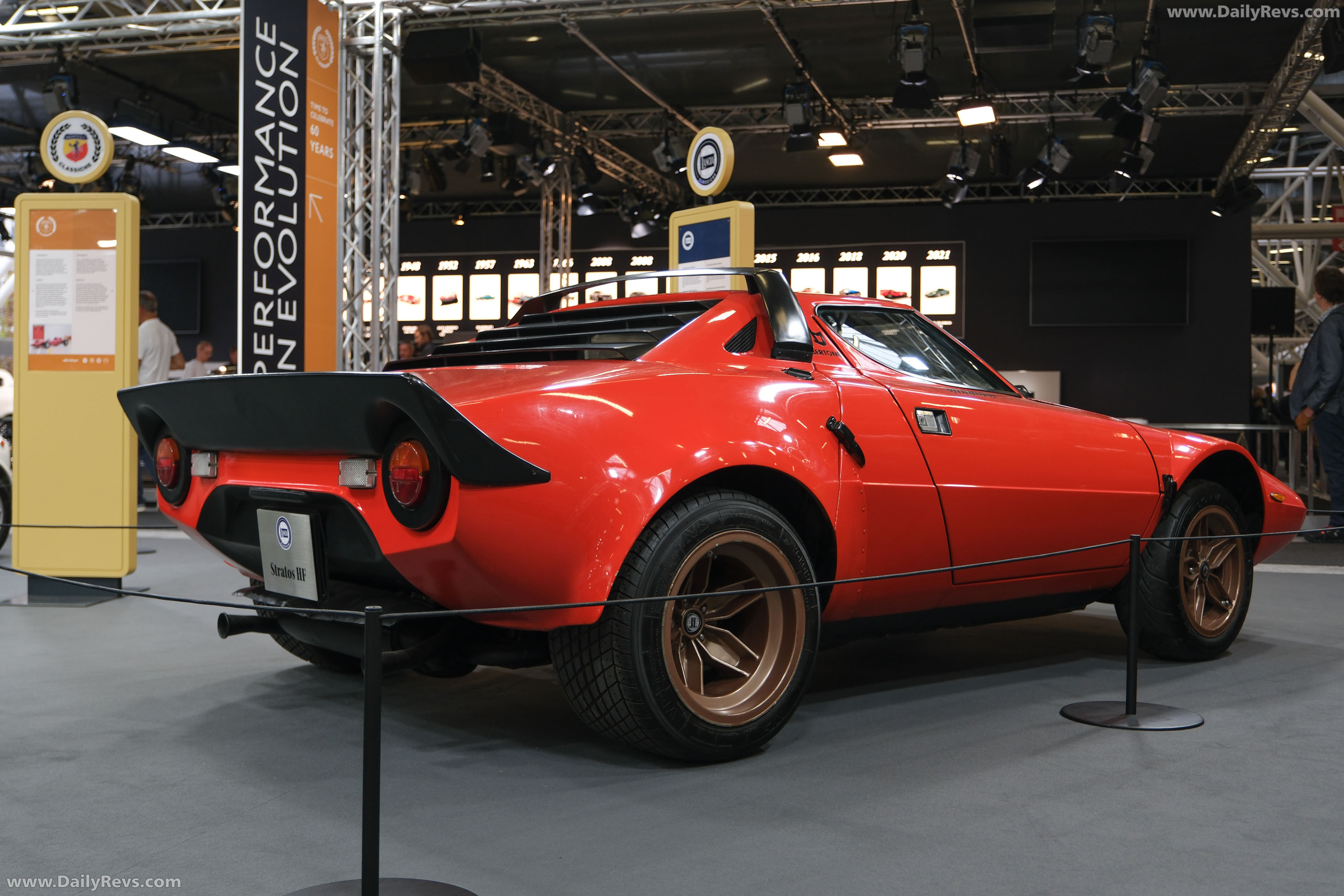
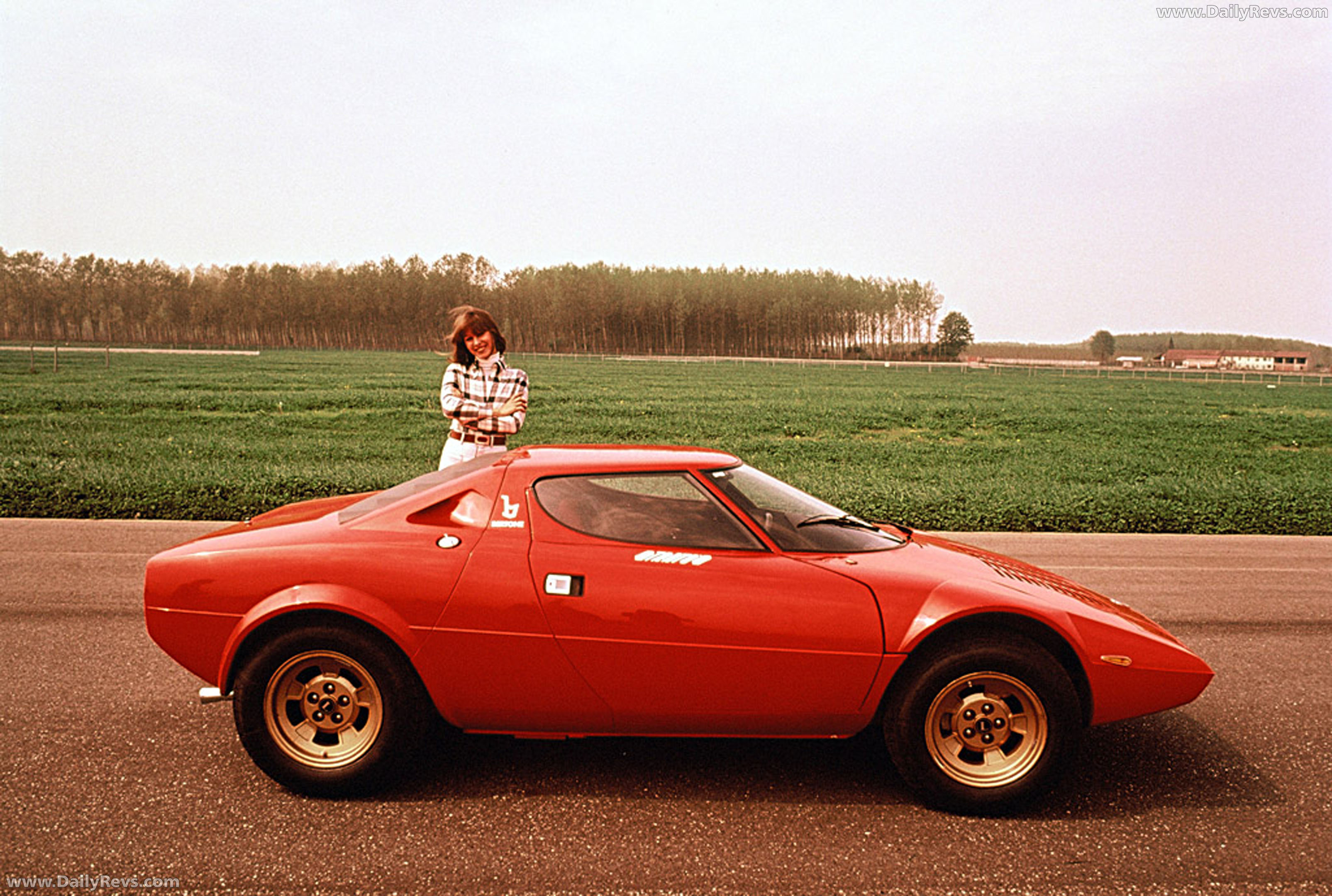
The 1973 Lancia Stratos was developed specifically for rally competition, featuring Bertone-designed wedge-shaped bodywork and a distinctive wraparound windshield.
A mid-mounted 2,418 cc Ferrari Dino V6 produced 190 bhp in road specification, while racing versions developed approximately 280 hp, with turbocharged variants also produced.
The Stratos was homologated for the 1974 World Rally Championship and won three consecutive manufacturers' titles in 1974, 1975 and 1976. The supplied historical account records total production of 492 examples.
Lancia Stratos Entered Production in 1973
The 1973 Lancia Stratos marked a different approach to rally-car development. Rather than adapting an existing passenger car for competition, Lancia created a machine specifically around the demands of rallying.
The project followed a Bertone-designed concept shown at the 1971 Turin Motor Show. Its production body retained the unconventional proportions that distinguished the original design, with a short, wide stance and a centrally mounted V6 engine.
Lancia tested the Stratos extensively, entering competition events during 1972 and 1973 before securing homologation for the 1974 World Rally Championship.
Bertone Wedge Design and Wraparound Windshield
The Stratos adopted a sharply defined wedge profile that differed considerably from conventional sports cars of its period.
Its most recognisable feature was the crescent-shaped windshield, which curved around the front of the passenger compartment to provide extensive forward visibility.
Rearward visibility was limited, reflecting the vehicle's competition-oriented design.
Bertone's bodywork placed particular emphasis on compact proportions, with a low front section and broad overall stance. The resulting silhouette became closely associated with Lancia's rally programme throughout the 1970s.
Short and Wide Proportions for Rally Handling
The Stratos' compact dimensions were central to its development as a purpose-built competition car.
According to the supplied historical account, its unusually short and wide body was intended to maximise traction during rally stages.
The mid-engine configuration also distinguished it from many conventional road-derived rally vehicles of the period.
Exact measurements for length, width, wheelbase and suspension geometry are not provided in the source material.
Driver Visibility and Competition Focused Cabin
The wraparound windshield shaped the Stratos' driving environment, prioritising visibility towards the road ahead.
Its limited rearward visibility illustrates the compromises made in developing a vehicle primarily for competition rather than everyday transport.
The source does not specify dashboard instrumentation, seat construction, upholstery materials or other interior equipment.
Ferrari Dino V6 and Racing Performance
Power came from a mid-mounted 2,418 cc Ferrari Dino V6, rated at approximately 190 bhp in road specification.
For racing, Lancia developed higher-output versions producing around 280 hp. Turbocharged configurations were also produced, although the source states these were permitted only in Group 5 competition and proved less reliable than naturally aspirated versions.
Acceleration figures, transmission specifications and maximum speed are not documented in the uploaded material.
Three World Rally Titles and Limited Production
Lancia introduced the cars required for Group 4 homologation in 1973, allowing the Stratos to compete in the 1974 World Championship.
The model subsequently secured World Rally Championship titles in 1974, 1975 and 1976.
Its competition history also extended to Group 5 silhouette racing, including victories in the Giro d'Italia Automobilistica in 1976 and 1977.
The historical document records 492 examples built, leaving the 1973 Lancia Stratos among the comparatively rare production-based rally machines of its era.