











1970 Lancia Stratos HF Zero
By Lorenzo Bianchi June 26, 1970
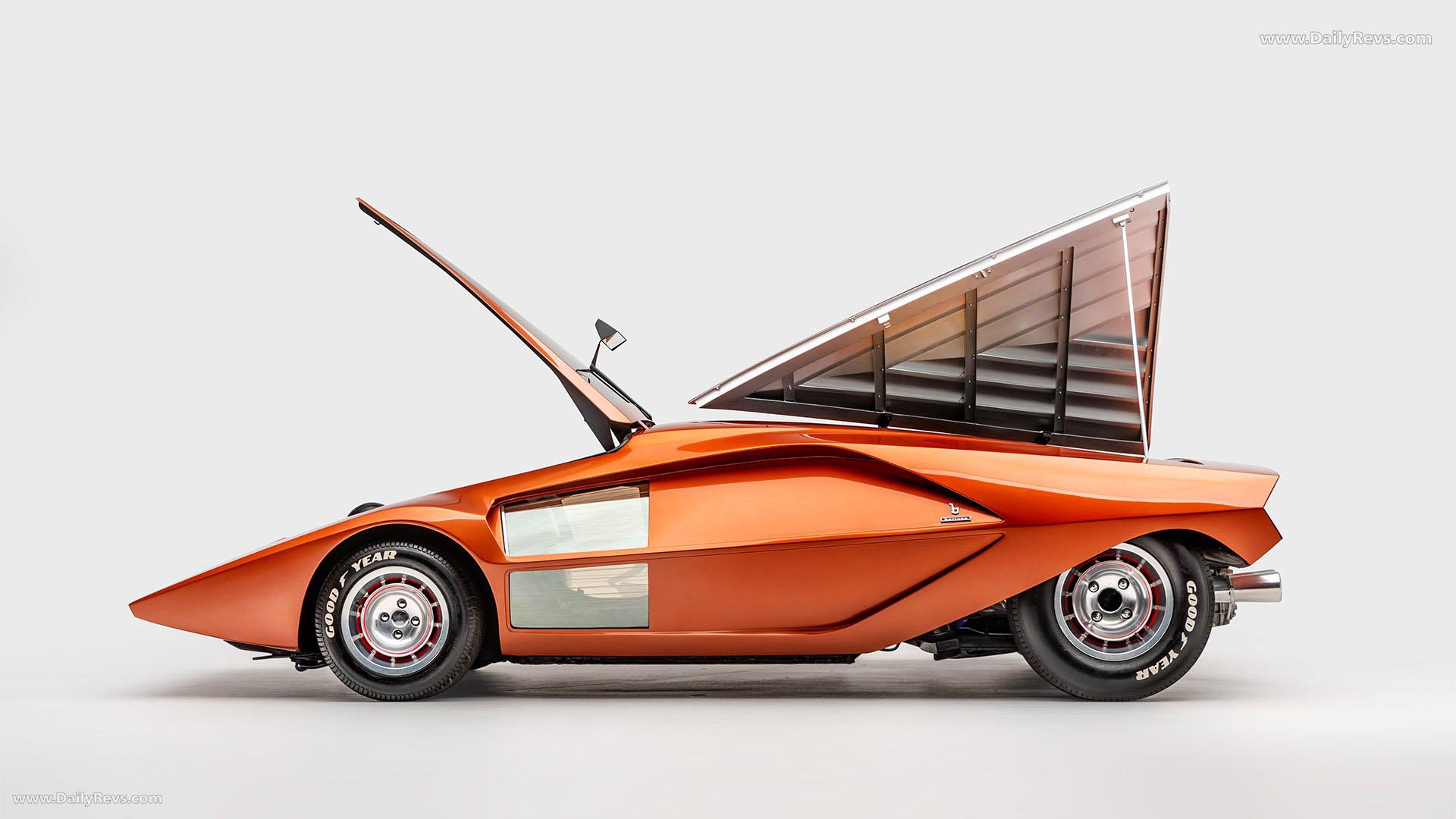
Stood just 33 inches tall—lower than most car bonnets.
-
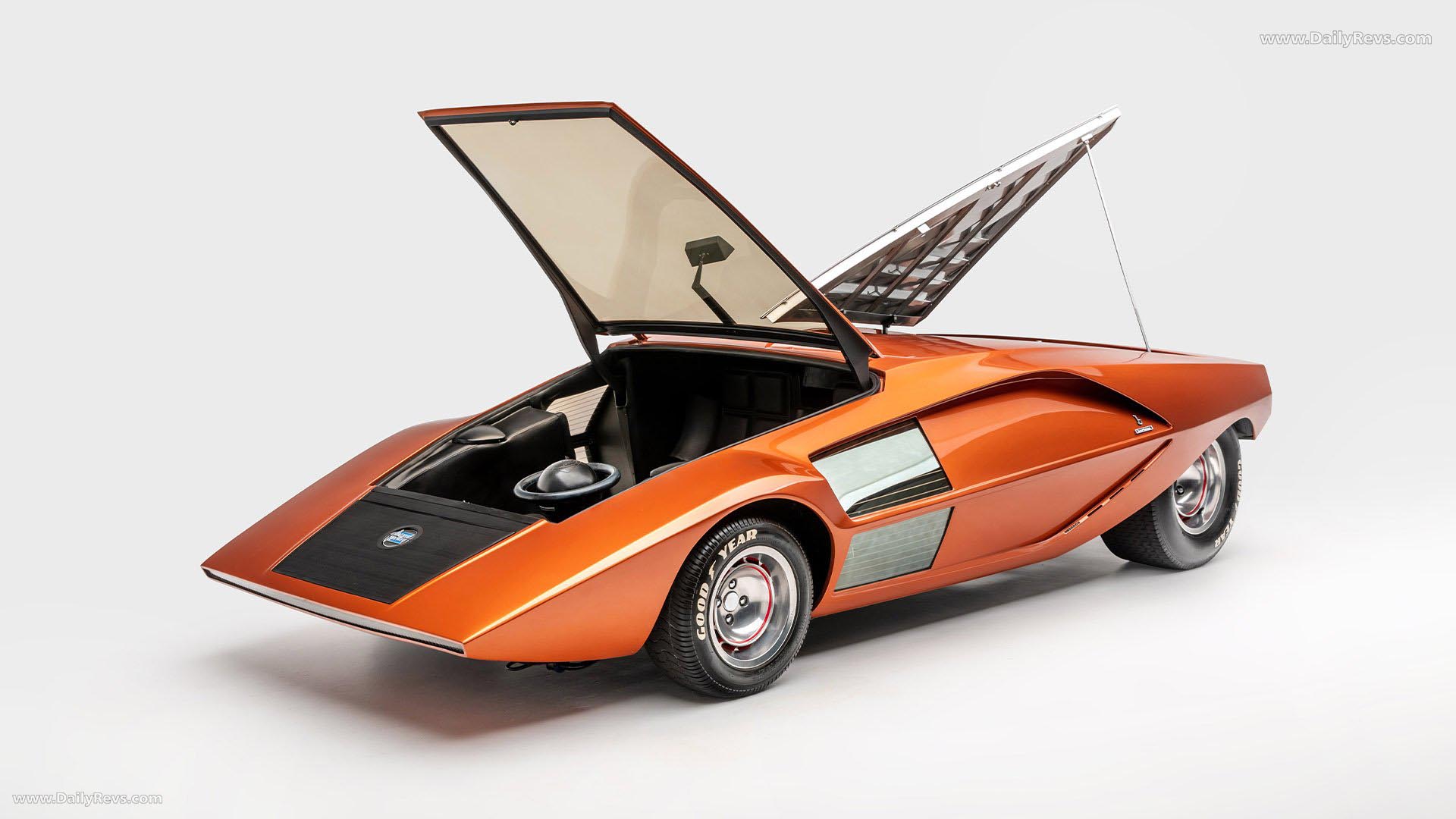
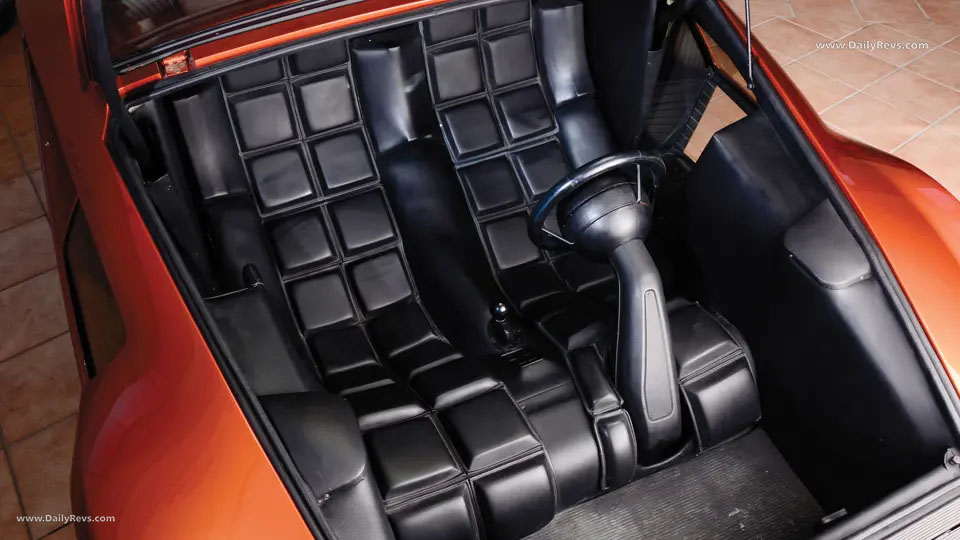
Entire front canopy lifted for driver access—no doors.
-
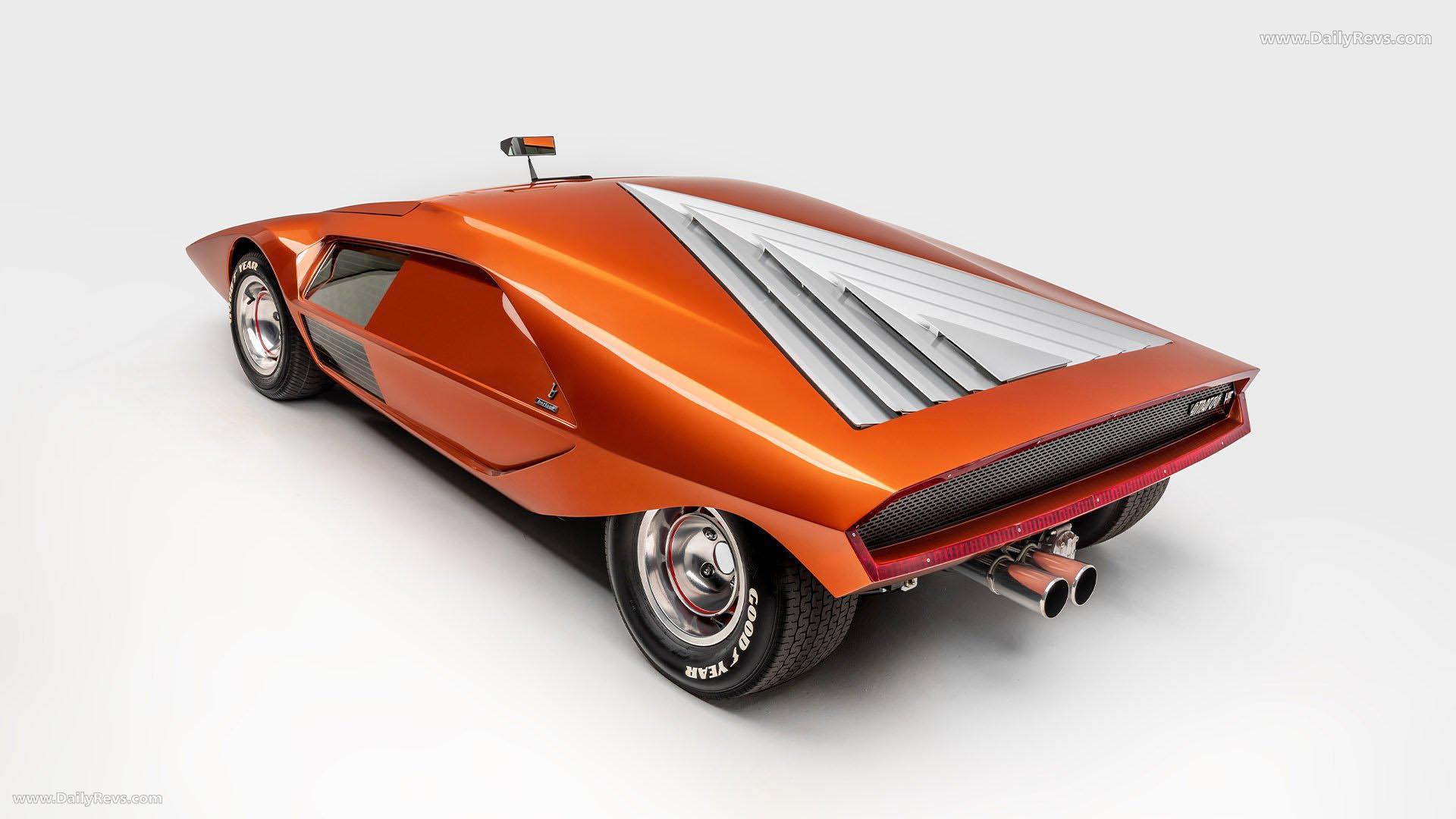
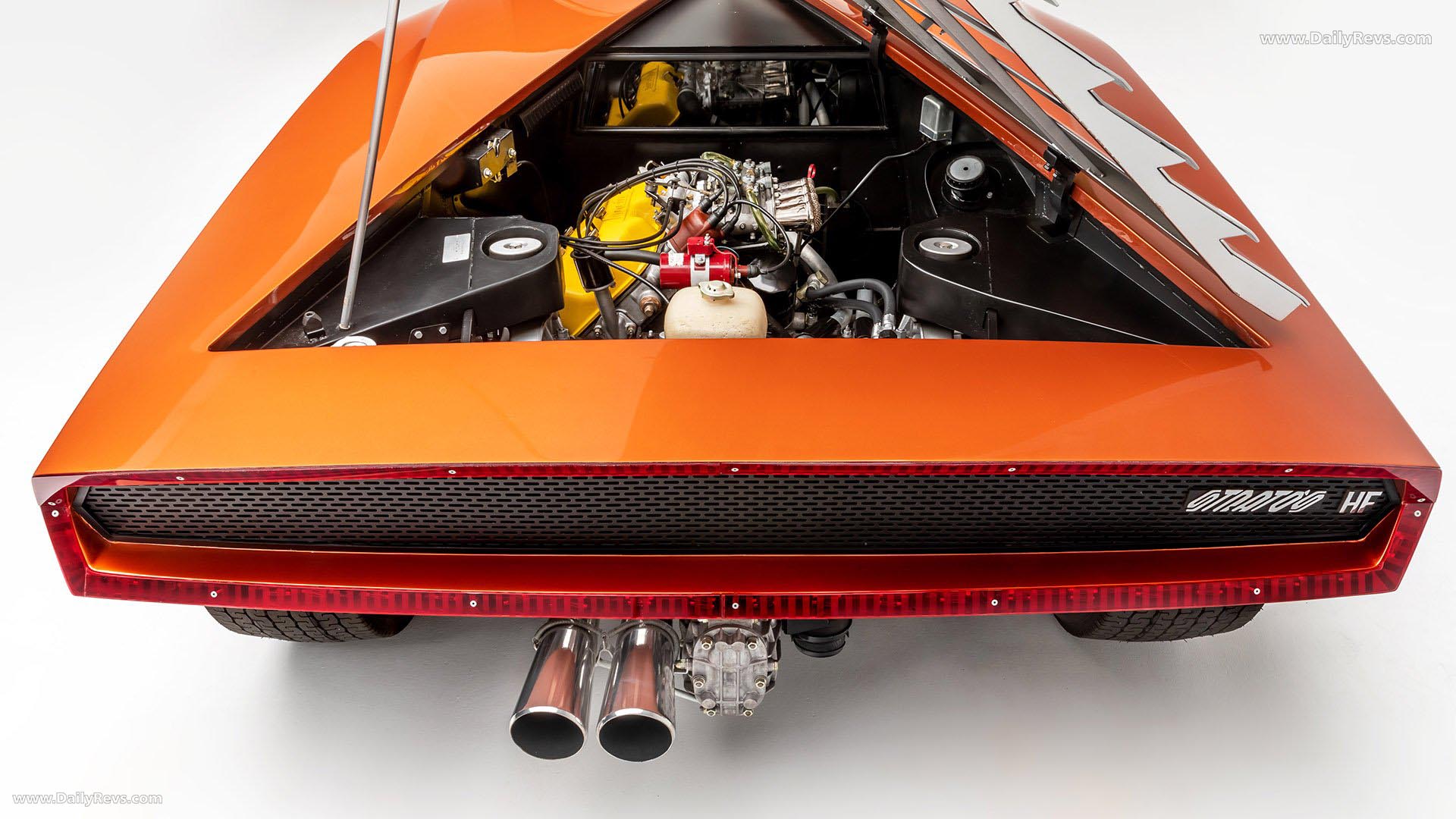
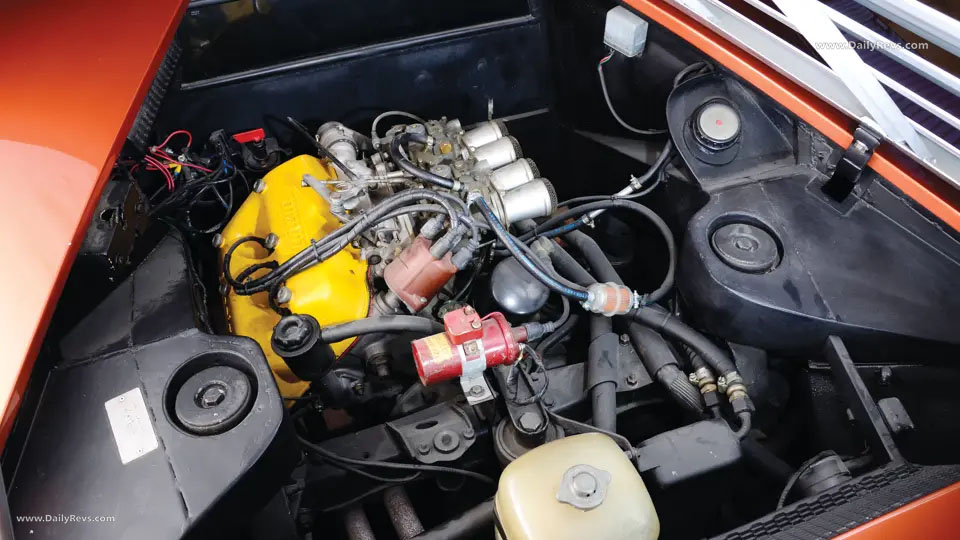
Powered by a mid-mounted Fulvia V4, more sculpture than speed machine.
Alien Geometry on Four Wheels
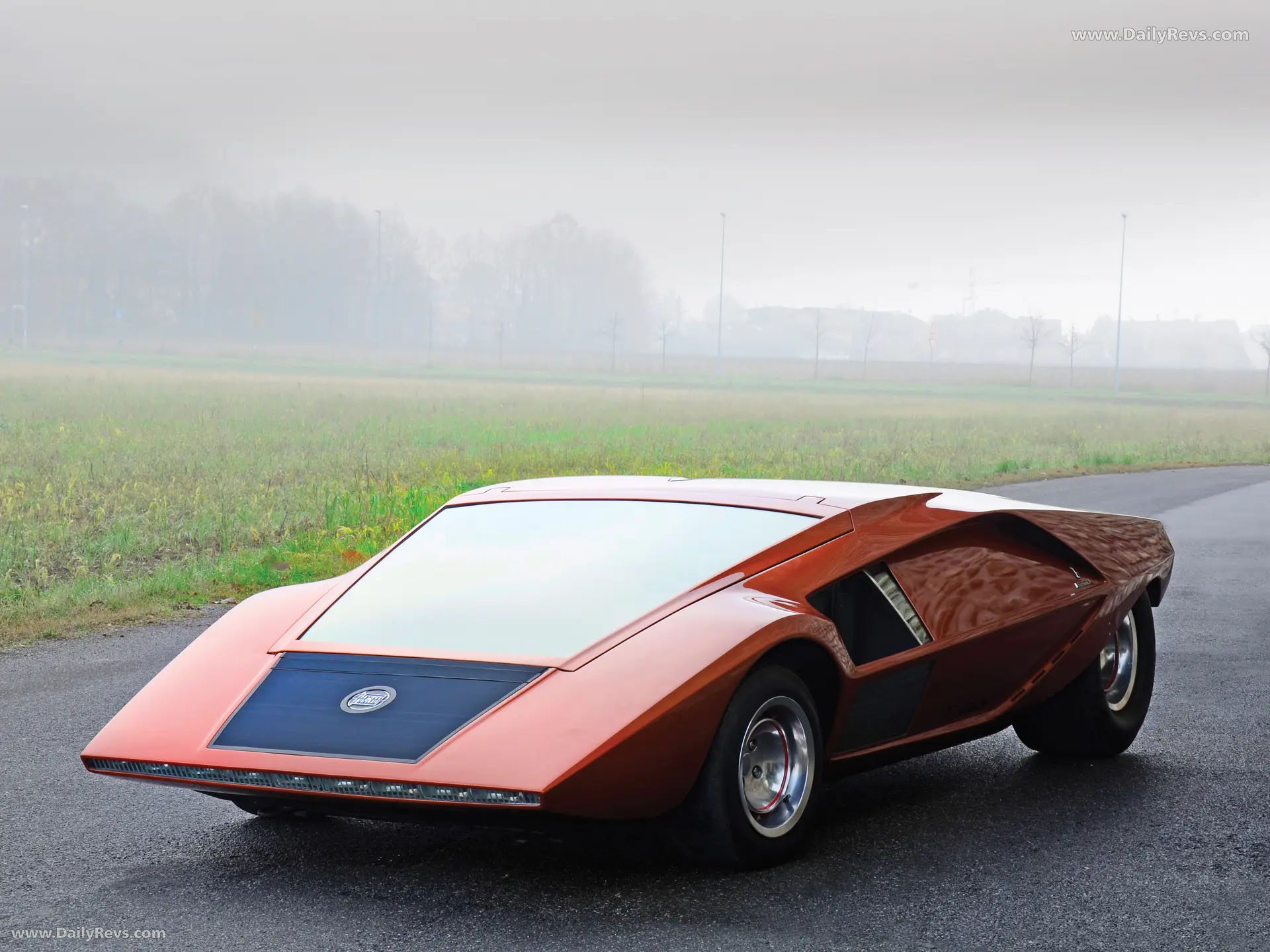
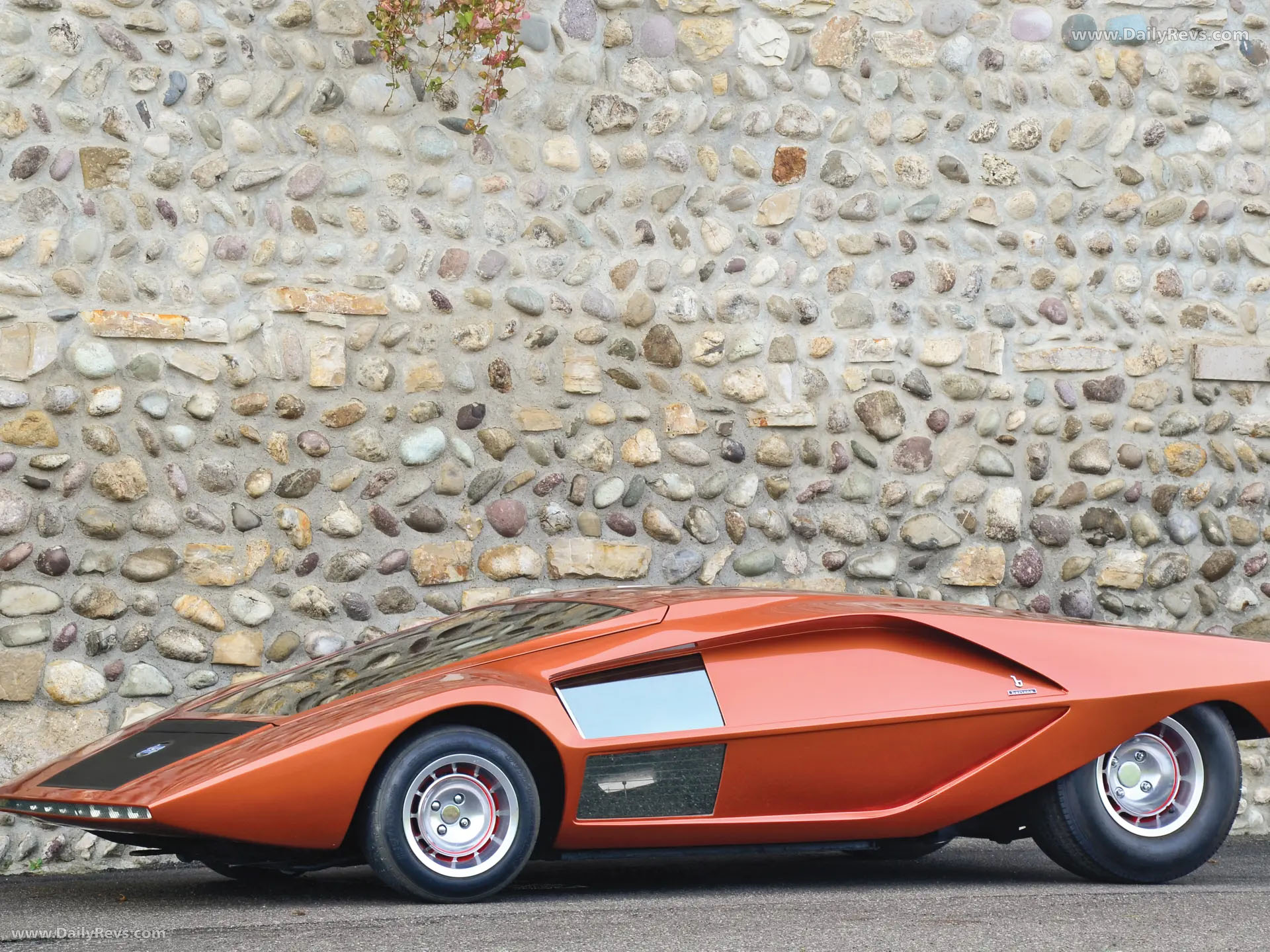
The 1970 Lancia Stratos HF Zero isn’t a car. It’s a slash through space, a vision from a time when design studios weren’t afraid to challenge physics—or common sense. In the press photos, it doesn’t just sit low—it practically skims the floor. At just over 840 mm tall, it’s shorter than most people's hips.
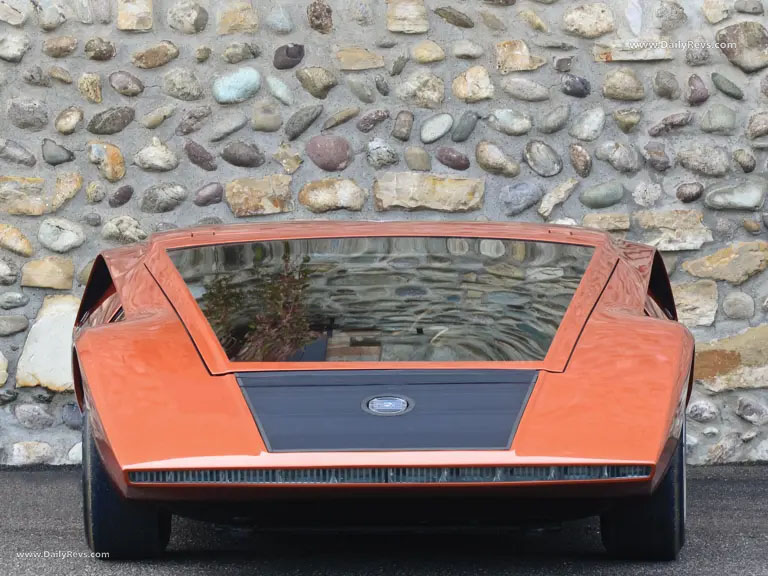
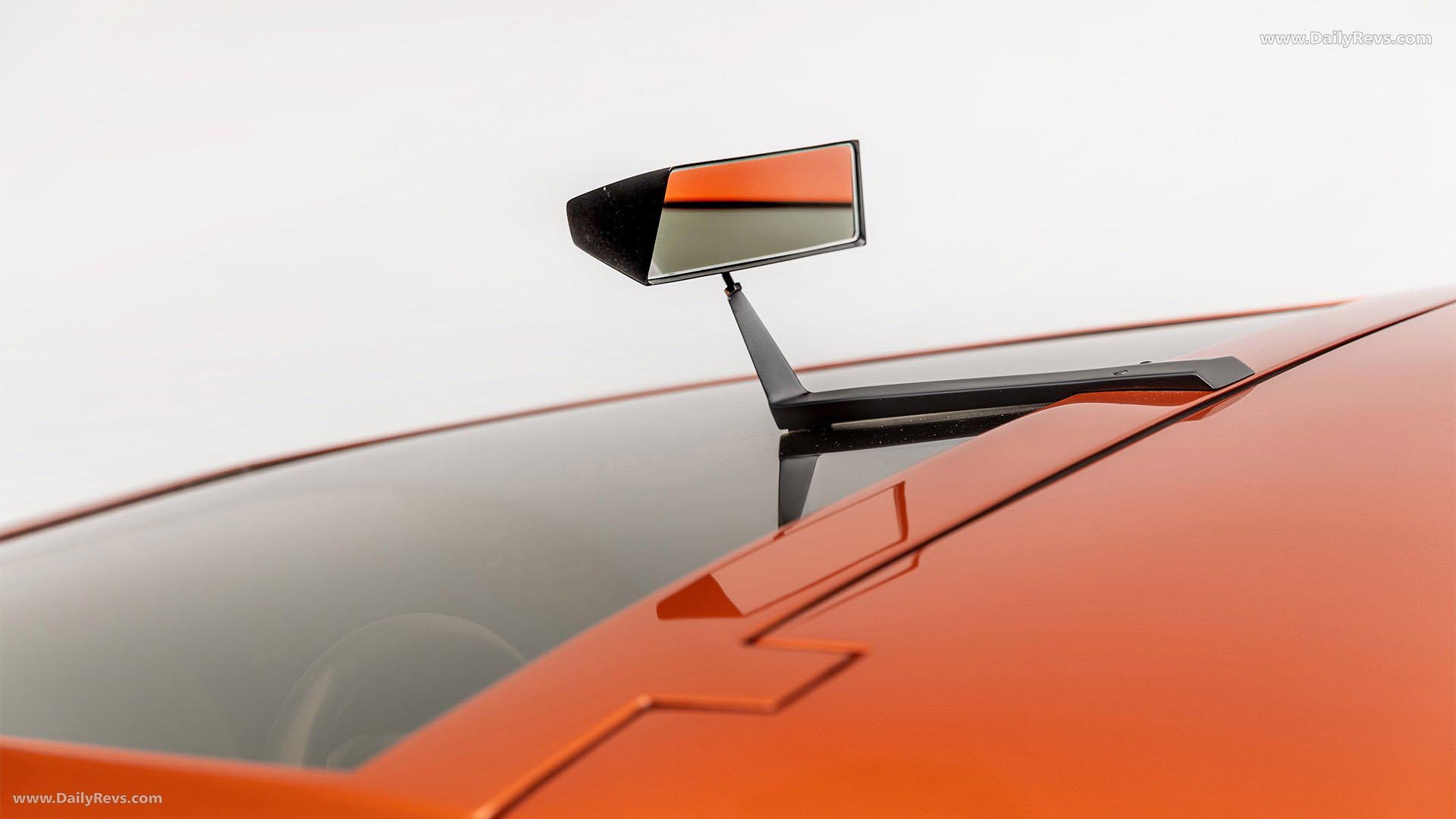
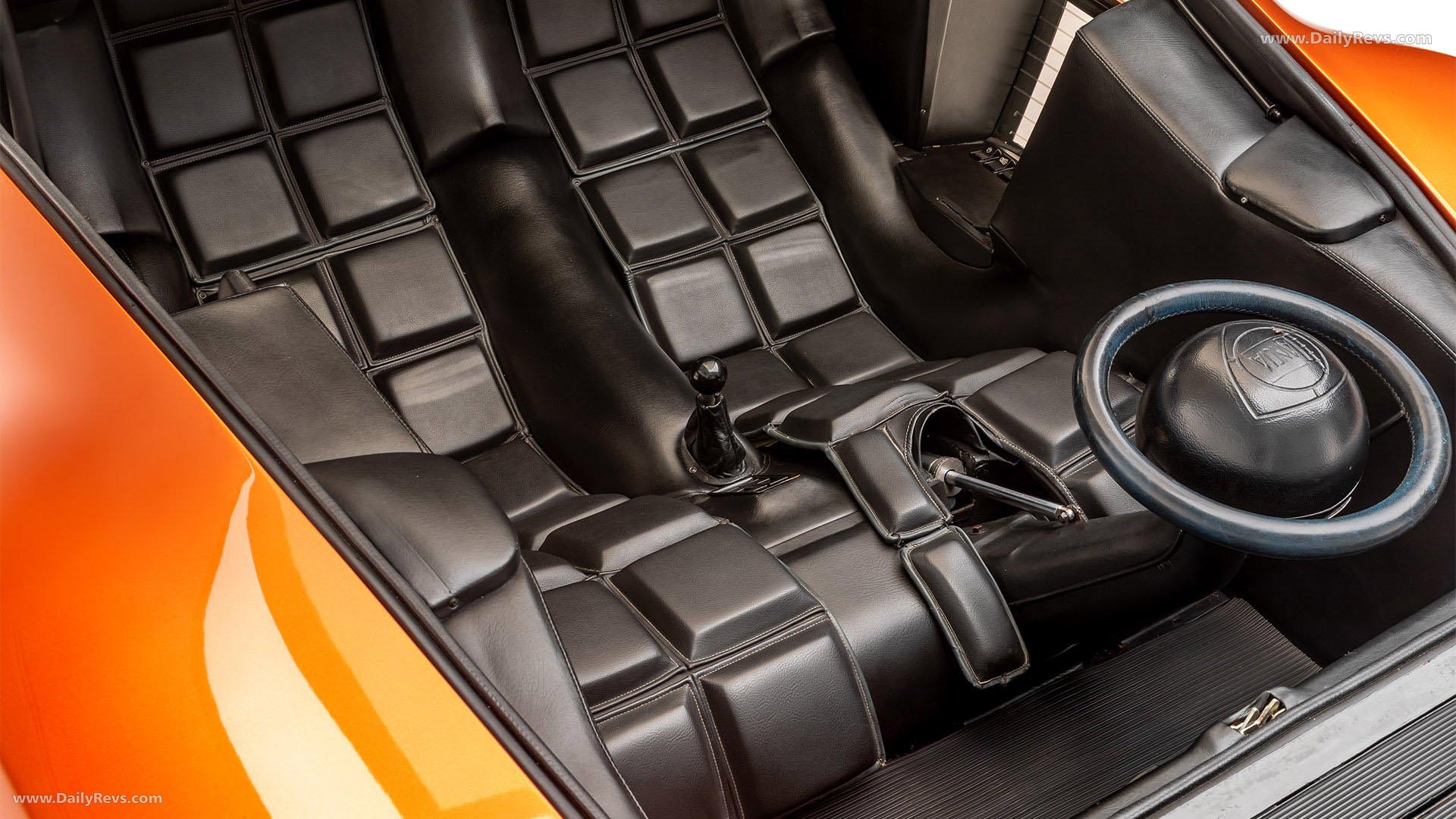
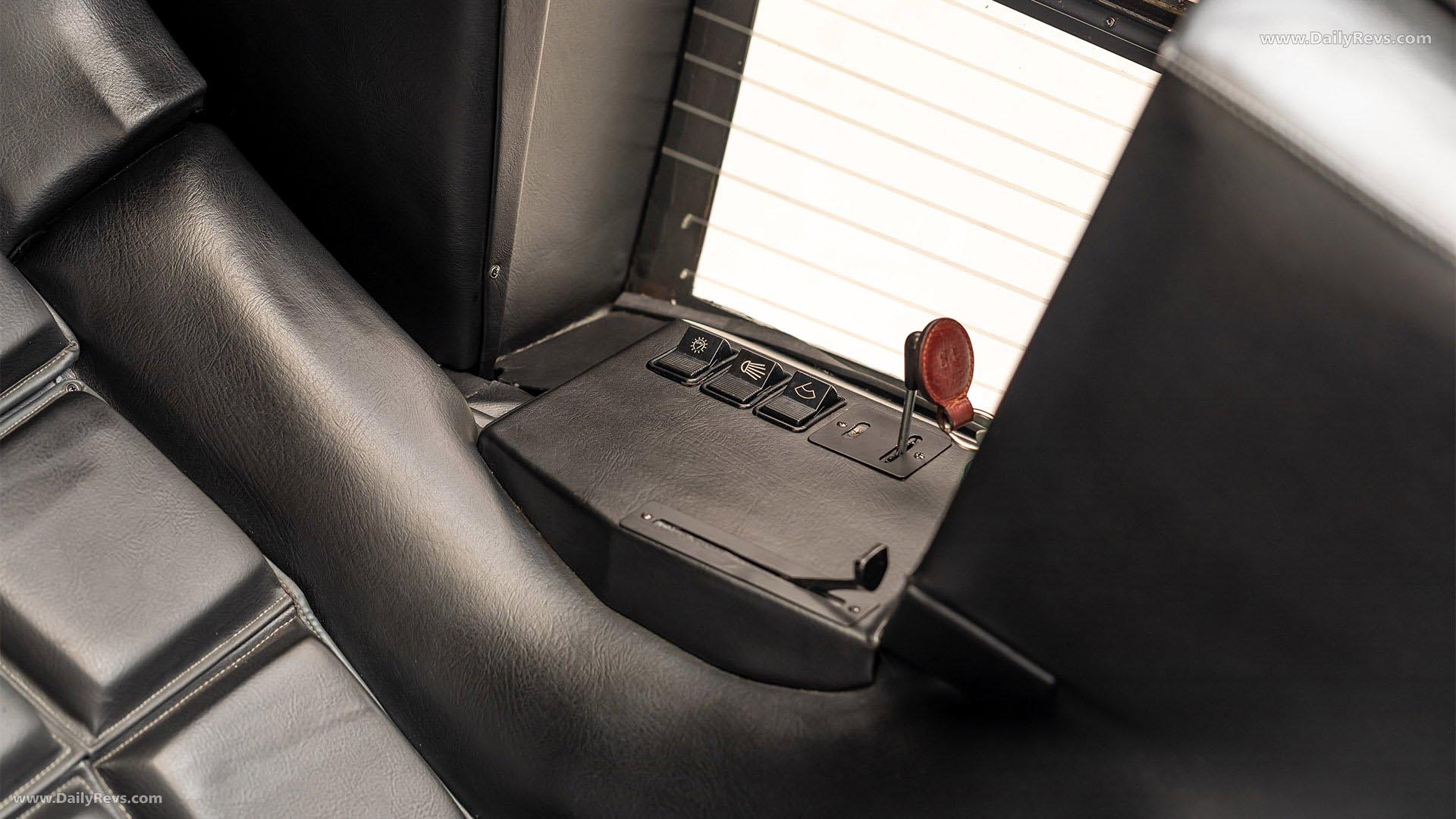
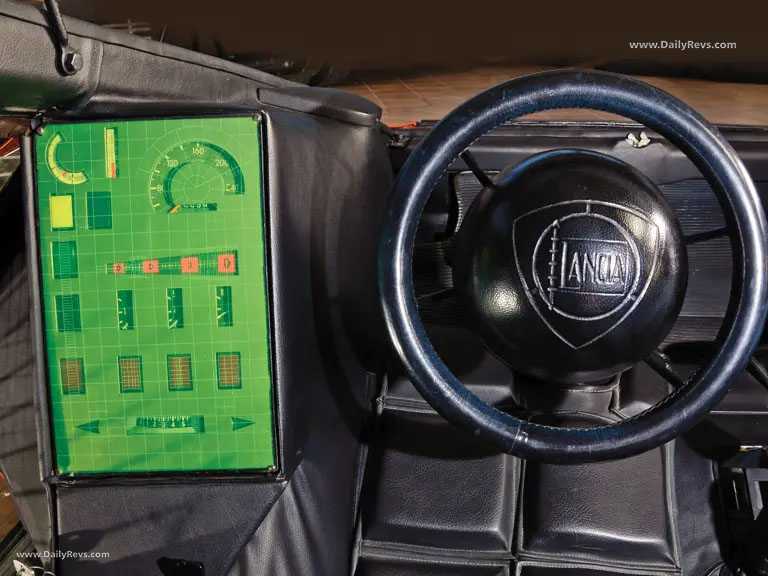
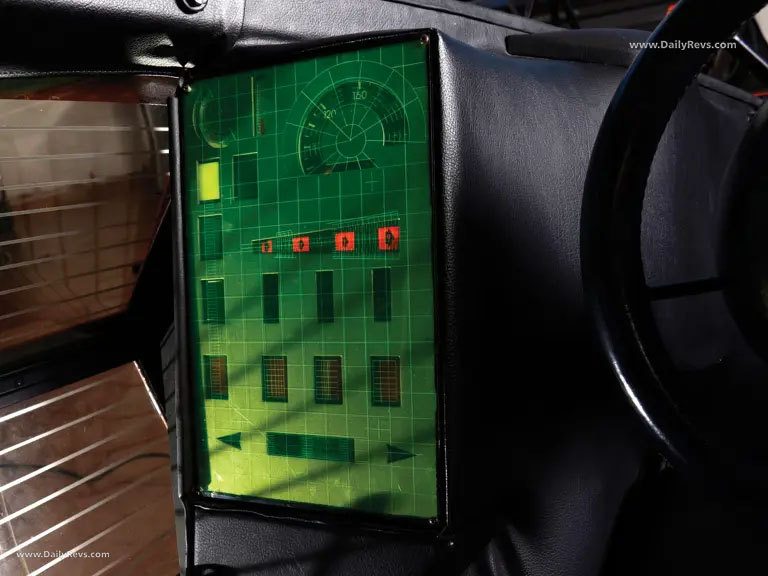
It doesn't even have doors in the traditional sense. Instead, the entire windshield and roof canopy hinge forward. Climbing in? More like dropping into a cockpit than entering a car. And that’s fitting, because the Stratos HF Zero never pretended to be conventional. It wasn’t designed to be practical. It was built to make a point.
Proportions That Ignore the Rules
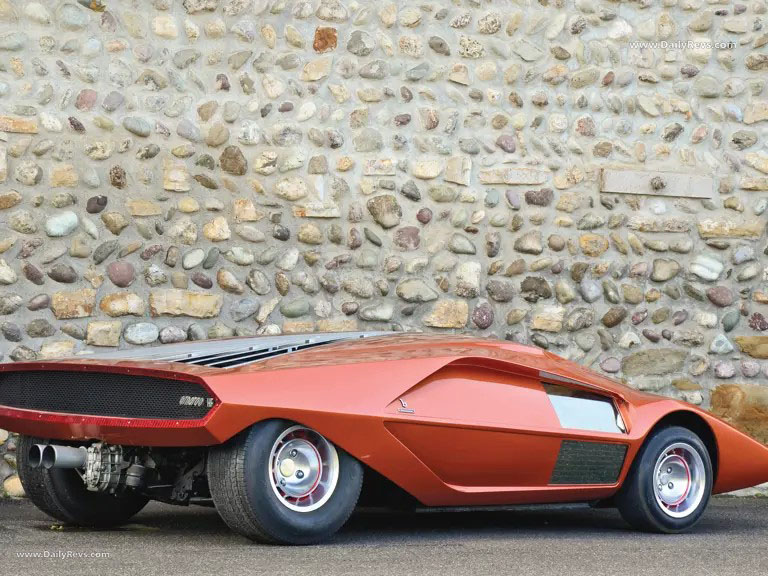
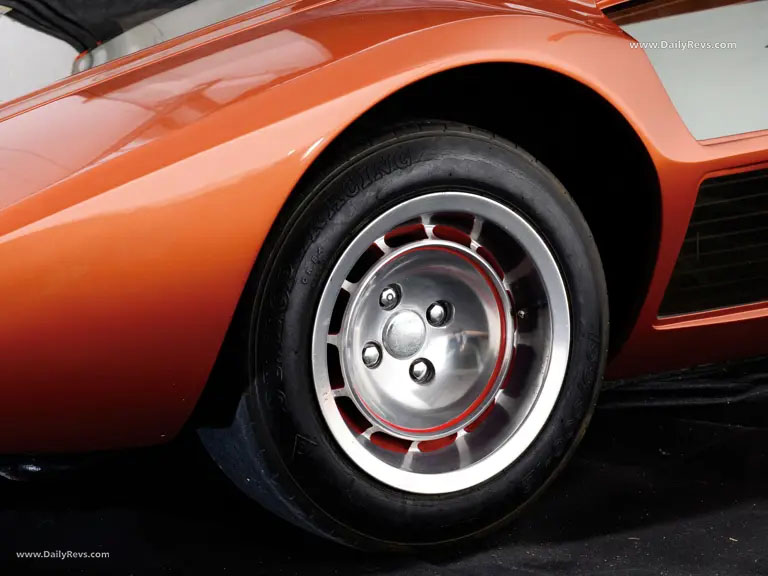
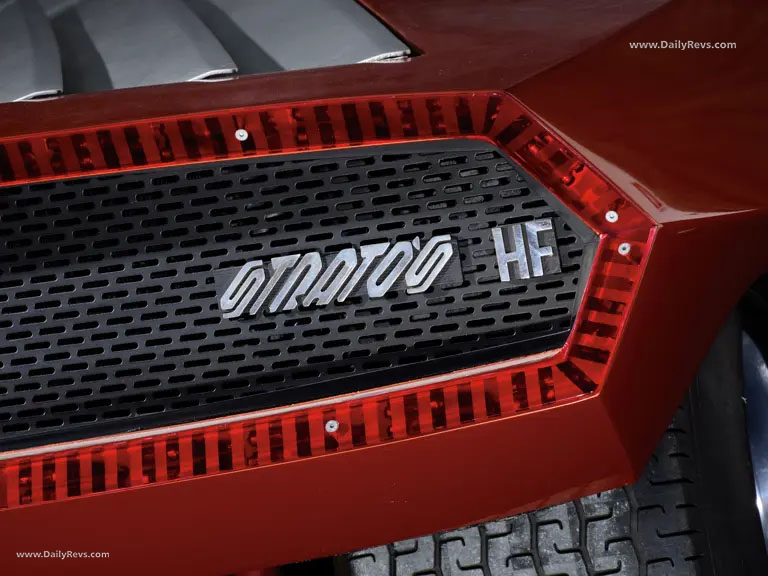
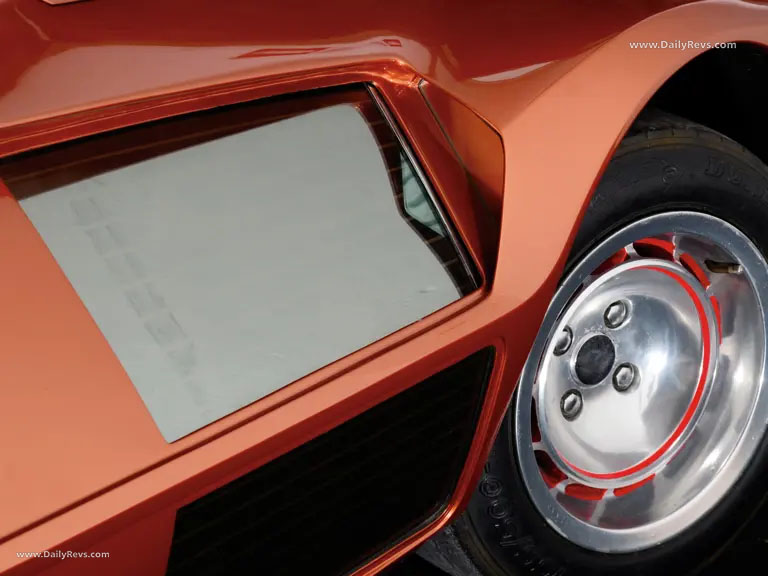
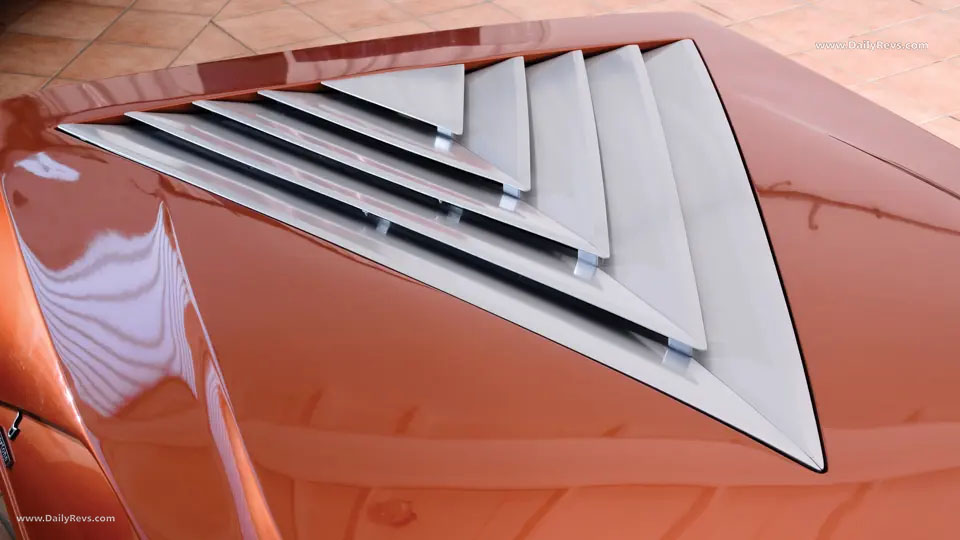
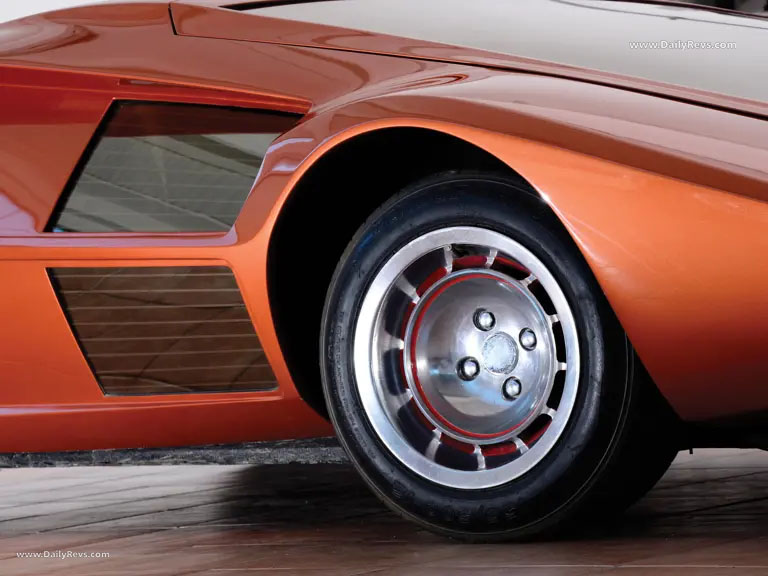
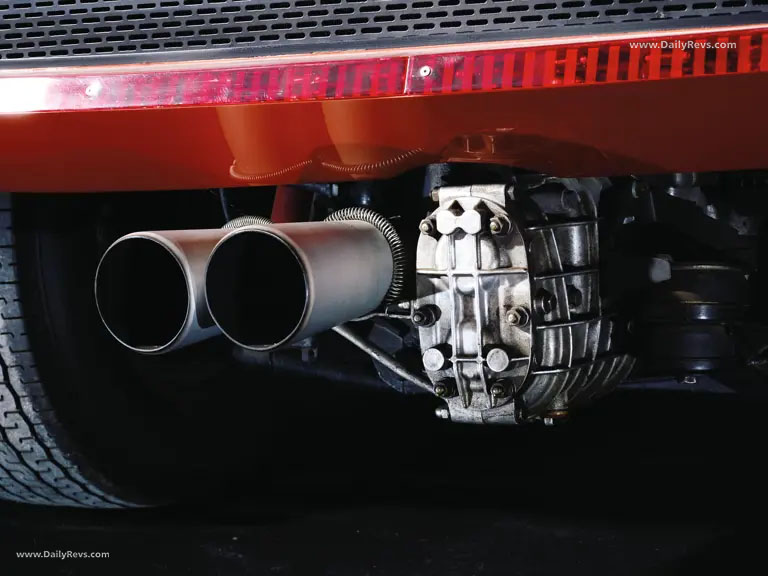
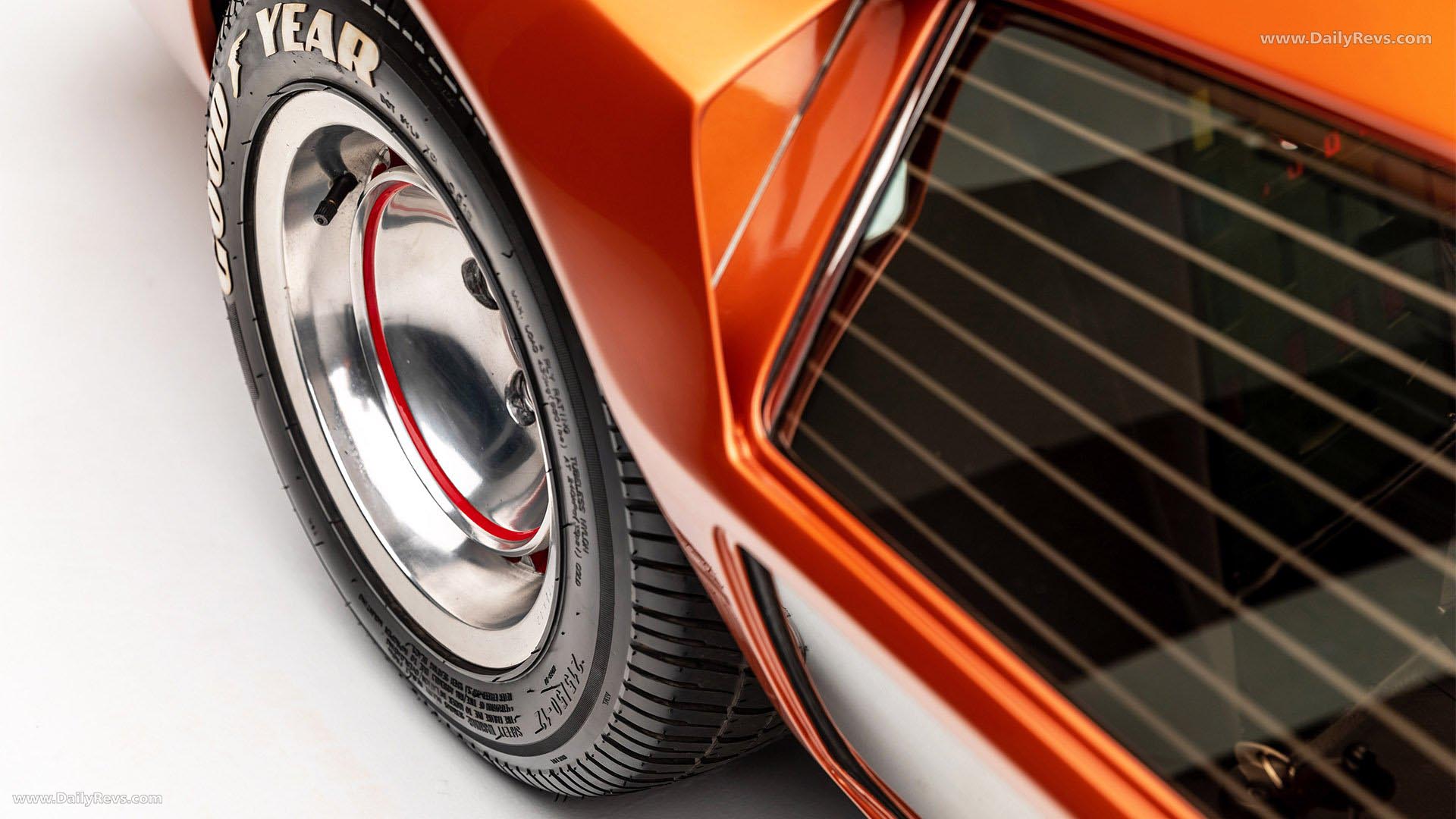
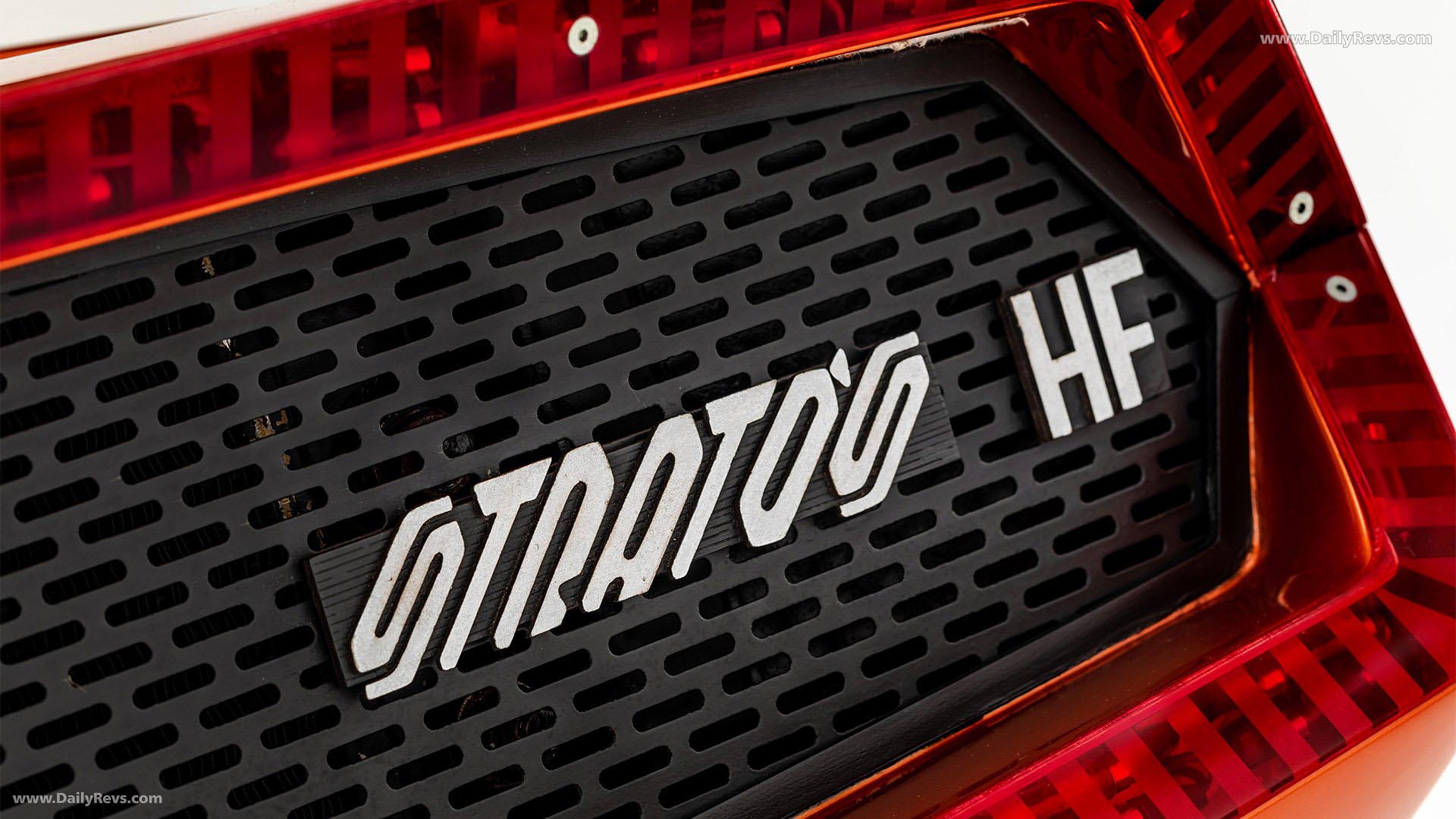
From the front, it looks like a chisel. A completely flat nose, triangular wedge body, and solid metal panels that hide the wheels just enough to keep things mysterious. There are no real curves—just lines and angles that feel more like architecture than transportation. Side windows are tinted panels, and the rear? A full-width red light strip that still looks futuristic 50 years on.

It measured just 3.58 meters in length, with a surprisingly wide track for something so short. The whole car was grounded, tight, and visually heavy, but in a way that made it feel balanced.
Underneath the Sculpture: Real Parts, Real Engine
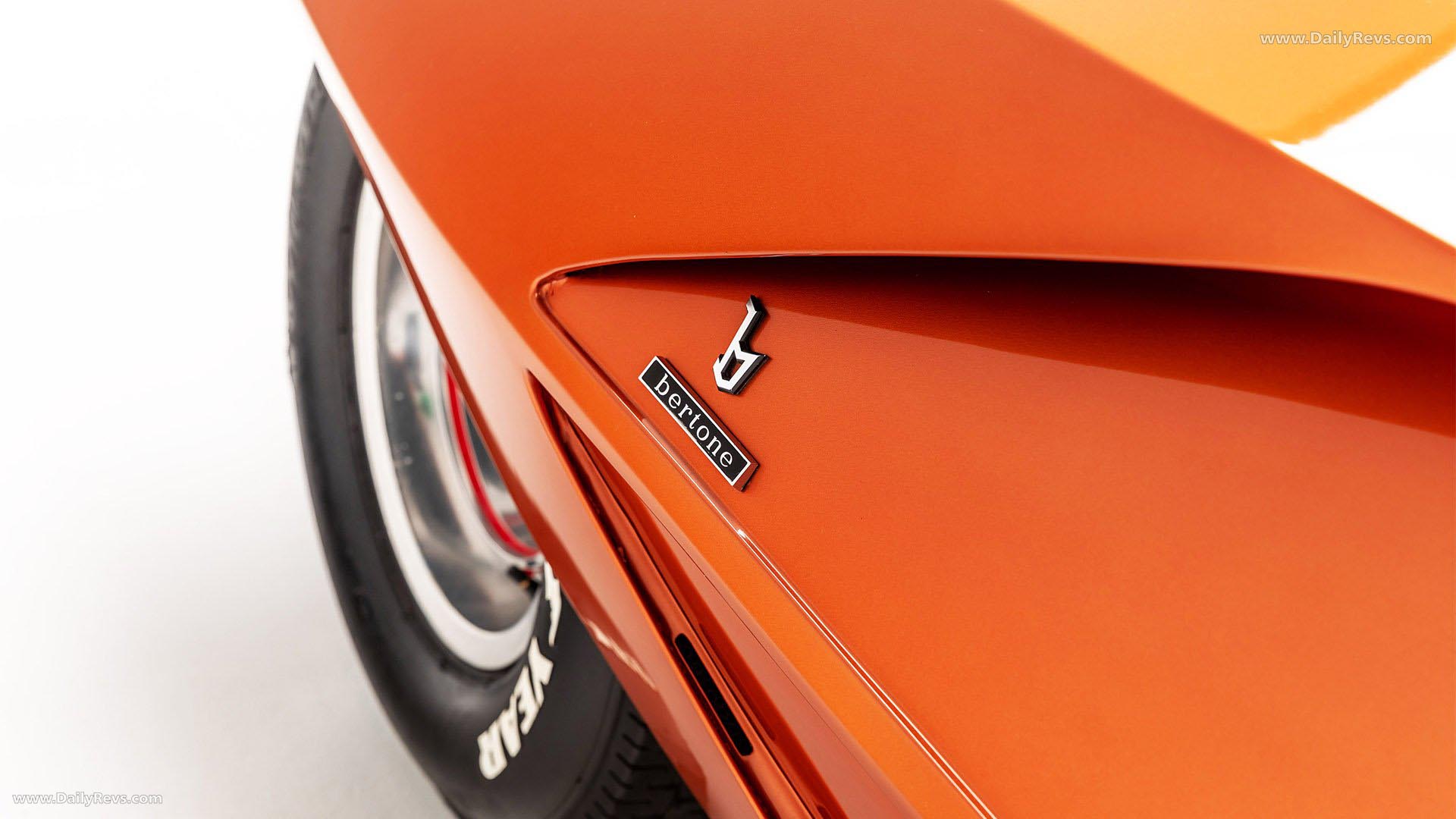
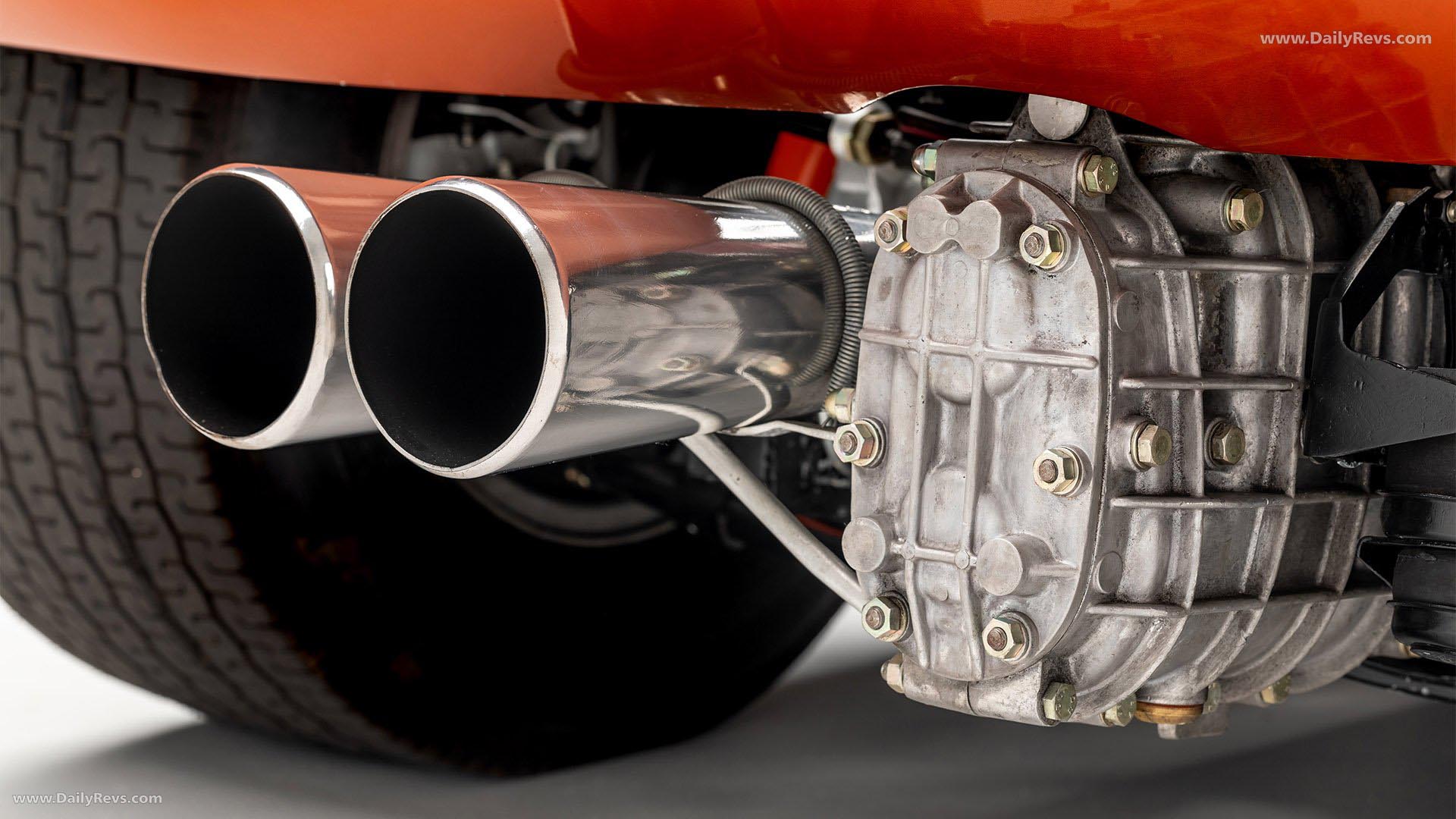
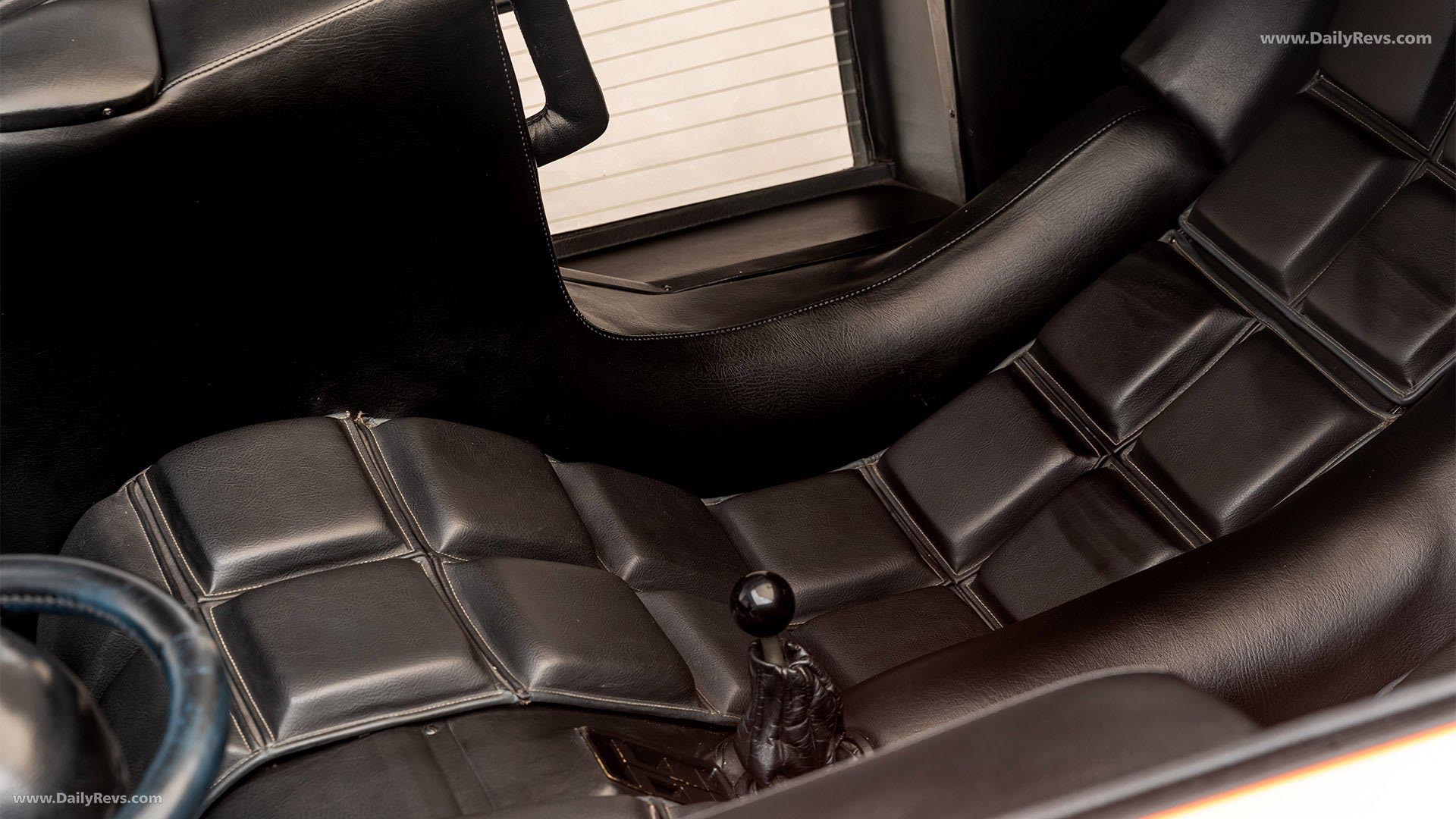
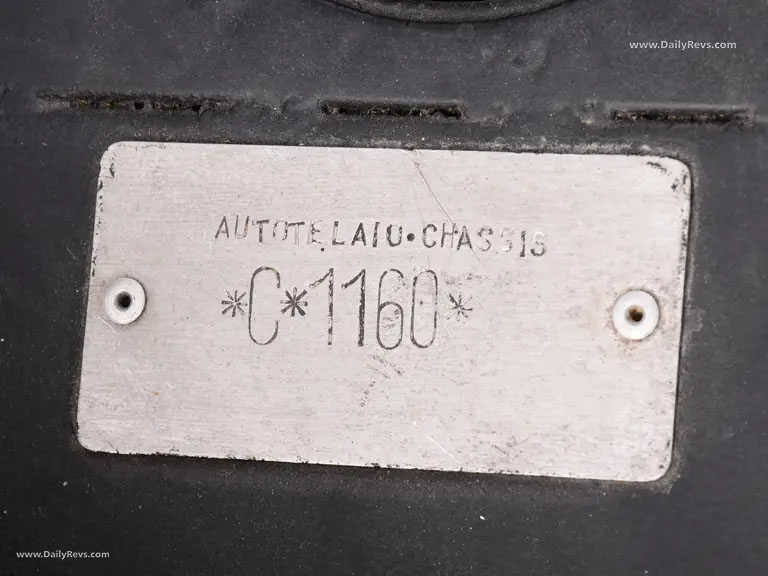
And yet, the Stratos HF Zero wasn’t just show. Bertone built it on a shortened Lancia Fulvia HF chassis and dropped in a 1.6-liter narrow-angle V4. The engine only made around 115 PS, and it topped out near 120 mph, but performance was never the point. It had a 5-speed manual, independent suspension, and disc brakes at all four corners—enough to drive under its own power, but barely.
The engine sat midship, and the car’s low profile was helped by its tiny tires and a staggeringly compact wheelbase. Everything was shrunken to make the proportions work.
Concept, Not Competitor
Unlike other design studies of the era, like the Ferrari Modulo or the Alfa Romeo Carabo, the Stratos HF Zero feels like it was carved in protest. It wasn’t meant to preview a production car—it was meant to jolt people. And it worked. The design directly influenced the rally-dominating Stratos HF that followed.
It appeared in museums, at shows, even in films. But its purpose was clear: push boundaries, then step away.
Technical Specification
-
Performance
-
Power: 115 PS (85 kW / 113 hp) from a 1.6 L V4 engine
-
Top speed: approximately 120 mph
-
-
Body Measurements
-
Length: 3,580–3,581 mm (140.9 in)
-
Width: 1,727–1,840 mm (68.0–72.4 in)
-
Height: 840–846 mm (33.1–33.3 in)
-
Wheelbase: 2,220 mm (87.4 in)
-
Front track: ~1,346 mm (53.0 in); Rear track: ~1,448 mm (57.0 in)
-
-
Powertrain
-
Engine: mid-mounted 1.584 cc narrow-angle V4 (from Fulvia HF1600 rally car)
-
Fuel: Twin-choke carburetors (Solex)
-
Transmission: 5-speed manual
-
Suspension: Front independent MacPherson struts; rear Fulvia-derived double-wishbones
-
Brakes: Four-wheel discs (from Fulvia)
-
-
Capacities
-
Fuel tank: 45 L (~11.9 US gal)
-
-
Price / Cost
-
Built in 1970 for around 40 million Lira (~$65,000 USD at the time; about $450,000 in 2010)
-
Sold at auction in 2011 for roughly €760,000 (~$915,000 or $1.08 million including premium)
-
Photo Credits : RM Sotheby's - Petereson Automotive Museum