Why Bringing Gas Power Back To Porsche’s Next 718 Will Not Be Easy
By Hugo Mattson December 20, 2025

The future Porsche 718 model platform was engineered with electric motors in mind, rather than conventional gas engines.
In a gasoline version, there are severe rigidity and engine placement issues.
The key problem that Porsche has to solve is how to retain the driving nature of the Cayman and Boxster.
Porsche is finding its next generation of the 718 Cayman and Boxster increasingly complicated to pursue. Though the electrified derivatives of the mid-engined roadsters continue, Porsche is evaluating the addition of internal combustion-powered models into the equation. This is a very tricky situation, and the reasoning is that the new 718 comes with a background architecture which has never been meant to support the gasoline engine.
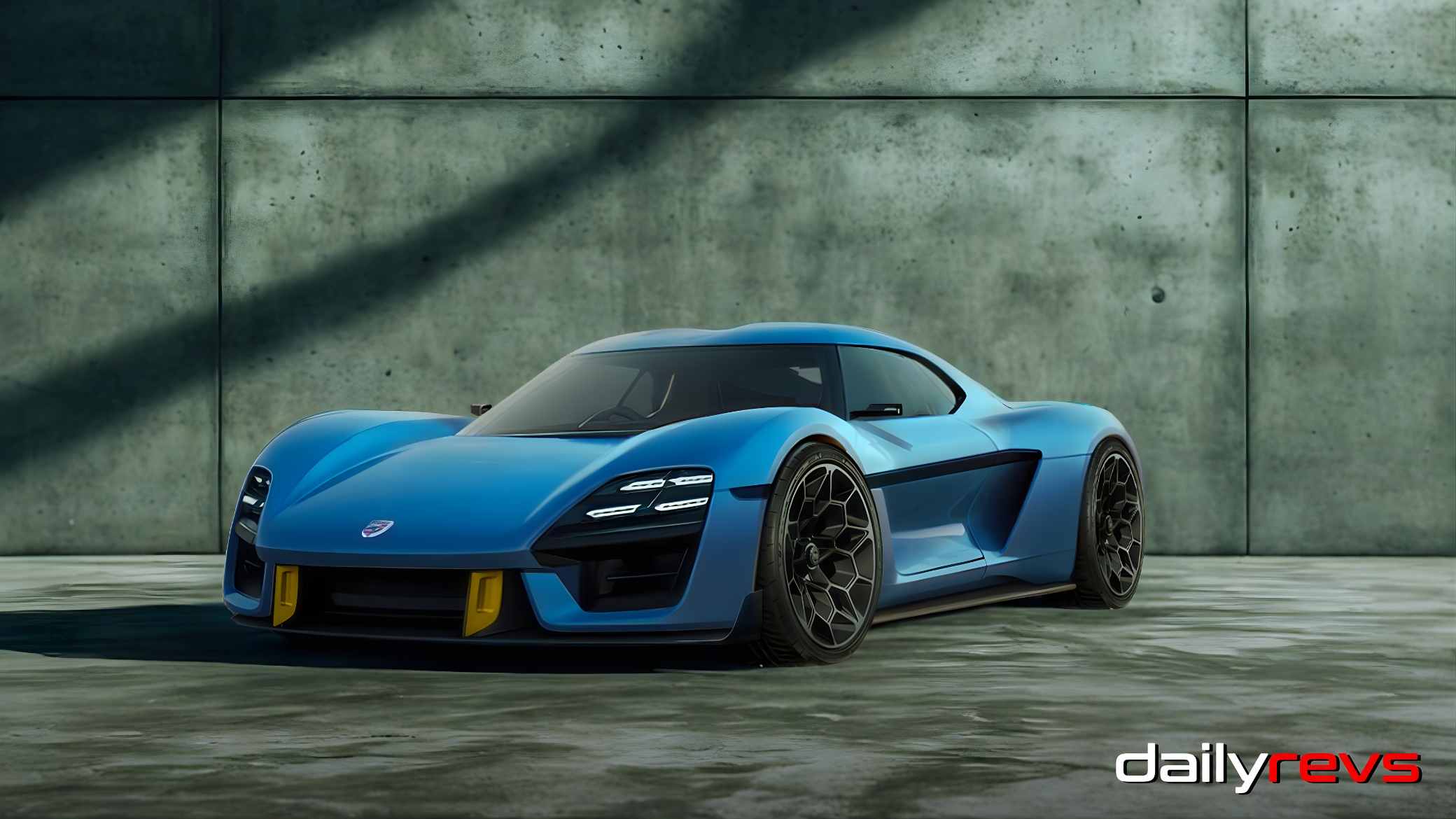
A Electric First Platform Provides an Immediate Hindrance
The next 718 is built on the Porsche PPE Sport platform. This platform has been designed by Porsche itself keeping in mind electric vehicles. In the PPE Sport platform design, the battery not only serves as an energy supplier. Instead, it also functions as a structural part. But once this battery is disconnected, much of this underlying stiffness is lost. And for a car with a mid-engined layout such as a Cayman or Boxster, this is a major issue. Rigidity has a big impact on how a car handles and how a suspension design will feel. To accommodate the power from combustion, the platform must therefore upgrade core areas of the body framework related to load-bearing rather than purely for the placement of the engine.
Reinforcement Increases Weight and Complexity
For now, to offset the loss of this rigidity, Porsche would have to add some reinforcements to their chassis design. It can come in the form of modified floor panels, bracing, or possibly a modified subframe design.
“Each solution has its weight, cost, and complexity. But more importantly, it has the potential to change the balance and responsiveness that embodies the character of the car. It has to remain relevant if there’s going to be a reason for it to exist with a combustion engine.”
Packaging A Mid Engine Drivetrain Was Never Planned
Electric platforms have packaging flexibility that cannot be achieved in combustion engines. The size of electric motors is small compared to combustion engines. The cooling system of the motor is unique compared to combustion engines. There is no provision for fuel tanks and exhaust components. In a gasoline engine, this equation completely flips. Storage, exhaust, cooling, and secondary cooling components require space, and all that has to be packed into a constrained mid-engine placement that was intended to house an array of electric components. This makes it difficult to satisfy all the demands without compromising the interior, aerodynamics, and trim control on a combustion engine platform itself. This problem becomes more complex on an EV-first platform.
Engine Options Add to Further Complexity
There are reports that point towards Porsche not being interested in reviving the turbocharged four-cylinder engines in the next-generation 718 models. Instead, the company is said to be interested in more performance-oriented choices like upgraded naturally aspirated flat-six engines or compactized six-cylinder engines based on the 911 platform. In both cases, additional complexities also exist. Flat six engines are larger in size, which adds complexities regarding packaging in mid-engined cars. Hybrid technology further introduces complexity due to extra components that must be managed. In both cases, it adds more dirt to the air that was initially meant.
Why Porsche Is Still Considering the Effort
Despite challenges, Porsche is also seemingly open to this direction. The Cayman and Boxster take up a singular position in this regard, acting as both entry-model variants and models focused on drivers to make Porsche’s engineering credentials. Permitting the 718 series to fully depend on electric propulsion could alienate consumers in favor of a more engine-related dynamic that long characterized models in this series. However, from the Porsche viewpoint, the fact that there would be an engine-related option could justify the increased expense.
The Hard but Revealing Choice
A non-standard approach to modify an electric first platform to meet the requirements of internal combustion engines would definitely include some trade-offs that Porsche would otherwise avoid. But at a time when market uncertainty exists, this approach brings a degree of flexibility. “It remains to be seen how well Porsche can successfully execute on this challenge, but it is likely that their future, along with that of the Cayman and Boxster, will pave the way for other performance brands that seek a transition to electric technology without abandoning what originally brought them into popularity.”


