A Year Before the iPhone, Pininfarina and Motorola Predicted Digital Connectivity in a Maserati
By Hugo Mattson October 23, 2025

The Pininfarina Maserati Birdcage 75th Concept, revealed in 2005, featured real digital connectivity long before smartphones or CarPlay.
Built in two months on the Maserati MC12 chassis derived from the Ferrari Enzo, it united Italian racing hardware with futuristic design.
Motorola’s Seamless Mobility technology introduced a head-up display, Bluetooth headset, and onboard cameras that anticipated today’s connected cars.
A Supercar That Could See the Future
In 2005 the word “connectivity” belonged to mobile phones, not cars. Yet that year, Pininfarina, Maserati, and Motorola came together in Italy to build something that quietly predicted the digital future of driving.
.jpg)
The Maserati Birdcage 75th was unveiled to celebrate Pininfarina’s 75th anniversary. Beneath its glass canopy and sculpted carbon body was an idea that was twenty years ahead of its time — that a car could become part of a connected world.
.jpg)
Full Image Gallery Featuring Maserati Birdcage Concept by Pininfarina
How It Started
The concept began with Pininfarina, not Maserati. The spark came at Pebble Beach in 2004, when Paolo Pininfarina met Franco Lodato from Motorola’s Advanced Concepts Group. Motorola had been developing its “Seamless Mobility” philosophy, envisioning communication that moved effortlessly from home to phone to car.
Pininfarina saw the opportunity to turn that vision into something real. Maserati soon joined, supplying the carbon-fiber chassis and 6.0-liter V12 from its MC12 GT1, which shared its engineering with the Ferrari Enzo.
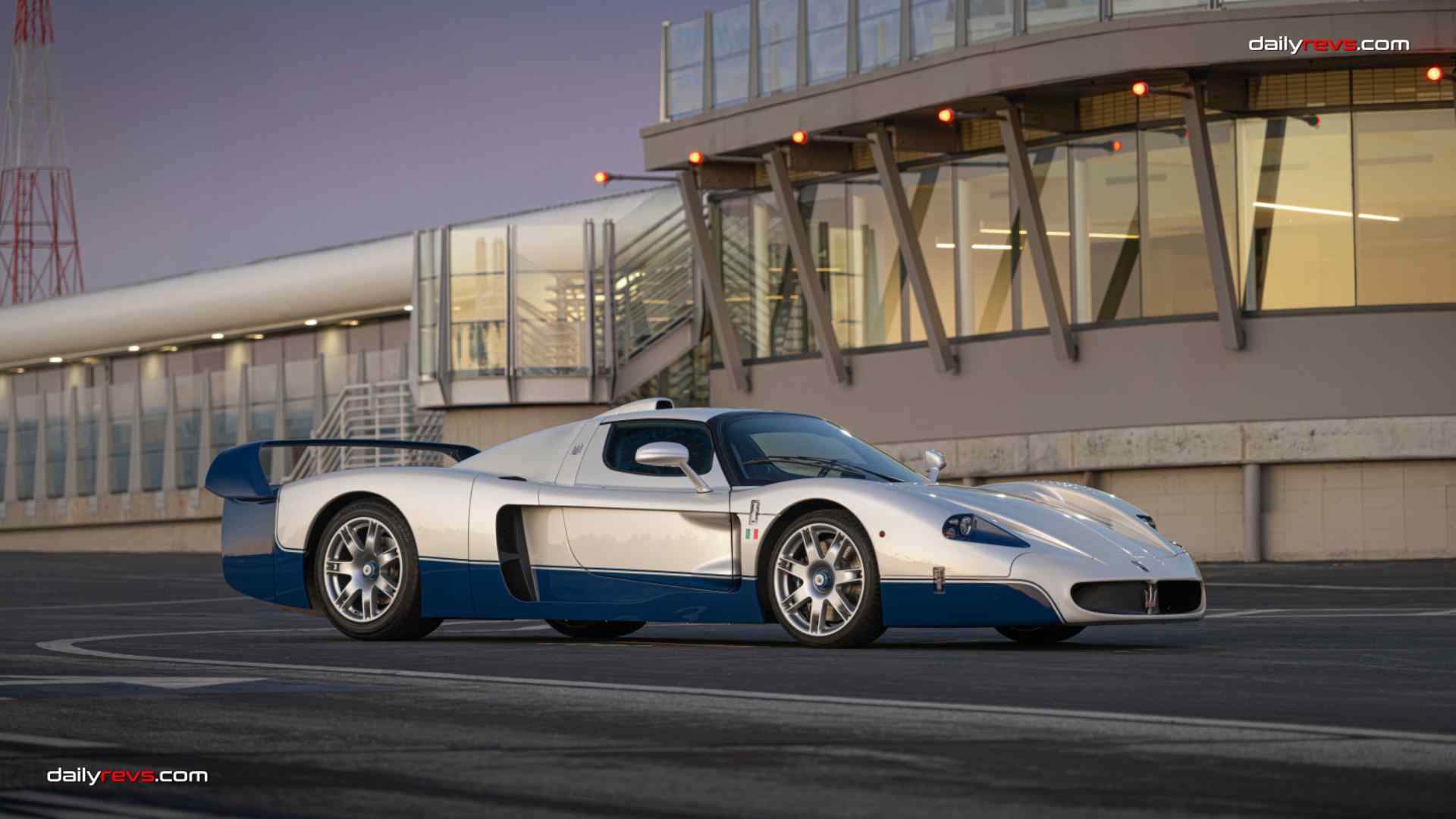
Together they created a running concept car in about eight weeks, one that looked, sounded, and even thought ahead of its time.
Designed in Italy, Built for the Future
At Pininfarina’s Cambiano studio, Former design director Ken Okuyama led a small international team that included Lowie Vermeersch, Jason Castriota, and Giuseppe Randazzo.
They abandoned the traditional clay modeling process and designed the Birdcage entirely in digital 3D. That was unusual in 2005, but Okuyama later said, “We immediately moved to virtual modeling without physical models.” The approach previewed how most cars are designed today.
.jpg)
Reviving a Maserati Legend
The name “Birdcage” came from Maserati’s Tipo 60 and 61 racers of the early 1960s, whose space-frame chassis looked like a cage of steel tubes. Pininfarina revived the spirit of those cars through transparency rather than structure.
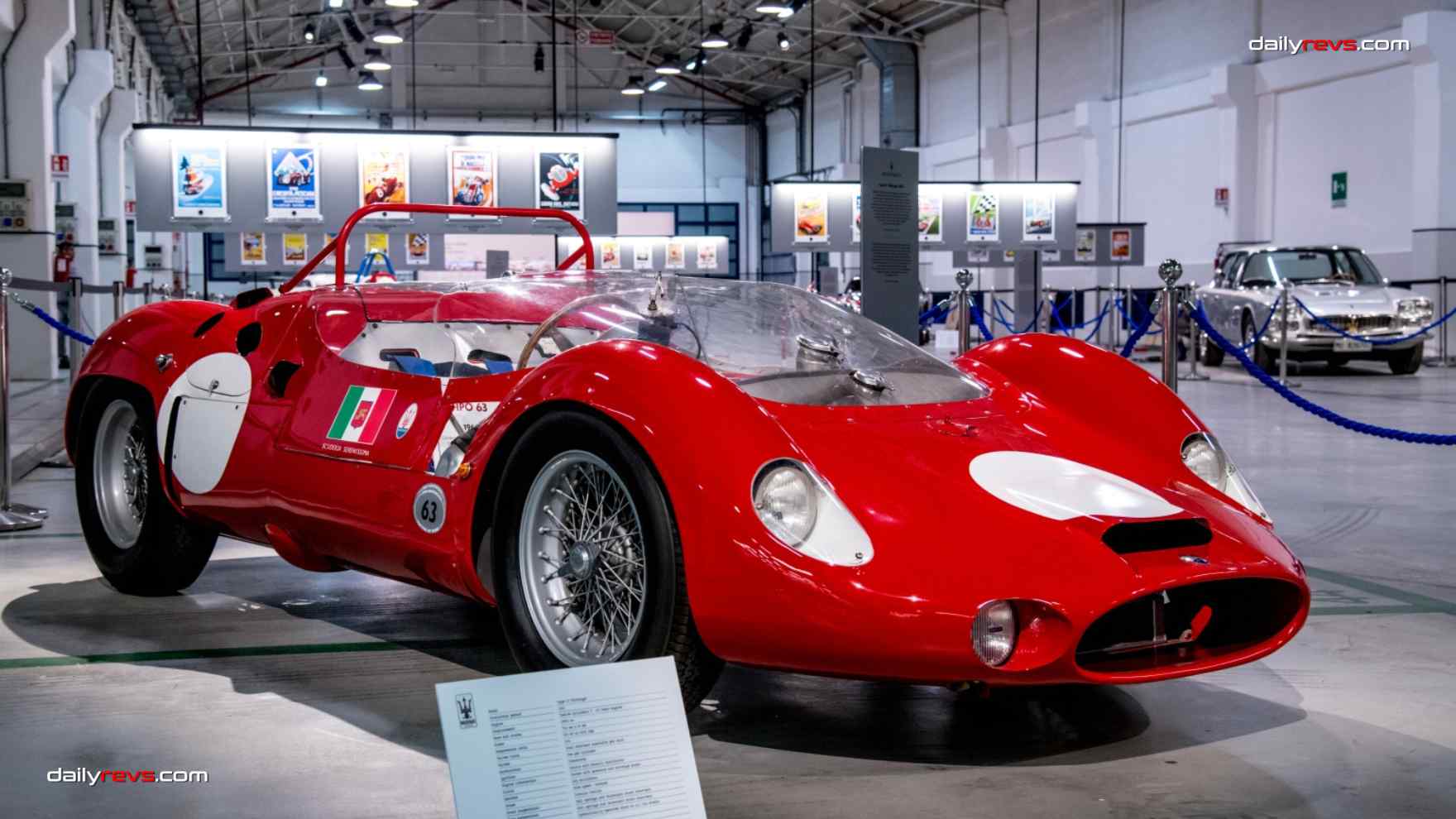
A full-length glass canopy replaced the roof, lifting forward like a jet cockpit. The cabin was visible even when closed, a minimalist space framed by the car’s carbon sills.
It stood just one meter tall and looked impossibly pure, as if sculpted by the air itself.
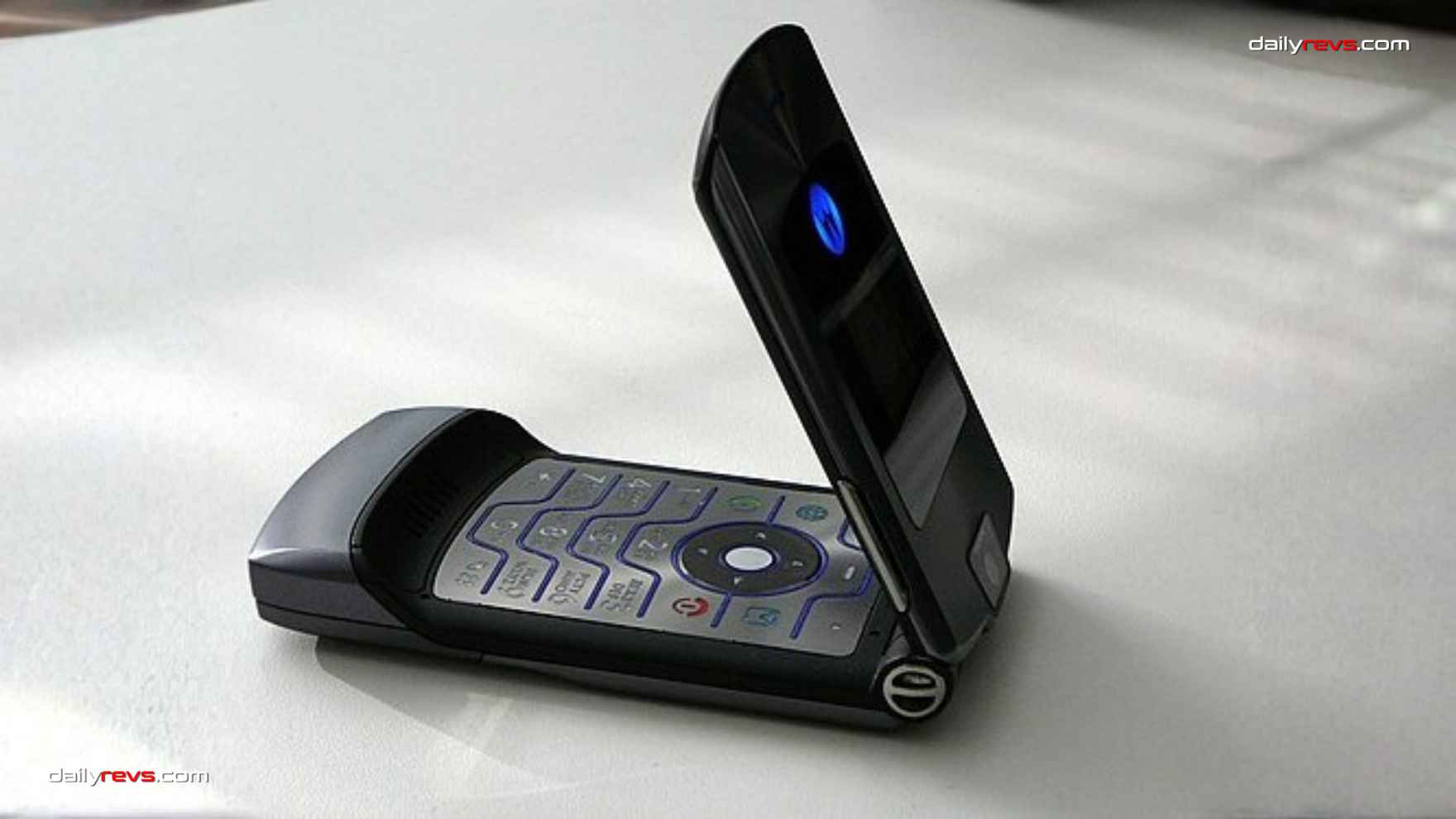
Motorola Razr 3 Image Source : Wikipedia
Motorola’s Role in a Connected Dream
Inside, Motorola installed real working technology. A head-up display projected speed and data onto a transparent panel. A Bluetooth headset connected wirelessly to a Motorola control module built into the steering wheel. Small cameras were embedded in the body so the driver could capture the experience.
This was 2005, when most cars still had CD changers and monochrome trip computers. Lodato described it simply: “We wanted to translate the human-machine interface from the palm to the dashboard.”
The result was a supercar that could talk to the driver — not through horsepower, but through information.
.jpg)
Before CarPlay, Before Siri, There Was Birdcage
Looking back, the Birdcage feels prophetic. Bluetooth calling appeared in production cars around 2008. Head-up displays became common years later. CarPlay and Android Auto didn’t exist until 2014.
Yet this concept, built twenty years ago on the mechanical foundation of the Ferrari Enzo, had already demonstrated all of it. It wasn’t just predicting the shape of cars but how humans would interact with them.
Reception and Reflection
When the Birdcage debuted at the 2005 Geneva Motor Show, it drew immediate attention. It won Best Concept Car and was later named Most Beautiful Car in the World.
It succeeded because each brand brought something unique. Pininfarina defined the vision, Maserati supplied performance and heritage, and Motorola added intelligence and connectivity.
Together, they created something far more important than a show car. They built a working theory of what modern mobility would become.
Twenty Years Later
Two decades have passed since the Birdcage 75th was born, yet it still looks like it belongs to the future. It remains in Pininfarina’s Cambiano collection, preserved as proof of what happens when design, engineering, and technology move in sync.
Some of its design cues appeared later in the 2007 Maserati GranTurismo, but its influence runs much deeper than style. The Birdcage reintroduced the idea of a one-piece clamshell canopy instead of traditional doors — a design gesture rarely seen since the 1970s.
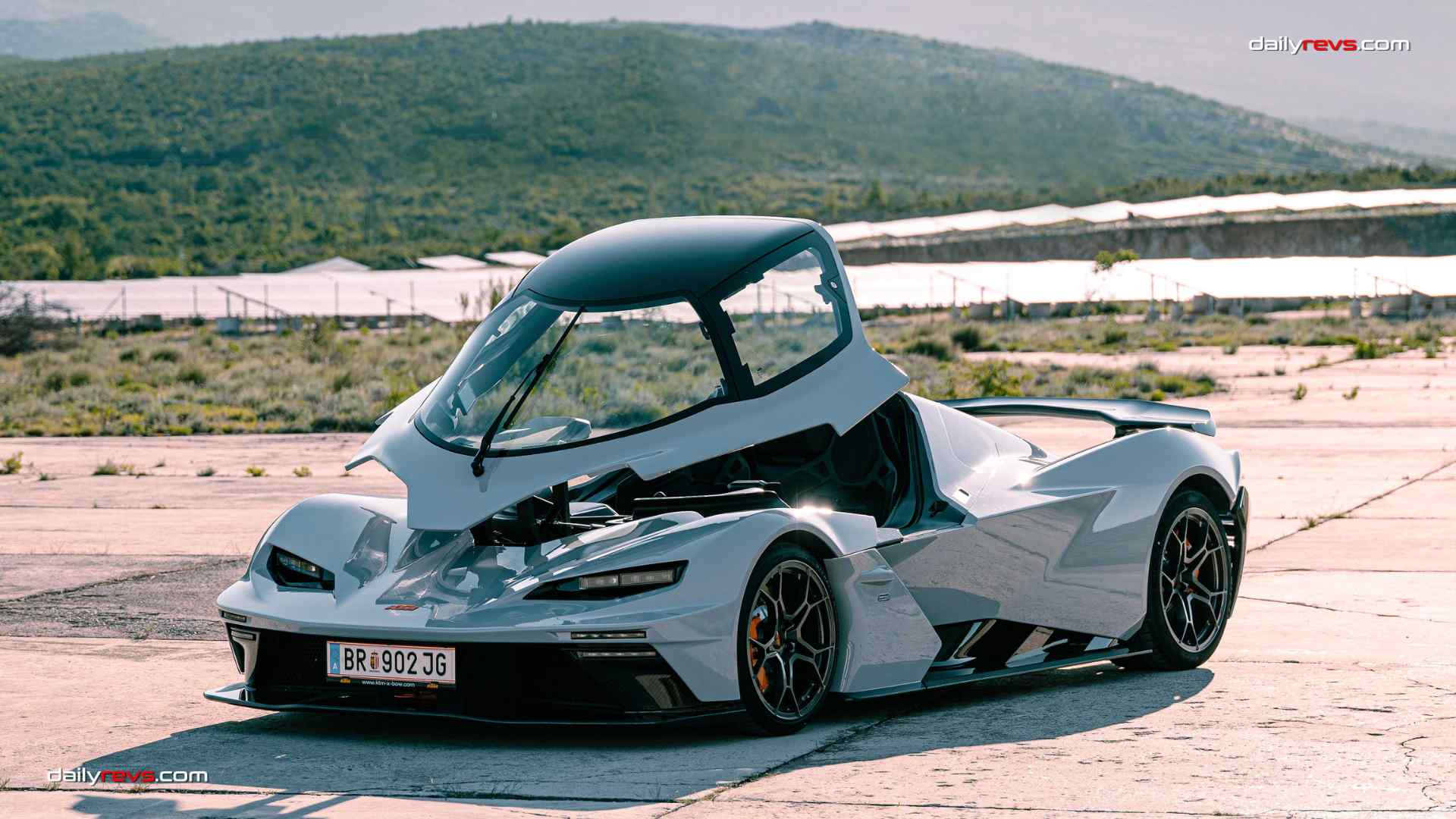
That canopy concept would quietly resurface years later in production through KTM’s X-Bow GT, GTX, and GT-XR, the only homologated road cars to adopt a similar forward-tilting canopy architecture. In many ways, KTM managed to bring into reality what the Birdcage had proposed: a purist, lightweight supercar that you step into like a jet fighter.
And now, as today’s hypercars — from Lamborghini Revuelto to Aston Martin Valour and Pagani Utopia — proudly revive their V12 engines after nearly a decade of downsizing talk, the Birdcage feels remarkably relevant again.
Maybe it’s a quiet reminder of what Maserati once offered: vision, courage, and a halo car that made people dream.