
2005 Pininfarina Birdcage 75th Concept
By Lorenzo Bianchi October 15, 2005
Pininfarina Revives the Birdcage 75th Concept Two Decades After the Original 2005 DebutI
nspired by the tubular “birdcage” race cars of the 1960s, the revived concept connects historic motorsport DNA with modern technology.
The 2025 design study underlines Pininfarina’s role in experimental, future-focused automotive design.
Revisiting a Radical Idea
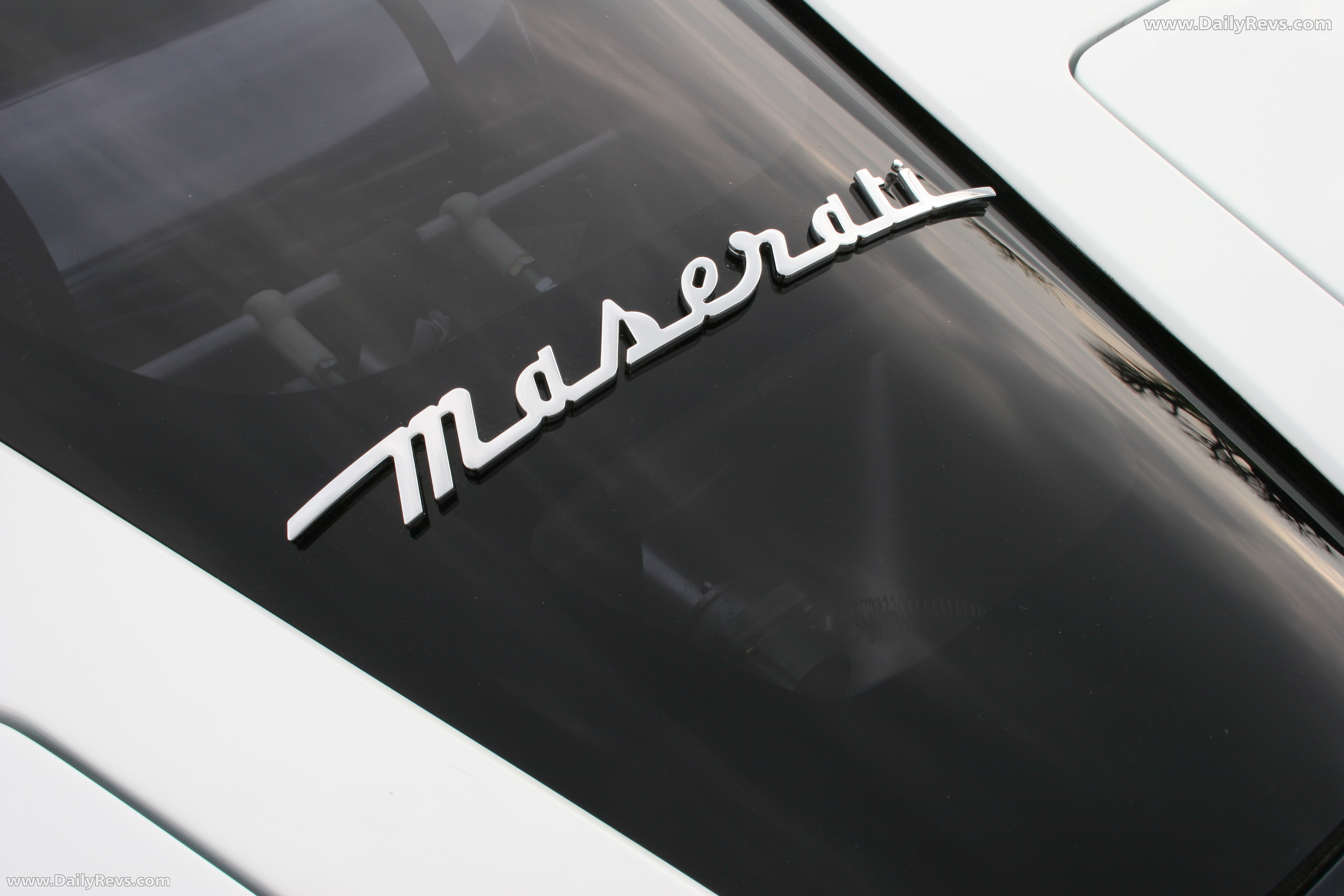
Few concepts have lingered in enthusiasts’ minds like the Pininfarina Birdcage 75th. When it was first unveiled in 2005, built on the bones of the Maserati MC12, it wasn’t a sales pitch — it was a celebration of design freedom. The car borrowed its name from the legendary Maserati Tipo 60/61 “birdcage” race cars, whose lightweight tubular frames dominated endurance racing in the early 1960s.
For 2025, Pininfarina has returned to the Birdcage name. This isn’t a production model, and Pininfarina makes no attempt to suggest otherwise. It’s a tribute piece — a reimagining of that 2005 vision, adjusted for the present moment. The result is something just as striking — but also sharper, leaner, and more grounded in today’s design language.
Design: Extreme, But Considered
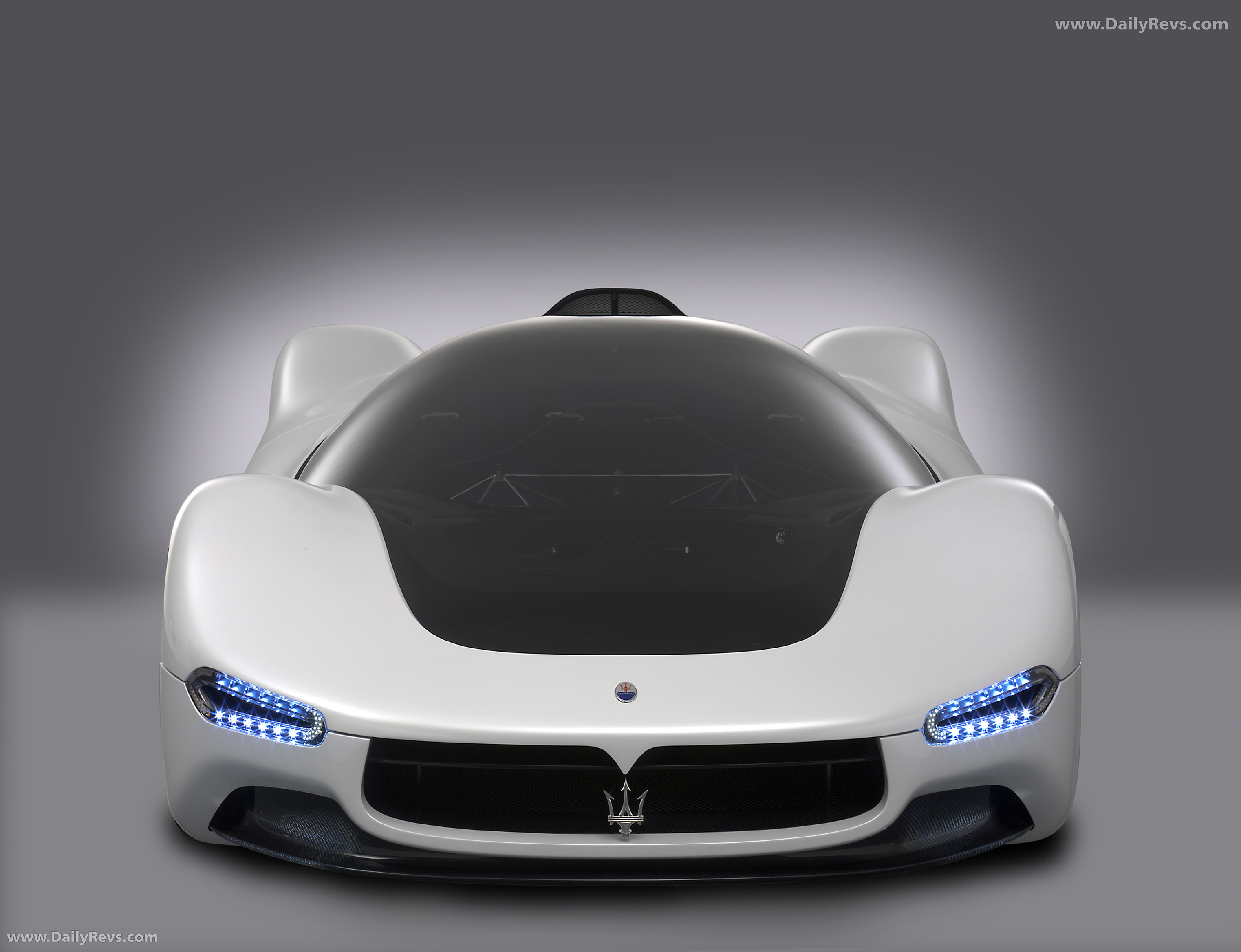
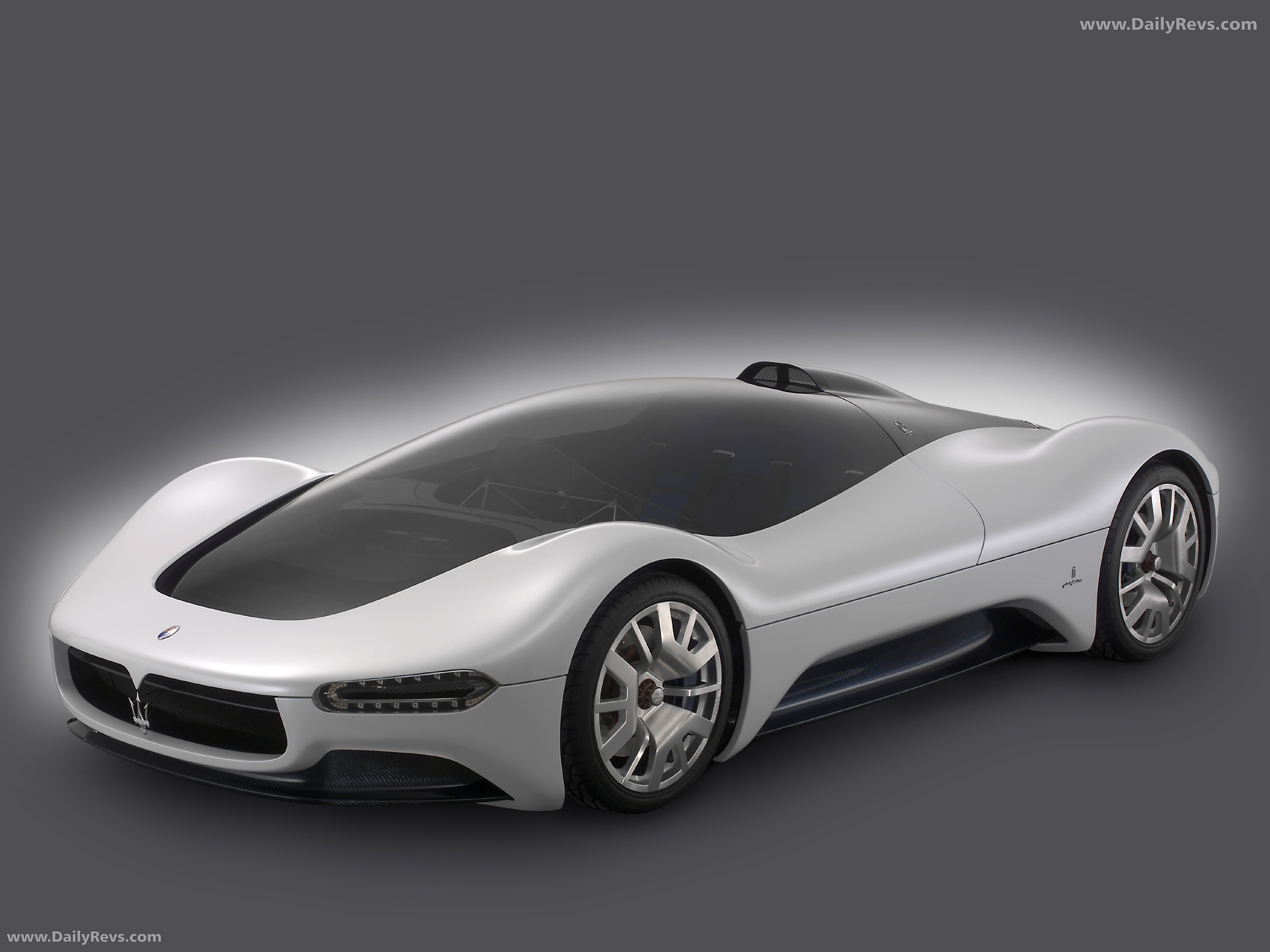
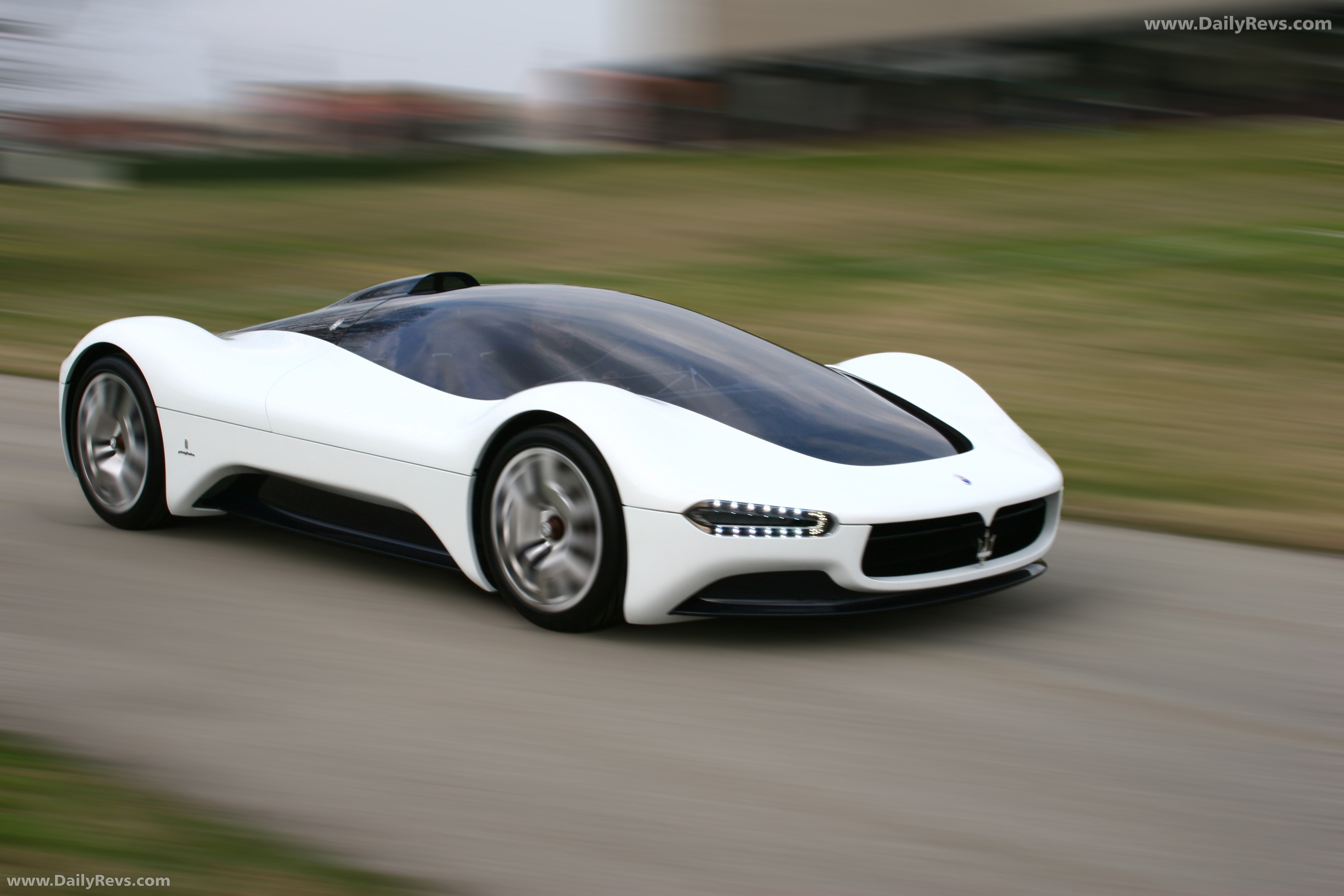
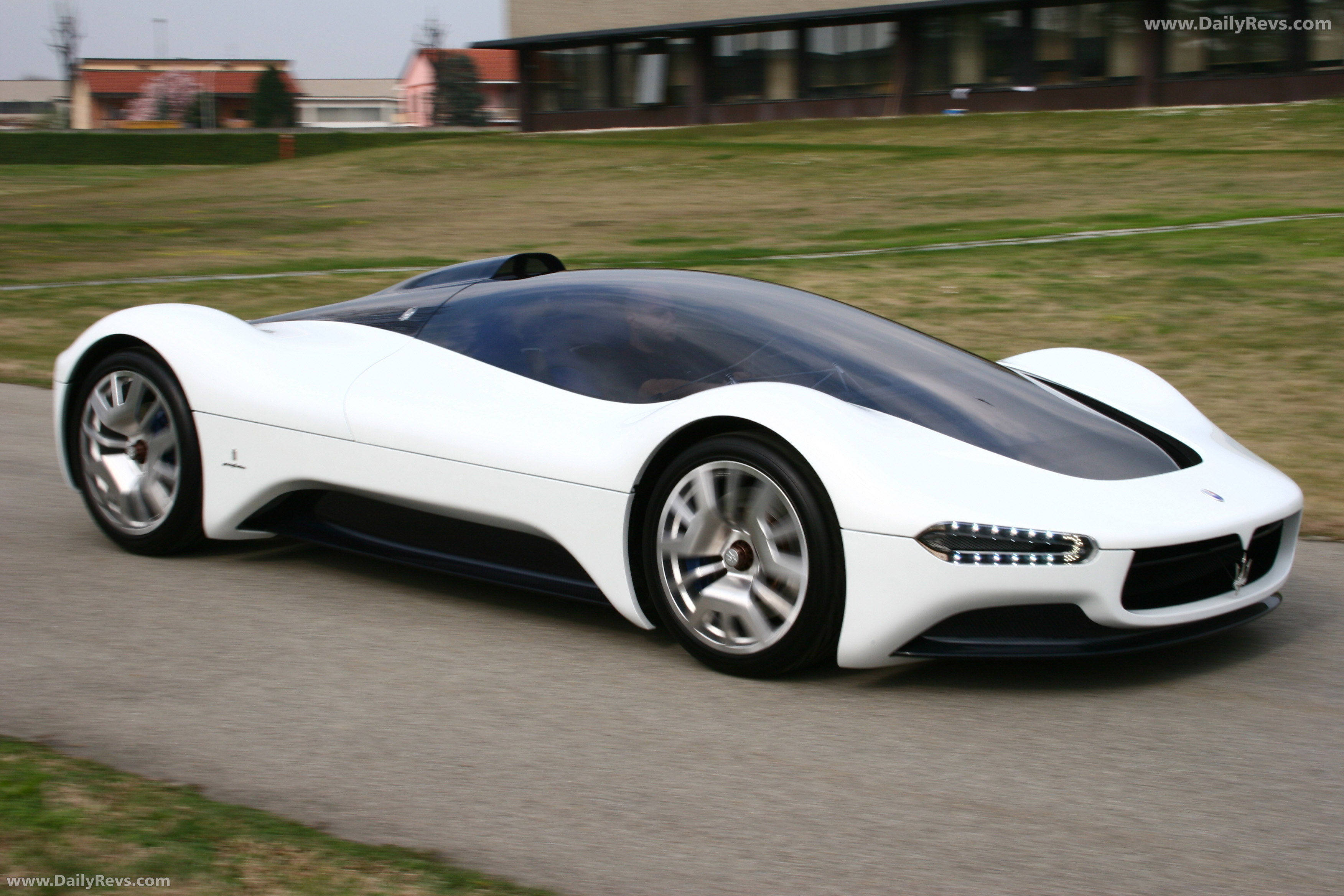
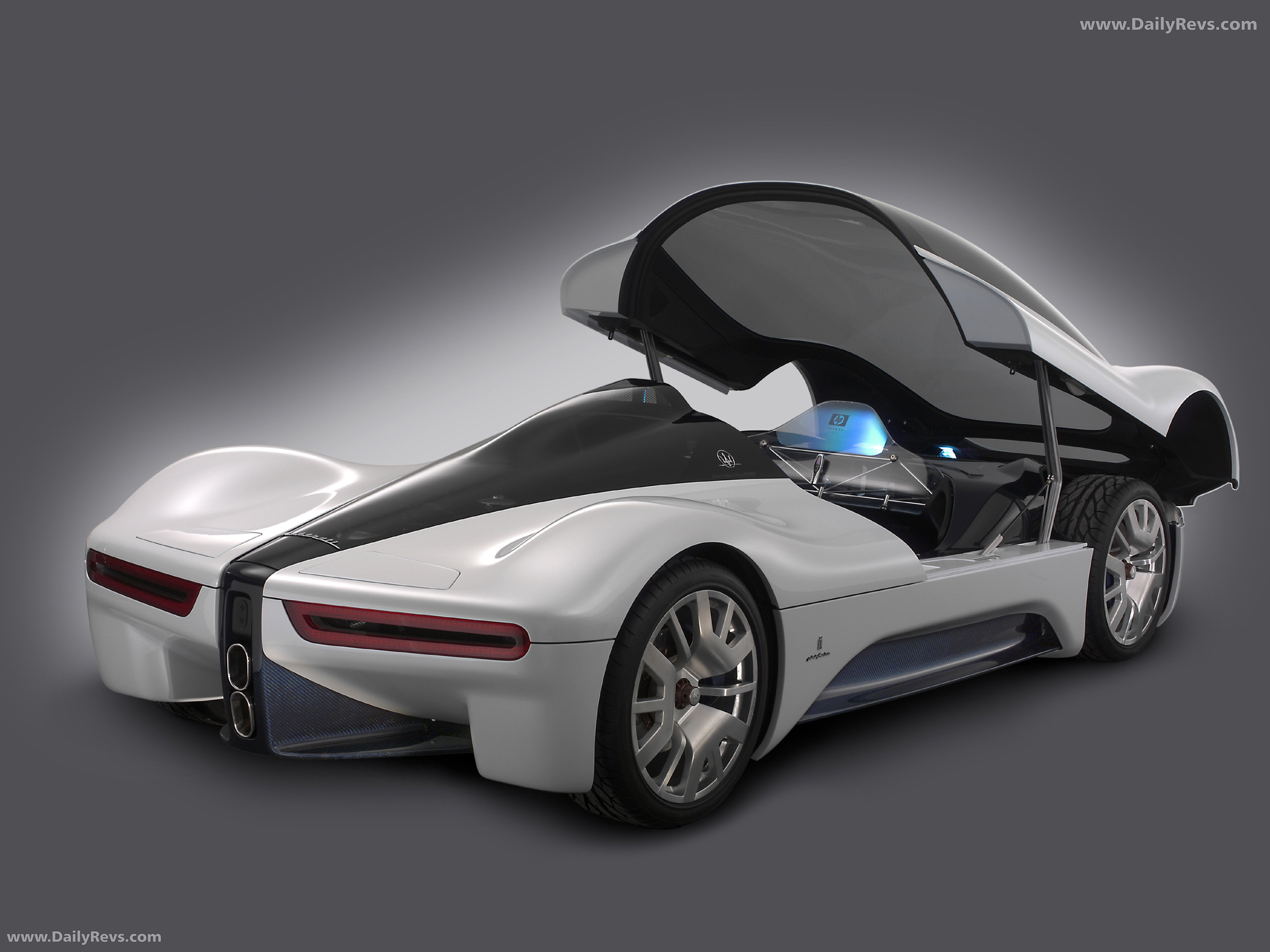
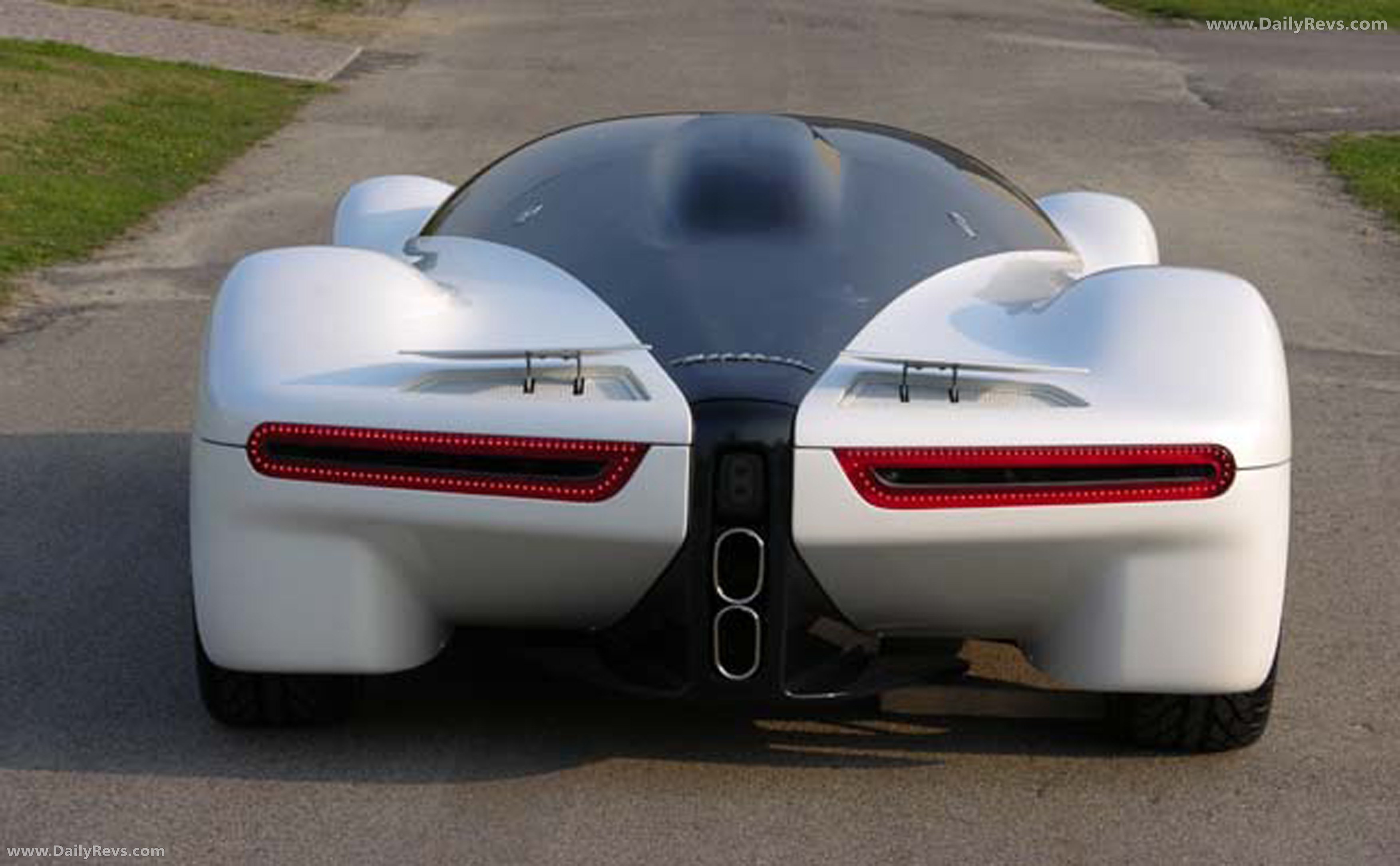
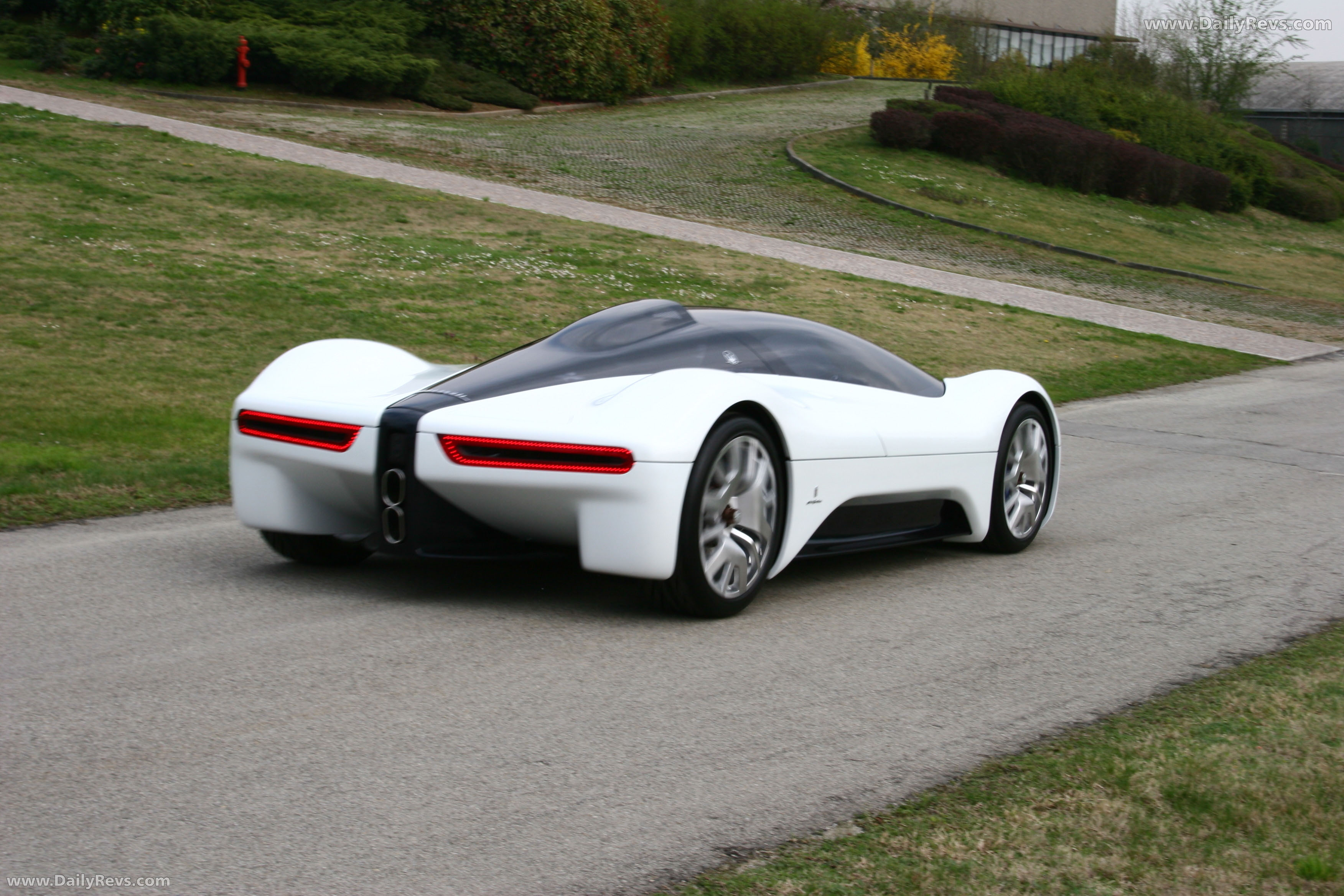
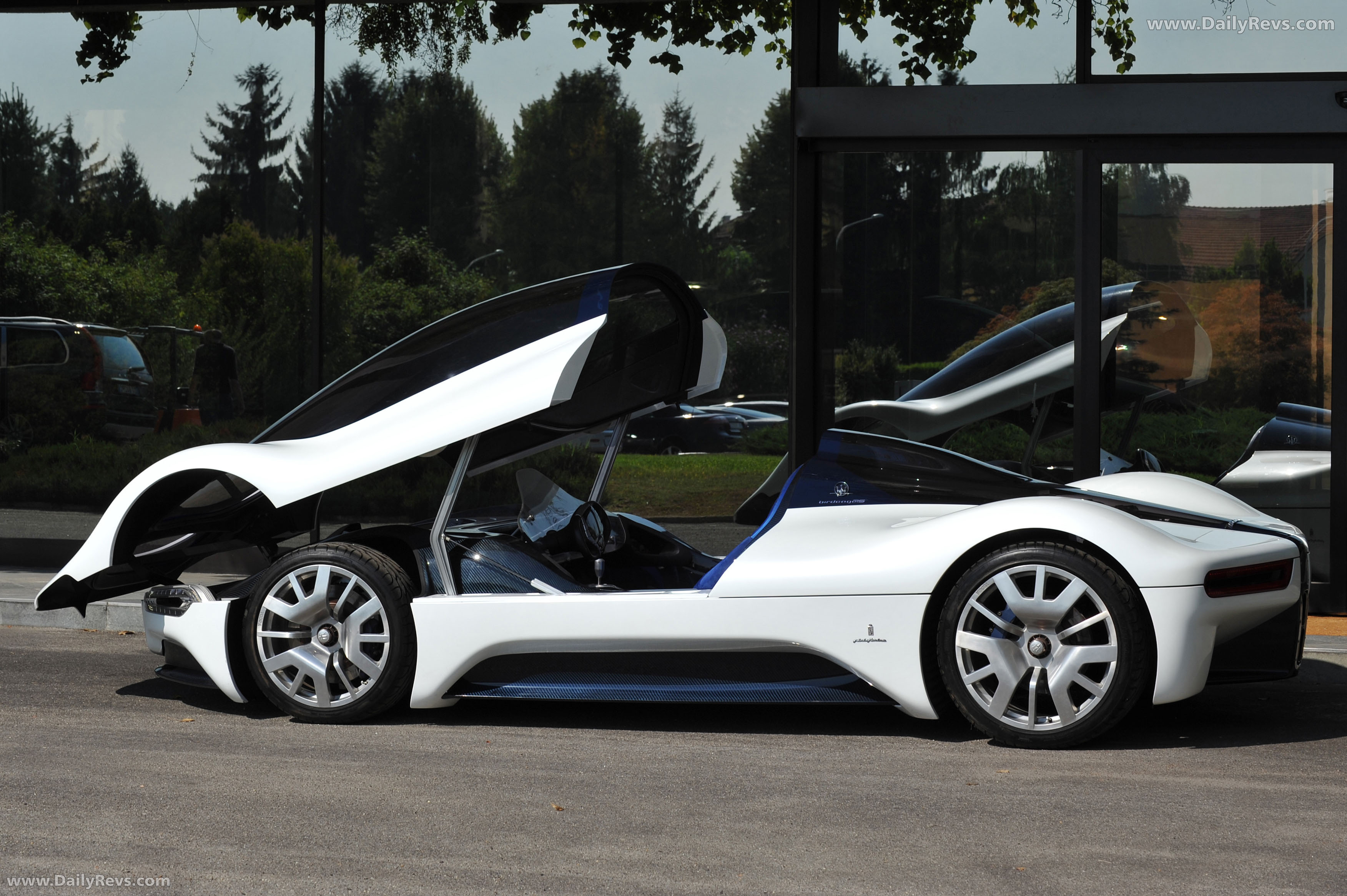
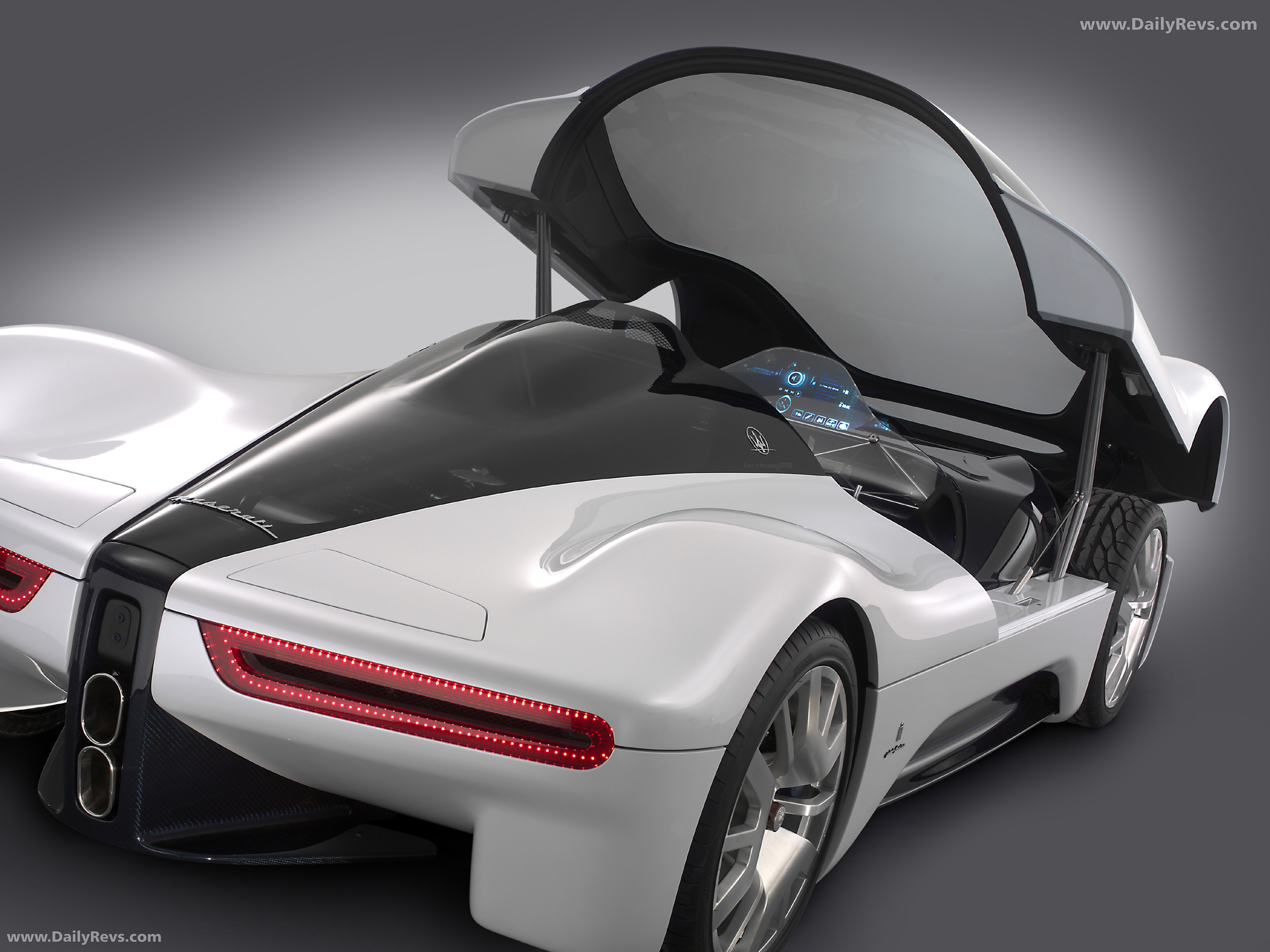
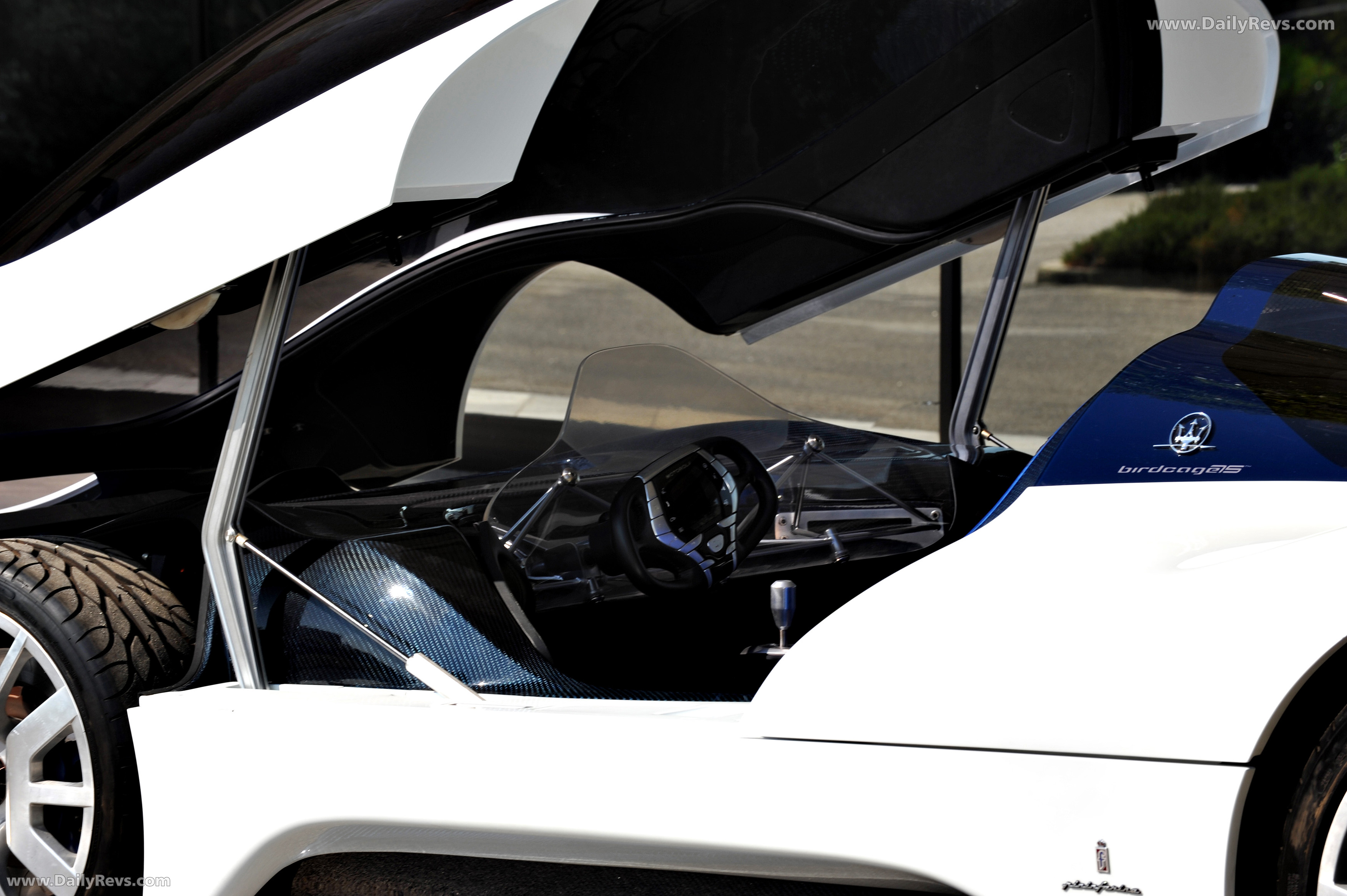
The new Birdcage is still a sculpture in motion. Its canopy-style glass roof, which tilts forward in one dramatic sweep, remains the centerpiece. There are no conventional doors, just a cockpit that opens as a single piece — a concept born from show-car extravagance, but one that still manages to provoke awe.
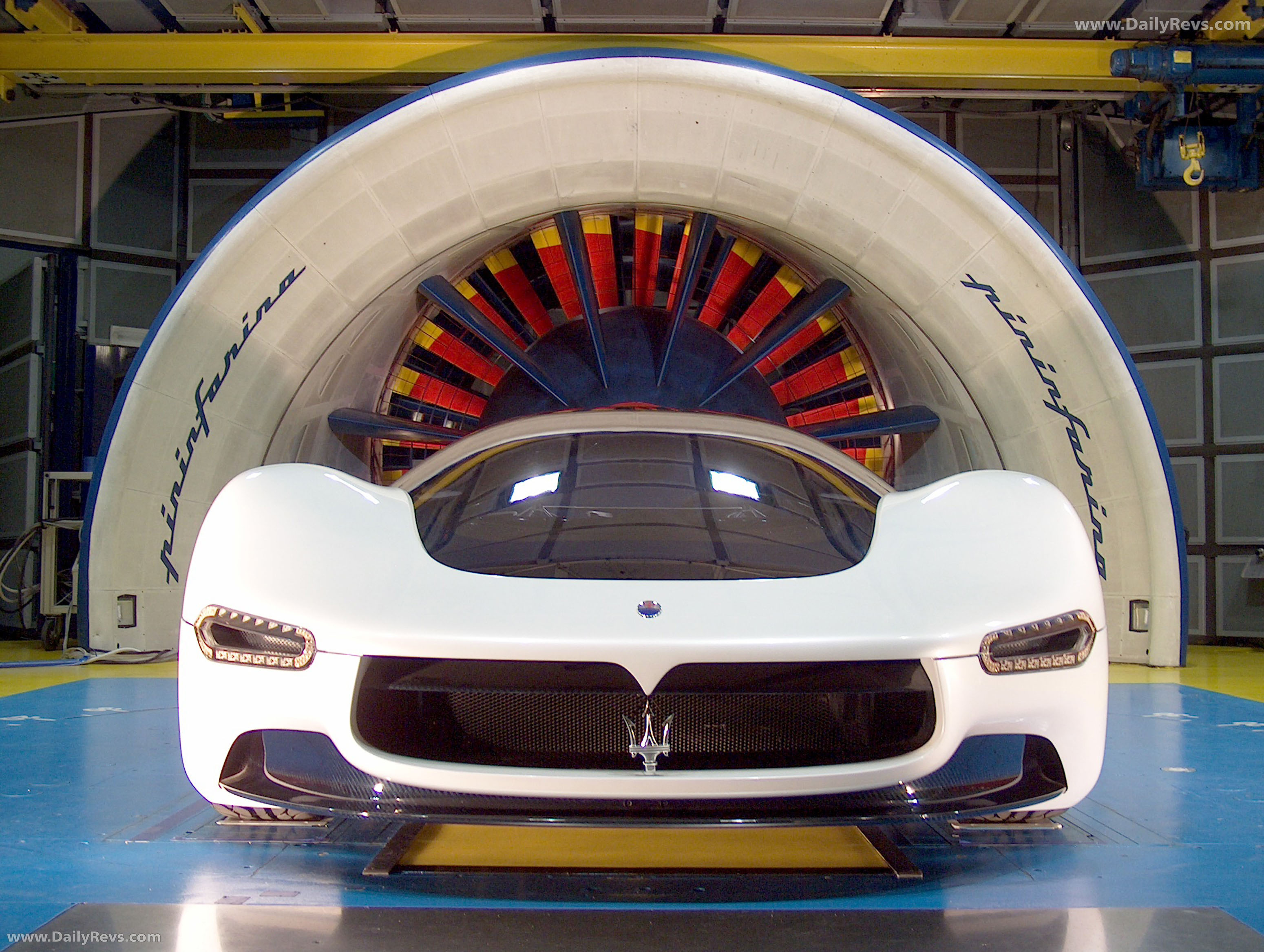
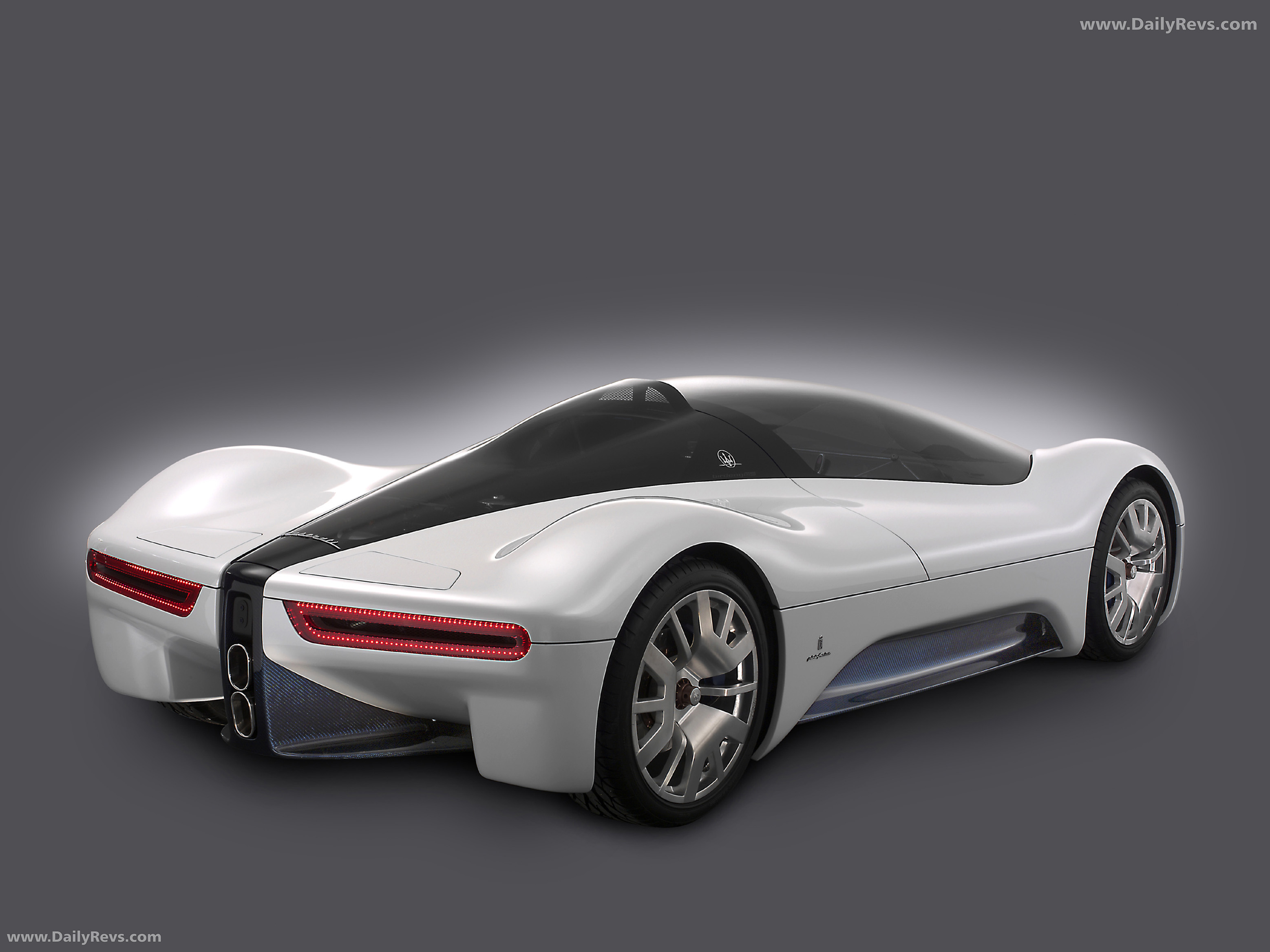
The proportions remain uncompromising: low, wide, and razor-sharp. A clean nose with ultra-slim LED lighting cuts into the bodywork, while the sculpted rear tapers with aerodynamic precision. Unlike the softer, almost organic curves of the 2005 car, the 2025 edition feels more deliberate. It’s designed with airflow and weight reduction in mind, but without losing its theatrical presence.
You don’t need to look long to see the cues — the birdcage chassis spirit, the MC12’s shadow, and a modern Italian design language that now has to contend with electrification and digital architecture.
Performance: From V12s to Electric Futures
Back in 2005, the Birdcage was a showcase for Maserati’s 6.0-liter V12, the same engine that powered the MC12. That car had the numbers to back up the looks, pushing north of 700 hp.
This time, Pininfarina hasn’t spelled out what sits beneath the skin. Officially, the Birdcage remains a design study.
What matters here isn’t the drivetrain — it’s the philosophy. The Birdcage is built to remind people that Pininfarina can still imagine performance in itspurest form. The stance, the dimensions, the way the body is carved — all of it signals speed, regardless of what powers it.
A Digital Cockpit
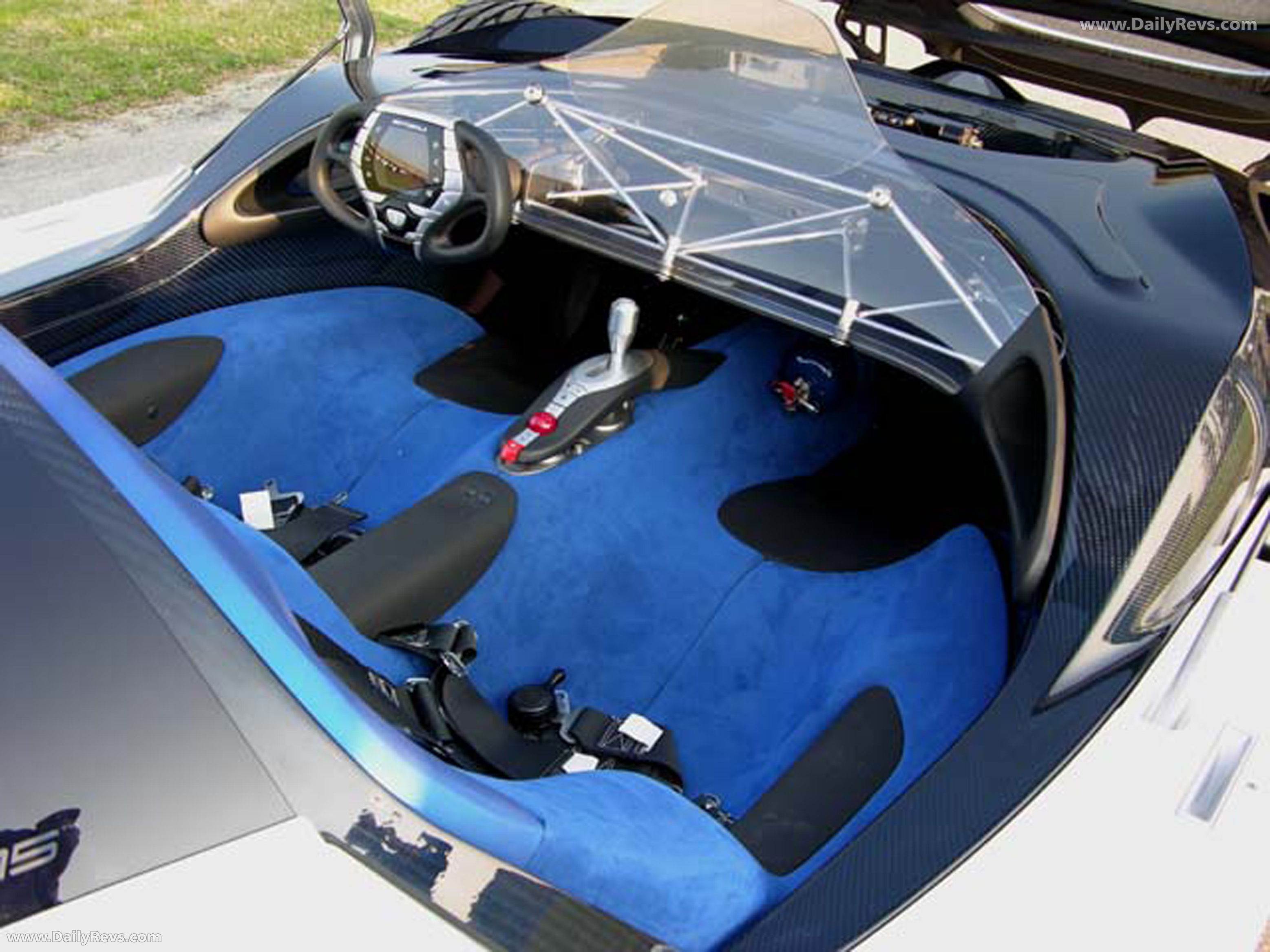
Step inside and you’re in another world. Gone are dials and switches in the traditional sense. In their place, digital overlays and projected data wrap around the driver. Augmented reality becomes part of the driving environment, integrated into the canopy itself.
Technical Specifications
- Category: Experimental concept car
- Platform: Design study; potential EV alignment
- Powertrain: Not officially disclosed; likely envisioned for hybrid/EV
- Body Construction: Lightweight composites with full glass canopy
- Design Features: Canopy-style entry, advanced aerodynamics, slim LED lighting
- Interior: Digital display integration, augmented reality systems, integrated seating