2027 Toyota Yaris Cross
By Lorenzo Bianchi April 17, 2026
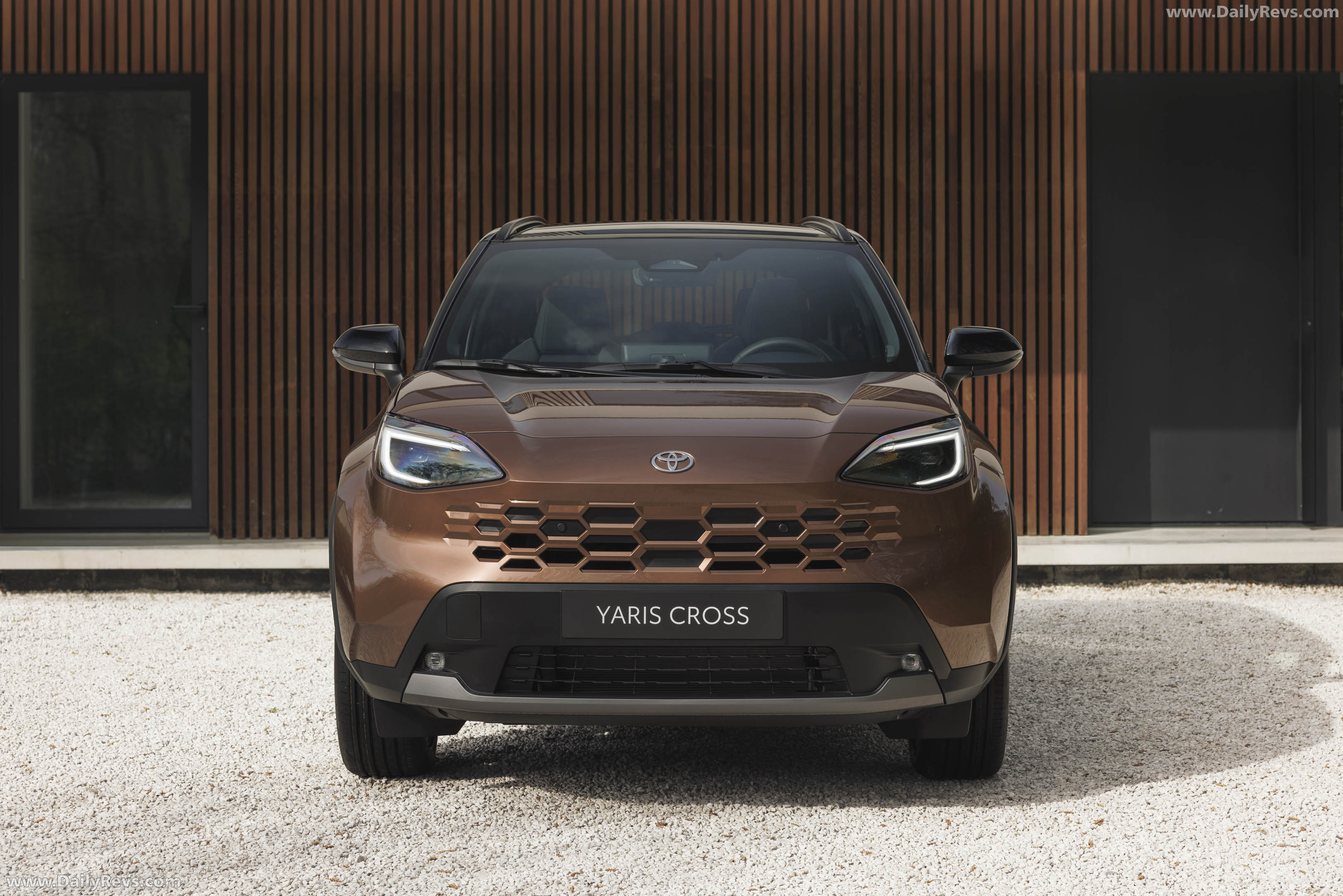
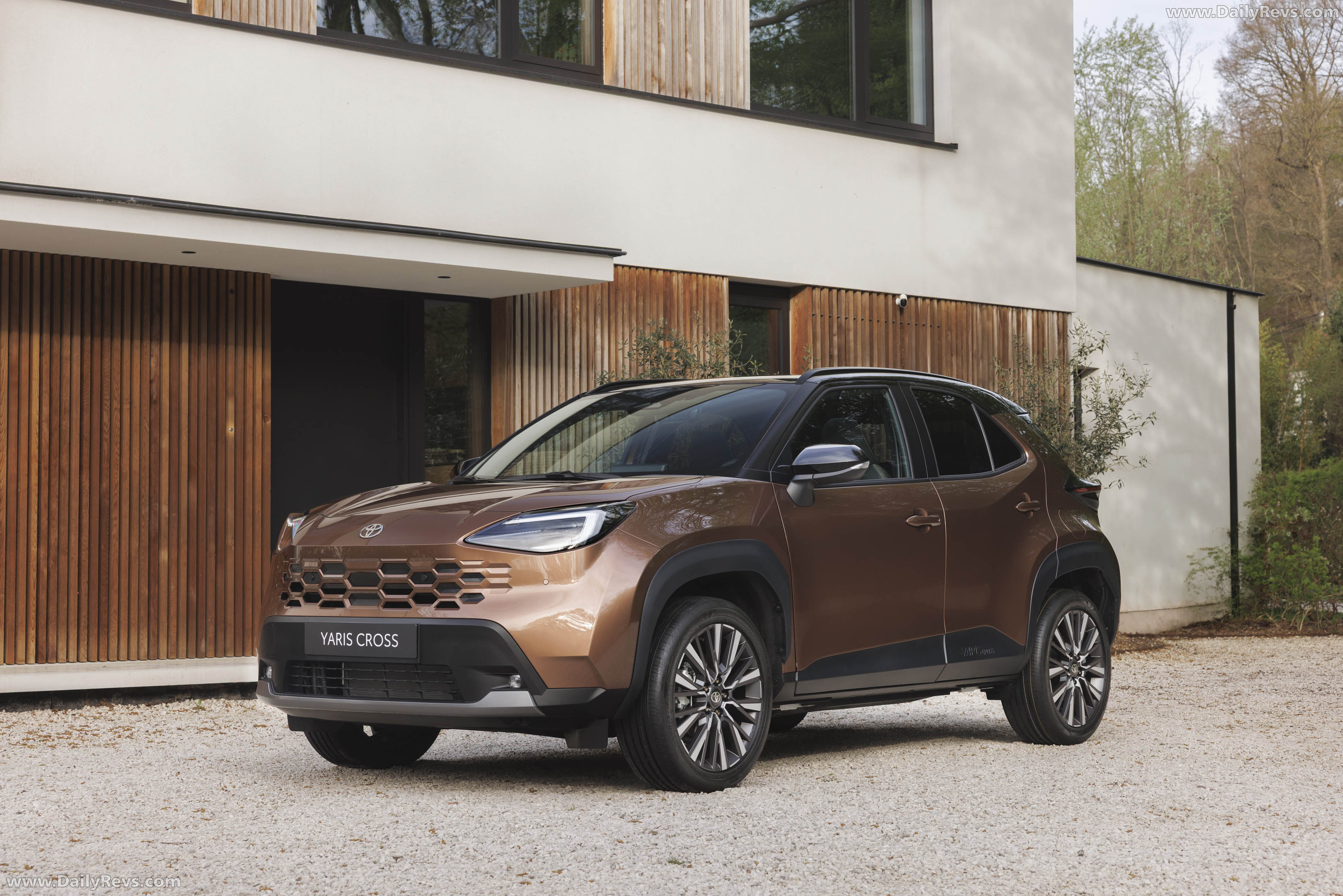
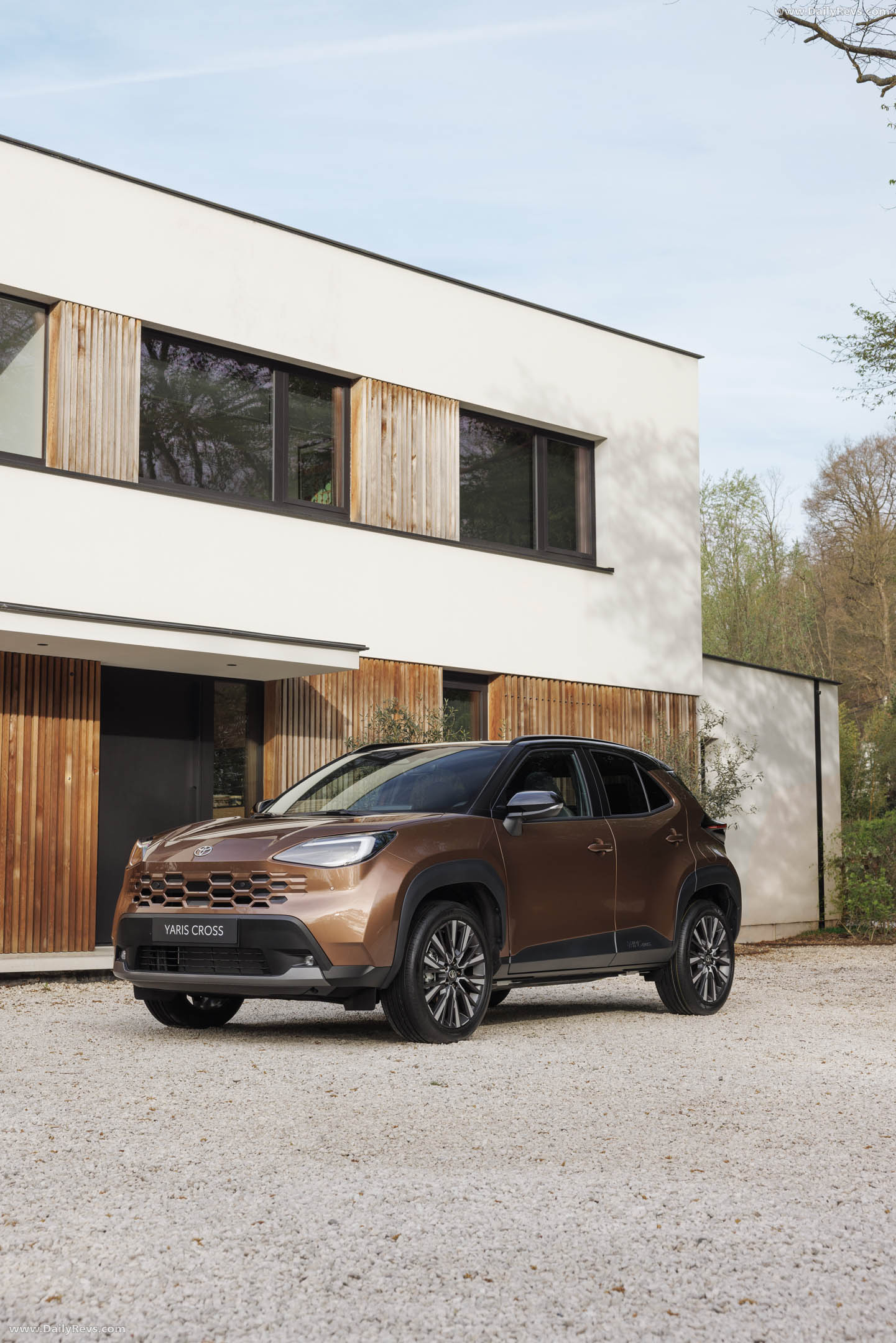
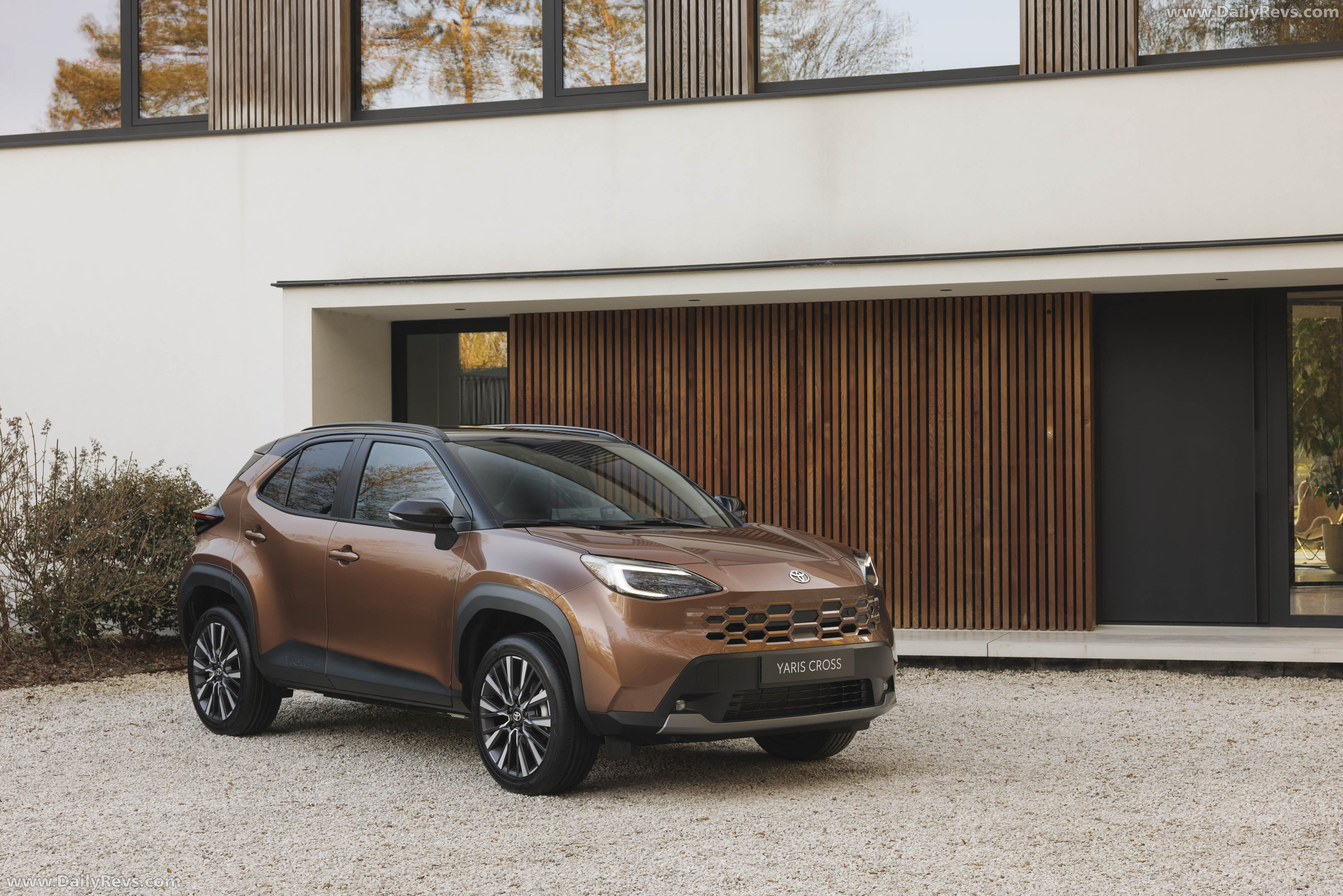
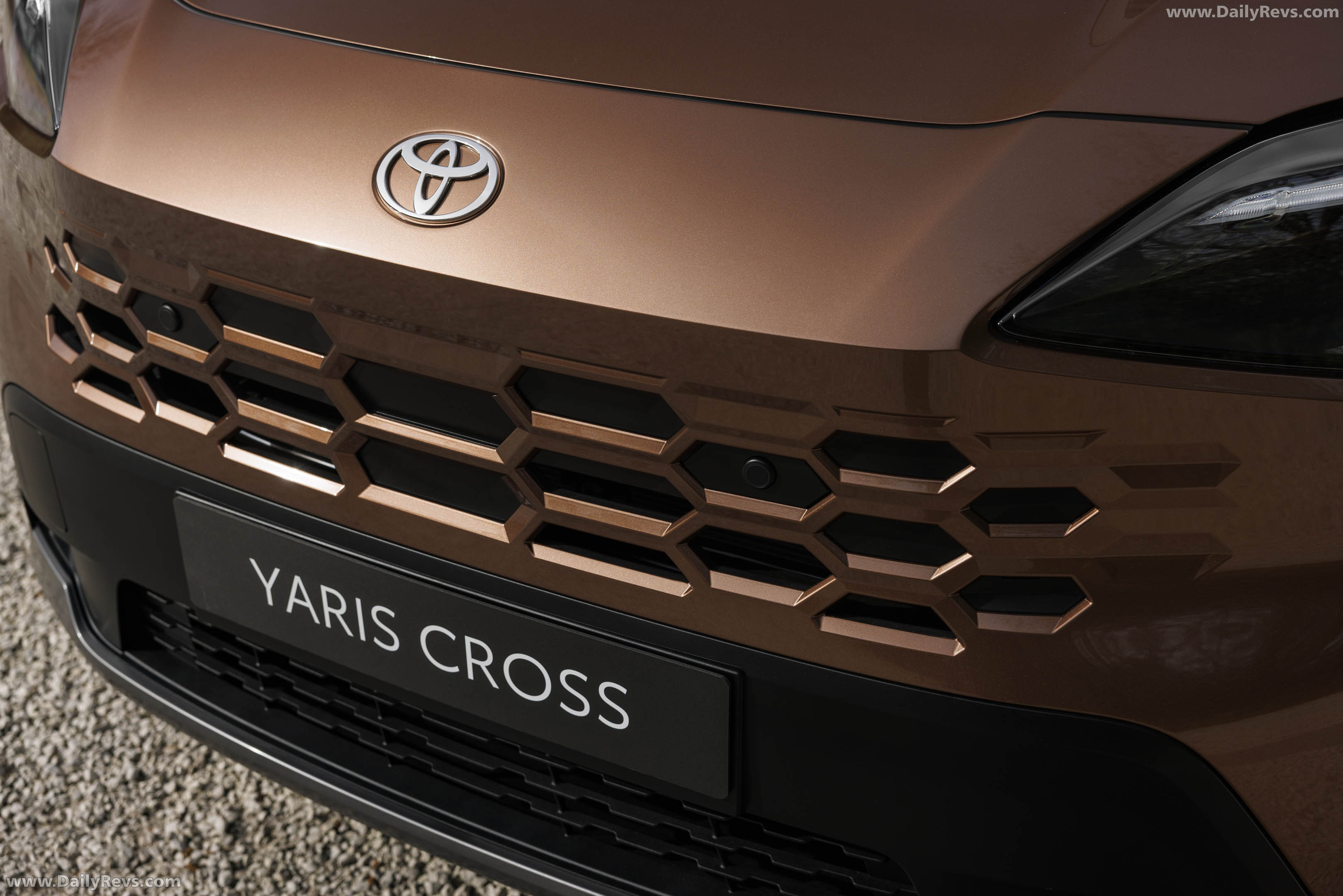
New front design with body-coloured honeycomb grille.
Hybrid 130 powertrain with up to 130 hp and AWD option.
Interior gains SakuraTouch materials and improved comfort.
A cleaner front gives it more presence
The 2027 Toyota Yaris Cross doesn’t change direction. It refines what’s already there.
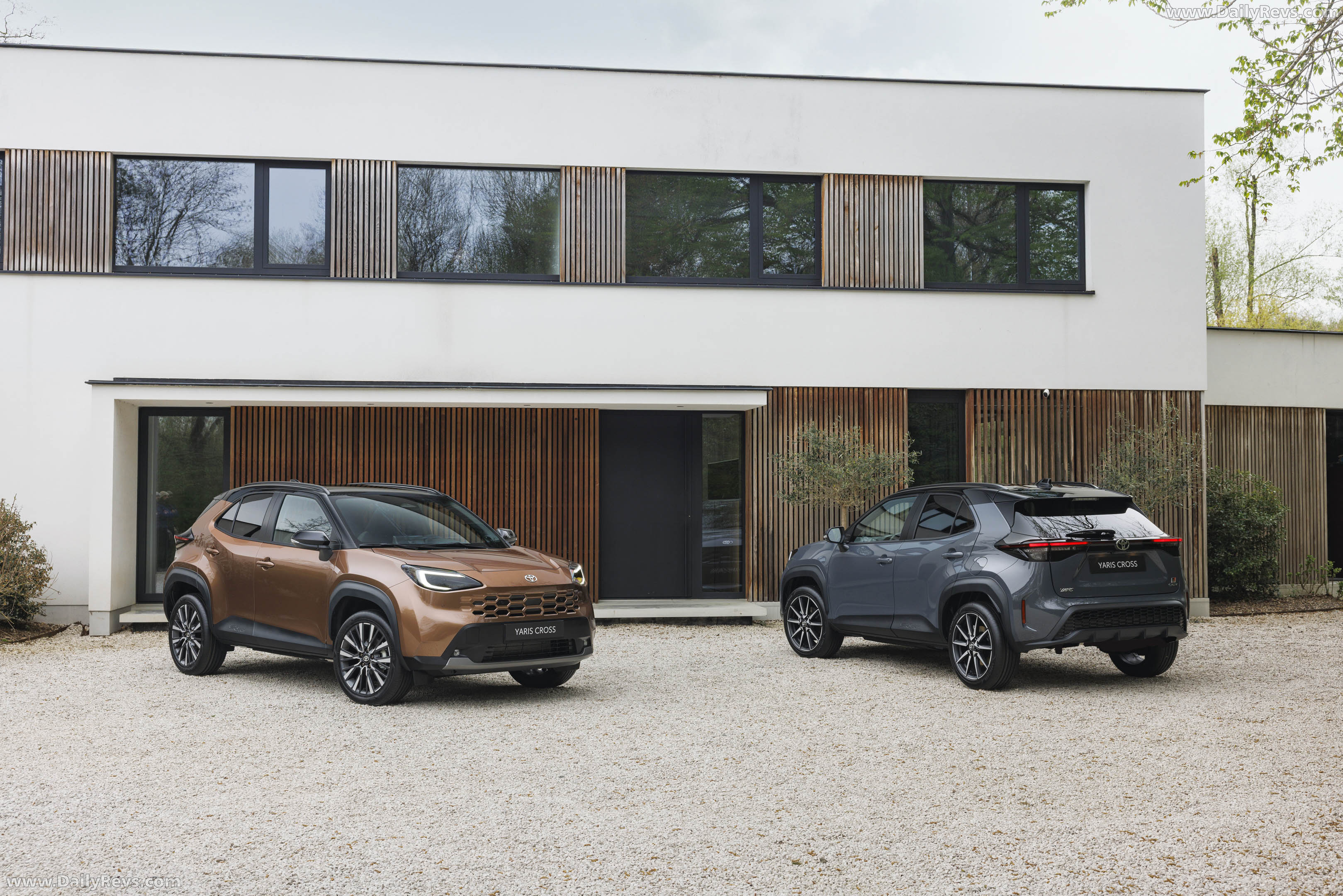
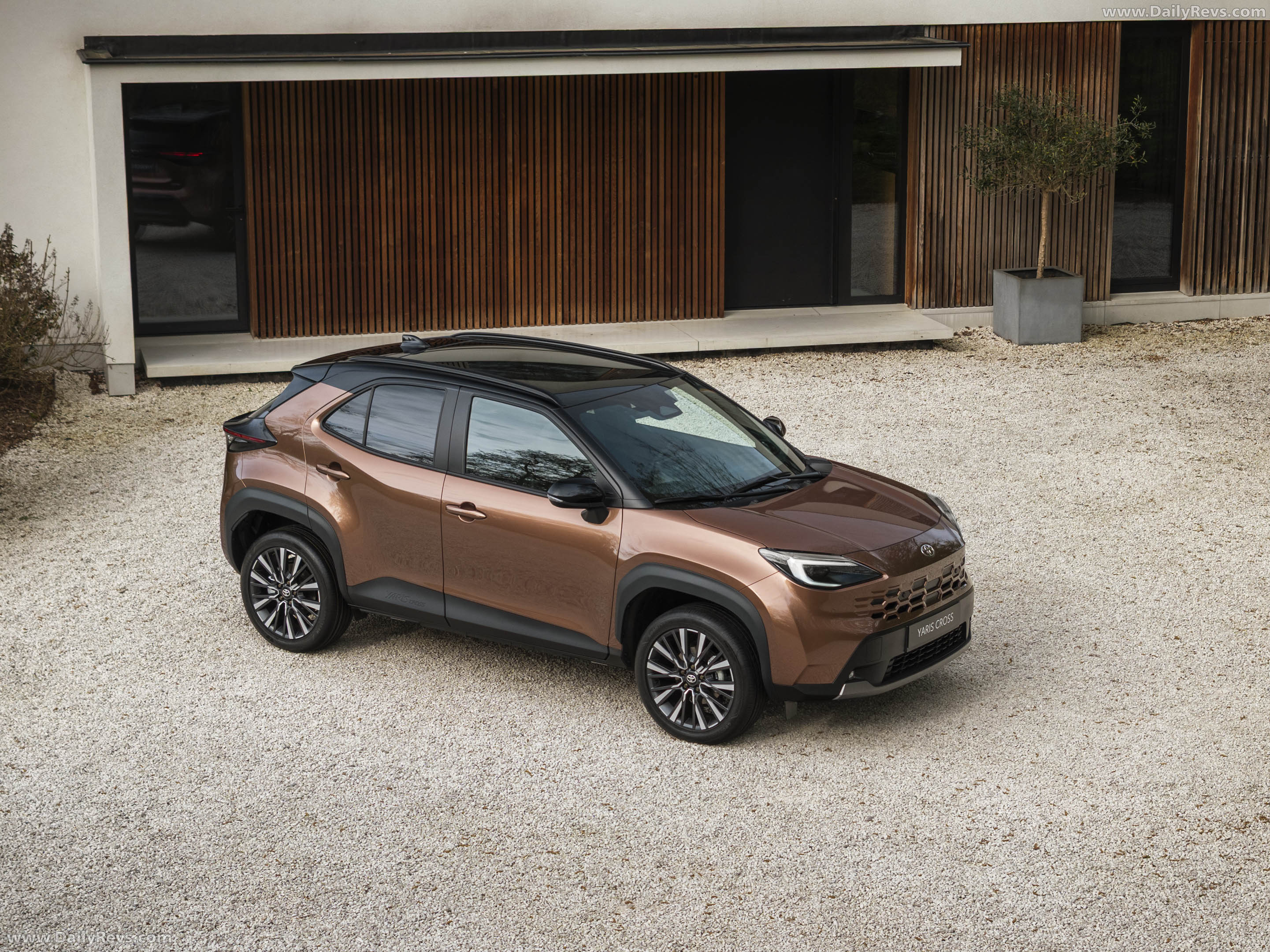
The most noticeable update sits right at the front. Toyota has redesigned the grille, now using a body-coloured honeycomb pattern that blends more cleanly into the surrounding surfaces. It gives the car a more integrated look, less contrast, fewer visual breaks.
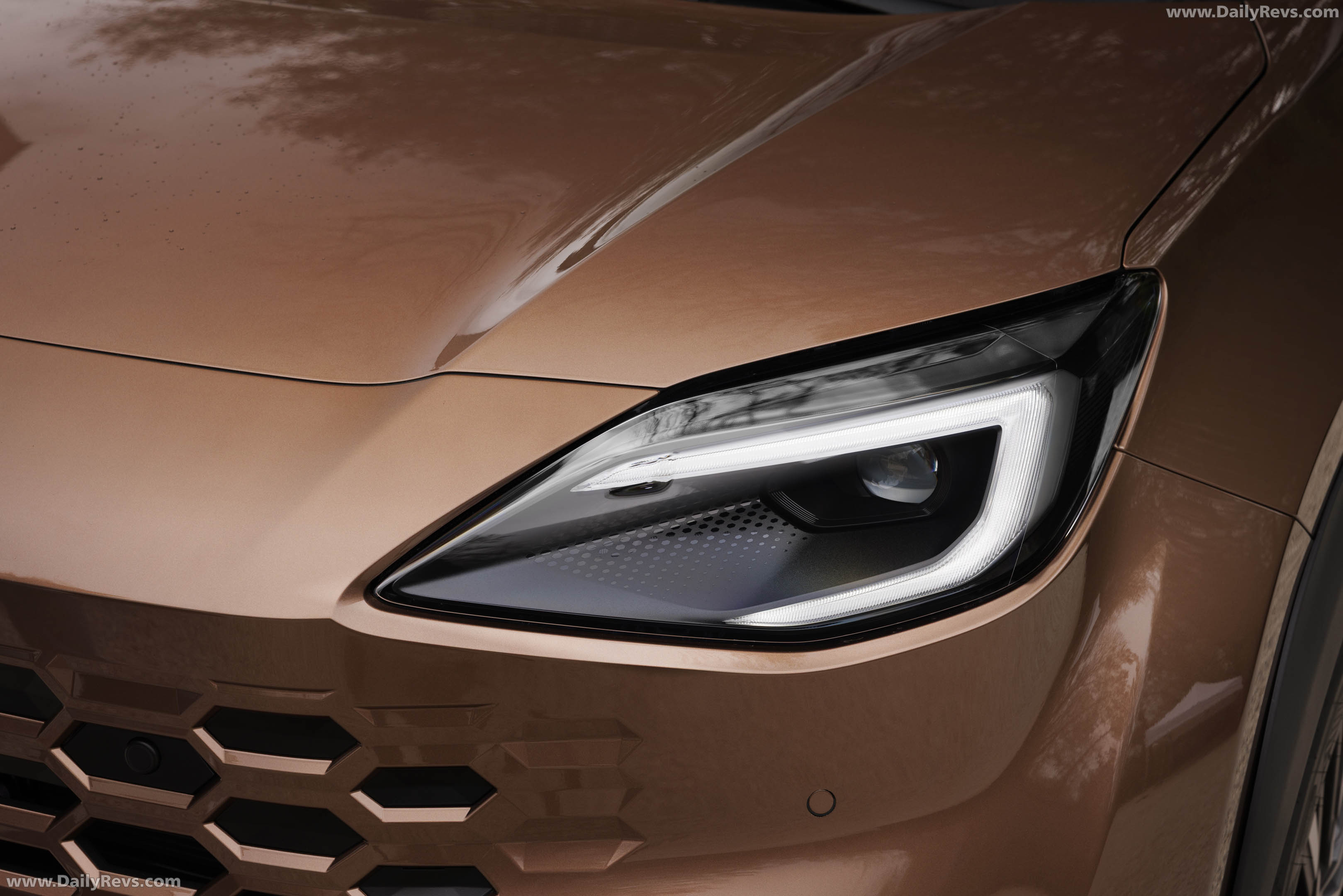
Headlamps have been reshaped too. They’re sharper now, with integrated daytime running lights, which makes the front feel more focused without becoming aggressive.
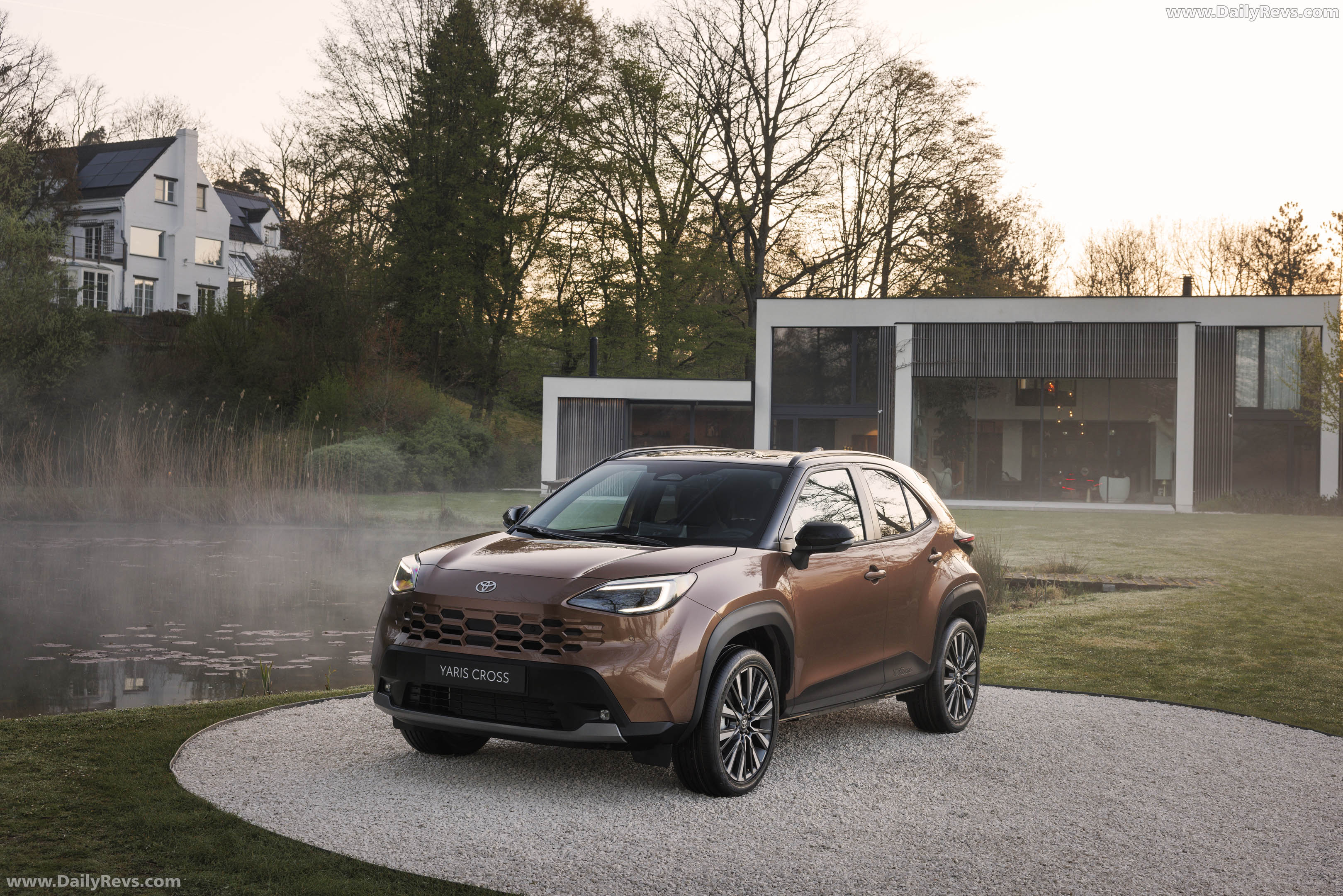
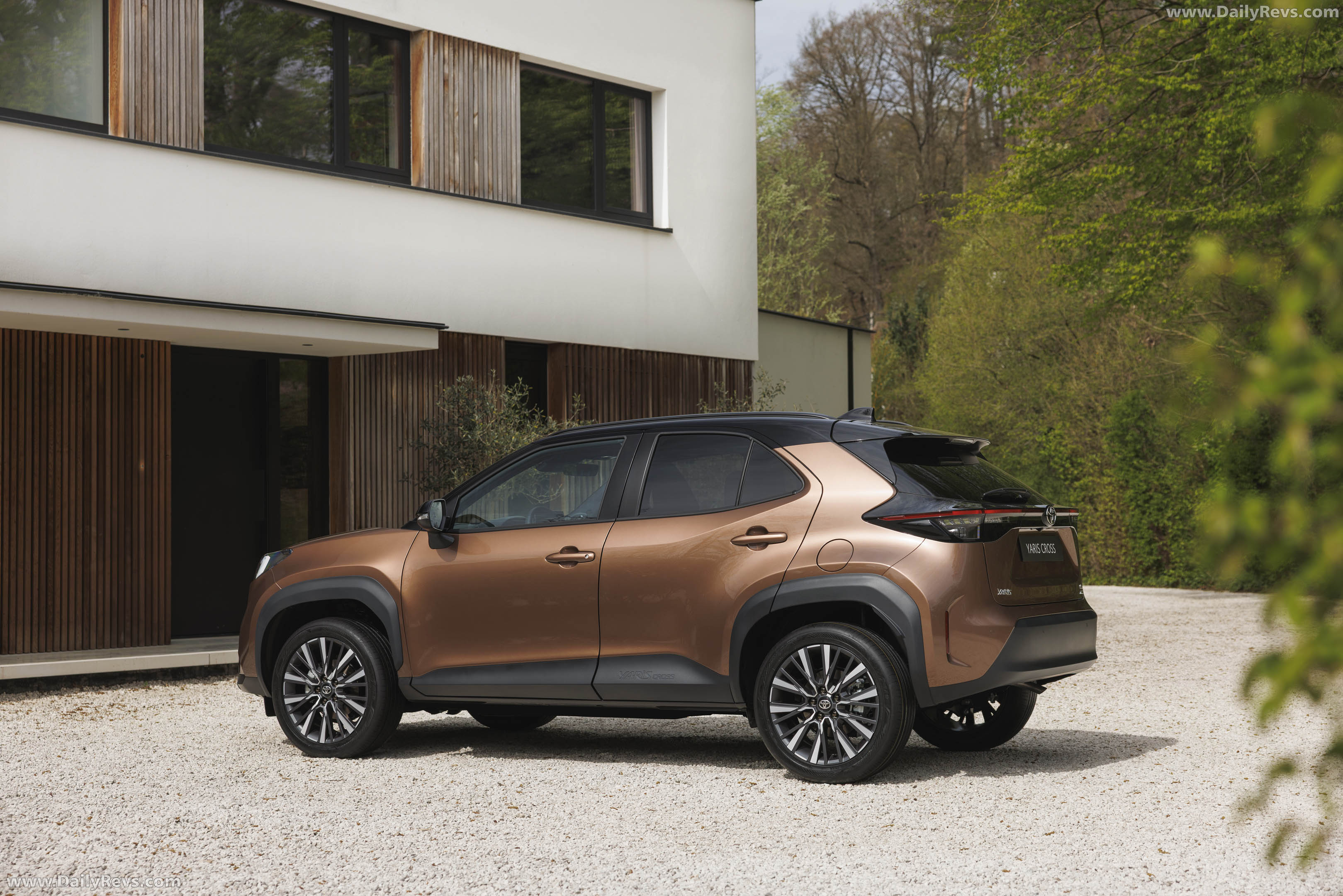
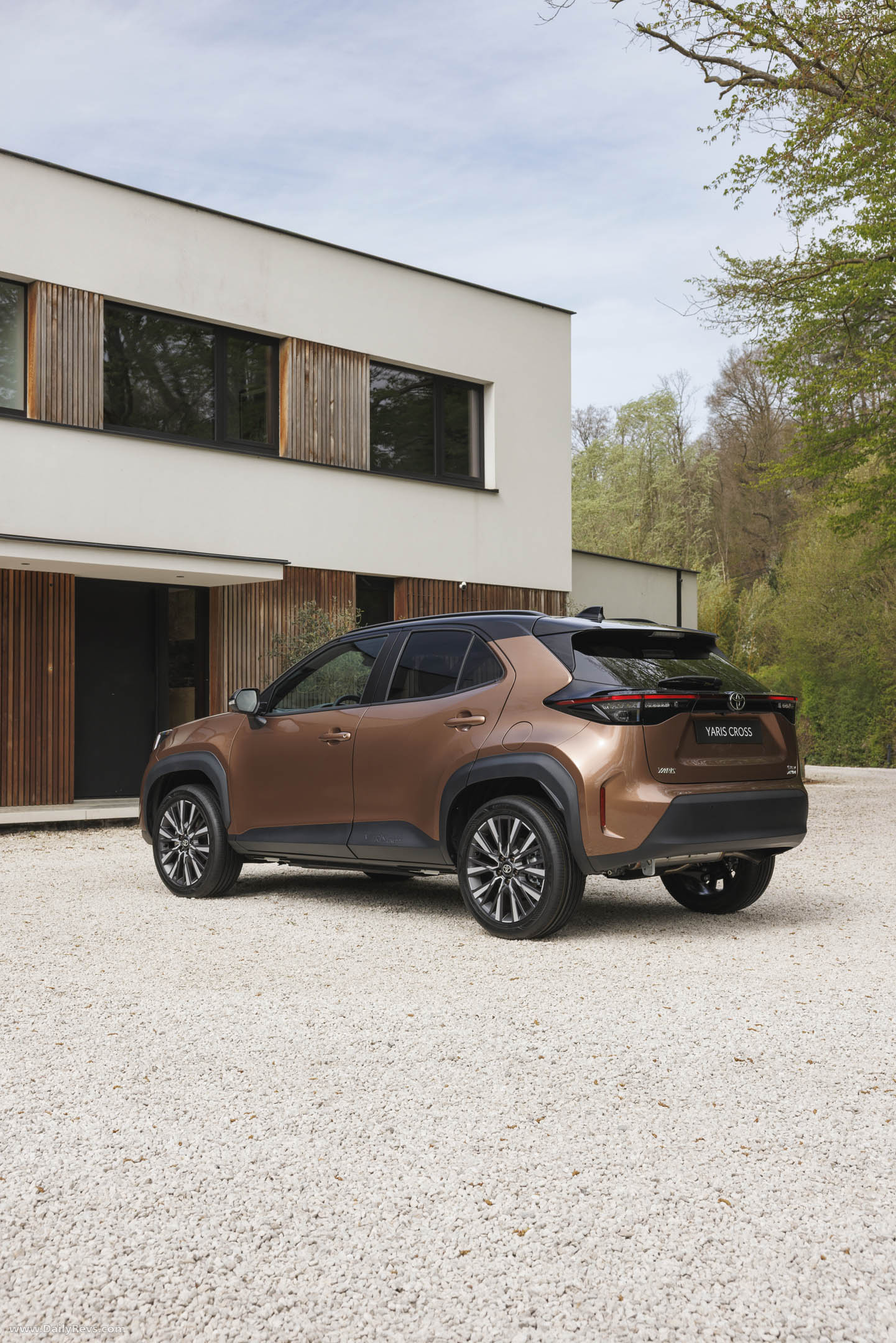
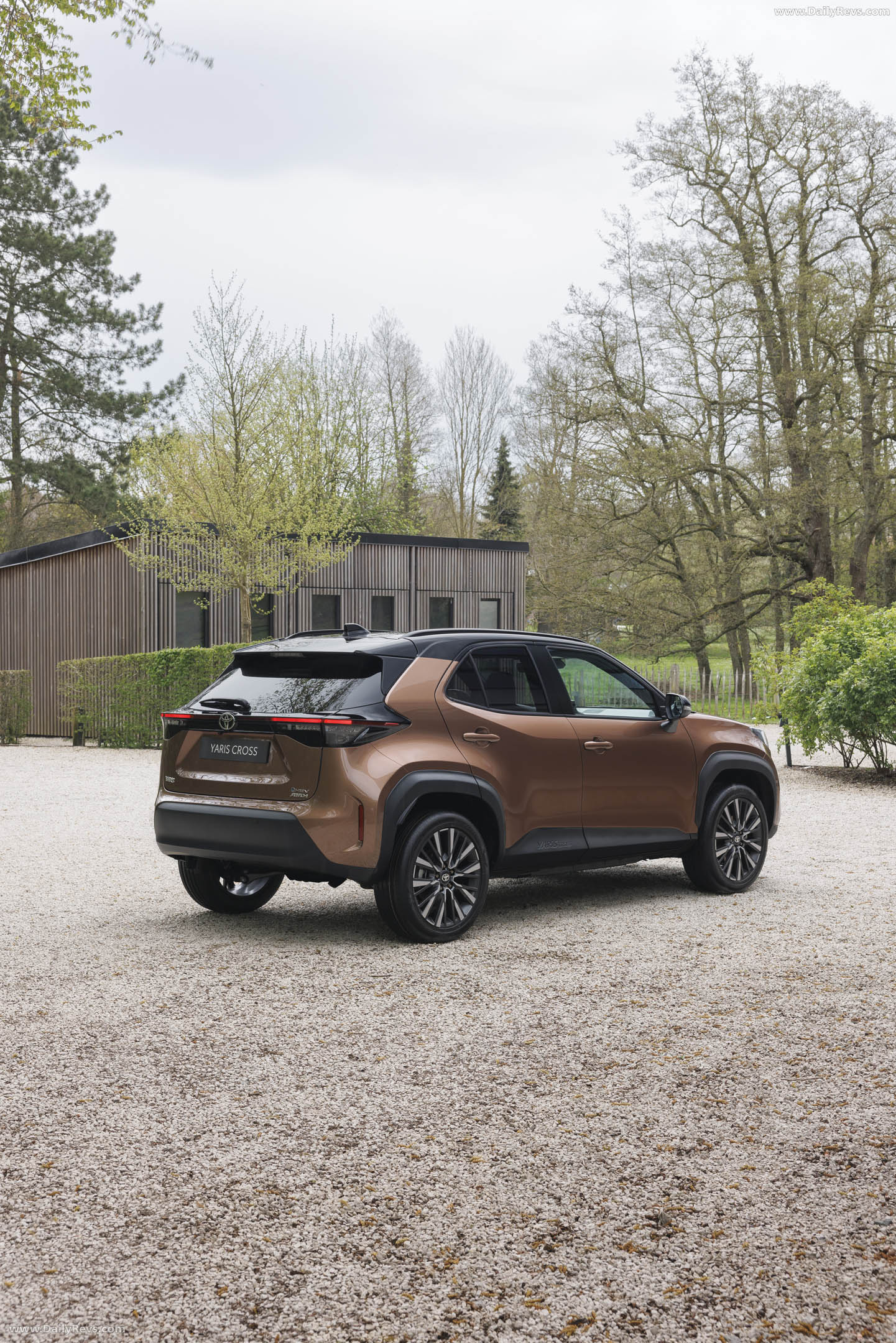
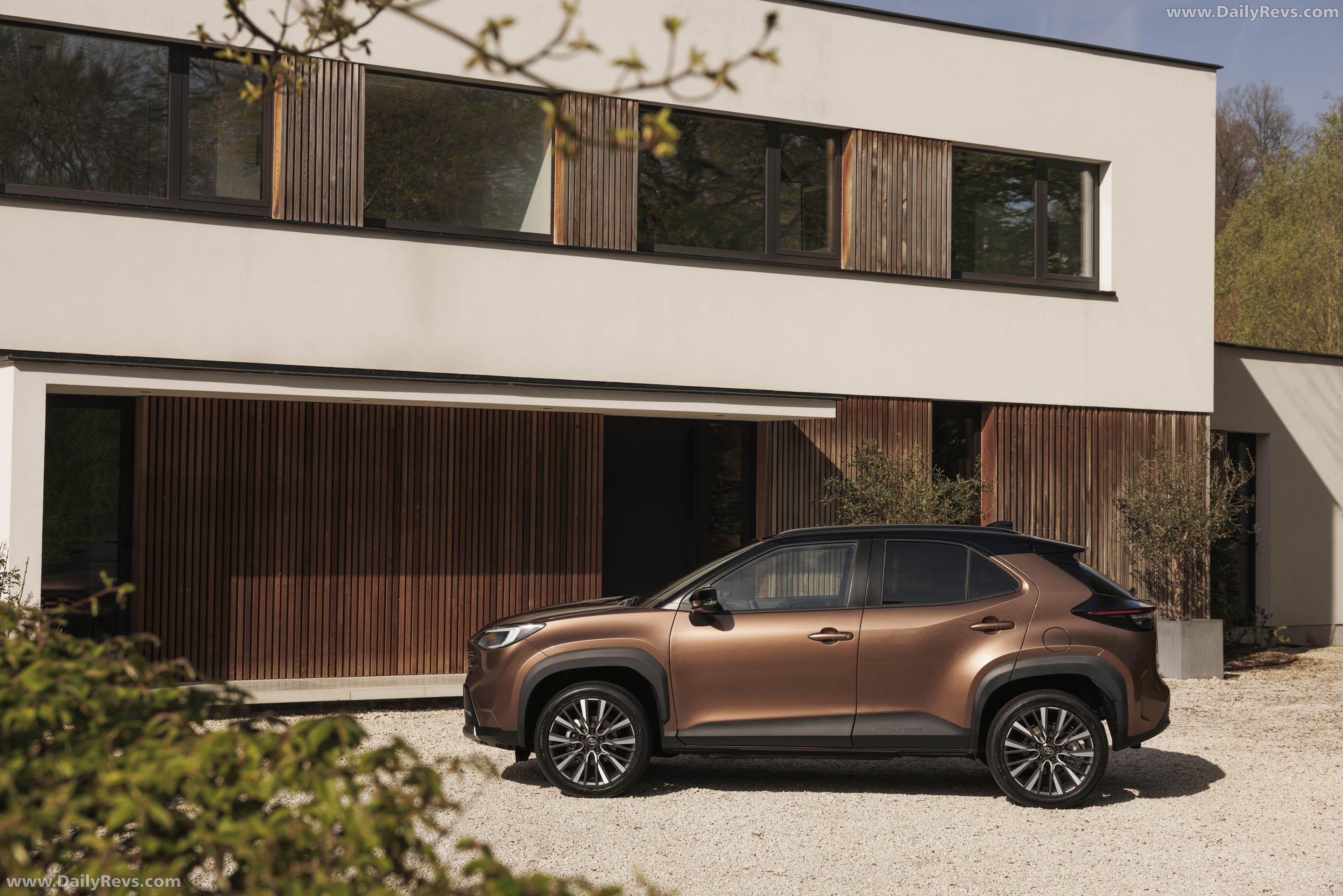
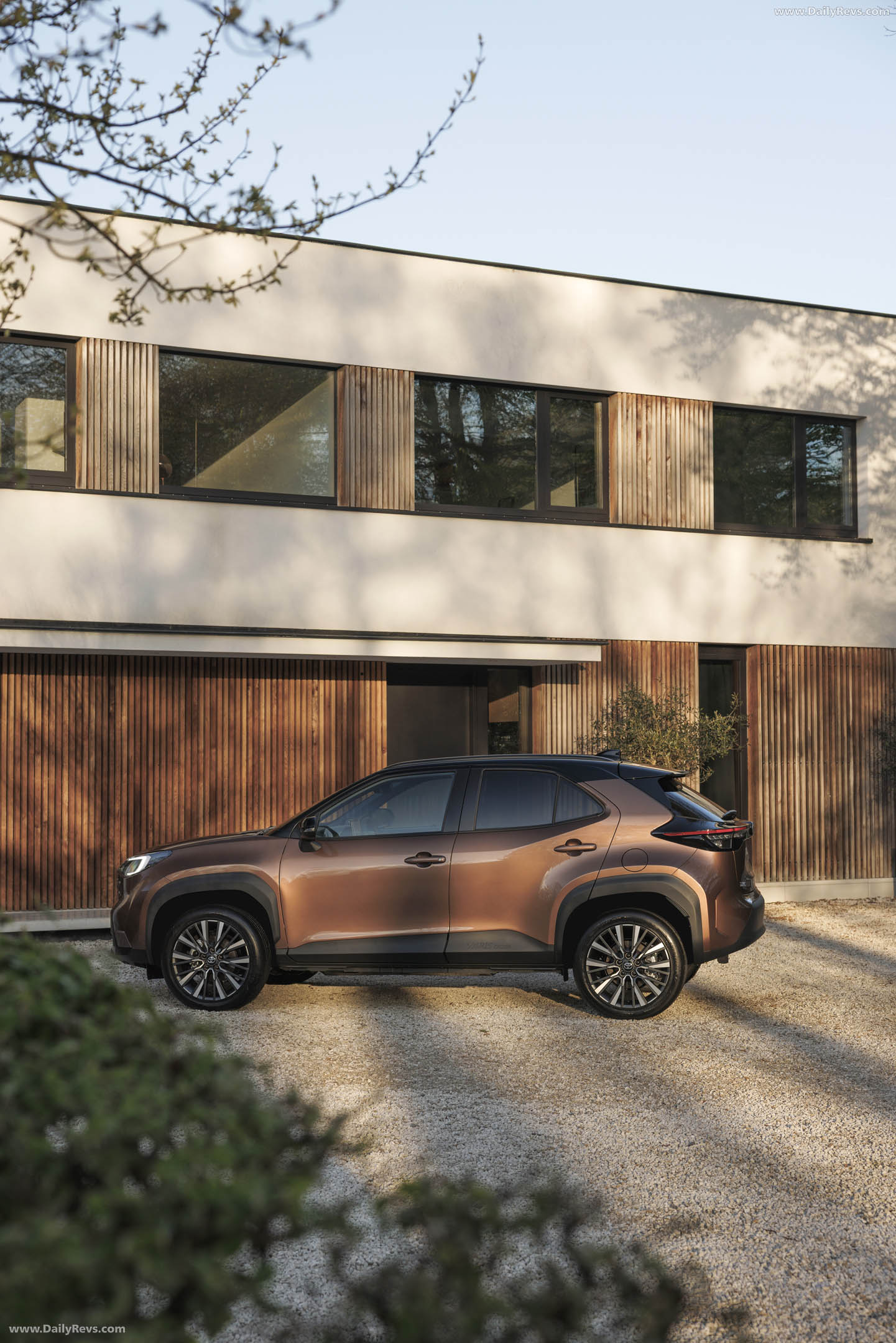
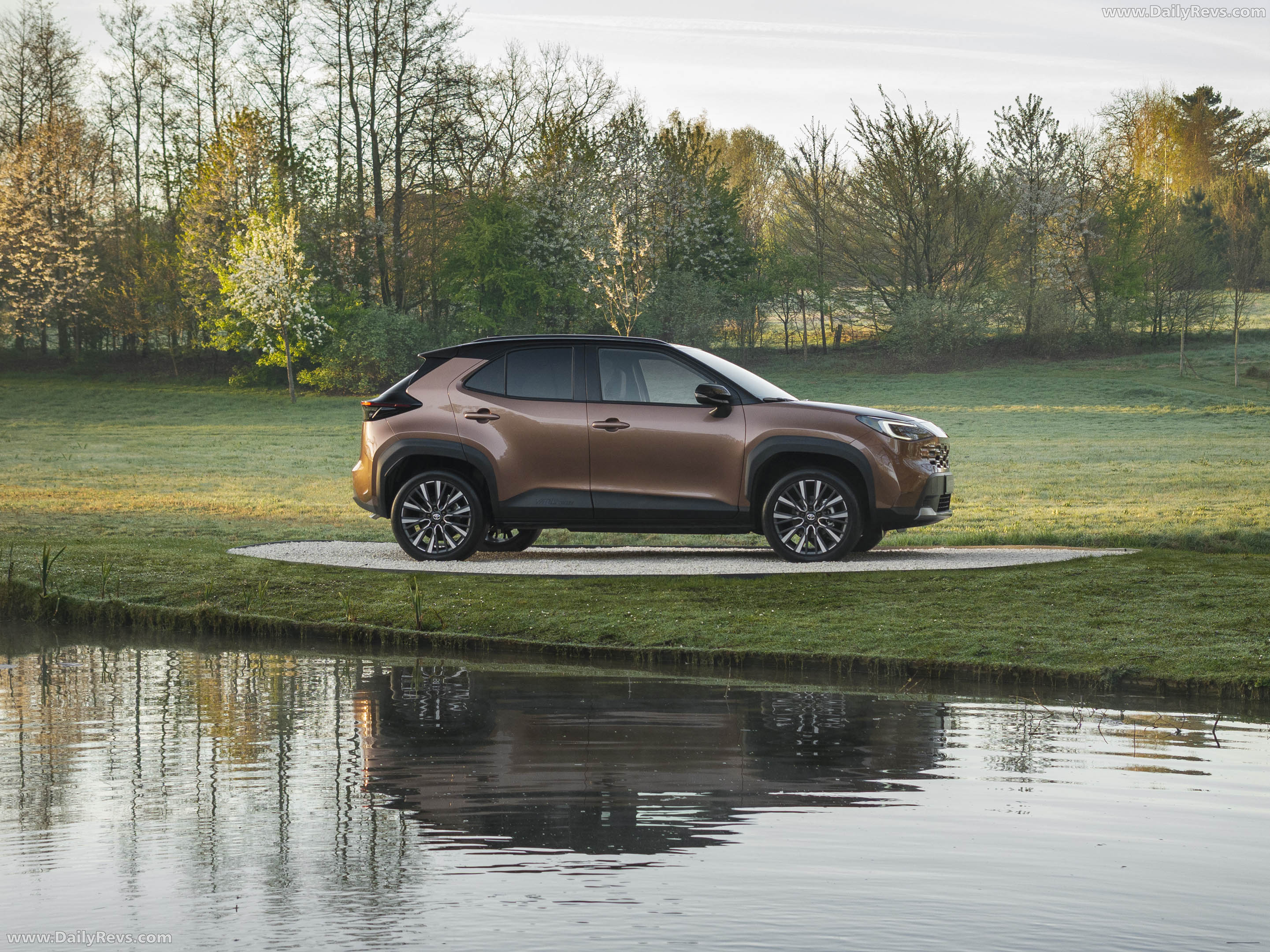
Lower down, the black bumper section and flared arches remain. That familiar SUV stance is still intact. Just slightly tidied up.
Compact proportions still define the car
The Yaris Cross stays within the same compact SUV footprint.
It’s still built around the idea of being easy to use in urban environments. Short, upright, and relatively light on its feet. That hasn’t changed.
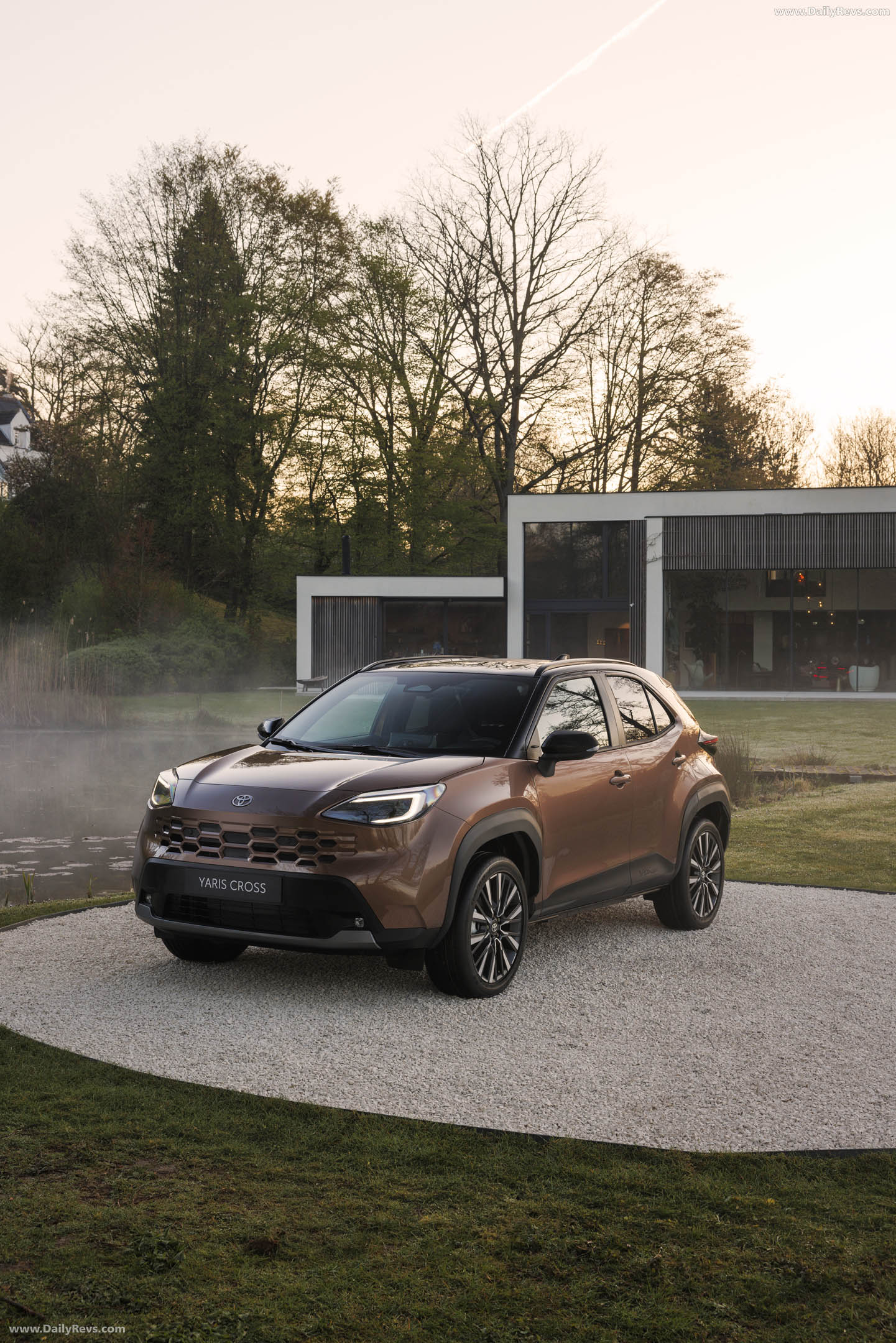
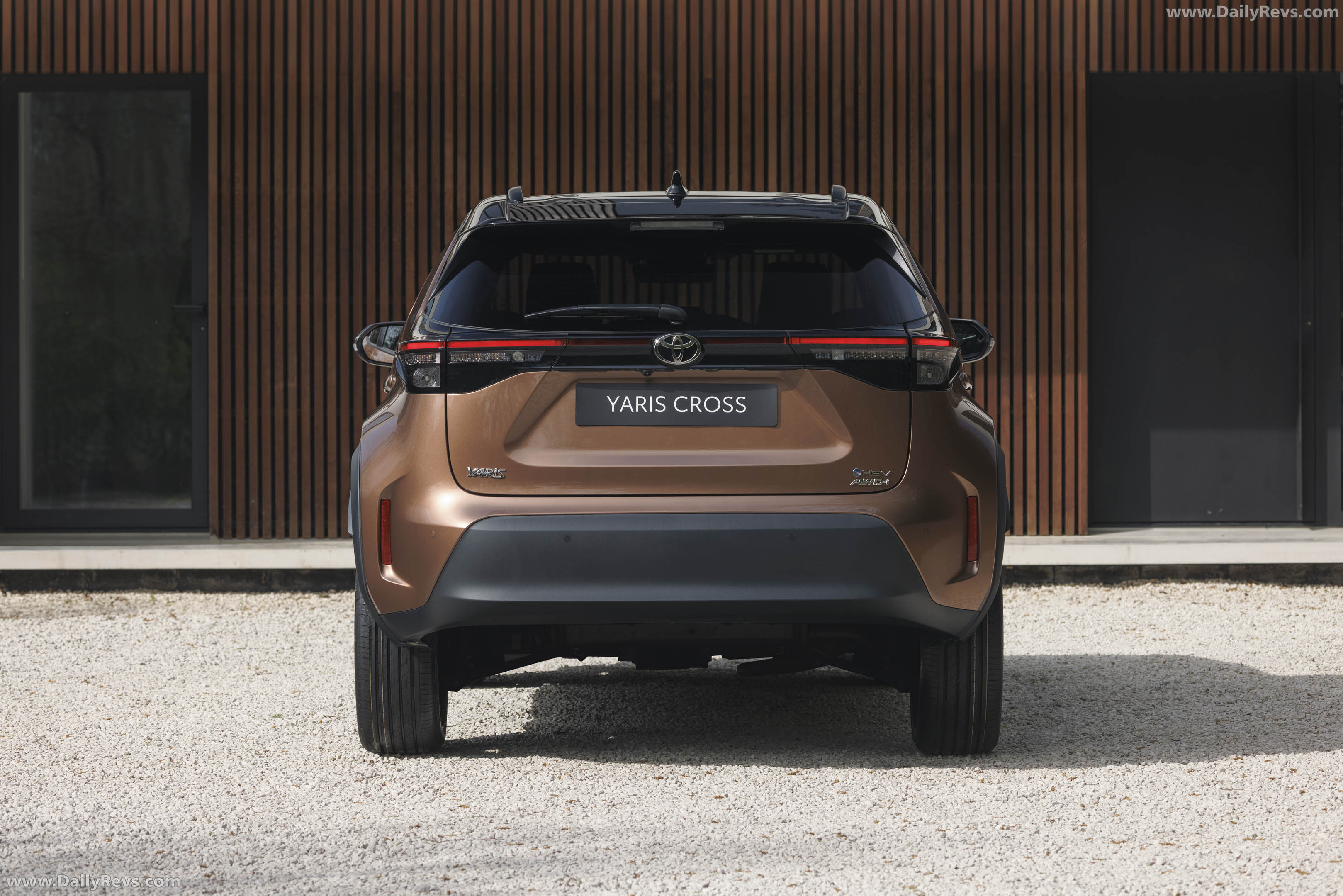
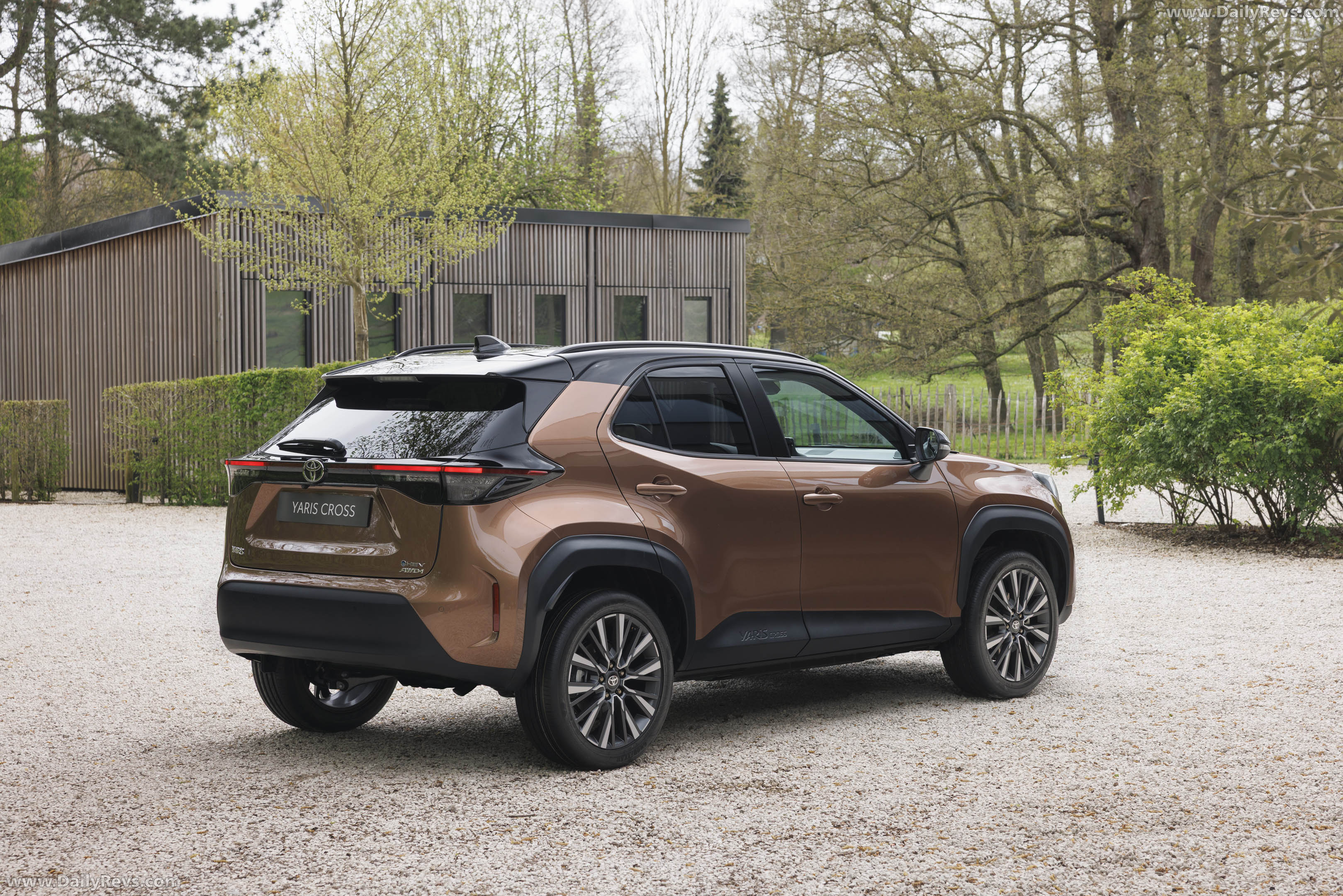
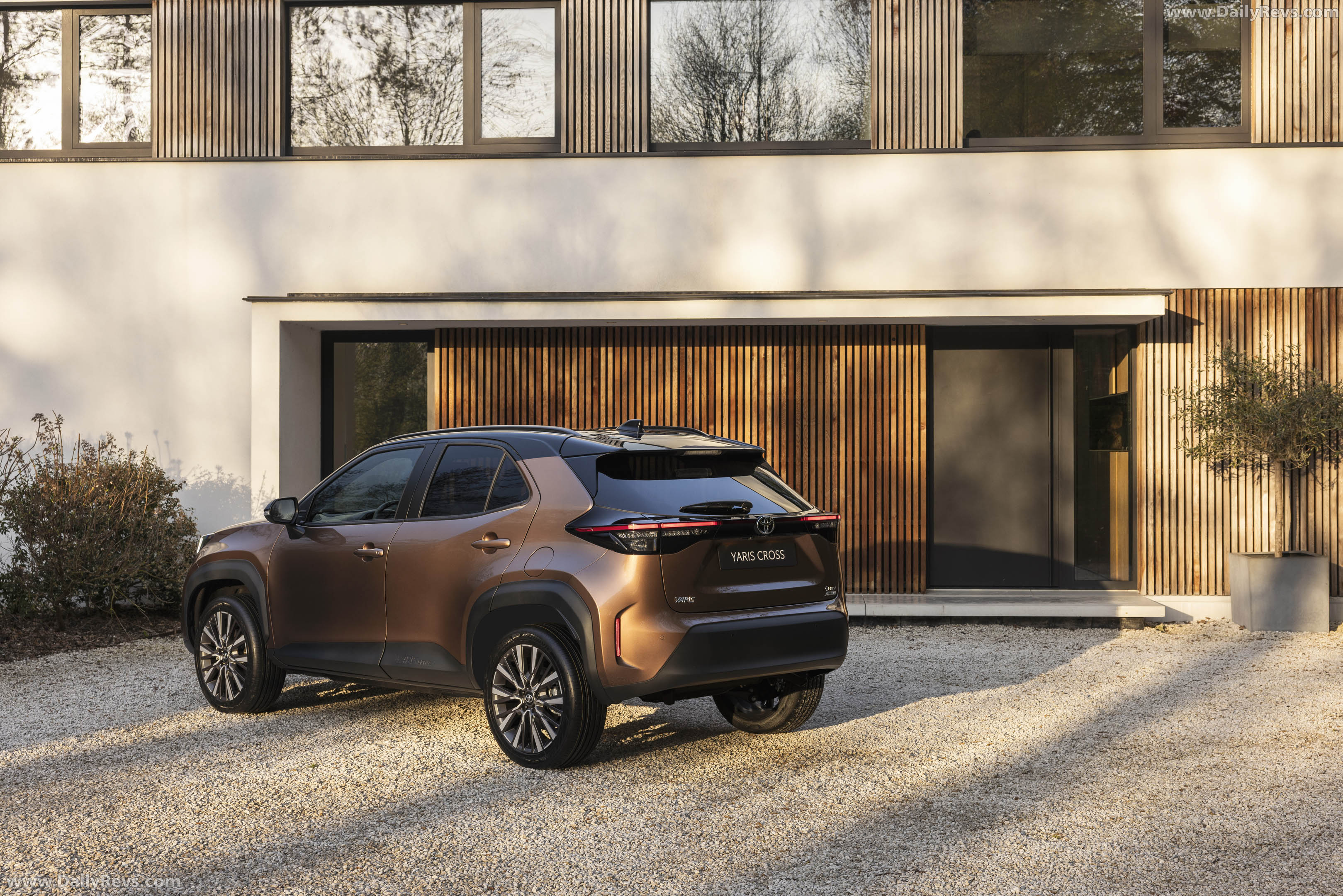
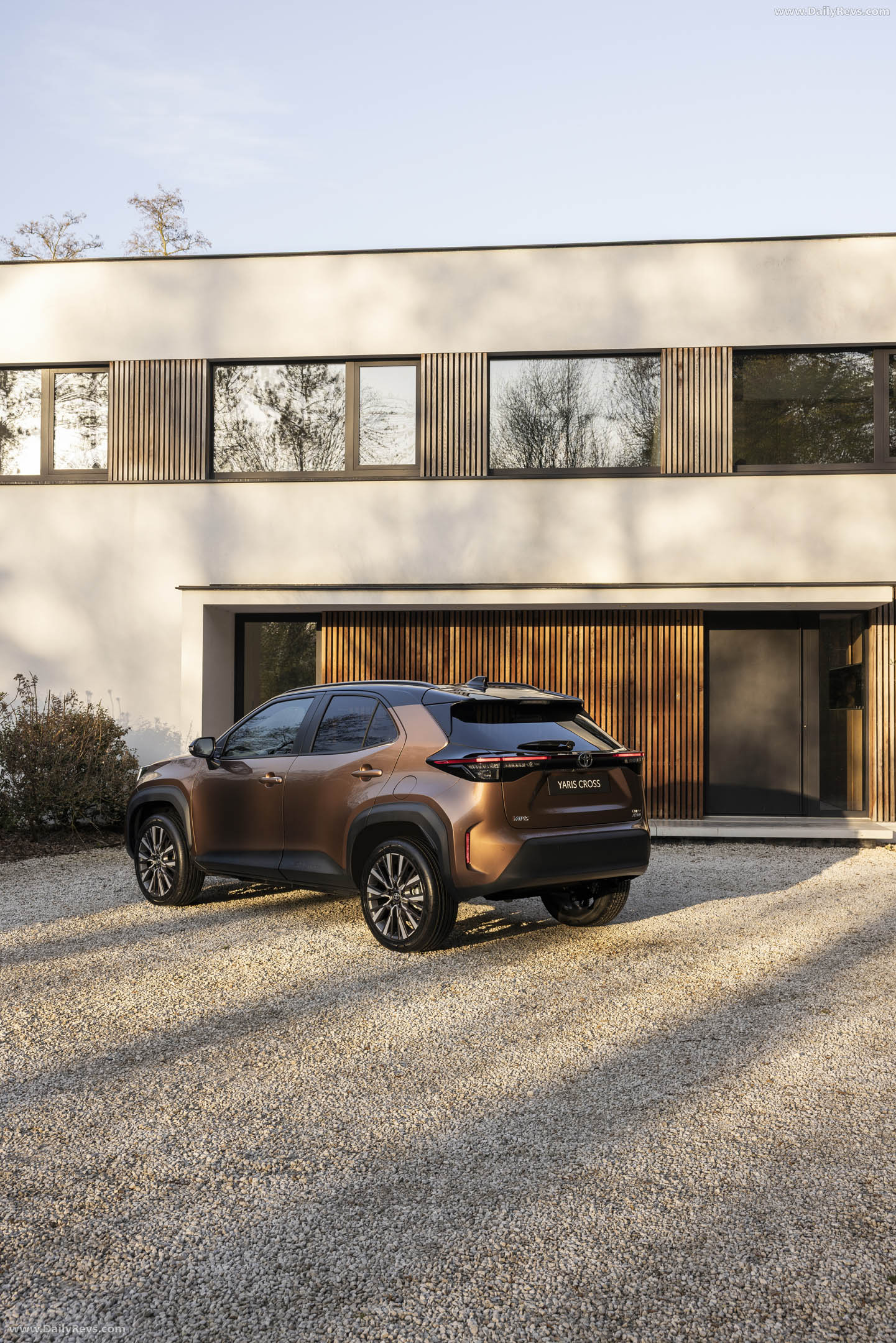
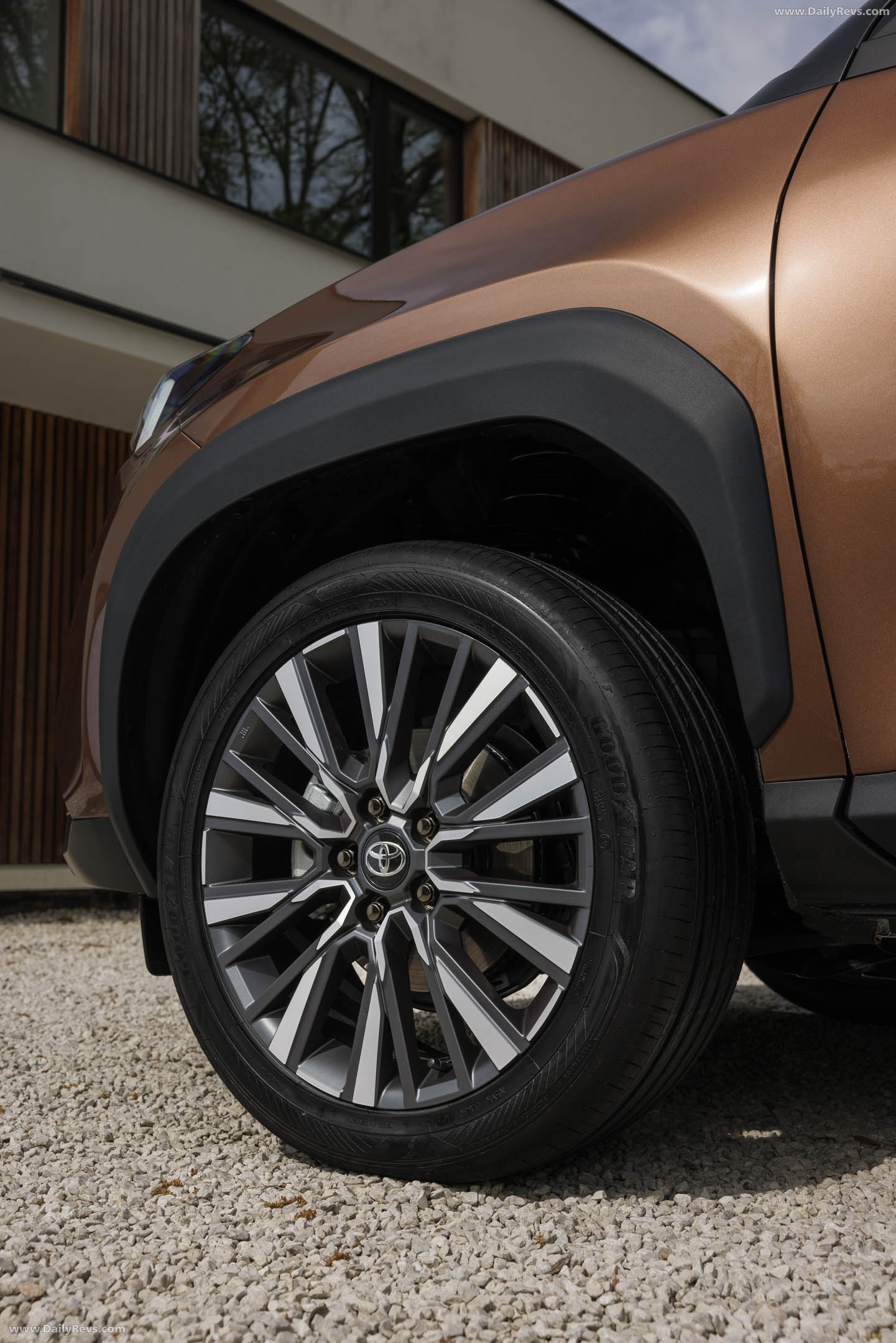
What Toyota has done is make small adjustments to how the car sits visually. New alloy wheel designs — 17-inch and 18-inch depending on trim — help give it a bit more presence.
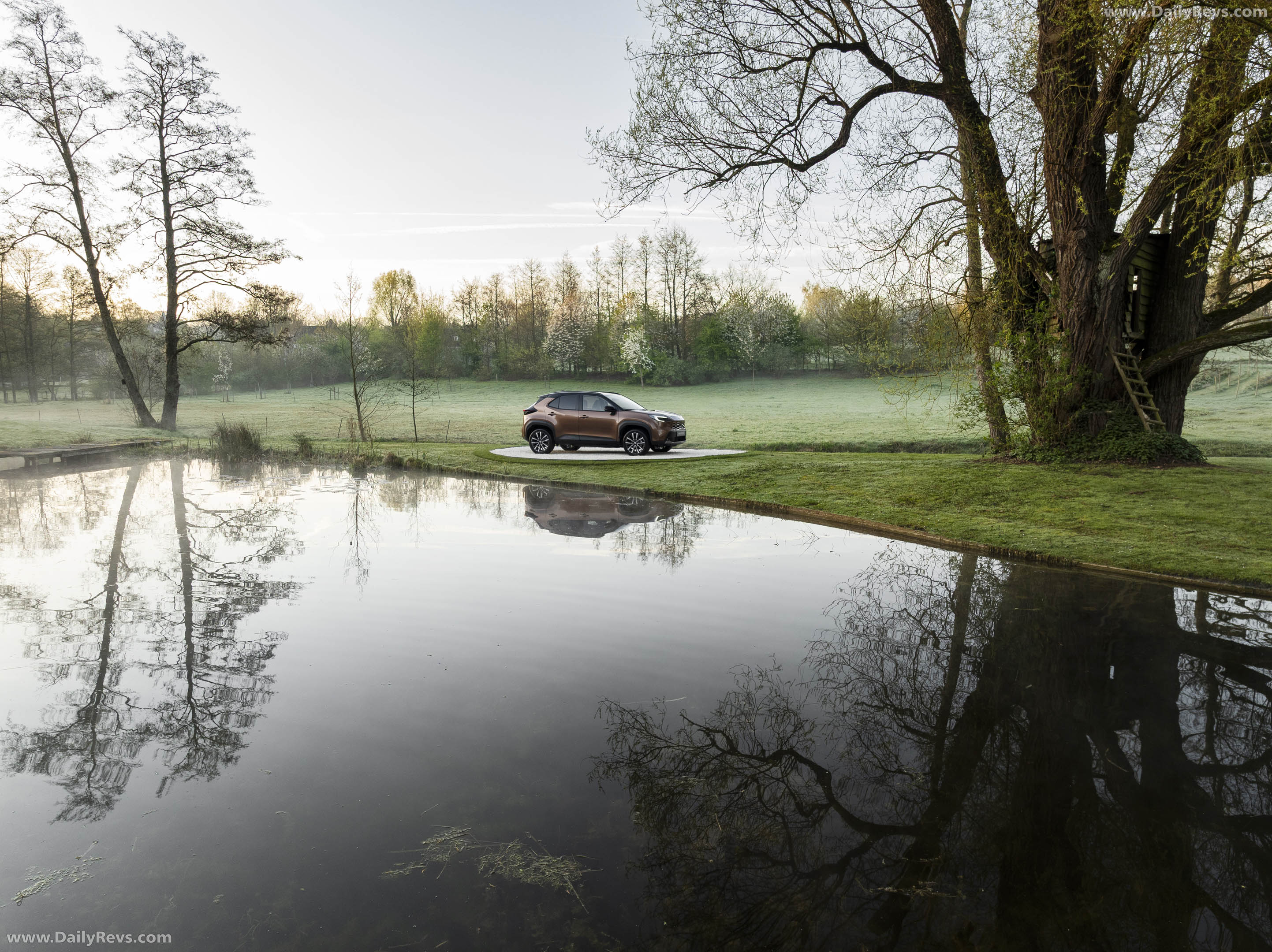
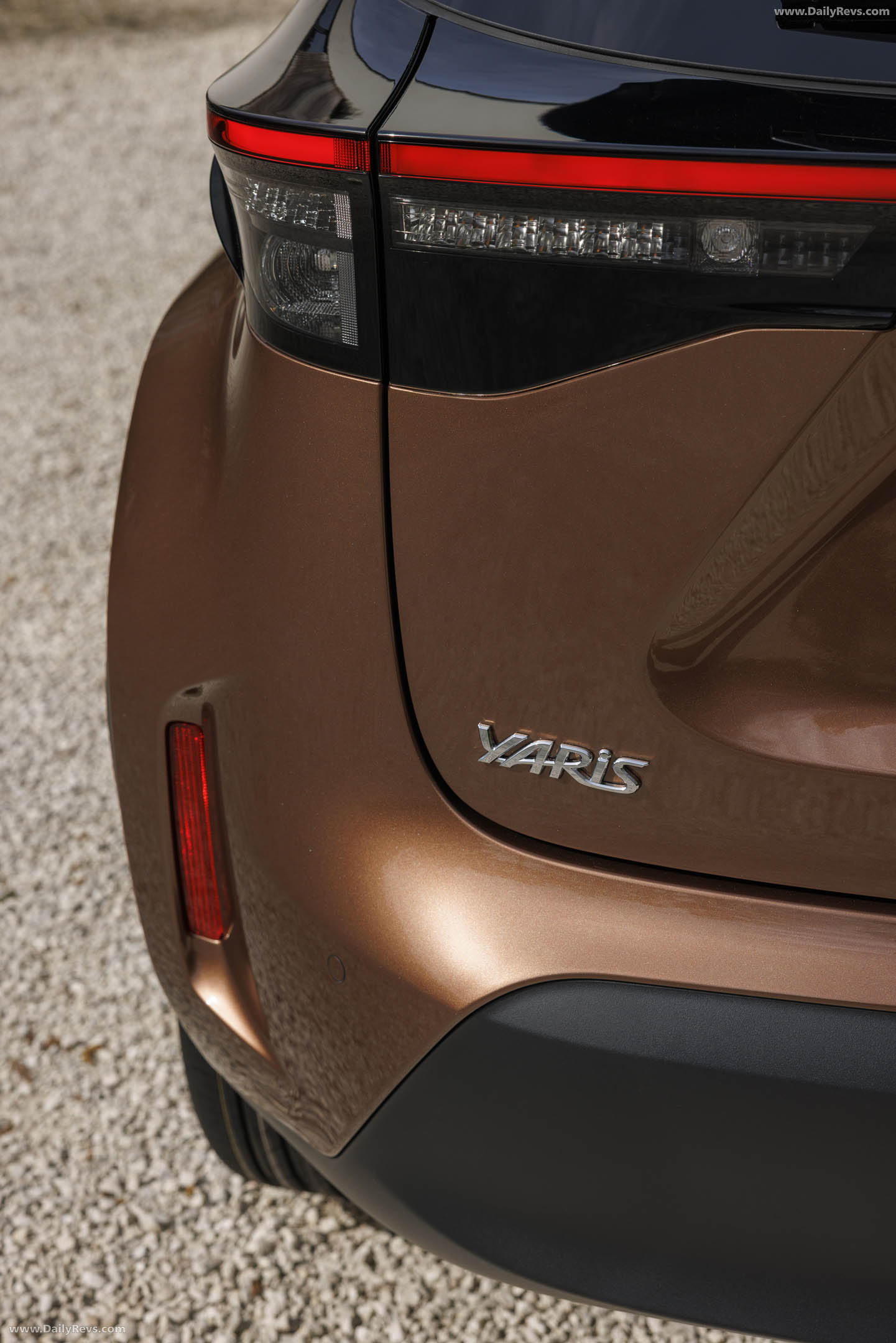
New colours have been added as well. Precious Bronze stands out, especially when paired with a contrasting black roof. It replaces some of the softer tones from before with something a little more distinctive.
None of this alters the proportions. It just gives the car a slightly different tone.
Interior feels more considered than before
Inside, the changes are more about detail than layout.
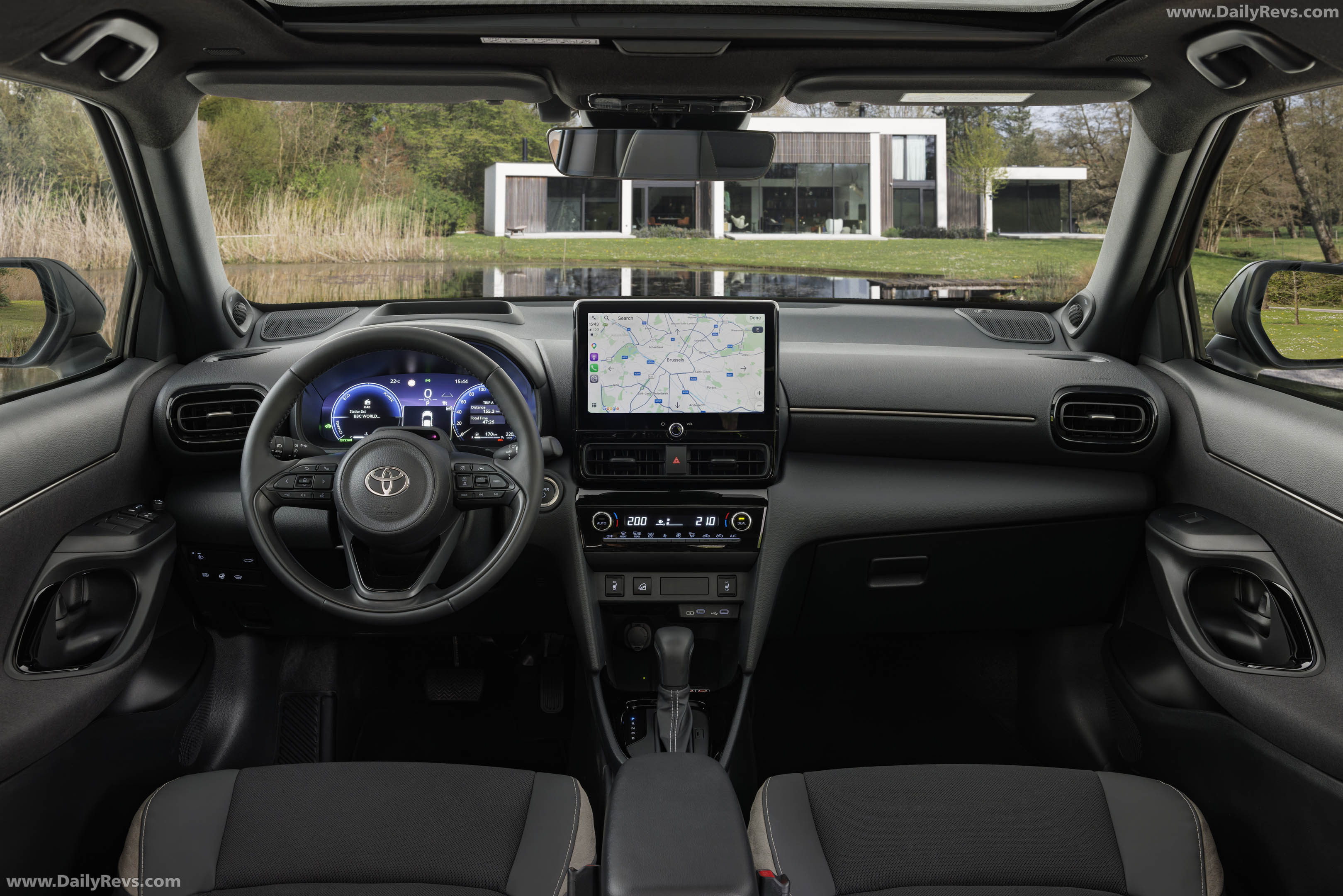
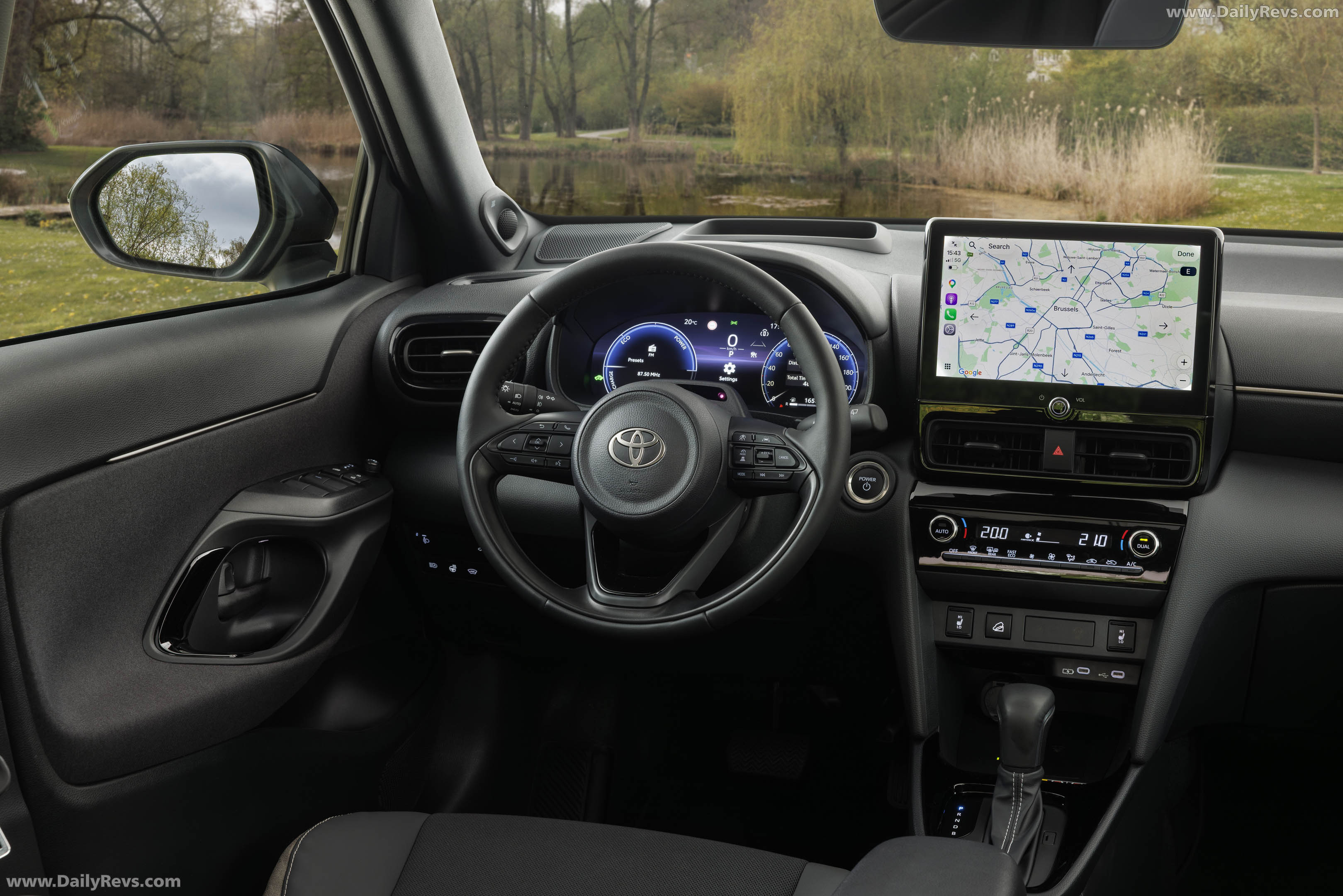
The dashboard now features a platinum-coloured strip that runs across its width, matched by similar tones on the door trims. It lifts the cabin slightly, making it feel less basic without changing its structure.
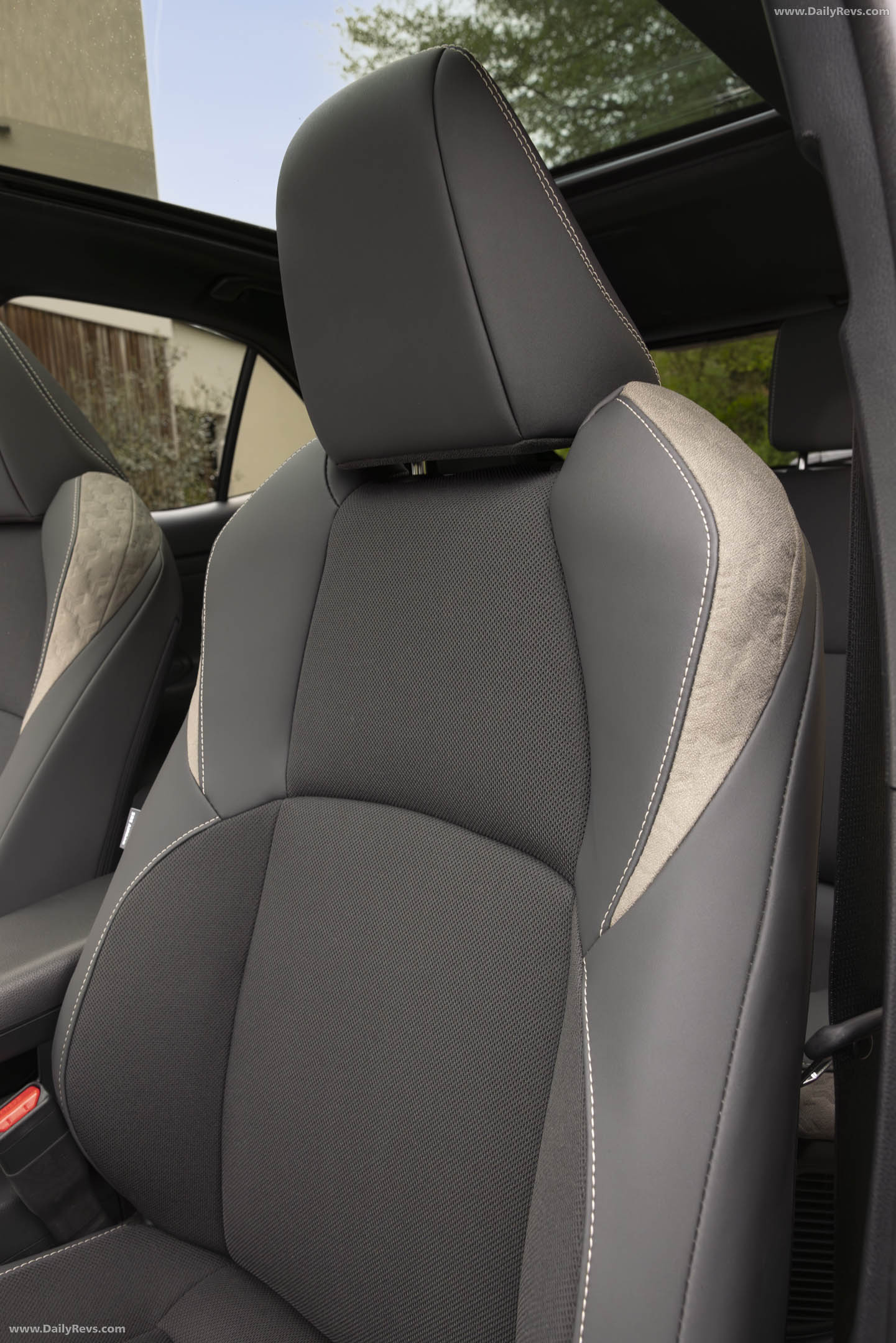
Seat design has also been updated. Mid+ models now receive the same sportier seat shape that was previously limited to higher trims. It offers better lateral support, especially noticeable on longer drives.
On higher grades, Toyota introduces a partial-leather trim using SakuraTouch material. It’s made from plant-derived and recycled components, reducing production emissions significantly compared to traditional leather.
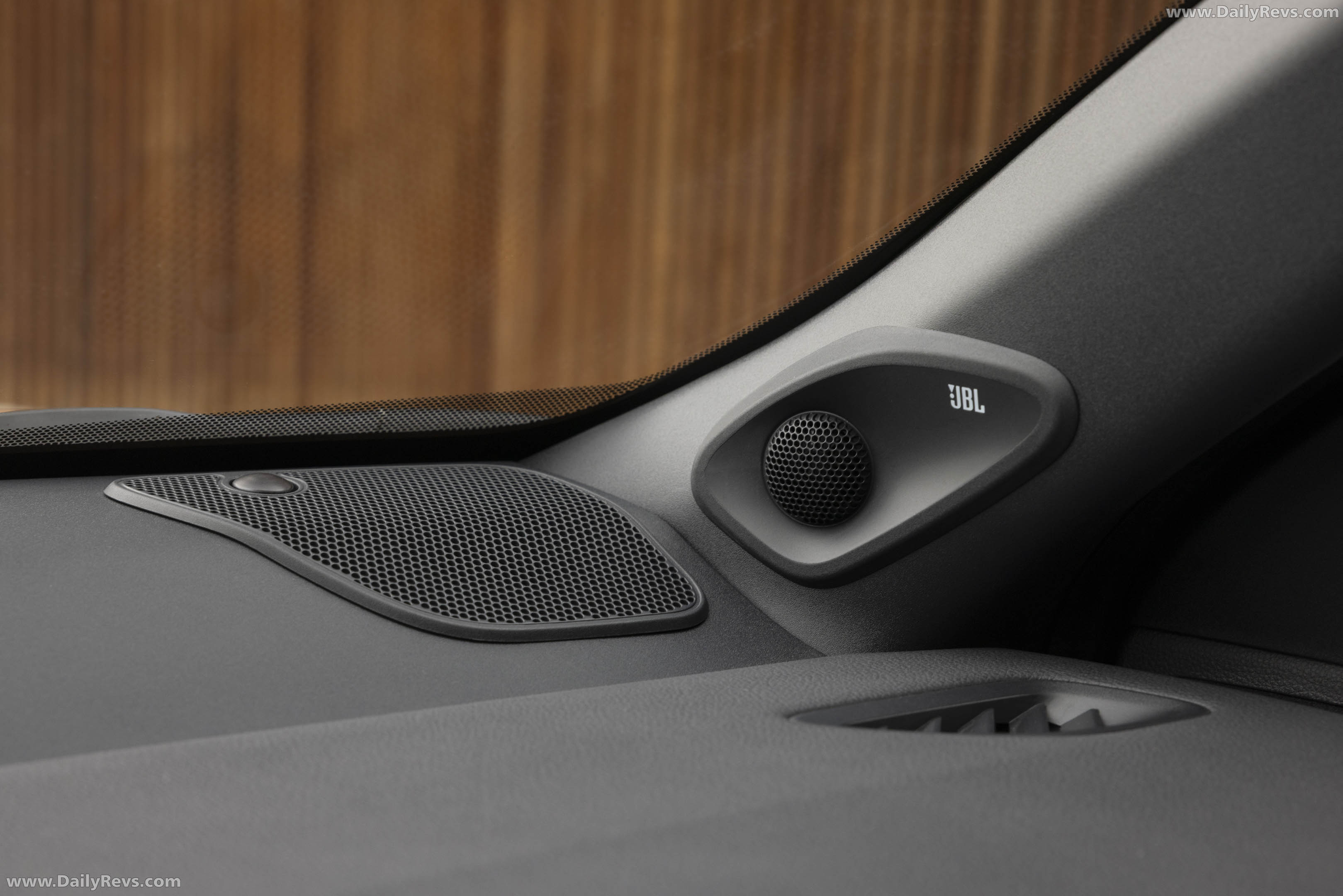
Ambient lighting is added on Mid+ models and above, along with a wireless charger. These are small upgrades, but they build on everyday usability.
Hybrid powertrain remains the core focus
Underneath, the Yaris Cross continues to rely on hybrid power.
The Hybrid 130 system sits at the centre of the range. It produces 130 hp and 185 Nm of torque, with a 0–100 km/h time of 10.7 seconds. The emphasis isn’t on speed, but on smooth, predictable performance.
Efficiency remains a strong point. Fuel consumption sits between 4.4 and 5.1 l/100 km, with CO₂ emissions as low as 99 g/km in WLTP testing.
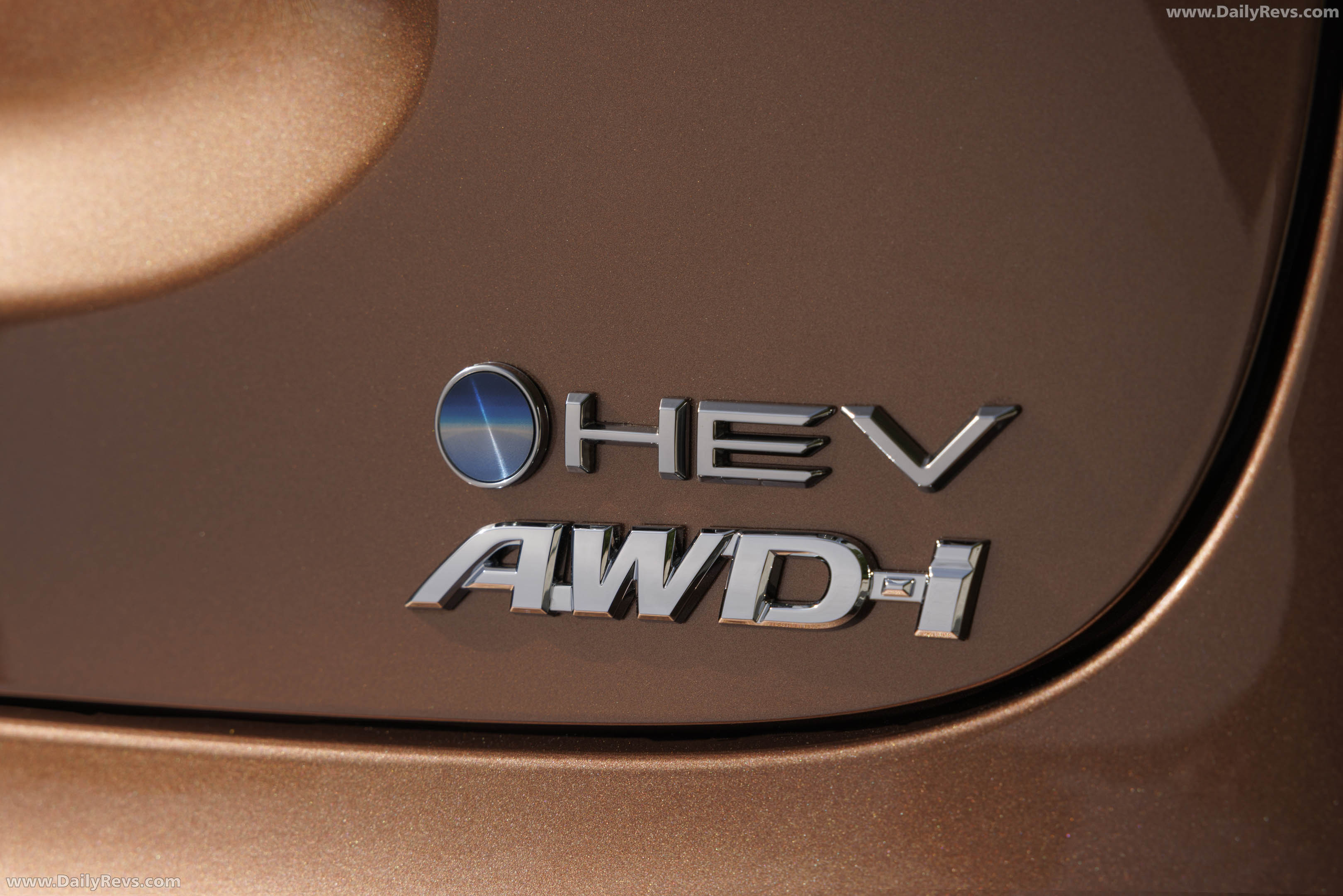
There’s also a choice between front-wheel drive and AWD-i, giving buyers some flexibility depending on usage.
A smaller Hybrid 115 option continues in the lower trim, focusing more on efficiency than output.
Practicality still at the centre
The Yaris Cross continues to lean into its practicality.
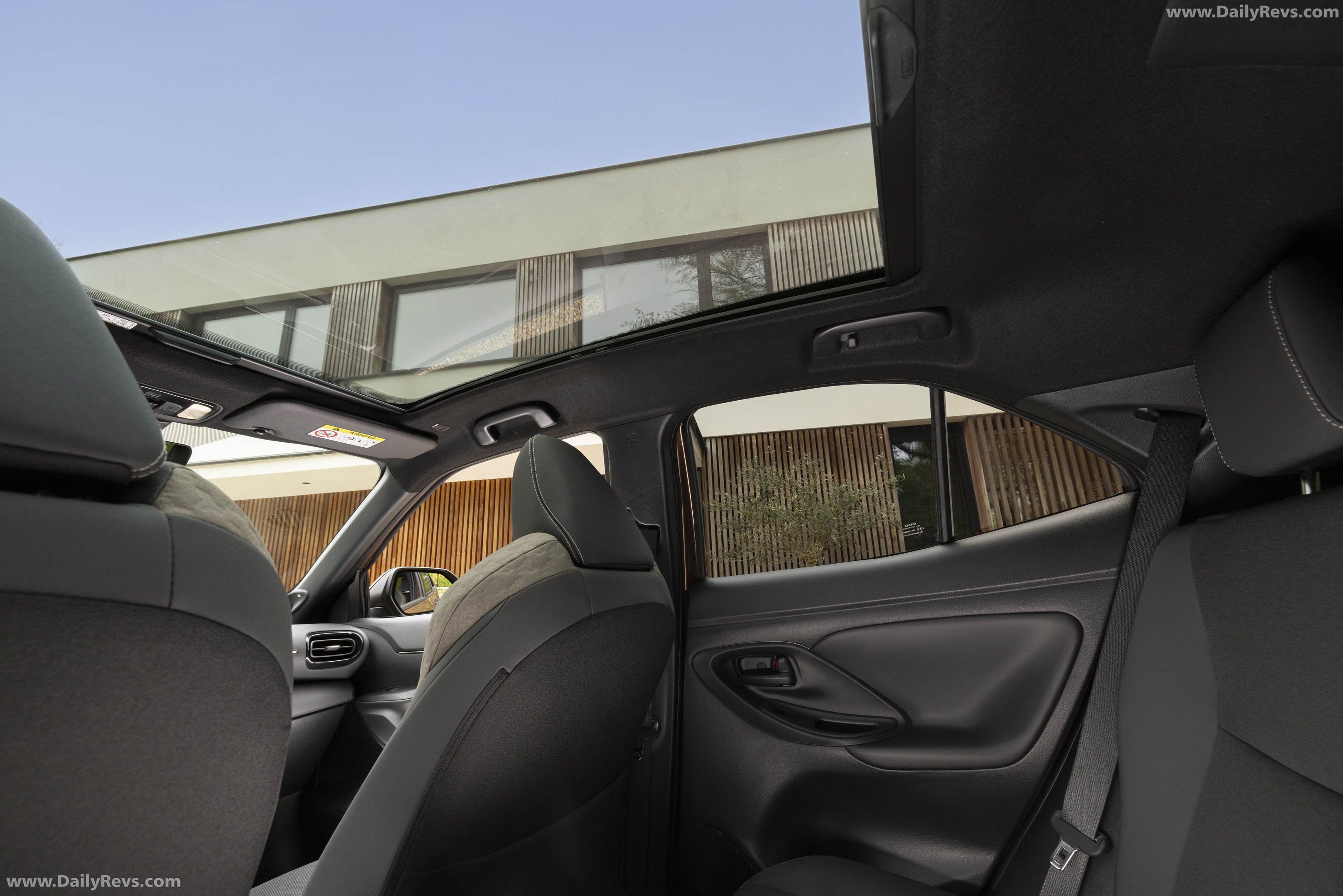
The rear seats split 40:20:40, allowing more flexible loading options. It’s the kind of feature that tends to matter more over time than it does in a showroom.
Boot space remains usable for everyday needs, from shopping to travel gear. Toyota’s packaging approach still plays a key role here, making the most of a compact footprint.
Safety and tech features are also carried over and expanded. Toyota Safety Sense remains standard, with additions like parking support brake and blind spot monitoring on higher trims.
Connectivity is handled through Toyota Smart Connect, with cloud-based navigation and wireless smartphone integration included.
Positioned as a refined update, not a reset
The 2027 Toyota Yaris Cross doesn’t try to reinvent itself.
It builds on what’s already been a strong seller in Europe, with over 200,000 units sold in 2025 alone. That success explains the approach here.
This is about refinement. Cleaning up the design, improving materials, and adding small but useful features.
Nothing dramatic. But enough to keep it competitive.