2027 Mitsubishi ASX VR-e
By Lorenzo Bianchi August 21, 2026
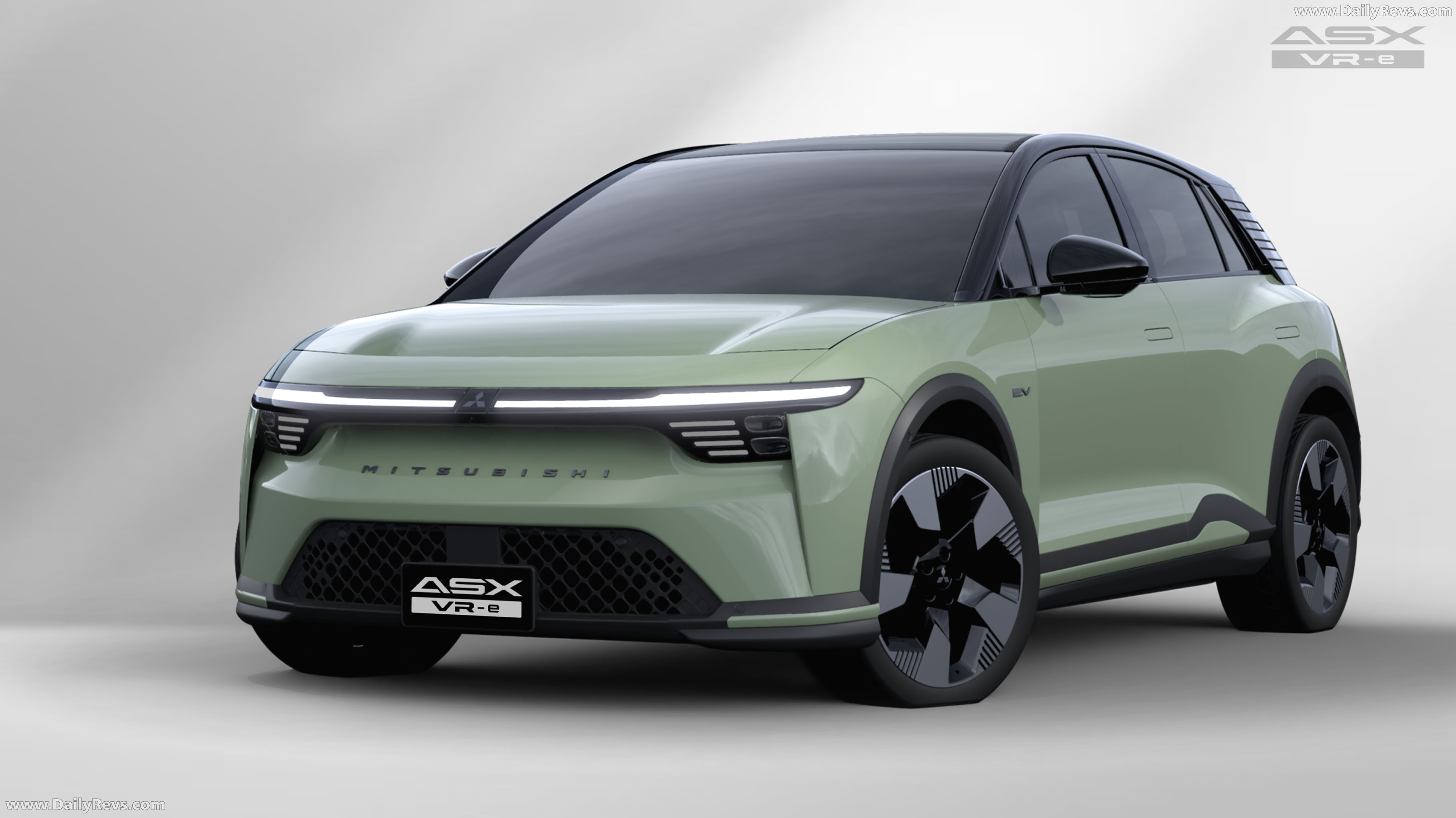
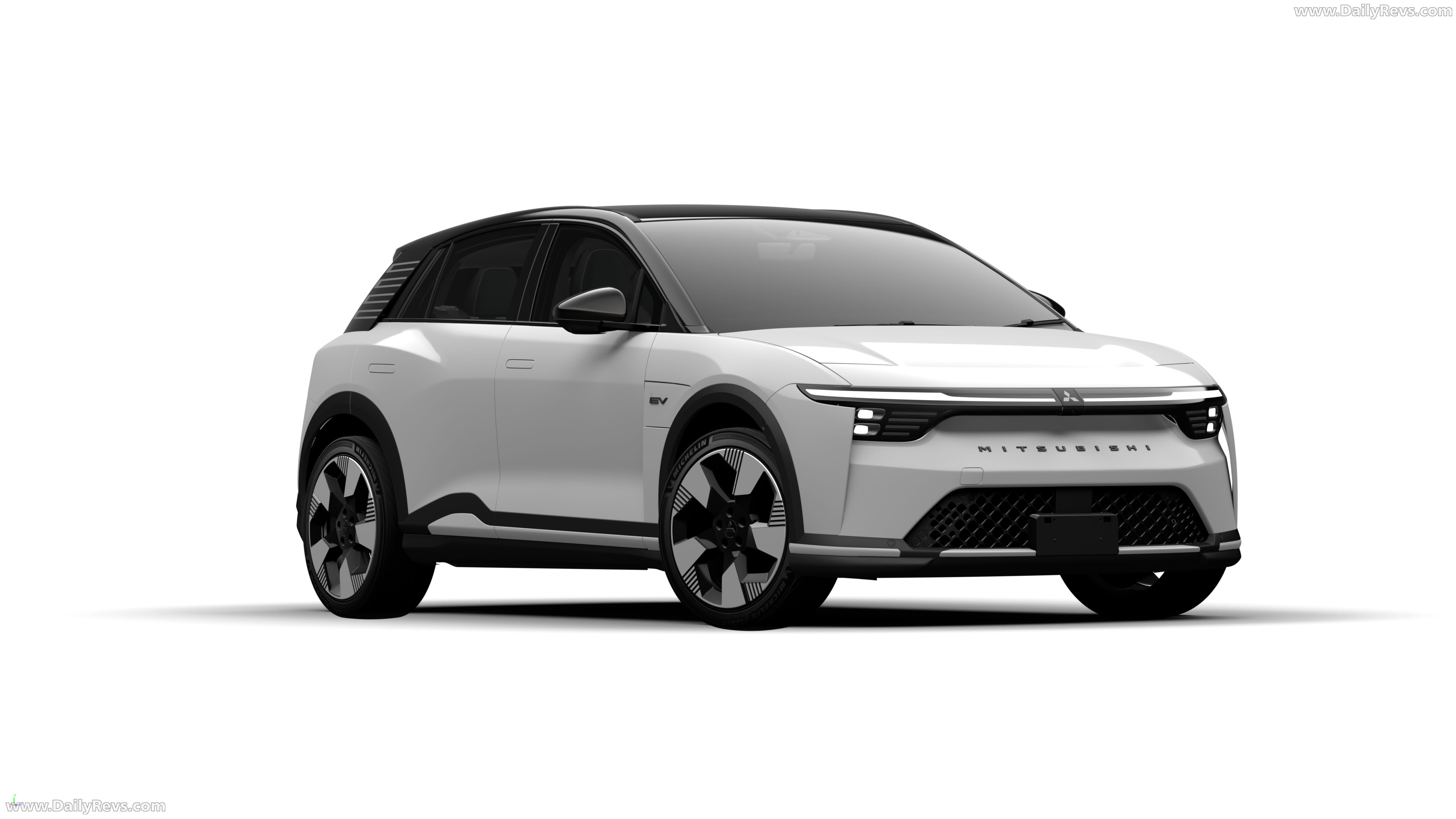
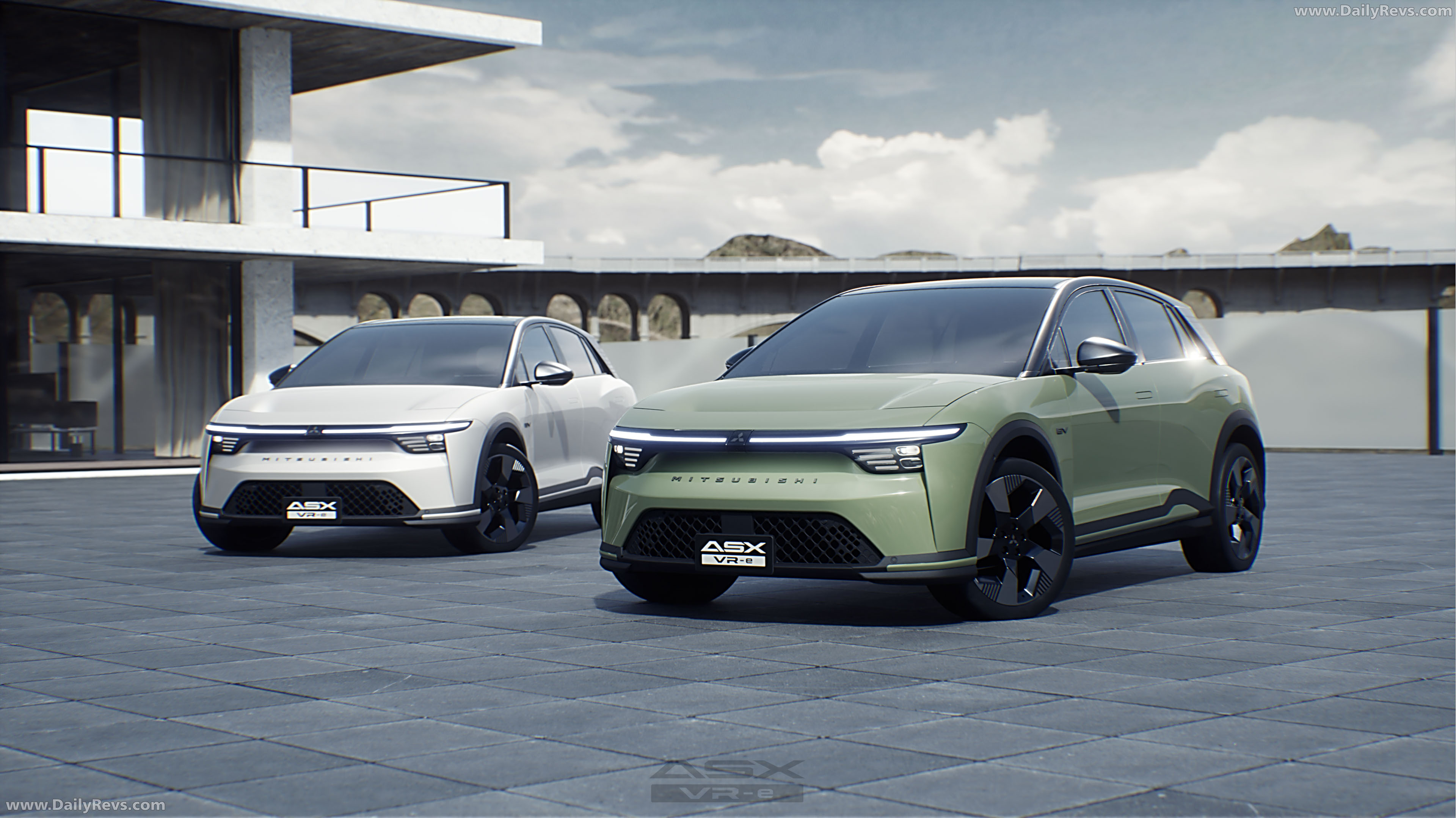
The ASX VR-e is Mitsubishi Motors Australia's first battery-electric vehicle since the i-MiEV, arriving in the fourth quarter of 2026.
Built on a Pininfarina-designed platform through Mitsubishi's partnership with Foxtron Vehicle Technologies, it launches in four grades: LS, Aspire, Exceed and GSR.
Battery capacity, range, power output and pricing have not been disclosed in Mitsubishi's announcement.
A New Name Carries Old Performance Heritage
Mitsubishi Motors Australia Limited has confirmed the ASX VR-e will join its lineup in the fourth quarter of 2026, and the badge is doing a lot of work here. ASX itself isn't new — it's stood for Active Sports Crossover on Australian-market compact SUVs for years — but the VR-e suffix is a deliberate nod to the Galant VR-4, one of Mitsubishi's high-performance sports sedans from decades past. MMAL says the pairing is meant to signal sporty handling shaped by "extensive local testing and tuning" from both global and regional engineering teams, though it stops short of publishing any figures to back that up yet.
Exterior Design and Proportions
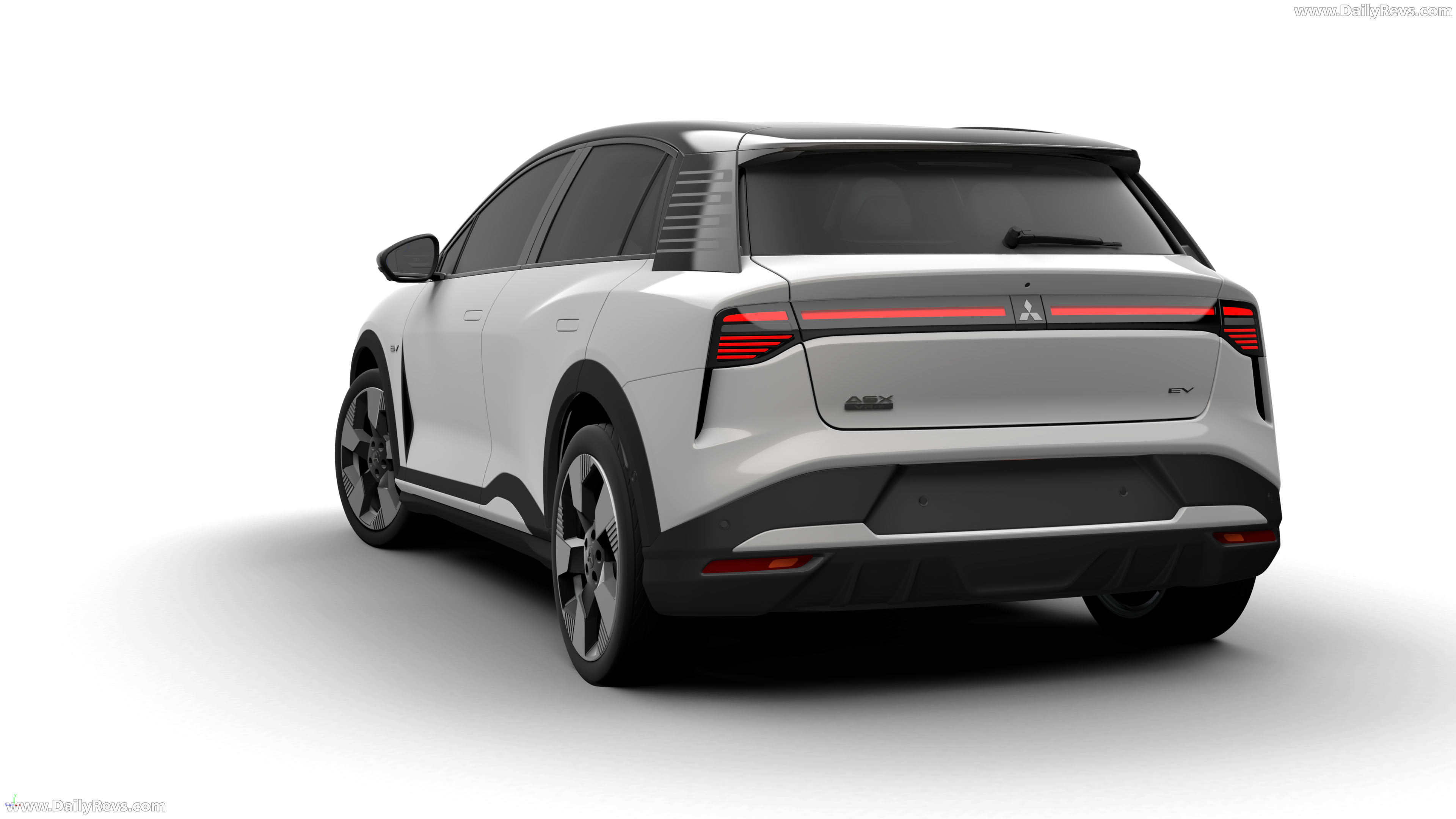
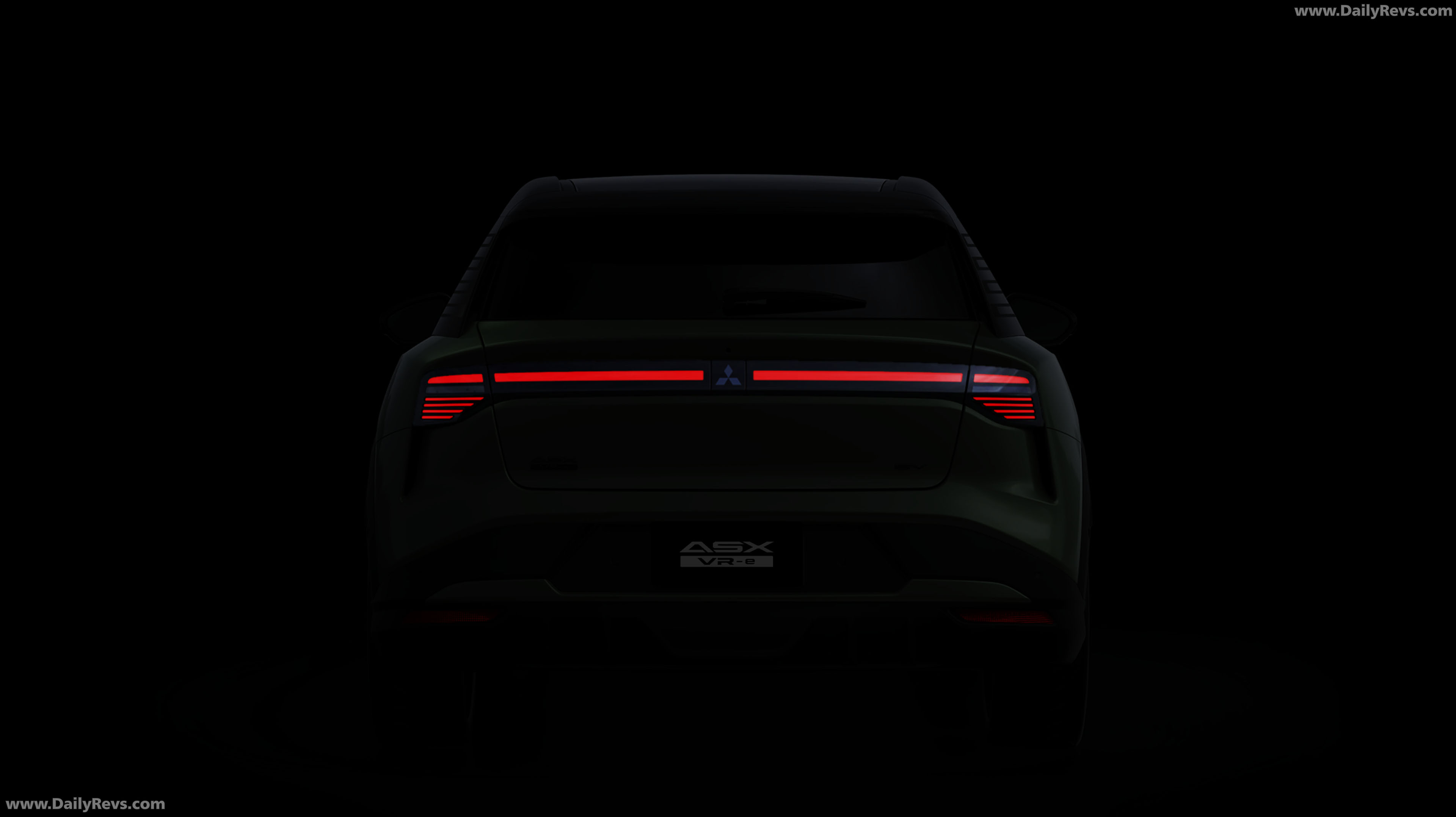
The ASX VR-e sits on what Mitsubishi describes as a sleek, Pininfarina-designed platform, carrying what the brand calls signature styling cues through the front and rear fascias, wheels and interior trim. Two specific aerodynamic details are called out: an S-Duct that channels air from the centre of the front bumper up over the bonnet surface, and active grille shutters that close off to cut drag depending on driving conditions. Beyond those two elements, Mitsubishi hasn't detailed dimensions, ground clearance or how the stance compares with the outgoing petrol ASX.
Interior Space and Technology
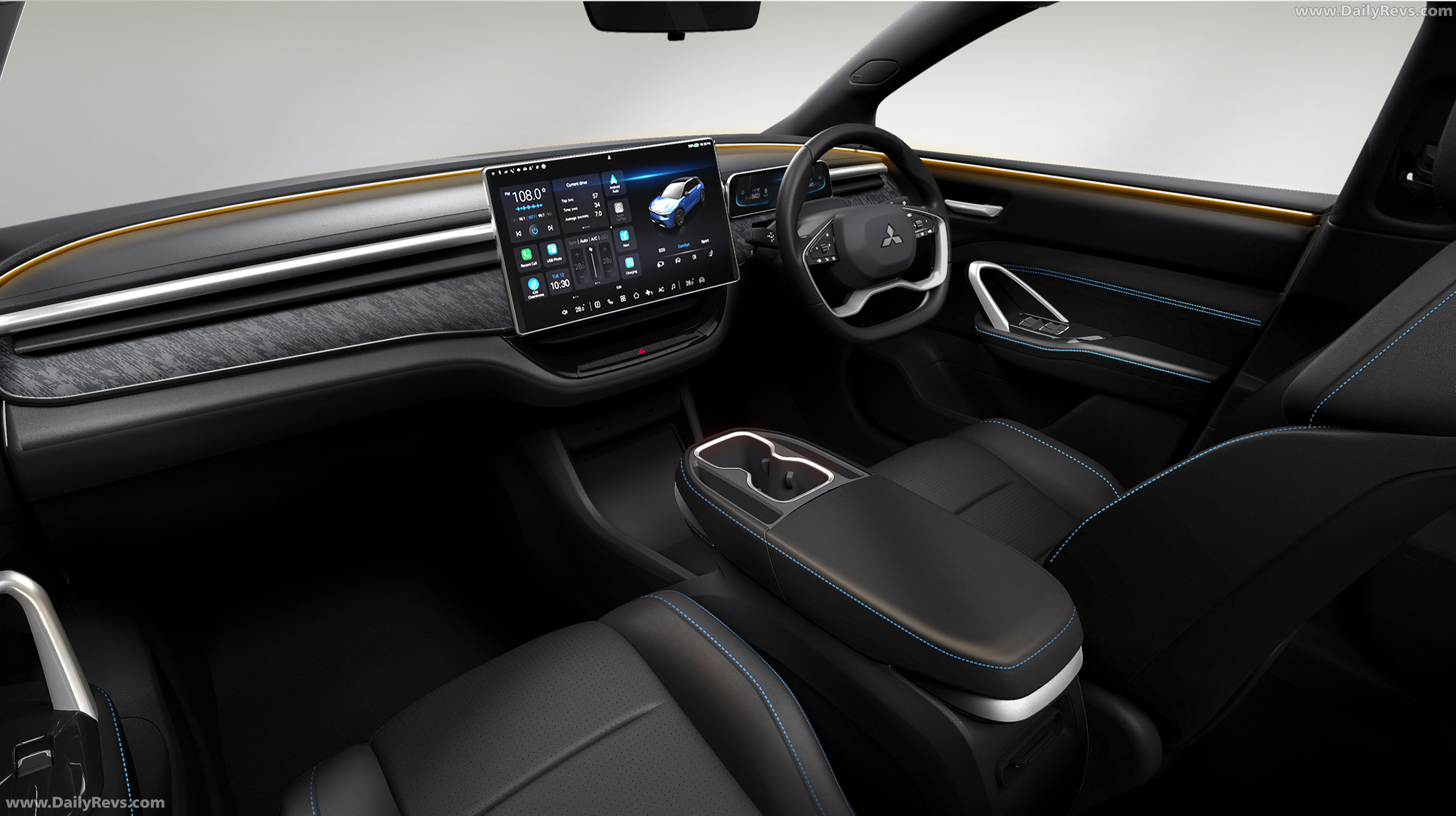
Detail is thin here too. MMAL CEO Shunichi Kihara points to "an immersive infotainment system" as one of the car's defining features in his statement, but the release doesn't specify screen sizes, materials, seating layout or connectivity — those specifics will presumably surface closer to the Q4 launch.
Powertrain and Performance
This is the biggest gap in the announcement. Mitsubishi frames the VR-e name as a performance promise — "sporty performance and responsive handling" — but the release contains no battery capacity, no range estimate, no power or torque figures, and no confirmation of whether all four grades share a single motor and battery setup or differ across the range. Given the model is still roughly a quarter away from launch, that's not unusual for a first announcement of this kind.
Practical Usability
Four variants — LS, Aspire, Exceed and GSR — suggest a familiar Mitsubishi spread from value-oriented entry grade through to a performance-flavoured GSR at the top, mirroring how the petrol ASX range has traditionally been structured [Inference]. Cargo capacity, charging times and seating configuration aren't mentioned in the release.
Market Positioning
Mitsubishi is positioning the ASX VR-e as the first step in what it calls its Momentum 2030 plan, an "evolving multi-powertrain vehicle lineup designed and tuned with Australian lifestyles in mind," with further electrified models to follow. It's the brand's first BEV in the local market since the i-MiEV, which MMAL credits as Australia's first mass-produced electric vehicle. The compact electric SUV space in Australia has filled out considerably since then, and the ASX VR-e will be entering a segment with several established competitors [Speculation] — though Mitsubishi's release doesn't name any directly.