2027 Mercedes-Benz C 400e W206
By Lorenzo Bianchi August 18, 2026
The C 400 e 4MATIC plug-in hybrid pairs a four-cylinder petrol engine with an electric motor for a combined system output of up to 290 kW (395 hp) and up to 650 Nm of torque, using a 19.53 kWh usable battery for up to 100 km of WLTP electric range.
Ordering opens 18 August 2026, with German pricing starting at €41,045 excluding VAT (€48,844 including VAT) for the C 200 Saloon — the plug-in hybrid's own starting price isn't listed in the source.
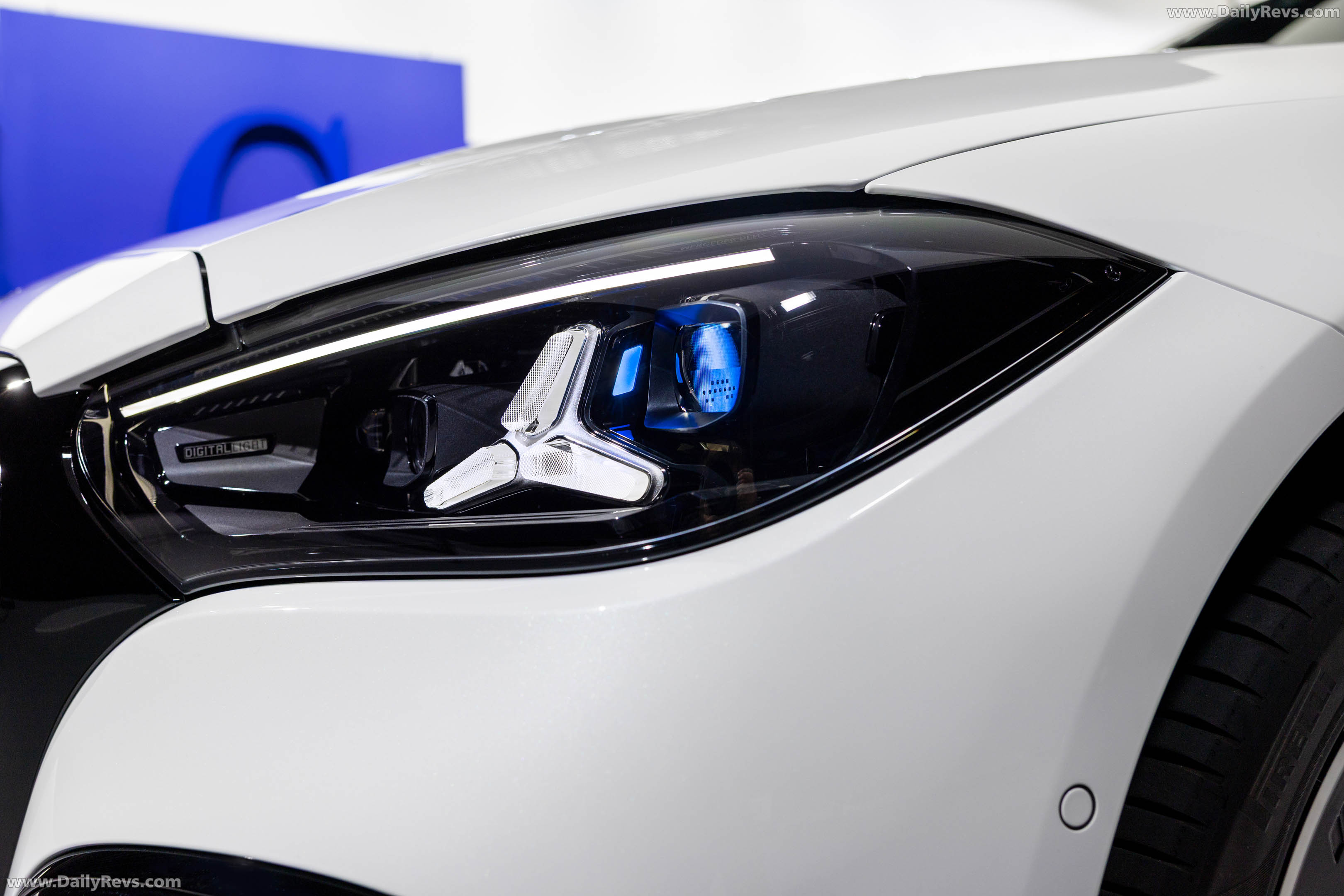
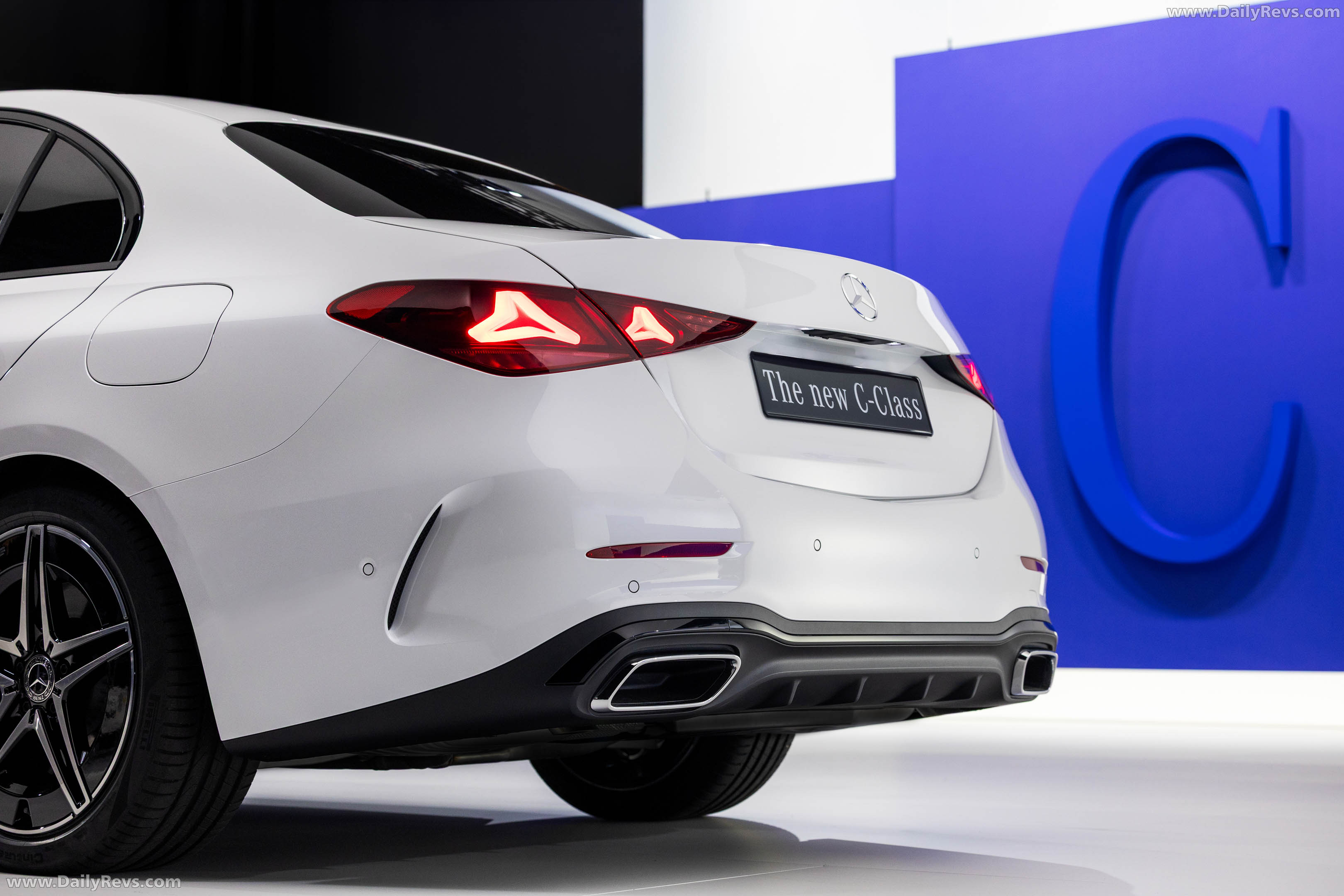
The refreshed C-Class gets a lit radiator grille, new headlamp and taillight star graphics, rear-axle steering (up to 2.5 degrees), and the latest MBUX generation with a multi-agent AI assistant and Google Maps-based navigation.
A Familiar Shape, Sharpened at the Edges
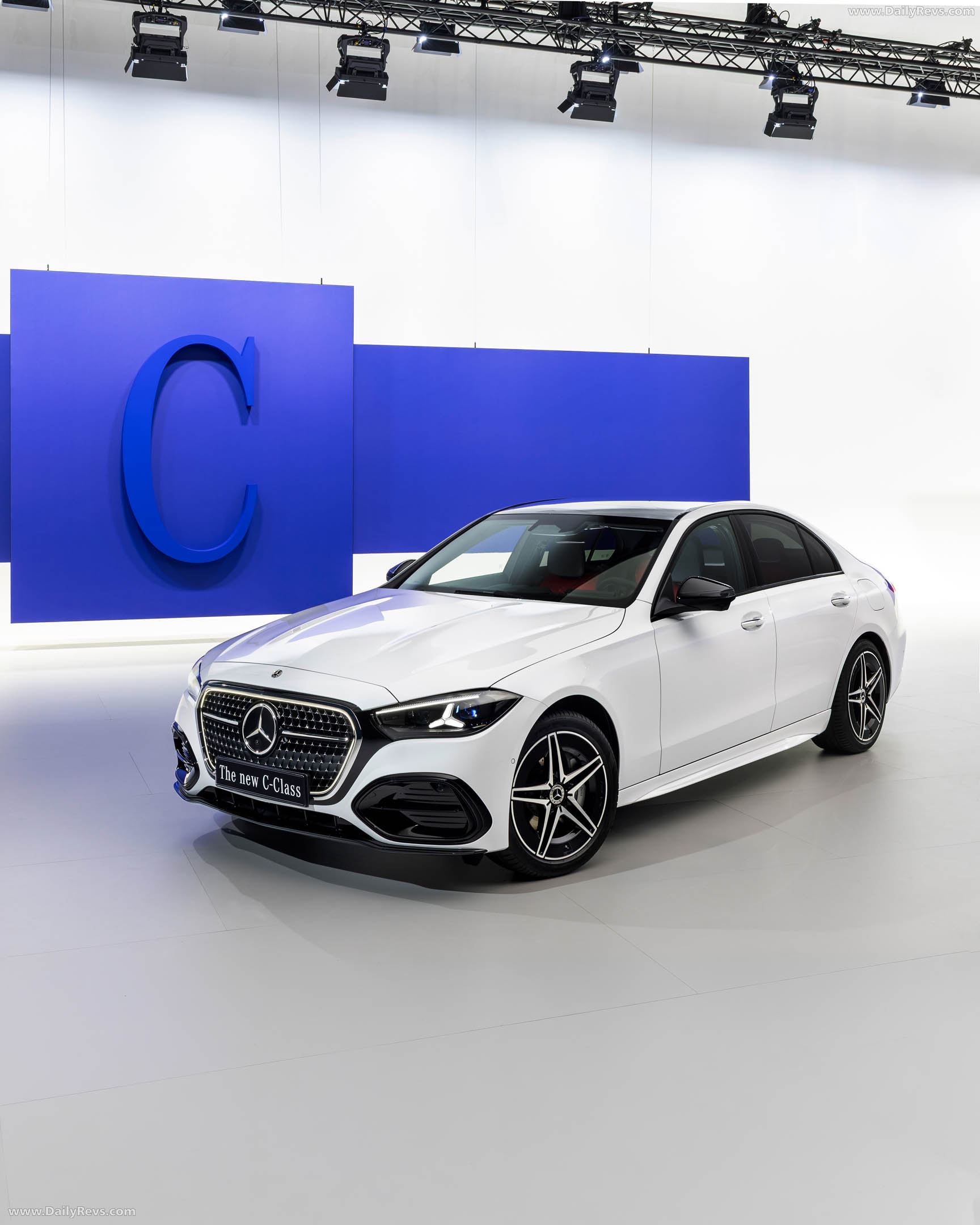
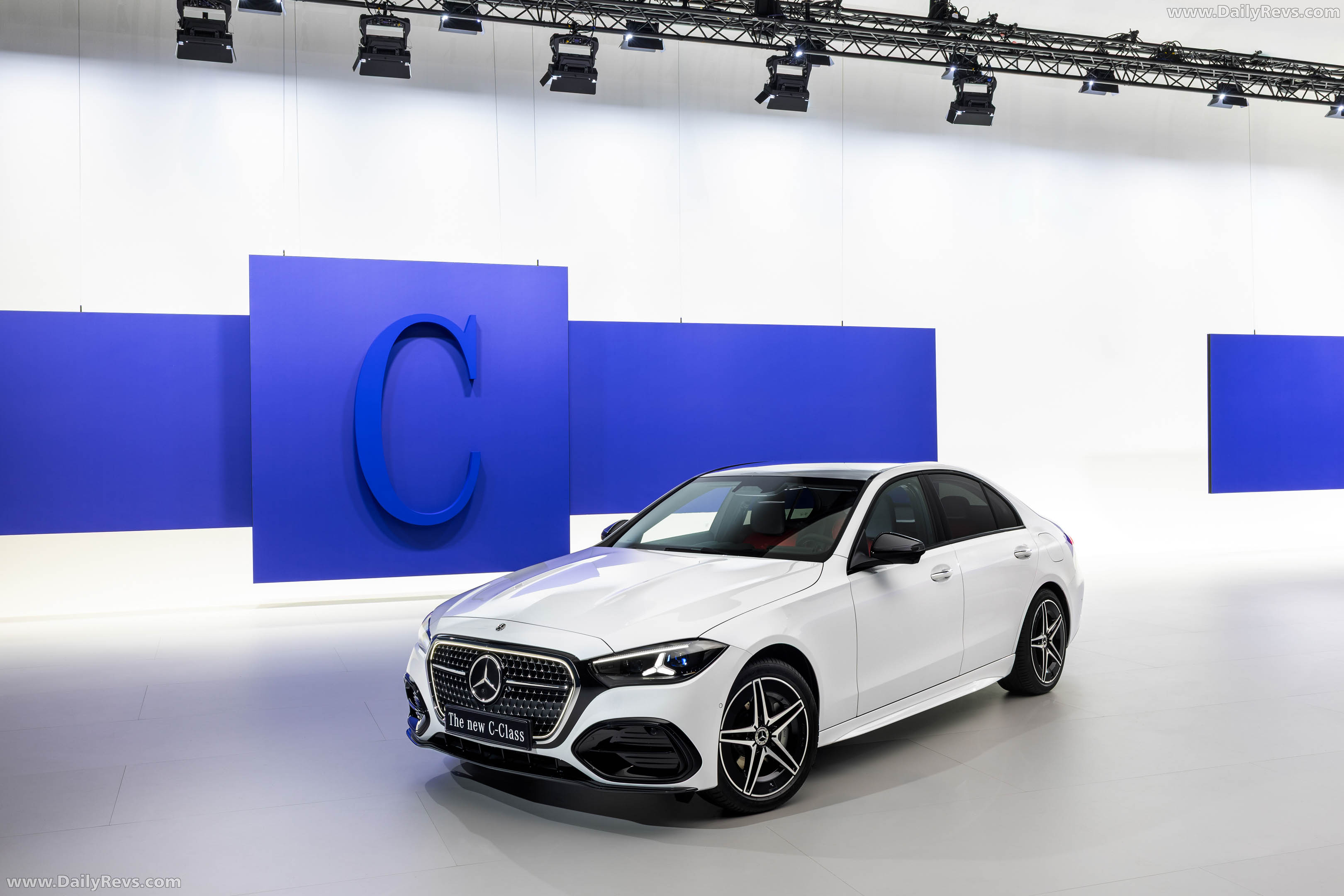
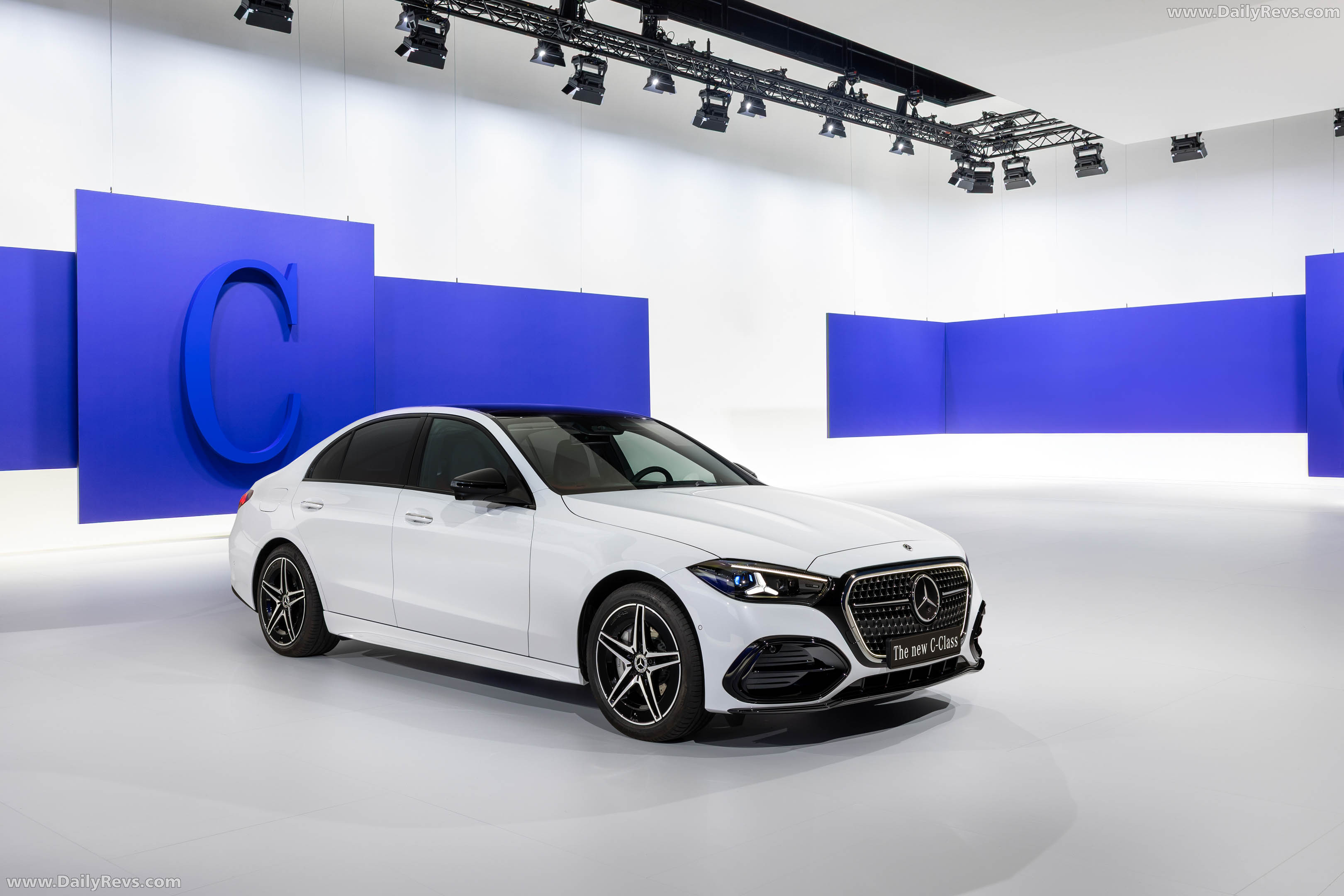
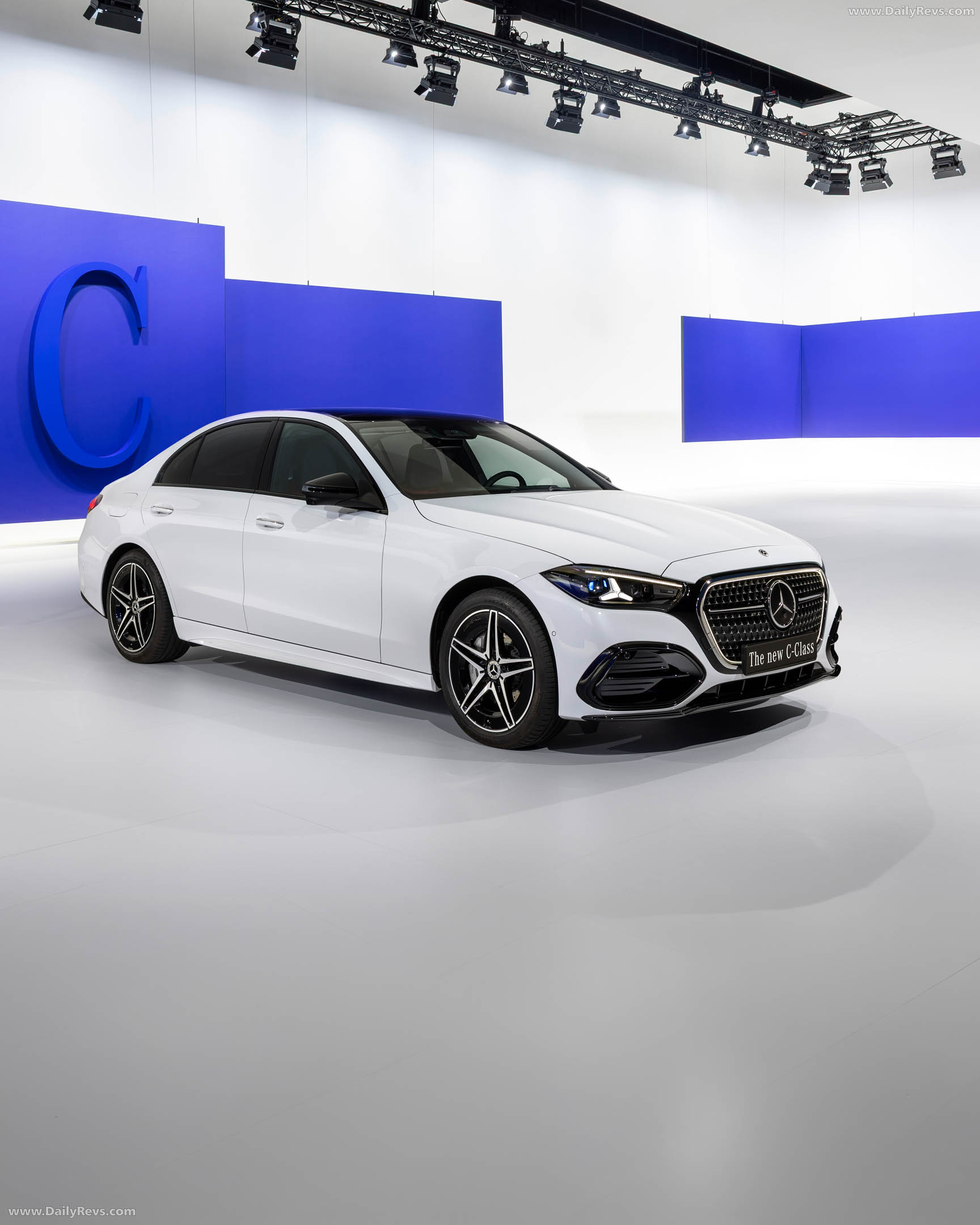
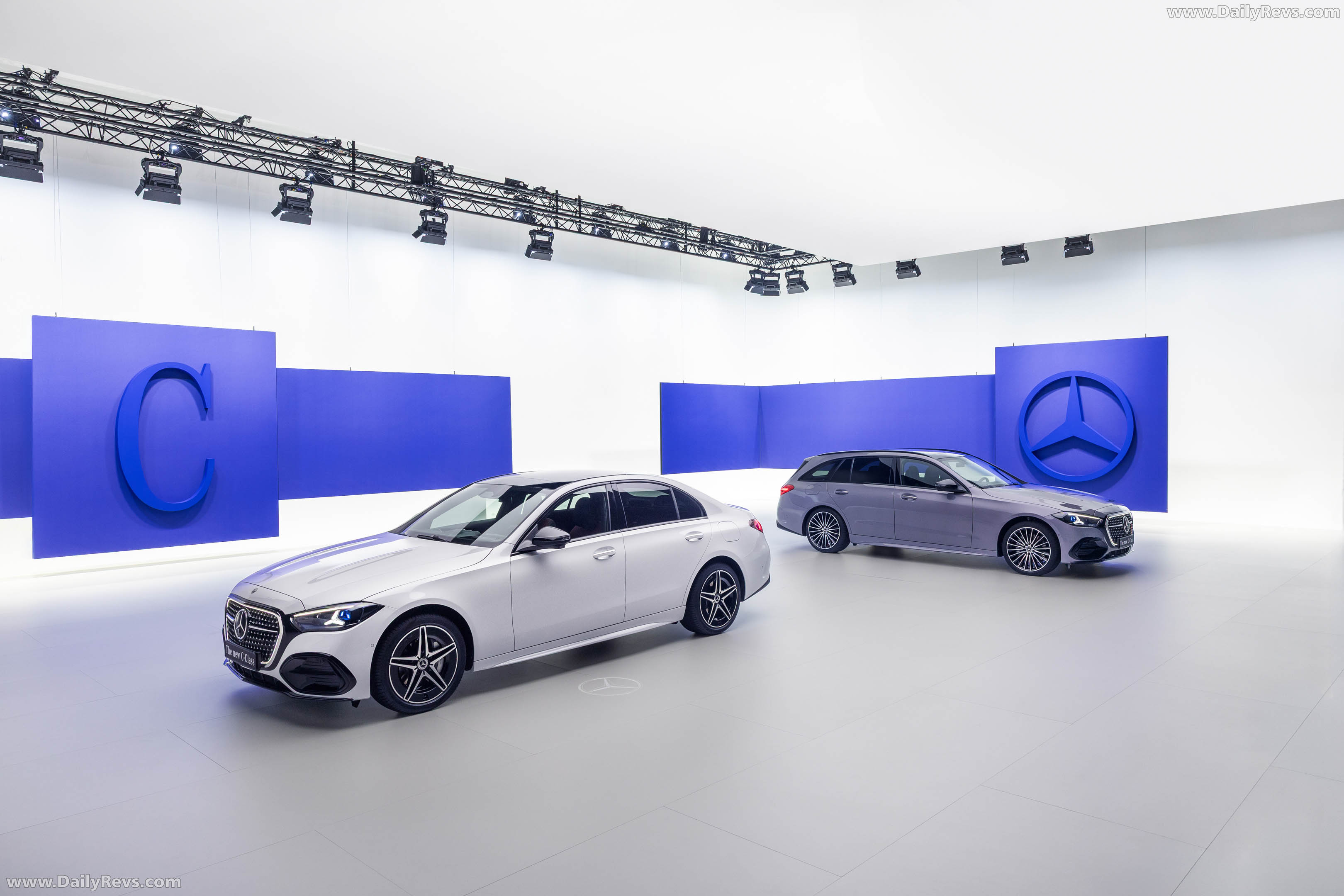
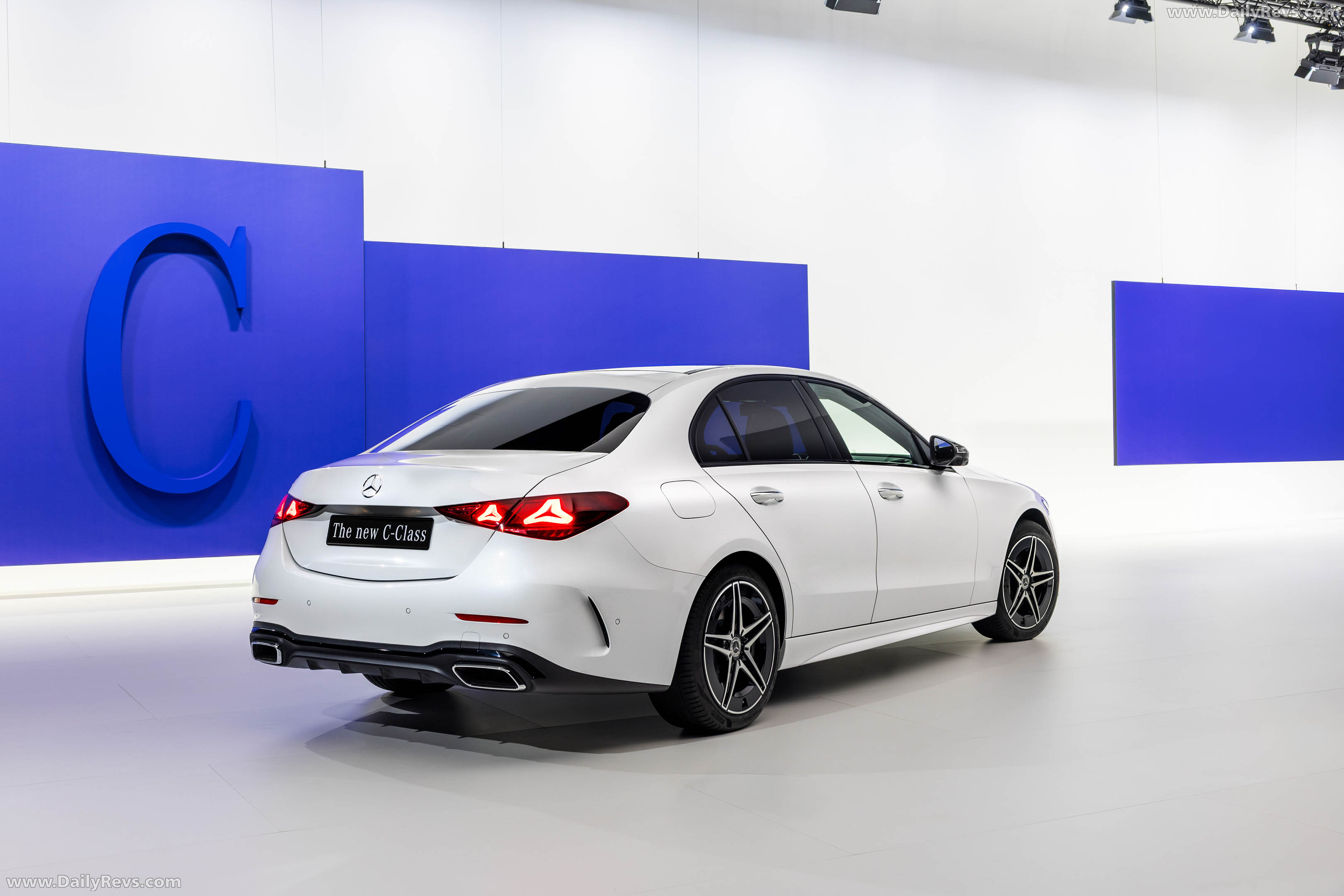
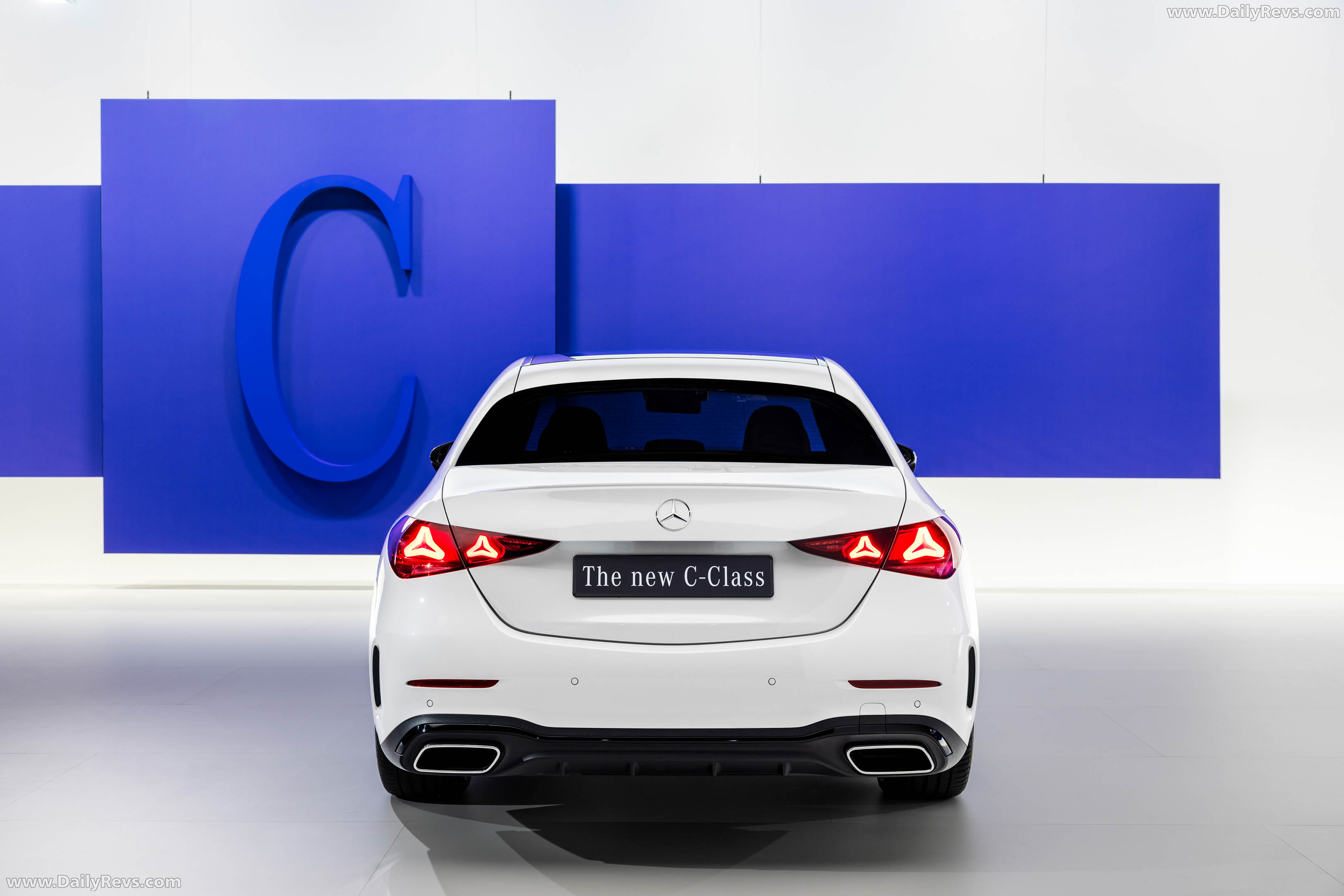
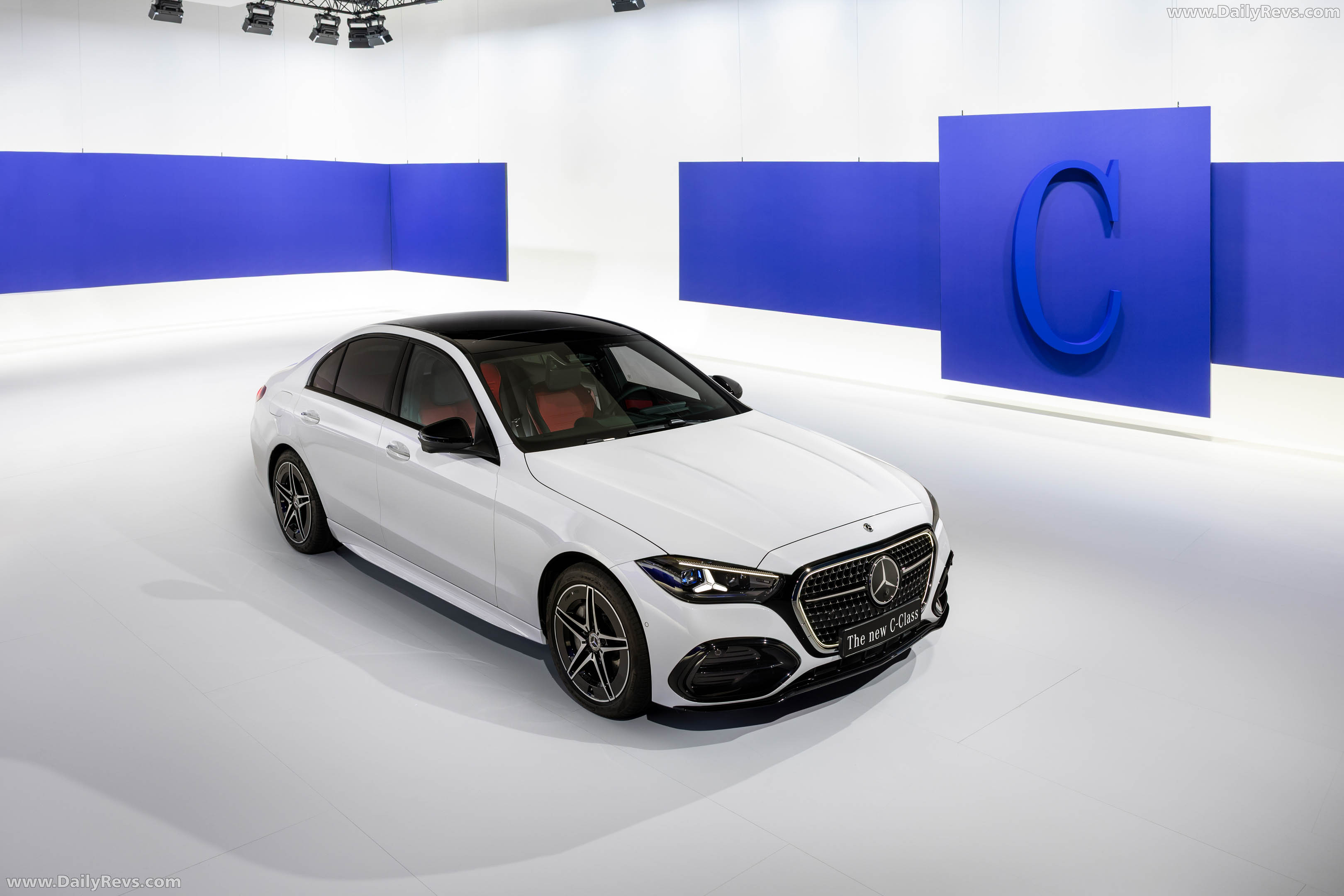
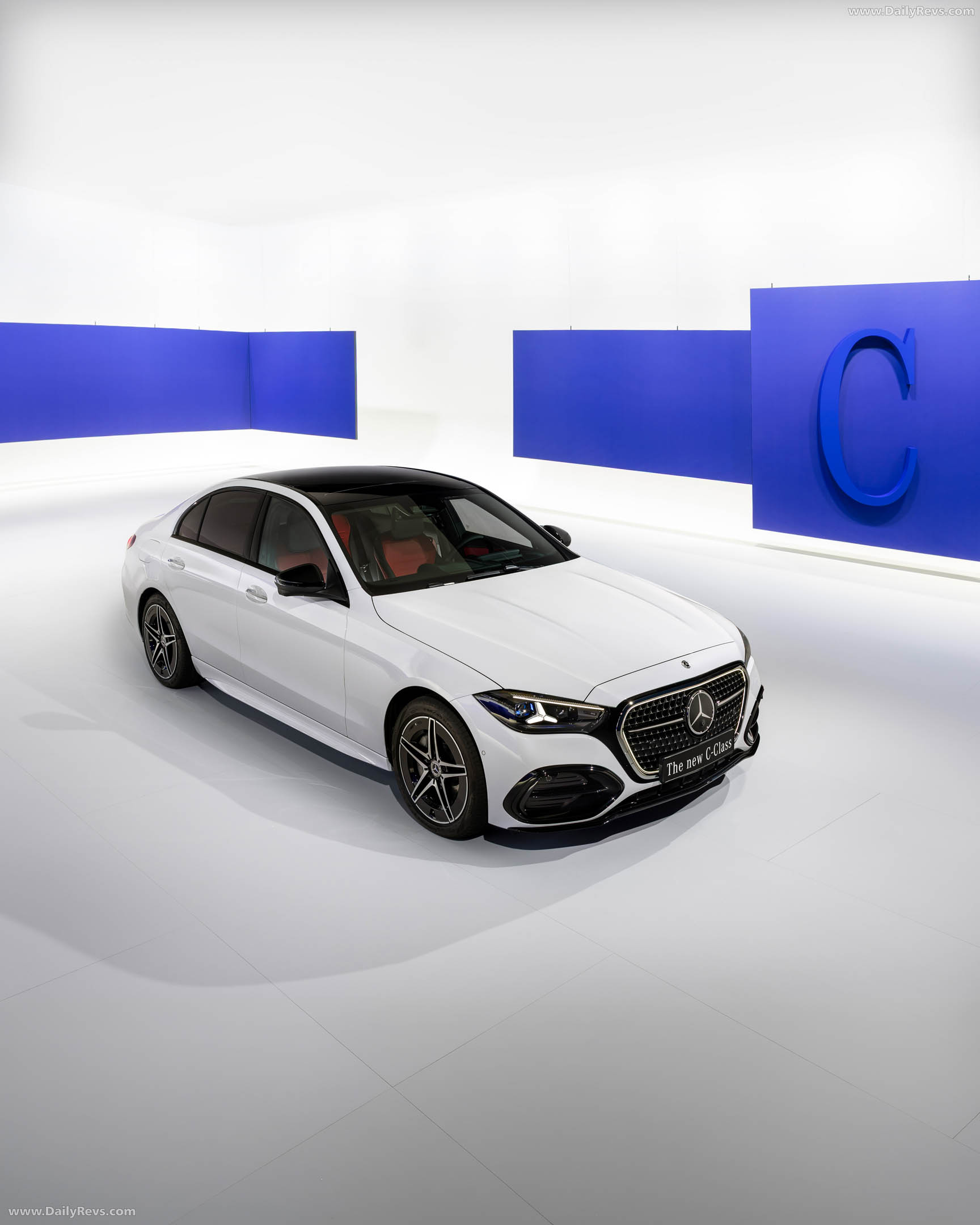
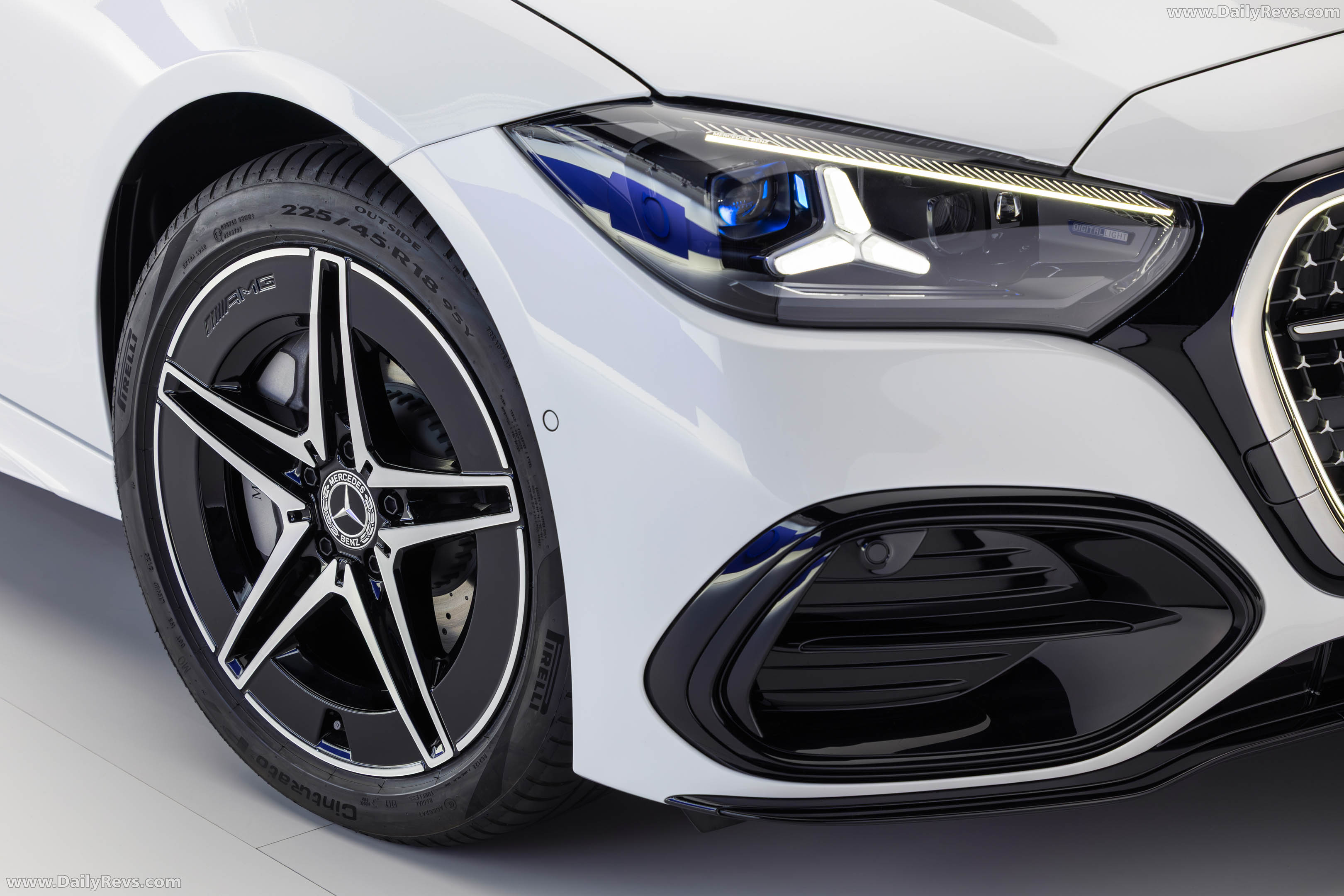
Mercedes-Benz isn't reinventing the C-Class so much as tightening every line on it. The mid-cycle update, arriving for order on 18 August 2026, keeps the saloon and estate's proportions intact but adds a more upright, chrome-edged grille with an integrated LED light guide — illuminated for the first time on this model — plus headlamps and, on the saloon, taillights carrying a new star-pattern graphic. It's a subtle change on paper. In person, with the grille lit and the mirrors projecting a star onto the ground at night, it reads as a car trying harder to announce itself in a parking lot.
Cabin Gets a Software Refresh as Much as a Material One
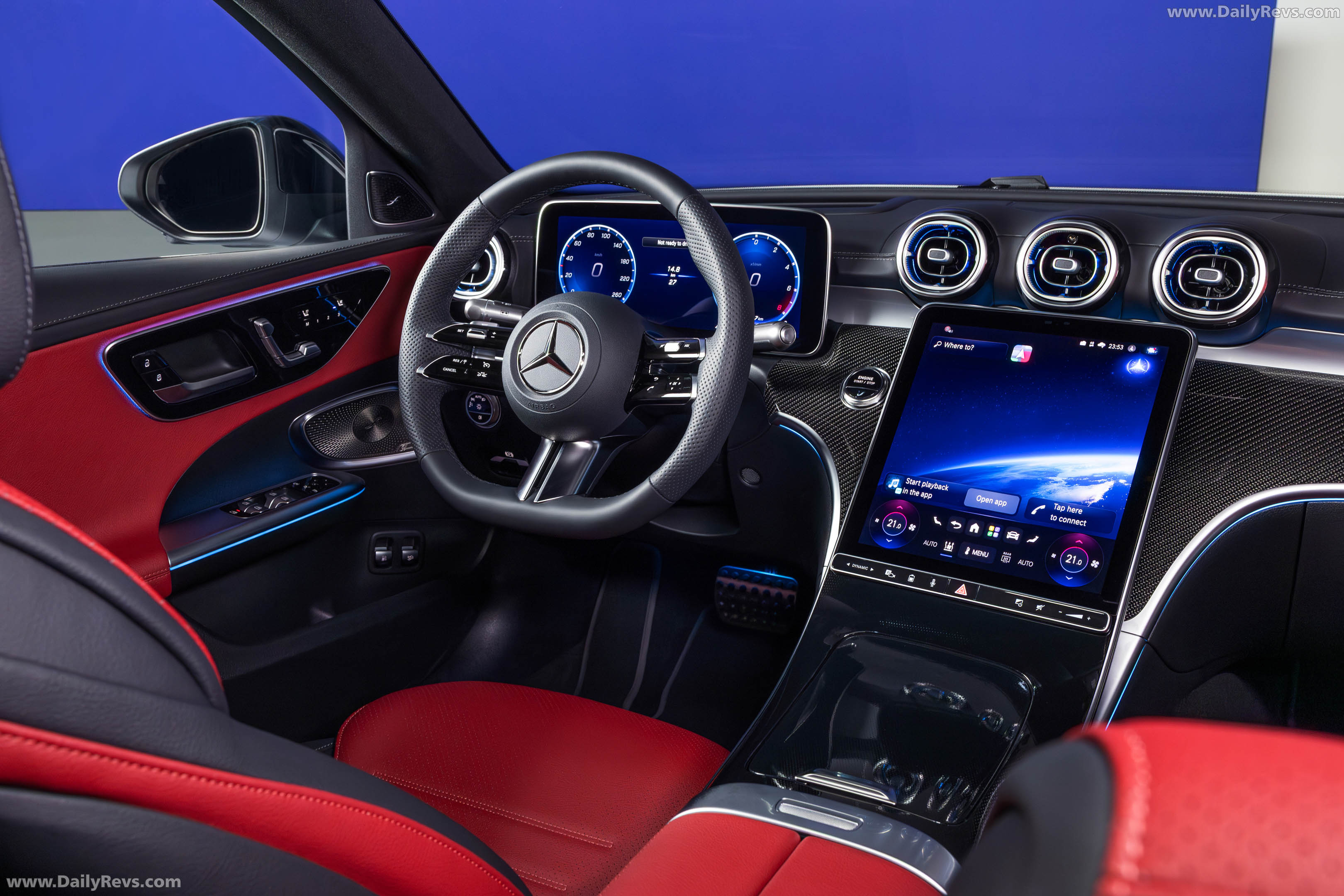
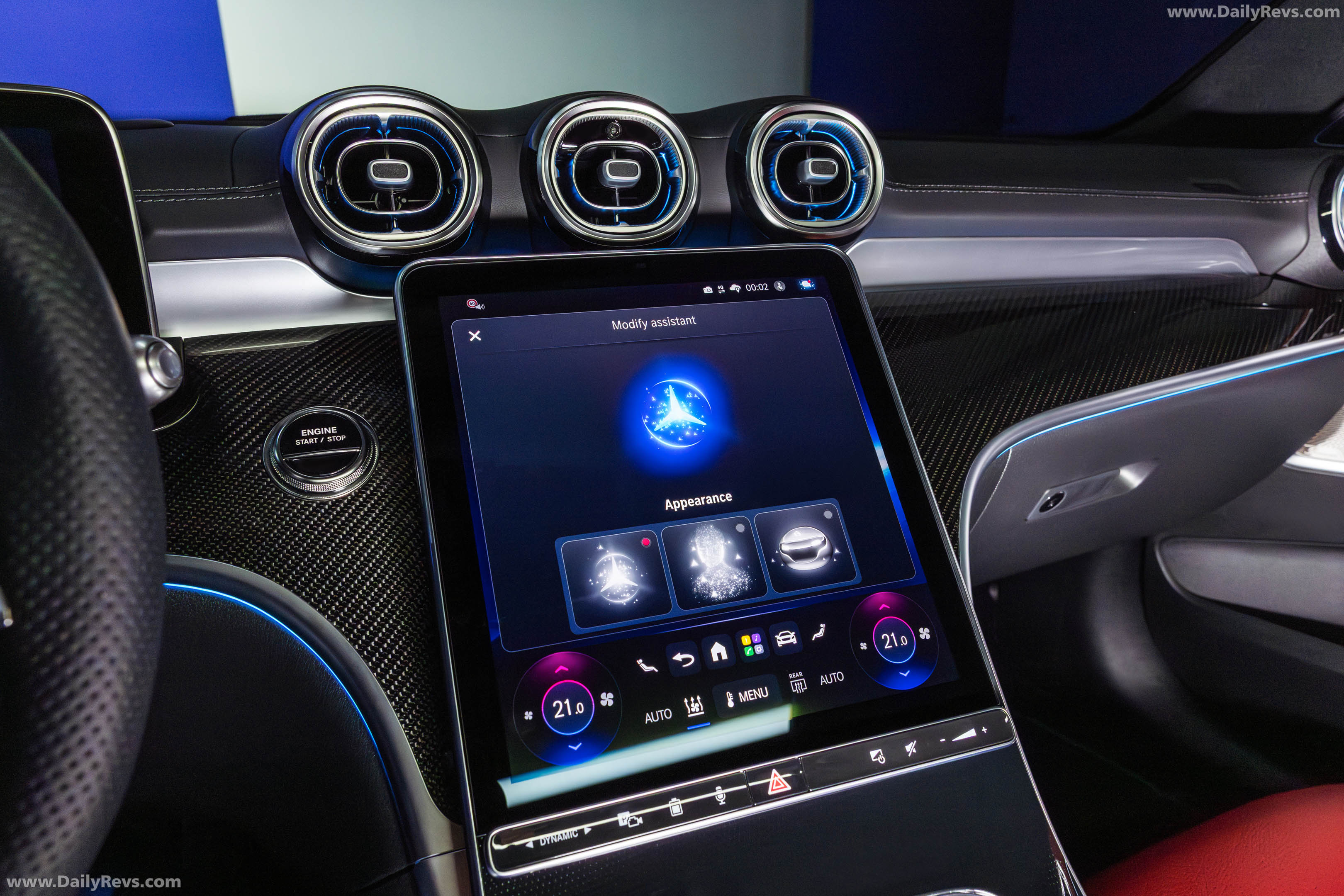
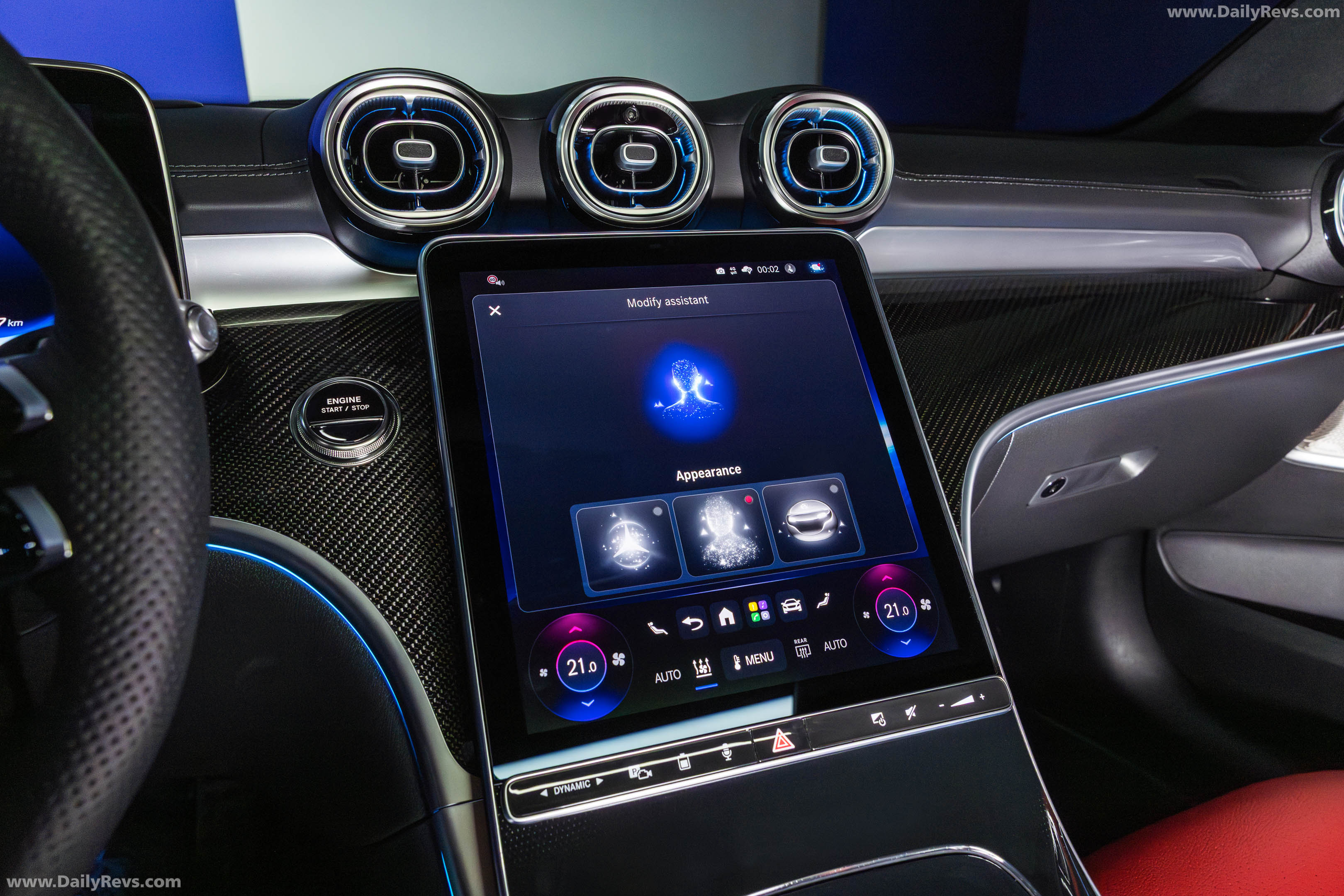
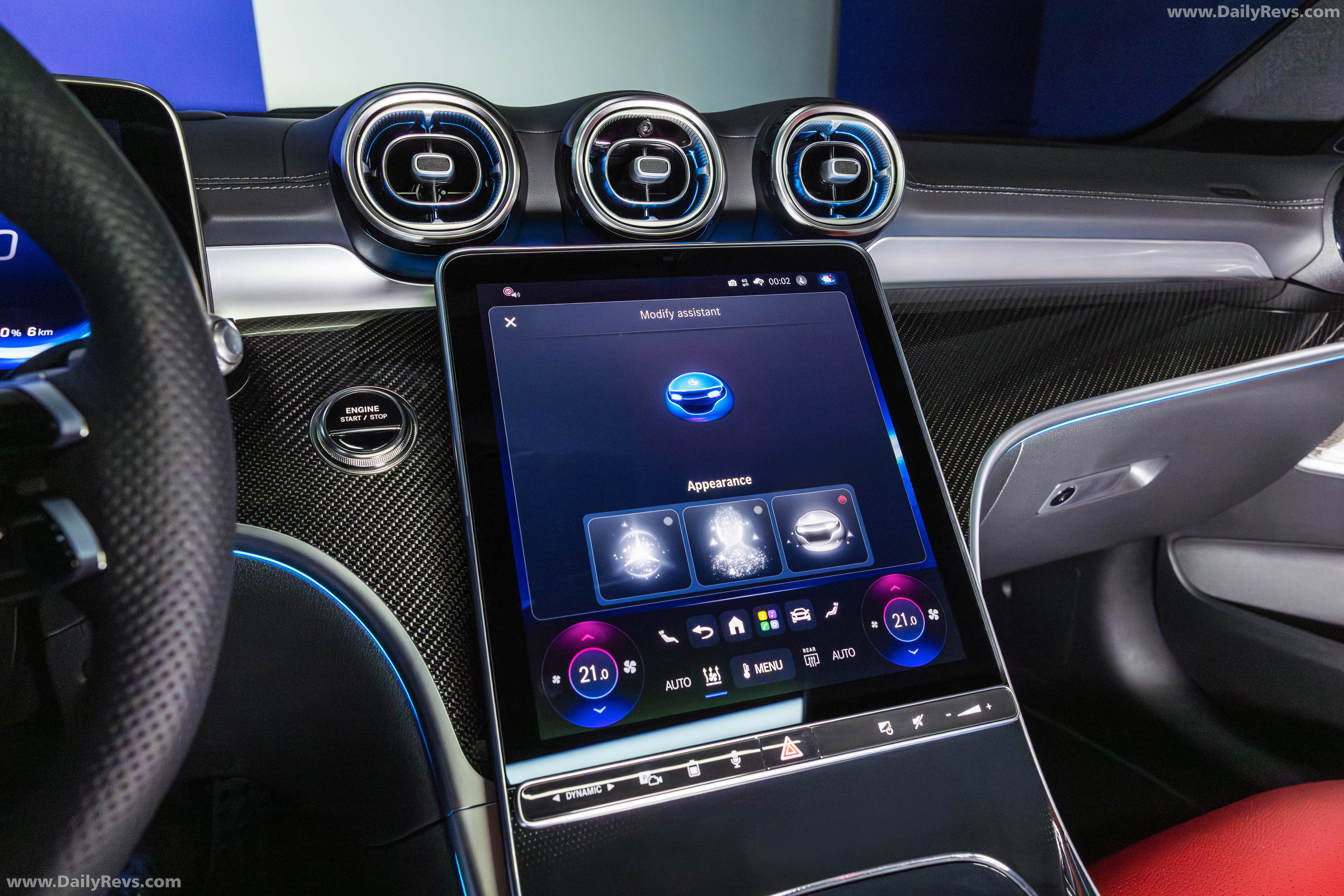
Inside, the news is less about new switchgear and more about what runs on it. MB.OS now handles the car's software domains and supports over-the-air updates, and the latest MBUX generation folds in a multi-agent AI setup — Mercedes says it draws on ChatGPT, Microsoft Bing and Google Gemini depending on the task. There's a 12.3-inch instrument cluster and an 11.9-inch portrait center display that Mercedes describes as appearing to float above the dash. Navigation now runs on Google Maps with a Google Cloud Automotive AI Agent layered in for conversational destination search — asking about parking availability mid-drive, for instance, rather than digging through menus.
The Plug-In Hybrid: C 400 e 4MATIC
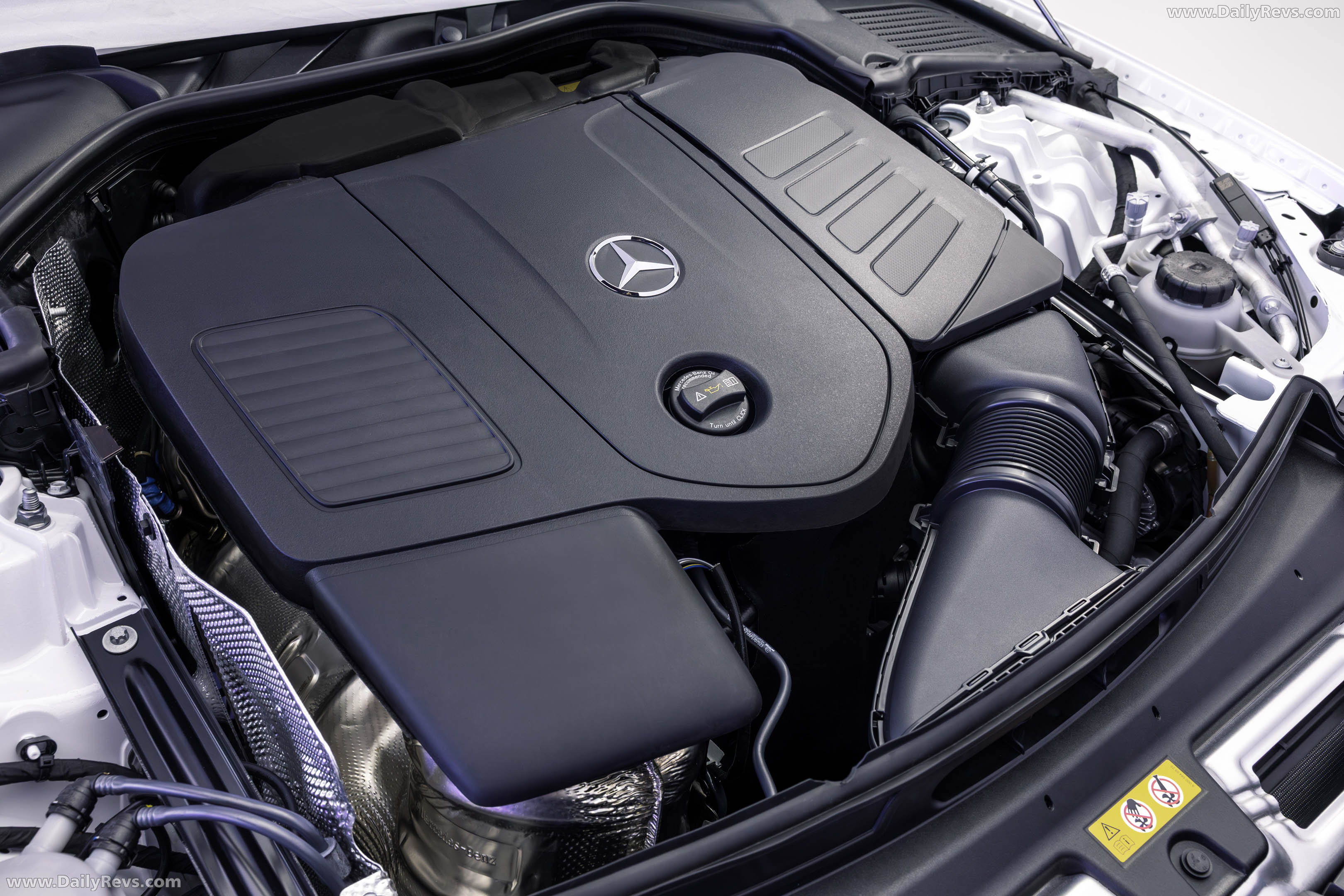
For buyers wanting electrified range without going full EV, Mercedes is offering the C 400 e 4MATIC in saloon and estate form. It combines the updated four-cylinder petrol engine with an electric motor for a combined system output of up to 290 kW (395 hp) and 650 Nm, sent through all-wheel drive. The 19.53 kWh usable battery is rated for up to 100 km of electric range under WLTP testing — enough, Mercedes suggests, to cover most daily commutes without the engine ever waking up. Charging tops out at 11 kW on AC and 55 kW on DC fast chargers, which is reasonably quick for a plug-in hybrid pack this size.
Chassis Changes Aimed at Everyday Driving
Rear-axle steering carries over, now turning up to 2.5 degrees and cutting the turning circle by 43 cm to 10.64 meters — useful in tight European city streets more than on a track. Mercedes also retuned the suspension and damping for what it calls a more agile feel on winding roads, while claiming to hold onto the long-distance comfort the C-Class has traditionally been known for.
Practicality, Especially in Estate Form
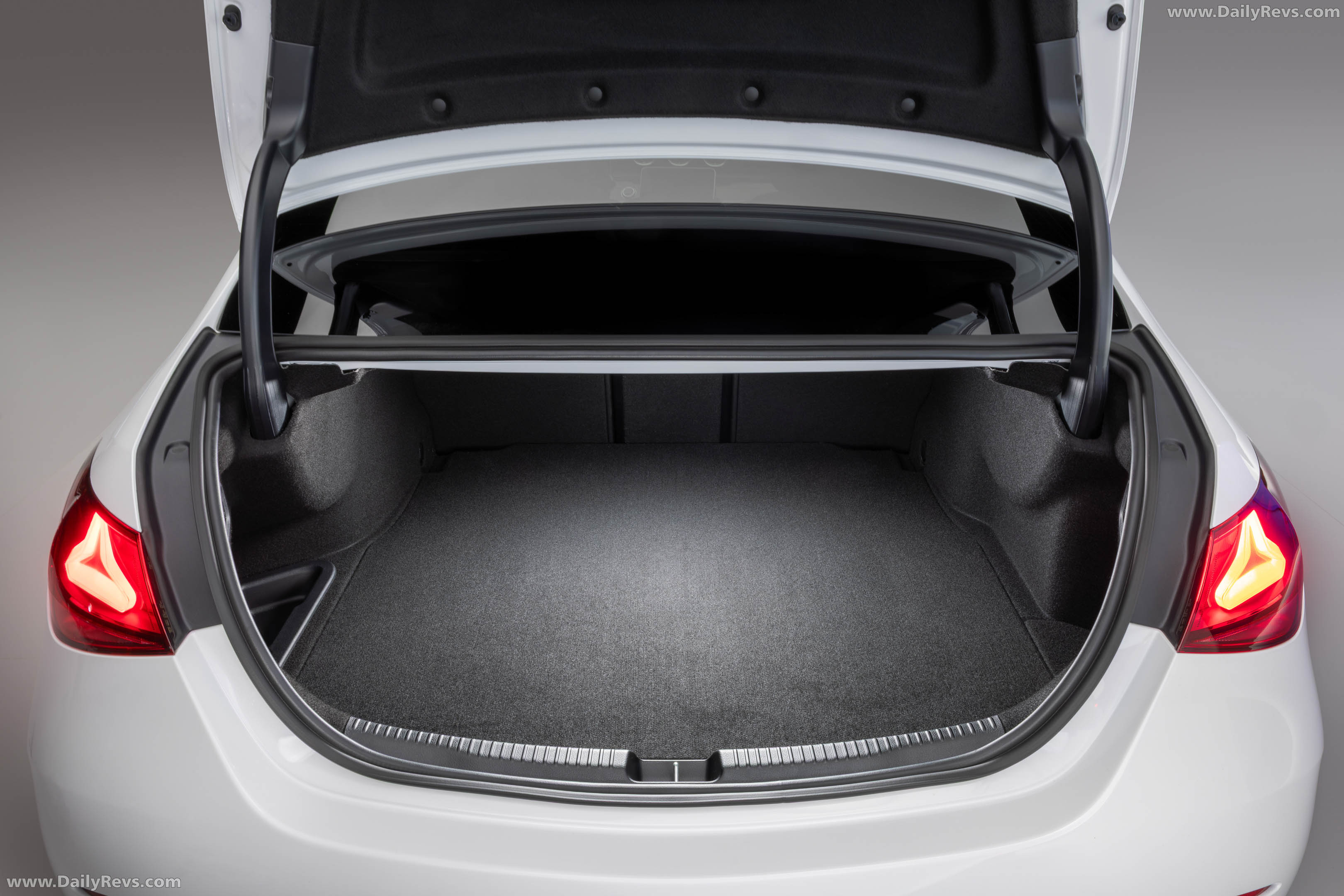
The estate's cargo hold holds 490 liters with the rear seats up, expanding to 1,510 liters with them folded — split 40:20:40 as standard. A hands-free tailgate and a two-piece load cover round out the practical side of the update.
Where It Sits in the Market
With combustion, diesel and plug-in hybrid variants all covered under the same refresh, the C-Class continues to compete directly with the BMW 3 Series and Audi A4/A5 lineup, leaning on its electrified range and driver-assistance suite — including lane-change assist activated by the turn signal — as differentiators rather than a wholesale redesign.