2027 Kia PV7 Cargo
By Lorenzo Bianchi September 14, 2026
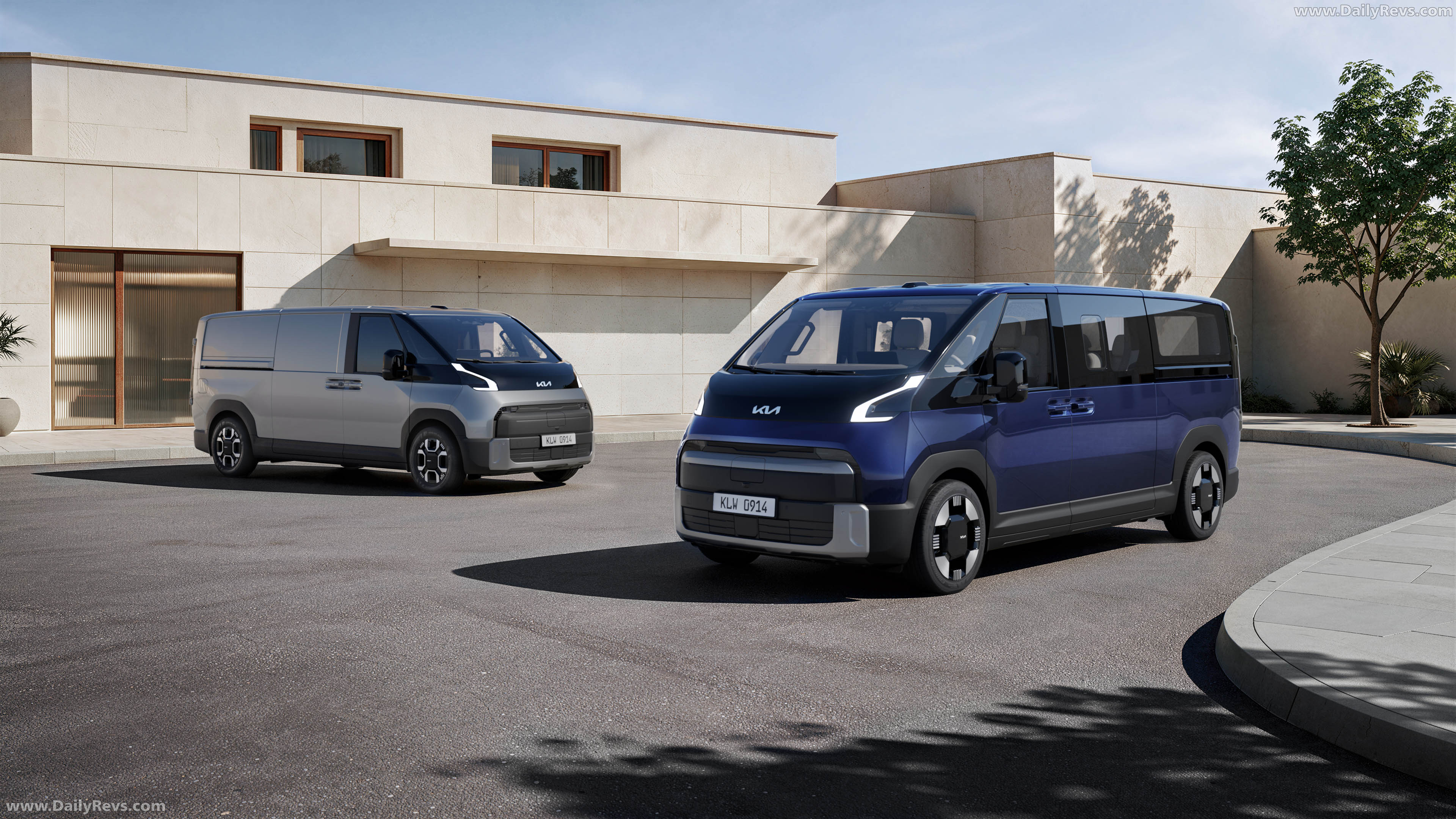
PV7 Cargo will come in Compact, Long and High Roof forms, with two or three front seats depending on configuration.
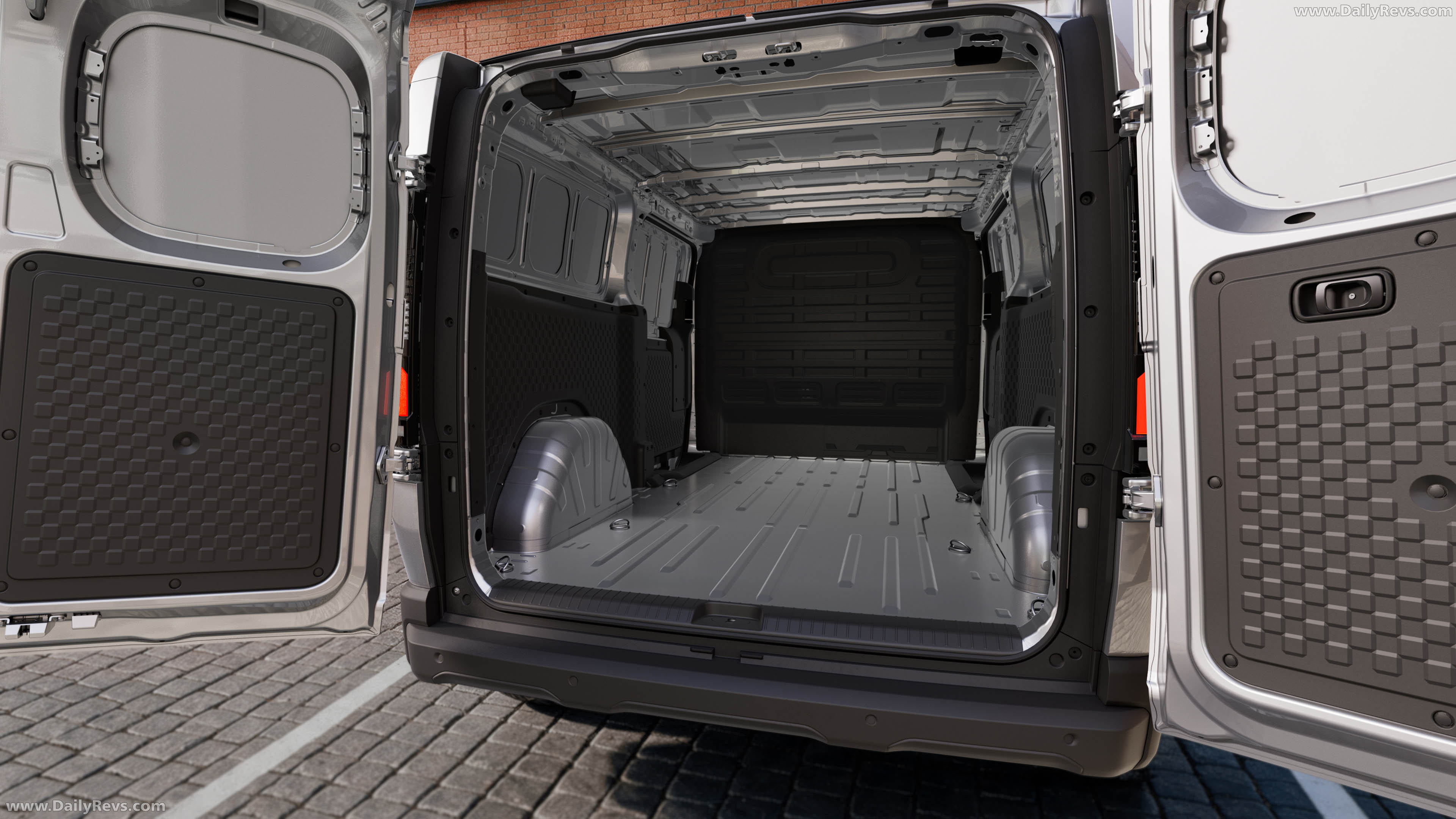
Cargo volume reaches 6.1 m³ in the Long and 8.0 m³ in the High Roof, while maximum payload is up to 1,200 kg.
The Long Range Cargo targets more than 460 km WLTP, with 800V architecture enabling a 10 to 80 percent charge in the mid 20 minute range.
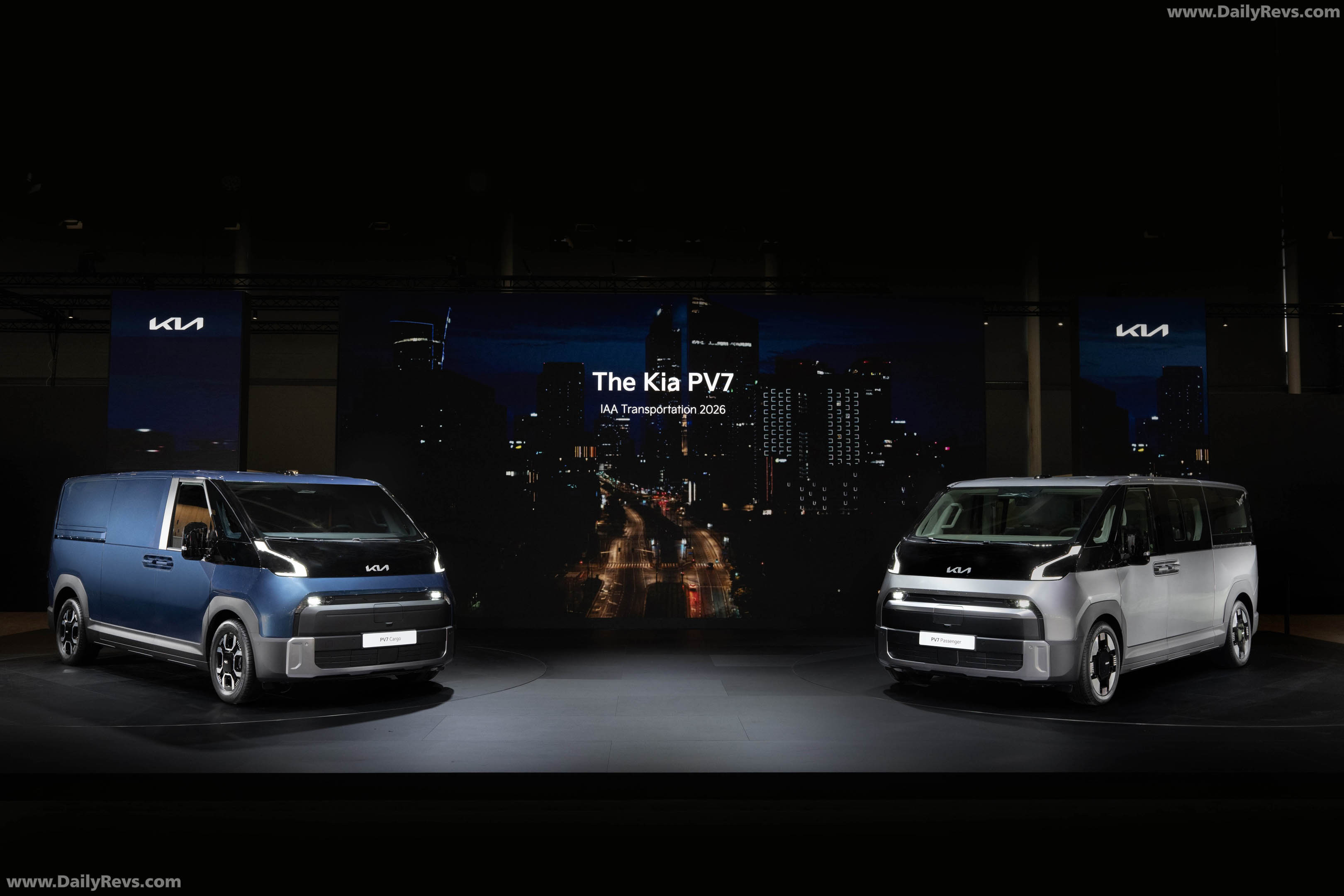
The 2027 Kia PV7 Cargo is the working version of Kia's second dedicated Platform Beyond Vehicle, sitting above the PV5 with more load space, payload capacity and longer-distance capability. It was unveiled at IAA Transportation 2026 in Hannover alongside the Passenger model and will launch in Korea and Europe in the second half of 2027.
Upright Shape Makes Space the Priority
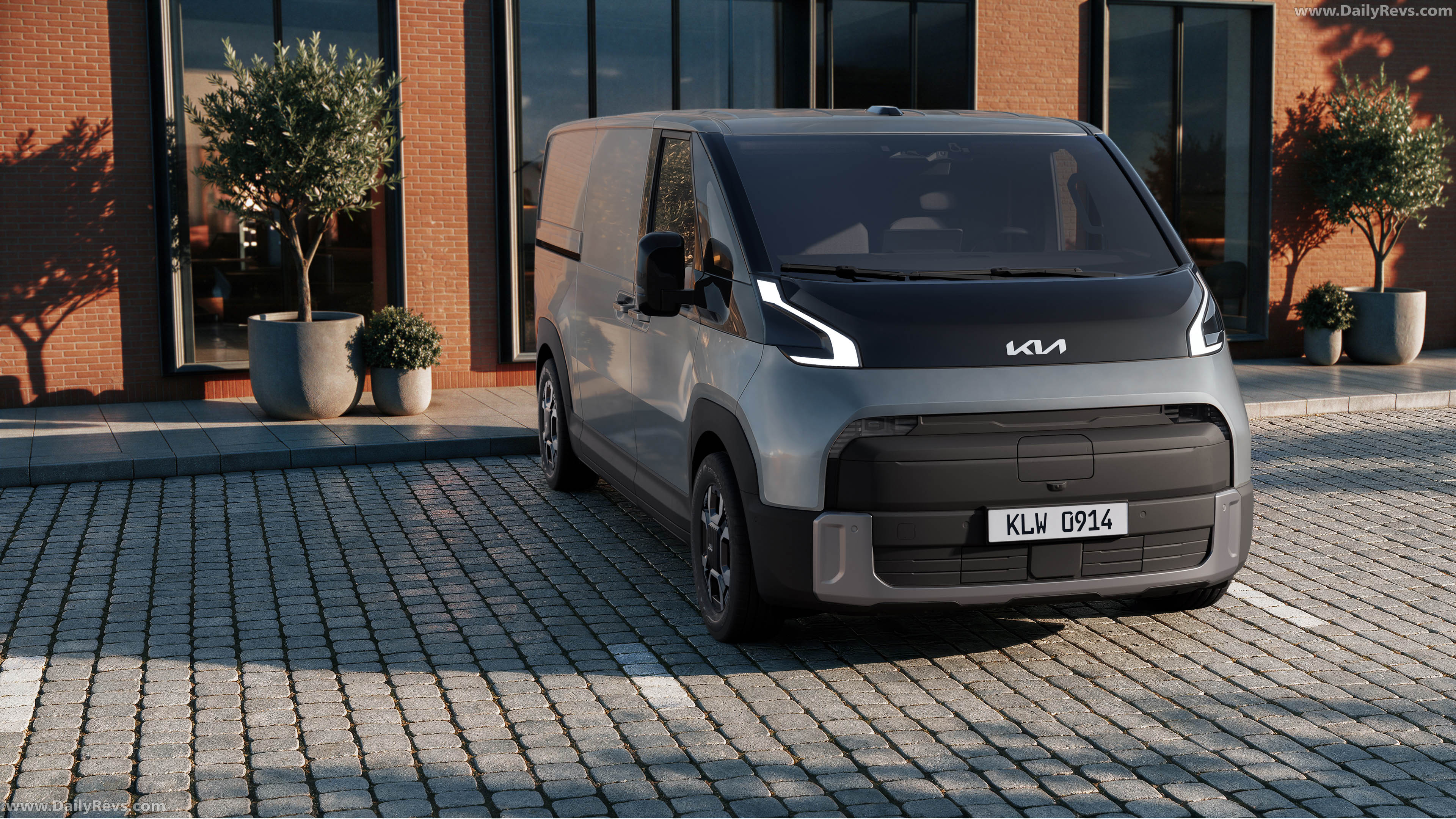
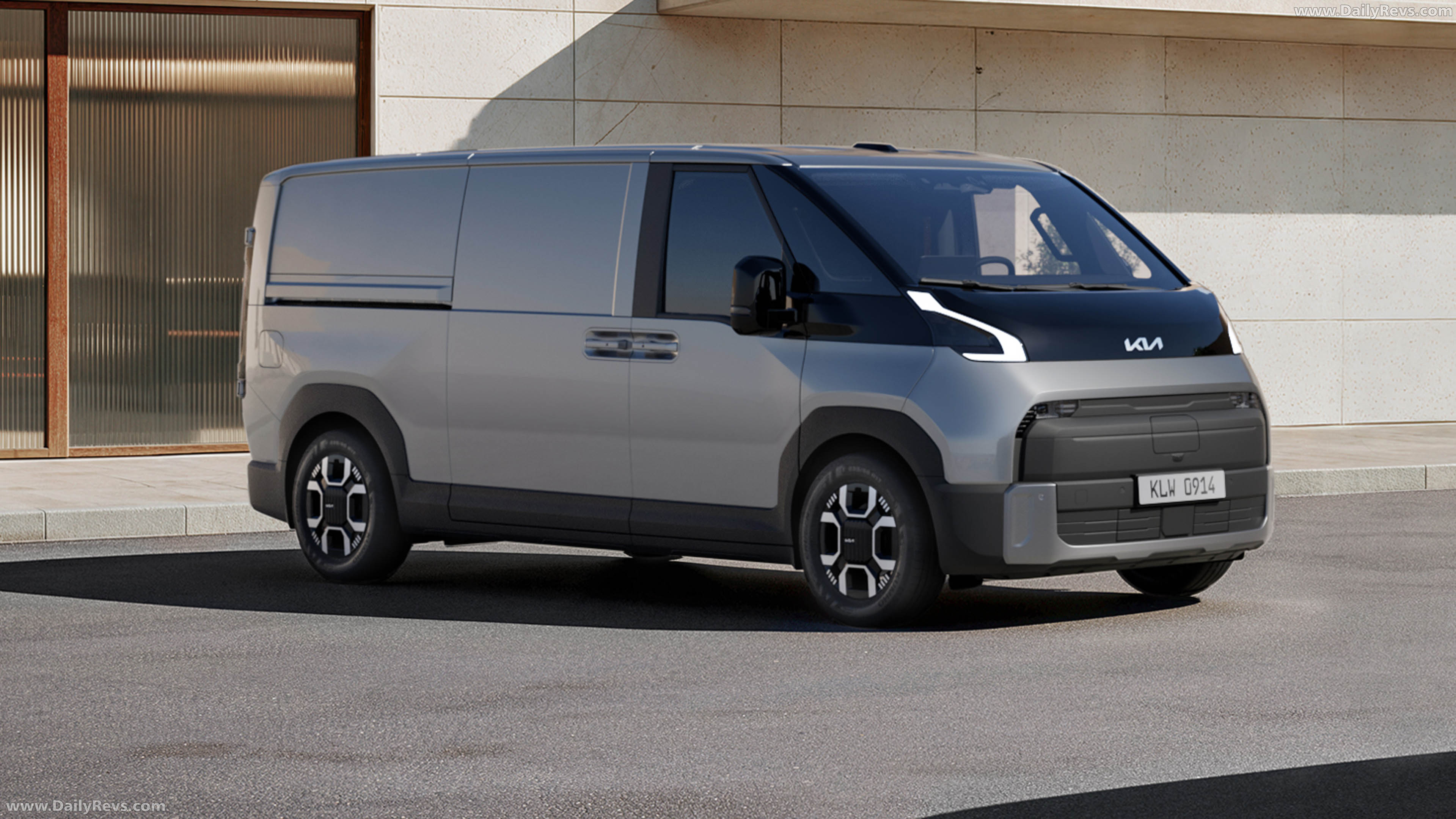
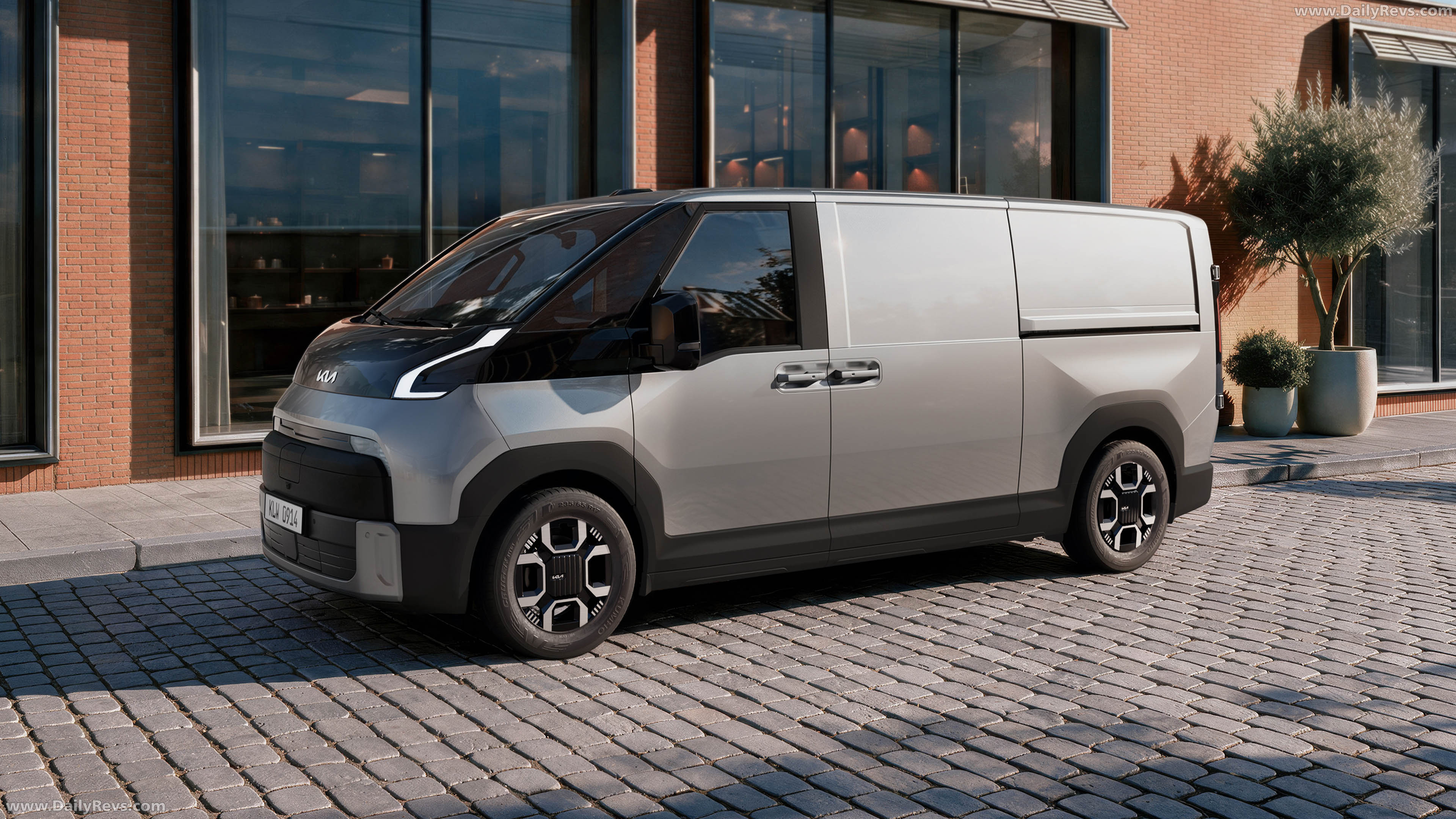
The PV7 Cargo uses a squared-off, cab-forward profile with a flat roofline. Its black hood visually connects with the A-pillars and daytime running lights, while hidden headlamps sit above a robust lower section with a visible protective skid plate.
Cargo versions receive their own glazing and trim treatment. Pronounced fenders and black wheel-arch cladding break up the tall body sides, while the lowered front beltline is intended to improve visibility around the vehicle.
The preliminary Cargo Long measures 5,350 mm long, 1,995 mm wide and 1,990 mm high, with a 3,500 mm wheelbase.
Cargo Long Takes Three Euro Pallets
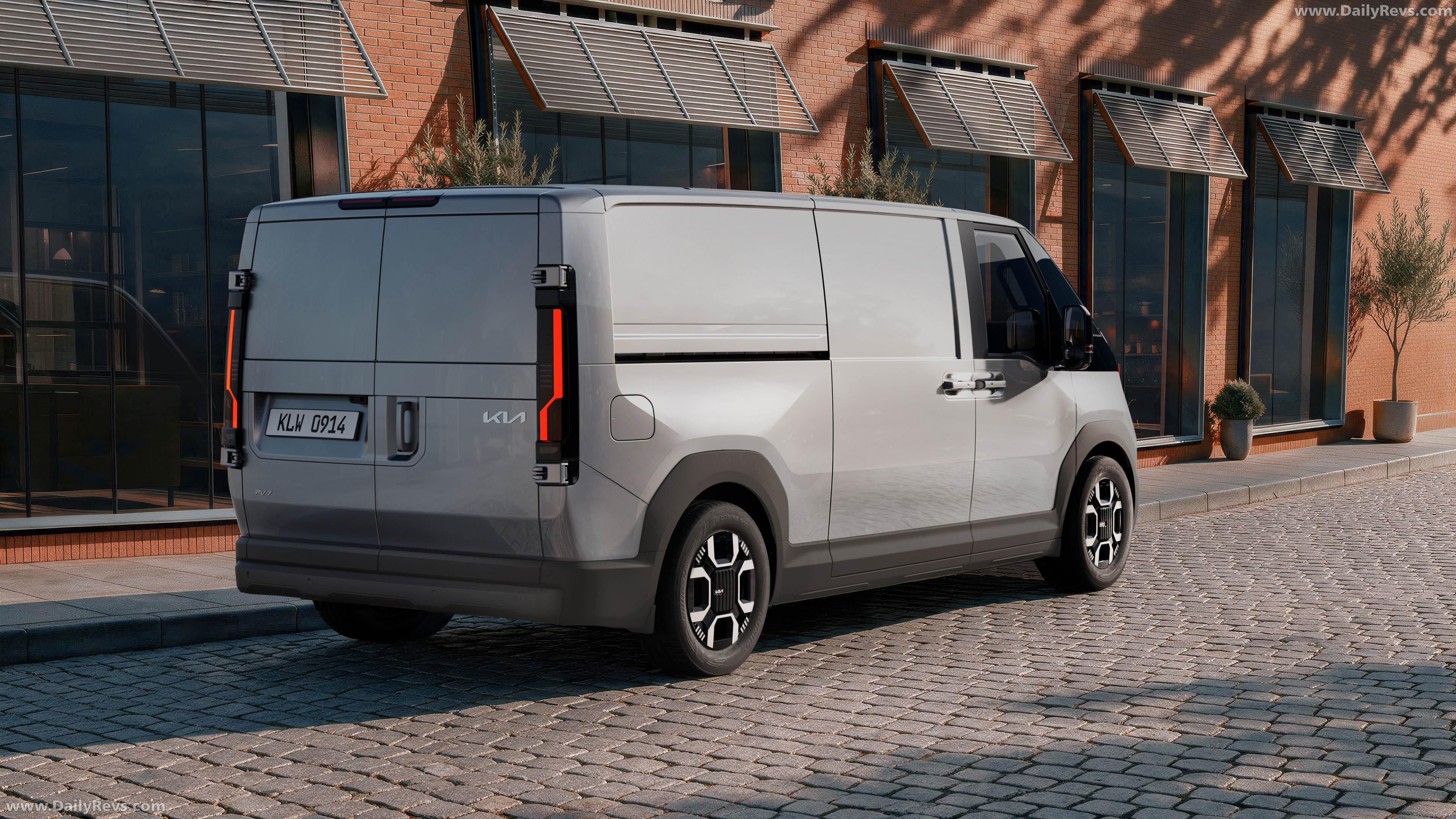
Load carrying is where the PV7 Cargo separates itself from the Passenger version. The Long provides up to 6.1 m³ of cargo volume and a maximum 1,165 kg payload. High Roof increases volume to 8.0 m³, while Compact raises maximum payload to 1,200 kg.
A 550 mm loading height on the Long is paired with space for three Euro pallets. Buyers can choose a full-opening twin-swing rear door or conventional lift-up tailgate. Replaceable bumper corners, wheel-arch sections and door cladding are designed to simplify repairs.
Mobile Workspace Shapes the Cabin
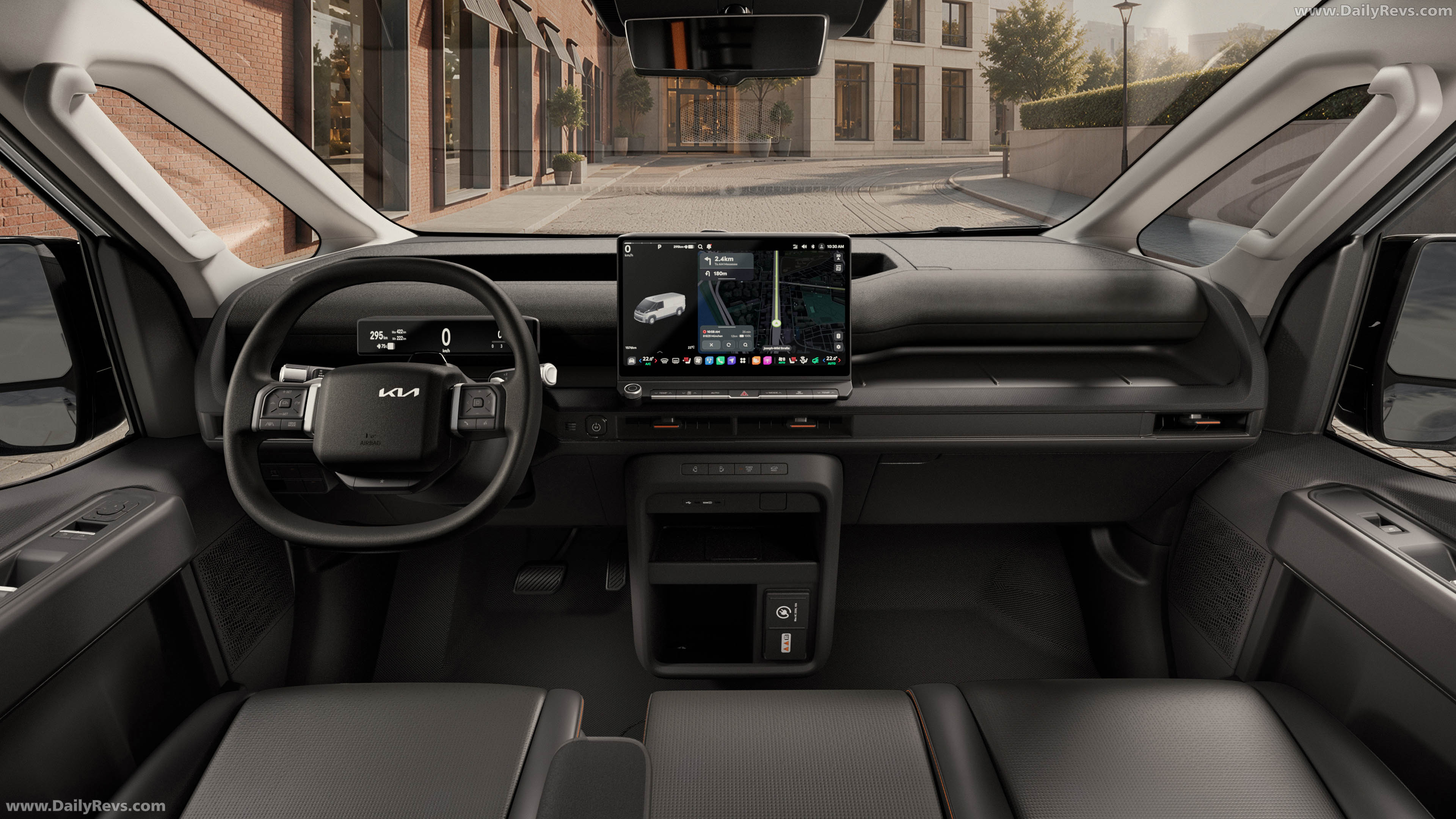
Two and three-seat configurations will be offered globally. Kia's Mobile Workspace concept brings a layered dashboard and open storage areas, while the middle seatback on three-seat models folds into a useful tray.
Digital interfaces measure 12.9 and 14.6 inches, supported by Pleos Connect and physical controls for commonly used functions. Cargo cabins use an Onyx Black interior as standard, with Deep Navy also available and orange accents adding contrast.
800V Charging Targets Less Downtime
Two NCM batteries measure 71.5 and 96.2 kWh. Depending on configuration, output reaches 200 kW and 420 Nm, initially driving the front wheels. AWD is planned later.
Long Range Cargo targets more than 460 km under WLTP testing. Using a 350 kW charger, its 800V system can take the battery from 10 to 80 percent in the mid 20 minute range. V2L can power tools and equipment, while a dedicated heavy-load mode adapts vehicle behaviour to changing payloads.
For fleets, logistics companies and smaller businesses, those features make the PV7 Cargo less a passenger van adaptation and more a dedicated electric commercial vehicle built around daily working requirements.