2027 Kia PV7
By Lorenzo Bianchi September 14, 2026
The PV7 launches in Korea and Europe in the second half of 2027, initially in Passenger and Cargo forms.
Two NCM batteries measure 71.5 and 96.2 kWh, while output reaches 200 kW and 420 Nm through the front wheels.
Cargo Long provides up to 6.1 m³ of space, while Passenger versions can accommodate up to nine occupants globally.
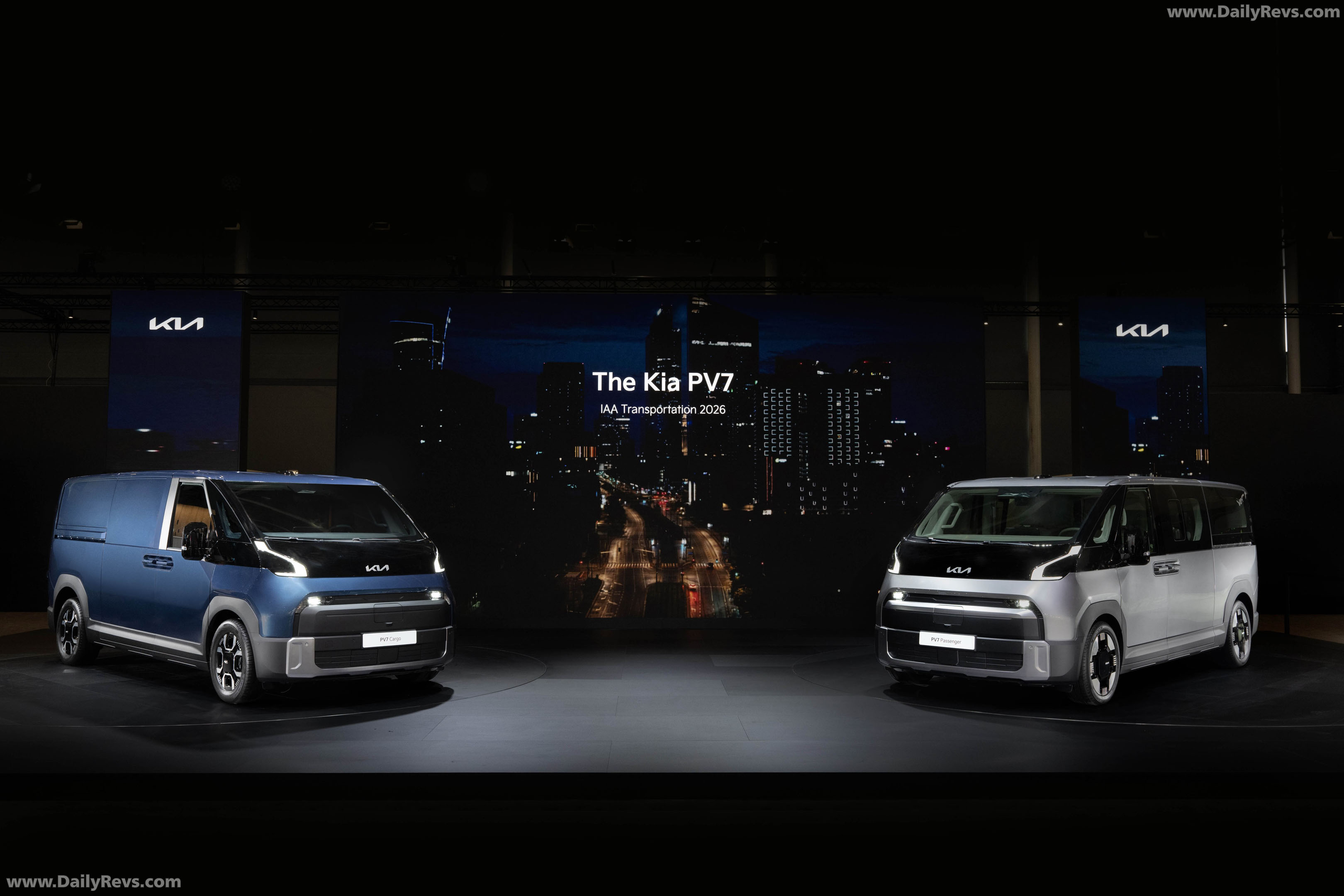
The 2027 Kia PV7 expands Kia's dedicated electric PBV family with a larger vehicle aimed at commercial operators, passenger transport and customers who need more capacity than the PV5. Revealed at IAA Transportation 2026 in Hannover, it will reach Korea and Europe in 2027.
Passenger and Cargo versions sit on Kia's PBV specific E-GMP.S architecture. The flat-floor layout is central to the design, allowing the same basic vehicle to support different seating arrangements, cargo bodies and future conversions.
Upright Shape Puts Interior Space First
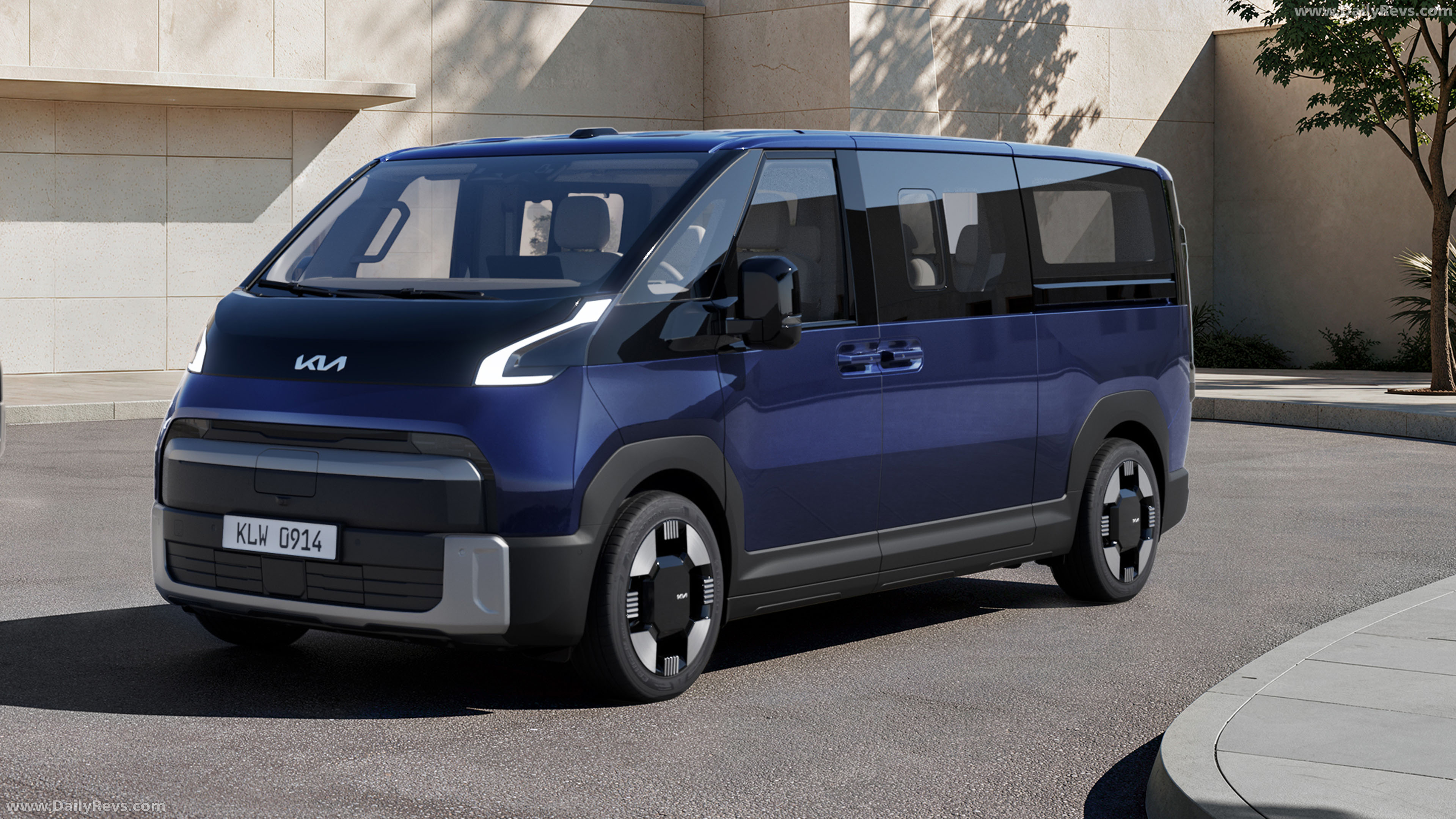
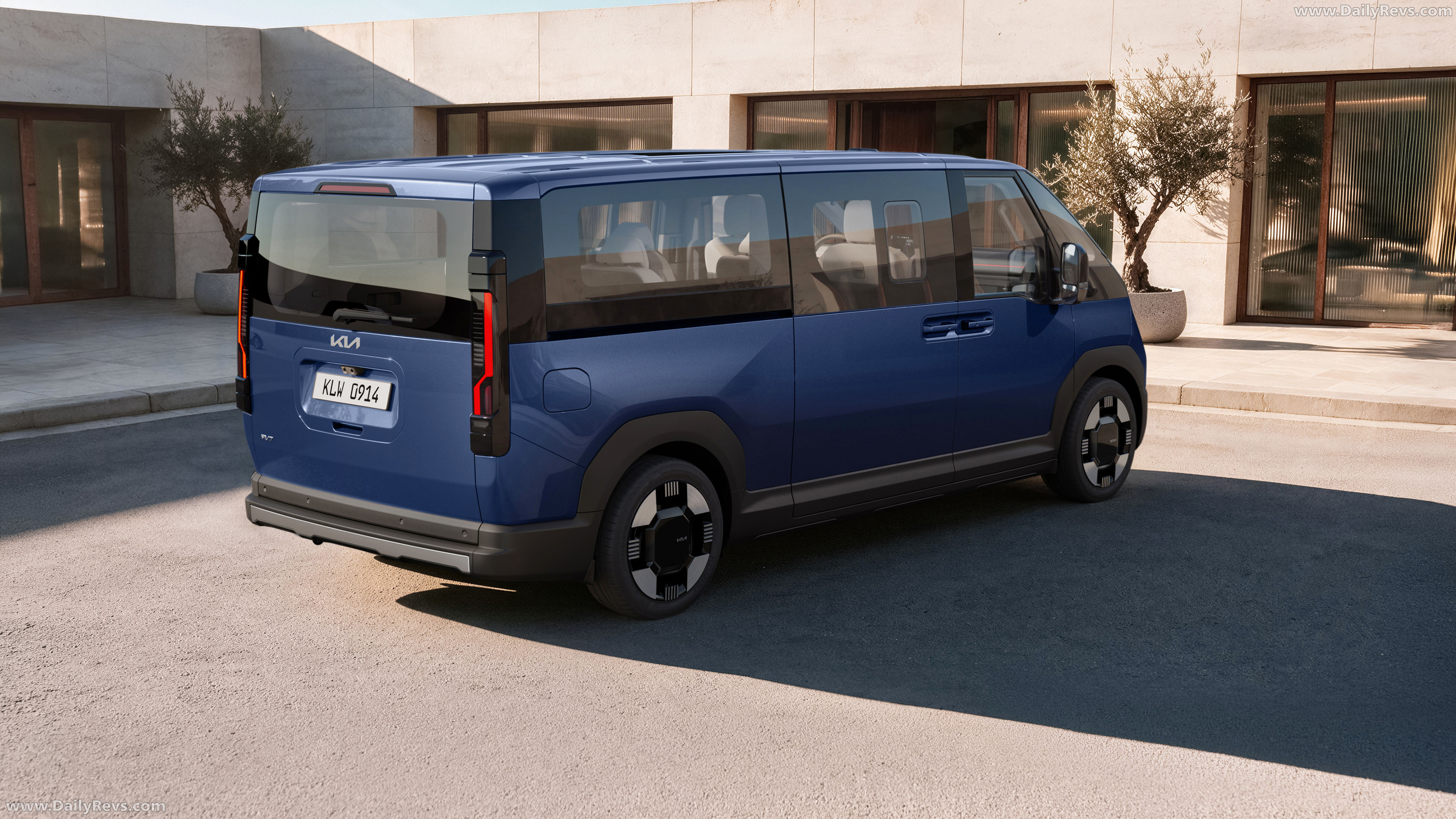
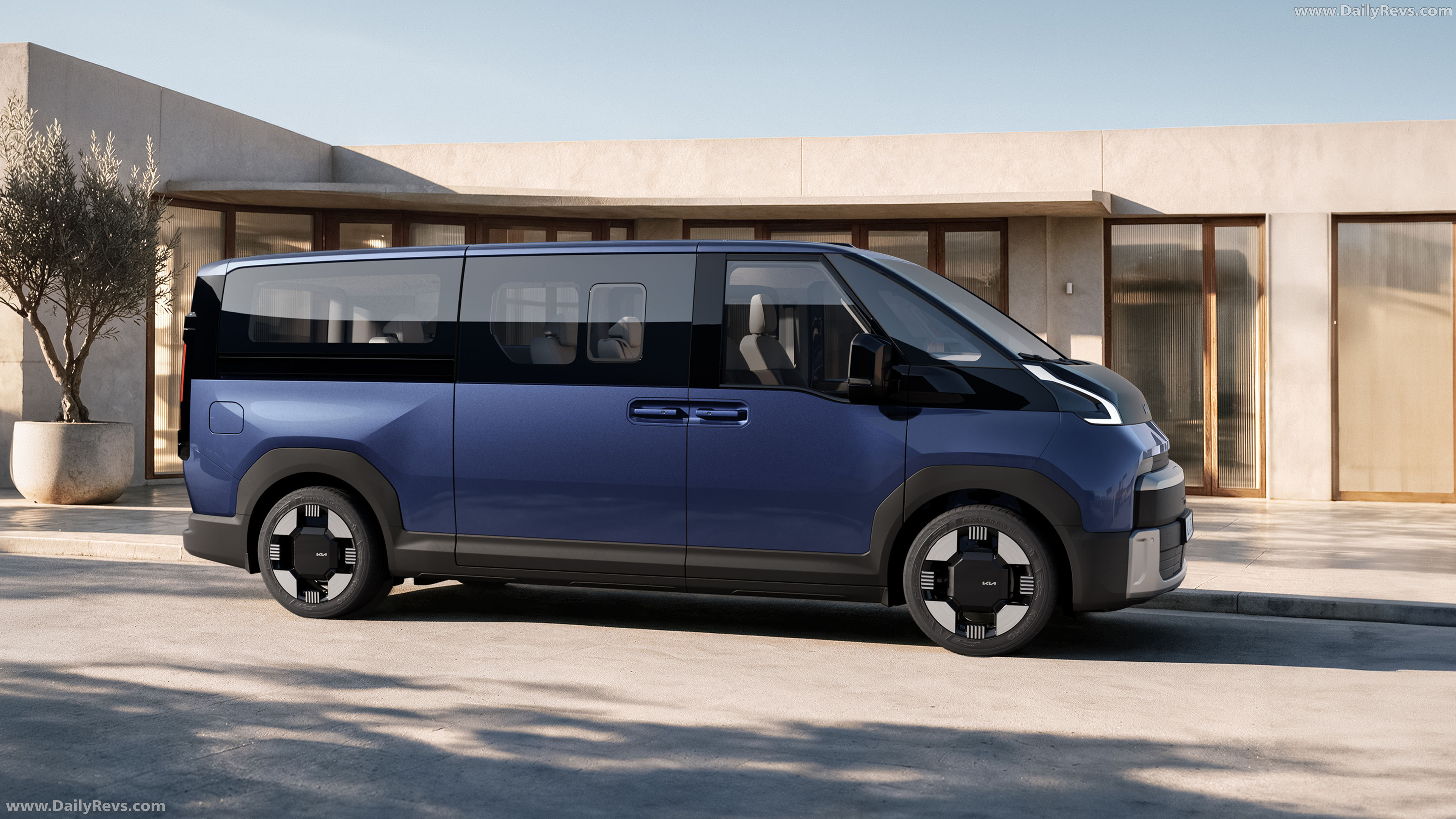
The PV7 has a squared-off, cab-forward silhouette and flat roofline. Its black bonnet visually connects with the A-pillars and daytime running lights, while hidden headlamps sit above a substantial lower bumper and protective skid plate.
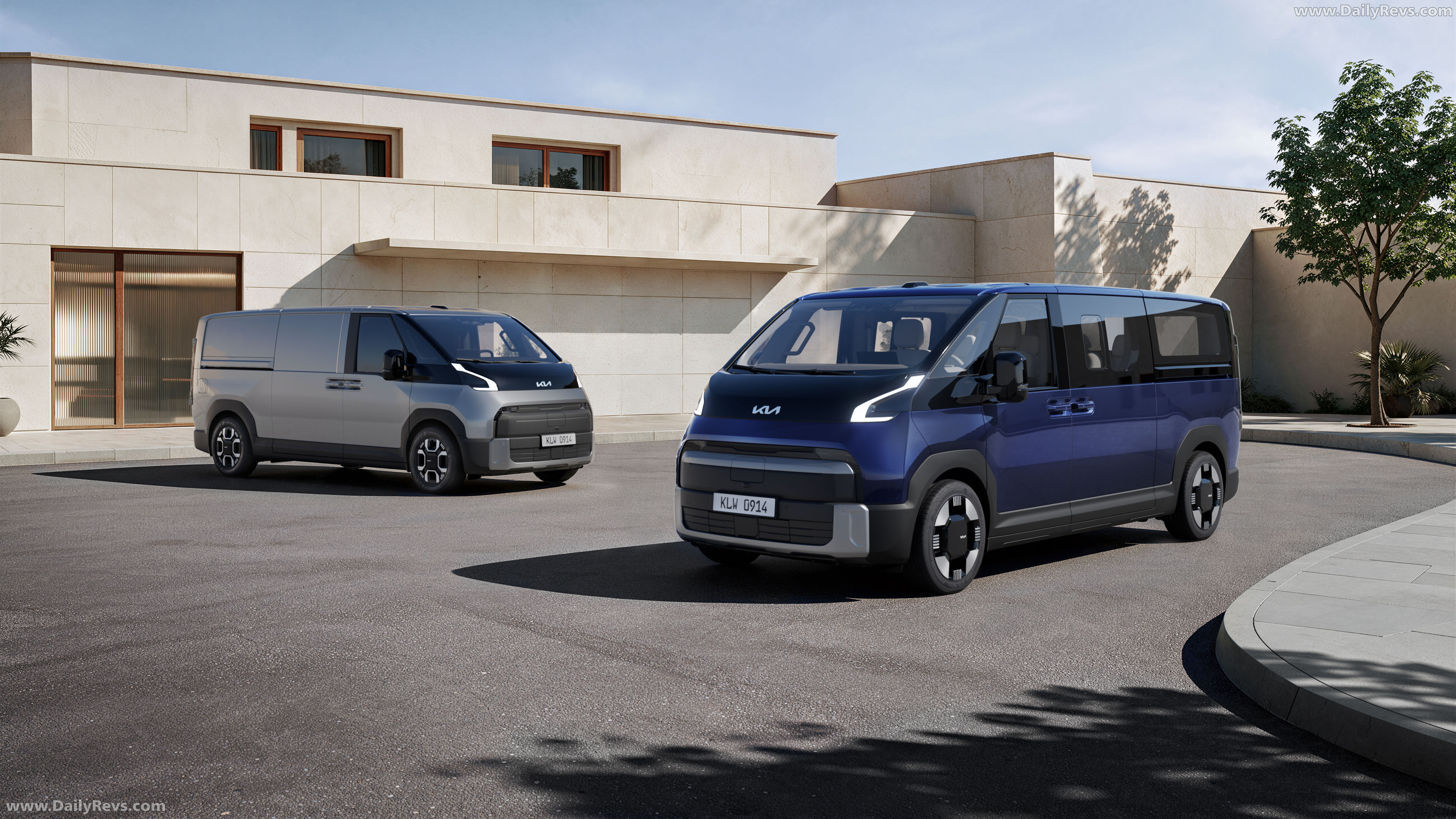
Along the sides, expansive glazing and a lowered front beltline improve visibility. Passenger models use a floating-roof graphic created by black fender and D-pillar trim, while pronounced wheel arches and different glazing treatments distinguish Passenger and Cargo versions.
Long versions measure 5,350 mm in length, 1,995 mm wide and 1,990 mm tall, with a 3,500 mm wheelbase. These figures remain preliminary.
Passenger and Cargo Cabins Take Different Routes
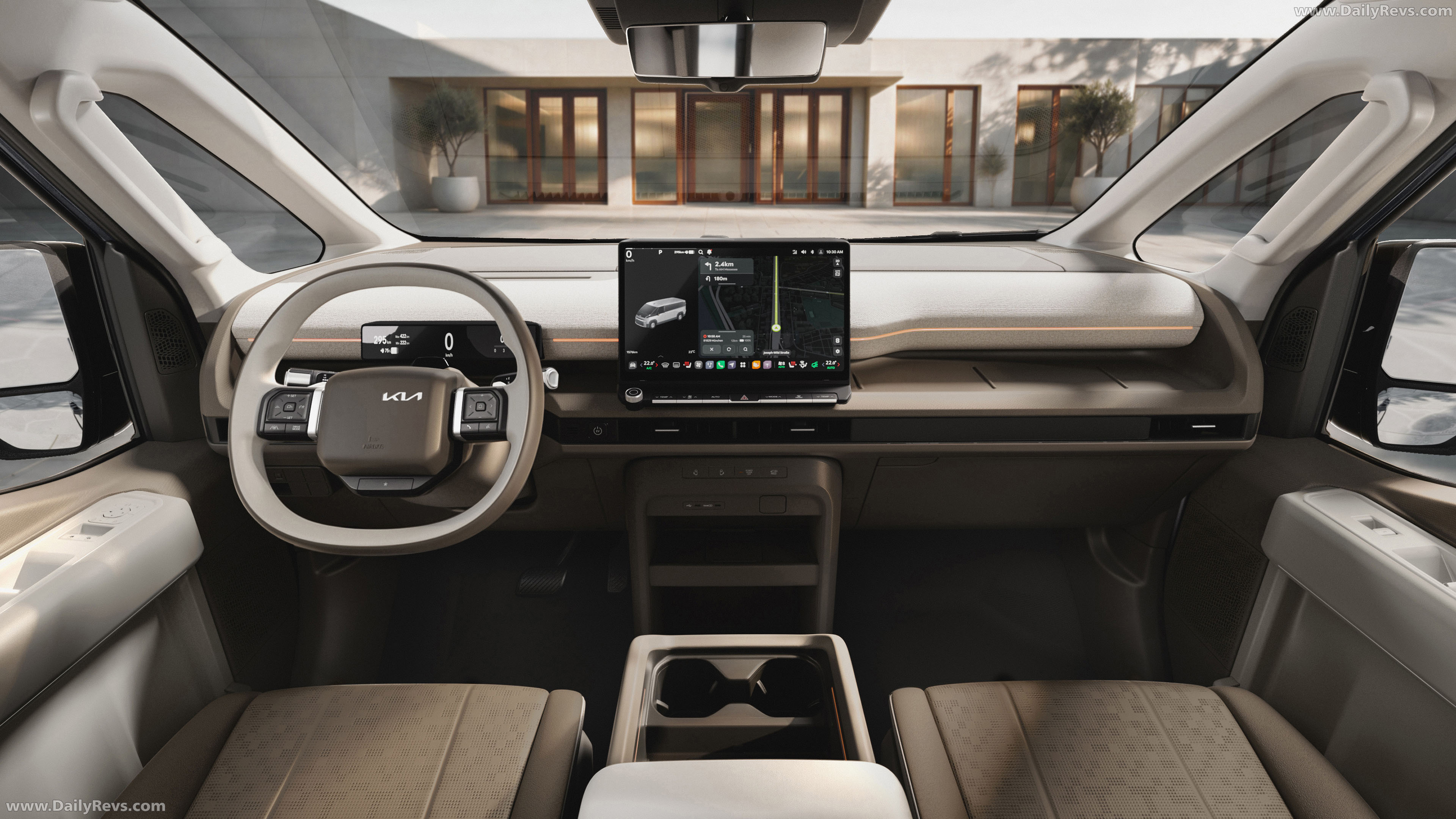
Inside, 12.9-inch and 14.6-inch displays provide access to vehicle functions and Pleos Connect. The Android Automotive OS based system supports connected navigation, apps, over-the-air updates and the Gleo AI voice assistant. Physical controls remain for frequently used functions.
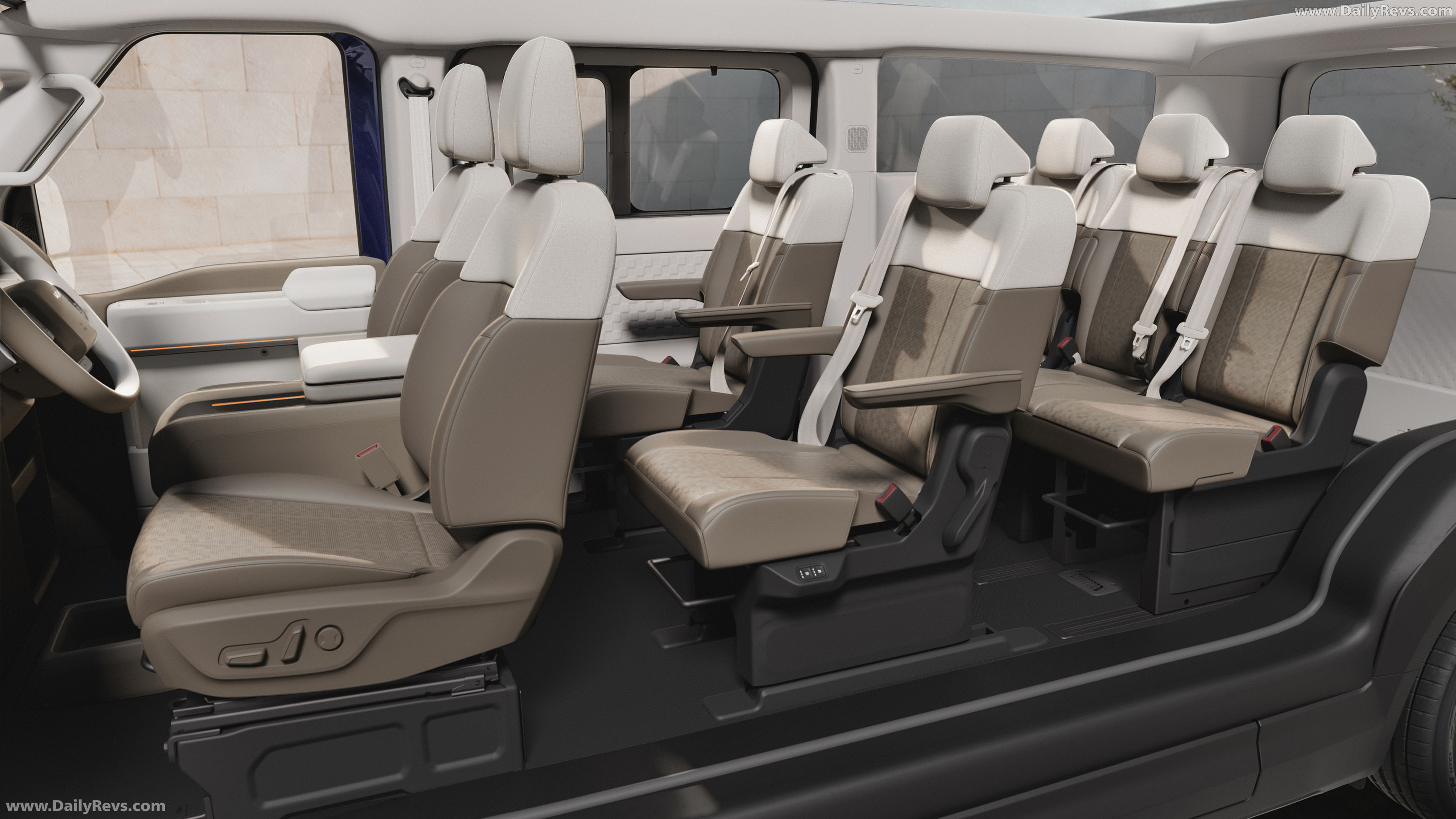
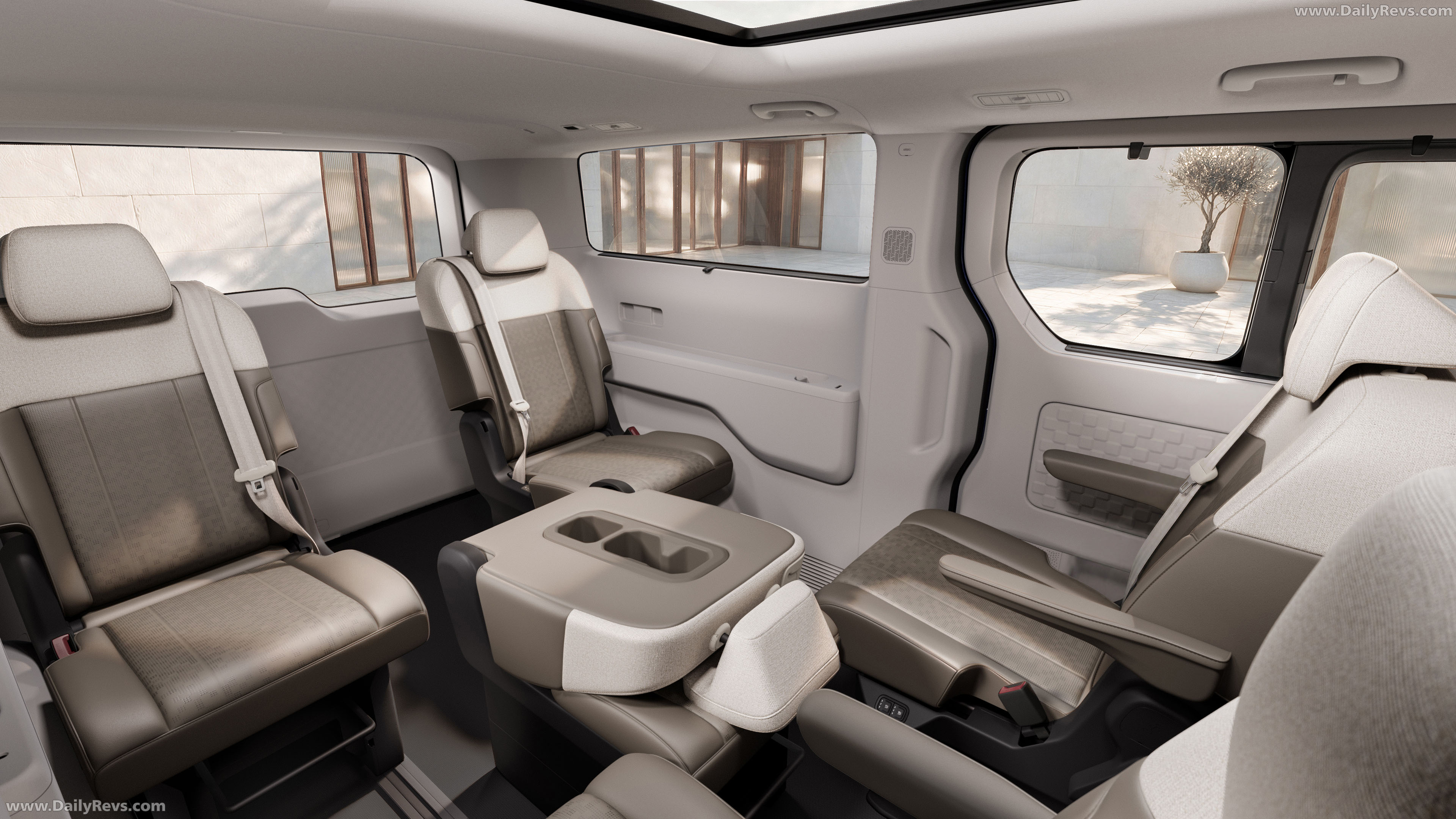
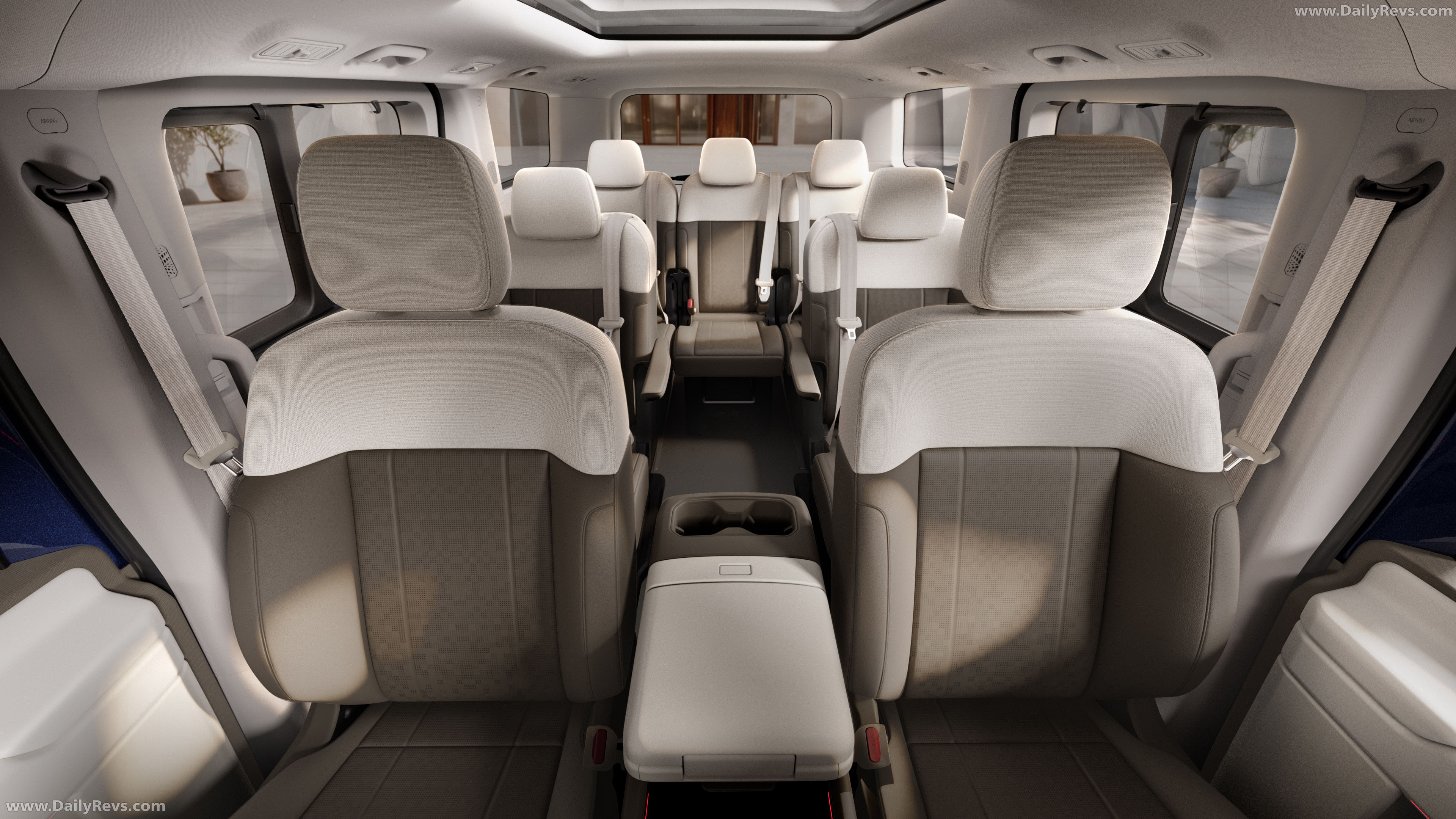
Cargo models use a Mobile Workspace layout with open storage and, on three-seat versions, a folding centre seatback that becomes a tray. Passenger versions add two-tone finishes, enclosed storage, available ambient lighting and an optional console that doubles as a table.
800V System Cuts Charging Downtime
Battery choices are 71.5 and 96.2 kWh NCM units. Depending on configuration and market, the front-mounted electric drivetrain develops up to 200 kW and 420 Nm. Front-wheel drive is standard, with AWD planned later.
The Long Range Cargo targets more than 460 km of WLTP range, subject to homologation. Its 800V system can charge from 10 to 80 percent in the mid-20-minute range on a 350 kW DC charger. Dual charging ports are another unusual feature, with a front AC/DC connection and an optional rear-side AC port.
PV7 Targets Work and Passenger Transport
Cargo Long offers up to 6.1 m³ of load space, rising to 8.0 m³ in the High Roof. Payload reaches 1,200 kg on the Compact version. Passenger models seat up to nine globally and 11 in Korea.
Kia plans 23 PV7 variants after launch, including different Cargo and Passenger bodies, a Chassis Cab and conversion models. That breadth places the PV7 directly into the electric commercial and shuttle market rather than treating it as a conventional passenger EV.