2027 Hyundai i20
By Lorenzo Bianchi June 16, 2026
Positioned between traditional hatchbacks and compact SUVs.
New Art of Steel design introduces Hyundai's H-Architecture lighting signature.
Available with naturally aspirated and turbocharged 1.0-litre engines.
The compact car market has changed a lot over the last decade. Many buyers who once drove hatchbacks now find themselves looking at small SUVs instead. Hyundai believes there is room between those two worlds, and that's where the 2027 Hyundai i20 enters the conversation.
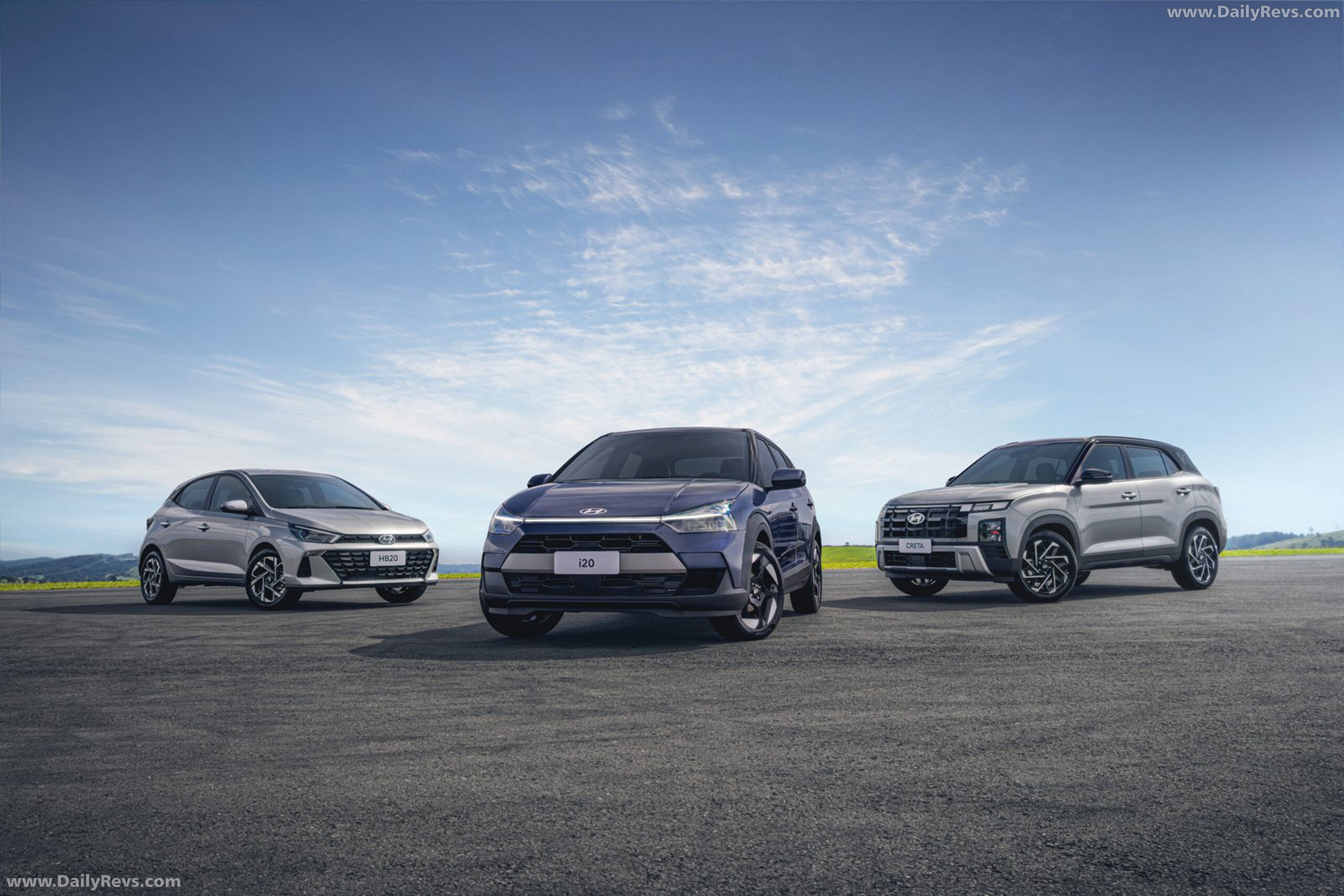
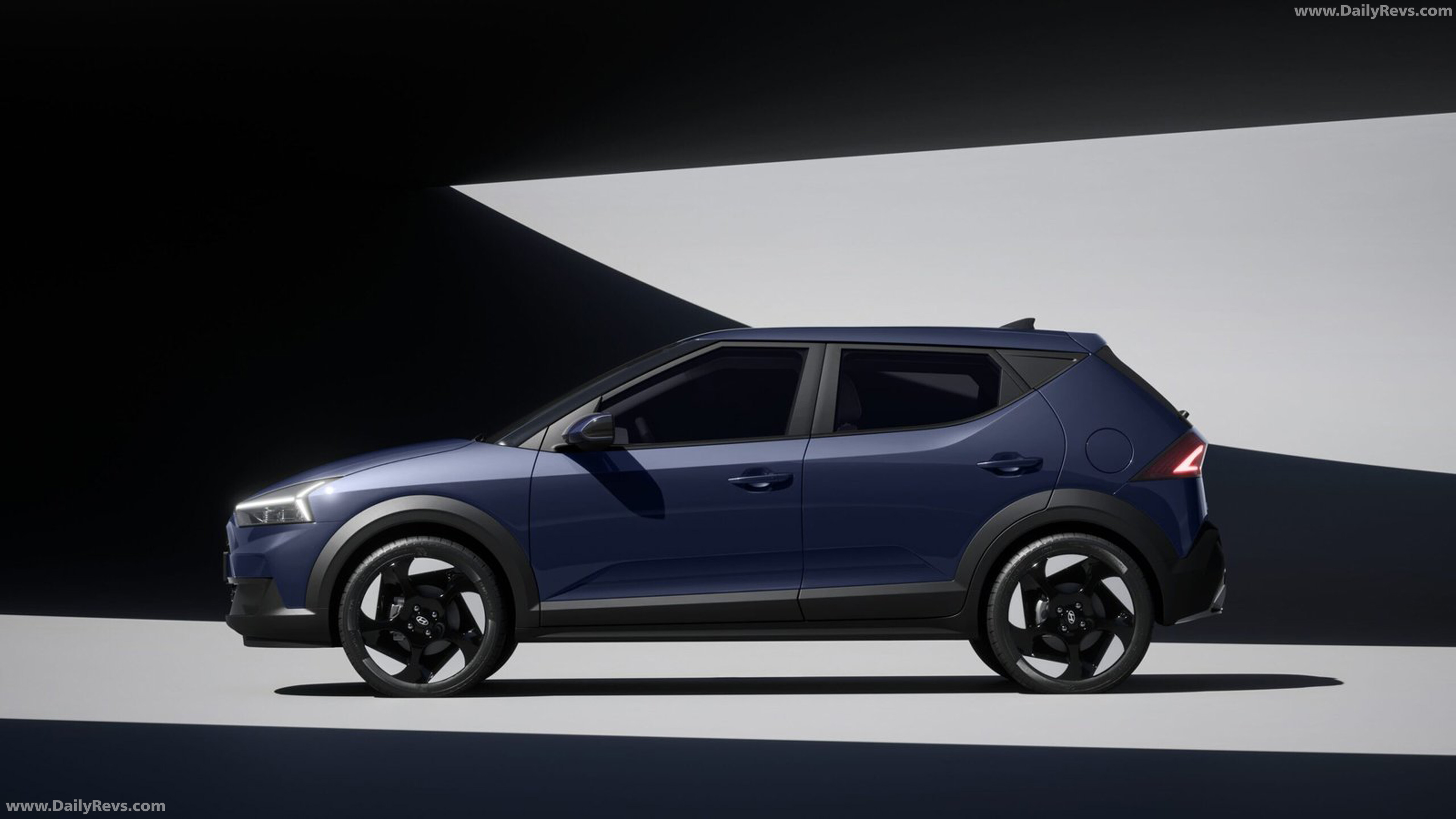
Built exclusively for Brazil, the new i20 slots between the HB20 and Creta in Hyundai's local lineup. It's larger than a conventional hatchback, but it stops short of becoming a full SUV. Looking at the dimensions and design, it feels like Hyundai deliberately set out to blur the line between the two segments.
A New Design Direction For Hyundai
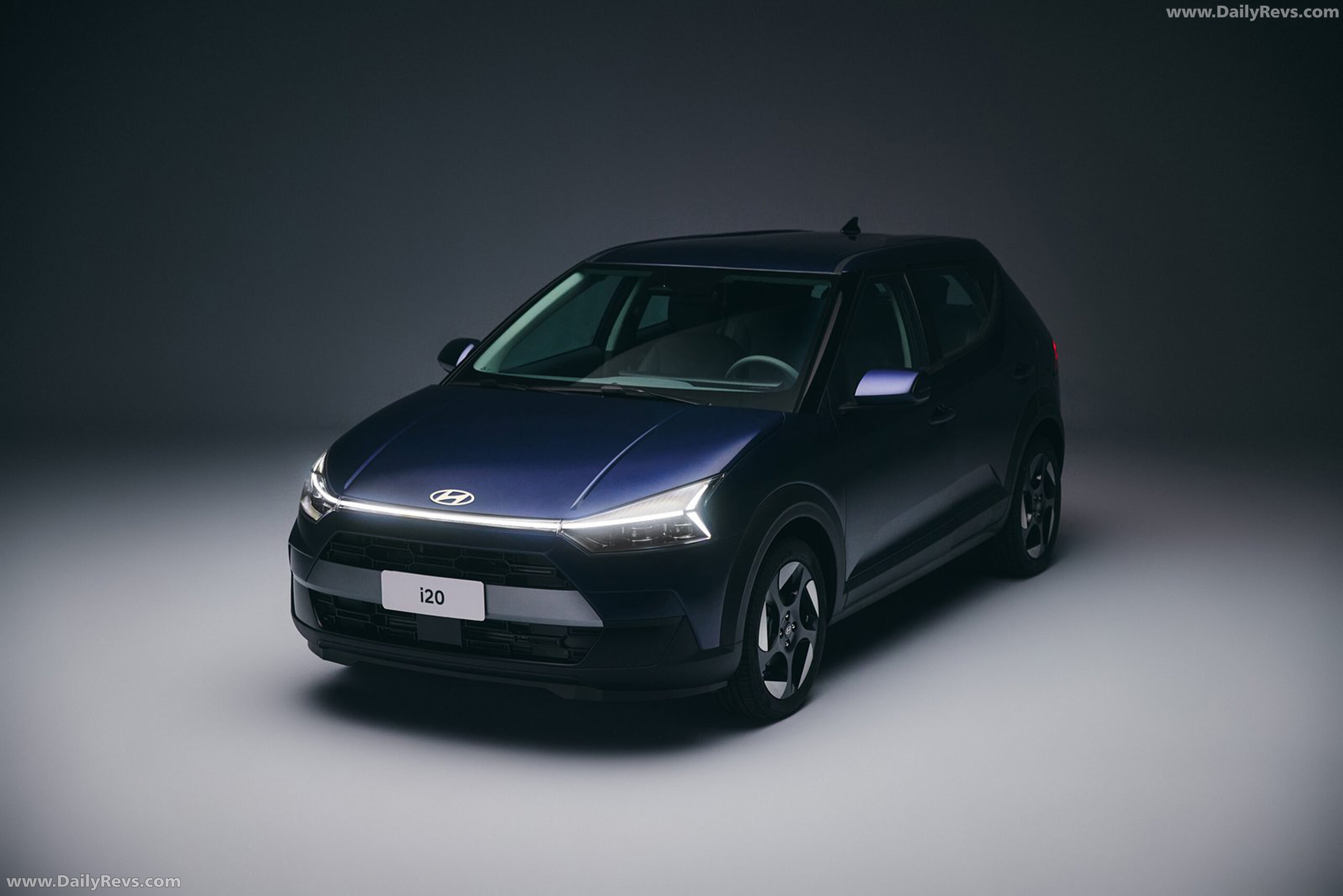
The first thing that stands out is the styling. Hyundai calls it "Art of Steel," a design theme inspired by the sharp, clean lines associated with metalwork.
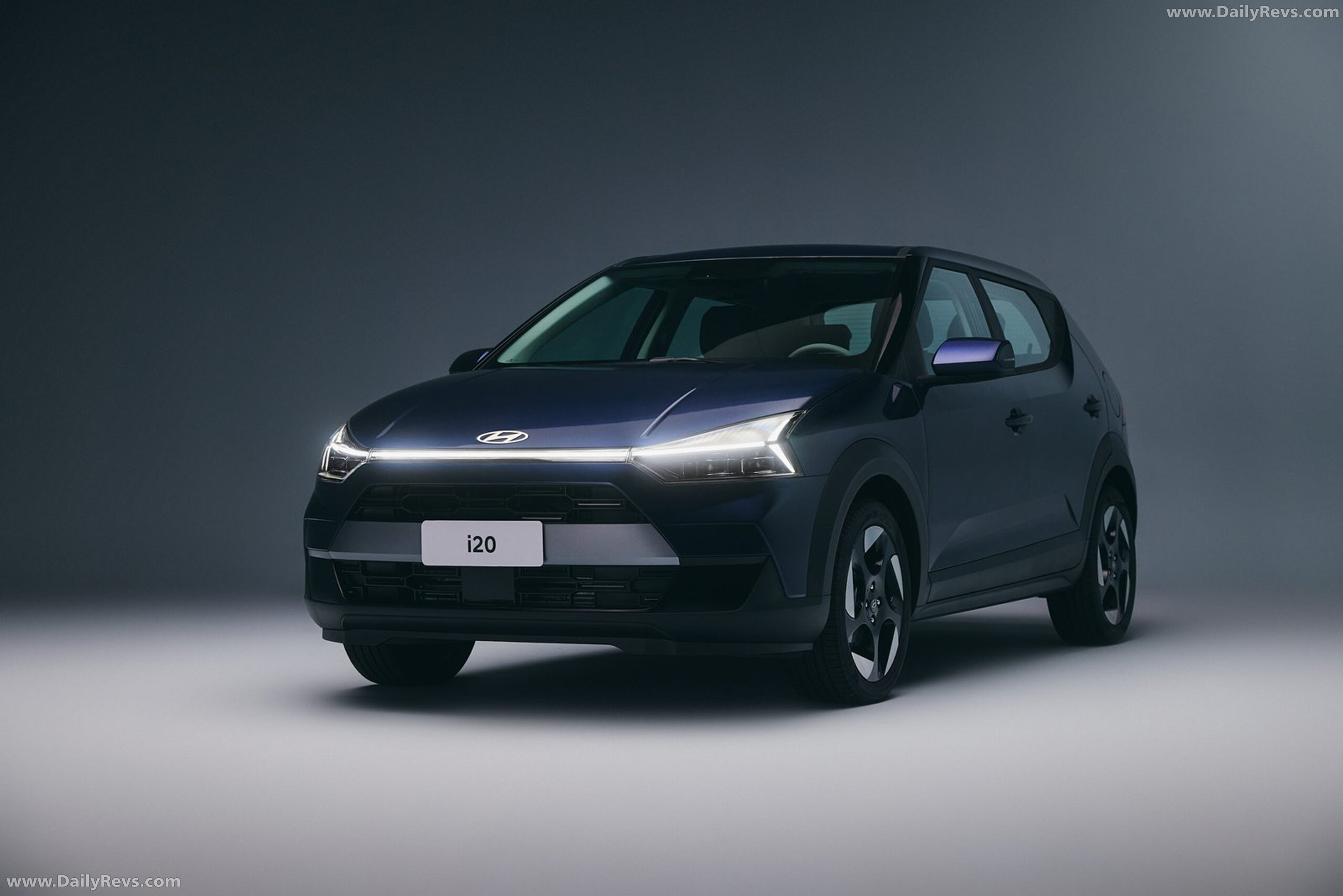
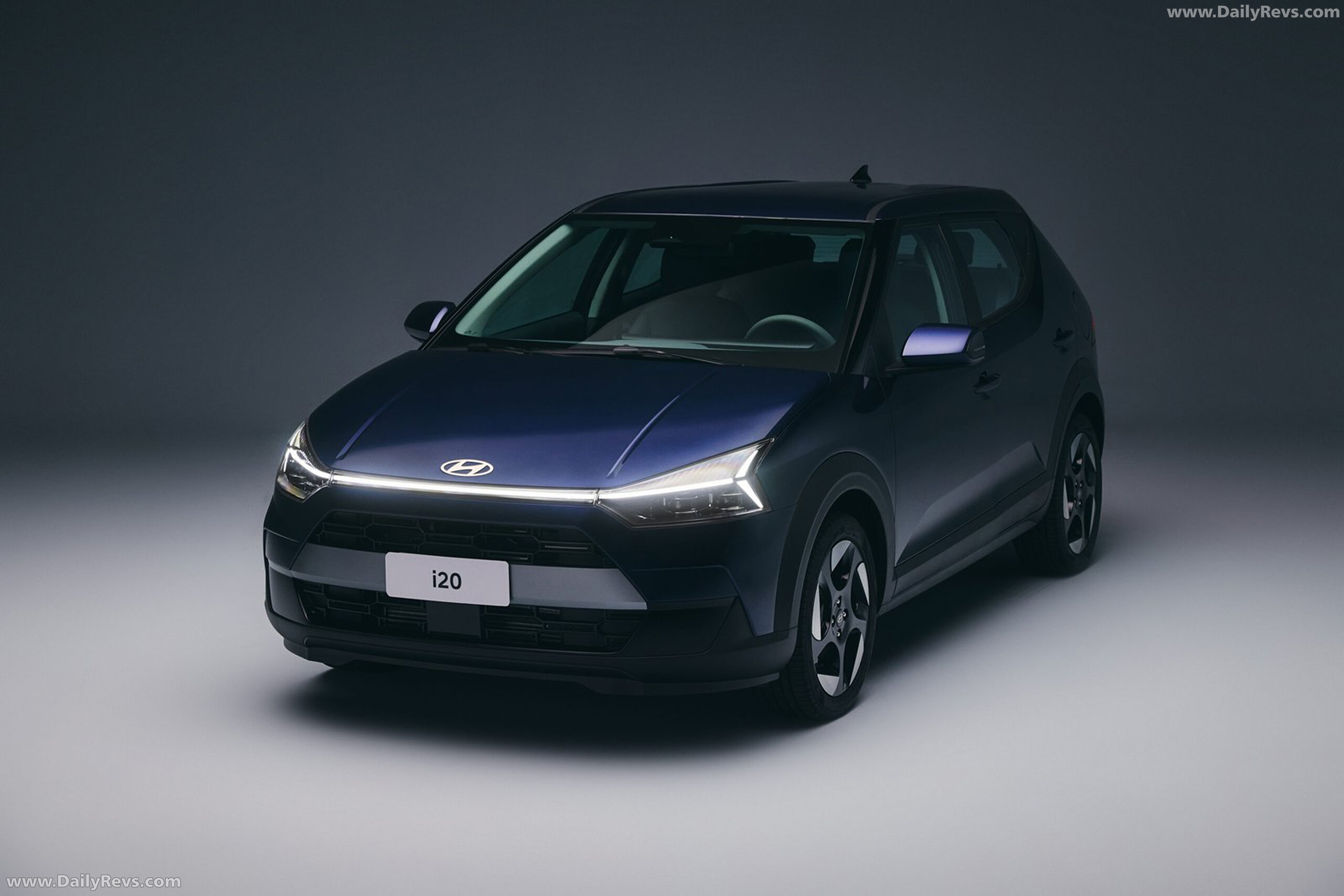
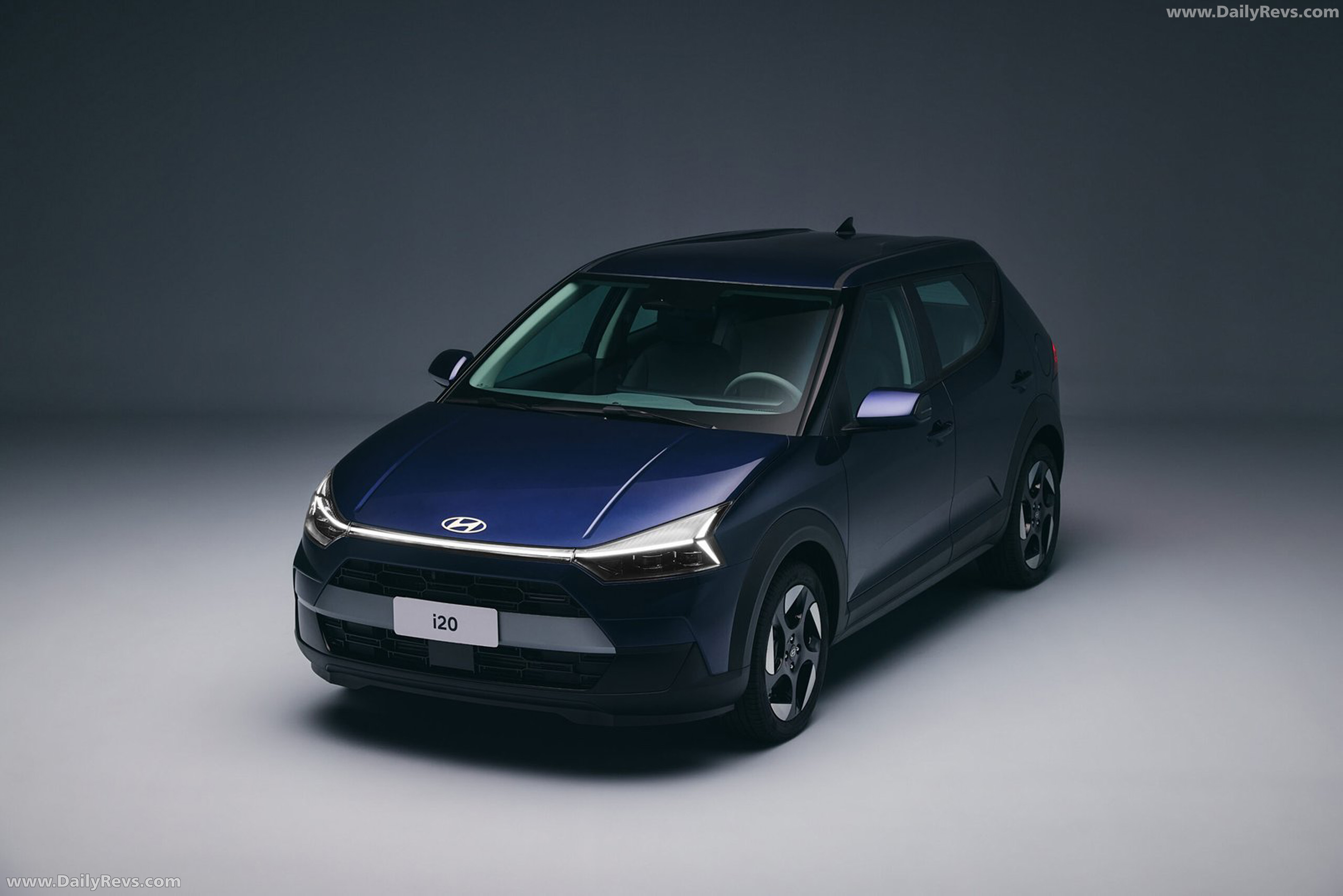
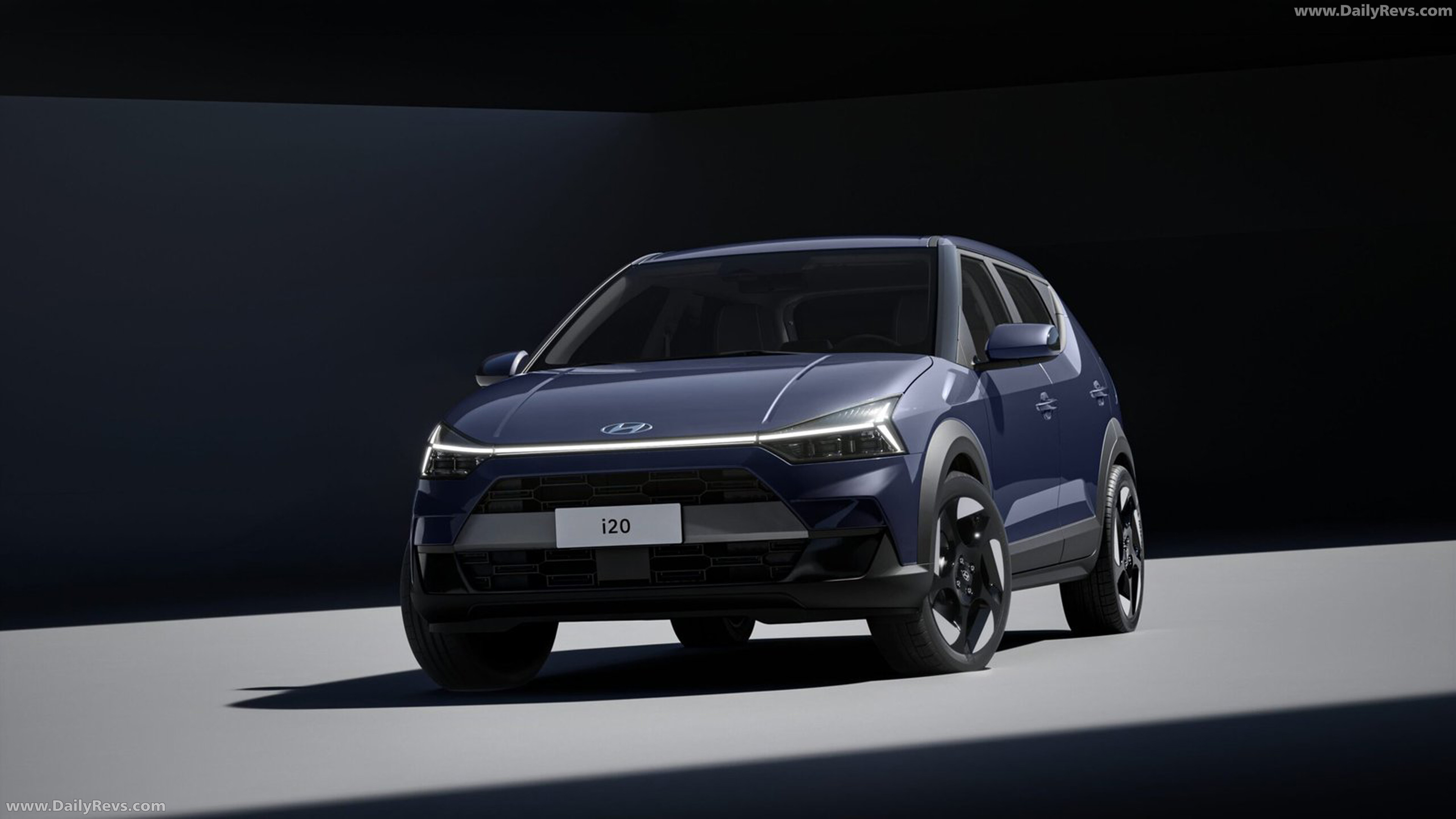
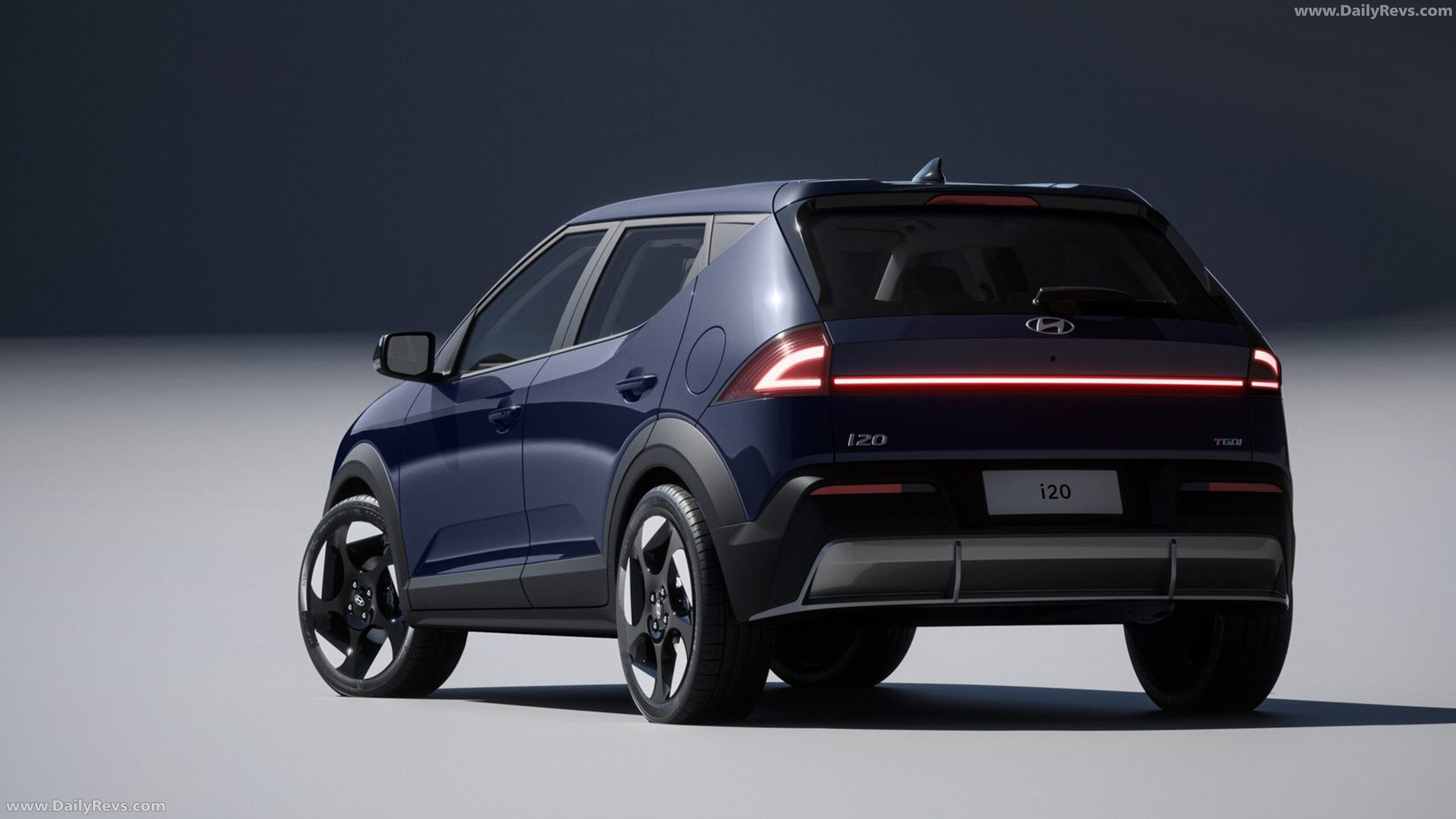
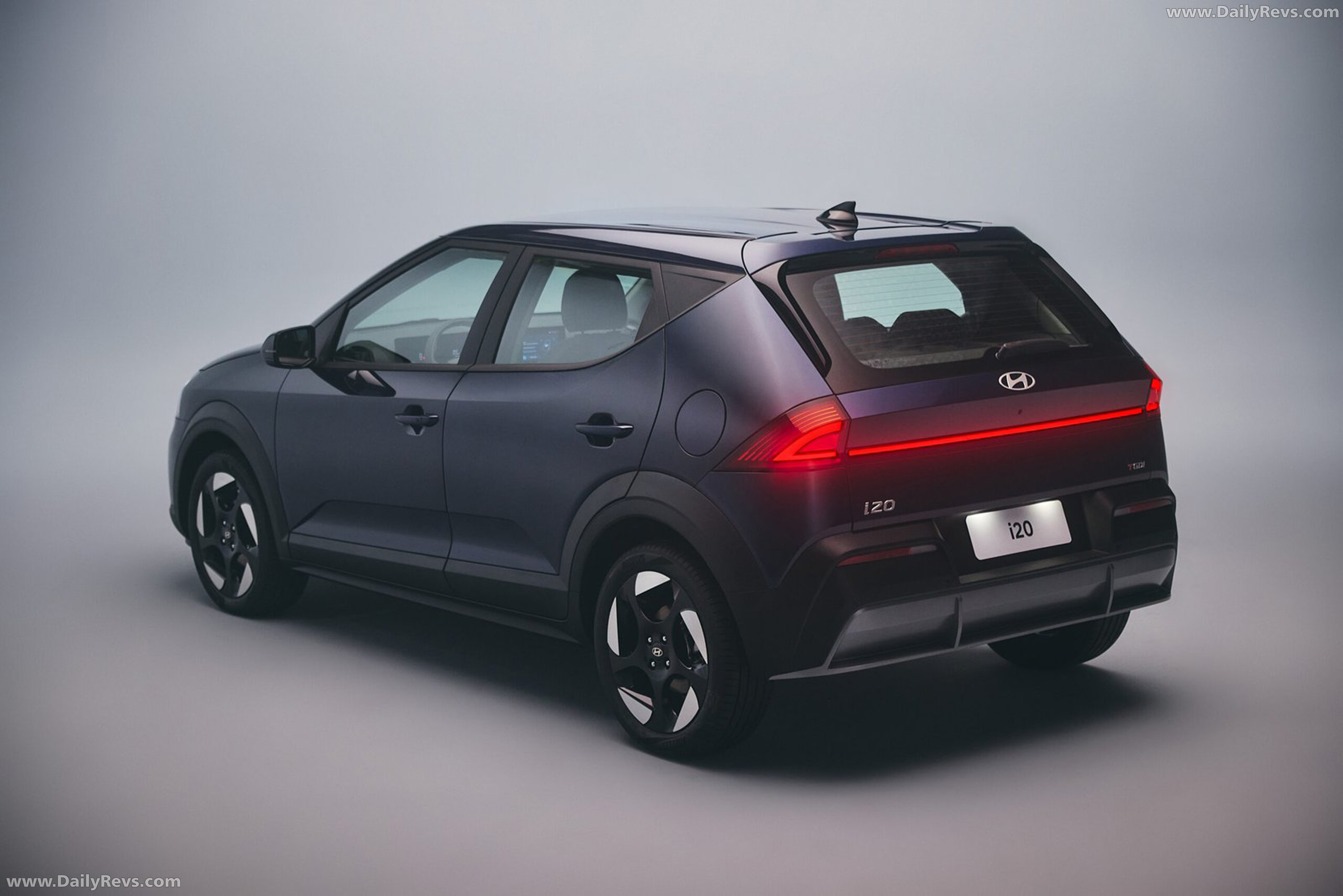
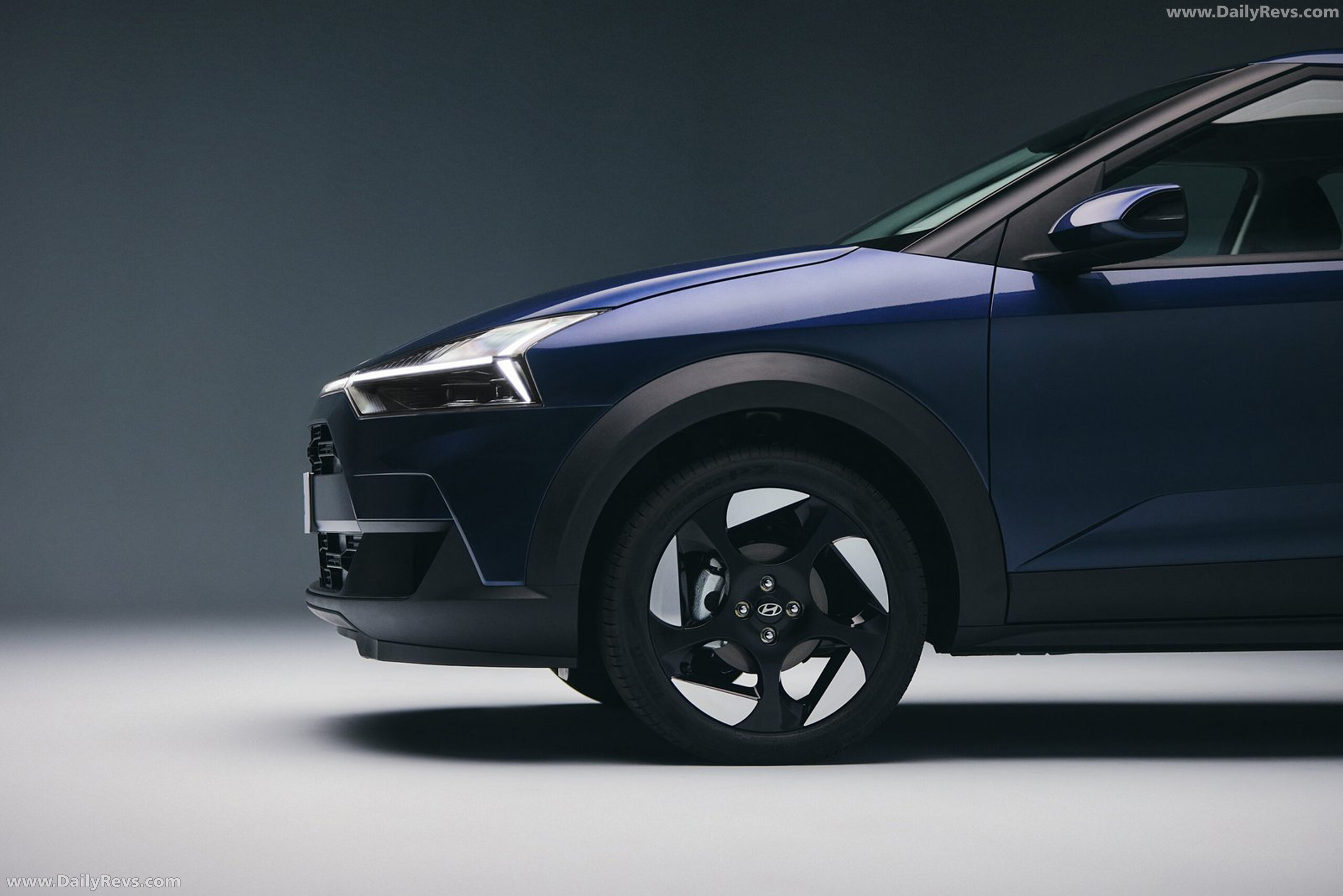
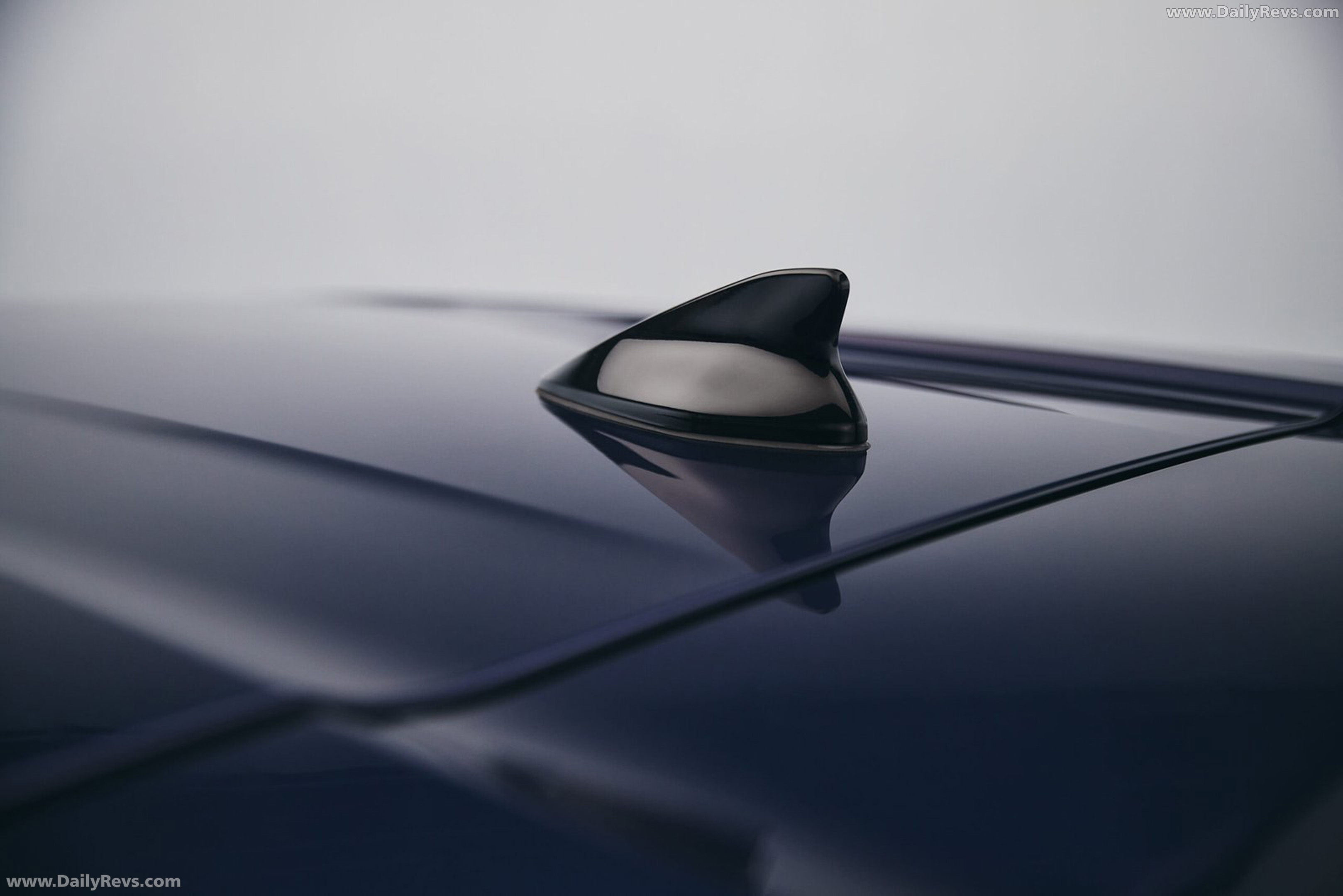
From some angles, the i20 looks more substantial than its hatchback classification suggests. The wheel arches are pronounced, the shoulder line rises sharply toward the rear, and the elevated C-pillar gives the profile a slightly crossover-like appearance.
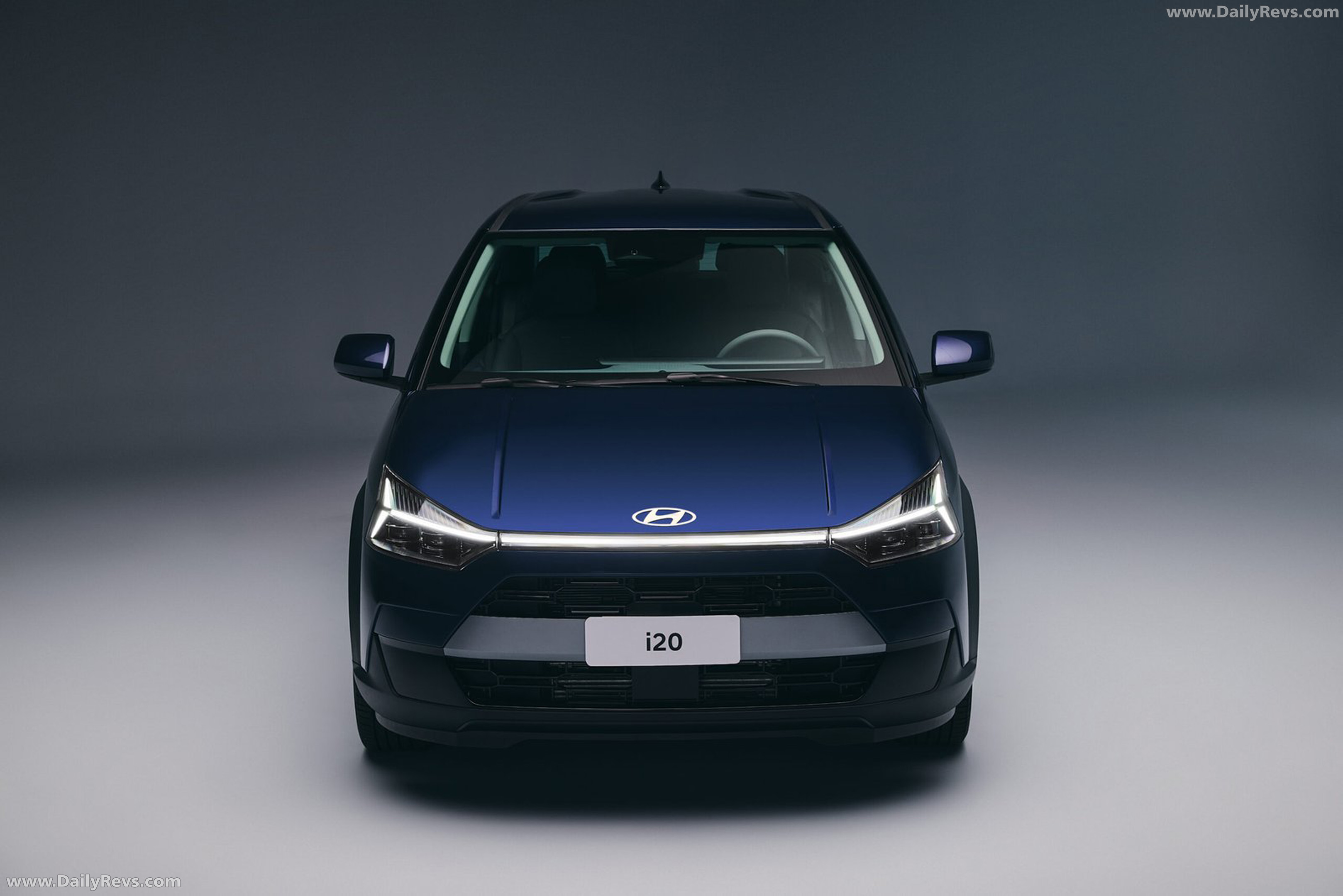
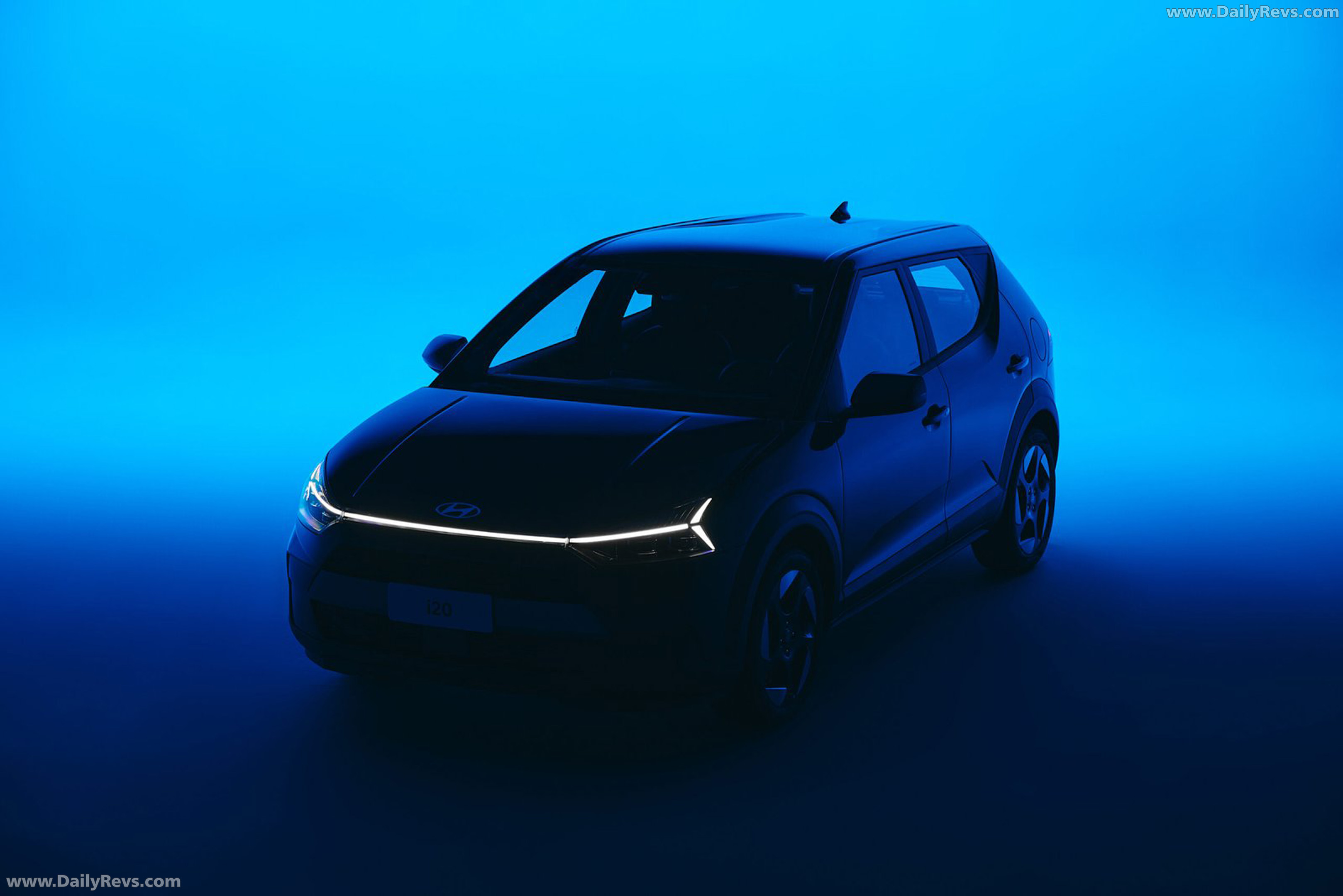
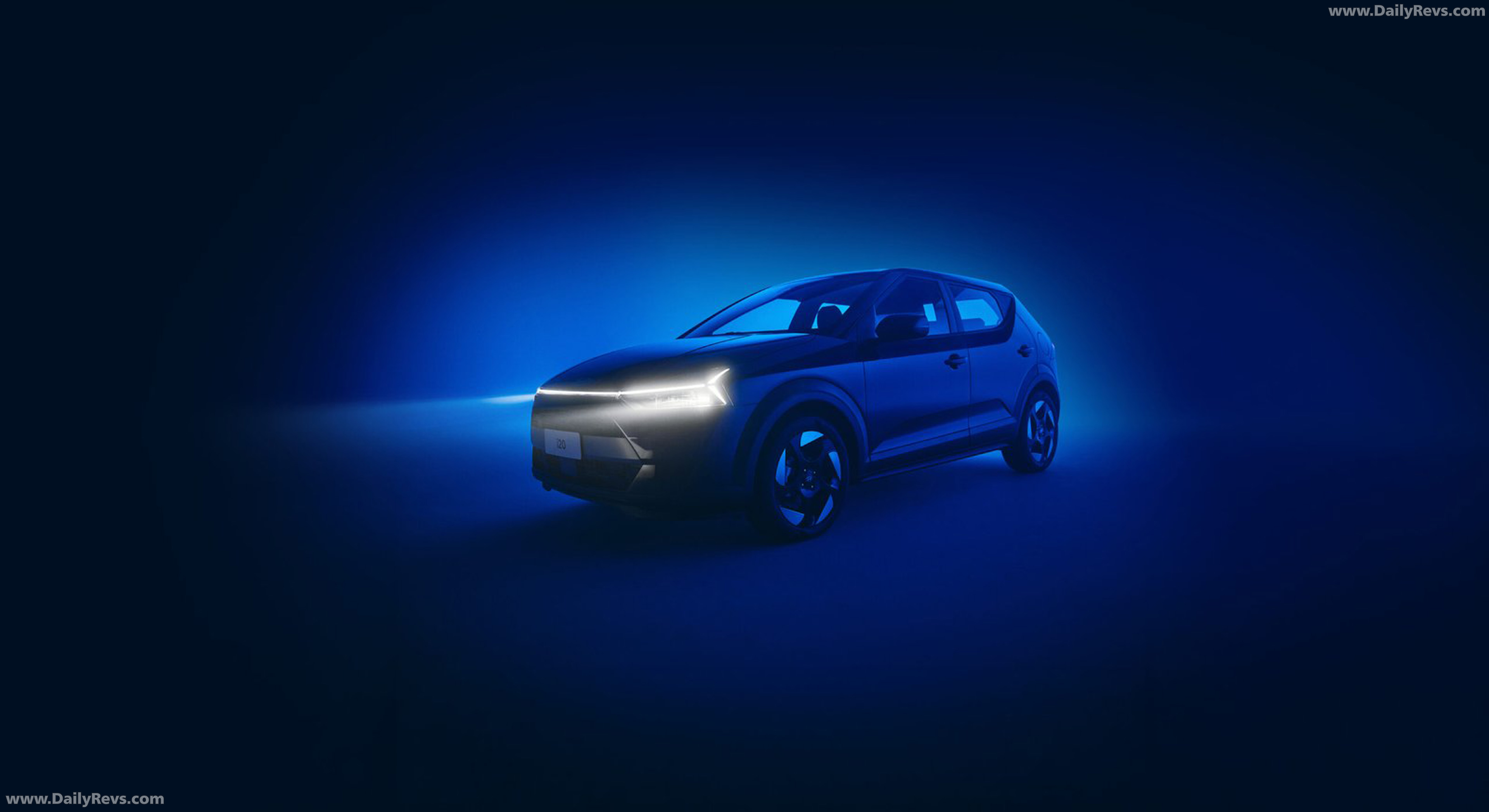
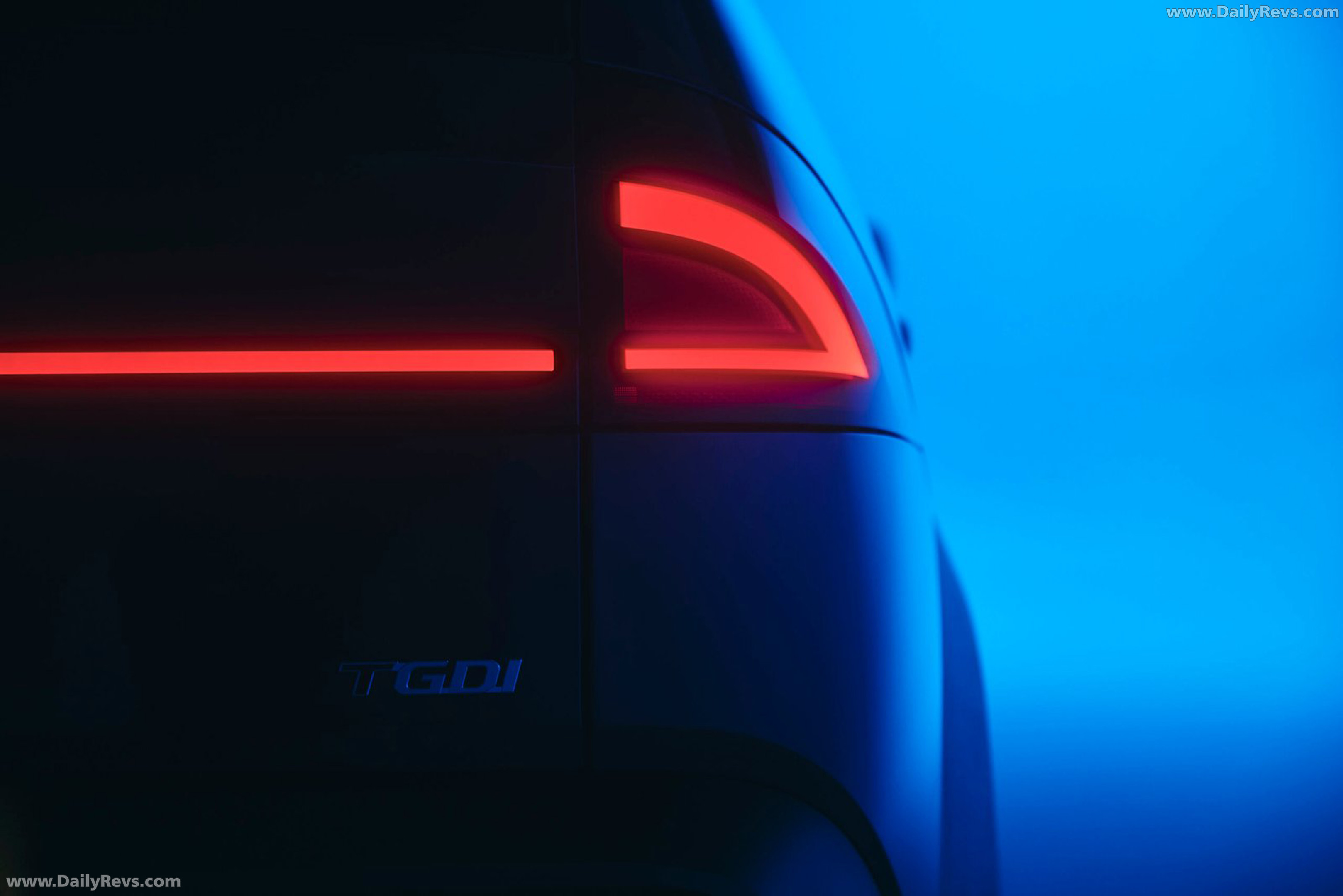
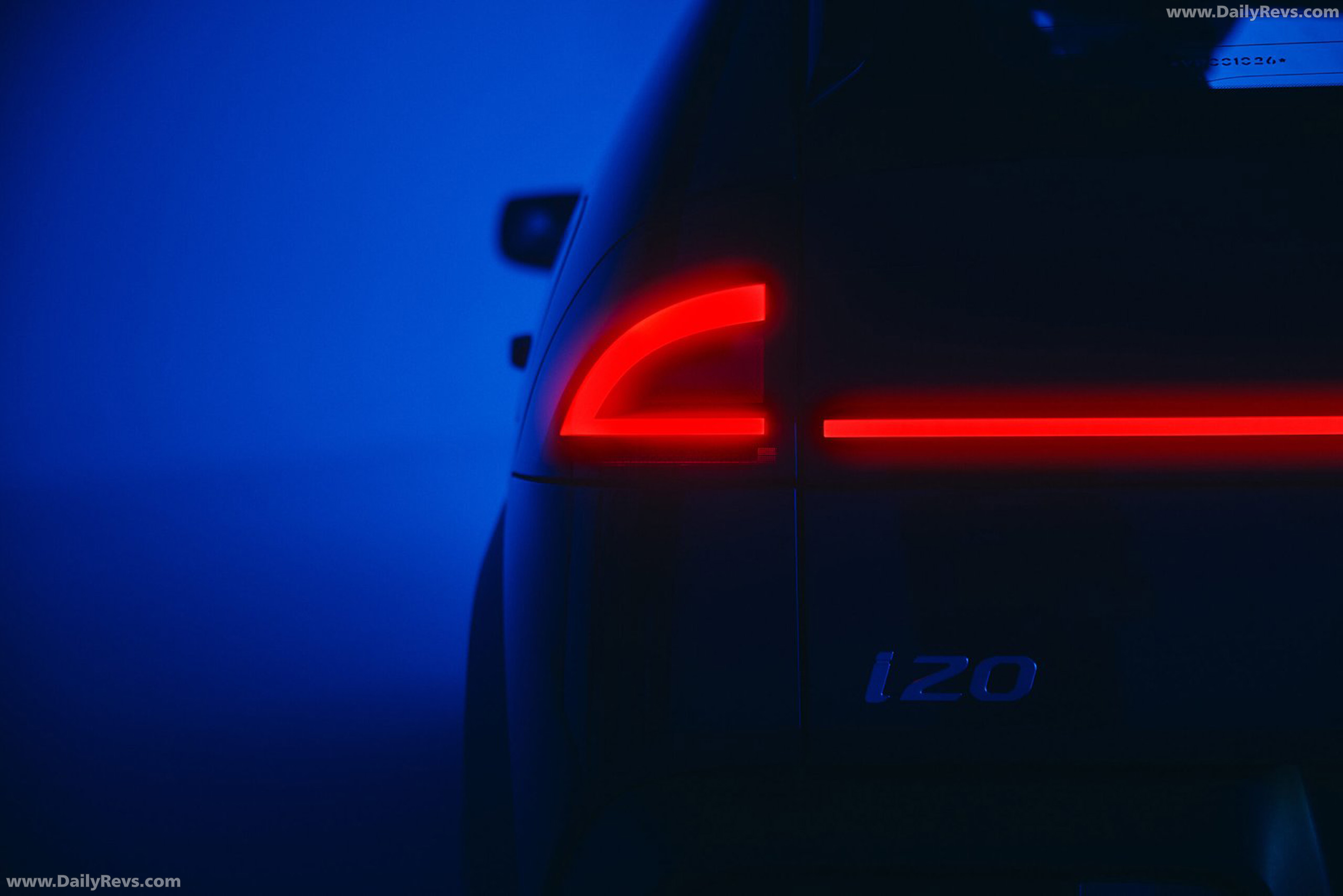
At the front and rear, Hyundai introduces its new H-Architecture lighting signature. A continuous LED light bar available on higher trims stretches across the vehicle and visually reinterprets the Hyundai logo through lighting elements rather than traditional badging. Combined with the gloss-black grille and 17-inch wheel designs, the i20 projects a more mature look than many vehicles in its price range.
Cabin Space Is A Major Selling Point
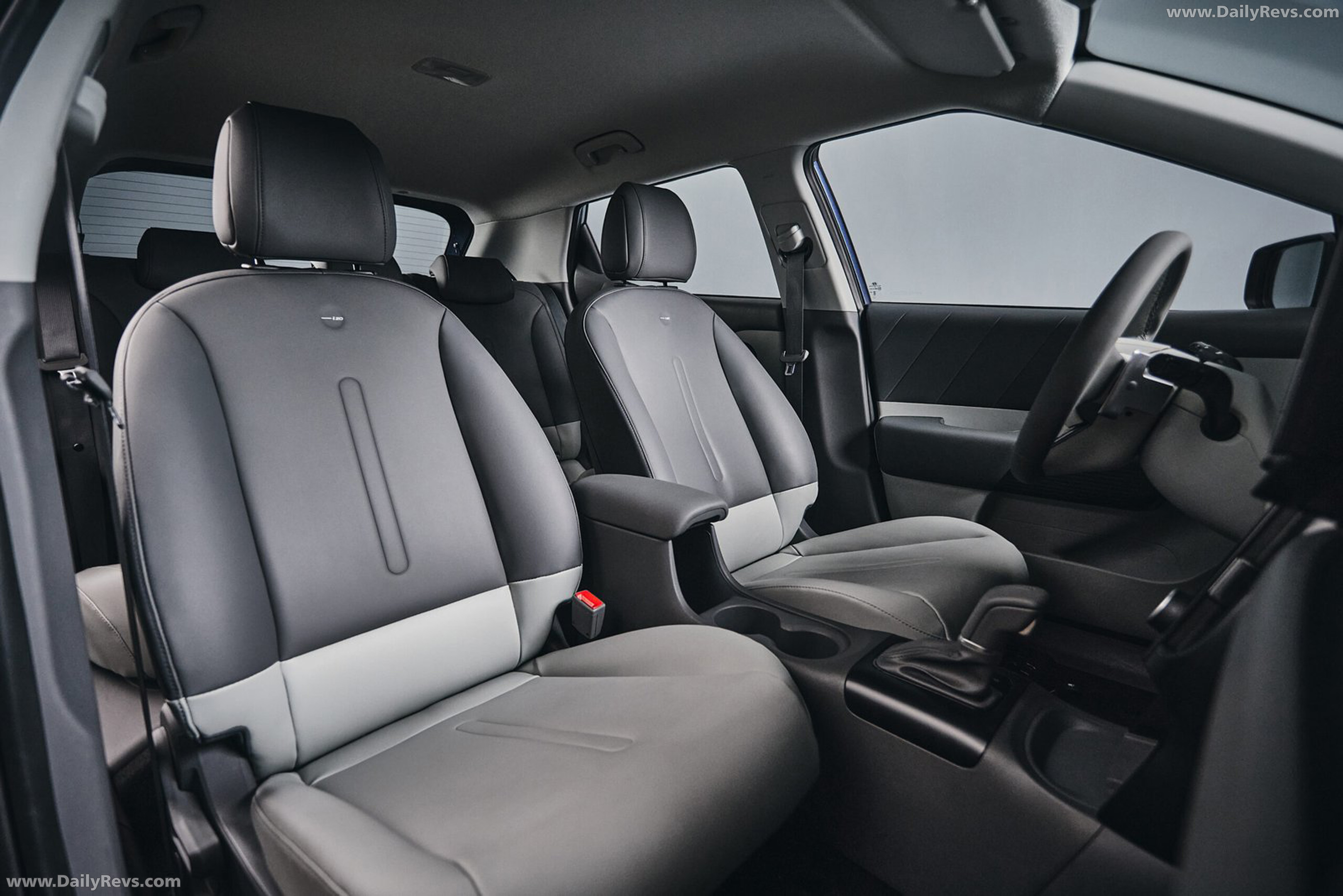
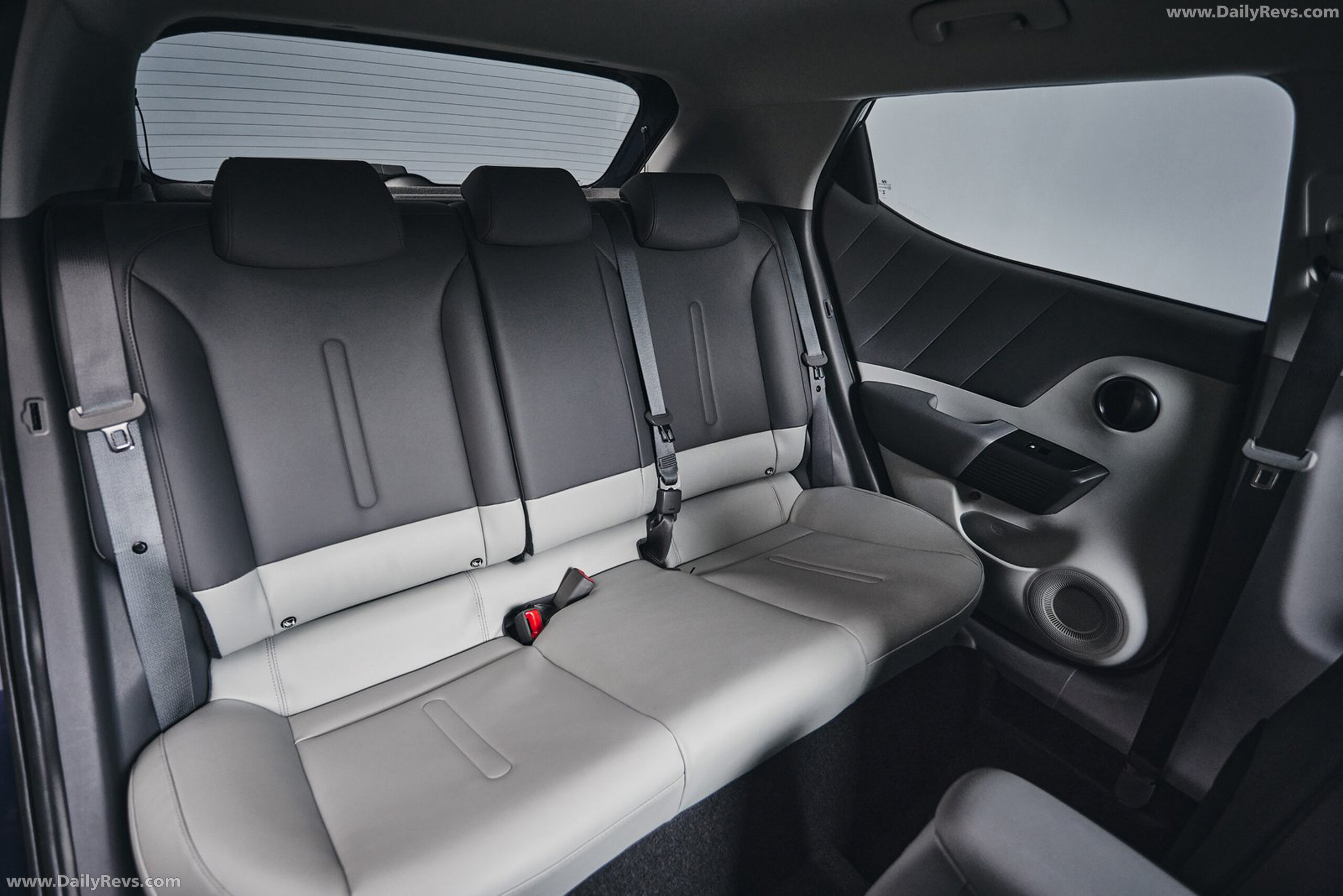
Open the door and it becomes clear where Hyundai invested much of its effort.
Rear-seat space is unusually generous for a vehicle of this size. Hyundai claims class-leading figures for legroom, shoulder room, and headroom among competitors in its price range. The luggage compartment is equally noteworthy, offering 346 litres of cargo space and expanding to 1,152 litres with the rear seats folded.
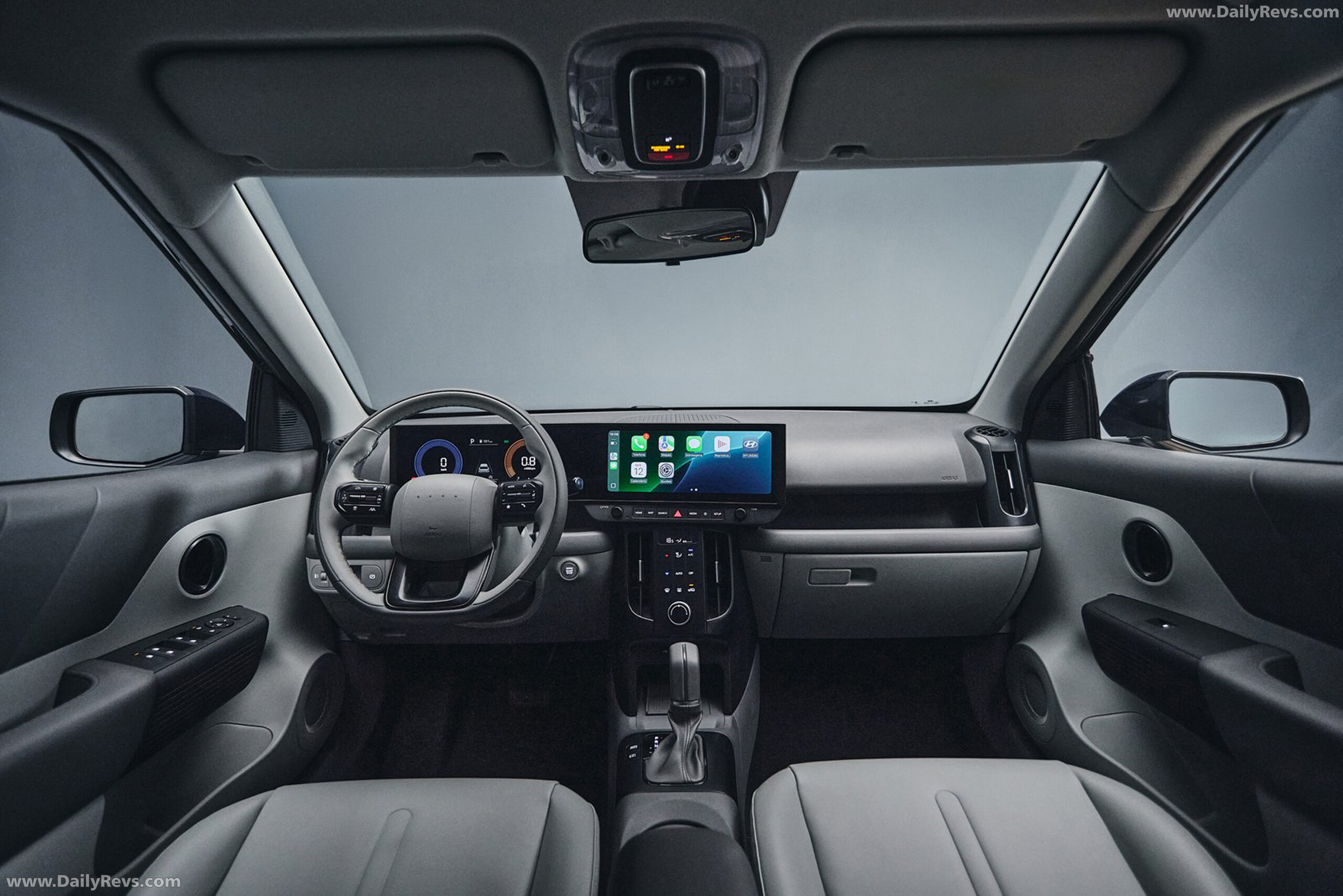
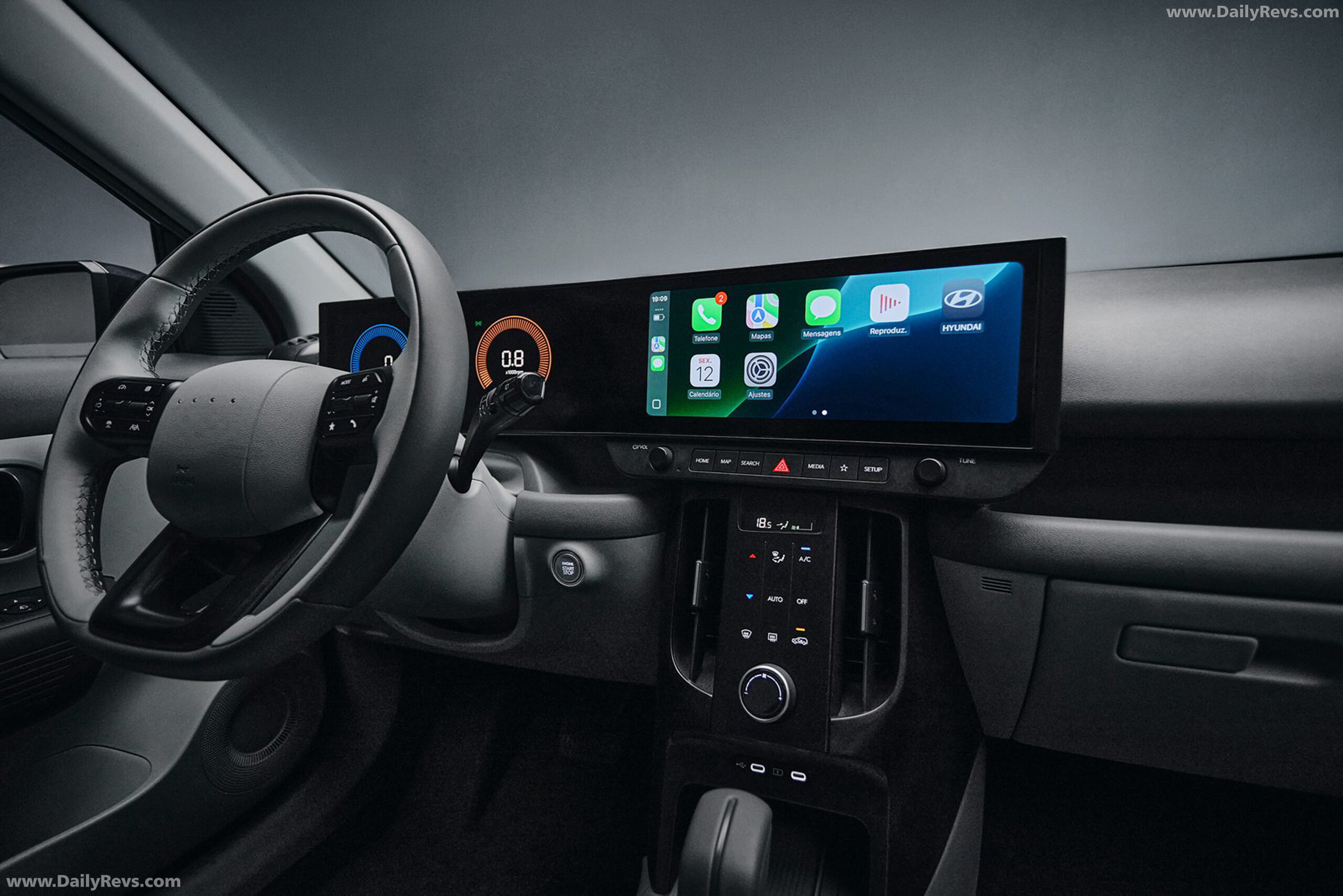
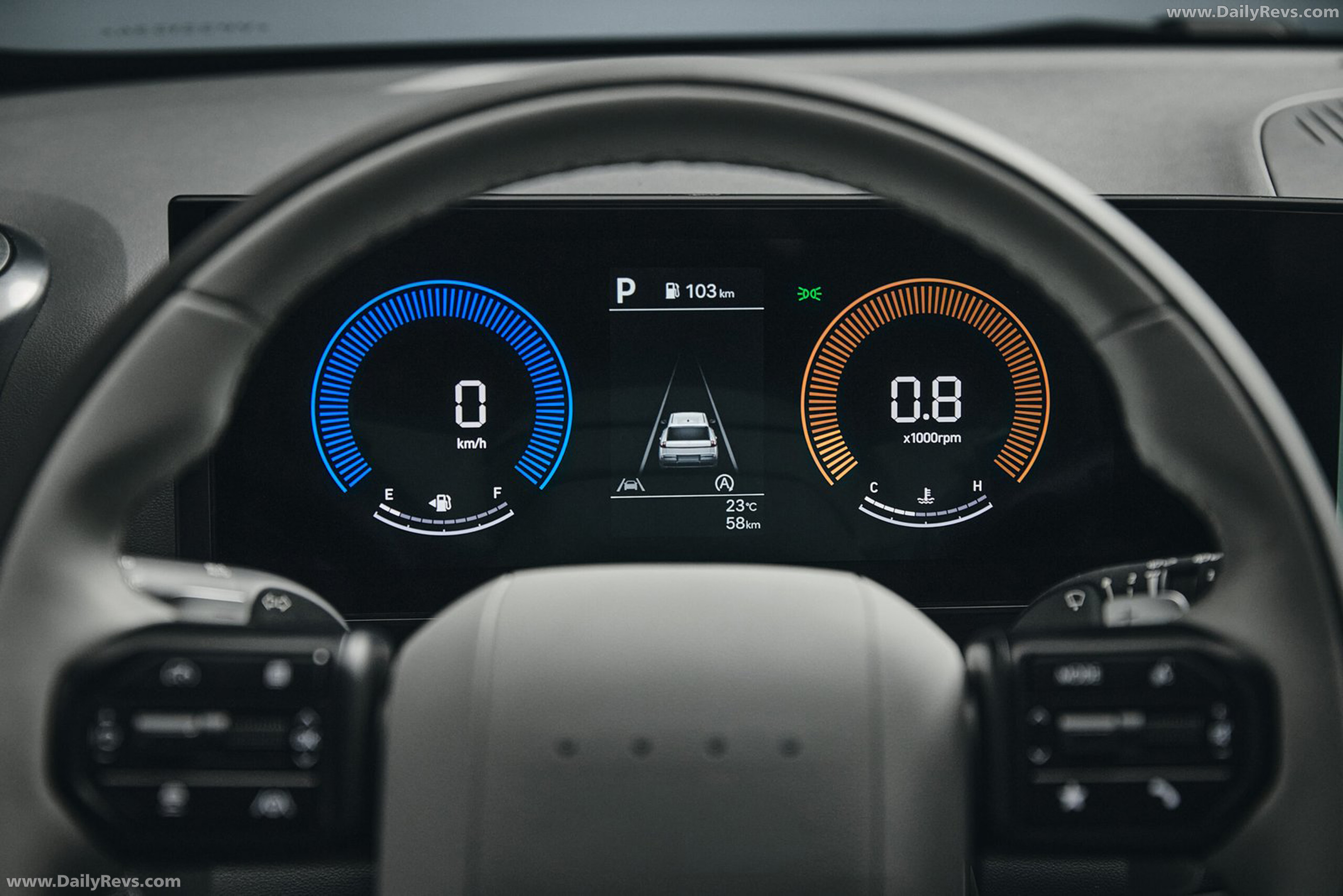
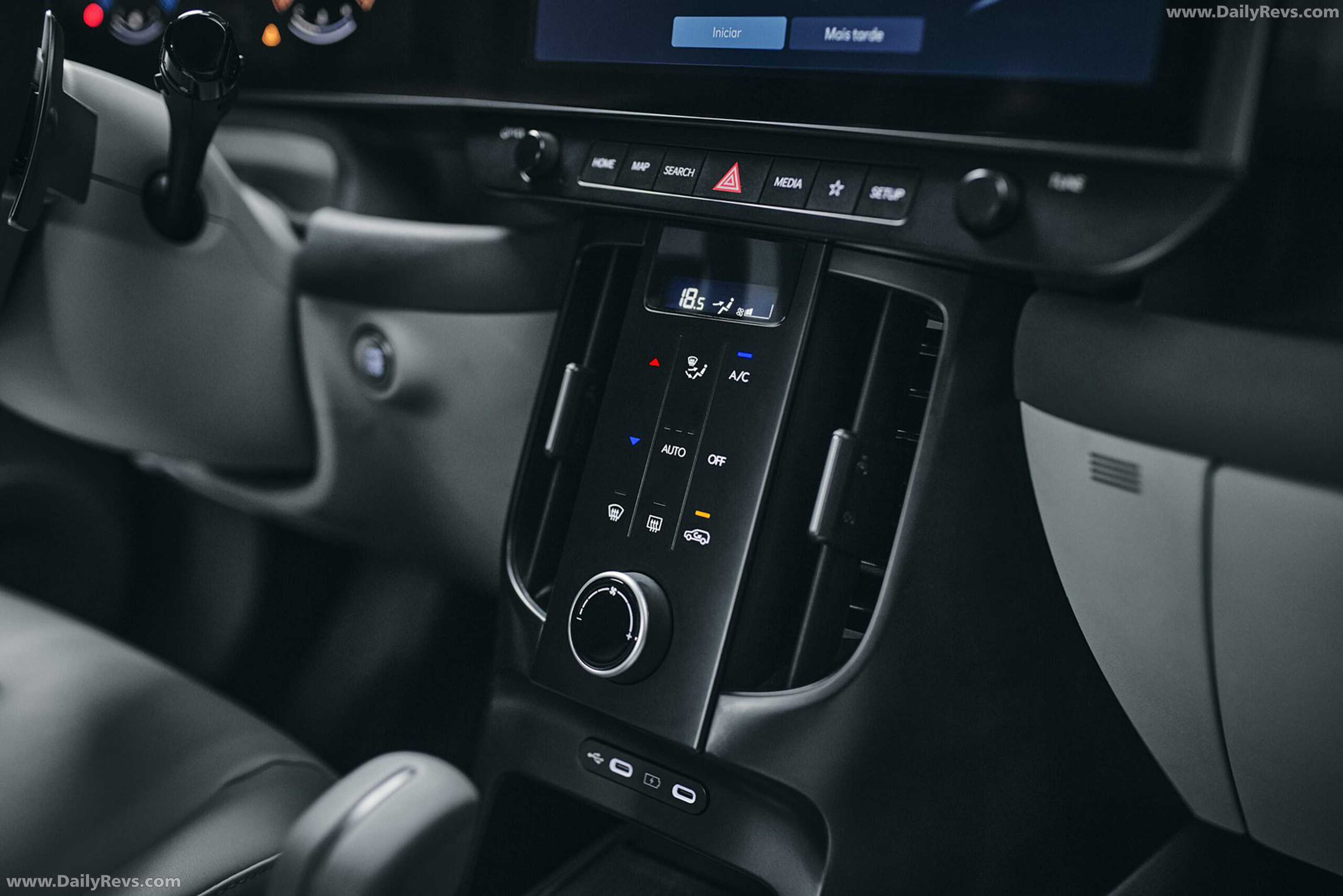
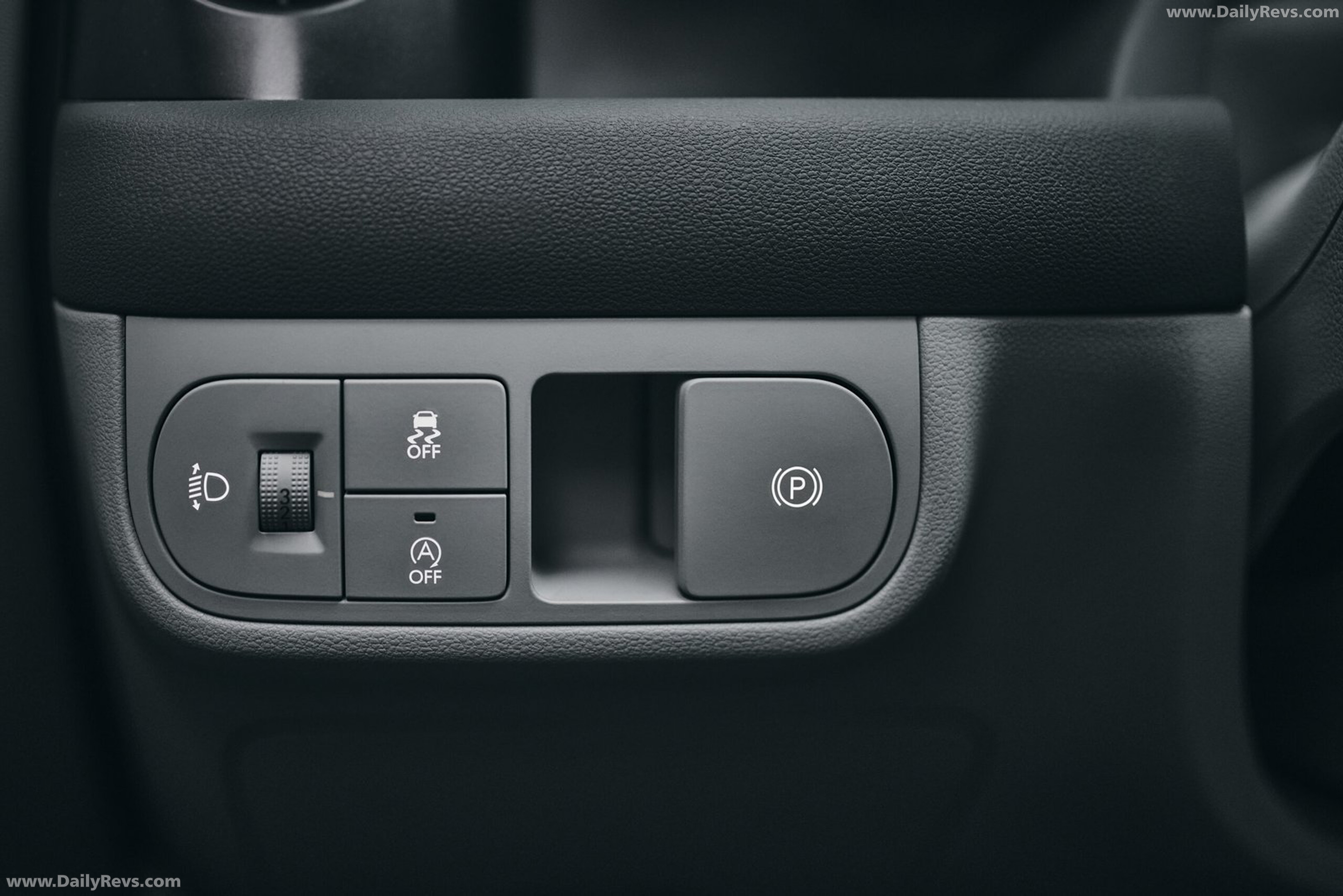
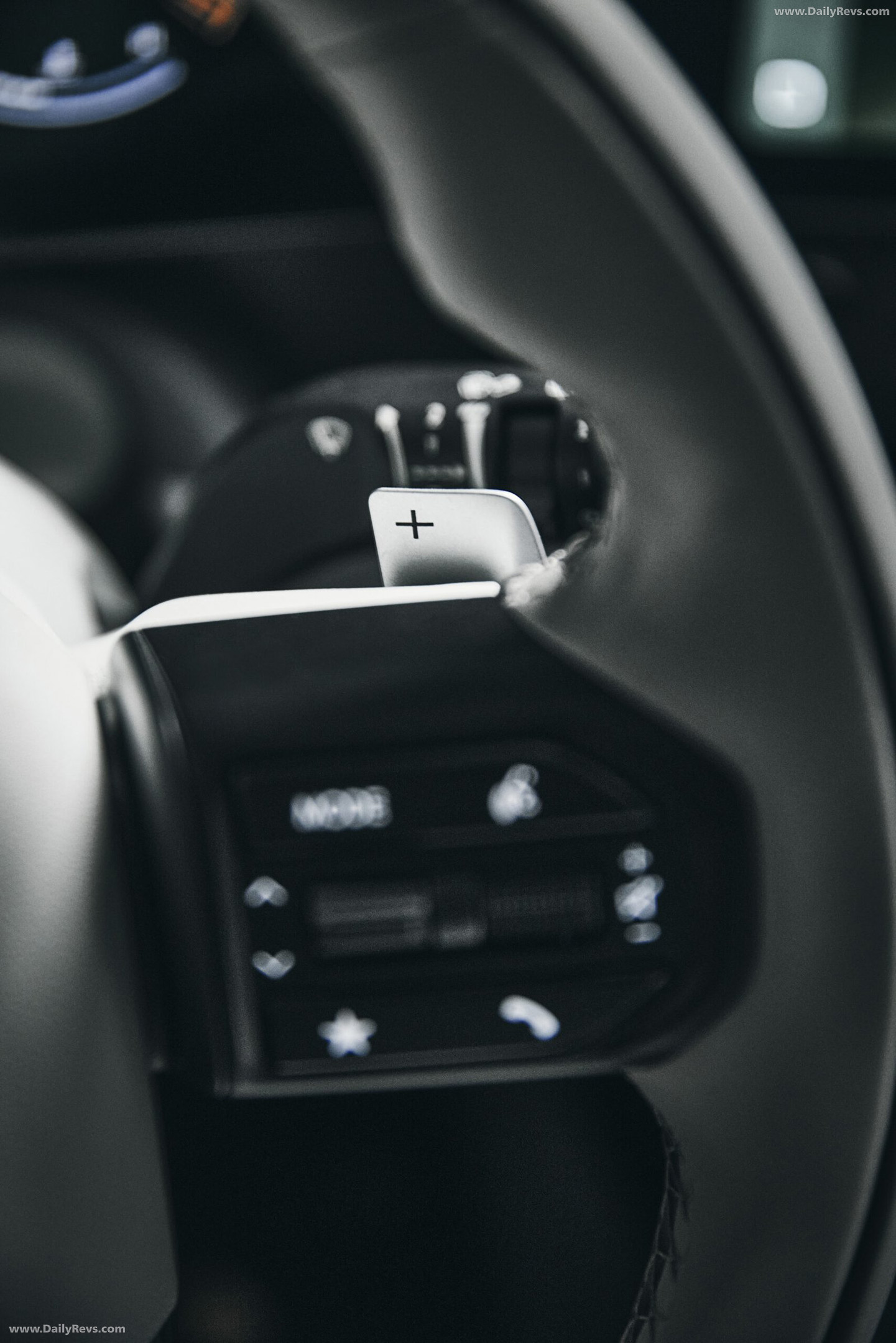
The dashboard adopts a clean layout built around twin 12.3-inch displays. Vertical air vents help free up space across the instrument panel, while a Morse code interpretation of Hyundai's "H" appears on the steering wheel.
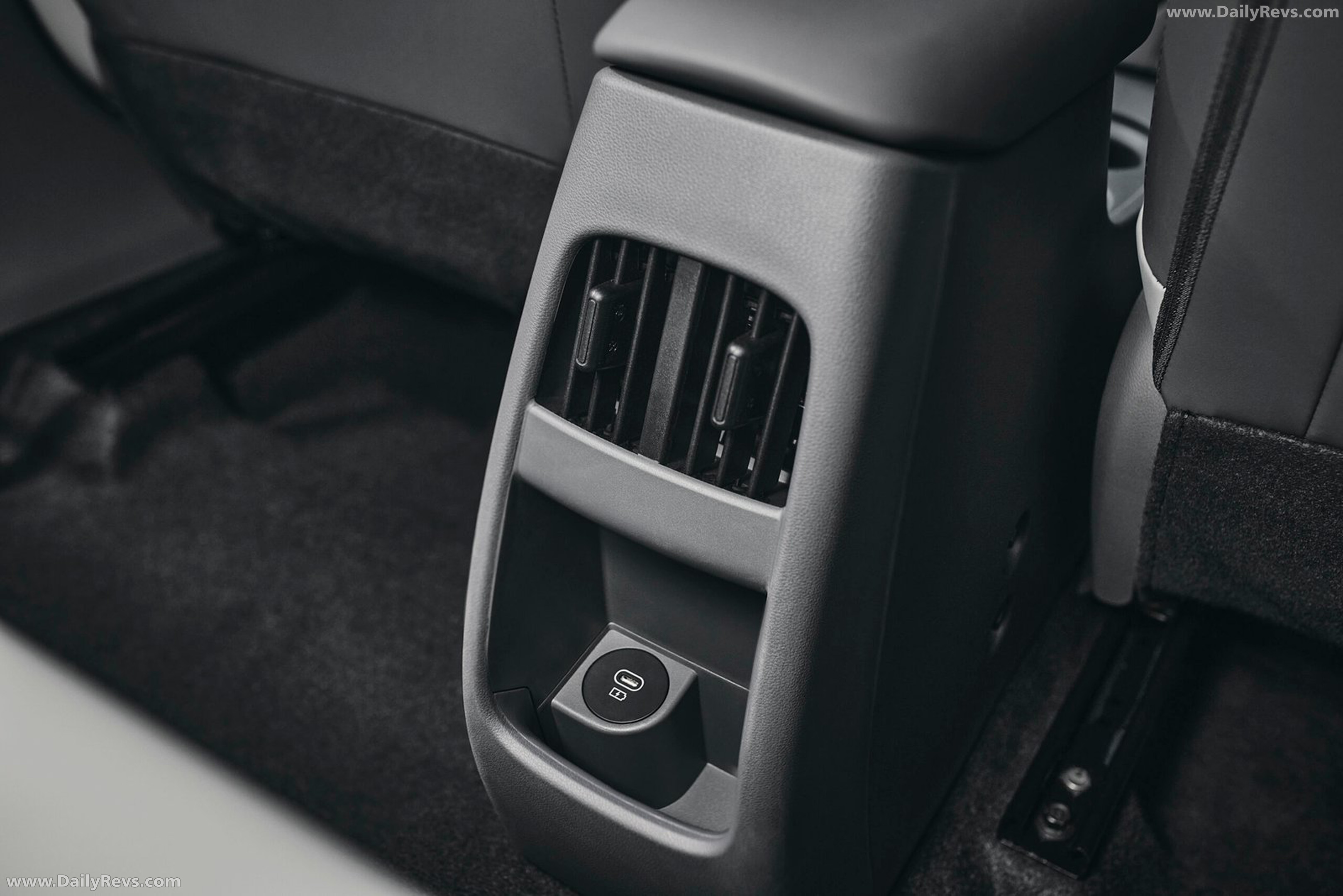
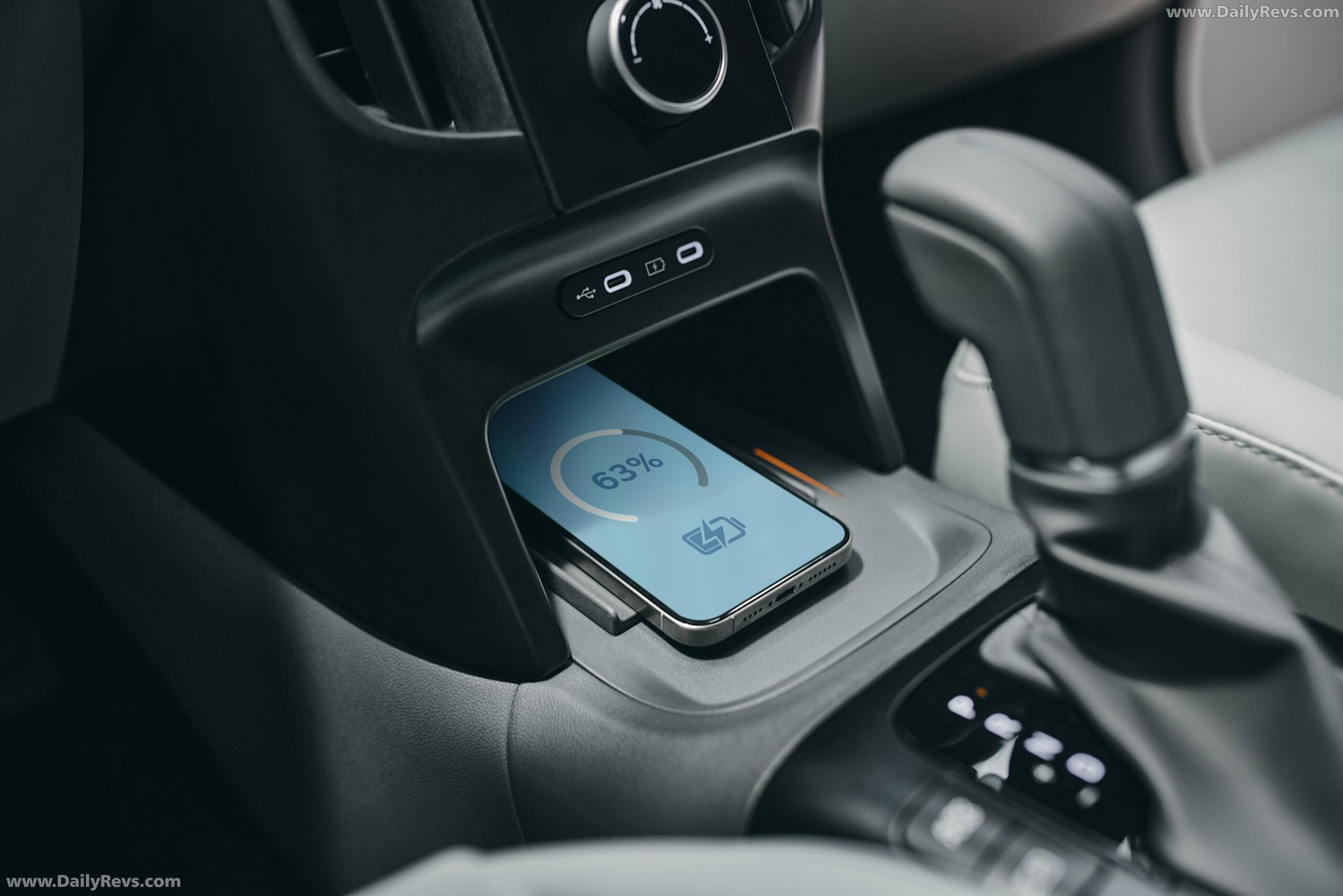
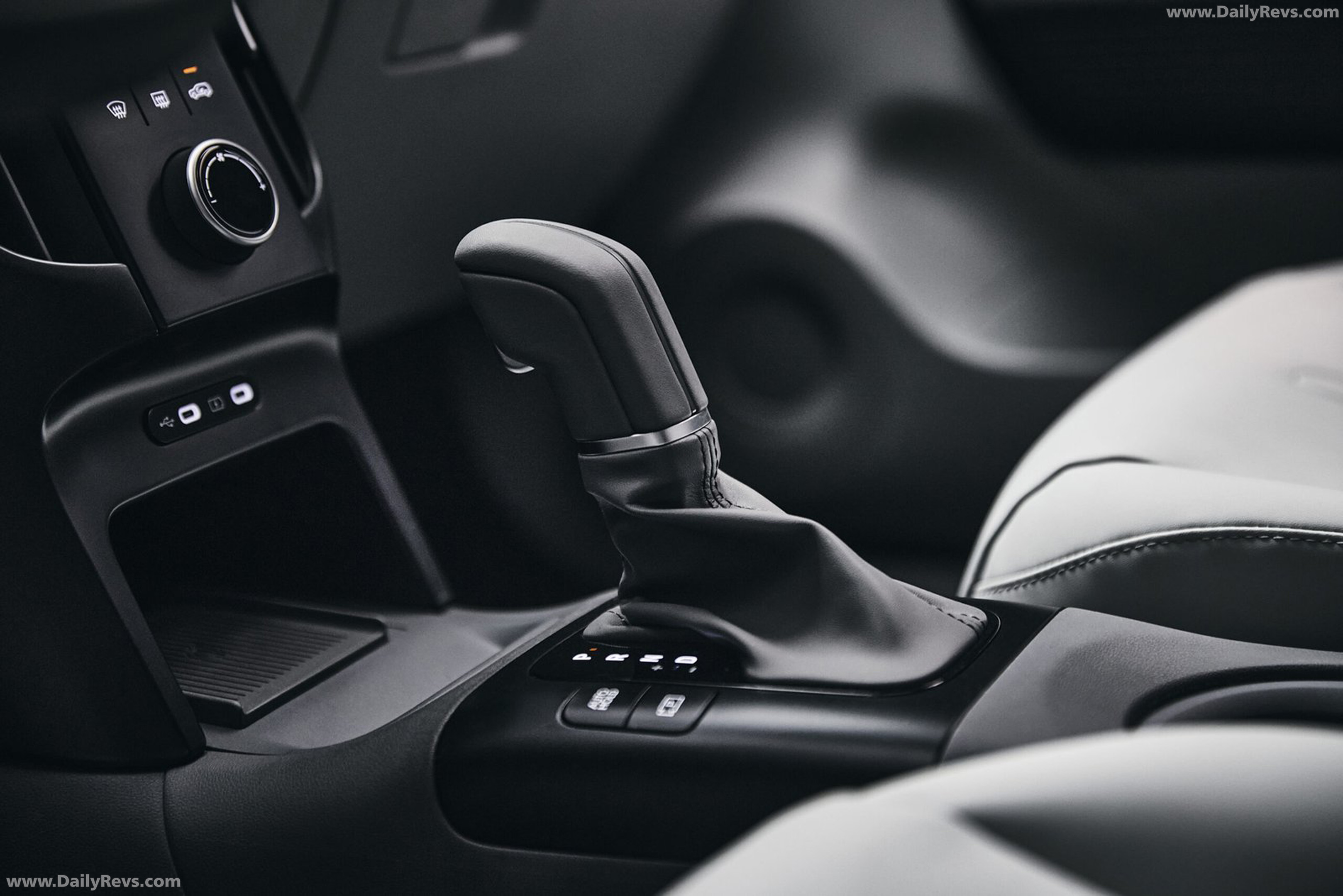
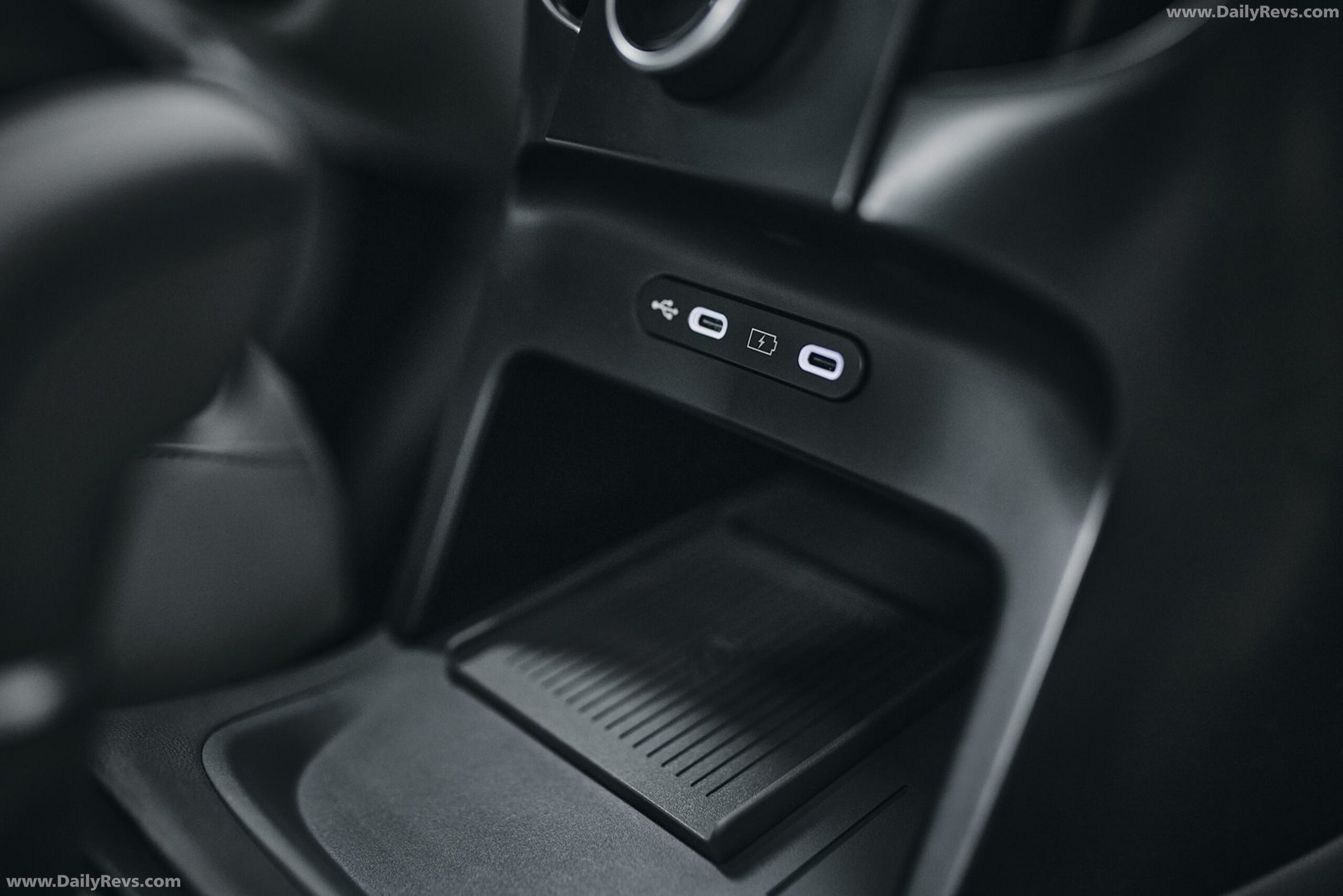
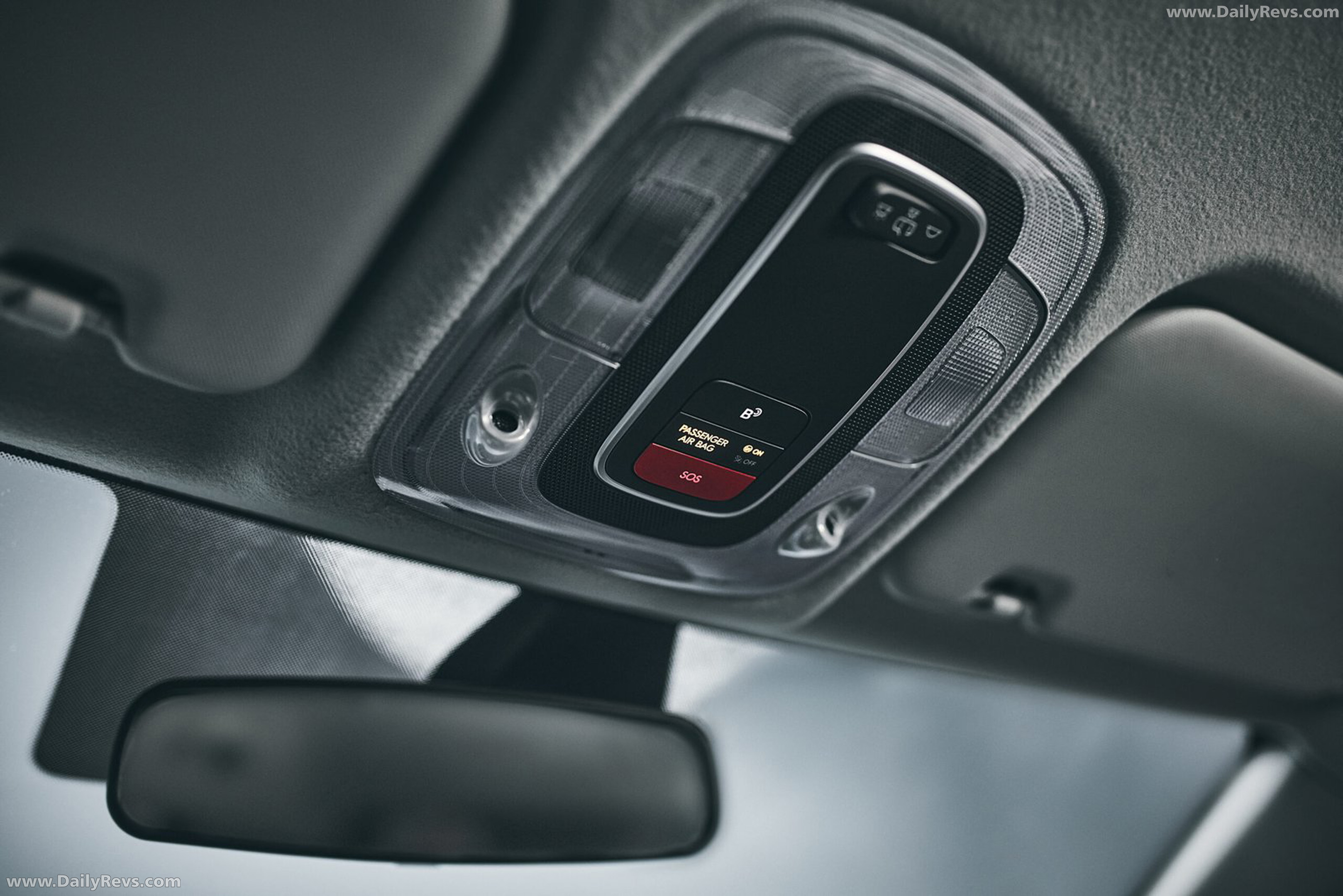
Depending on specification, buyers can also find wireless Apple CarPlay and Android Auto, digital climate controls, wireless charging, rear air vents, and Hyundai's Bluelink connected services.
Technology Takes Center Stage
One detail that reflects how much expectations have changed is the inclusion of Over-The-Air software updates. The i20 becomes one of the first Hyundai models produced in Brazil to receive remote software update capability, allowing certain system improvements without a dealership visit.
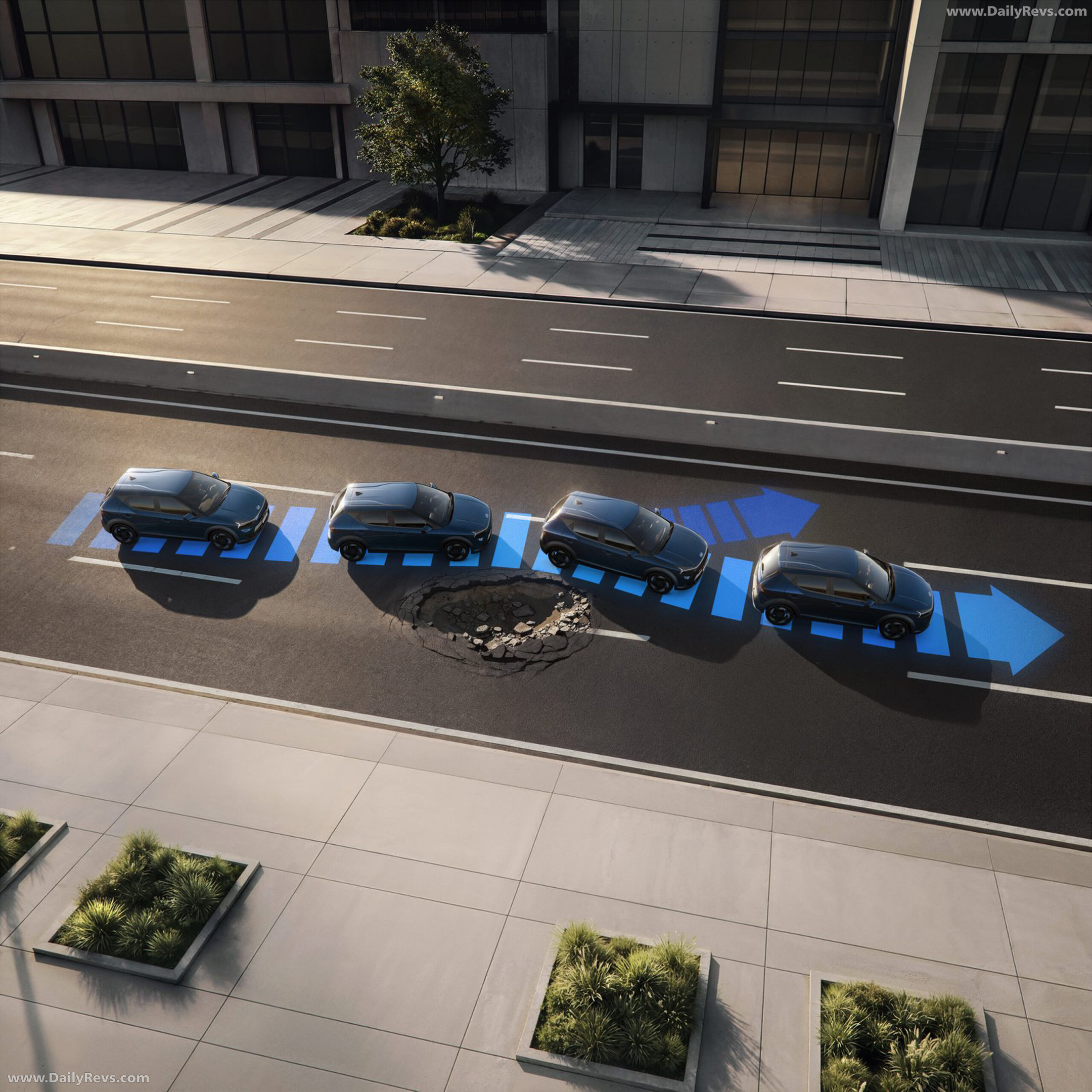
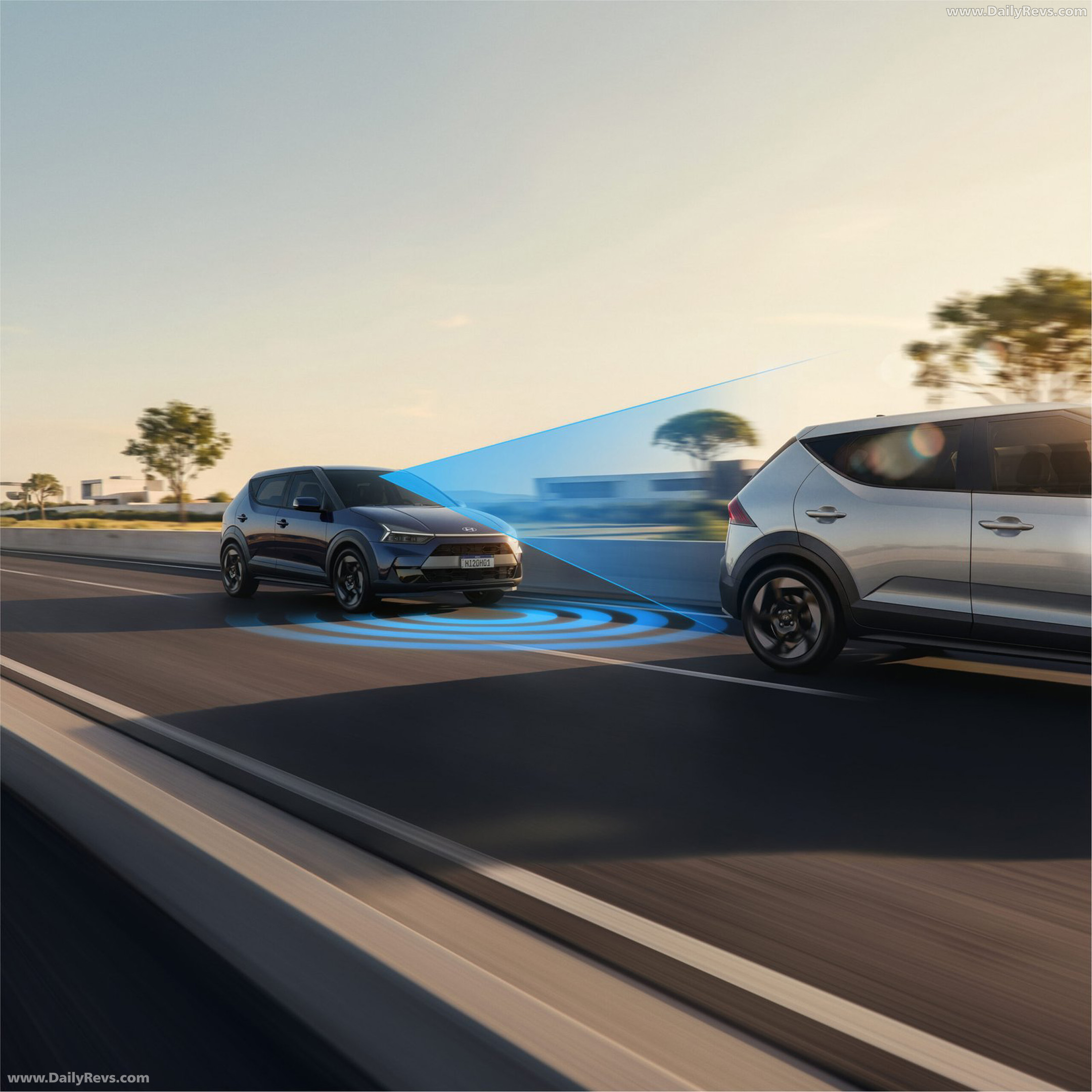
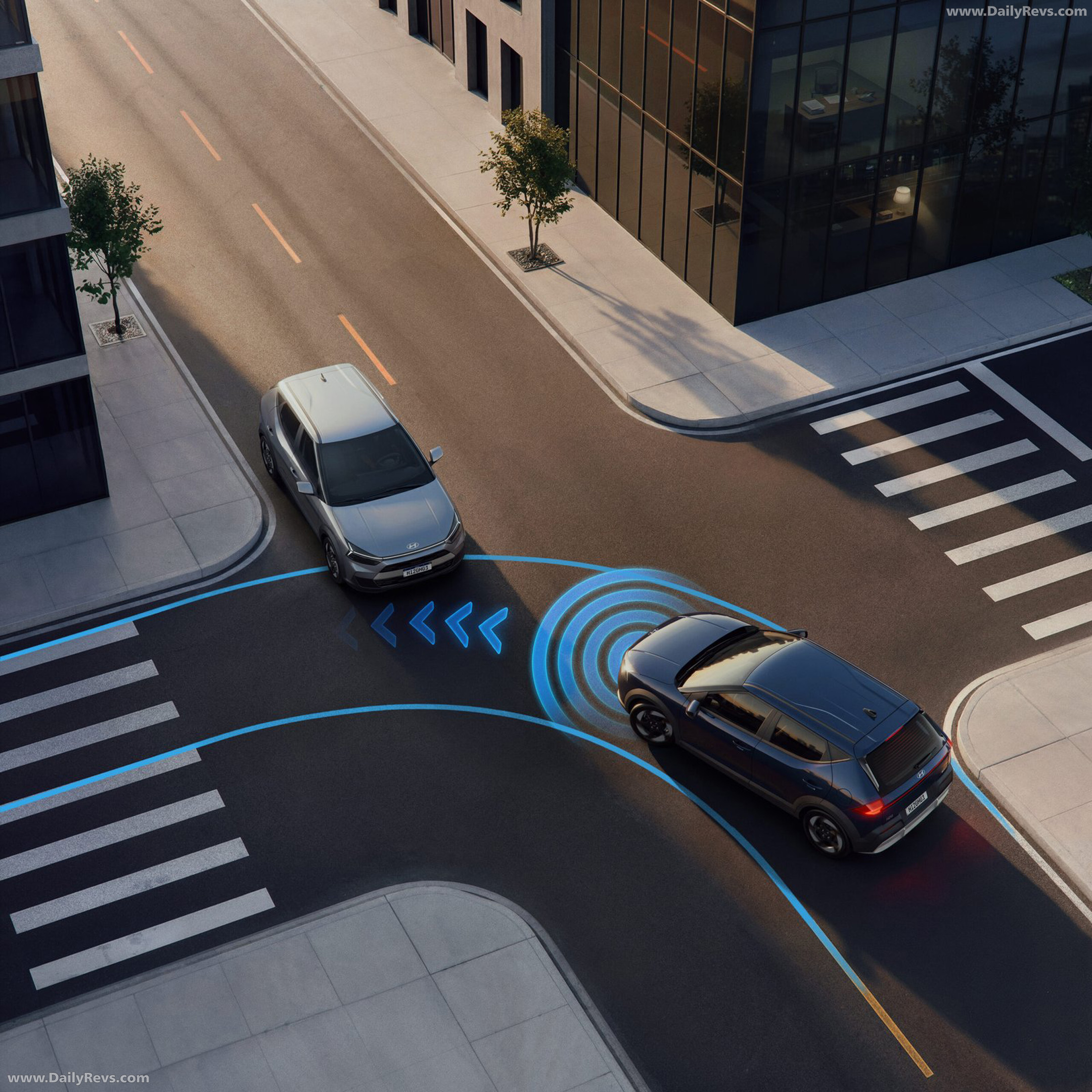
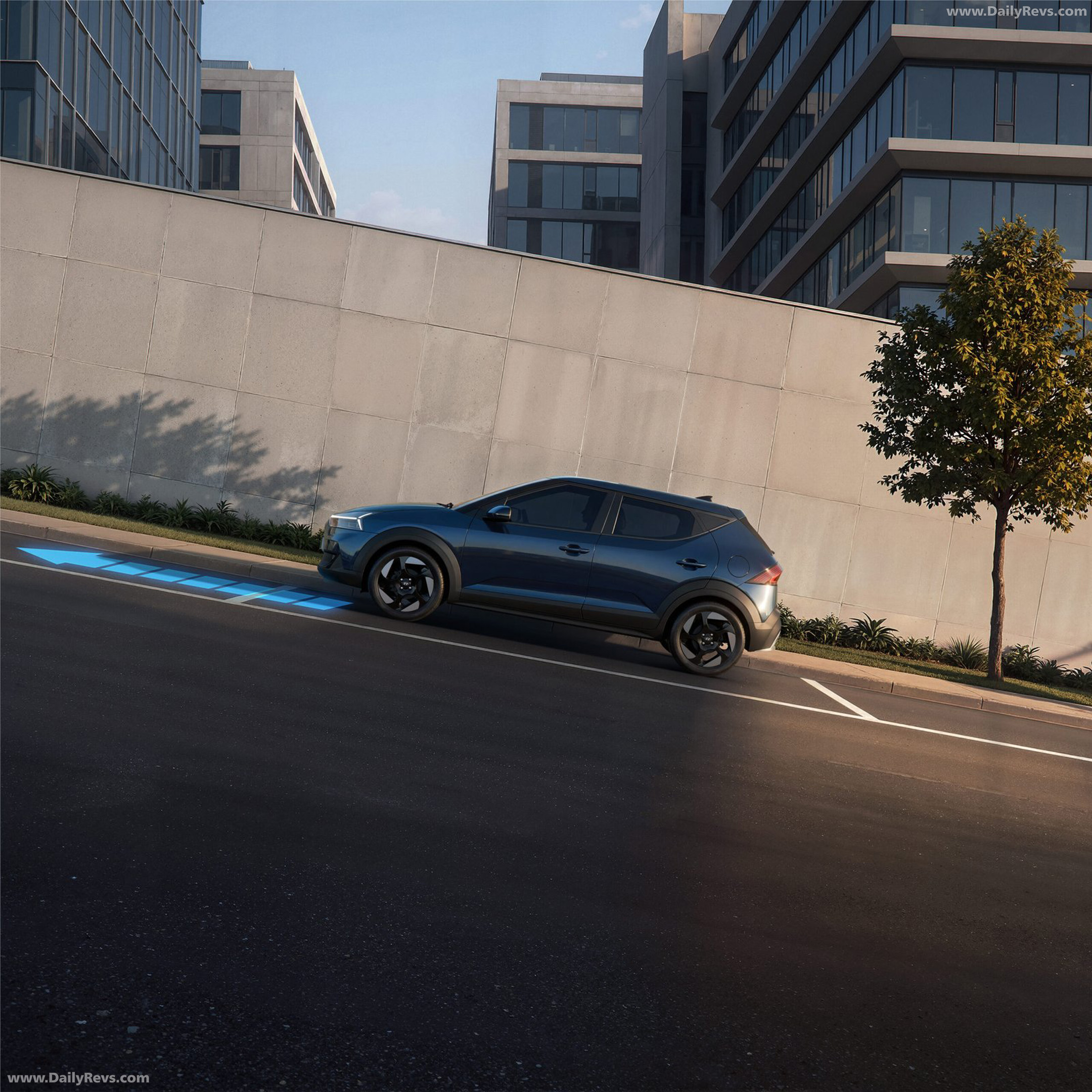
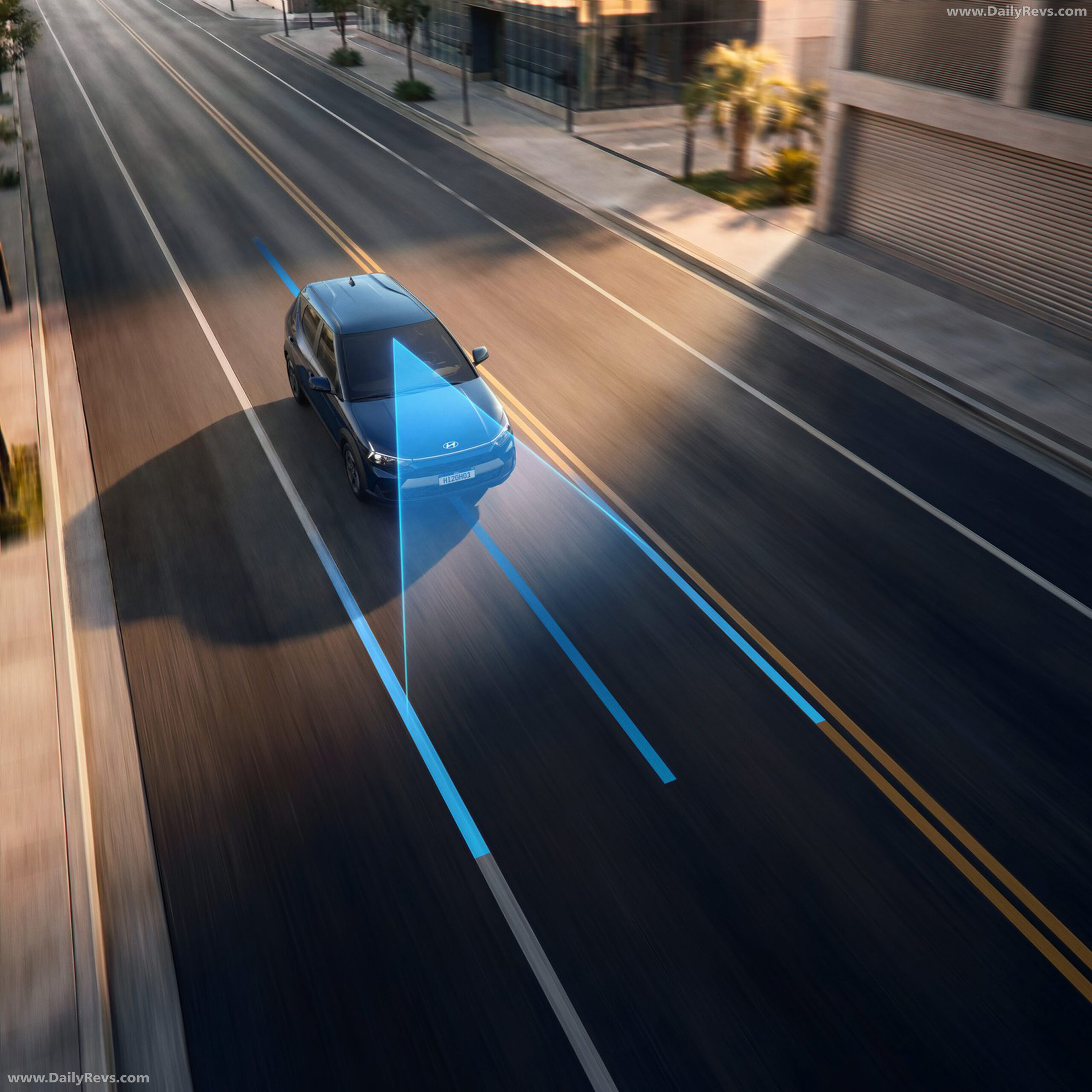
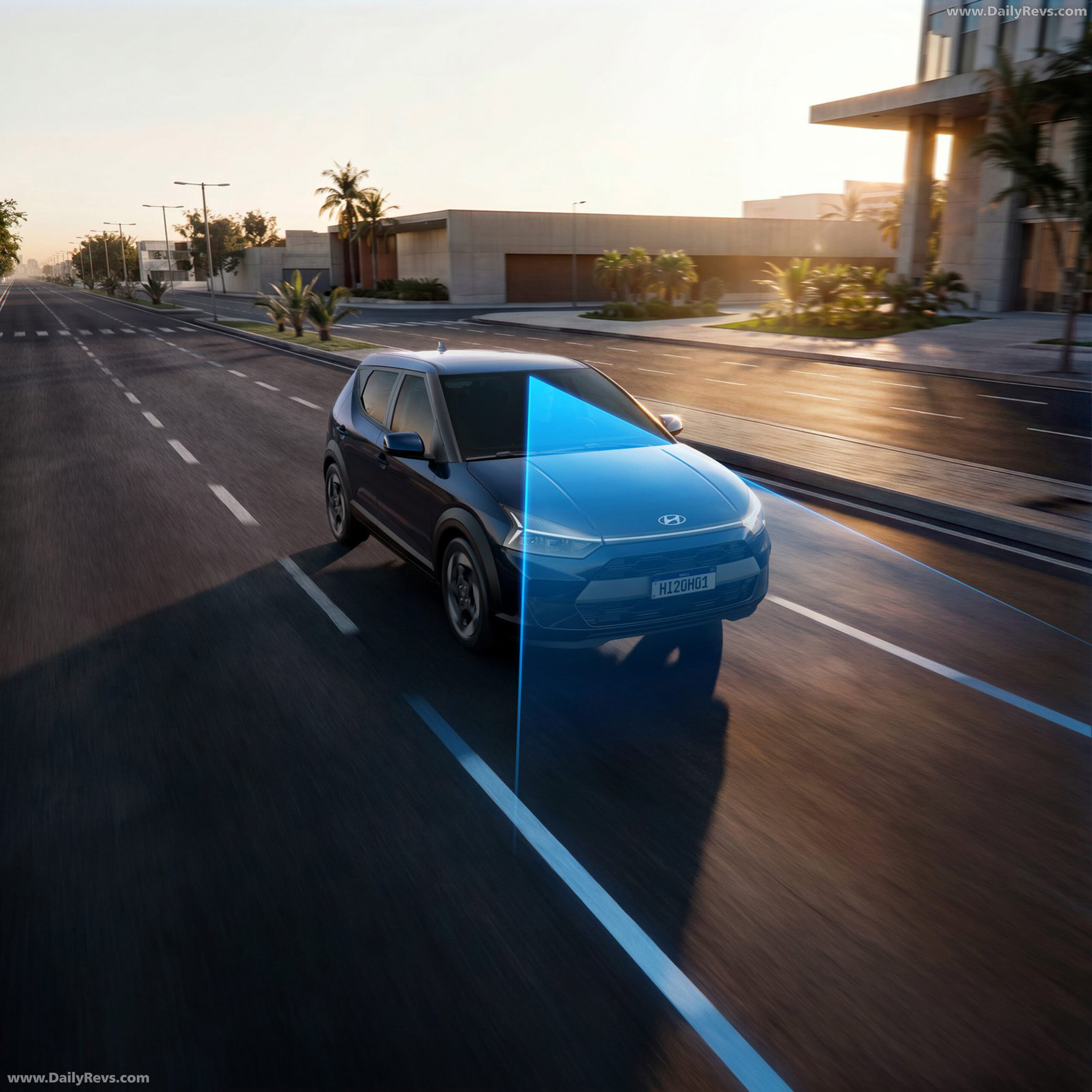
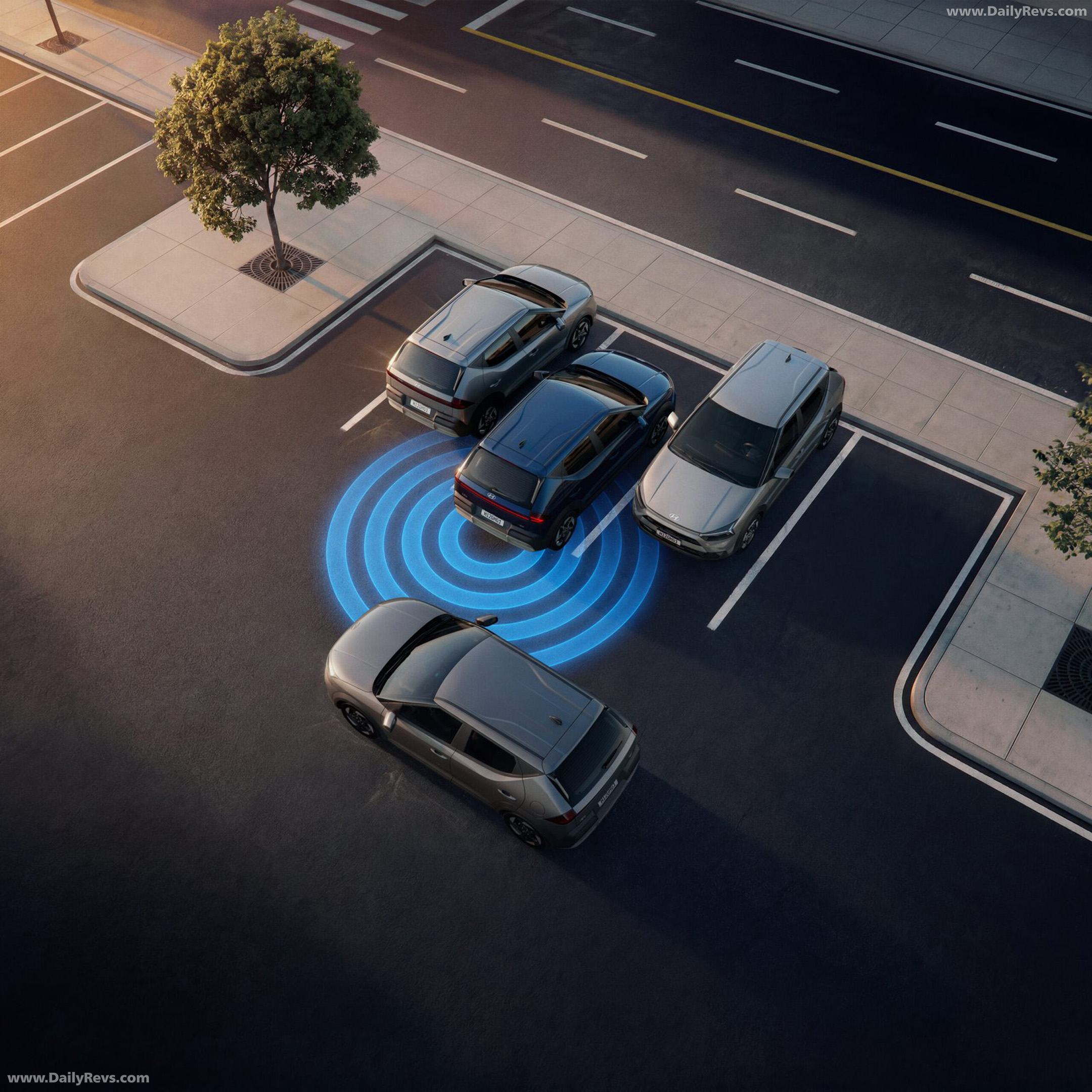
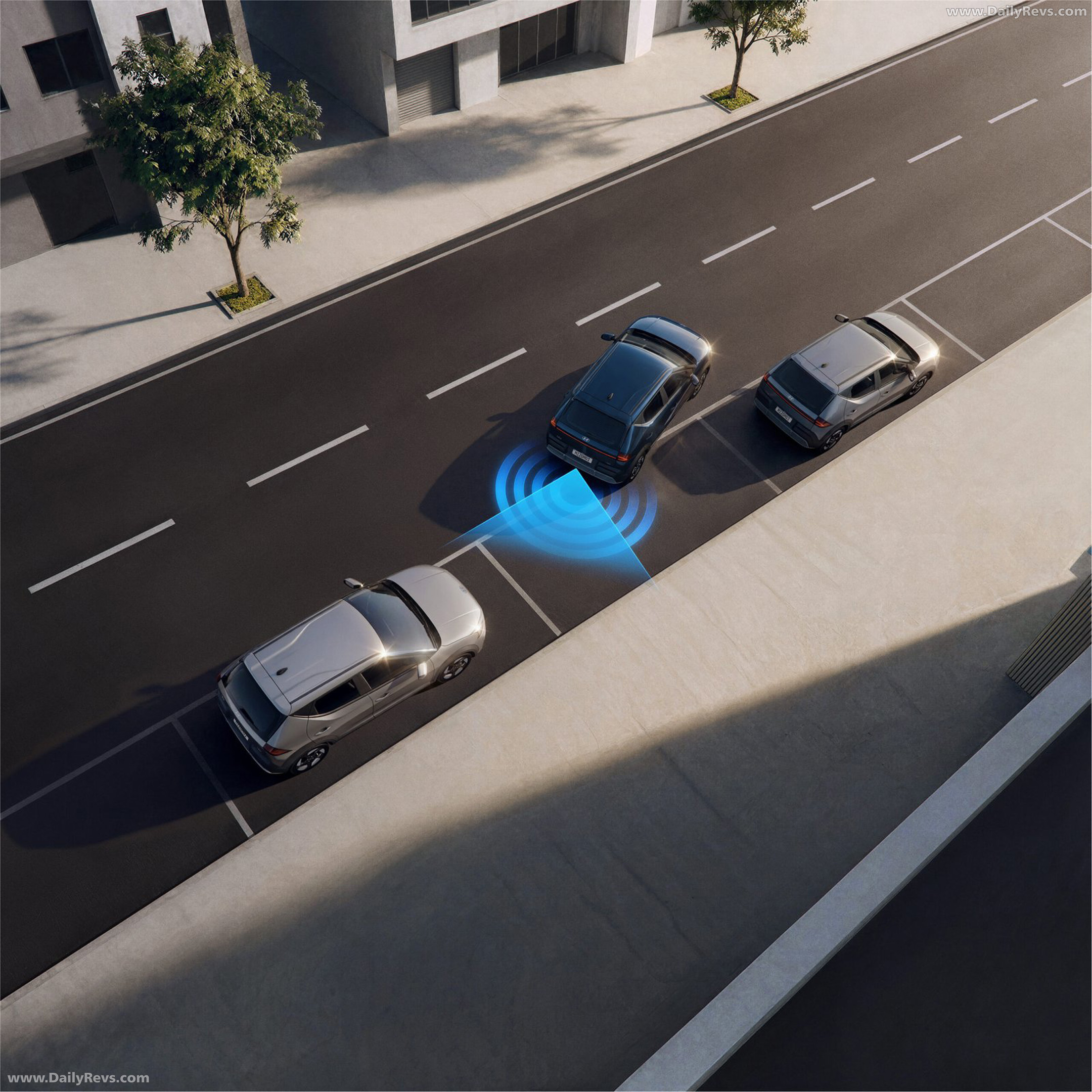
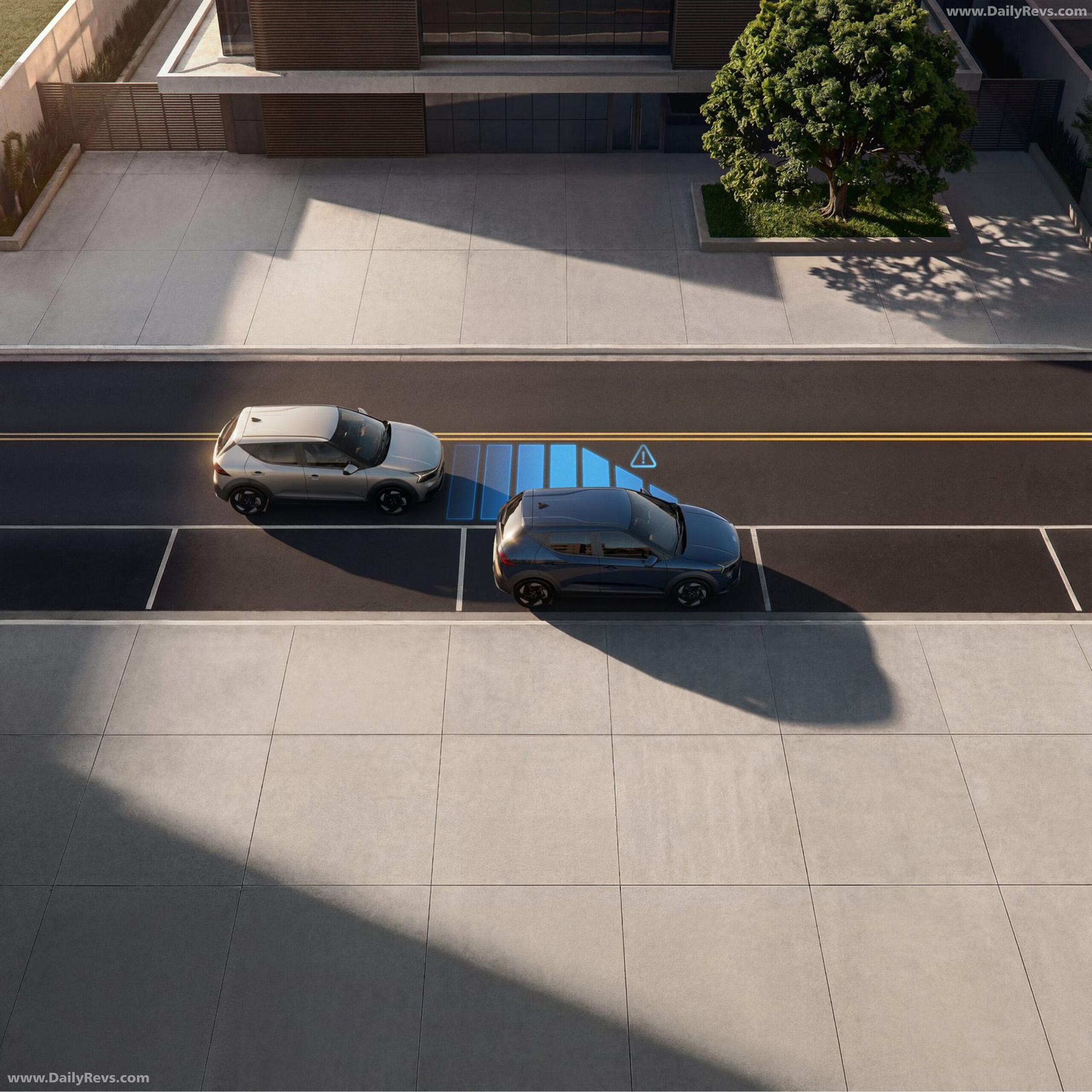
Safety technology is another area where Hyundai appears determined to make an impression. The SmartSense package includes features such as Autonomous Emergency Braking, Lane Keeping Assist, Lane Centering Assist, Blind Spot Assist, Rear Cross Traffic Assist, Driver Attention Warning, and Adaptive Cruise Control with Stop & Go on selected versions.
Six airbags are fitted across the entire lineup.
Turbo Power For Everyday Driving
The 2027 Hyundai i20 is offered with two 1.0-litre three-cylinder engines. Buyers can choose between a naturally aspirated version producing up to 80 horsepower or a turbocharged TGDI variant generating 115 horsepower and 17.5 kgf.m of torque.
Hyundai places particular emphasis on the turbo engine's low-rpm torque delivery, with peak torque available from just 1,500 rpm. That characteristic should make everyday driving, overtaking, and city traffic feel less demanding than the power figures alone might suggest.
With its larger footprint, technology-focused cabin, and SUV-inspired design cues, the new i20 arrives as Hyundai's attempt to offer something between two familiar segments rather than fully belonging to either.