2027 FREELANDER 8
By Lorenzo Bianchi April 27, 2026
Built on new iMAX platform supporting EV, hybrid, and range-extender setups.
DC fast charging up to 350 kW with 800V architecture.
Larger than Defender 110 with global right- and left-hand drive rollout.
A familiar name with a very different look
The 2027 Freelander 8 doesn’t try to echo the past too closely.
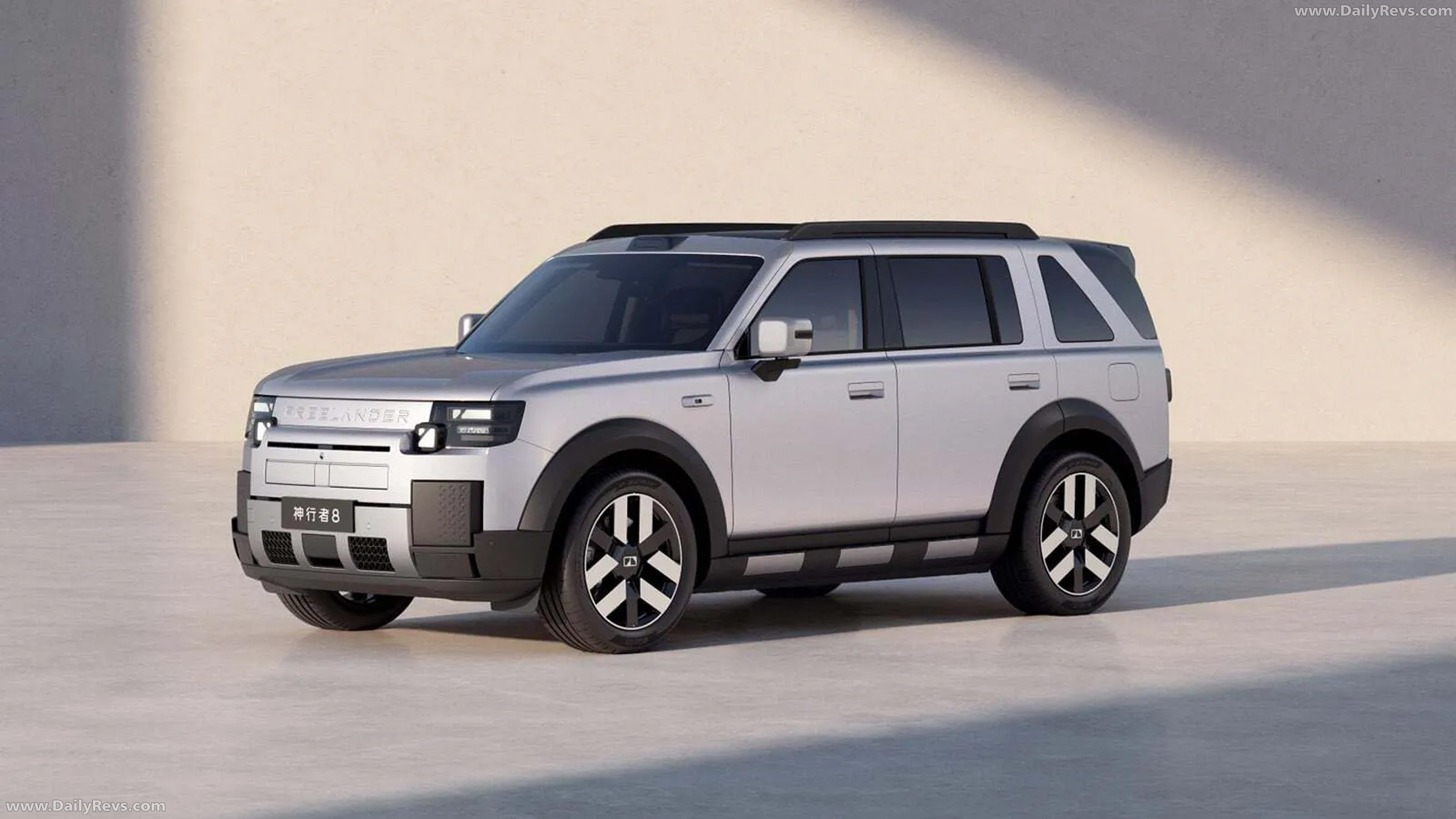
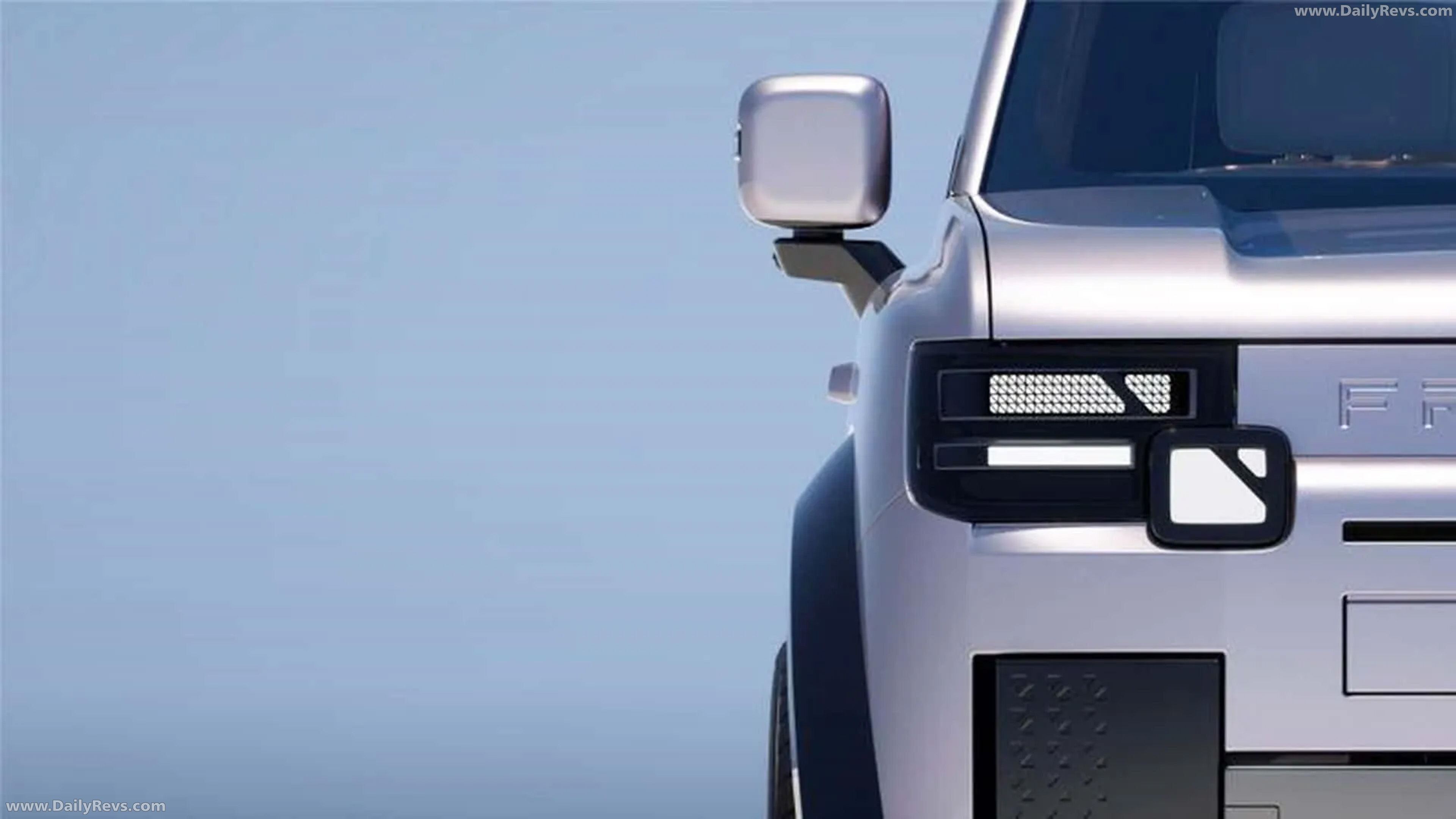
It carries the name, but visually it leans toward something more modern and slightly experimental. The front end drops the traditional grille entirely. In its place, a cleaner surface with small, functional air intakes low on the bumper. The headlights are square, almost geometric, which gives the car a more technical face.
There’s also a LiDAR unit mounted above the windshield. It sits there quietly, but it changes how the car is read. This isn’t just a styling exercise.
The overall shape follows the earlier Concept 97 quite closely. That includes the flared wheel arches, rugged side cladding, and a slightly angled D-pillar that feels like a nod to older three-door Freelander models.
Size and stance move into a larger segment
The Freelander 8 grows noticeably compared to what the badge used to represent.
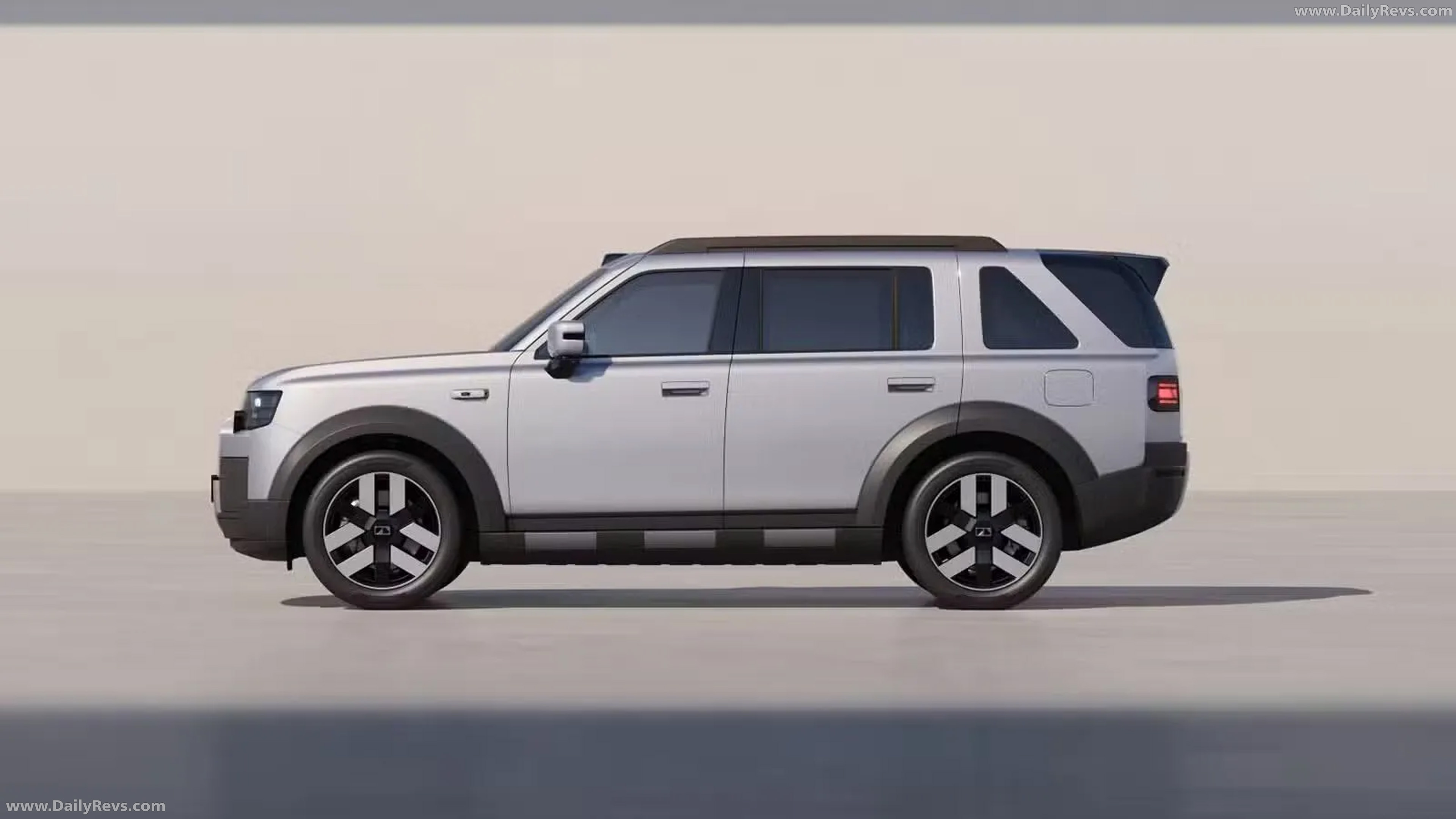
It’s longer than a Land Rover Defender 110, and also taller and wider. That pushes it firmly into the large SUV space. The stance reflects that. Wide track, upright proportions, and a fairly square footprint.
From the side, the blacked-out arches and chunky skirts give it a more off-road-ready appearance, even if the final capabilities aren’t fully confirmed. The production model drops the concept’s rear-hinged doors for a more conventional setup, which feels expected at this stage.
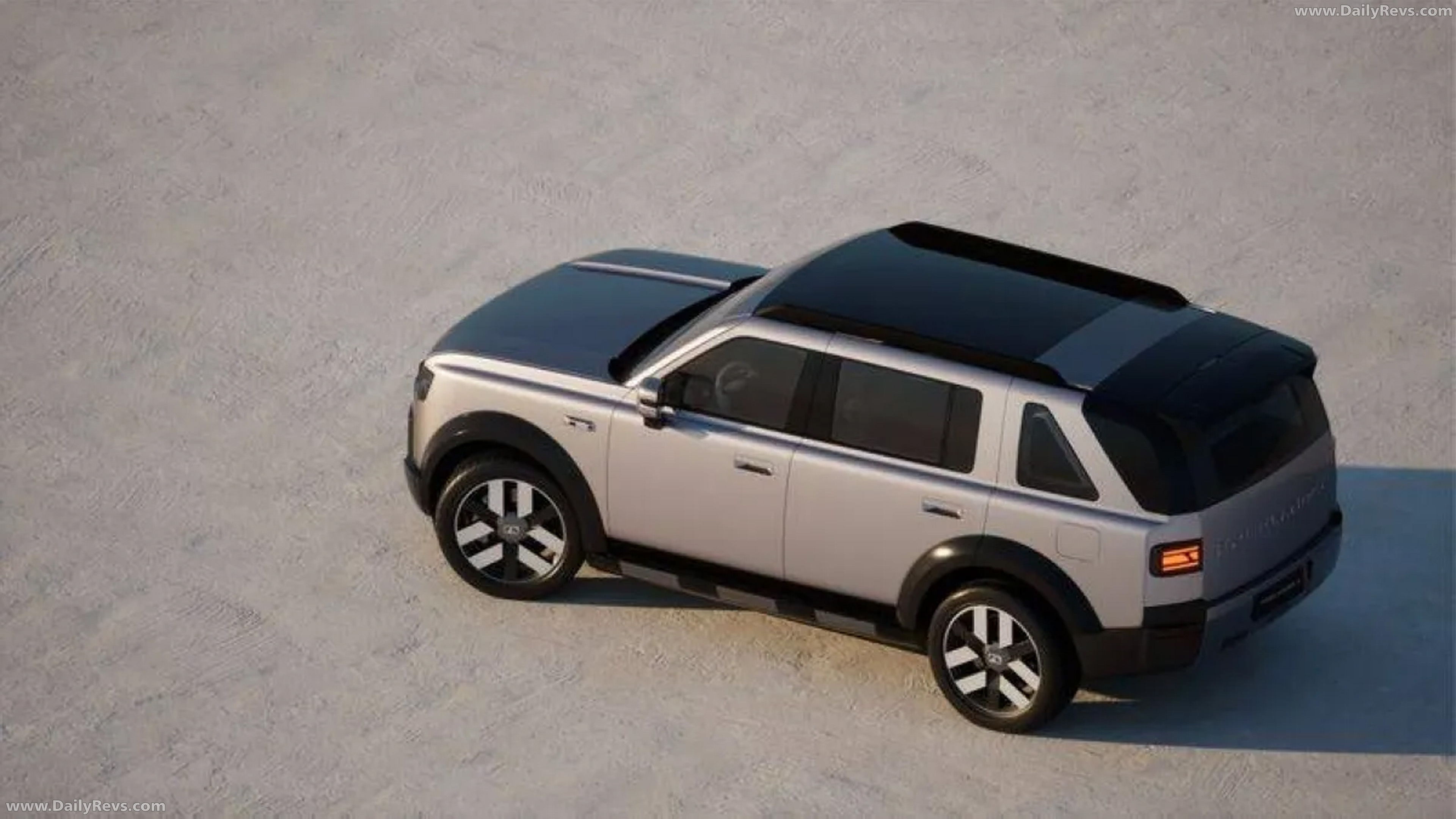
At the rear, the design stays simple. A roof spoiler finished in black, compact taillights, and minimal surfacing.
Interior still largely under wraps
There’s less clarity inside, at least for now.
Official images haven’t been released, but some details have been shared. The cabin is expected to feature what’s described as the largest Mini LED integrated screen in its segment. [Unverified] It likely spans across the dashboard, similar to what was shown in the concept.
Front seats are described as “zero-gravity,” suggesting a focus on long-distance comfort rather than aggressive bolstering.
Beyond that, the layout, materials, and overall feel remain unclear. [Unverified]
Flexible platform supports multiple powertrains
Underneath, the Freelander 8 introduces something new.
It’s built on the iMAX platform, designed to support battery-electric, extended-range electric, and plug-in hybrid configurations. That flexibility will likely define how the model is positioned across different markets.
Technical figures haven’t been confirmed yet. What’s known is the electrical architecture runs at 800 volts, which allows for faster charging and improved efficiency.
For the fully electric version, DC charging speeds of up to 350 kW are expected. That places it among the quicker-charging SUVs in this segment.
Practical features lean toward everyday use
The Freelander 8 seems to aim for usability rather than extremes.
Roof rails, conventional door layouts, and a straightforward rear design suggest a focus on daily practicality. It’s built to be used, not just shown.
There’s also an expectation that multiple configurations will be offered globally, including both left- and right-hand drive markets.
Positioned as a global alternative in a crowded space
The 2027 Freelander 8 enters a segment that’s already competitive.
Its size and positioning put it close to established models like the Defender, even if it approaches things differently. Electrification is central here, and that alone changes the comparison.
What stands out is the broader plan. The Freelander brand is set to launch six models over the next five years, with this one leading the rollout.
For now, the Freelander 8 feels like a reset. Same name, different direction.