2026 FREELANDER Concept 97
By Lorenzo Bianchi April 1, 2026
Built on an 800V platform with CATL-developed all-terrain battery.
Features Huawei ADS 4.1 system with 896-line LiDAR.
Introduces new Freelander brand direction with modern SUV design.
A new name returns with a different role
The 2026 Freelander Concept 97 marks the return of a familiar name, but it’s no longer tied to a single model. It now represents an entire brand direction.
Originally introduced in the late 1990s, Freelander was Land Rover’s answer to a growing demand for compact SUVs. This concept reinterprets that idea, positioned as the first step in a broader lineup that will expand over the next few years.
There’s a clear shift in intent. The Concept 97 isn’t just a preview of one vehicle. It’s laying out the foundation for what this new Freelander identity will look like.
Exterior keeps structure simple and upright
The design follows a structured approach rather than chasing complexity.
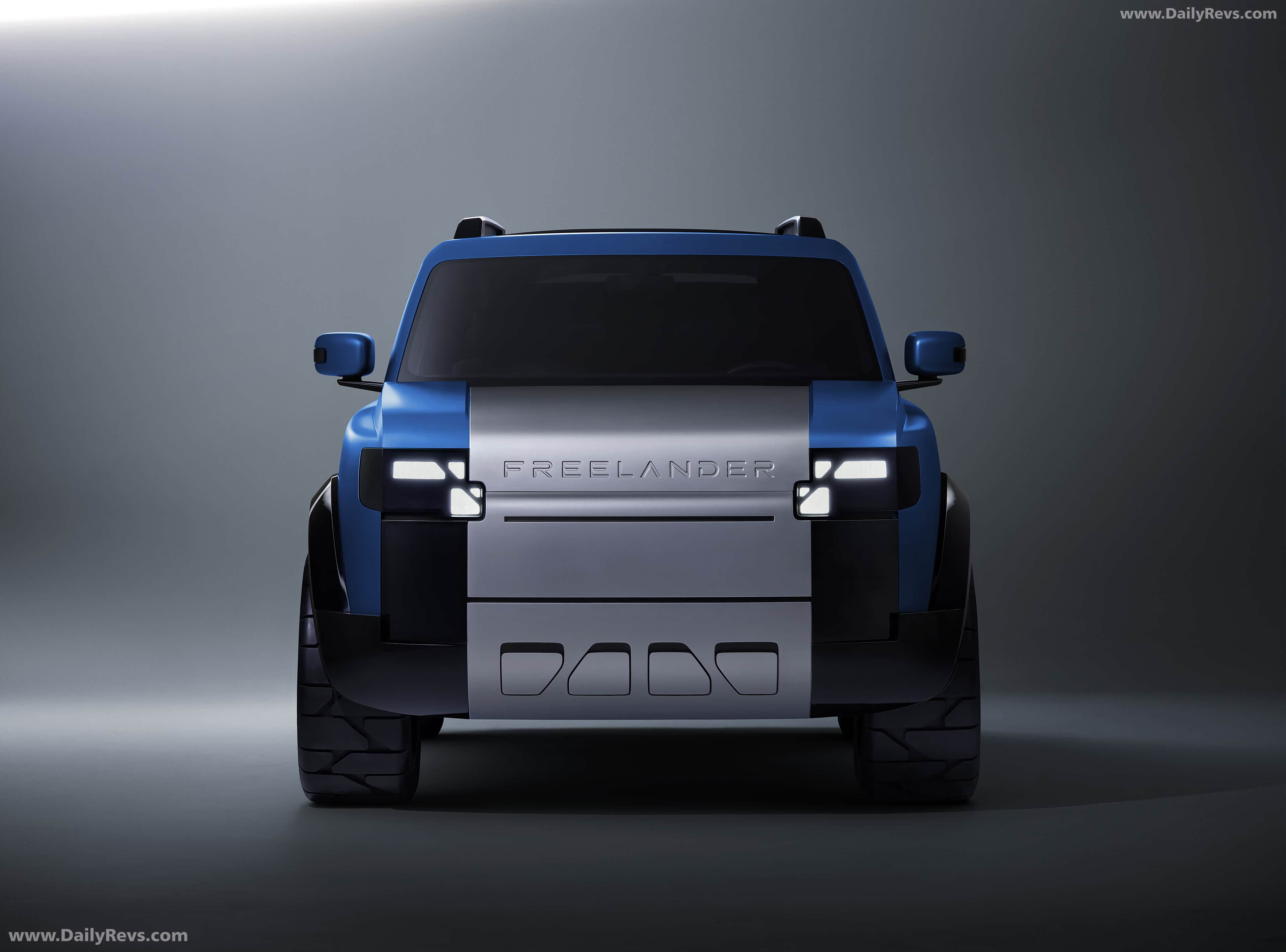
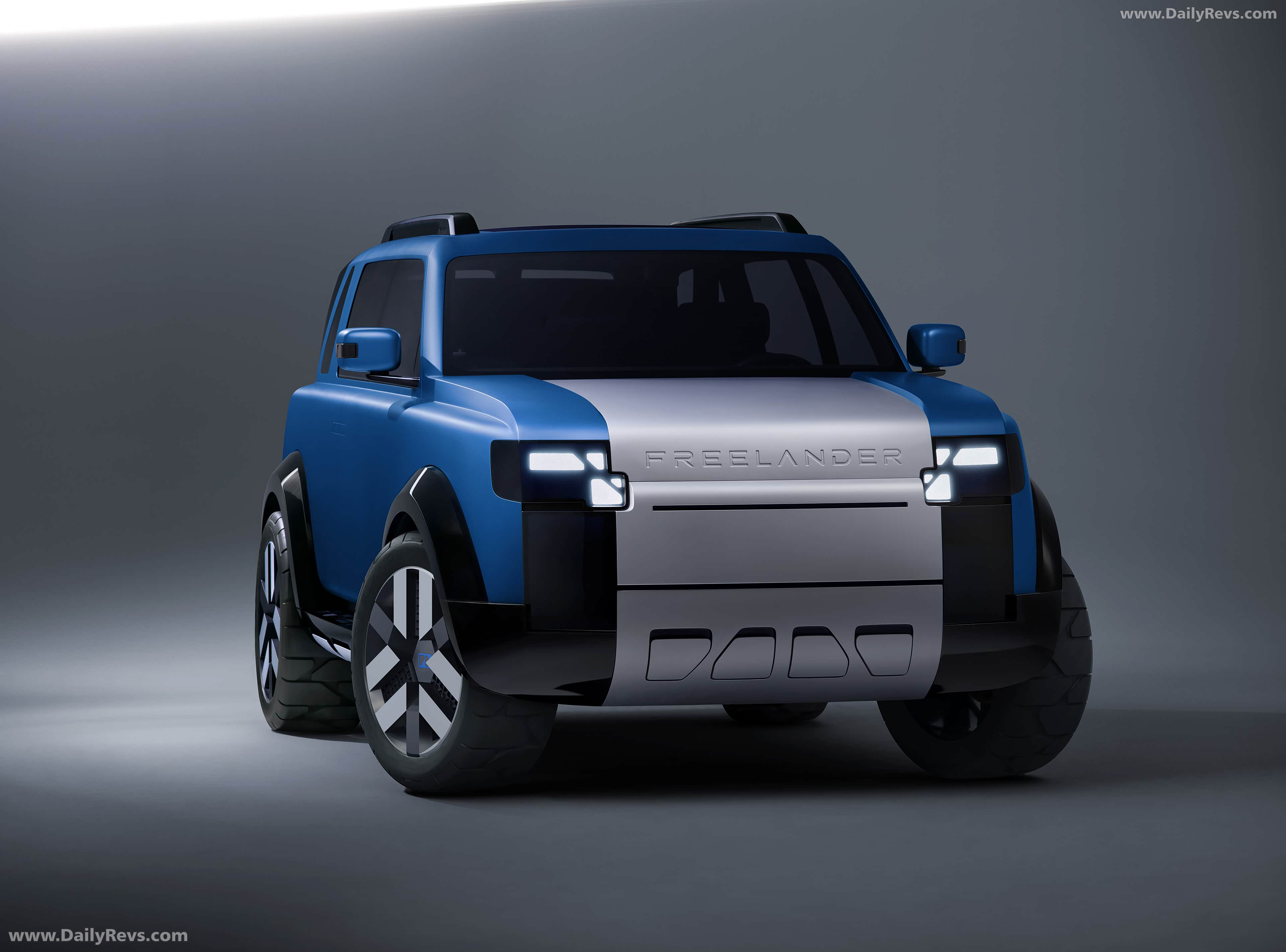
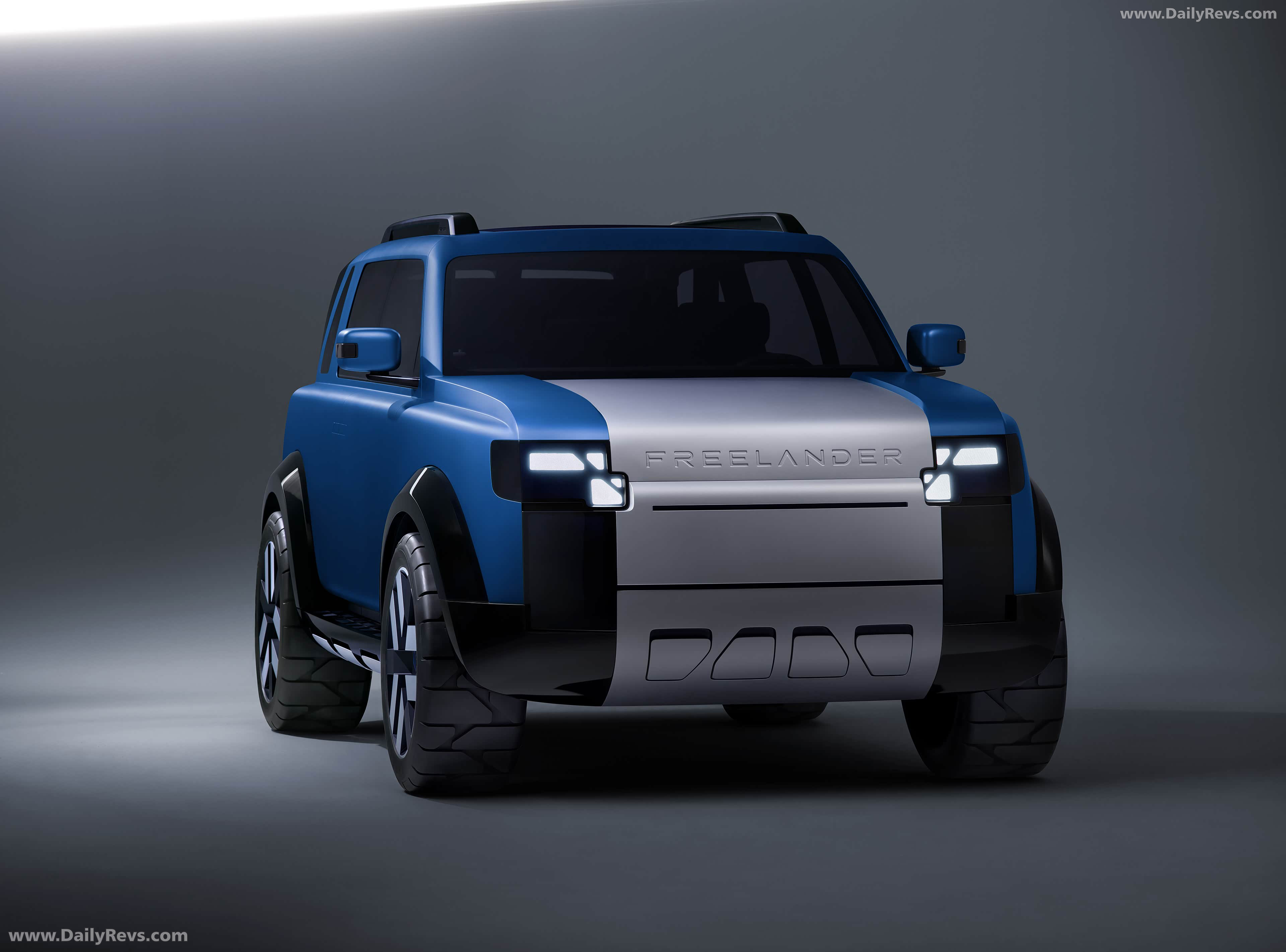
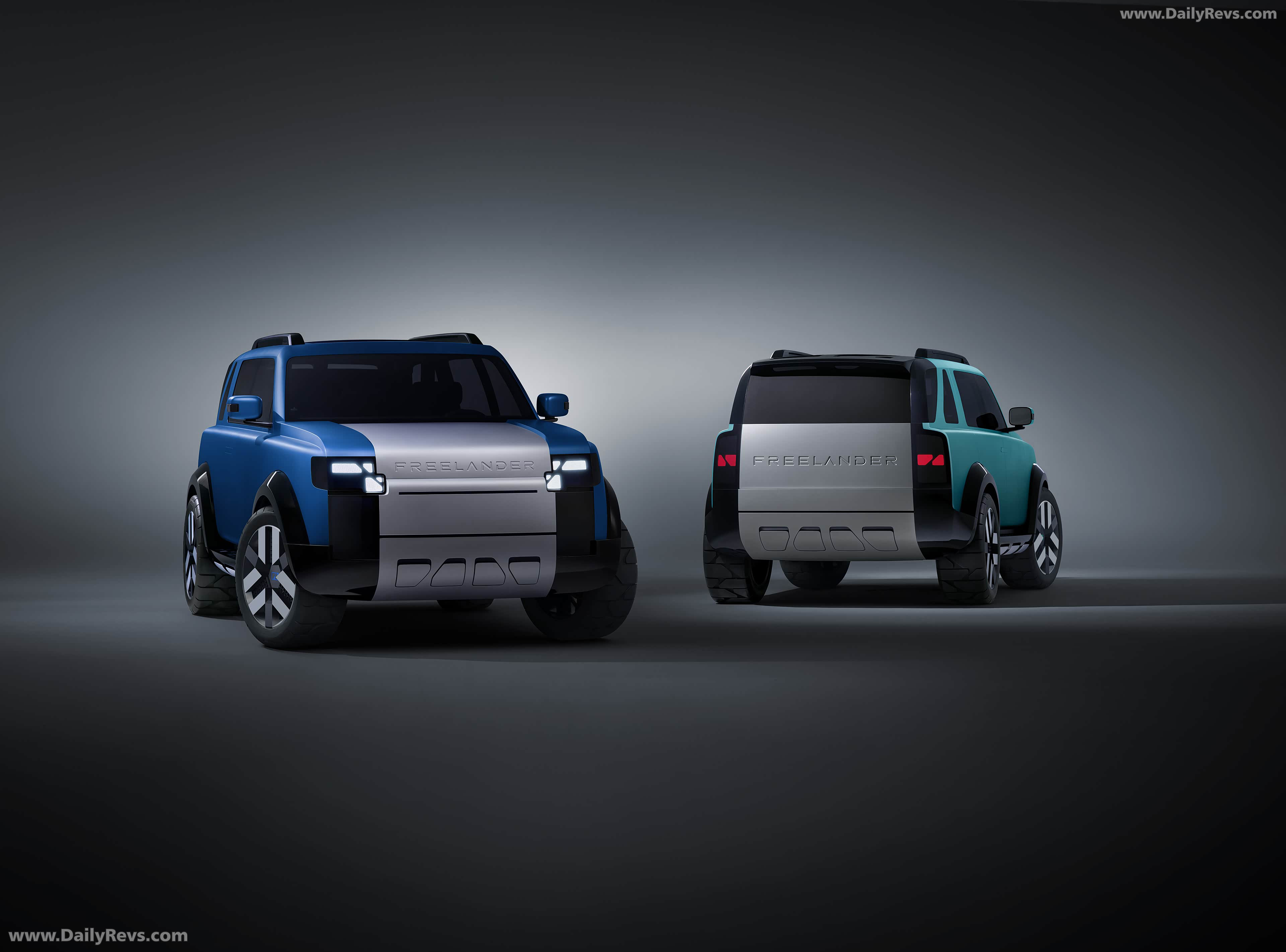
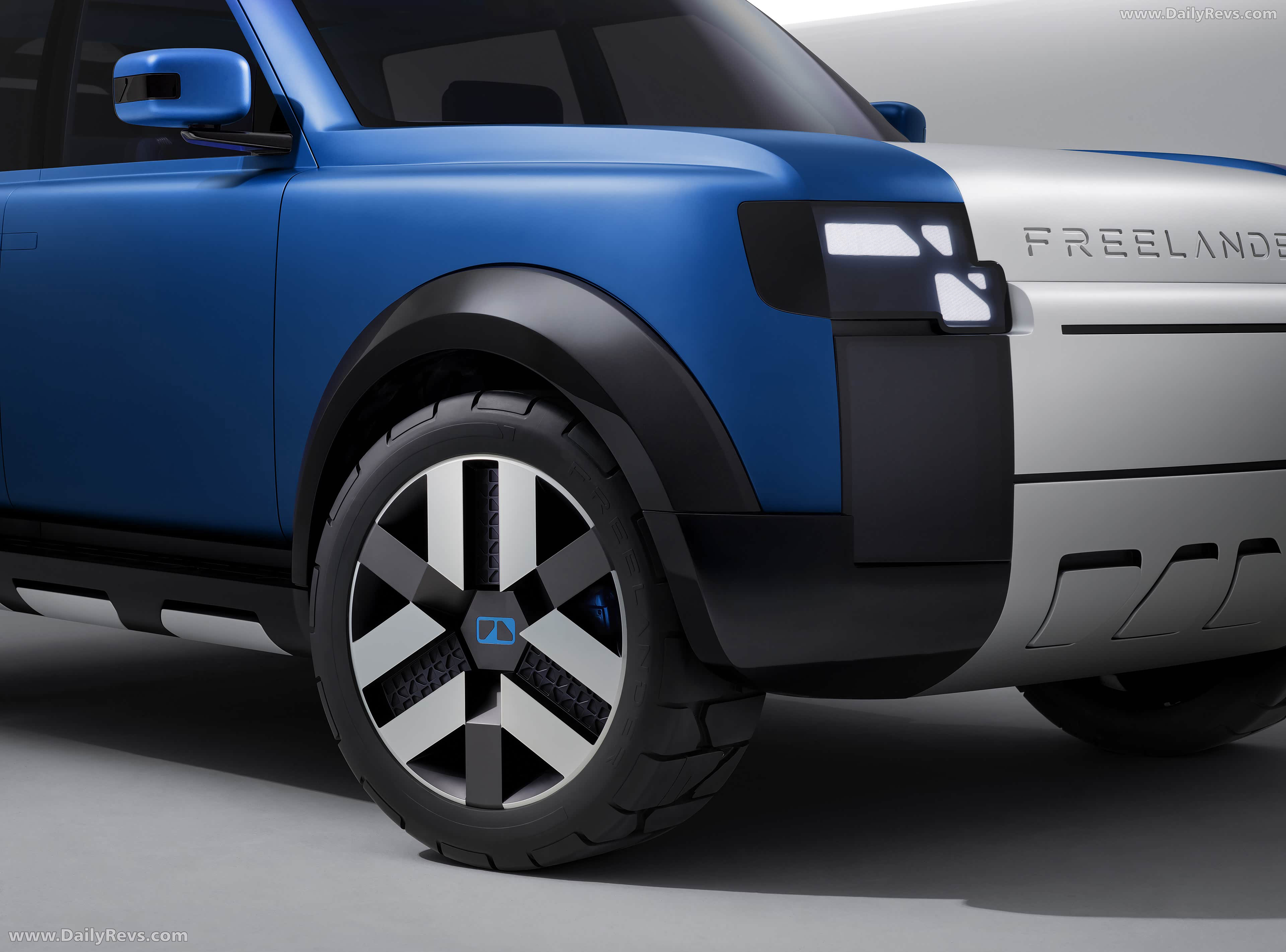
At the front, the three-layer layout combines horizontal air intakes with a more concealed grille treatment. The lighting system does more than illuminate the road. It’s integrated with the vehicle’s ambient systems, creating a link between exterior signals and the cabin environment.
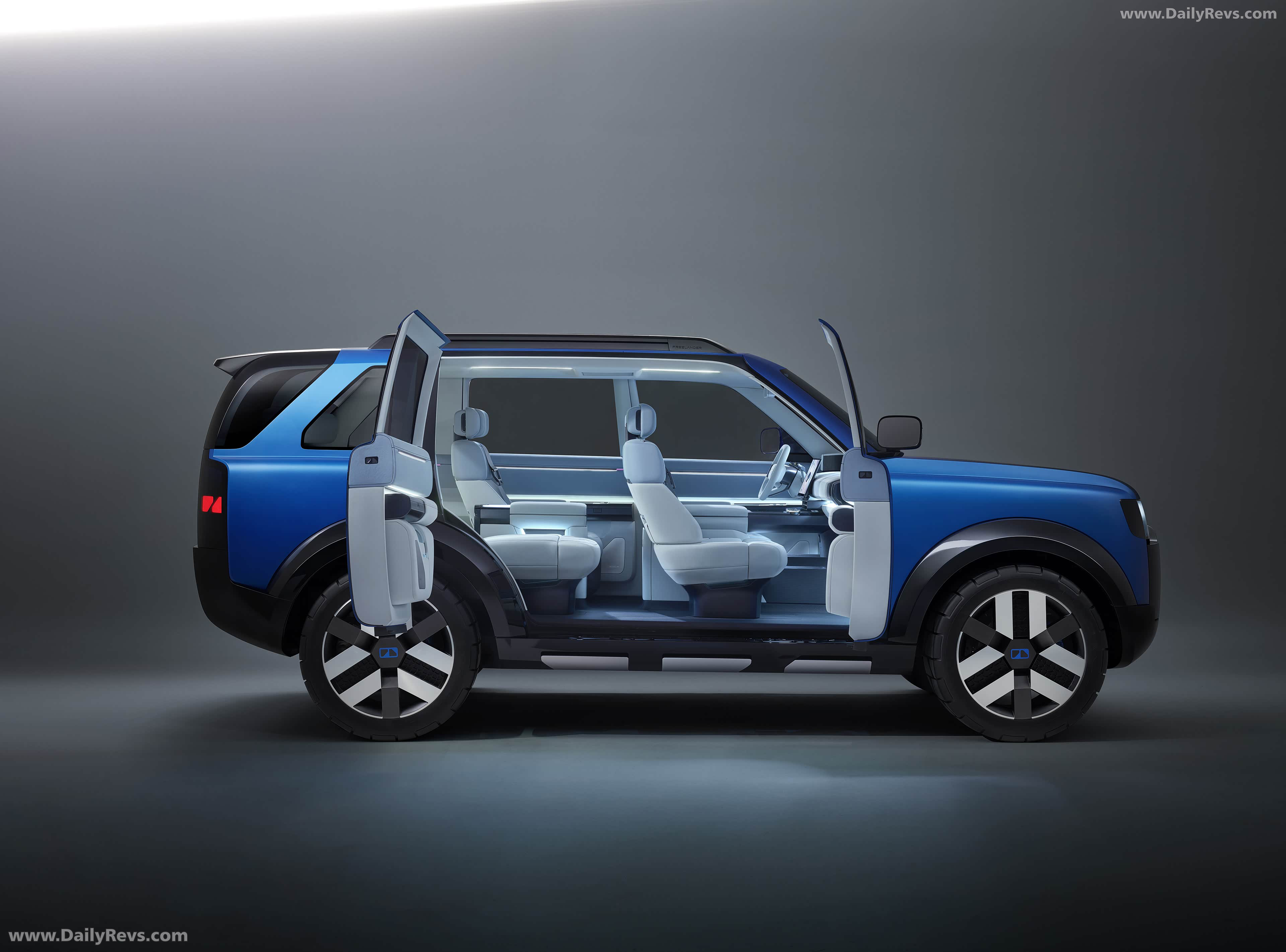
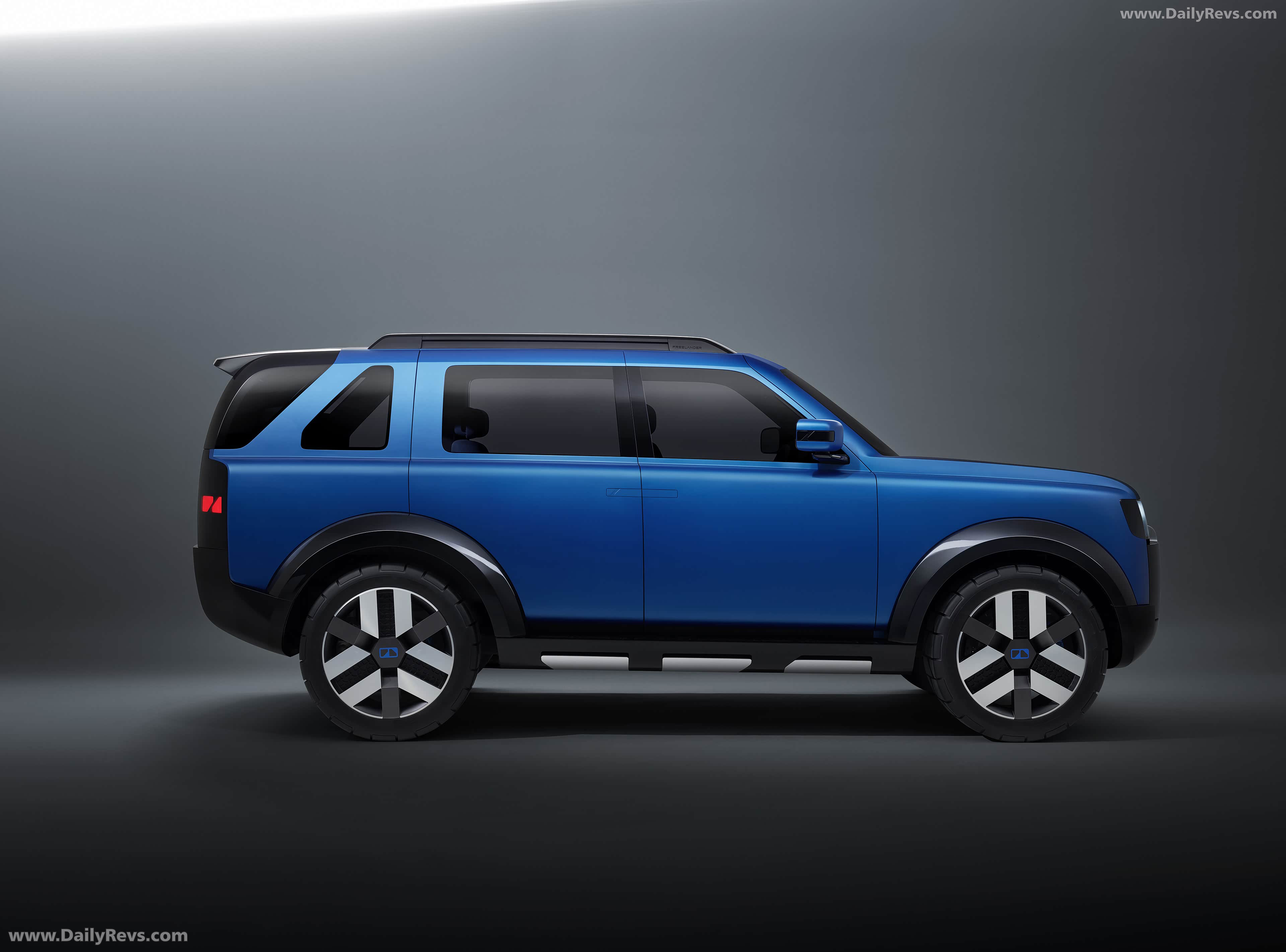
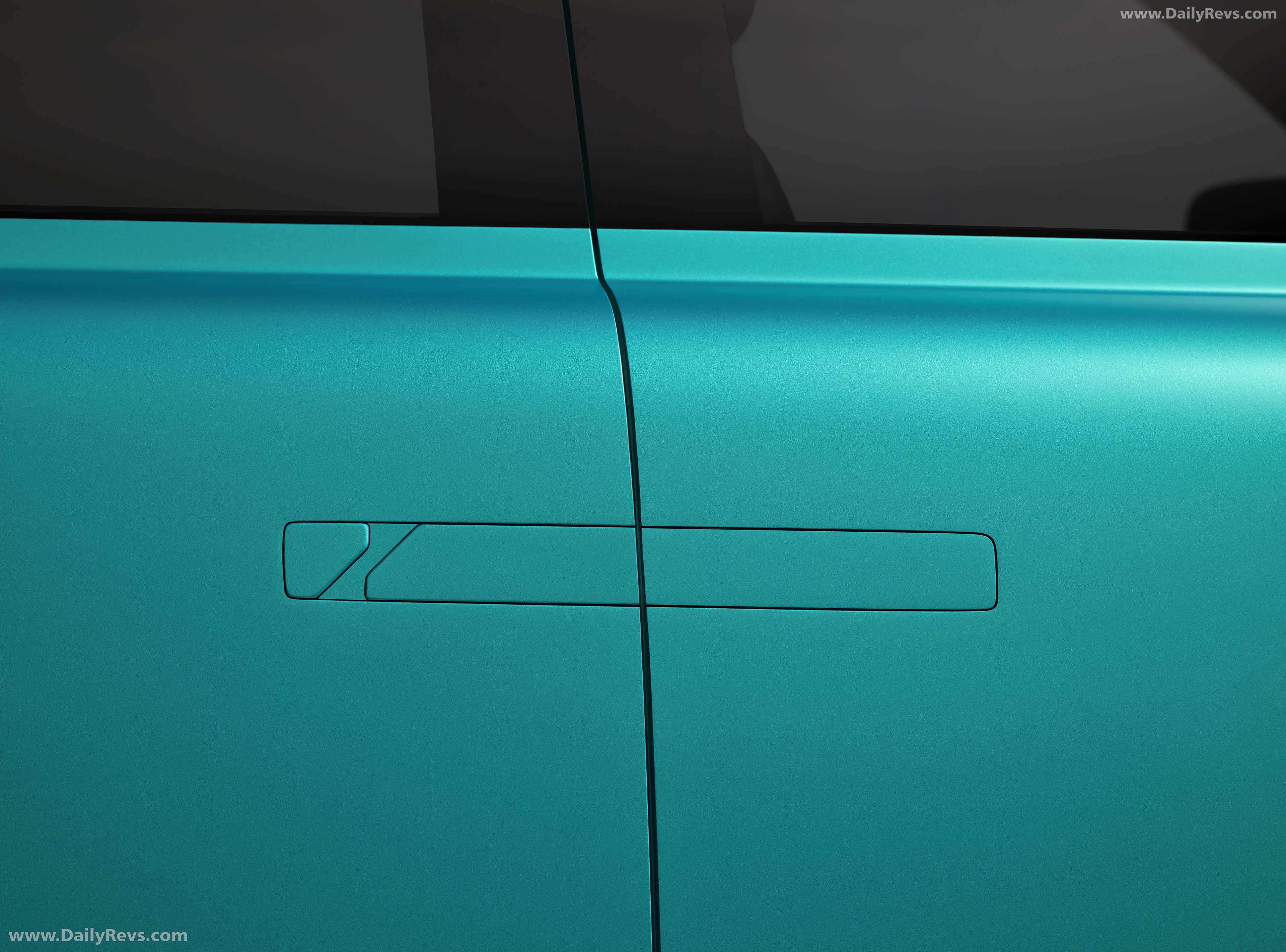
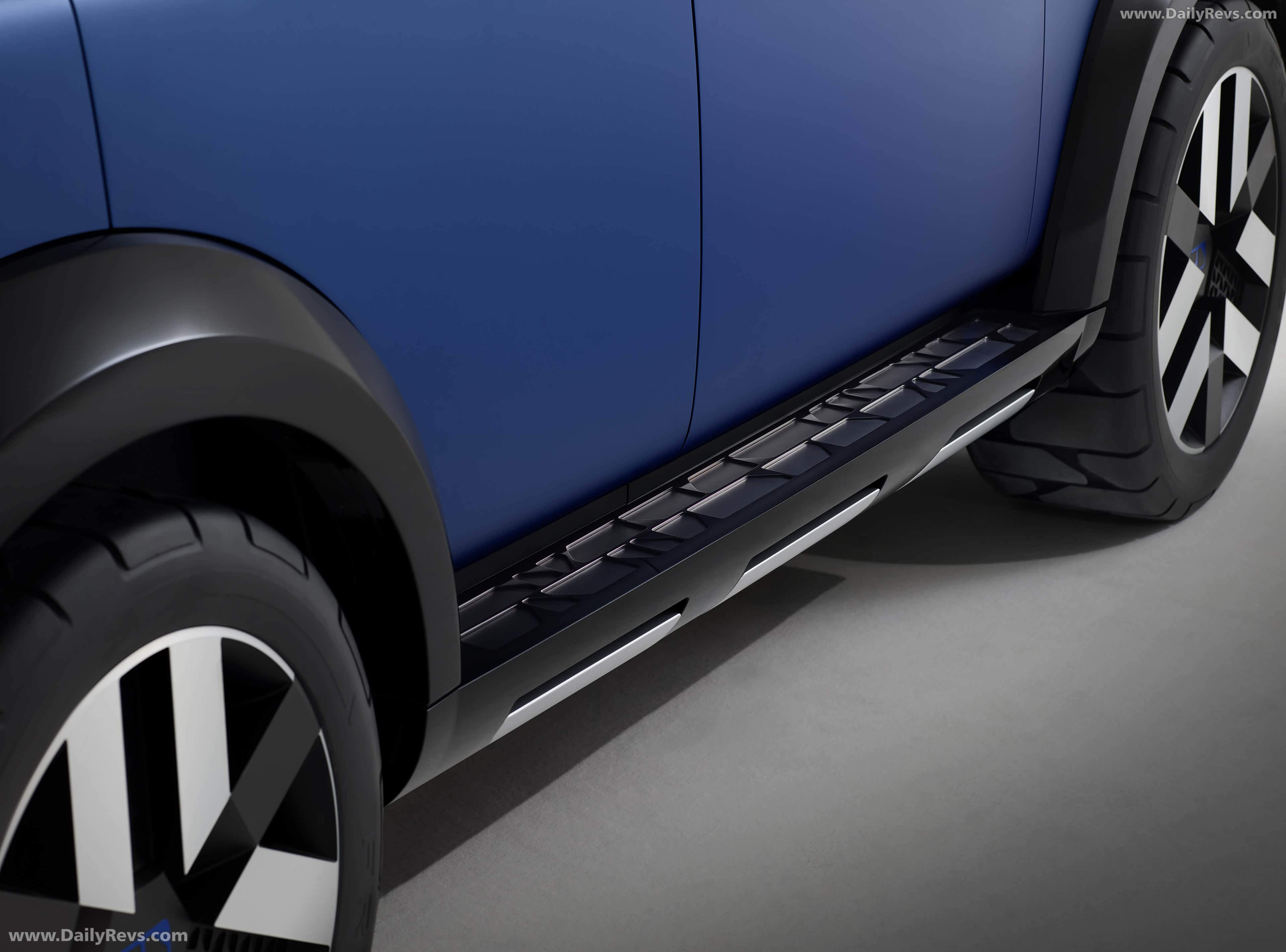
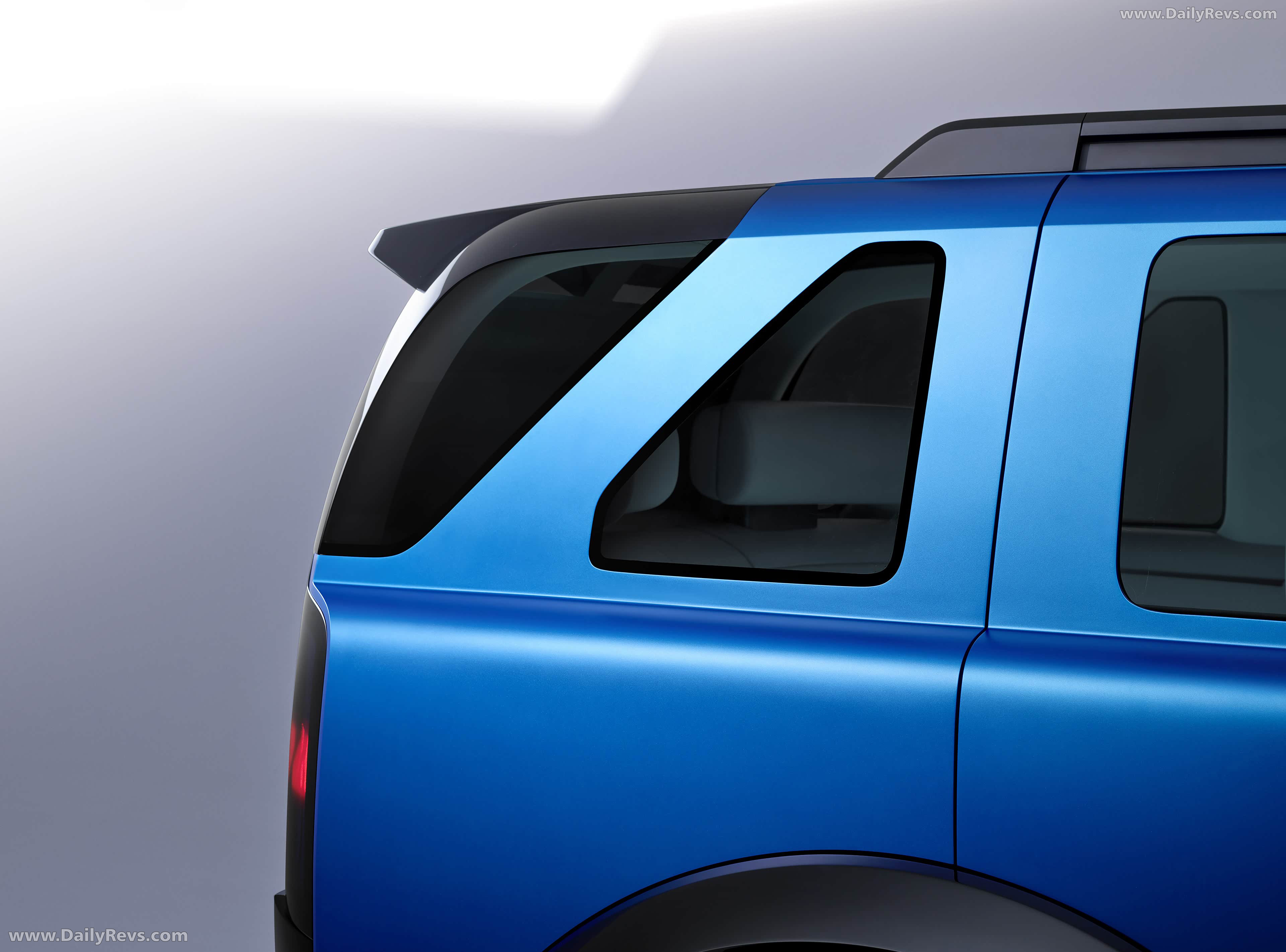
From the side, the proportions feel deliberate. The flat roofline and upright stance give it a solid, almost architectural presence. It’s described as “castle-like,” which fits the way the body is stacked visually — simple surfaces, strong edges, nothing overly sculpted.
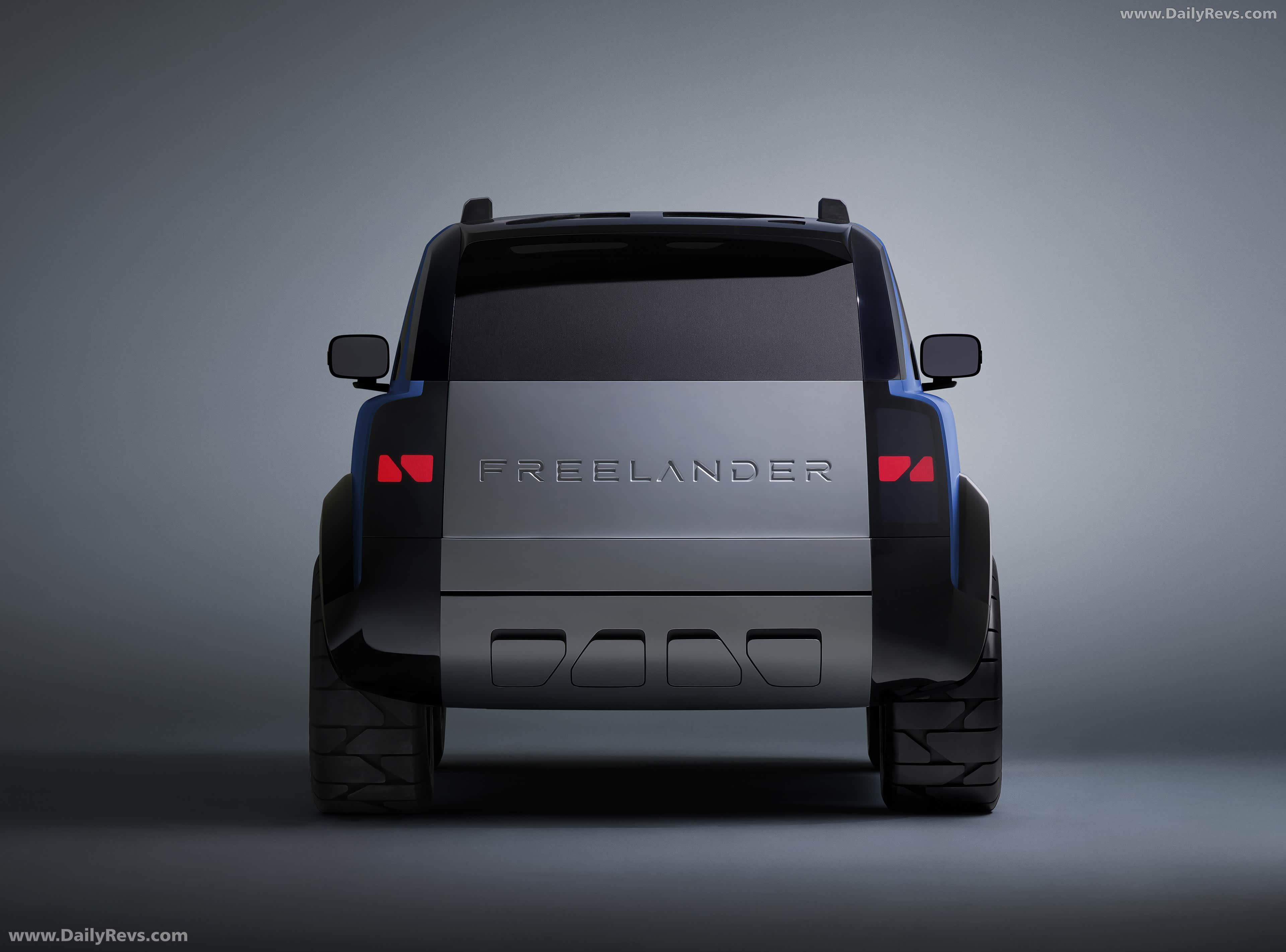
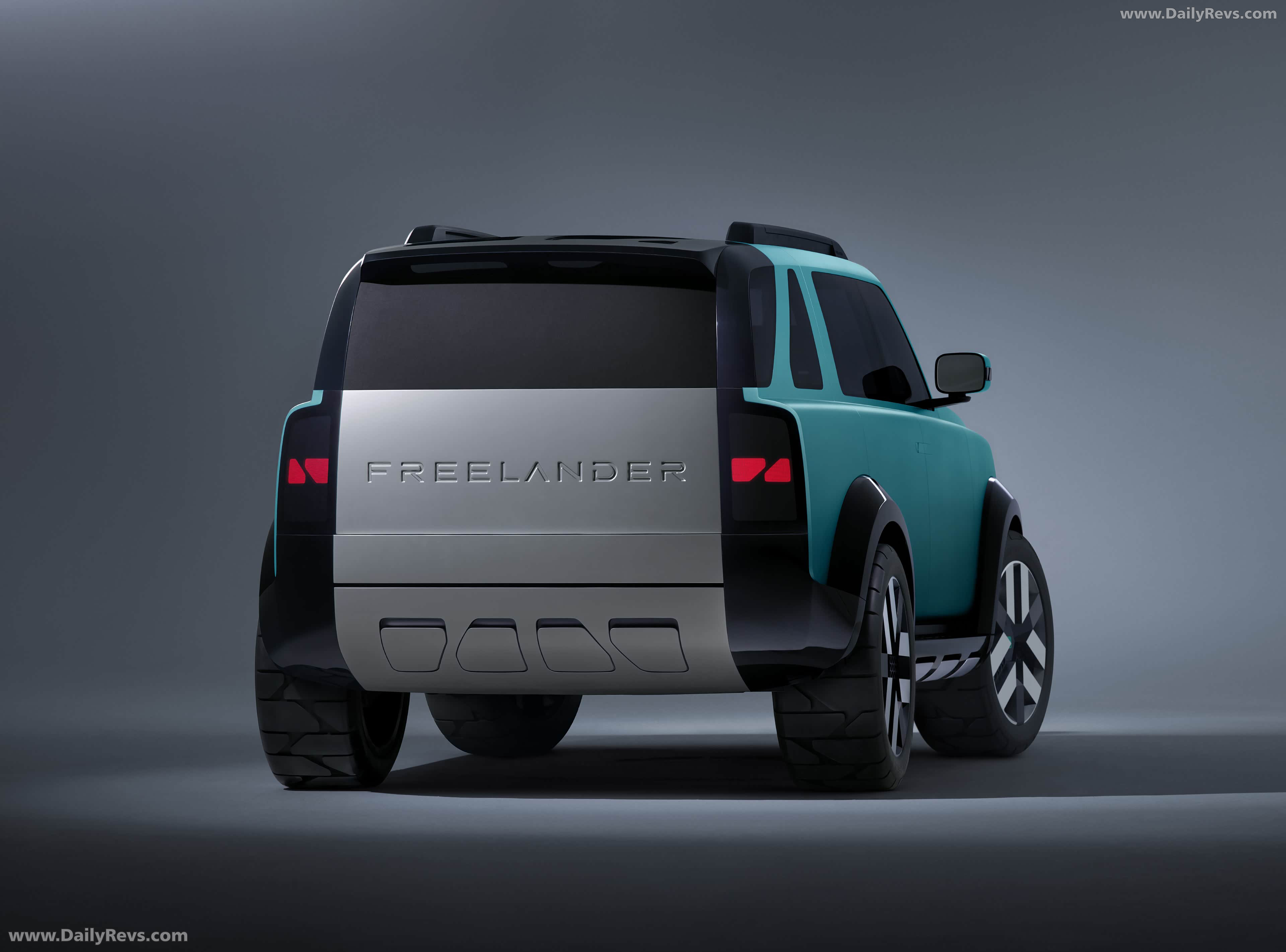
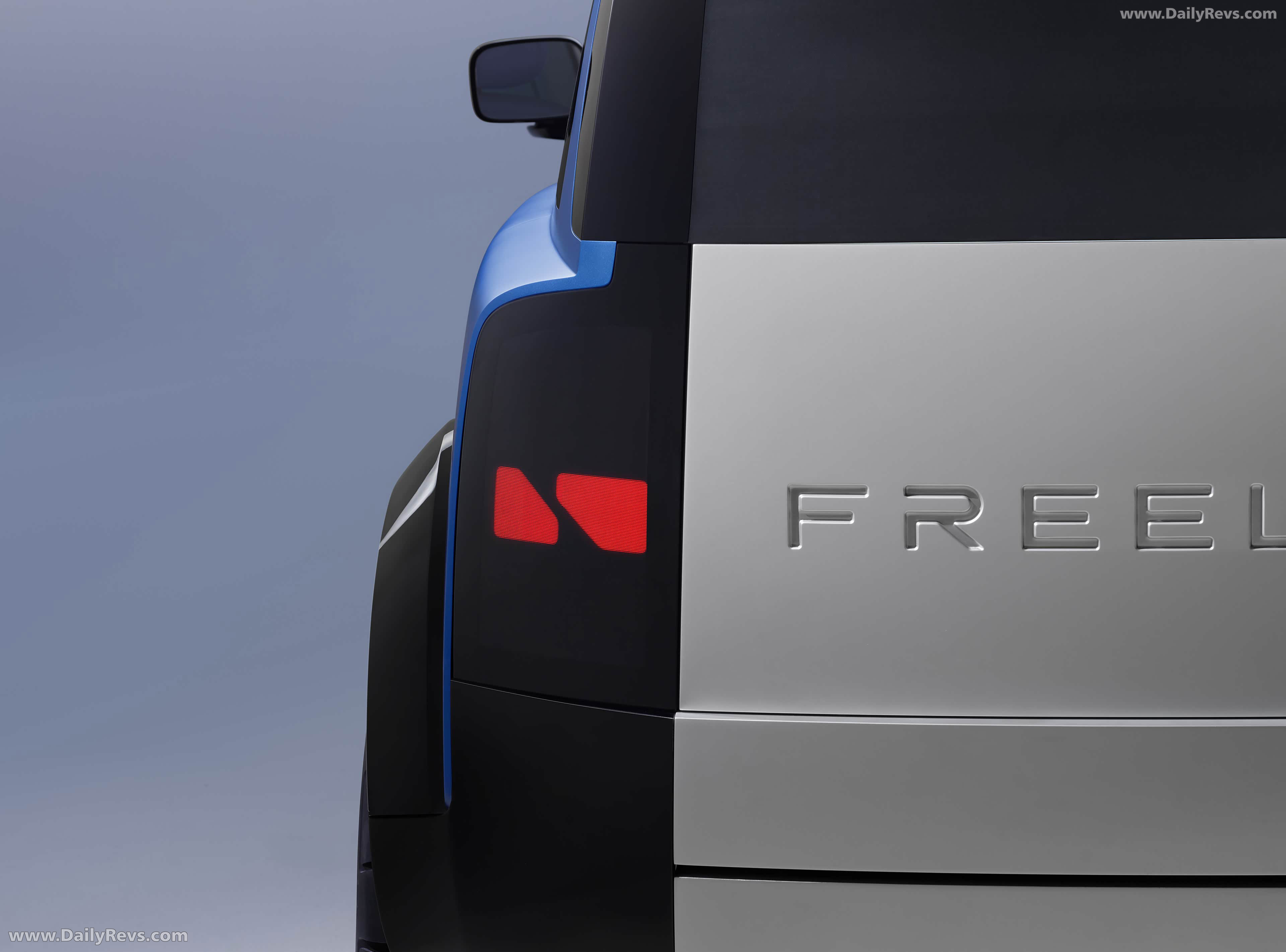
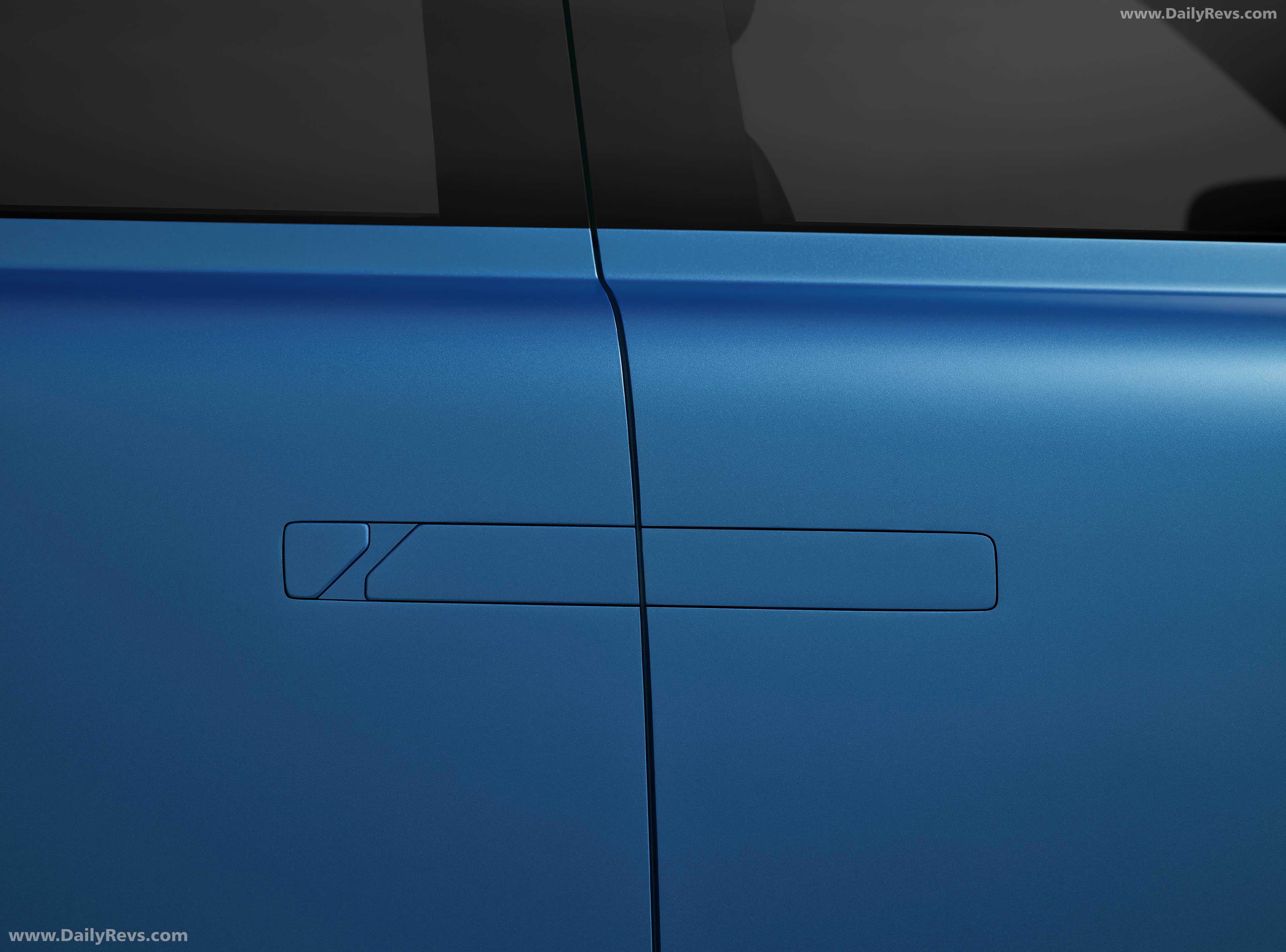
At the rear, vertical lines dominate. The tailgate design keeps things clean, with a large central section that pushes the branding forward.
Proportions built around utility
The Concept 97 sticks to the idea of an all-terrain SUV with everyday usability. That balance has been part of the Freelander identity from the beginning.
The shape suggests a focus on stability and visibility rather than outright sportiness. A wider lower section and narrower upper body create a grounded stance, especially when viewed from the rear.
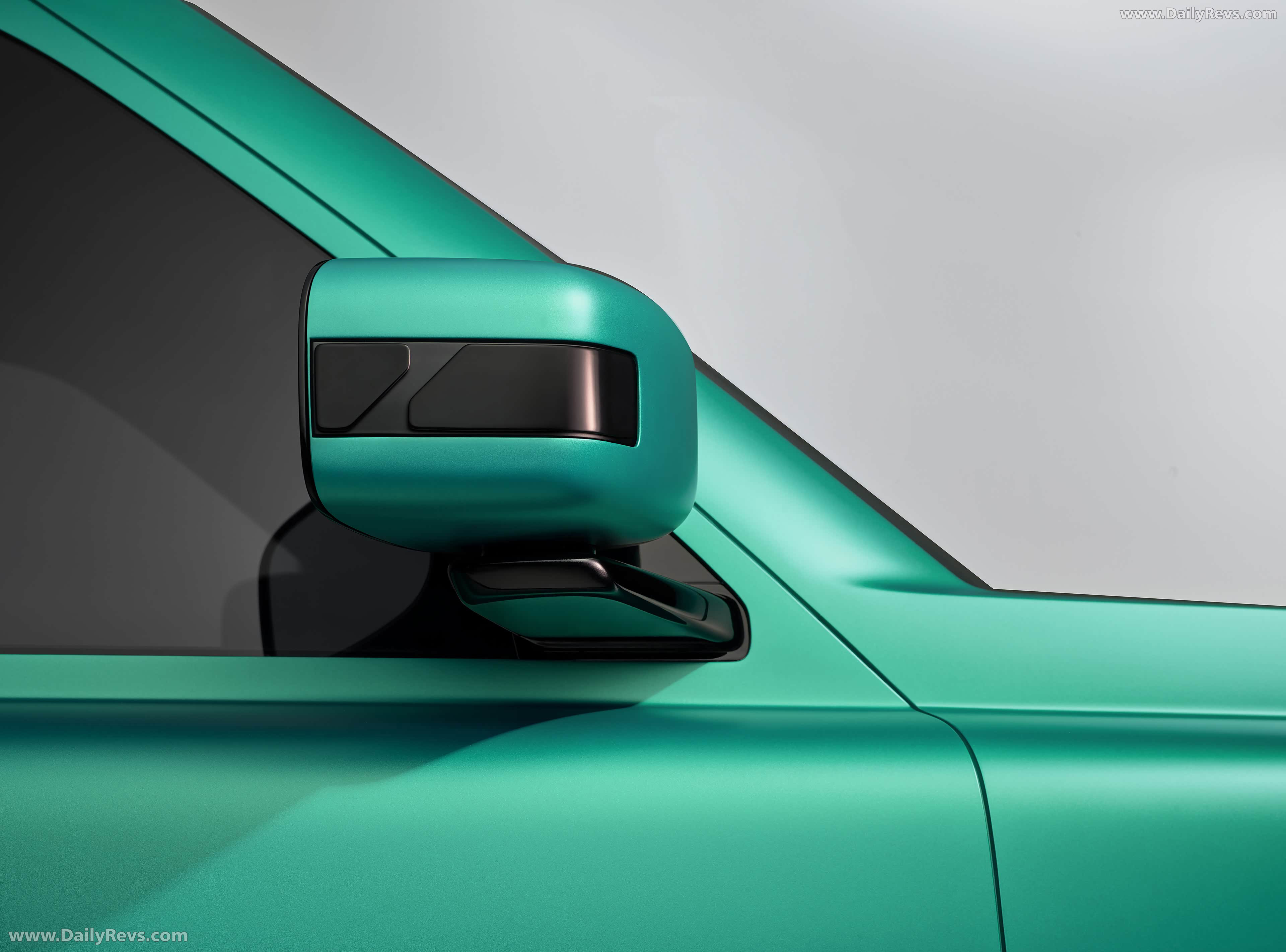
Two exterior colors are mentioned — Glacier Blue and Thousand Mountain Green — both tied to natural environments rather than urban settings.
Interior leans into space and flexibility
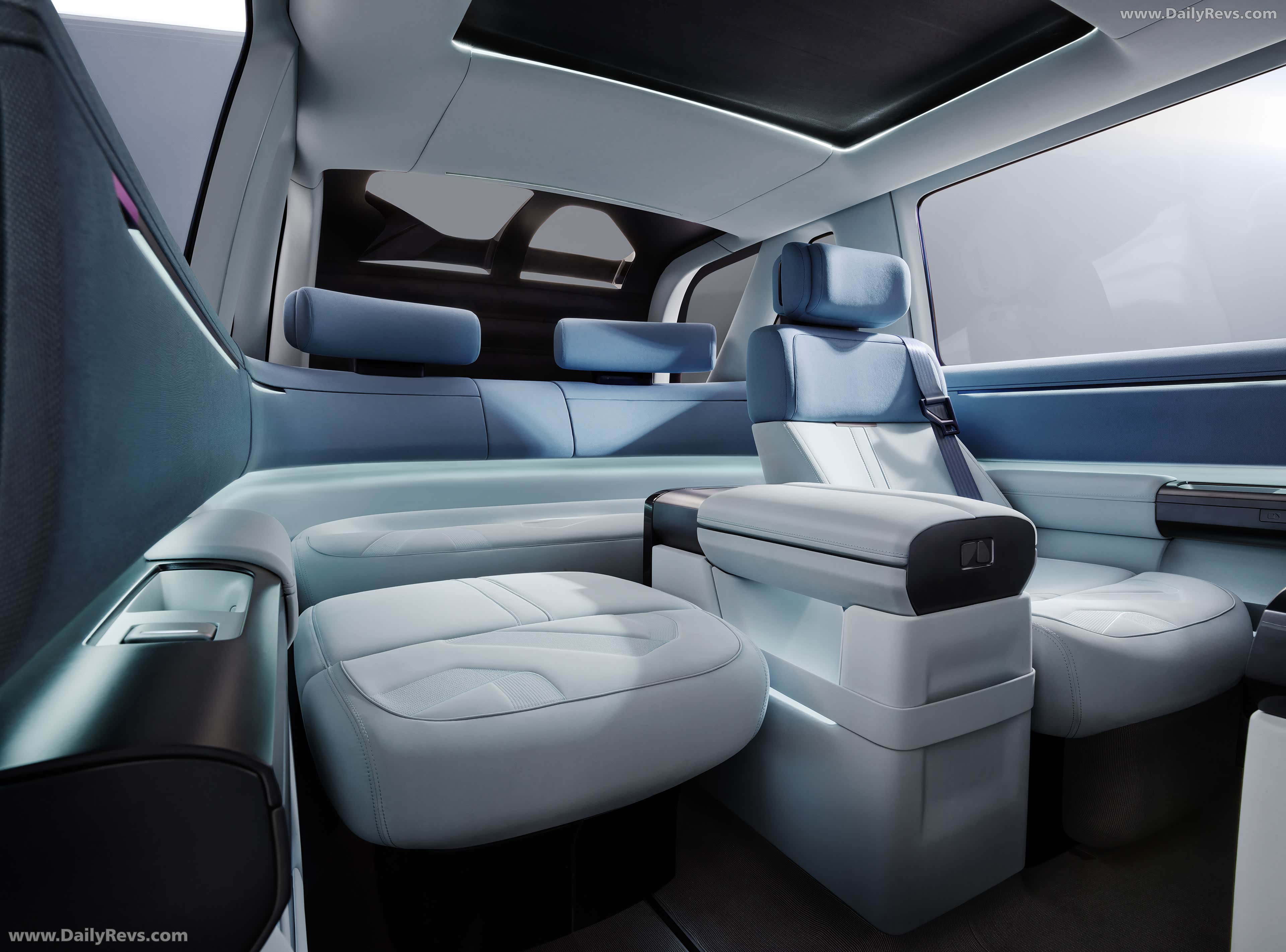
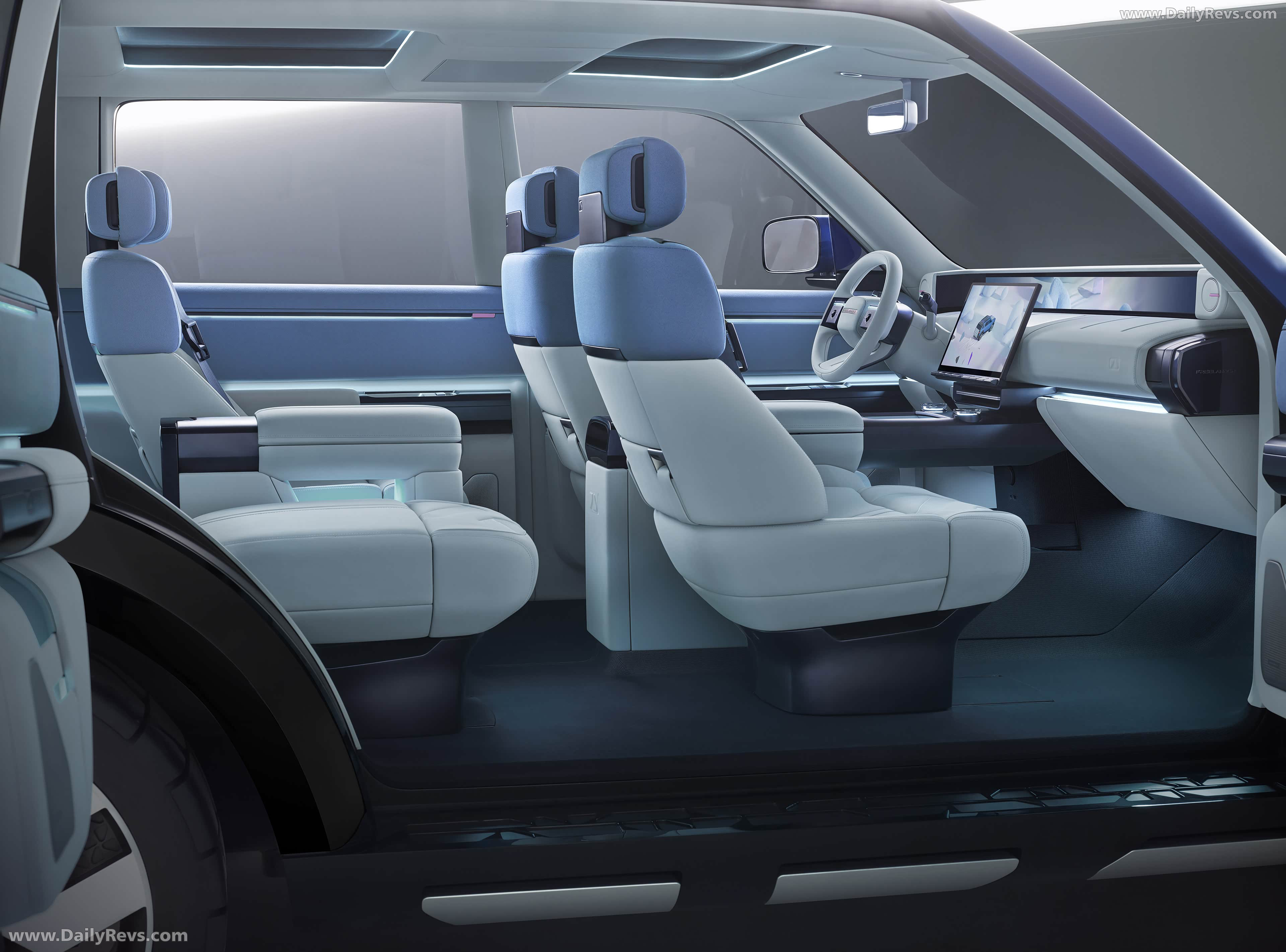
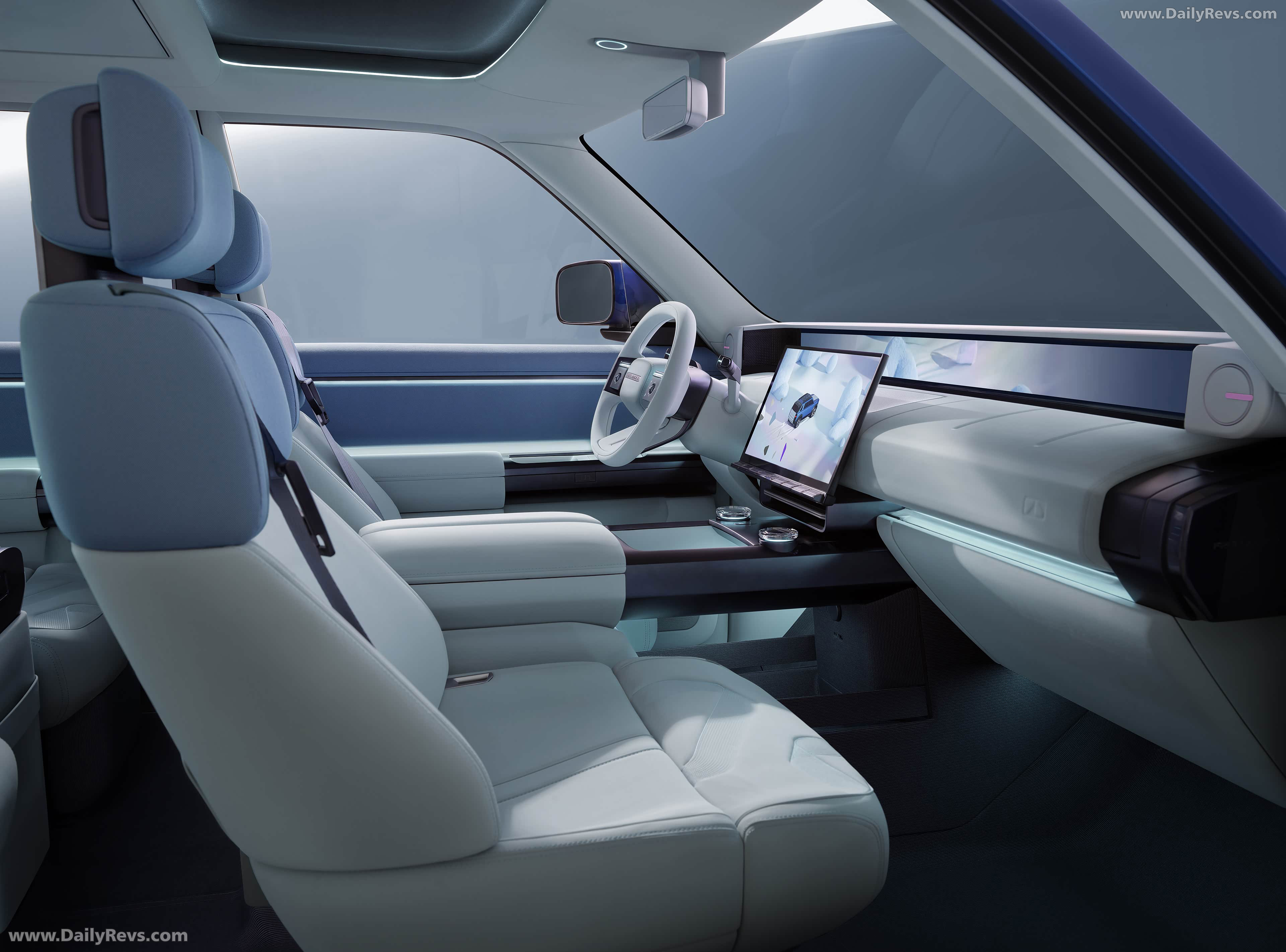
Inside, the approach shifts toward openness.
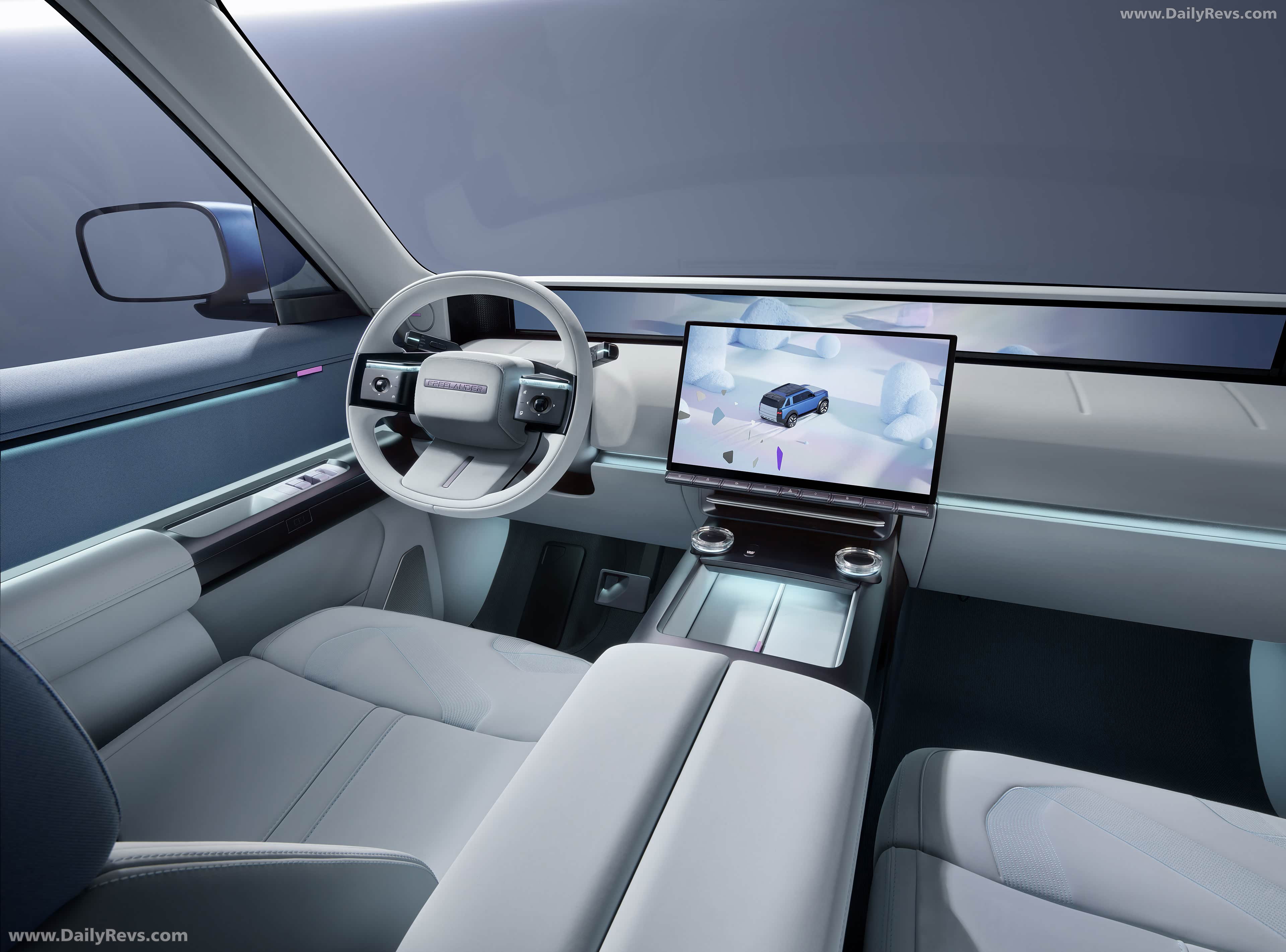
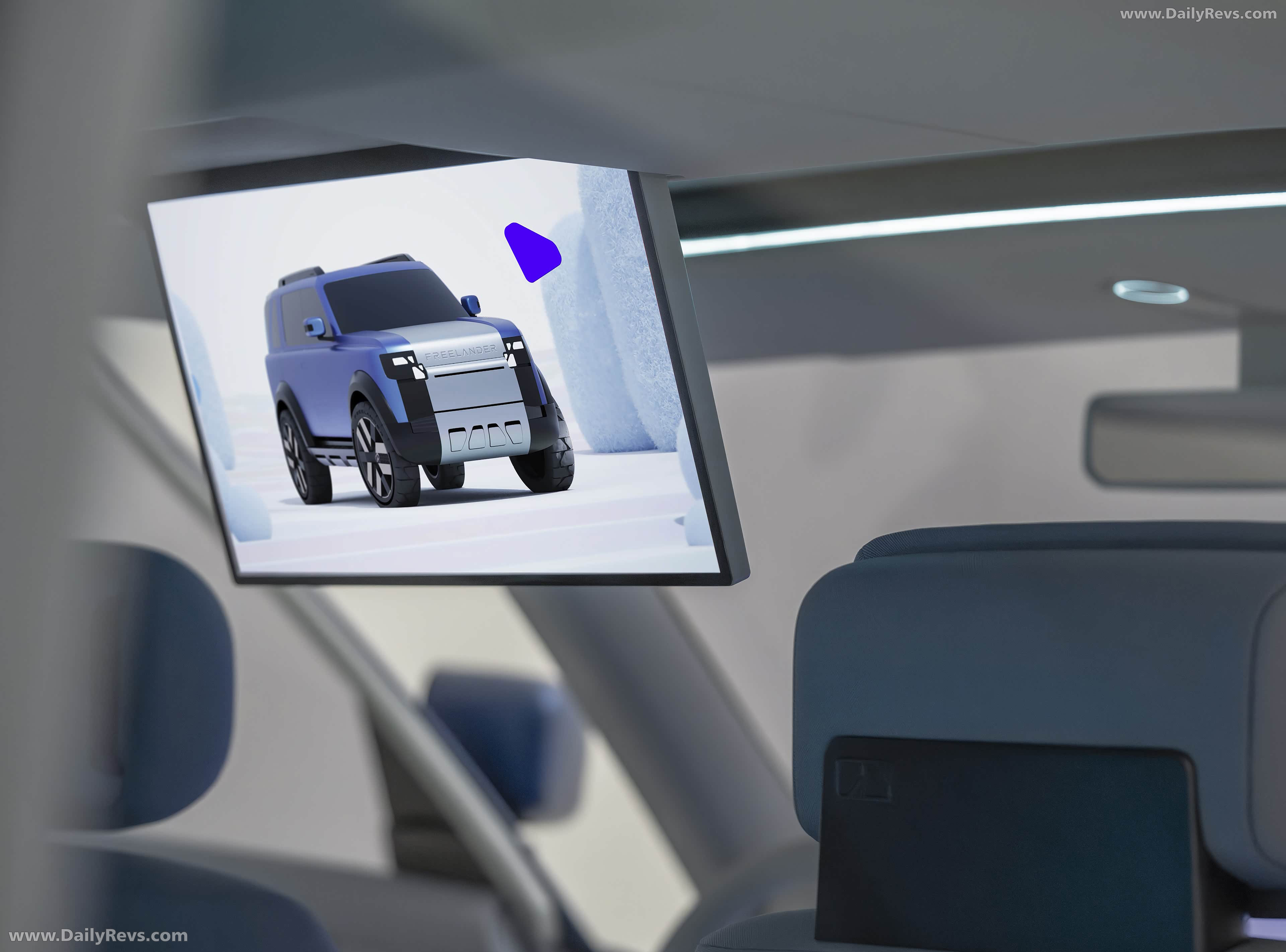
The seating layout is described as a “commanding” position, which likely translates to higher seating and clear outward visibility. The concept also introduces a retractable Targa-style rear window, which changes how the rear section can be used.
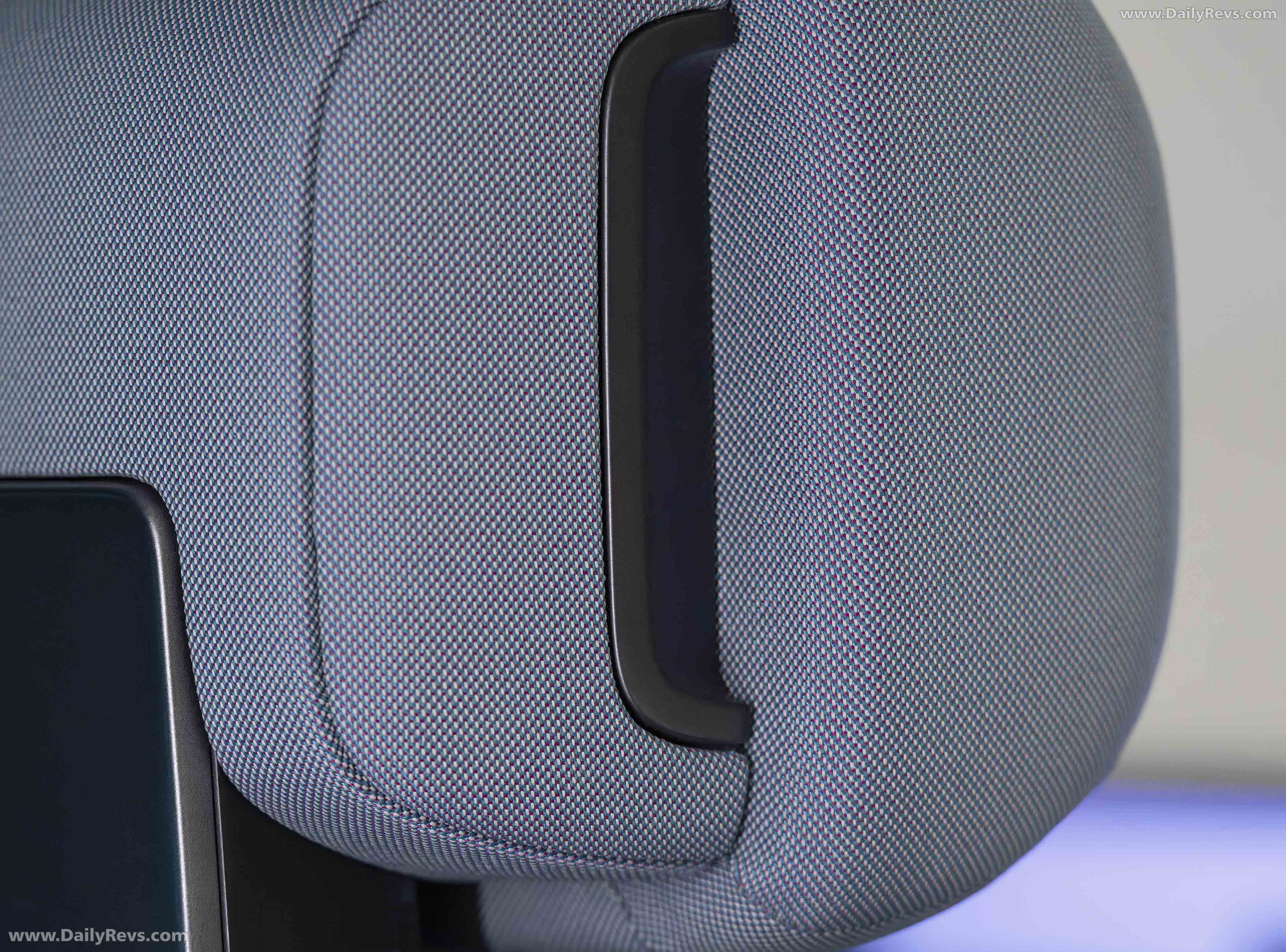
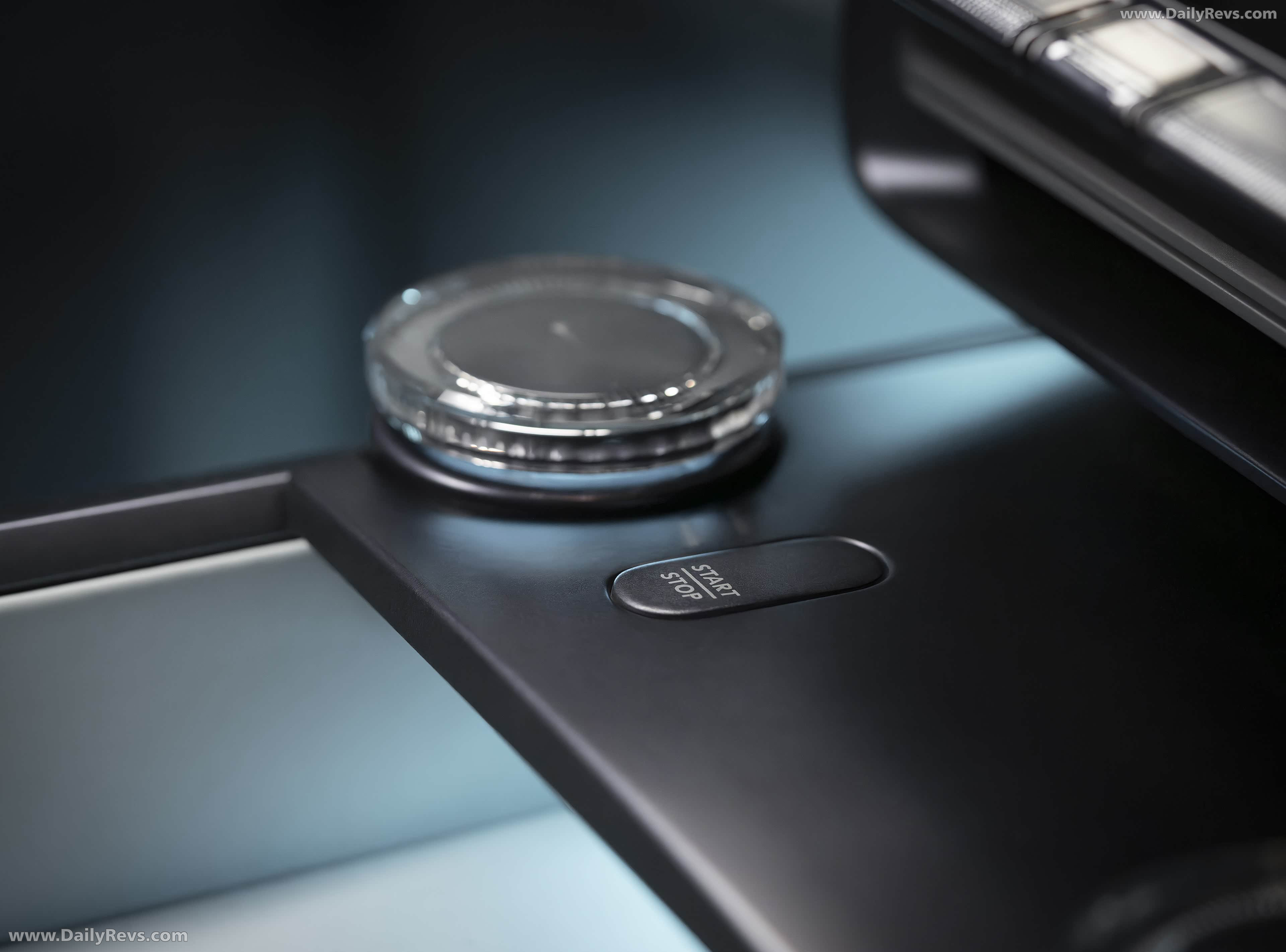
Materials play a role here as well. The cabin uses fabric-based finishes that combine environmental considerations with a more technical look. It doesn’t rely heavily on traditional luxury cues.
Technology becomes the main focus
Much of the Concept 97’s identity is tied to its technology stack.
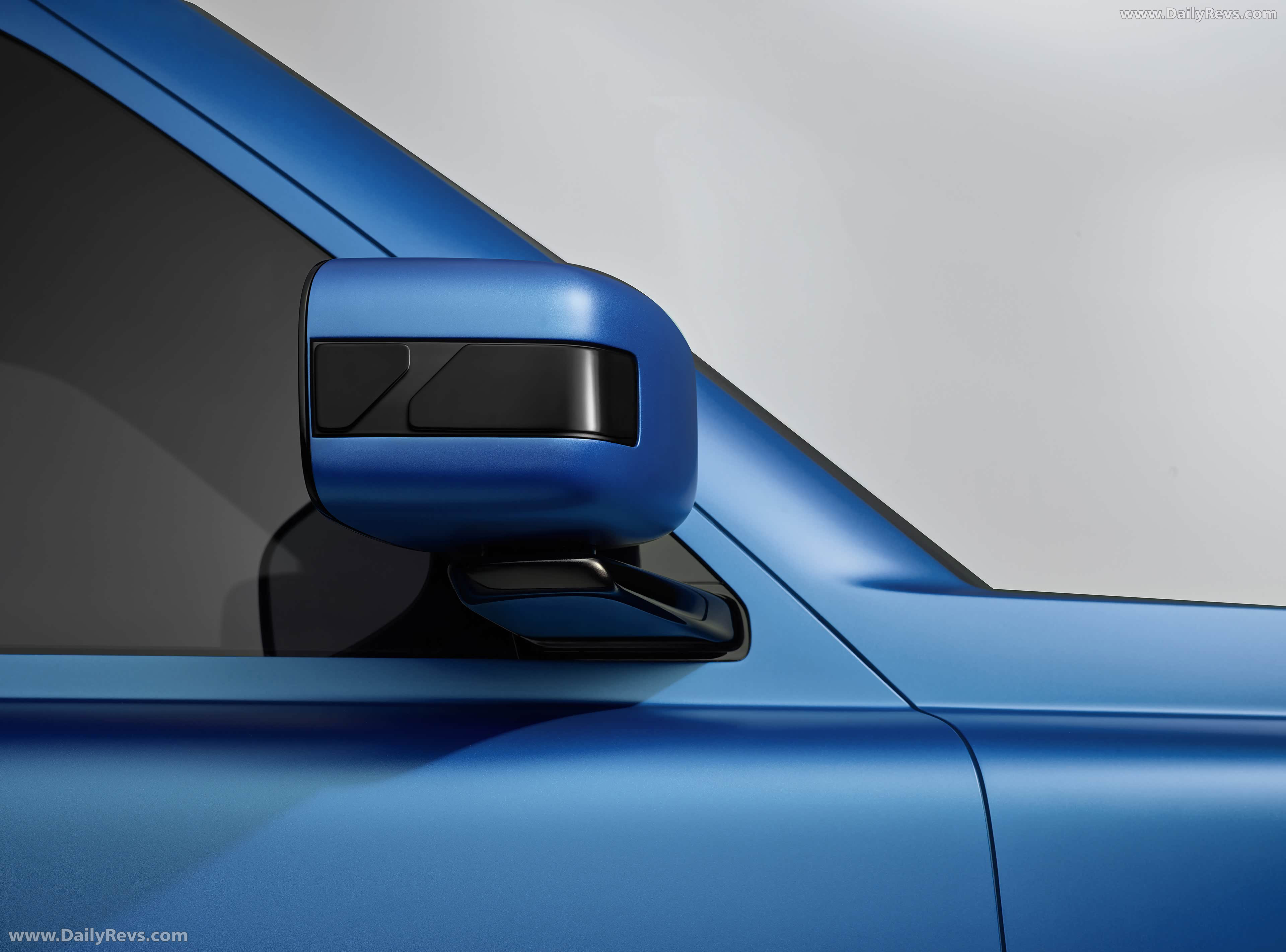
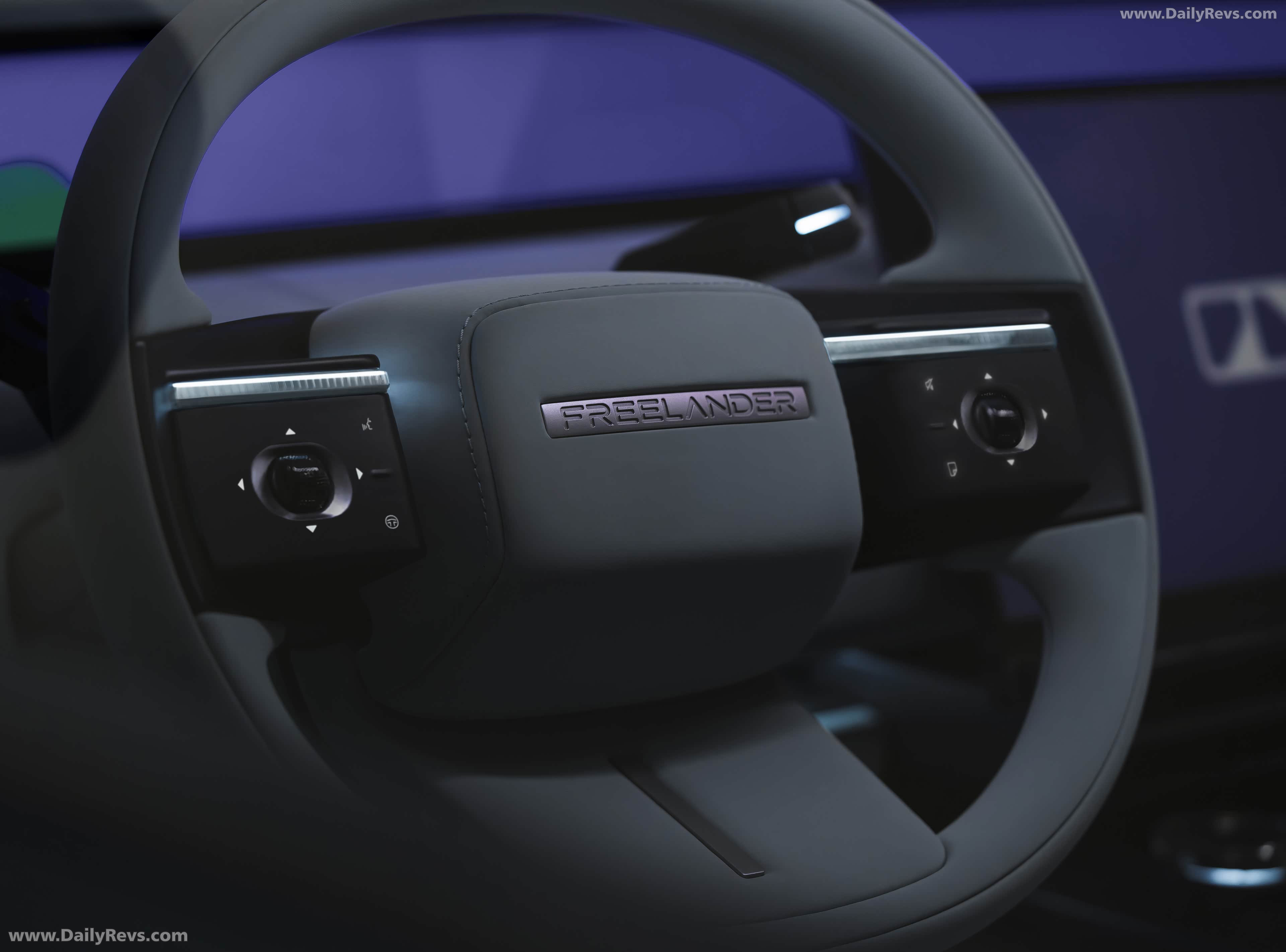
It runs Huawei’s Qiankun ADS 4.1 intelligent driving system and uses an 896-line LiDAR setup for sensing. Processing power comes from Qualcomm’s Snapdragon 8397 automotive chip, which significantly increases computing performance compared to earlier systems.
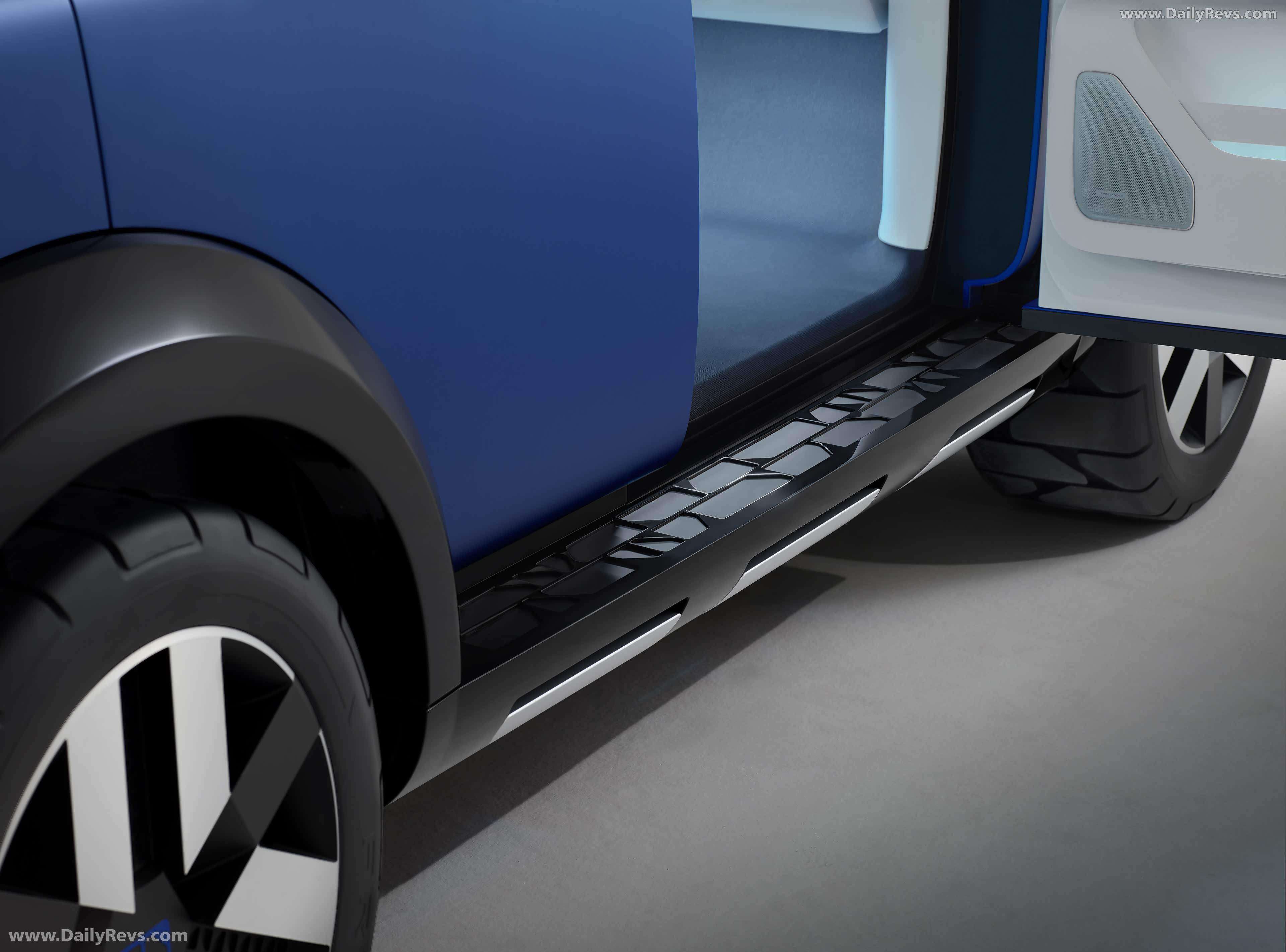
The platform itself is built around an 800V architecture, paired with a battery developed alongside CATL. There’s also an i-ATS intelligent all-terrain system, created through collaboration with Huawei, aimed at improving adaptability across different surfaces.