2027 Ferrari 296 Challenge Stradale
By Lorenzo Bianchi November 23, 2026
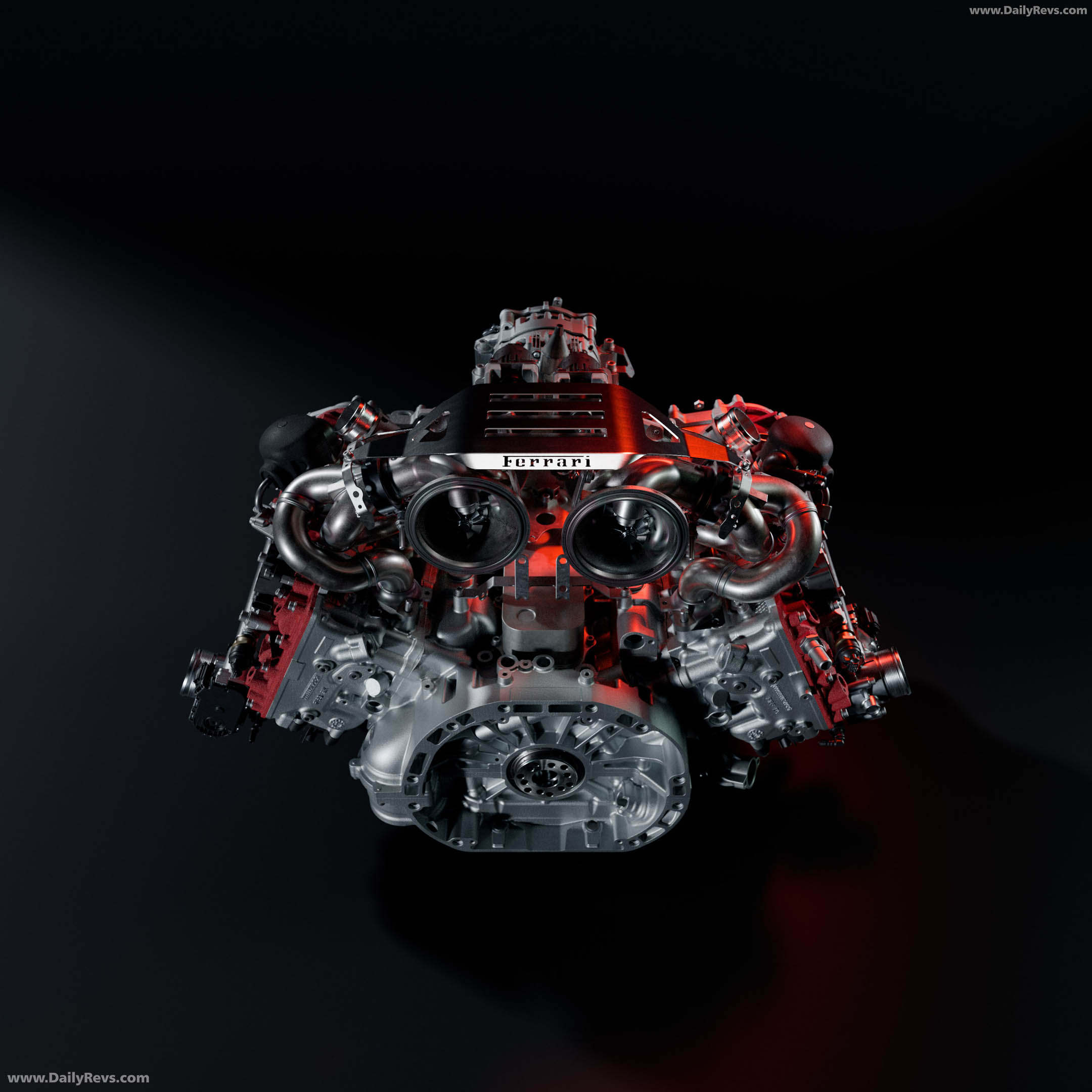
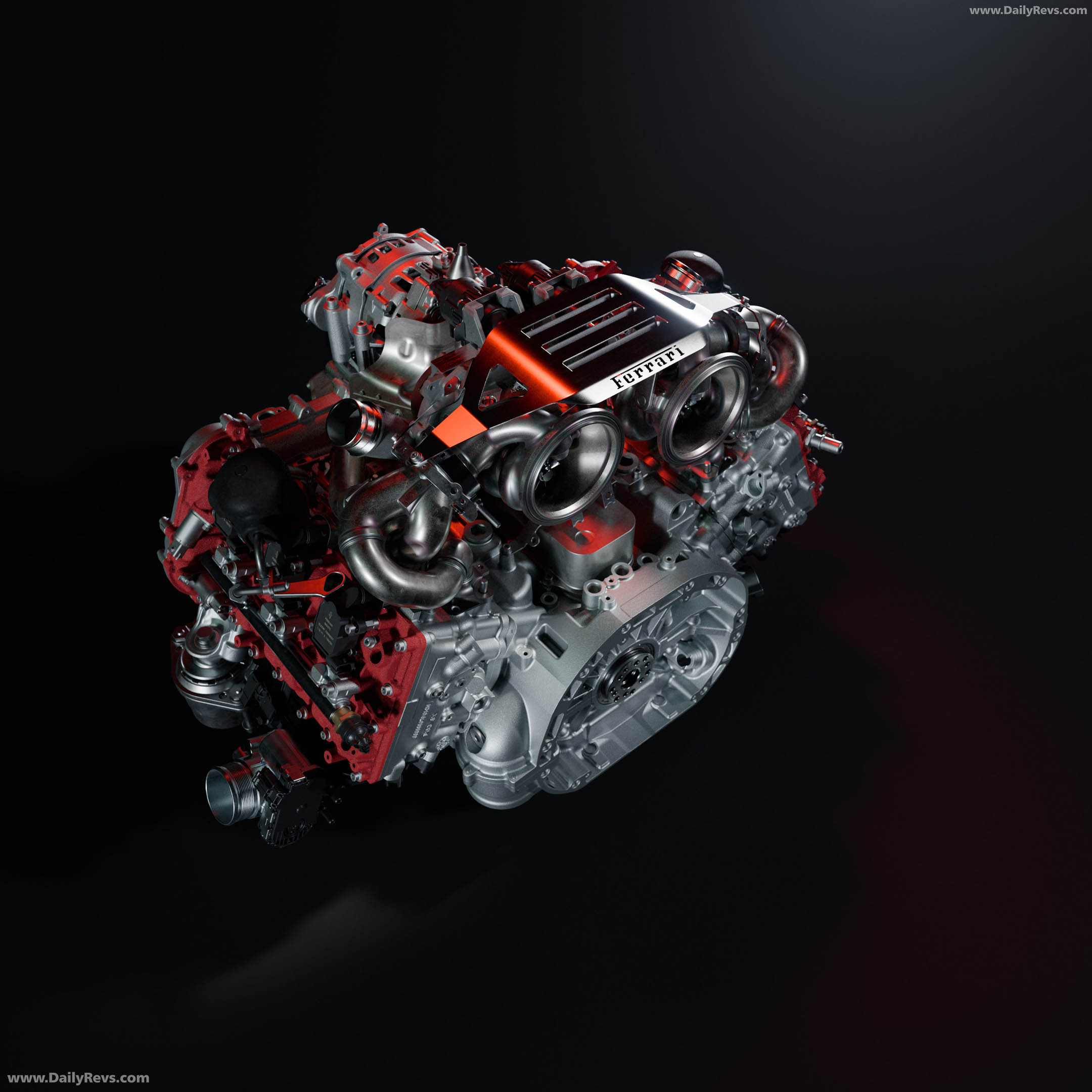
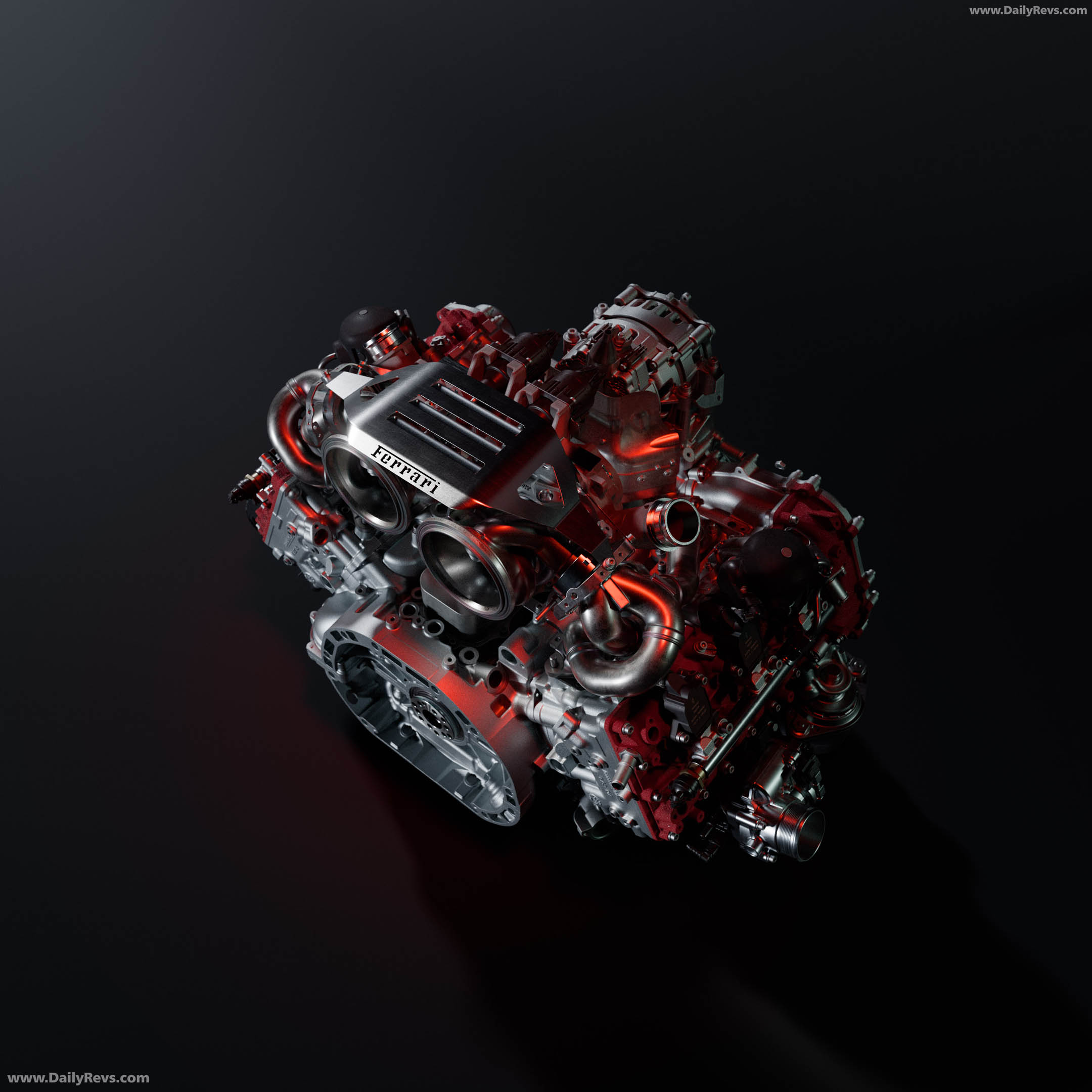
The 2027 Ferrari 296 Challenge Stradale uses a 2,992 cc twin-turbocharged V6 producing 670 hp and 740 Nm, paired with an eight-speed F1 dual-clutch transmission.
Its aerodynamic package generates 617 kg of downforce at 250 km/h, while lightweight construction reduces dry weight by 140 kg compared with the 296 GTB.
Performance figures include 0–100 km/h in 2.8 seconds, 0–200 km/h in 7.9 seconds and a Fiorano lap time of 1 minute 18.500 seconds.
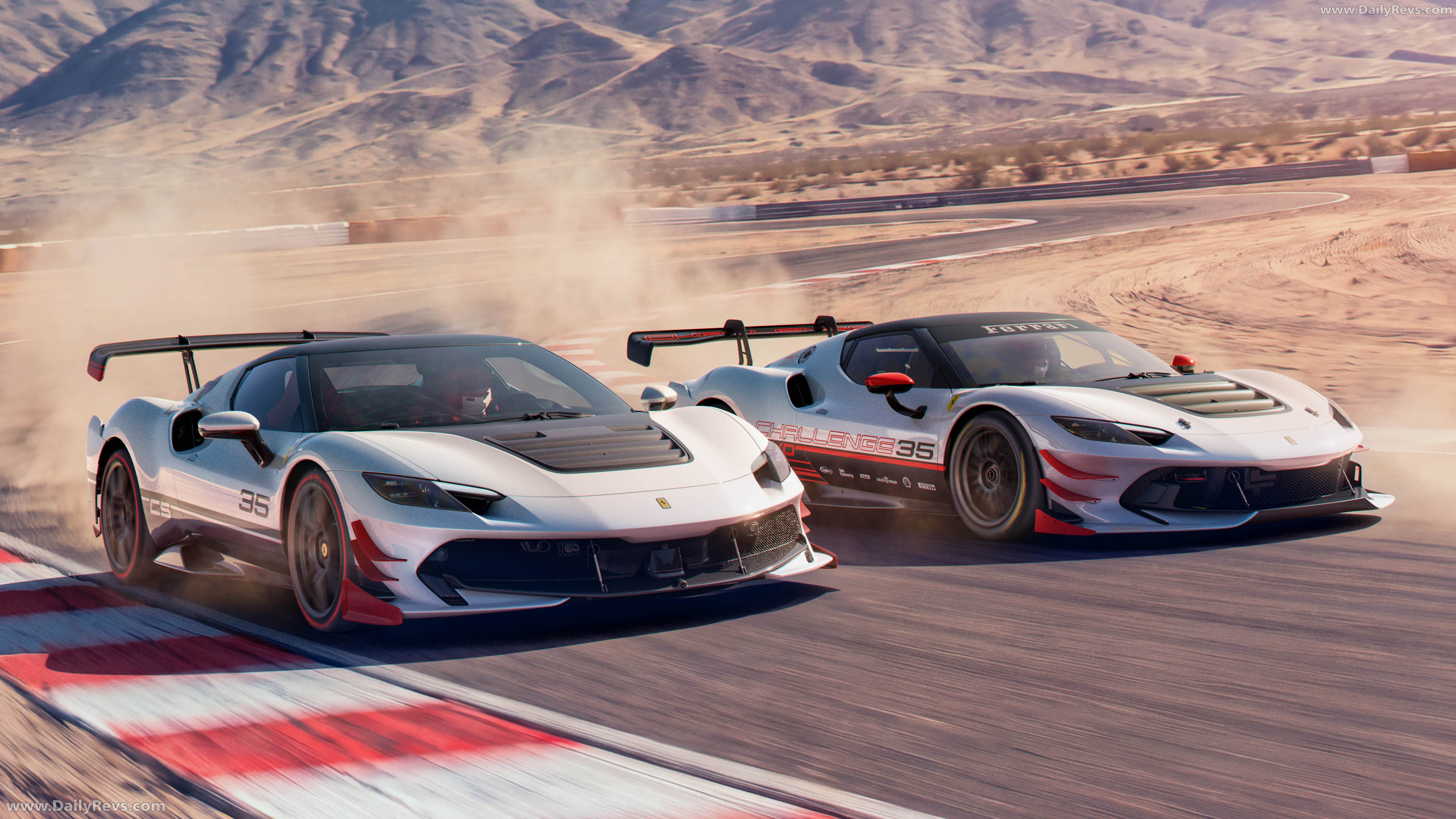
Ferrari has introduced the 296 Challenge Stradale, a road-legal sports car developed alongside the new 296 Challenge Evo racing model.
Both cars made their debut at the 2026 Ferrari Finali Mondiali, held at the Circuit de Barcelona-Catalunya on November 21.
The 2027 Ferrari 296 Challenge Stradale takes much of its engineering inspiration from Ferrari's single-make racing programme. It has no hybrid assistance, weighs considerably less than the 296 GTB and uses a dedicated aerodynamic package.
Ferrari has concentrated on making the car more responsive during demanding track driving while retaining the equipment required for road use.
Motorsport Inspired Exterior With Fixed Rear Wing
The 296 Challenge Stradale looks considerably more aggressive than the standard 296 GTB.
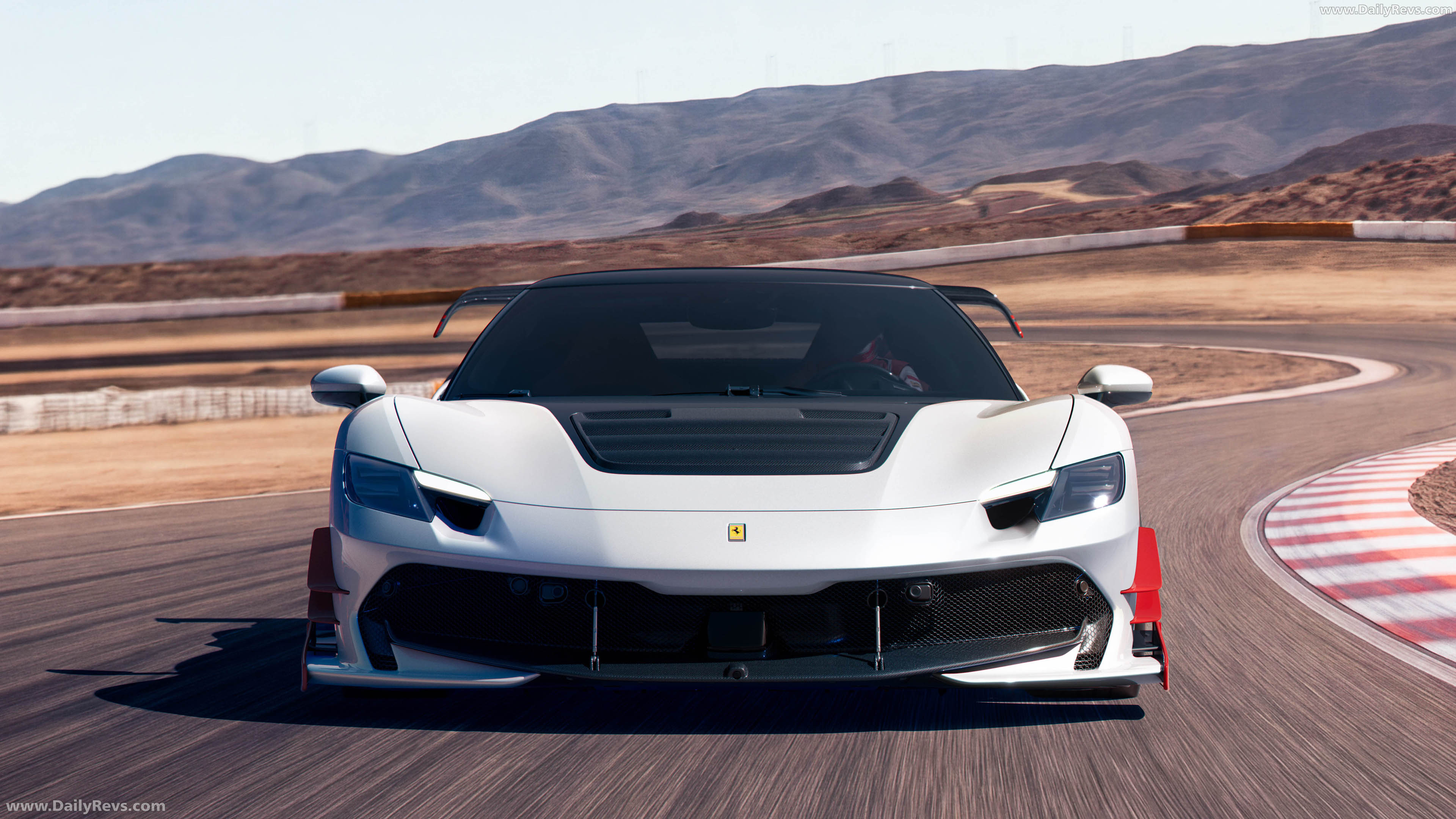
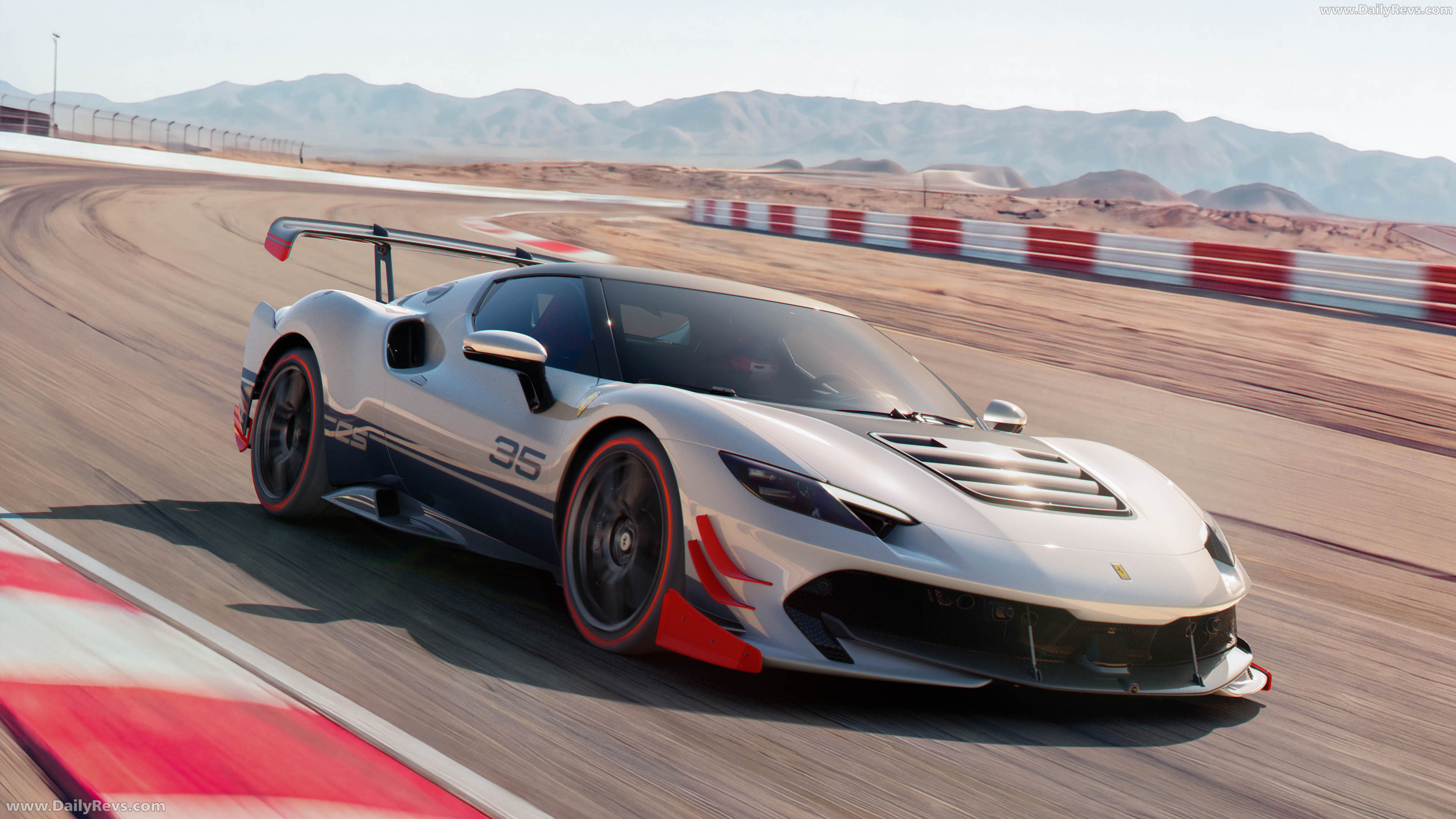
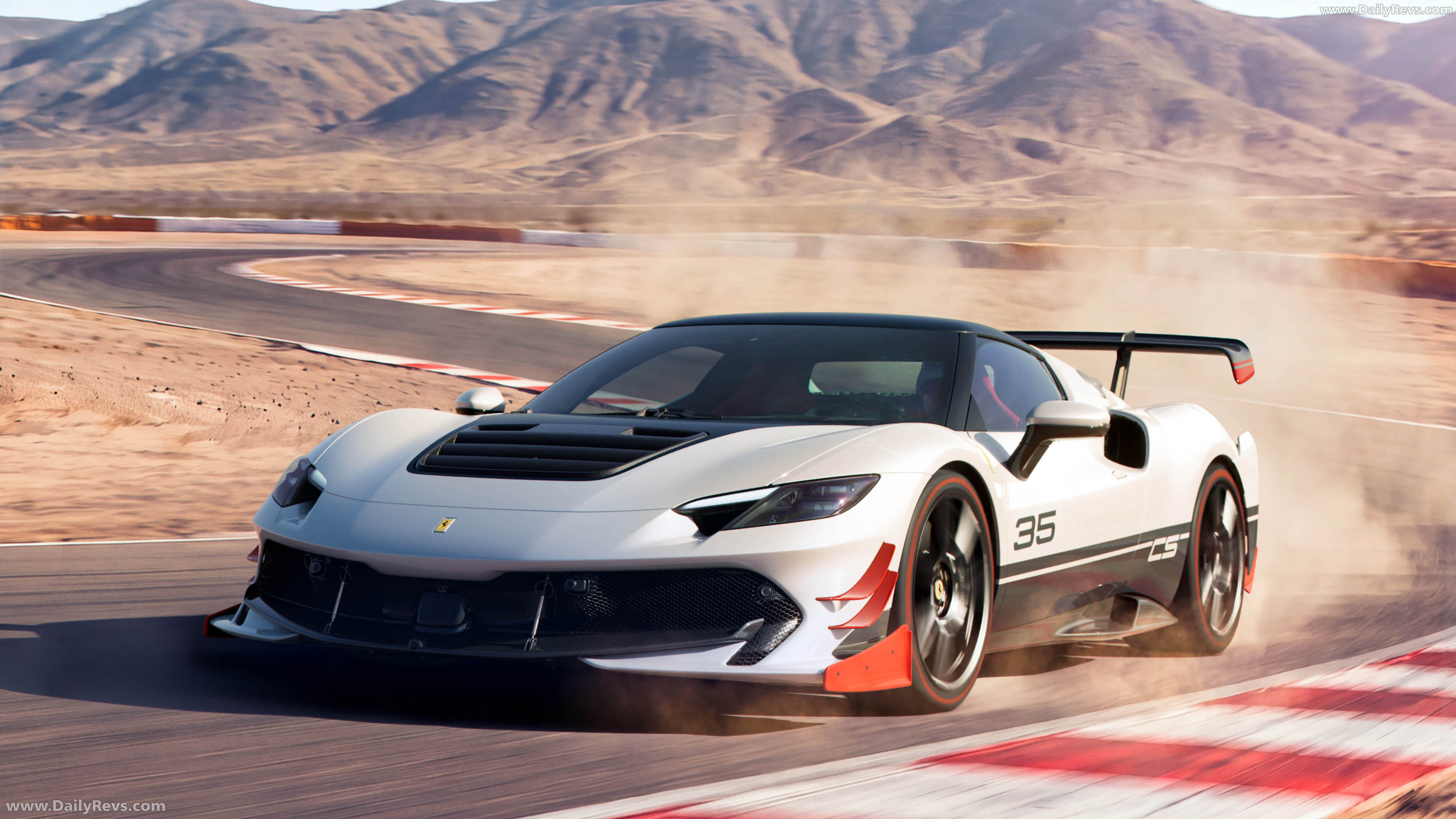
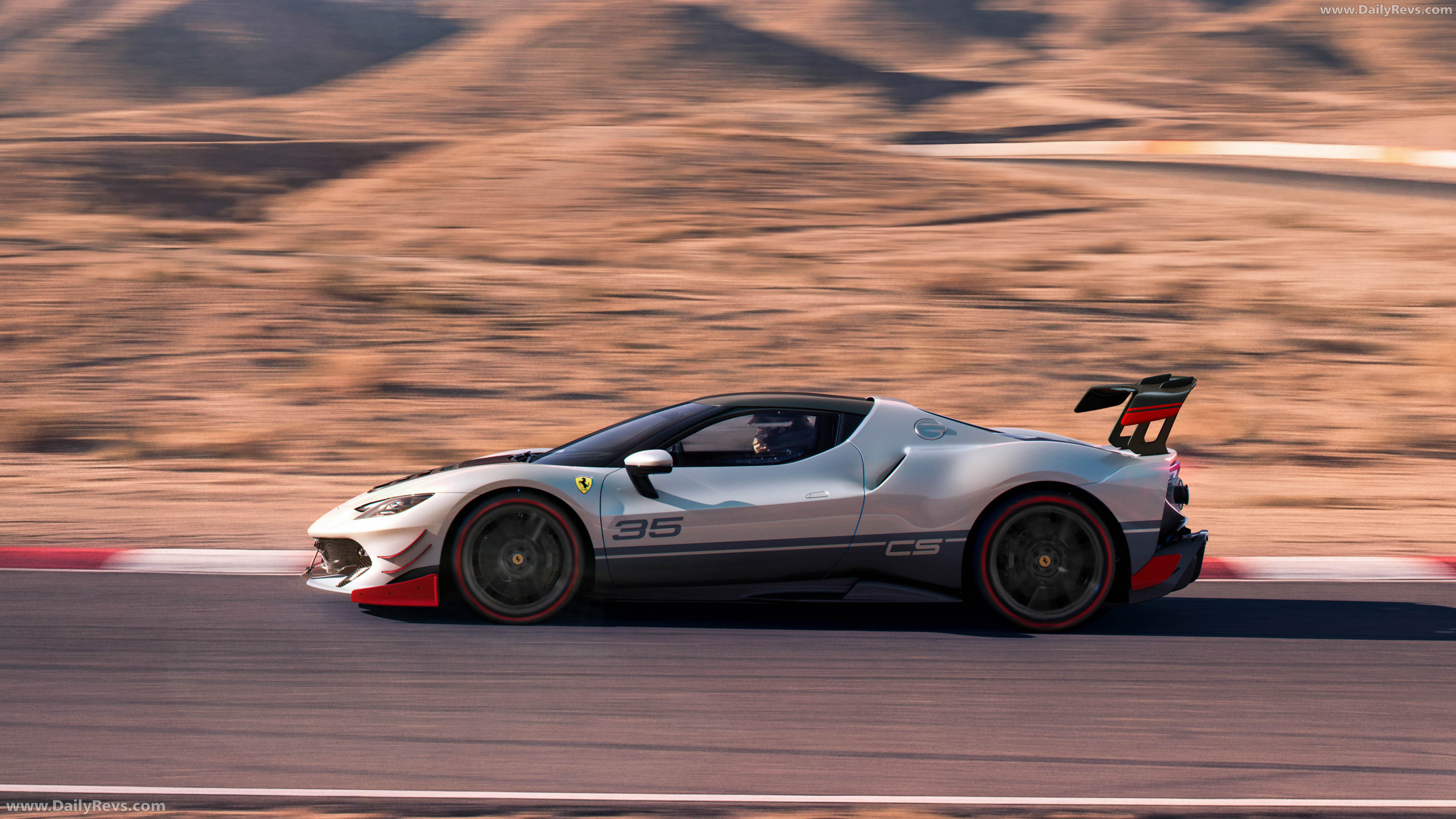
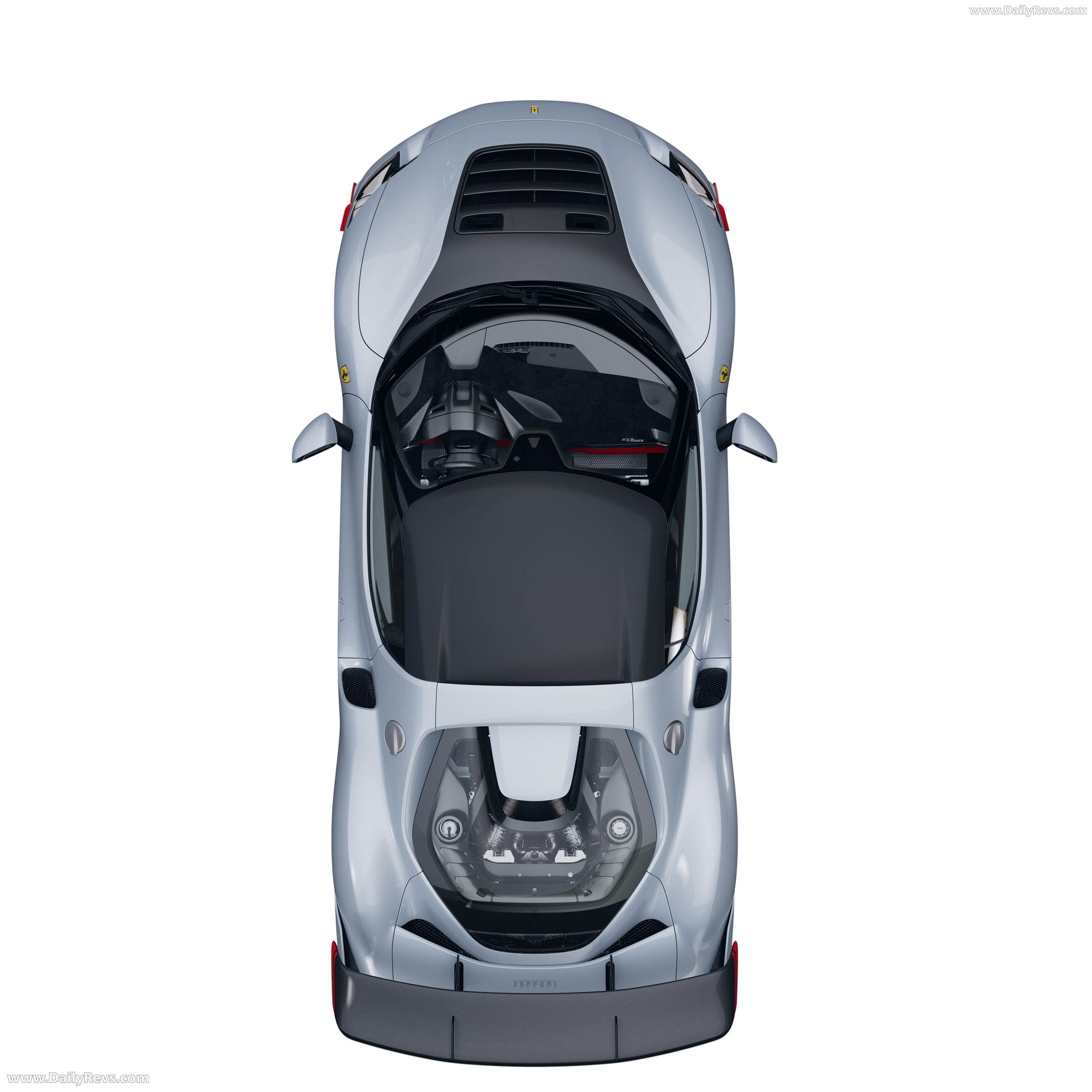
A large technical opening dominates the bonnet, allowing hot air from the radiators to escape. Two additional openings near the windscreen draw air from beneath the car.
The front bumper features a suspended aerodynamic wing between two body-coloured elements, along with enlarged side intakes.
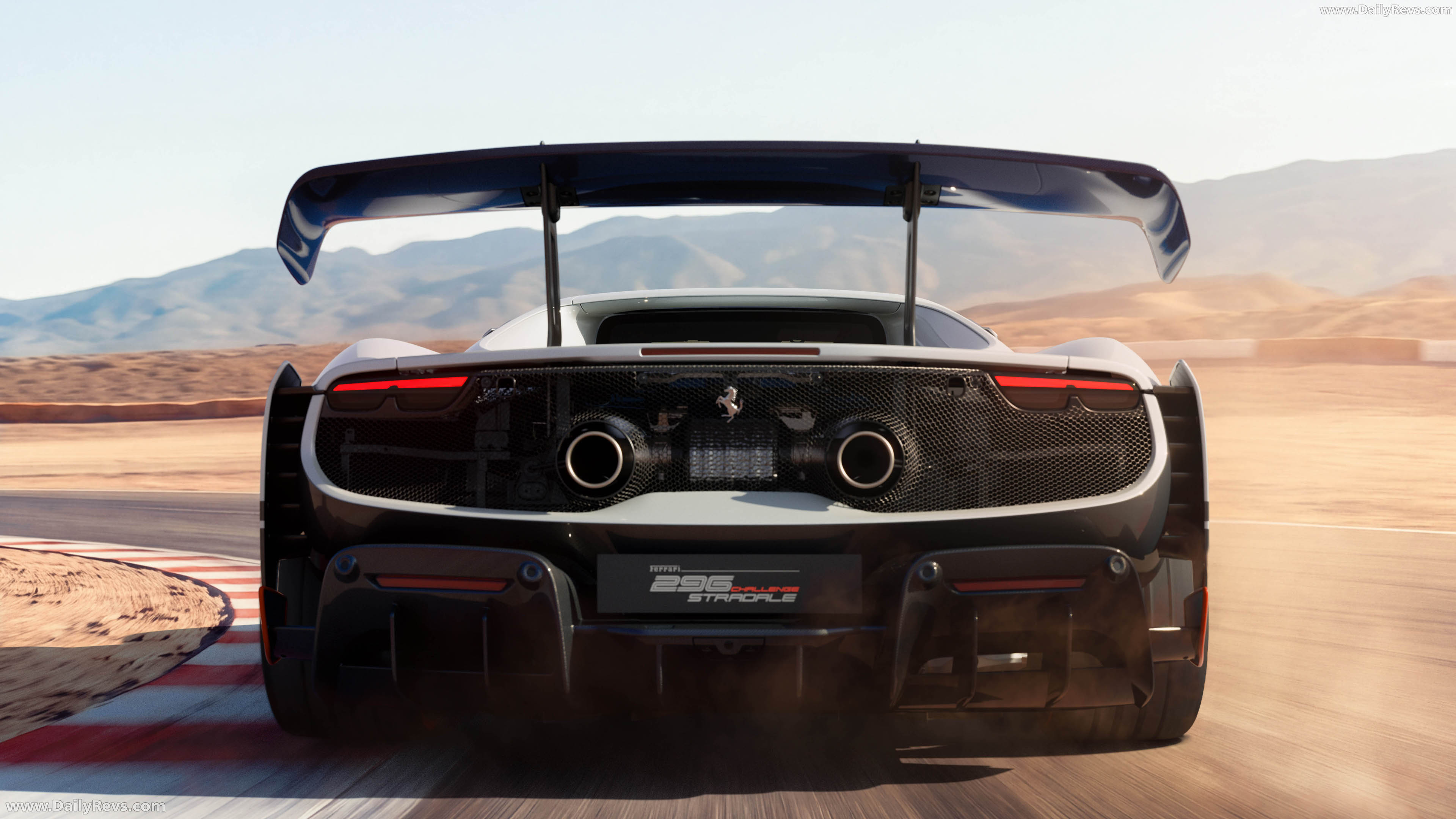
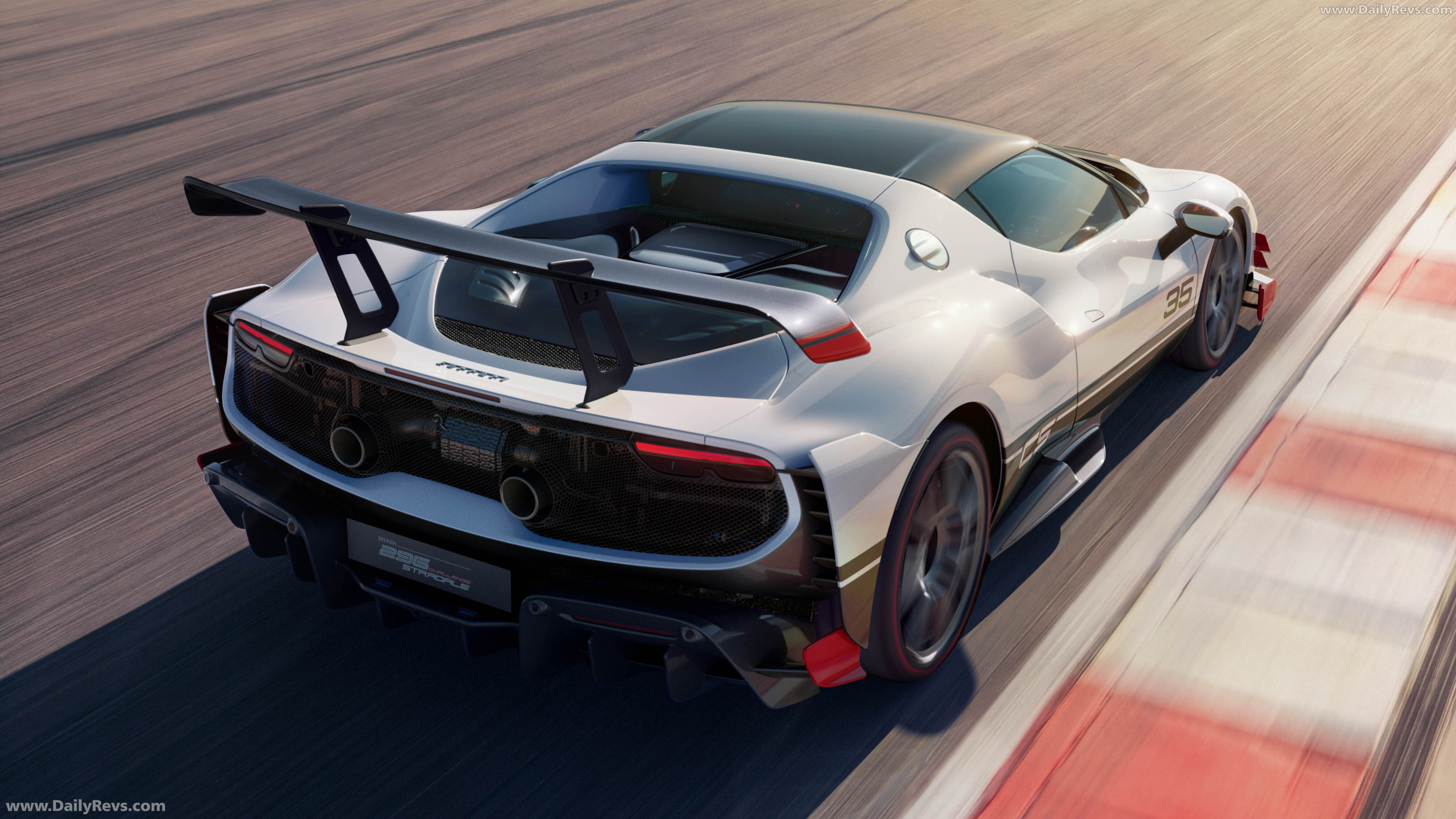
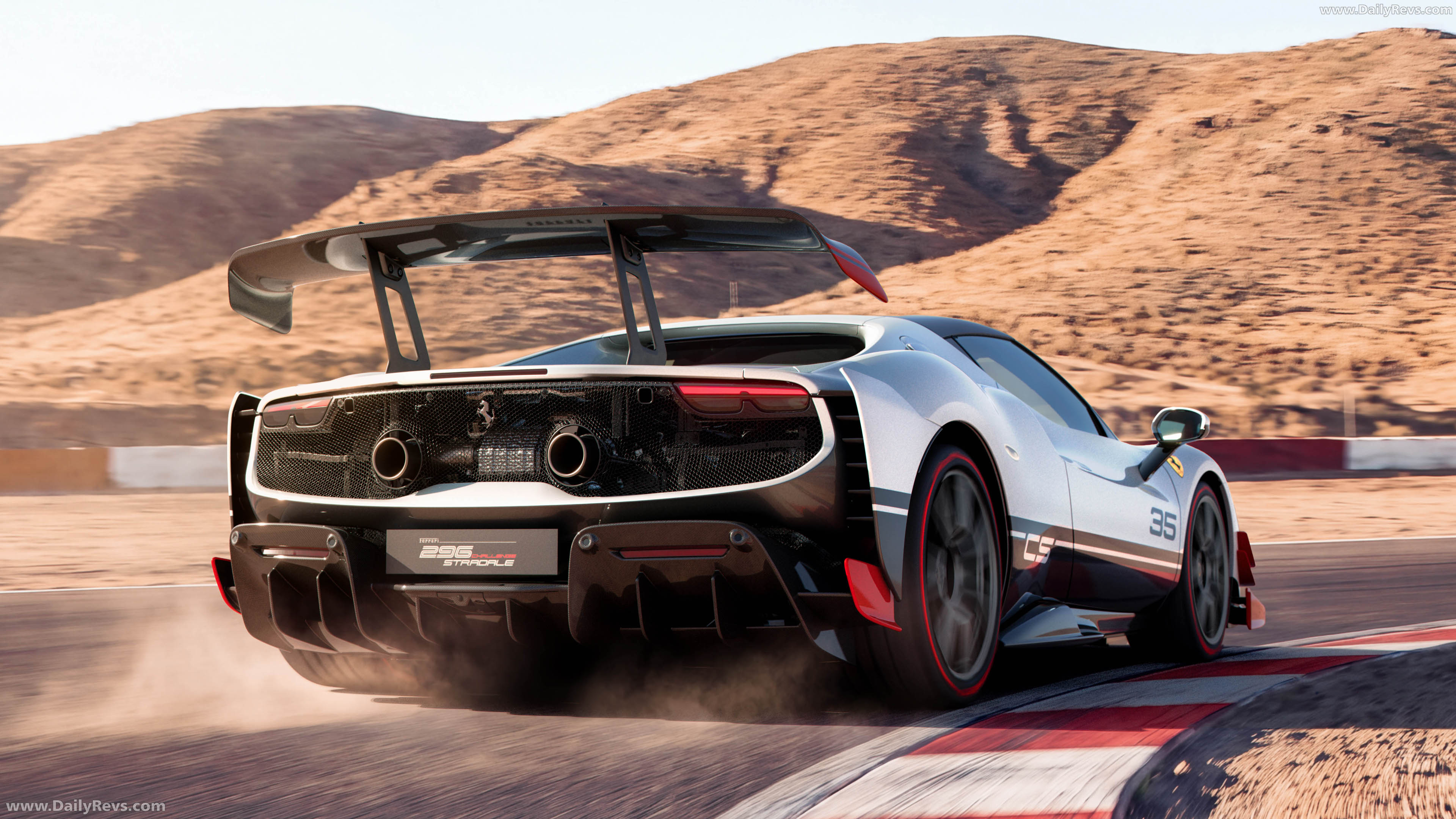
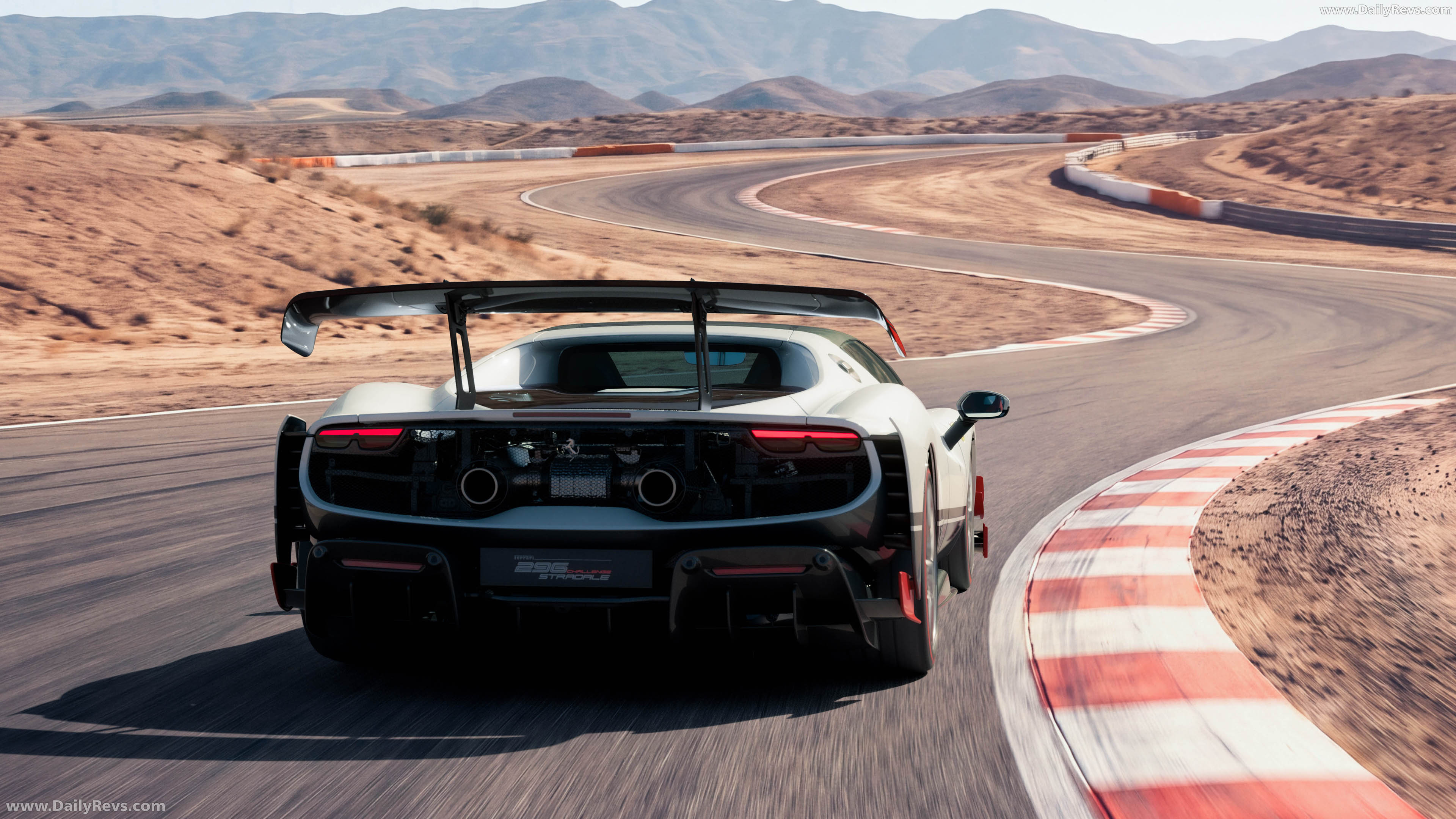
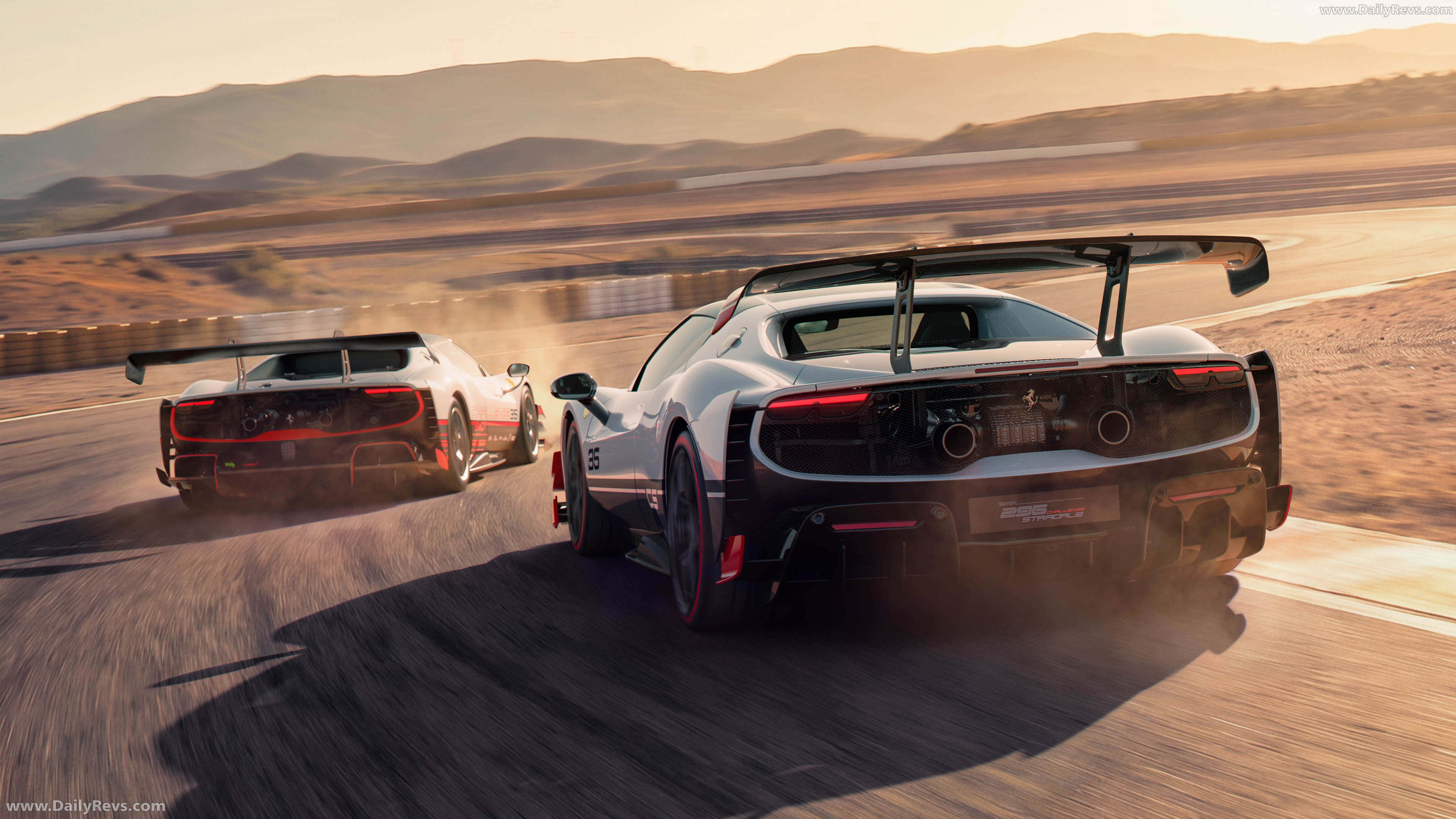
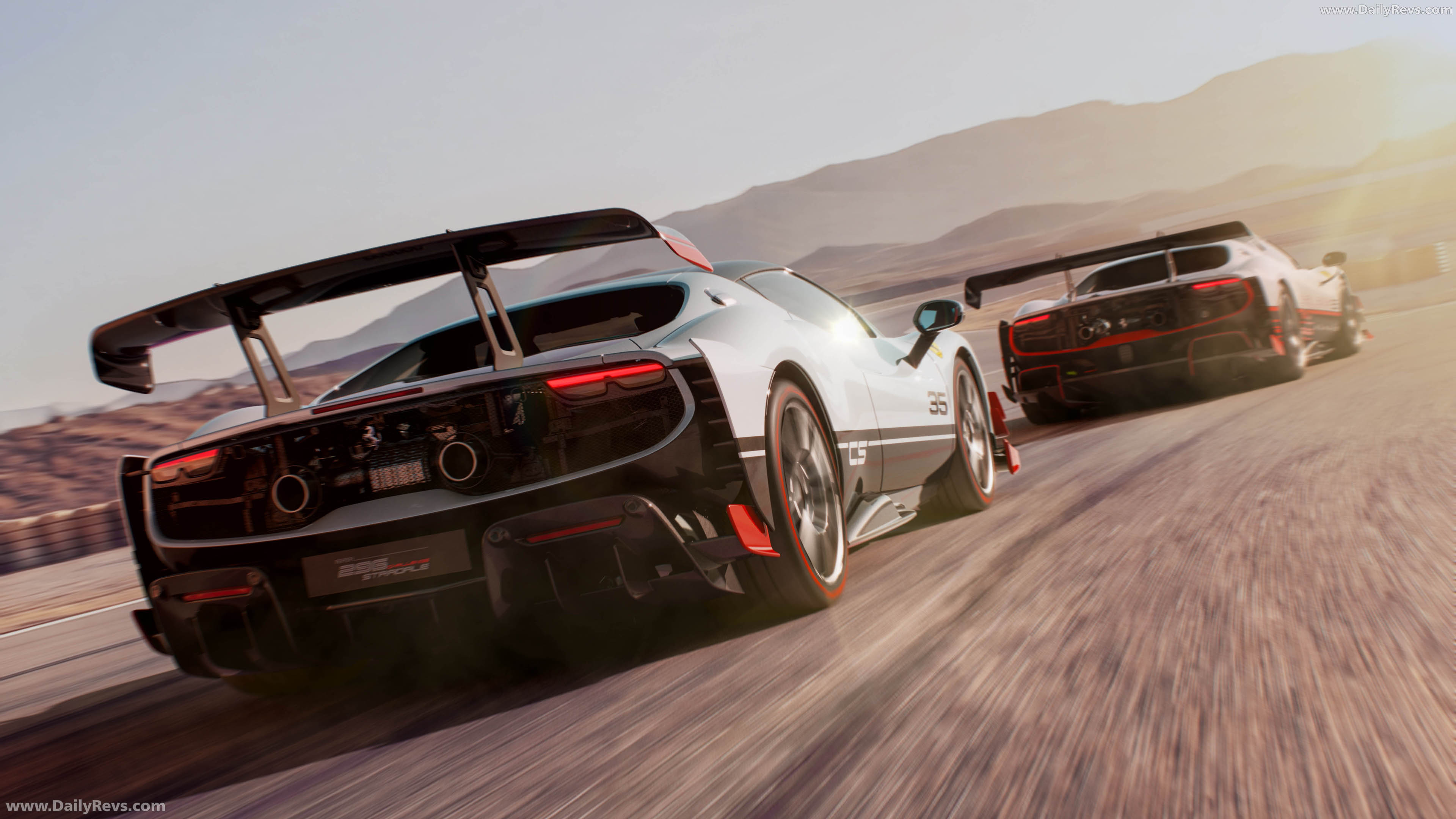
At the rear, a fixed carbon fibre wing sits above exposed technical components and twin exhaust outlets.
A redesigned diffuser with two protruding keels completes the lower section.
Lightweight Construction and 617 KG Downforce
The 296 Challenge Stradale measures 4,678 mm long, 2,039 mm wide and 1,301 mm tall, with a 2,600 mm wheelbase.
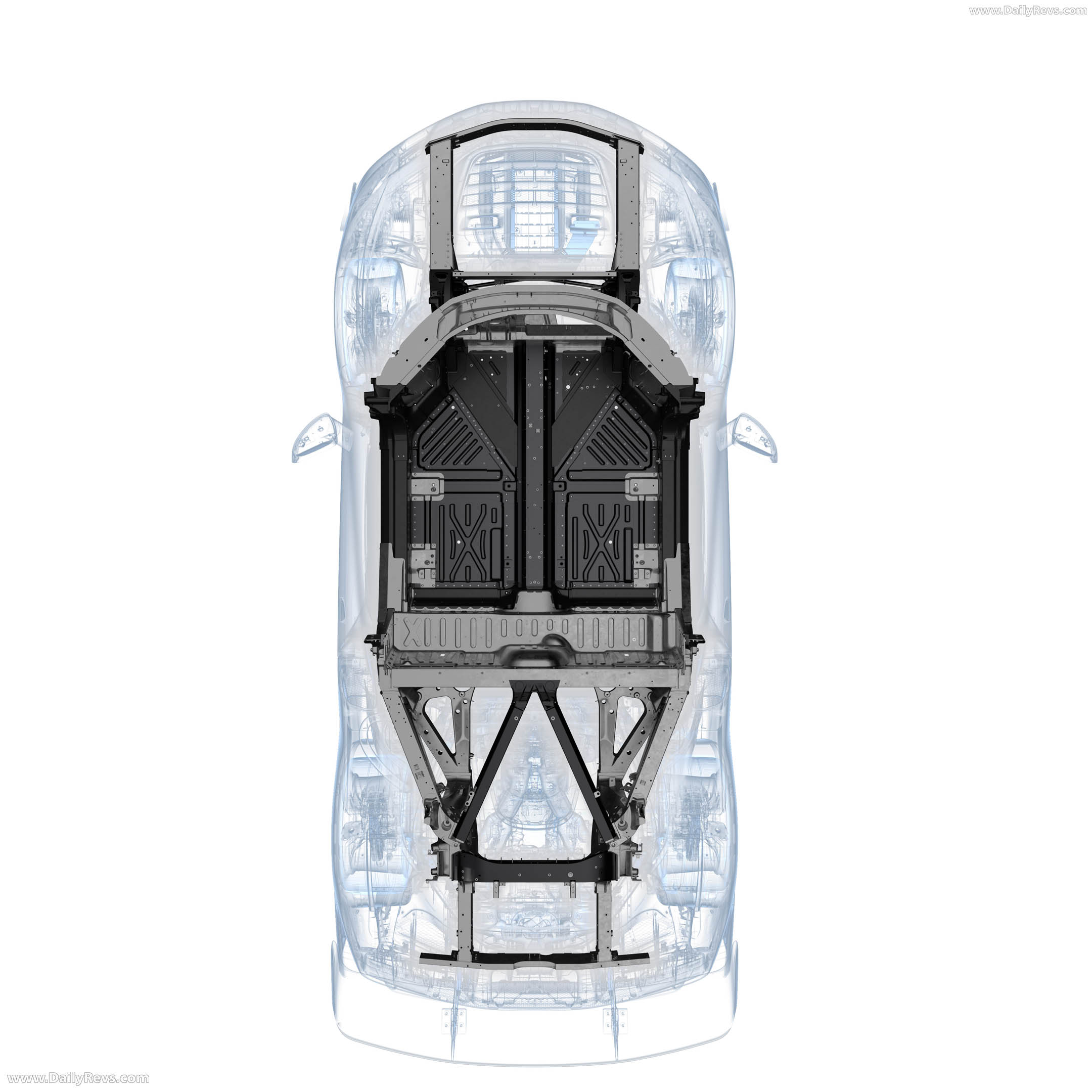
Dry weight is 1,330 kg in the specified lightweight configuration, saving 140 kg compared with the 296 GTB.
Its aerodynamic package produces 617 kg of downforce at 250 km/h, an increase of 72% over the GTB.
The fixed rear wing contributes 270 kg at the same speed.
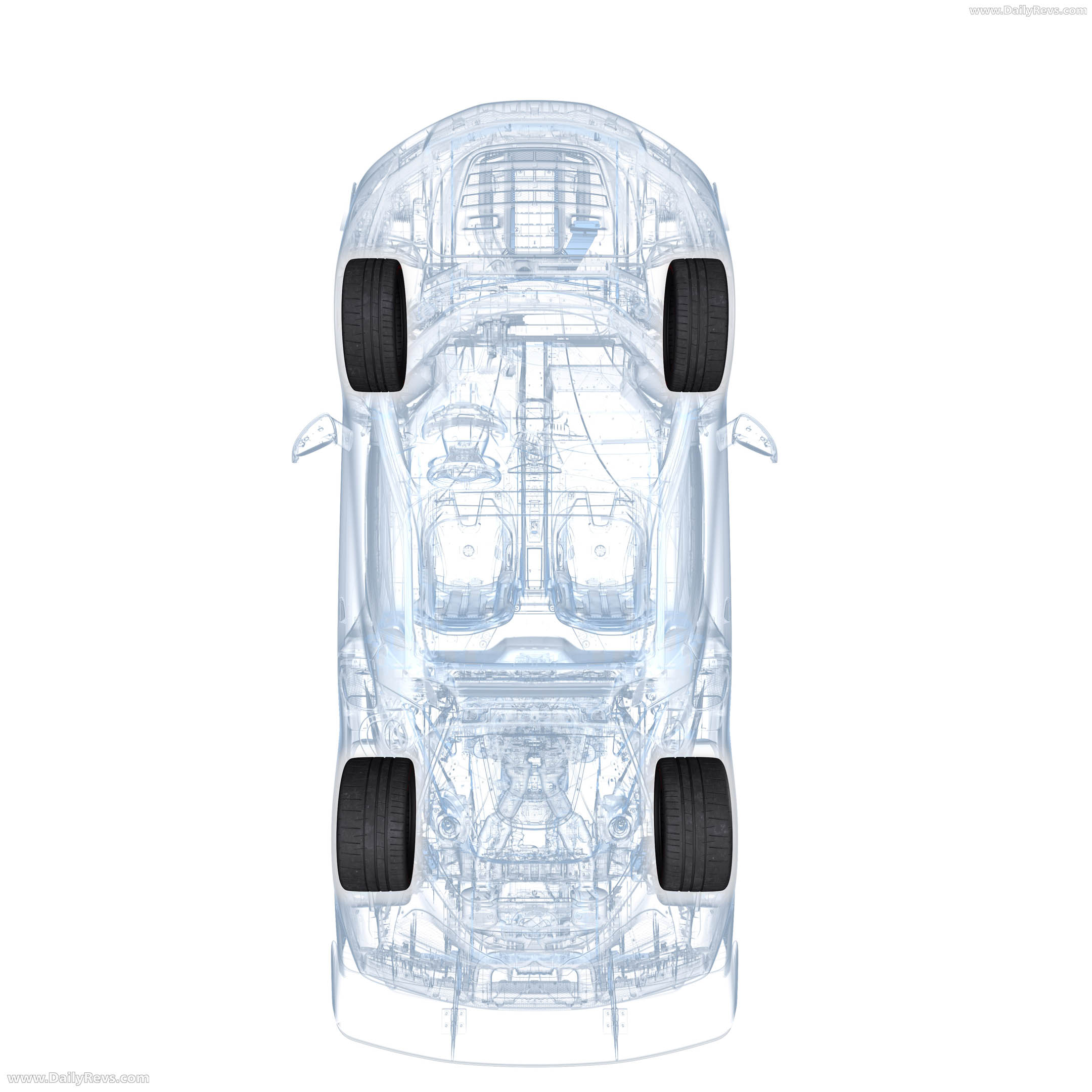
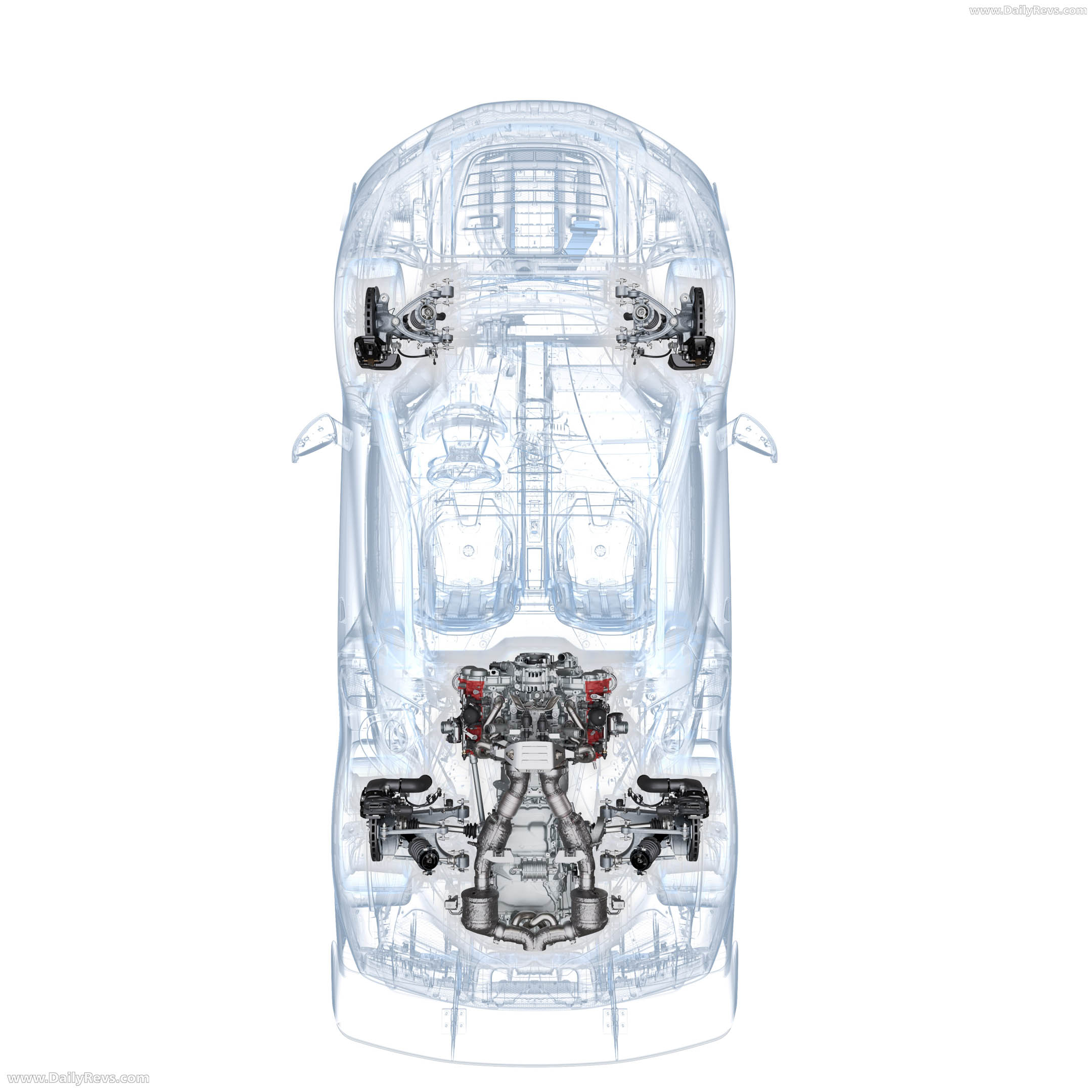
Ferrari has also developed dedicated suspension settings and Pirelli P Zero R and P Zero Trofeo RS tyres.
Carbon Fibre Cockpit With Exposed Chassis Option
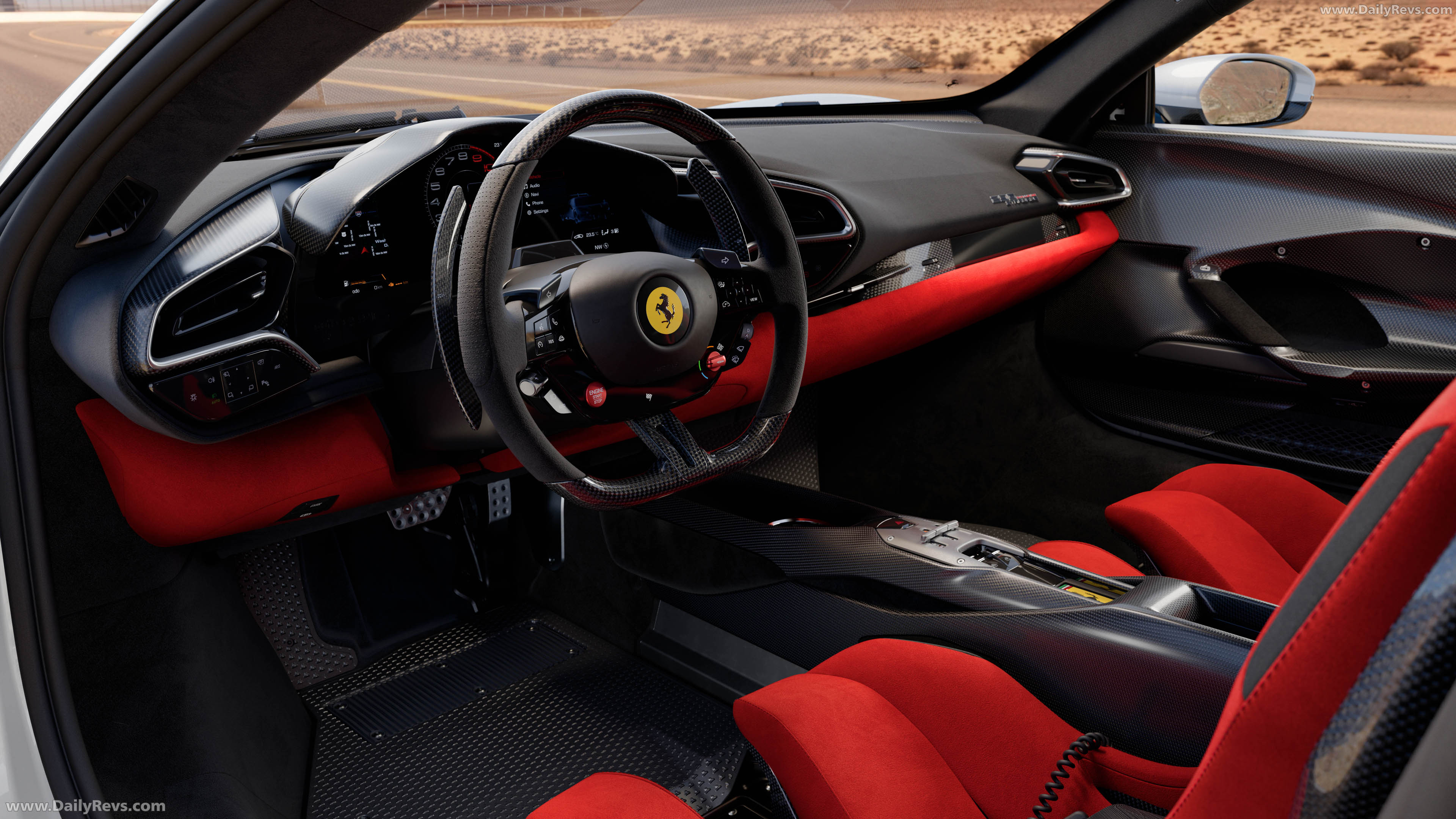
Inside, the dashboard follows the 296 GTB's basic arrangement, although unnecessary trim has been reduced.
The doors use single-piece carbon fibre panels without conventional armrests or storage pockets.
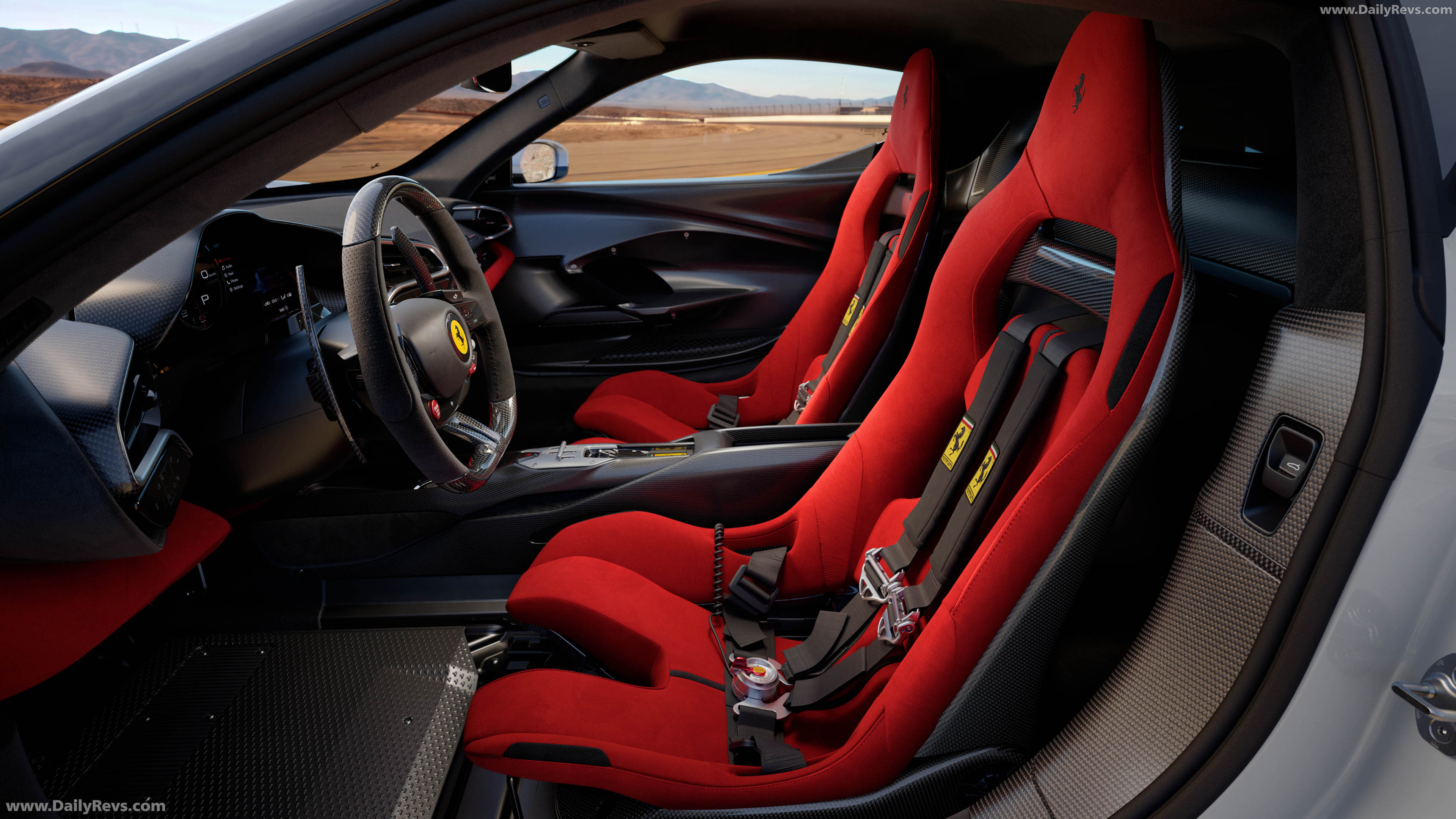
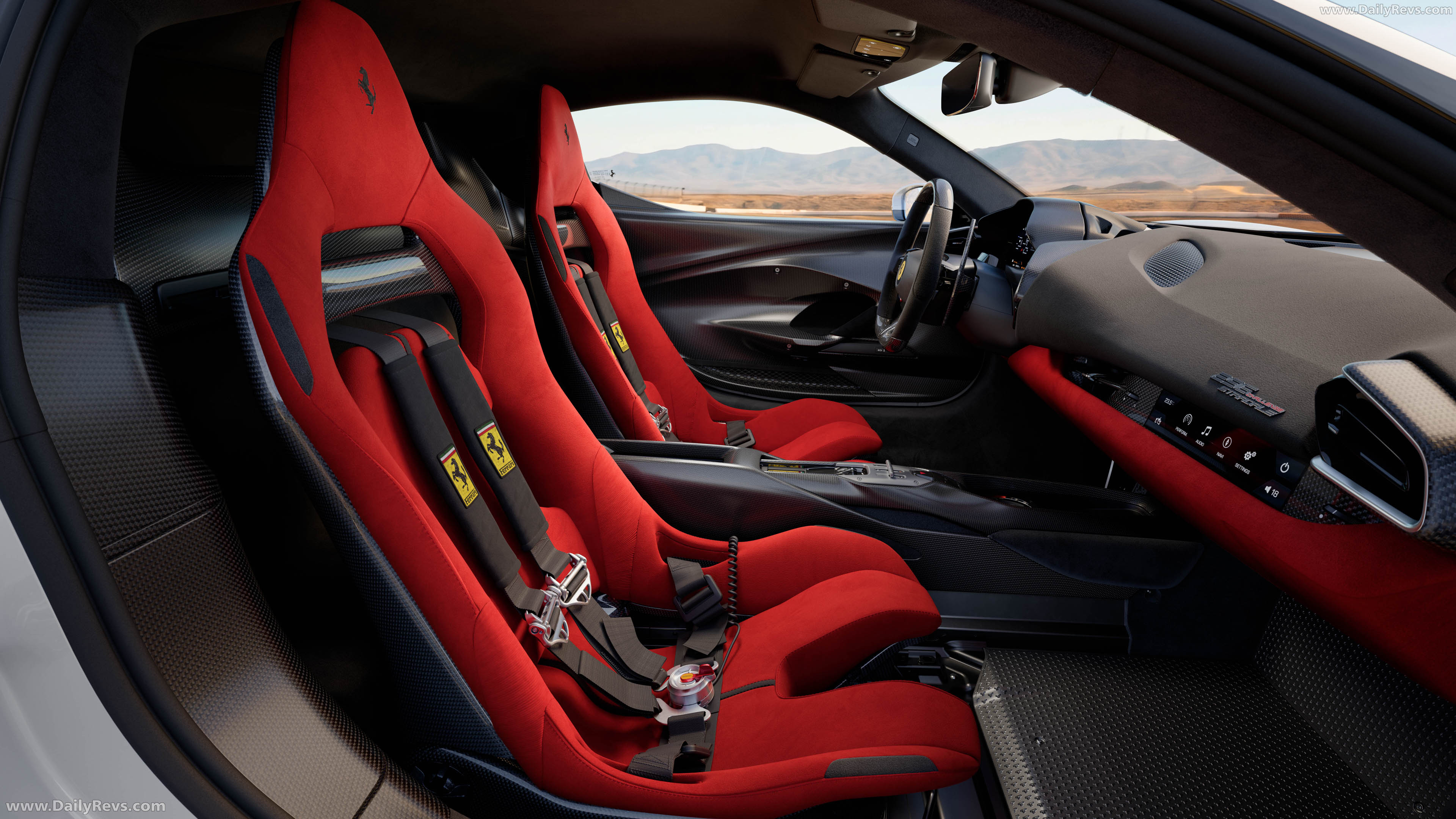
An optional stripped interior removes selected carpeting and trim beneath the seats and centre console, leaving parts of the chassis visible.
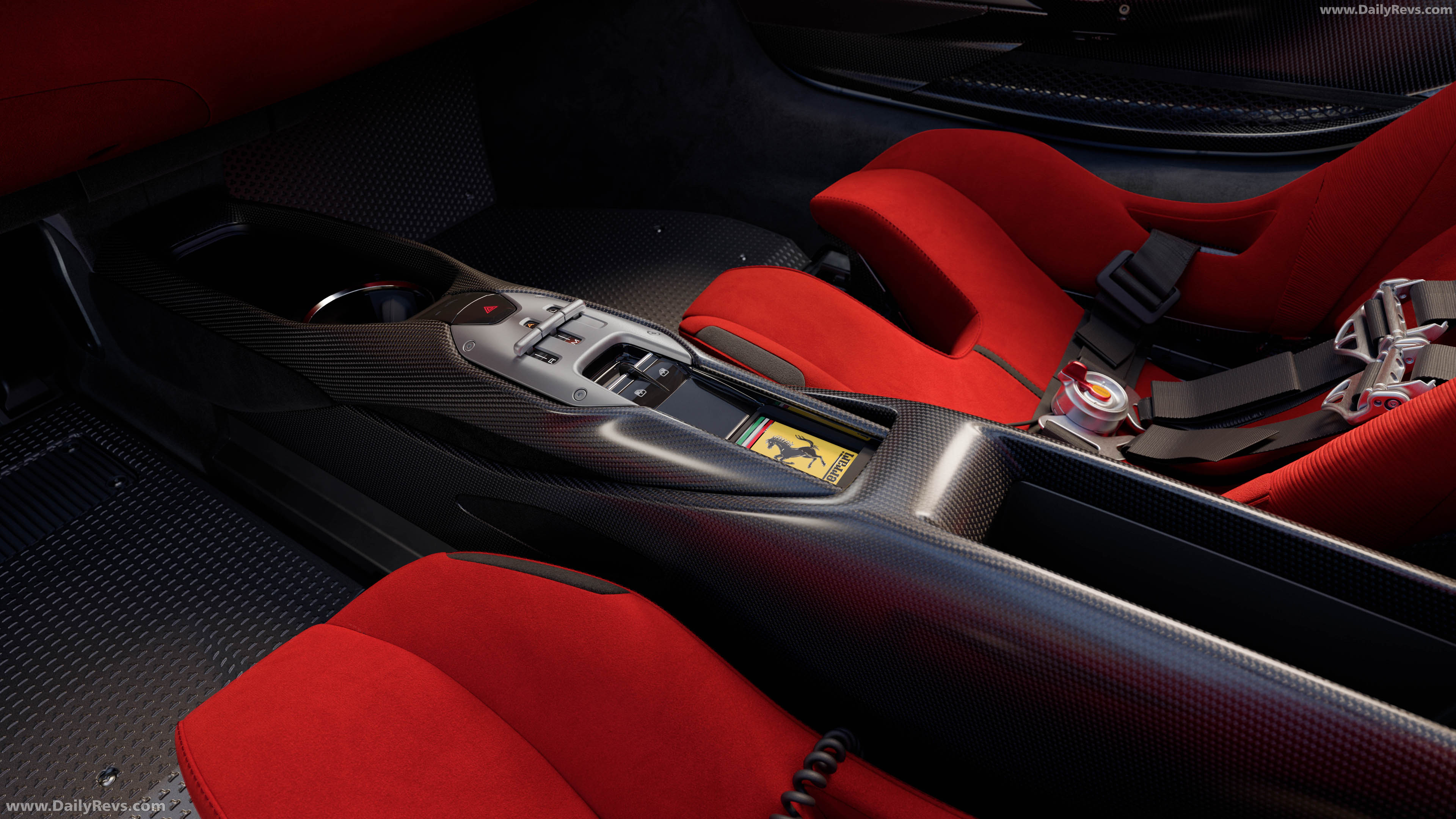
A minimalist carbon fibre centre tunnel incorporates the gear selector, cupholder and wireless charging station.
Lightweight carbon fibre tubular seats are also available.
670 HP Twin Turbo V6 Without Hybrid Assistance
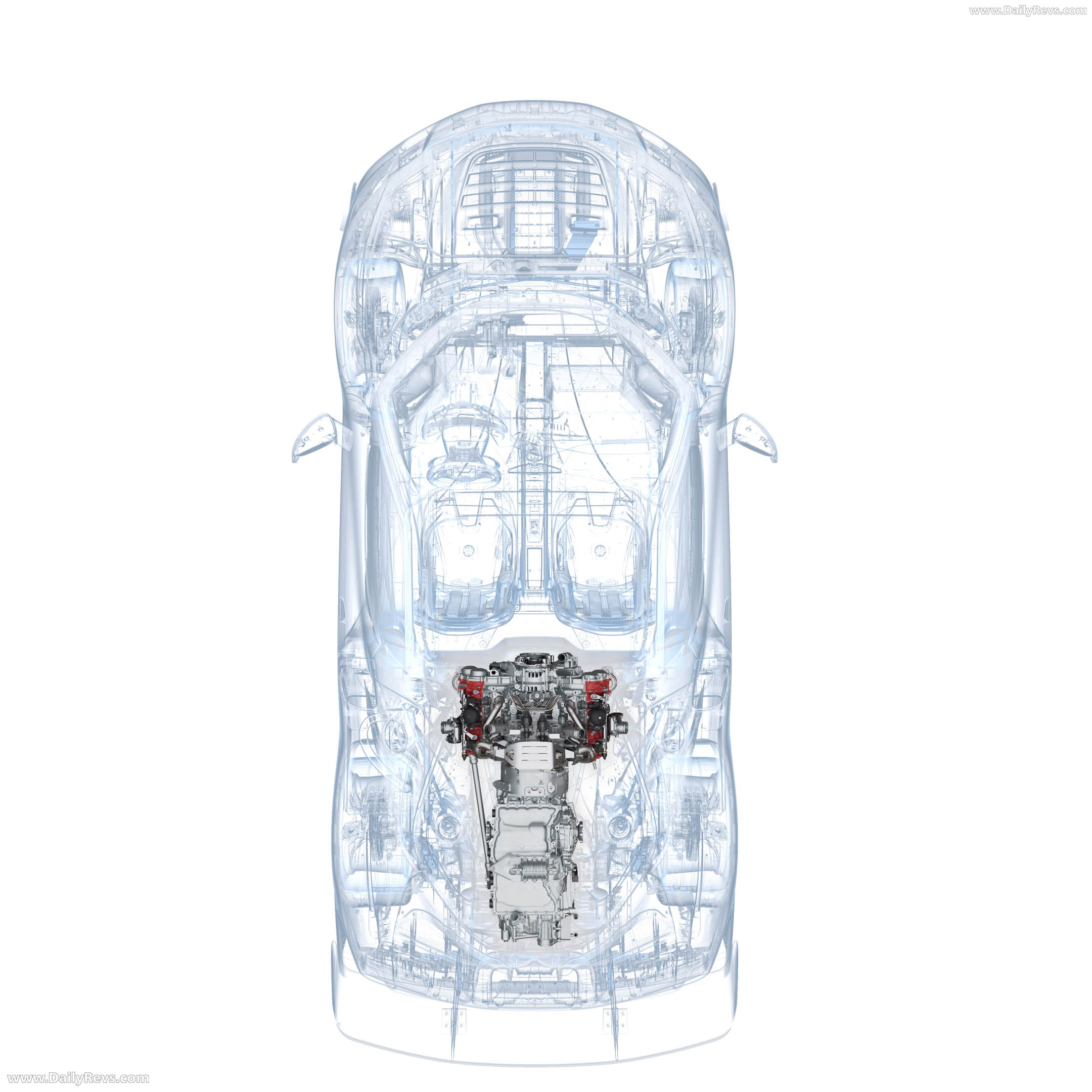
Power comes from a 2,992 cc twin-turbocharged V6 producing 670 hp at 8,000 rpm and 740 Nm at 6,250 rpm.
Unlike the 296 GTB, the 296 Challenge Stradale does without a hybrid drive system.
An eight-speed F1 dual-clutch transmission sends power to the rear wheels.
Ferrari quotes 0–100 km/h in 2.8 seconds, 0–200 km/h in 7.9 seconds and a top speed exceeding 300 km/h.
The car has also recorded a Fiorano lap time of 1 minute 18.500 seconds.
Carbon Ceramic Brakes and Ferrari Driver Assistance
The 296 Challenge Stradale receives 398 mm front and 380 mm rear carbon ceramic brake discs.
ABS Evo operates across all Manettino settings, accompanied by revised electronic vehicle controls.
Despite its racing influence, the car retains road-focused features including adaptive cruise control, lane assistance and automatic emergency braking.
Ferrari also includes the model in its seven-year scheduled maintenance programme.