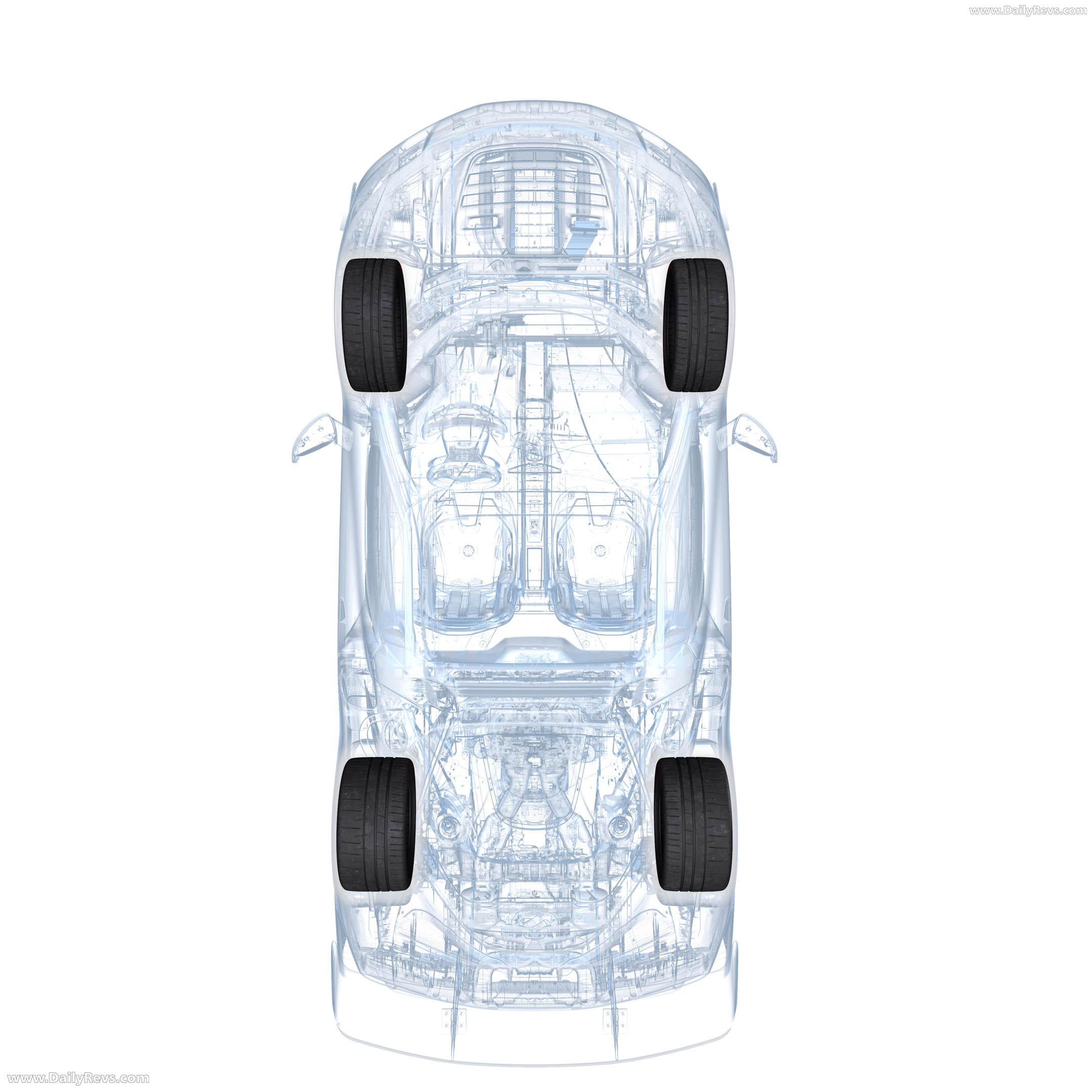
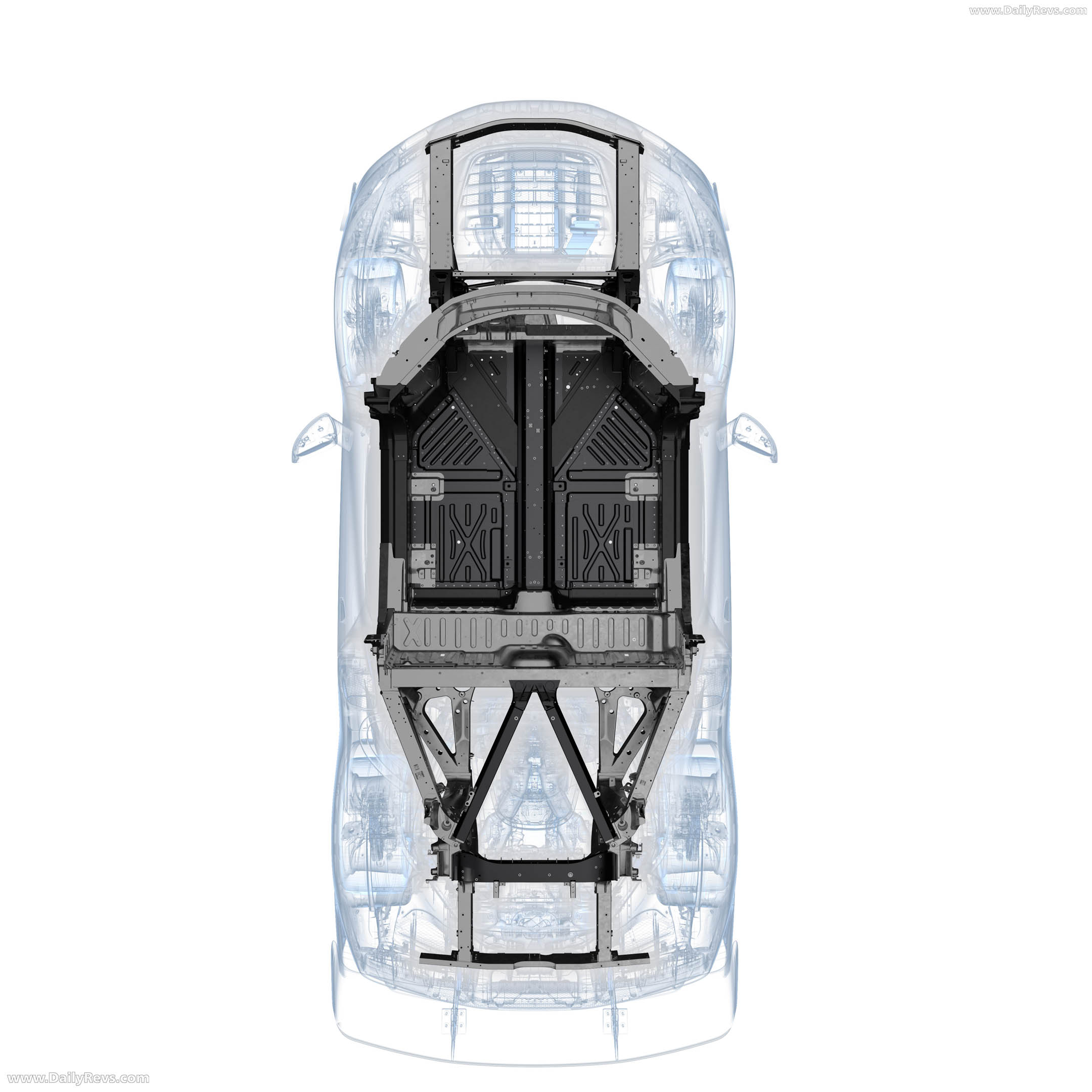
2027 Ferrari 296 Challenge Evo
By Lorenzo Bianchi November 23, 2026
The 2027 Ferrari 296 Challenge Evo uses a 3.0-litre twin-turbocharged V6 producing 700 CV and 740 Nm, paired with a seven-speed F1 dual-clutch transmission.
Revised aerodynamics increase maximum downforce by 12%, while a new Low Drag configuration reduces aerodynamic drag by 4% compared with the previous 296 Challenge.
Updated traction control, electronic differential calibration and braking response improve track performance, with Ferrari recording a 0.8-second improvement at Mugello.
Ferrari has introduced the 2027 Ferrari 296 Challenge Evo, an updated version of its single-make racing car developed for the next Ferrari Challenge Trofeo Pirelli season.
Revealed at the 2026 Ferrari Finali Mondiali in Barcelona on November 21, the new model builds on the 296 Challenge that entered competition in 2024.
The changes concentrate on aerodynamics, braking and vehicle control systems. Ferrari has also worked on making the car more consistent over longer races, particularly when tyre performance begins to drop.
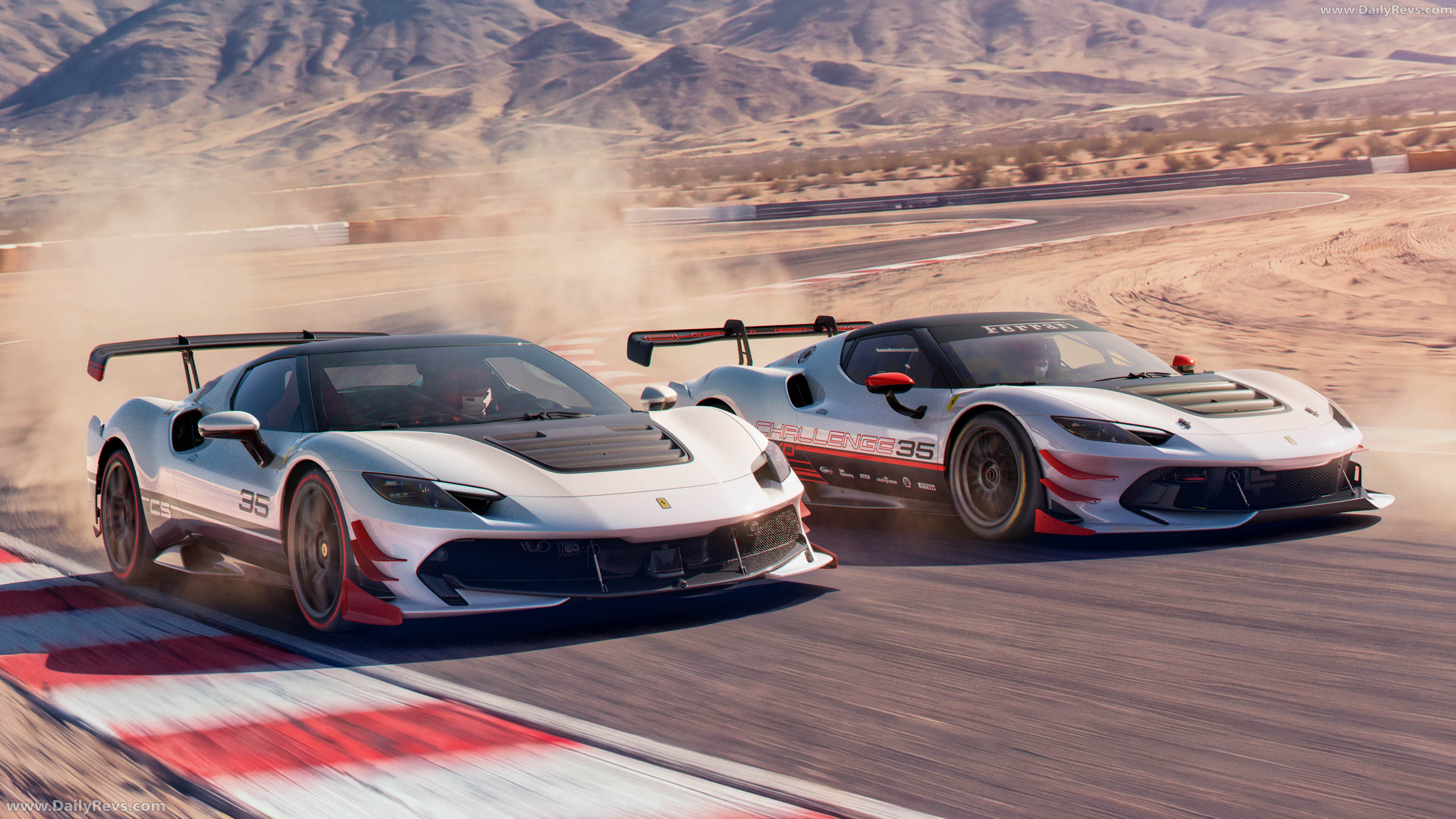
The 296 Challenge Evo will make its racing debut in 2027, initially competing in the European and North American championships.
Revised Front Splitter and Carbon Fibre Aerodynamics
Much of the exterior work has gone into managing airflow.
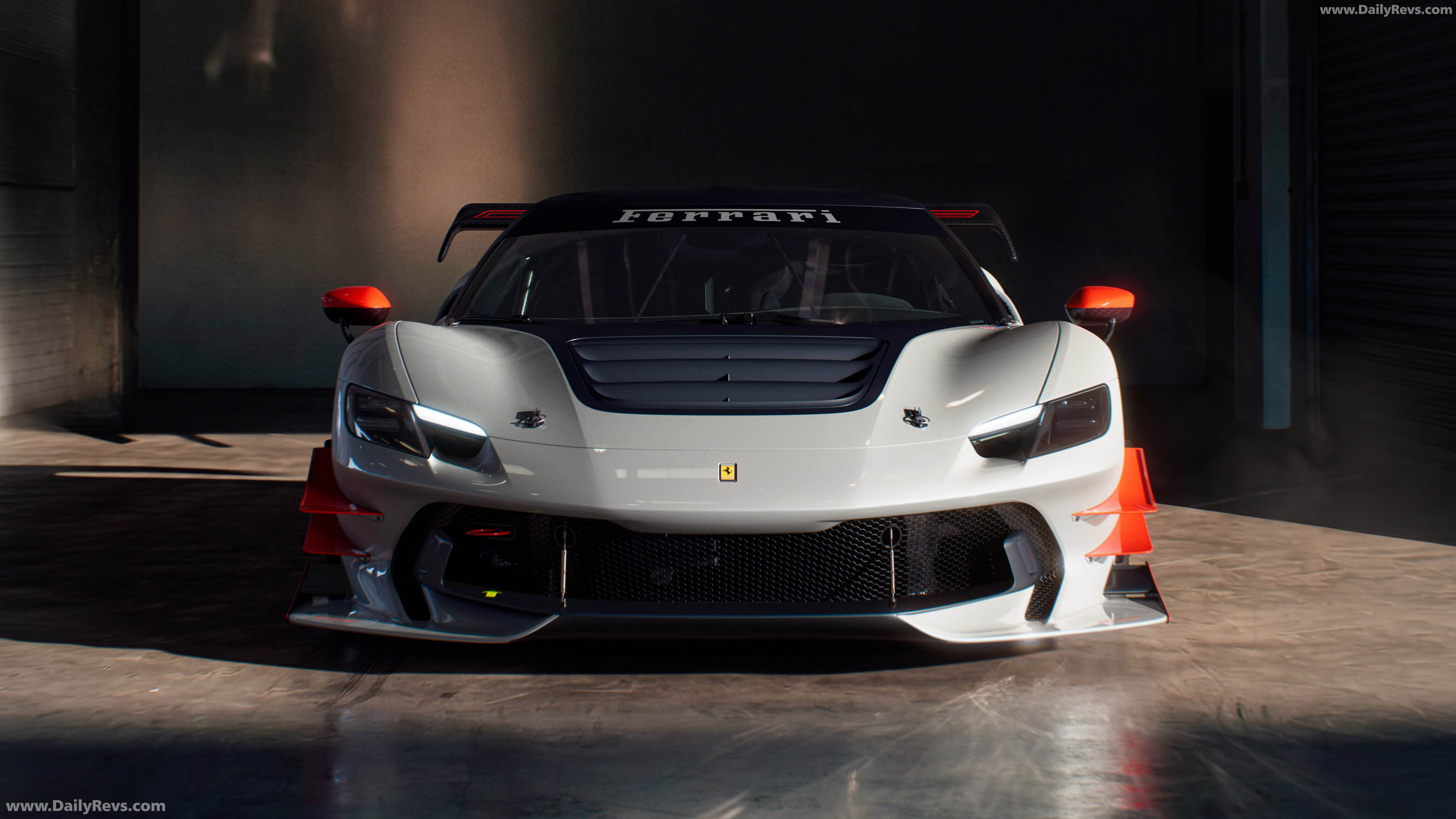
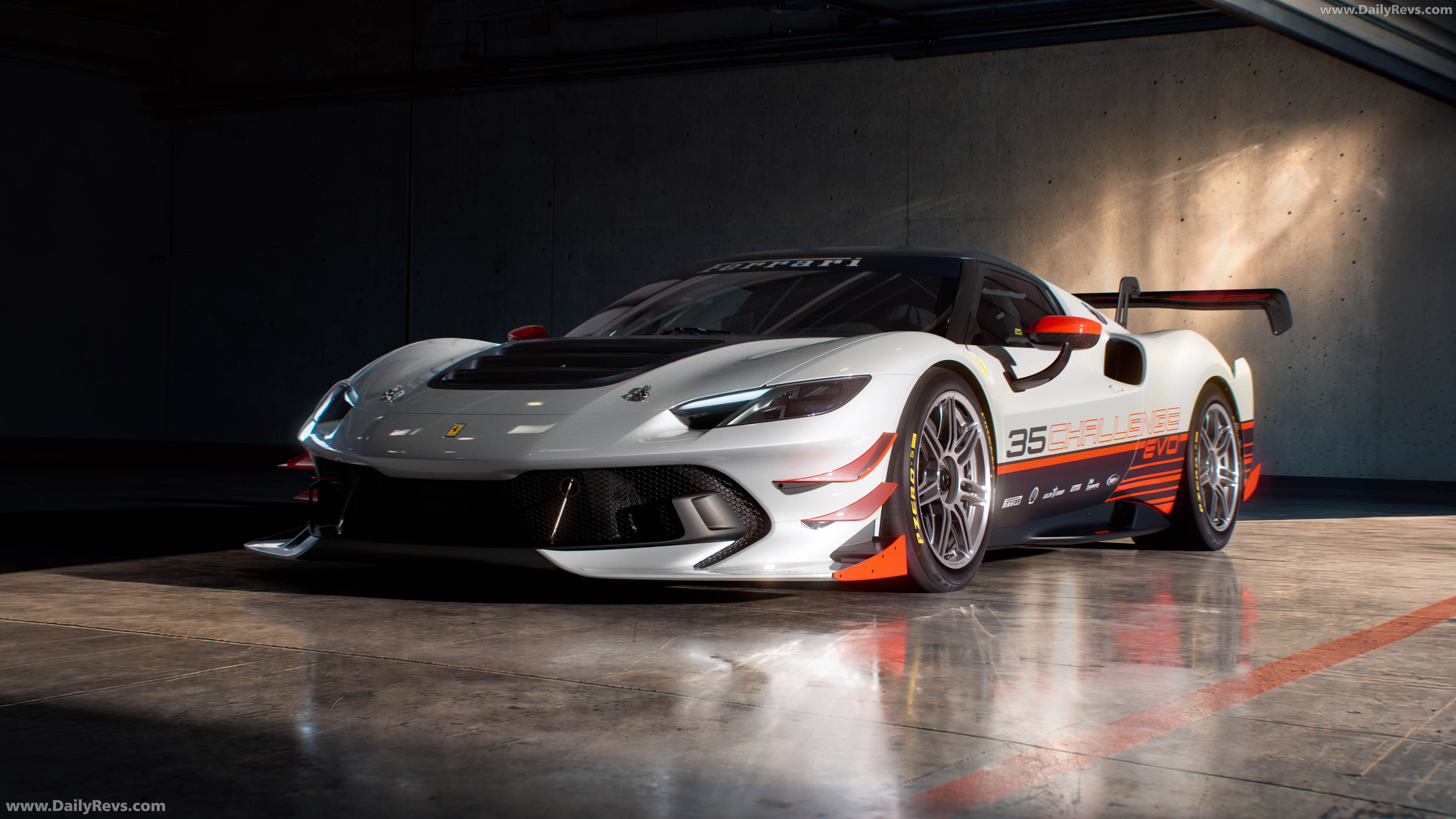
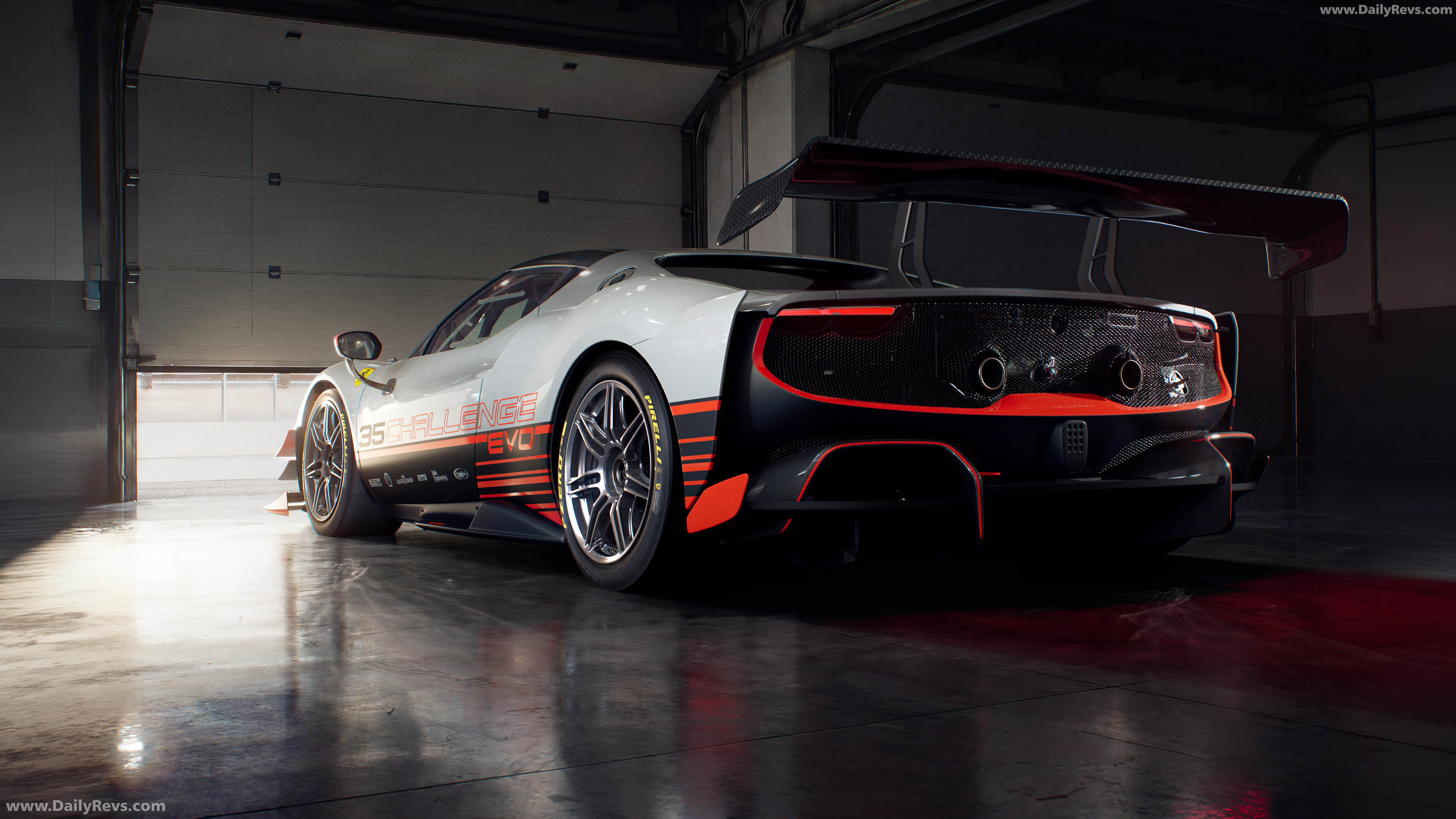
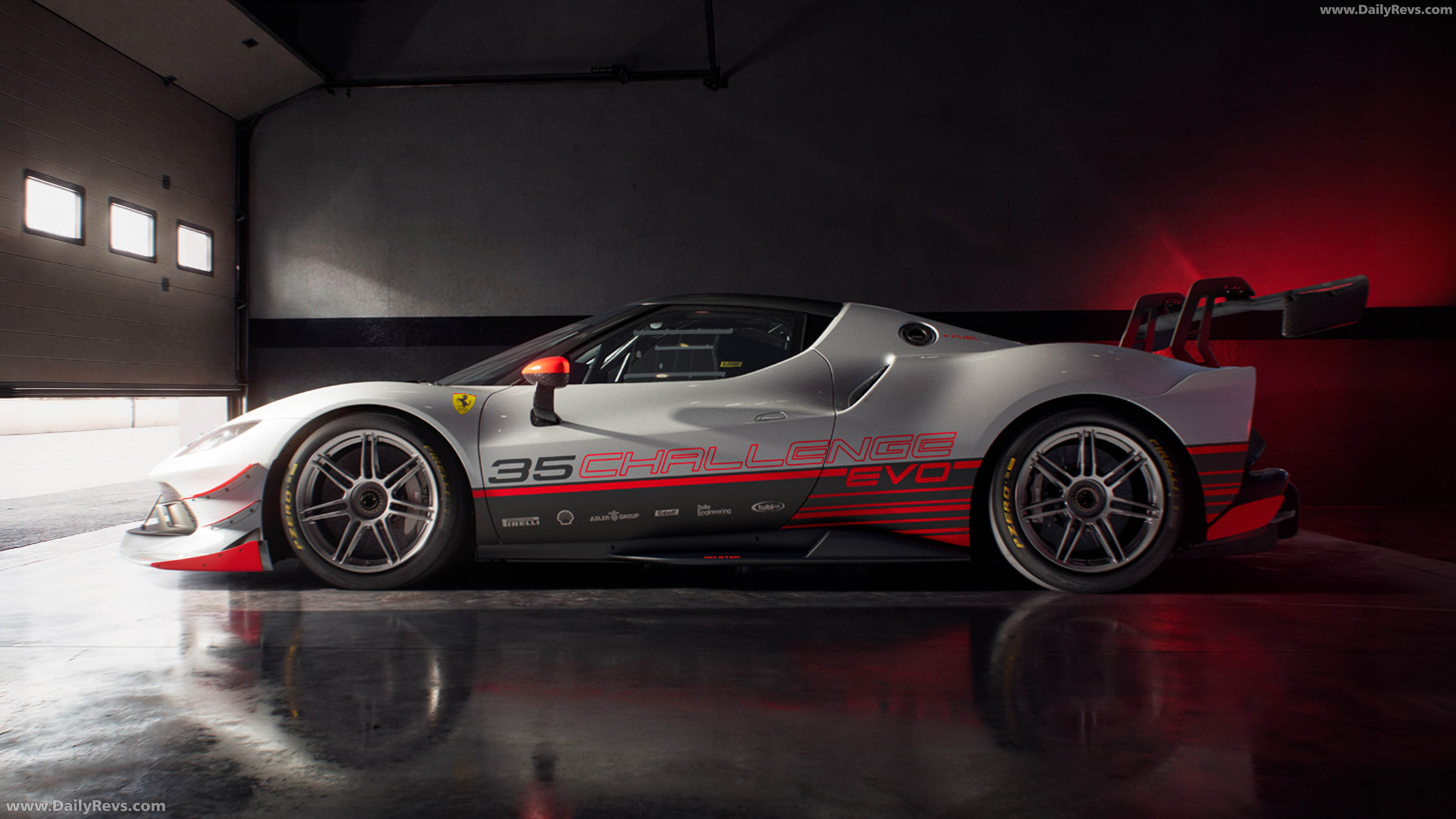
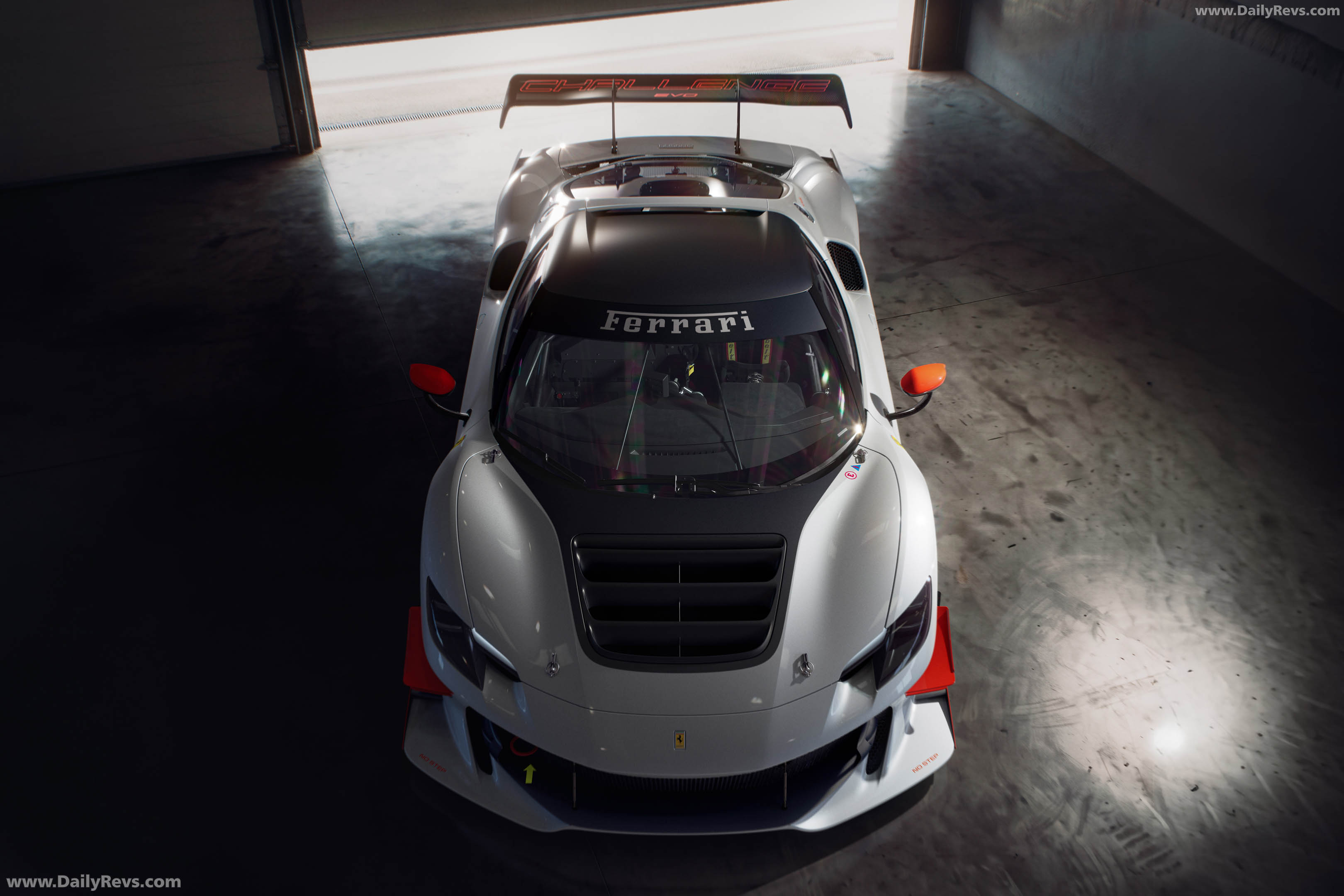
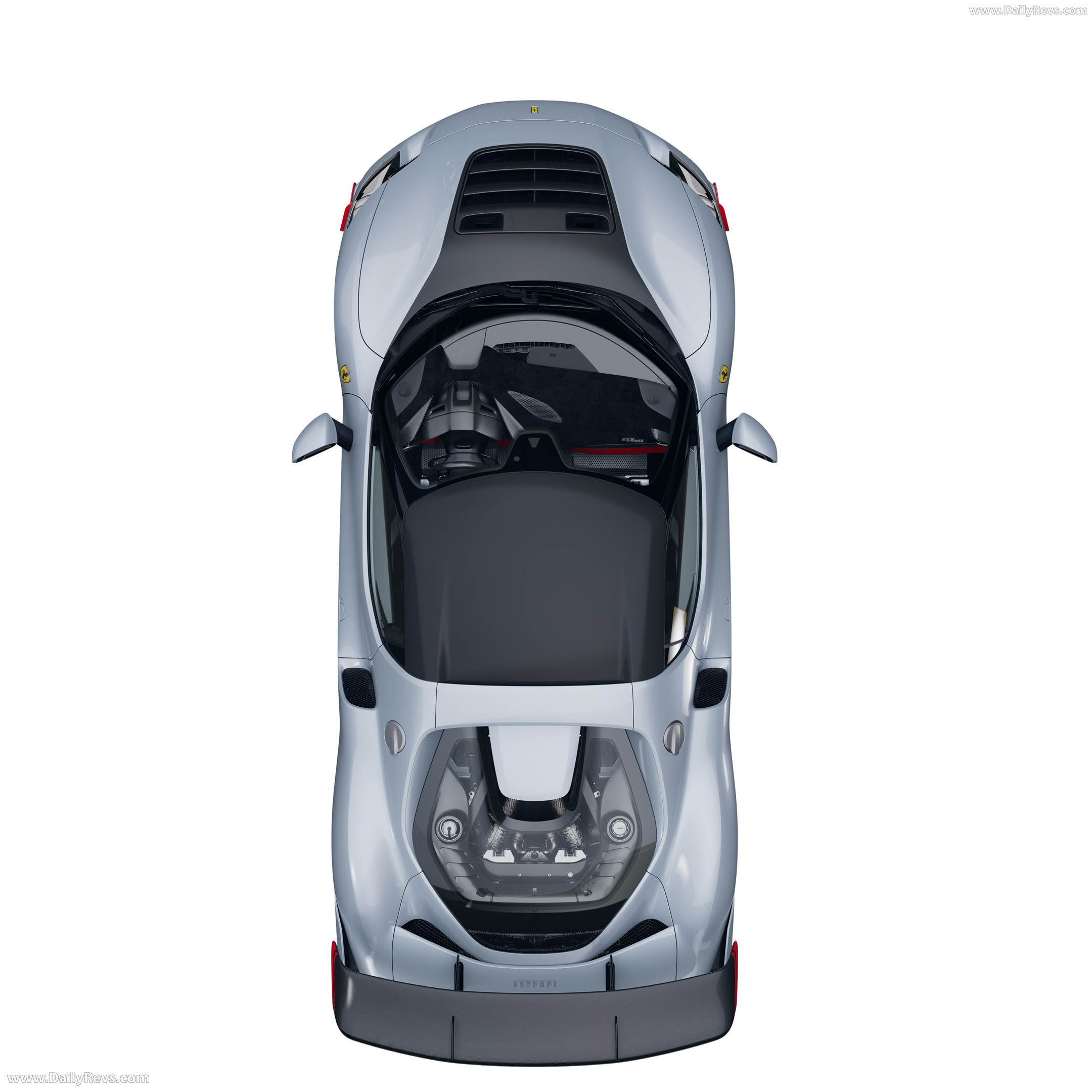
The front splitter is larger and has a redesigned profile. Ferrari has also reshaped the front bumper, revised the air intakes and introduced additional aerodynamic elements around the wheel arches.
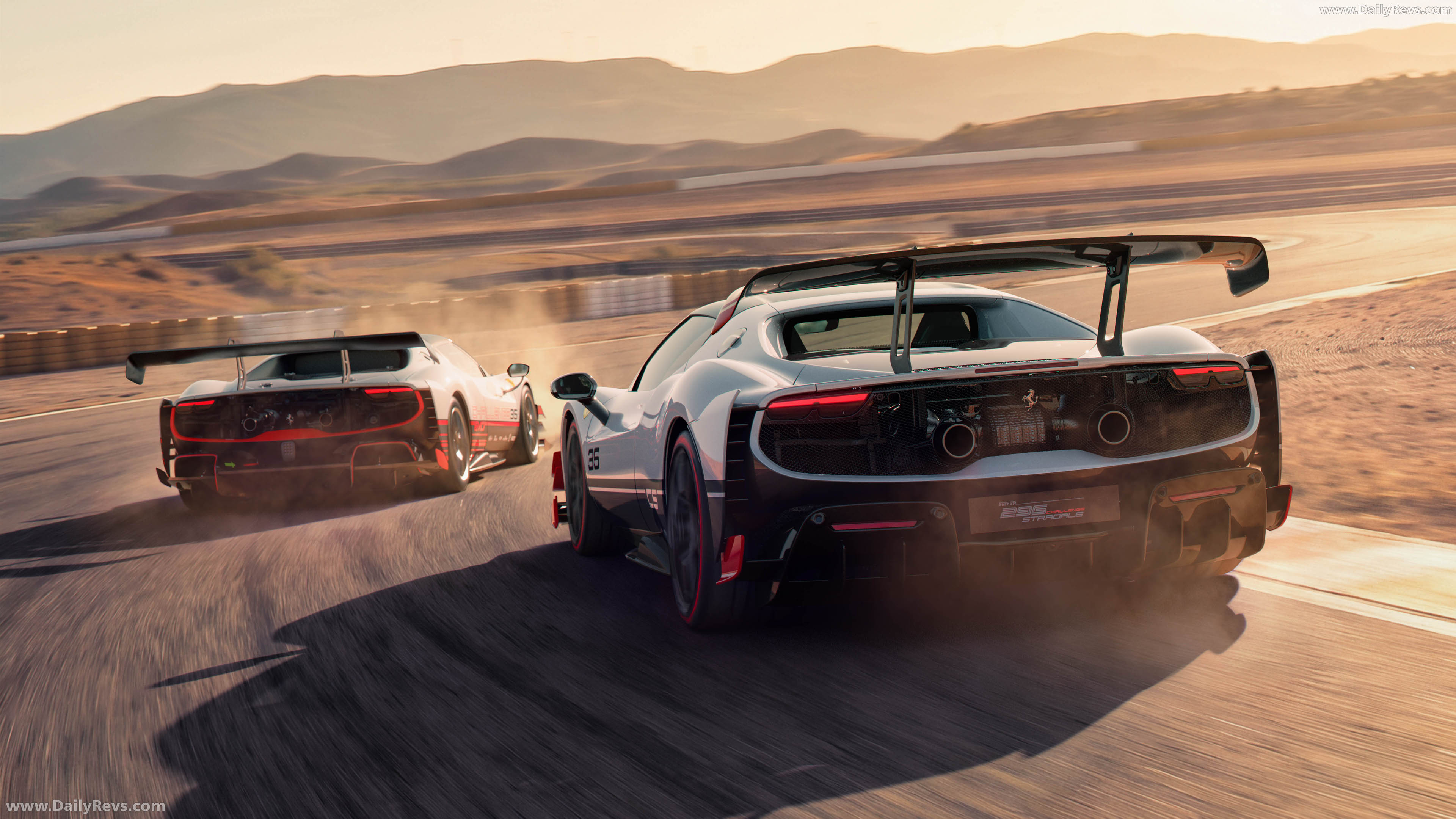
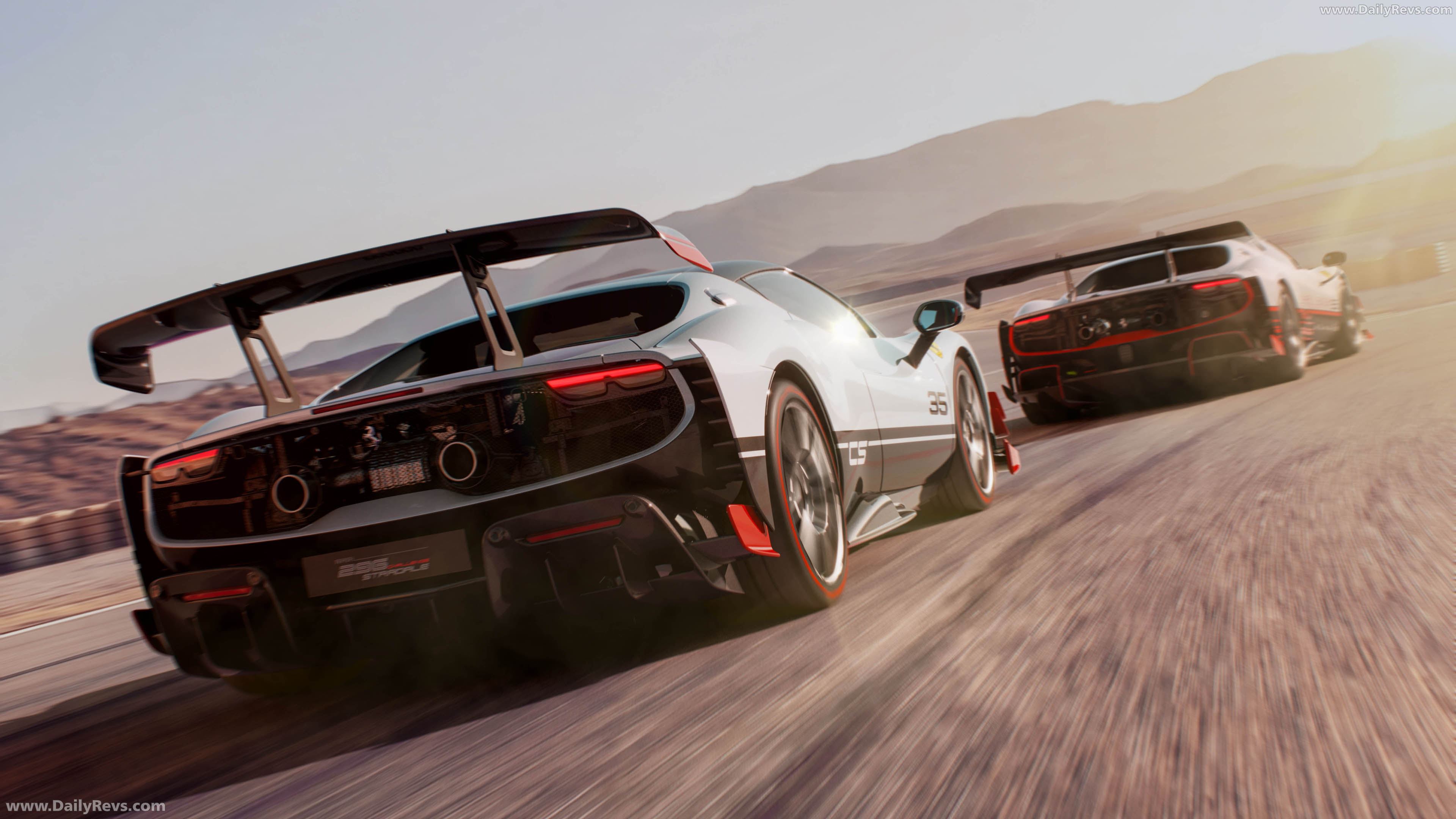
A new rear diffuser extends further behind the car, while the fixed rear wing receives redesigned supports and endplates.
The exterior mirrors have also been reshaped, taking inspiration from the 296 GT3 Evo.
Several aerodynamic components, including the splitter, bumper, diffuser and mirrors, are made from carbon fibre.
More Downforce With Two Aerodynamic Configurations
The 296 Challenge Evo introduces two aerodynamic setups called High Downforce and Low Drag.
In its maximum downforce configuration, the car produces 12% more aerodynamic load than the previous 296 Challenge, equivalent to an additional 100 kg at 250 km/h.
For faster circuits, the Low Drag setup uses a lower rear wing angle and removes selected front aerodynamic elements.
Ferrari says this reduces drag by 4%.
The revised wing also offers a broader adjustment range, allowing teams to adapt the car to different circuit layouts.
Racing Cockpit With Updated Instrument Display
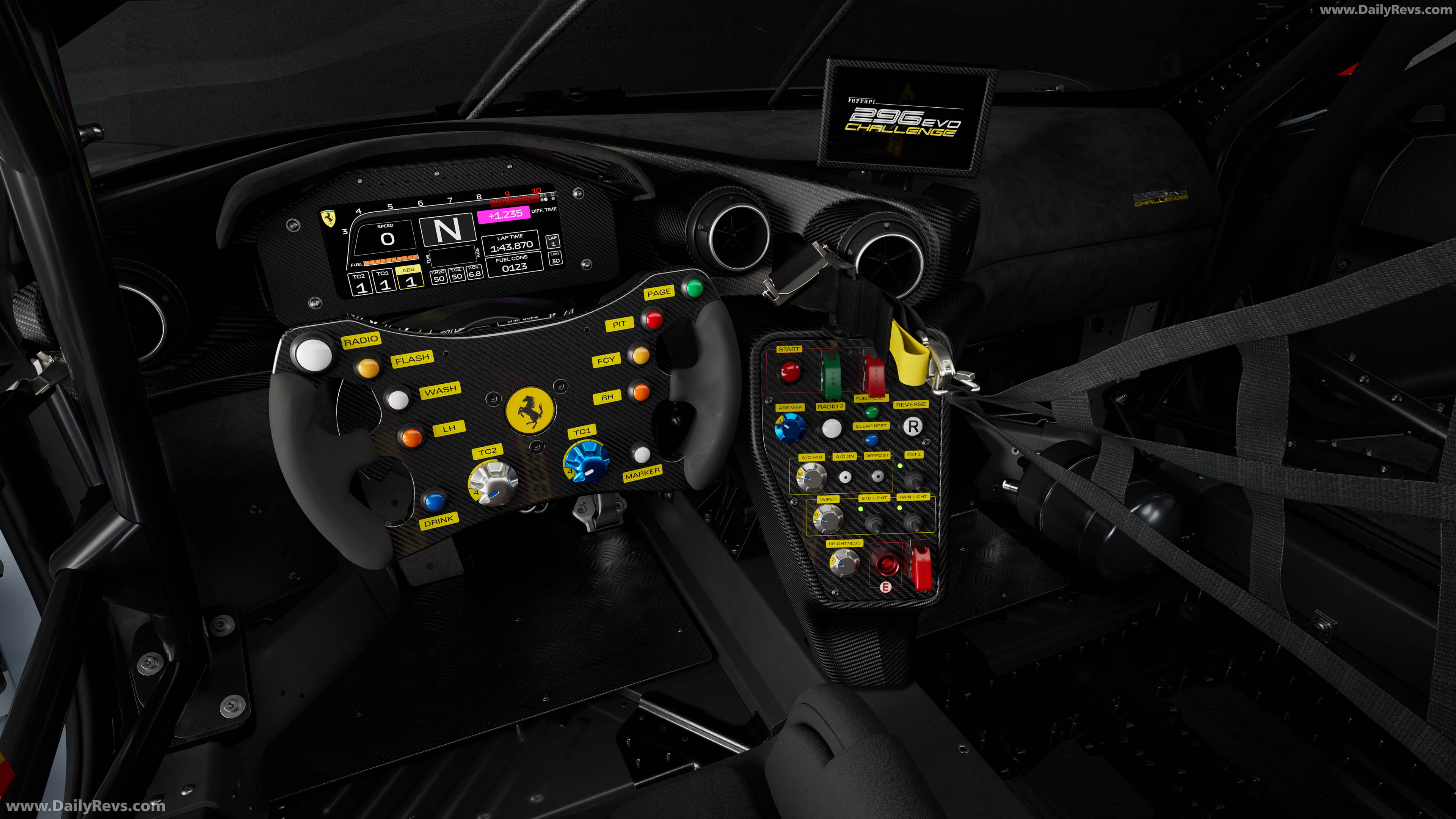
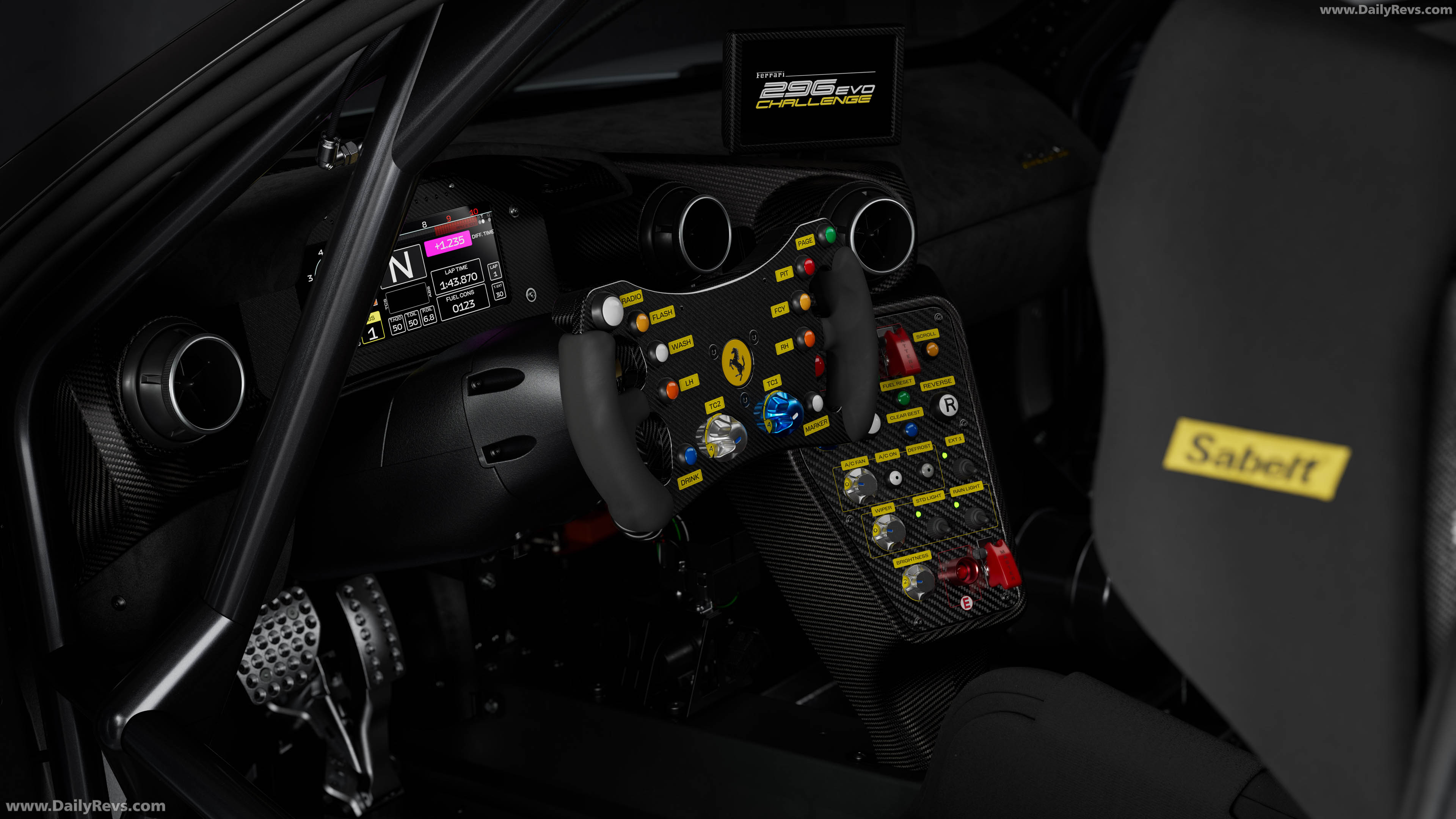
Inside, Ferrari has updated the instrument panel to make information easier to follow during a race.
Traction control and ABS intervention levels now appear through dynamic graphics, giving drivers a clearer indication of how the systems are working.
Two independent Manettino switches, TC1 and TC2, allow adjustments to traction control behaviour.
An optional passenger seat can be fitted for coaching sessions and removed when returning the car to race specification.
700 CV Twin Turbo V6 and Seven Speed Gearbox
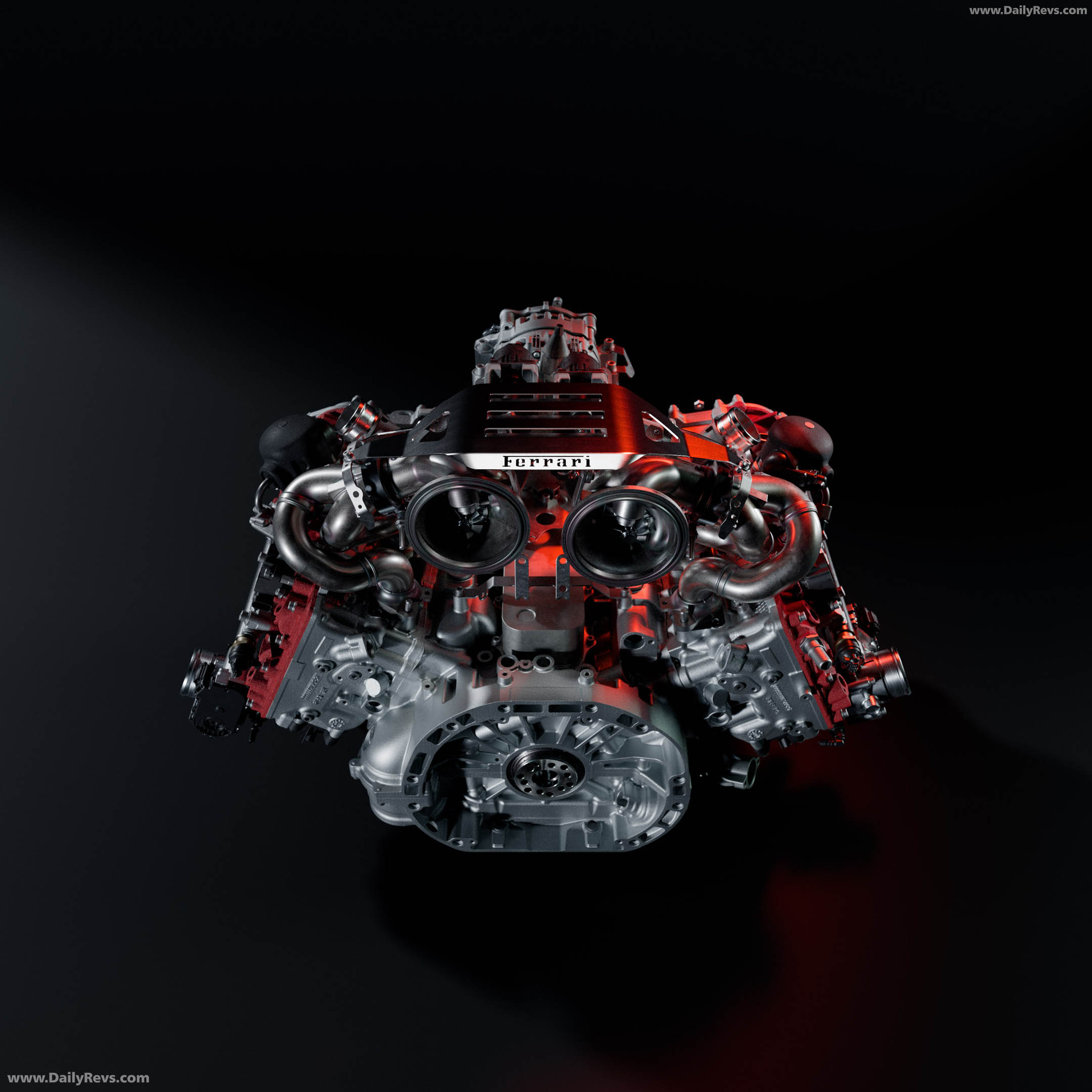
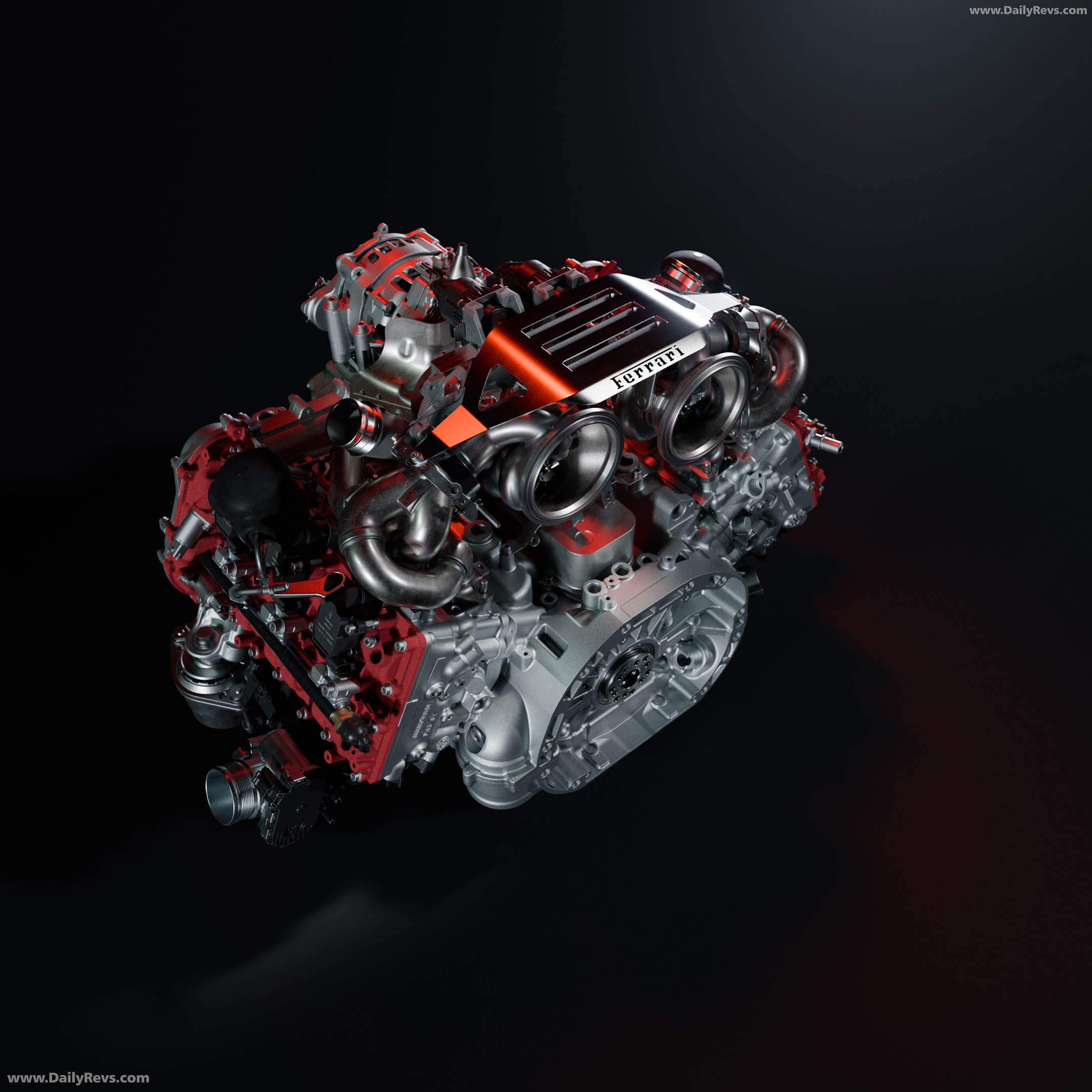
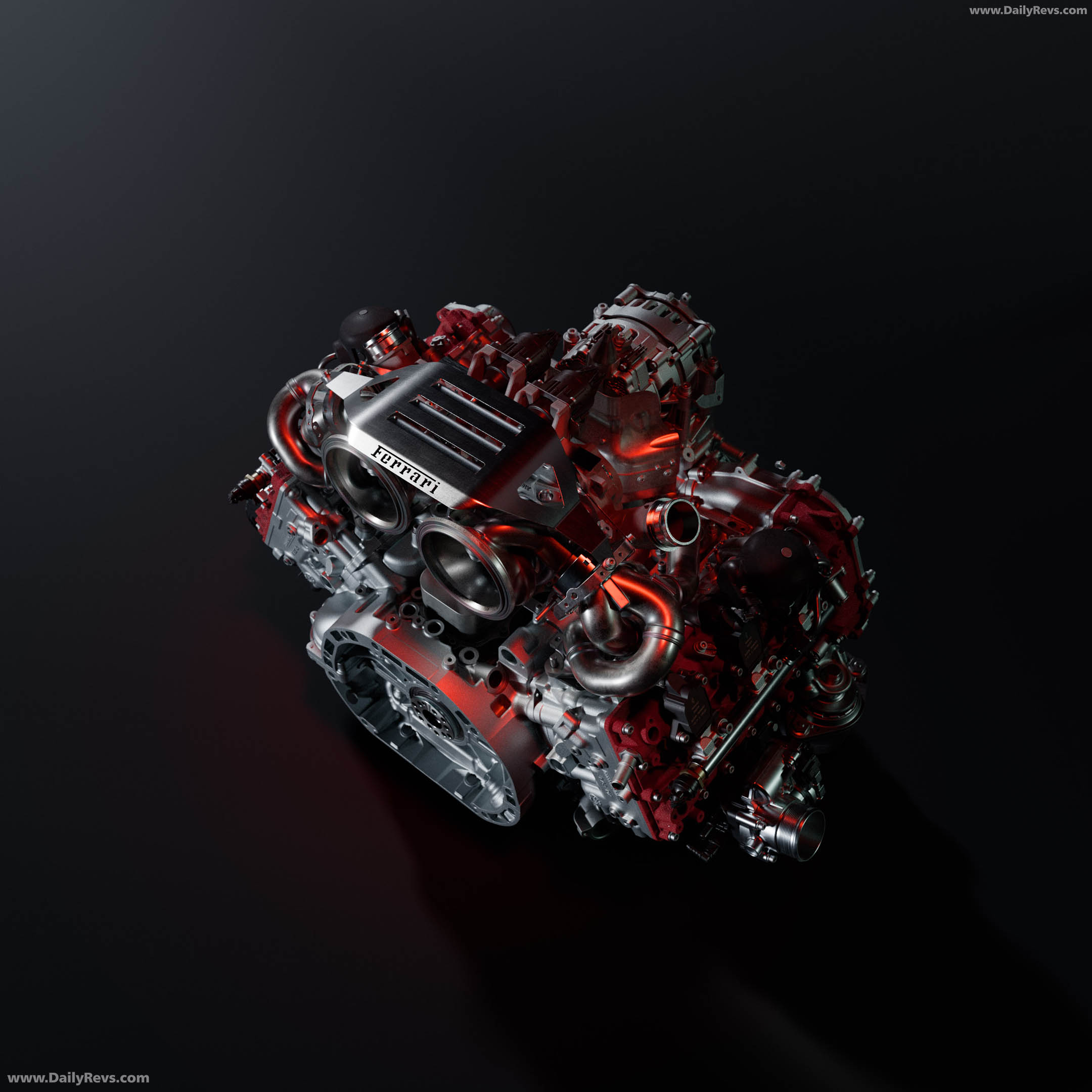
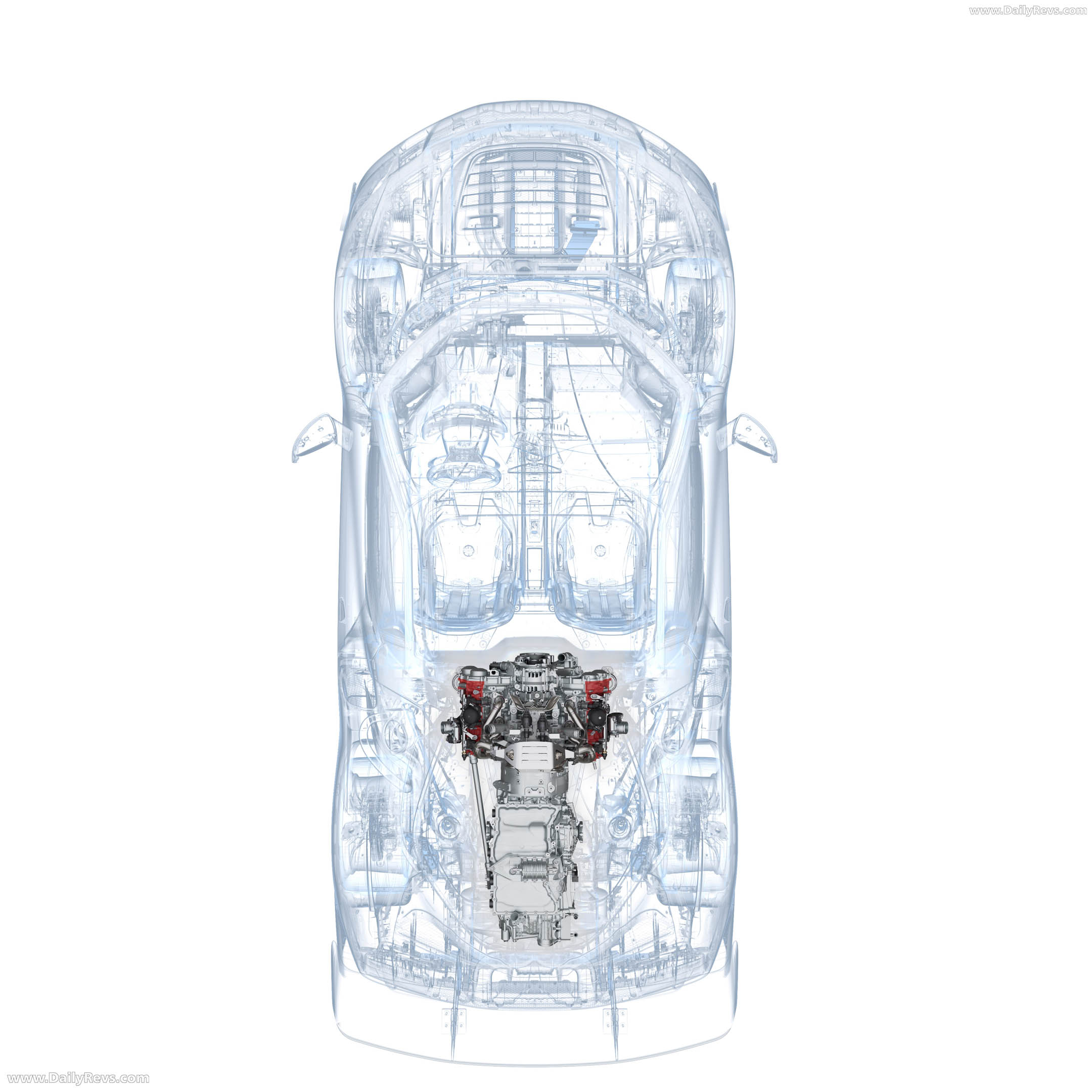
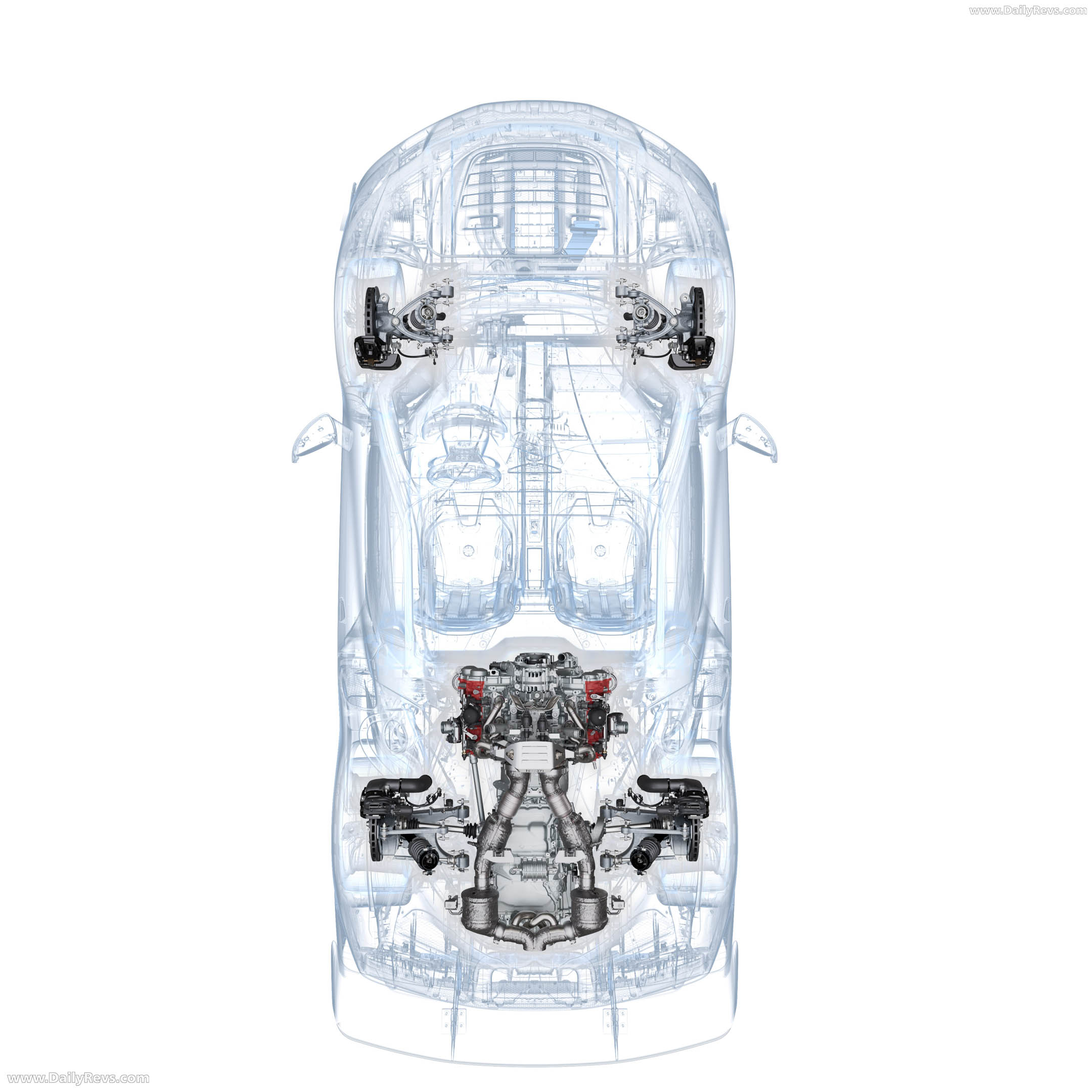
The 296 Challenge Evo retains Ferrari's 2,992 cc twin-turbocharged V6, without hybrid assistance.
It produces 700 CV at 7,500 rpm and 740 Nm at 6,000 rpm.
Power reaches the rear wheels through a seven-speed F1 dual-clutch transmission.
The engine can rev to 8,500 rpm, while dry vehicle weight is listed at 1,330 kg.
Improved Braking and 2027 Racing Debut
Ferrari has revised the electronic differential, traction control and brake pedal response to improve stability and cornering behaviour.
During comparative testing, the Evo lapped Mugello 0.8 seconds faster than its predecessor.
The model will compete in the Europe and North America Ferrari Challenge series from 2027, before joining regional championships in 2028.