

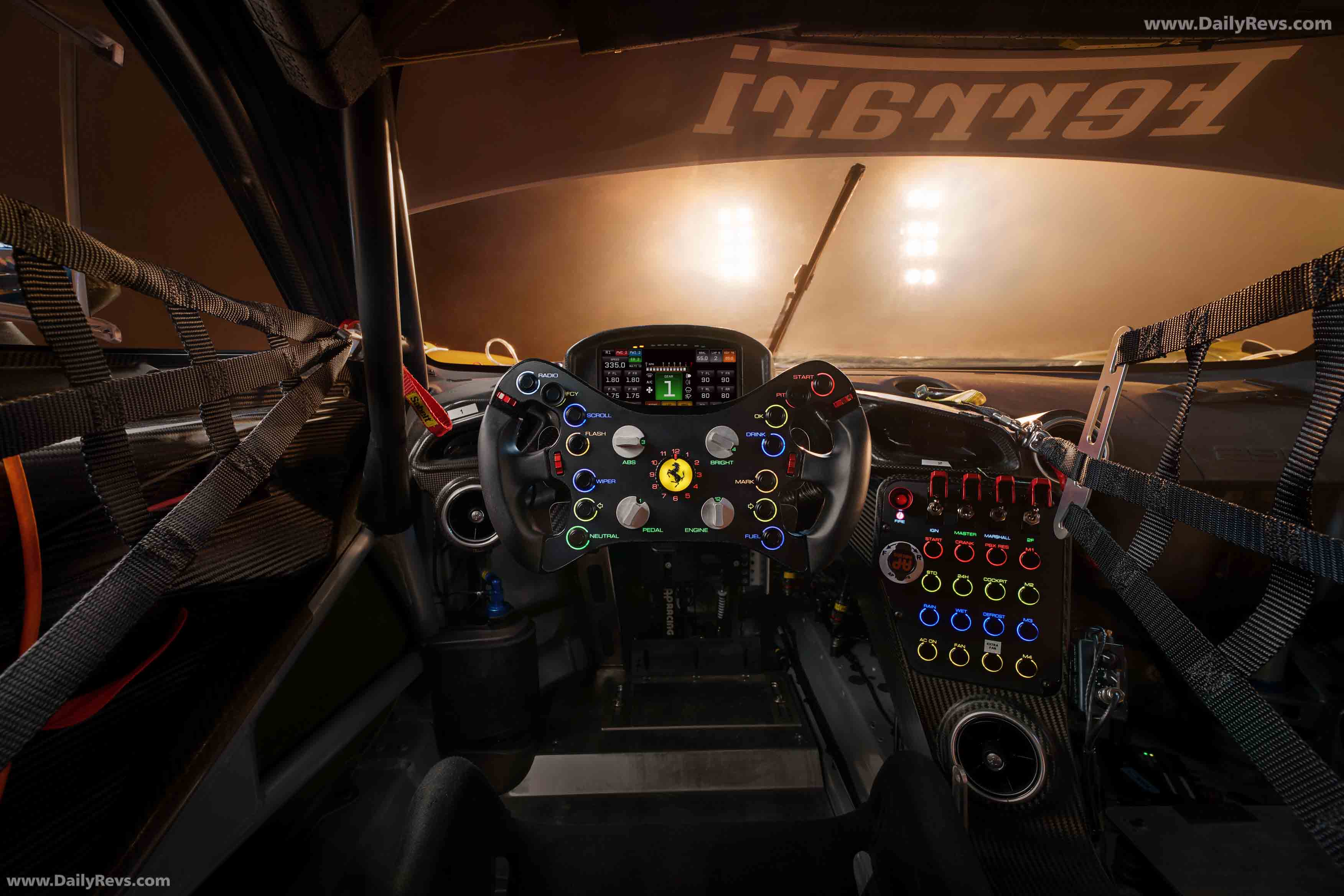
2026 Ferrari 296 GT3 Evo
By Lorenzo Bianchi June 28, 2025
The 2026 Ferrari 296 GT3 Evo refines its race-proven predecessor with cooling, aero, gearbox, and suspension tweaks.
-
Still powered by a 600 PS (447 kW) twin-turbo V6 and 710 Nm torque; downforce and reliability are sharply improved.
-
Built for endurance racing — not road use — with homologation in late 2025 for a 2026 track debut.
Closely Evolved
The 2026 Ferrari 296 GT3 Evo doesn’t look like a brand-new model—and that’s exactly the point. It builds on its predecessor, already a championship-winning platform, but with sharper tools. It hits Spa again, not as a rerun, but as a smarter, tougher contender. And from the first photos, you can see the lessons paid off.
Subtle, Purposeful Design Changes
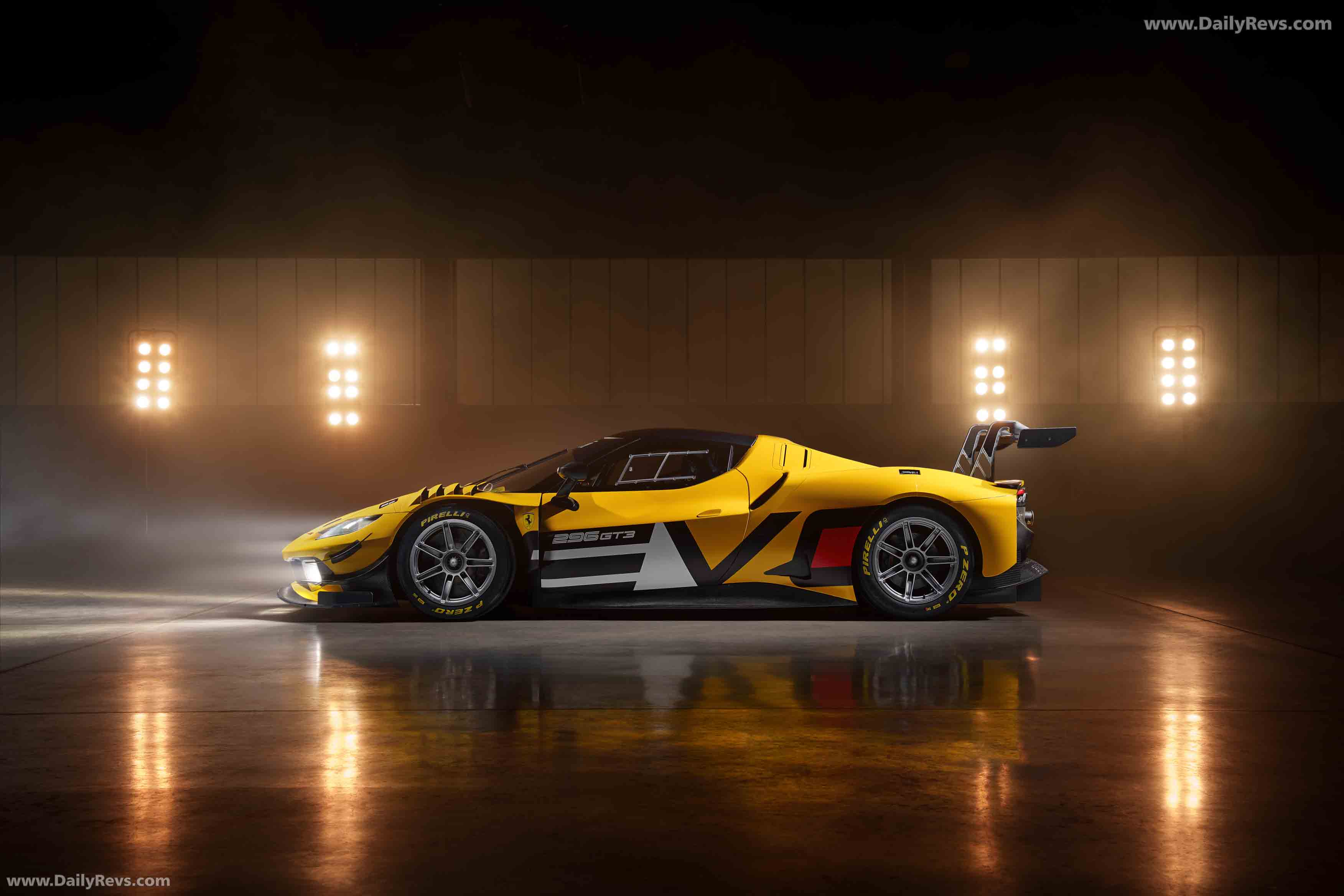
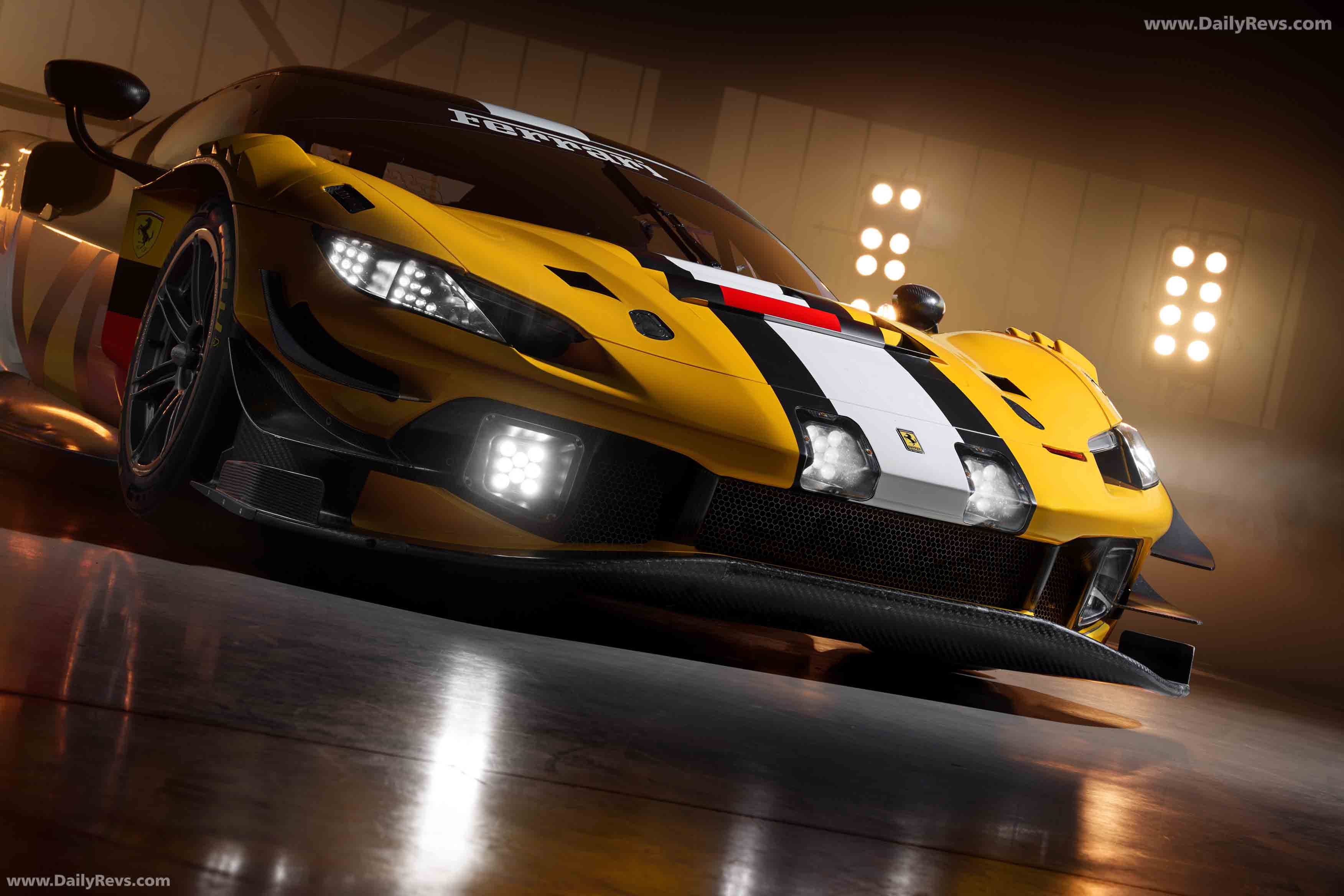
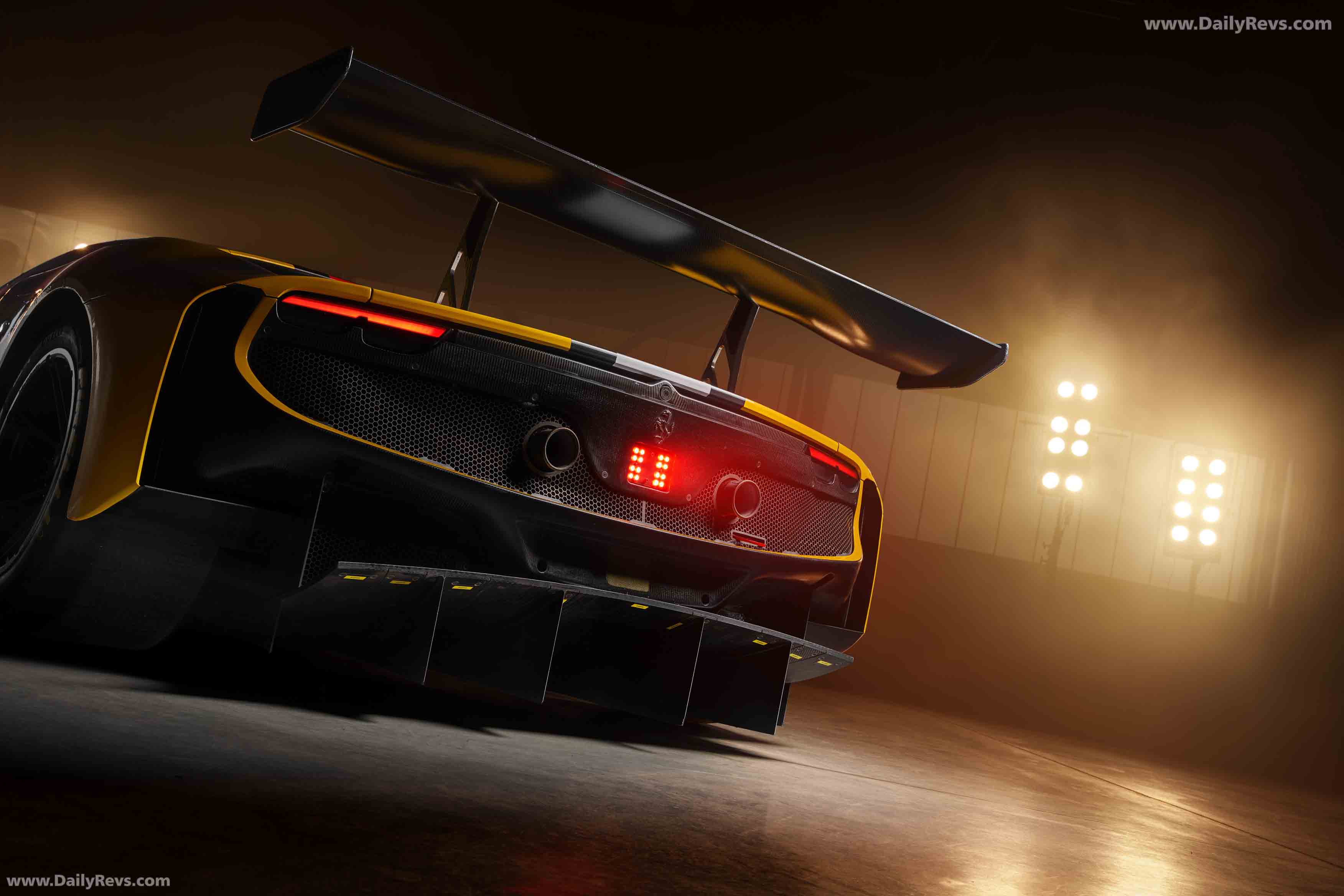
Ferrari didn’t reinvent the wheel—they reworked it. The splitter’s profile is subtly altered, front floor adjusted, and splitter appendages sculpted to stabilize airflow. Noticeable slot intakes on the hood usher fresh air to brake ducts and cockpit vents—functional flourishes that hint at serious race intent. The rear diffuser got the full treatment too, with revised channels and volumes for cleaner airflow when wheel-to-wheel. Even the wing support and side panels are re-engineered, with quick-adjust screws for trackside tuning.
Under the Skin: Cooler, Steadier
The 3.0 L twin-turbo V6 (600 PS, 710 Nm) remains, but Ferrari boosted cooling. Brake airflow alone climbs by over 20%, thanks to new bonnet NACA vents. Internal ducts channel fresh air to the steering pump, adding reliability over long stints. Suspension settings and gearbox ratios are revised for better low-speed grunt and stability in traffic.
Track-Savvy Stance & Setup
The wheel-arch vents aren’t just decoration—they work with the underbody to smooth airflow to the rear. Front and rear suspension kinematics are tweaked for greater resilience, helping reduce wear on fast-changing circuits. Ferrari’s aim? A car that remains sharp and predictable even in dirty air, or when following closely. This Evo is about being tough, not flashy.
Racing Reputation Continues
Since debuting in 2022, the Ferrari 296 GT3 has claimed 140 victories, 405 podiums, and five titles including Spa and Daytona. The Evo builds on that legacy—shoehorned into WEC and GT World Challenge grids globally. Now Ferrari’s offering it both as a standalone Evo car and as upgrade kits for current teams. Homologation closes late 2025, race debut in 2026.
Technical Specification – 2026 Ferrari 296 GT3 Evo
-
Performance
-
Power: Approximately 600 PS (447 kW), depending on Balance of Performance (BoP) regulations
-
Torque: Around 710 Nm
-
Acceleration and top speed: Not officially disclosed due to homologation and racing-specific tuning
-
Transmission: 6-speed sequential racing gearbox with electronic clutch and paddle shifters
-
-
Body Measurements
-
Length: Approximately 4,565 mm (179.7 in)
-
Width: Approximately 2,050 mm (80.7 in)
-
Height: Around 1,060 mm (41.7 in)
-
Wheelbase: Roughly 2,660 mm (104.7 in)
-
Weight: Close to 1,250 kg (2,755 lbs), as per FIA GT3 regulations
-
-
Powertrain
-
Engine: 3.0-liter twin-turbocharged 120° V6 engine, derived from the 296 GTB road car
-
Turbo configuration: Hot-vee setup for reduced weight and improved packaging
-
Drivetrain: Rear-wheel drive only (GT3 regulation)
-
Exhaust system: Redesigned for performance and lower center of gravity
-
Cooling: Enhanced with new bonnet NACA ducts and intake systems to aid brake and cockpit ventilation
-
-
Capacities
-
Fuel tank: Racing-spec tank, approximately 100 liters (capacity varies by series)
-
Brake cooling: Upgraded for 20% greater airflow and temperature regulation
-
Steering and auxiliary systems: Optimized for endurance race durability
-
-
Price
-
Estimated cost: Between €750,000 and €900,000 (approximately $800,000 to $1 million USD), depending on team configuration and spares packages
-