

2026 Volkswagen T-Roc eTSI R-Line
By Lorenzo Bianchi November 25, 2025
Updated design with sharper surfacing and new lighting signatures.
Two verified eTSI engines: 1.5 eTSI 110 kW and 2.0 eTSI 150 kW AWD.
New interior layout featuring a high-mounted 12.9-inch display.
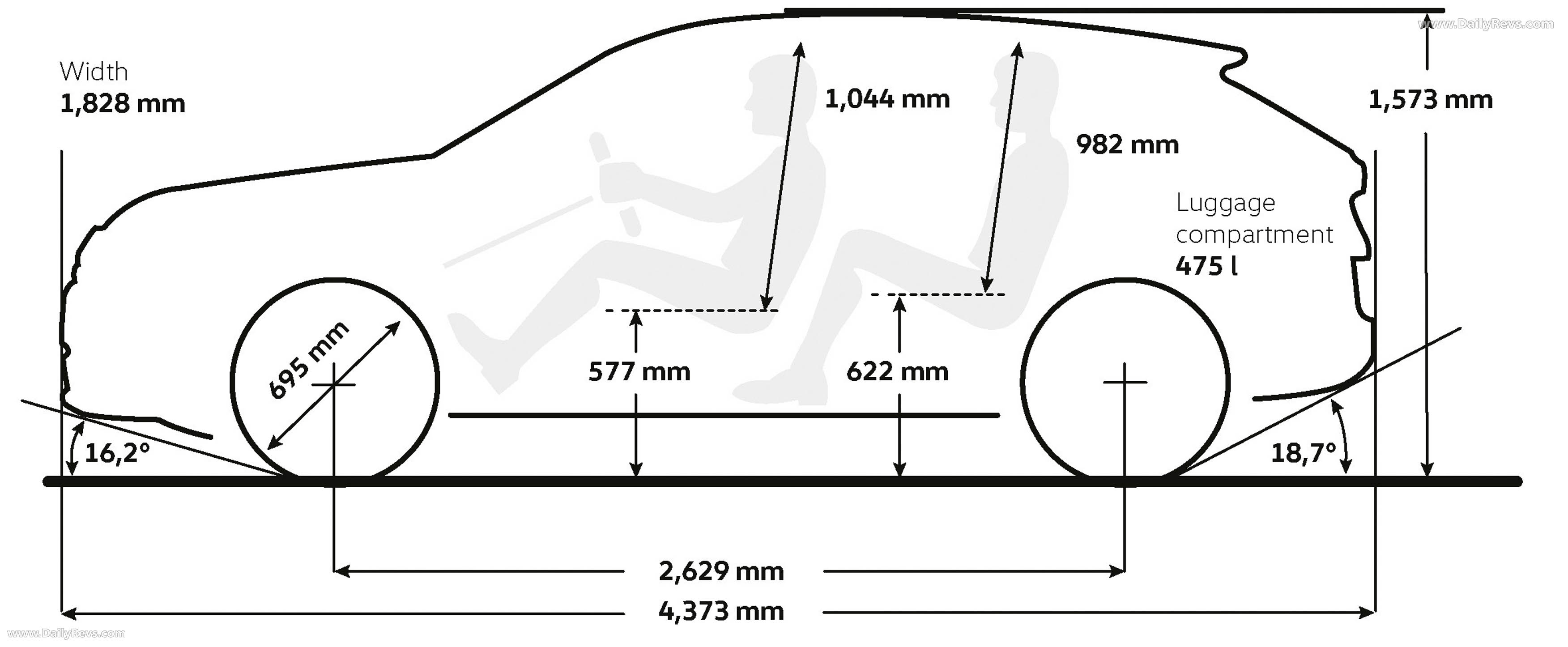
Design and Proportions of the 2026 Volkswagen T-Roc eTSI R-Line
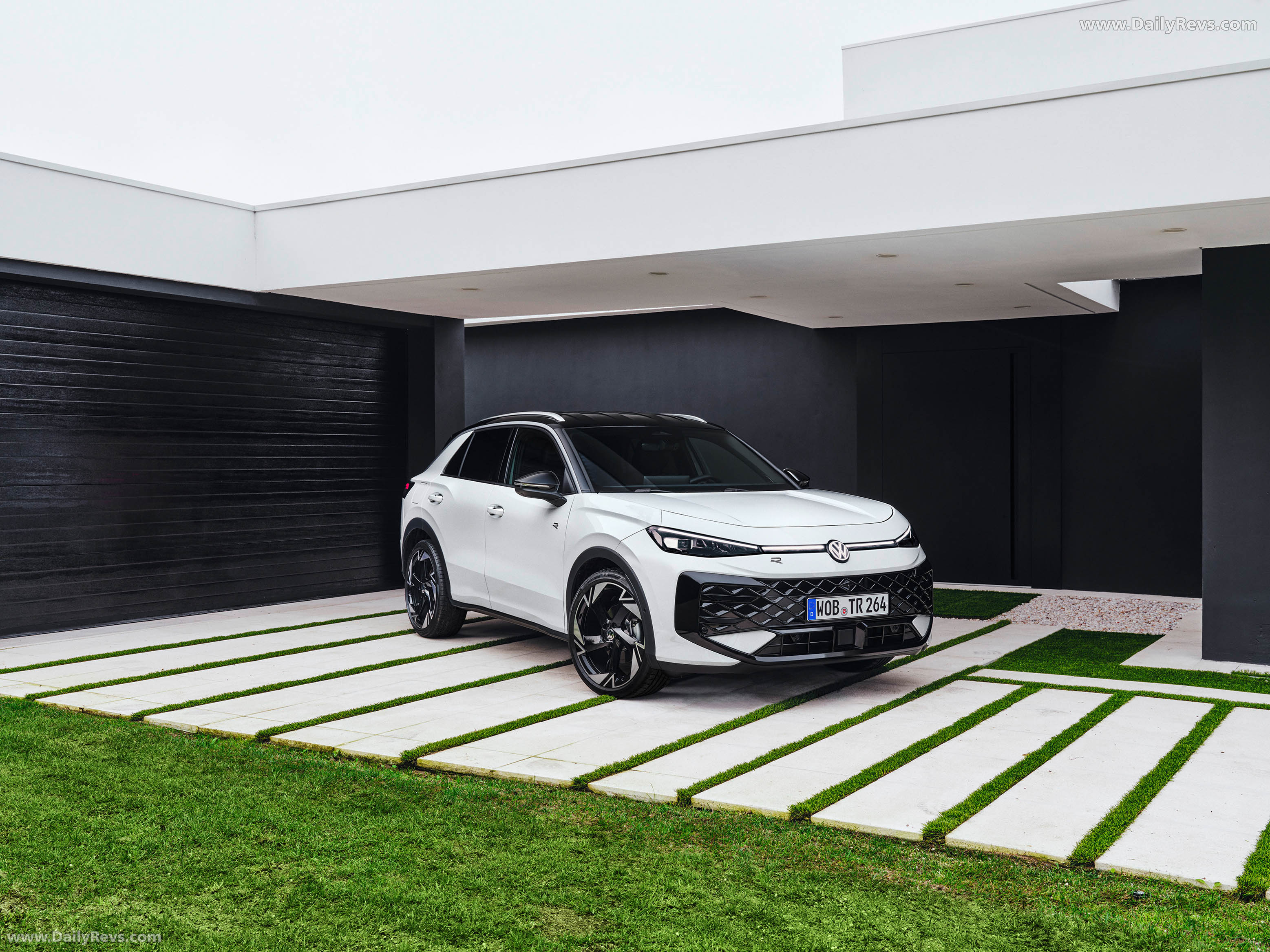
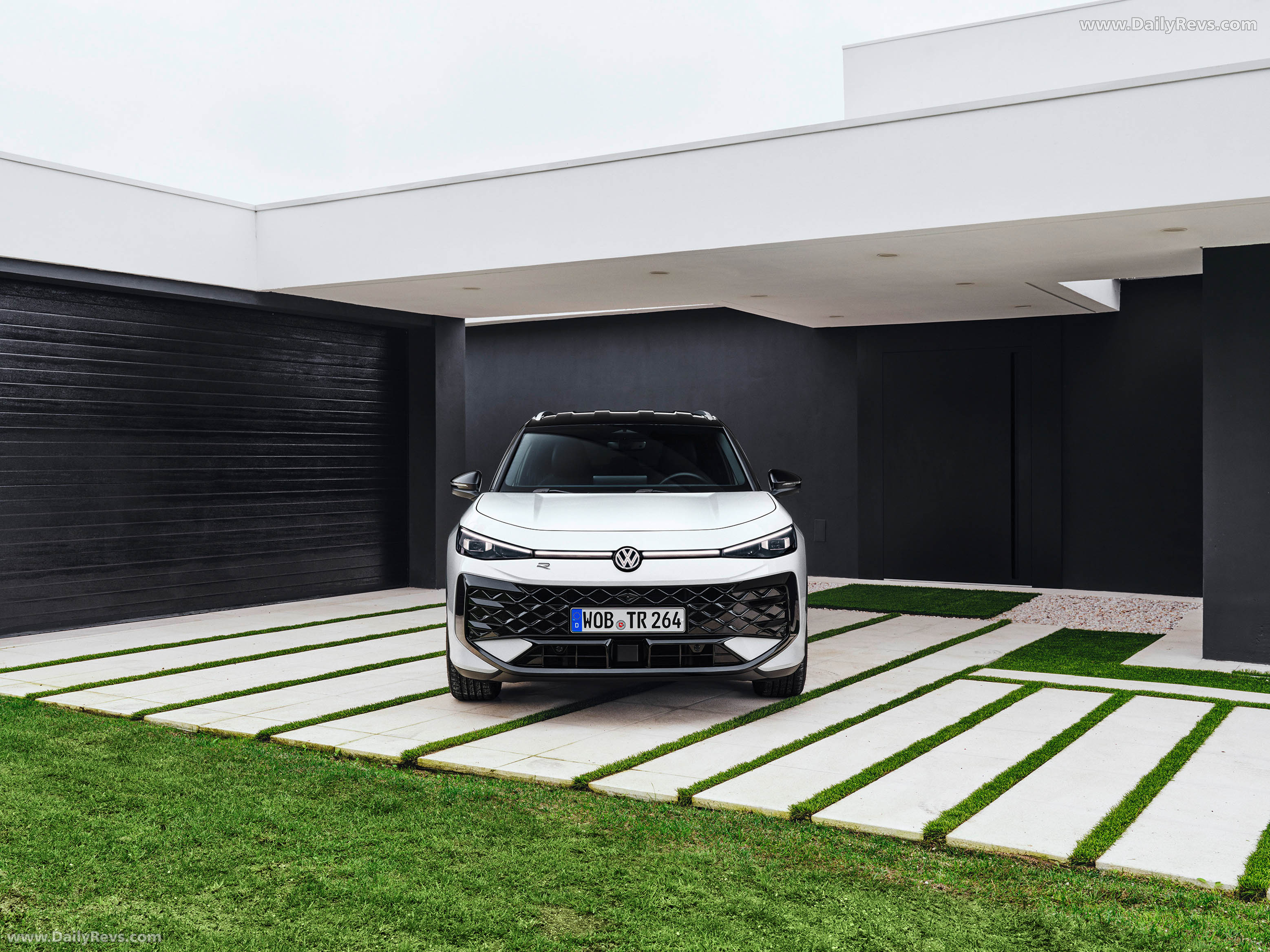
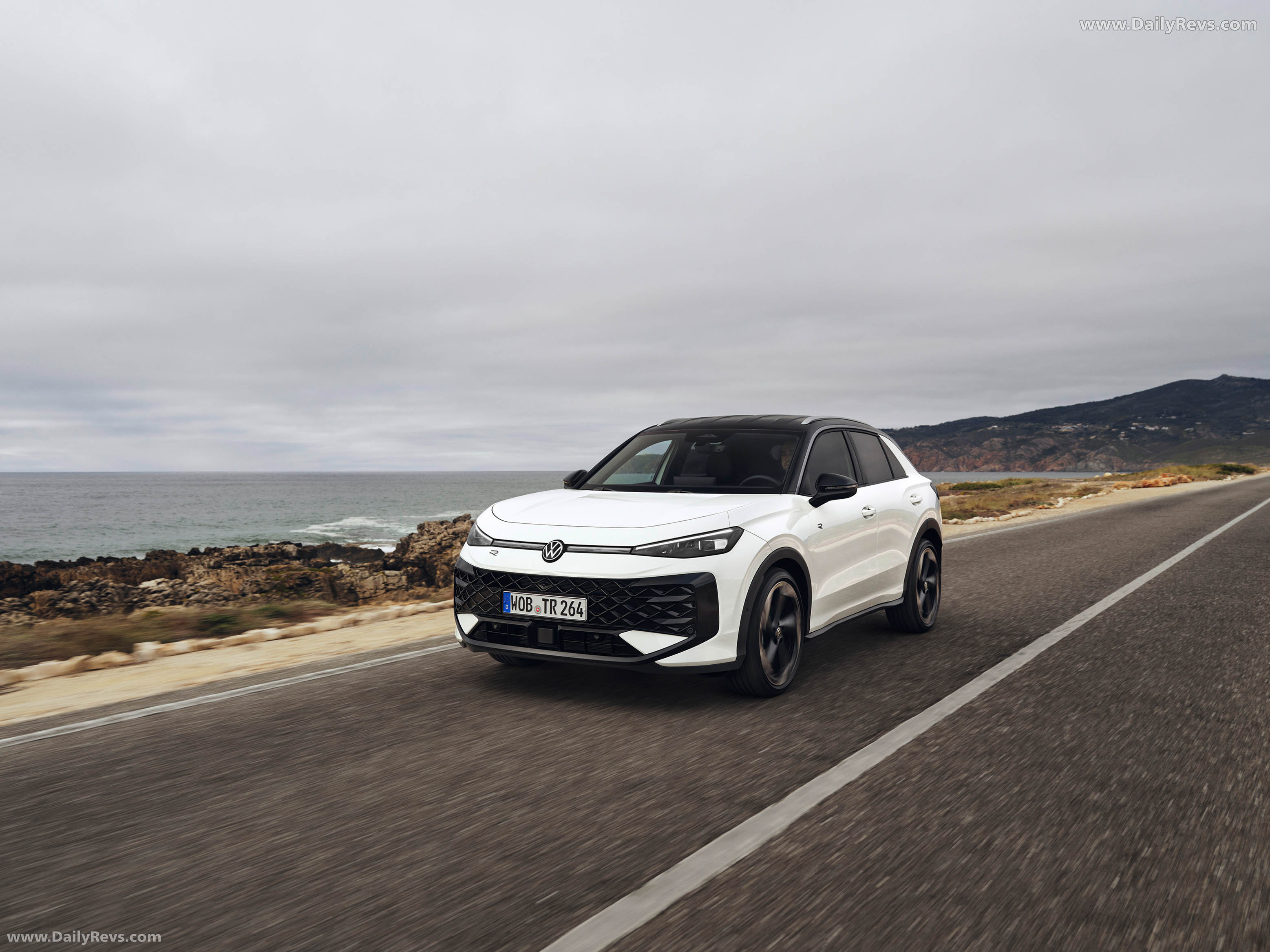
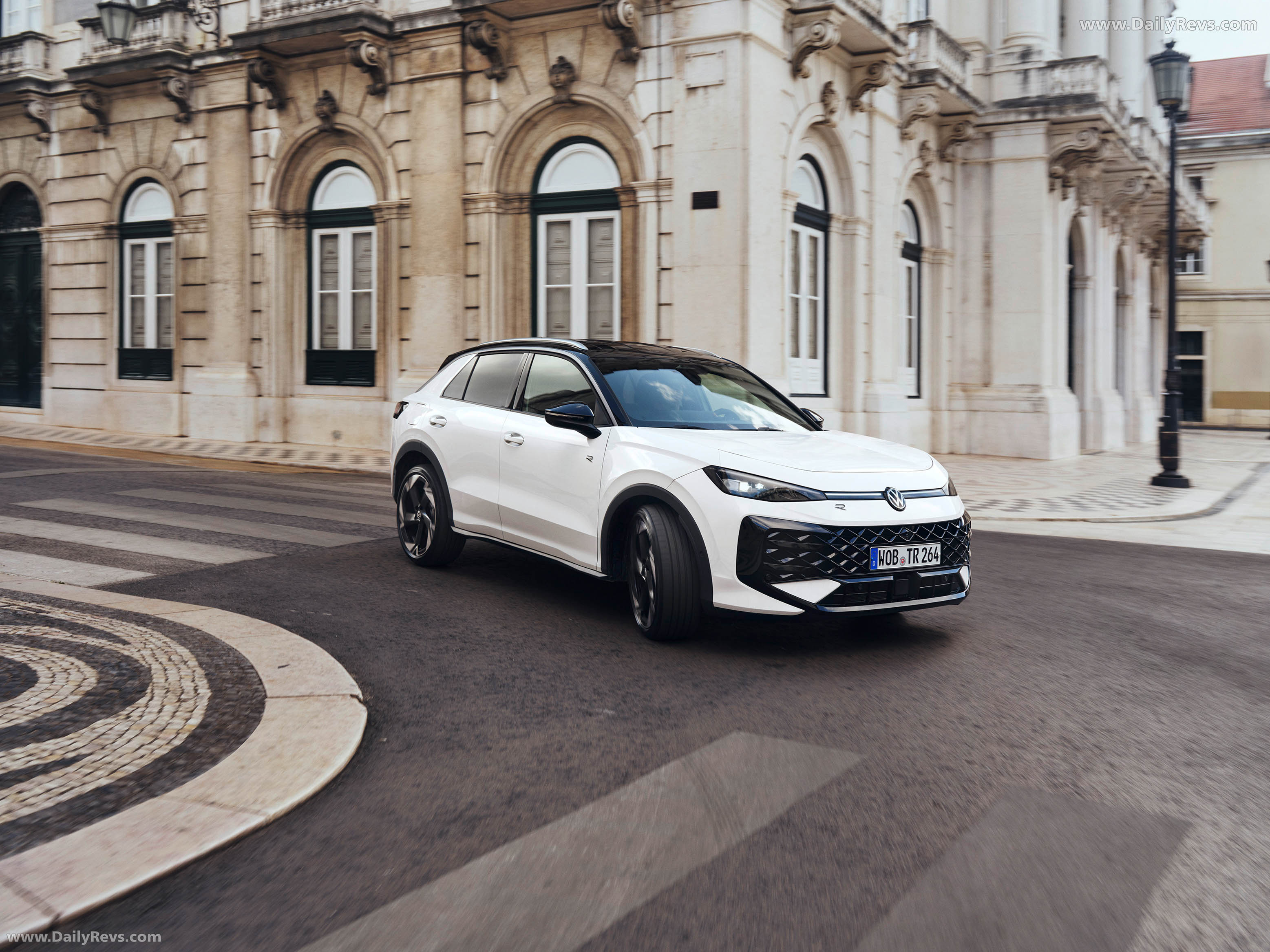
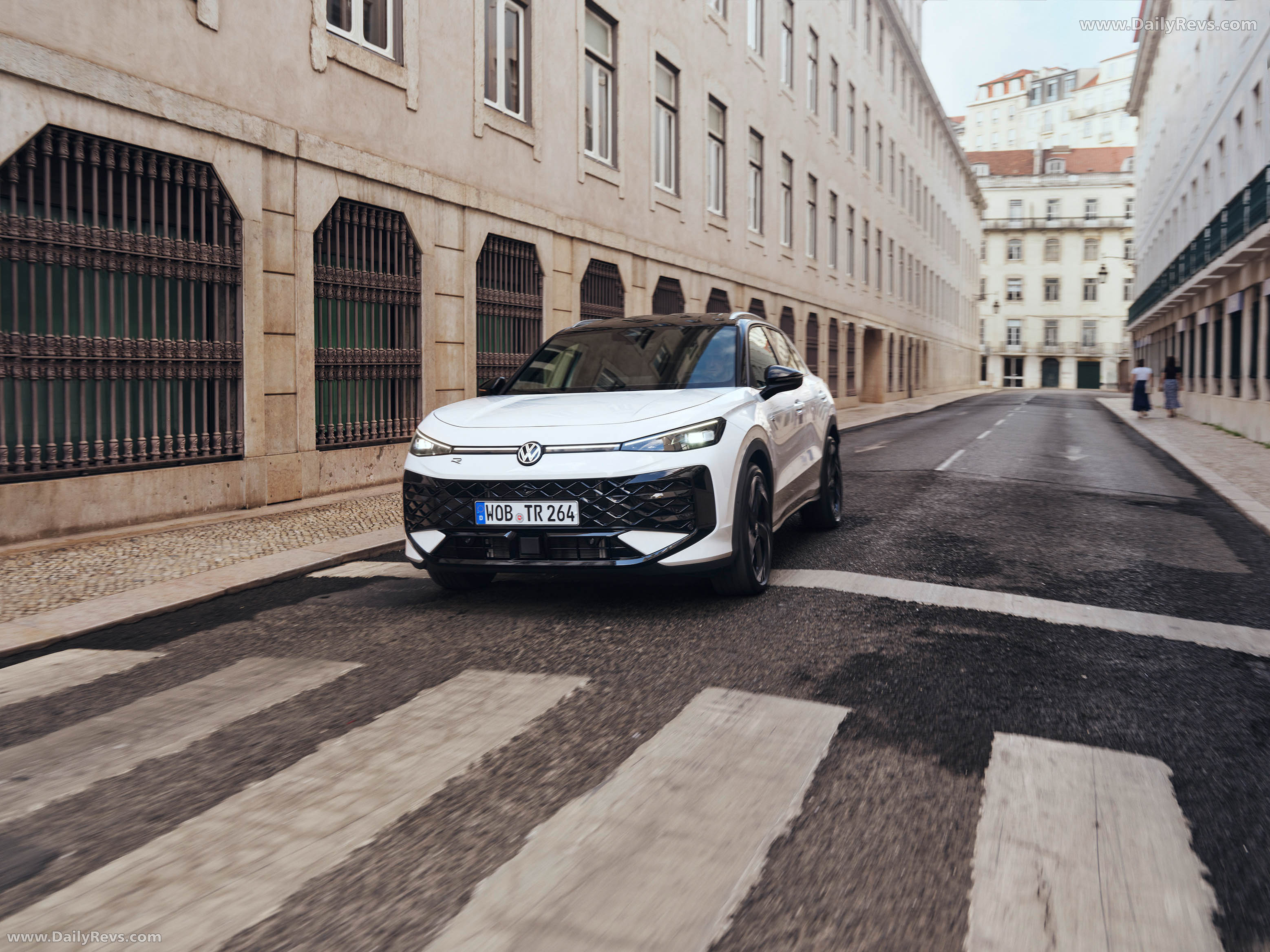
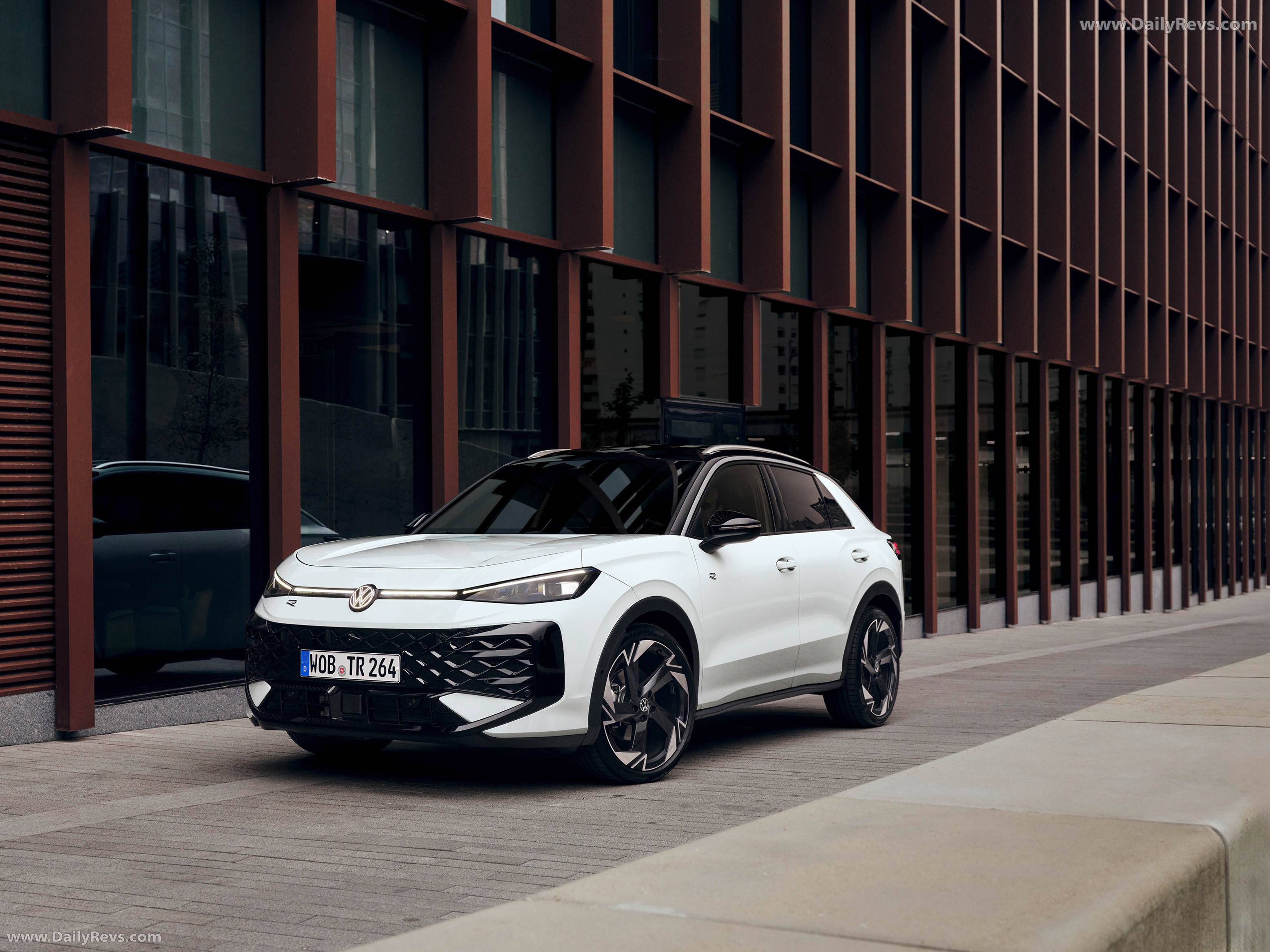
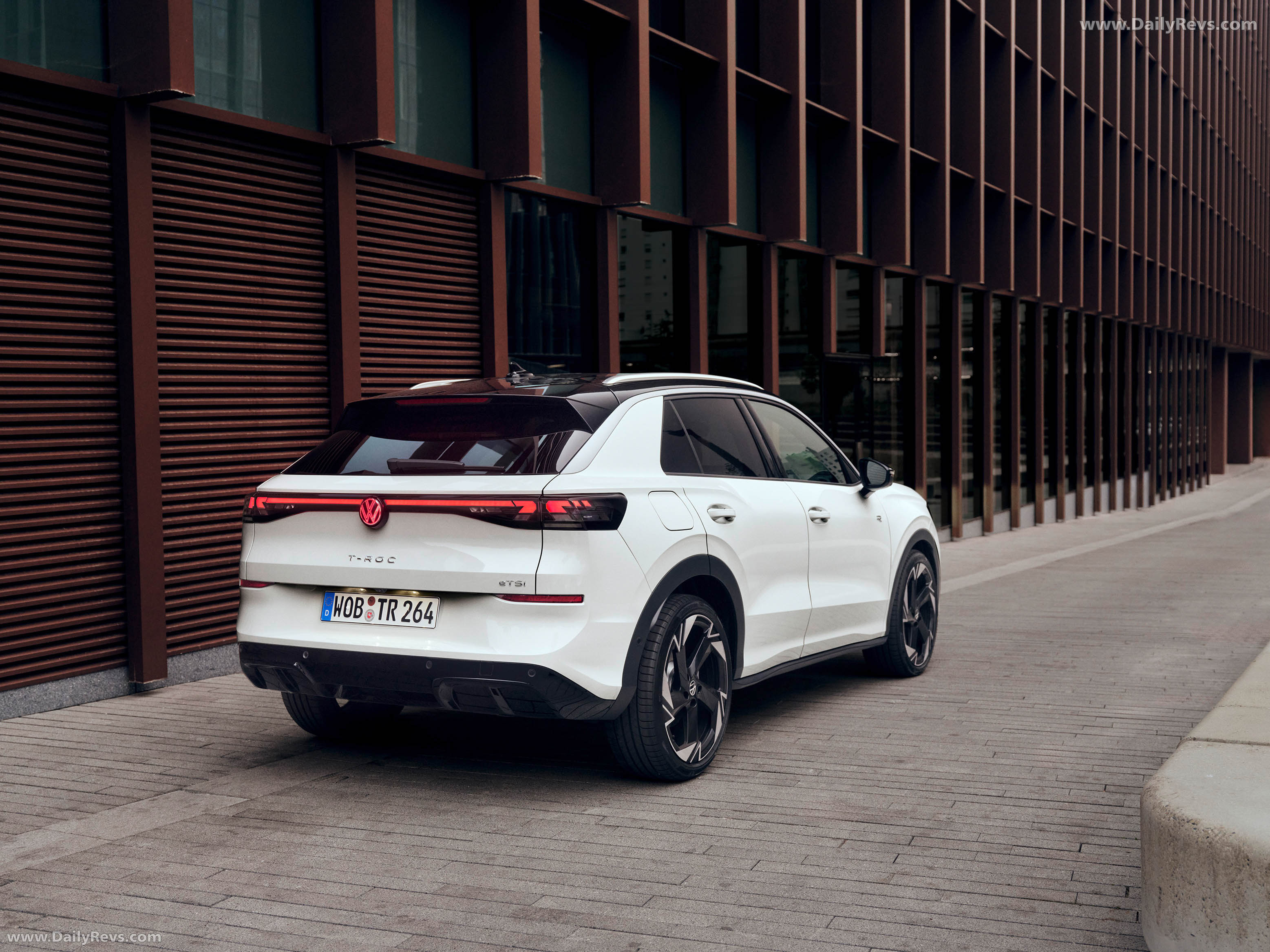
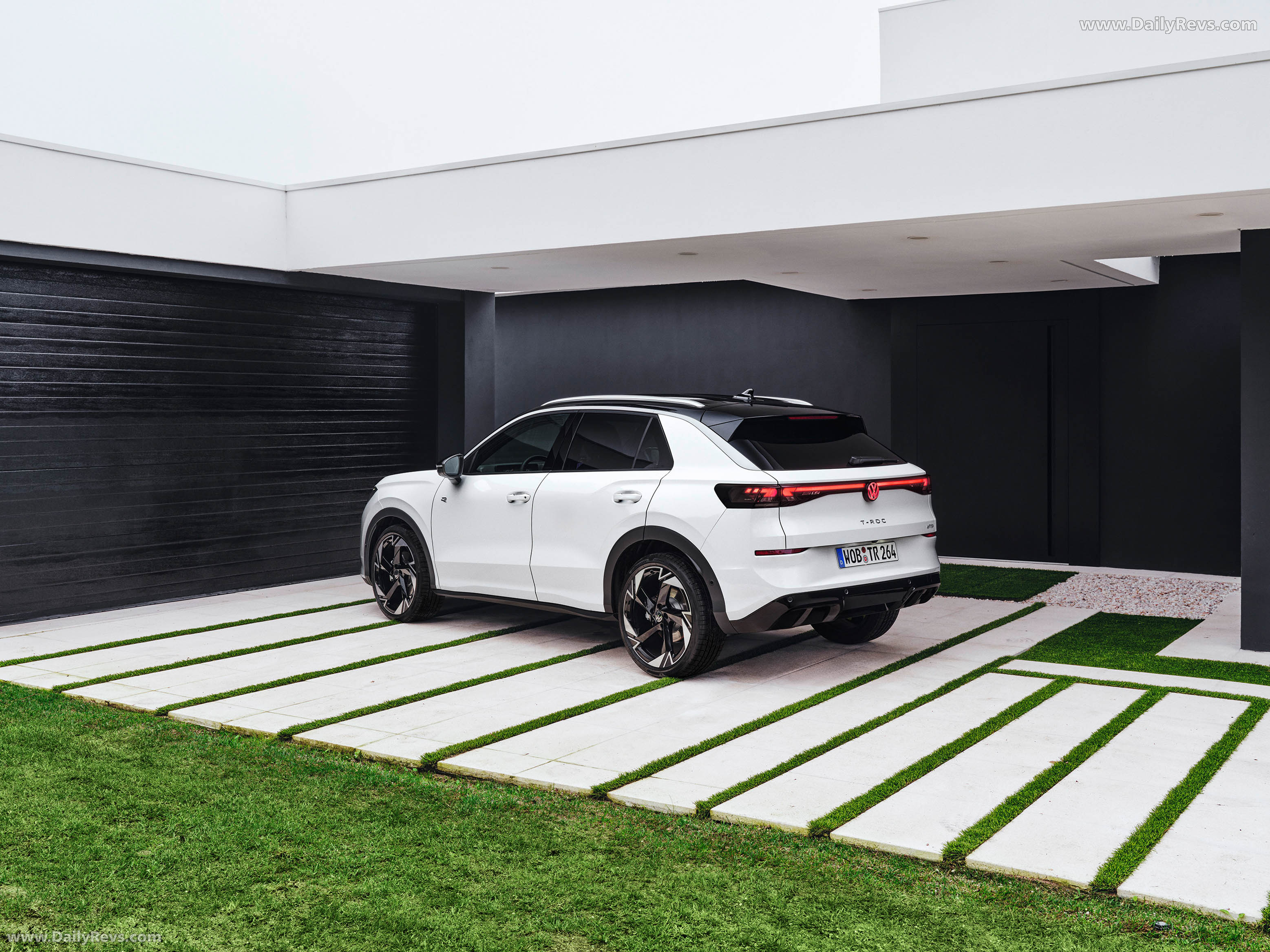
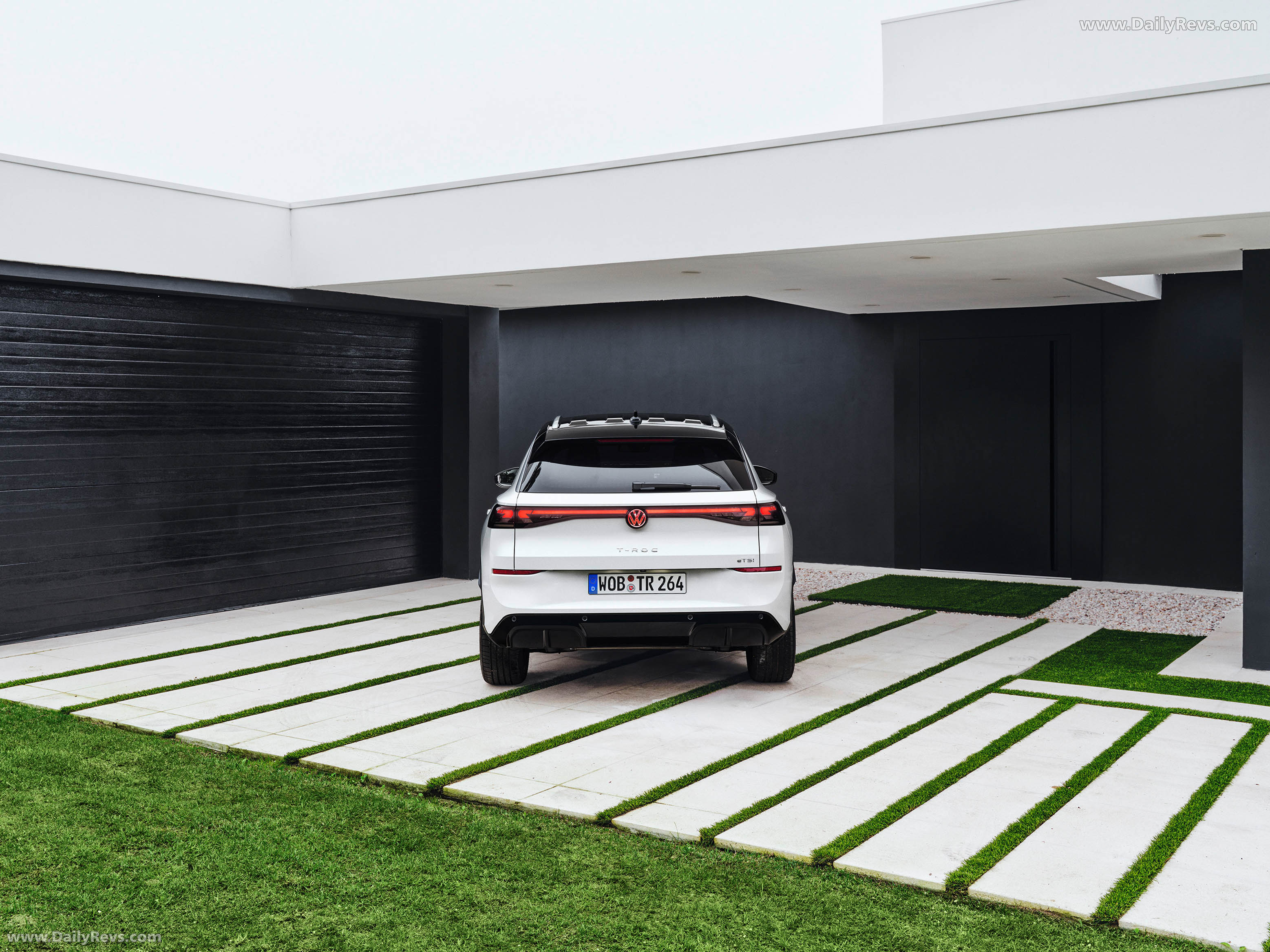
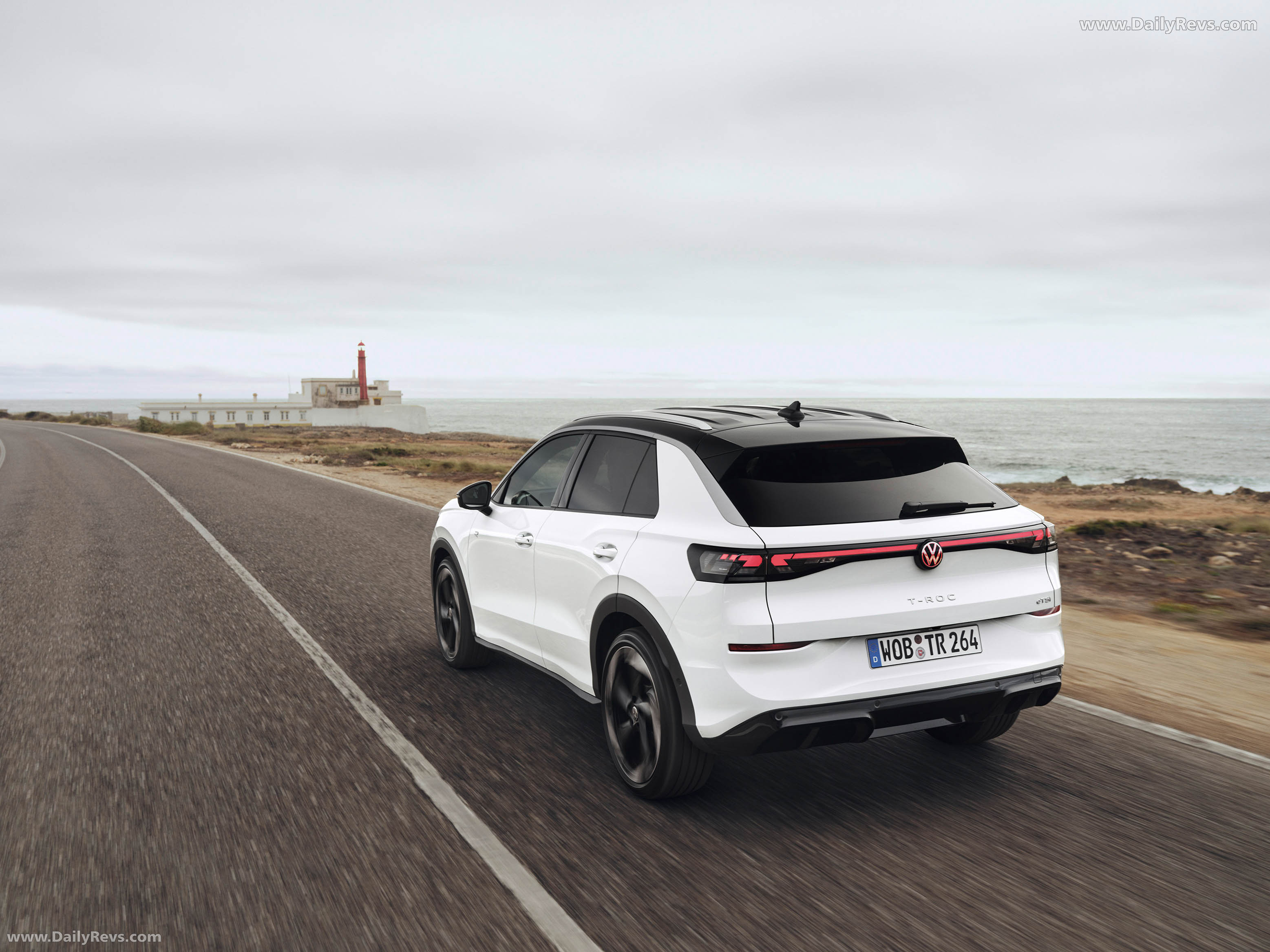
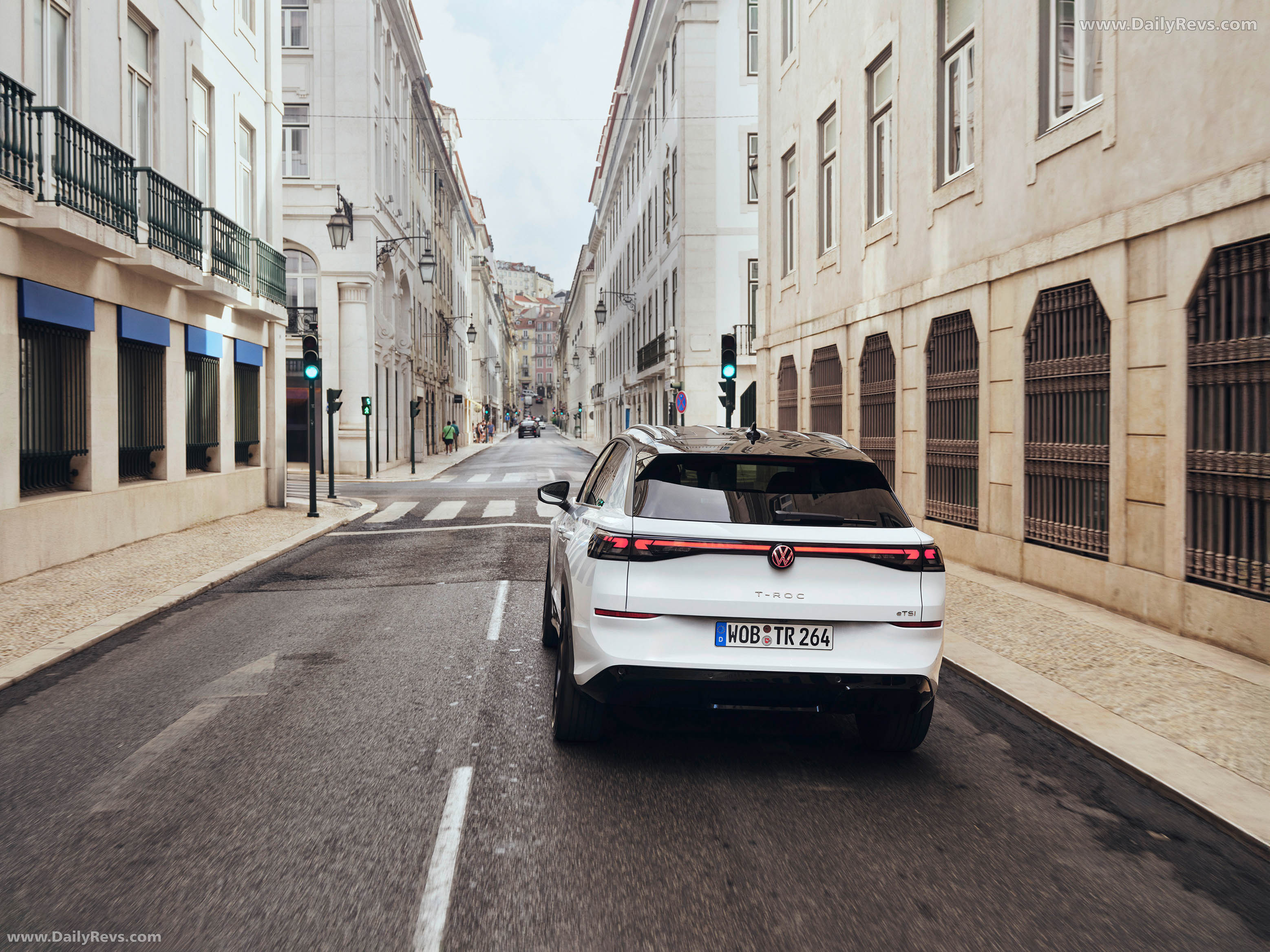
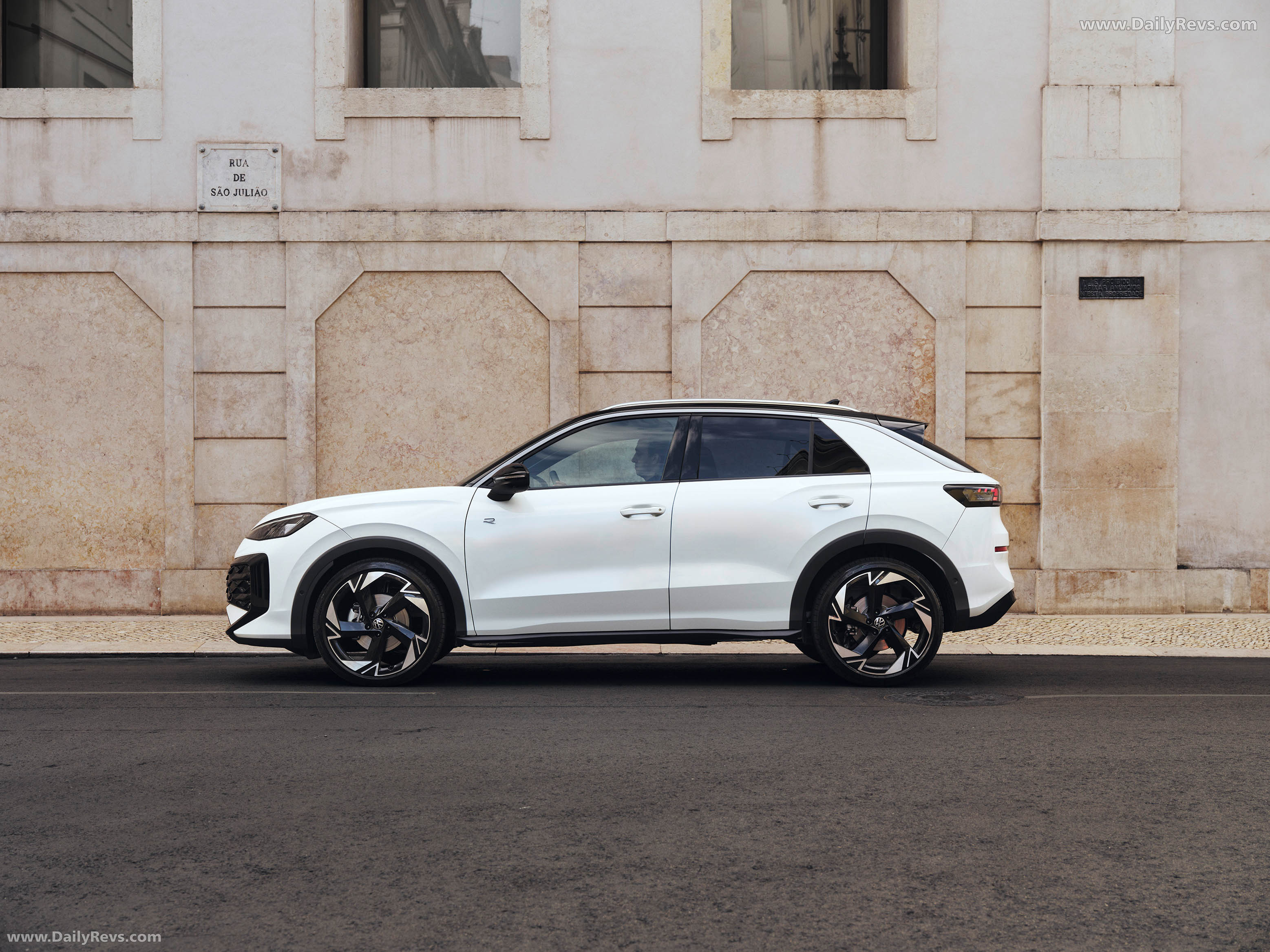
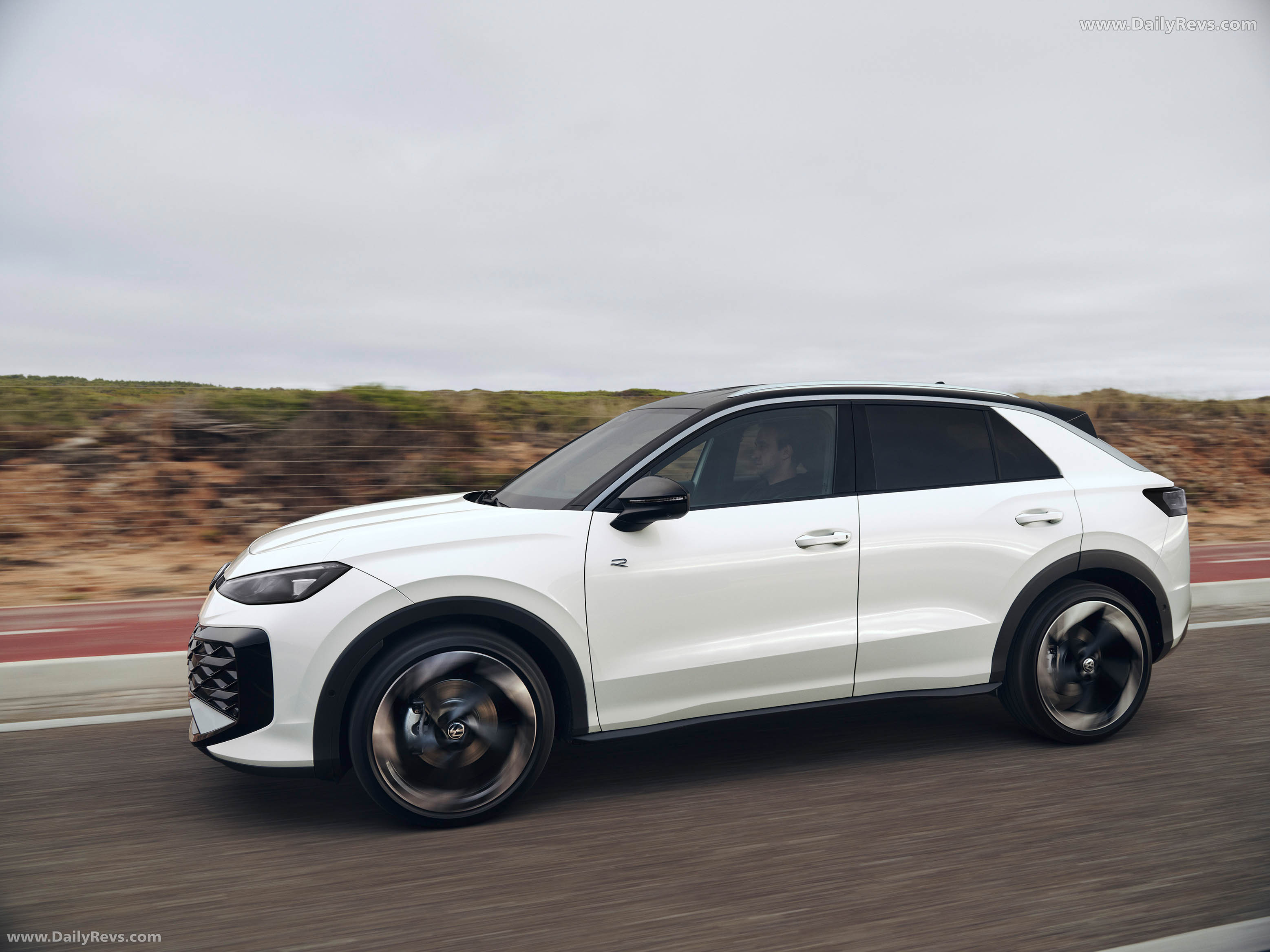
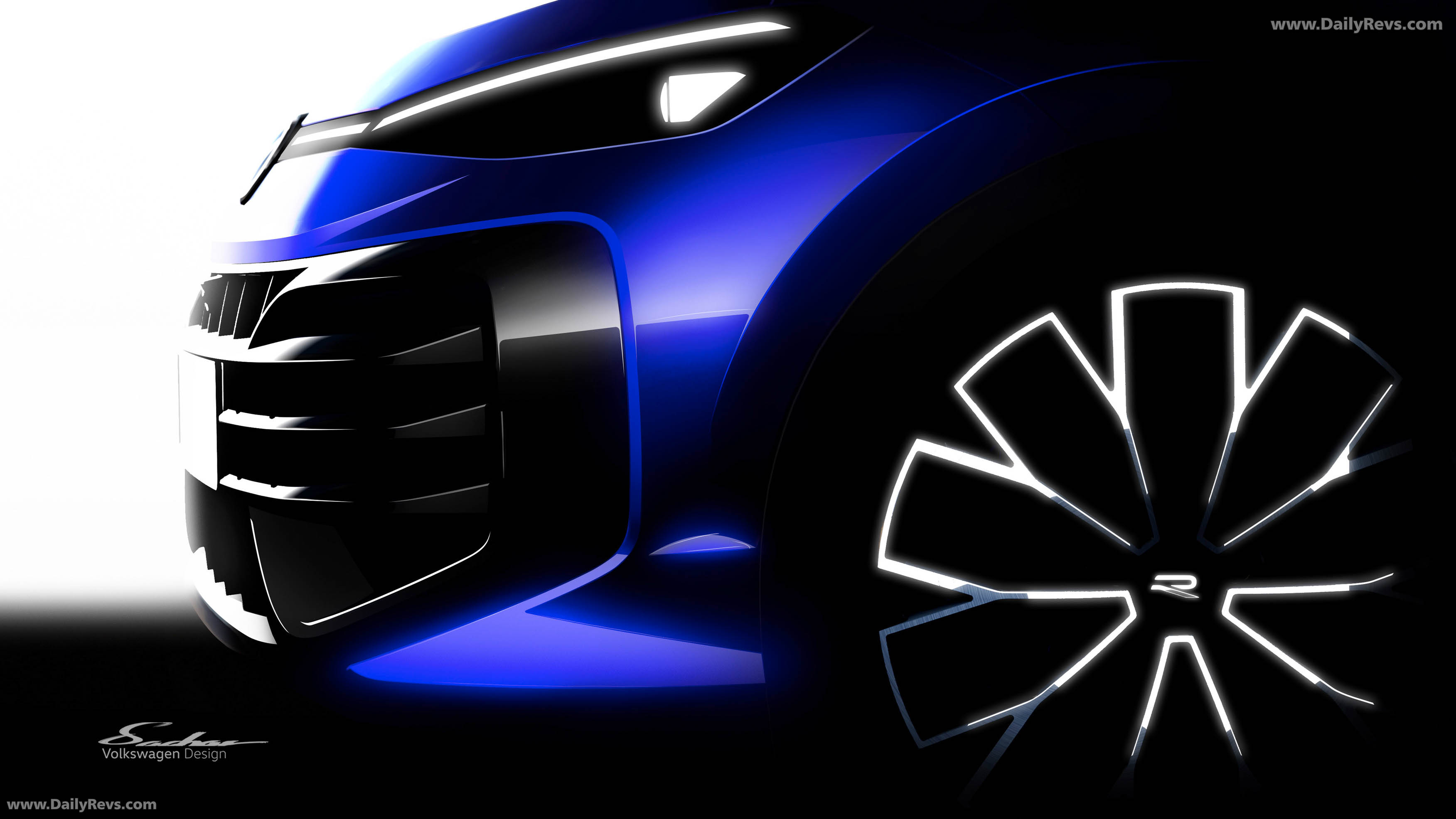
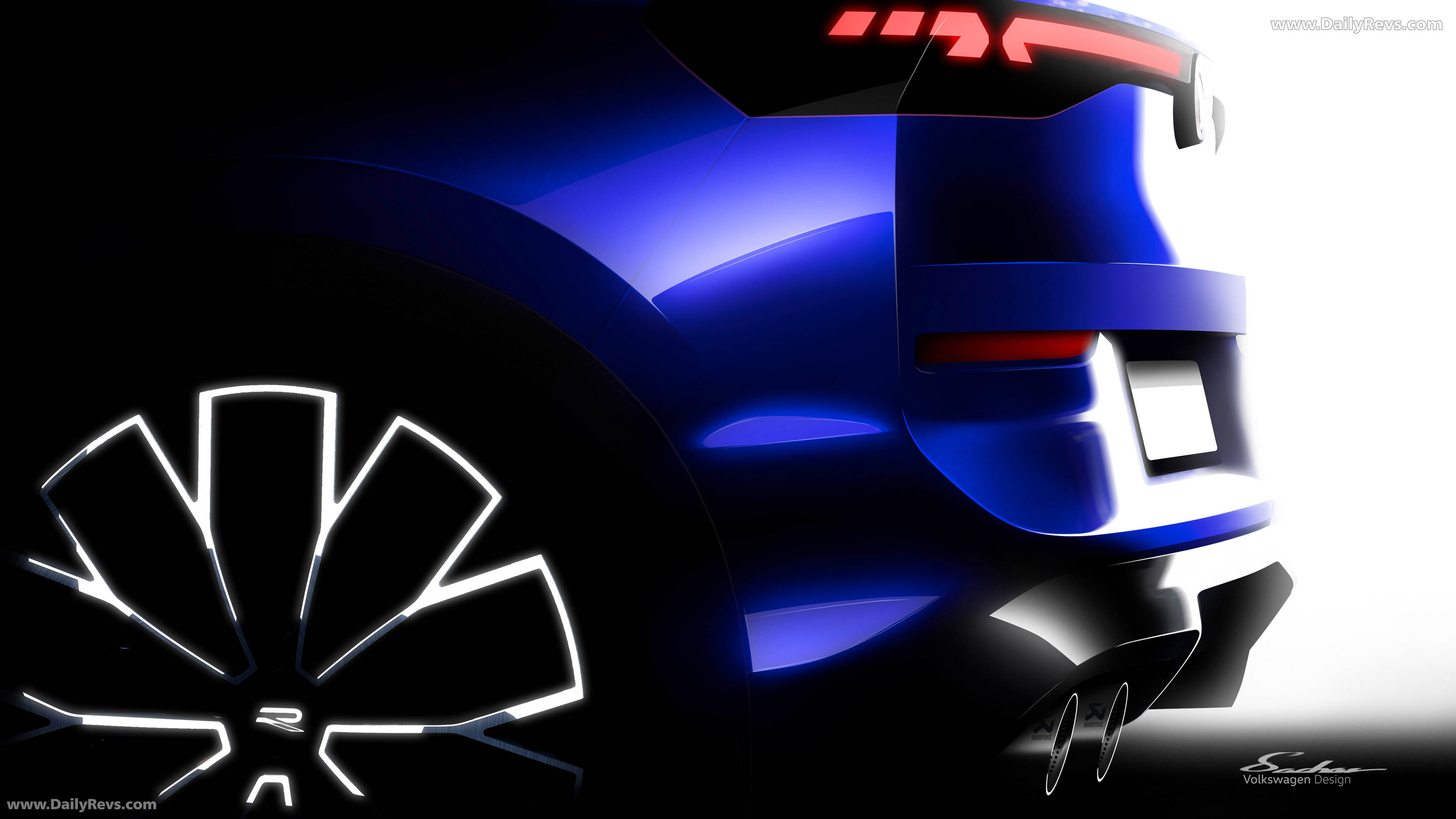
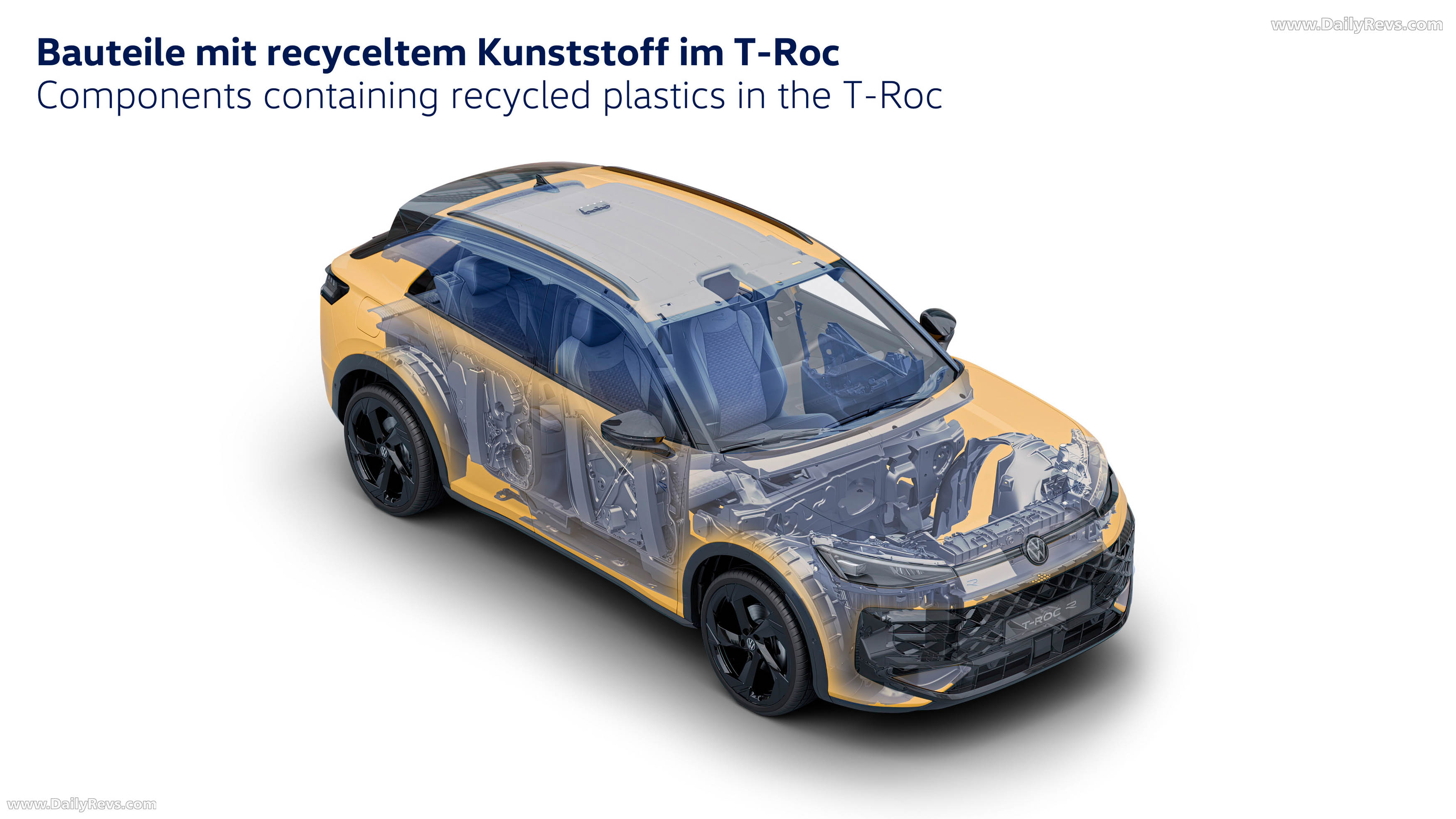
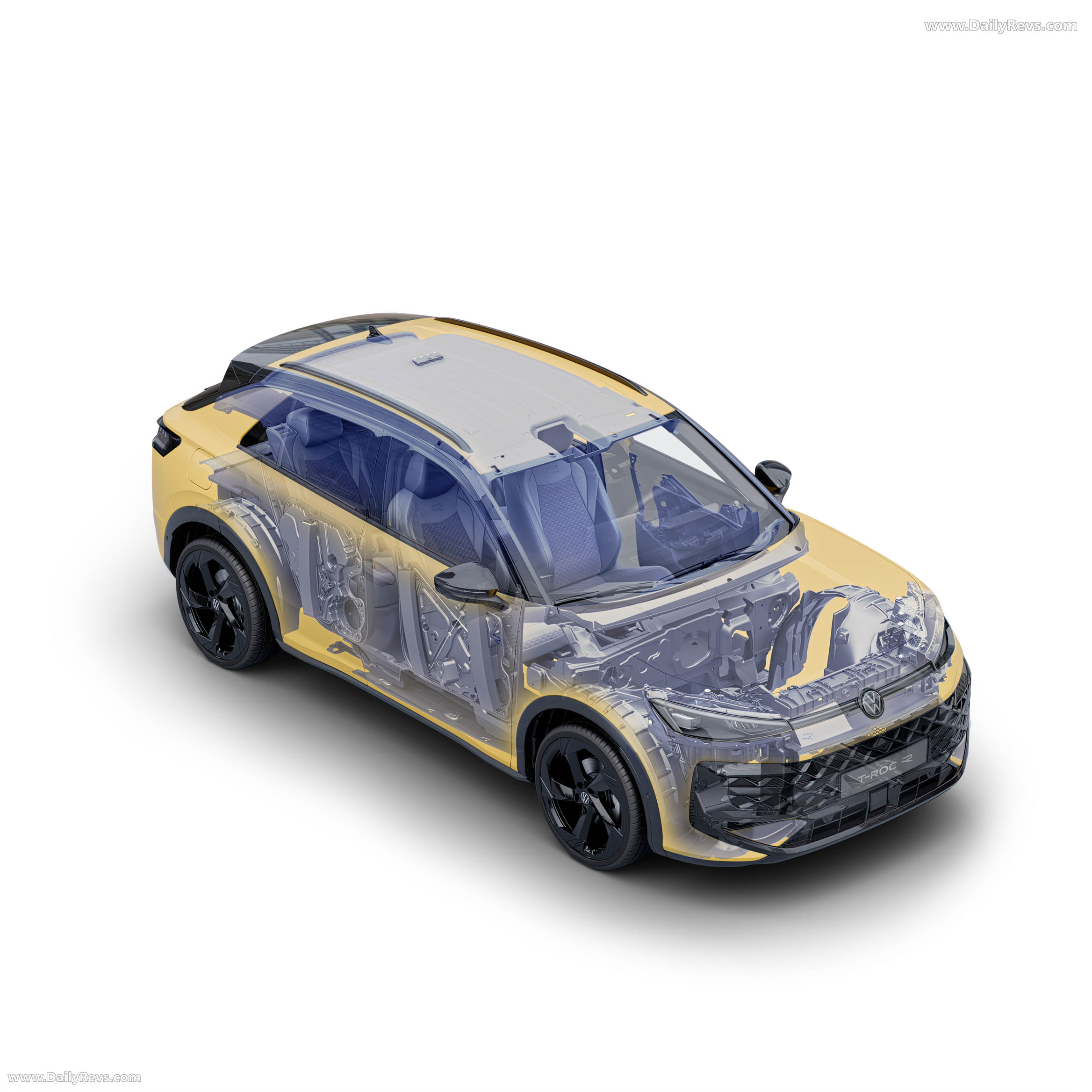
The updated T-Roc eTSI R-Line keeps the familiar profile that made the original a strong seller in Europe, but the latest version pushes some of the surfaces a little further. Volkswagen’s briefing notes that the shoulder line, the “hockey stick” graphic around the C-pillar, and the muscular rear arch all remain part of the model’s identity. From the images referenced in the media drive material, the car shows a slightly more deliberate front stance, helped by a wider grille section and new IQ.LIGHT LED matrix headlights.
The R-Line trim tightens the visual presentation rather than exaggerating it. Wheel sizes extend up to 19 inches, and the stance appears balanced, with enough visual mass around the lower body to keep the proportions grounded. Even in static shots, the relationship between the roofline and the window cut makes the car feel approachable rather than overly stylised.
Performance and Powertrain Overview
Volkswagen confirms that the 1.5 eTSI mild hybrid with 110 kW (150 PS) is the standard engine for the R-Line trim, paired with a seven-speed DSG and front-wheel drive. It forms the core of the model’s electrified range, using a 48-volt system to reduce low-speed load and improve efficiency.
Alongside it, the brochure outlines a second option arriving in 2026: the 2.0 eTSI mild hybrid producing 150 kW (204 PS), coupled with 4MOTION all-wheel drive. This variant is positioned for buyers who want more assured traction and higher output without moving into the fully performance-oriented T-Roc R. Both engines transmit power through the same seven-speed direct-shift gearbox, according to the document.
The media briefing also notes improvements to noise insulation and suspension calibration to deliver a more composed daily-driving feel.
Key Features and Interior Impression
Inside, the T-Roc eTSI R-Line adopts Volkswagen’s updated interior architecture, and the most noticeable change is the new 12.9-inch infotainment display, mounted higher for visibility and ease of interaction. The digital cockpit also returns with expanded configurability. From the press materials, the seats in the R-Line appear better sculpted, with contrast stitching used to bring some definition to the surfaces.
Volkswagen emphasises higher perceived quality across the main touchpoints and a more coherent layout that ties the T-Roc to newer MQB-based models. The improvements to insulation materials noted in the technical briefing help reinforce the cabin’s more settled character under load.
Market Positioning and Segment Context
The T-Roc remains one of Volkswagen’s most successful recent SUV entries, with more than two million units produced since its initial launch and strong registration figures across Europe. The 2026 update aims to protect that position by giving the model a broader hybrid drive portfolio and a more mature cabin environment.
By offering both the 110 kW and 150 kW eTSI systems, the R-Line can cover a wider spread of use cases — from daily commuting to all-weather touring — without shifting away from the mild-hybrid strategy Volkswagen is pushing through the entire range. It also gives the model a clearer space between the base trims and the full-performance T-Roc R.