

2026 Rolls-Royce Phantom Centenary
By Lorenzo Bianchi October 23, 2025
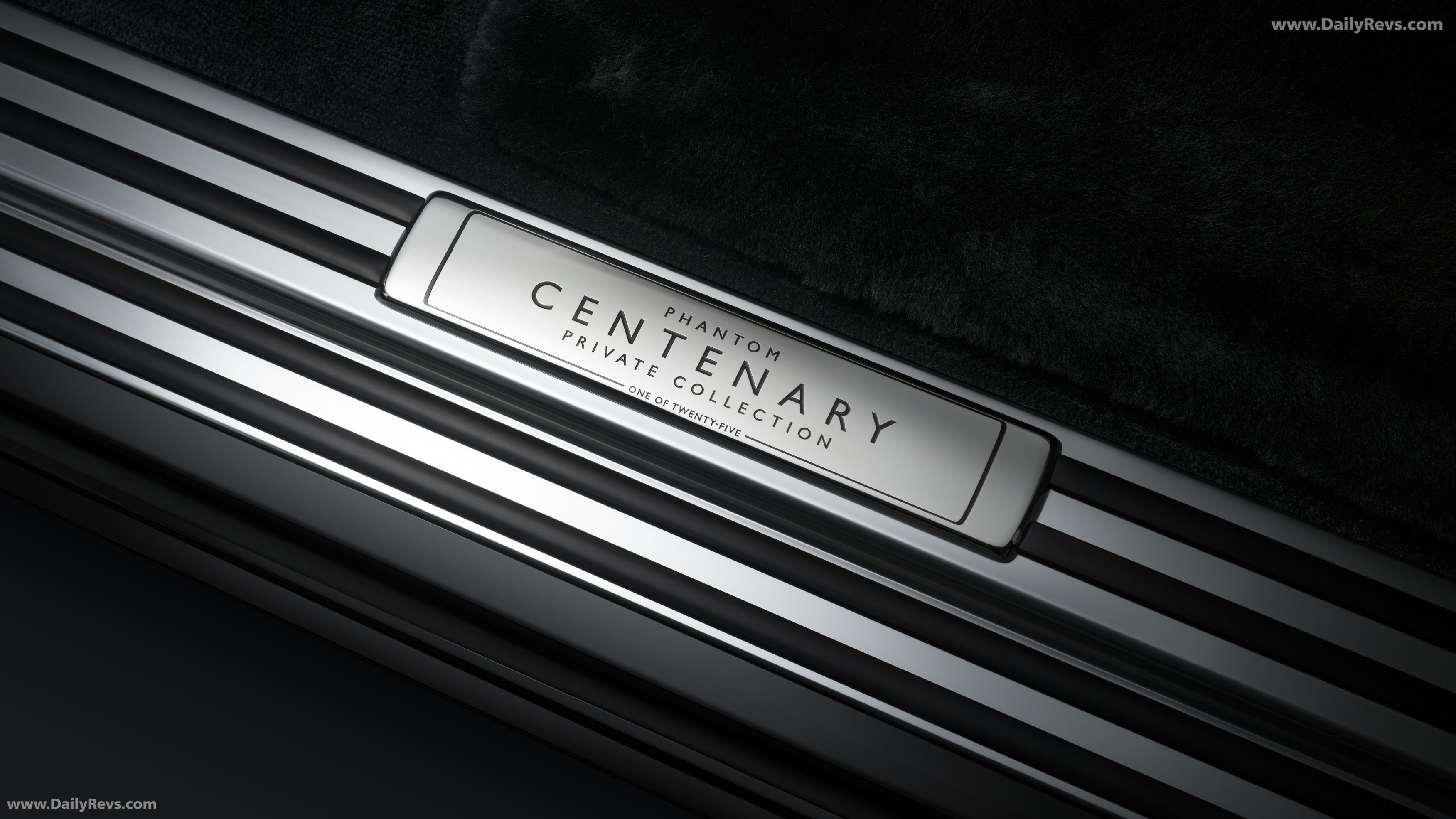
Limited to 25 bespoke cars, each 2026 Rolls-Royce Phantom Centenary commemorates 100 years of the Phantom lineage.
Features include a solid gold Spirit of Ecstasy, 3D marquetry, and embroidered rear seats with over 160,000 stitches.
The Centenary’s interior serves as a visual anthology of Phantom’s history, blending art, engineering, and archival storytelling.
There are few automotive anniversaries as loaded with meaning as this one. The 2026 Rolls-Royce Phantom Centenary marks a full century since the first Phantom rolled out in 1925, a car that became shorthand for prestige itself. To celebrate, Rolls-Royce’s Bespoke Collective — a team of designers, engineers, and artisans — created 25 hand-built Phantoms, each one a literal archive of craftsmanship housed within the body of the modern Phantom VIII.
It’s a project that took over 40,000 hours to complete, touching every medium the marque works with: metal, wood, fabric, paint, and embroidery. Each element tells a story, from the earliest prototypes to the jet-set icons who made Phantom a symbol of cultural and mechanical supremacy.
Exterior Elegance
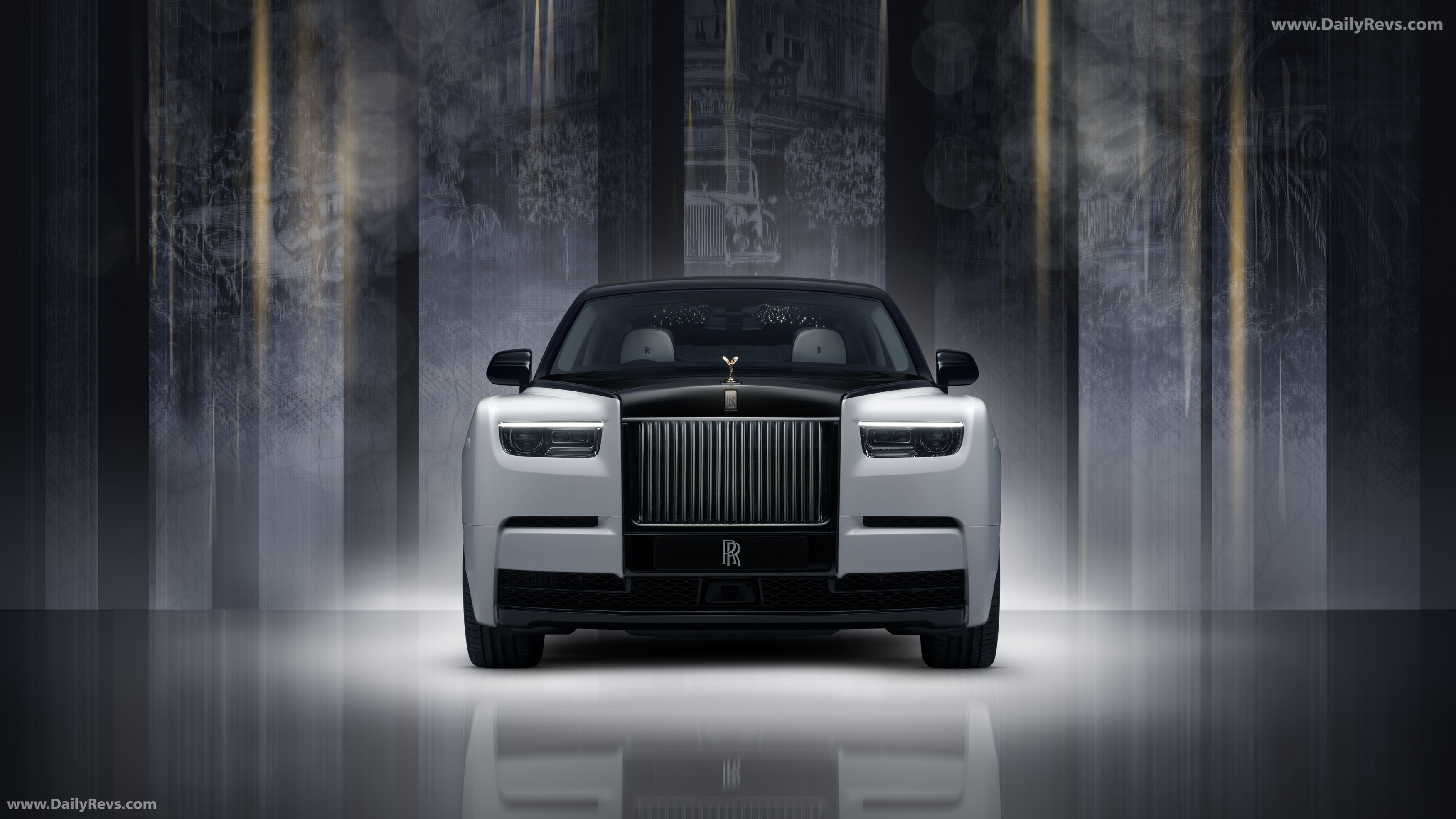
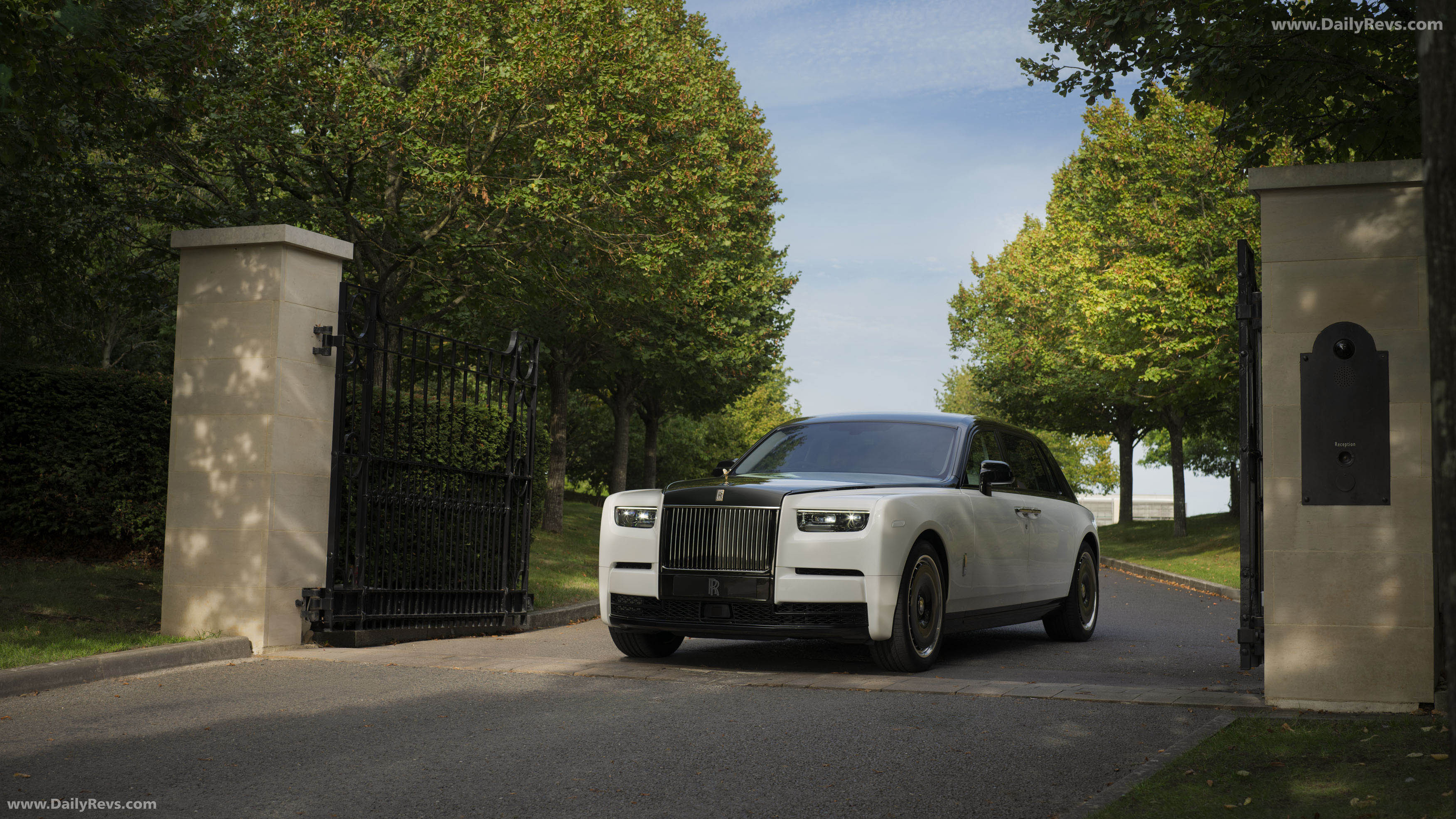
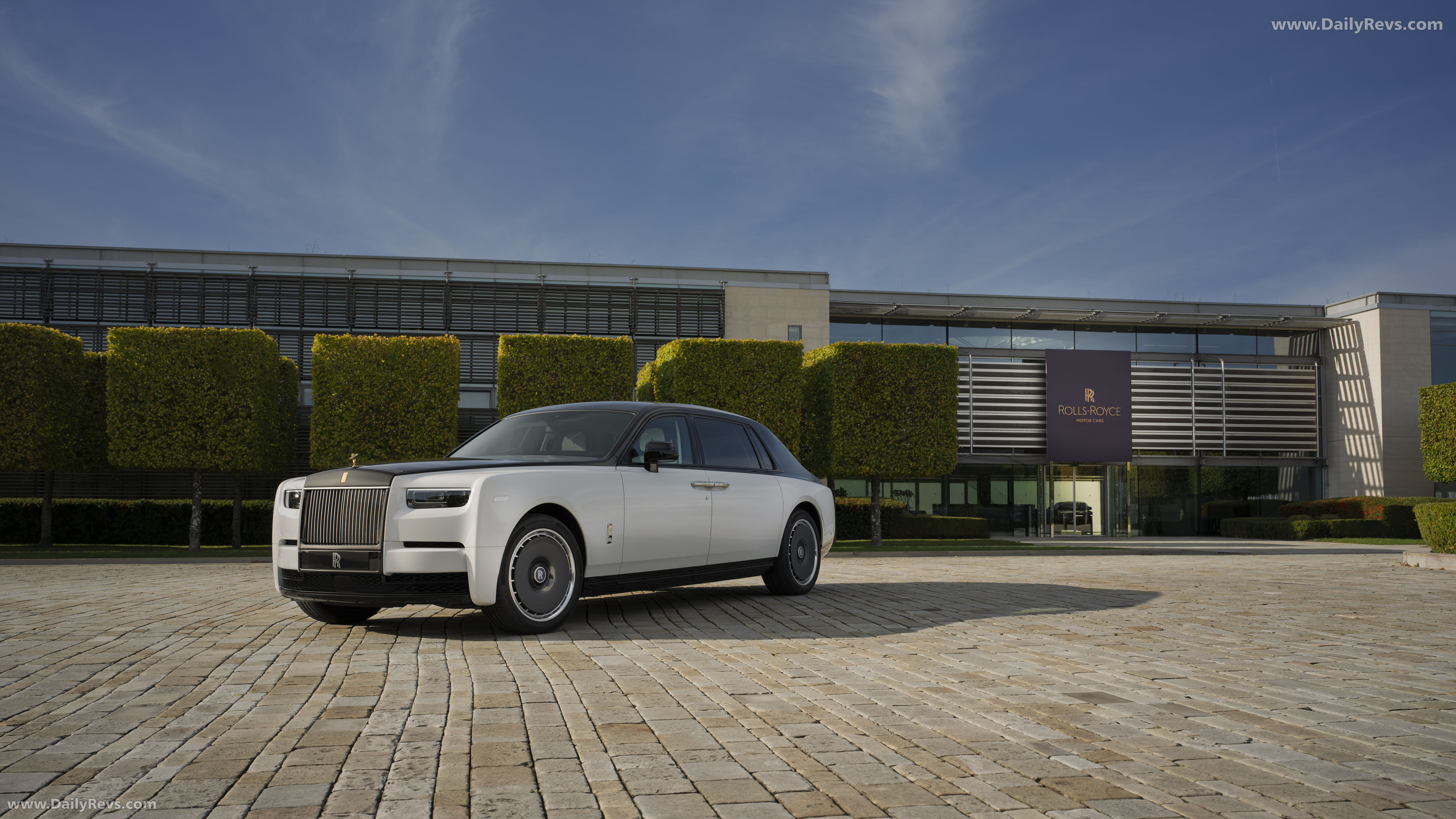
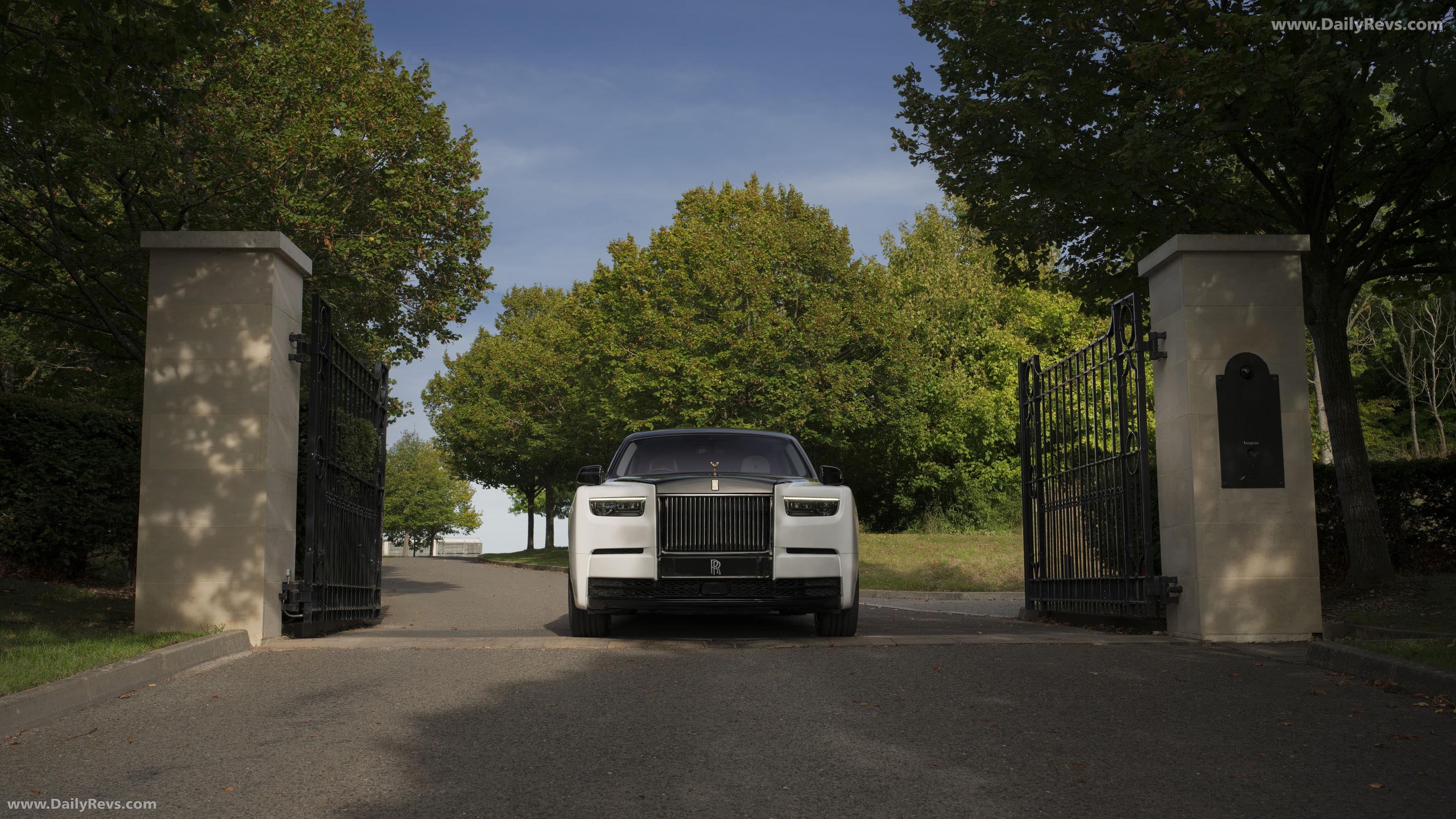
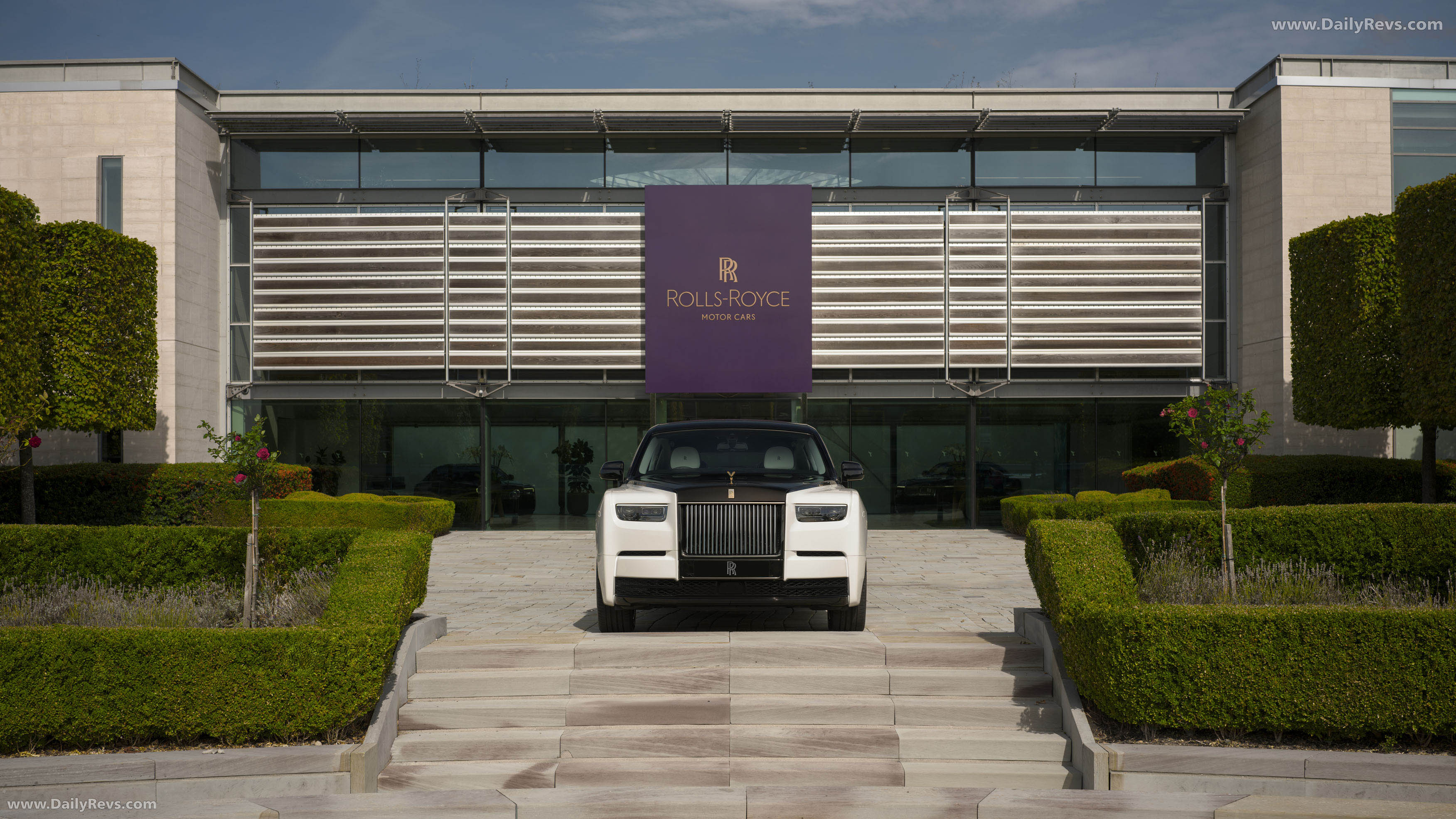
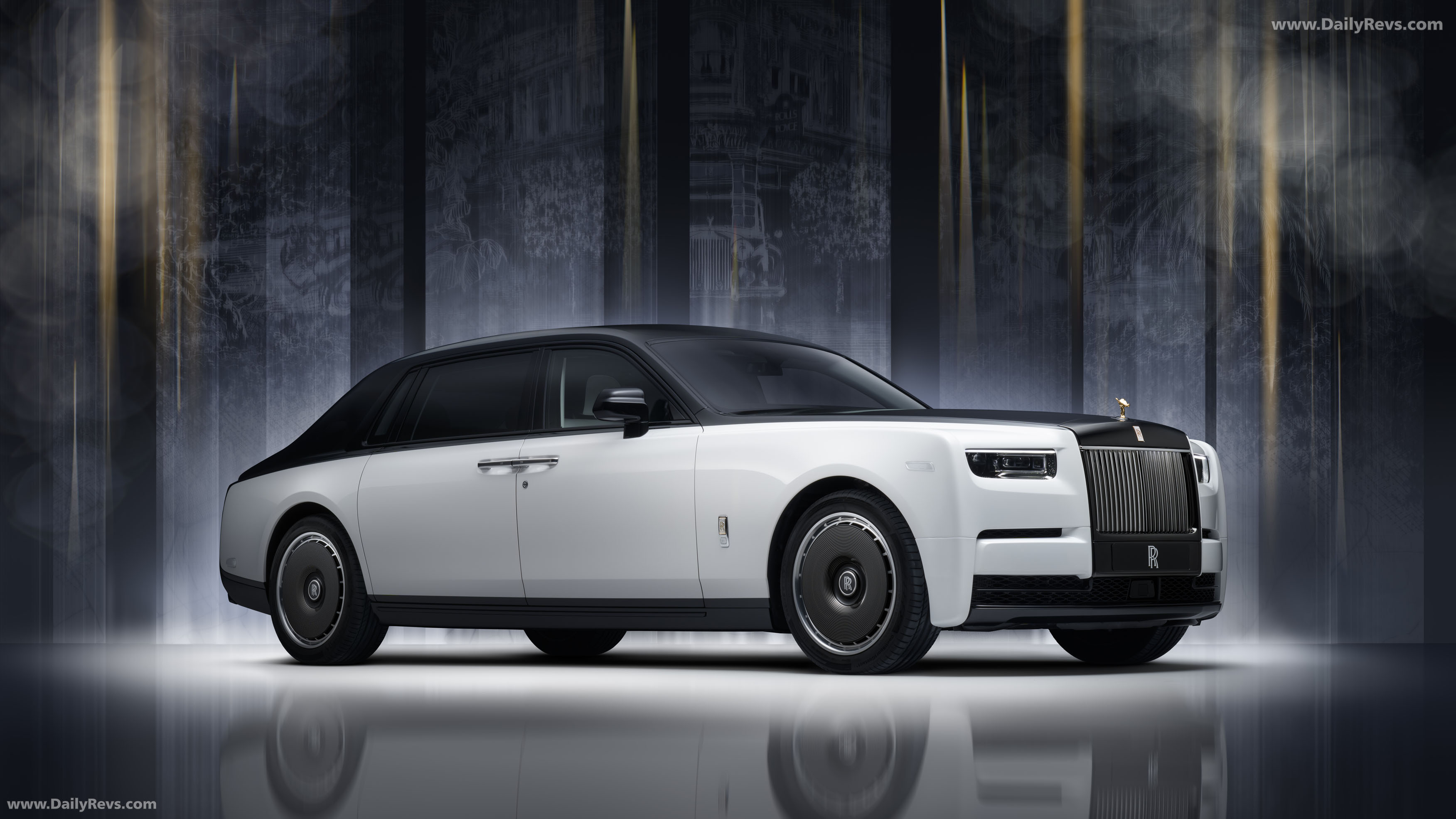
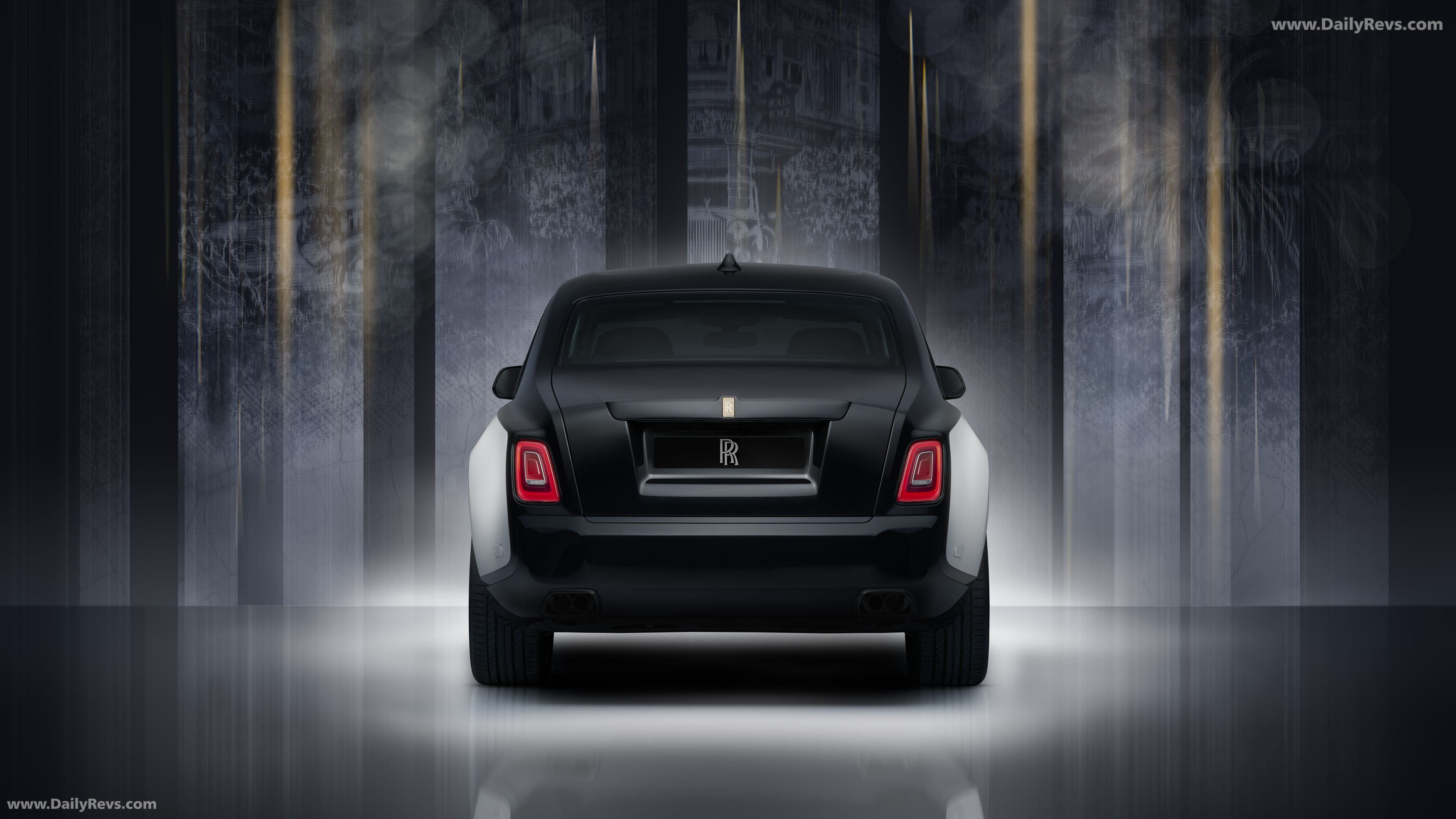
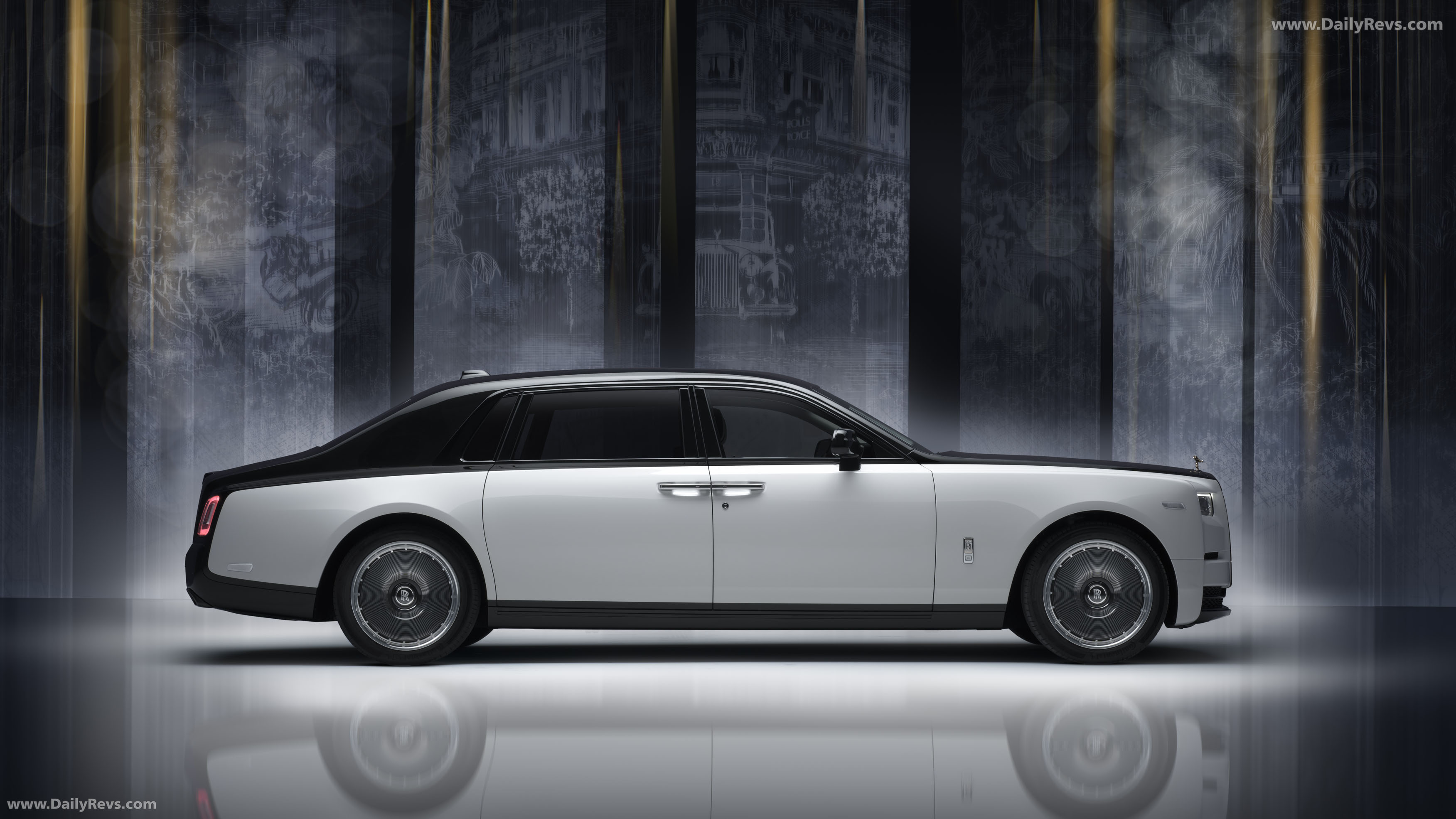
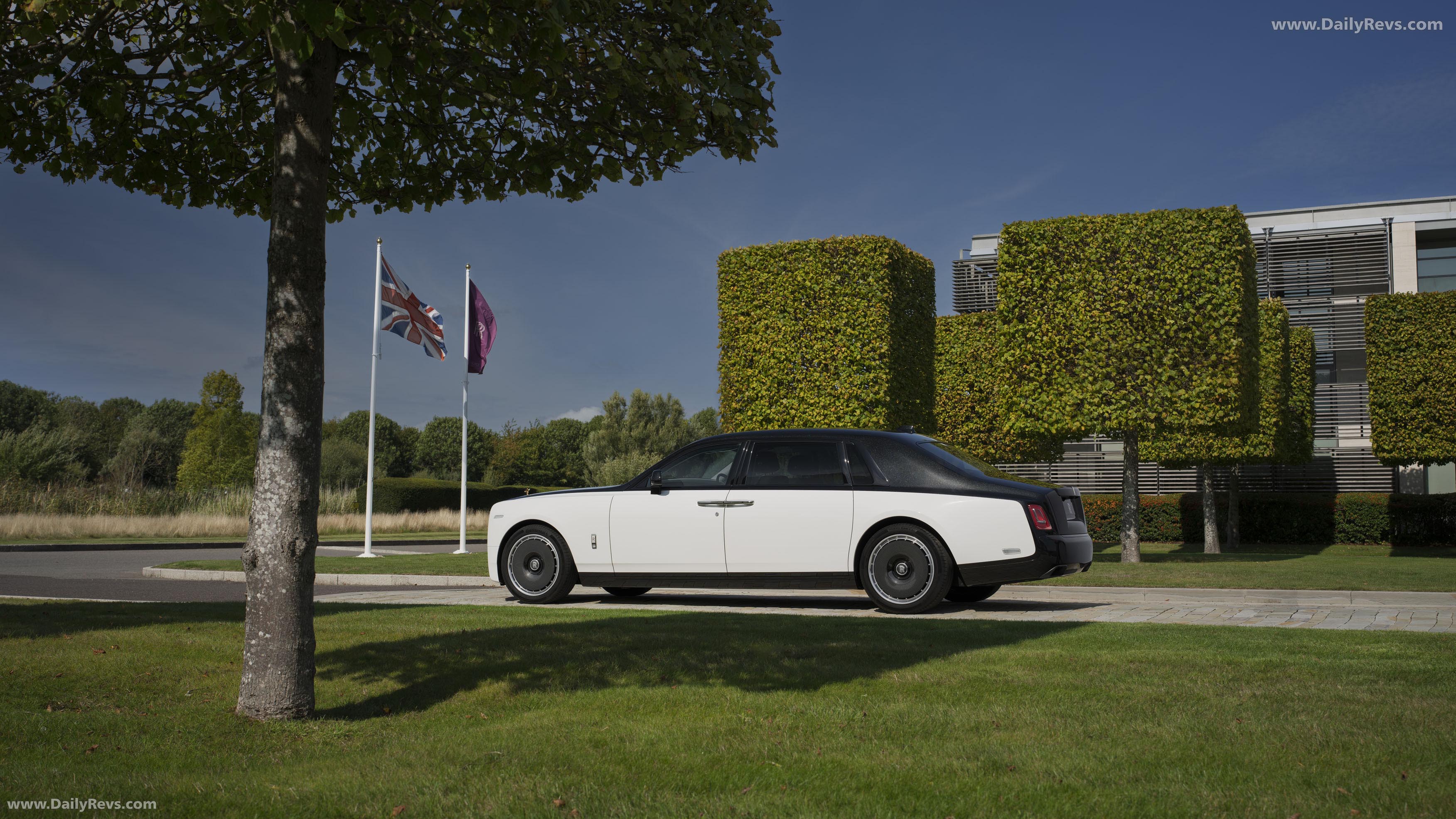
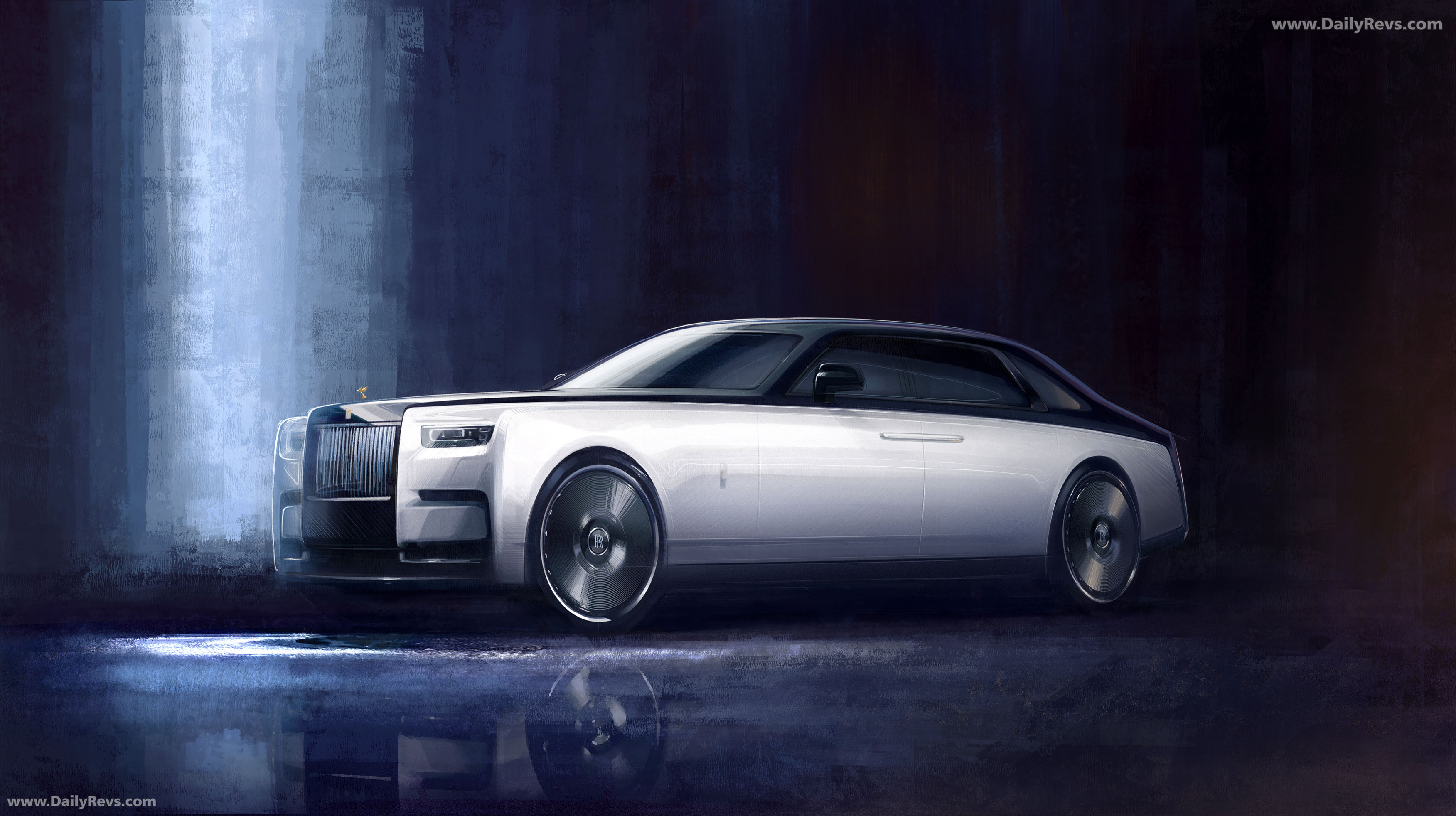
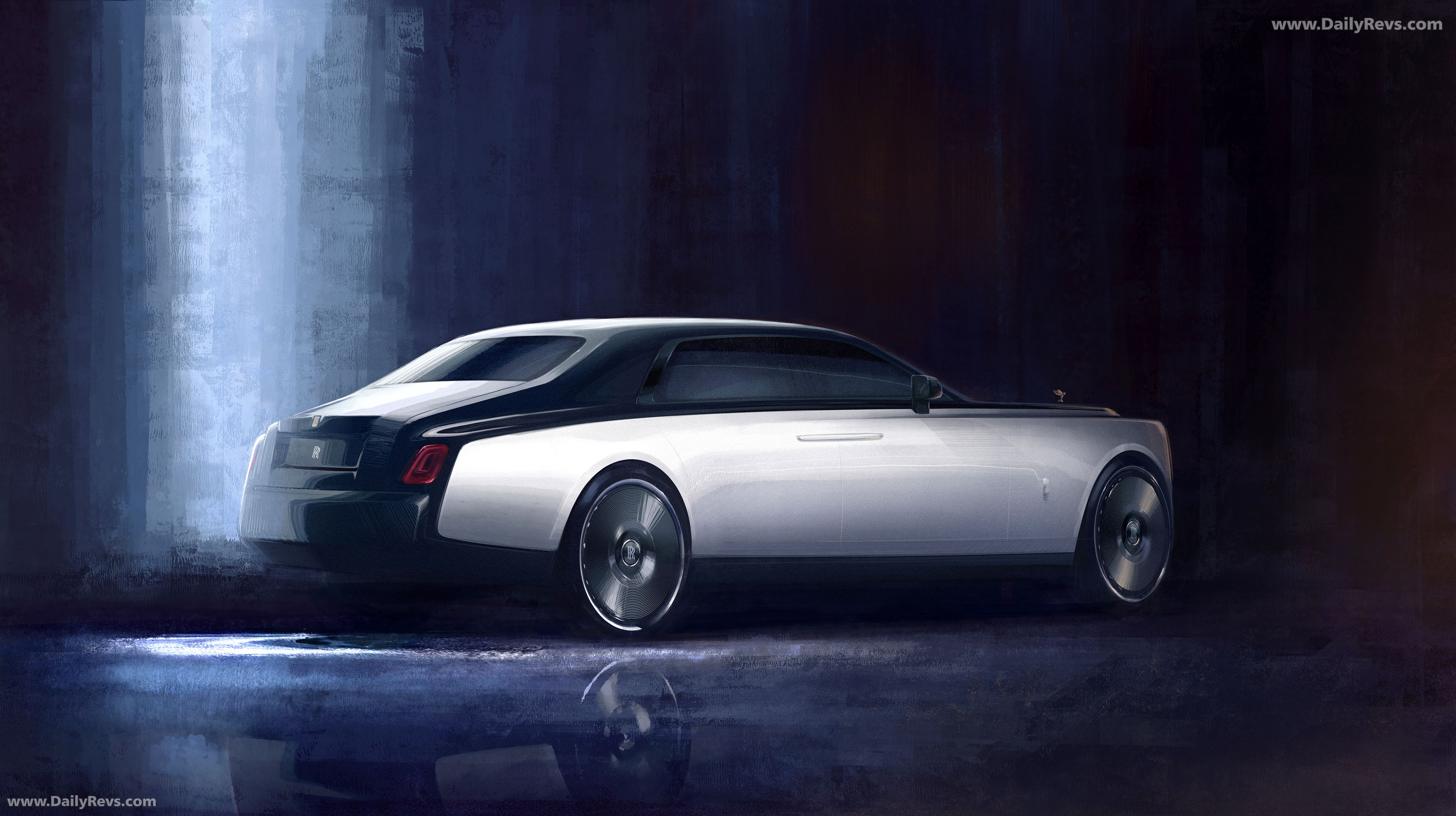
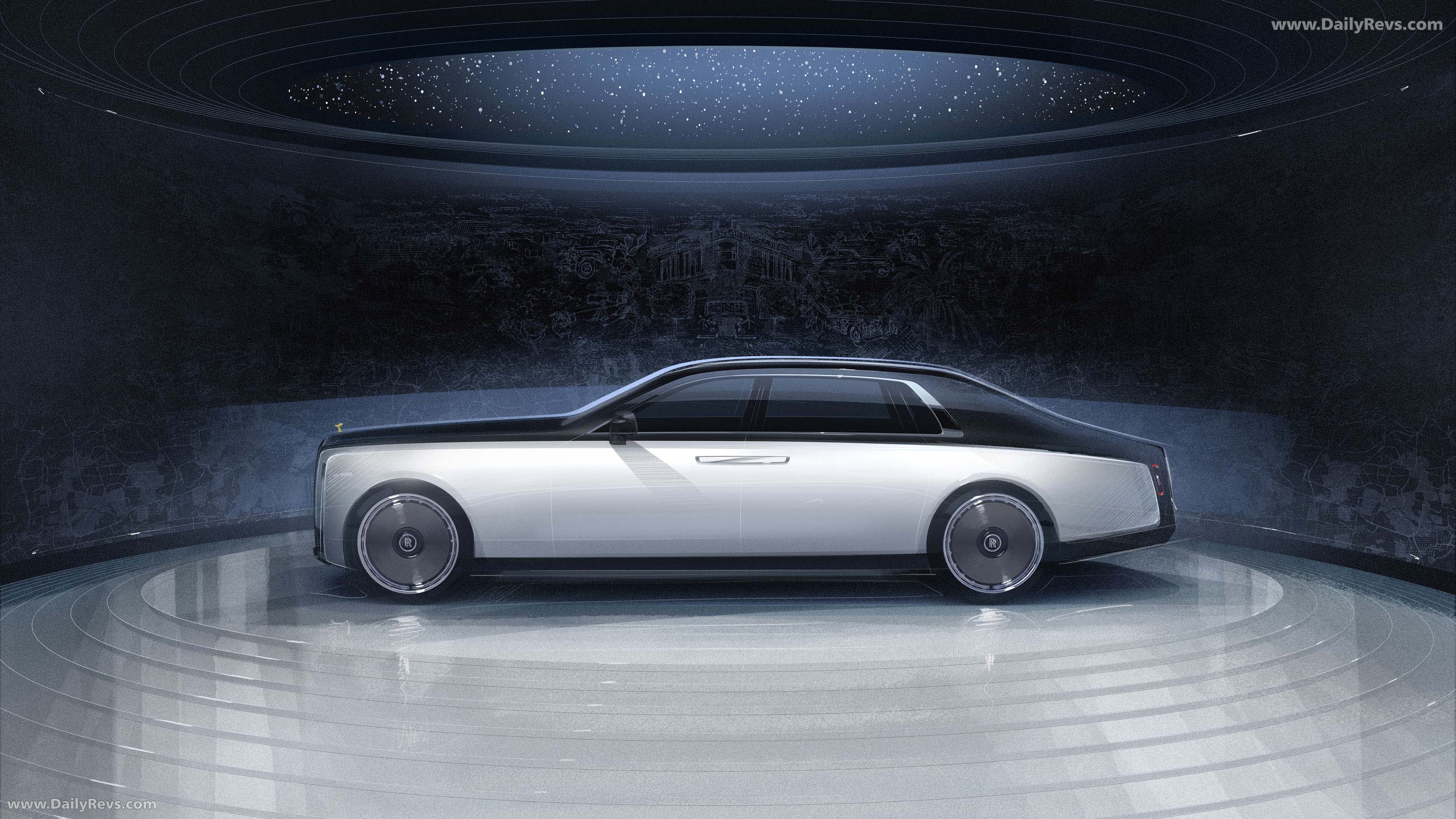
The Centenary wears a two-tone finish — Super Champagne Crystal over Arctic White — a subtle nod to the long, flowing silhouettes of 1930s Phantoms.
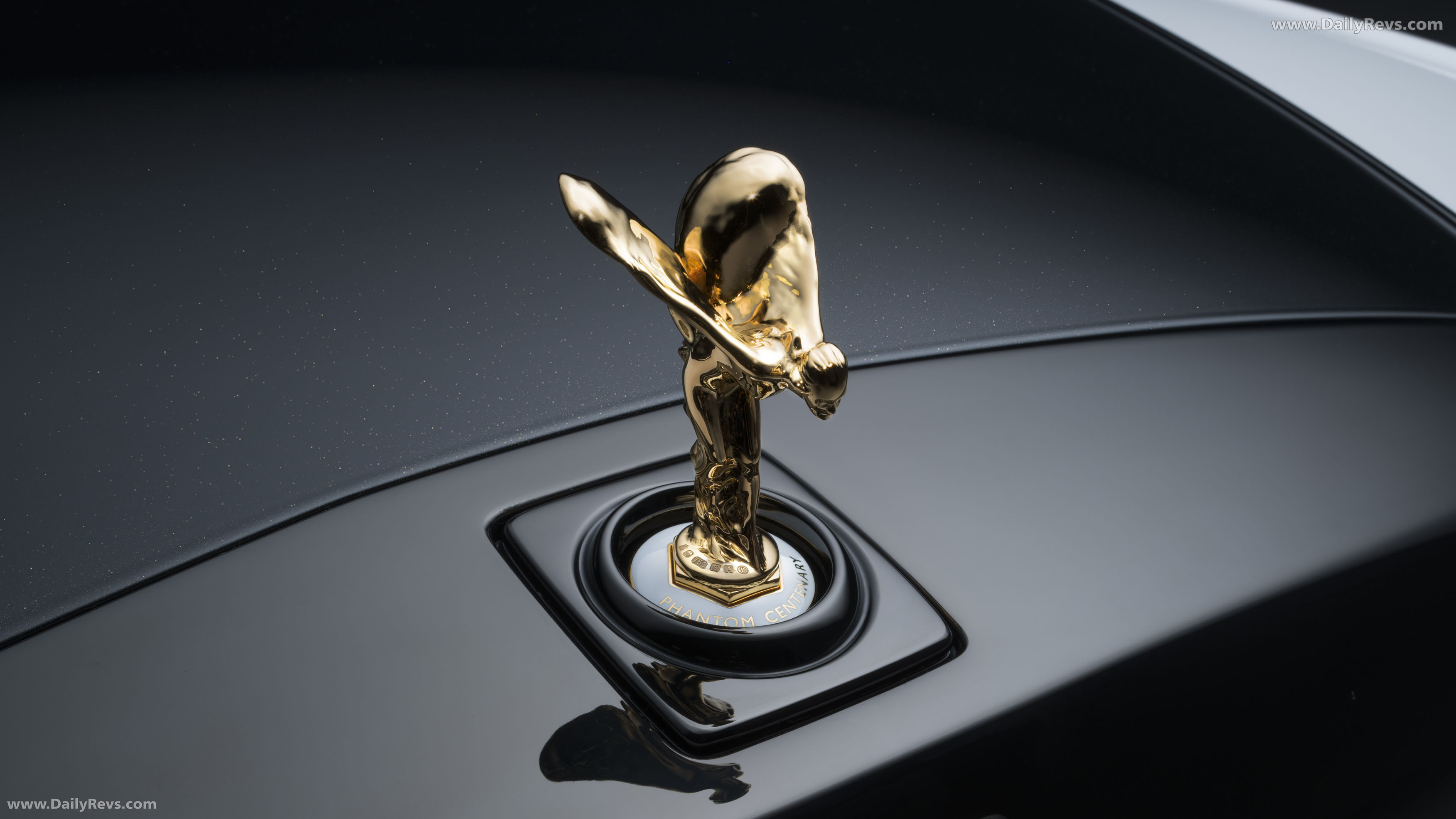
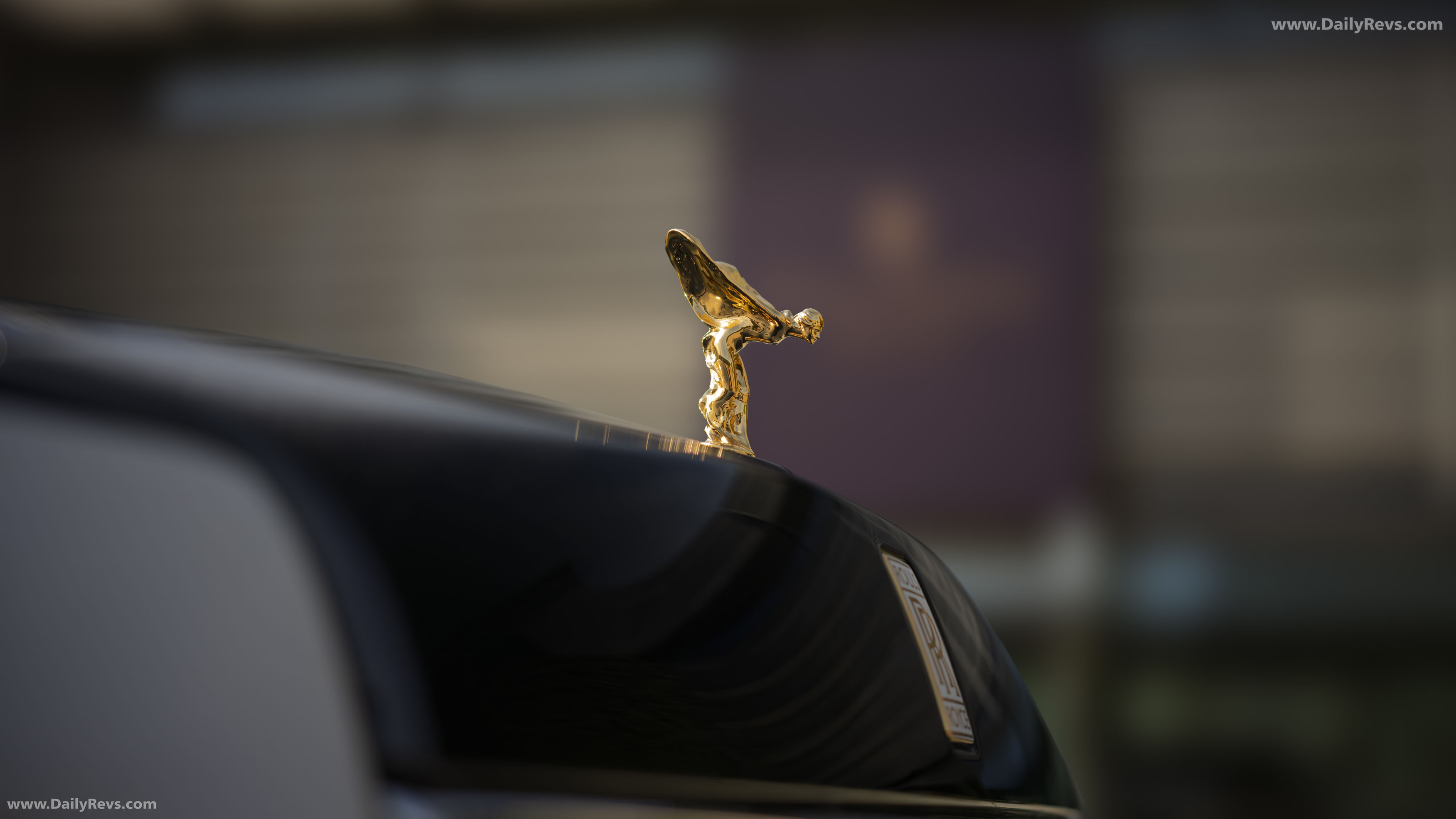
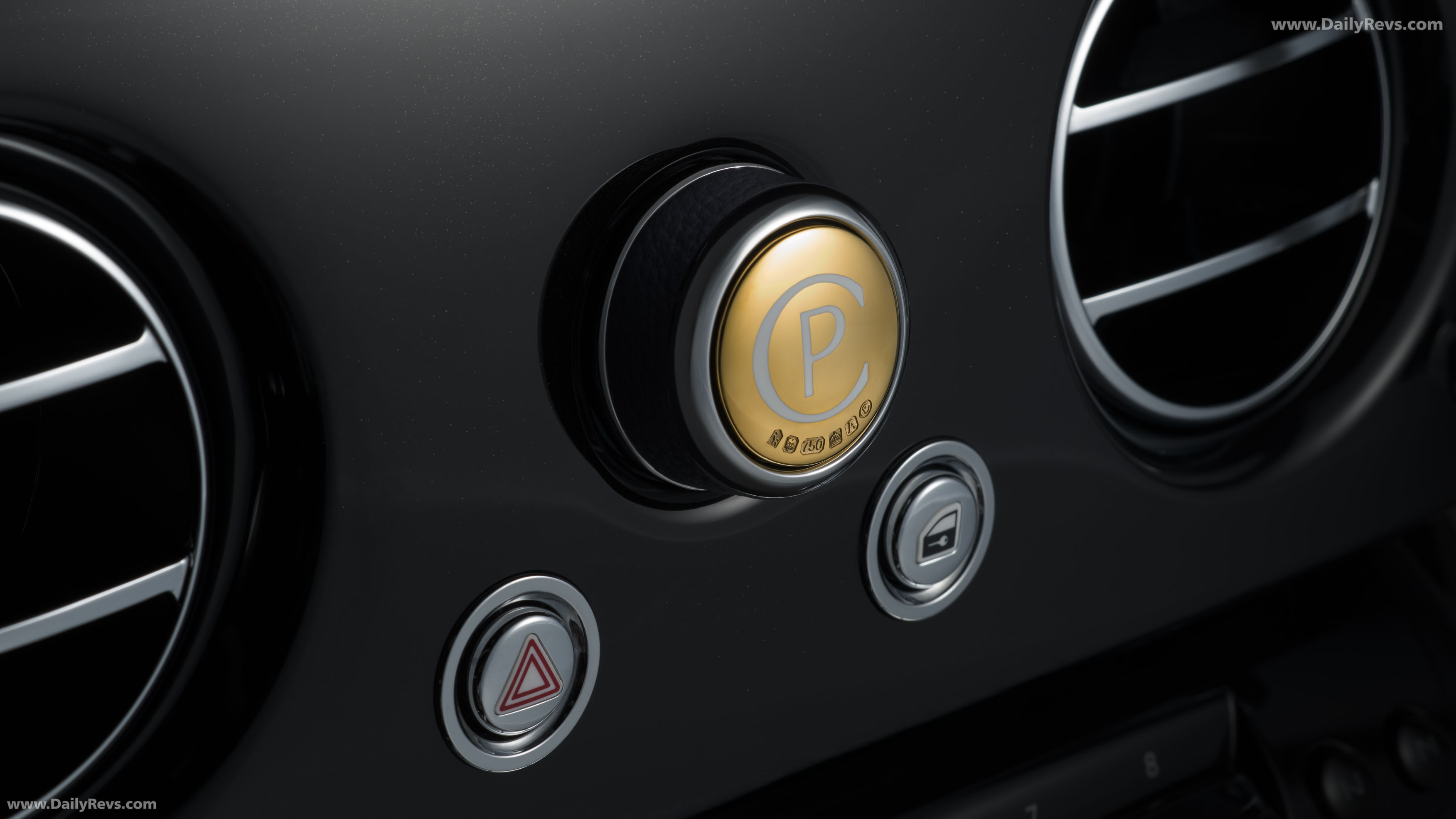
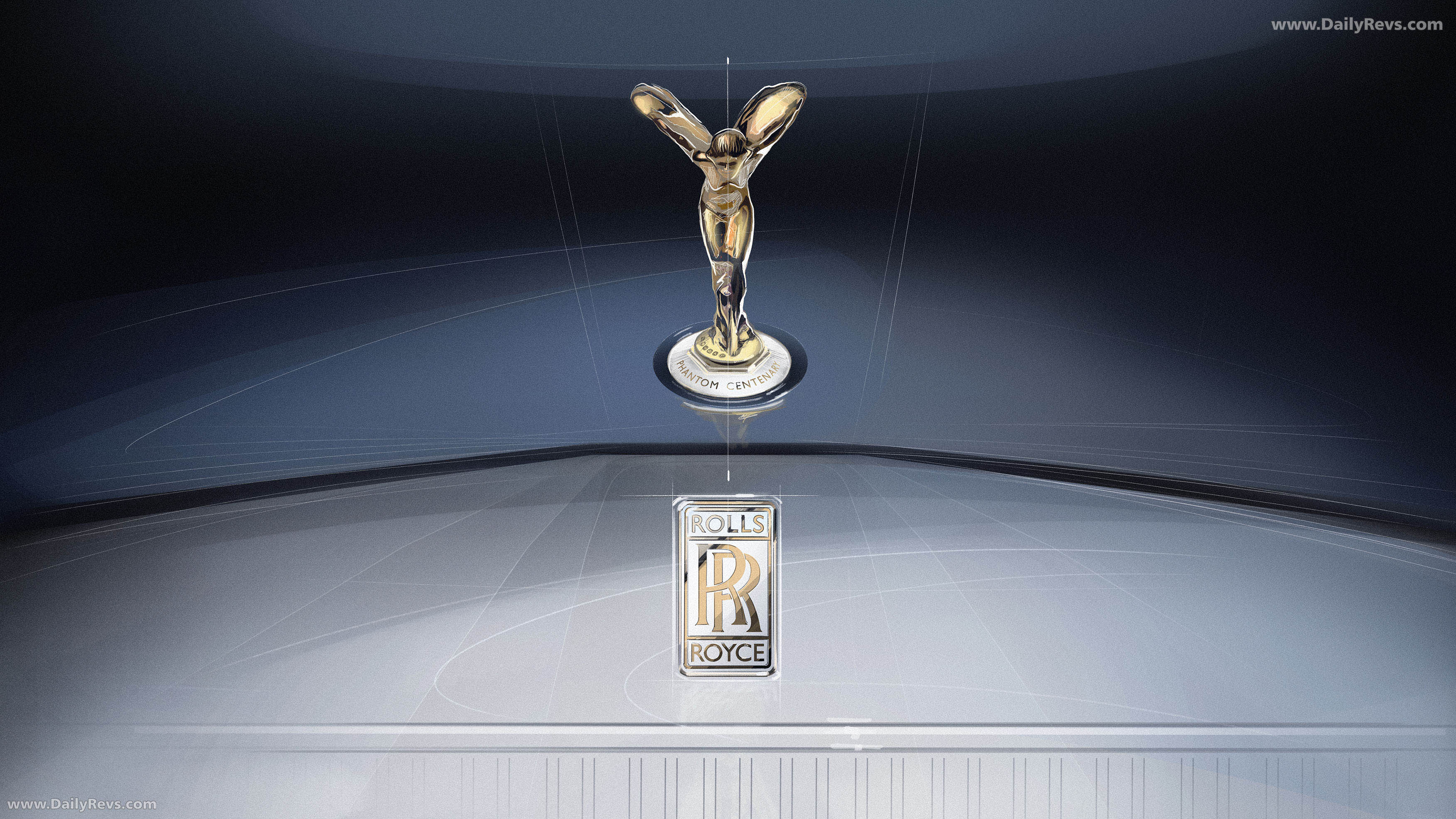
Embedded glass particles in the paint create a shimmer that catches light like fine silk. At the front, the Spirit of Ecstasy has been recast in solid 18-carat gold, plated in 24-carat gold, and hallmarked by the London Assay Office — the kind of detail that feels more jewelry than automotive design.
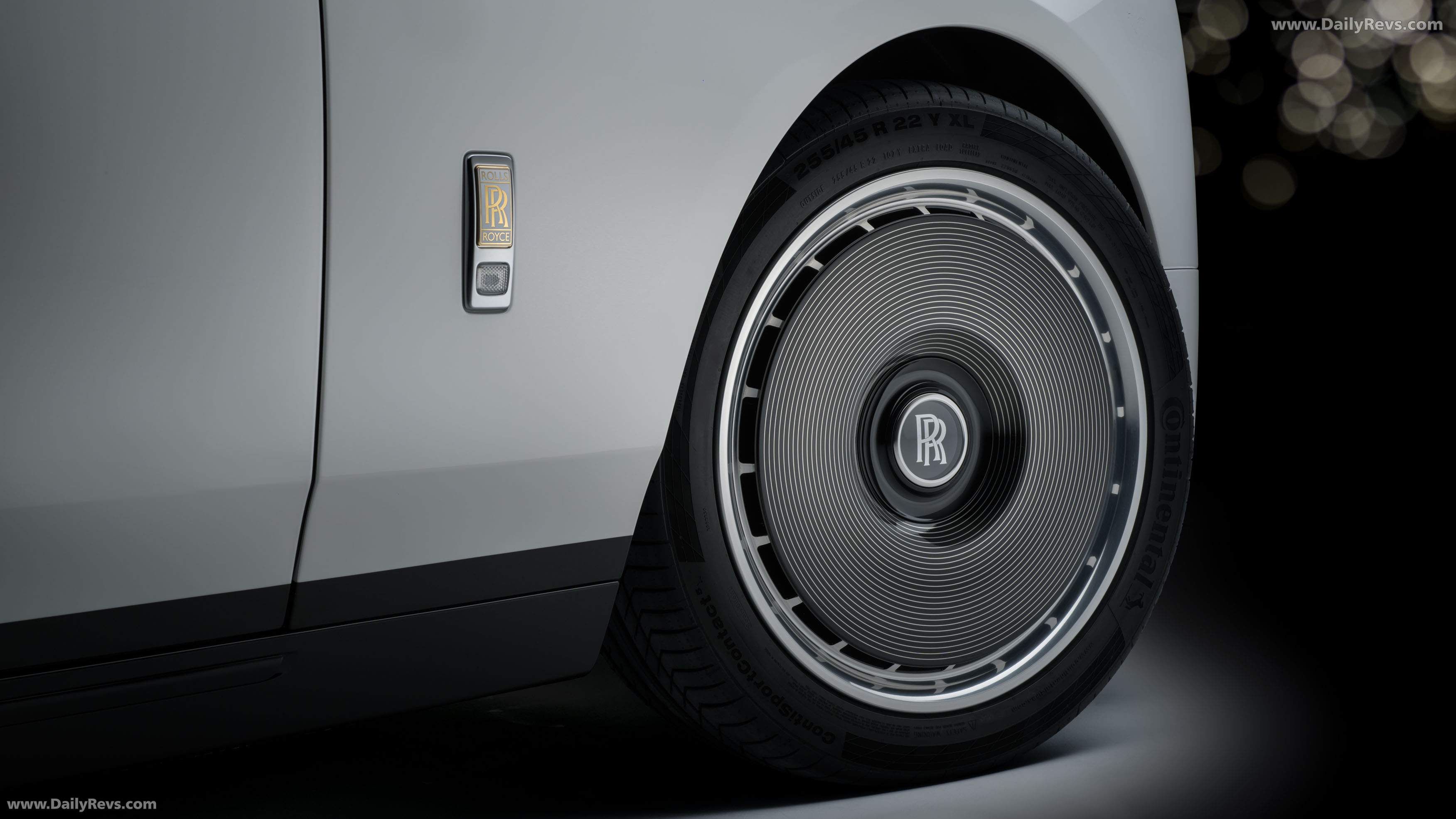
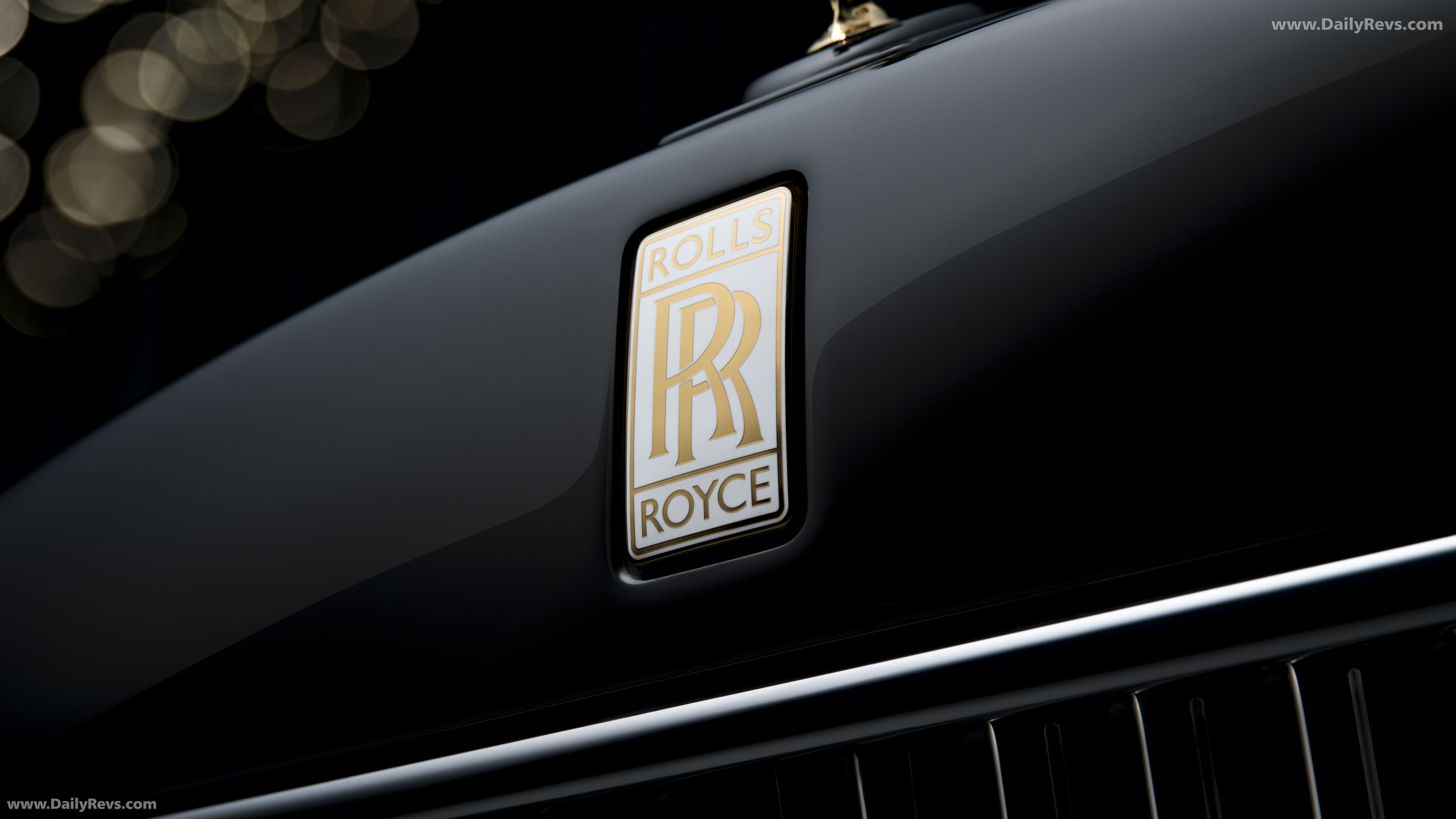
Elsewhere, Rolls-Royce’s traditional RR badge gets a gold-and-white enamel treatment for the first time in the brand’s history. The wheels — smooth disc designs engraved with 25 fine lines each — quietly reference both the car’s exclusivity and its century-spanning heritage.
An Interior That Tells a Story
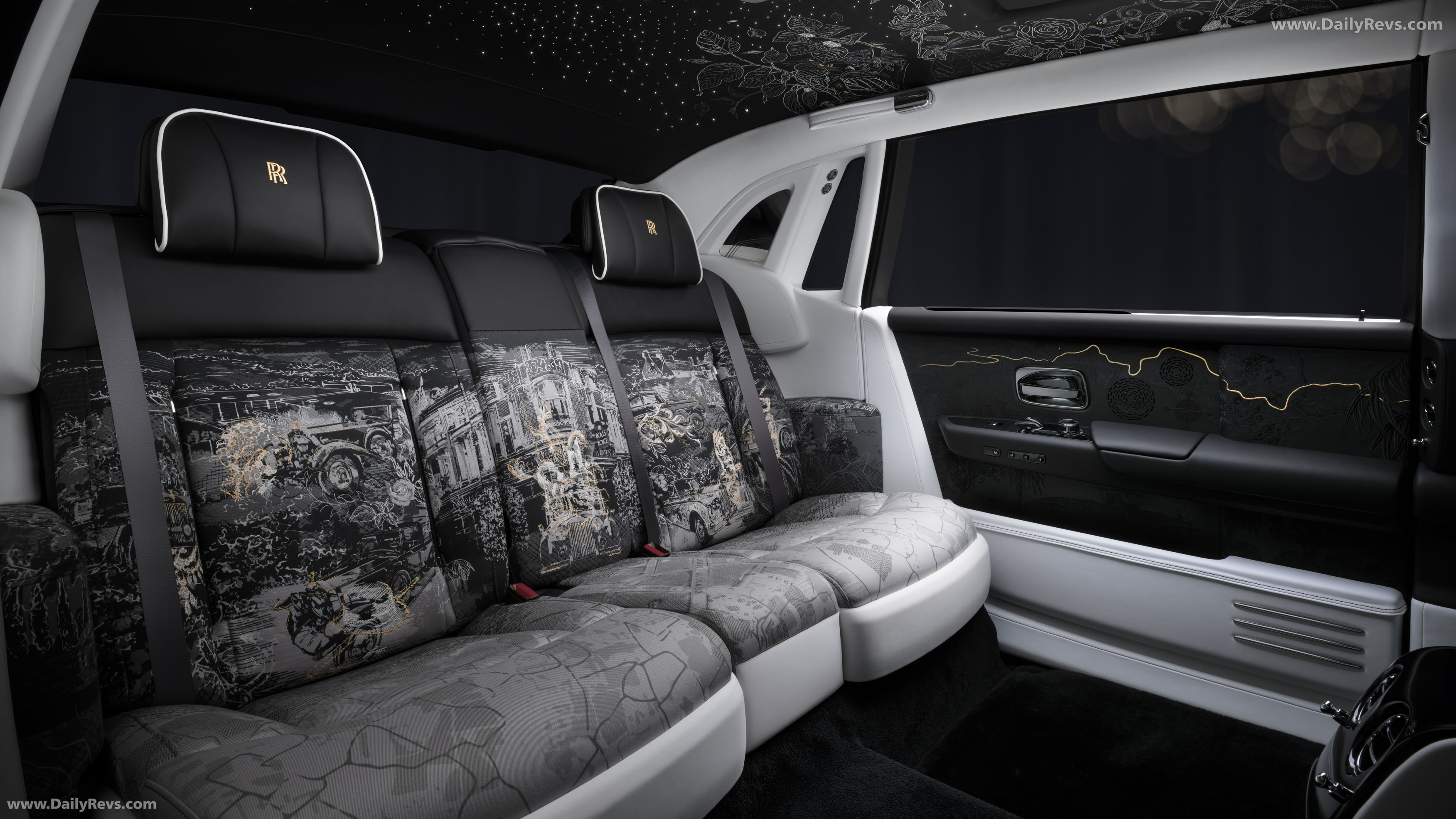
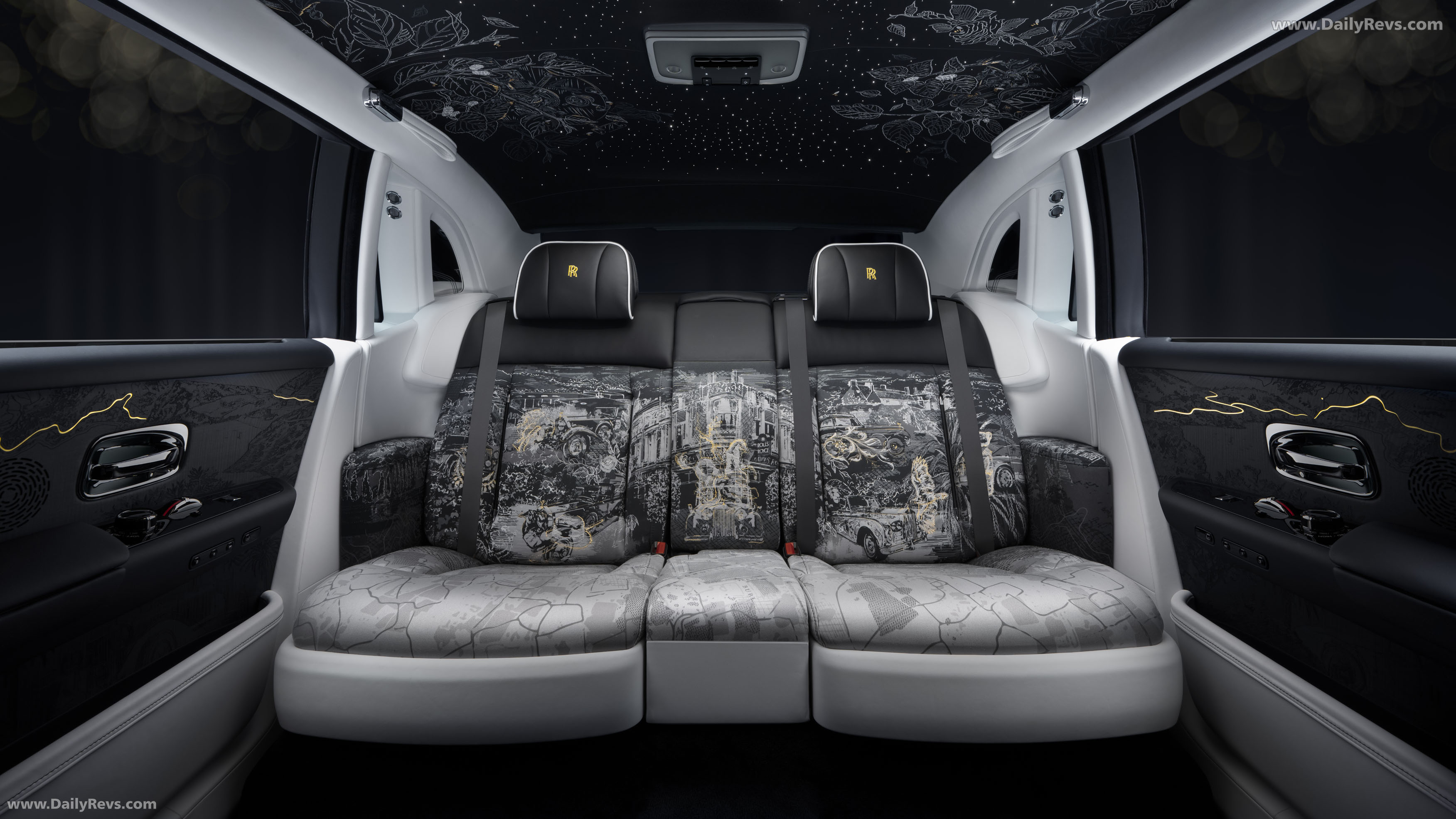
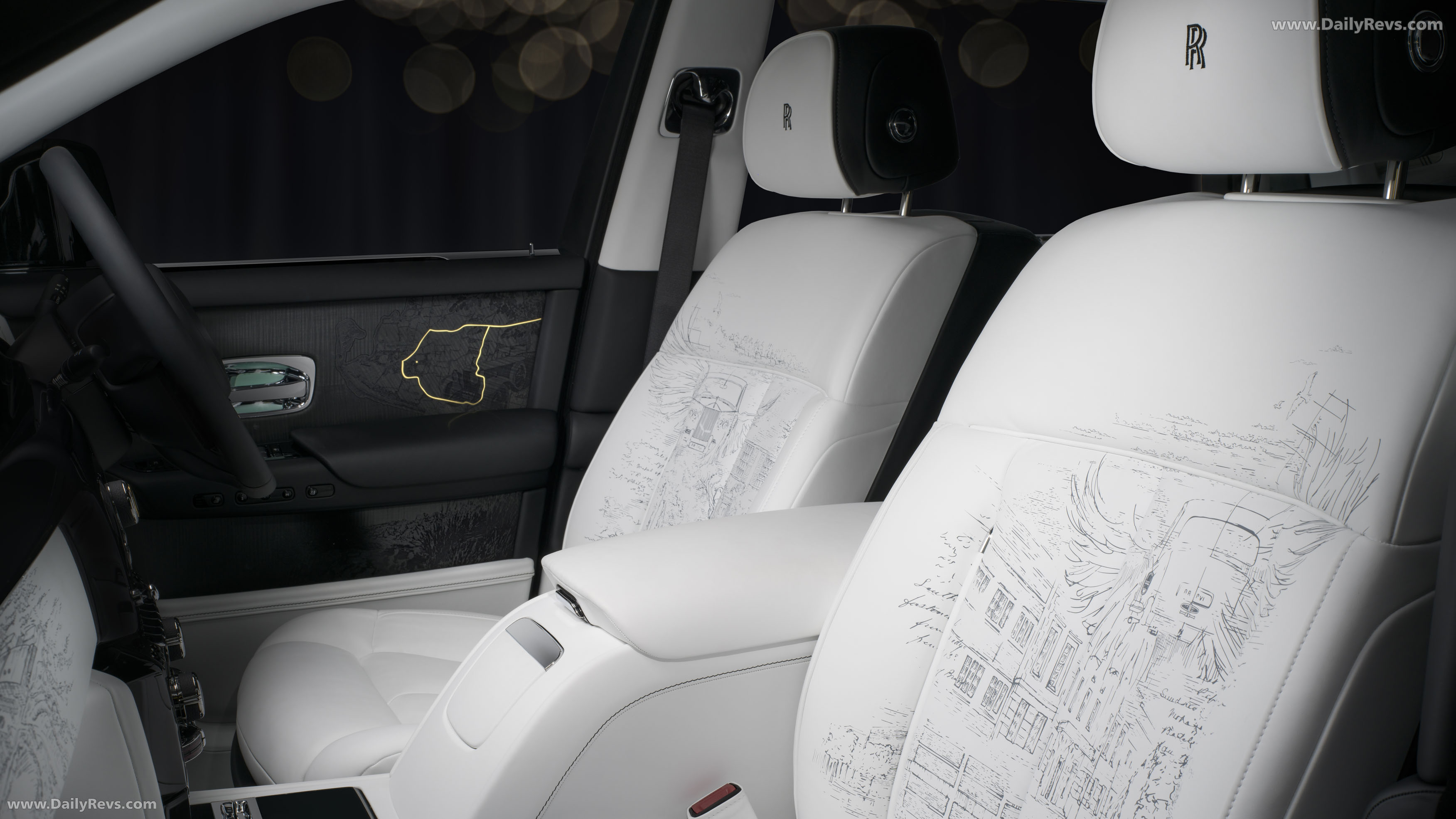
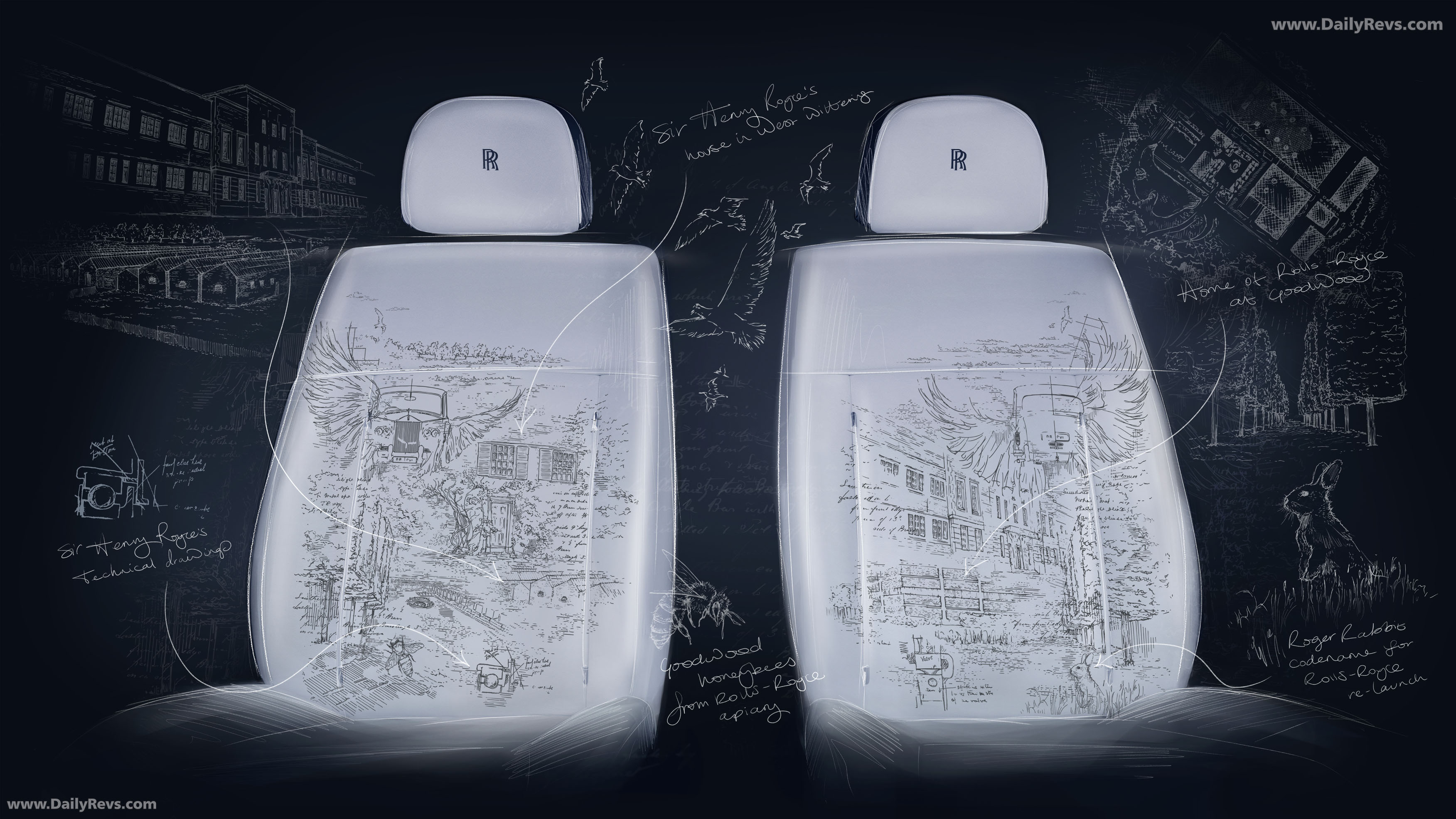
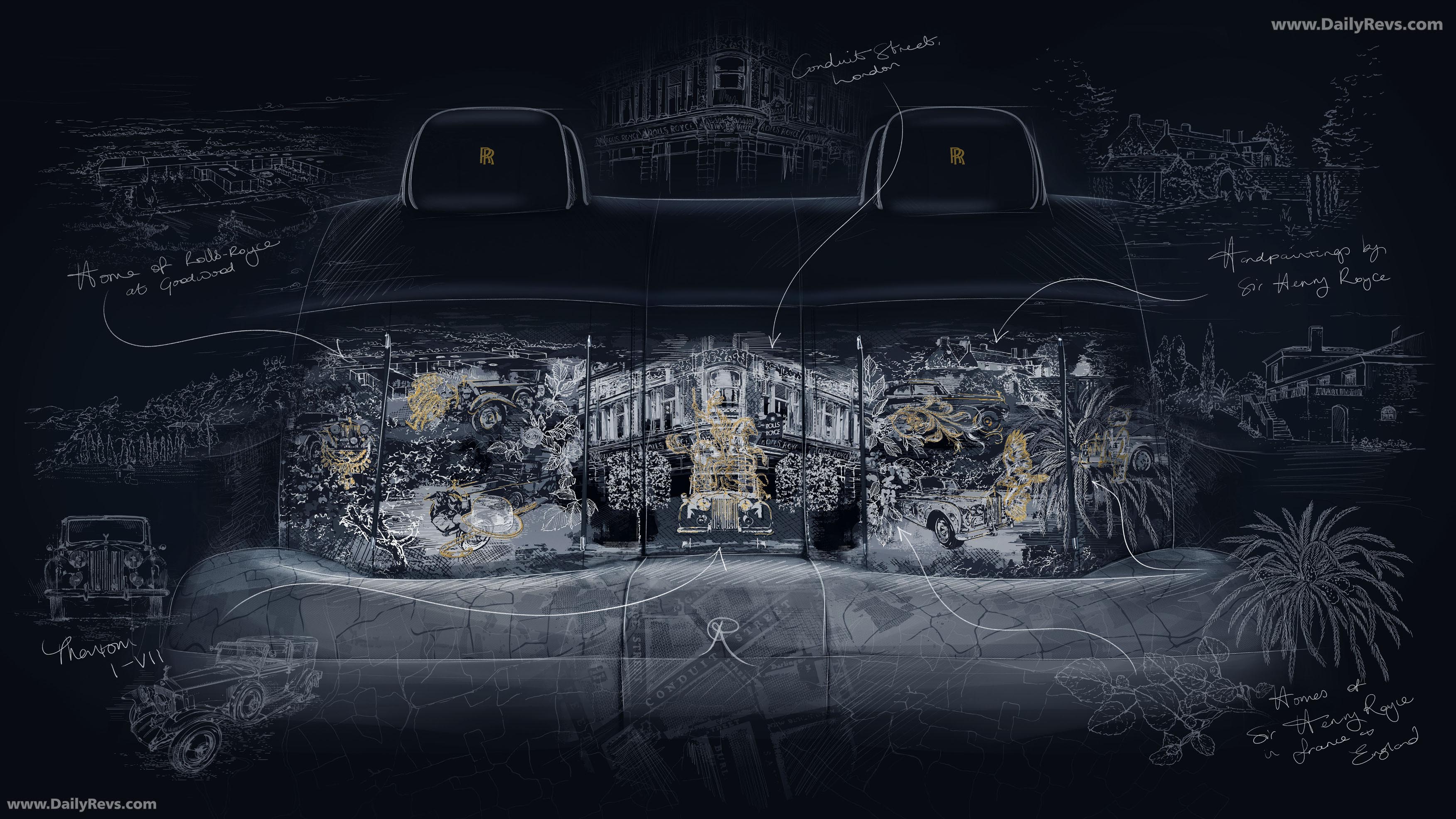
The cabin is where the Centenary earns its title. Every surface, every thread is an act of storytelling. The rear seats recall the 1926 “Phantom of Love,” recreated with three layers of artistic composition — high-resolution printed backgrounds, embroidered owners’ portraits, and tactile finishes drawn from archival references
The embroidery alone uses Golden Sands and Seashell threads, applied through a “sketching with thread” technique that required months of calibration. Across the rear compartment, more than 160,000 stitches form a moving canvas that wraps seamlessly across 45 panels.
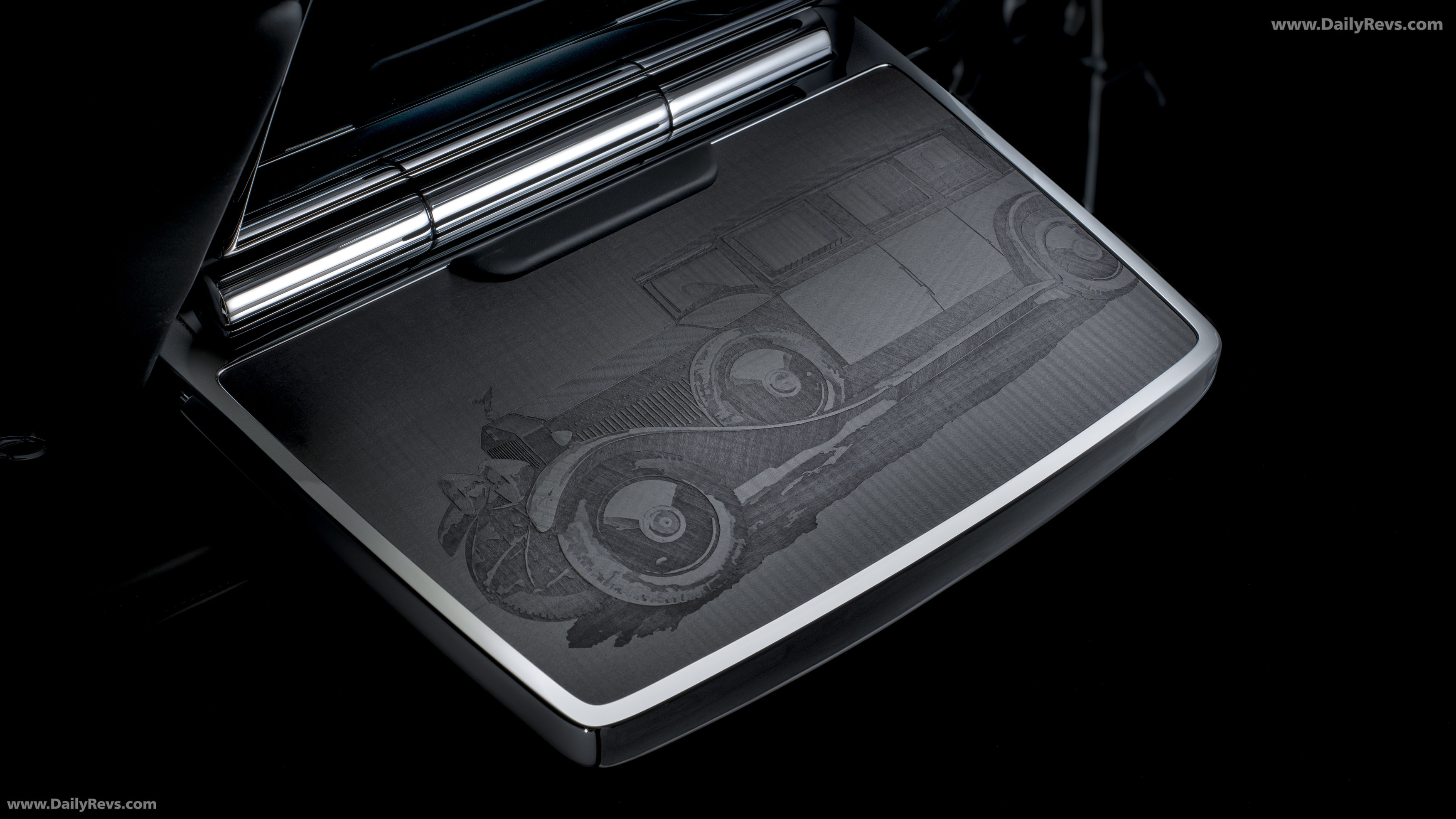
Up front, the laser-etched leather seats feature drawings inspired by Phantom’s early prototypes — including the “Seagull” (1923) and the “Roger Rabbit” (2003) development codenames — giving the driver’s space an artisanal, almost technical quality.
The Anthology Gallery
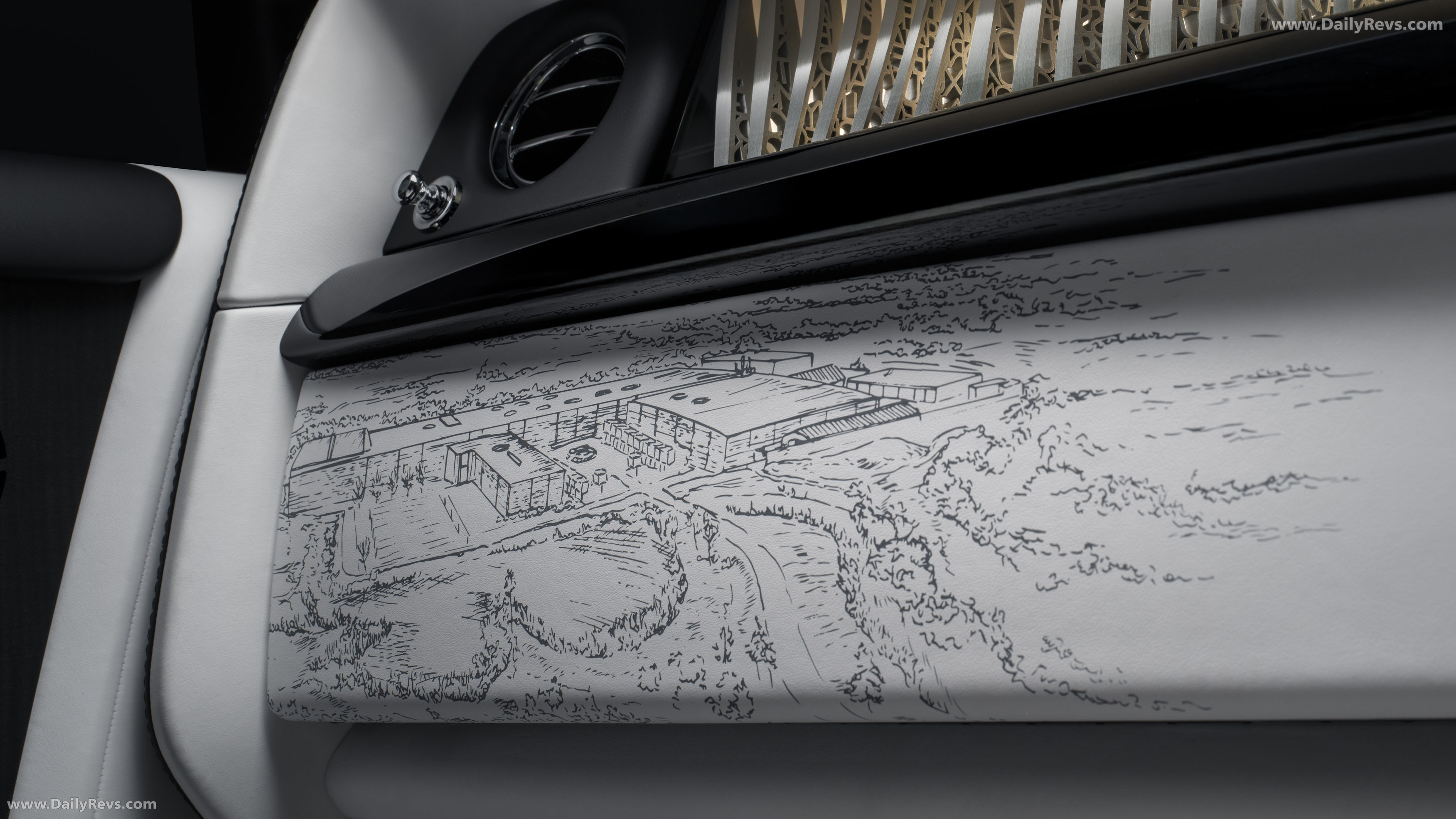
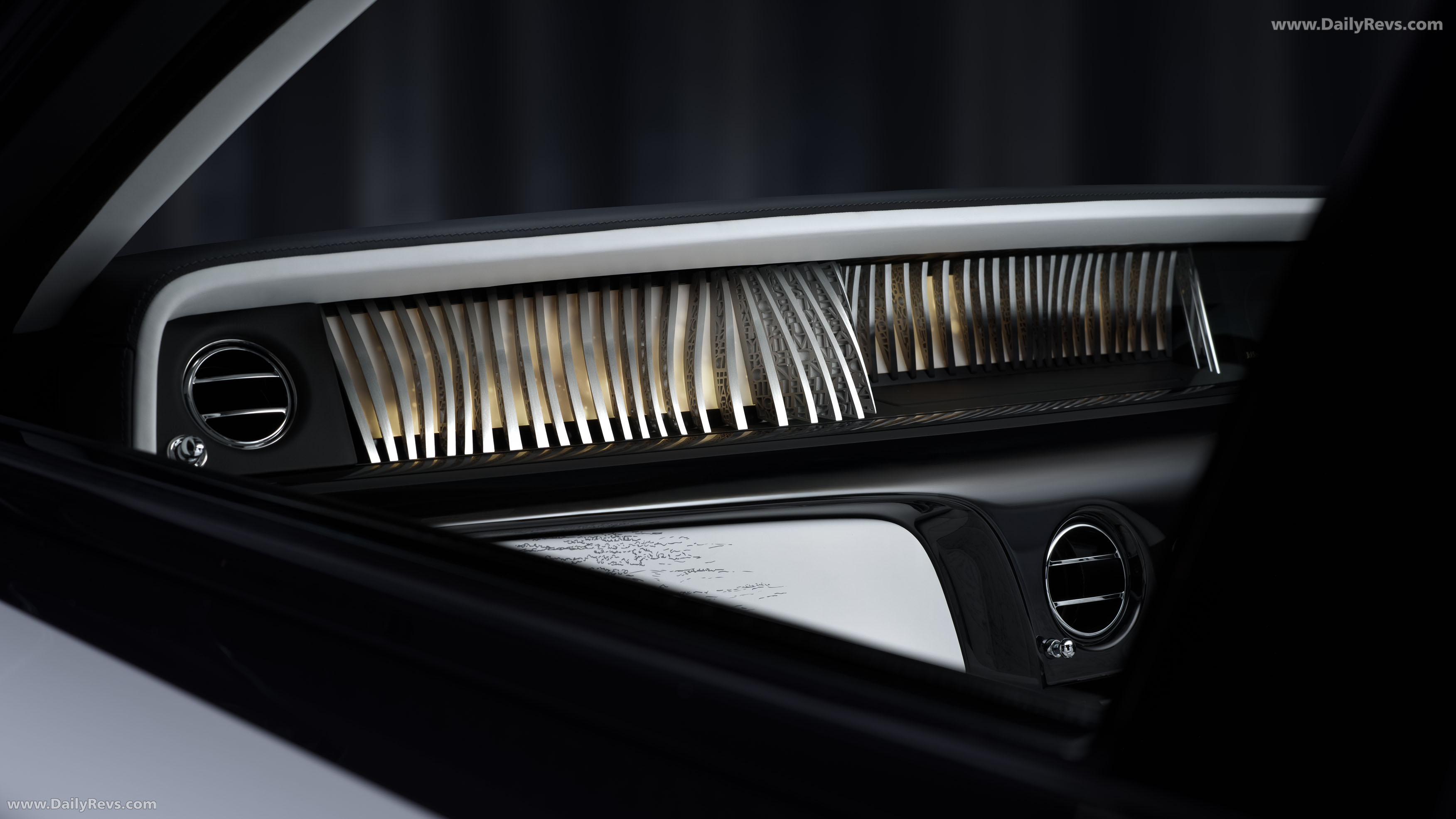
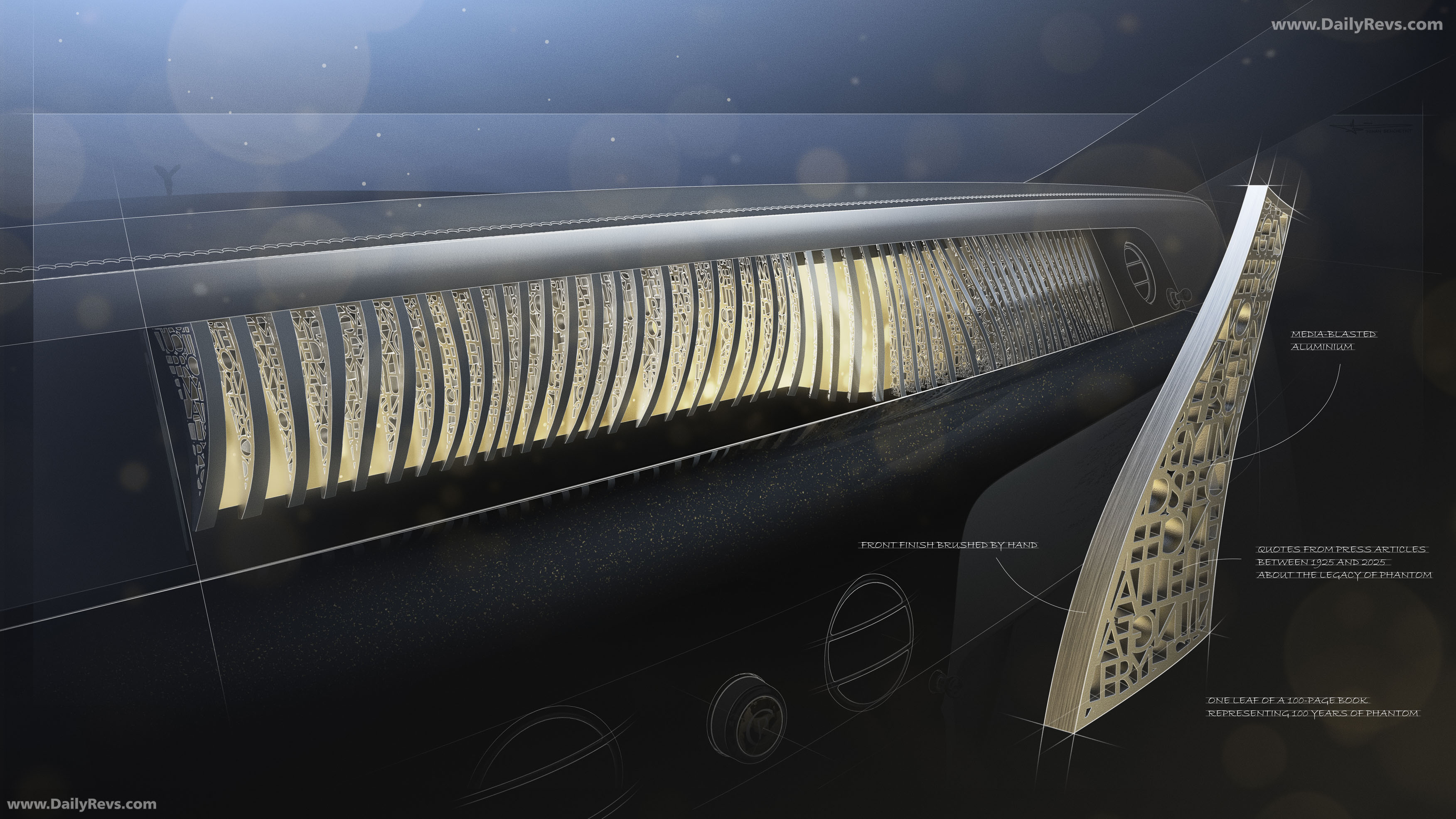
In the dashboard sits the Anthology Gallery, a sculptural installation of 50 3D-printed aluminium fins resembling the pages of a book
Each “page” is engraved with quotes from a century of press reviews and illuminated softly, the reflections shifting like candlelight.
It’s an artistic statement rather than a functional one — a way of turning Phantom’s legacy into physical form. Few automakers could even attempt something like this, let alone make it feel natural inside a functioning luxury car.
Craft in Every Grain
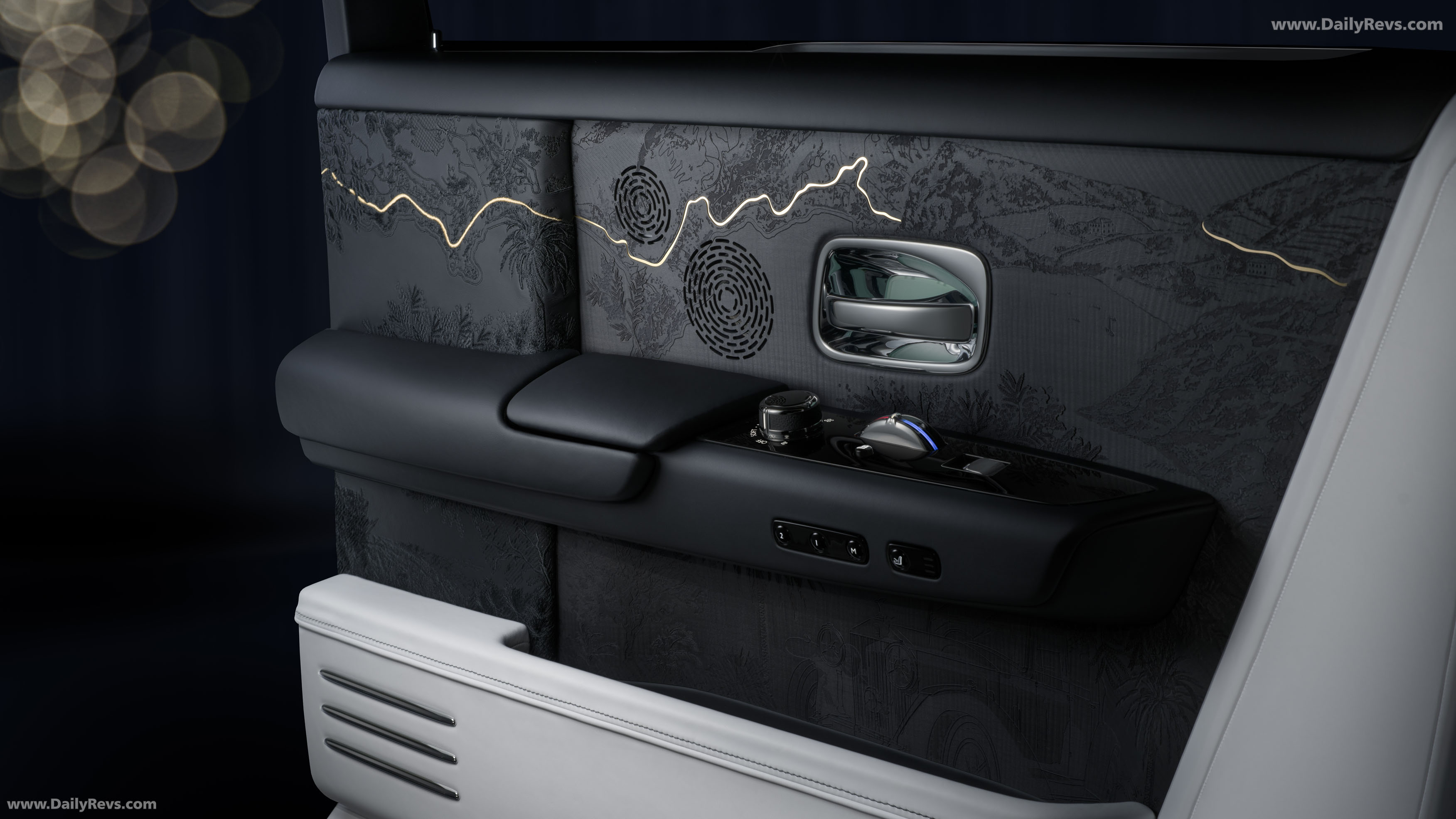
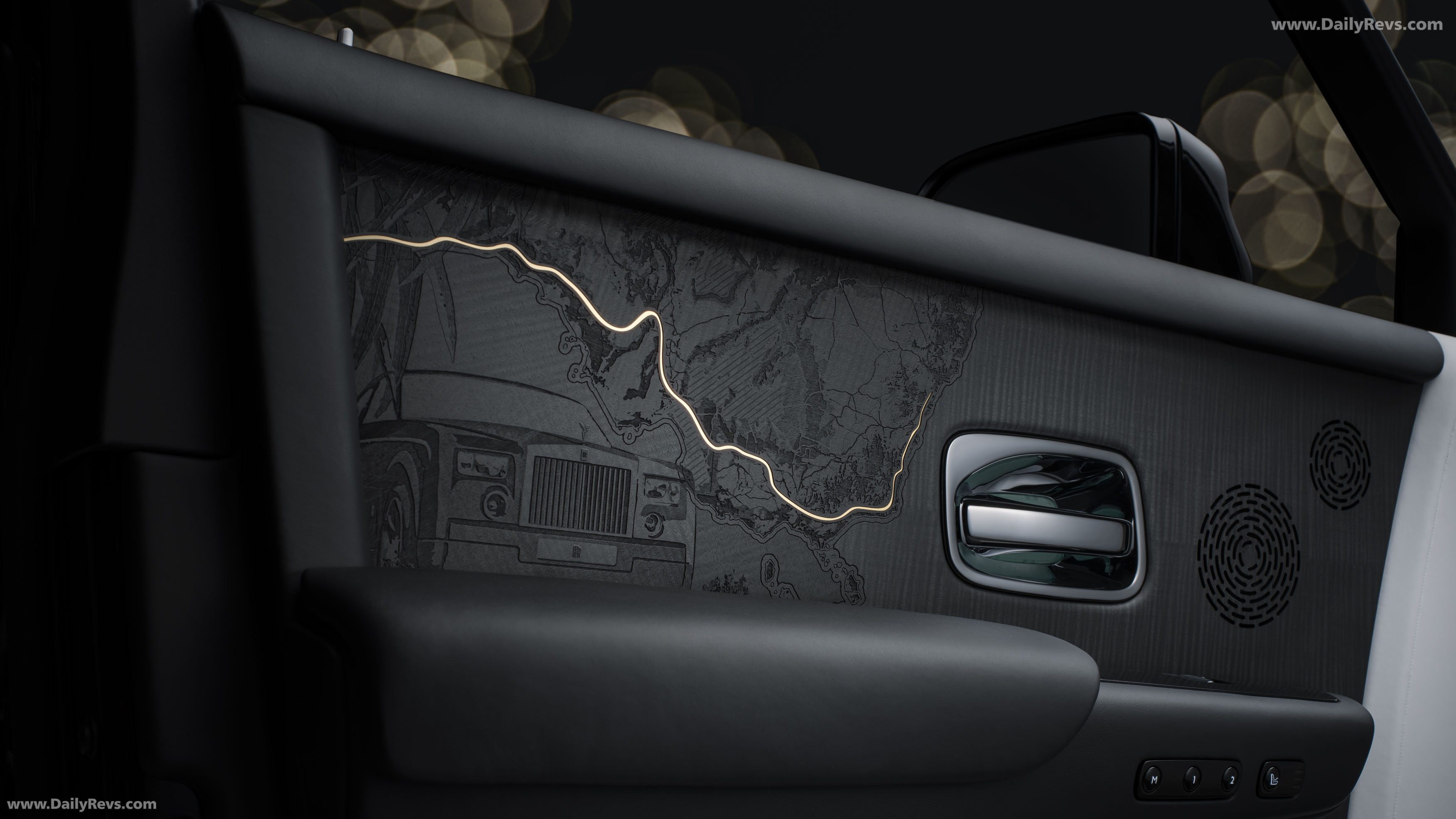
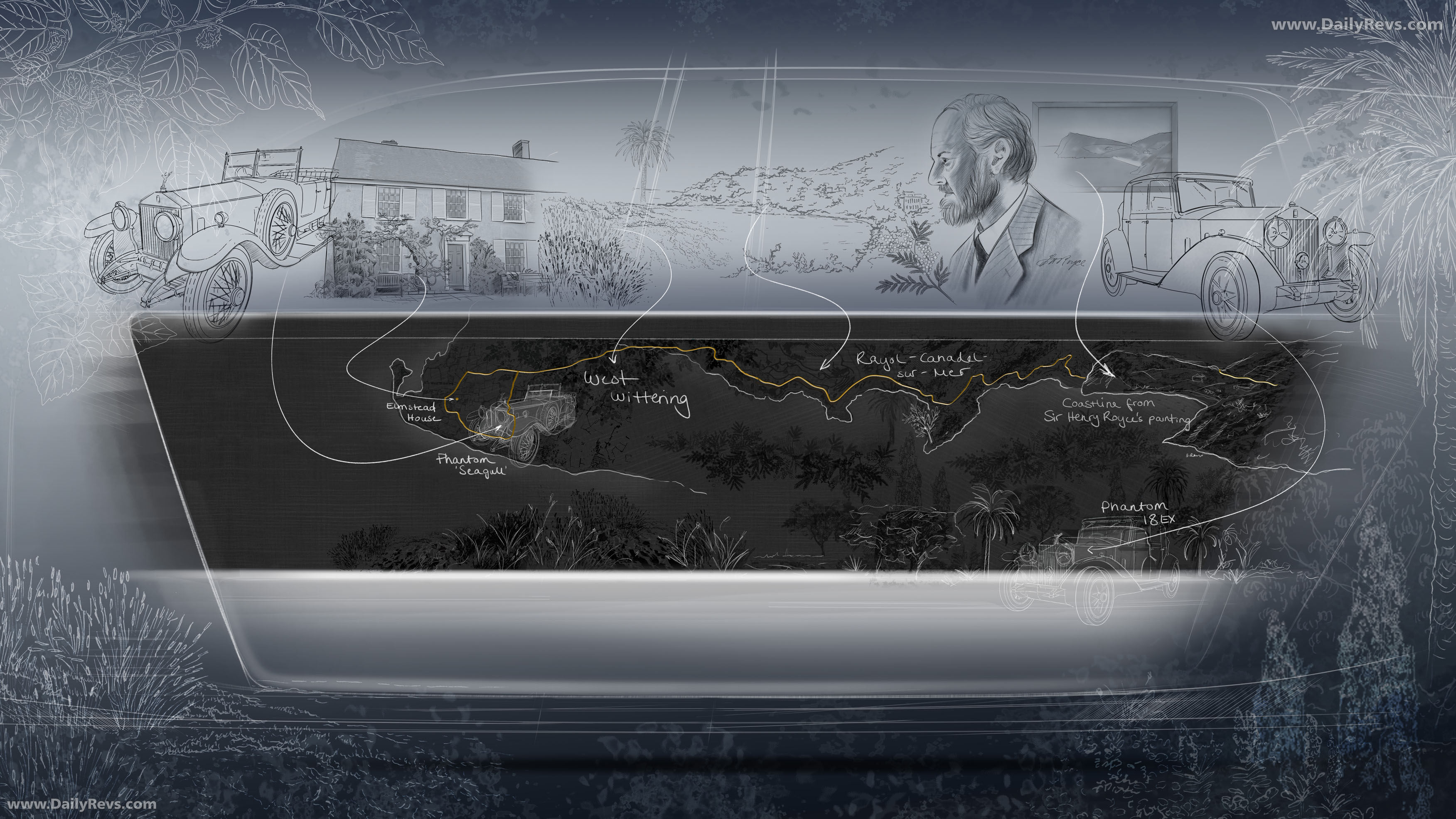
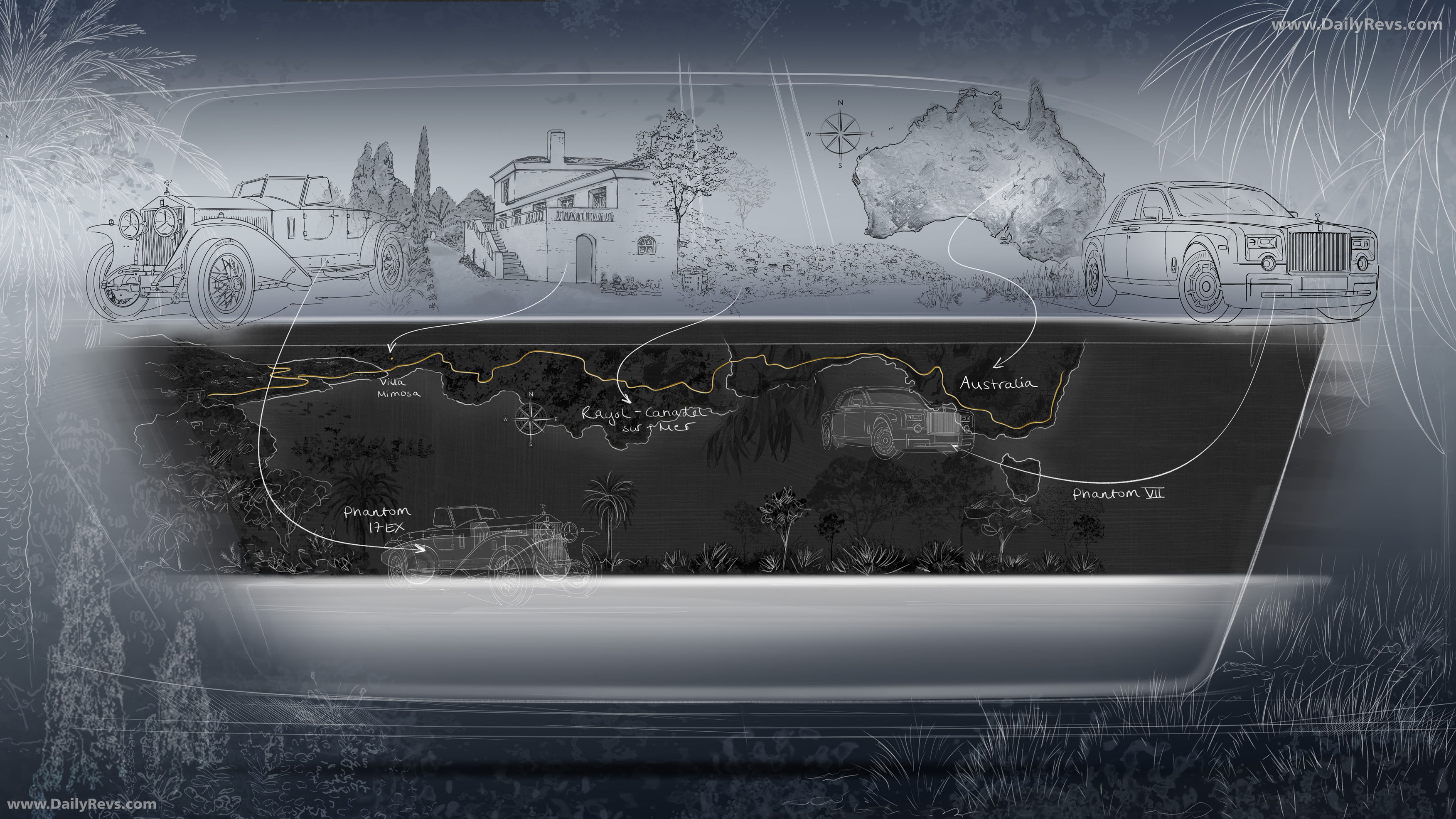
The door panels showcase what Rolls-Royce calls its most complex woodwork to date — stained Blackwood veneers with 3D marquetry, 3D ink layering, and 24-carat gold leafing
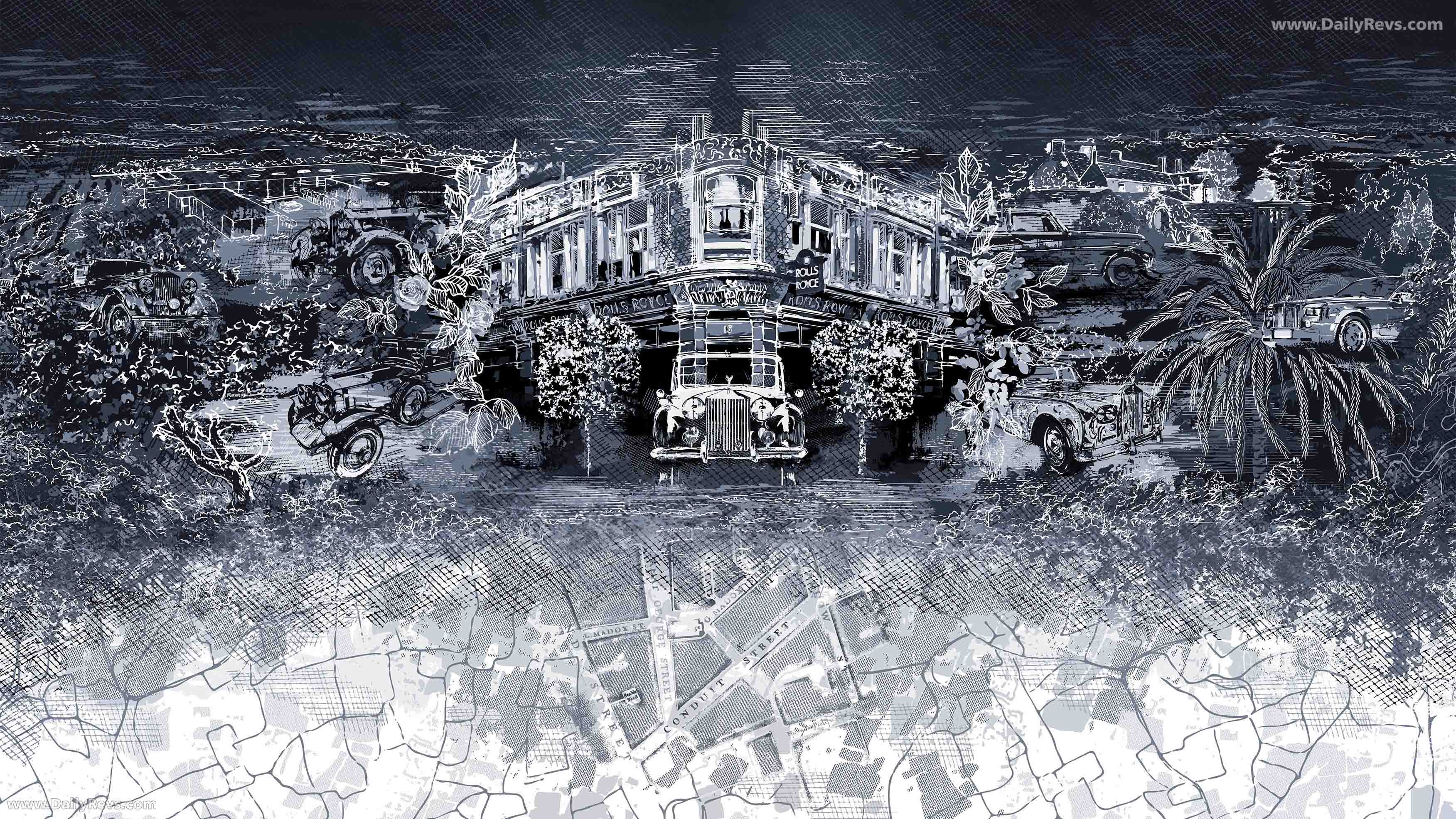
Each panel depicts routes and landscapes tied to Phantom’s history, including the French Riviera and Henry Royce’s home in West Wittering. The gold-leafed “roads” running across the wood are thinner than a human hair, continuing into the leather through golden embroidery.
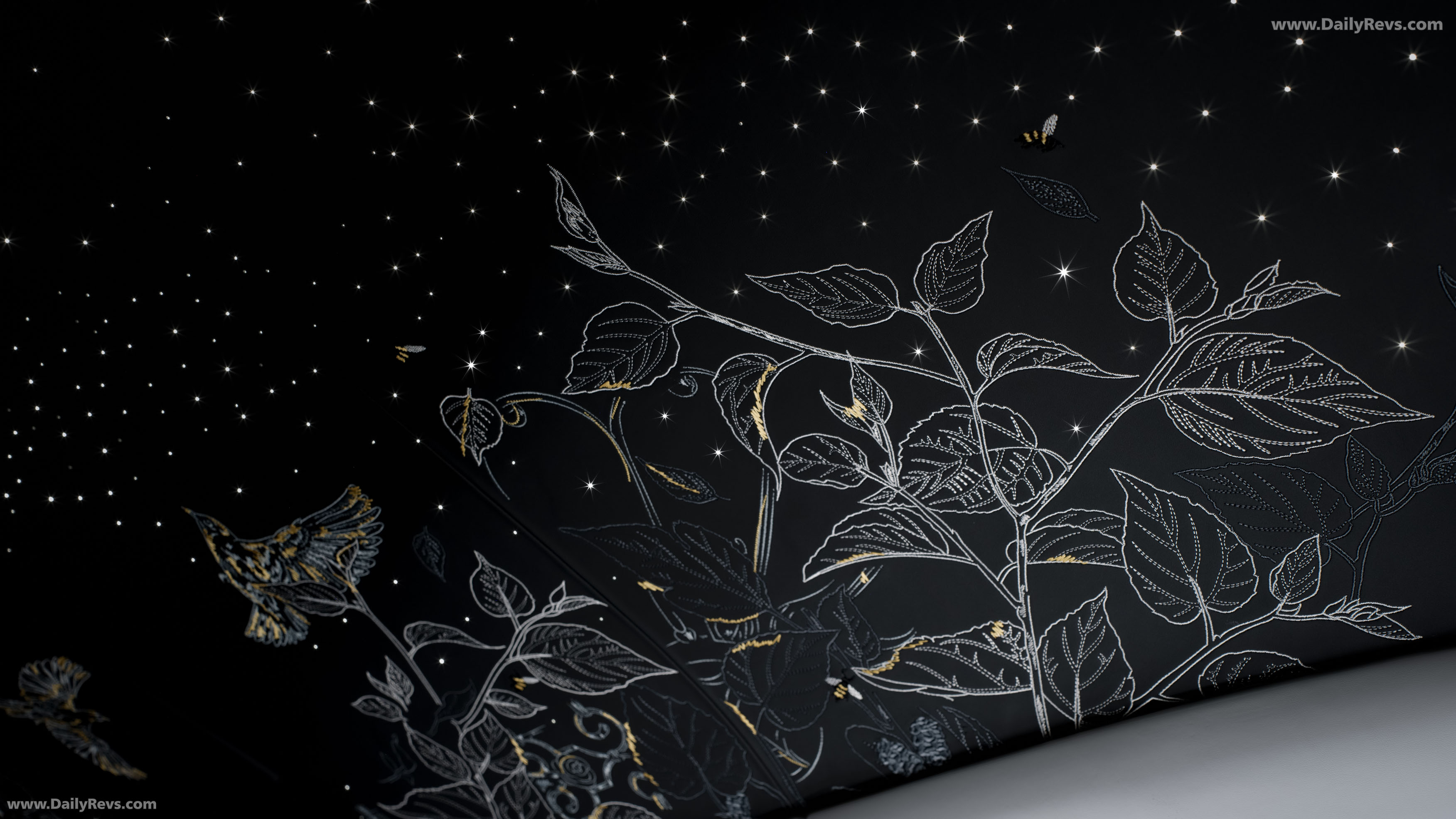
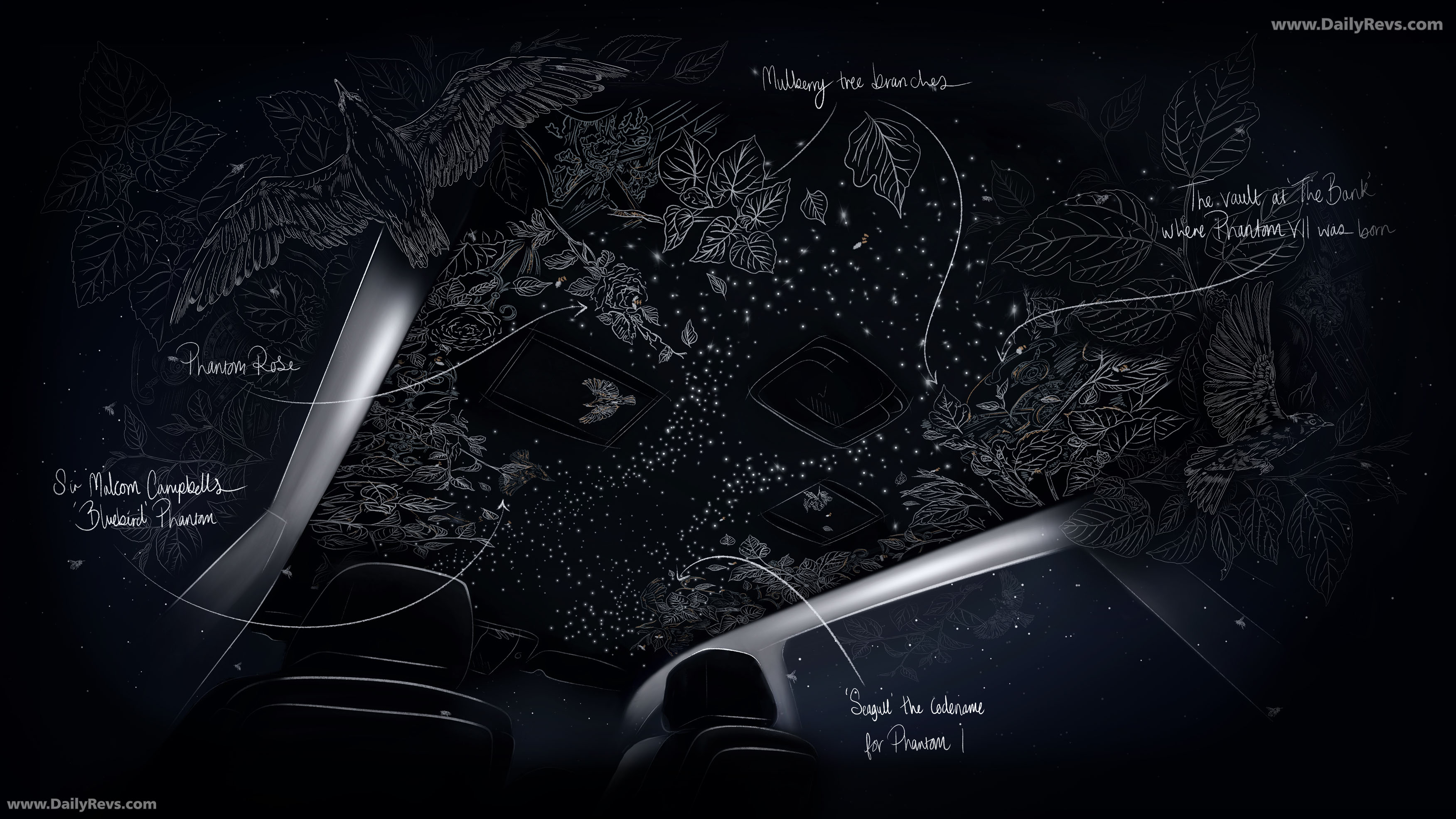
Even the Starlight Headliner adds to the story, embroidered with 440,000 stitches depicting constellations, the Rolls-Royce Apiary’s bees, and subtle nods to Phantoms of the past like Sir Malcolm Campbell’s “Bluebird.”
The Enduring Heart
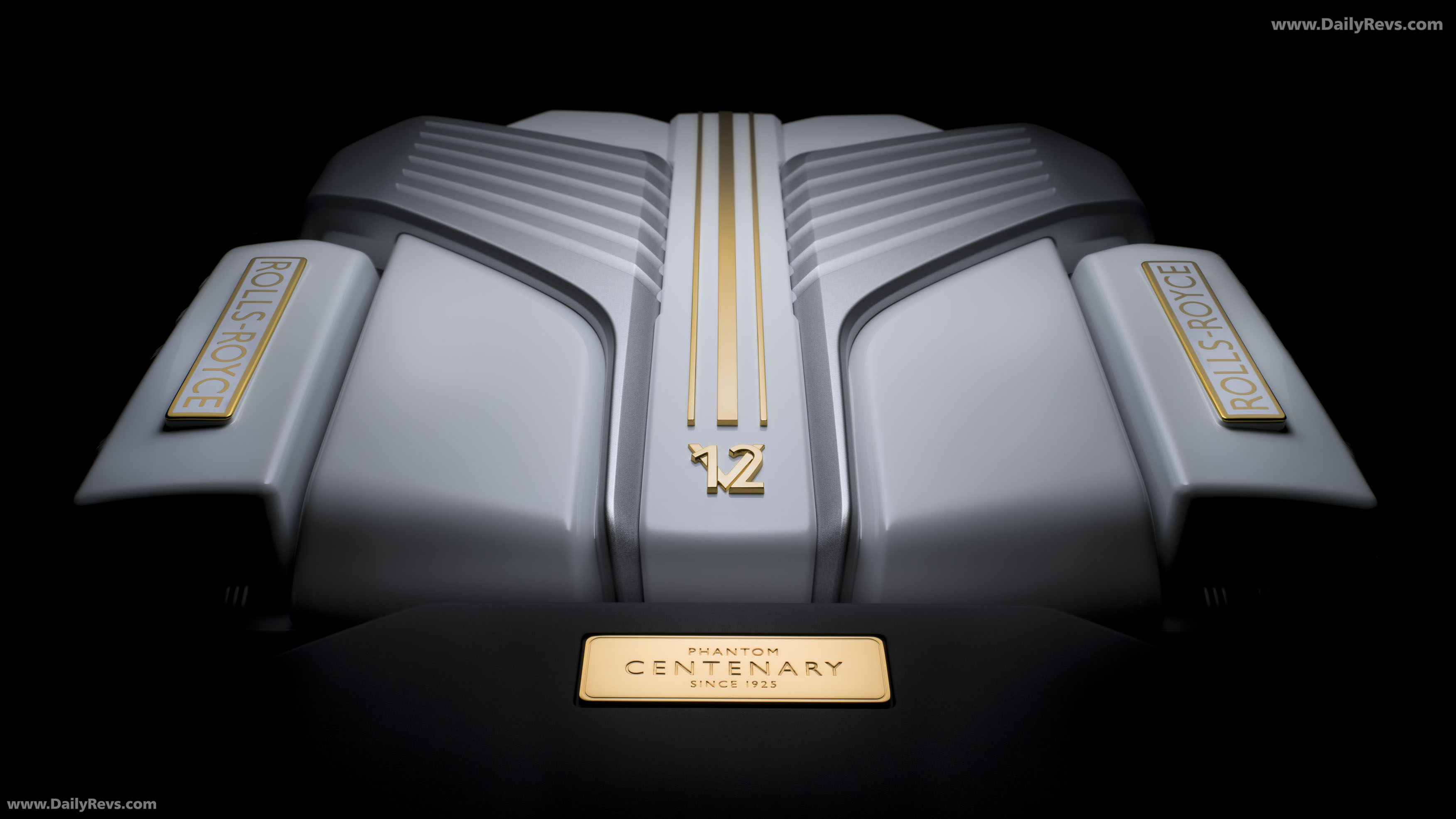
Power comes from the familiar 6.75-litre V12, finished here with an Arctic White engine cover detailed in 24-carat gold — a restrained but symbolic gesture
Performance remains in line with the current Phantom, though that’s hardly the point. What matters is the sense of permanence.
Rolls-Royce claims CO₂ emissions between 353–365 g/km and fuel consumption of 17.4–18.1 mpg (WLTP), figures that remain almost an afterthought in the context of this kind of vehicle. The Phantom Centenary is less about numbers and more about continuity — the act of carrying a century’s worth of artistry into a new era.
Technical Specifications
- Engine: 6.75-litre V12 petrol
- Power: [Unverified – similar to Phantom VIII, approx. 563 bhp]
- Transmission: 8-speed automatic
- Drive System: Rear-wheel drive
- CO₂ Emissions (WLTP): 353–365 g/km
- Fuel Consumption (WLTP): 17.4–18.1 mpg / 15.6–16.2 L/100 km
- Body Style: Four-door saloon
- Production: Limited to 25 units worldwide
- Paint Finish: Super Champagne Crystal over Arctic White
Special Features:
- Solid 18-carat gold Spirit of Ecstasy
- Anthology Gallery with 3D-printed aluminium fins
- 3D marquetry wood panels with gold-leafed roads
- Rear seat embroidery exceeding 160,000 stitches
- Starlight Headliner with 440,000 embroidered stars
- Arctic White engine cover detailed in 24-carat gold