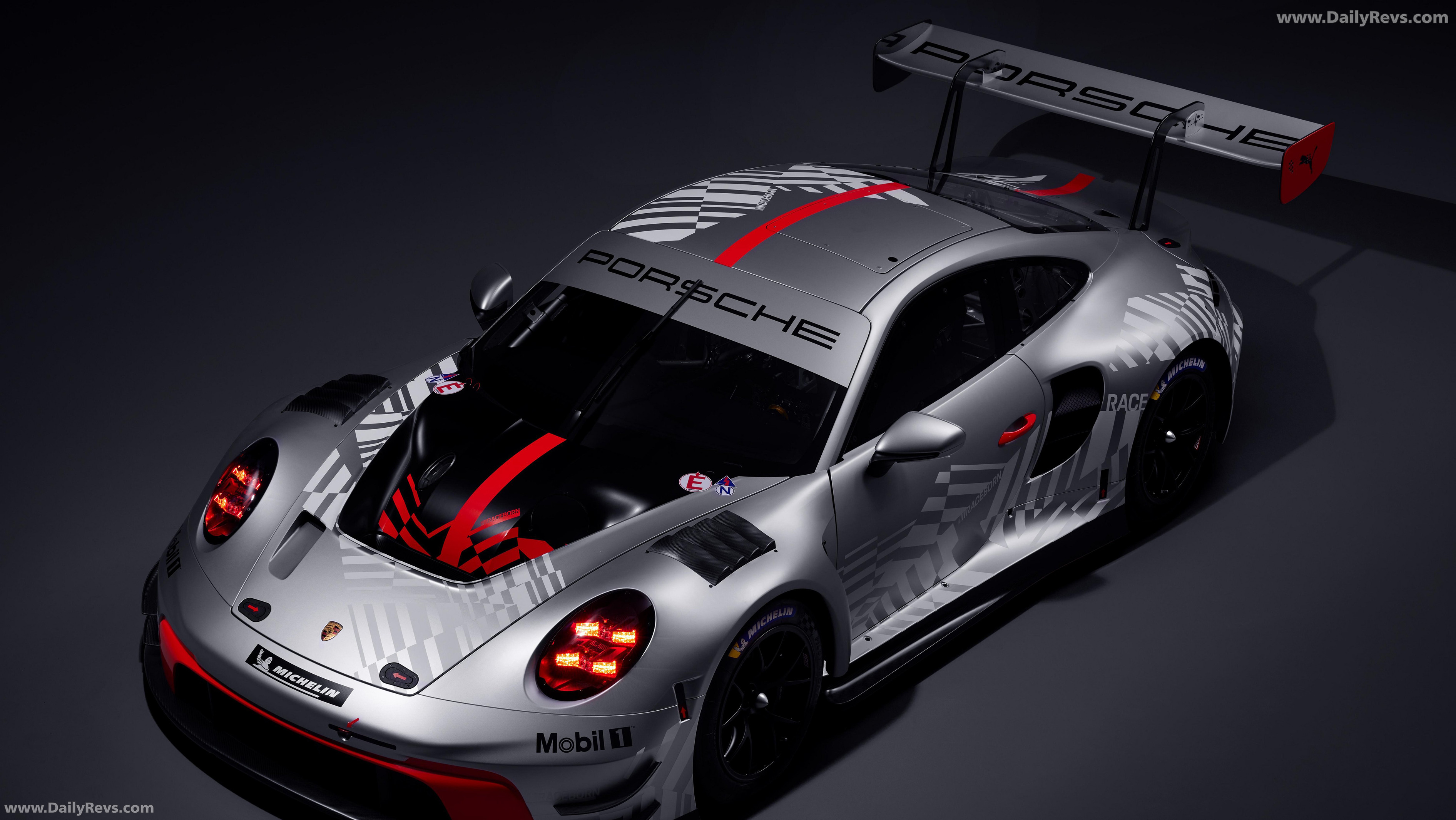
2026 Porsche 911 GT3 R
By Lorenzo Bianchi August 9, 2025
Updated aero and suspension geometry aim for better stability and turn-in.
Reliability tweaks include ceramic wheel bearings and extra cooling.
More standard race equipment means less prep time for customer teams.
Subtle But Targeted Changes for 2026
The 2026 Porsche 911 GT3 R doesn’t shout about change. It doesn’t have to. At a glance, it’s the same broad-shouldered GT3 contender we’ve seen carving through traffic at Daytona or Spa. But Porsche’s updates for the coming season are subtle, deliberate, and aimed directly at the realities of endurance racing.
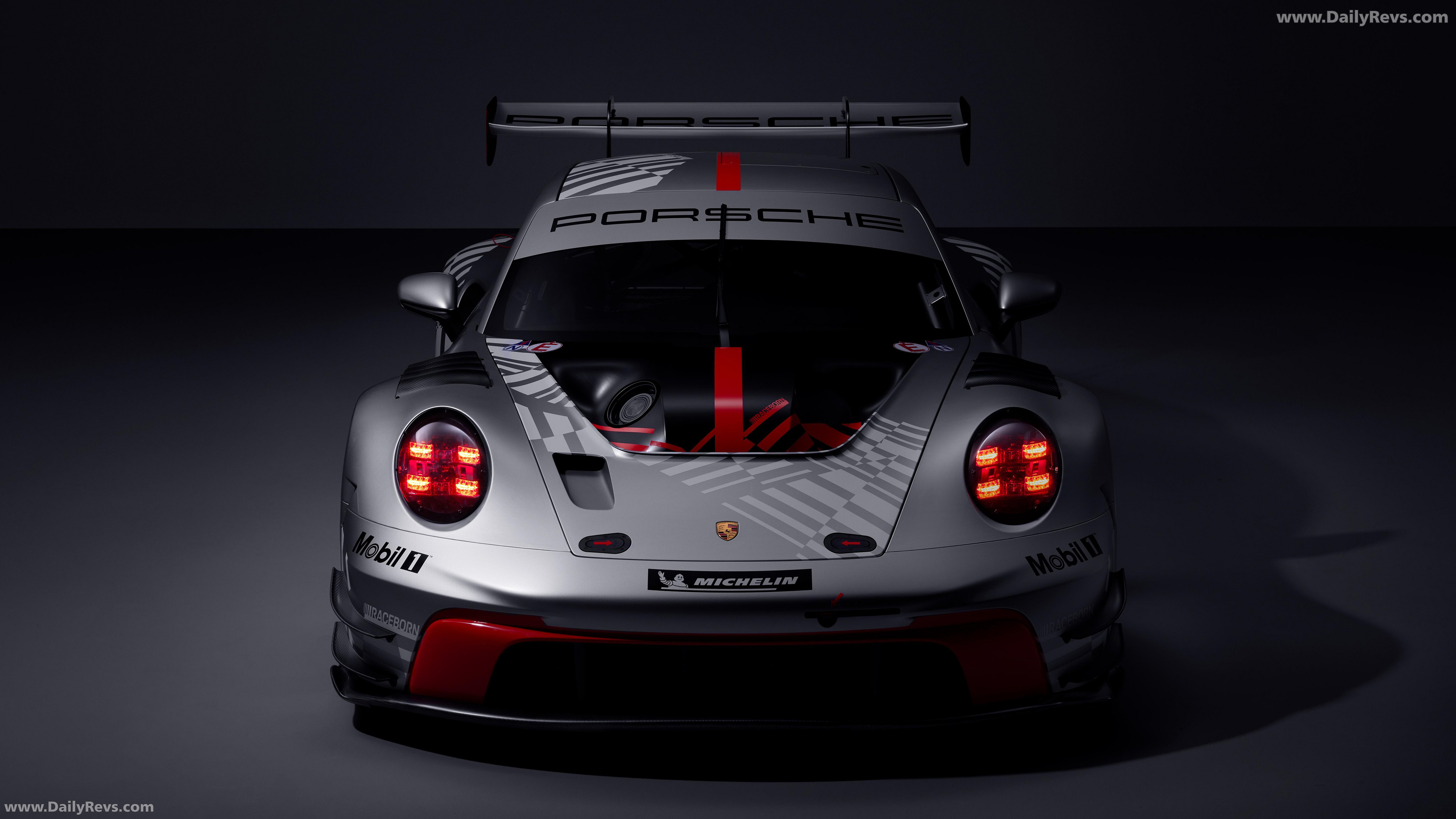
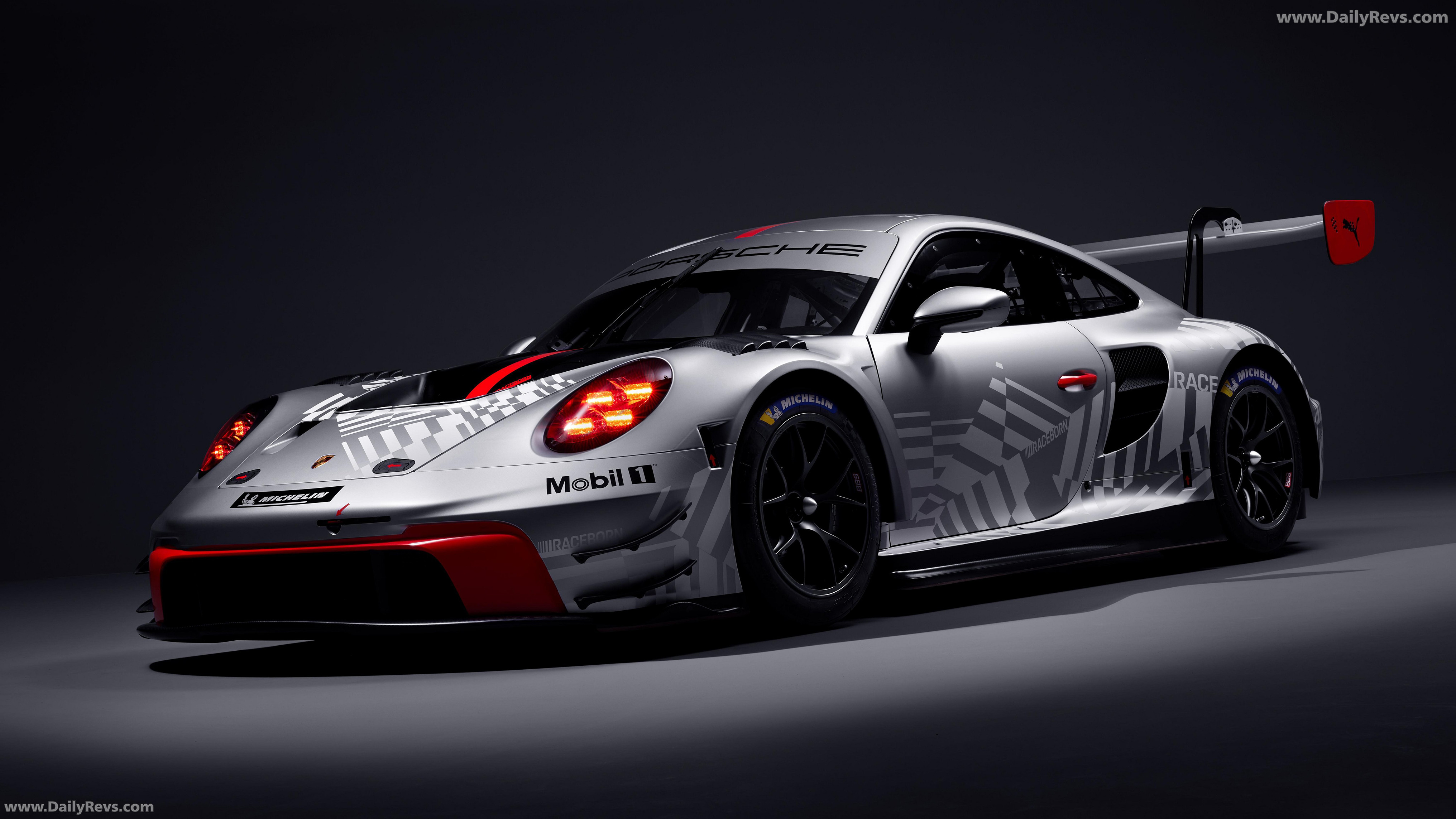
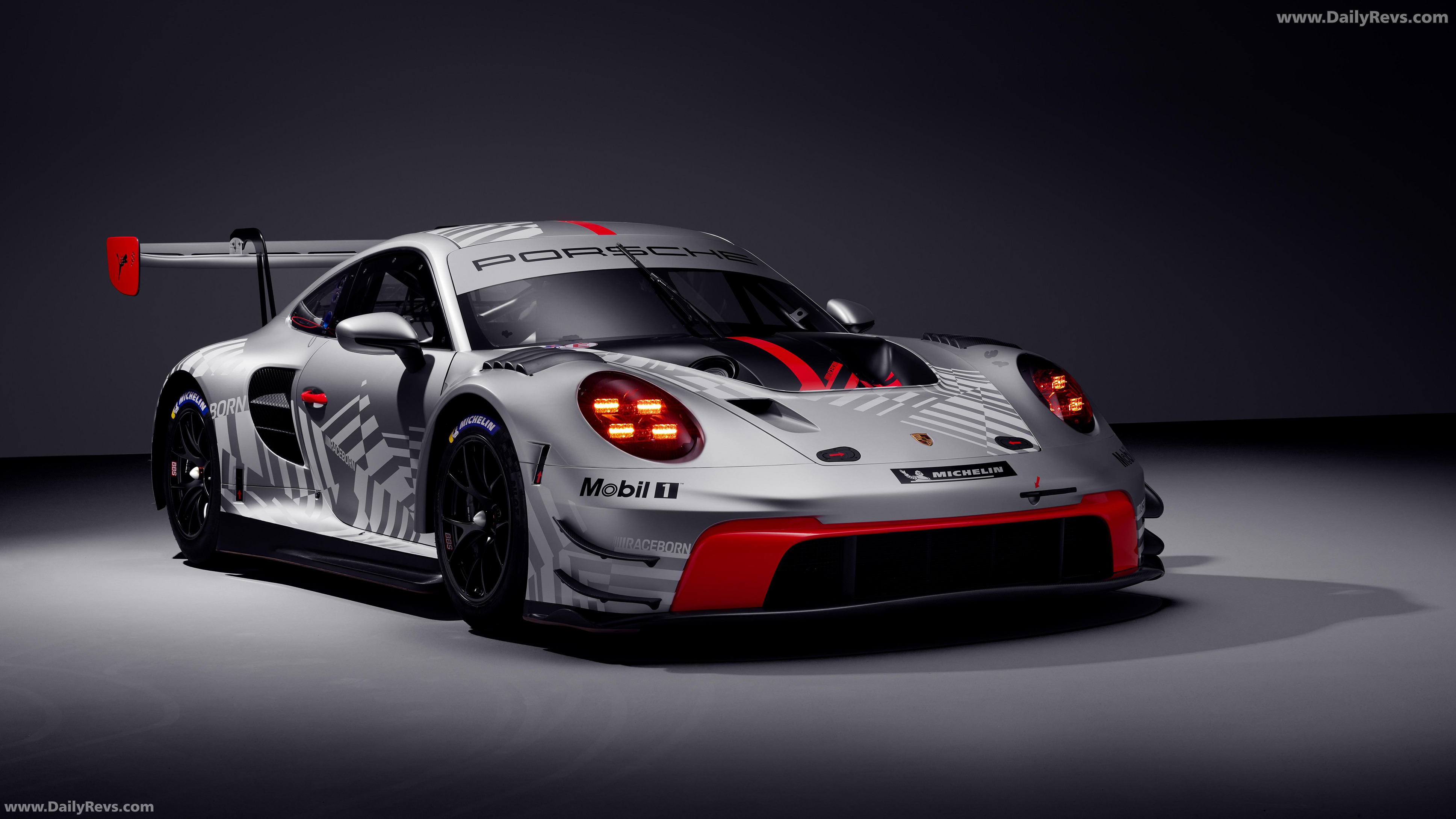
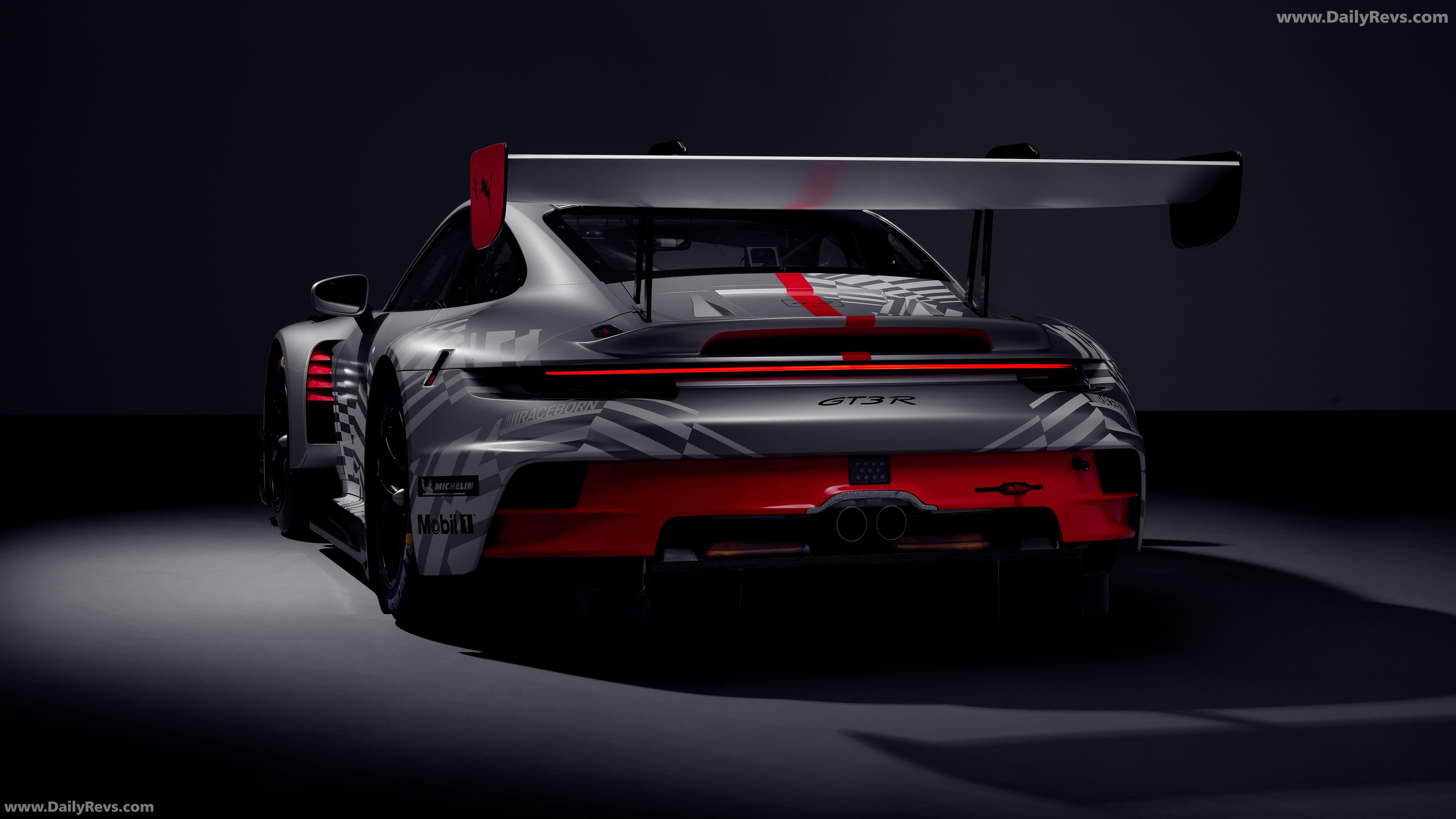
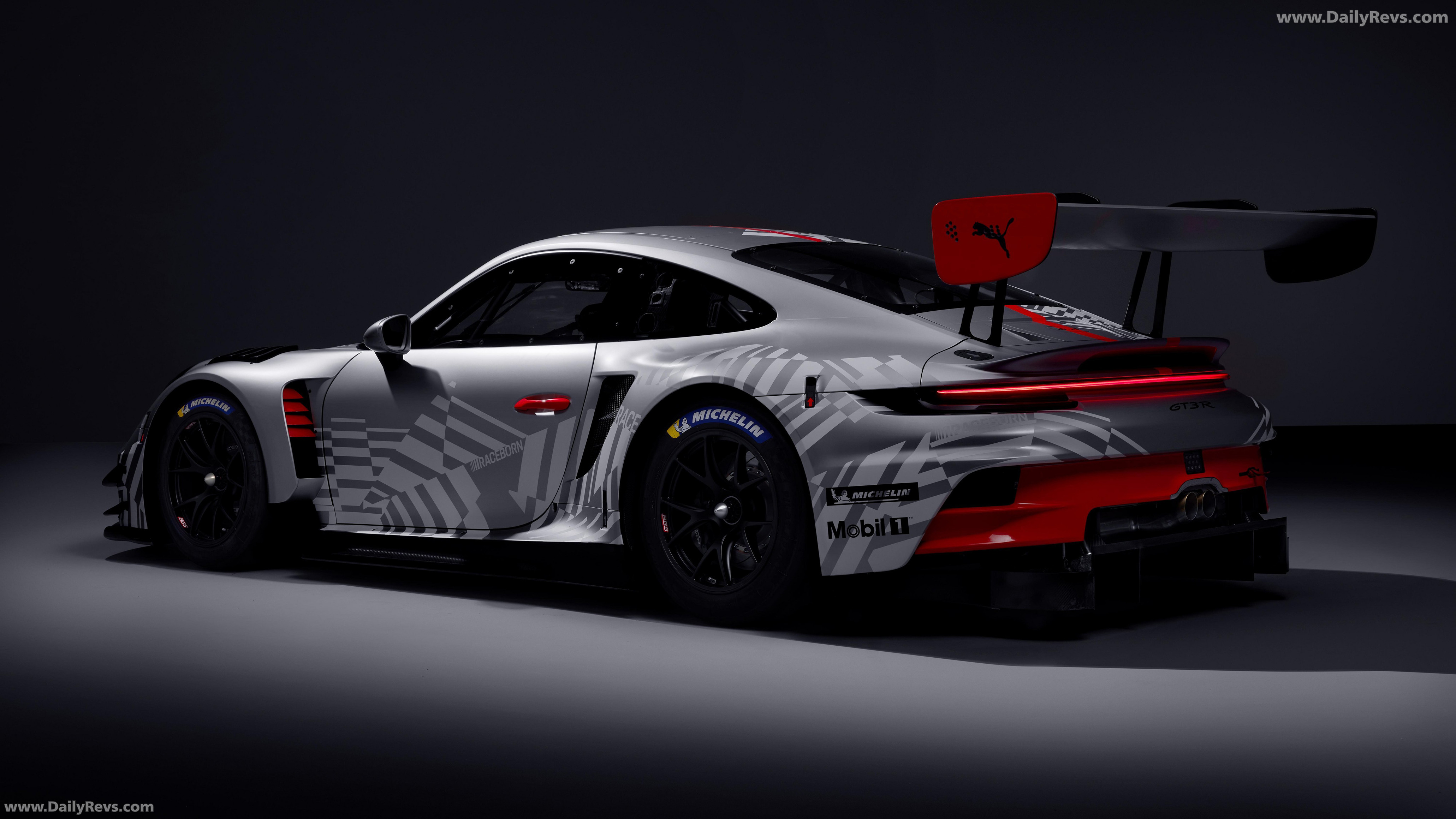
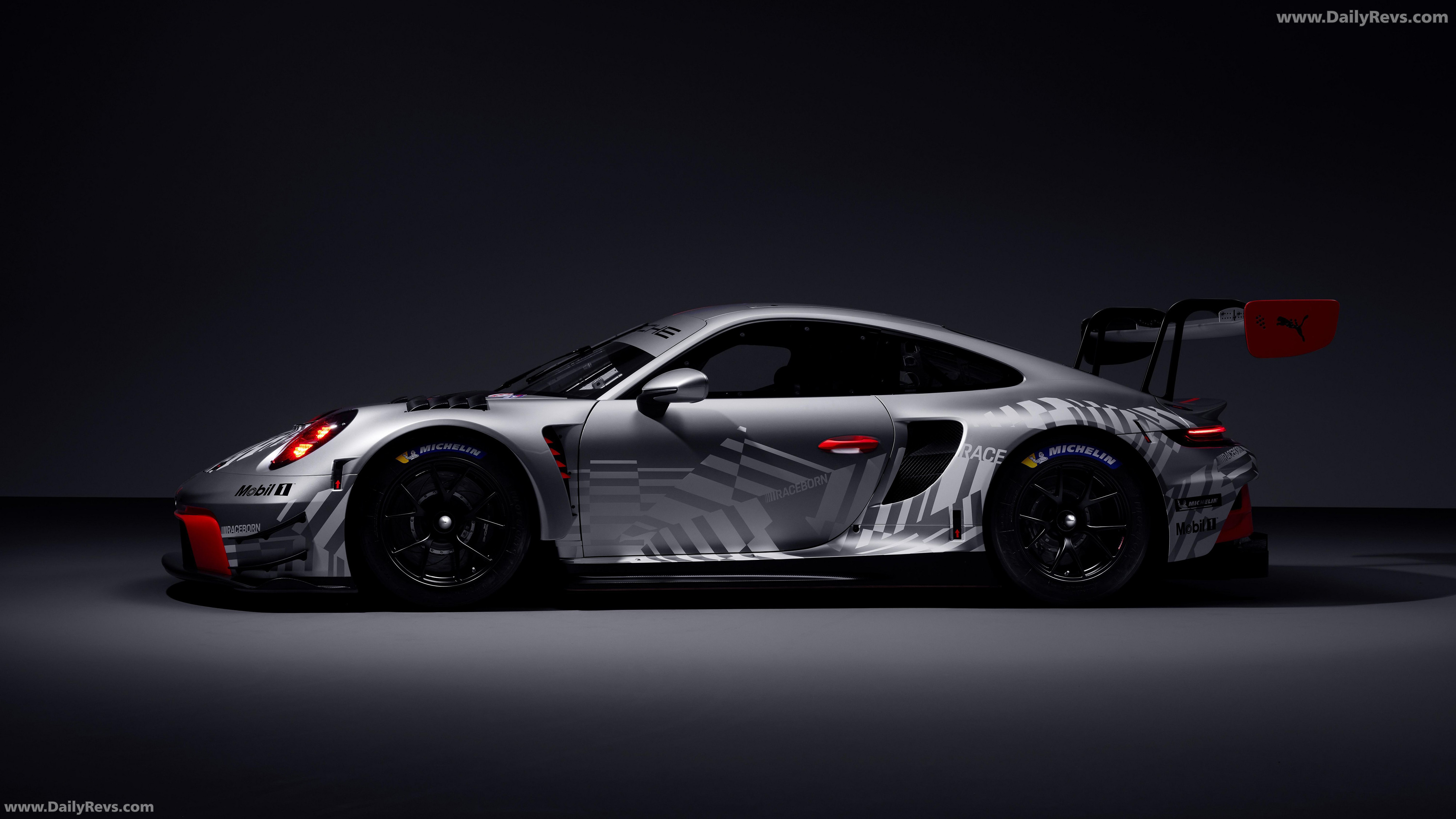
Front wheel arch louvres are the most obvious tweak. They bleed off pressure, calm the front end under heavy braking, and lend the car a slightly more aggressive visual punch. The suspension geometry has been reworked too, dialing out some dive on turn-in and giving the driver a bit more confidence to brake late without unsettling the chassis.
Mechanical Updates That Prioritize Reliability
Mechanically, the recipe hasn’t changed much — and that’s intentional. The 4.2-litre naturally aspirated flat-six still sings to about 9,000 rpm, sending power through a six-speed sequential gearbox. Porsche knows reliability wins races as often as raw pace. Which is why much of the engineering effort has gone into the less glamorous areas: ceramic wheel bearings that shrug off long stints, better cooling for steering and driveshaft components, and even a faster, cleaner way to log telemetry data during pit stops.
More Standard Equipment for Customer Teams
Customer teams will also appreciate that Porsche has bundled in hardware that used to be optional. Ride-height sensors, temperature monitoring, onboard cameras, pit lane communication, and a refueling detection system with LED indicators now come with the car. Small details, yes — but they save time and money before the lights go out.
Familiar 911 Stance and Aerodynamic Focus
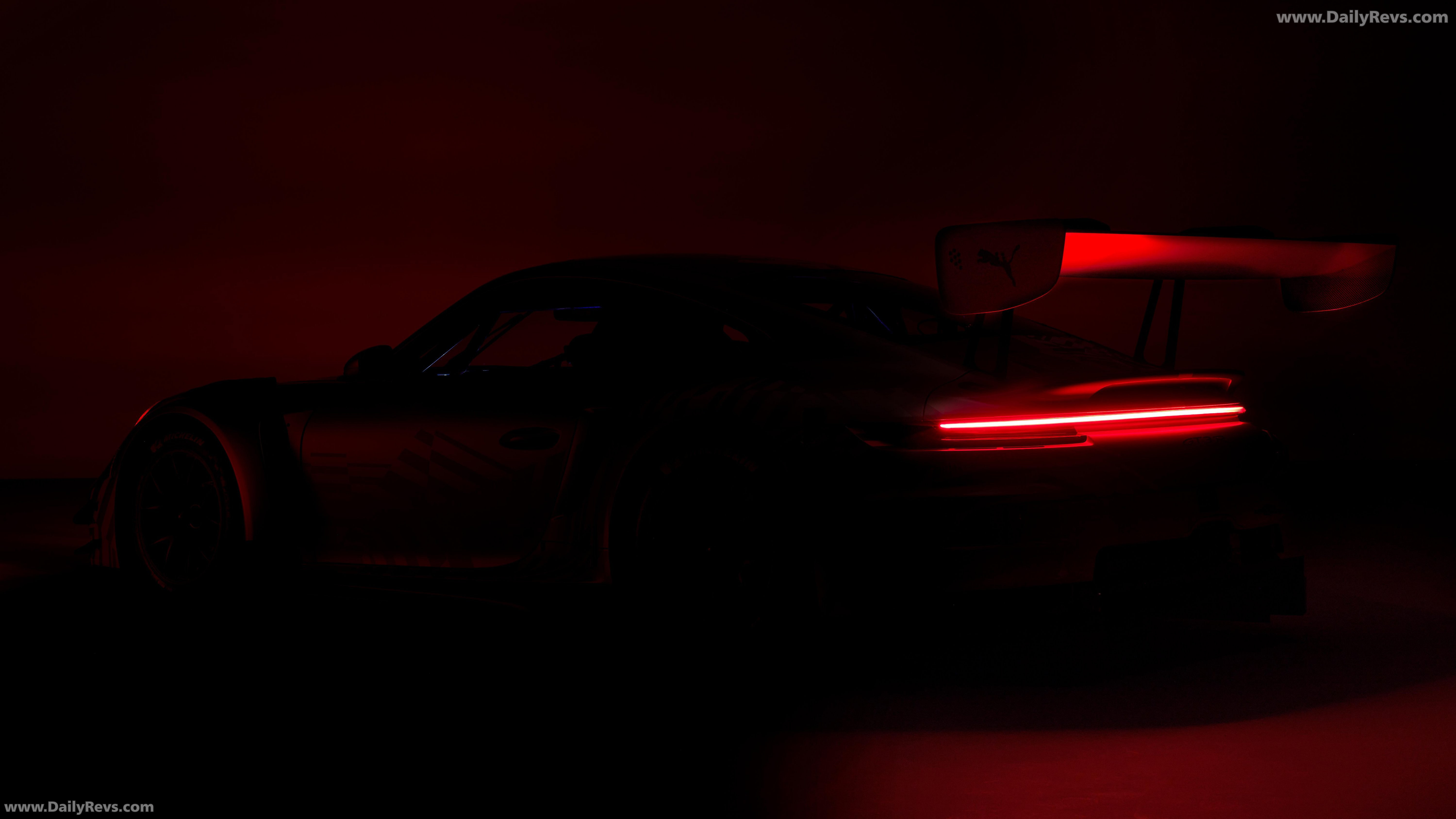
The GT3 R’s stance remains pure 911 — low nose, wide hips, a swan-neck rear wing towering above the decklid. It’s not chasing visual drama for the sake of it. The surfaces are taut and clean, more concerned with keeping air where it’s needed than grabbing attention in the paddock.
Positioned Against Strong Rivals
In the broader GT3 field, it’ll meet familiar rivals: Ferrari’s 296 GT3, Lamborghini’s Huracán GT3 EVO2, and BMW’s M4 GT3. Each has its own quirks. The Porsche has always traded on balance and drivability, qualities that tend to pay dividends when conditions get tricky or fatigue sets in.
Availability and Update Kits
Production starts in early 2025, with deliveries ahead of the new season. Update kits will be available for current 992-gen GT3 R owners who want to retrofit the changes without buying a whole new car. In the long game of customer racing, that’s Porsche quietly making sure its teams stay in the fight.
Technical Specification
Performance
- Power: approximately 416 kW (565 hp), depending on Balance of Performance
Powertrain
- Engine: 4.2-litre naturally aspirated flat-six boxer engine
- Transmission: Porsche six-speed sequential dog-type gearbox, rear-wheel drive
Weight
- Approximately 1,250 kg, depending on Balance of Performance
Price / Cost
- Full new GT3 R Evo model: approximately €573,000 (excluding VAT and optional extras)
- Retrofit update kit for existing 992 GT3 R models: around €41,500 (excluding taxes)