2026 Nissan Sakura
By Lorenzo Bianchi April 20, 2026
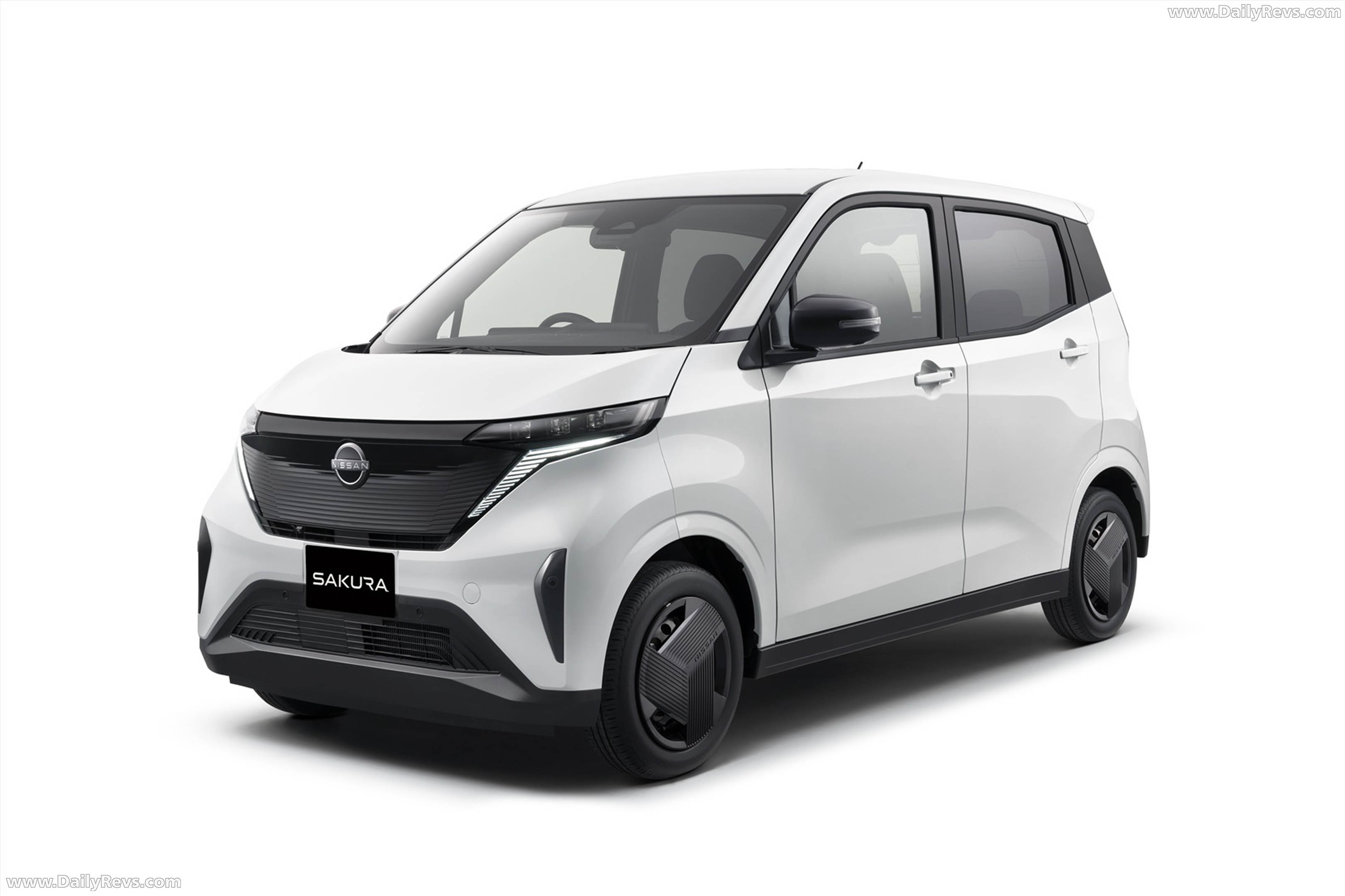
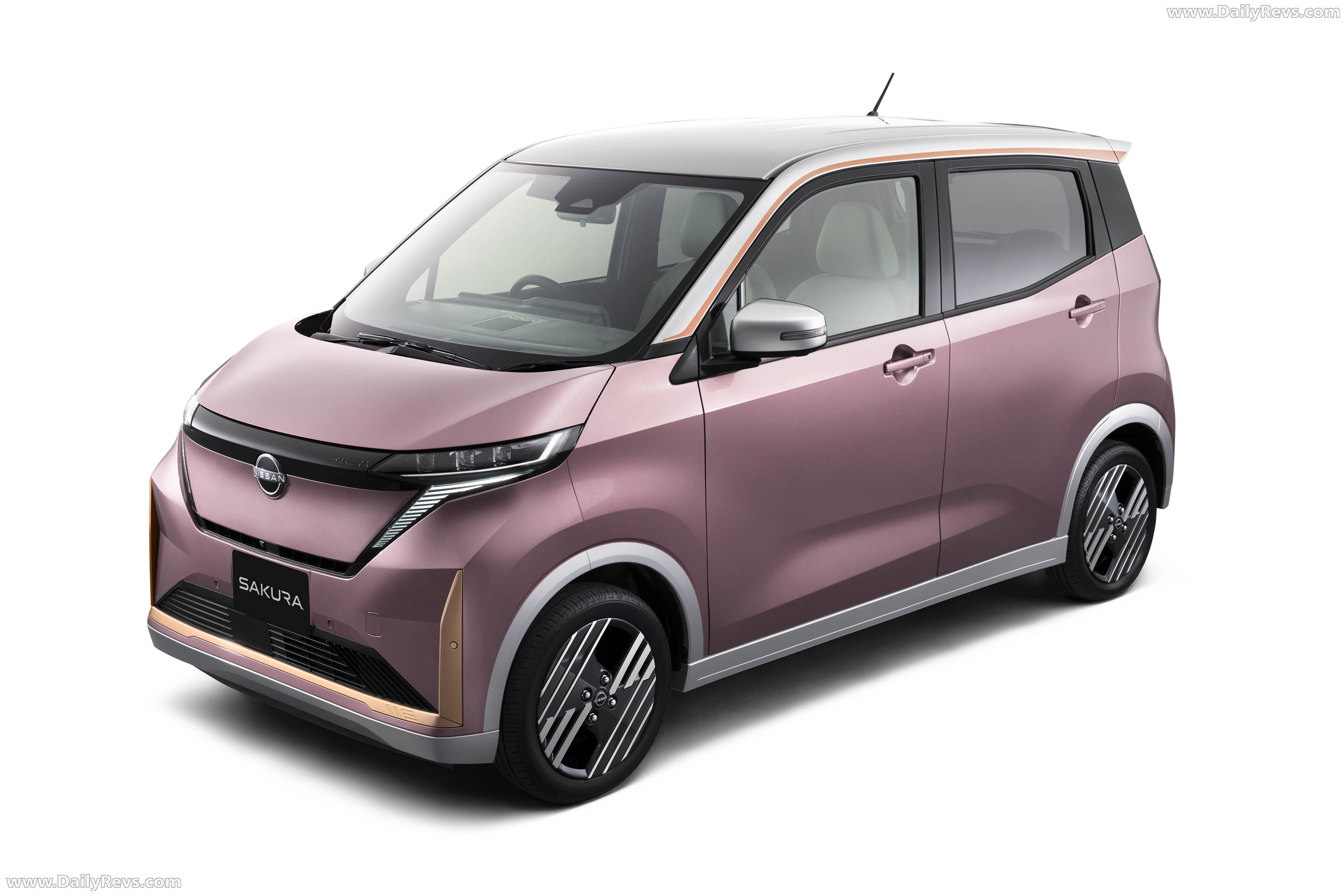
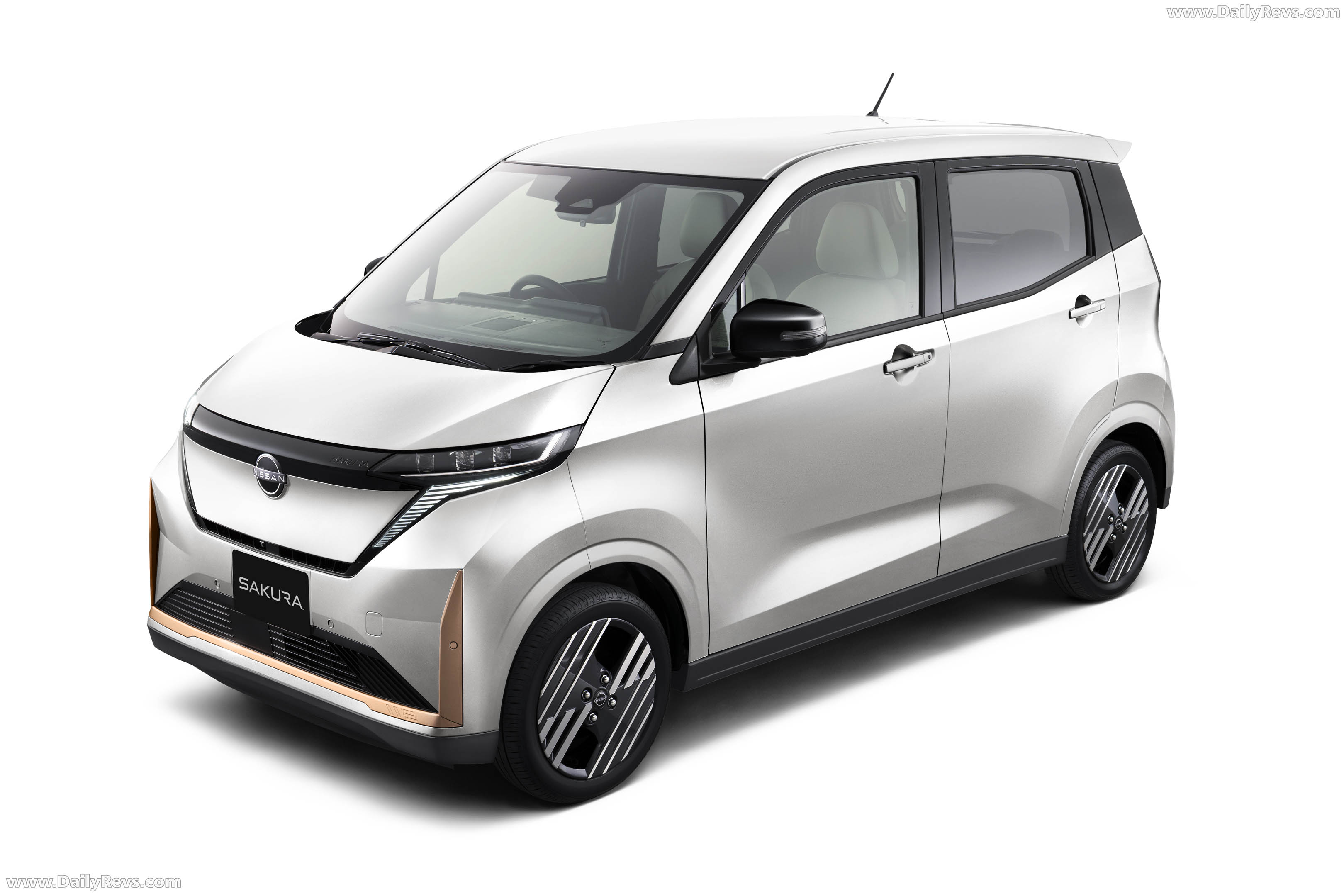
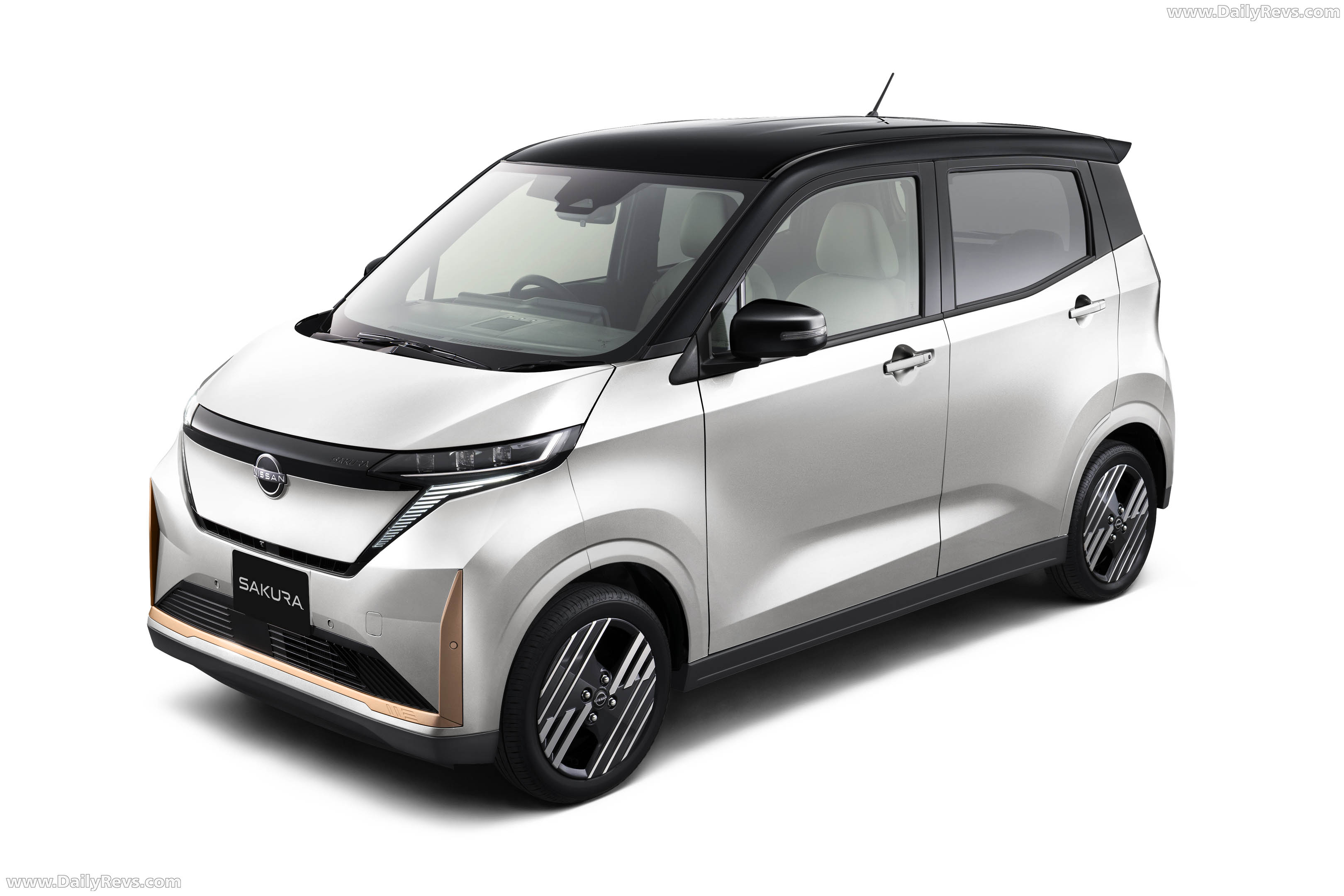
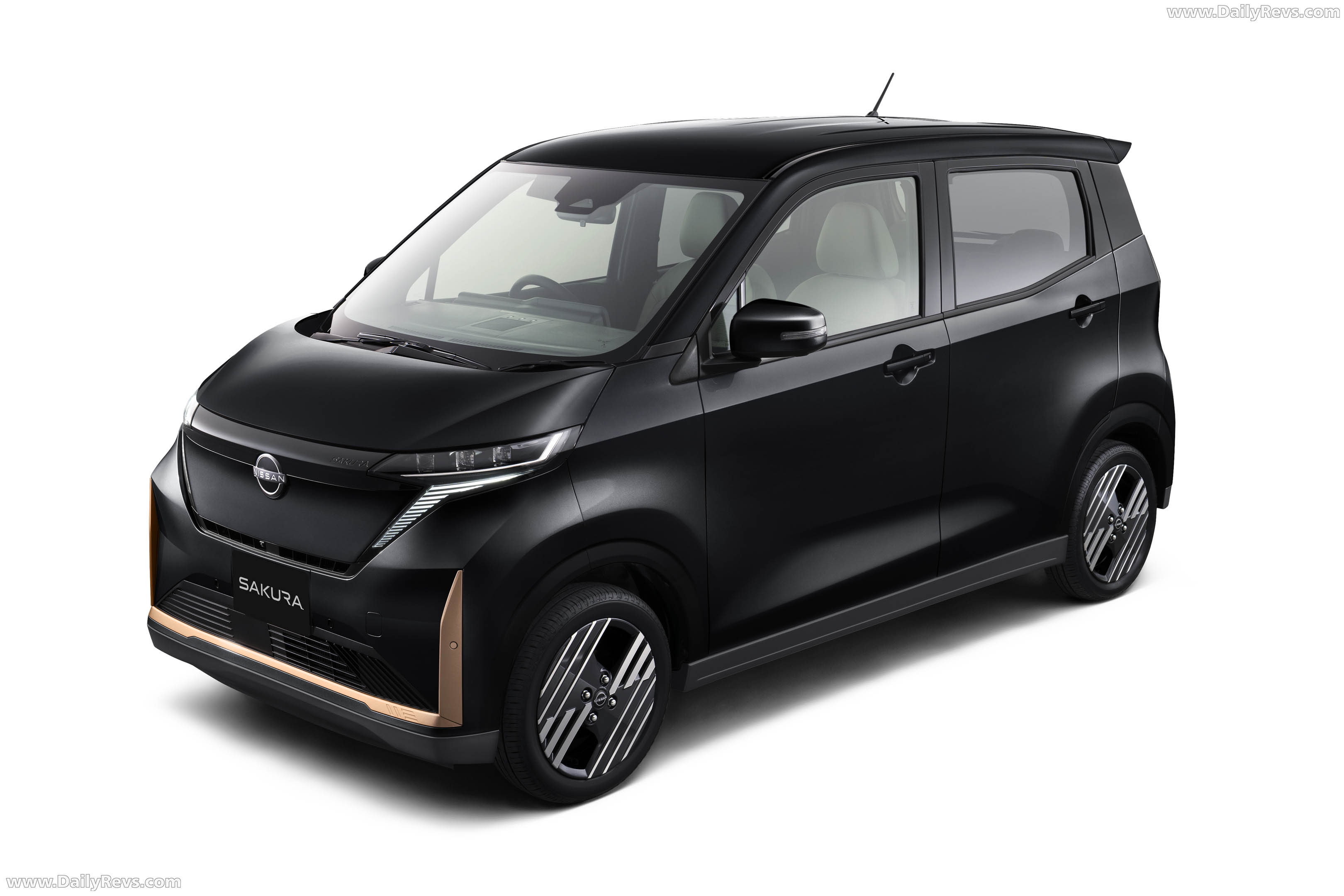
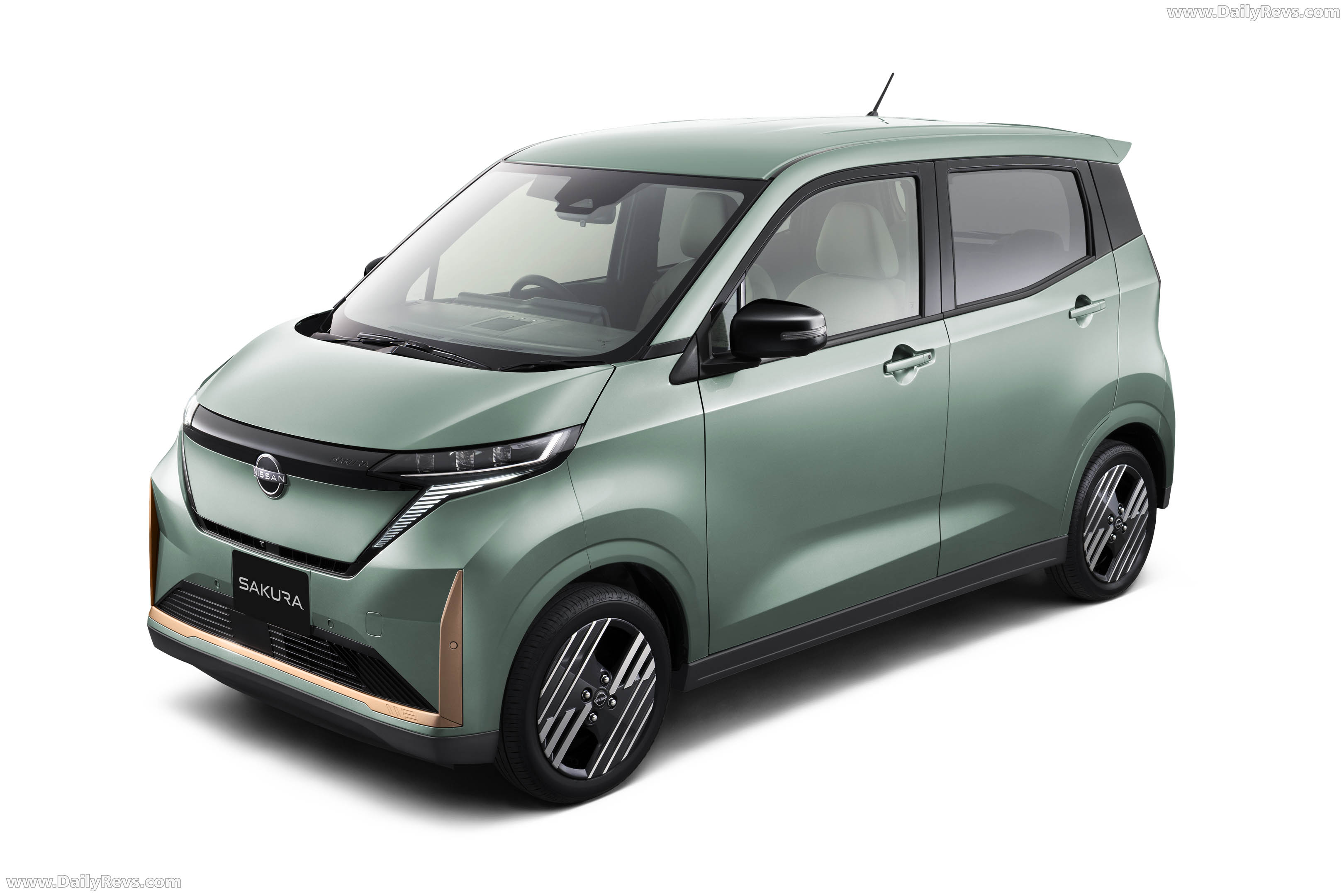
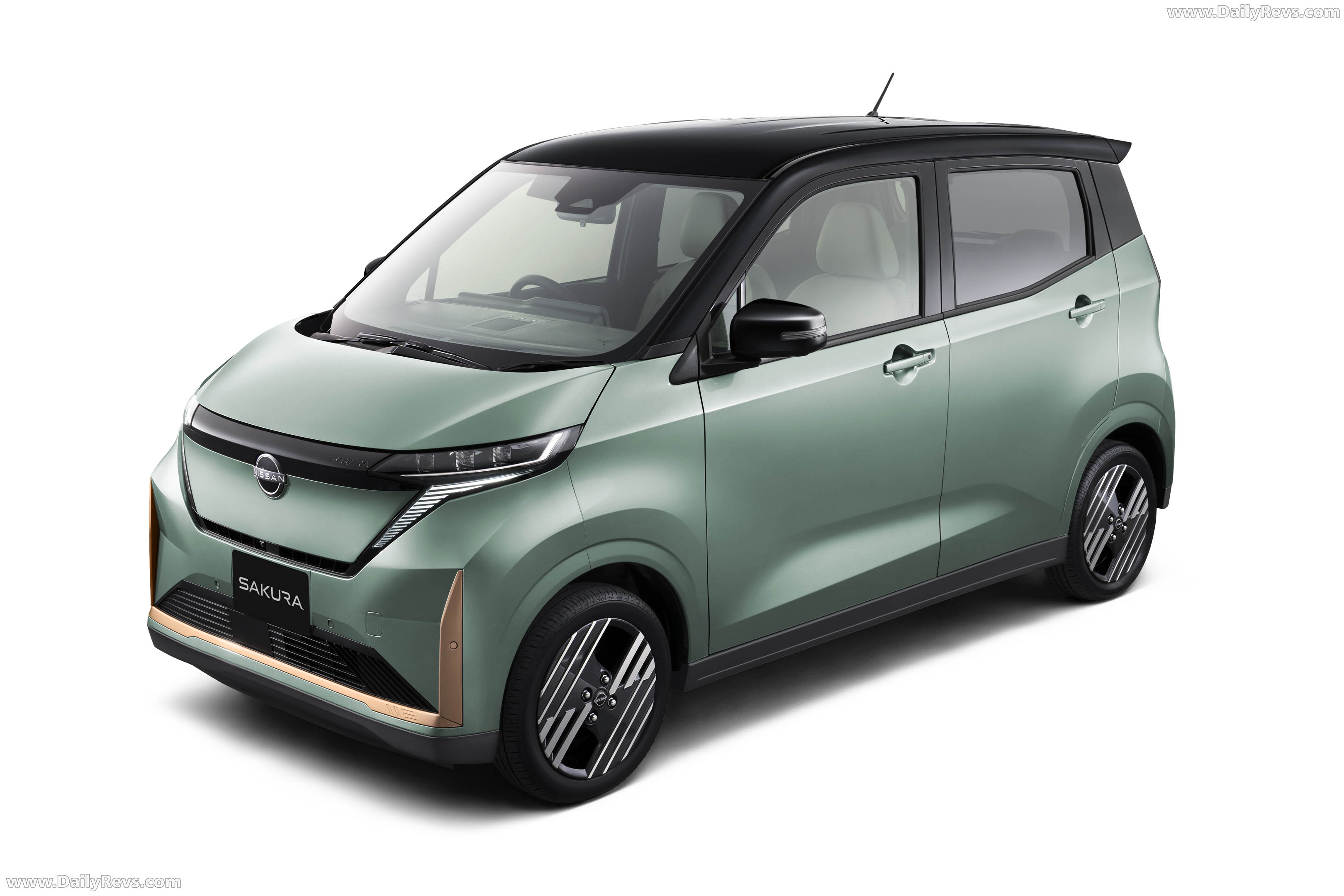
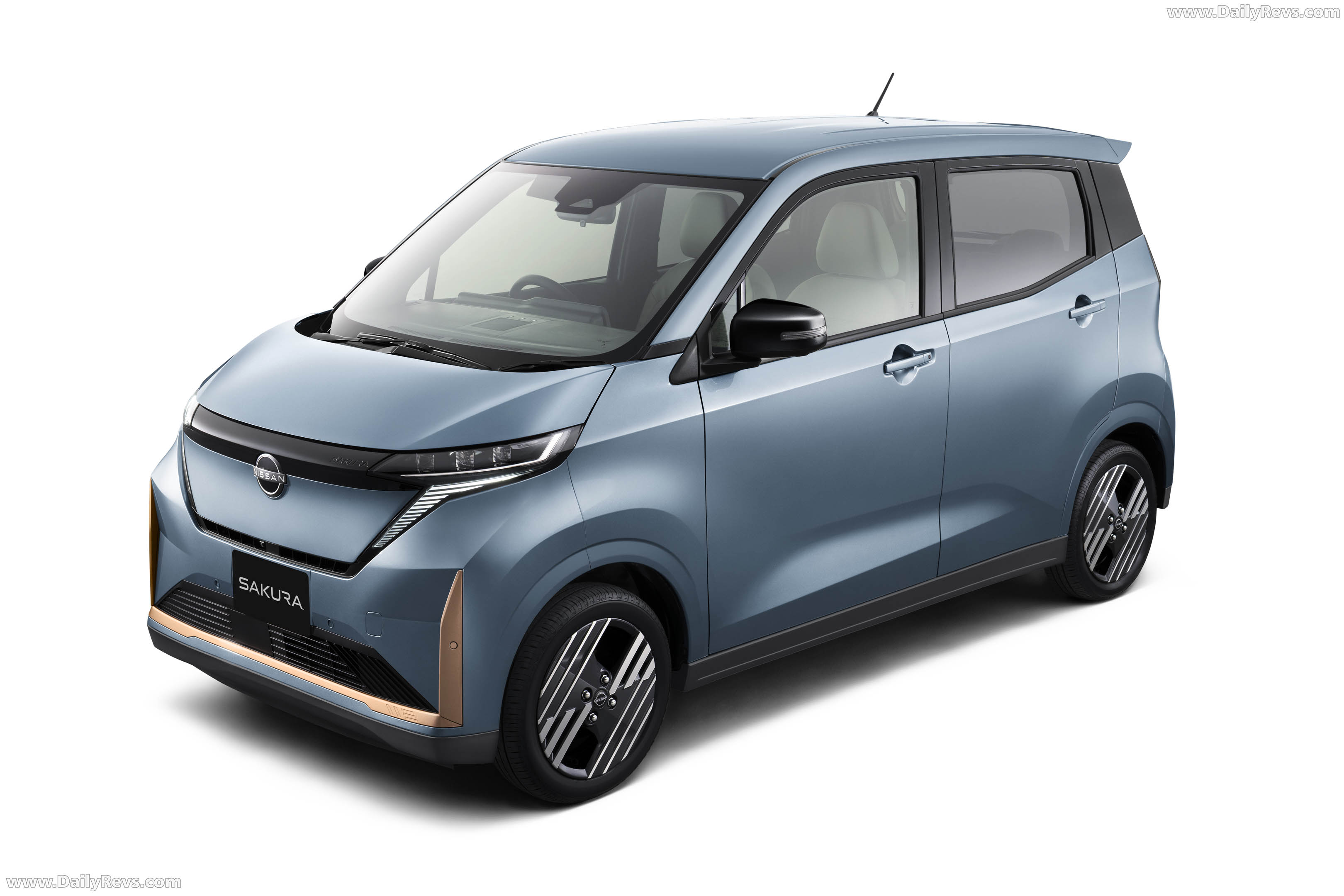
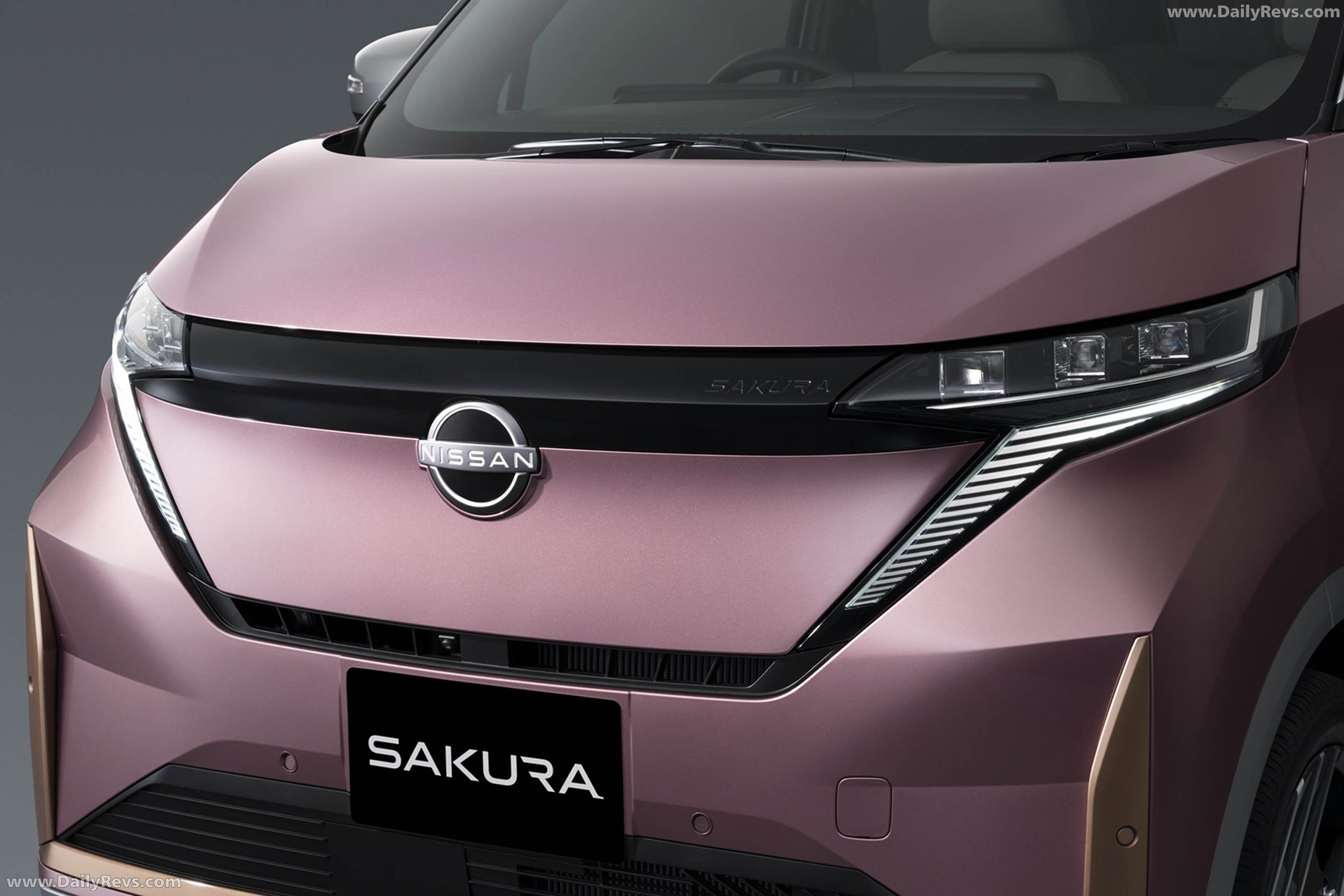
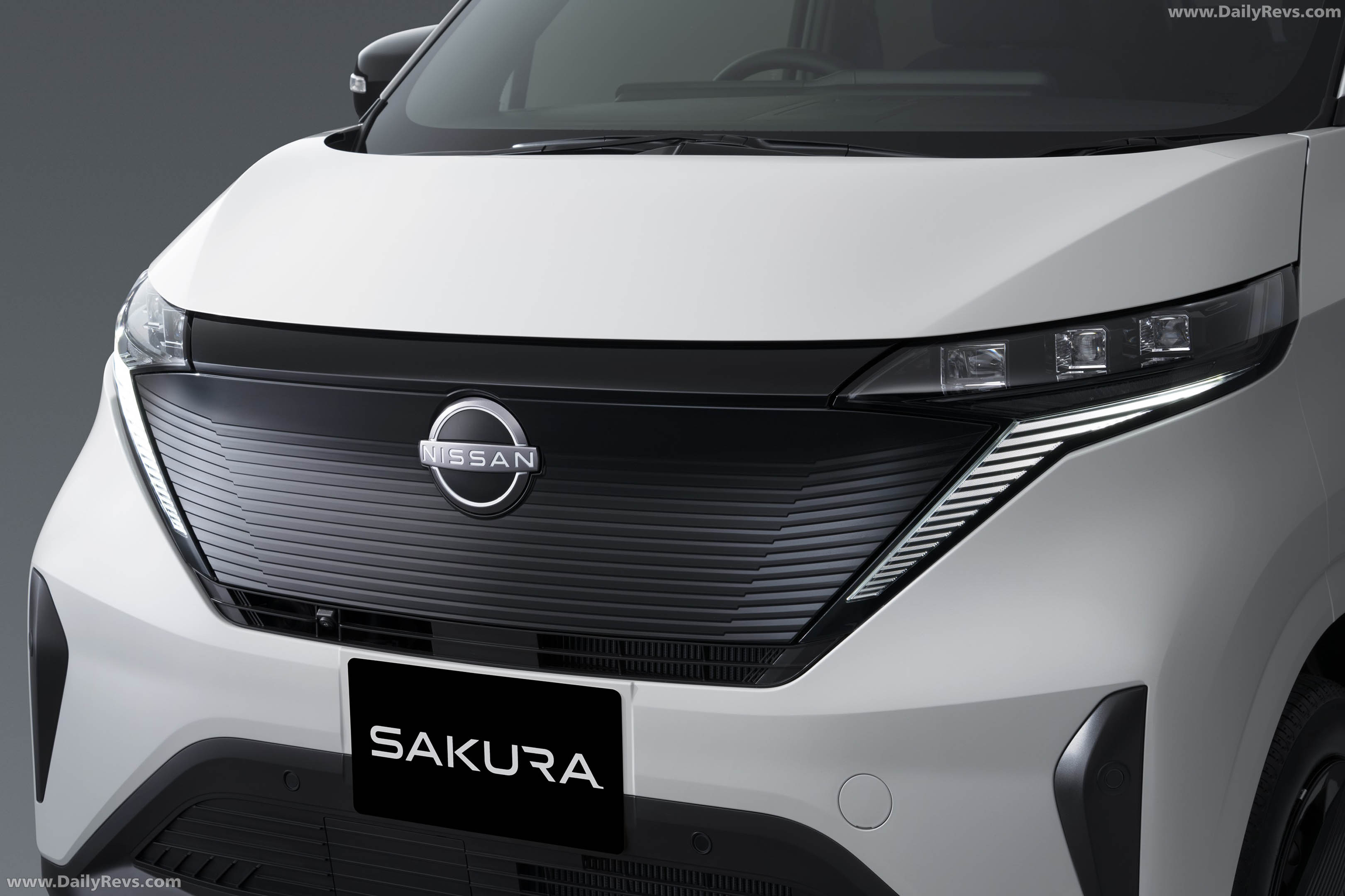
Updated front design with body-colour grille and copper accents.
New convenience features improve everyday usability.
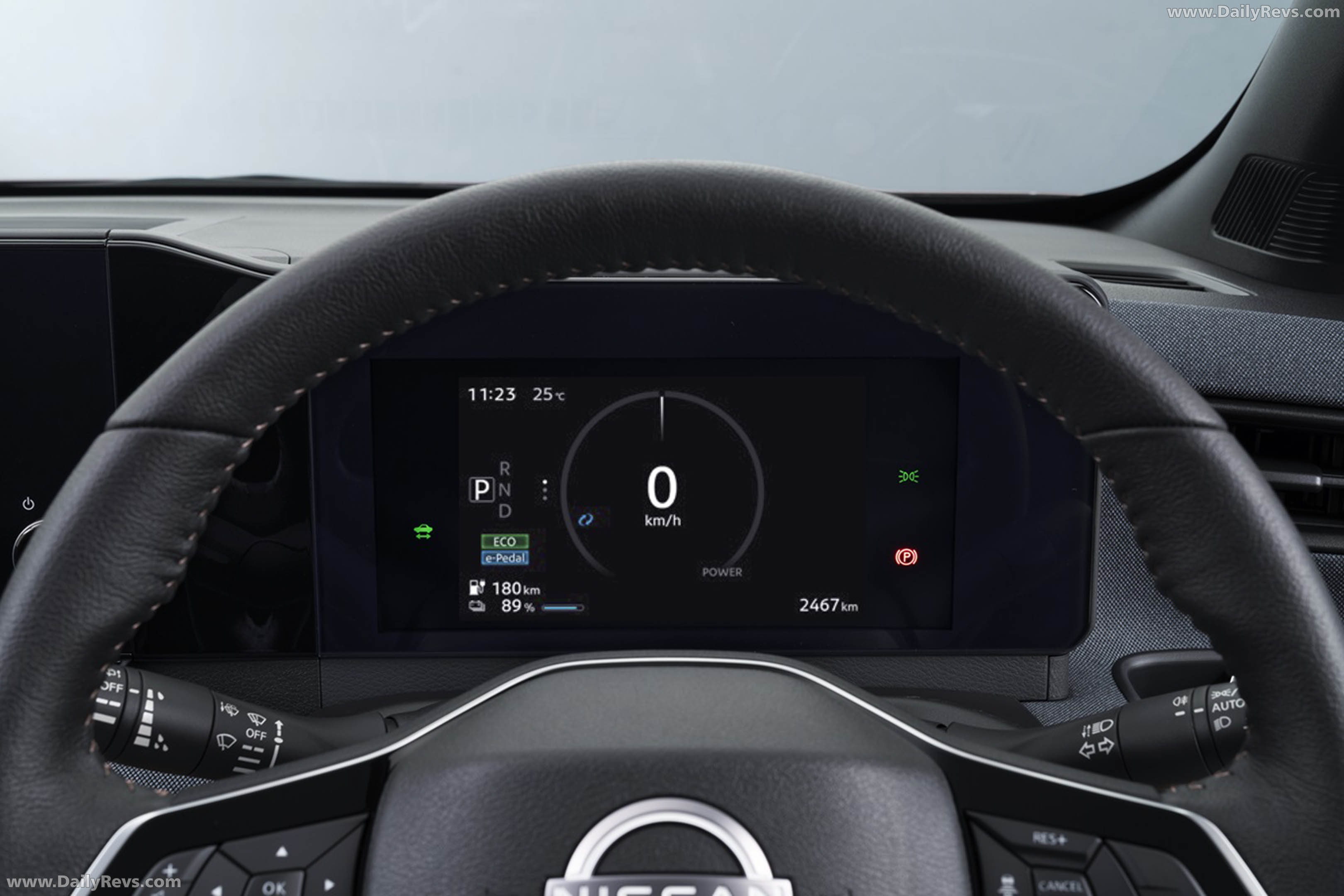
20kWh battery with up to 180 km WLTC range.
A gentle refresh rather than a redesign
The 2026 Nissan Sakura hasn’t been overhauled. It doesn’t feel like that kind of update.
At a glance, it looks almost identical to before. Same upright kei car proportions, same compact footprint. The changes come into focus only after a closer look.
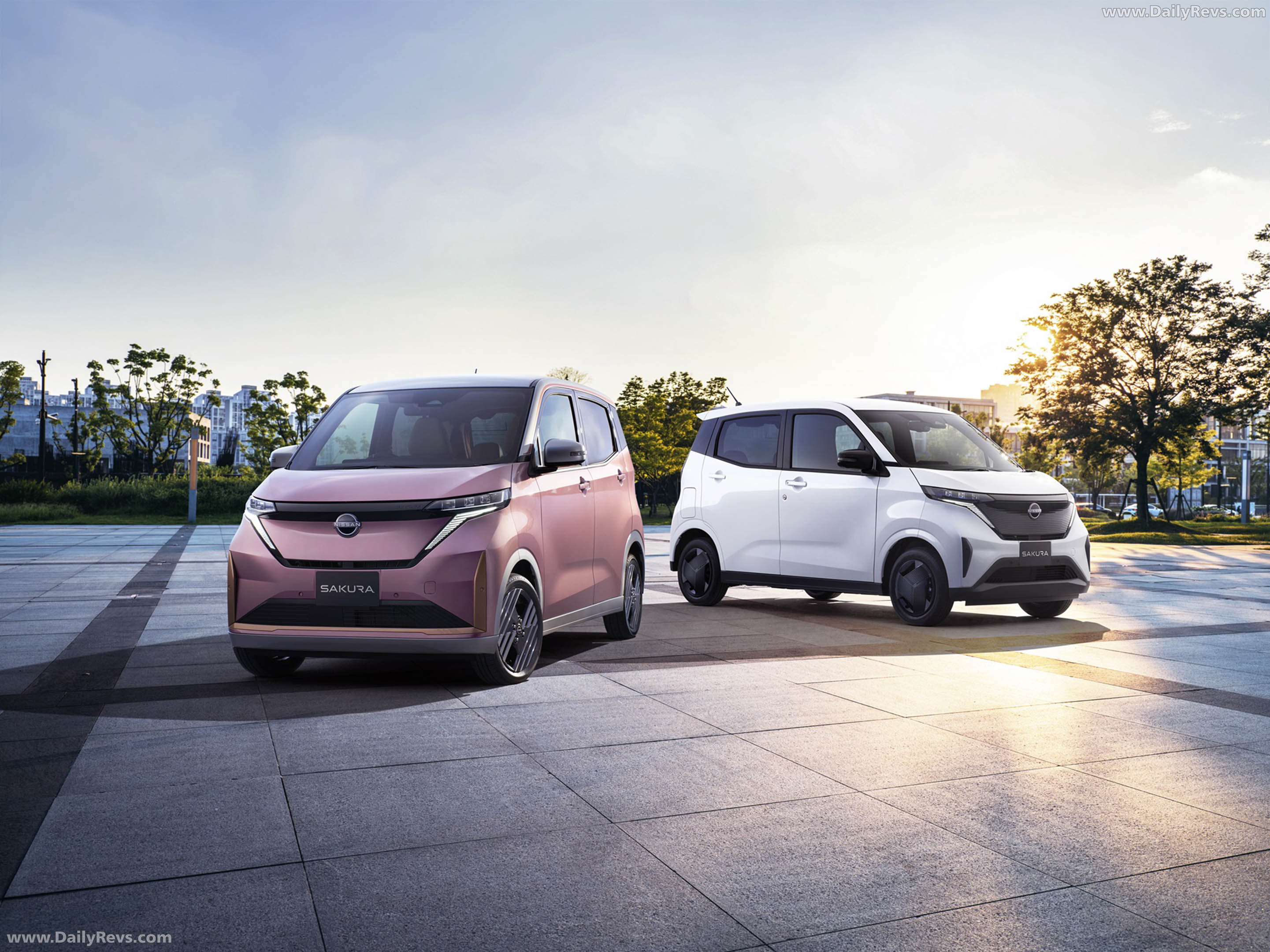
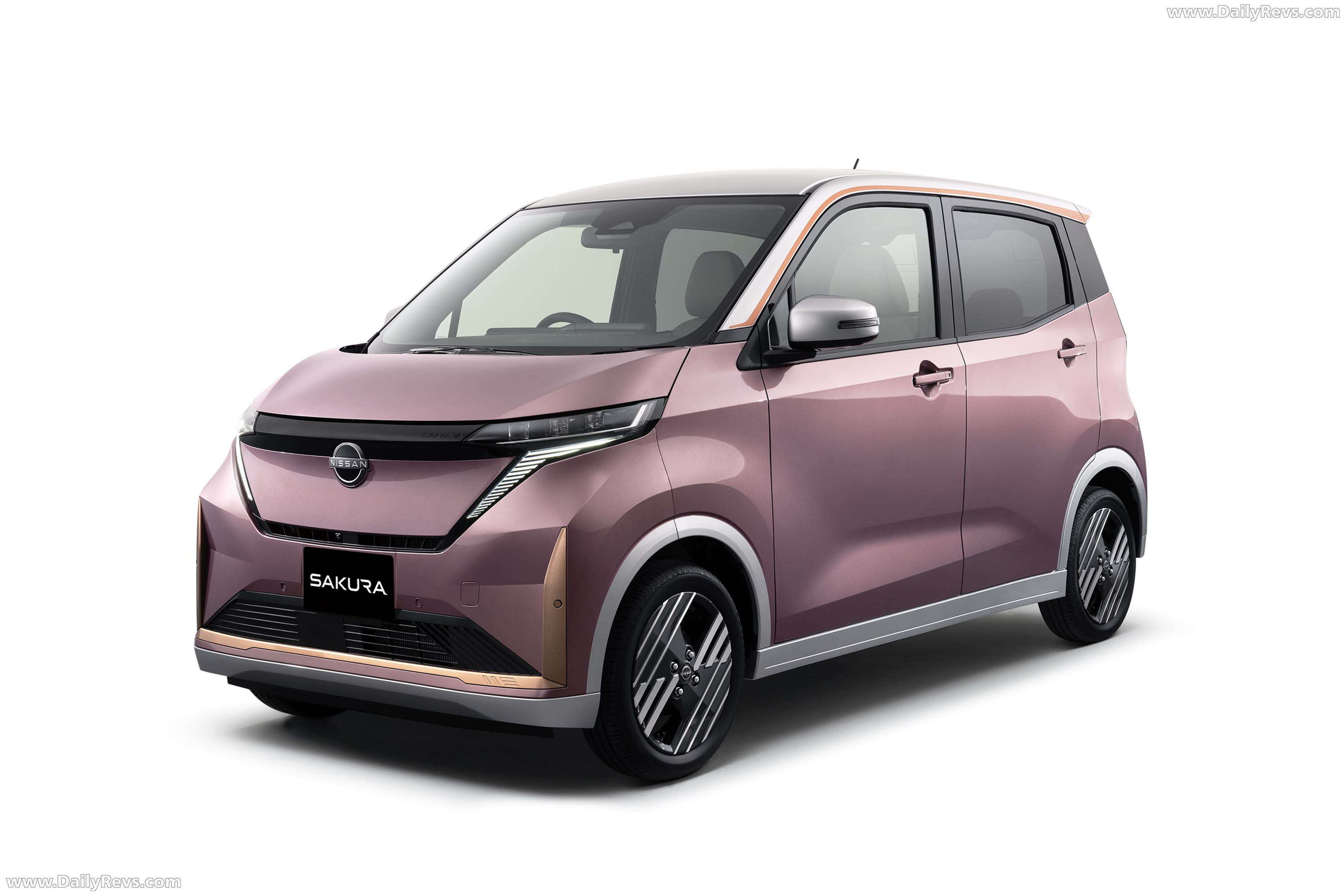
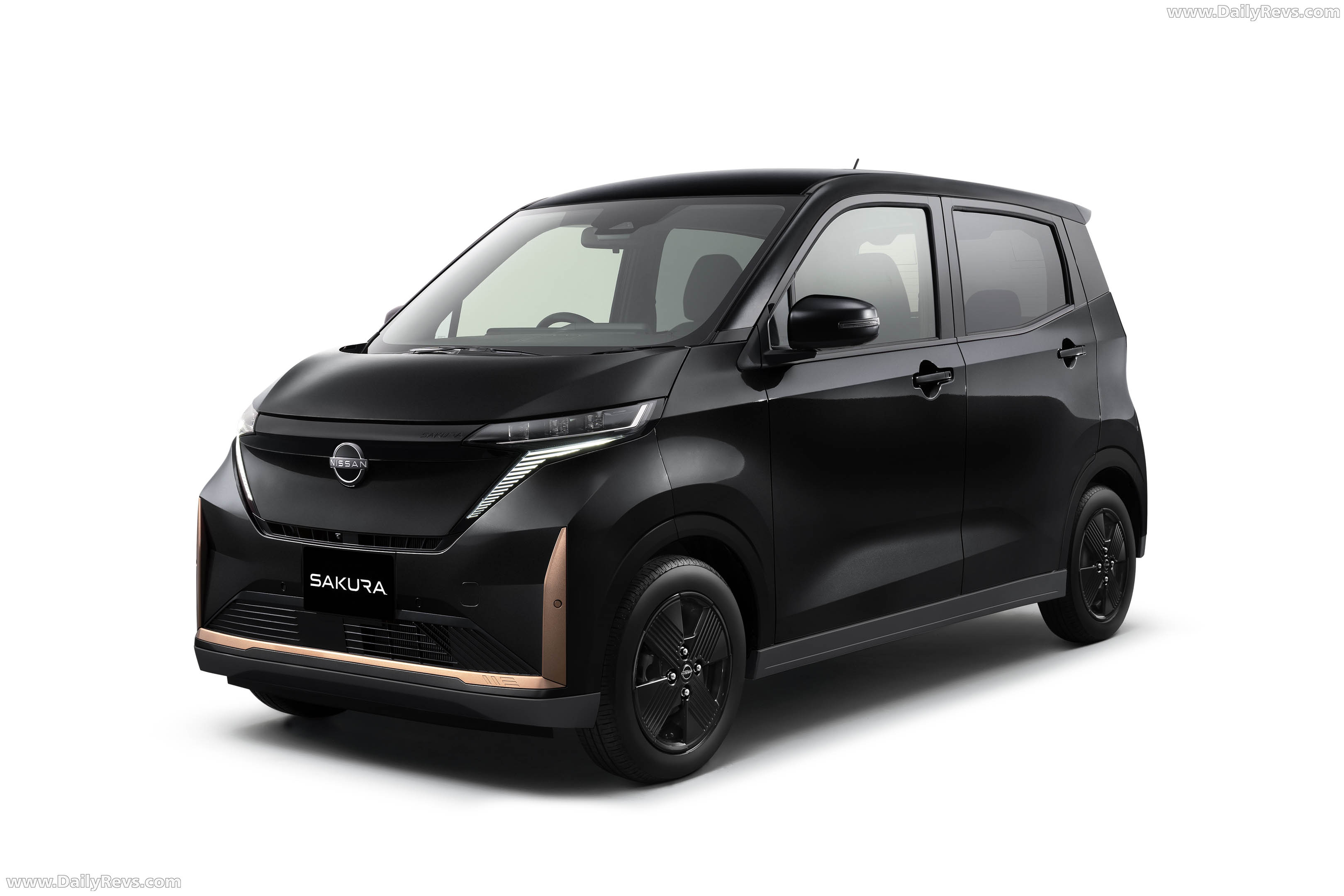
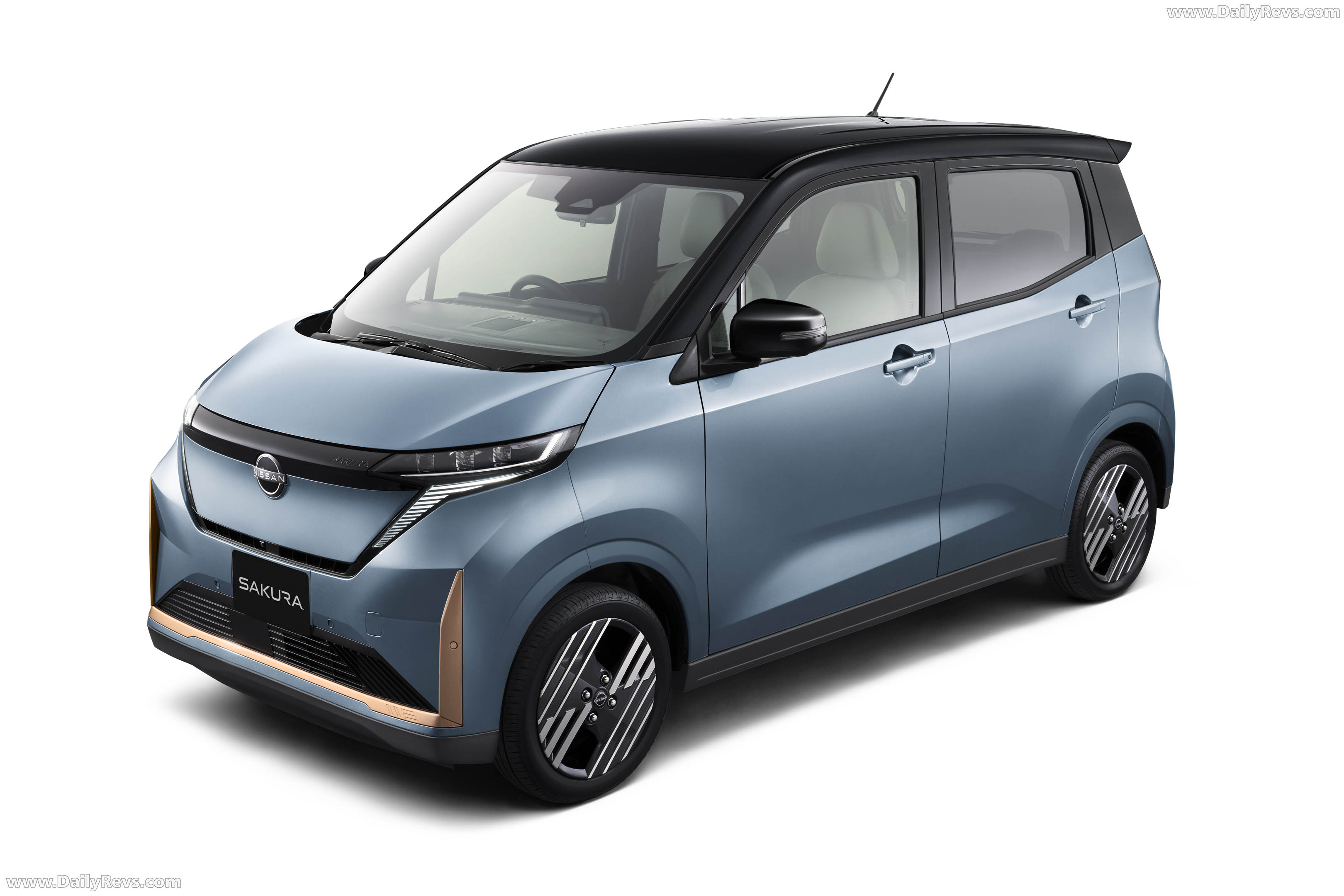
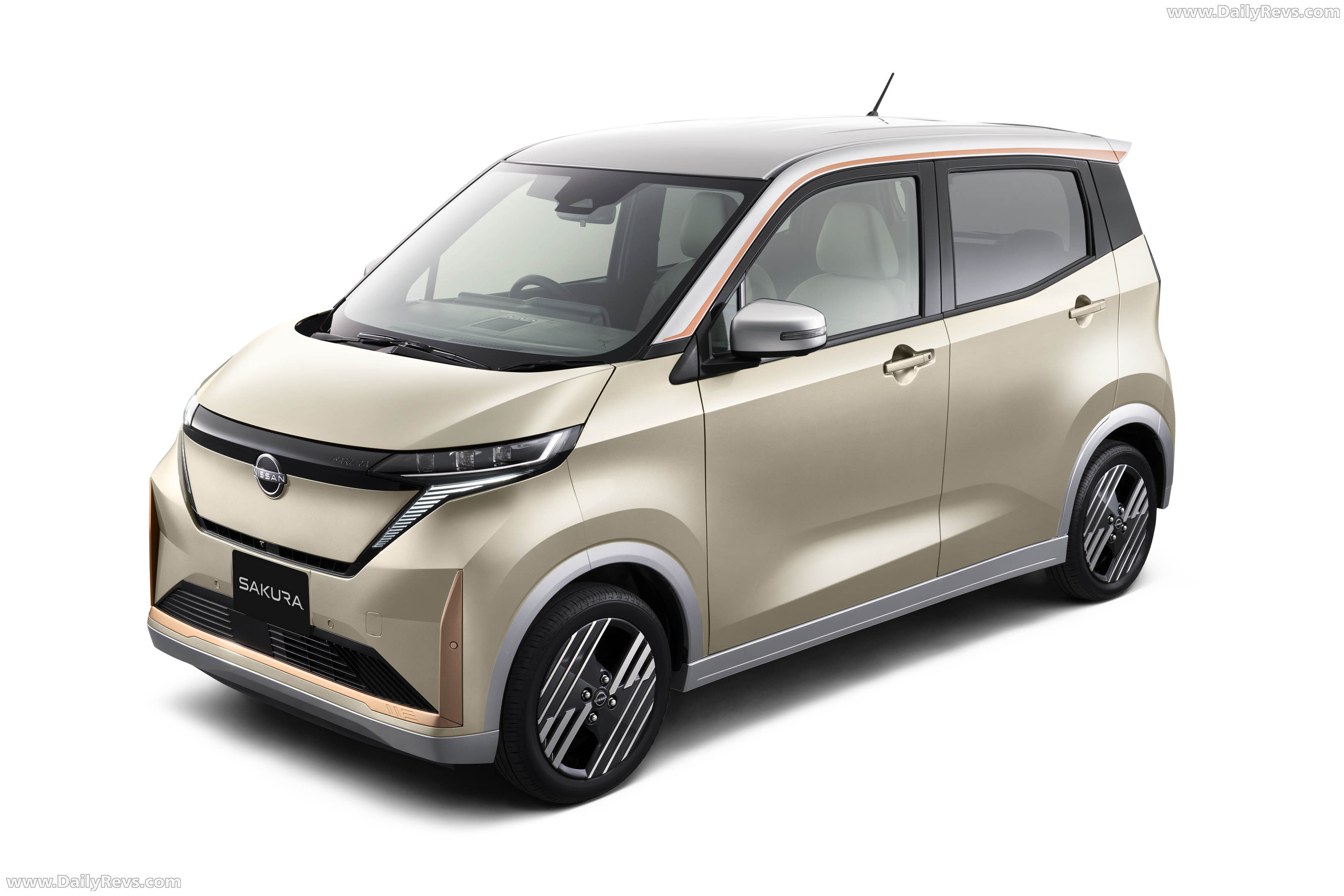
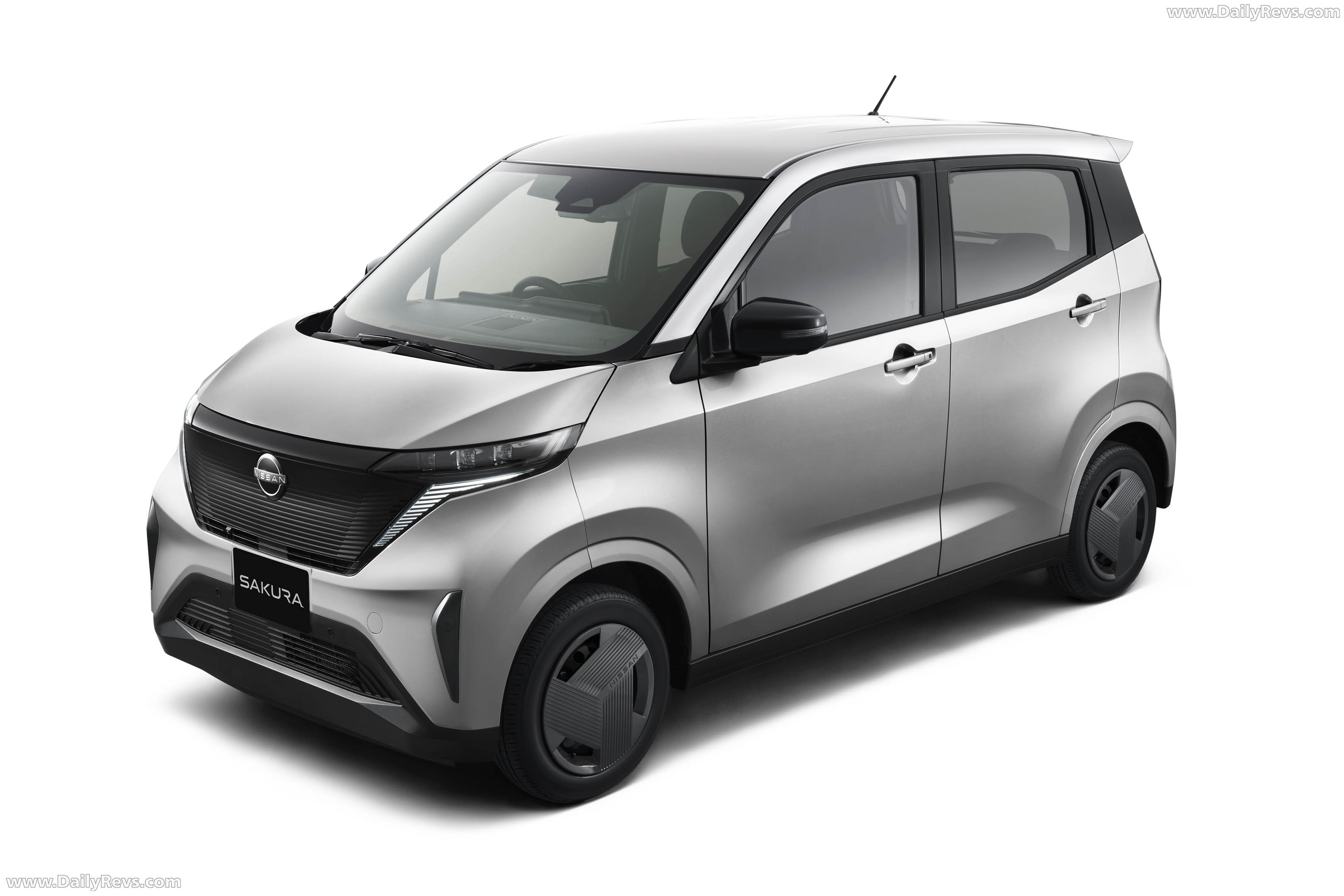
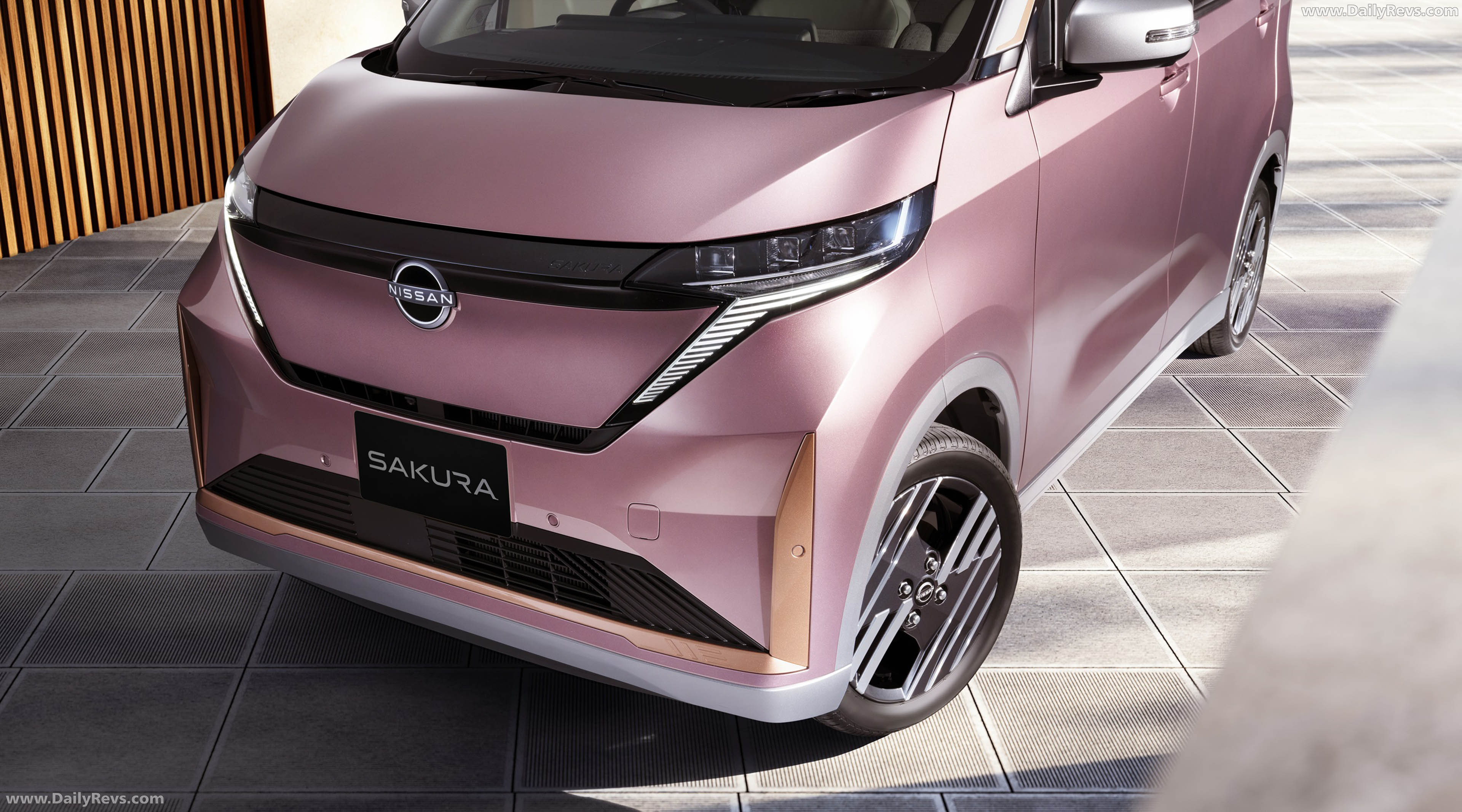
On G and X grades, the front grille is now finished in body colour. It blends more naturally into the rest of the nose, softening what used to be a slightly more contrast-heavy face. Around it, there are copper accents in the bumper, adding a bit of warmth without drawing too much attention.
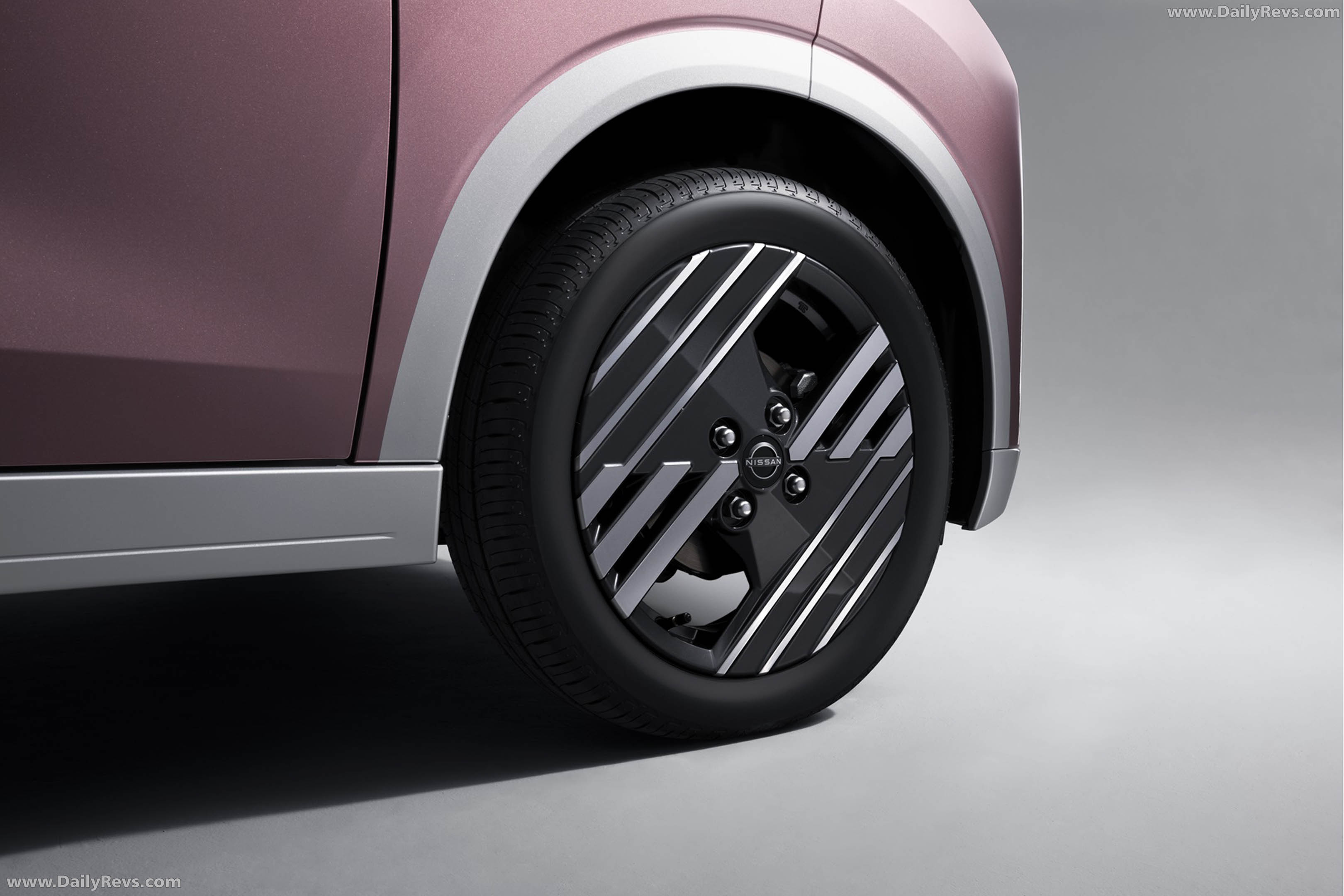
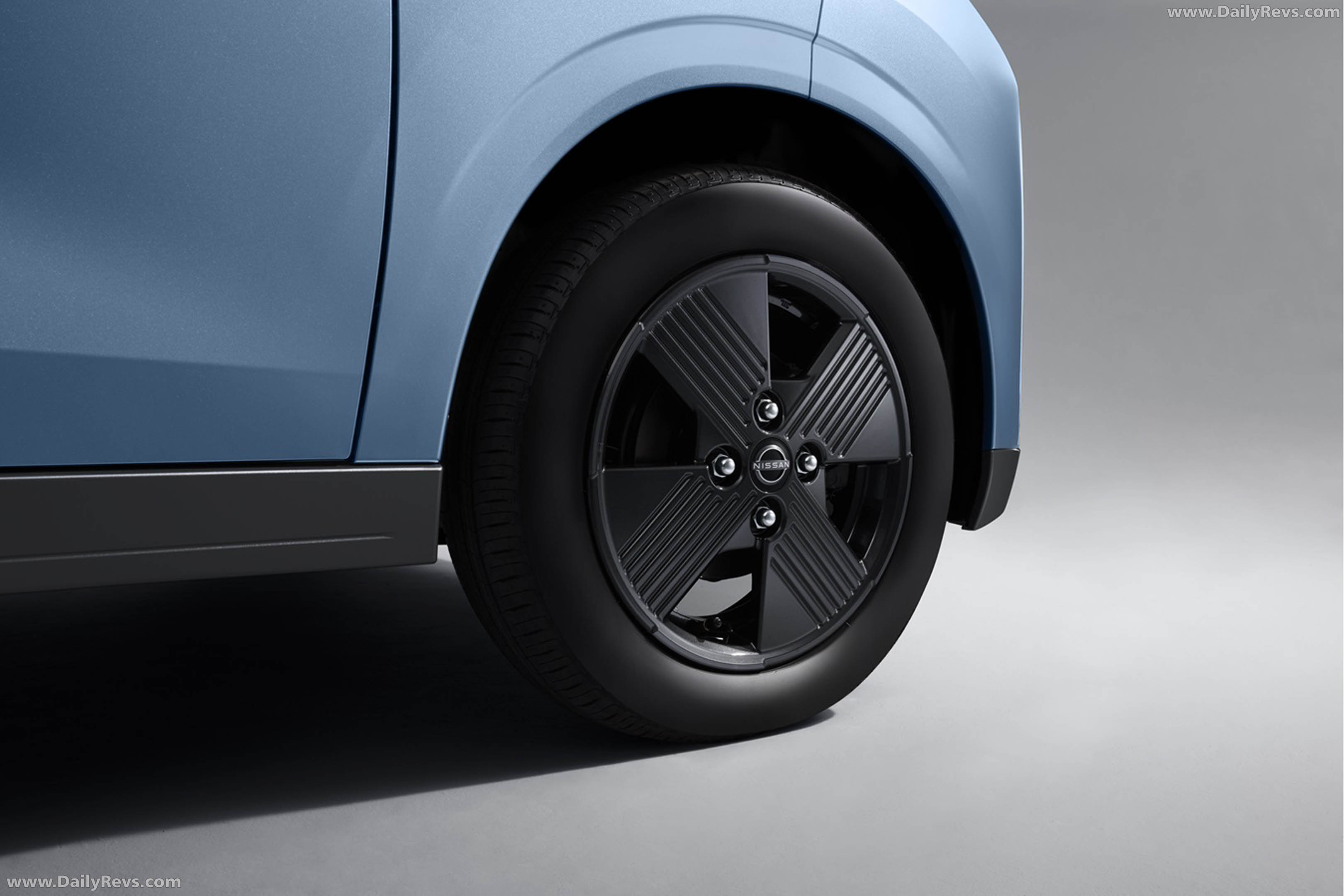
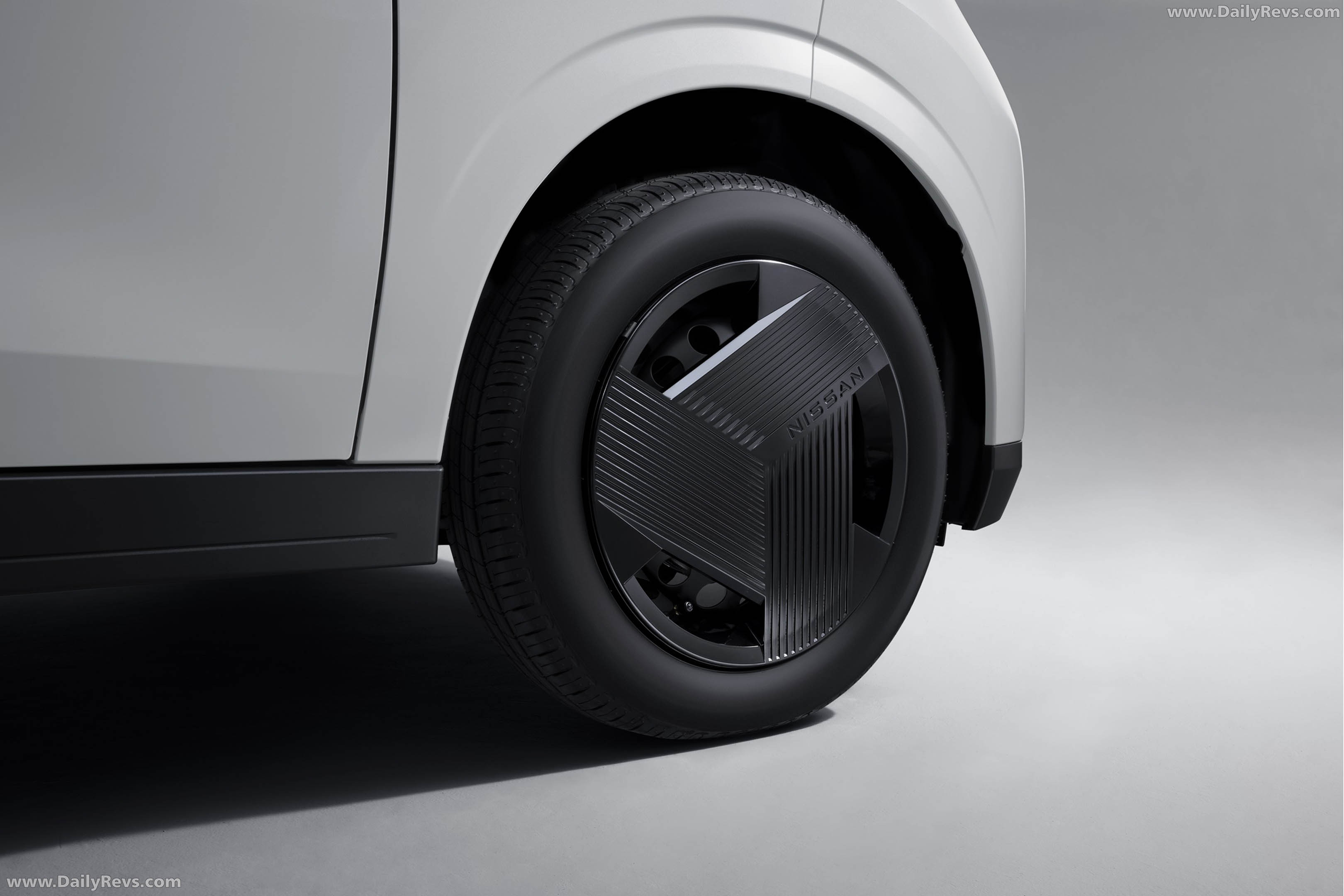
The wheels have been reworked as well. Still 15-inch alloys, but now styled around a traditional “mizuhiki” motif. It’s a small detail, and easy to miss, but it adds a bit more personality once you notice it.
Compact proportions remain untouched
Nothing changes in terms of size.
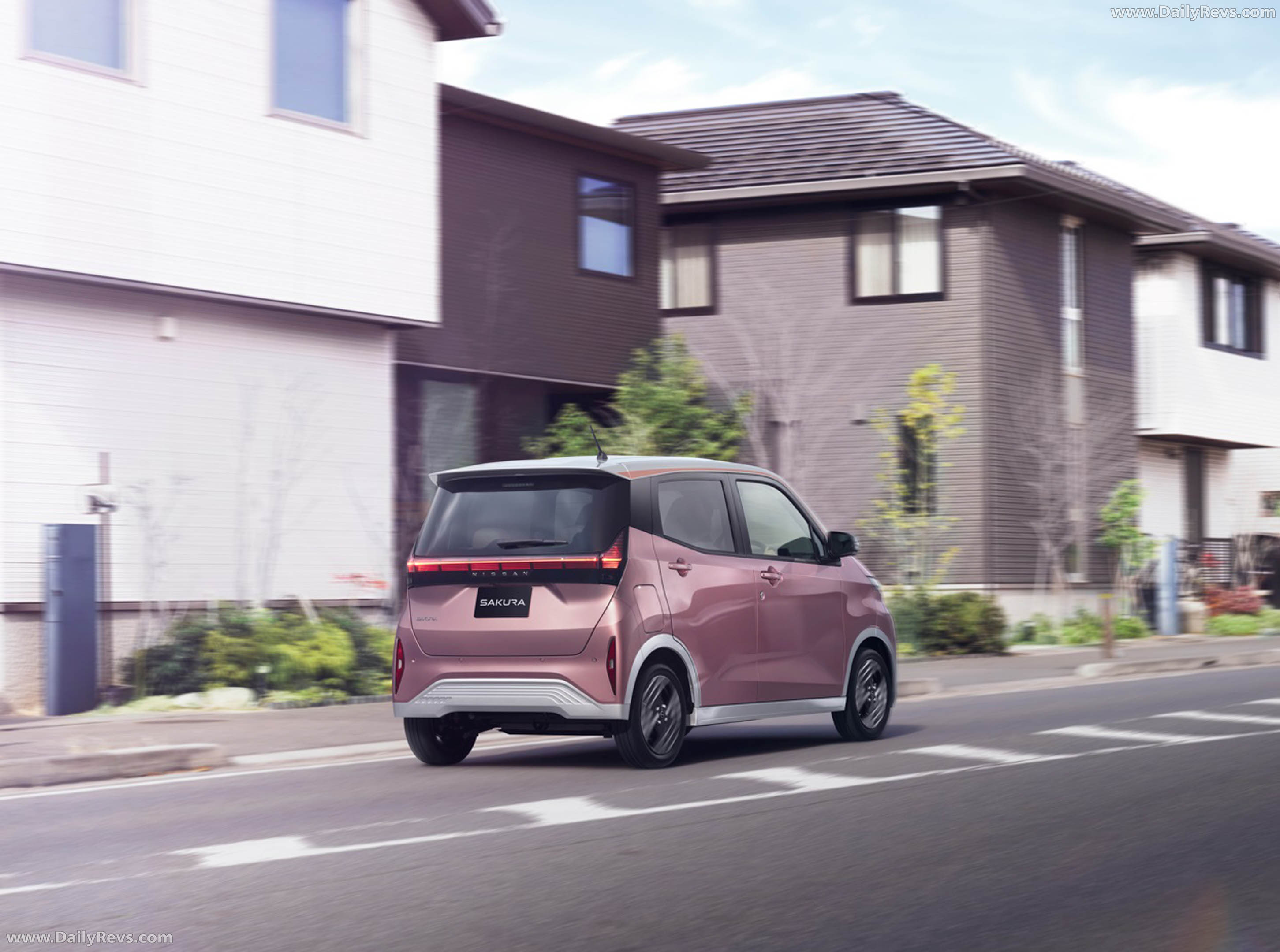
The Sakura stays within kei car limits, which means a length under 3.4 metres and a narrow width designed for tight streets. That’s part of its appeal, especially in urban areas where space is limited.
The wheelbase remains unchanged too, so the stance and driving feel should be familiar. There’s no attempt here to stretch the car or give it more presence.
It’s still built around ease of use first, everything else second.
Interior tweaks focus on small daily details
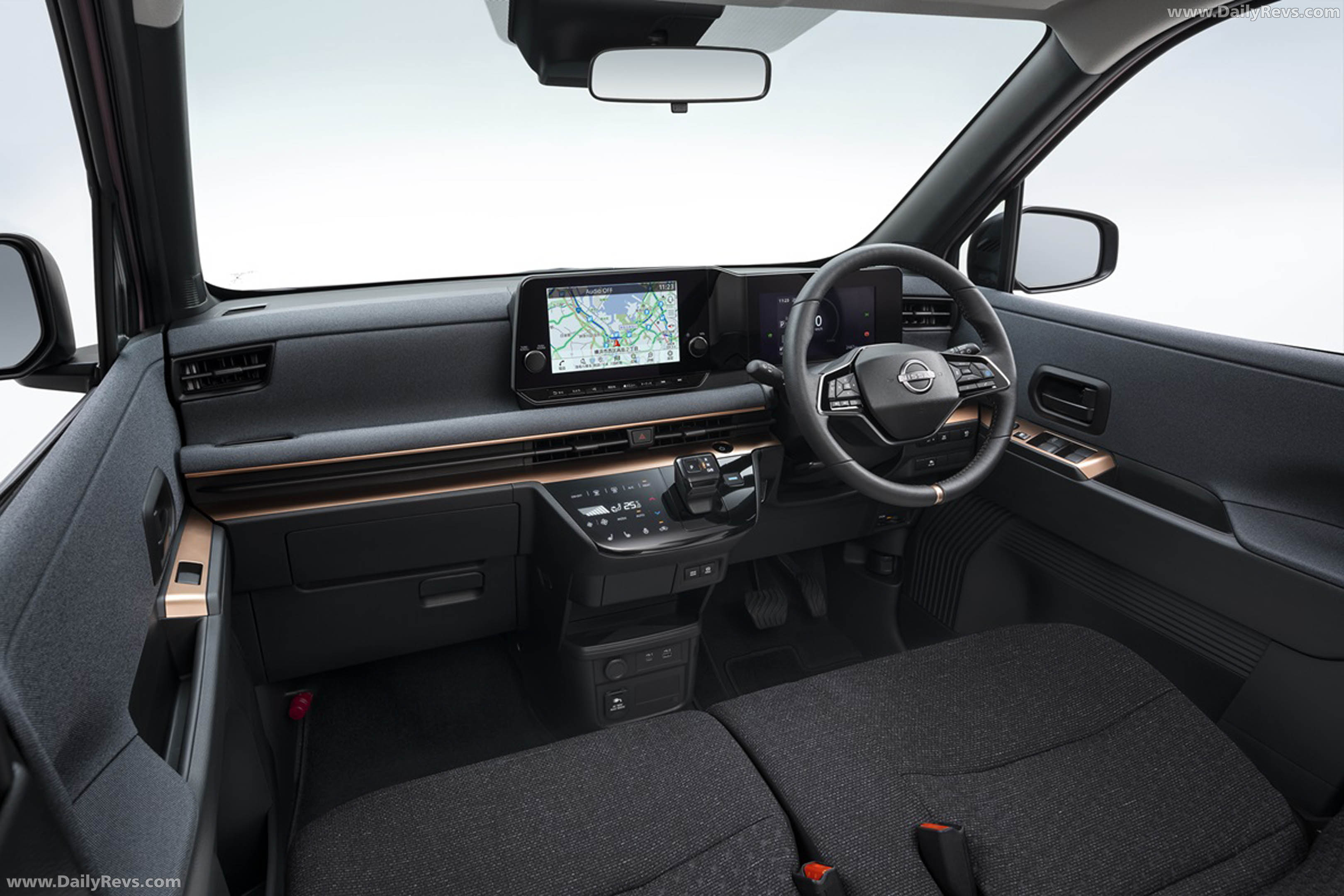
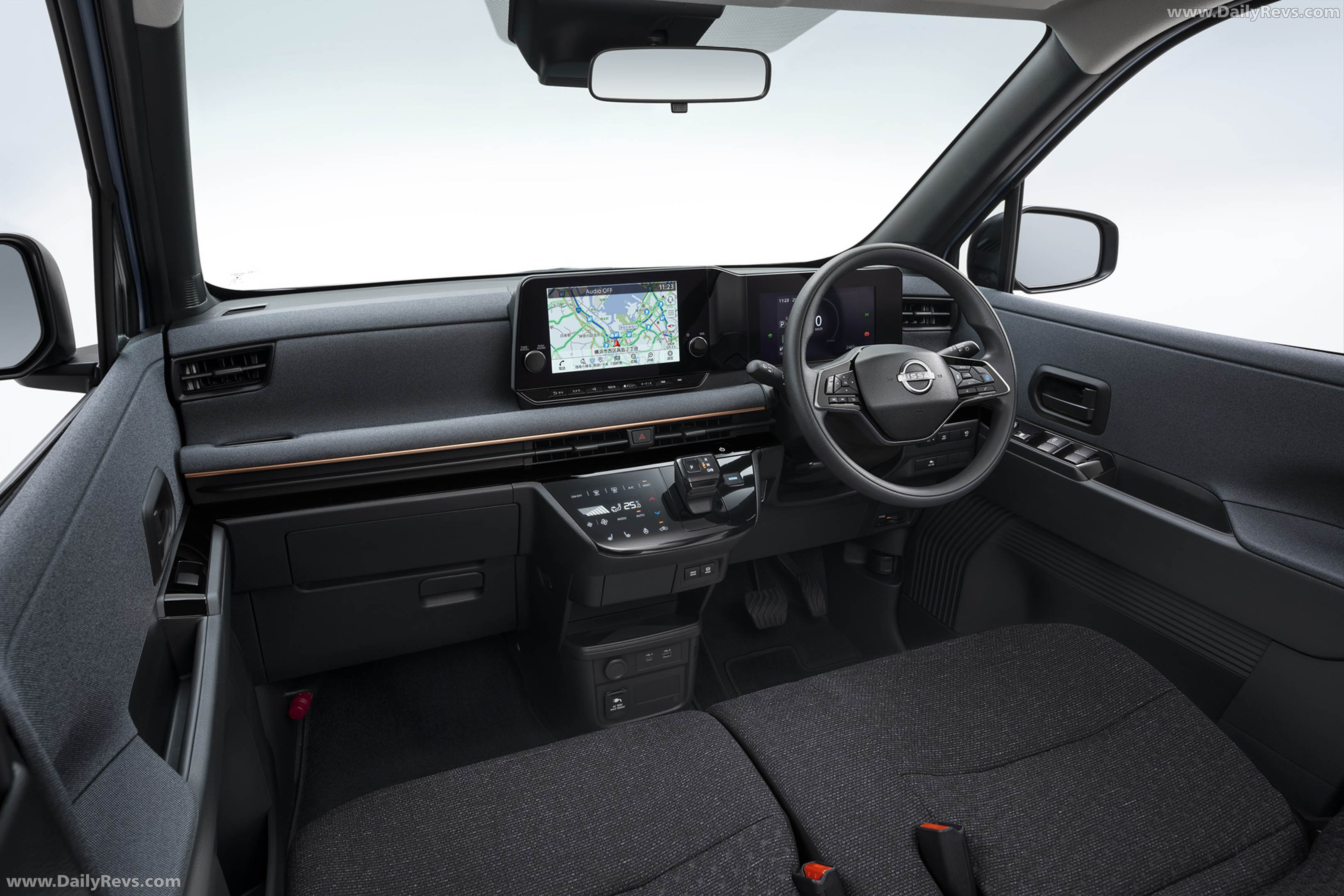
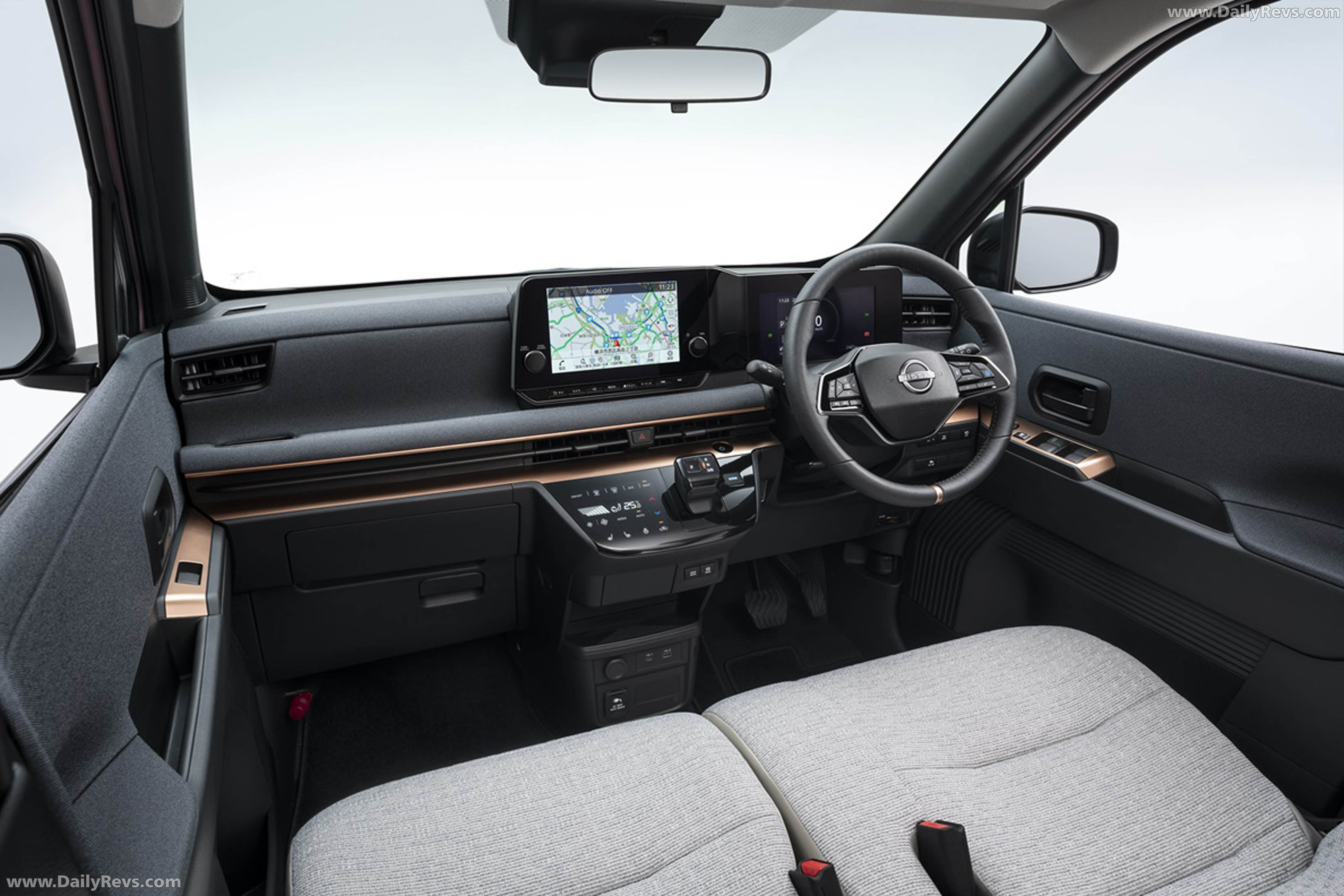
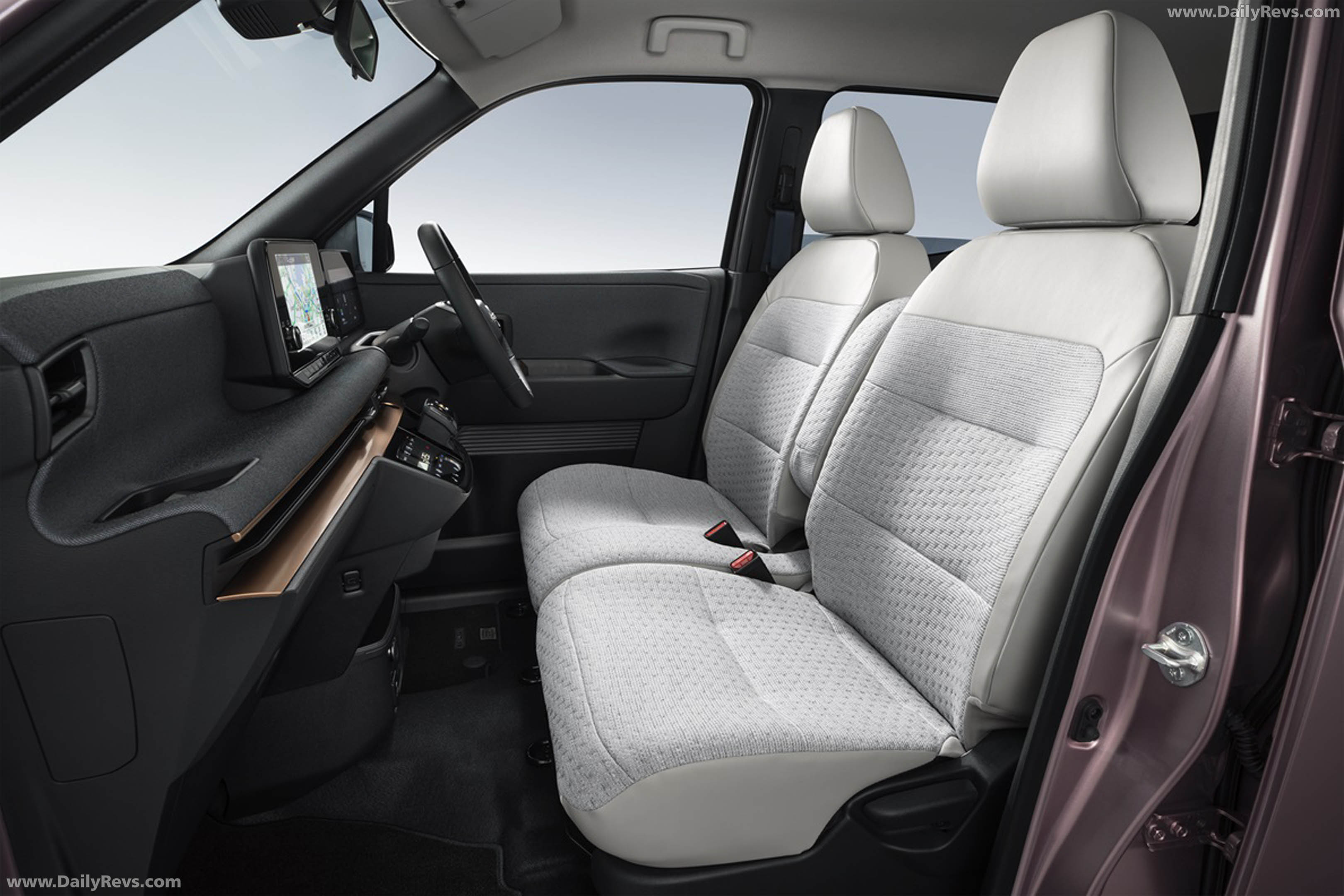
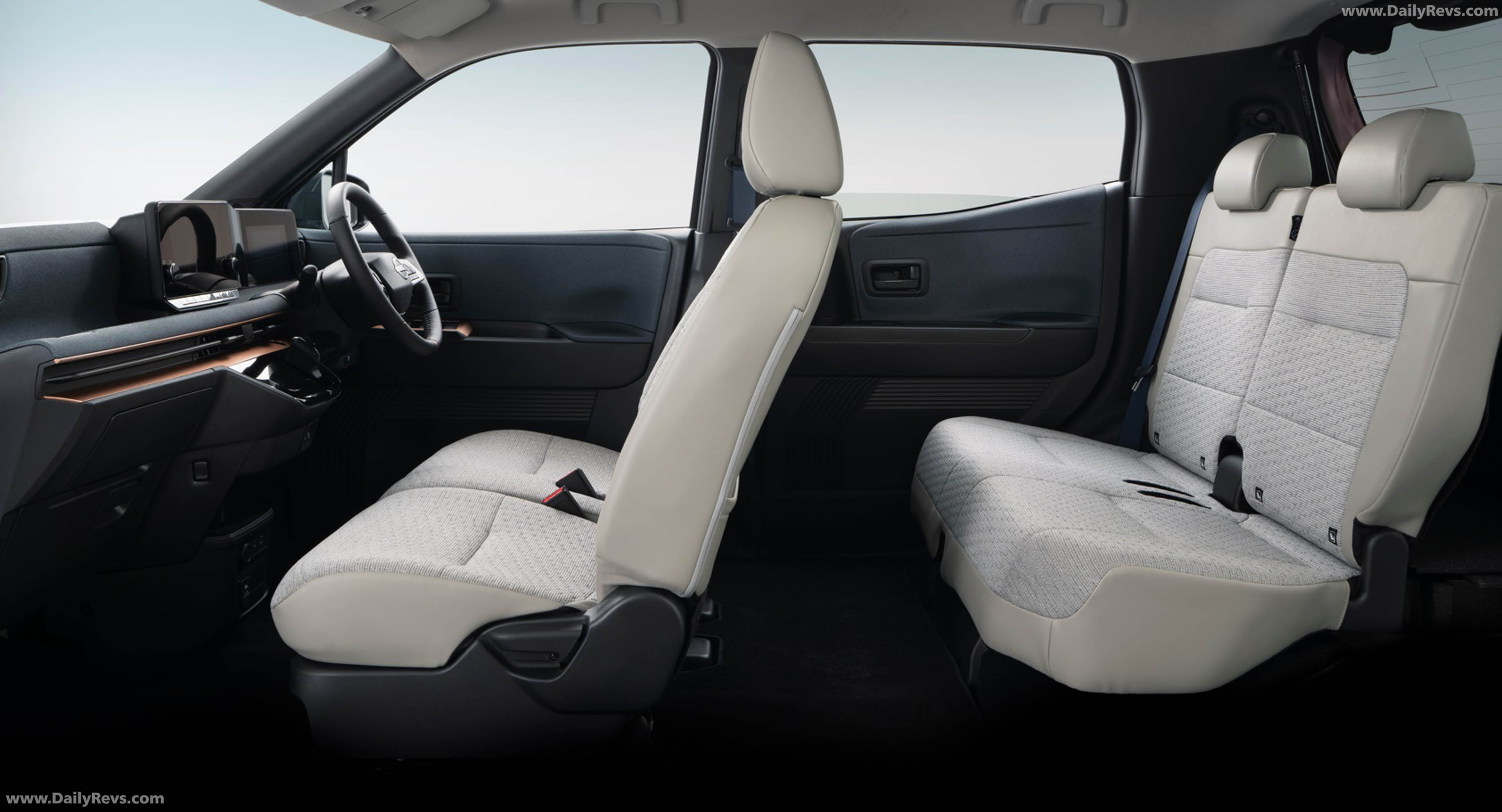
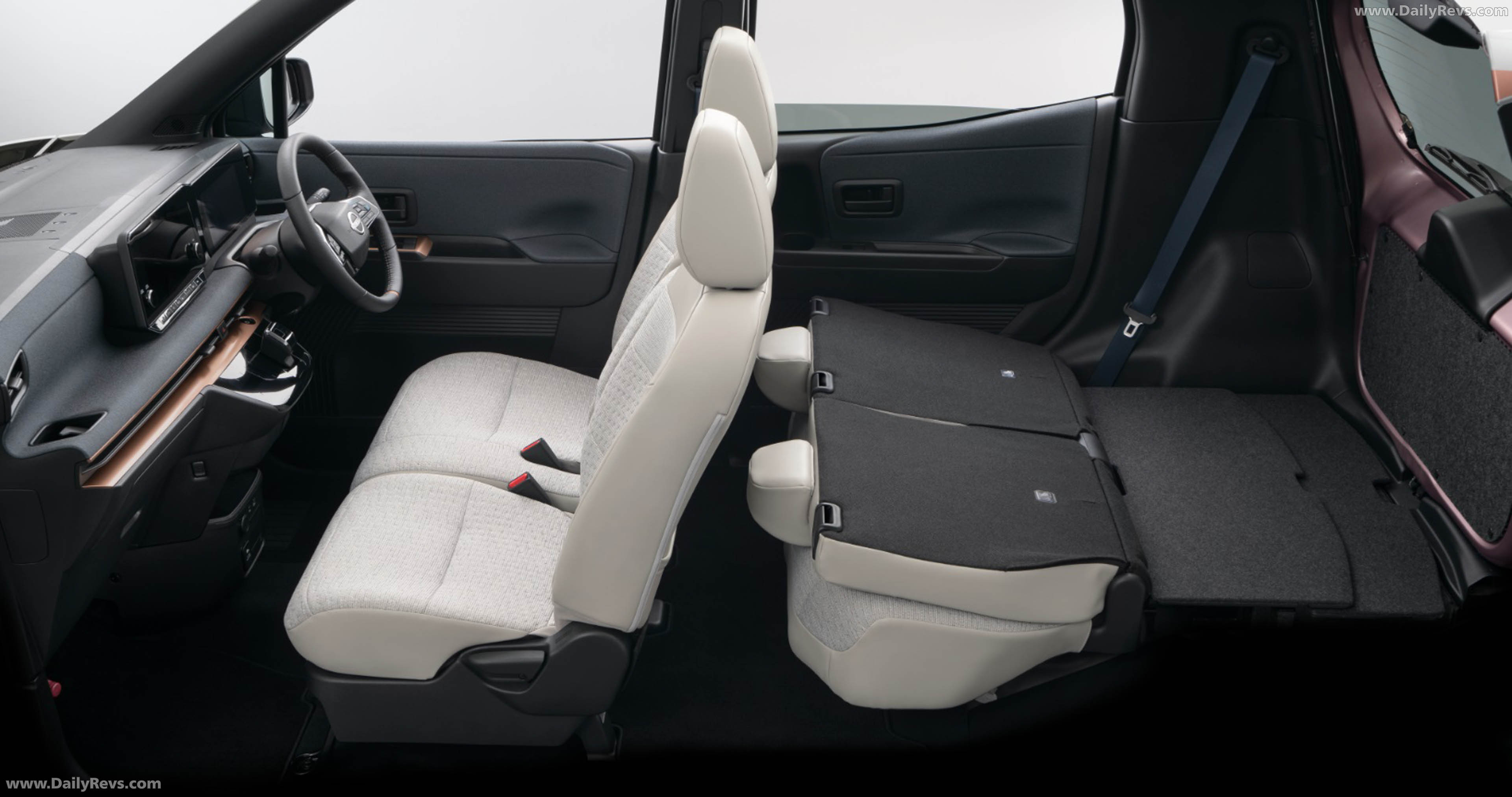
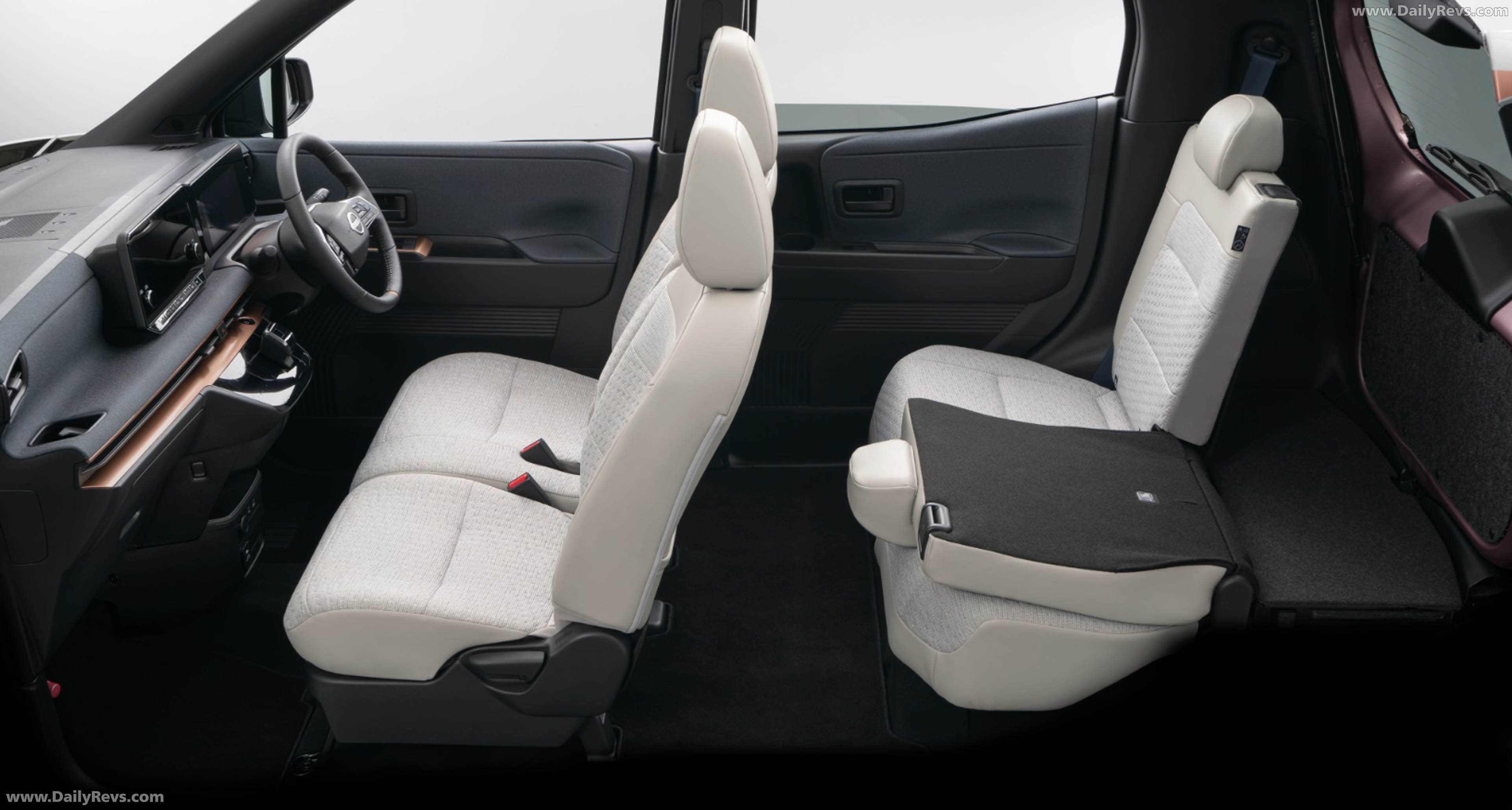
Inside, the layout stays the same, but a few updates stand out.
One of the more noticeable changes is the addition of automatic locking features. The car can now unlock when the driver approaches and lock again once they walk away. It’s the kind of feature that doesn’t seem important at first, but quickly becomes part of the routine.
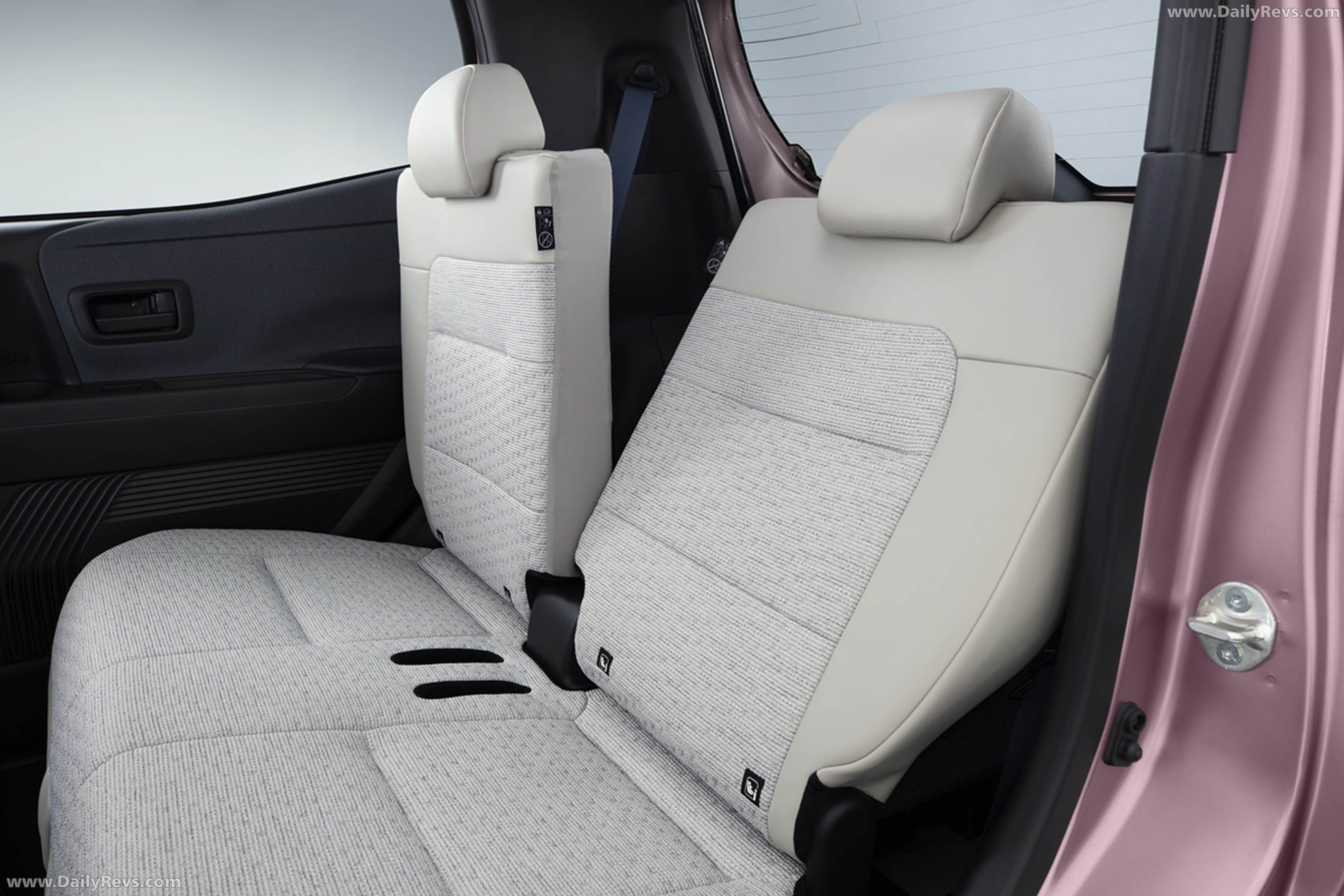
There’s also a rear seat reminder system, aimed at preventing items from being left behind.
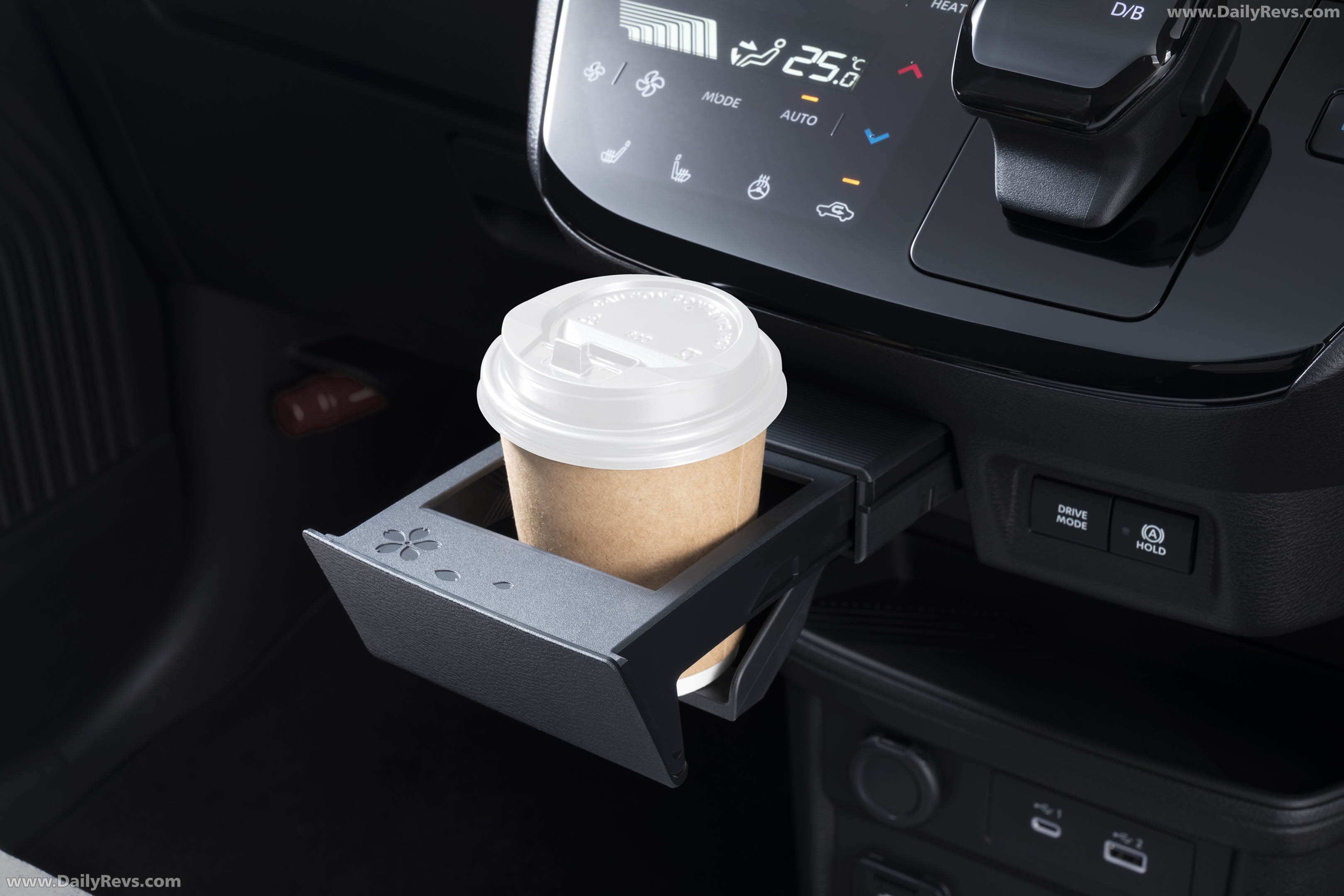
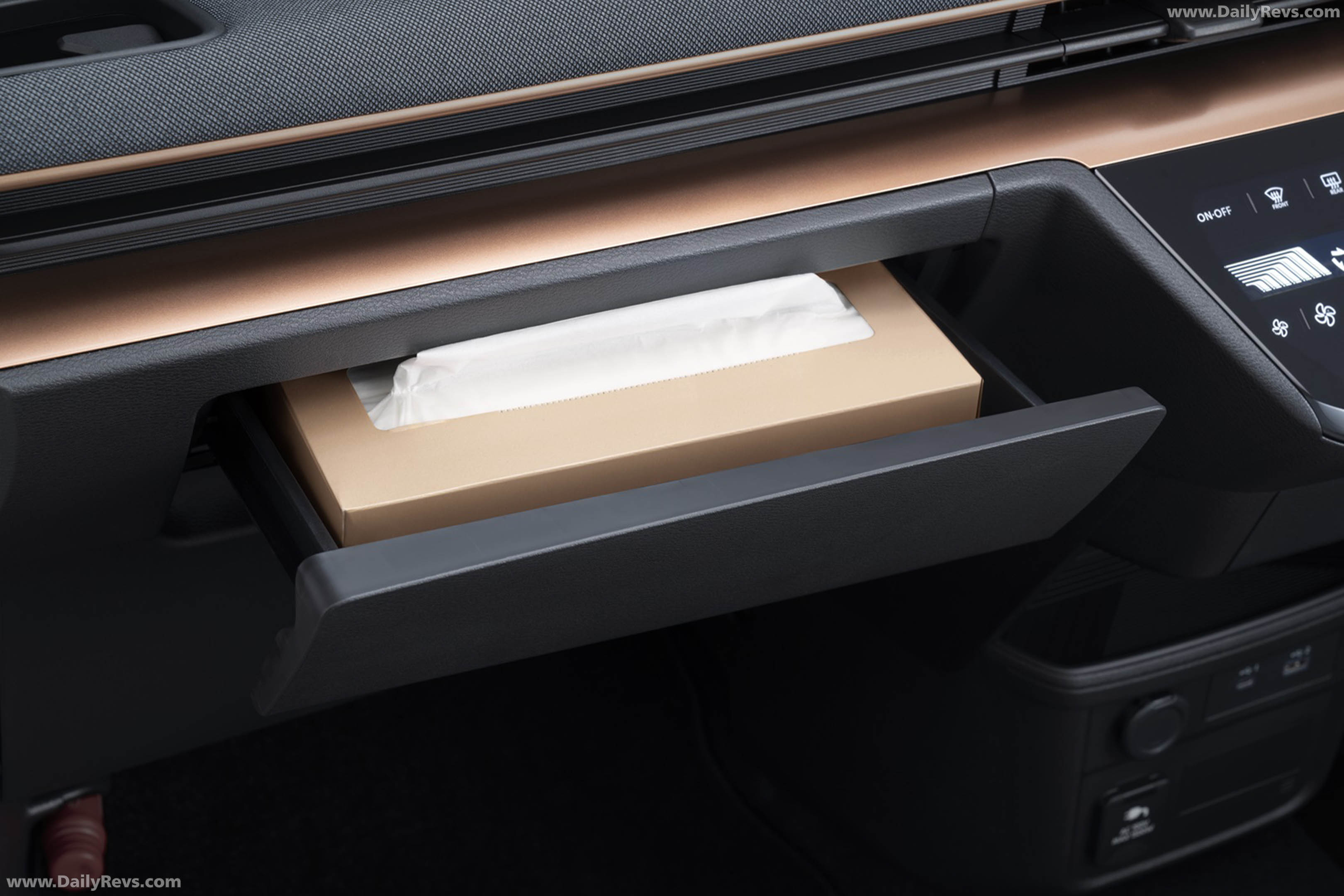
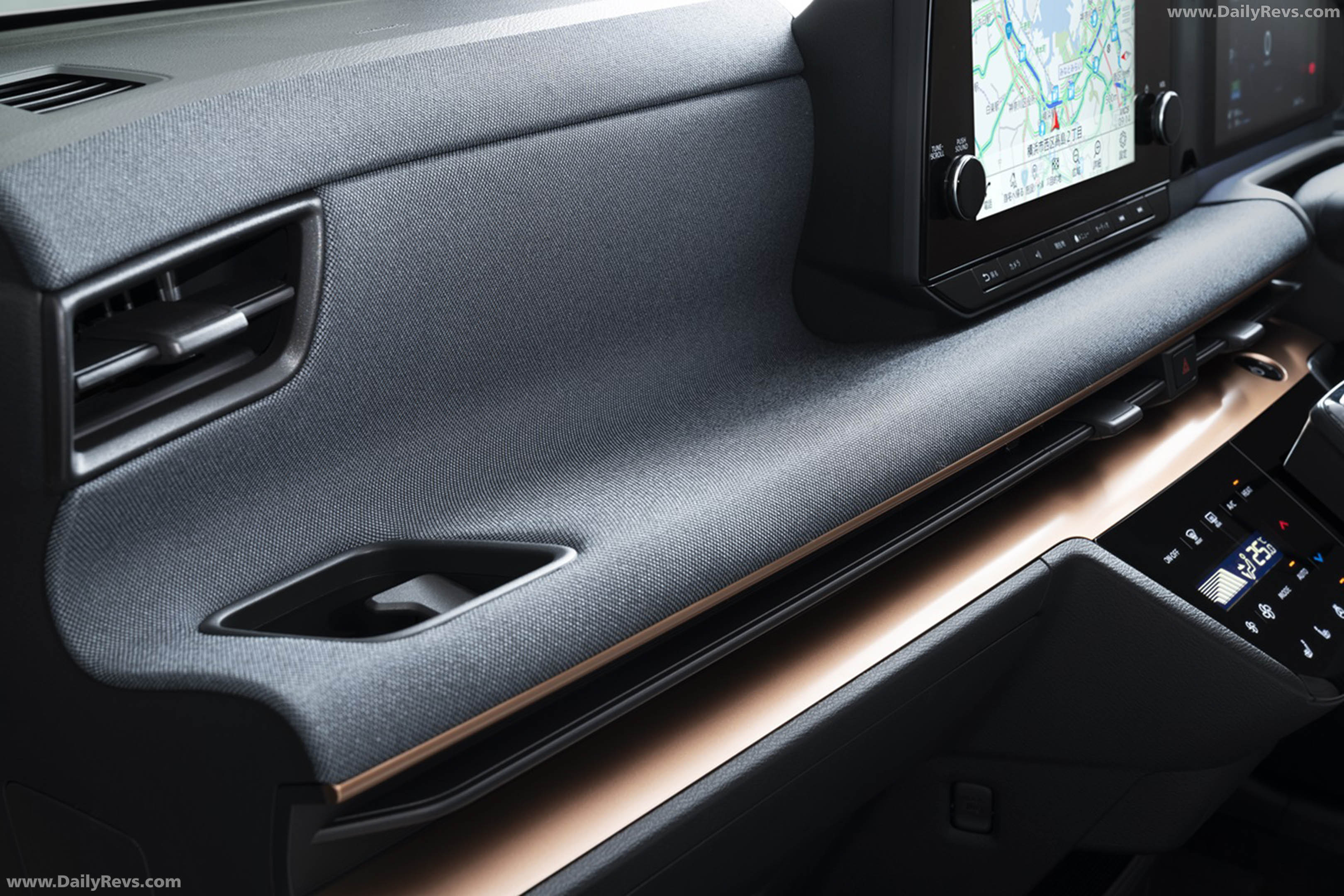
Some of the smaller usability tweaks are easier to overlook. A new cupholder on the passenger side, a relocated drive mode switch, and improvements to how the air conditioning directs airflow. None of these change the cabin dramatically, but together they make it easier to live with day to day.
Nissan hasn’t detailed exactly how the airflow system has been revised. [Unverified]
Same electric setup continues underneath
Mechanically, nothing shifts.
The Sakura continues with a 20kWh battery and a motor producing 47kW and 195Nm. It’s a setup designed for city use, where quick responses at low speeds matter more than outright power.
Range remains at up to 180 km under WLTC testing. Charging times are unchanged too — roughly eight hours on AC and about 40 minutes to reach 80 percent on a fast charger.
Top speed is listed at 130 km/h, which aligns with how the car is expected to be used.
It’s a familiar package, and Nissan has chosen to leave it that way.
Added functionality beyond driving
One area that does see a practical upgrade is power supply.
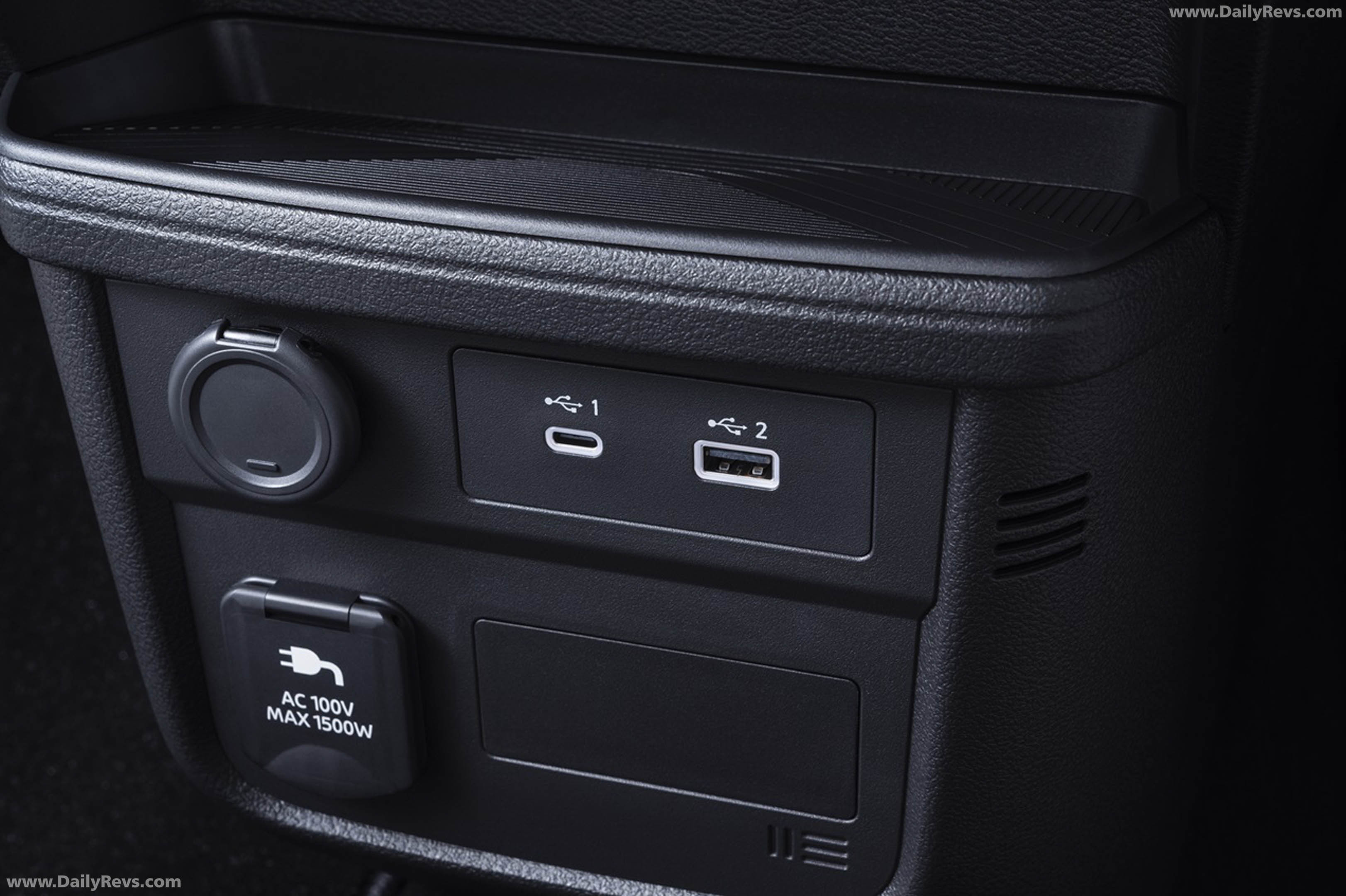
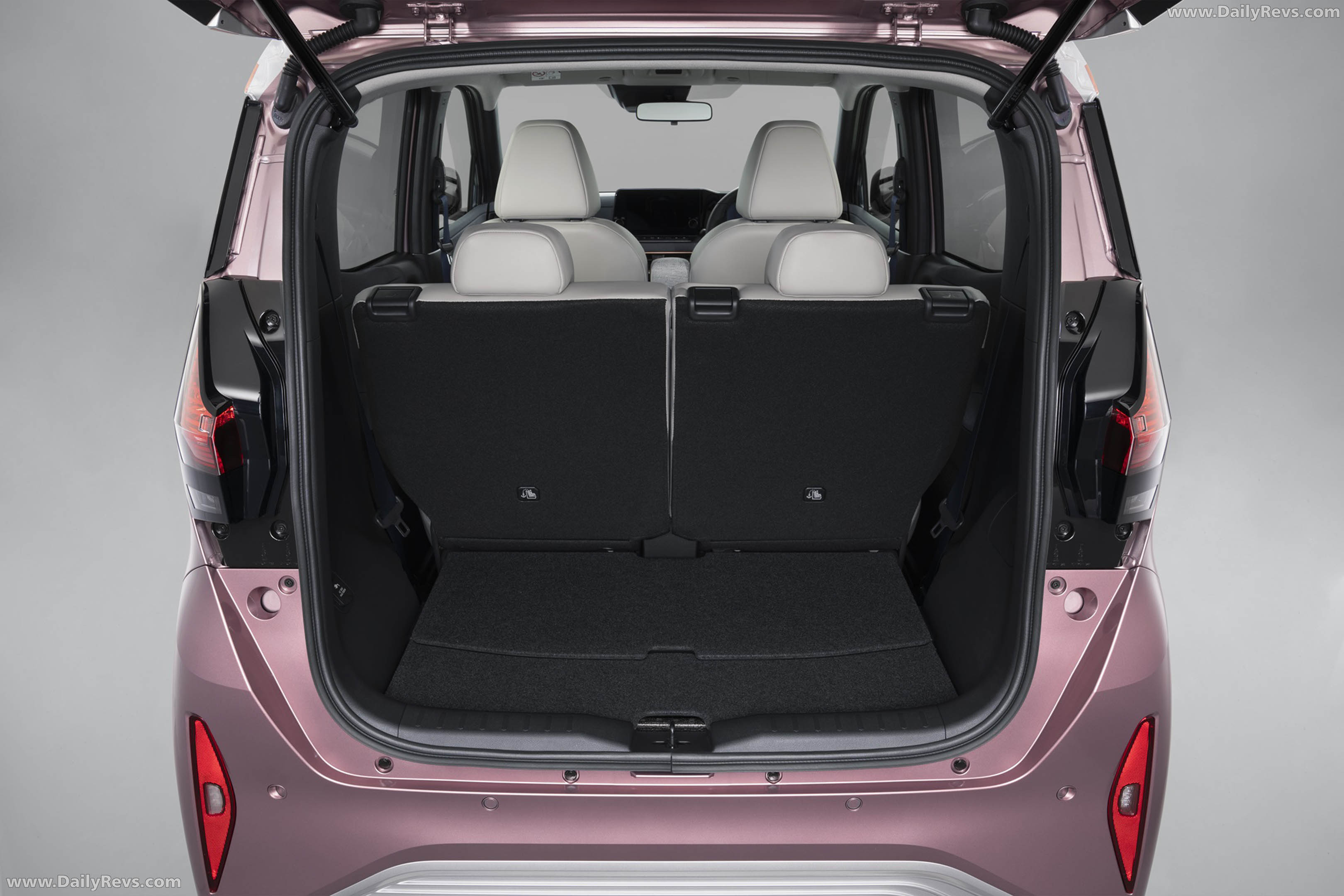
The Sakura now offers 100V AC outlets, capable of delivering up to 1500W. They’re located both in the cabin and in the luggage area.
That opens up some interesting use cases. Charging devices, running small appliances, or even acting as a backup power source during outages.
There’s also a new lock mechanism for the charging port, aimed at preventing tampering. Again, a small detail, but one that fits the car’s everyday focus.
A steady update to a proven formula
The 2026 Nissan Sakura doesn’t try to change direction.
Since its launch in 2022, it has been one of Japan’s best-selling EVs. This update builds on that, rather than replacing it.
The design is slightly cleaner, the cabin a bit more convenient, and the core mechanical setup stays the same.
It’s a quiet update. But for a car like this, that probably makes sense.