

2025 Nissan Sakura Ao-Solar Extender
By Lorenzo Bianchi October 31, 2025
New Ao-Solar Extender system generates up to 500W of solar power.
Provides up to 3,000 km of annual solar-assisted range.
Concept developed under Nissan’s “Re:Nissan” innovation plan.
Nissan’s Solar Future Begins with the Sakura
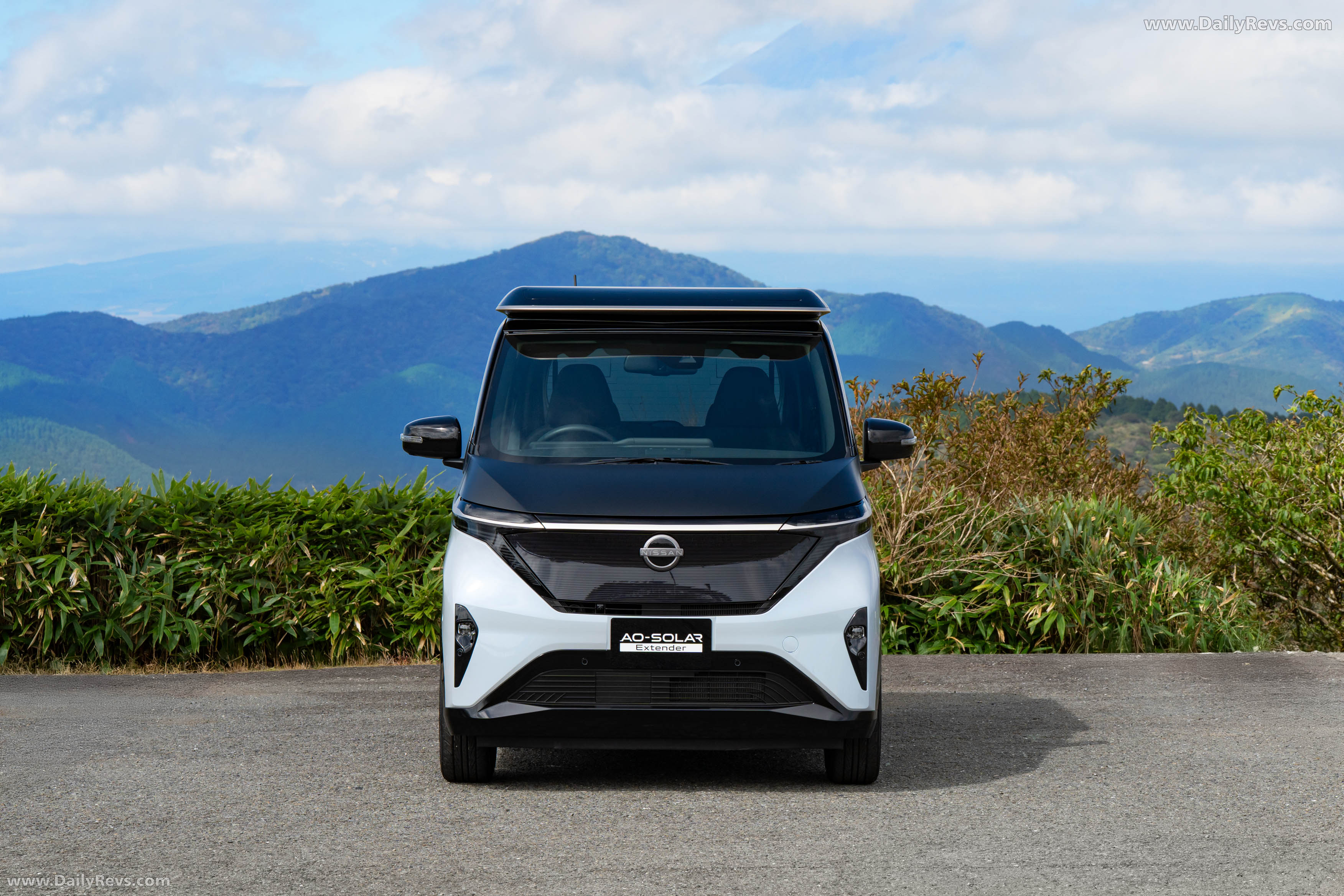
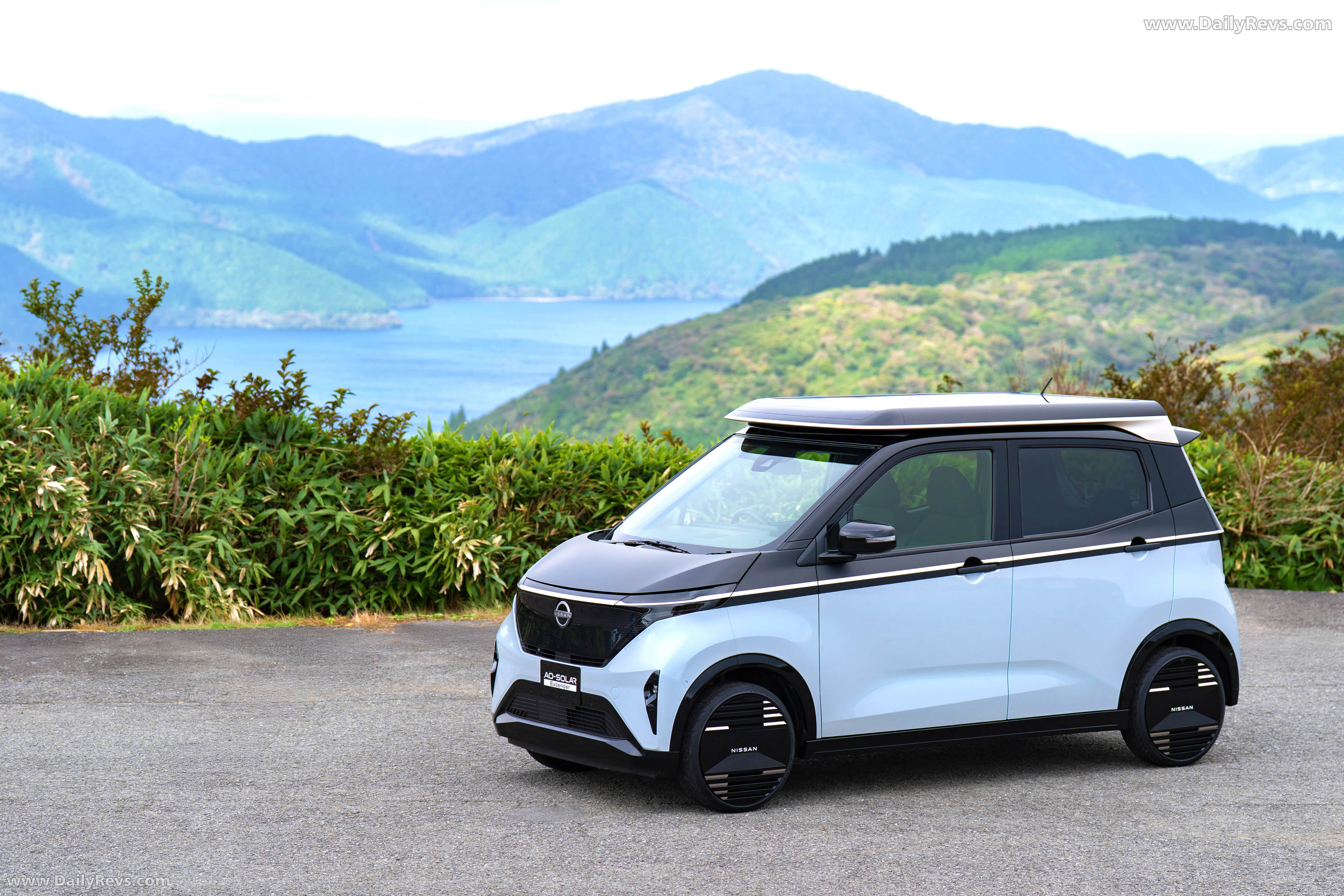
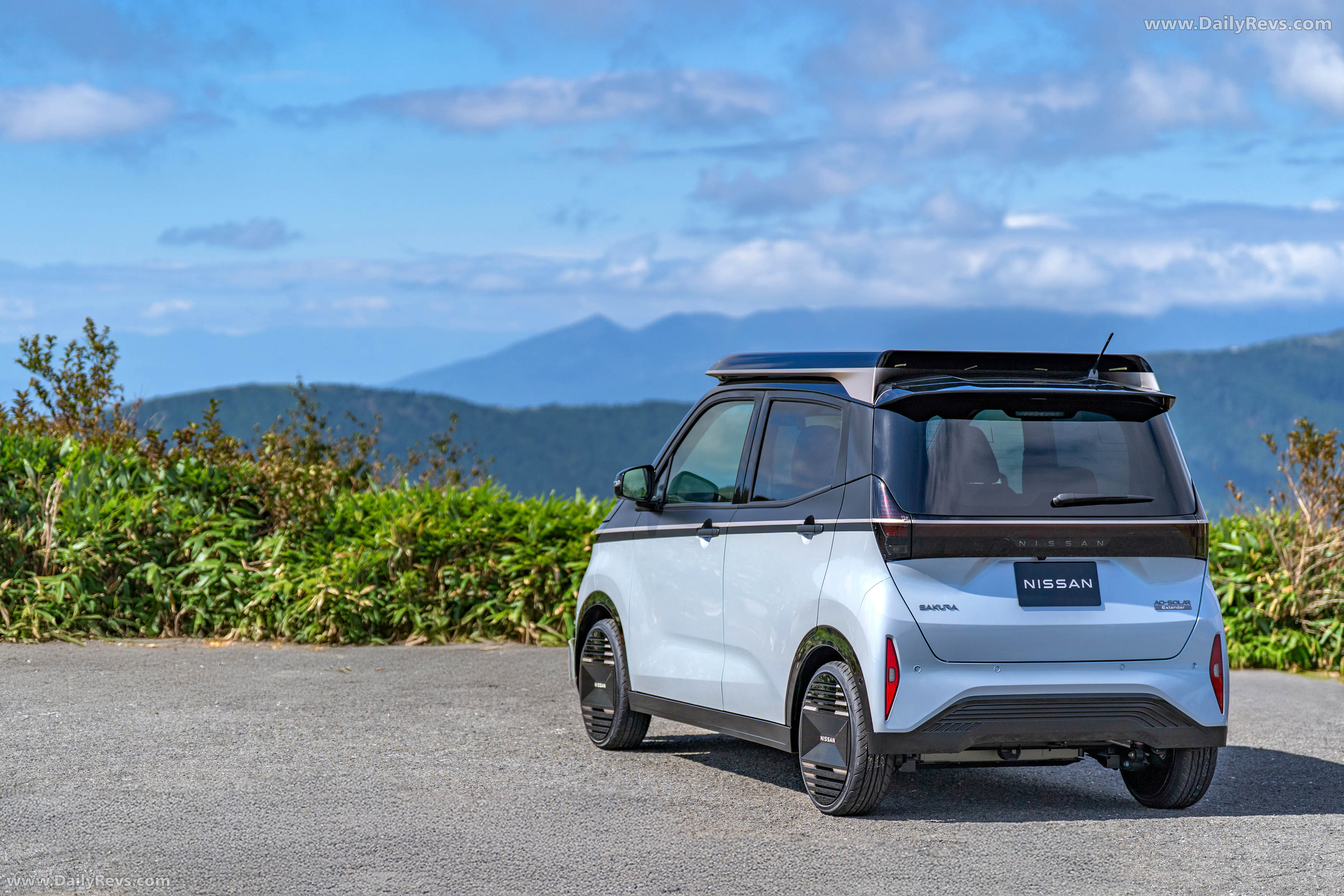
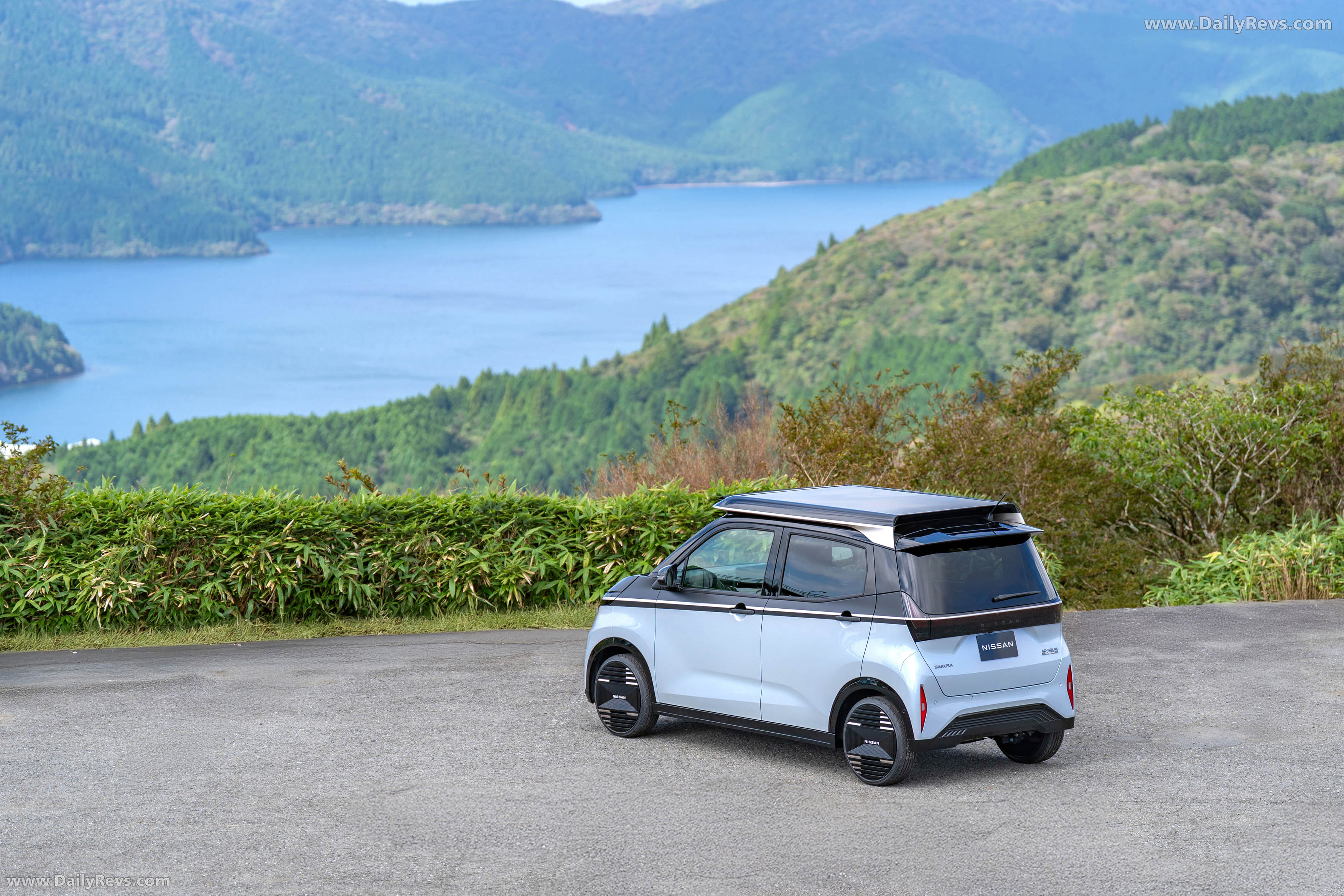
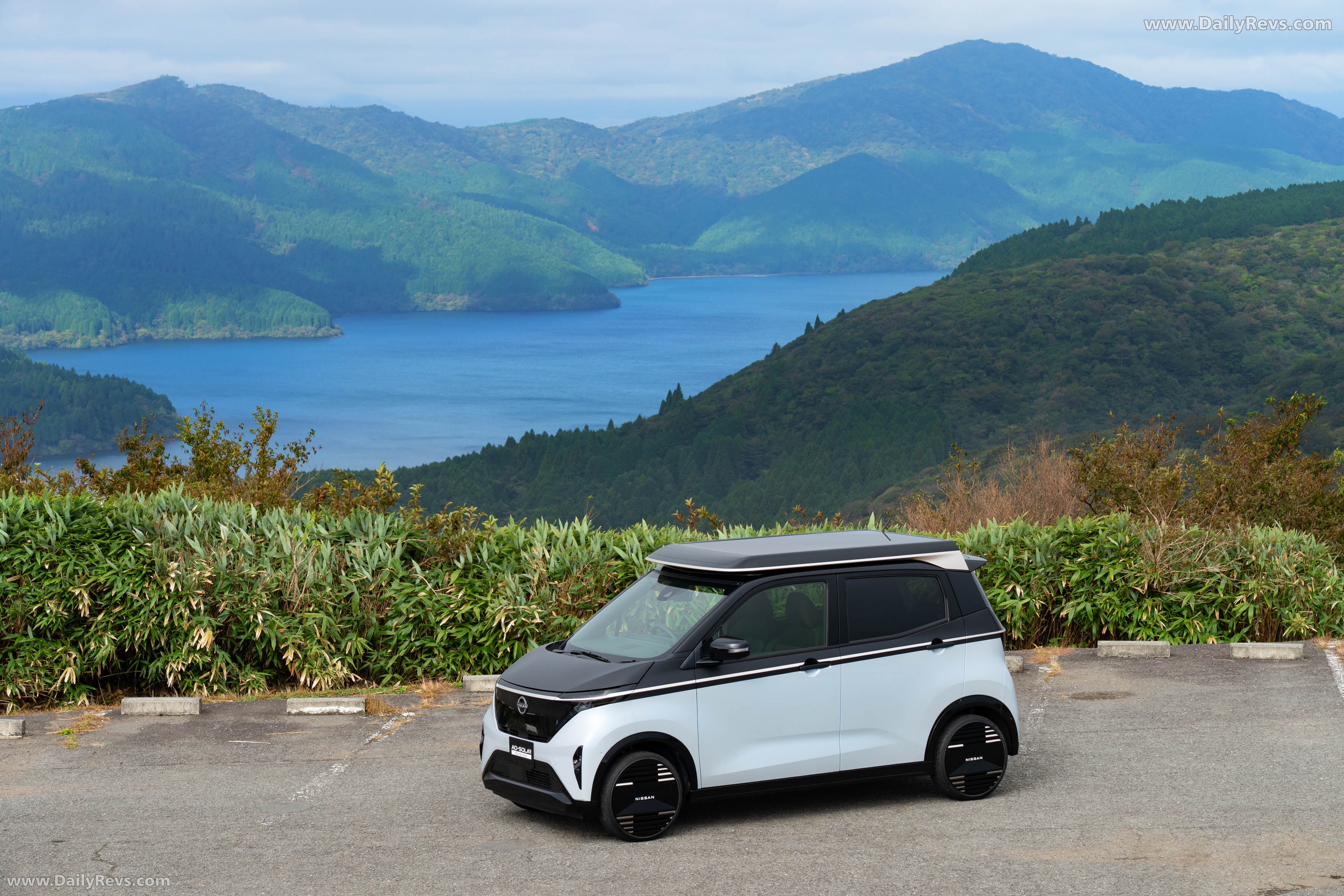
At the Japan Mobility Show 2025, Nissan presented one of the event’s most forward-looking prototypes — the 2025 Nissan Sakura Ao-Solar Extender. Displayed in the Tokyo Future Tour 2035 zone, the compact EV demonstrates how urban mobility can move closer to complete energy self-sufficiency.
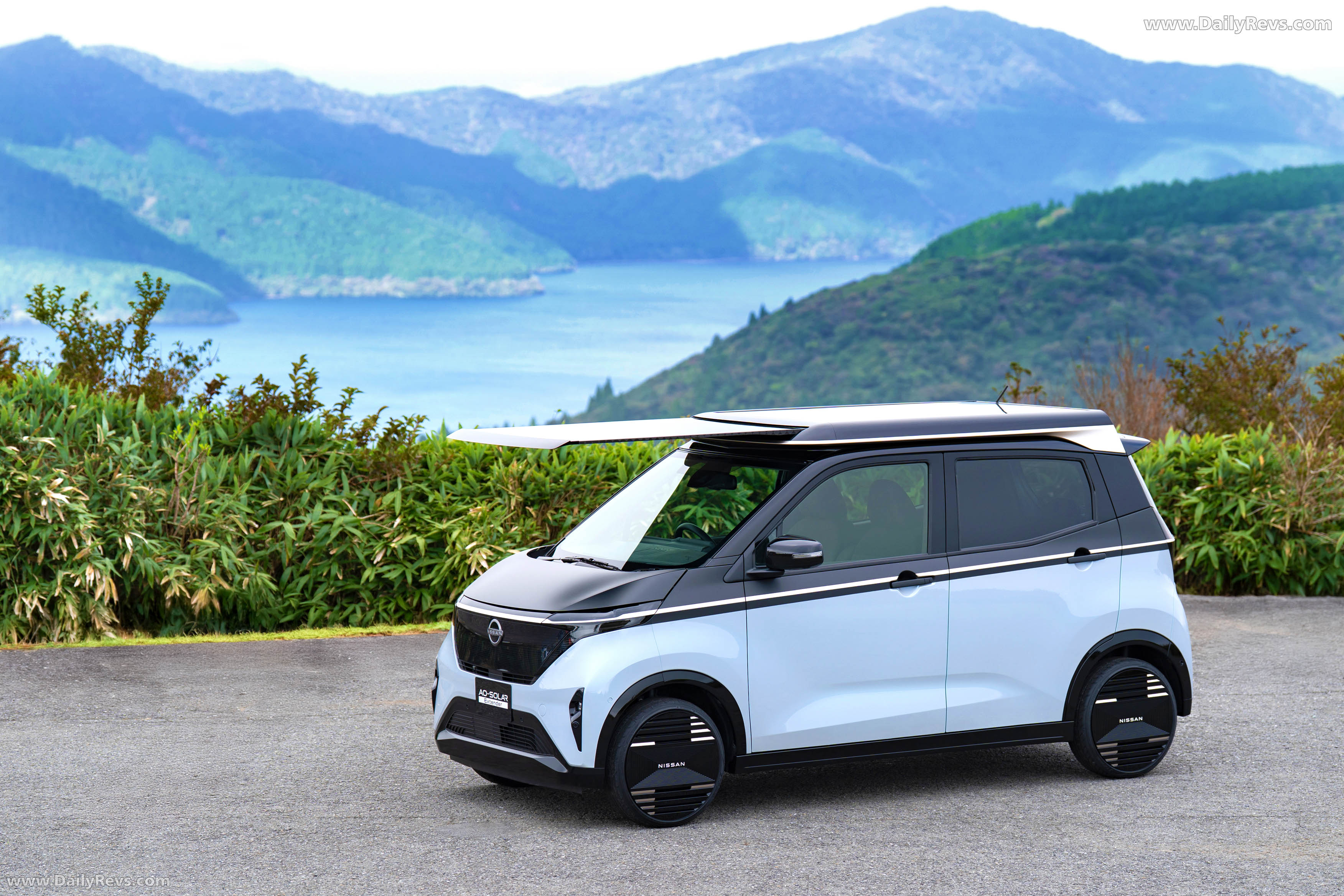
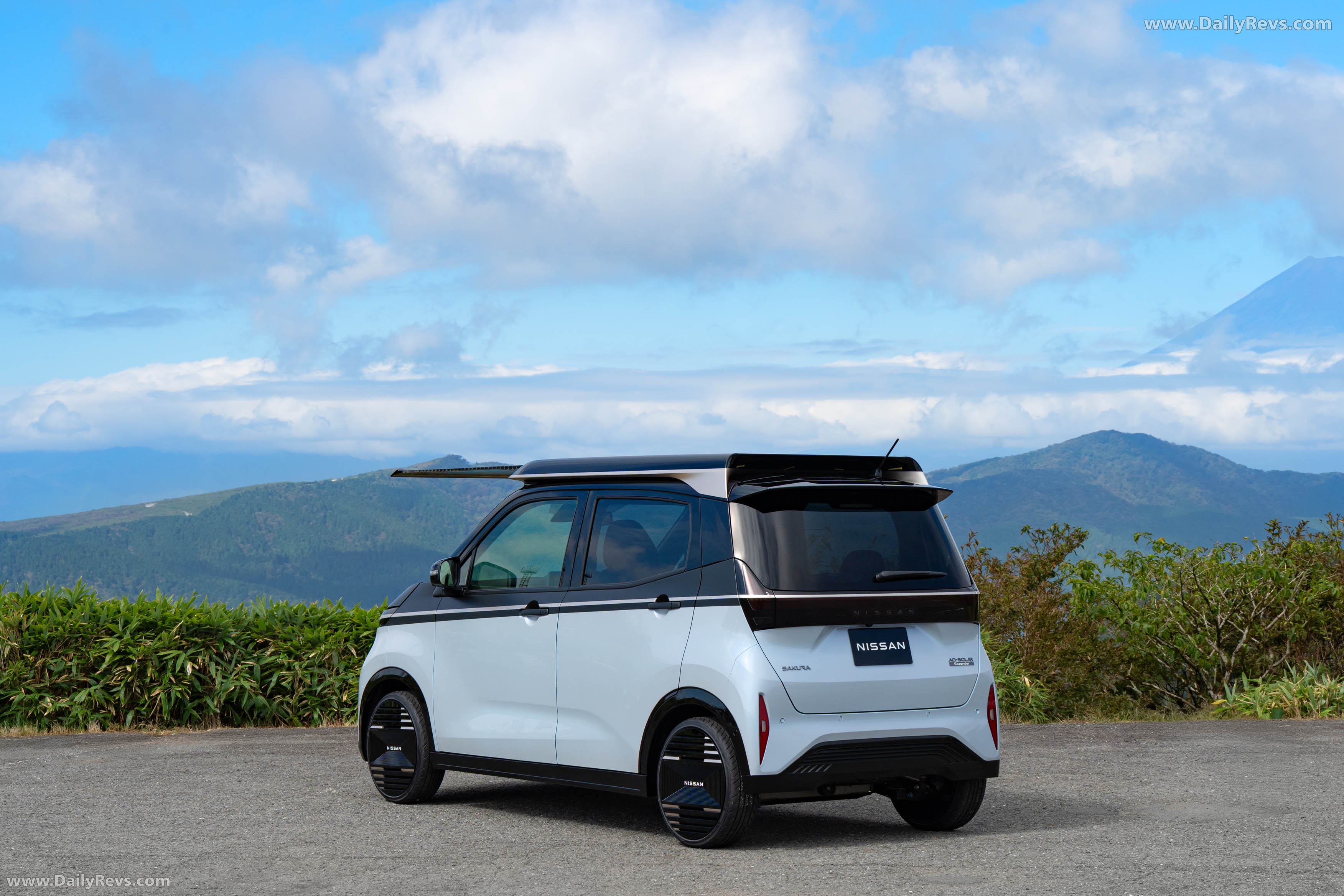
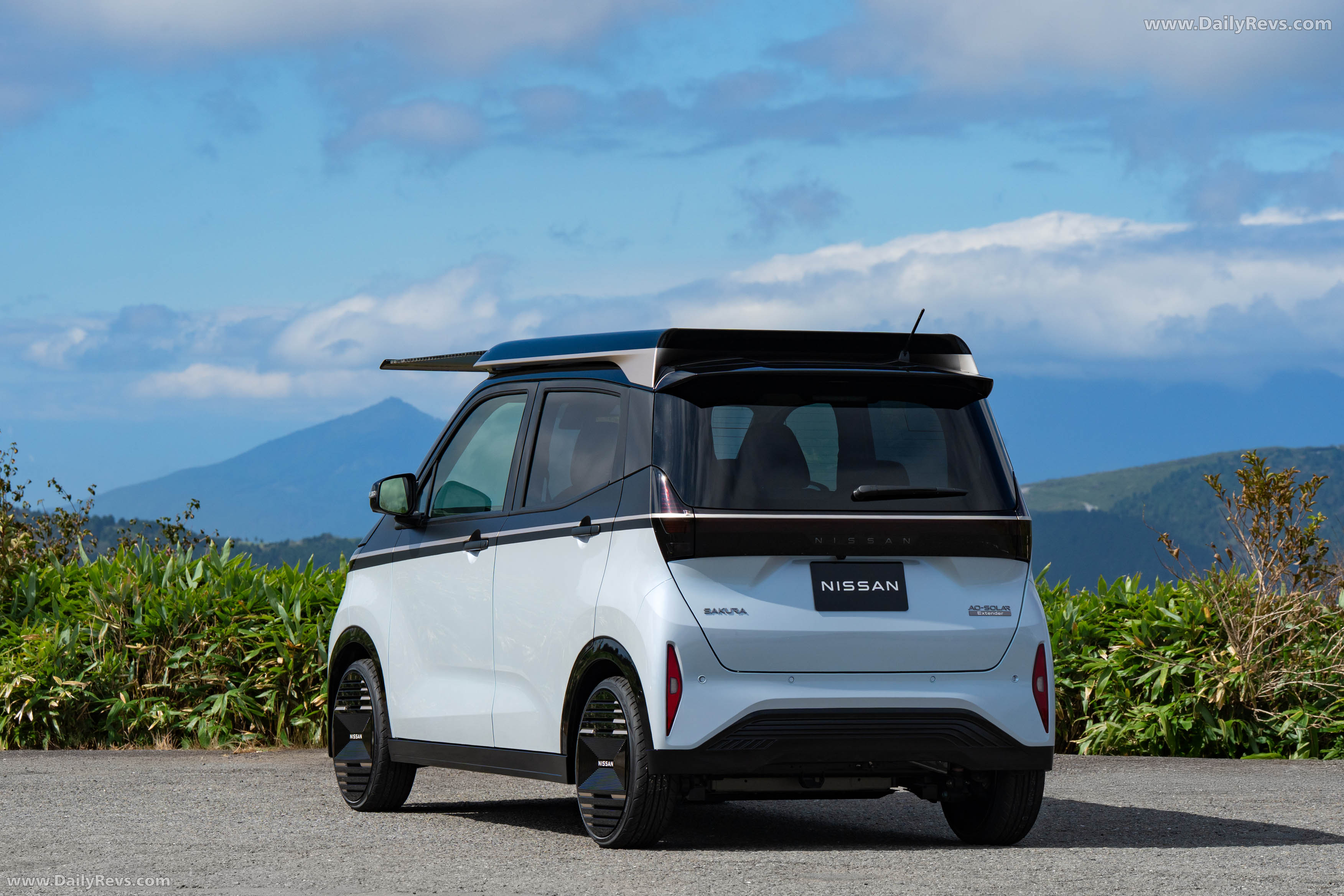
Based on Japan’s best-selling electric kei car, the Sakura, the concept introduces an electric sliding solar charging system integrated directly into the vehicle’s roof. The idea: reduce the daily burden of charging and extend range through renewable energy. According to Nissan, the system can supply enough energy for up to 3,000 km of annual driving, depending on sunlight exposure.
The Ao-Solar Extender — its name derived from “Aozora,” meaning “blue sky” — represents a new layer of the company’s Re:Nissan business plan, focusing on innovation through customer-oriented solutions.
Design: Functional Elegance, Subtle Integration
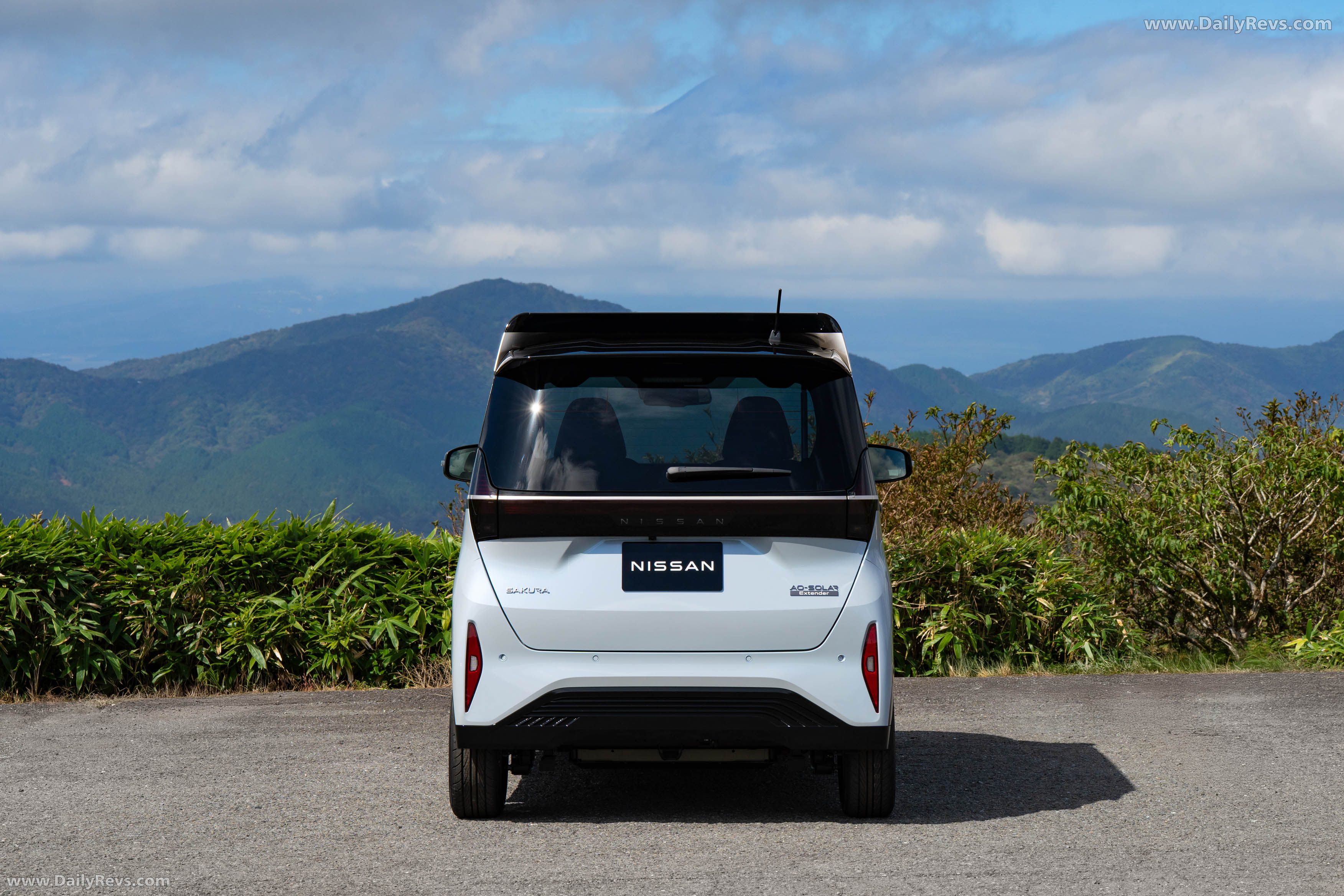
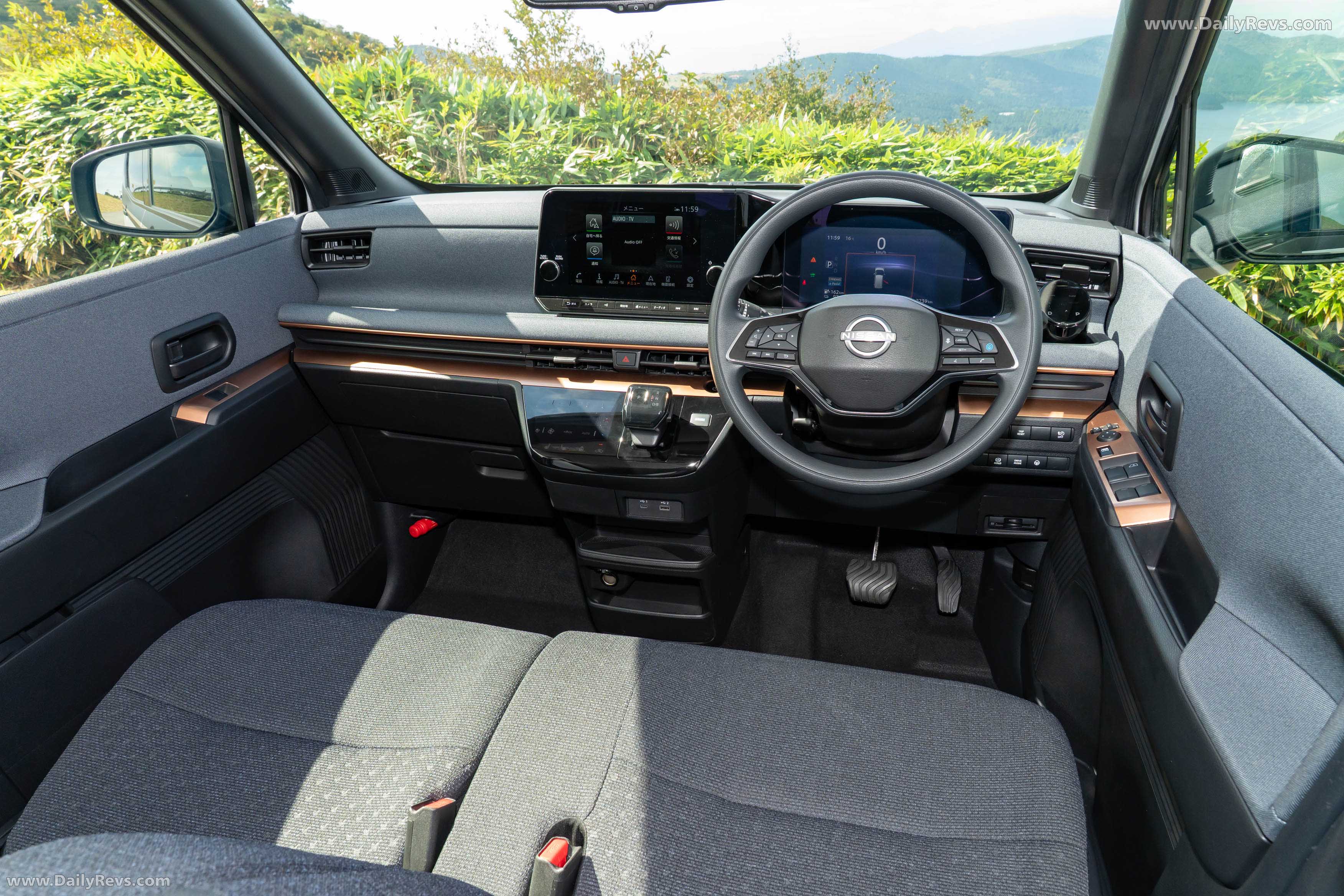
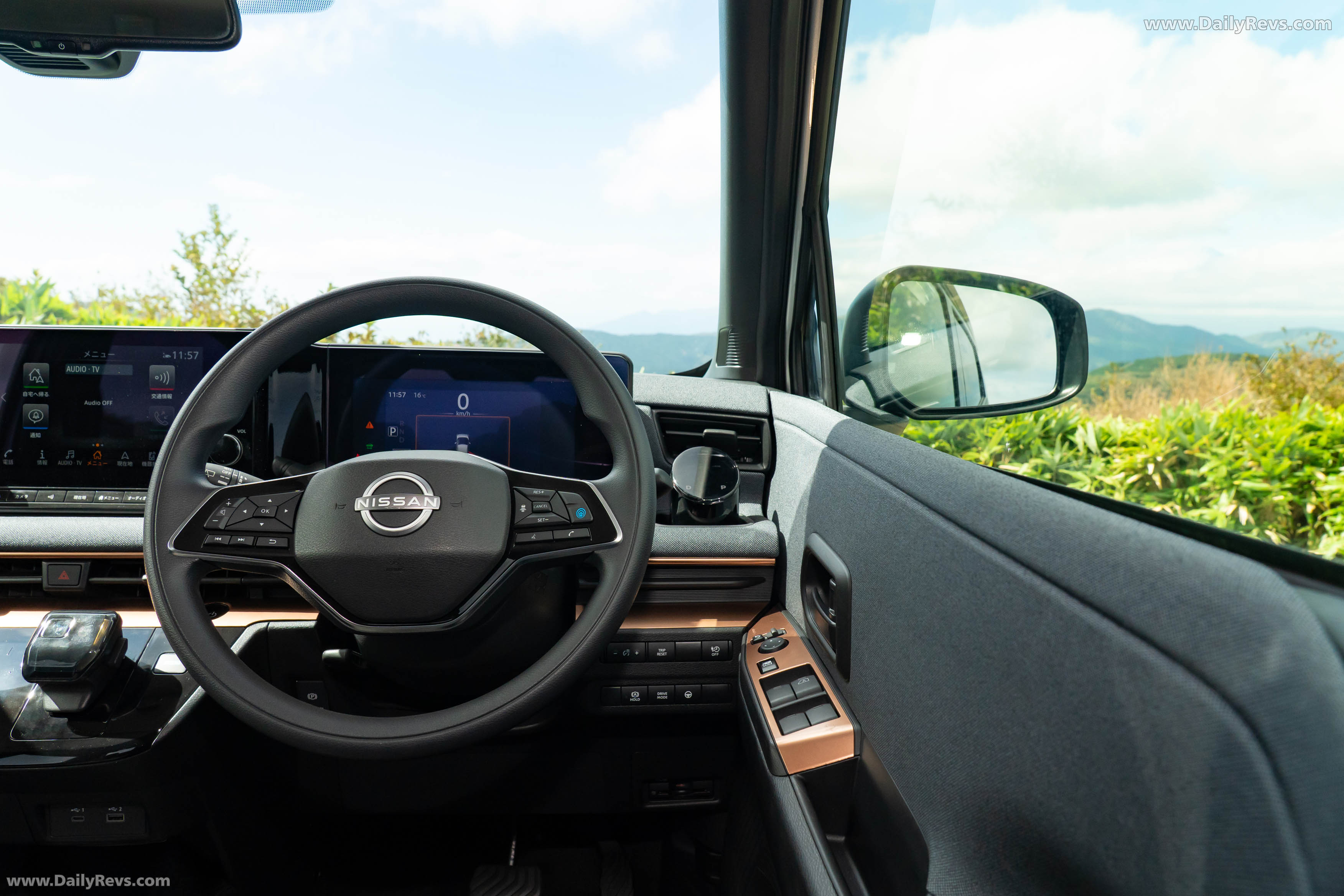
The Sakura Ao-Solar Extender appears to be small, simple, and user-friendly, much like the typical production model. Yet the system it hides is anything but ordinary.
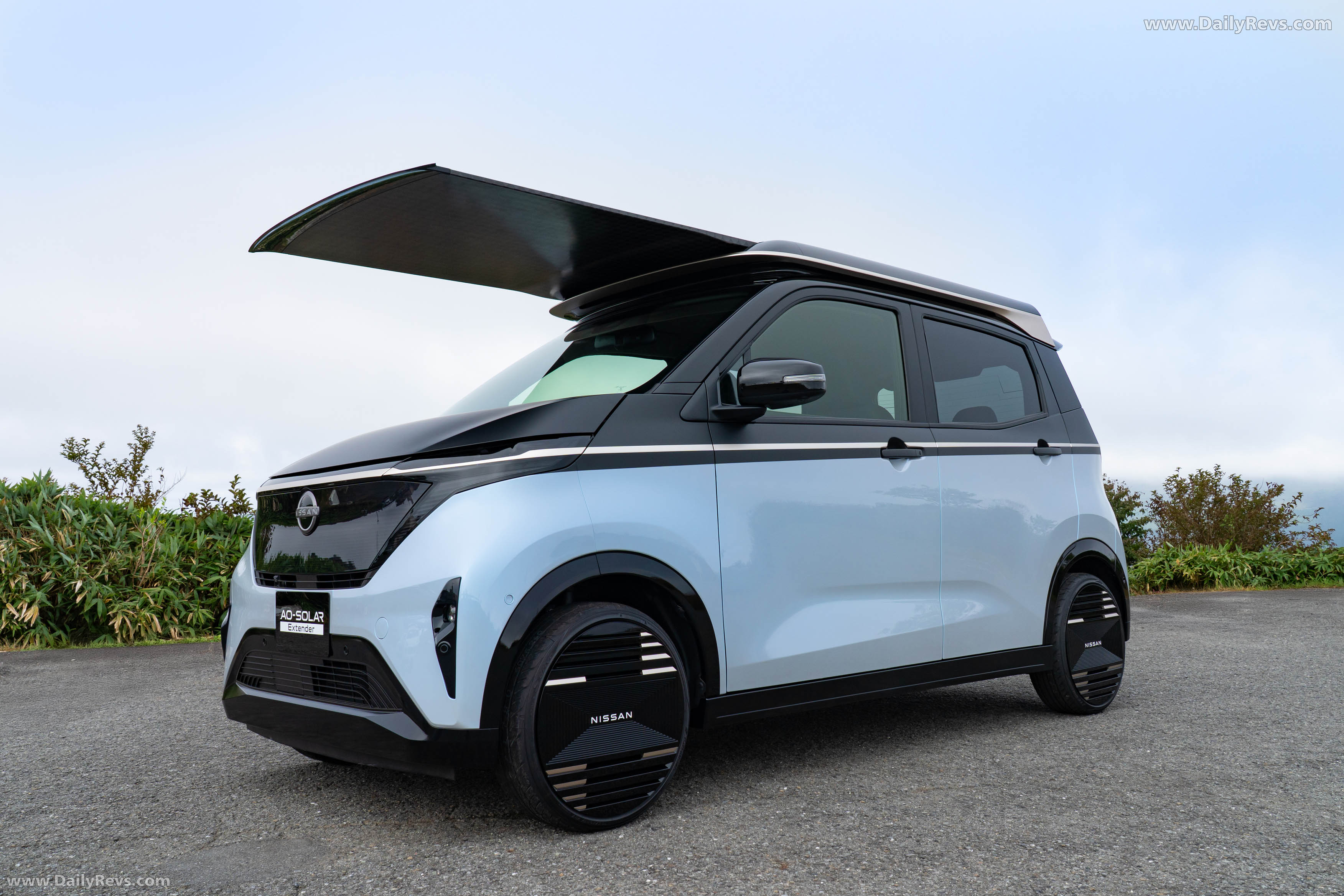
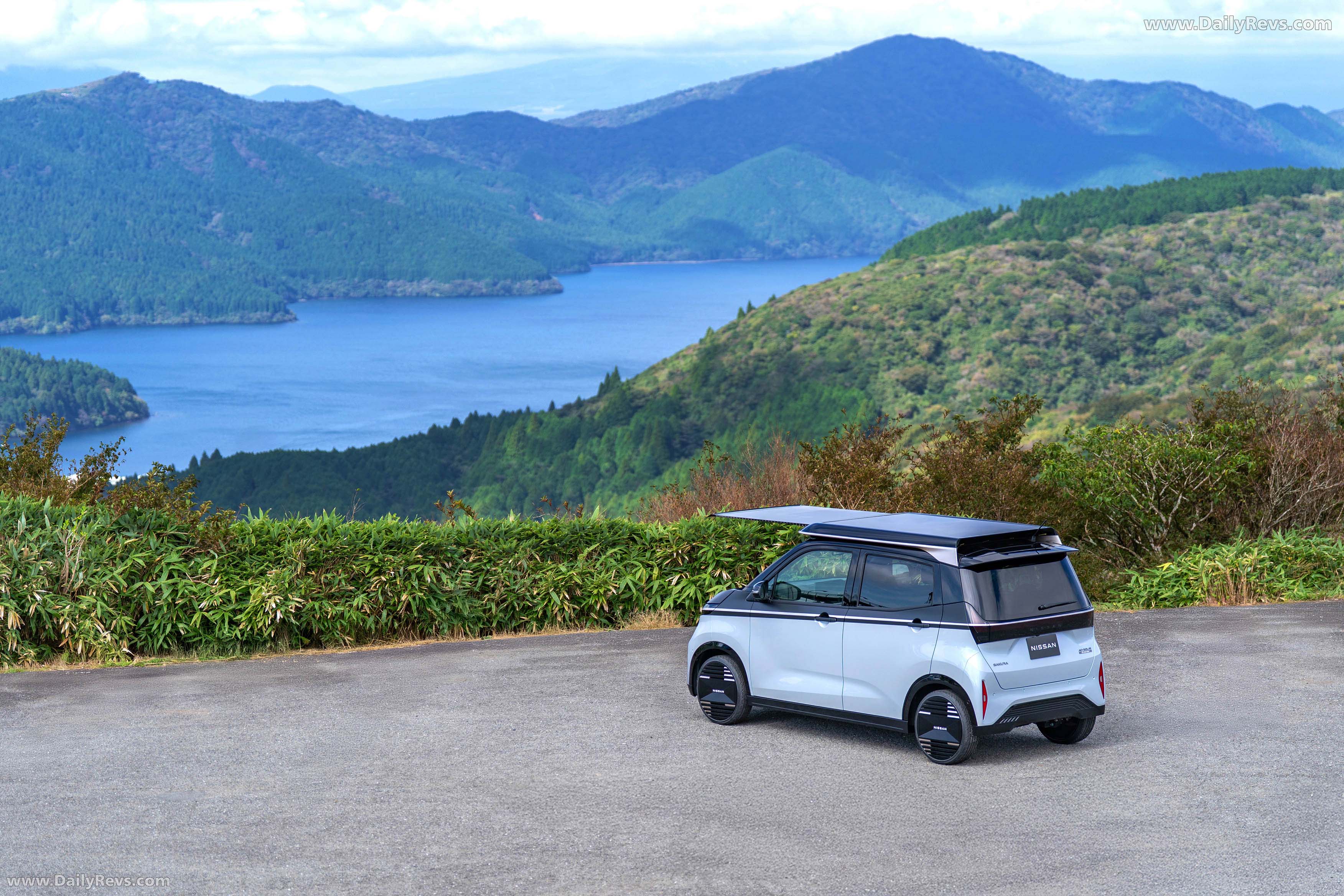
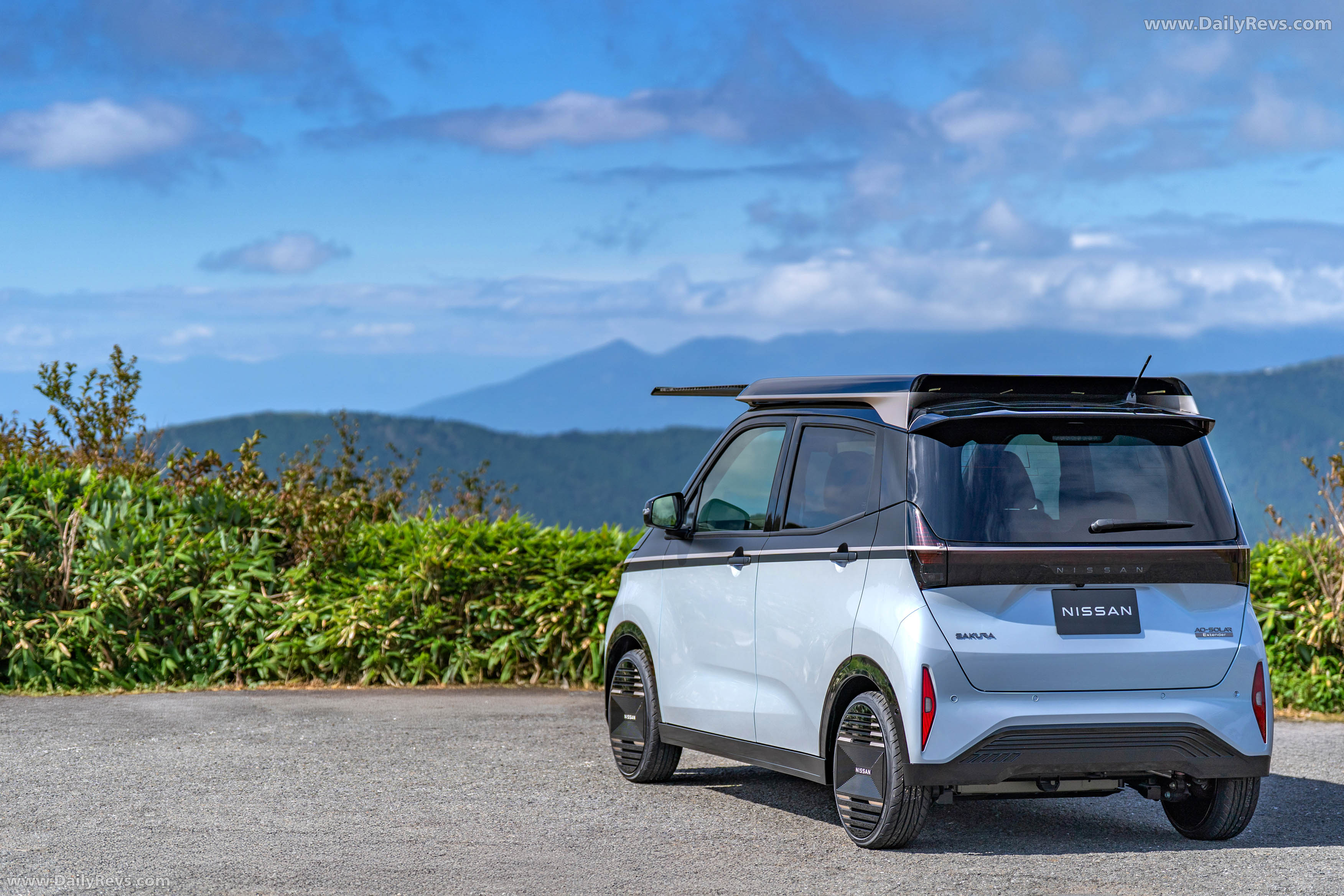
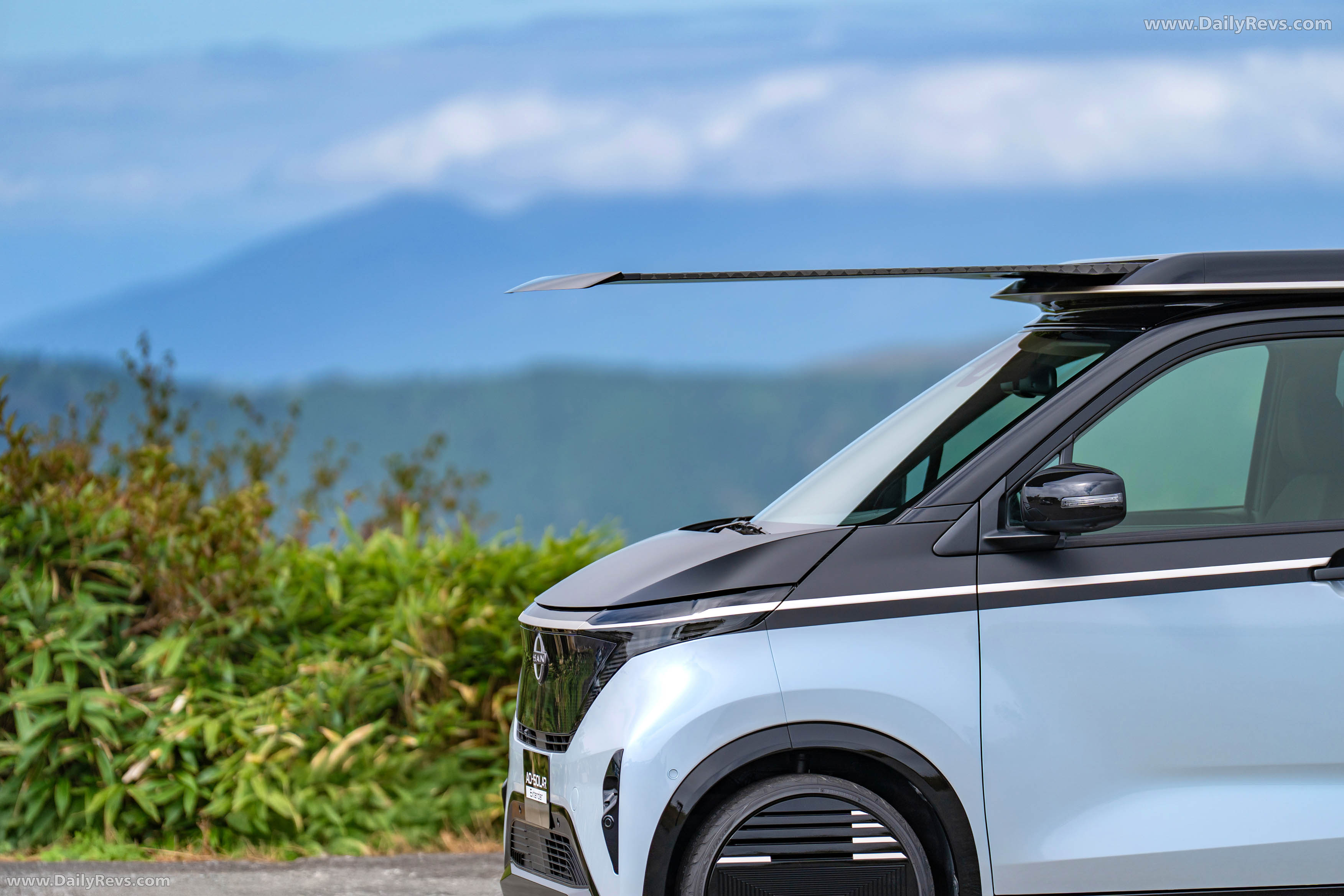
While driving, the roof-mounted main solar panel continuously generates around 300W of power. When parked, movable panels slide forward from beneath the roof skin, expanding the solar surface area and increasing output to roughly 500W.
The panels are designed to integrate seamlessly into the car’s shape, preserving aerodynamics and visual purity when retracted.When deployed, they even offer a secondary benefit: preventing sunlight from reaching the windshield, which lowers cabin temperatures and lessens the load on the air conditioner.
Innovative Solutions for Everyday Life
Nissan data indicates that most Sakura drivers use their cars for short daily trips like commuting, errands, or school runs. These users' dependence on external electricity could be significantly reduced with solar charging. The company estimates that a portion of Sakura owners could practically eliminate home charging altogether, reducing costs and minimizing the risk of overloading domestic circuits.
The system also supports emergency energy use, turning the Sakura into a portable solar generator during power outages or natural disasters — a growing consideration in Japan’s energy-conscious market.
The Ao-Solar Extender offers a vision of mobility that prioritizes independence over infrastructure by balancing convenience and environmental performance.
From Concept to Innovation
This project started out as a winning idea in Nissan's internal innovation competition in 2021 and was subsequently developed into the Tokyo concept. Its success speaks to Nissan’s renewed focus on grassroots innovation — ideas developed internally that address real-world challenges with technical creativity.
The 2025 Nissan Sakura Ao-Solar Extender isn’t just a prototype; it’s a clear signal of where everyday EVs may be headed — vehicles that don’t just drive efficiently but generate their own energy quietly, under a blue sky.
Technical Specifications
- Base Vehicle: Nissan Sakura (kei-class EV)
- Solar Output: 300W (driving) / 500W (stationary expanded mode)
- Estimated Range Gain: Up to 3,000 km annually (subject to sunlight conditions)
- System Type: Sliding solar charging panels integrated into roof
- Purpose: Reduce charging frequency, provide auxiliary power
- Debut: Japan Mobility Show 2025 – Tokyo Big Sight