

2026 Lynk Co GT Concept
By Lorenzo Bianchi April 28, 2026
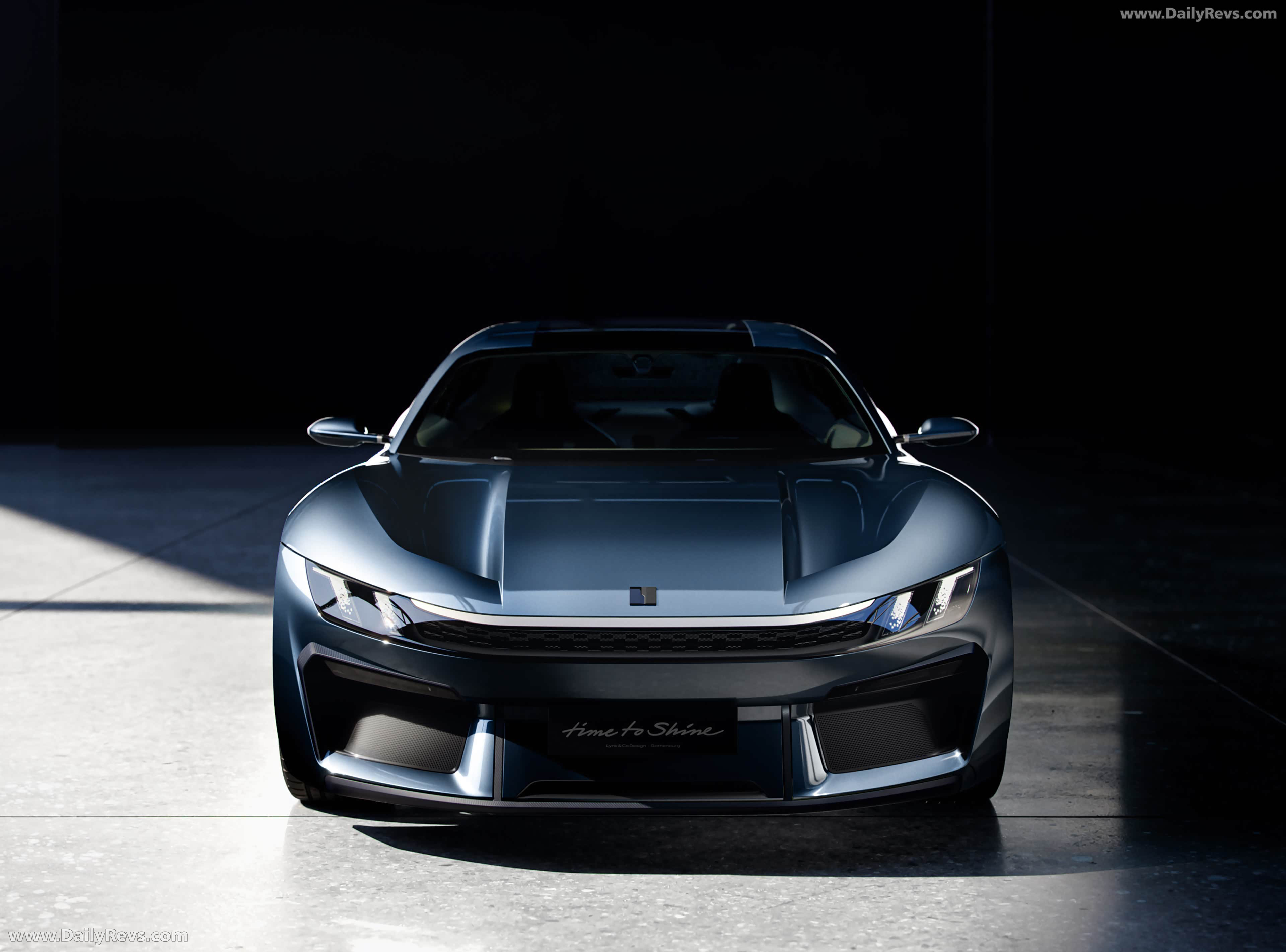
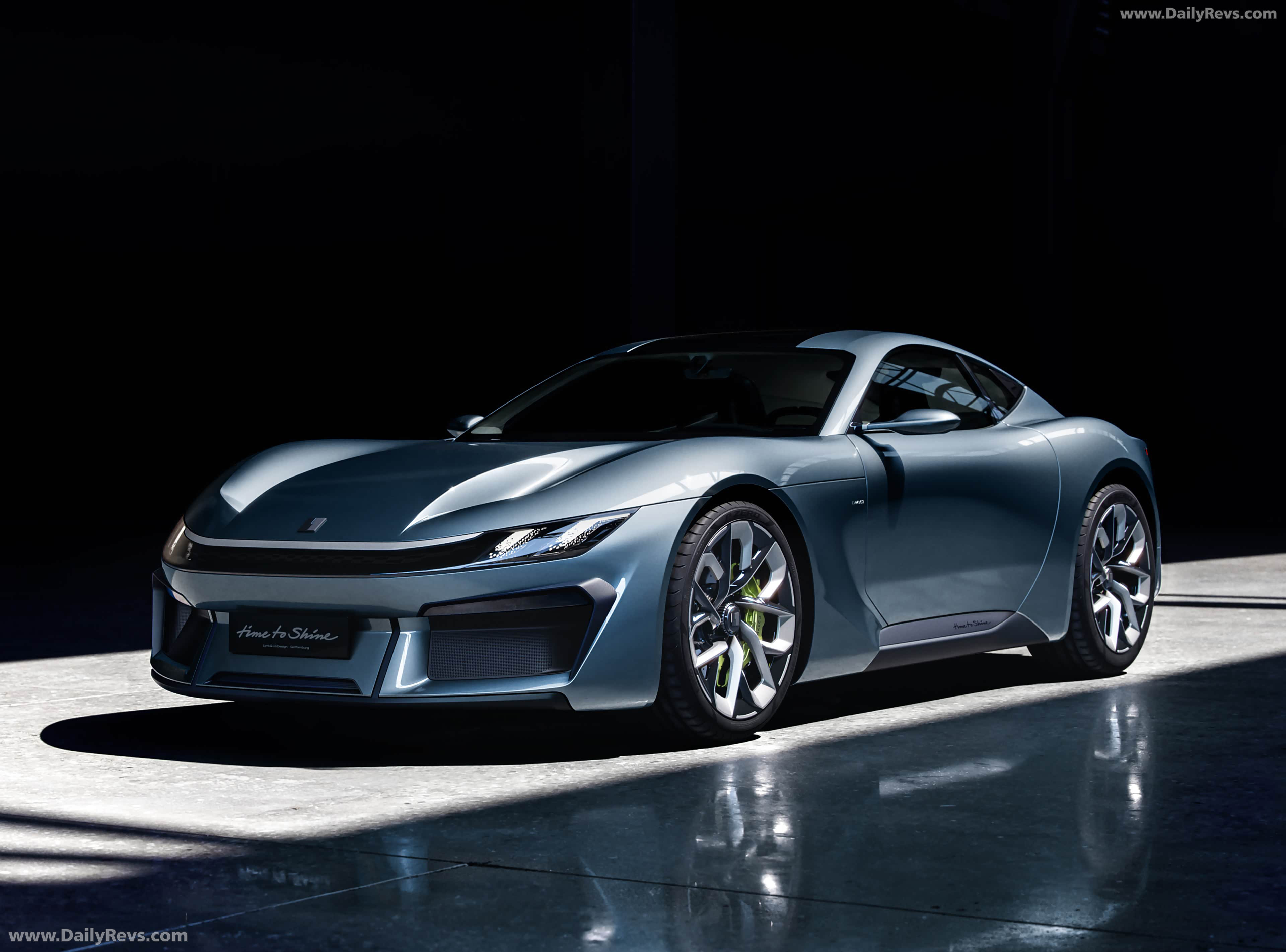
Low, wide GT proportions with adaptive aero elements.
Claimed 0–100 km/h in around 2.0 seconds.
AI-based motion control and rear-wheel-drive layout.
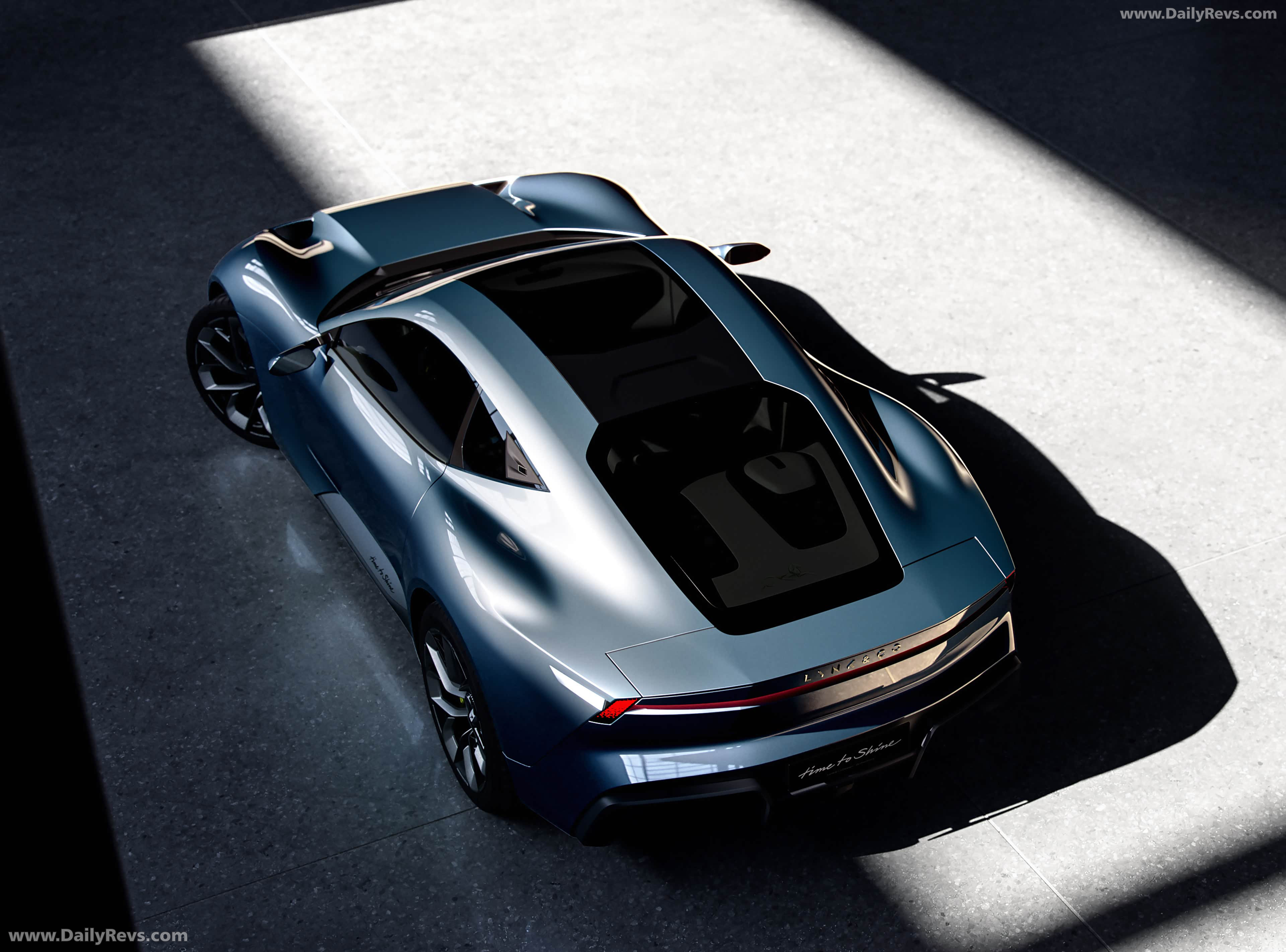
A low silhouette shaped like a modern GT
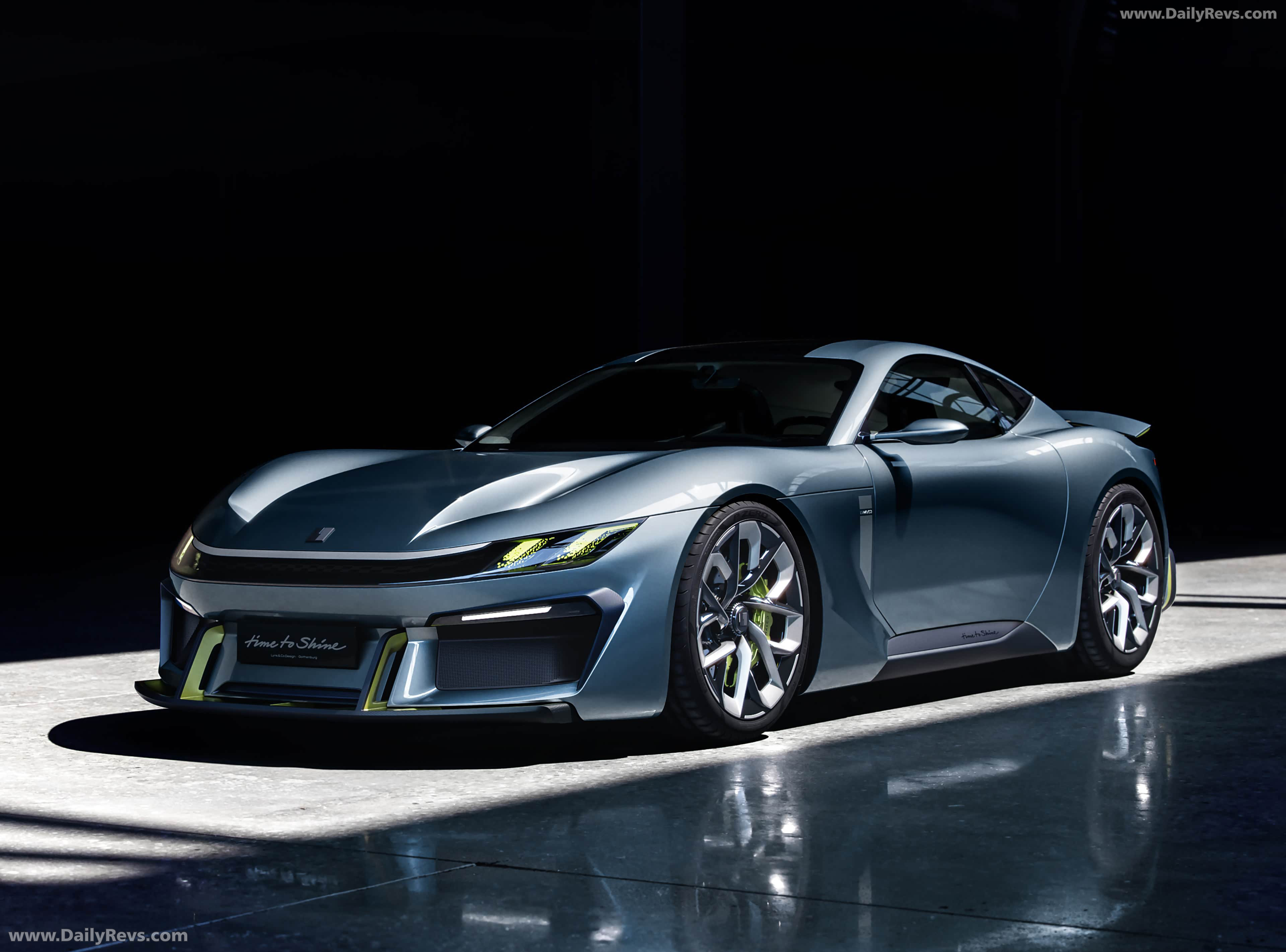
The 2027 Lynk Co GT concept leans heavily into classic grand tourer proportions.
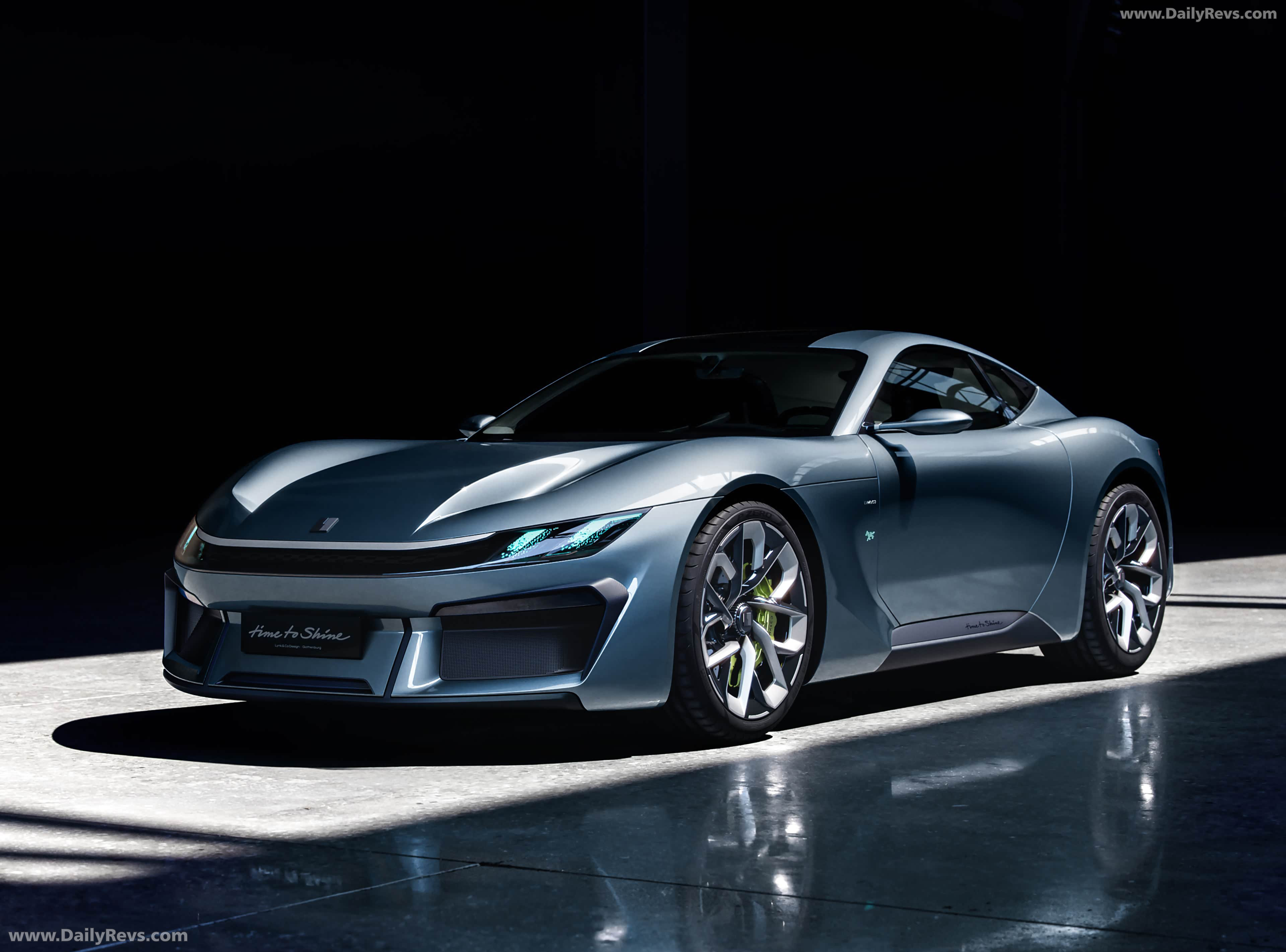
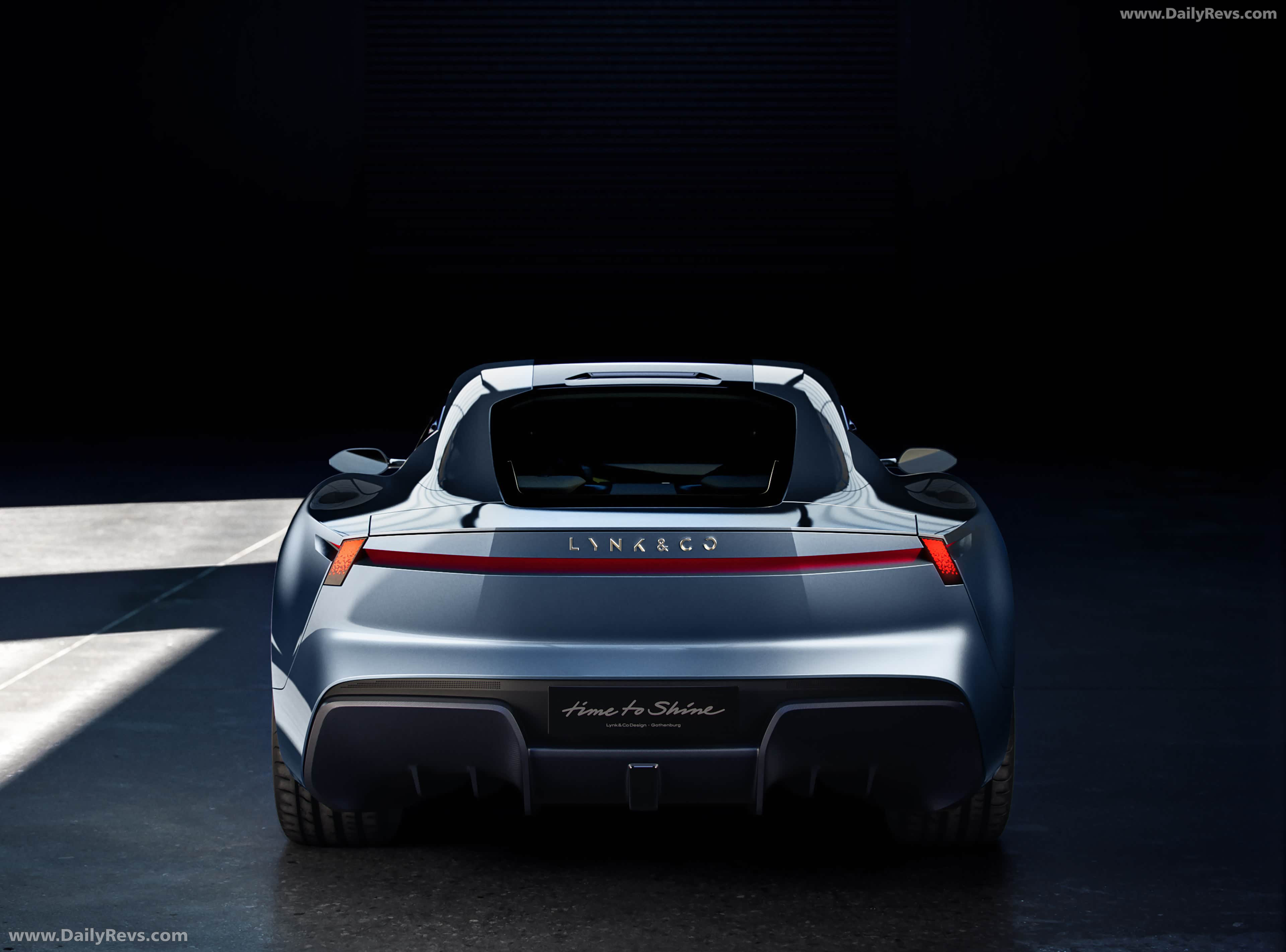
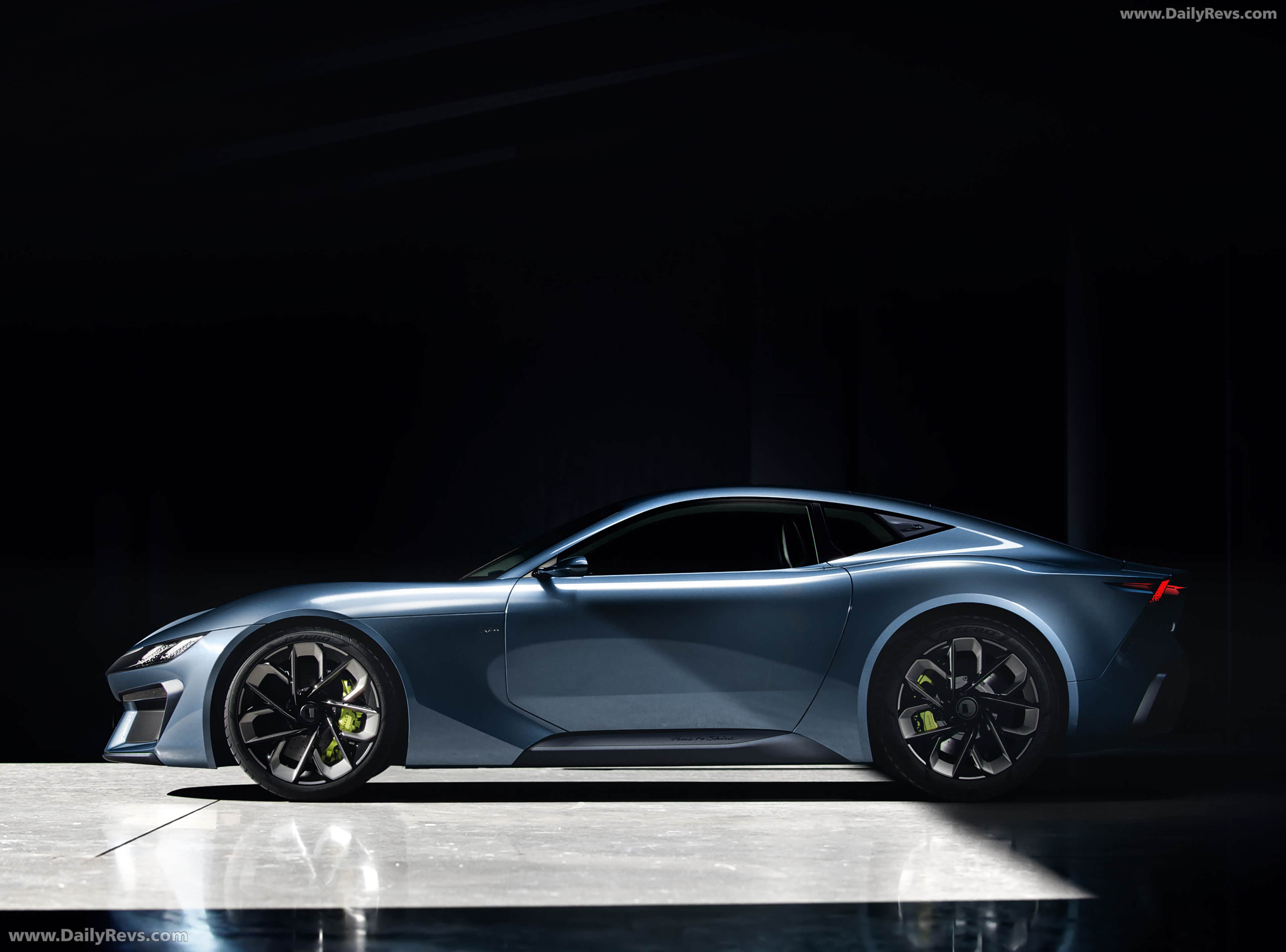
It sits low. Very low. At around 1,331 mm tall, the car has a flattened stance that immediately separates it from anything in Lynk & Co’s current lineup. Length comes in at roughly 4,780 mm, with a width just under two meters, giving it a planted footprint.
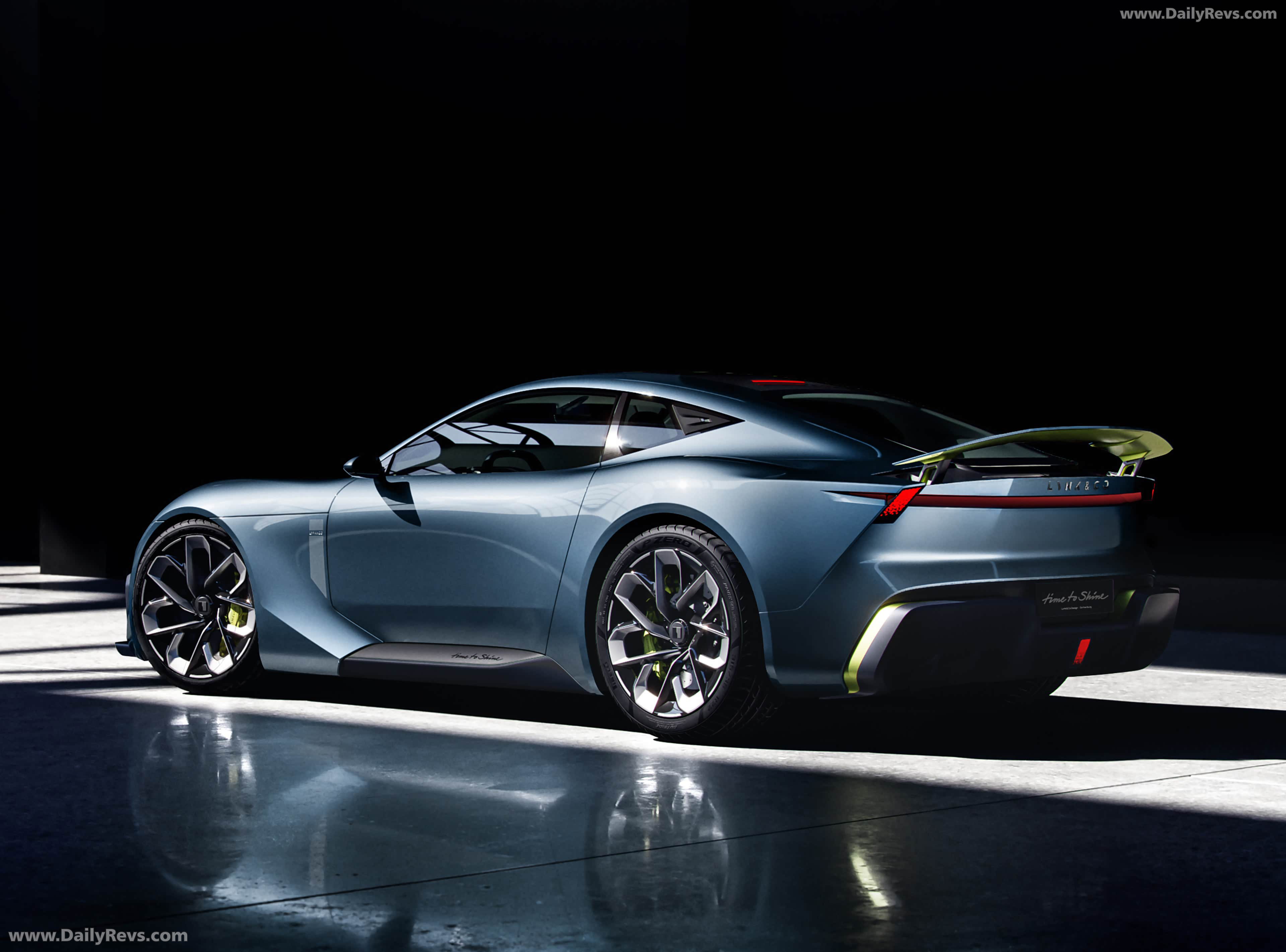
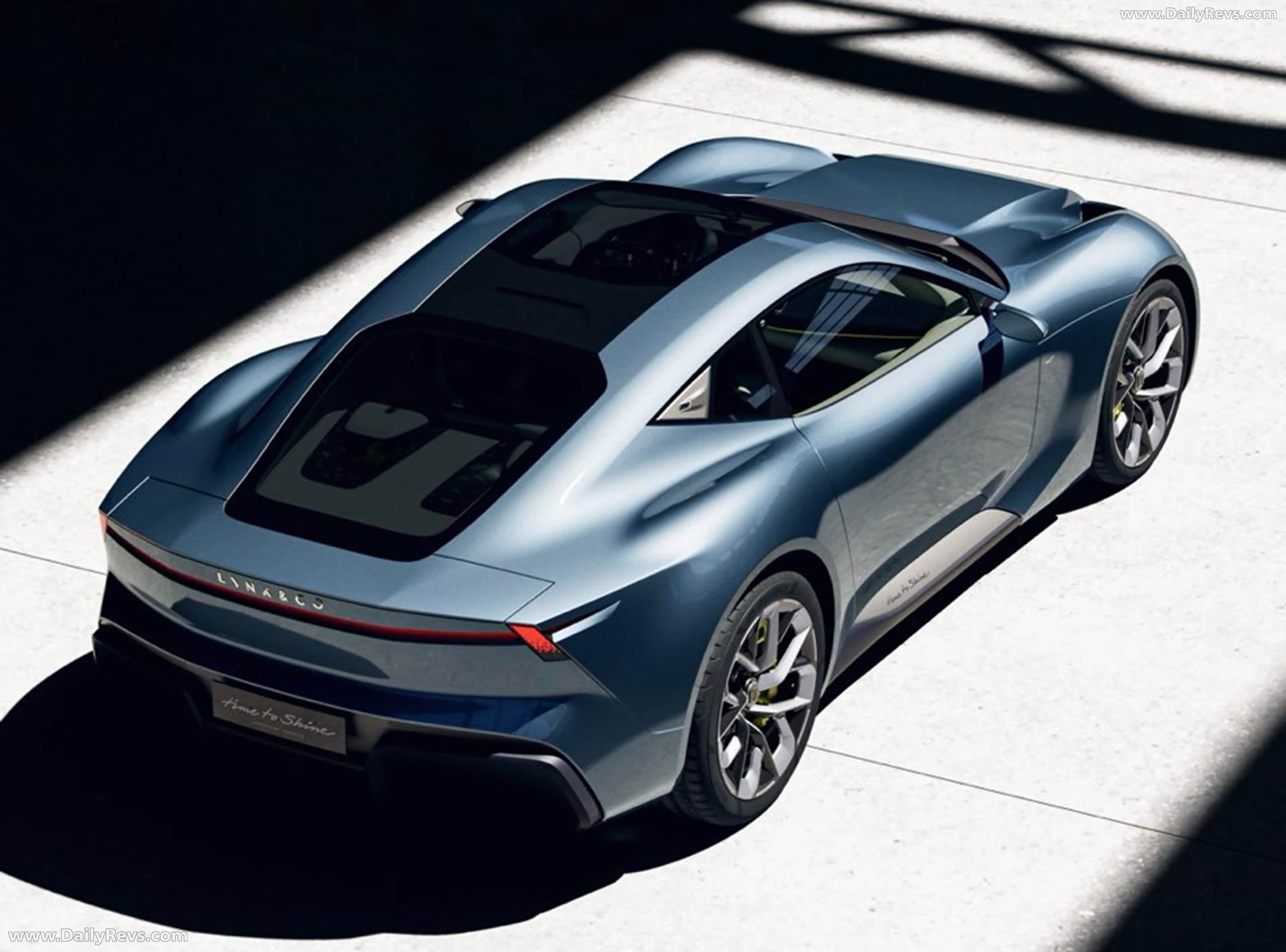
The design plays with light more than surface complexity. The blue paint carries a liquid metallic effect, shifting depending on angle and exposure. Yellow accents run across key areas, adding contrast without overwhelming the body.
From a distance, it reads clean. Up close, the details start to surface.
Wide stance with subtle aggression
The proportions do most of the work here.
Long hood, short rear deck, and a wheelbase of about 2,751 mm give the car a balanced GT layout. The stance is wide, with a slightly muscular edge, but it doesn’t feel exaggerated.
There’s a sense that the design is holding back slightly. Not in a negative way. More like it’s leaving room for refinement if it reaches production.
The overall shape feels influenced by European GT thinking, which aligns with Lynk & Co’s Swedish design input.
Interior mixes concept theatrics with real intent
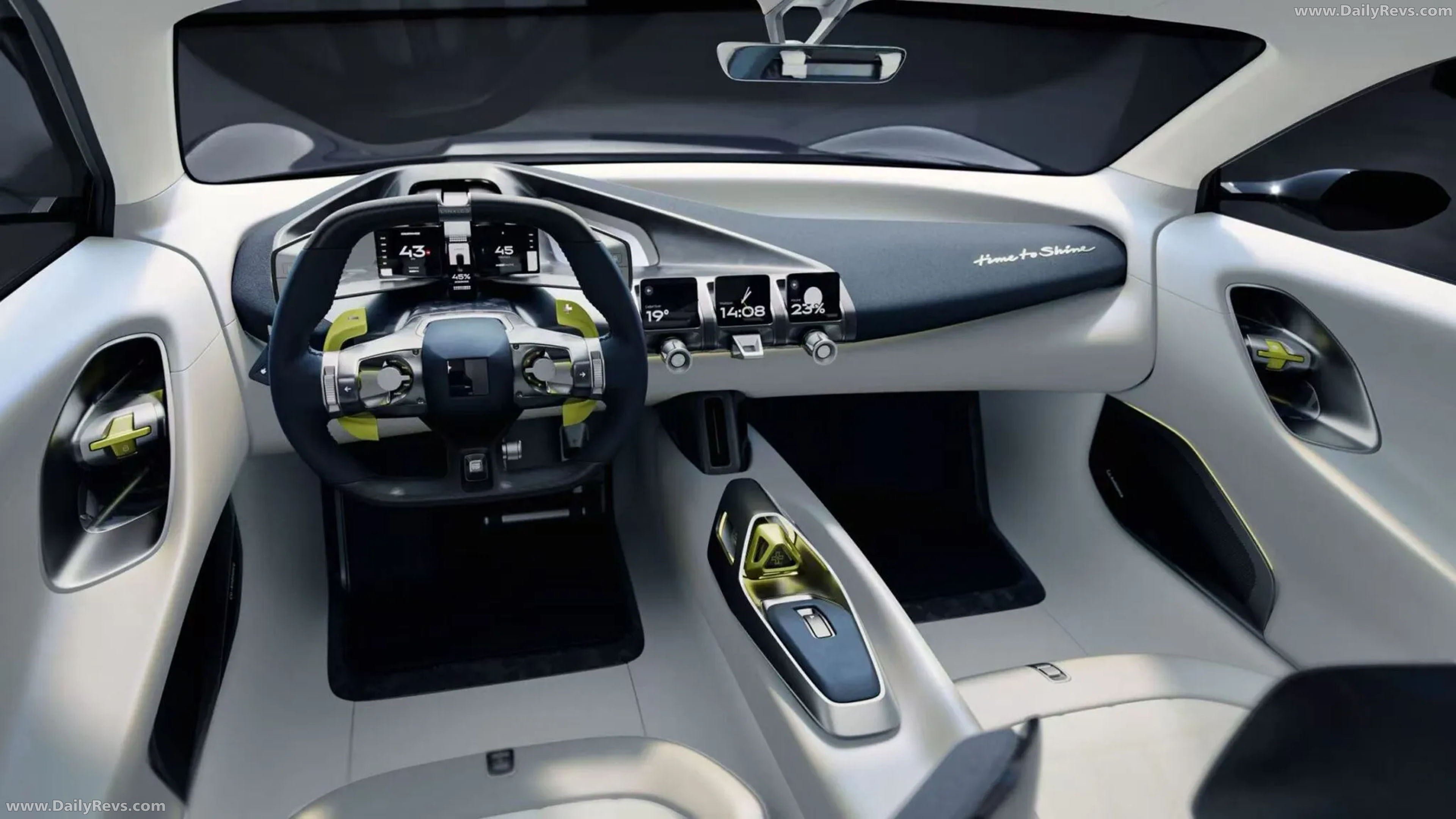
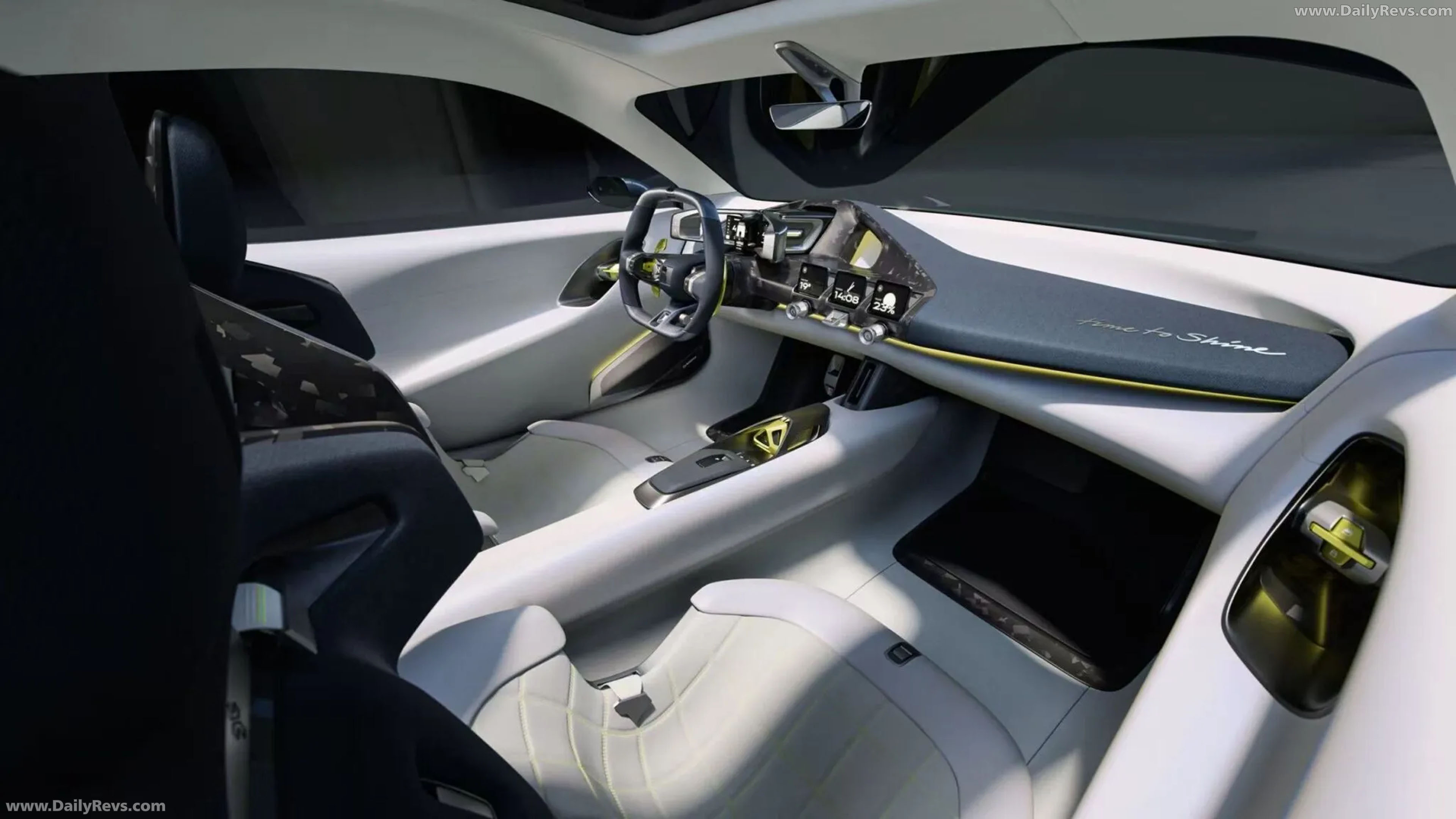
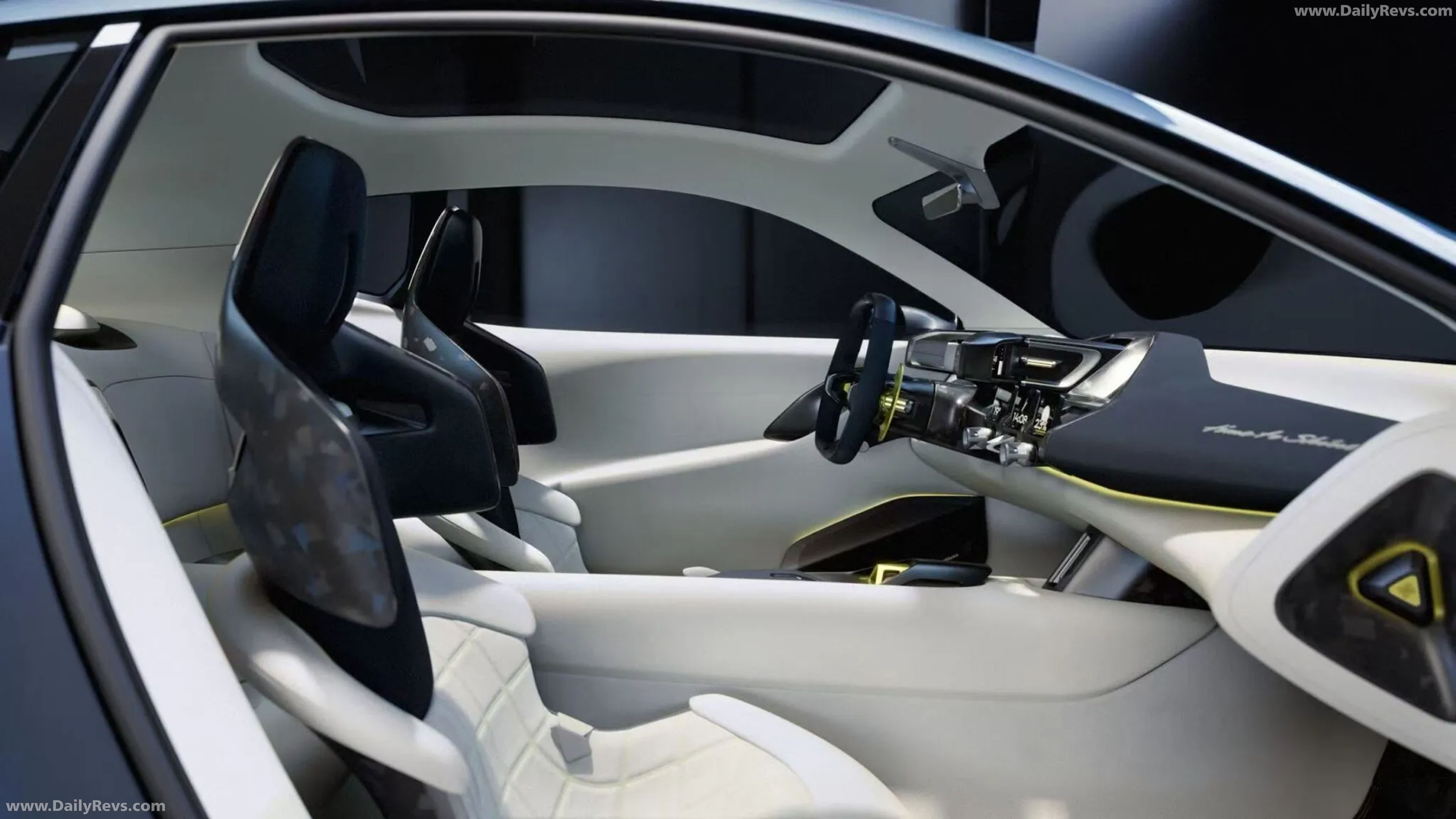
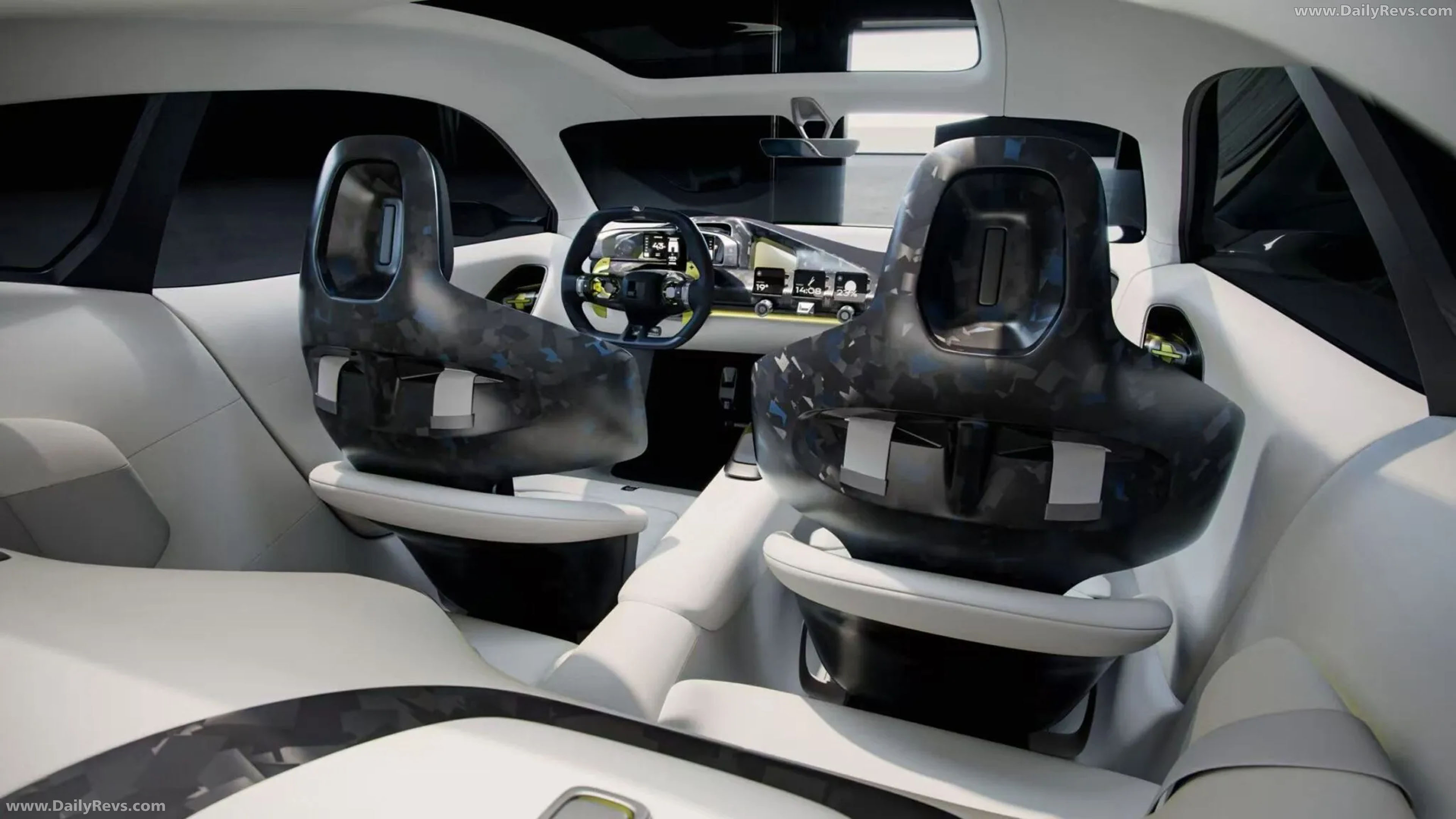
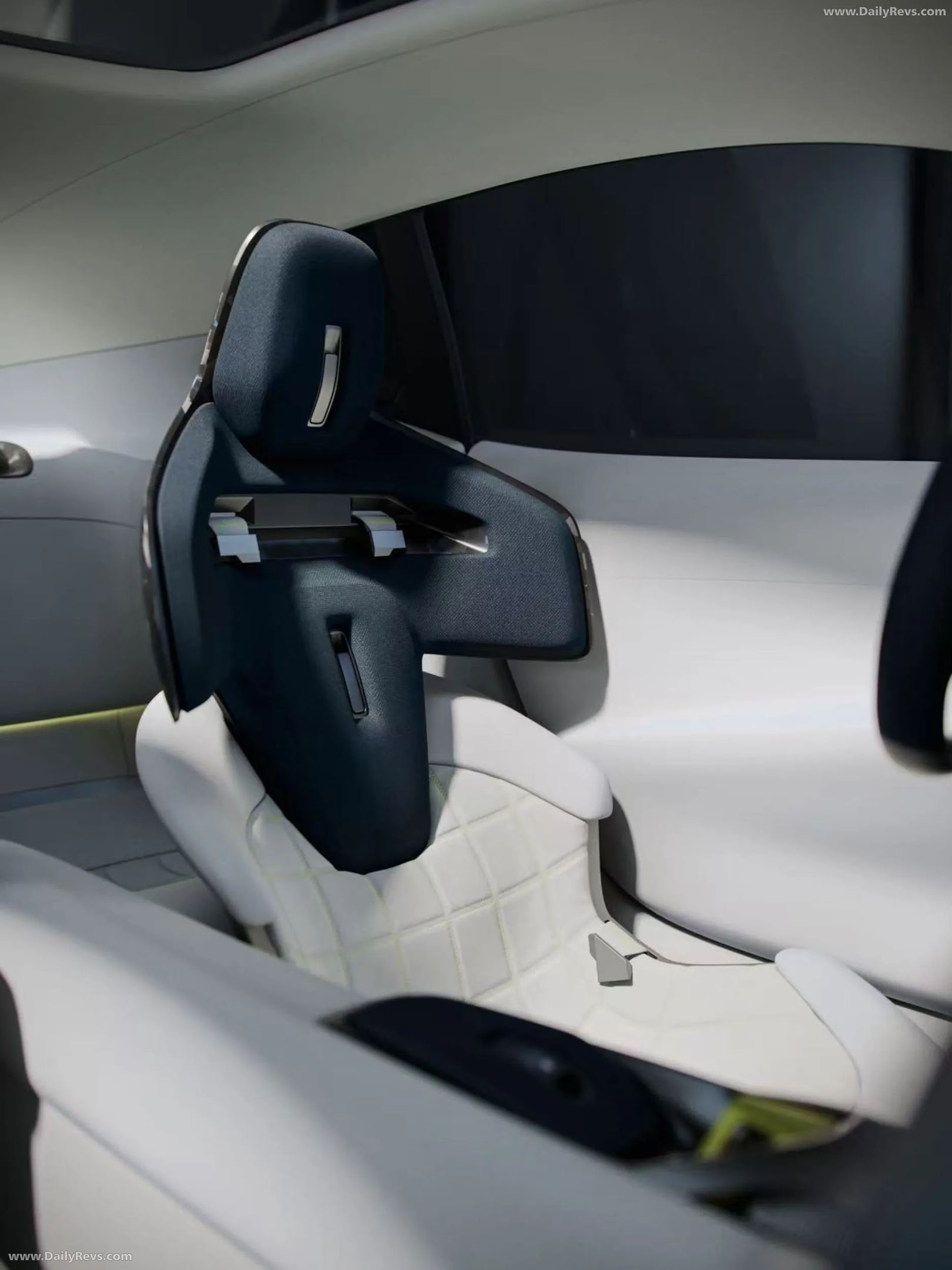
Inside, the layout follows a 2+2 configuration.
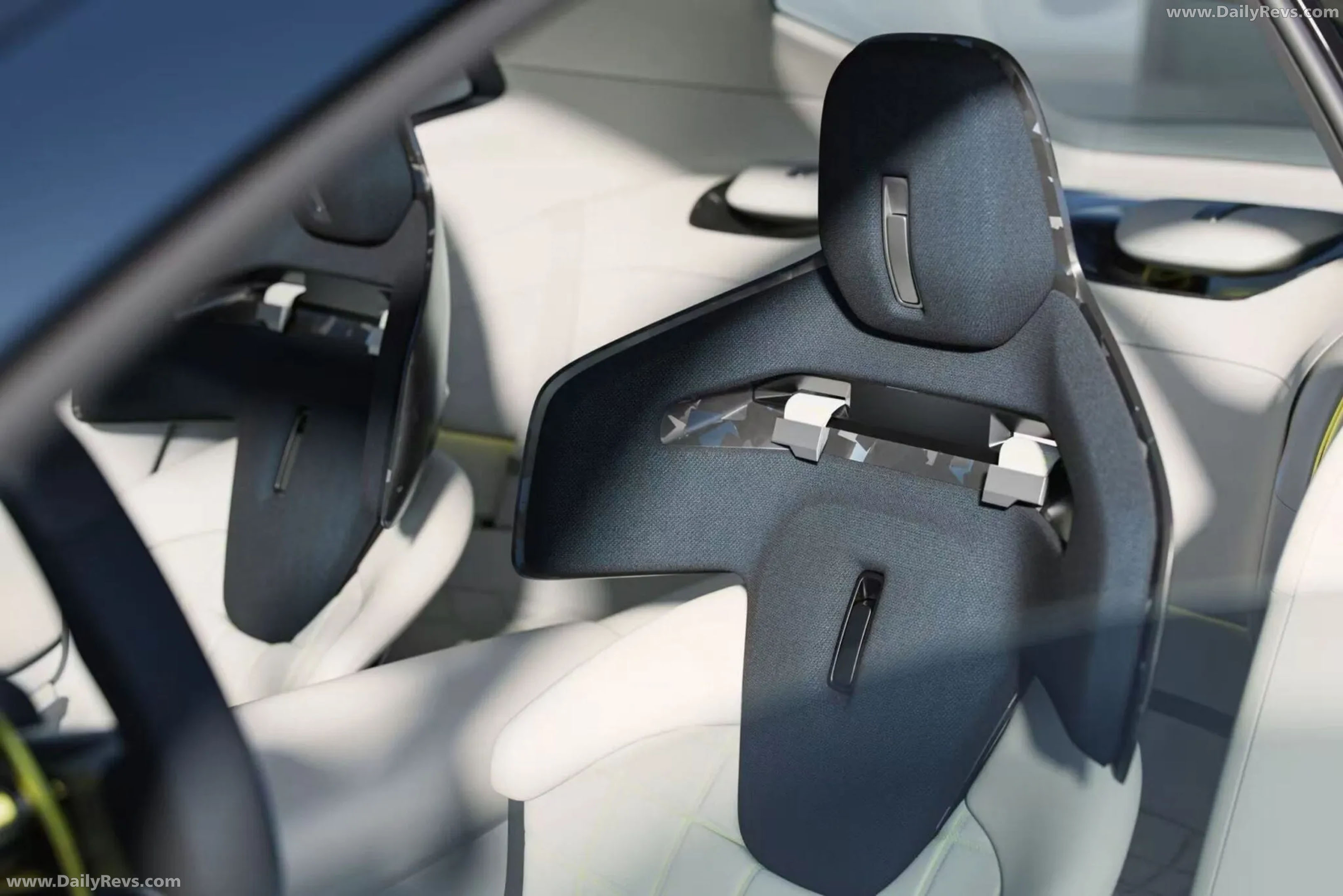
It’s not strictly a four-seater in the traditional sense, but it offers more usability than a pure two-seat sports car. The materials lean toward concept-level presentation, with white “digital luminous” leather used across the cabin.
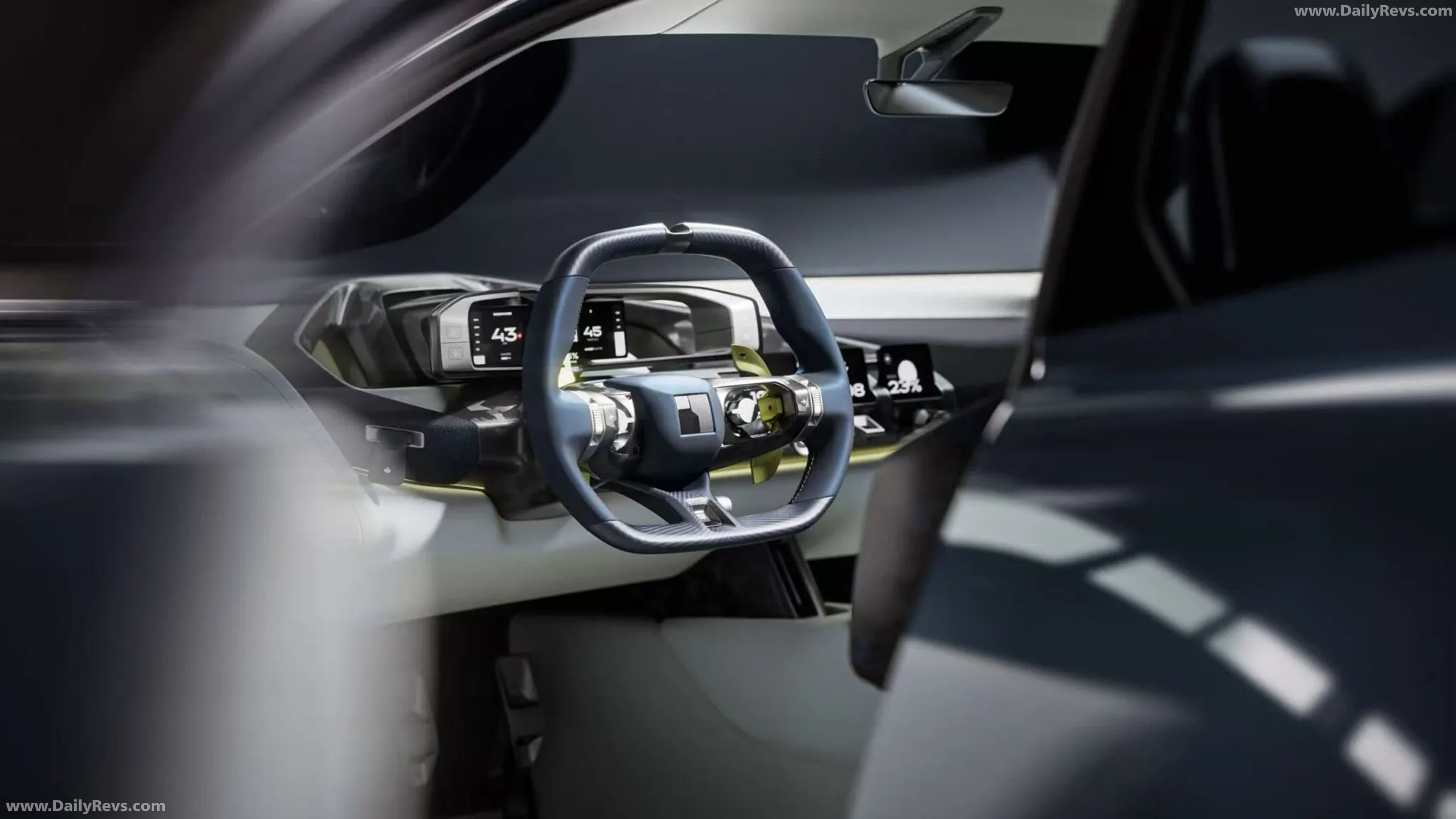
Carbon fibre appears here as well, specifically Textreme 360, finished by hand. It adds a technical layer to the otherwise bright interior.
The layout suggests a driver-focused environment, though full production details remain unclear. [Unverified]
Performance claims push into hypercar territory
The headline figure stands out immediately.
Lynk & Co claims a 0–100 km/h time of around 2.0 seconds. That places it in territory typically reserved for far more extreme machines. Whether that translates directly to production remains uncertain. [Speculation]
The layout is rear-wheel drive, paired with what’s described as an AI-based motion control system. That suggests a focus on managing traction and stability through software as much as hardware.
Exact power figures aren’t provided, but the intent is clear. This is positioned as a high-performance GT rather than a conventional coupe.
Adaptive aero changes the car in motion
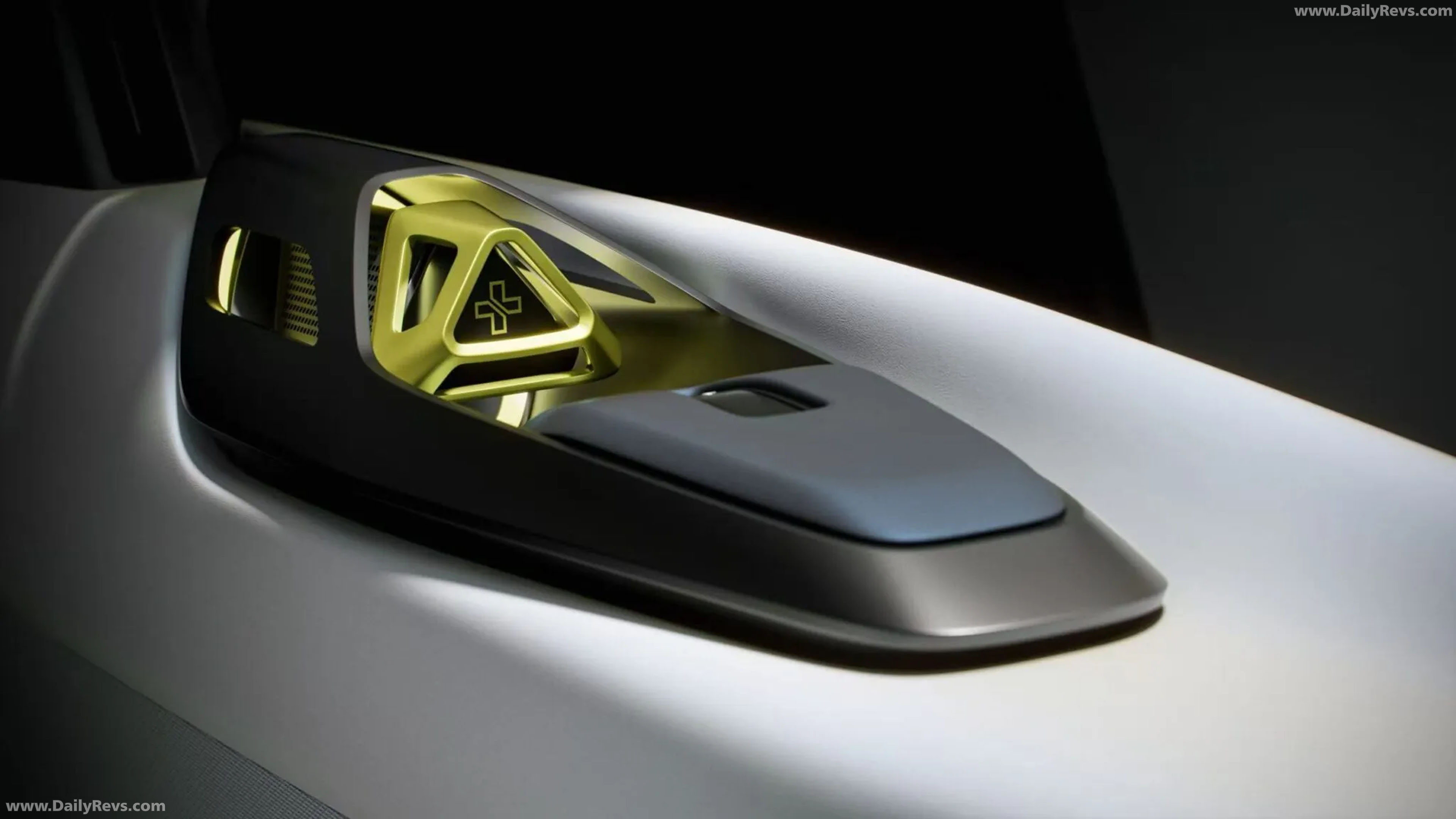
One of the more interesting elements sits in the centre console.
Pressing a “+” button activates a more aggressive driving mode. When engaged, the suspension lowers by approximately 15 mm. At the same time, front and rear aerodynamic components extend, increasing the overall length by around 99 mm.
The rear spoiler also rises, adding downforce.
It’s a system that changes the car physically, not just electronically. That approach isn’t common in this segment.
A concept shaped by global input
The GT project was developed jointly by Lynk & Co’s European and Chinese teams.
There’s also input from a global user base, reportedly over 1.7 million people. That’s an unusual approach for a concept car, but it reflects how the brand operates.
Production isn’t confirmed yet. If feedback continues in a positive direction, it could move beyond concept stage.