


2026 Leap Motor B05
By Lorenzo Bianchi September 16, 2025
Leapmotor B05 is the first international model under the Stellantis partnership.
Efficient EV powertrains and practical range are central to its design.
Positioned as an affordable crossover aimed at Europe and Asia.
A turning point for Leapmotor
Leapmotor has been steadily moving from a promising domestic EV startup into something bigger. The B05 is the car that’s supposed to push the brand onto the world stage. It’s not a flashy flagship or a limited-production experiment. It’s a compact crossover built to be sold in serious numbers, designed with Stellantis’s backing, and engineered from the start for export.
In other words, this isn’t just another model for Leapmotor. It’s the car that needs to convince buyers outside of China that the company deserves a seat at the EV table.
Design: clean and functional
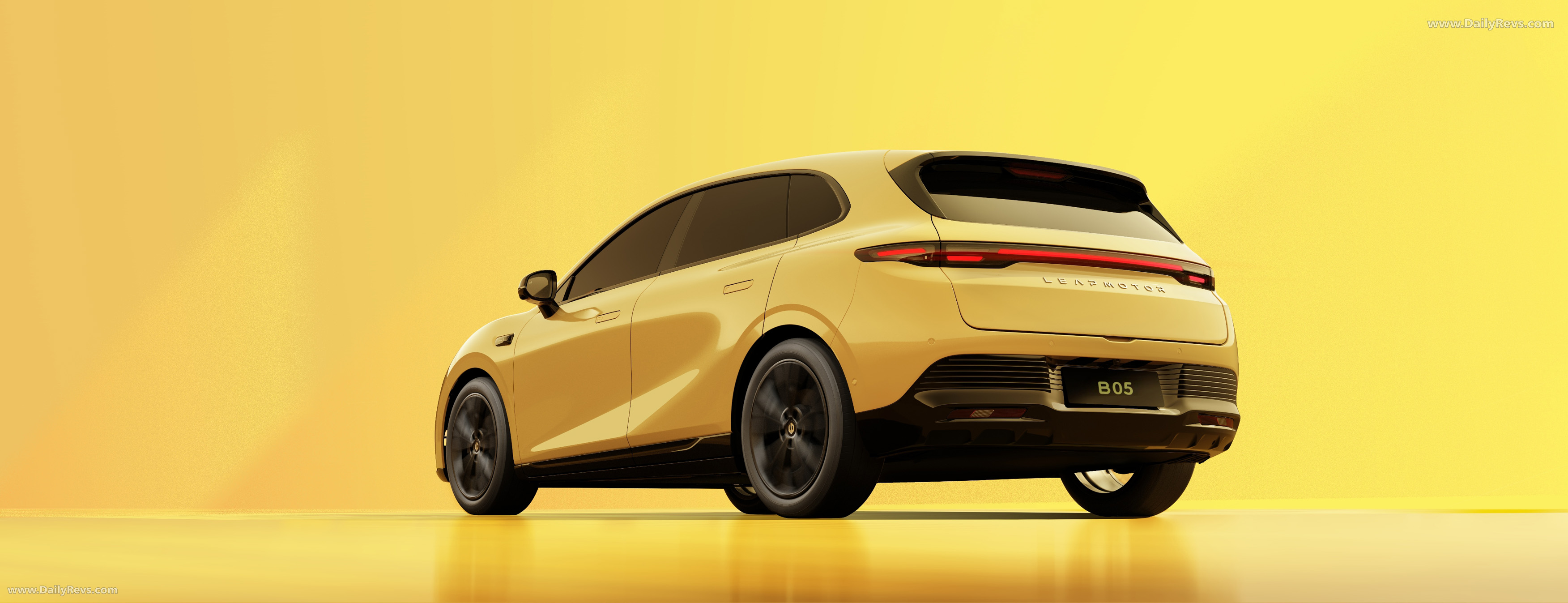
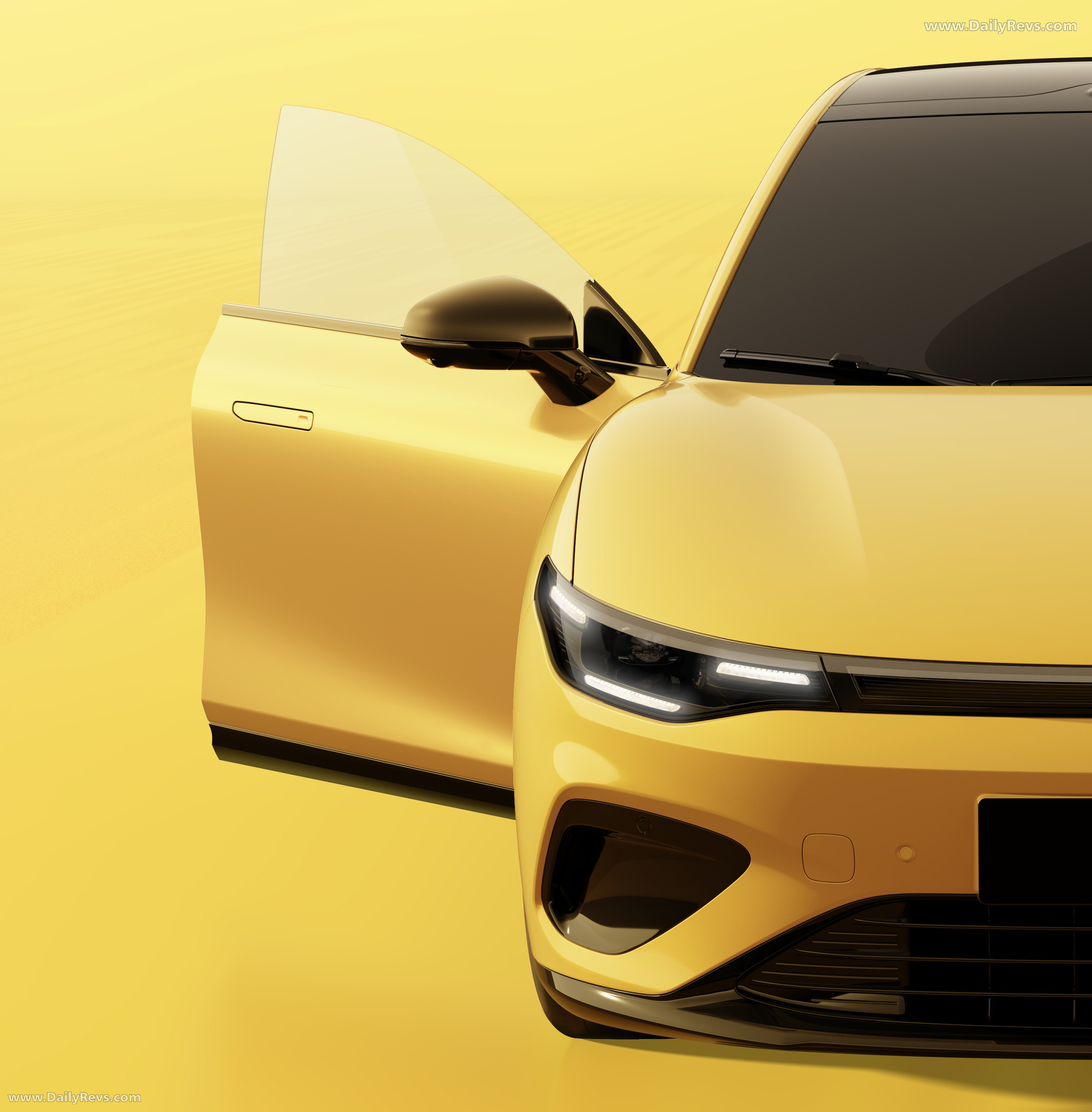
The B05 doesn’t overcomplicate things. Its exterior design is modern, restrained, and built around proportions familiar to anyone shopping for a compact crossover. A sealed fascia and slim LED lighting bring it in line with contemporary EV styling, while black cladding and a subtle roof taper give it some presence.
It’s the kind of design that works well in photographs and in person — sharp enough to catch attention, but not polarizing. Flush door handles and carefully drawn body lines help with aerodynamics, an increasingly critical factor as EV efficiency battles become more important.
Inside the cabin
Step into the B05 and the approach is just as pragmatic. The dashboard is anchored by a wide central display, paired with a digital cluster in front of the driver. Higher trims are expected to run with a dual-screen setup, while base models stick to a simpler layout.
The flat floor, a natural benefit of its EV-specific platform, creates decent legroom for rear passengers. Materials are chosen for durability and cost-effectiveness, but higher trims will add more premium touches. Expect smartphone integration, over-the-air software updates, and the kind of driver-assist features that are quickly becoming standard in this class.
Performance and range
The B05 is built around efficiency rather than headline performance. Single-motor front-wheel-drive and dual-motor all-wheel-drive versions are planned, giving buyers flexibility depending on their needs and budget.
Battery packs will deliver between 400 km and 600 km of range on the CLTC cycle, with WLTP figures expected to come in lower once European homologation is confirmed. Fast-charging support is part of the package, with DC charging expected to hit at least 150 kW, enough for a quick top-up on long journeys.
Acceleration and top speed aren’t the selling points here. What matters is predictable handling, usable performance in urban and highway settings, and the reassurance of competitive range.
Safety and technology
Leapmotor has engineered the B05 with international safety standards in mind. Adaptive cruise, lane-keeping assistance, automated braking, and blind-spot monitoring are all slated for the options list. Structurally, the crossover is built with reinforced crash protection designed to meet both Chinese and European regulations.
The brand is also leaning on Stellantis’s influence to align its tech and safety systems with what global customers now expect. That means calibration and user experience will need to feel seamless, not like add-ons.
Technical Specification
Performance
- Power output: Approx. 170–250 kW (228–335 hp), depending on configuration
- Drivetrain options: Single-motor FWD or dual-motor AWD
- Acceleration: [Unverified] Estimated 0–100 km/h in ~6–8 seconds
- Top speed: ~180 km/h (electronically limited)
Body Measurements
- Length: ~4,700 mm (185 in)
- Width: ~1,900 mm (74.8 in)
- Height: ~1,660 mm (65.3 in)
- Wheelbase: ~2,800 mm (110 in)
Powertrain
- Platform: EV-dedicated global architecture (co-developed under Stellantis partnership)
- Battery options: 60–90 kWh (depending on market and trim)
- Electric range: 400–600 km (CLTC); ~300–450 km WLTP equivalent
- Charging: DC fast-charging up to ~150 kW; 10–80% in ~30 minutes
- Onboard AC charging: 11 kW standard (22 kW optional in some markets)
Capacities
- Seating: 5 passengers
- Cargo volume: ~450–500 liters (rear seats up)
- Towing capacity: [Unverified] Not officially rated yet
- Curb weight: ~1,900–2,100 kg, depending on battery and drivetrain
Price
- China: Expected starting price ~¥200,000 (≈$27,000 USD)
- Export markets (Europe): Estimated €32,000–€38,000 depending on trim and battery pack