2026 Jeep Wrangler ANVIL 715 Concept
By Lorenzo Bianchi April 4, 2026
Overland-focused Wrangler with fixed roof, skylights, and integrated rack.
Powered by a 392 HEMI V8 for sustained off-road driving.
Interior built for durability with bed-lined floors and onboard mapping.
A Wrangler shaped around the journey, not the obstacle
The 2026 Jeep Wrangler ANVIL 715 Concept takes a slightly different approach. It’s not chasing the most extreme trail or the biggest numbers. Instead, it leans into overlanding — long-distance travel where the vehicle becomes part of how you live along the way.
That changes the priorities. It’s less about pushing limits in short bursts, more about consistency, space, and how everything works together over time.
Exterior feels more integrated than most builds
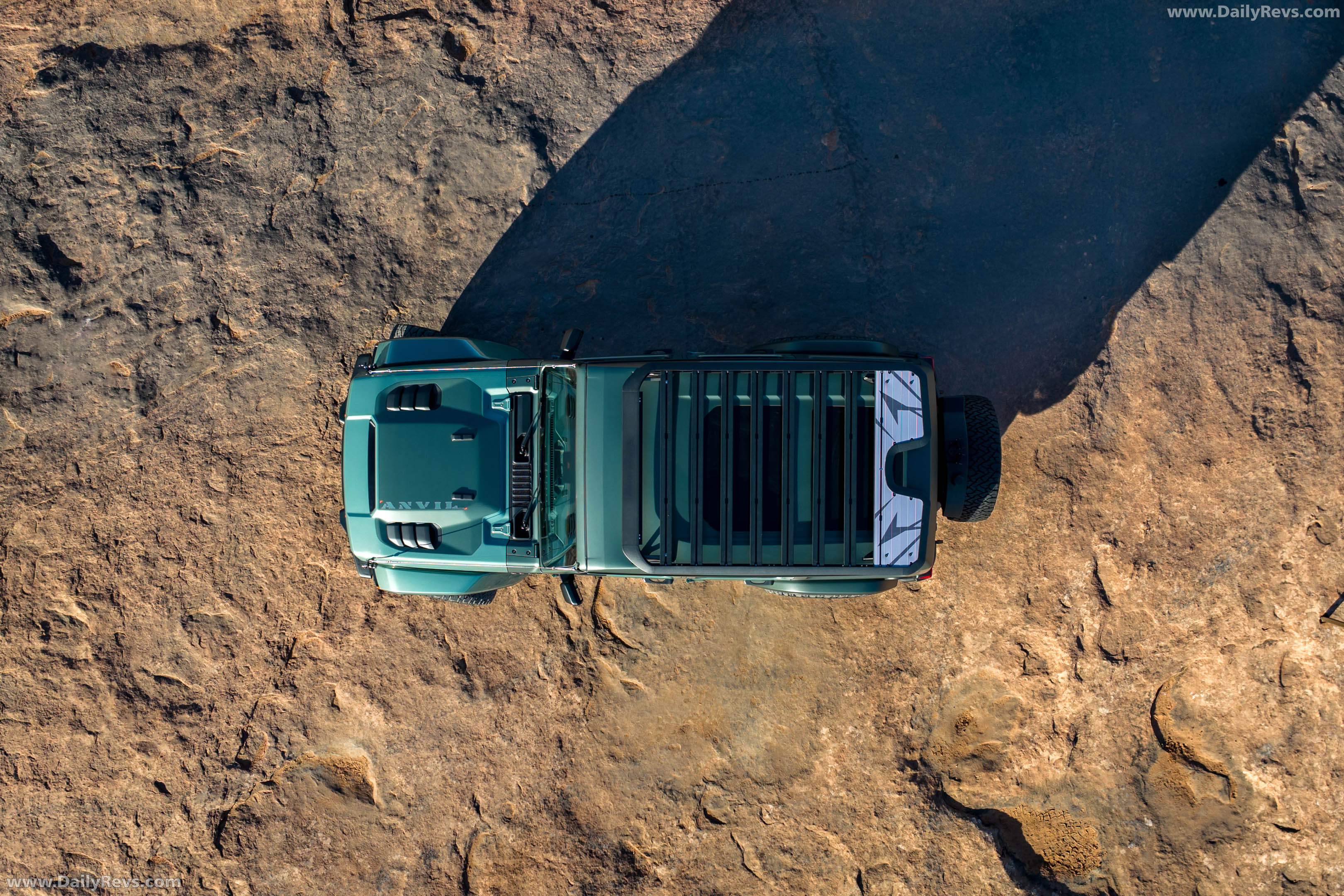
At a glance, it doesn’t look overloaded. That’s probably the first thing that stands out. Most overland builds tend to accumulate gear on the outside. Here, a lot of that has been pulled inward or built into the structure itself.
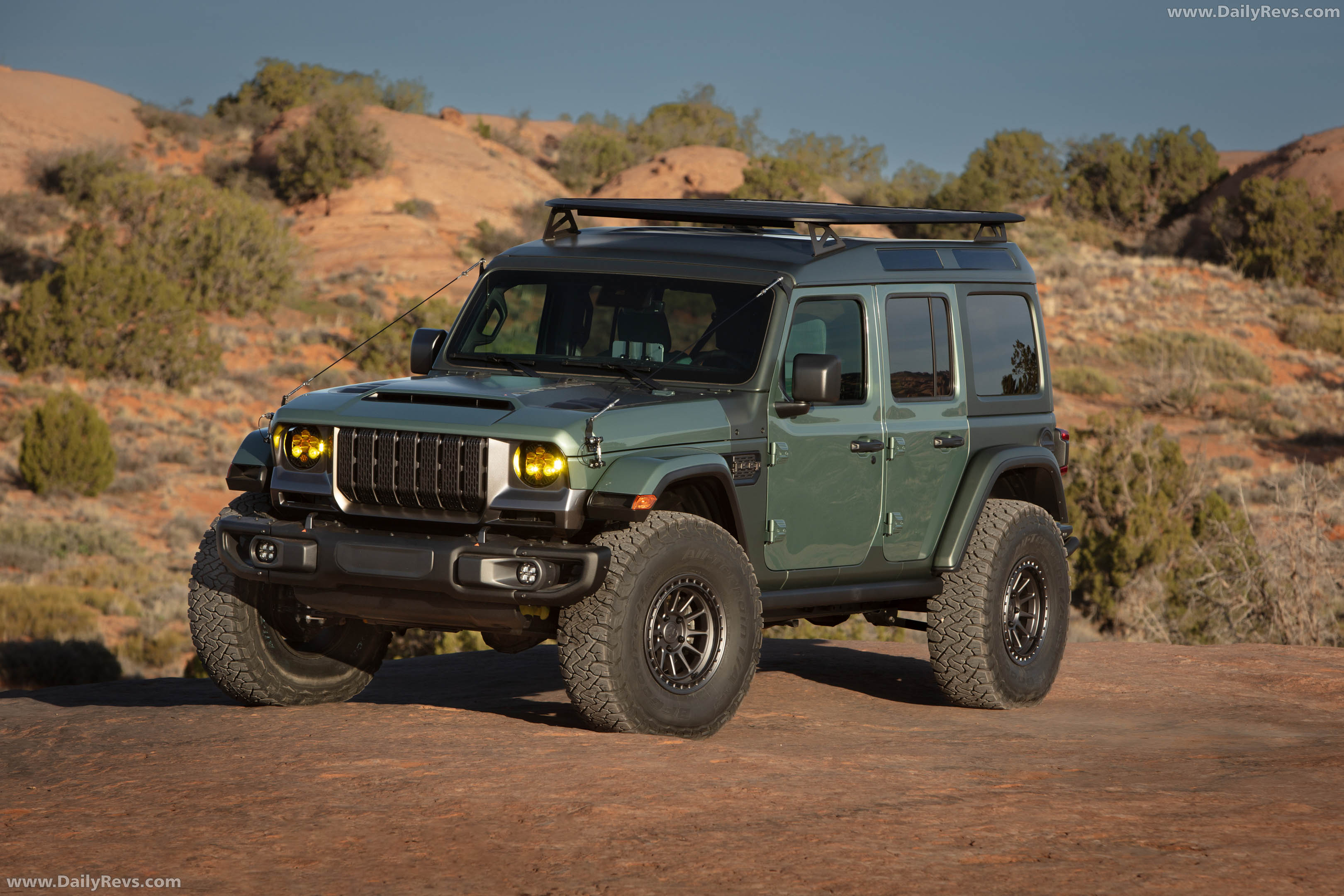
The front end carries a subtle nod to older SJ-series Jeeps from the 1960s. It’s flatter, a bit more upright, and gives the vehicle a different kind of presence without trying too hard to look retro.
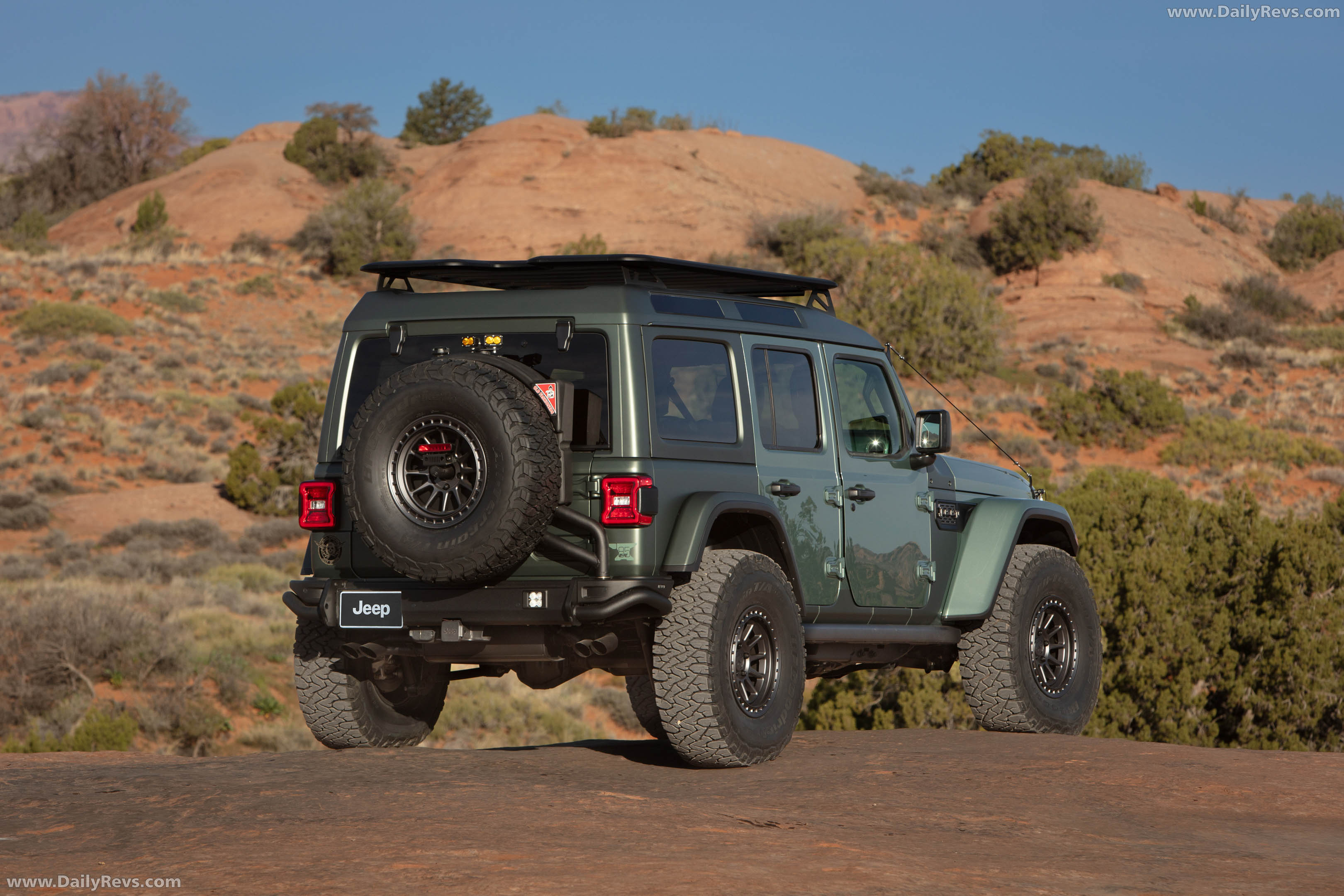
The roof is where things shift more noticeably. It’s fixed, with integrated skylights and a roof rack built directly into it. That changes the silhouette slightly, making it feel more cohesive and less modular than a standard Wrangler.
There’s also an onboard air system with quick-disconnect fittings, which is the sort of detail you’d only appreciate once you’re adjusting tire pressure mid-trail.
Lighting is handled in a straightforward way. Auxiliary lamps at the front and rear are there for visibility in remote areas, not for styling.
Proportions stay close to the original, but feel more settled
The ANVIL 715 starts from a Wrangler Unlimited Rubicon, so the underlying proportions don’t change dramatically.
What does change is how the vehicle reads as a whole. The fixed roof and cleaner exterior reduce the visual breaks you normally get with removable panels.
It feels more unified, less pieced together. There’s no exaggerated lift or oversized stance here. The setup looks balanced, which tends to matter more when you’re covering long distances rather than tackling a single obstacle.
Interior is built to be used, not shown
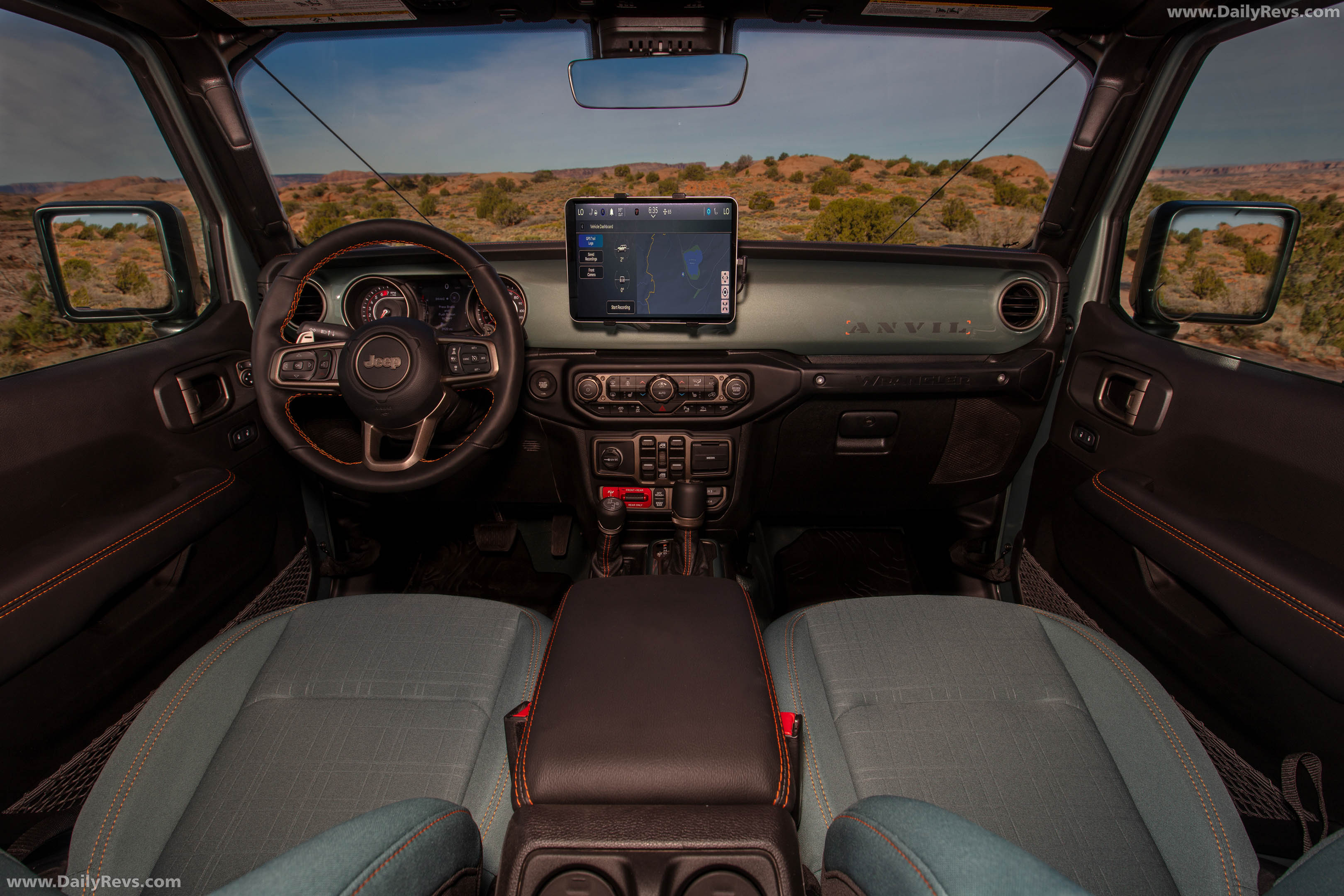
Inside, the priorities are easy to understand. Seats are reupholstered for durability, and the flooring is bed-lined so it can be cleaned out without much effort.
There’s a dedicated Trails Offroad mapping screen mounted on the dash. It’s not flashy, but it’s useful. The kind of feature you’d rely on rather than notice.
Storage is handled through an overhead system integrated into the roof area, keeping gear out of the way without adding clutter to the cabin. It doesn’t try to feel premium. It just feels considered.
HEMI power keeps things simple and familiar
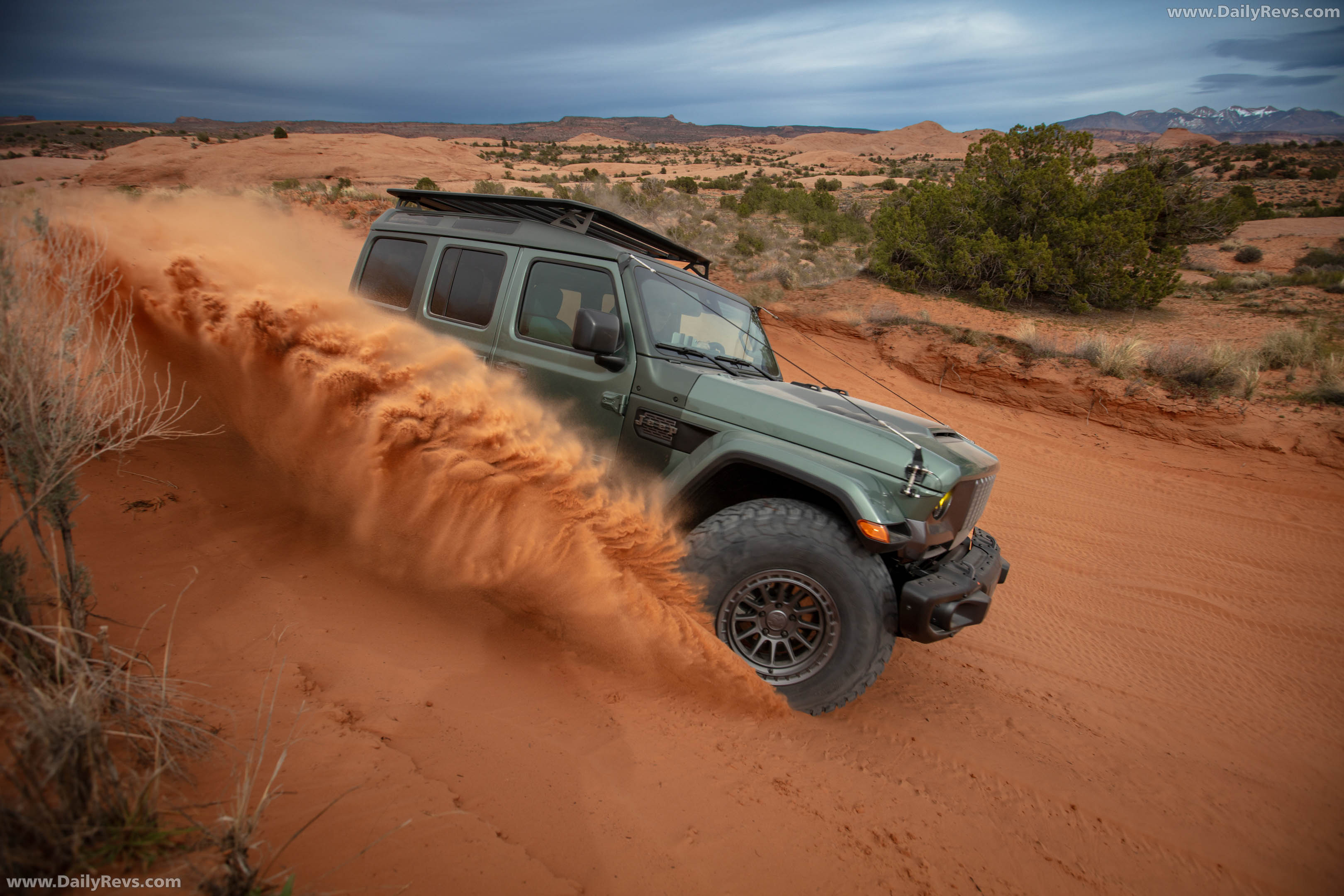
Under the hood, Jeep sticks with what works. A 392 HEMI V8 provides the power, offering consistent output suited to long-distance off-road travel.
There’s no hybrid system or electrification here. The approach feels deliberate. Keep it straightforward, keep it reliable.
Features that make sense once you’re out there
Most of what’s added to the ANVIL 715 isn’t obvious at first. The onboard air system, integrated rack, and lighting all come into play once you’re away from paved roads.
Even the decision to keep the exterior clean ties back to that. Less equipment hanging off the body means fewer things to worry about when the terrain gets tight.
A concept that feels quietly resolved
The 2026 Jeep Wrangler ANVIL 715 Concept doesn’t try to stand out in the usual way. It narrows its focus and follows it through. Long-distance travel, self-sufficiency, and thoughtful packaging. It’s not trying to impress quickly. It makes more sense the longer you think about how it would actually be used.