2026 Jeep Wrangler Striker Concept
By Lorenzo Bianchi April 3, 2026
707 hp Hellcat V8 paired with heavy-duty automatic transmission.
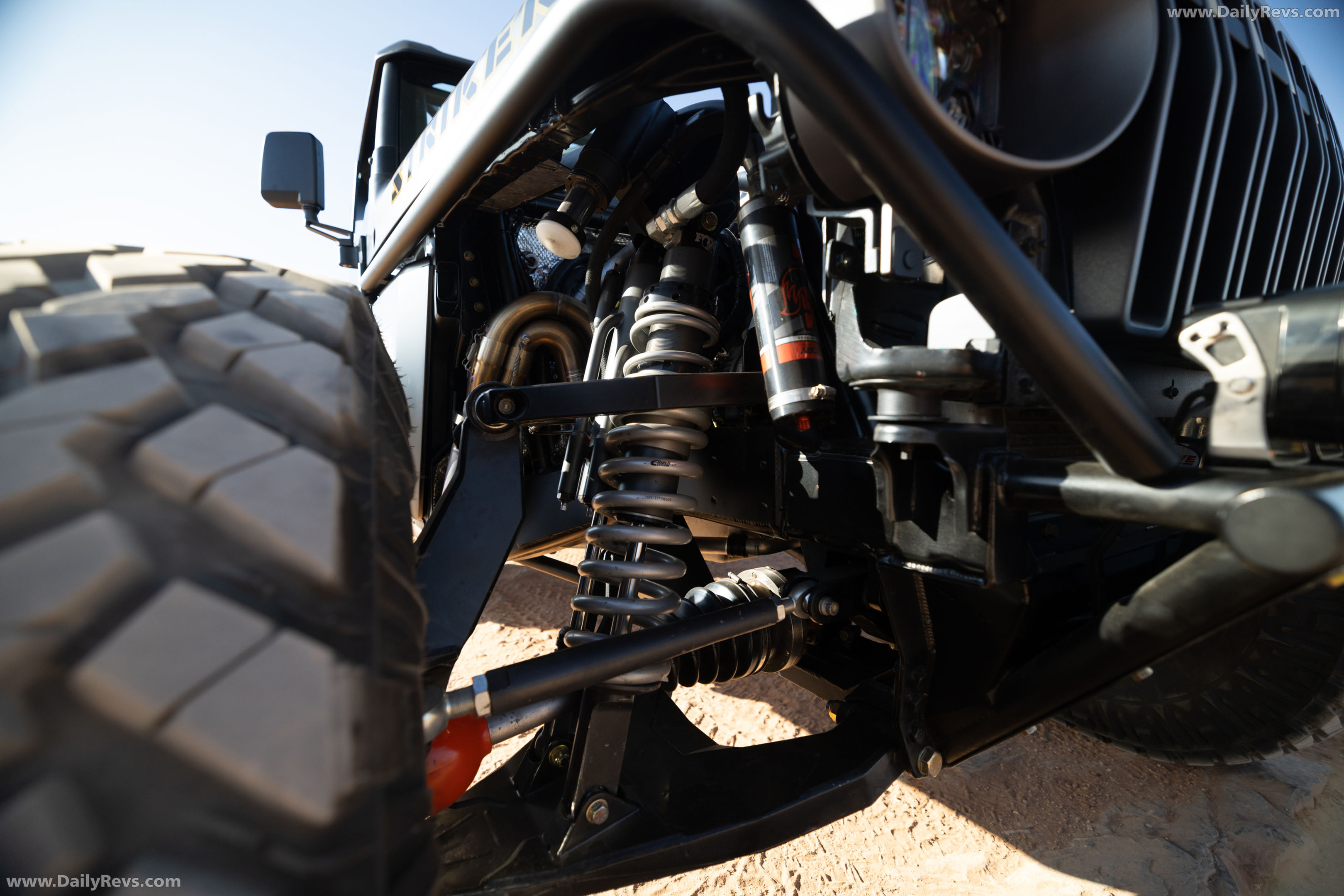
Custom chassis with bypass shocks and high-travel suspension.
Built for desert racing and technical off-road terrain.
A Wrangler that goes well past the usual limits
The 2026 Jeep Wrangler Striker Concept isn’t built with restraint in mind. It takes the Wrangler idea and stretches it toward competition-level off-roading. Developed with Casey Currie, the concept is clearly shaped around desert racing — the kind of terrain where speed, suspension travel, and durability all have to work together.
You can still see the Wrangler in it. The proportions just feel pushed further than usual.
Exterior looks exaggerated, but it makes sense
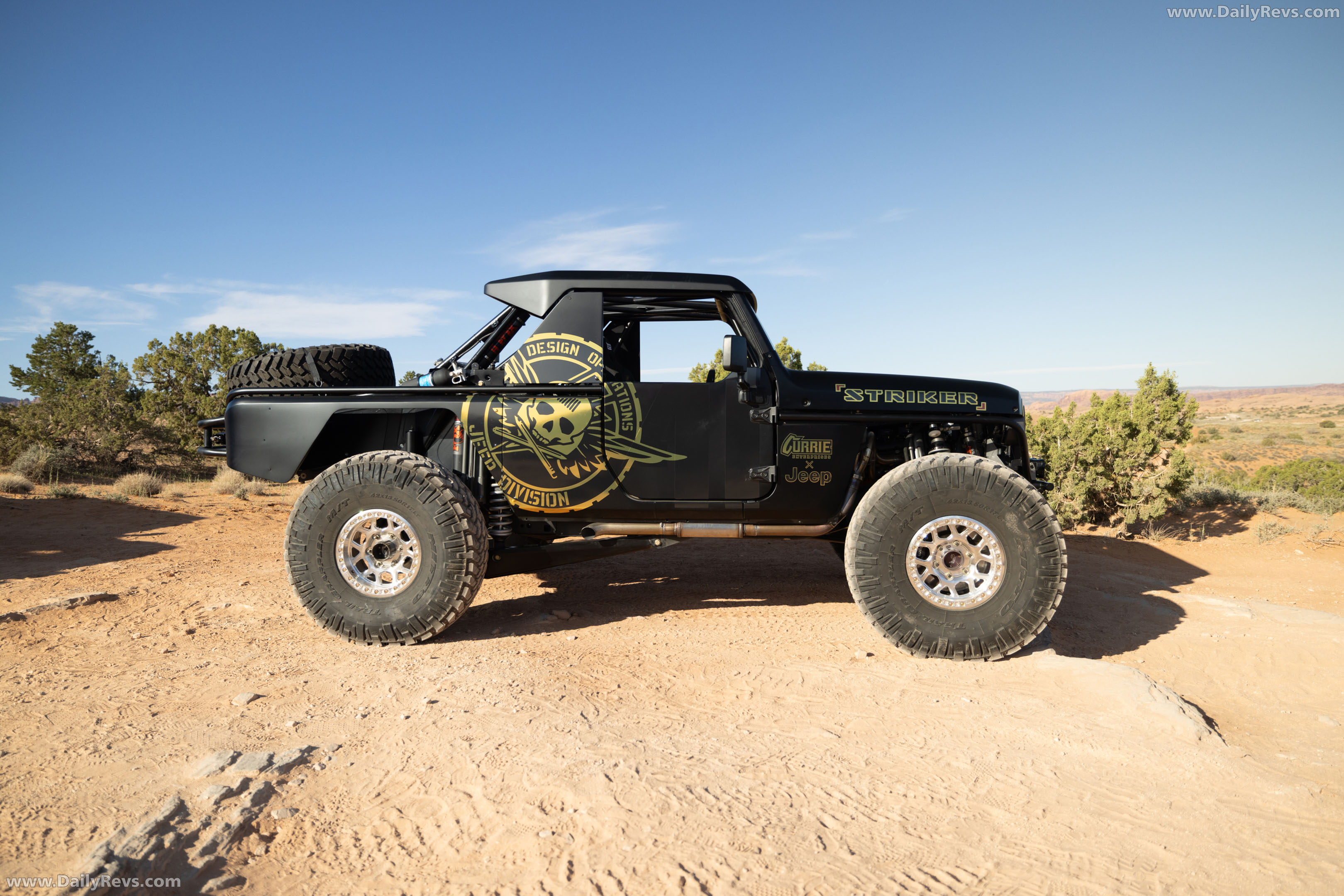
At first glance, the Striker feels almost oversized. The stance is wider, the body sits lower, and everything looks more planted. The familiar Wrangler shape is still there, but it’s been pulled outward to match what the hardware underneath needs.
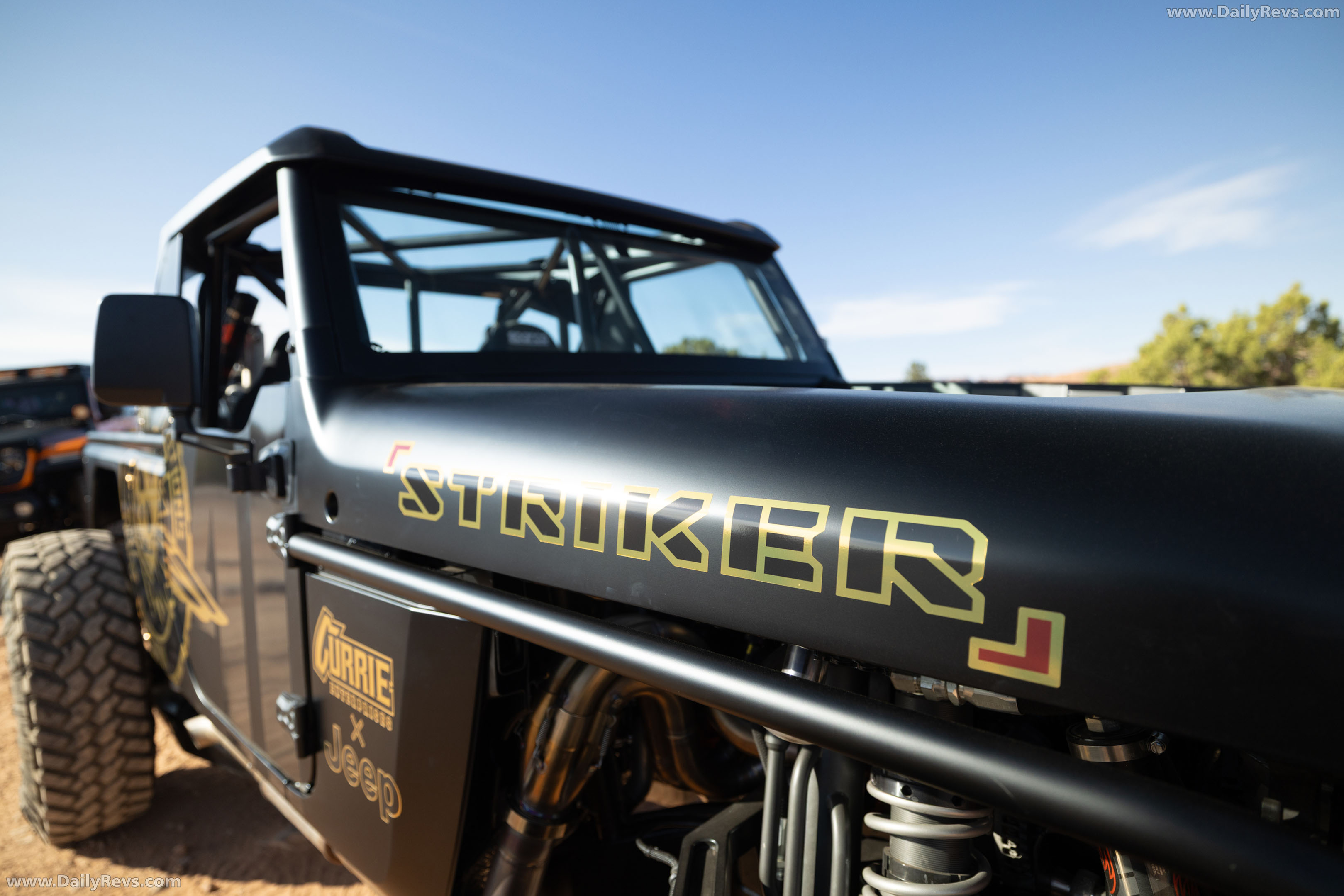
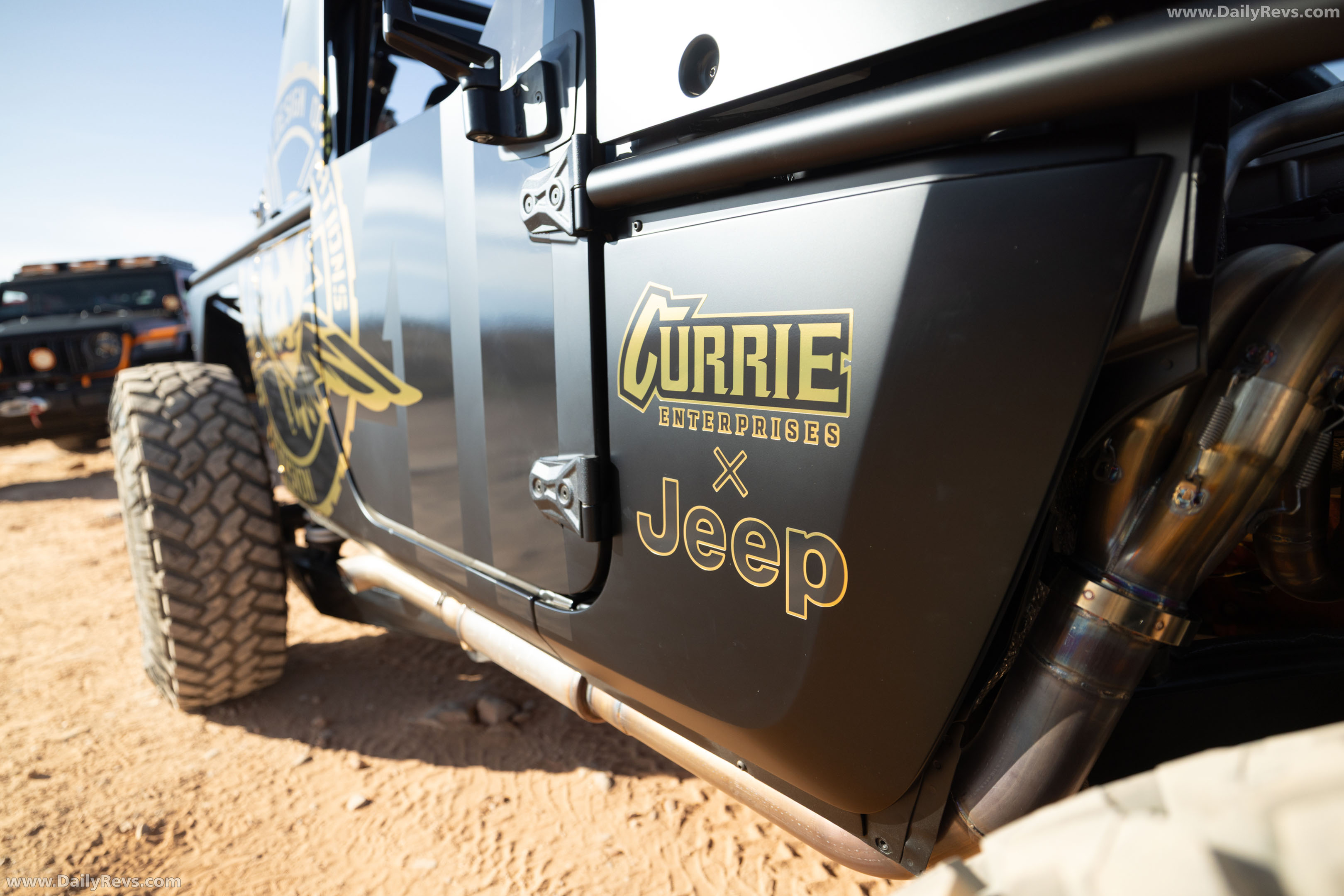
The body panels are bolt-on pieces made from carbon and steel. They don’t try to hide how they’re attached, which gives the whole vehicle a more functional look. It feels like something that could be repaired or modified quickly between runs.
Lighting is clearly aimed at real use. Large off-road lamps sit up front, designed for visibility in low-light conditions rather than styling. Even with all that, it keeps the open-air layout. Half doors, no fixed roof. It still feels like a Wrangler, just one that’s been reworked for a very different purpose.
Built around movement rather than comfort
The proportions tell you what matters here. The track is wider, the suspension travel is significantly increased, and the whole setup sits higher to deal with uneven terrain. This isn’t about everyday usability. It’s about control when things get rough.
Underneath, the chassis and suspension have been developed specifically for this concept. There’s a high-travel independent front suspension, heavy-duty axles, and large bypass shocks built to handle repeated impacts.
It’s the kind of setup you’d expect from a race truck, not a road-going SUV.
Interior strips things back to the essentials
Inside, there’s very little to distract you. The cockpit is set up for control and safety first. Materials are chosen for durability, and everything feels like it’s there for a reason.
There aren’t large screens or comfort-focused features. The layout is simple, direct, and focused on what’s needed when the vehicle is being pushed hard. It’s not minimal for the sake of it. It’s just focused.
Hellcat power changes how it behaves
The engine shifts the entire character of the Striker. A 707-horsepower Hellcat V8 sits at the center of it, paired with a heavy-duty automatic transmission.
That kind of output isn’t just about acceleration. In this case, it’s about maintaining speed across long stretches of rough terrain without the system backing off.
It’s tuned for consistency rather than short bursts, which makes more sense for the environment it’s built for.
Designed for extreme terrain, not compromise
Everything about the Striker points in one direction. High-speed desert runs, uneven surfaces, and technical rock sections. The suspension, the chassis, and the powertrain all work toward that same goal.
There’s no attempt to balance comfort or daily usability. That’s not part of the brief here.
More of an exploration than a preview
The 2026 Jeep Wrangler Striker Concept isn’t something that’s heading to showrooms. It’s a way of testing how far the Wrangler platform can go when the usual limits don’t apply.
There’s a clear connection to events like King of the Hammers, where vehicles like this are built to be pushed hard. In that sense, the Striker feels less like a concept for the future and more like a demonstration of what’s already possible.