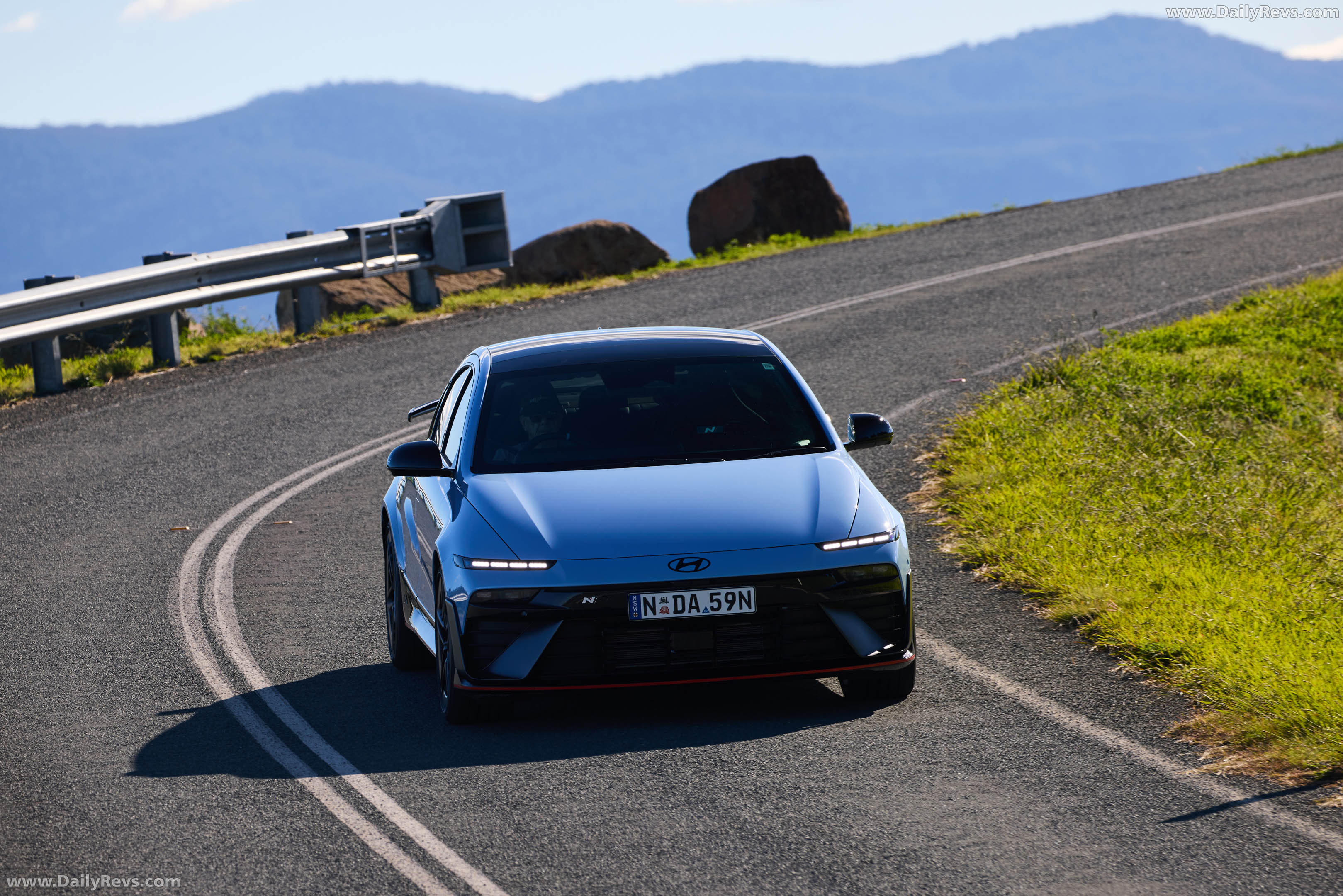
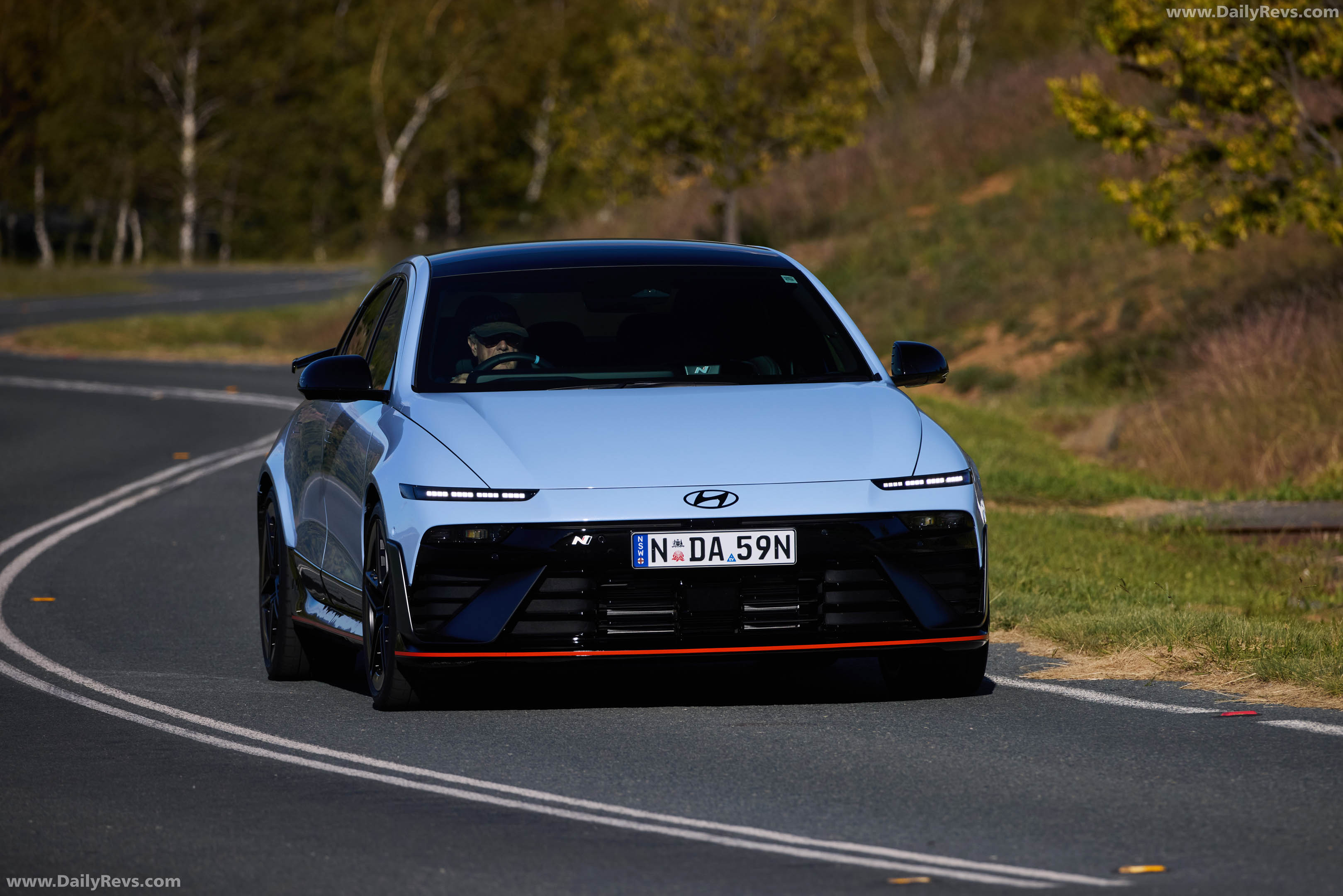
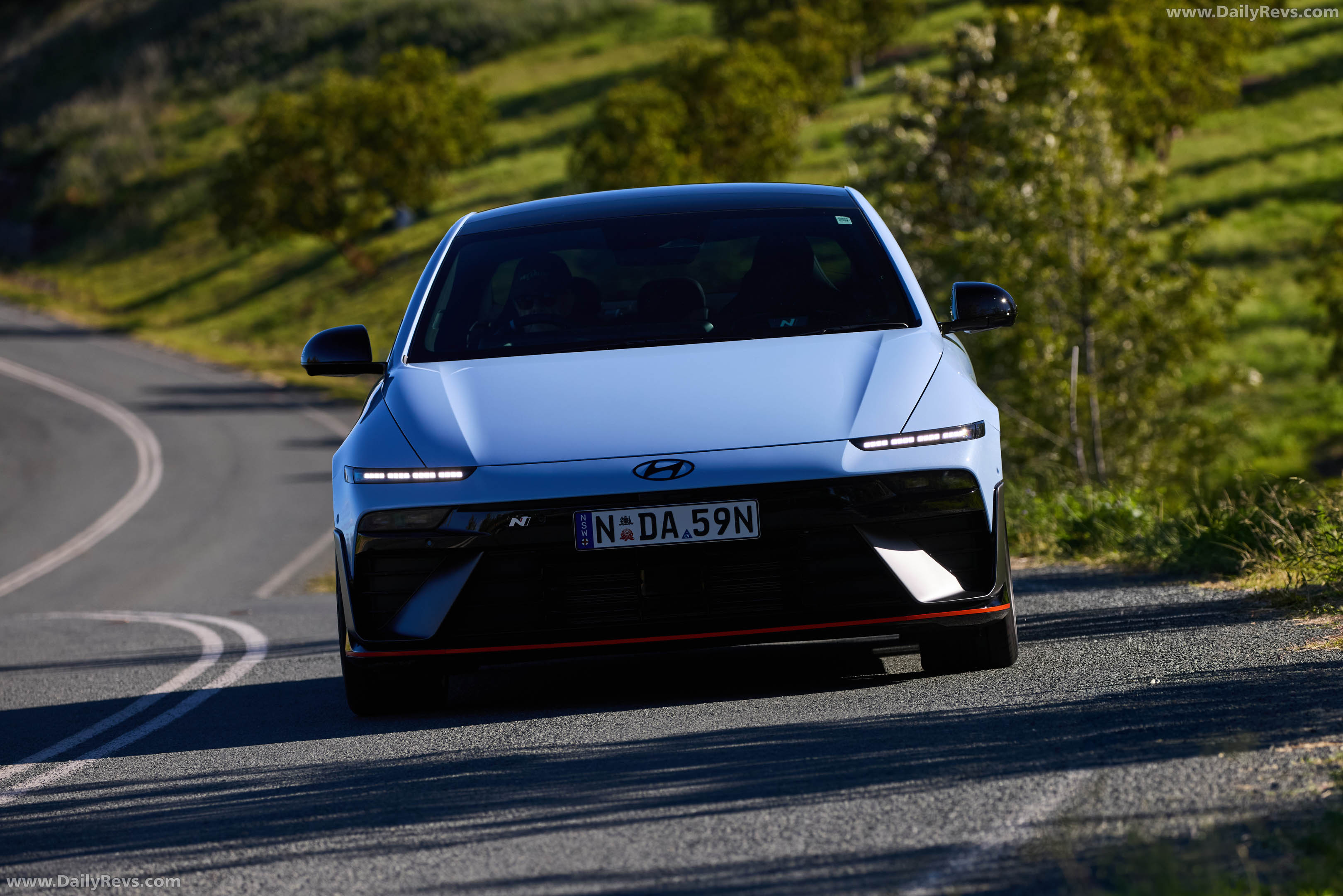
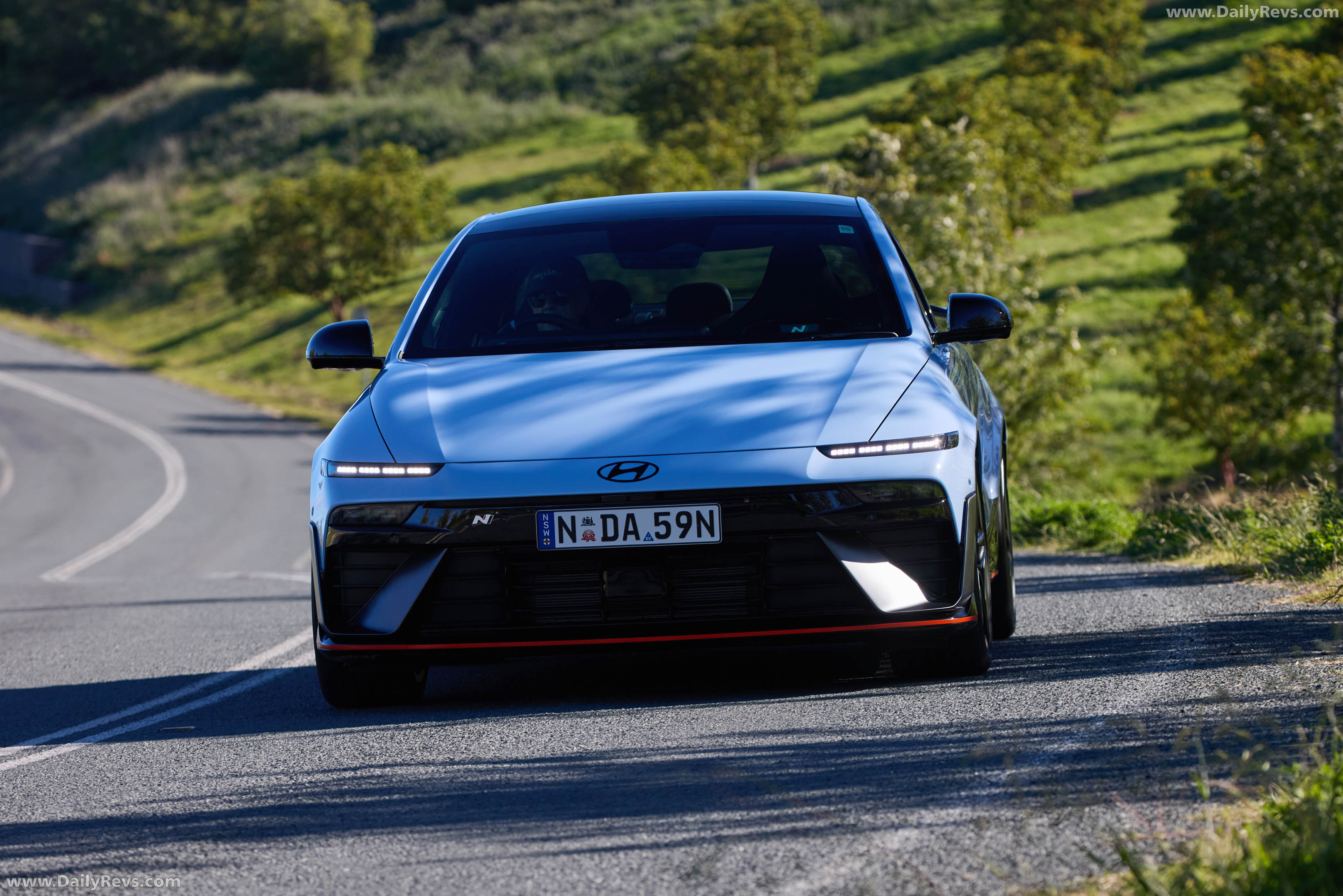
2026 Hyundai IONIQ 6 N Australian Version
By Lorenzo Bianchi May 4, 2026
Up to 478 kW and 770 Nm with N Grin Boost, 0–100 km/h in 3.2 seconds.
84 kWh battery with ultra-fast charging from 10 to 80 percent in 18 minutes.
Track-focused chassis paired with daily usability and advanced driver tech.
Streamliner body shaped for speed and downforce
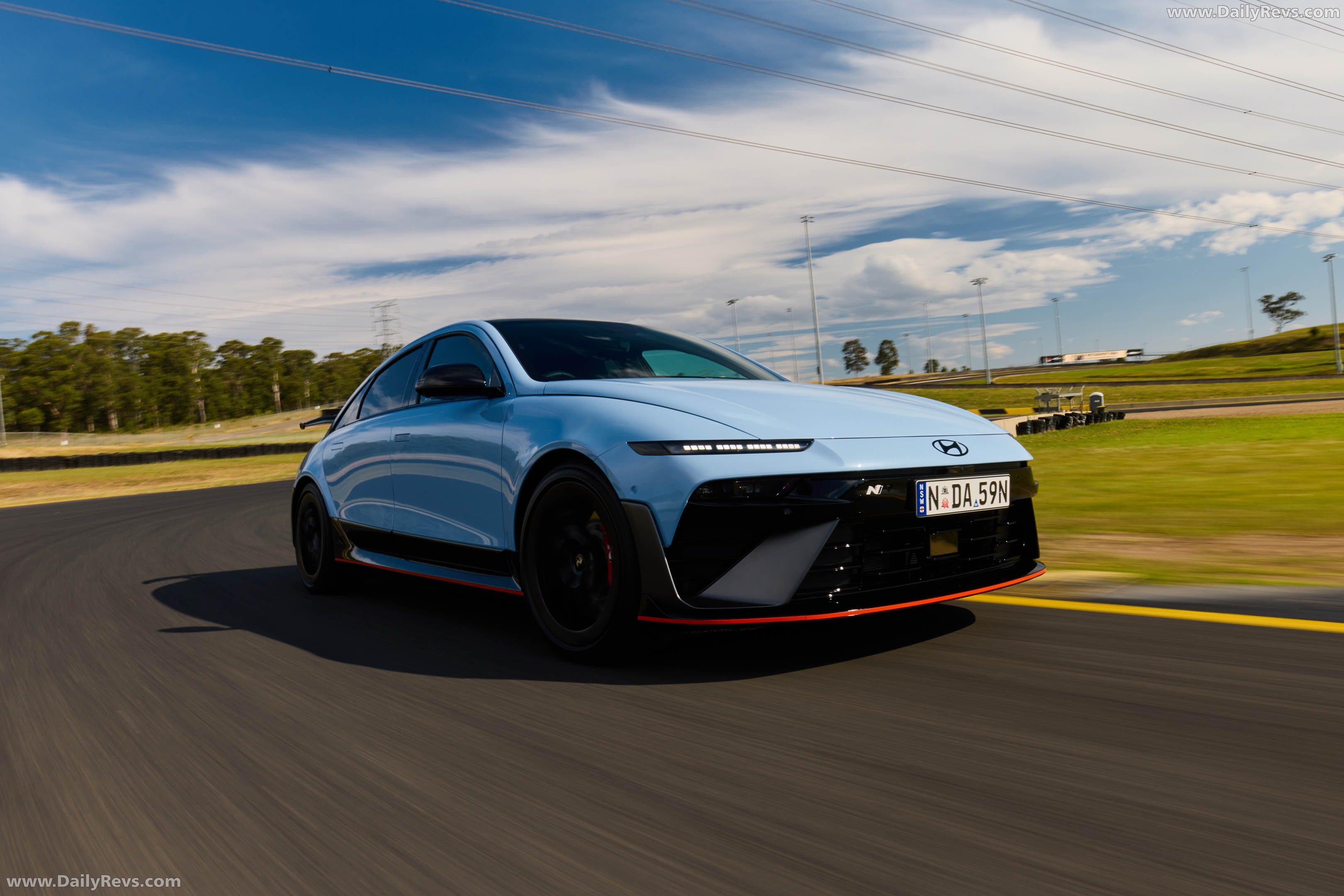
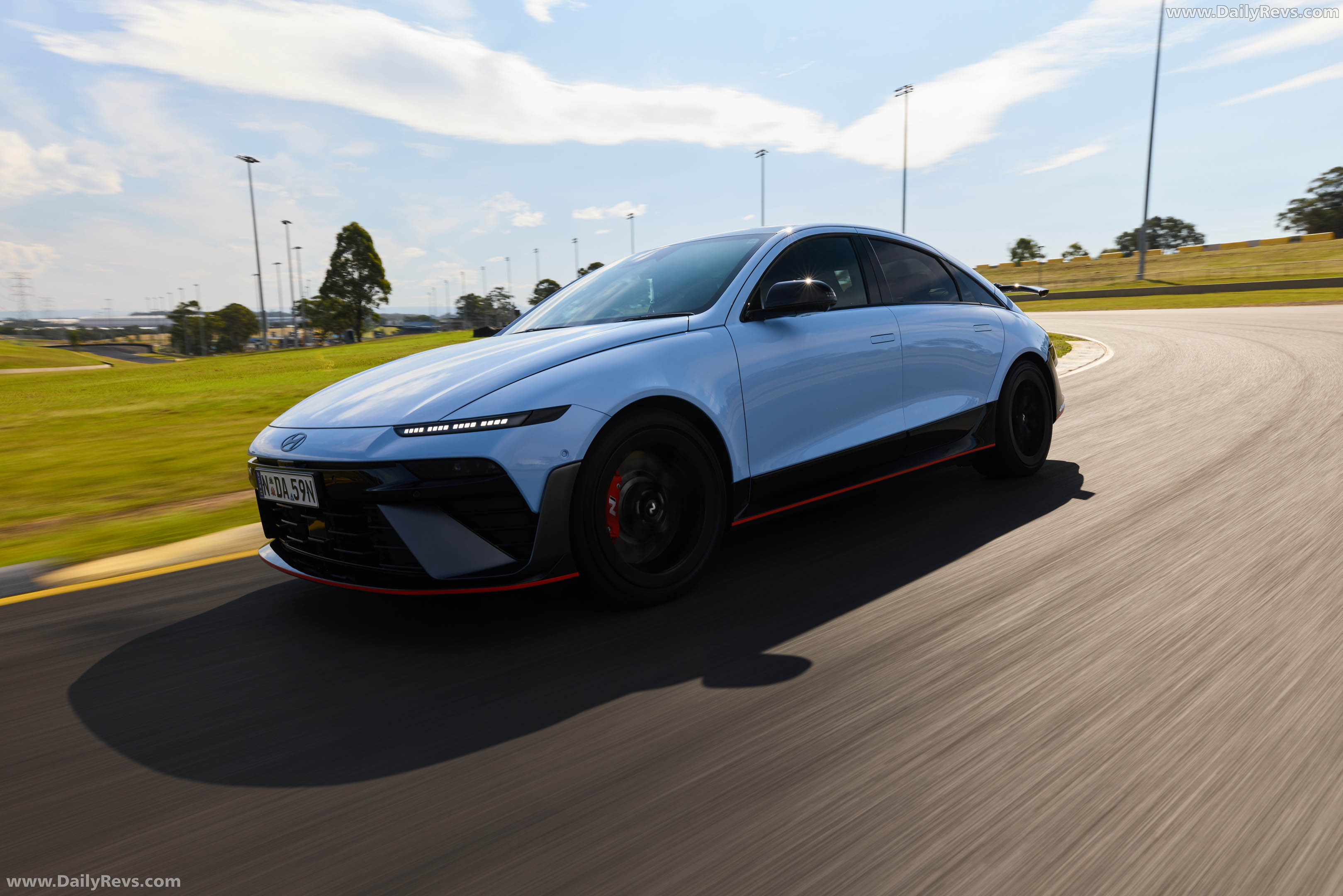
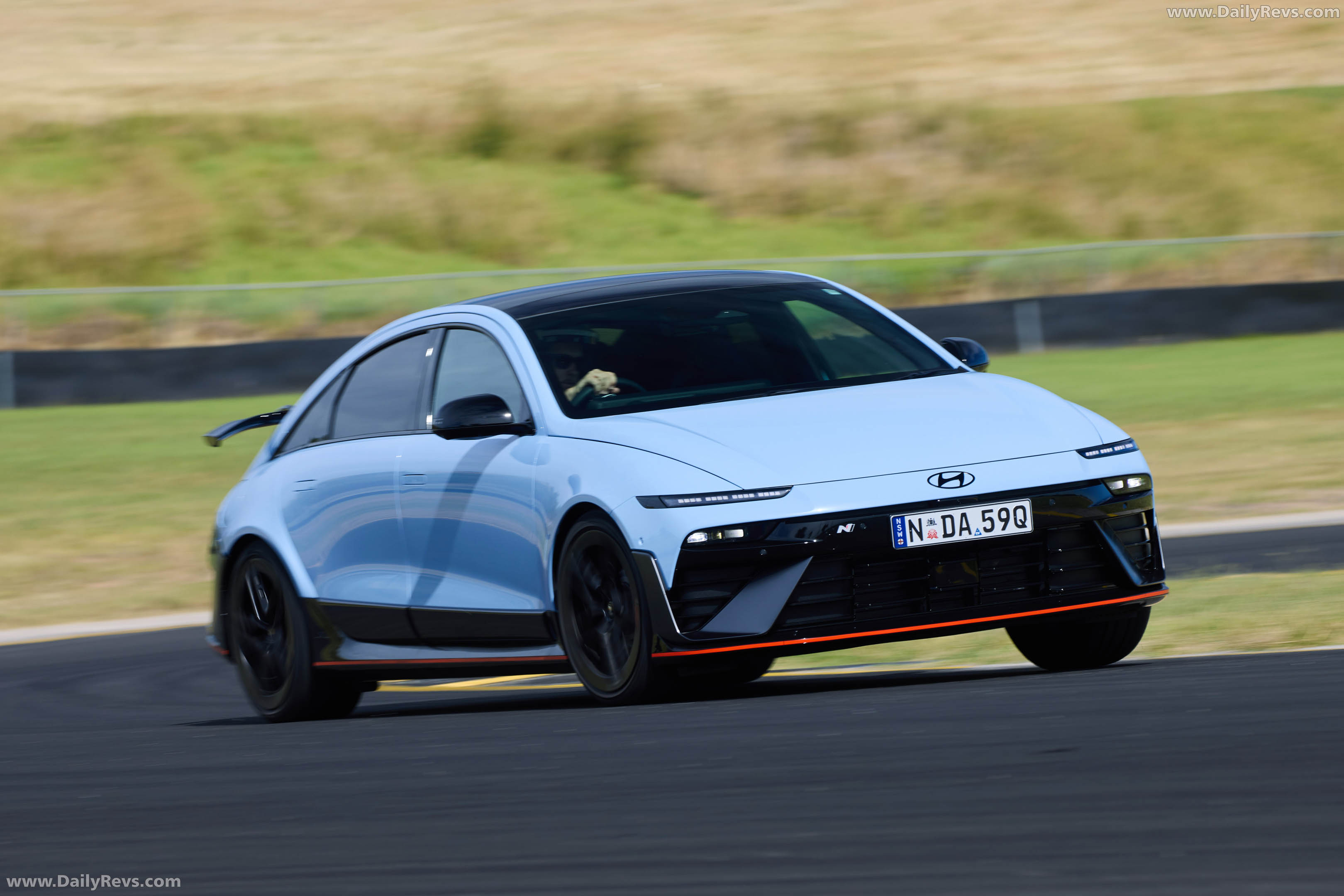
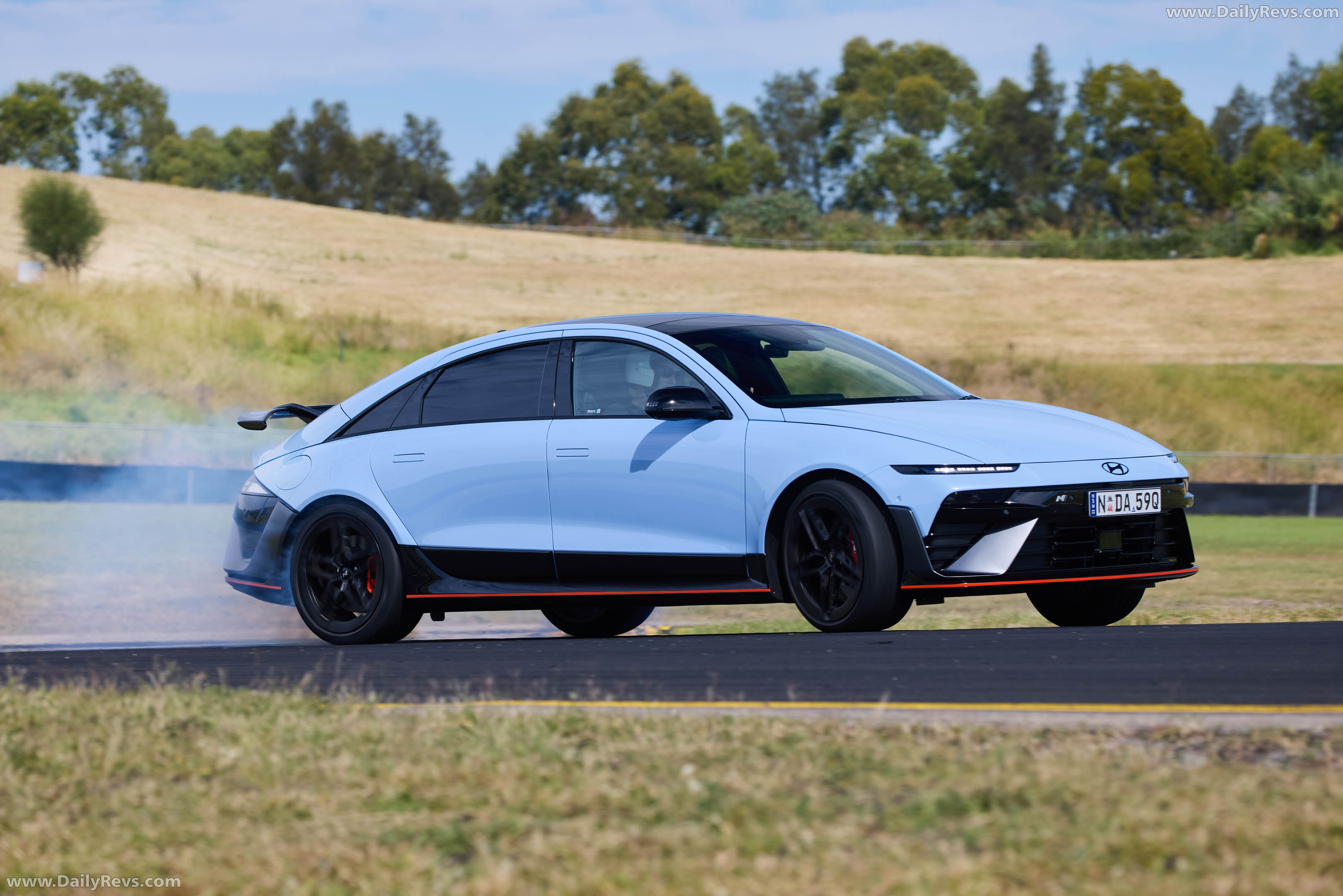
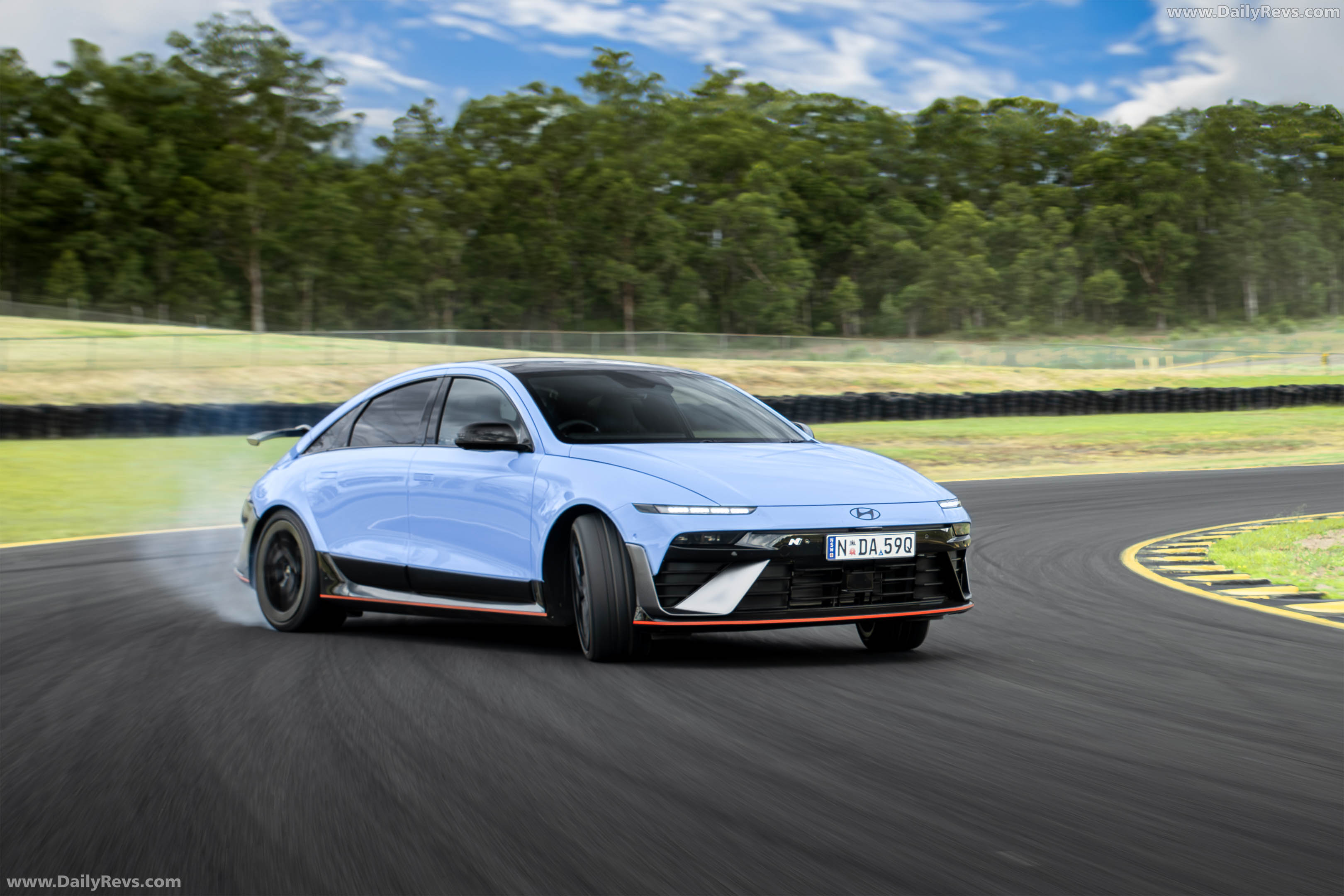
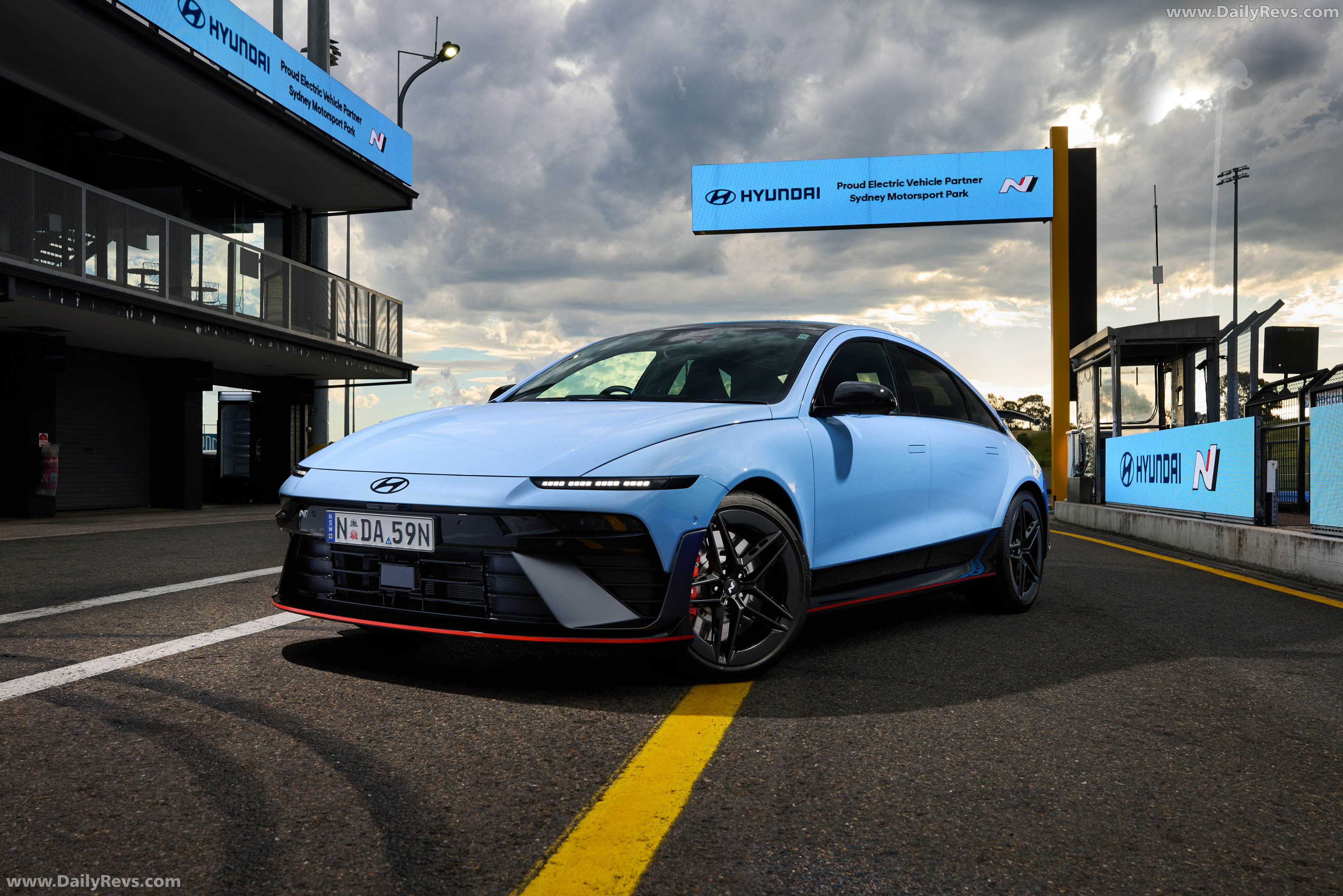
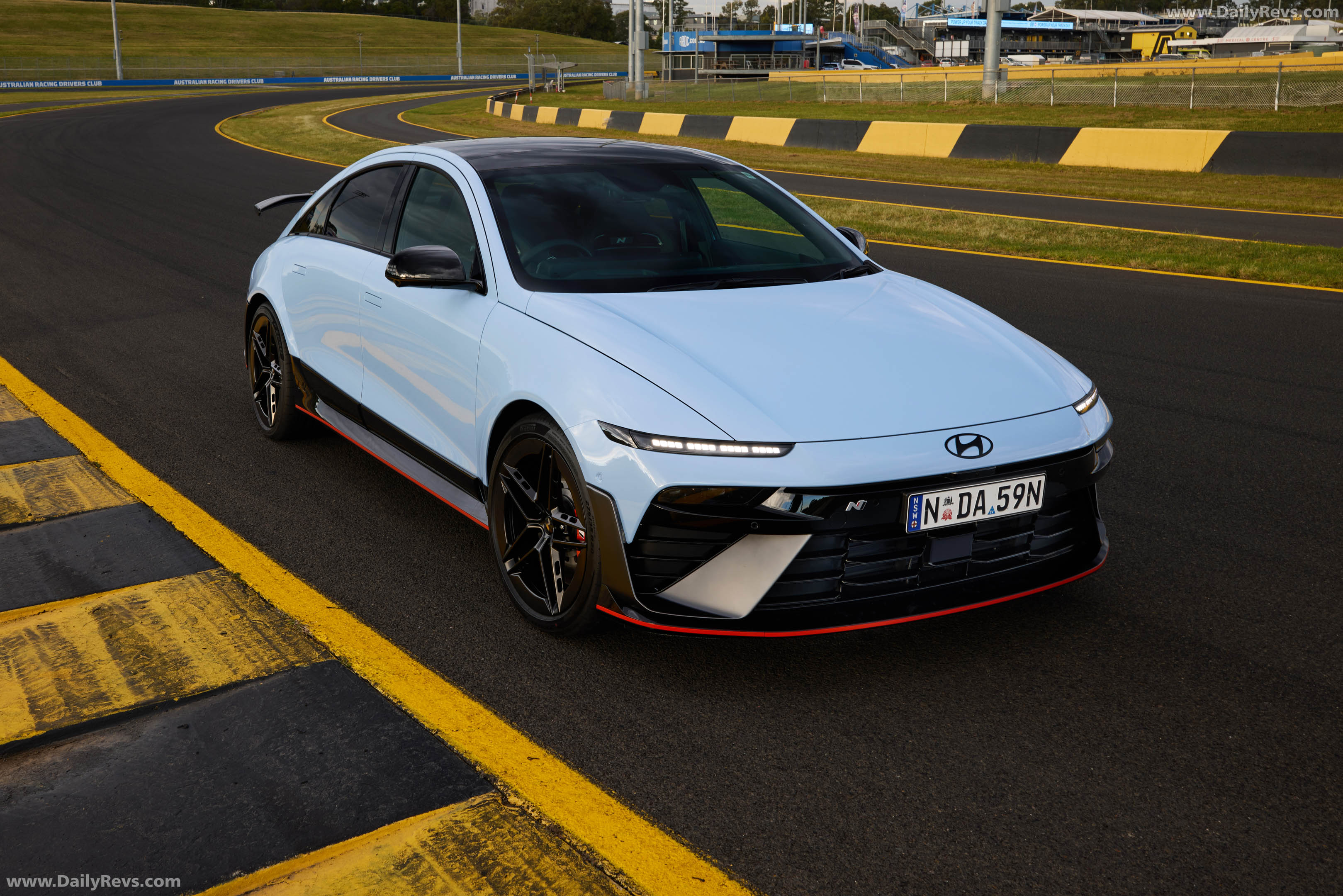
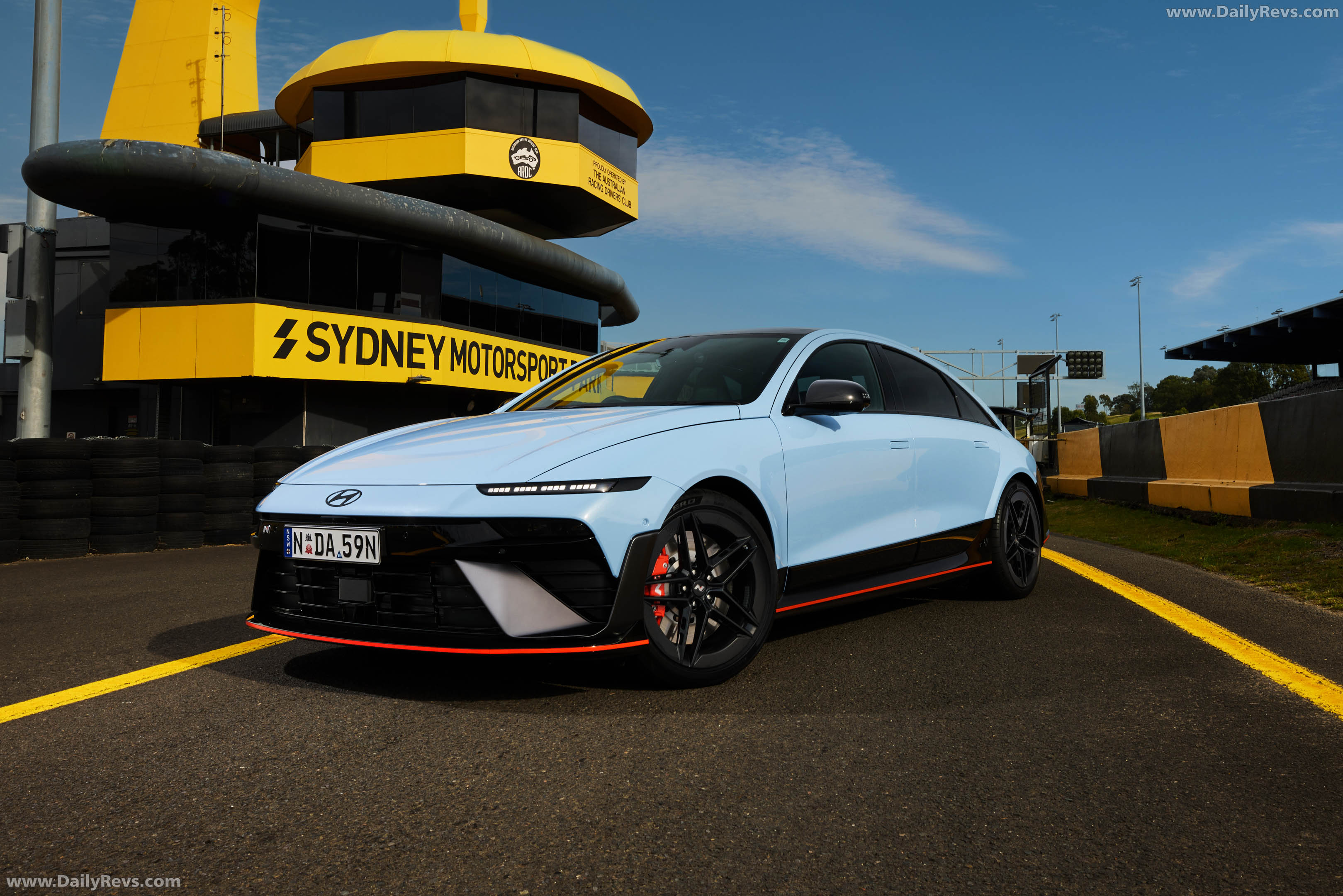
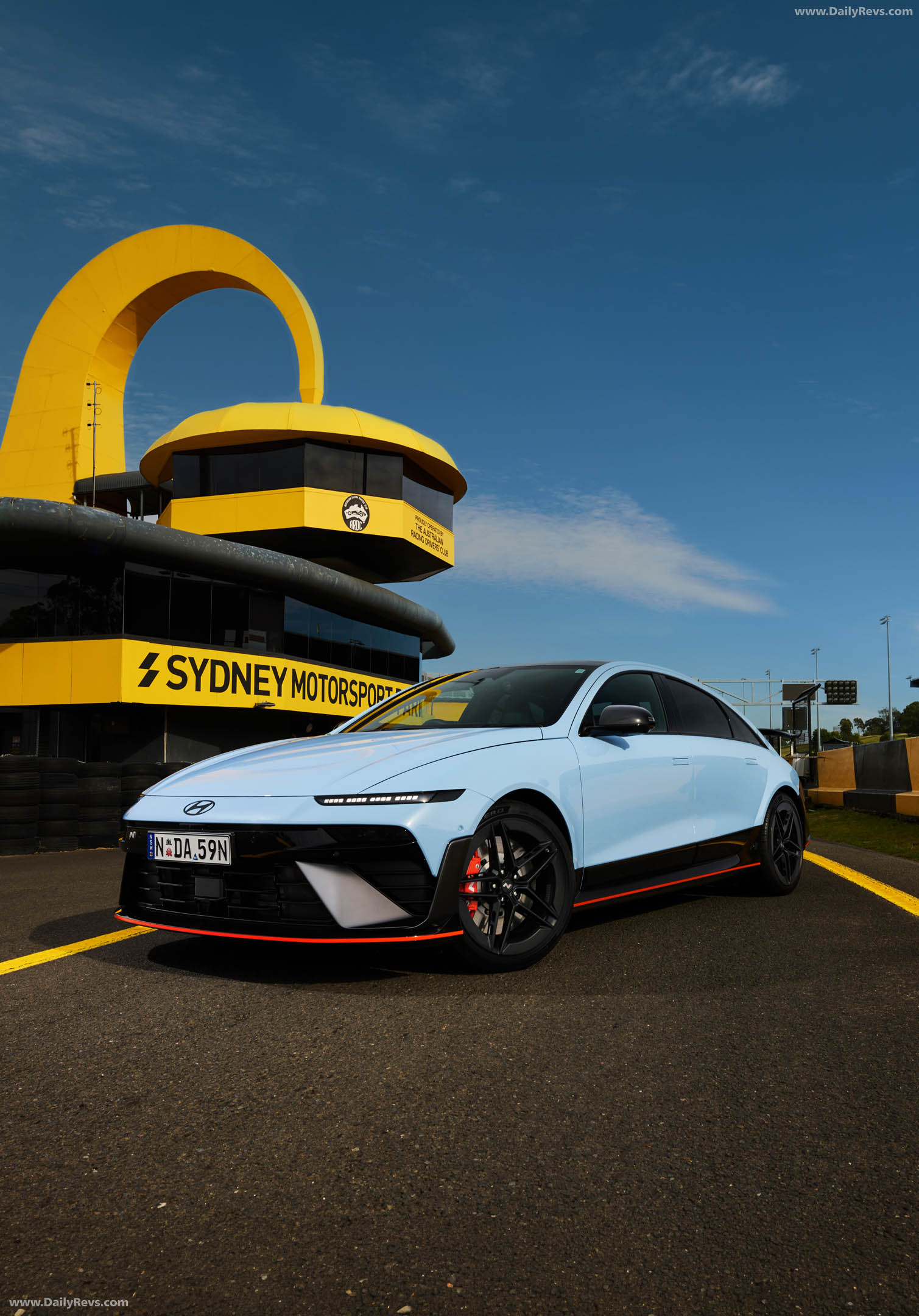
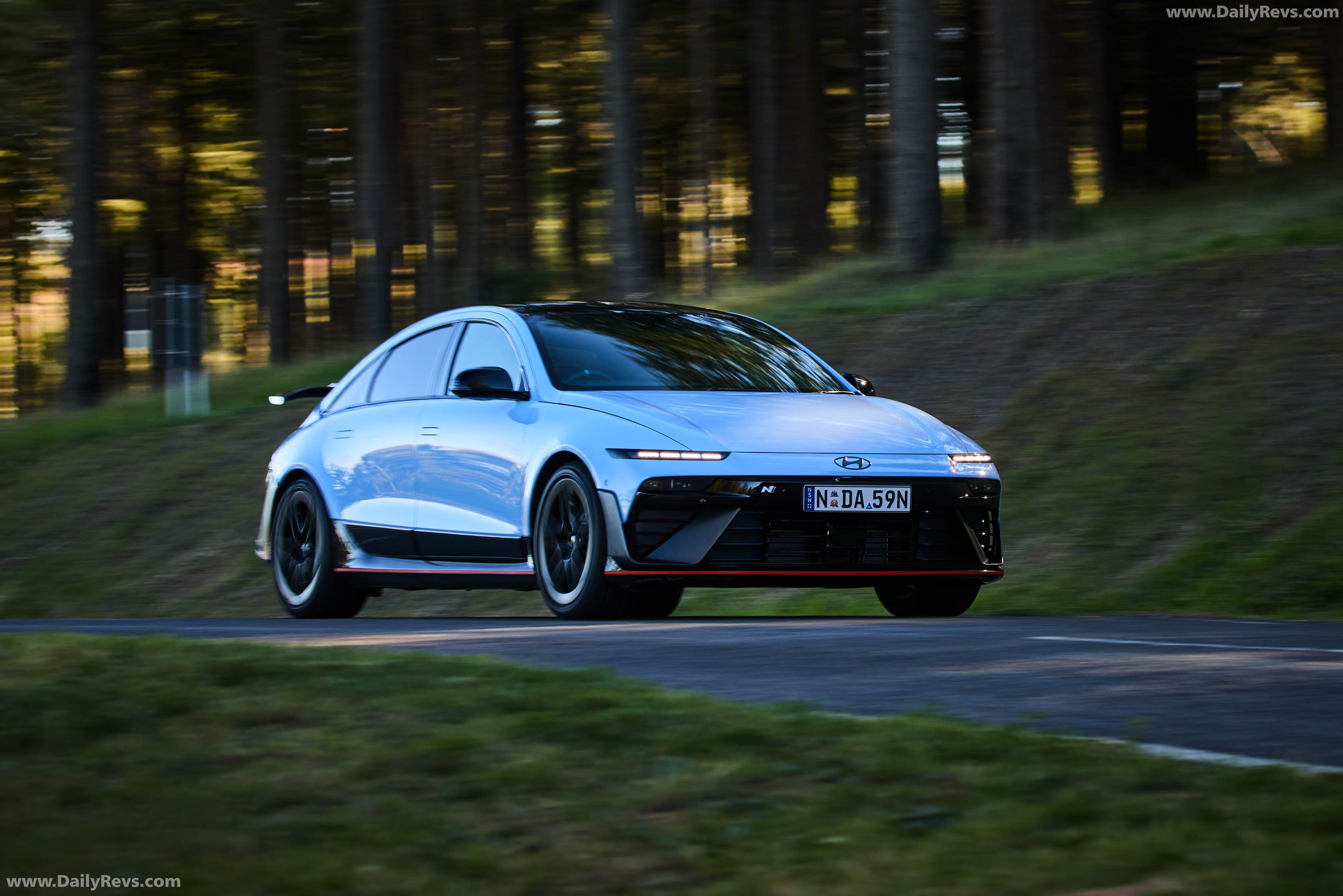
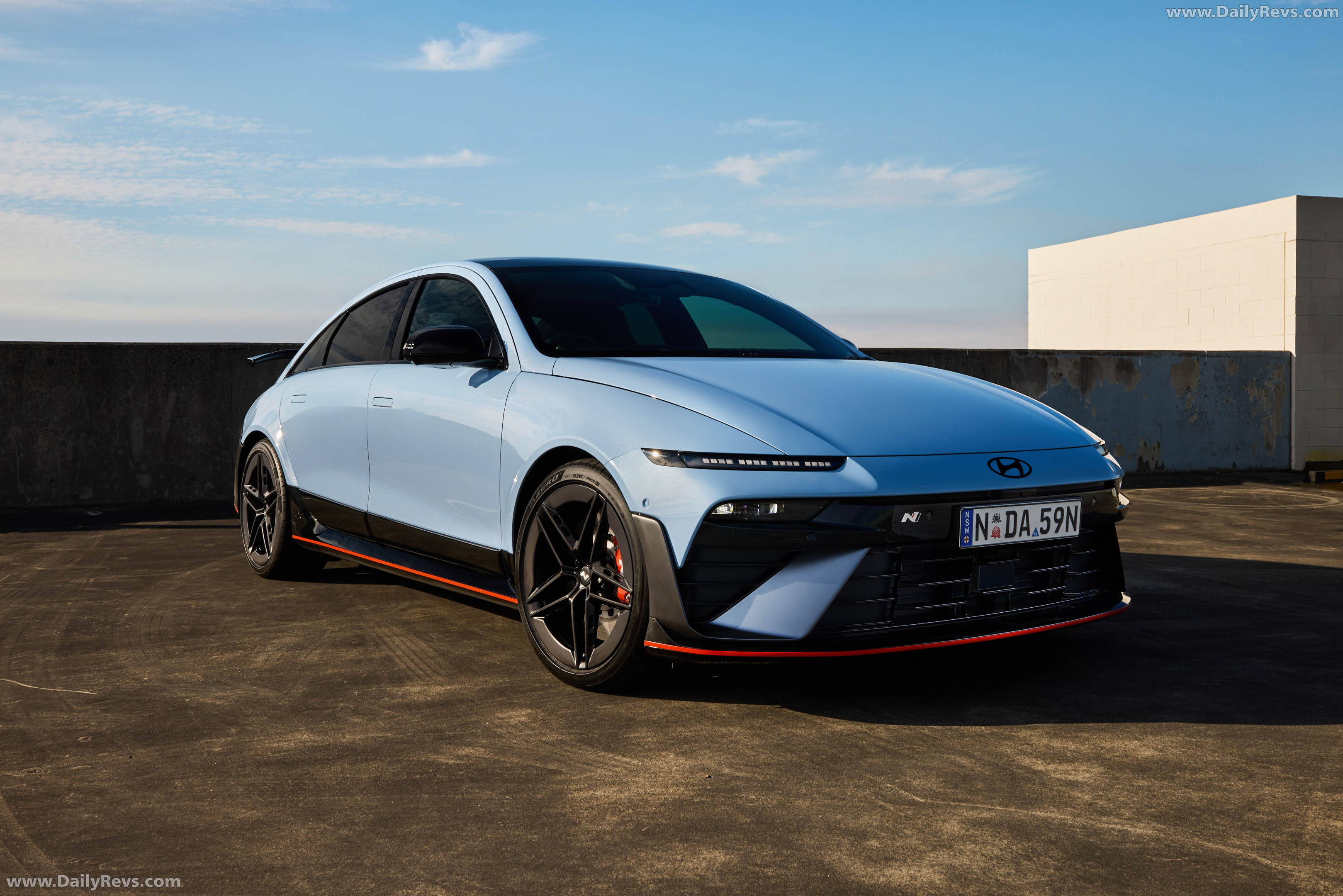
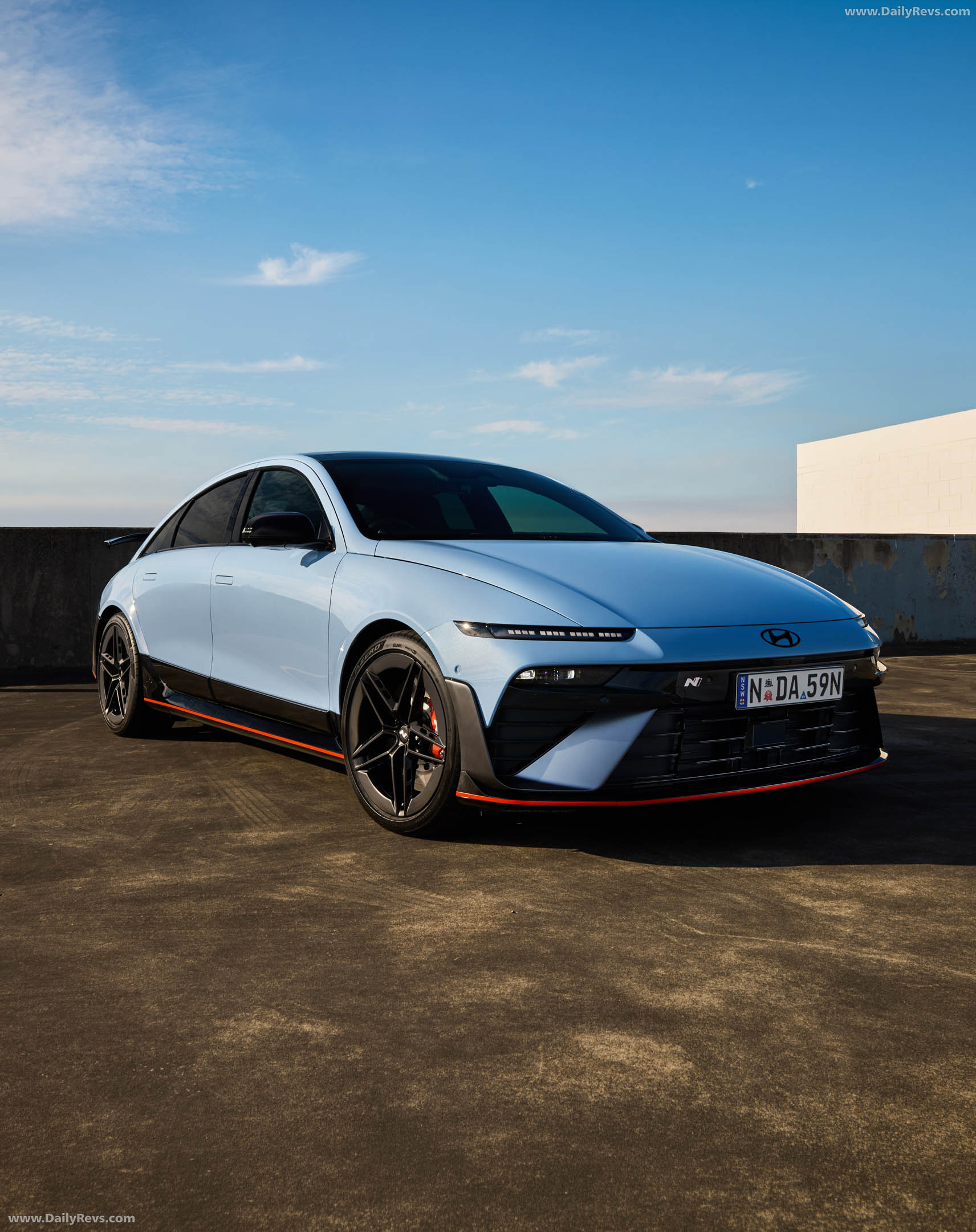
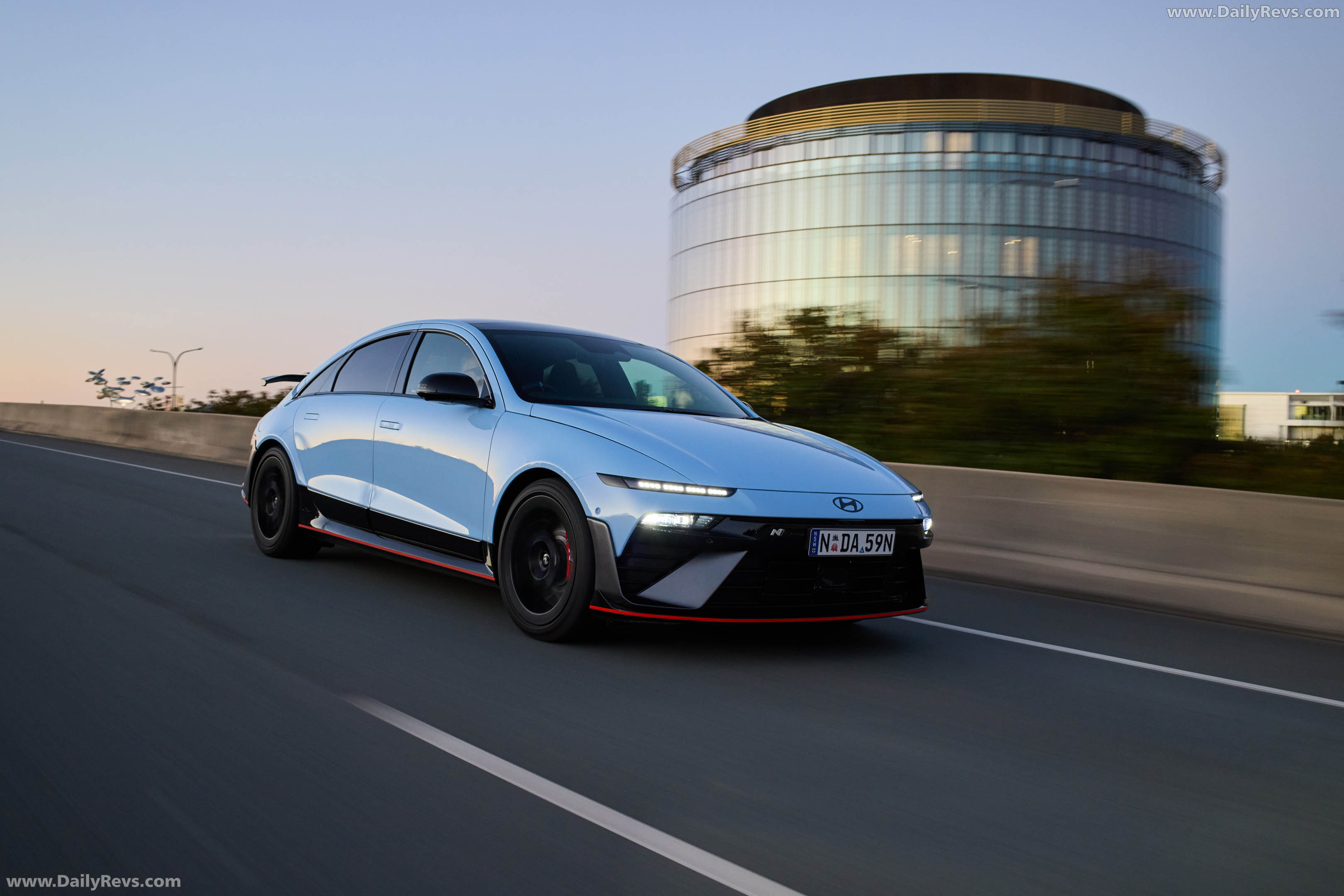
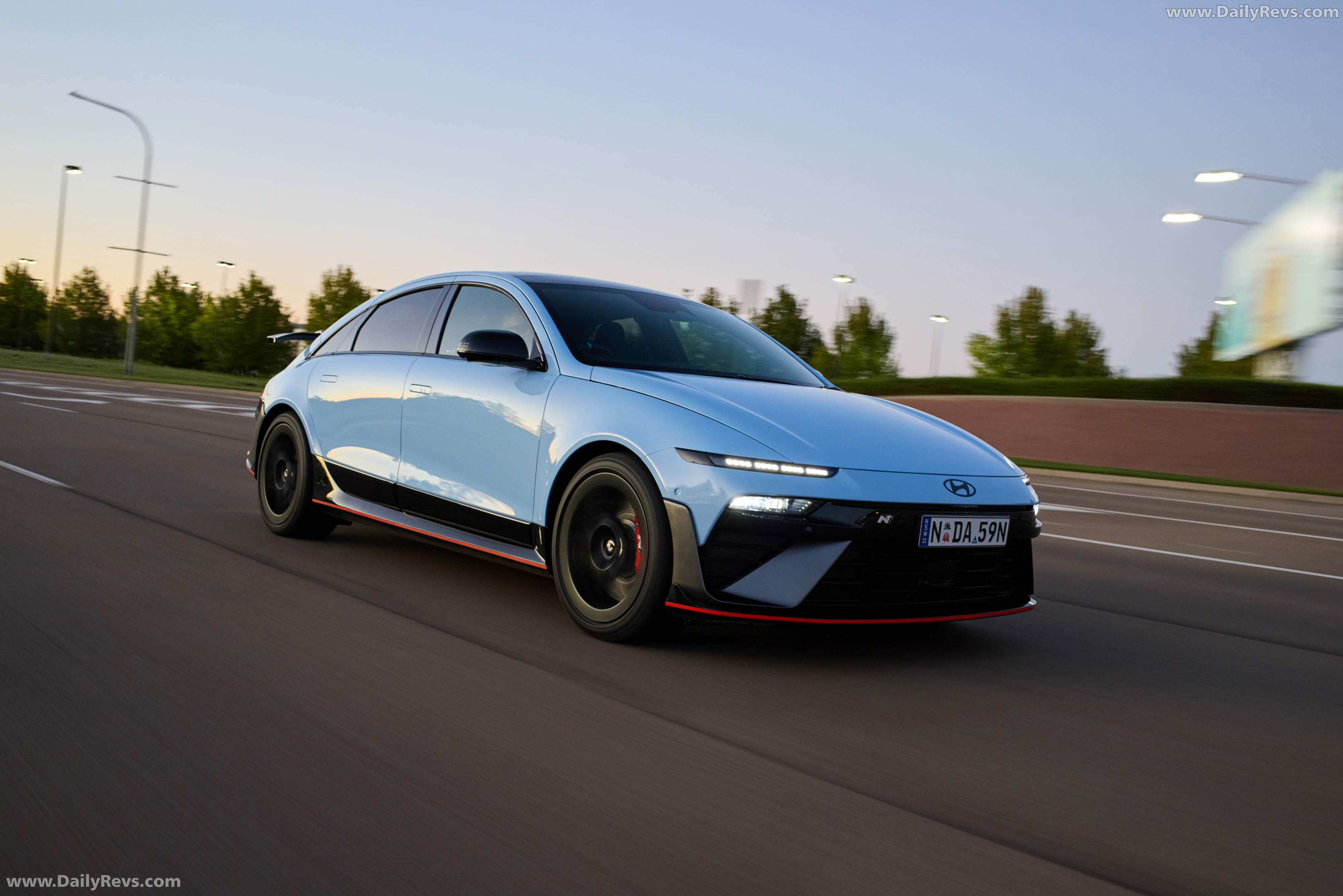
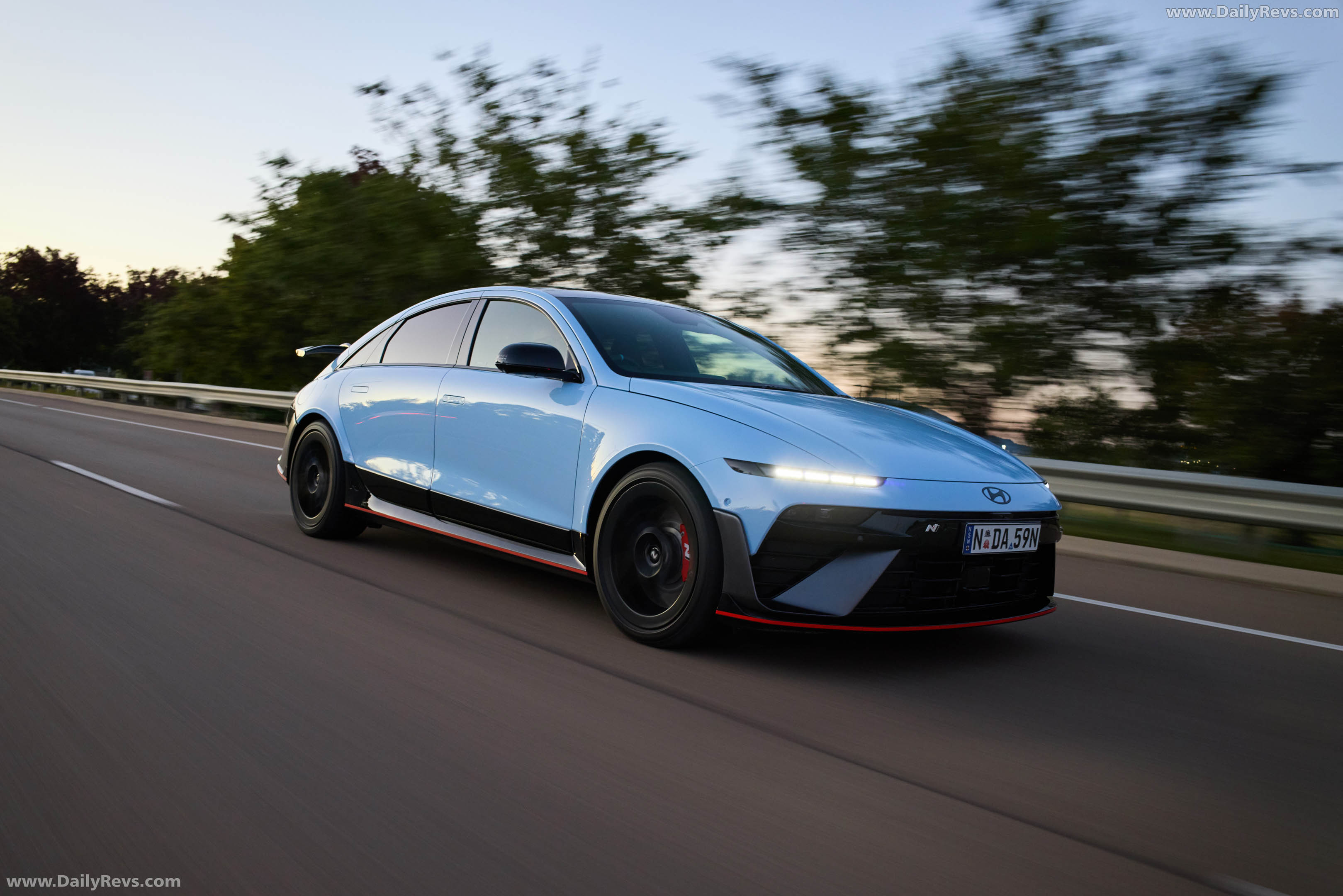
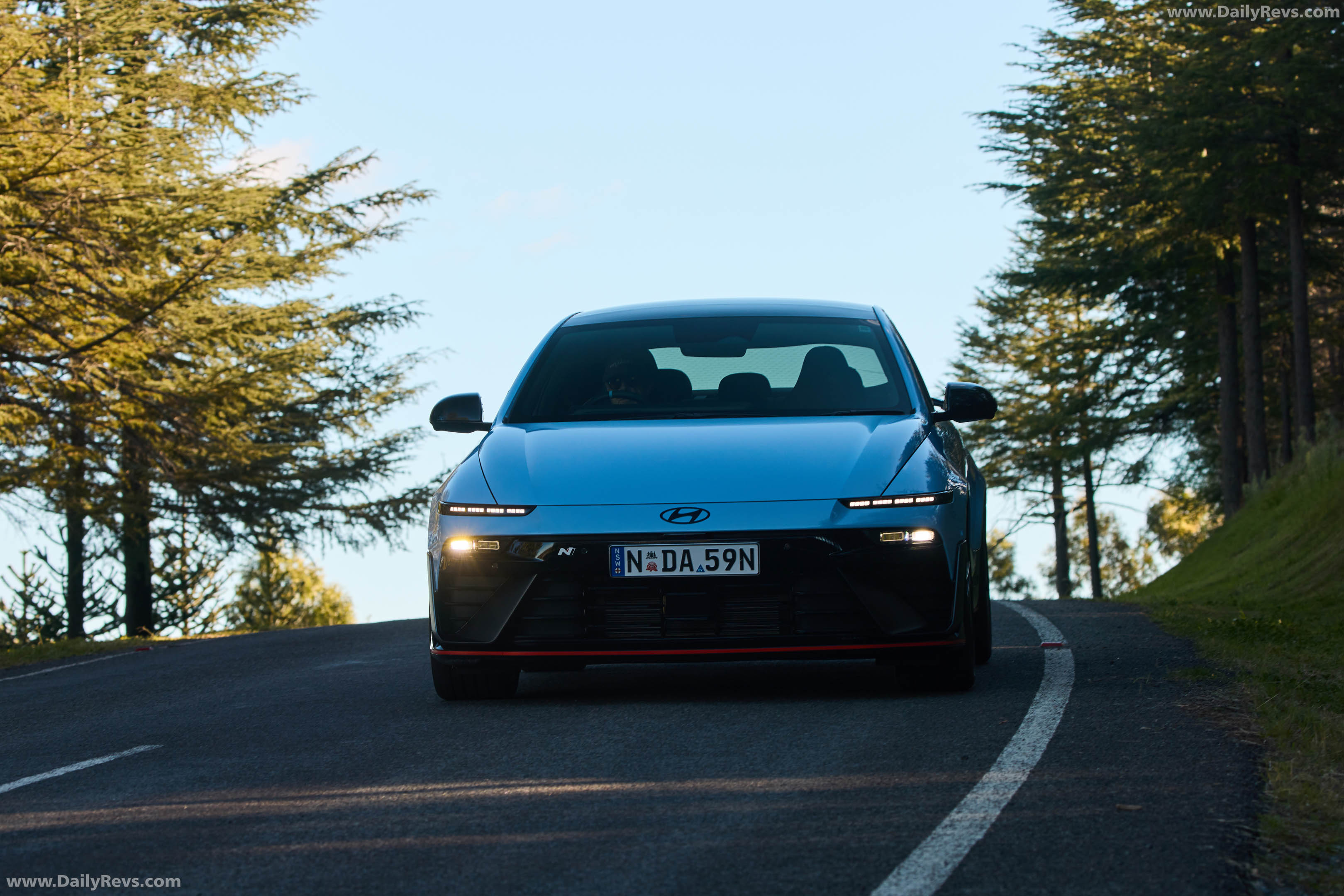
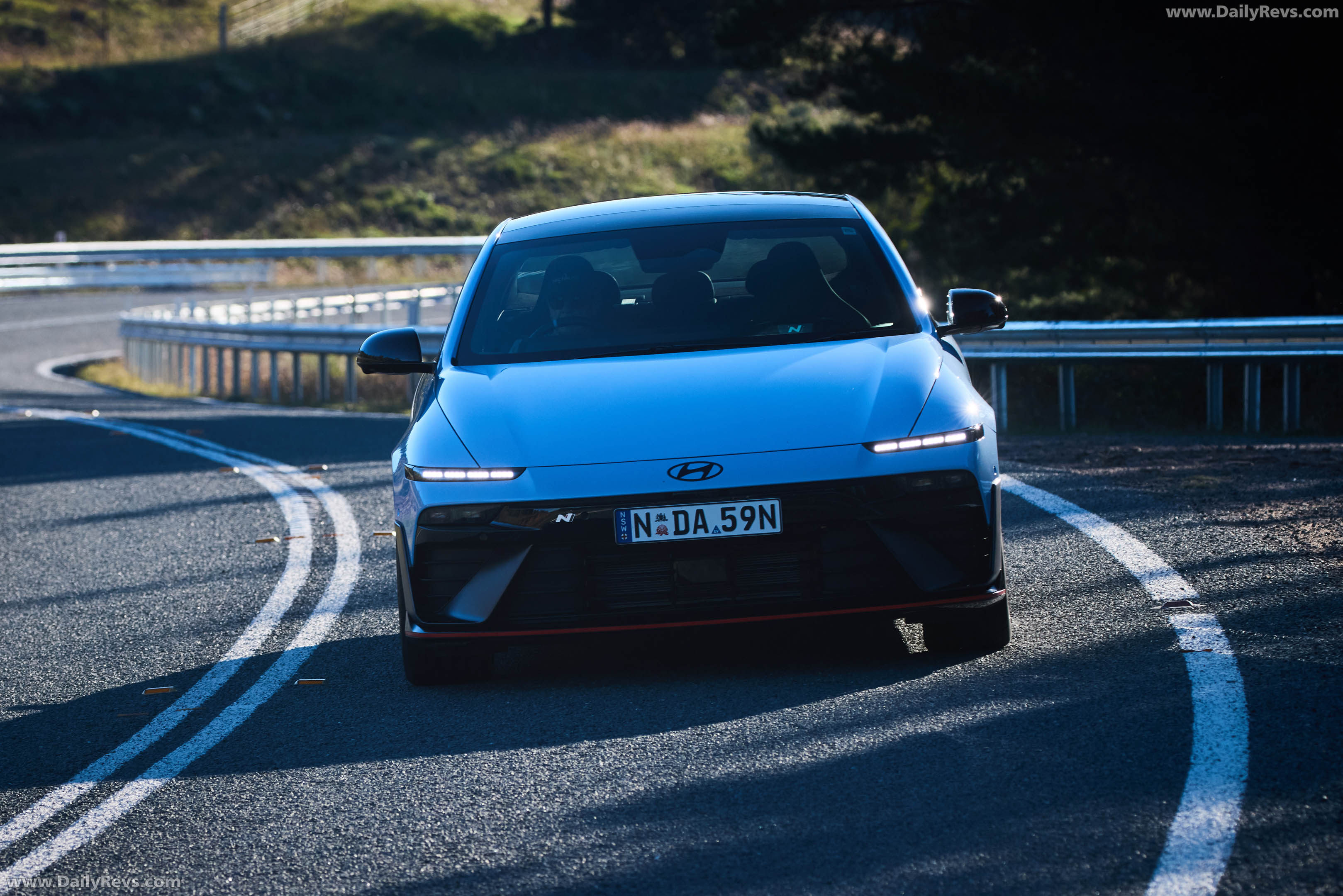
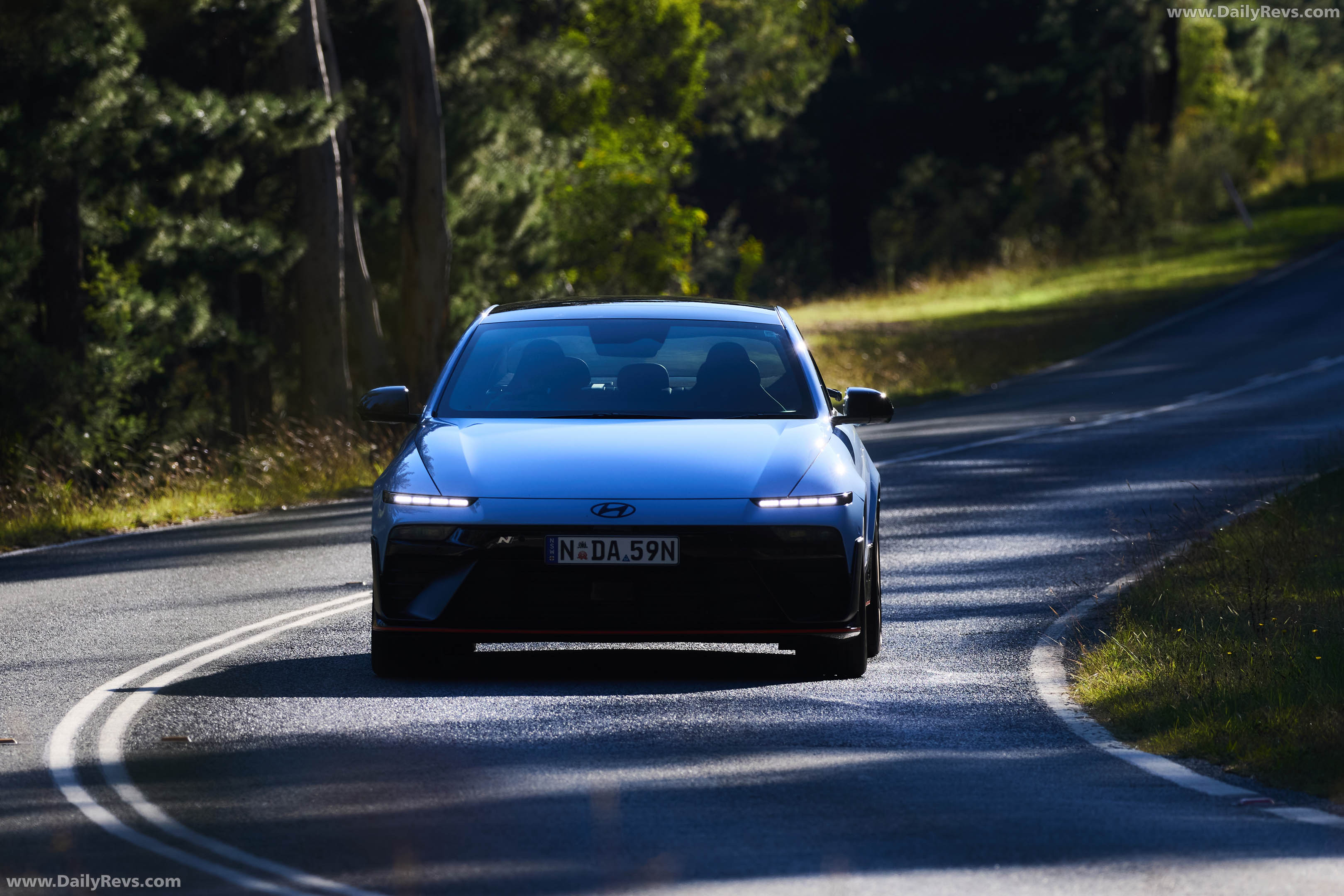
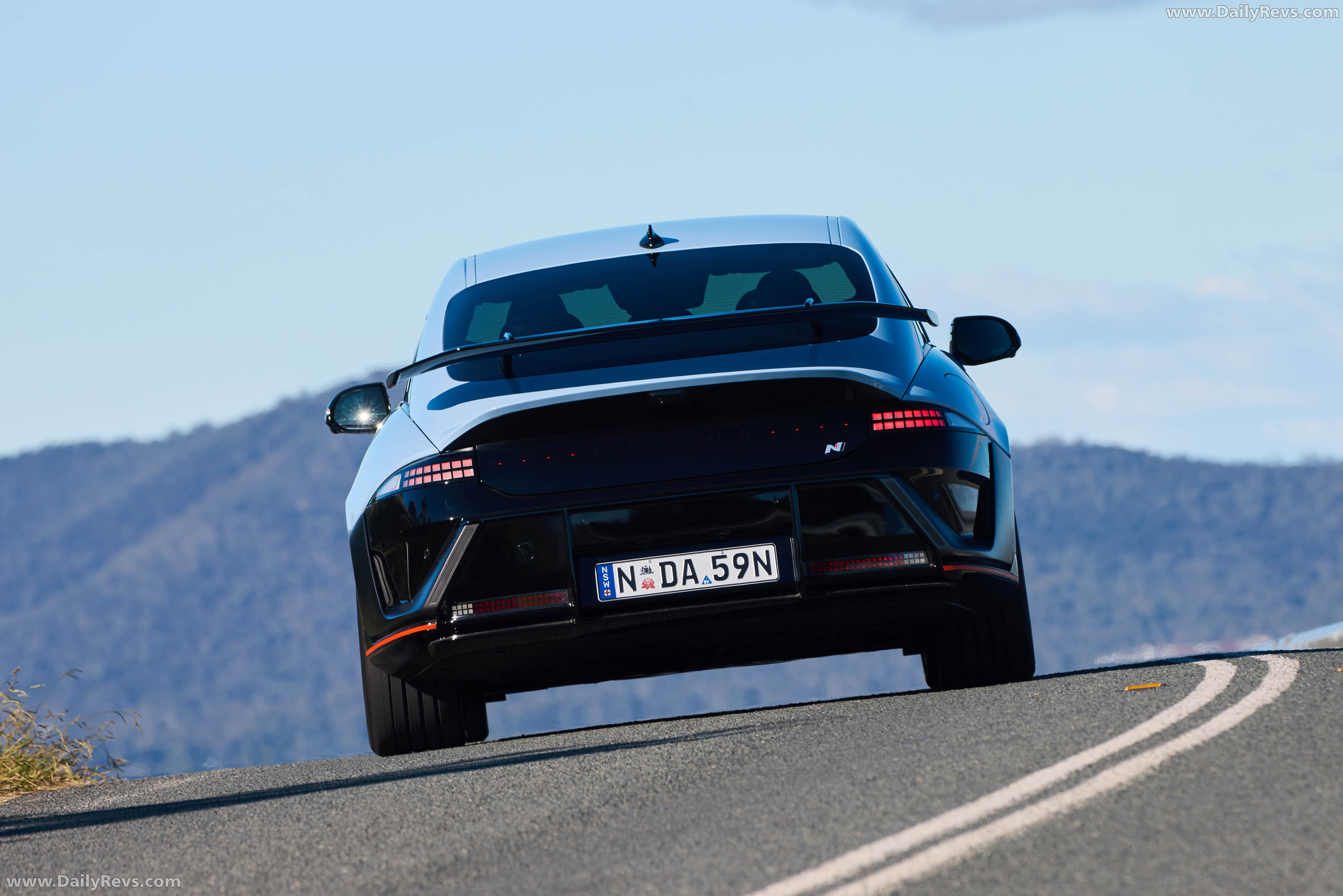
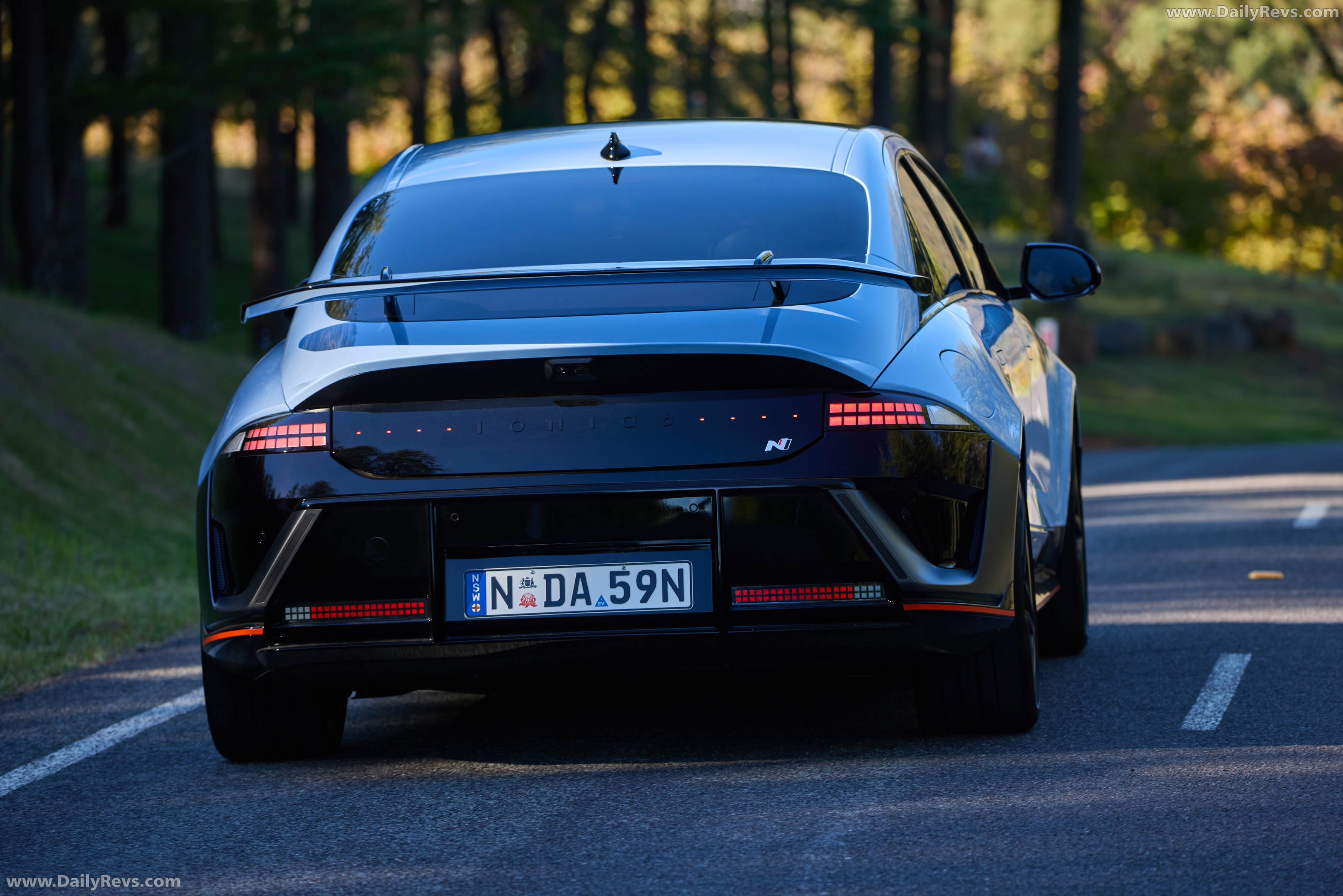
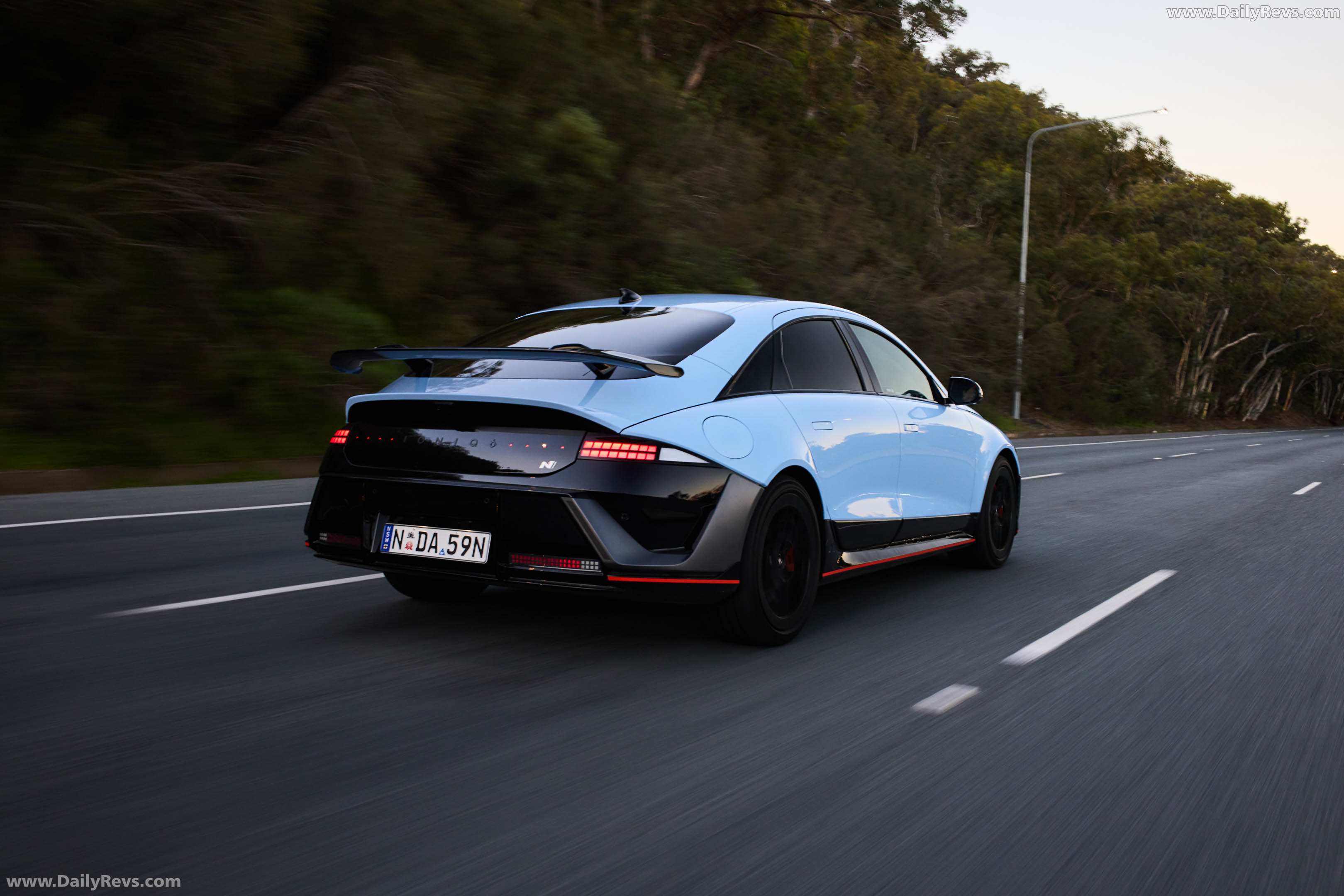
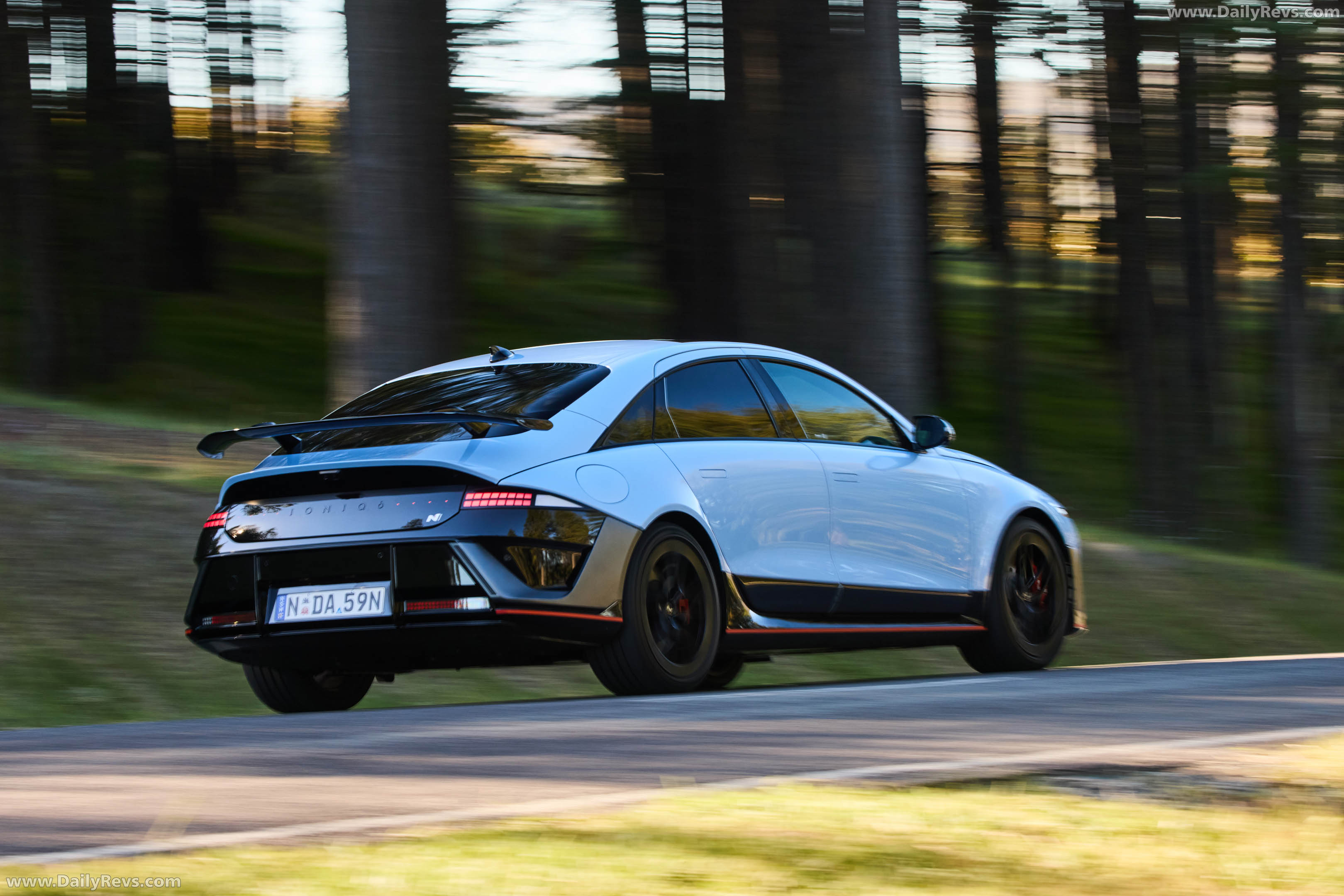
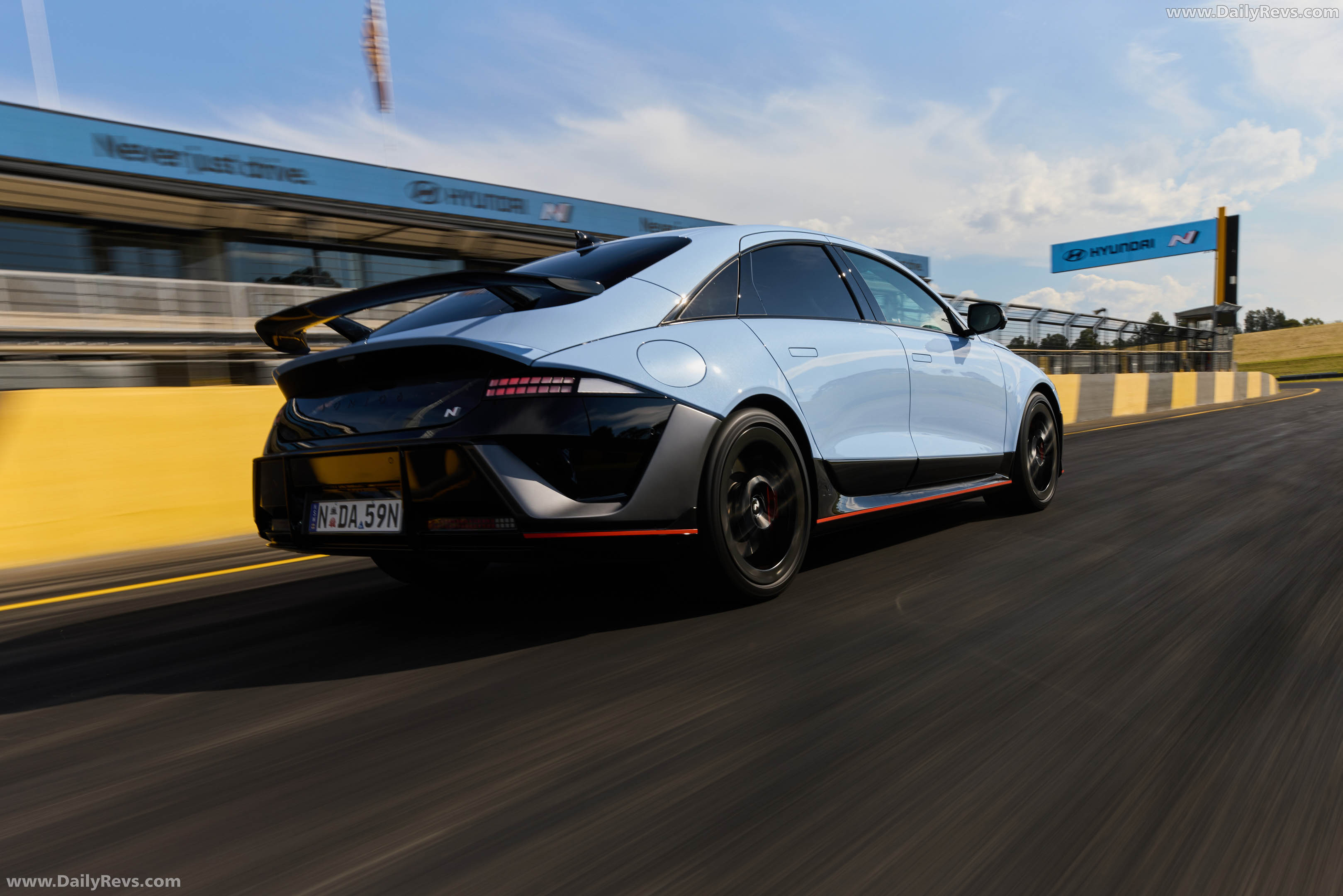
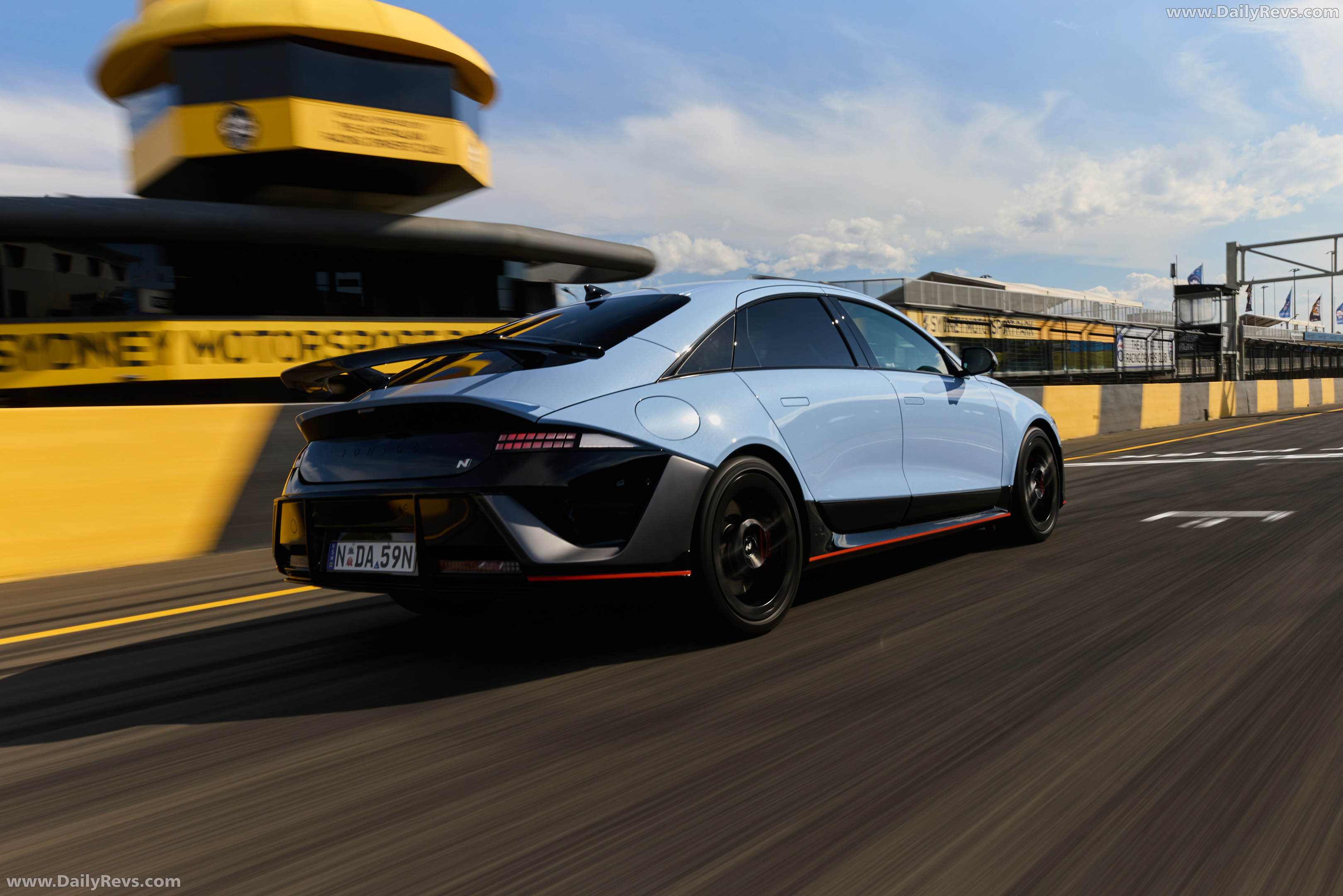
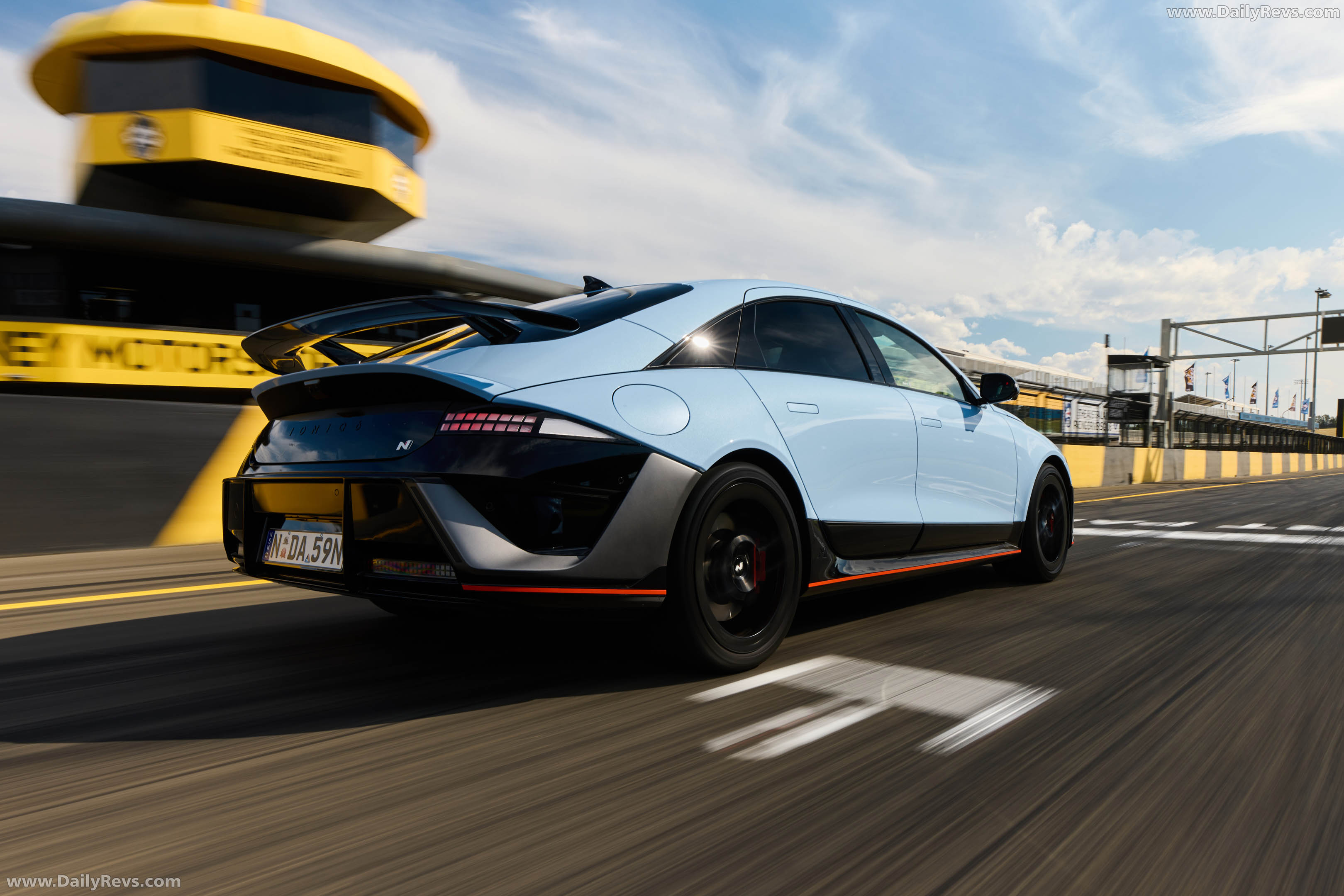
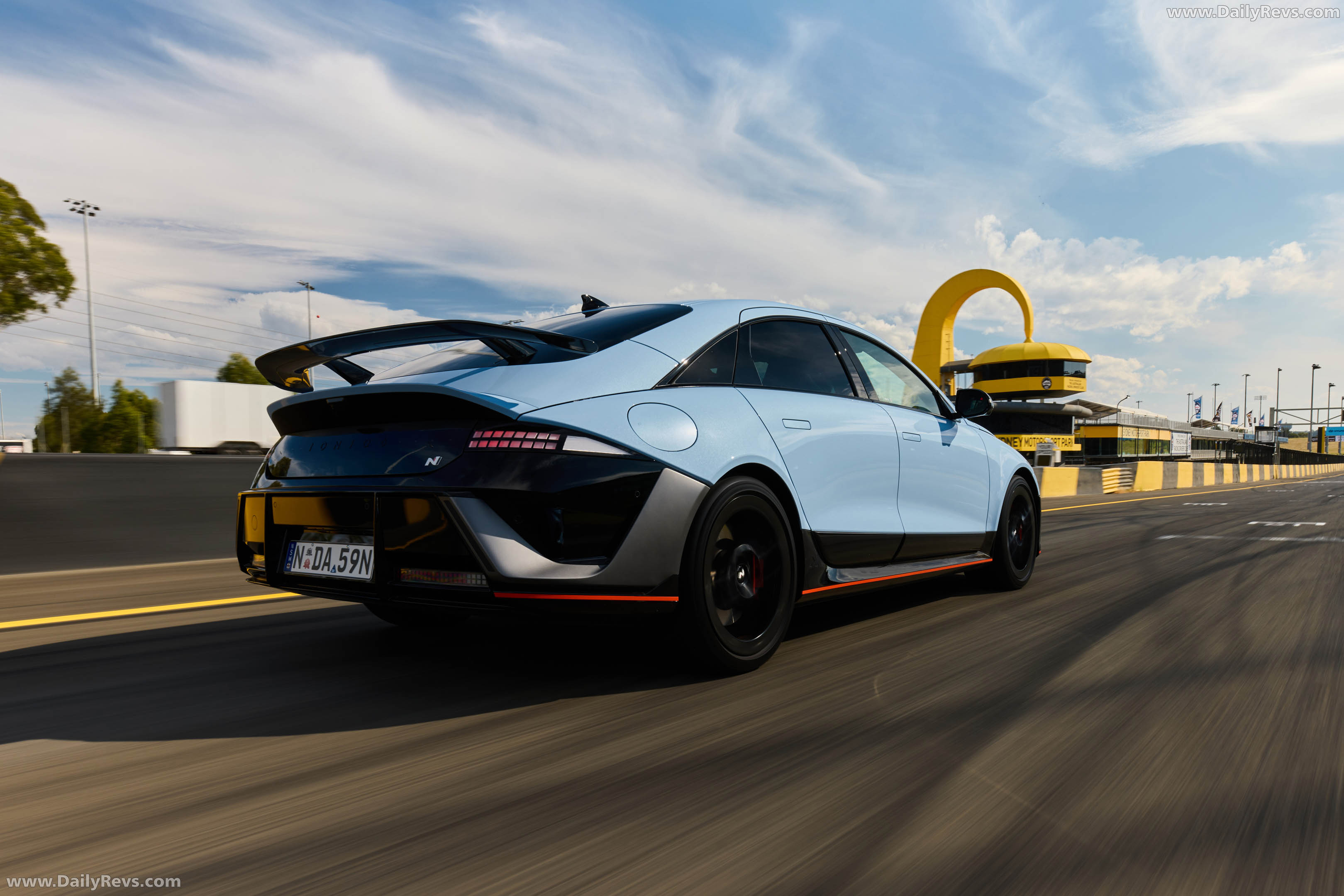
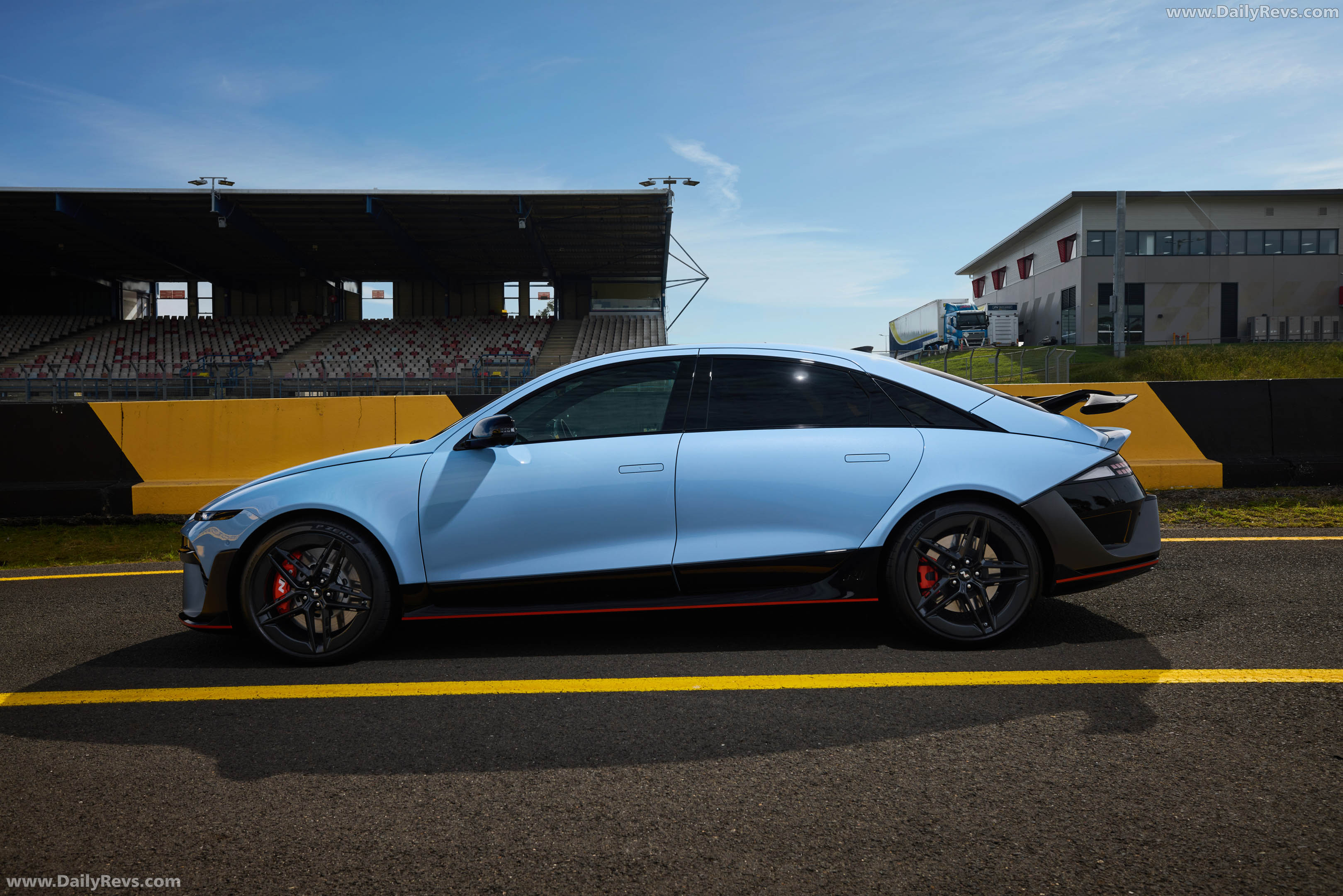
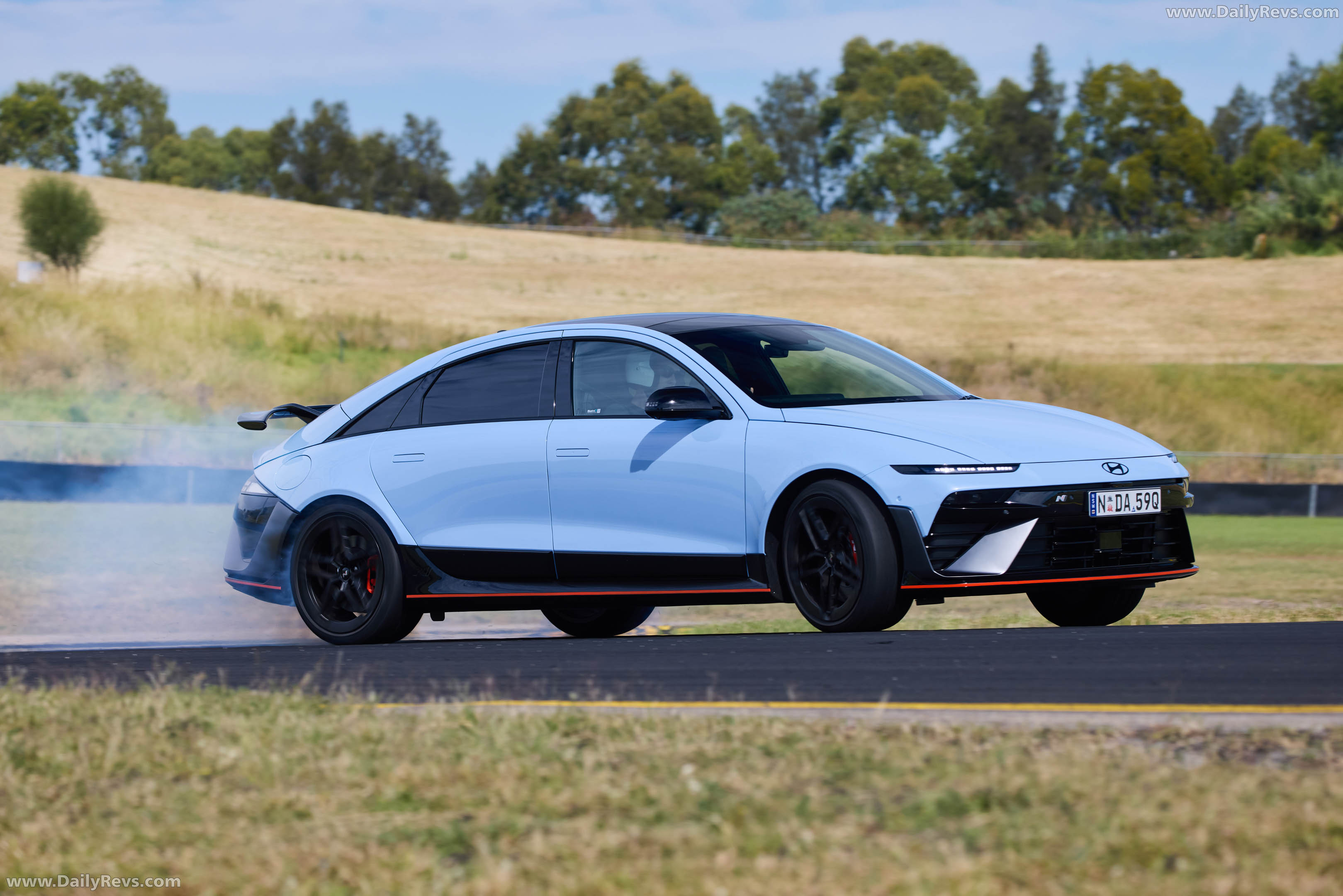
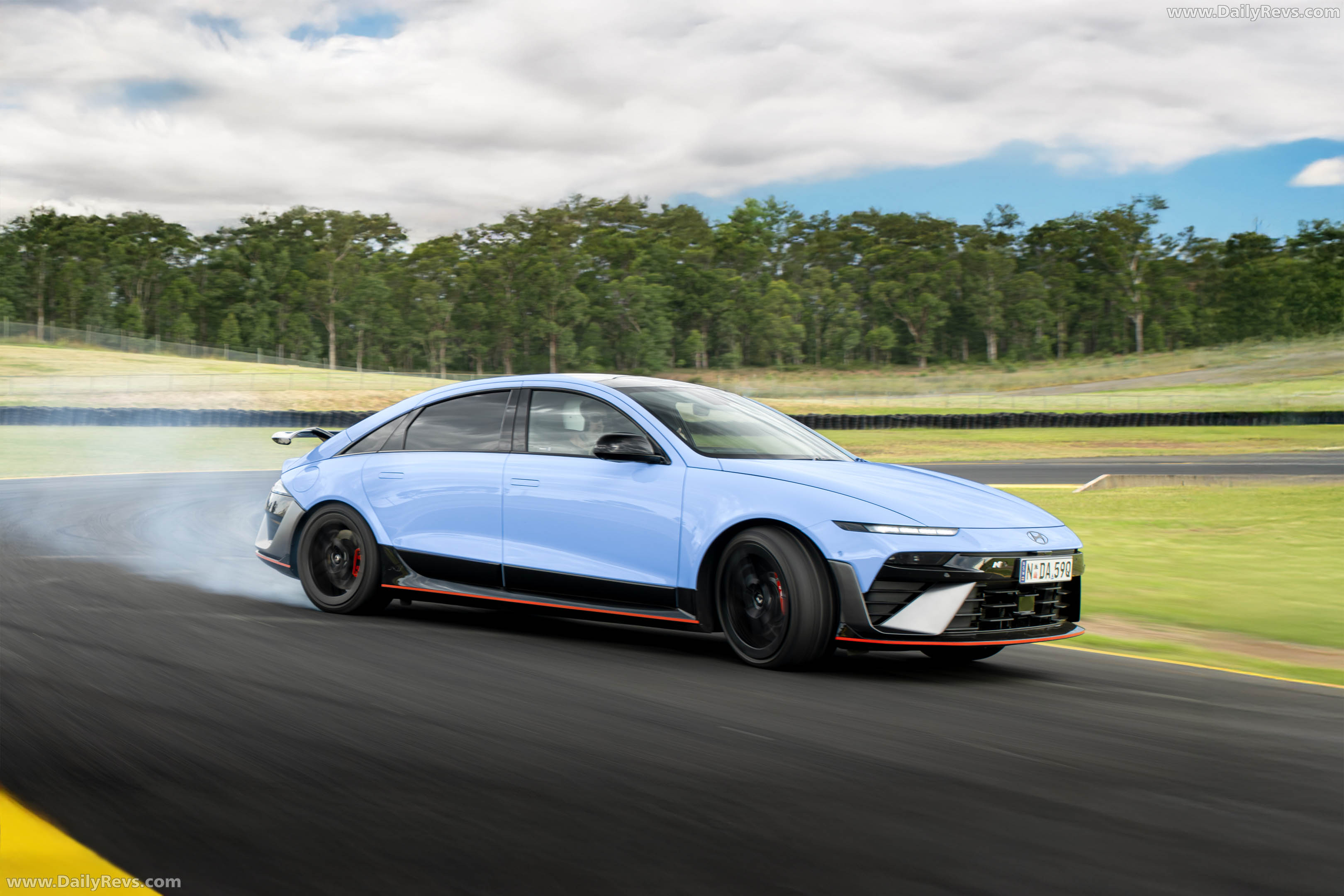
The 2026 Hyundai IONIQ 6 N Australian Version keeps the familiar streamliner profile but sharpens it in subtle ways. It still looks low and elongated, though the details now carry more intent.
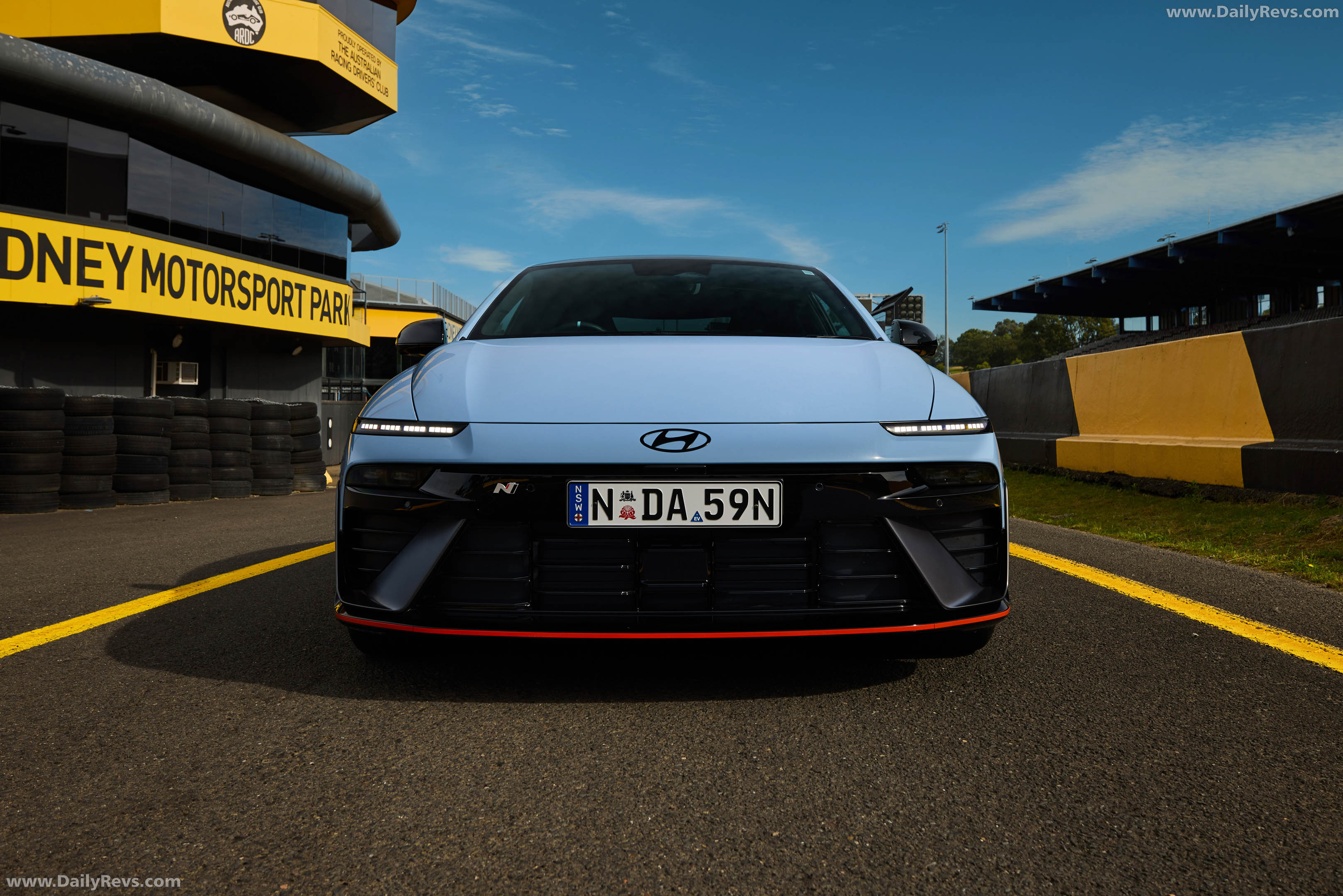
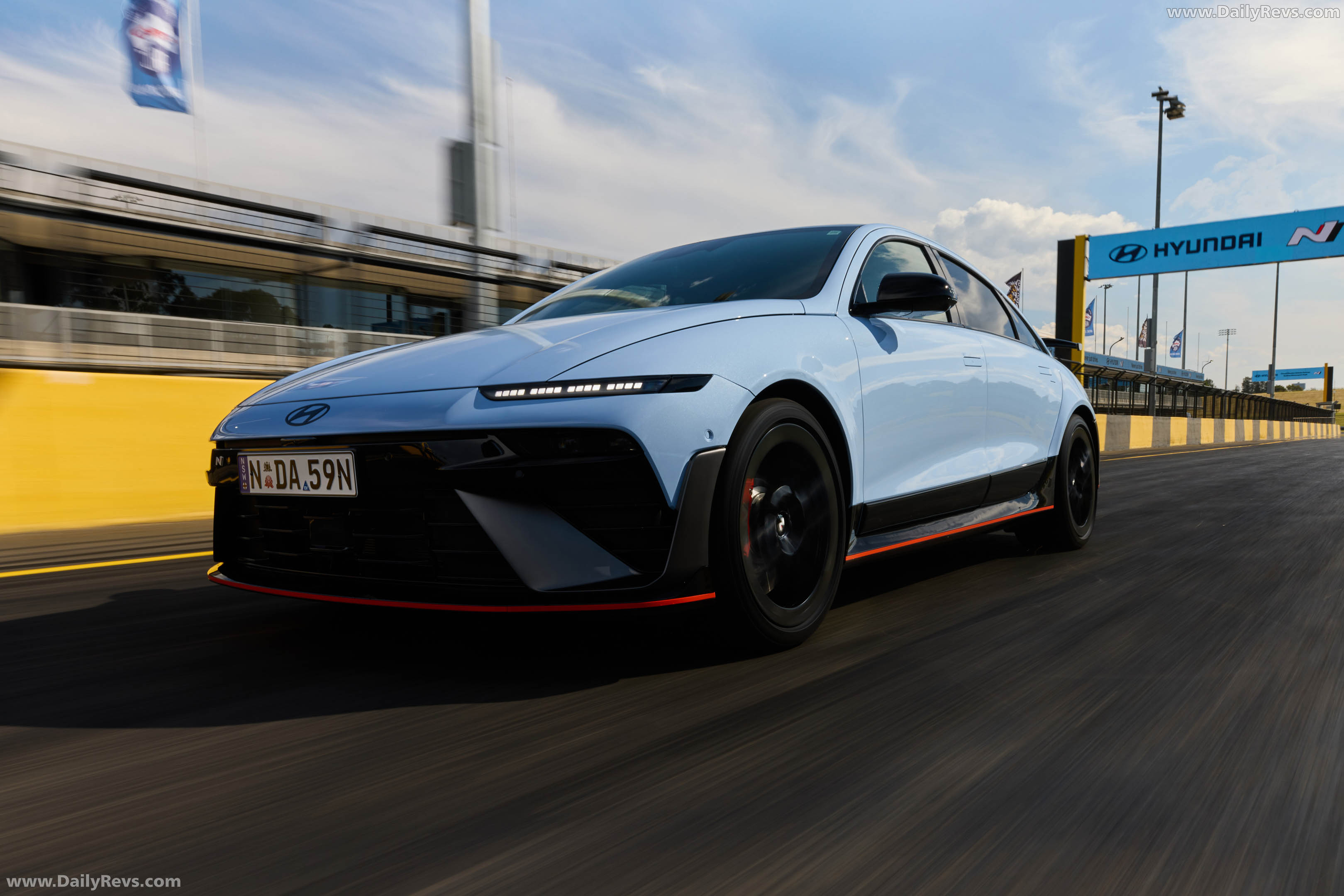
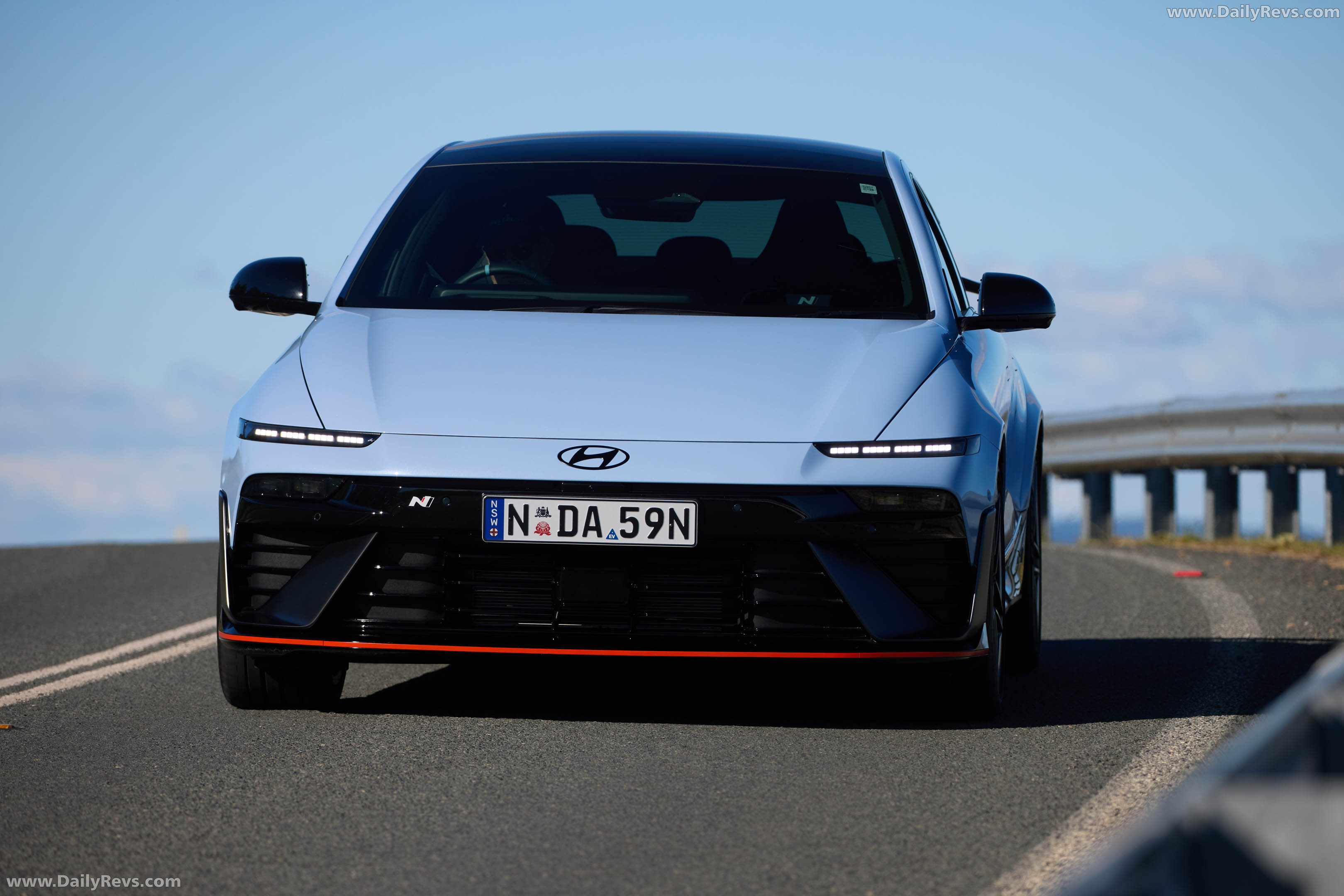
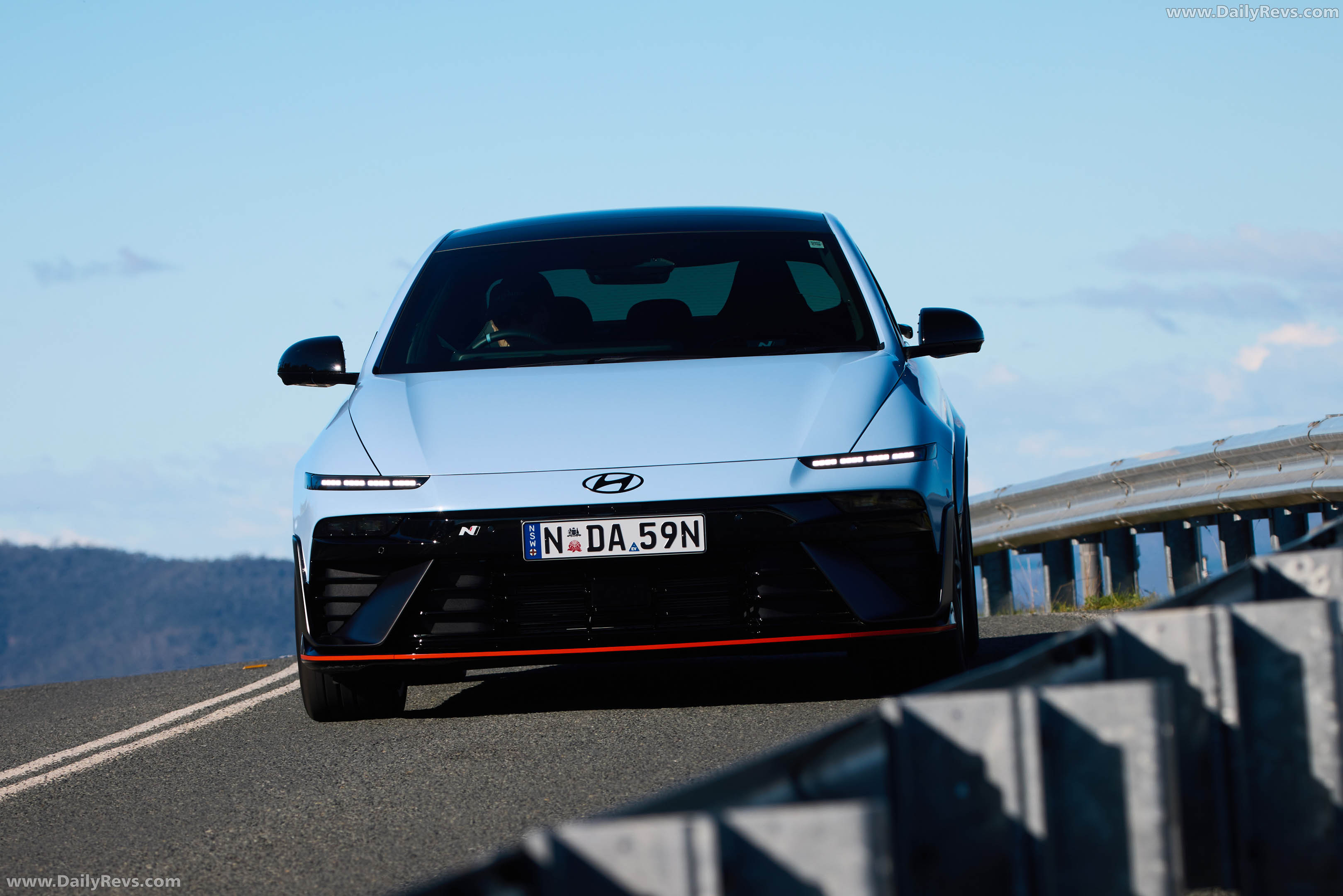
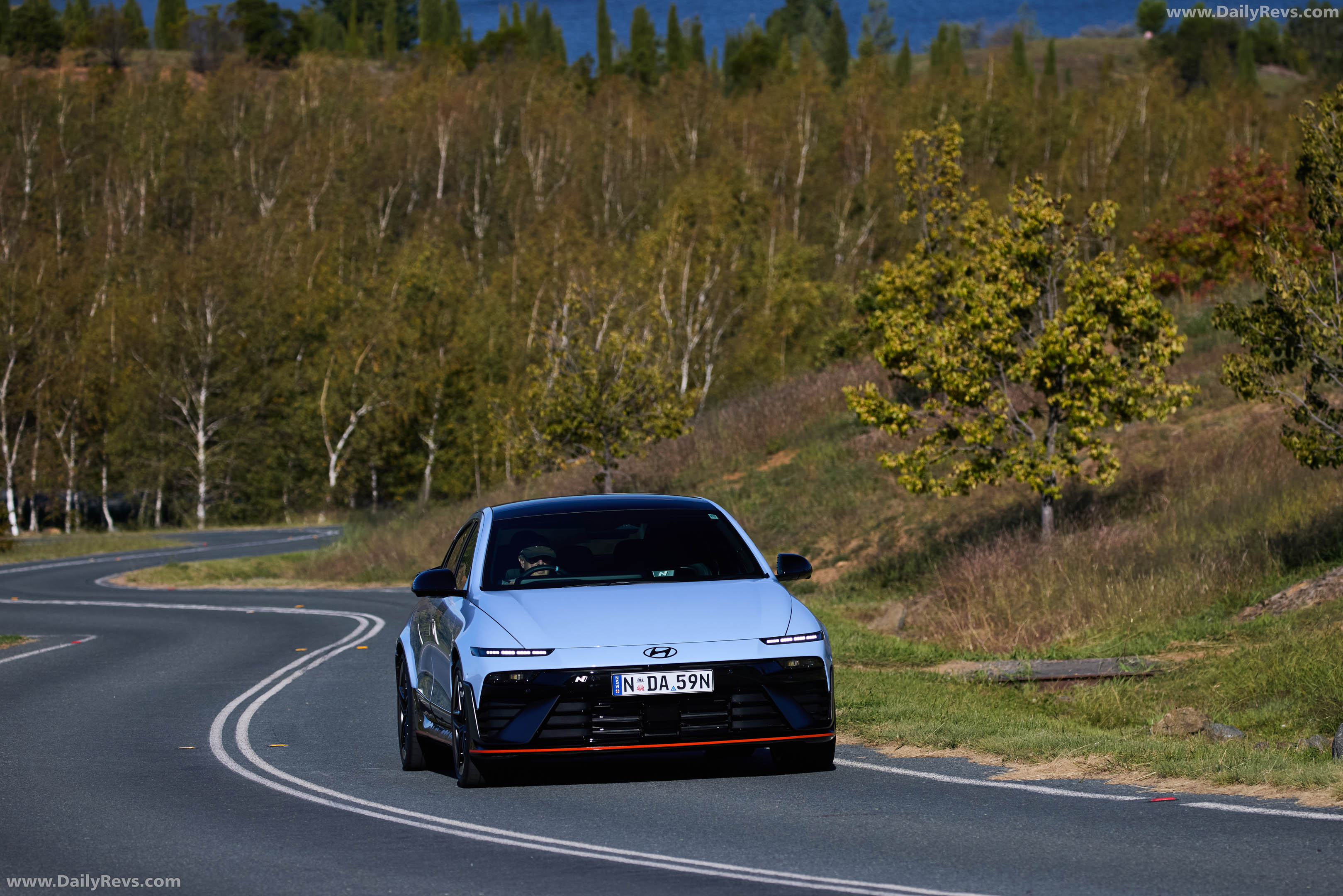
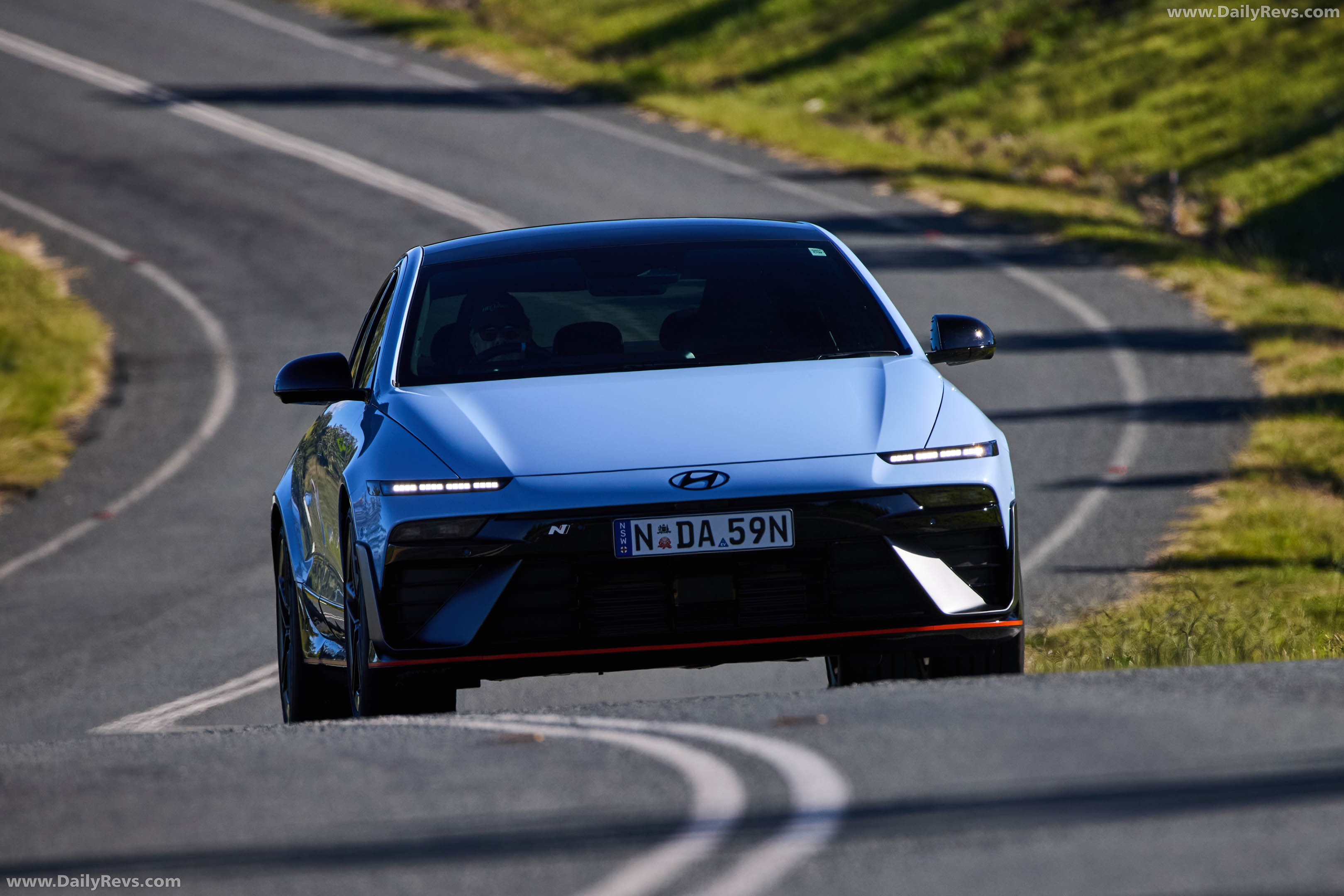
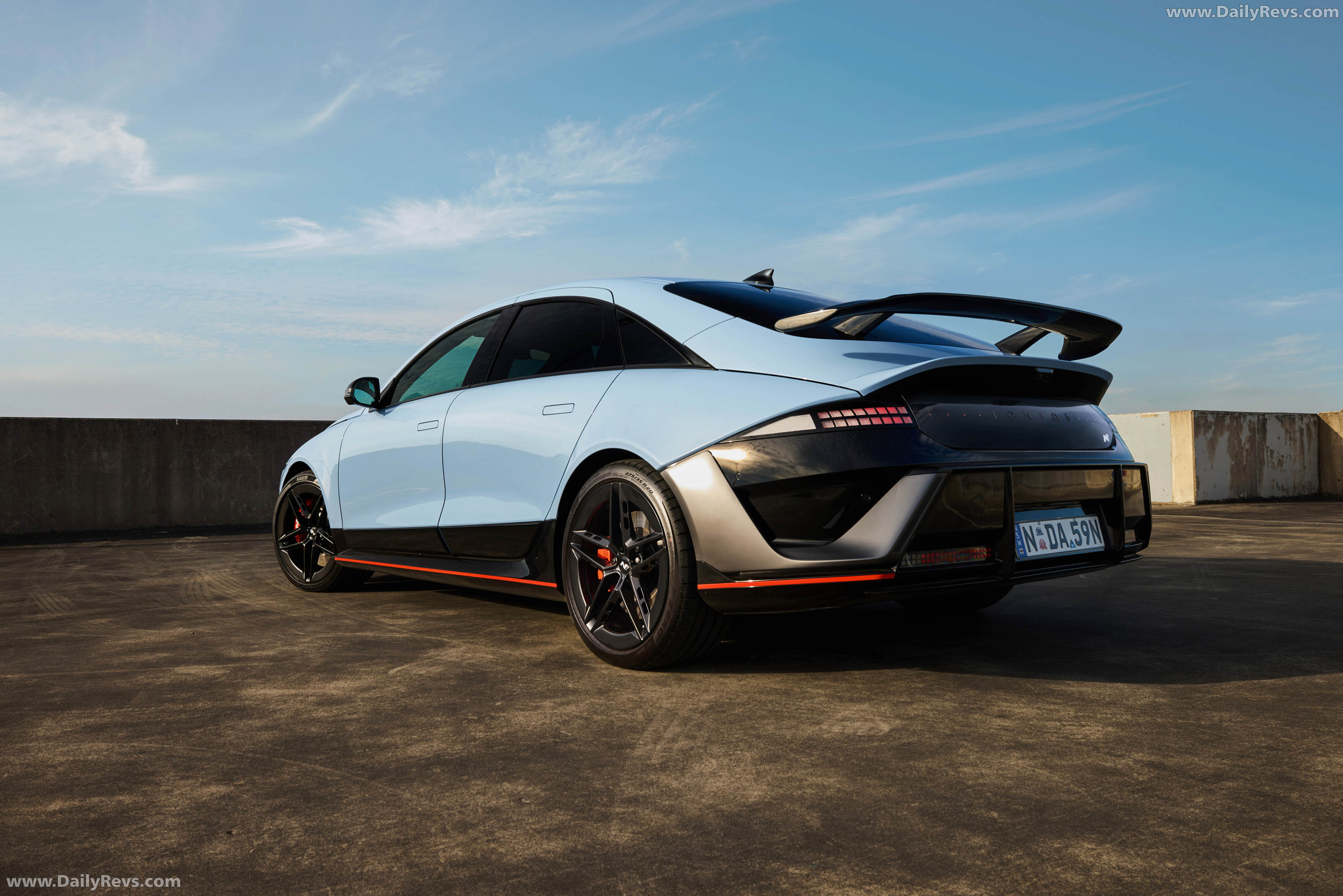
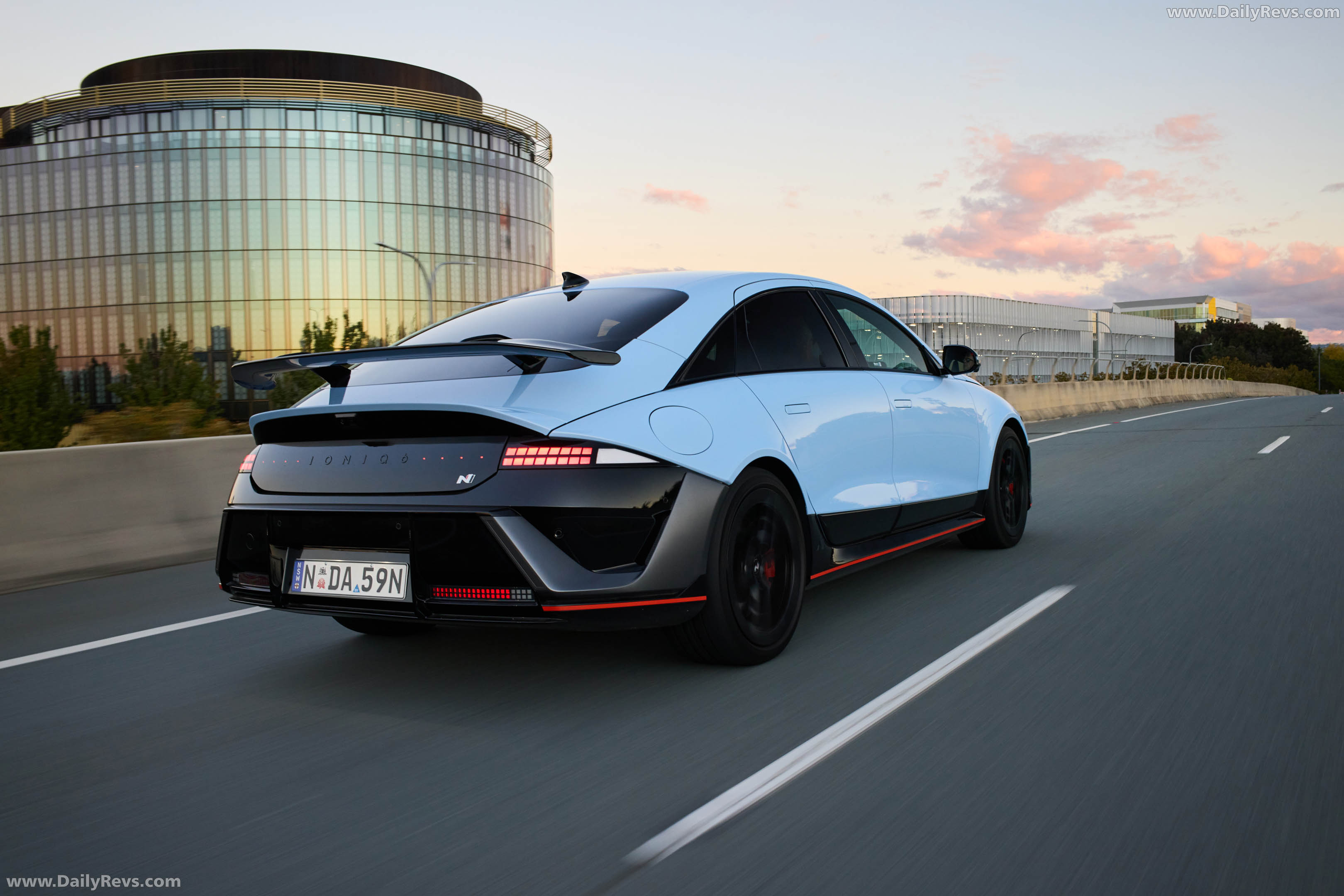
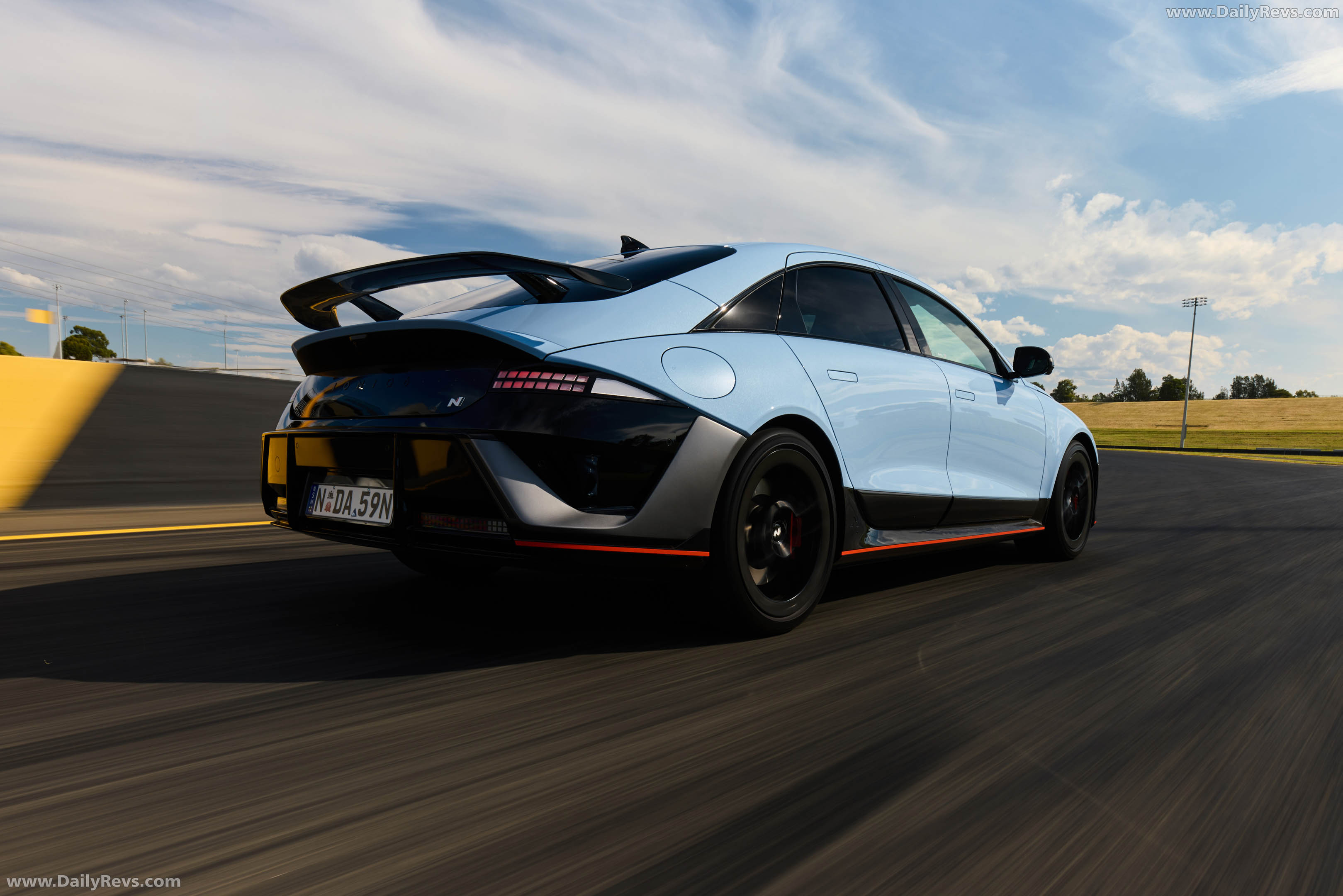
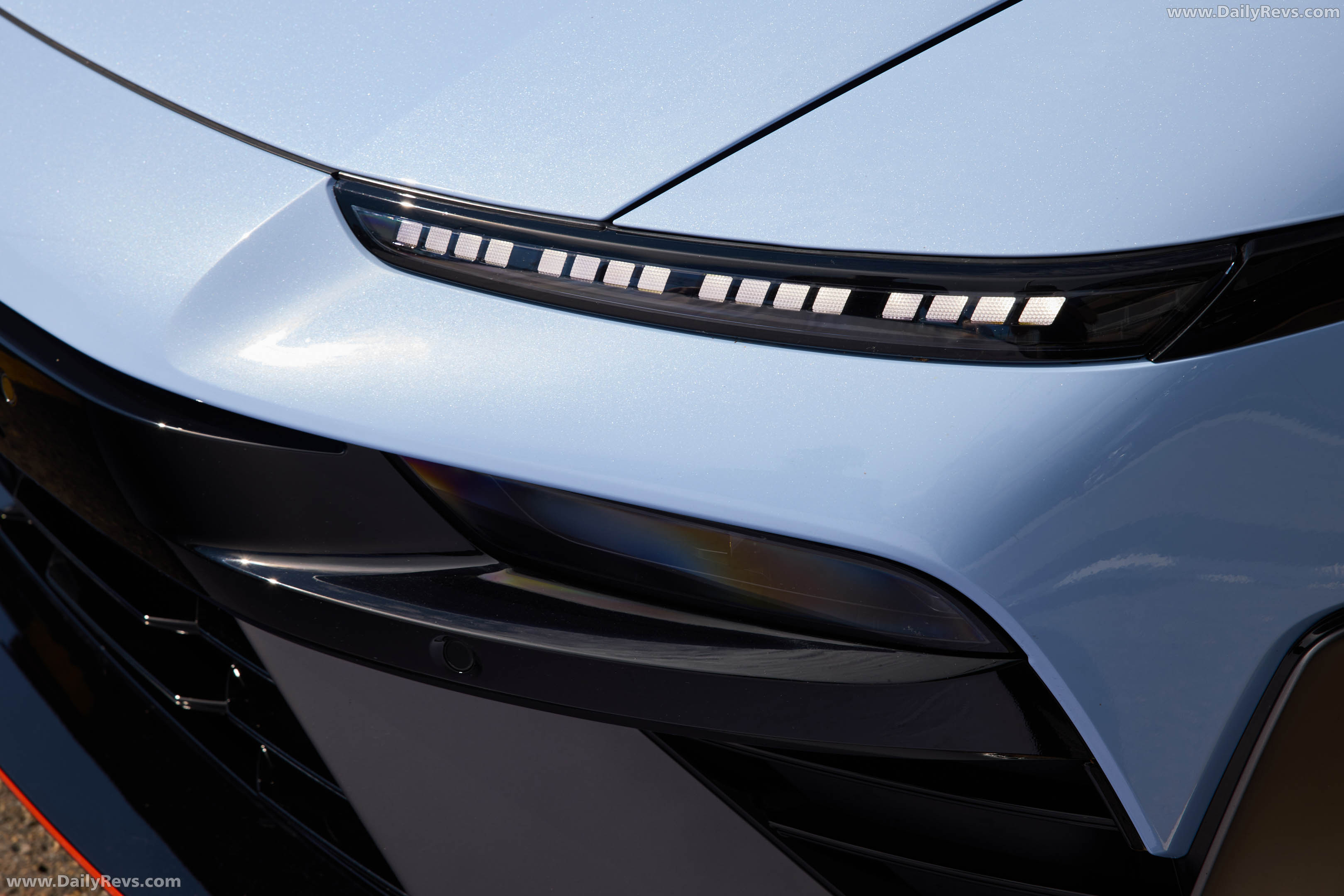
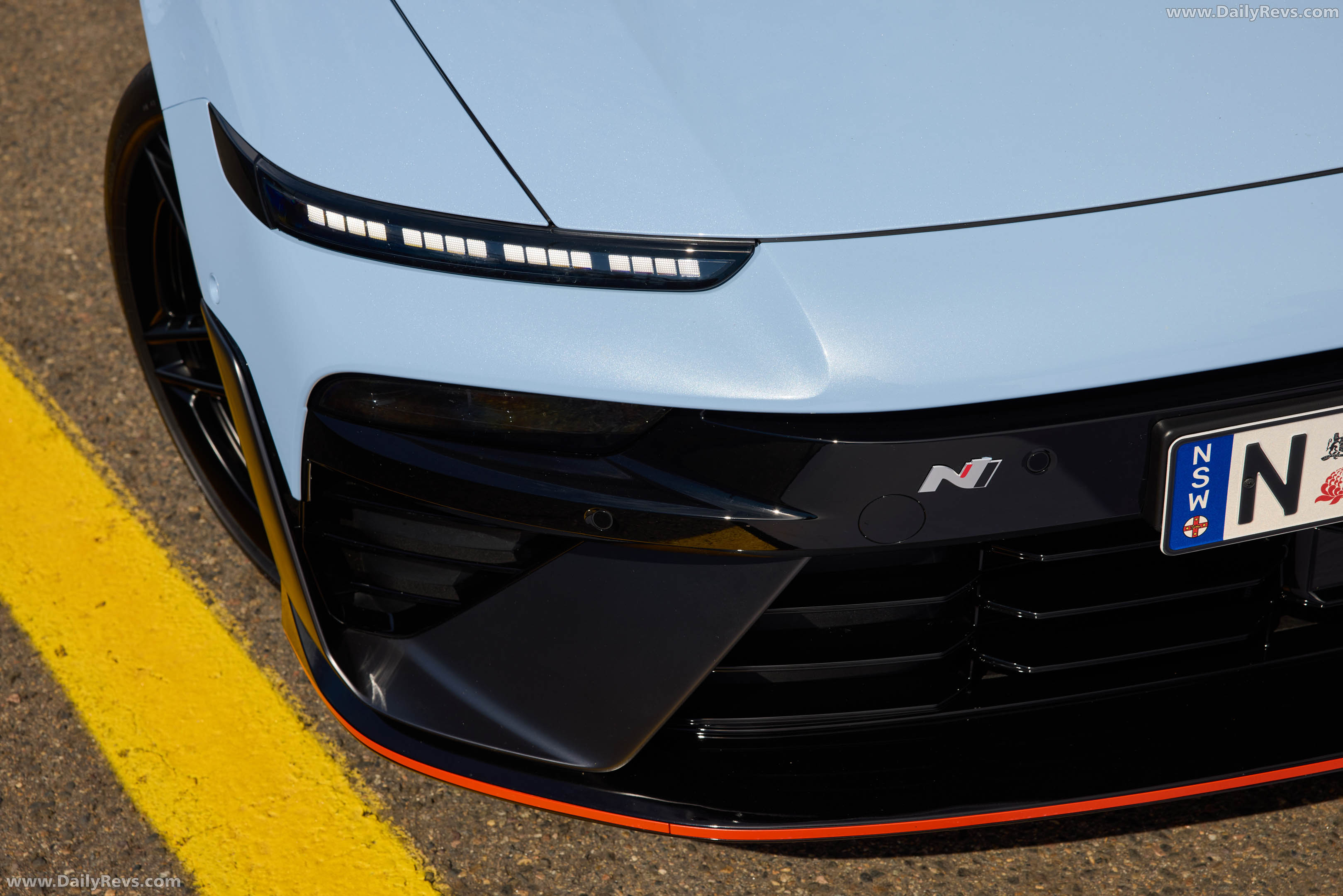
Wider fenders push the stance outward, while the front bumper integrates a splitter and air curtains that guide airflow cleanly around the body. A thin luminous orange strip runs along the lower edge, giving the car a distinct visual marker without overwhelming the shape.
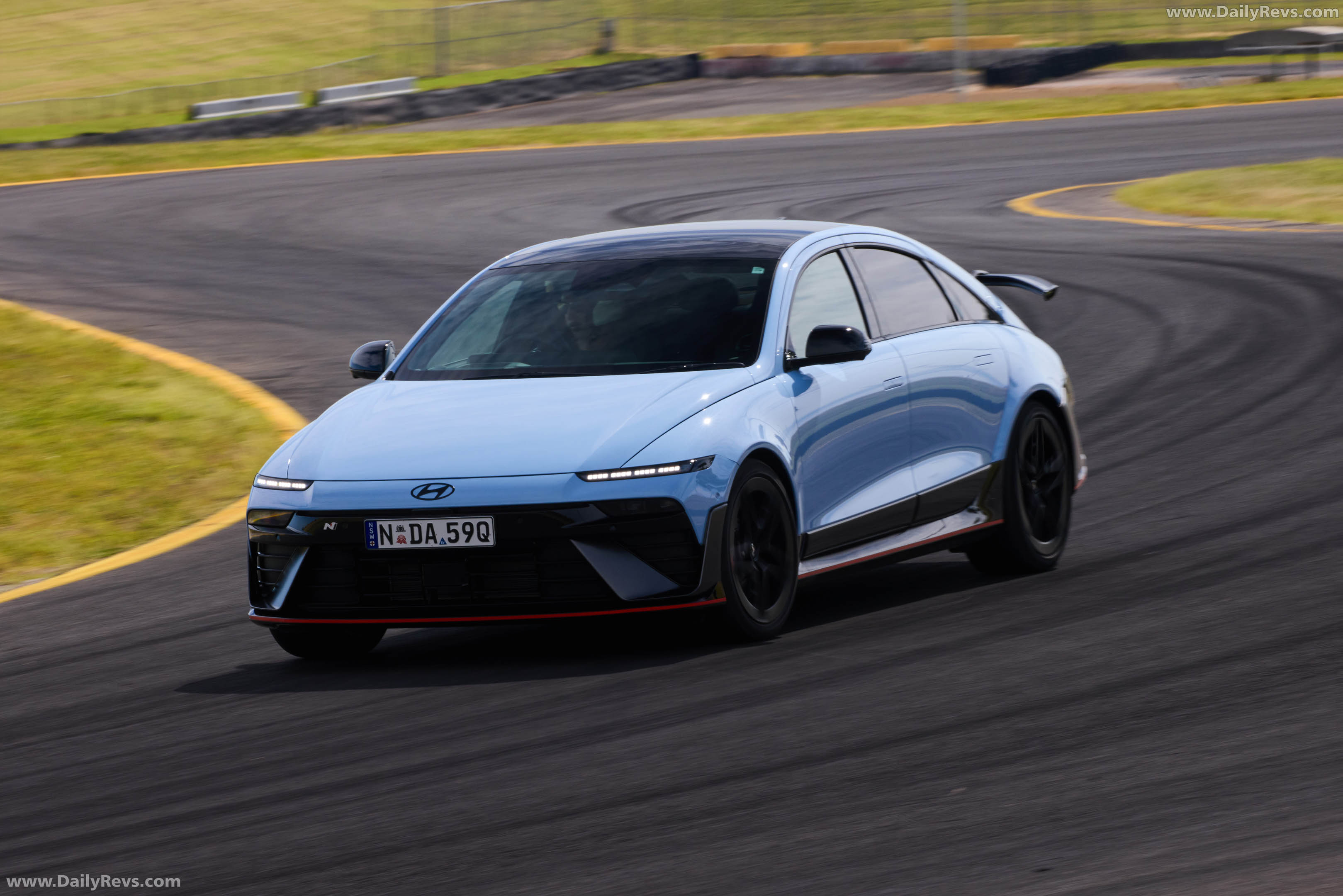
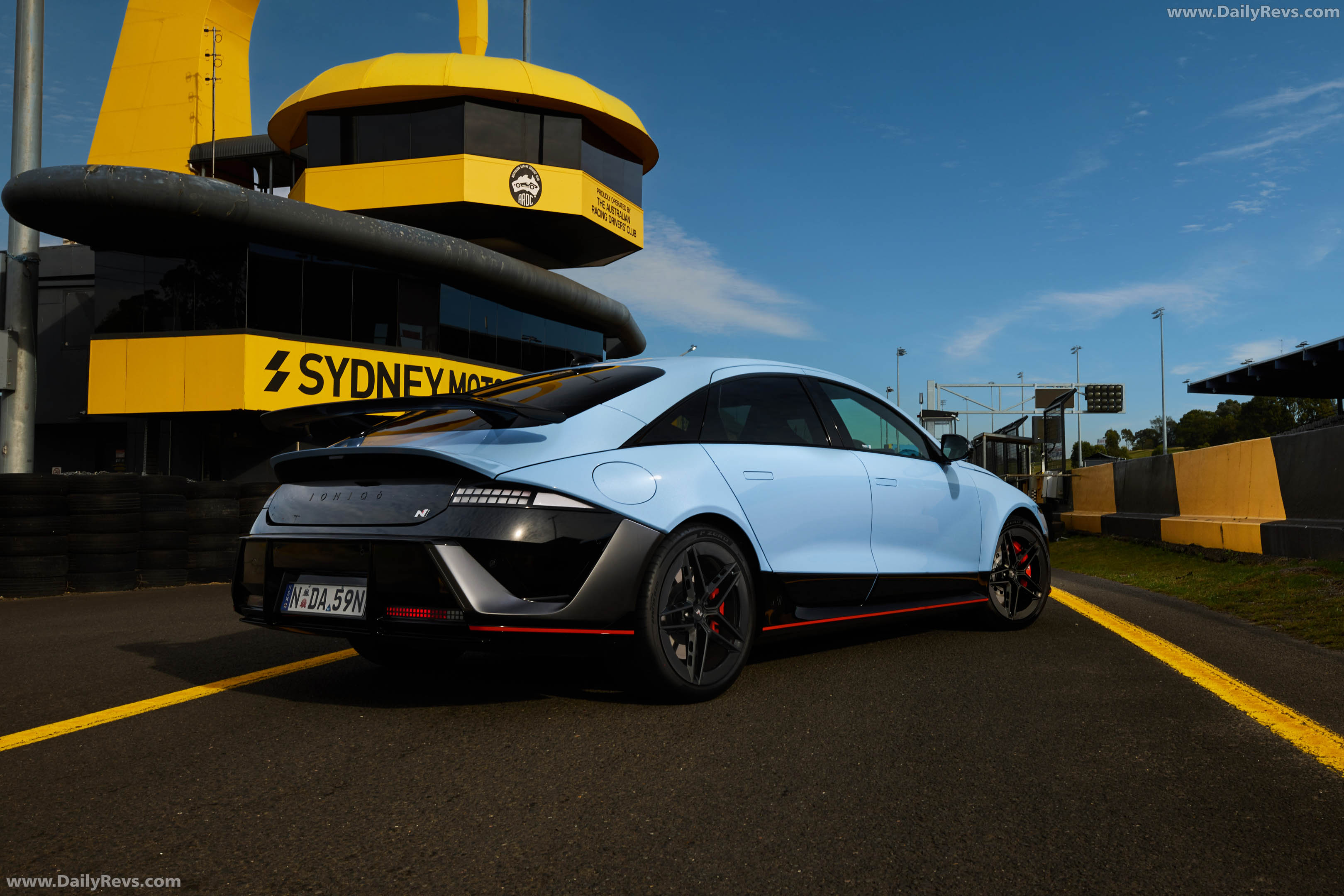
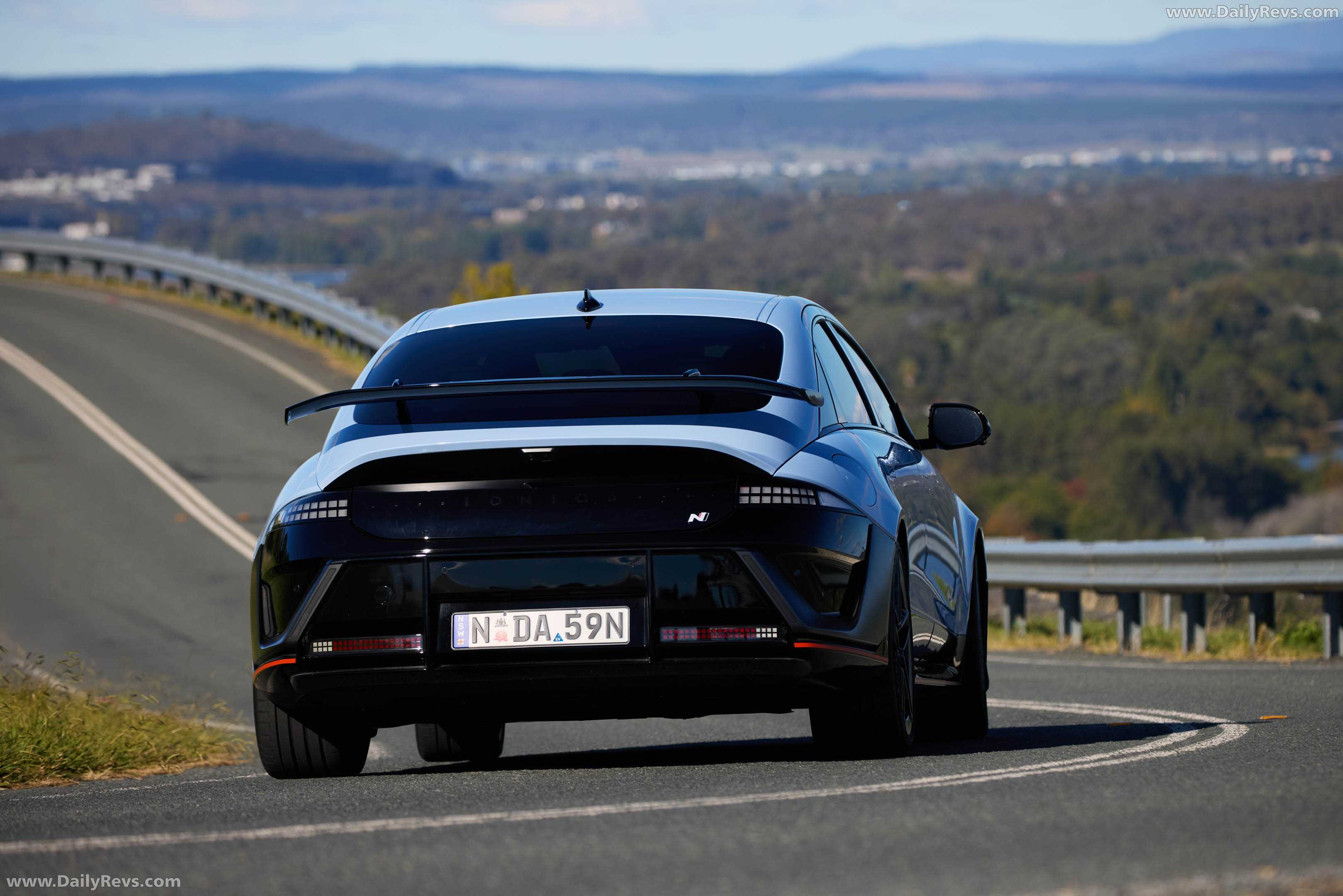
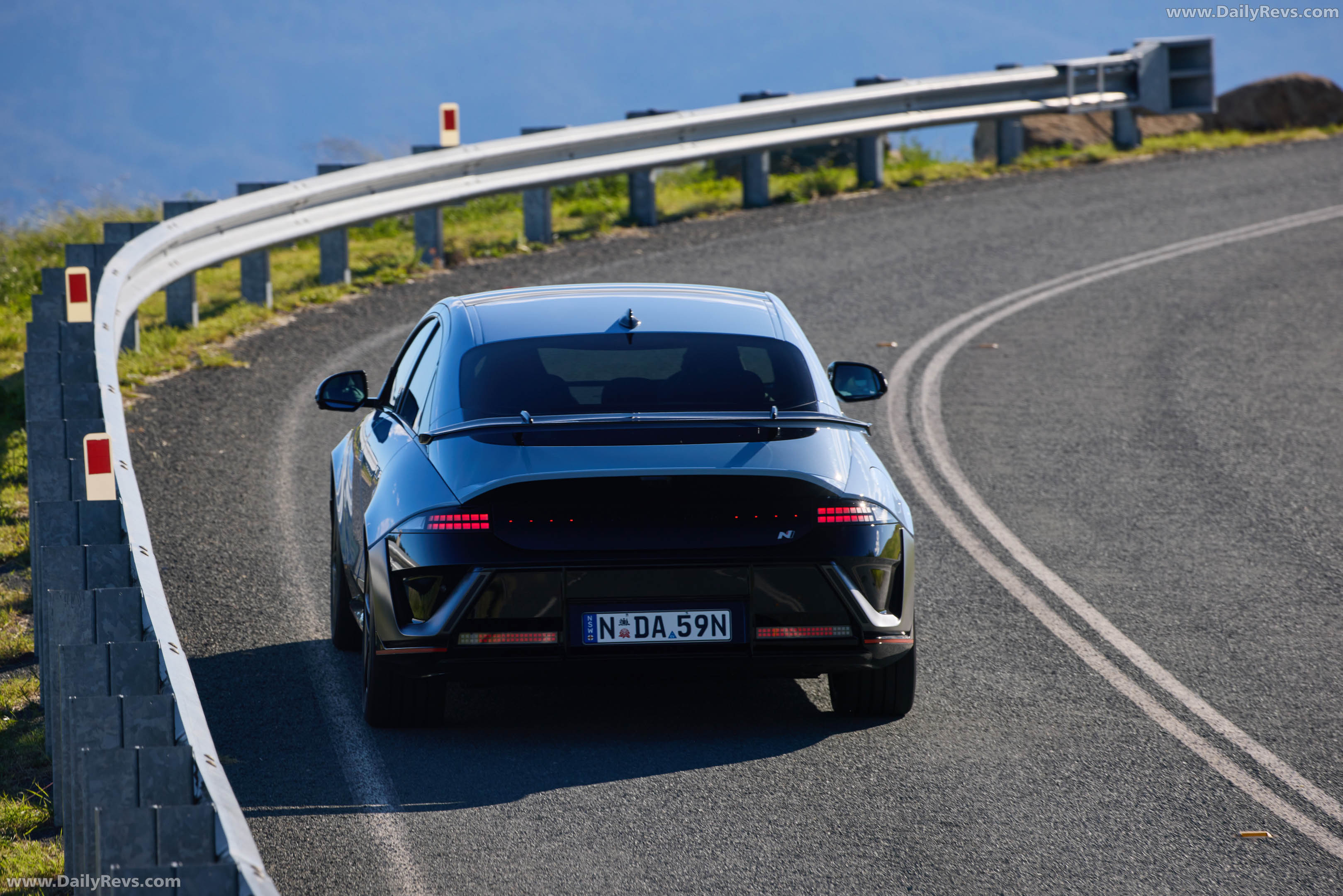
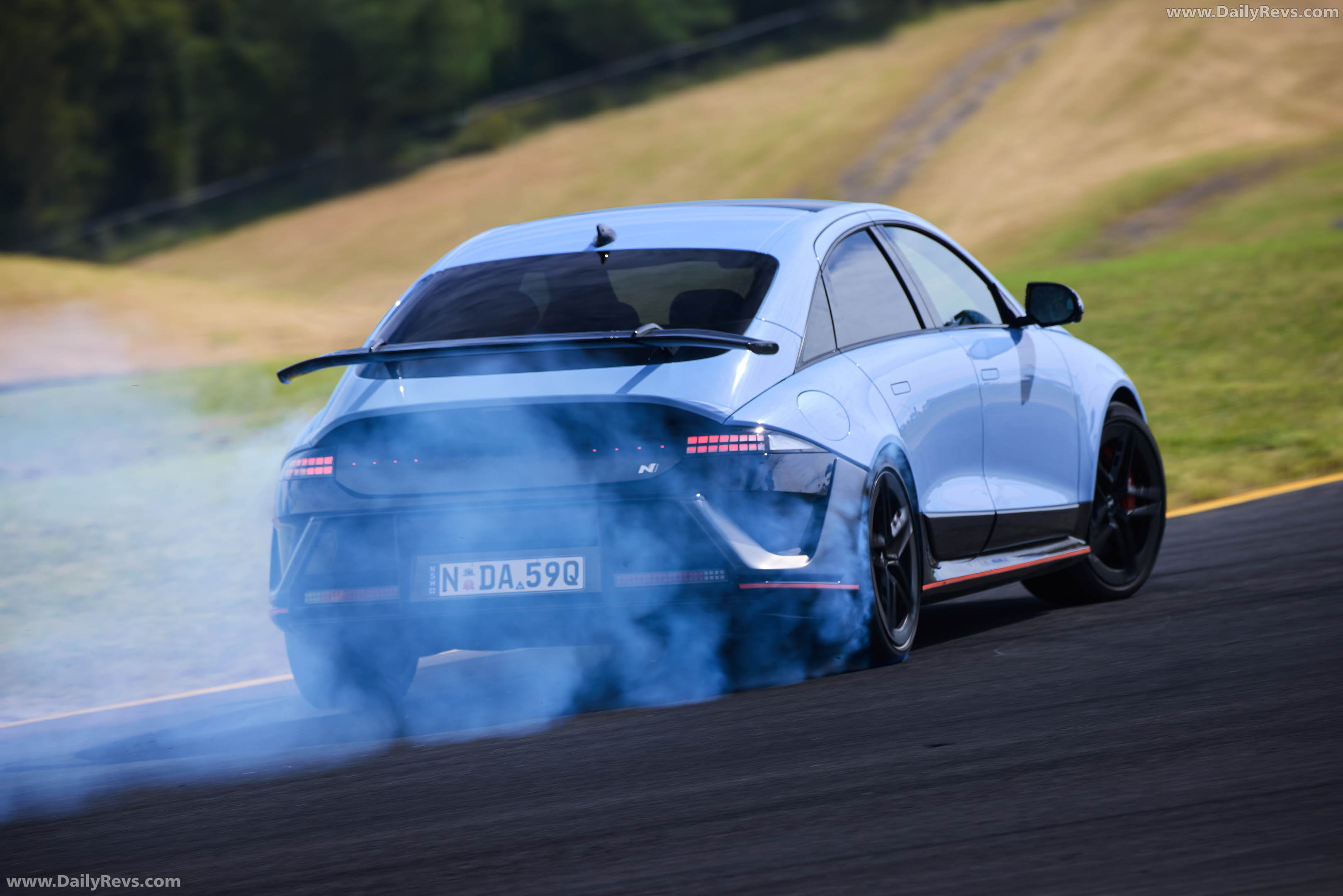
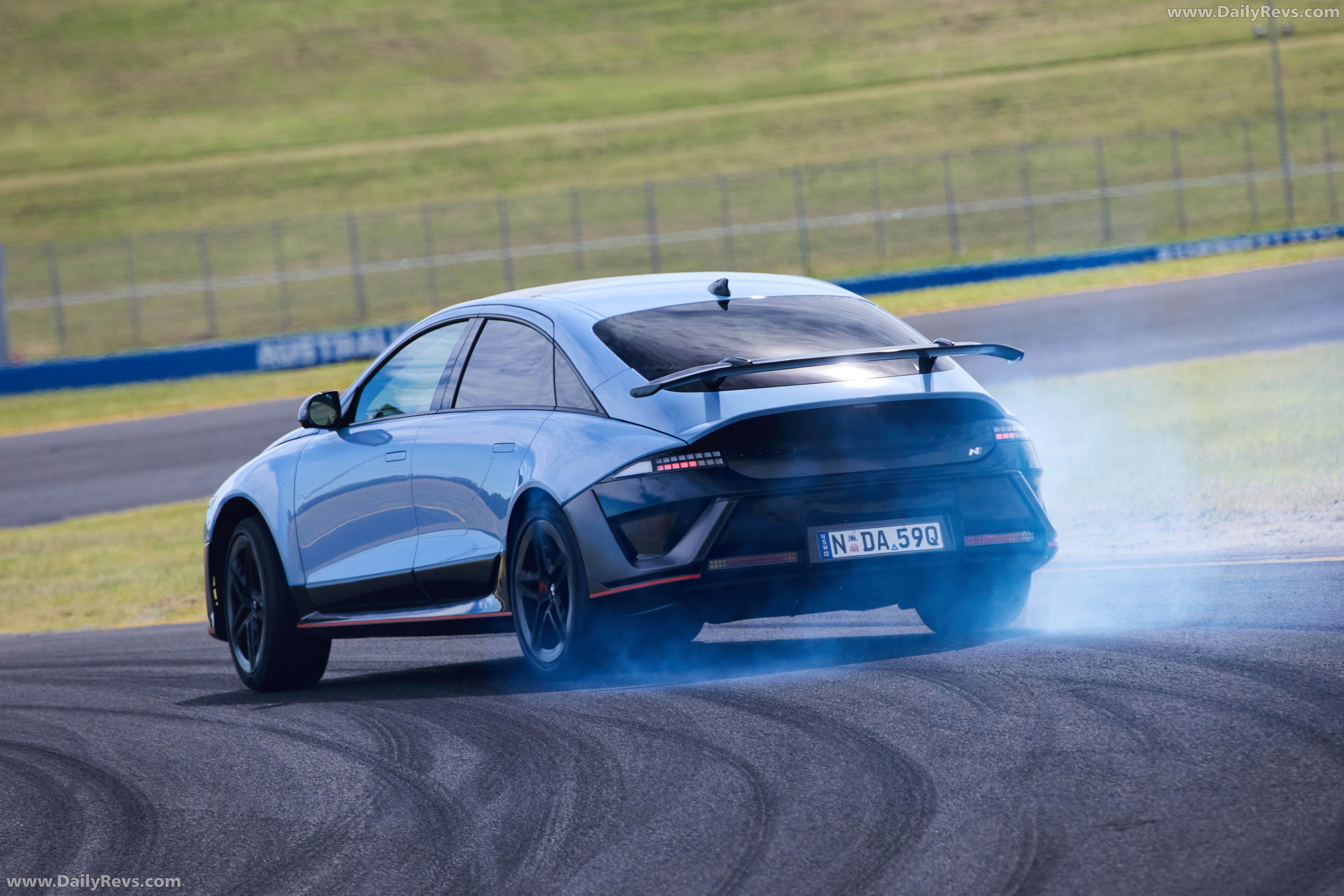
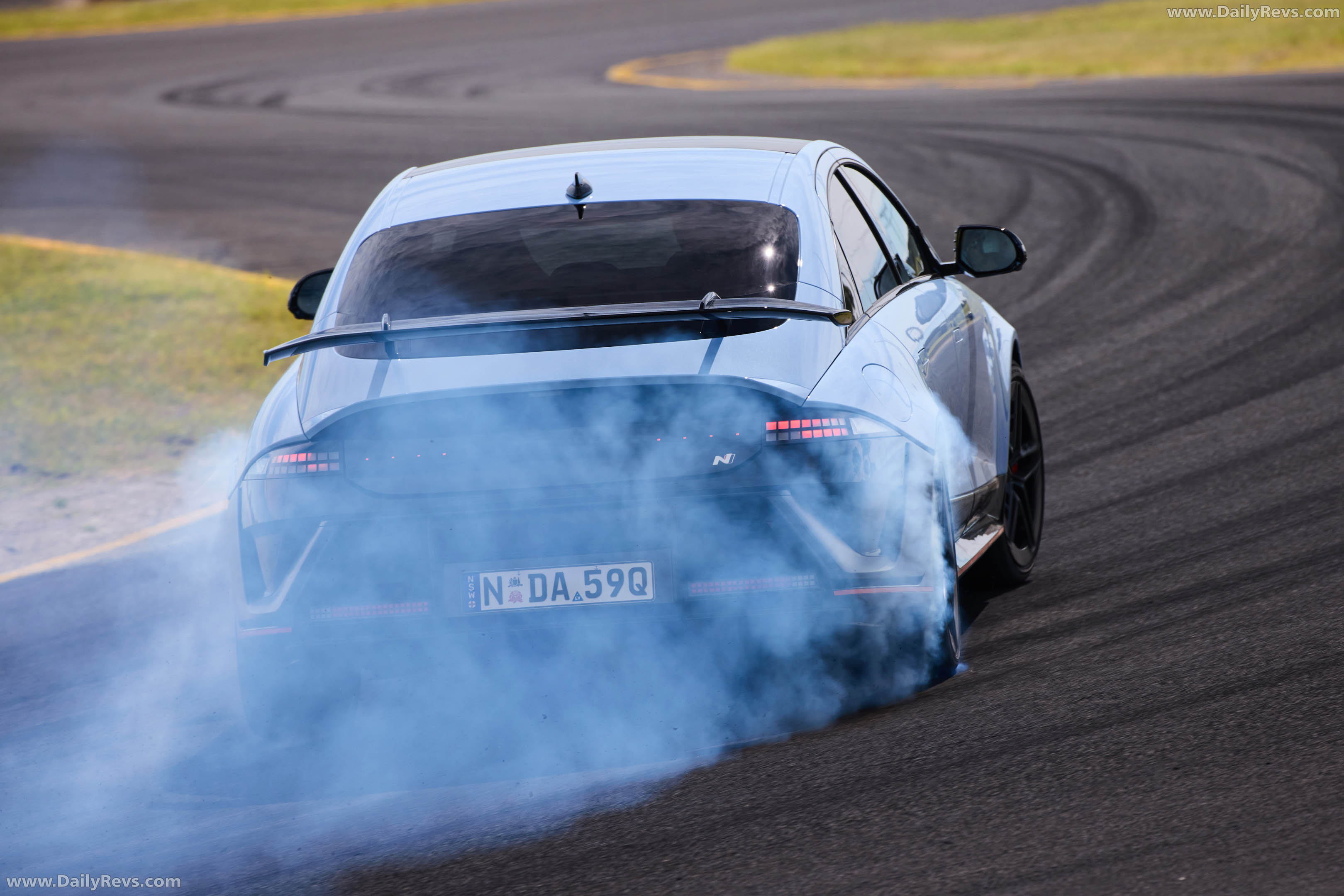
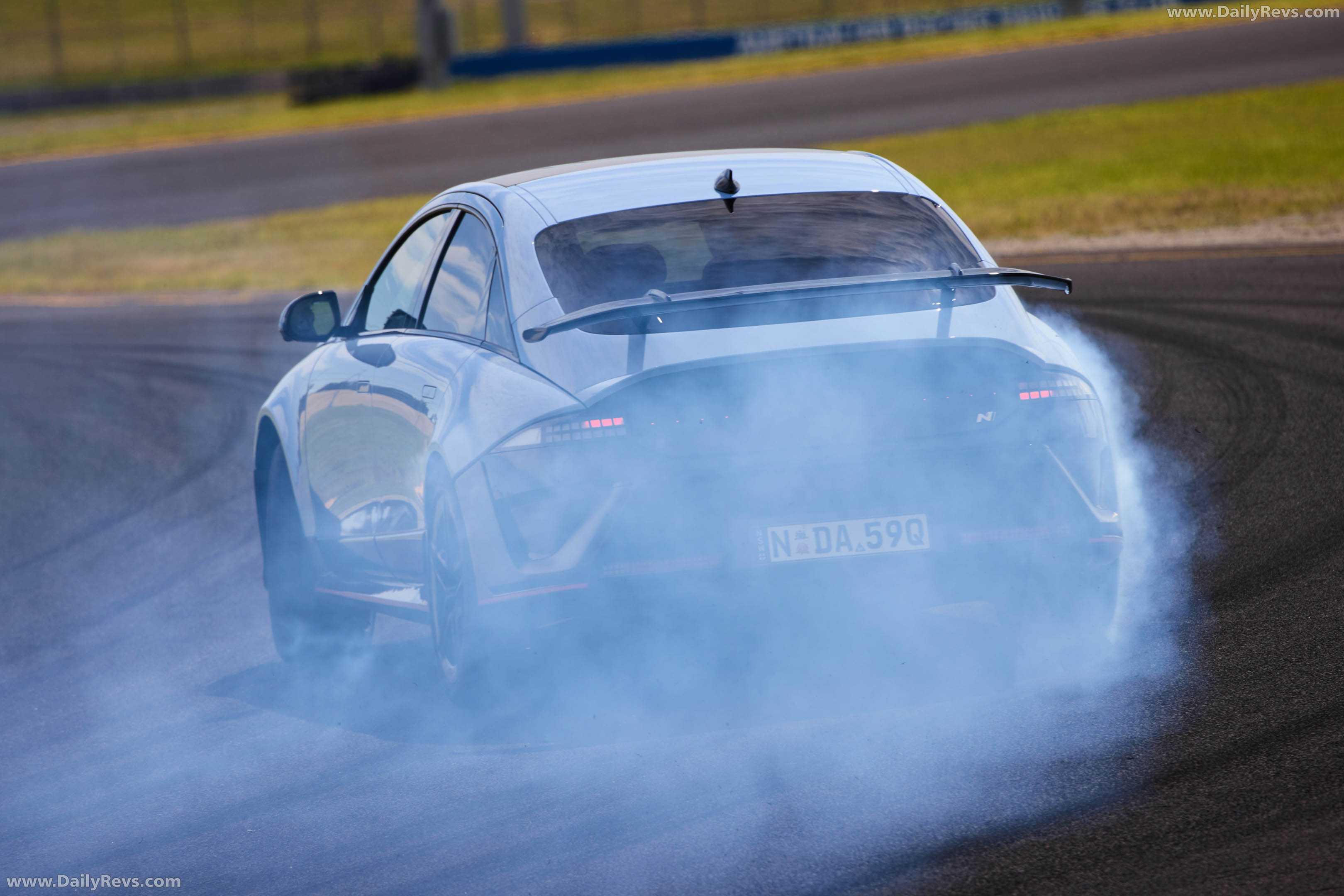
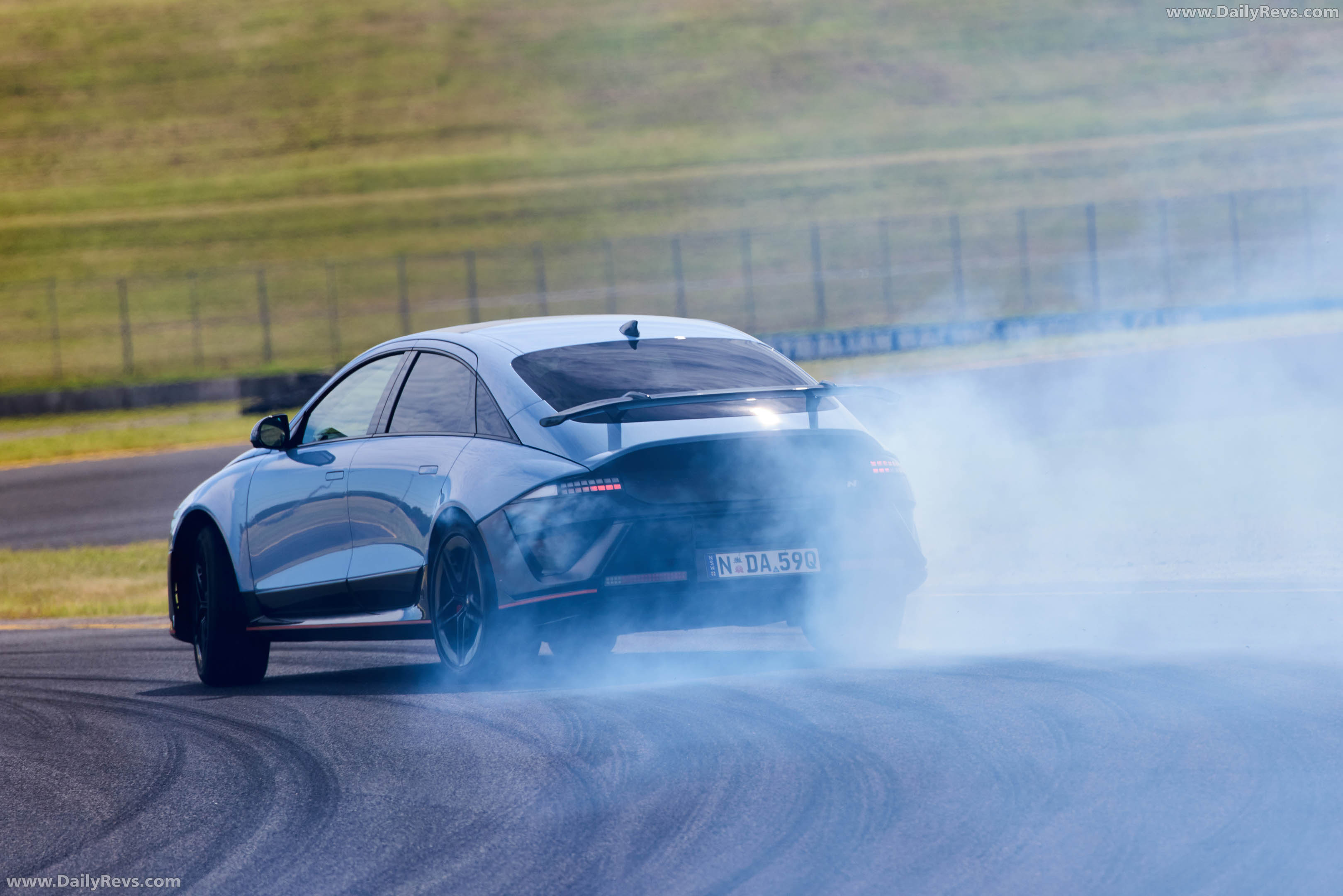
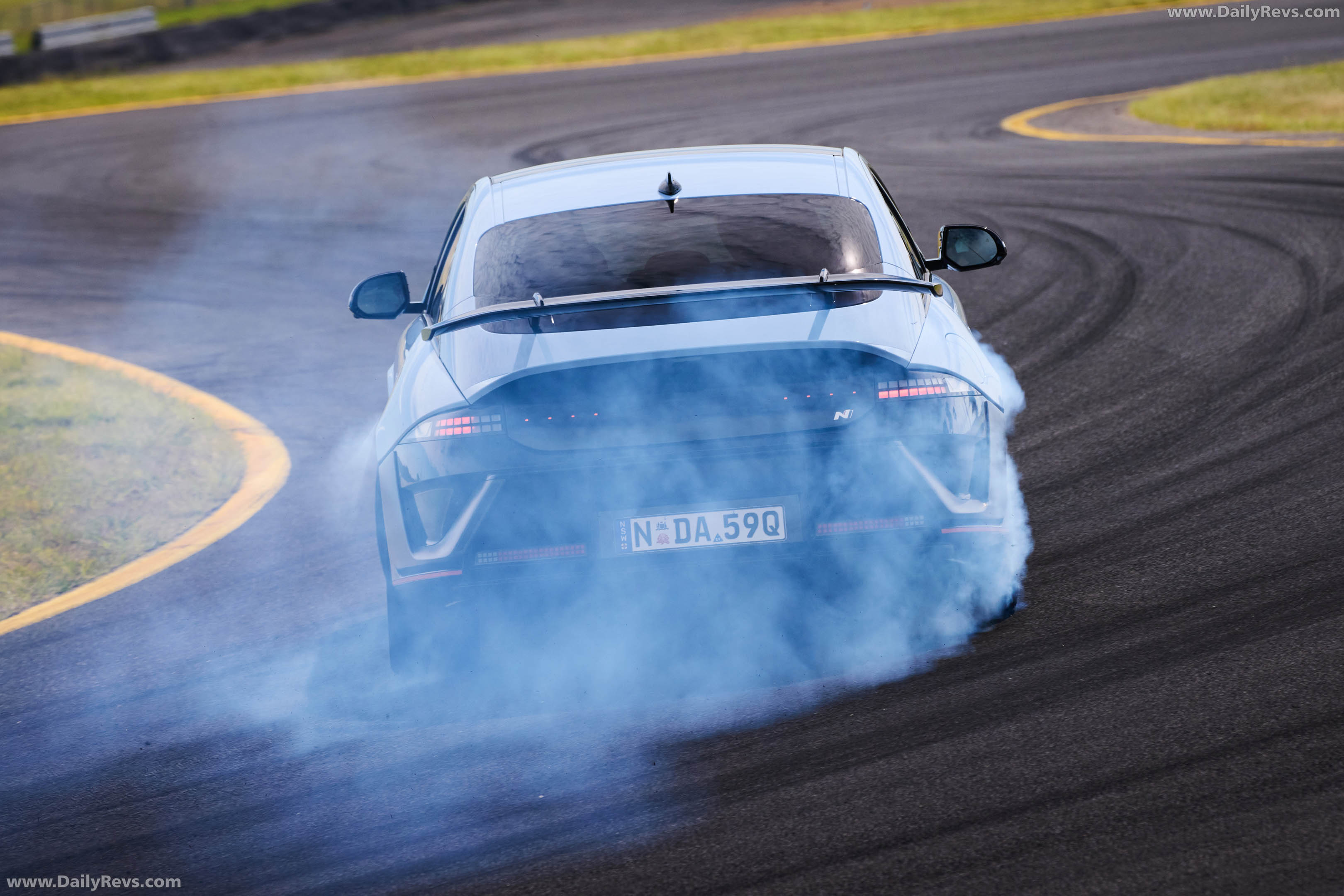
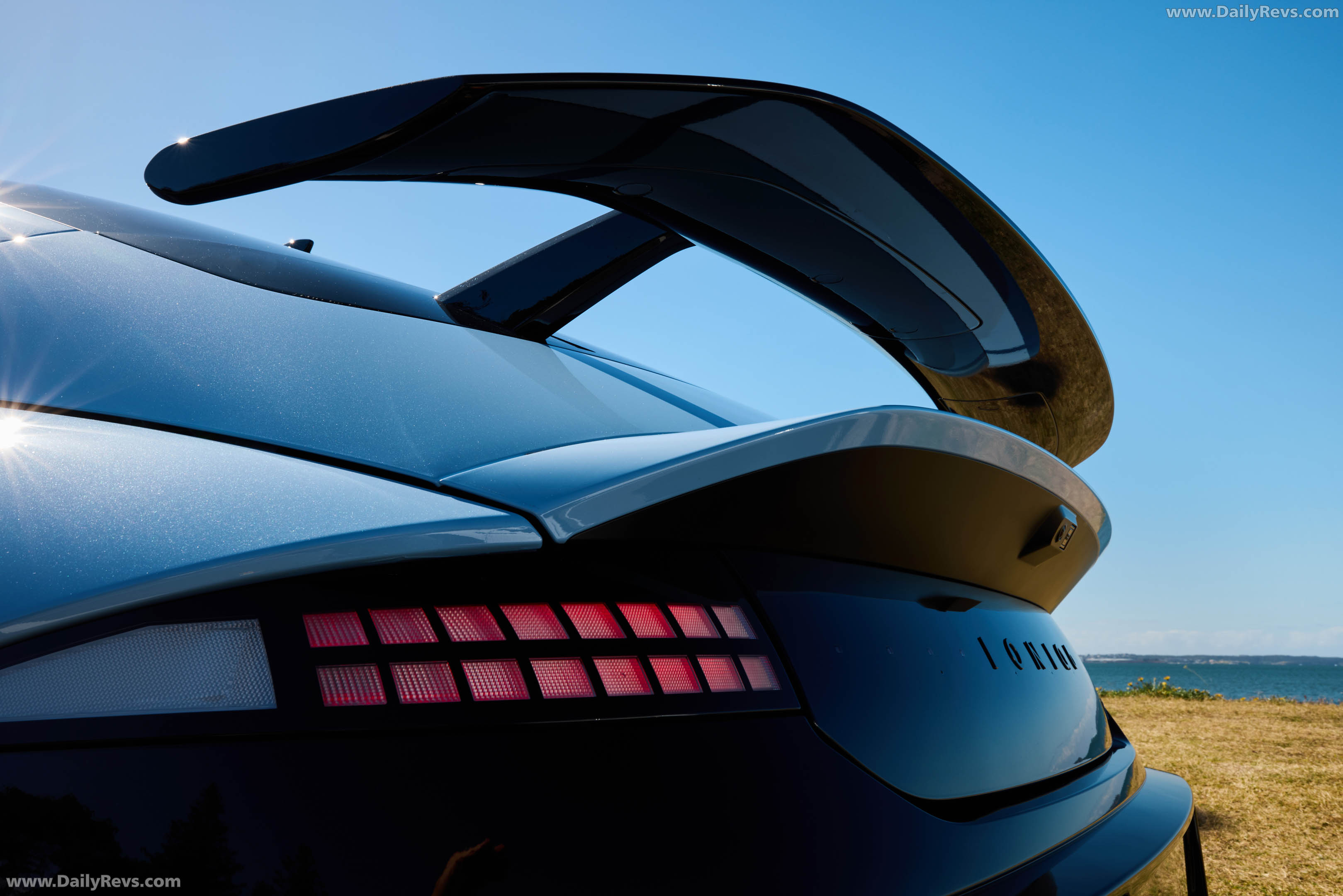
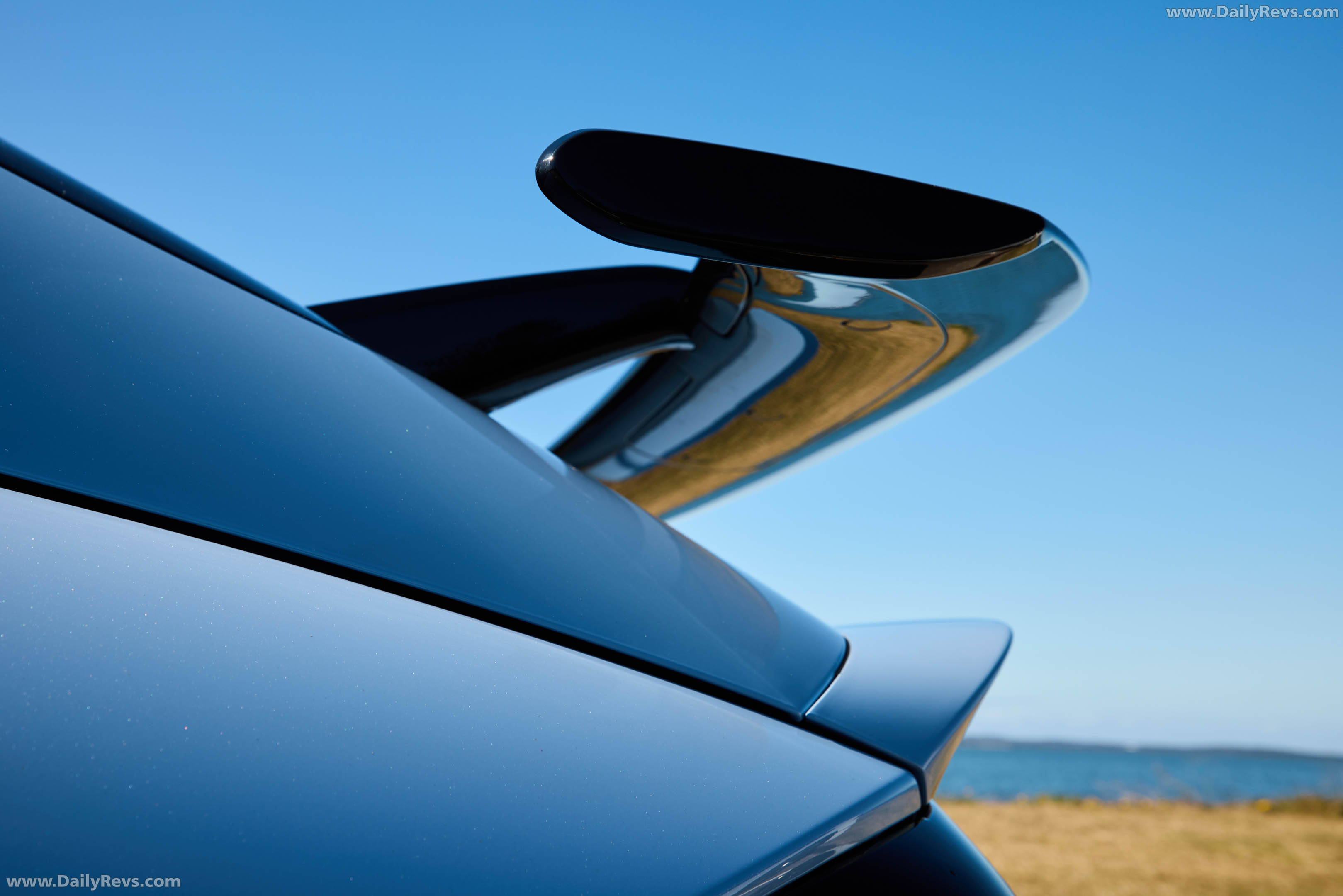
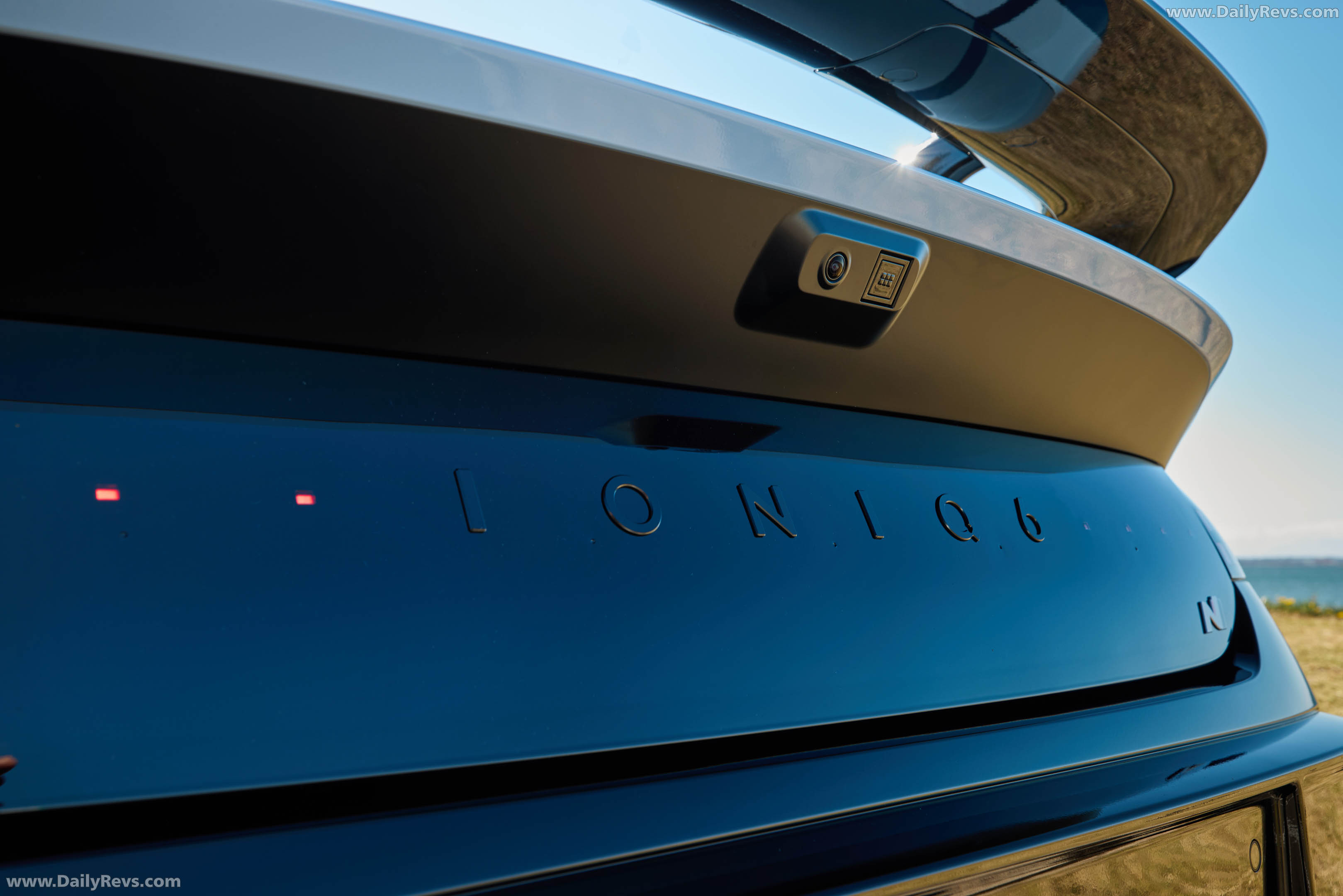
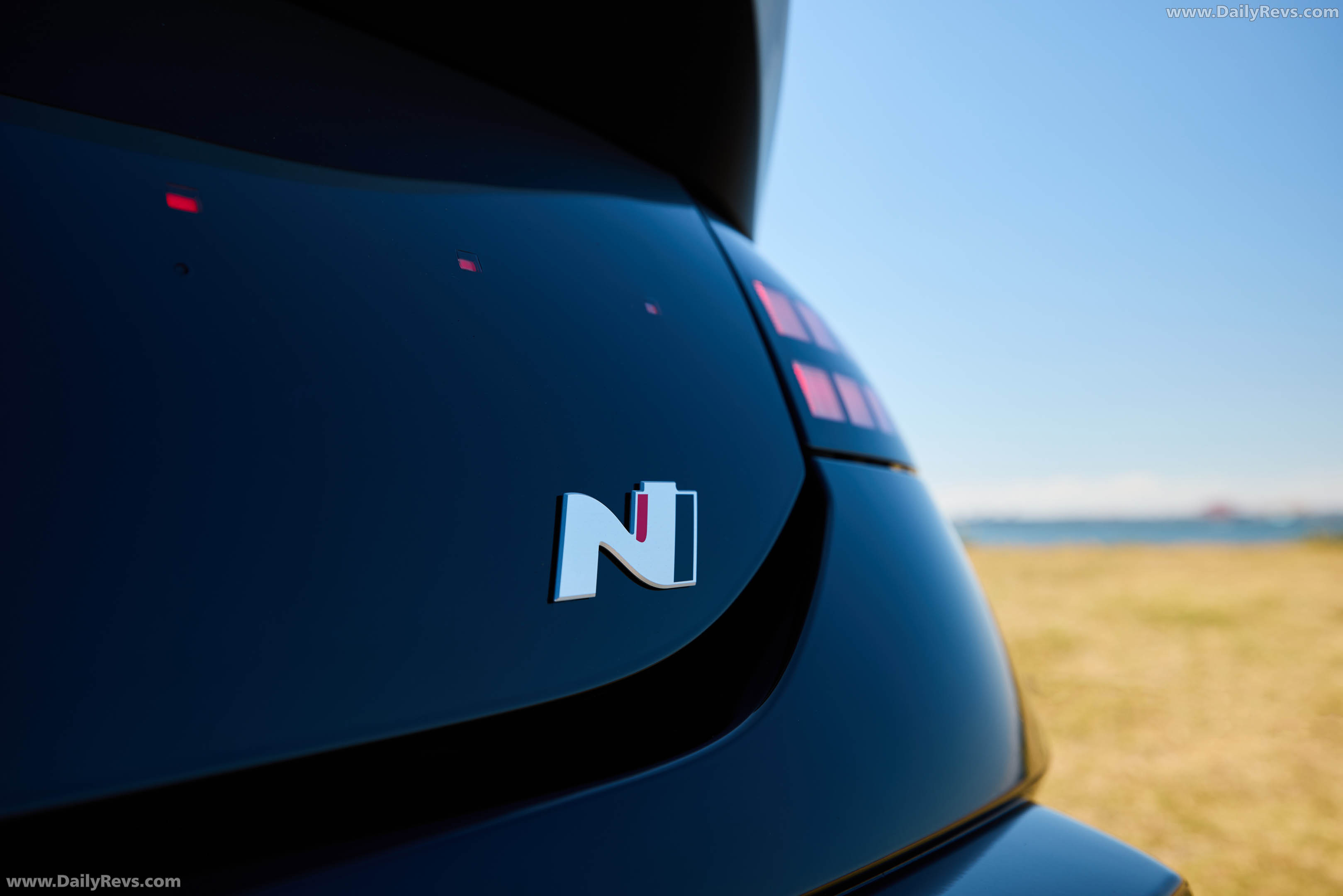
At the rear, the swan-neck wing stands out. It’s not decorative. Hyundai claims it contributes meaningful downforce—up to 100 kg—while maintaining a low drag coefficient of 0.274. The pixel-style lighting remains, tying it back to the standard IONIQ 6, though here it feels more purposeful.
Low, wide proportions define its road presence
This is still a sedan, but it sits closer to the ground than most.
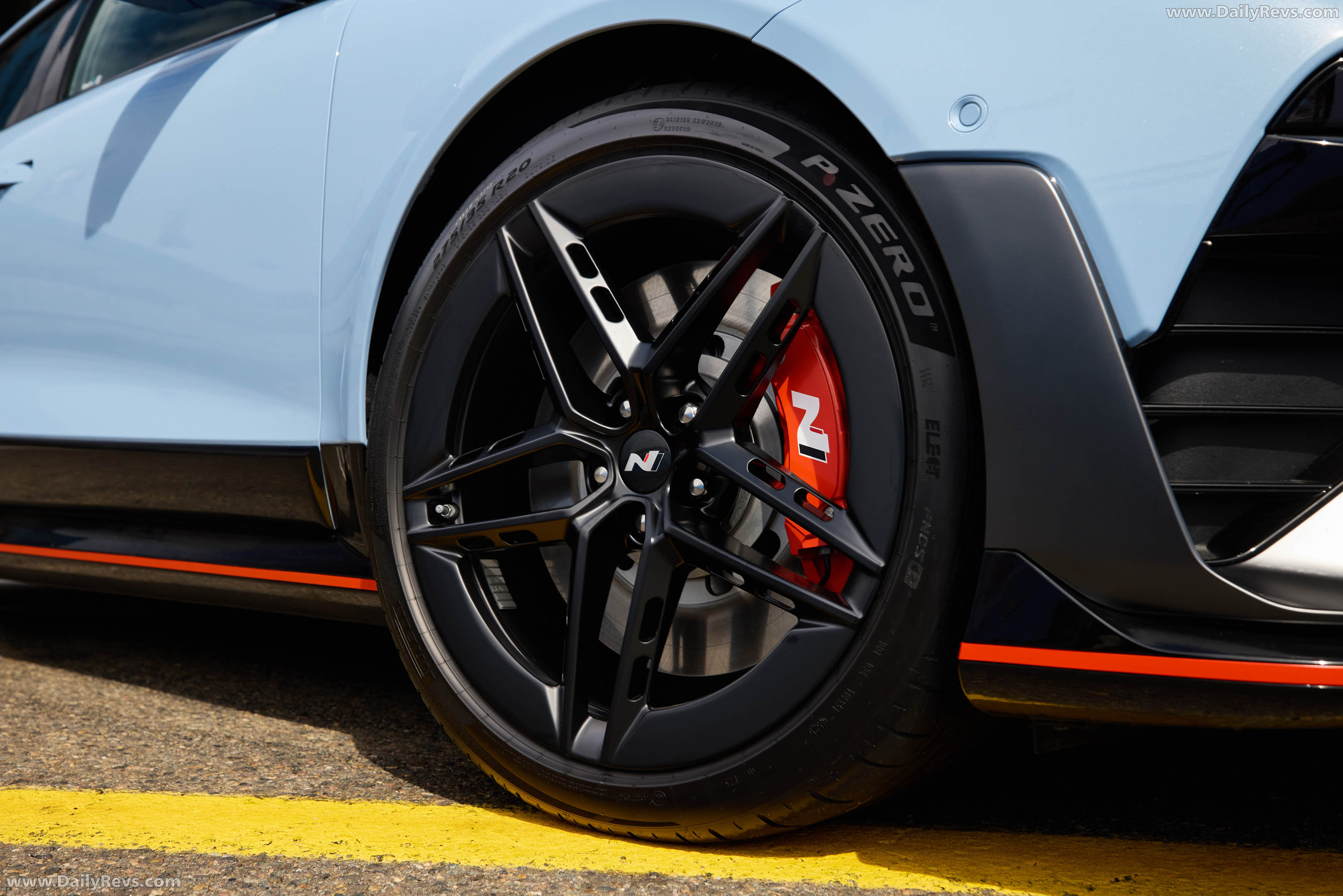
The body stretches nearly five meters in length, with a relatively low height that emphasizes width. Black lower trim and large 20-inch forged wheels visually anchor the car. The proportions don’t shout for attention. Instead, they give the car a planted, almost track-ready stance.
There’s a clear attempt to balance aerodynamic efficiency with visual weight. It works.
Cabin leans into driver focus without losing comfort
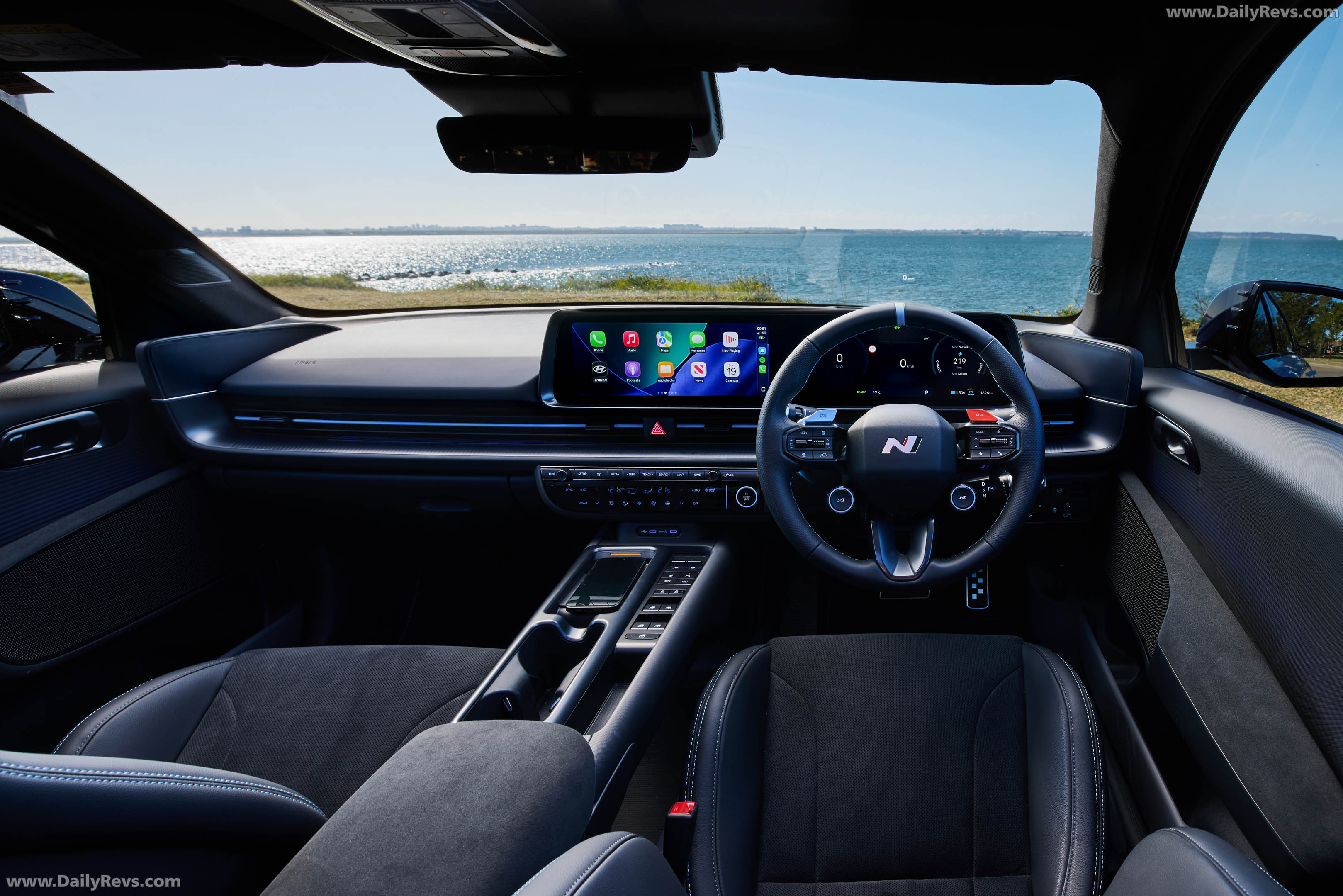
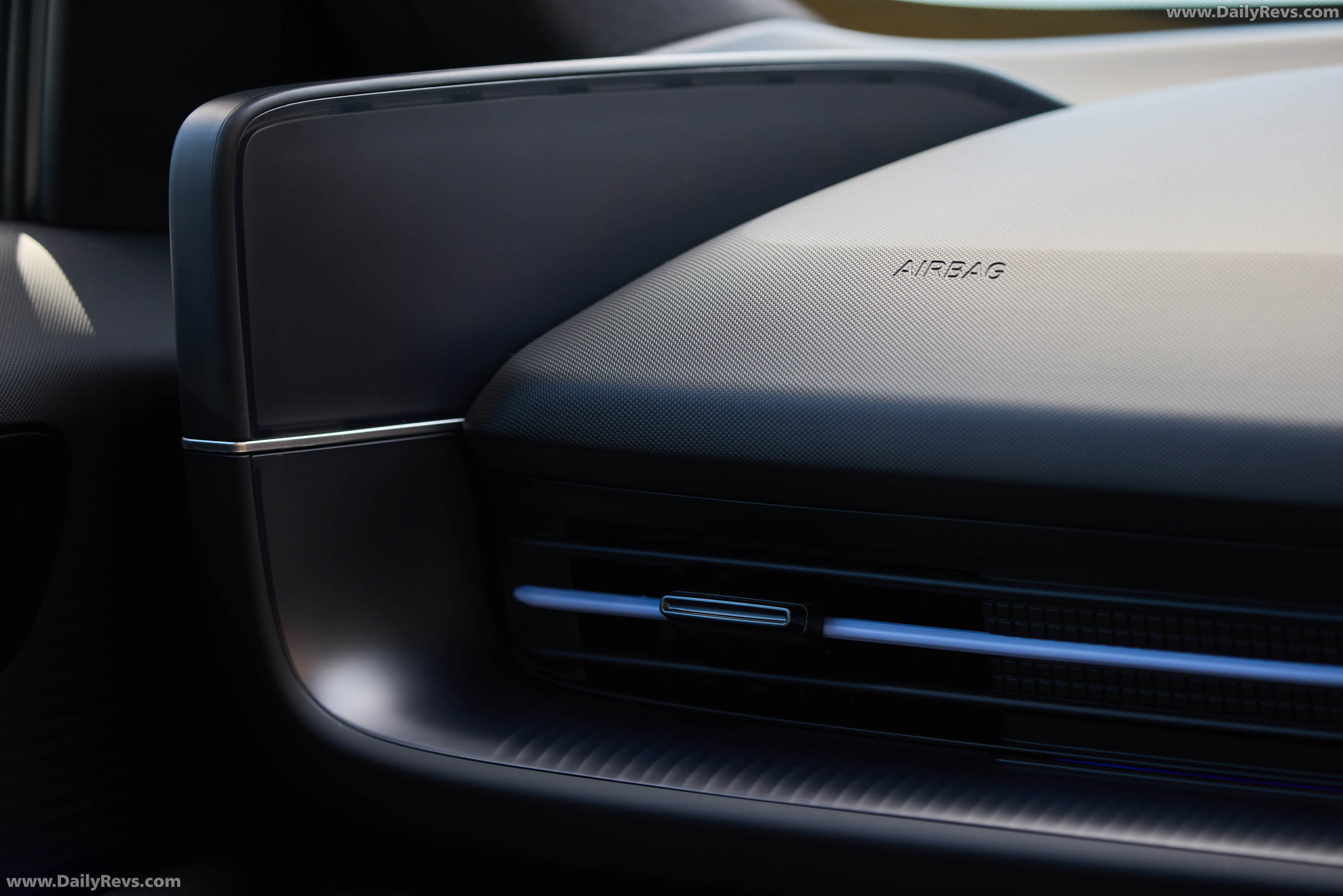
Inside, the cabin shifts away from minimalism and toward engagement.
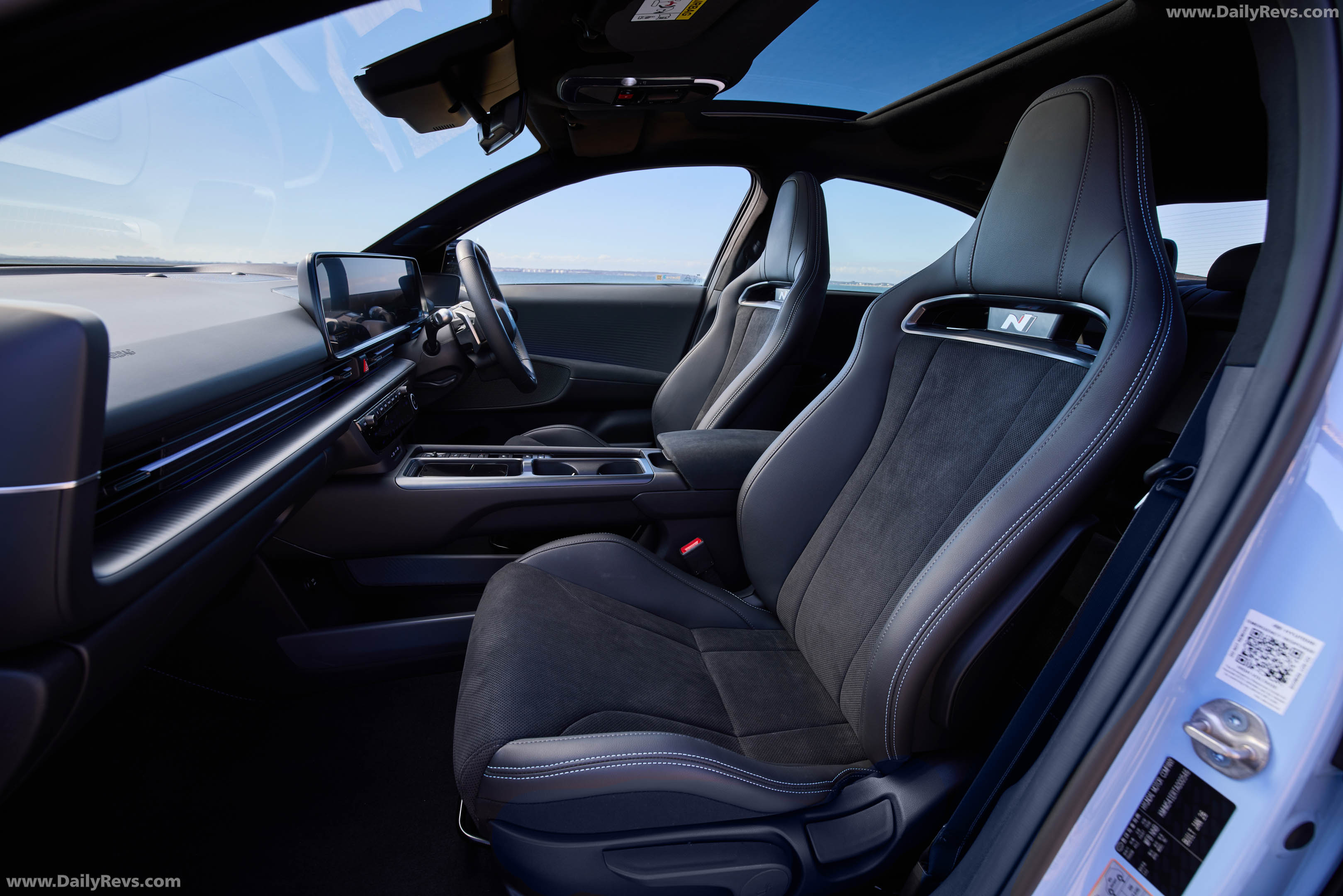
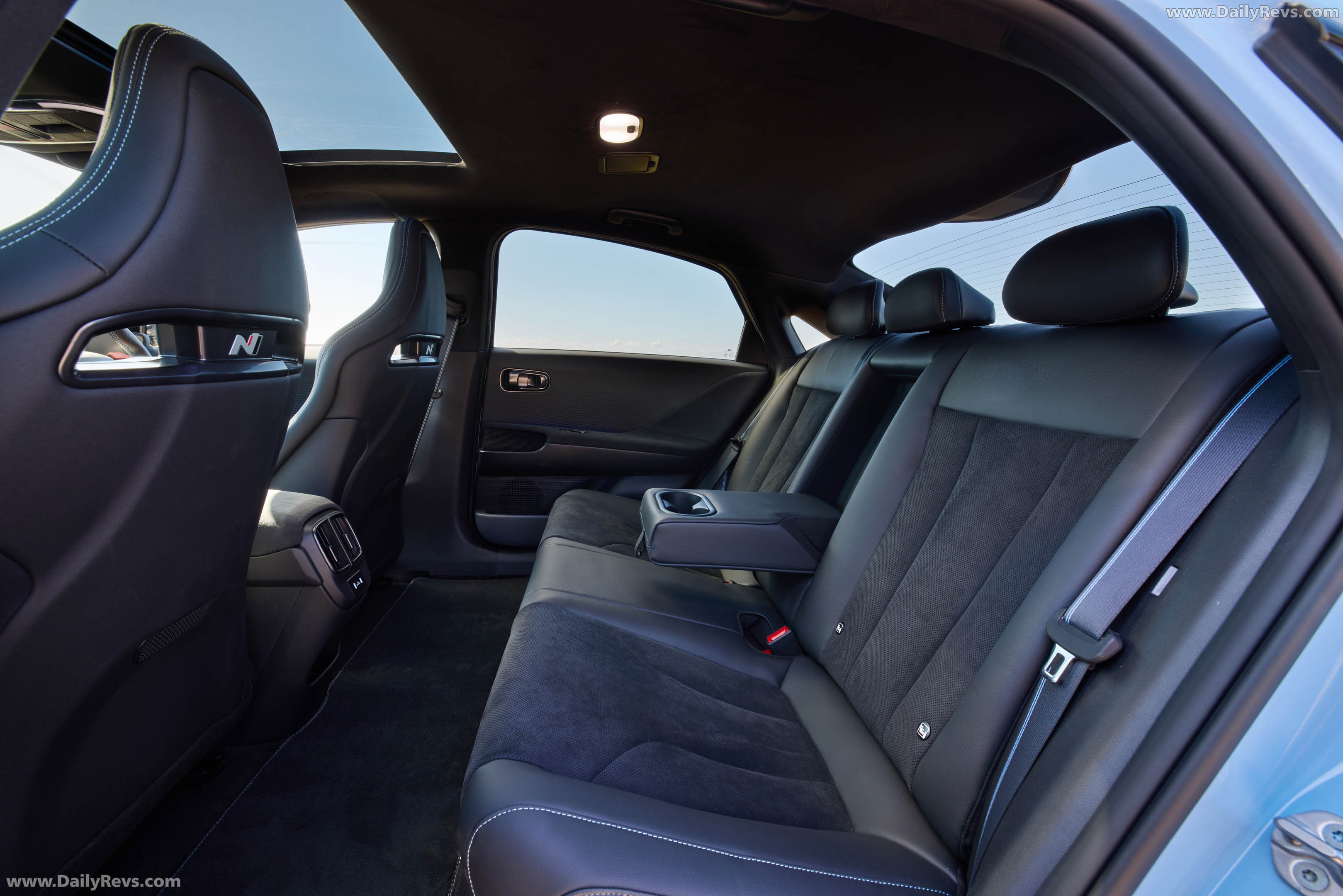
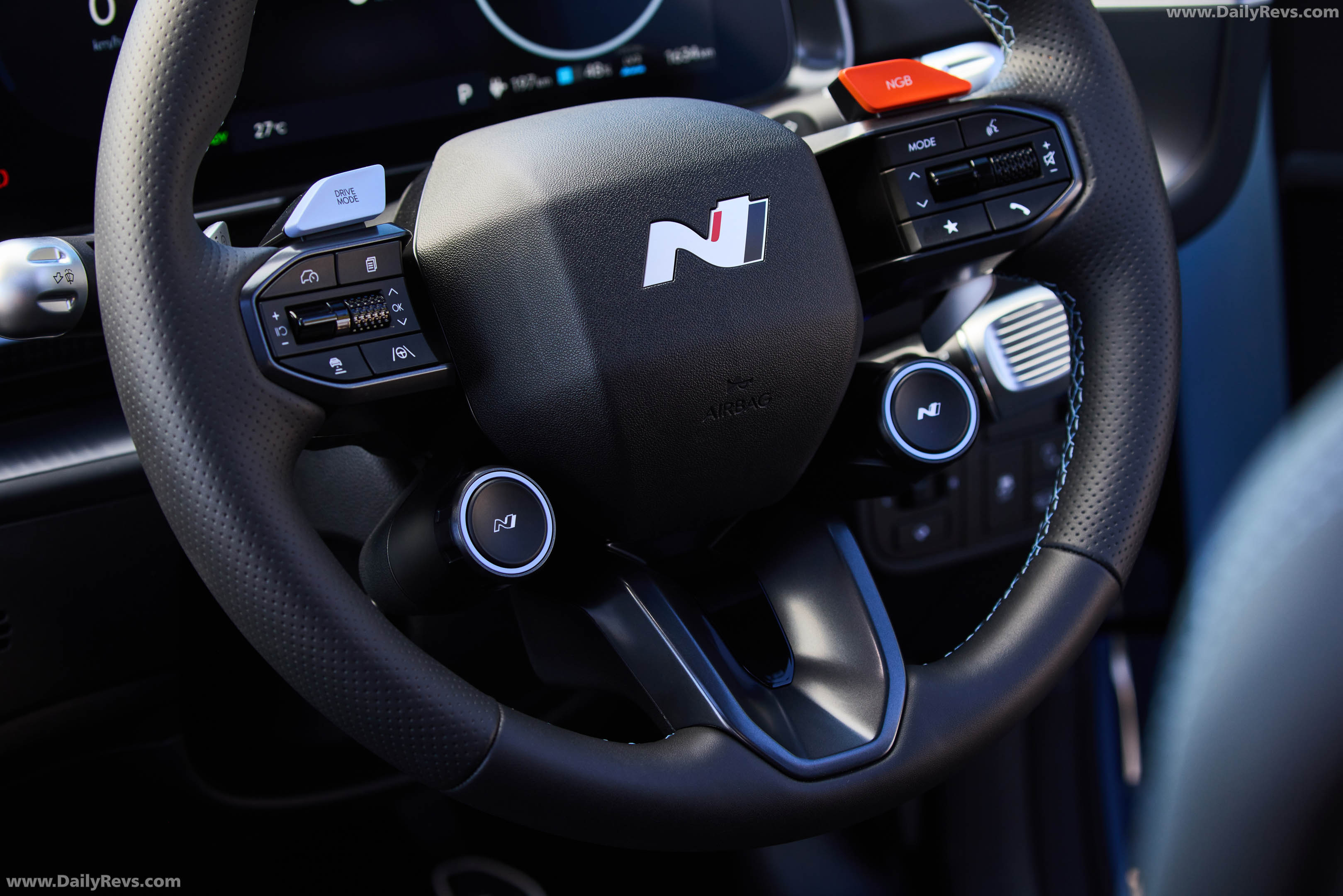
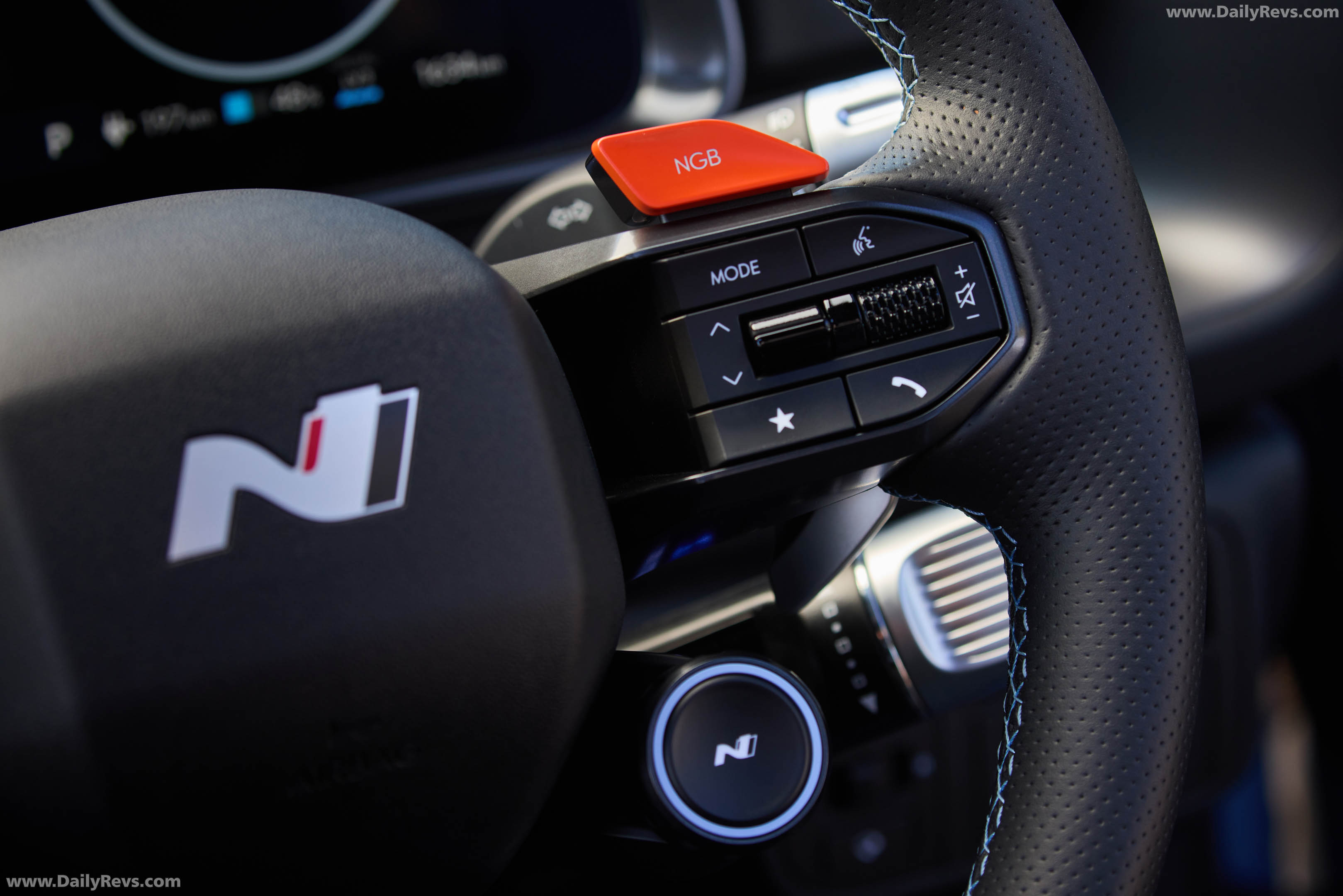
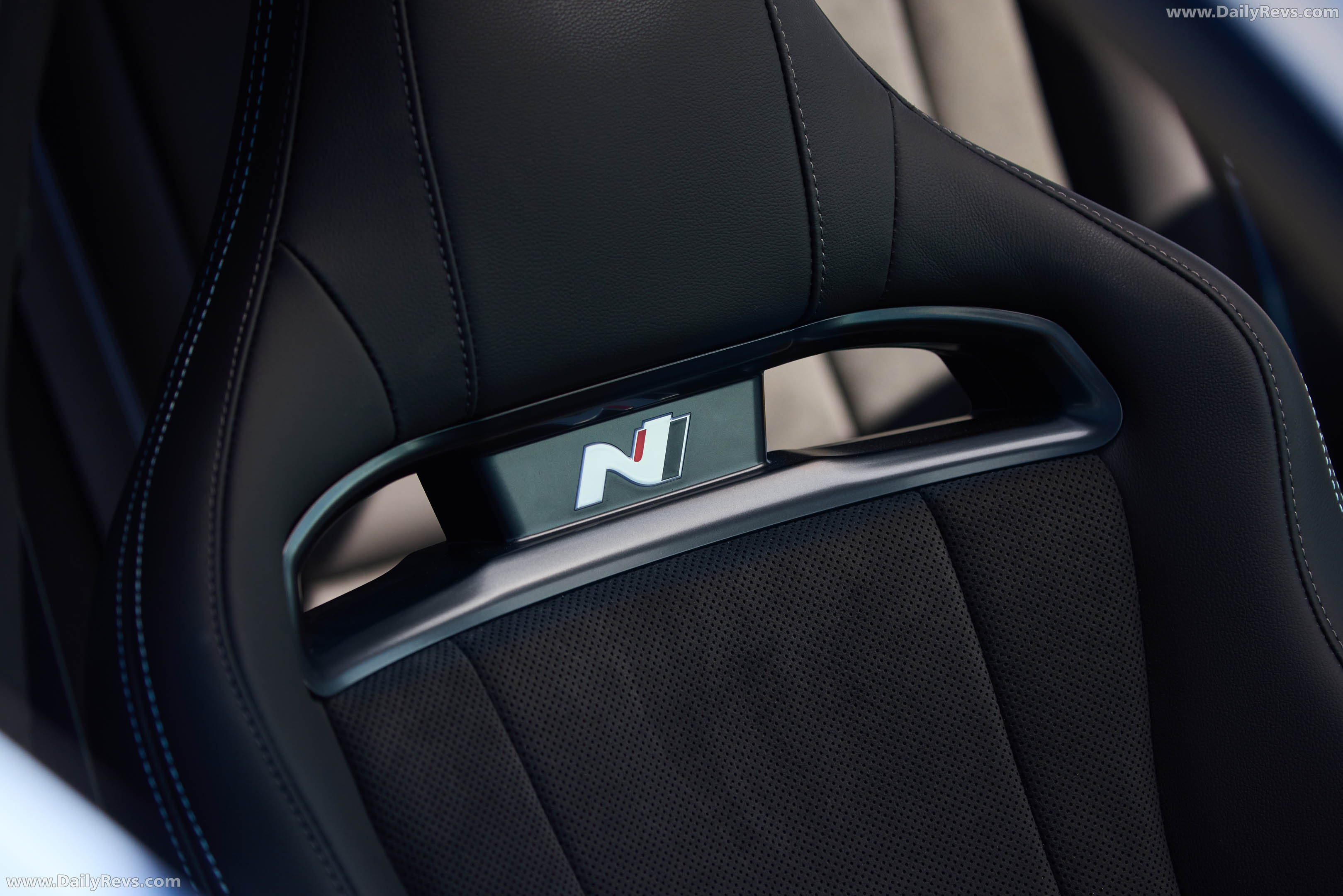
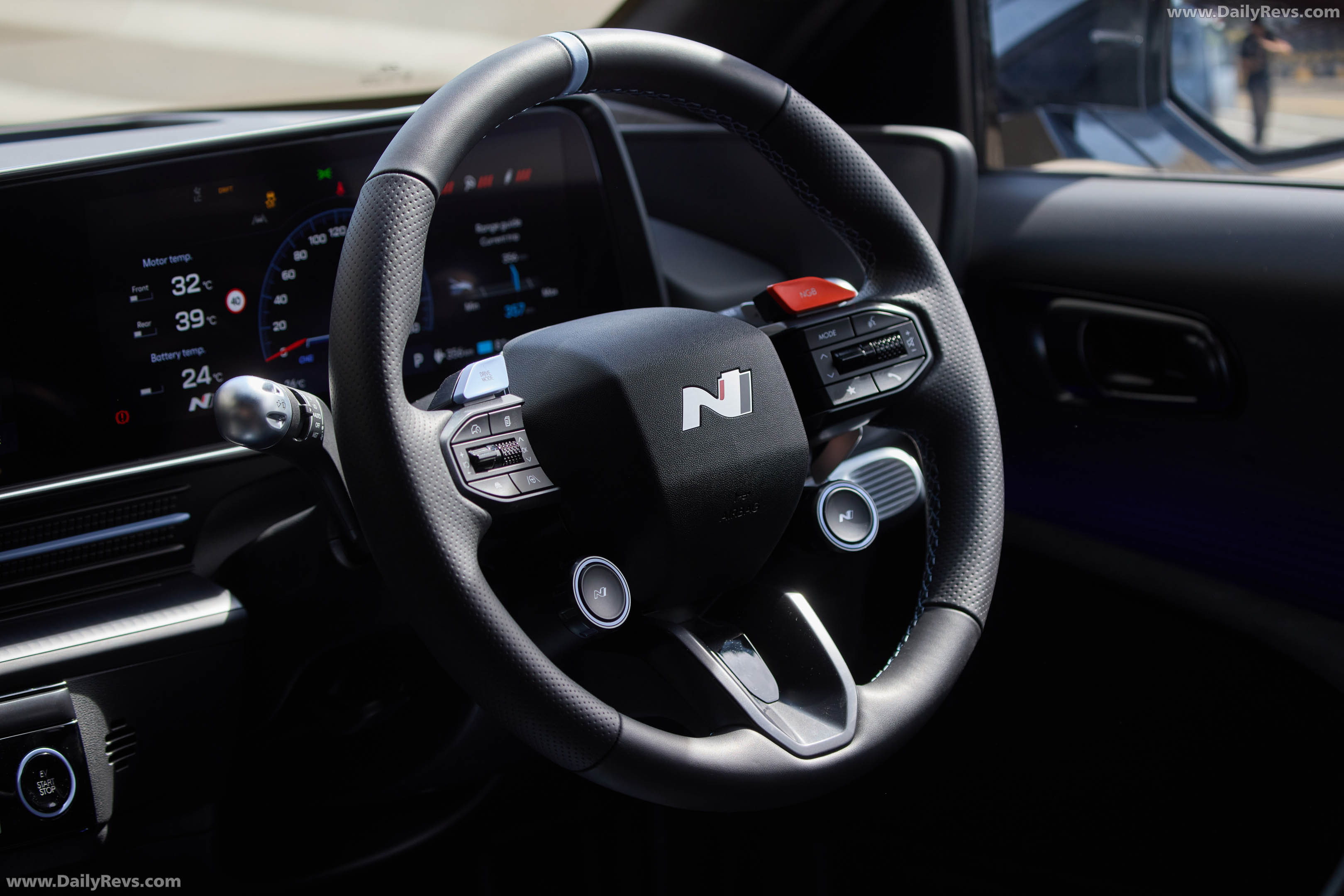
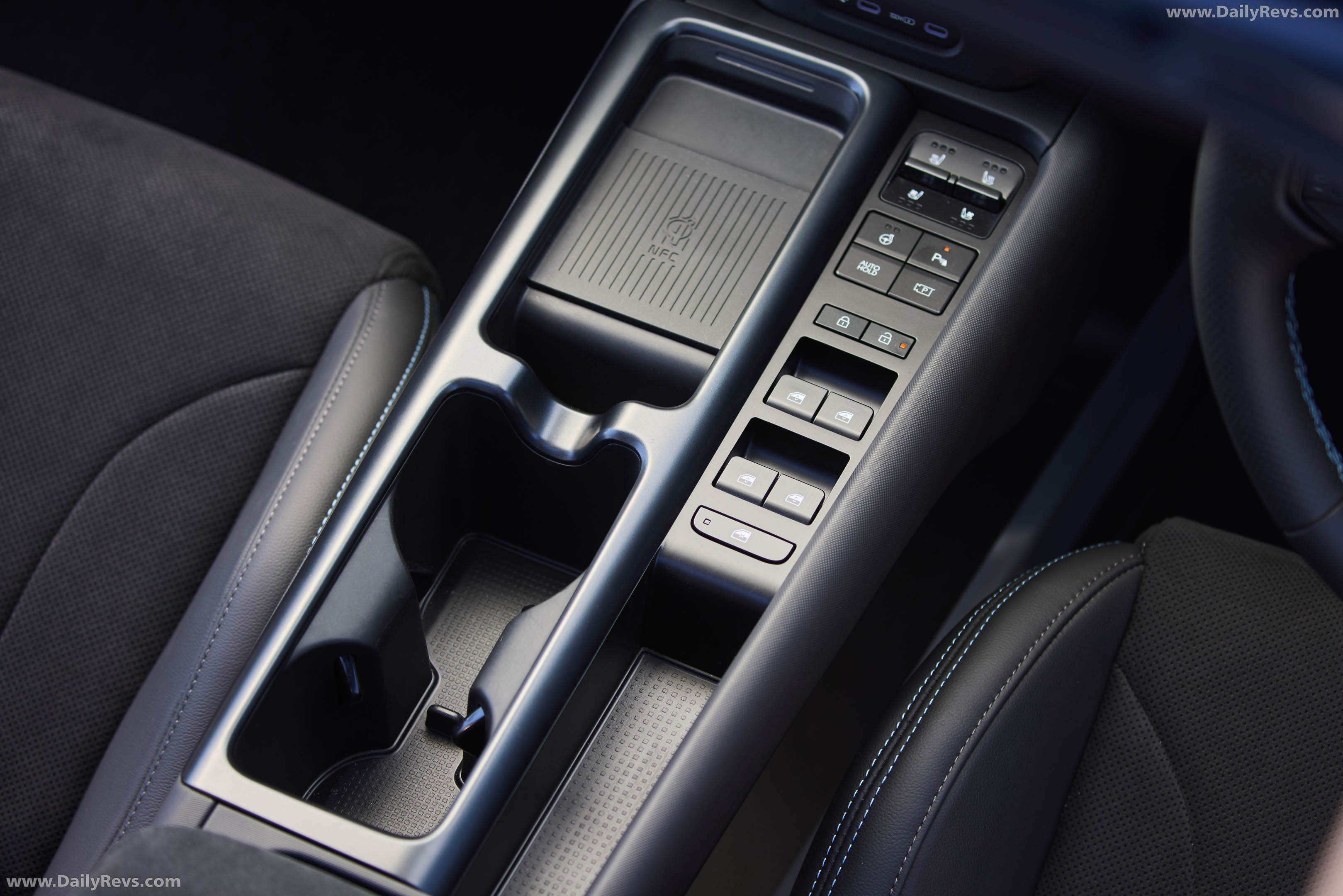
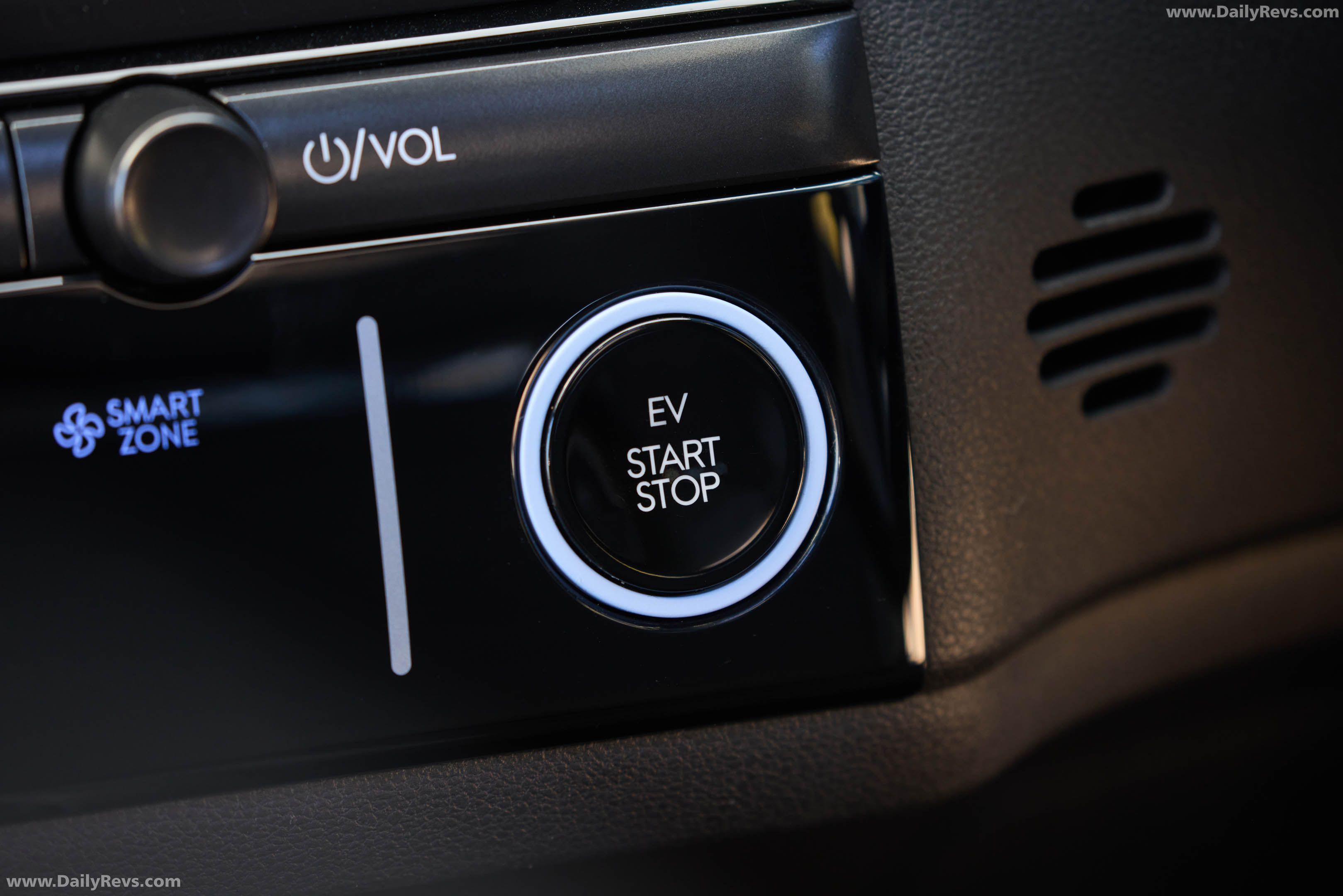
Lightweight sports seats, finished in Alcantara and leather with Performance Blue accents, hold the driver in place. The steering wheel carries dedicated N buttons, giving quick access to performance modes without digging through menus.
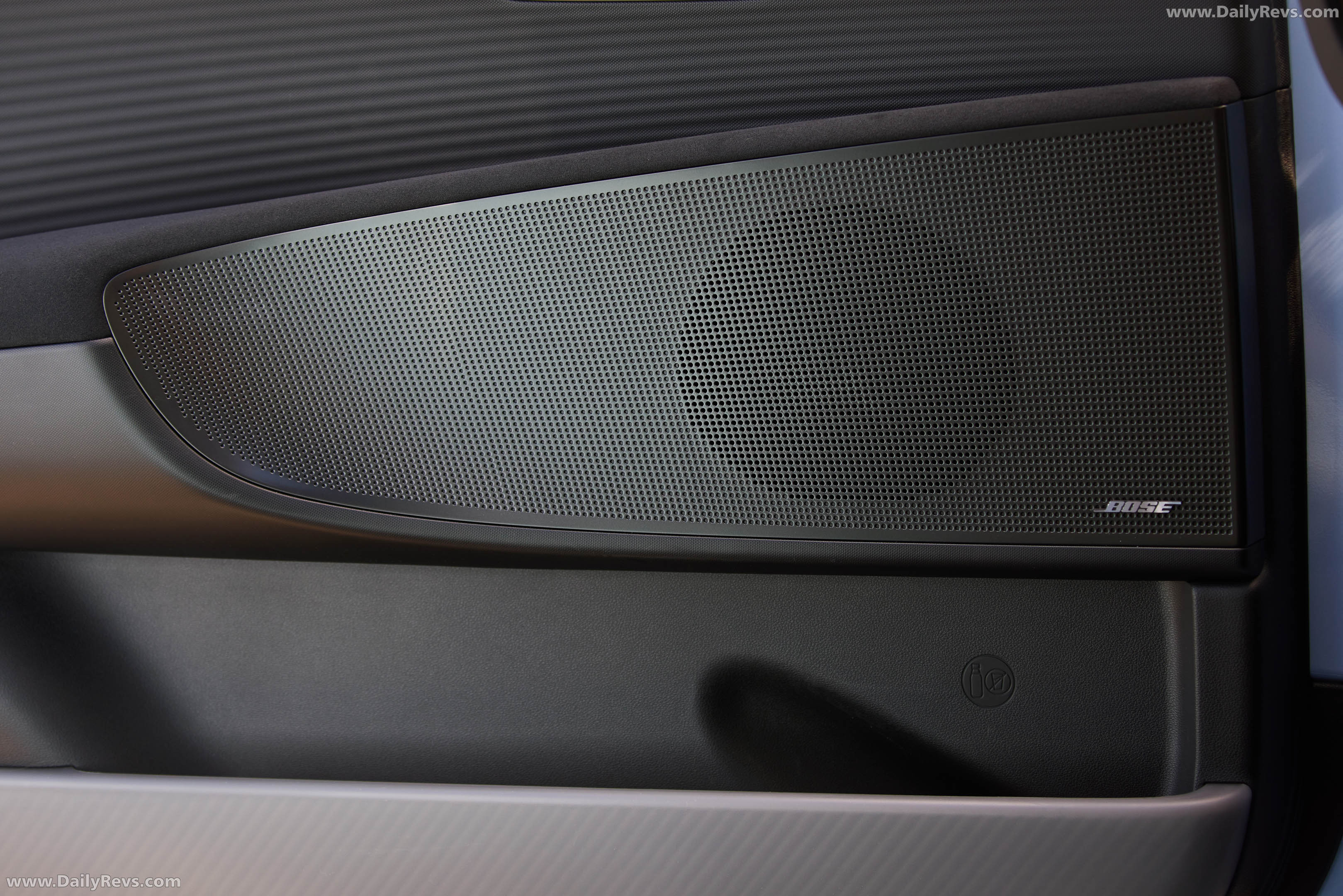
There’s also an unusual layer to the experience. Systems like N Active Sound+ and ambient shift lighting simulate engine feedback and gear changes. It’s an artificial layer, but it’s clearly designed to keep the driver involved even in an EV setting.
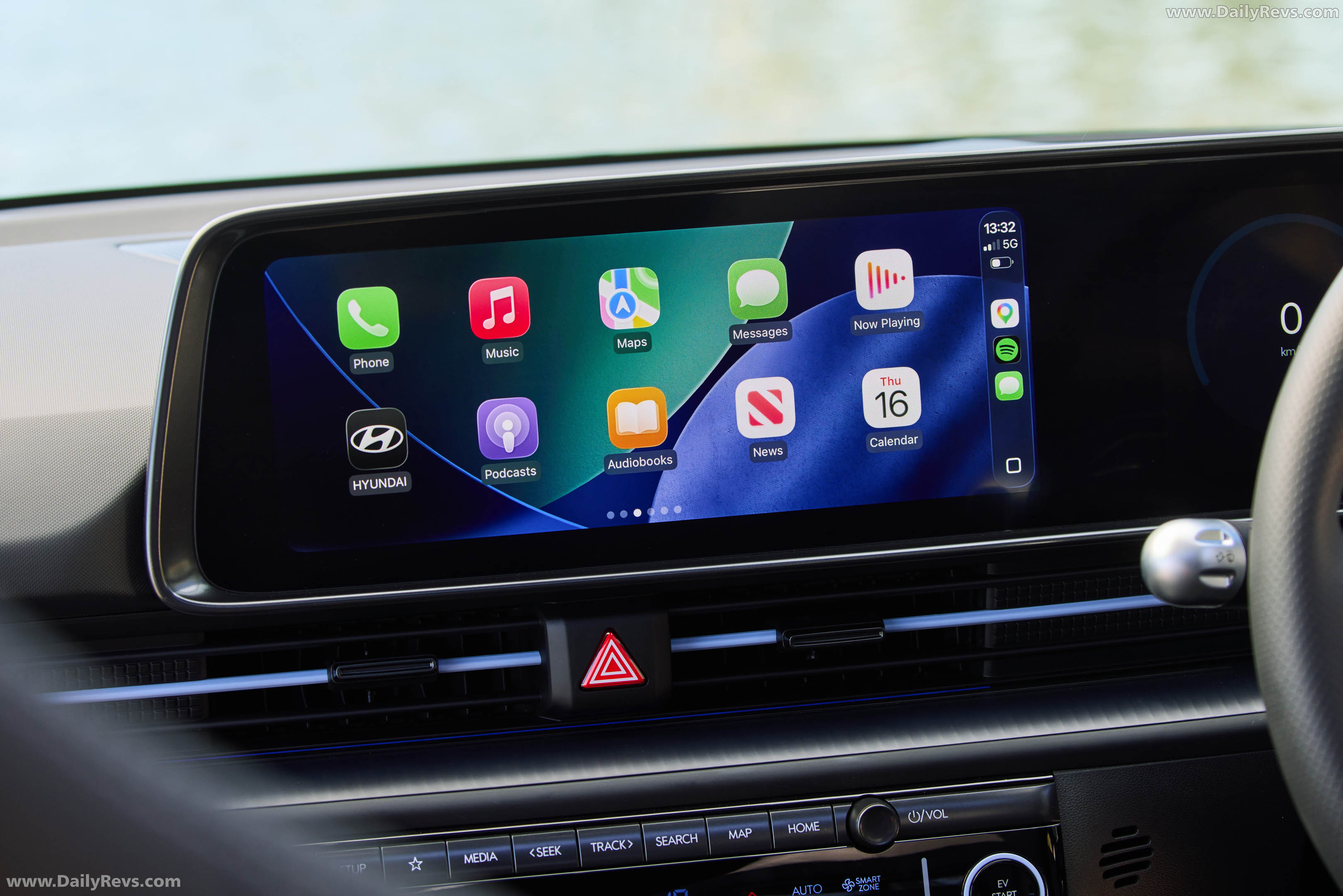
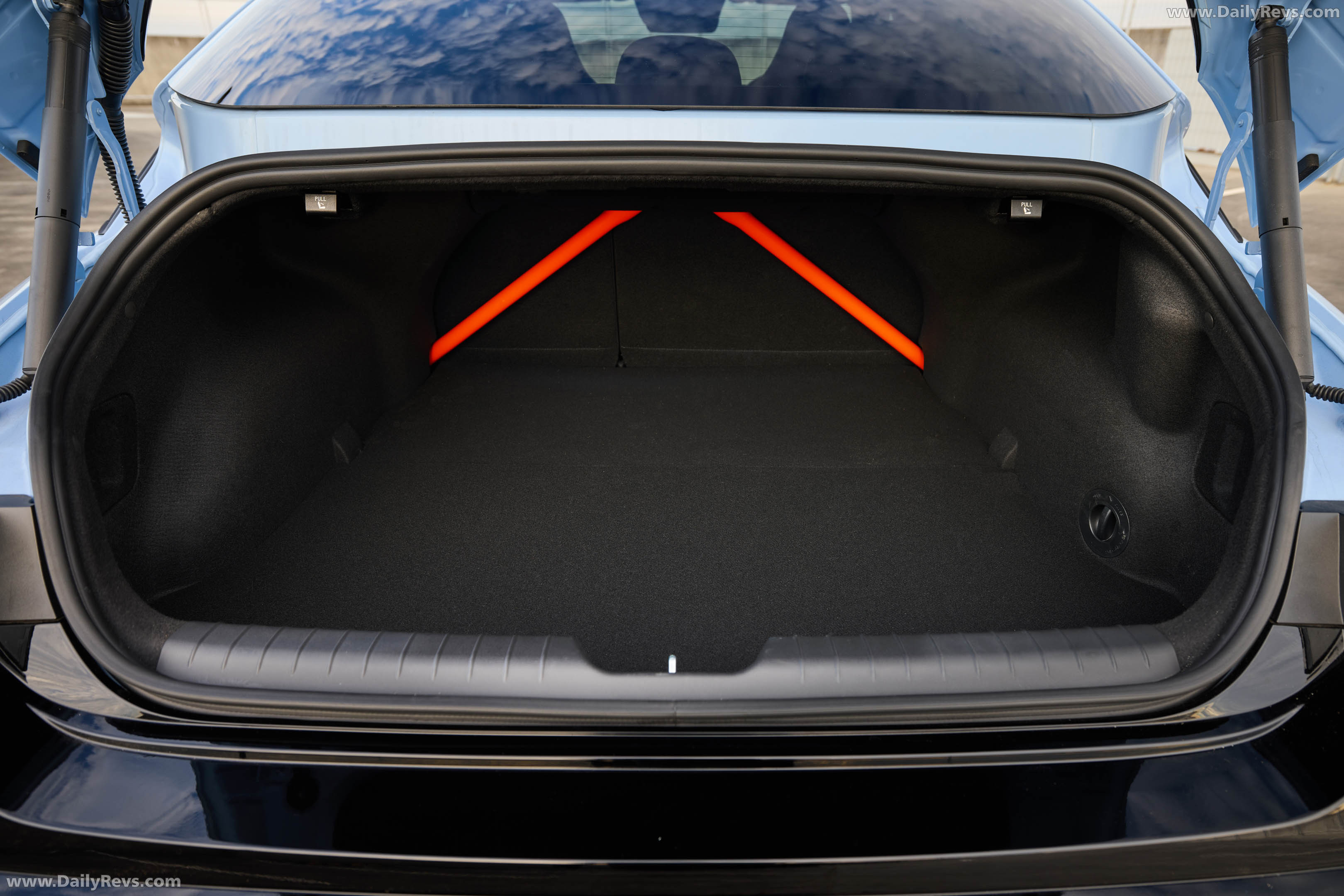
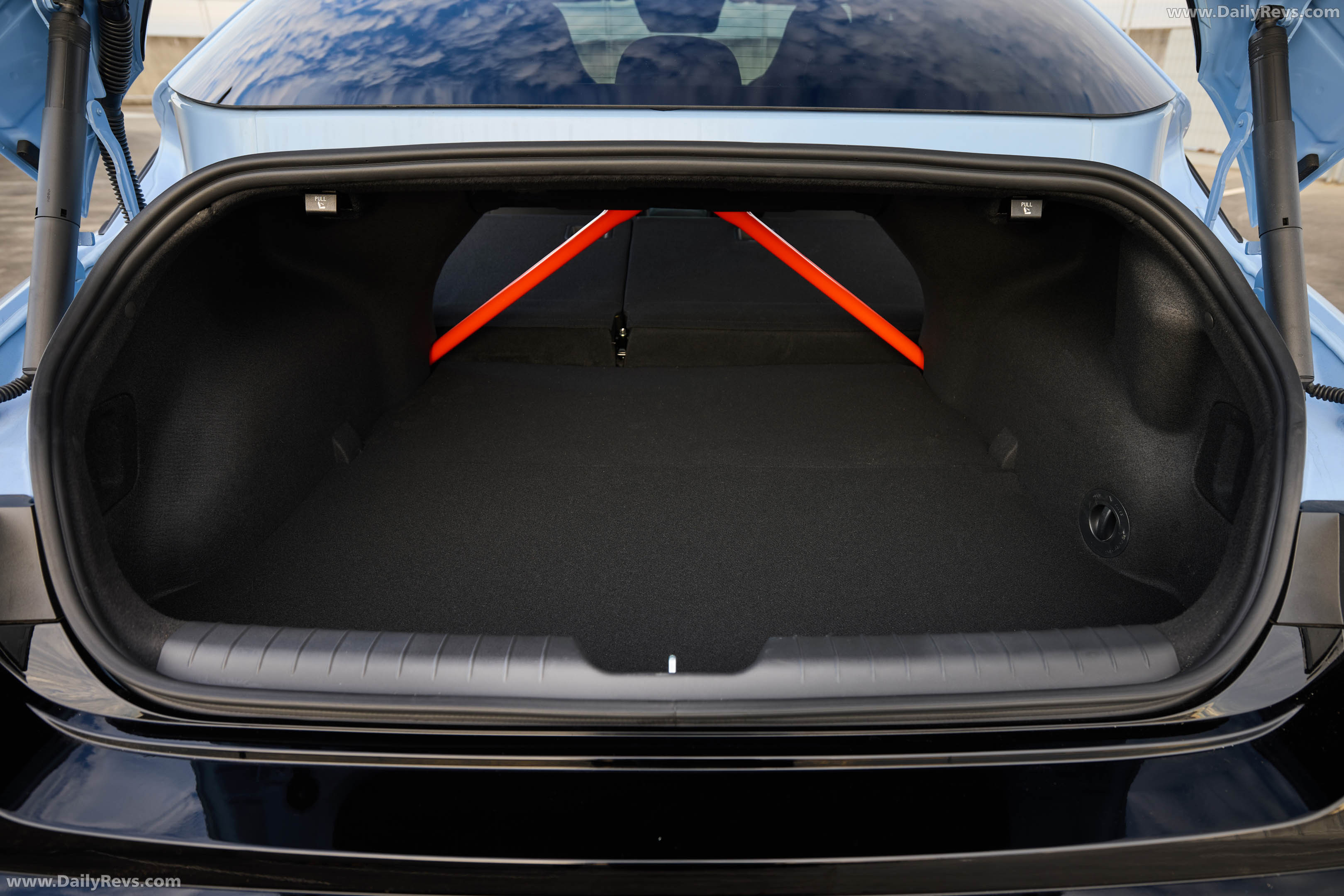
At the same time, features like heated and ventilated seats, connected services, and advanced driver assistance keep it usable day to day.
Dual motor setup delivers serious performance
The numbers are hard to ignore.
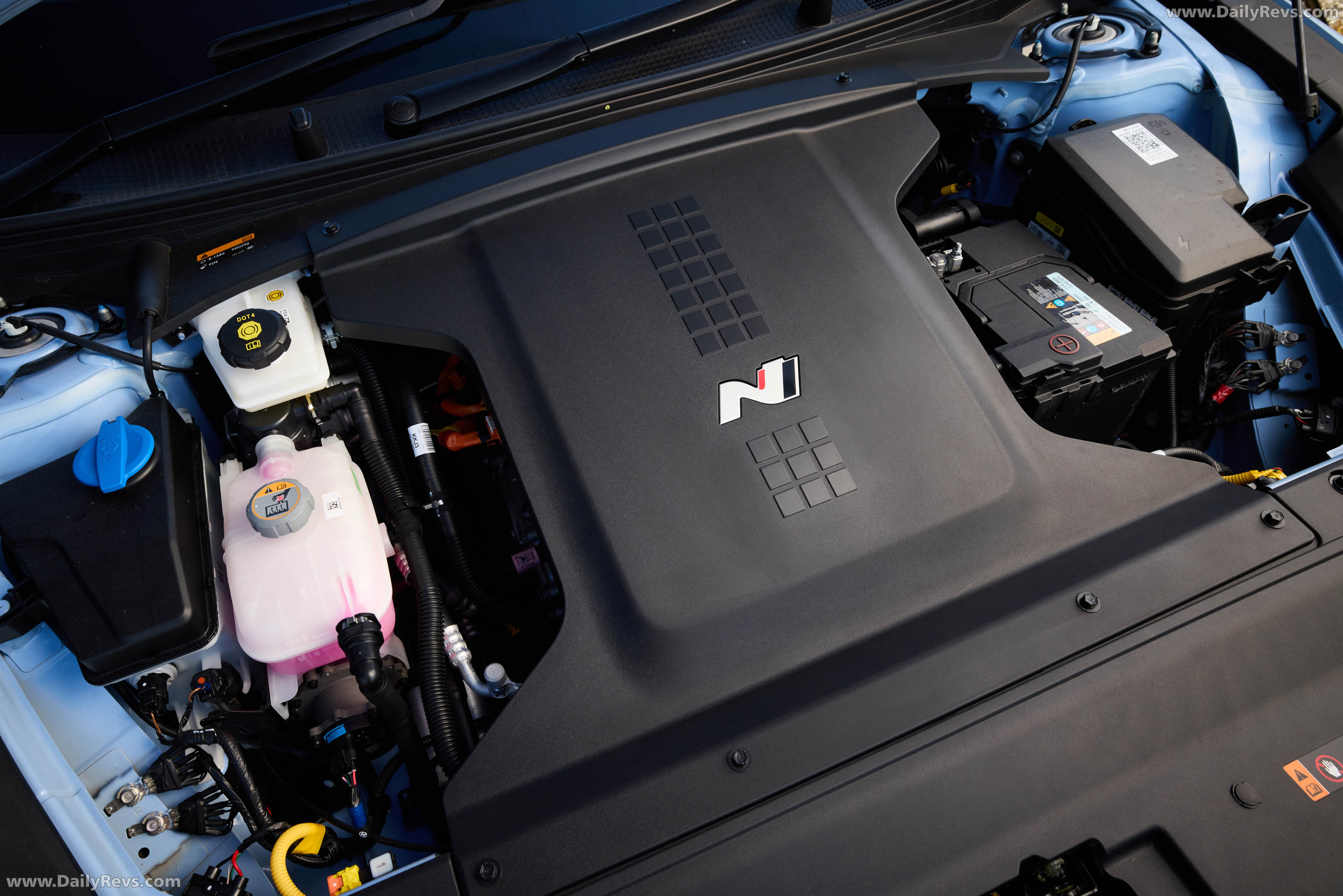
A dual-motor all-wheel-drive system produces 448 kW and 740 Nm in normal conditions. Engage N Grin Boost, and output rises to 478 kW and 770 Nm for short bursts.
Acceleration to 100 km/h takes 3.2 seconds using launch control. That places it firmly in performance sedan territory.
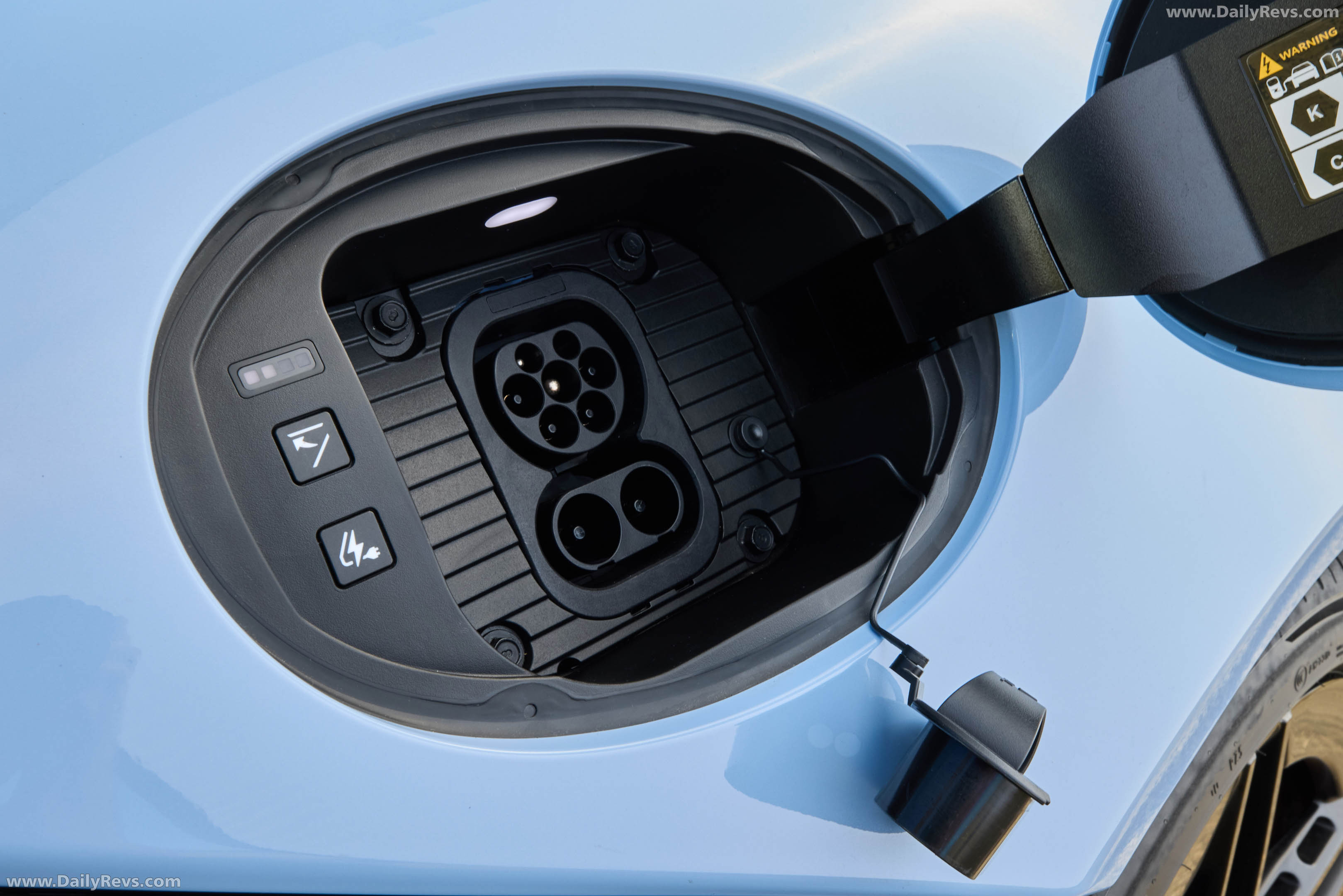
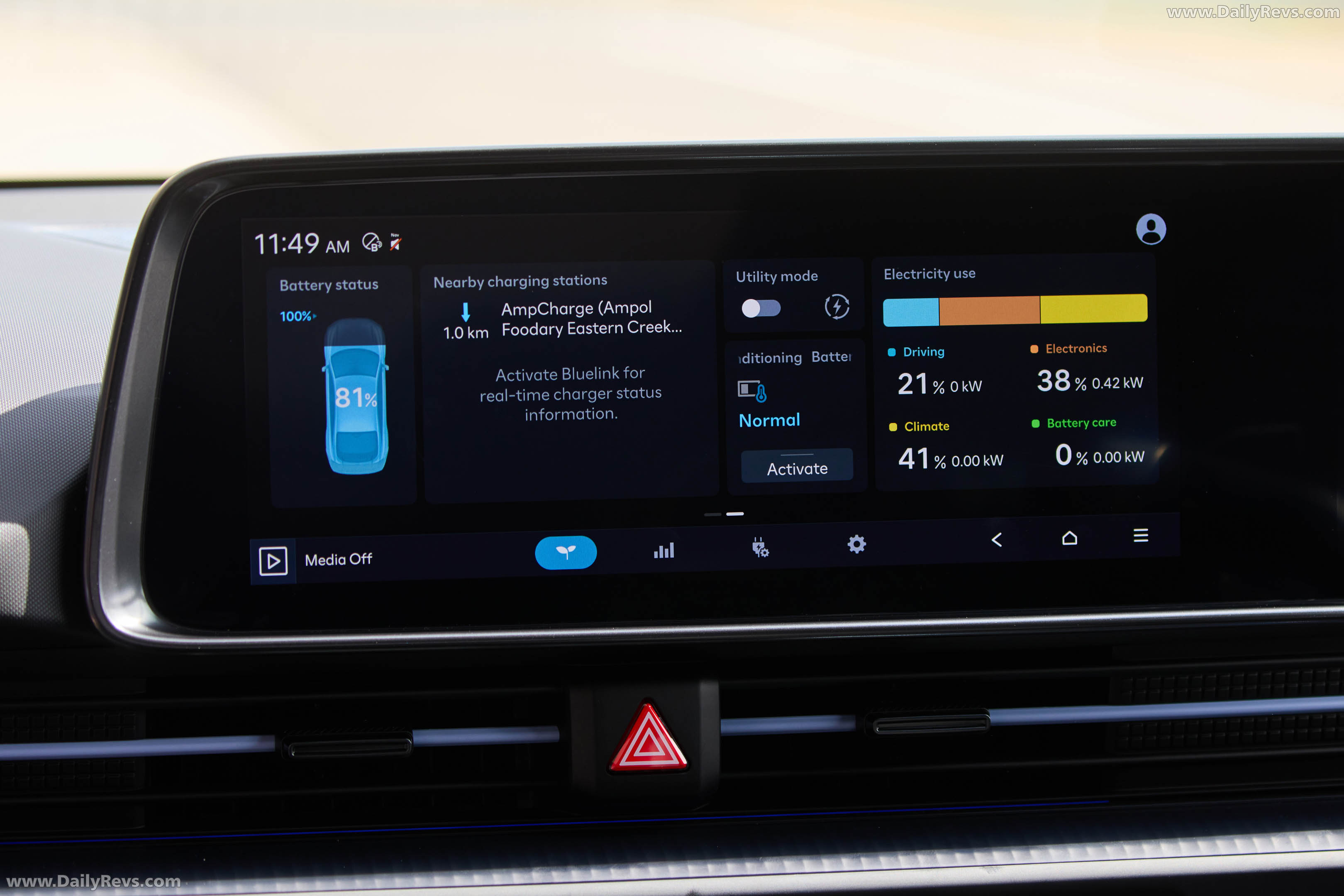
The 84 kWh battery supports both track use and daily driving, with a multi-voltage charging system allowing 10 to 80 percent recharge in around 18 minutes under optimal conditions.
Track systems built into the core driving experience
Hyundai hasn’t just focused on straight-line performance.
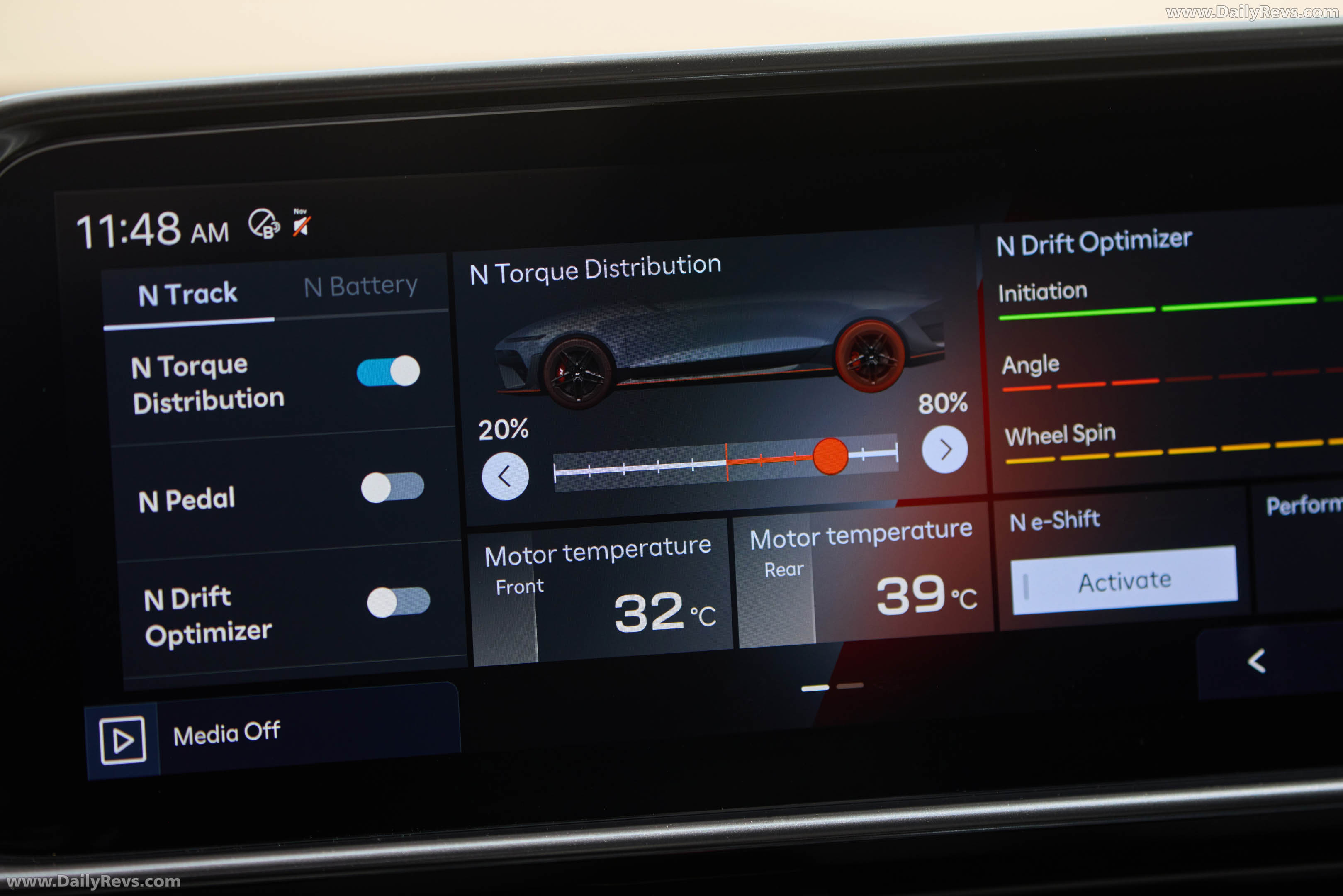
The IONIQ 6 N includes features like an electronic limited-slip differential, adaptive suspension with real-time damping control, and a detailed torque distribution system that can be adjusted across multiple levels.
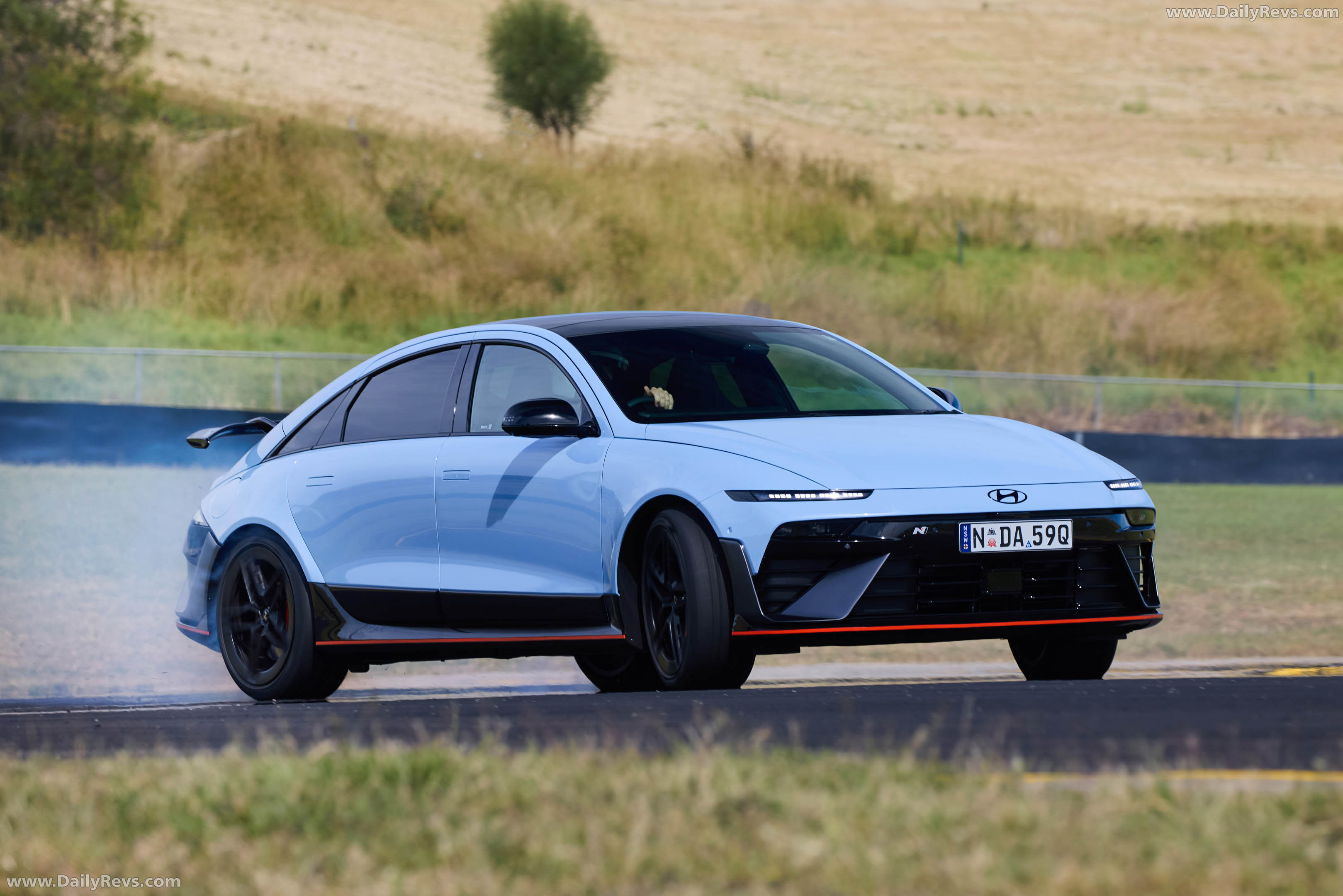
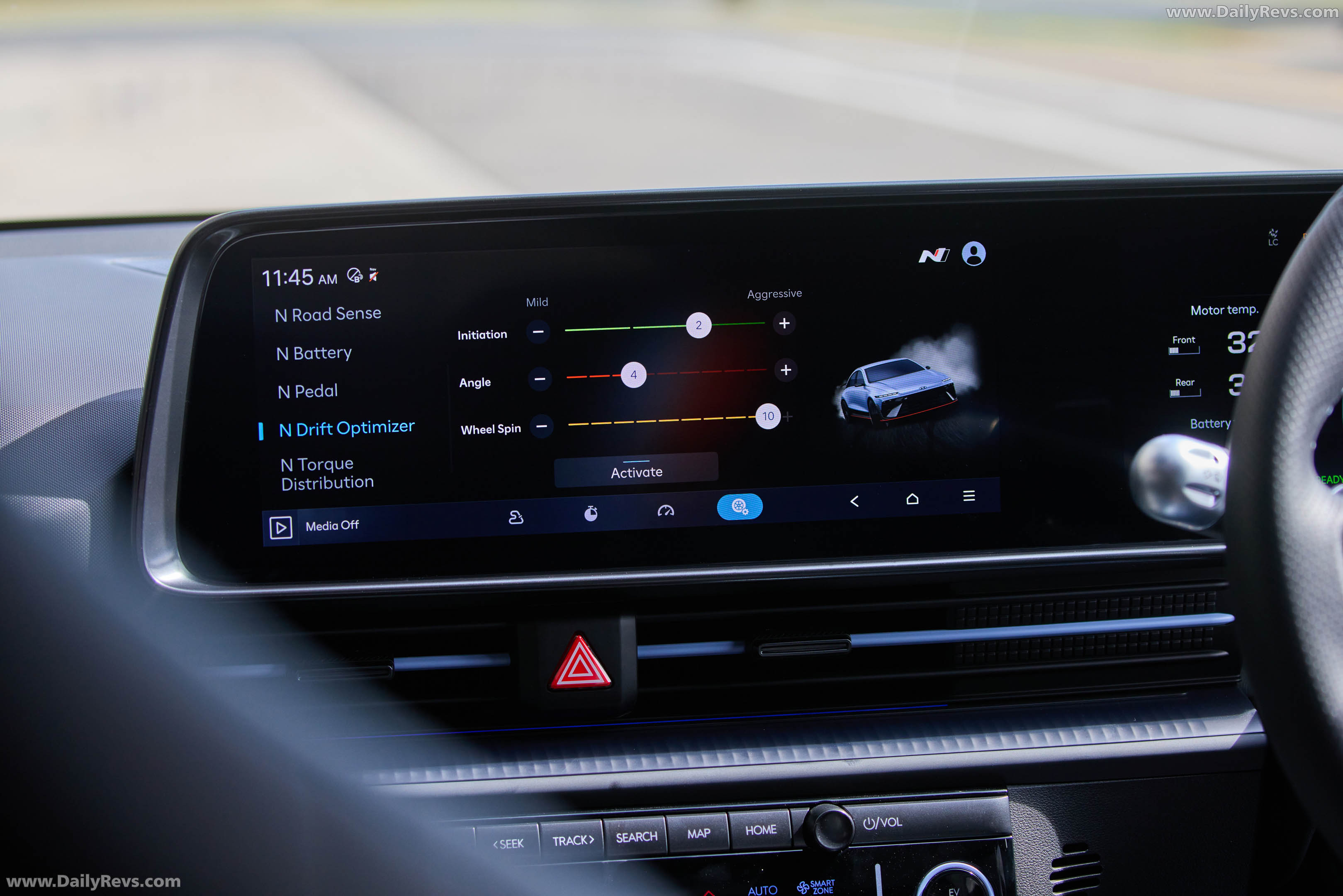
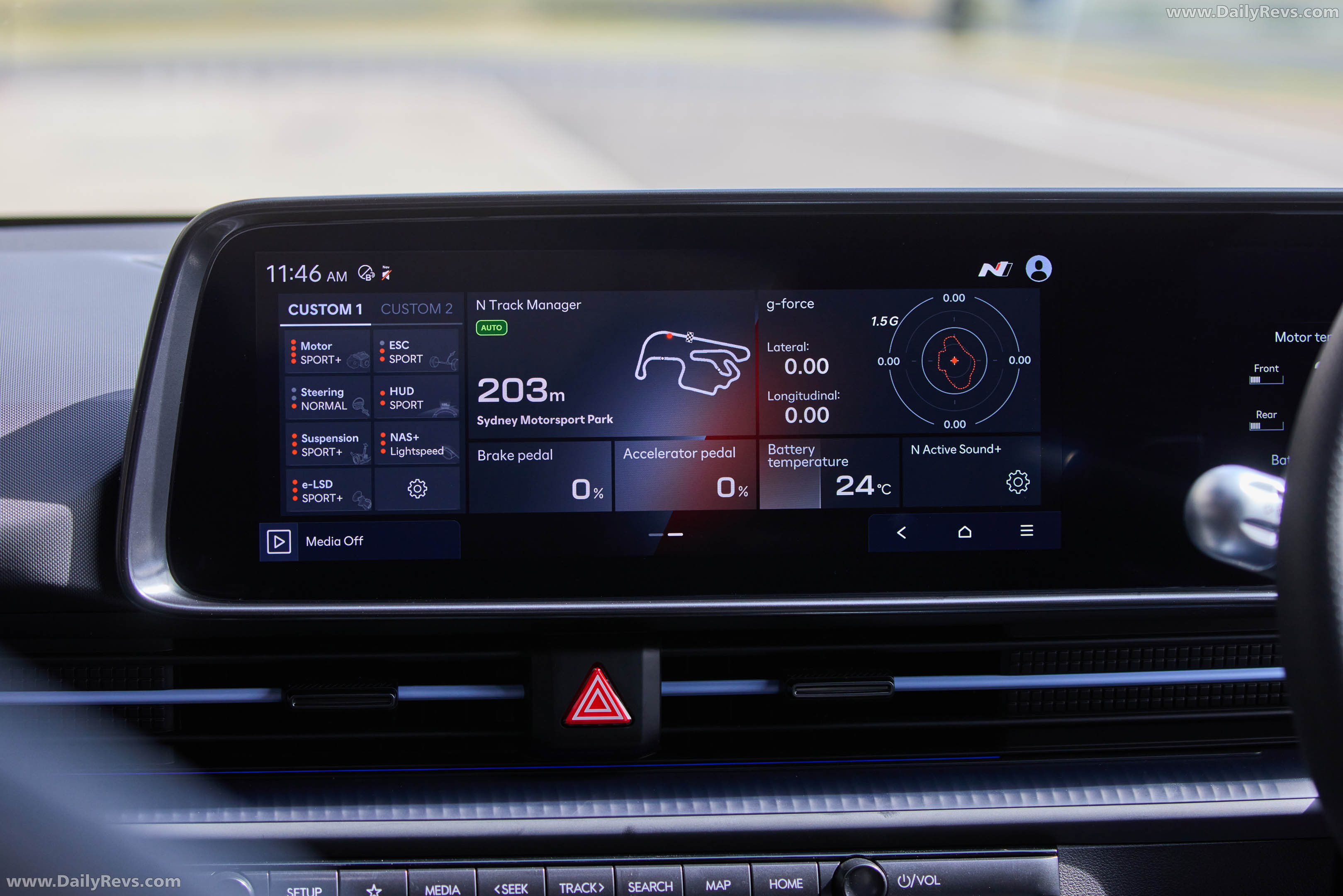
There’s also software layered over the hardware. N Drift Optimiser, N Track Manager, and one-pedal performance modes allow drivers to shape how the car behaves on track.
These systems don’t feel like add-ons. They appear integrated into how the car is meant to be driven.
Positioned as a performance EV with everyday range
The 2026 Hyundai IONIQ 6 N Australian Version sits in a niche that’s getting crowded—high-performance electric sedans.
Priced from $115,000 in Australia, it targets buyers looking for something more engaging than a standard EV, but still practical enough for daily use.
It’s not trying to replace traditional sports sedans outright. Instead, it reshapes the idea slightly, leaning on software and electric performance to fill that role.