

2026 Hyundai IONIQ 6 N US Version
By Lorenzo Bianchi November 8, 2025
Hyundai drops the electrifying 2026 Hyundai IONIQ 6 N with 650 PS and 770 Nm.
-
Aggressive aero design and track-ready suspension give it serious cornering intent.
-
More than a show car—ready to race, drift, and look sharp in daily life.
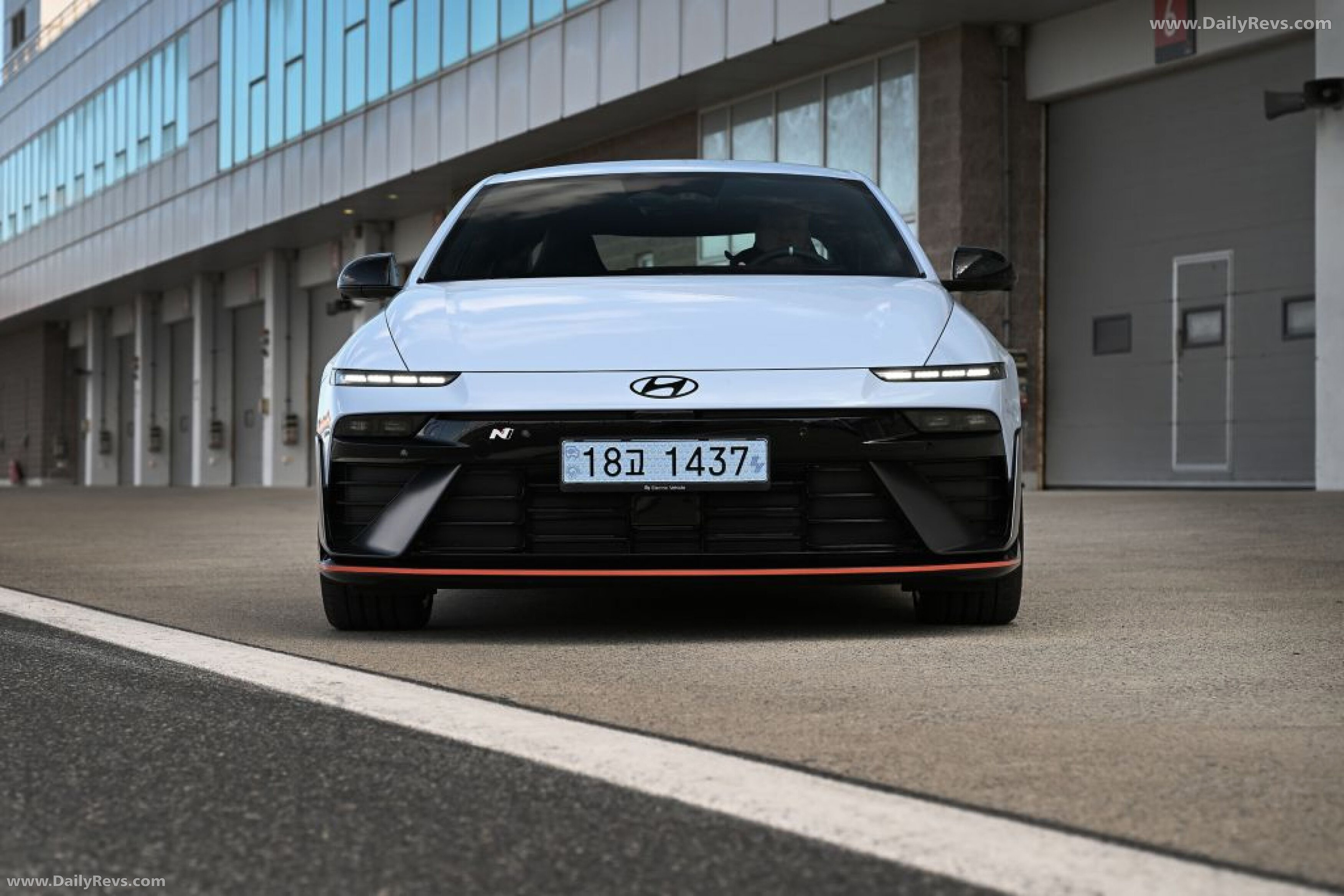
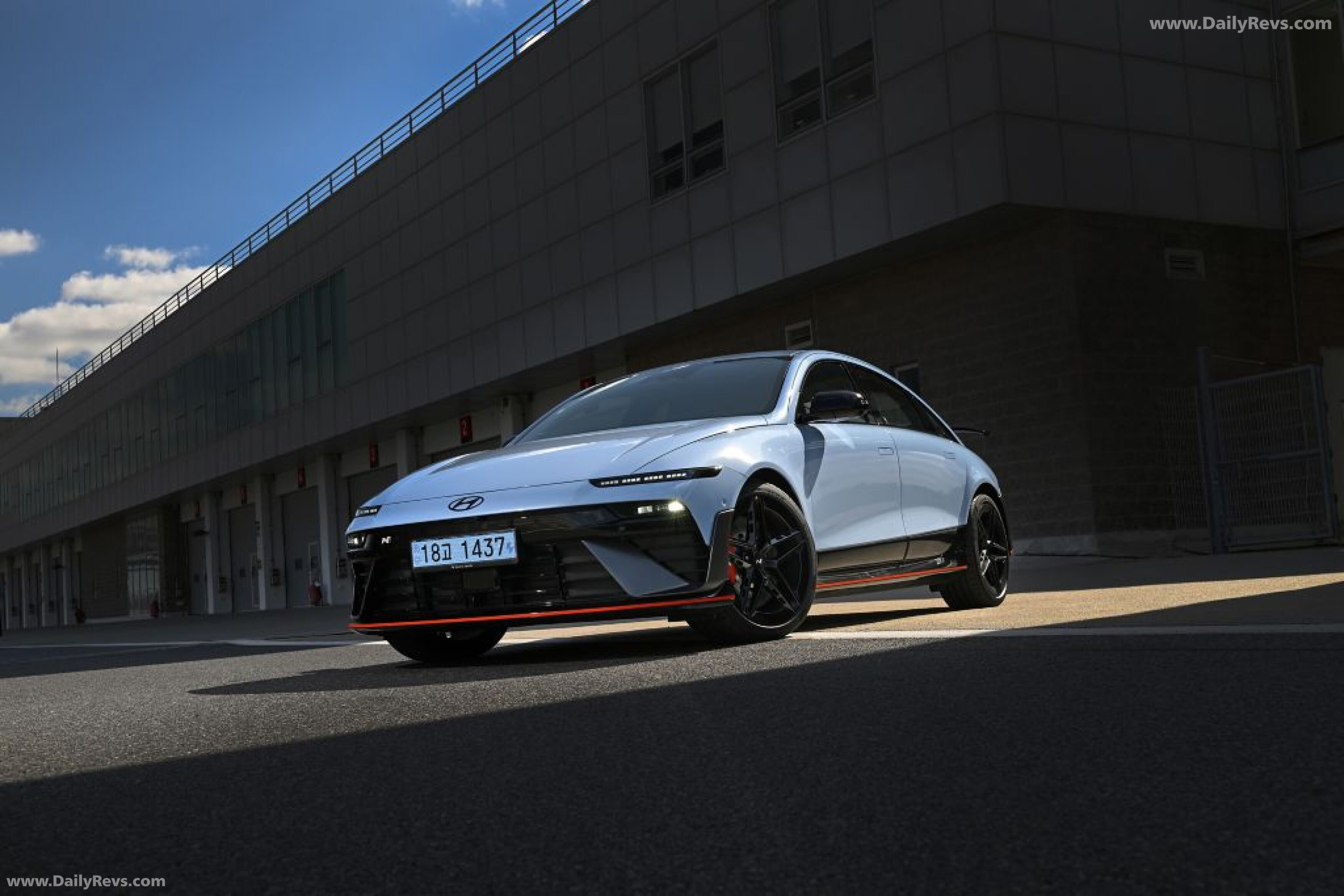
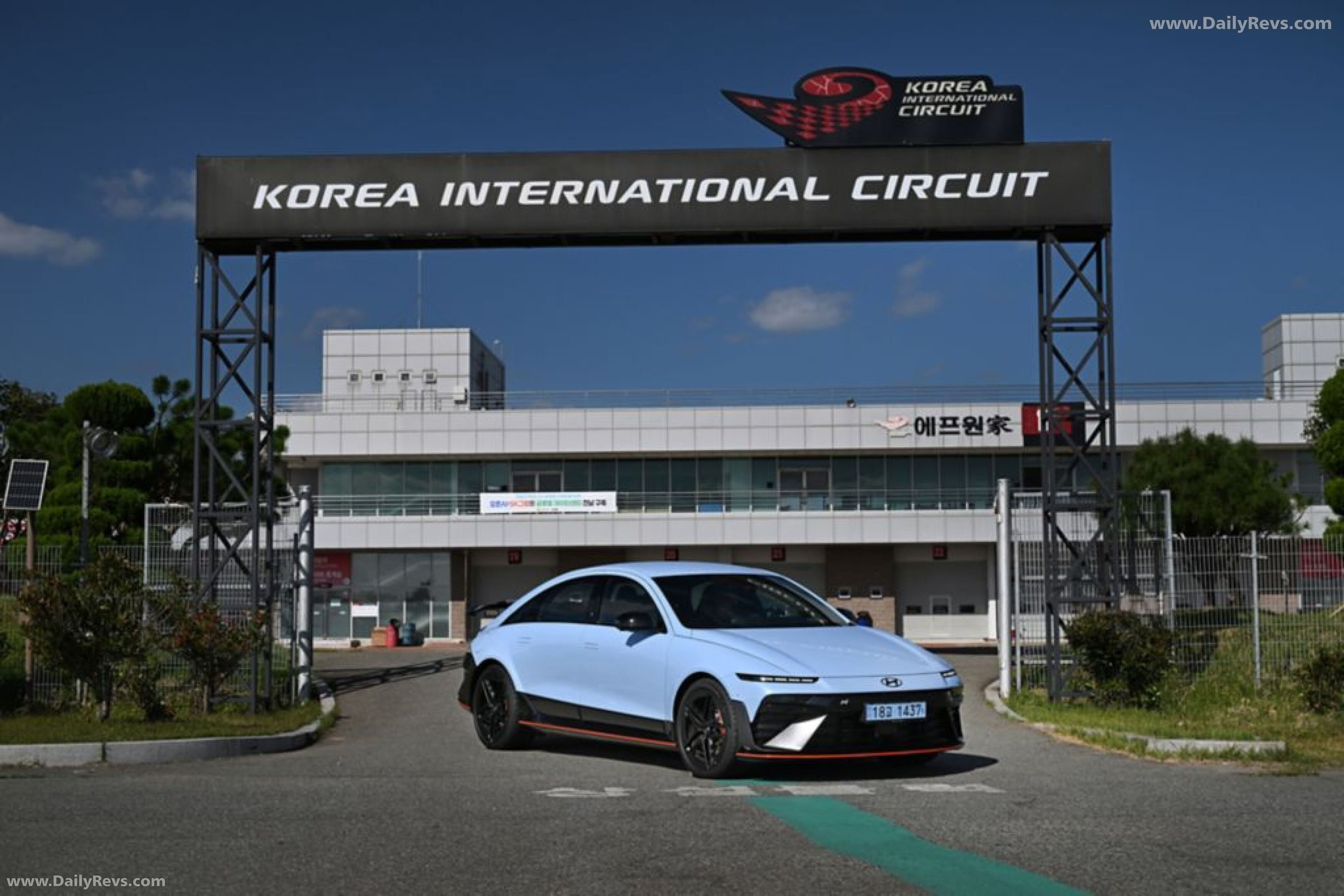
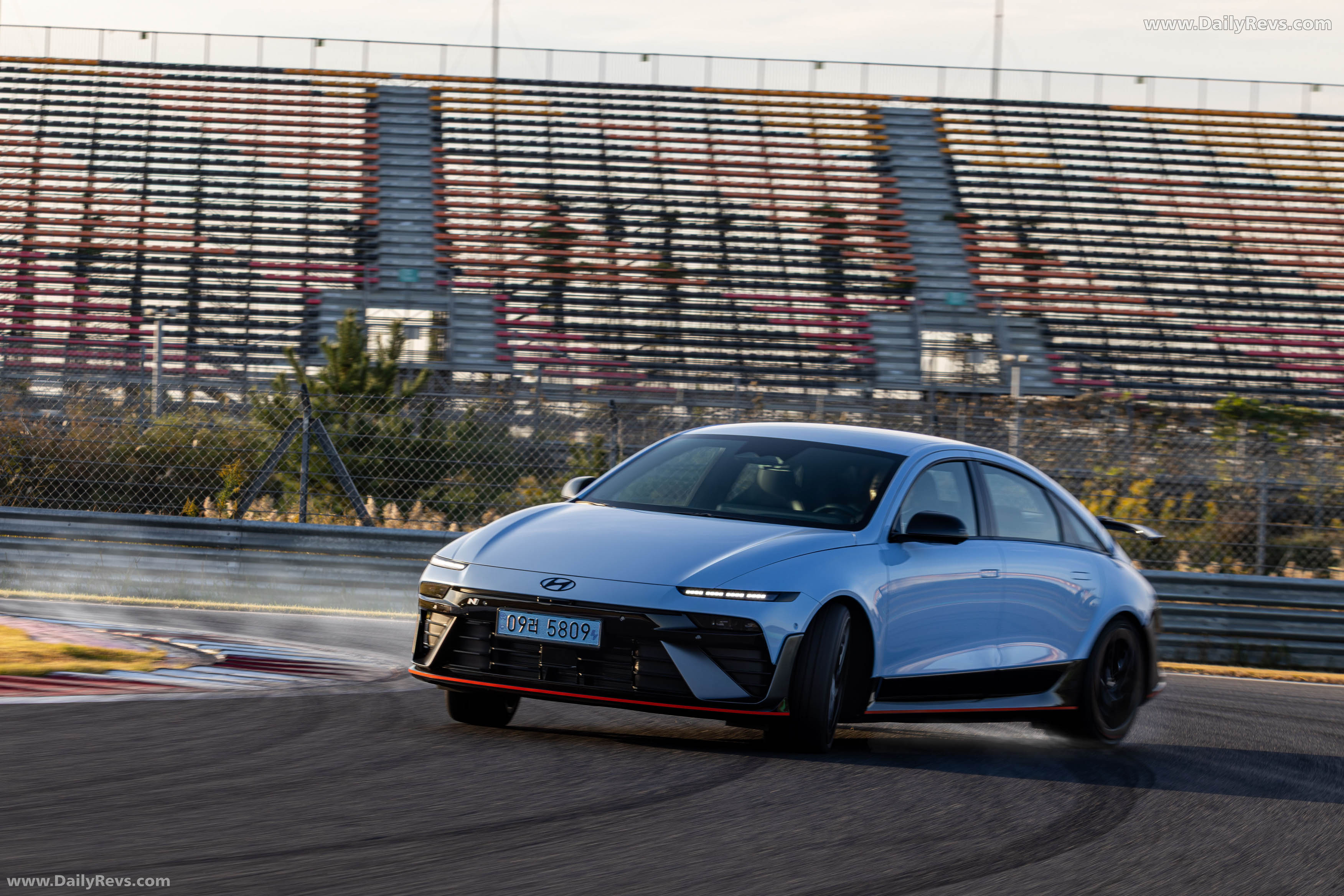
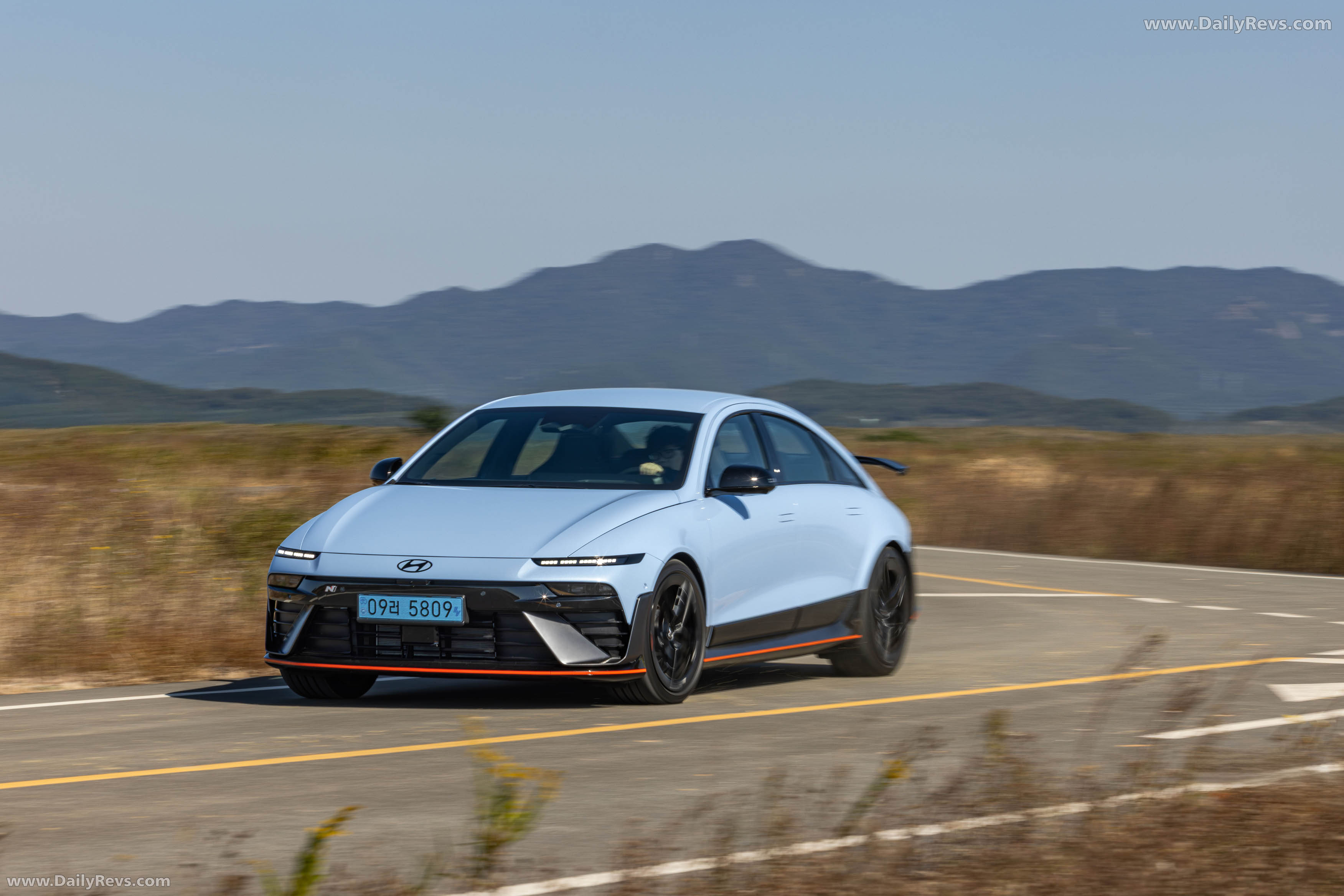
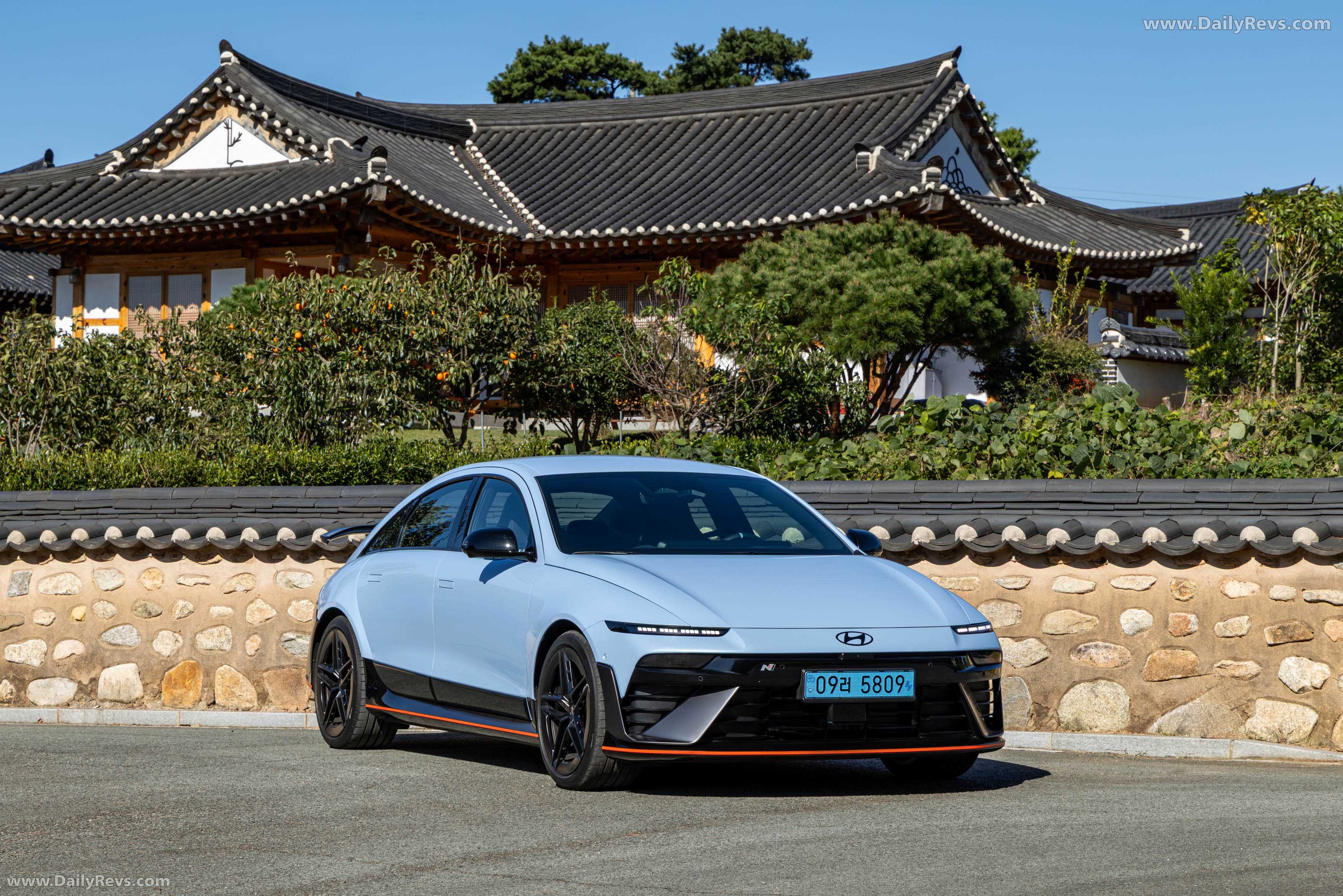
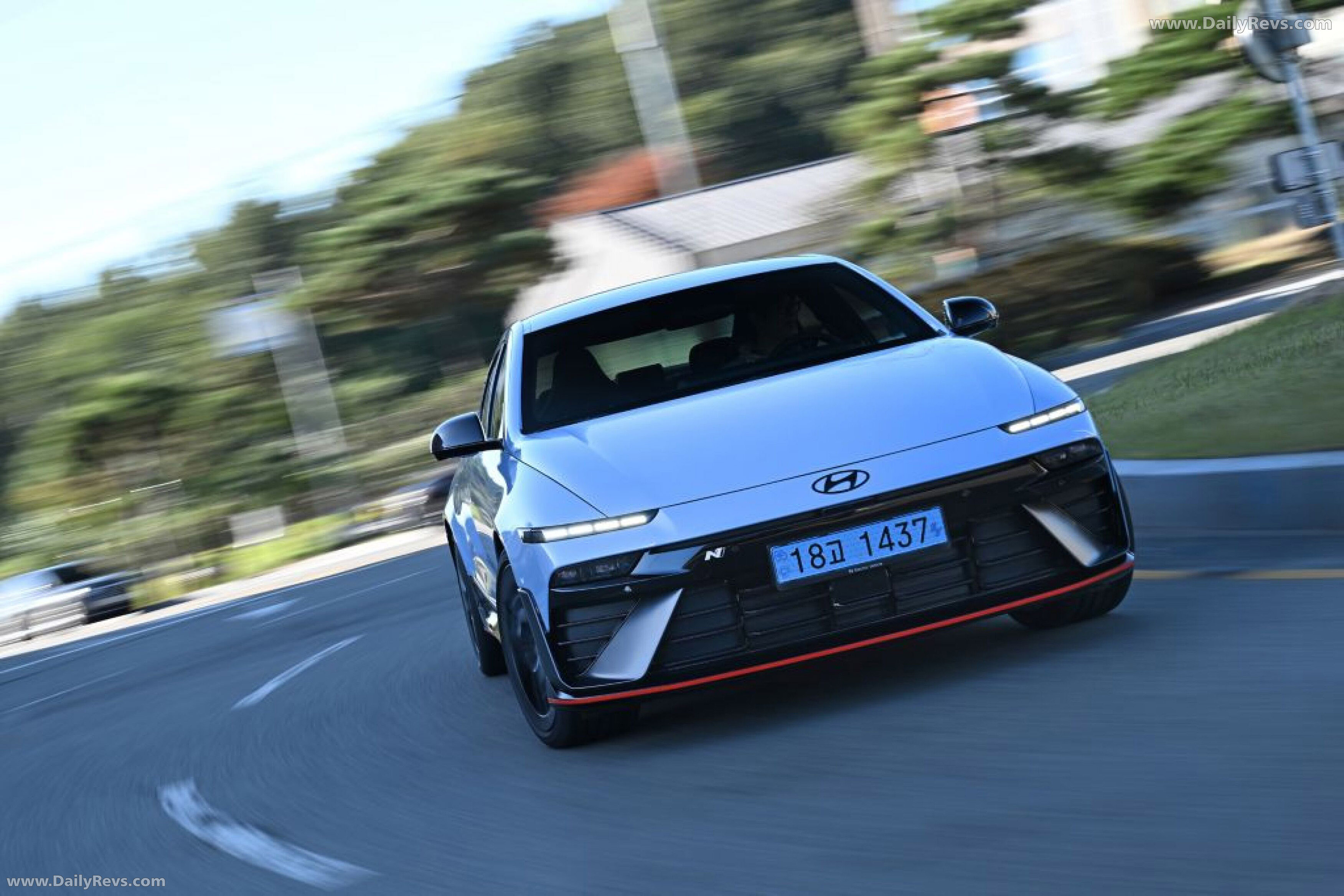
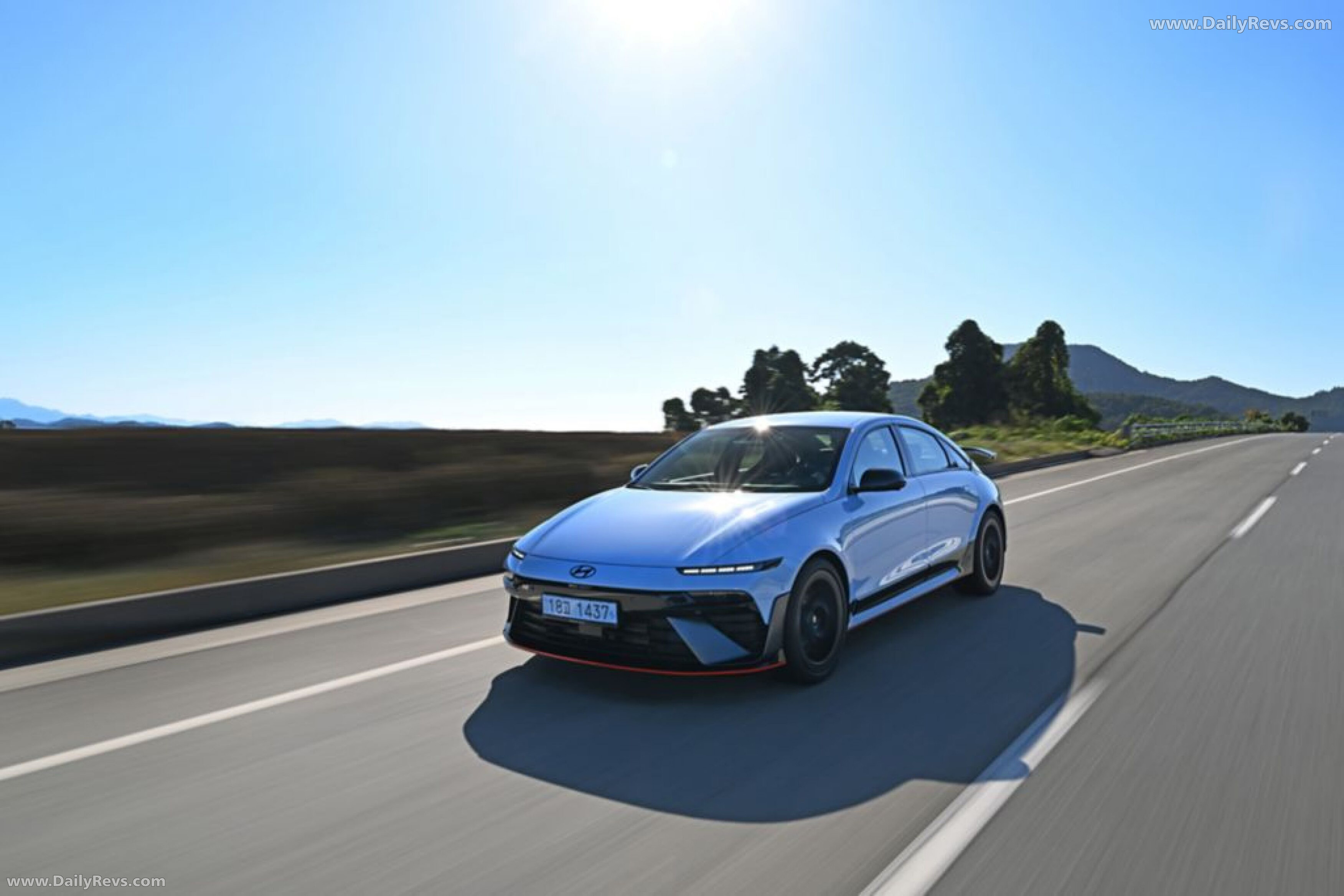
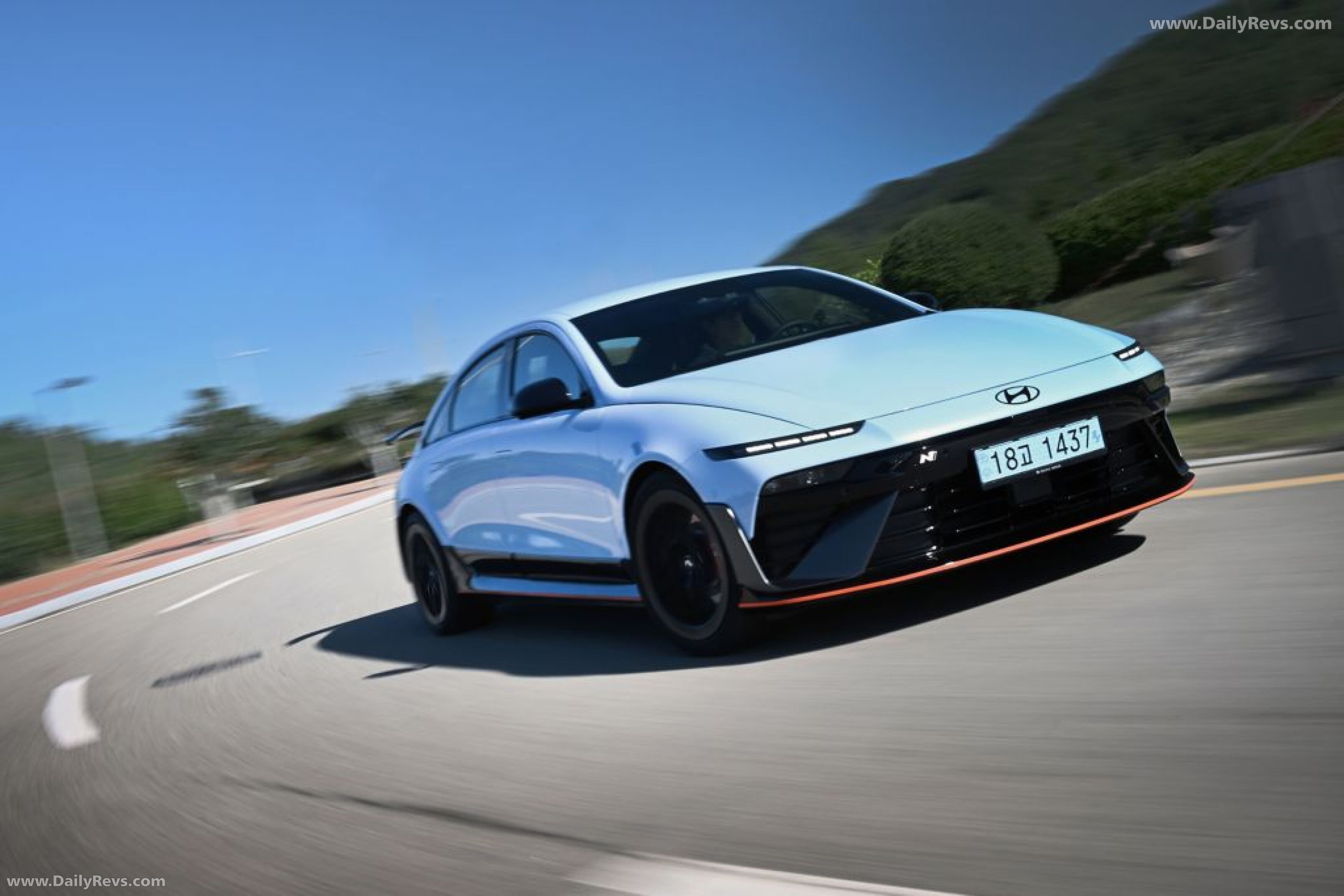
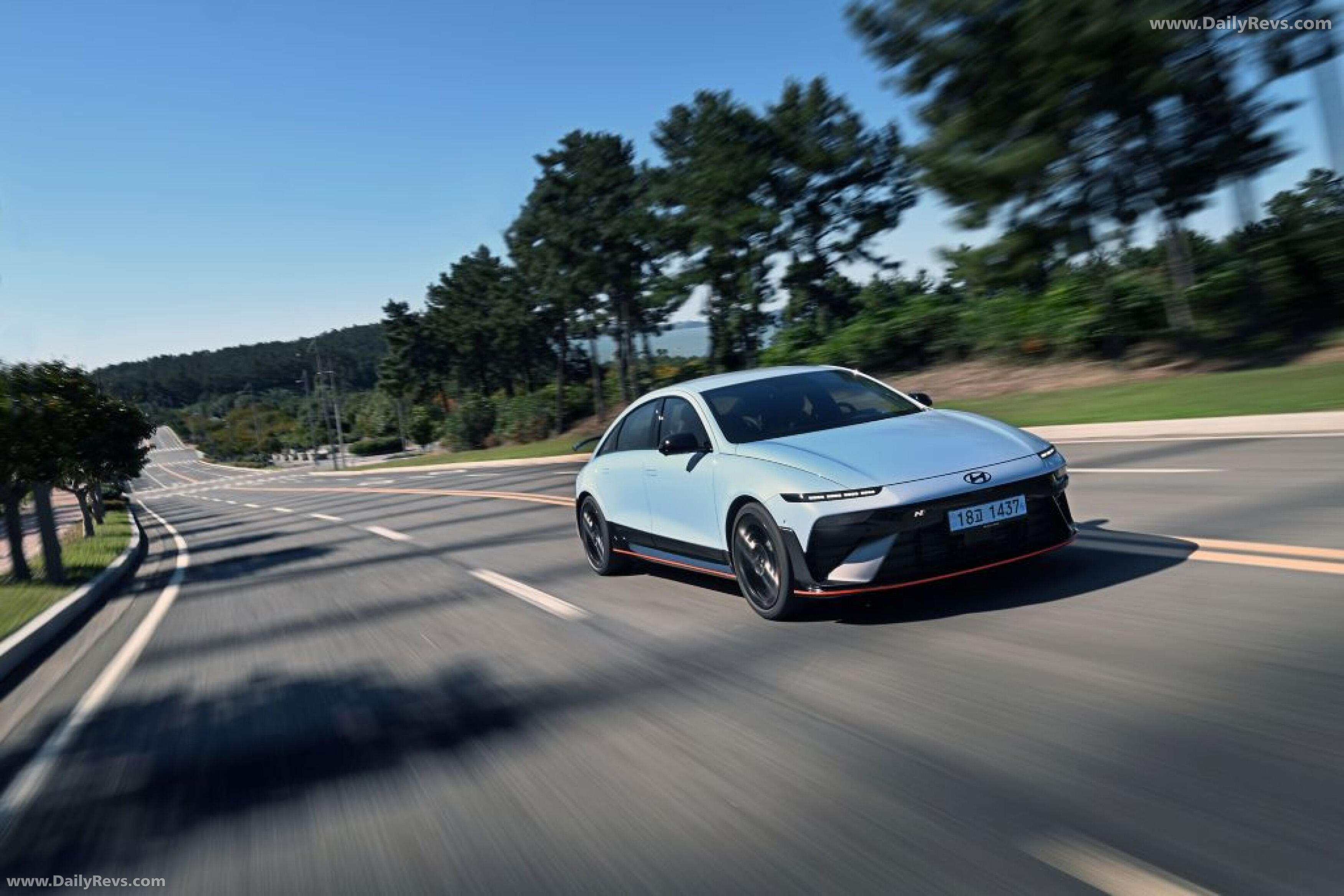
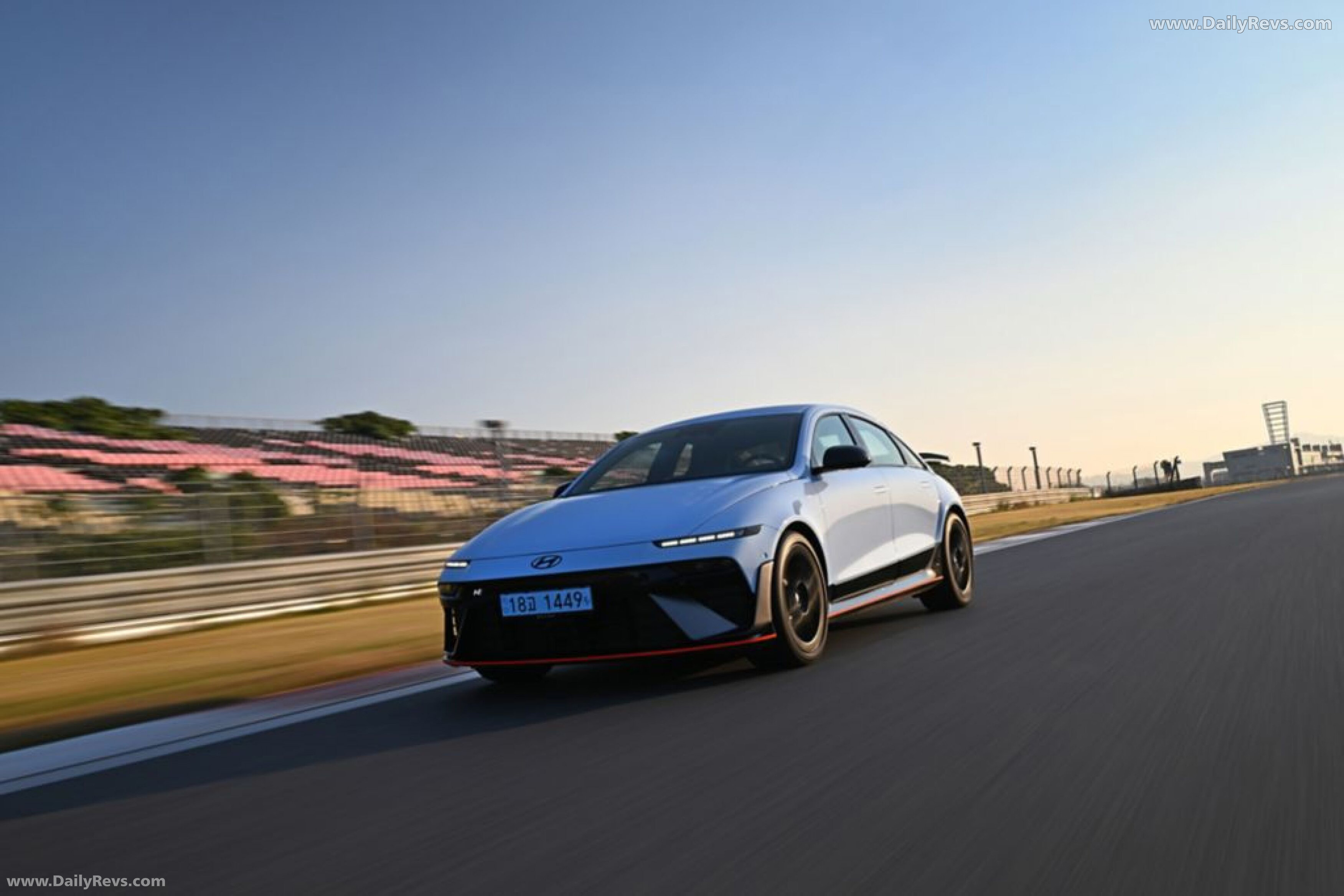
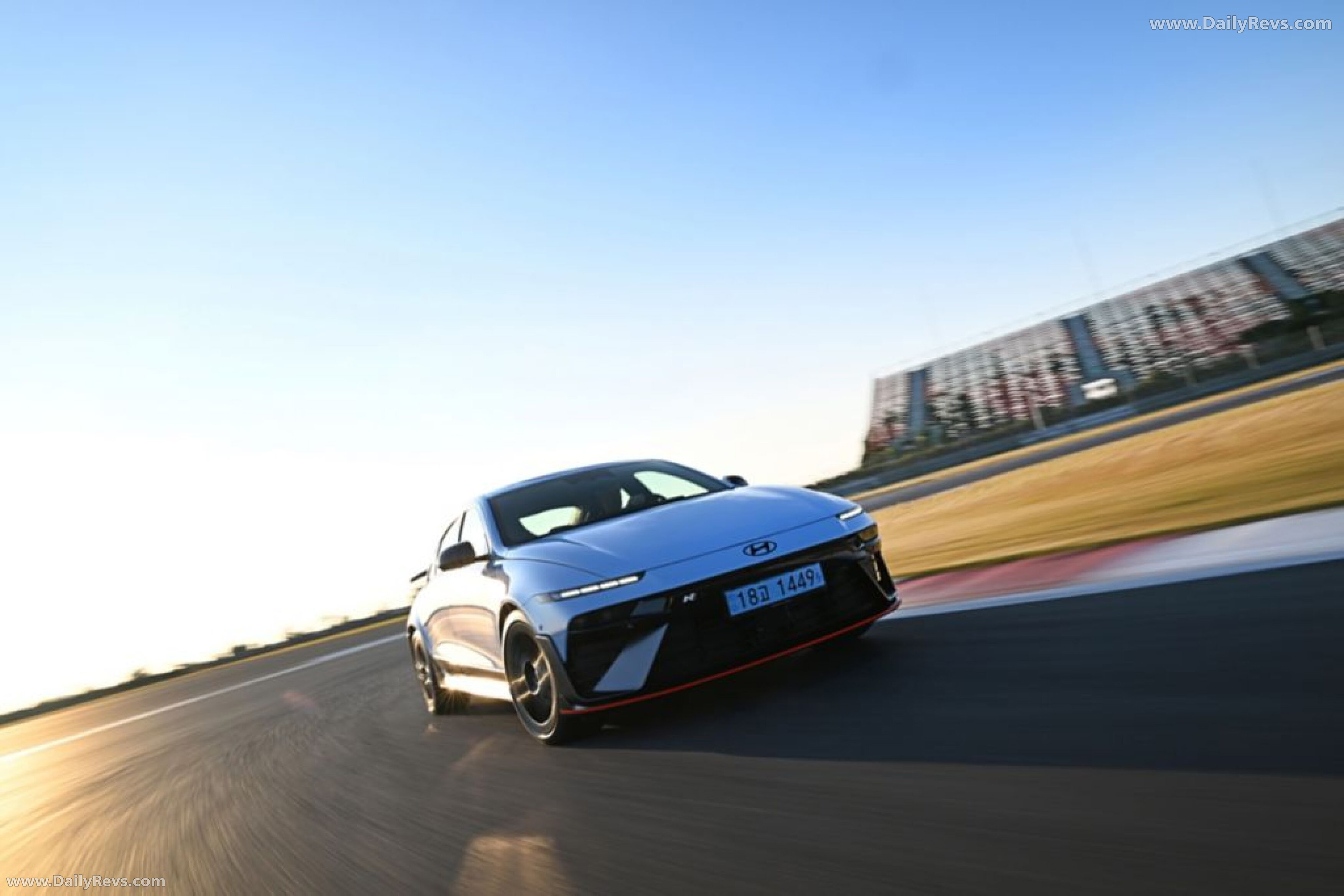
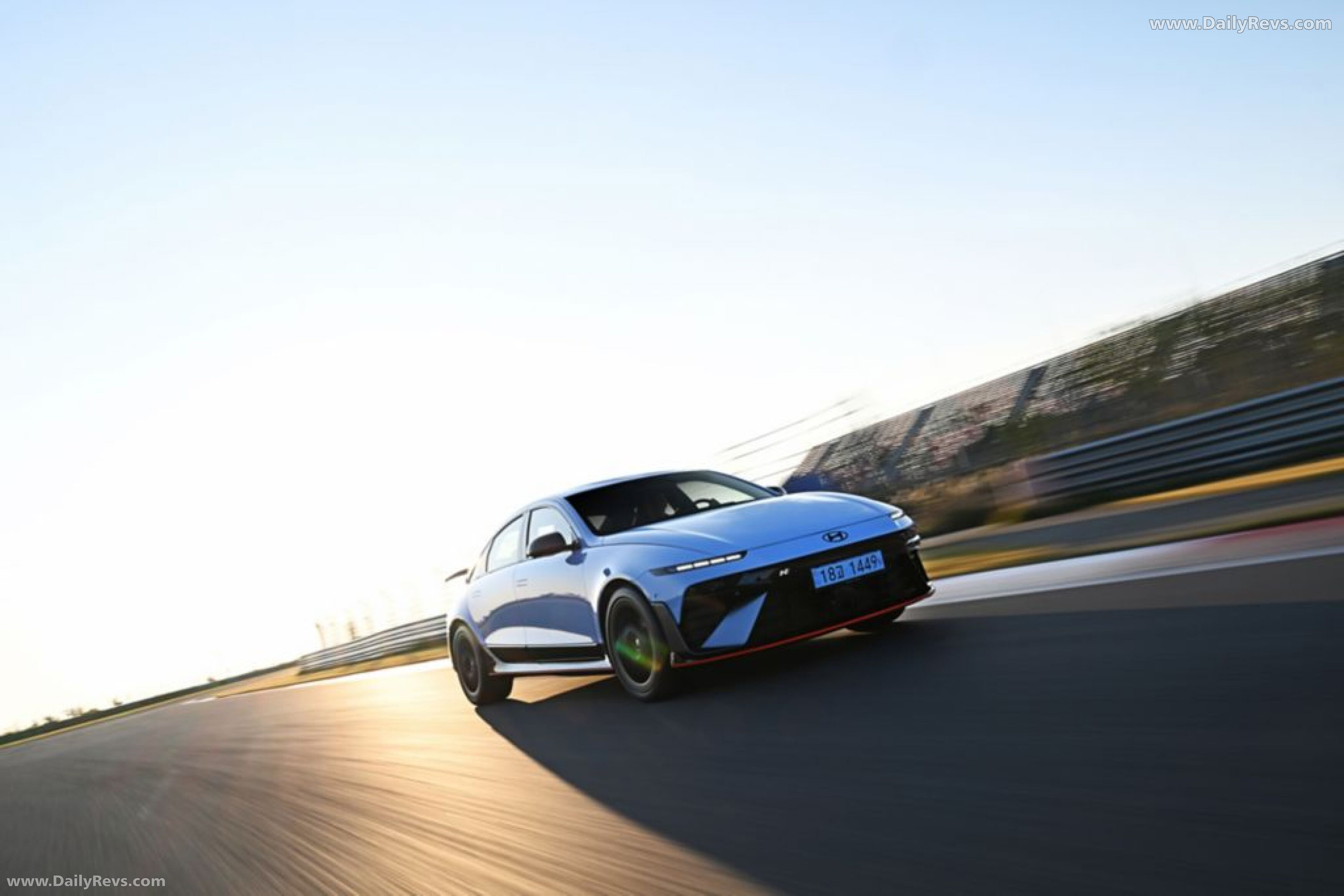
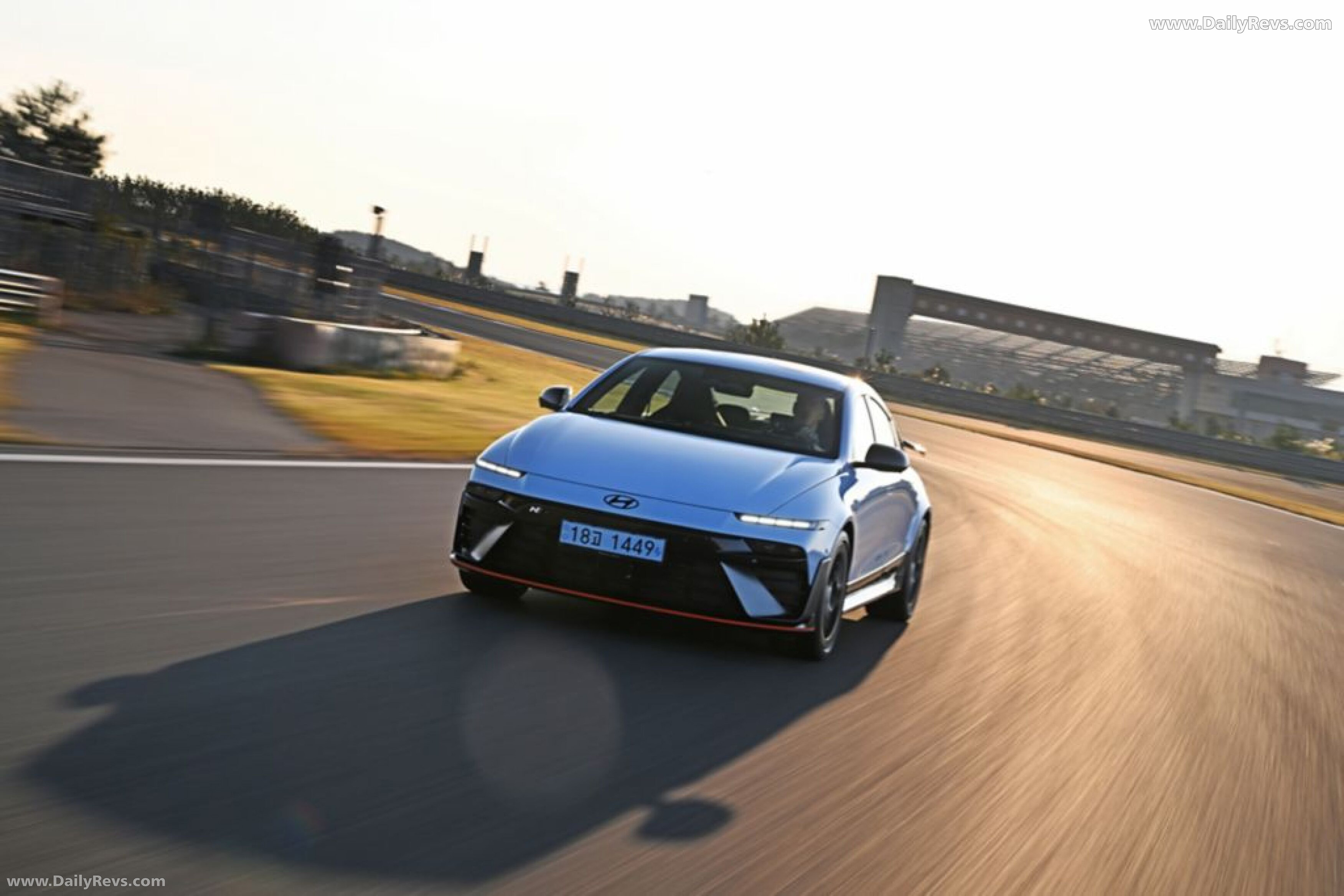
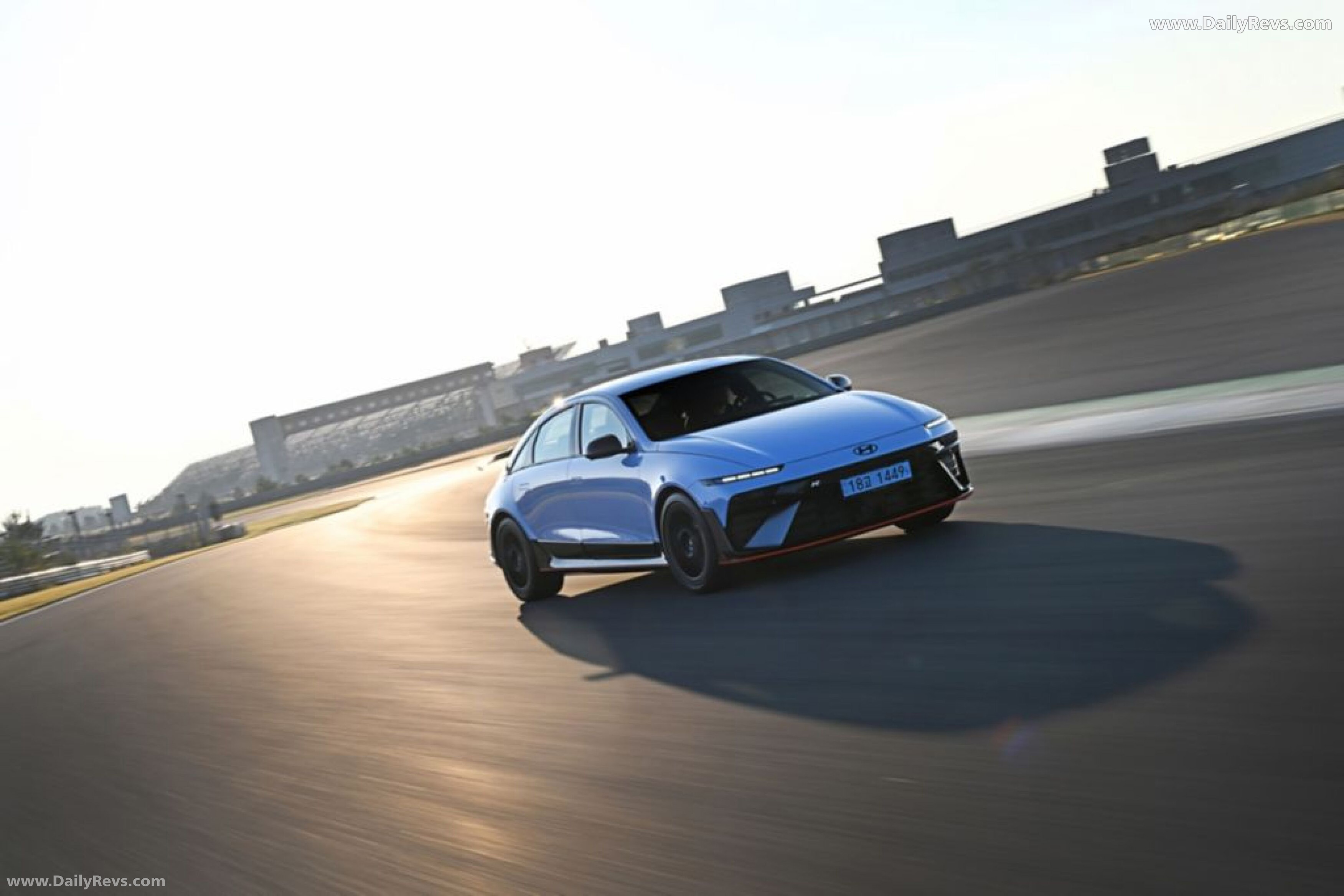
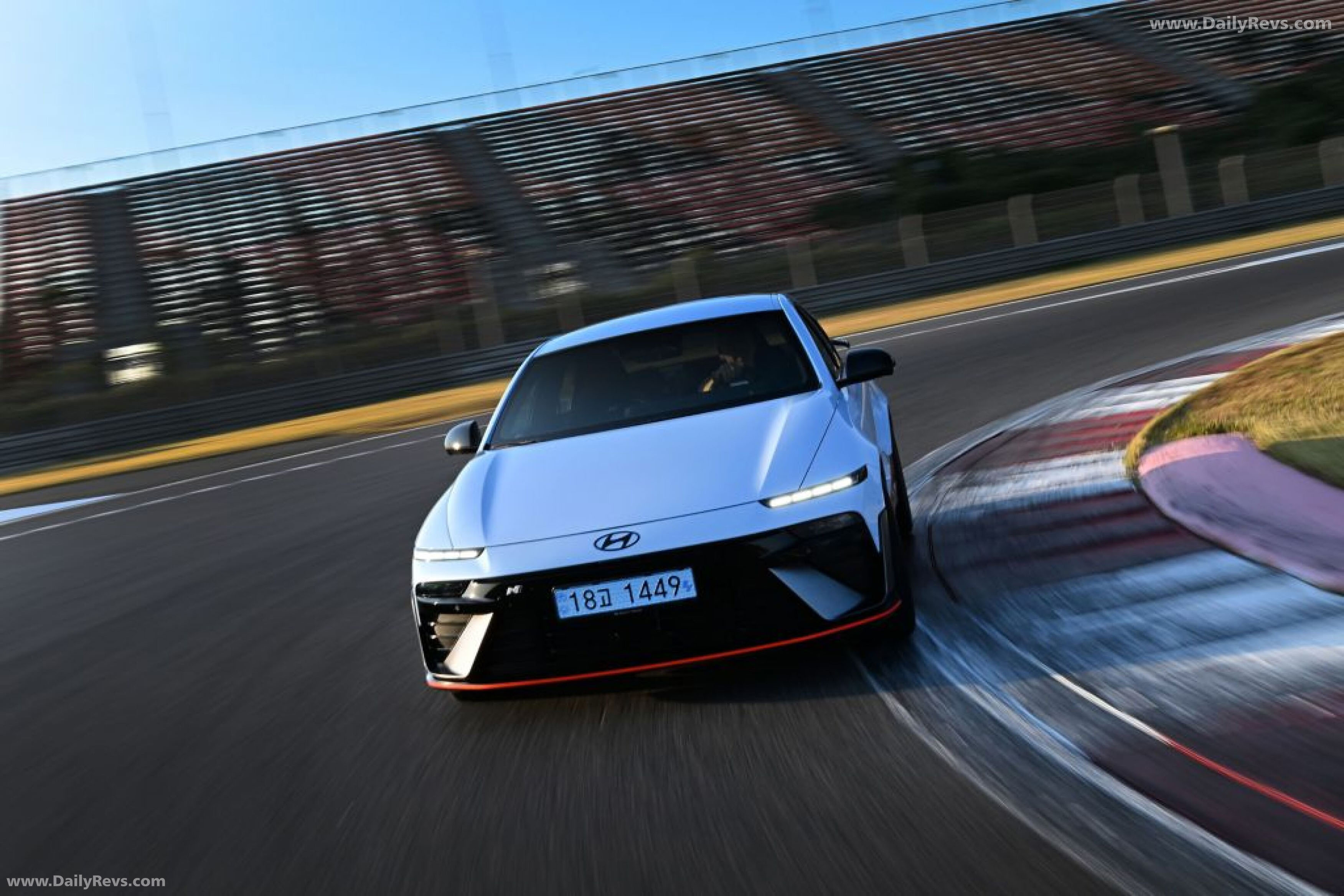
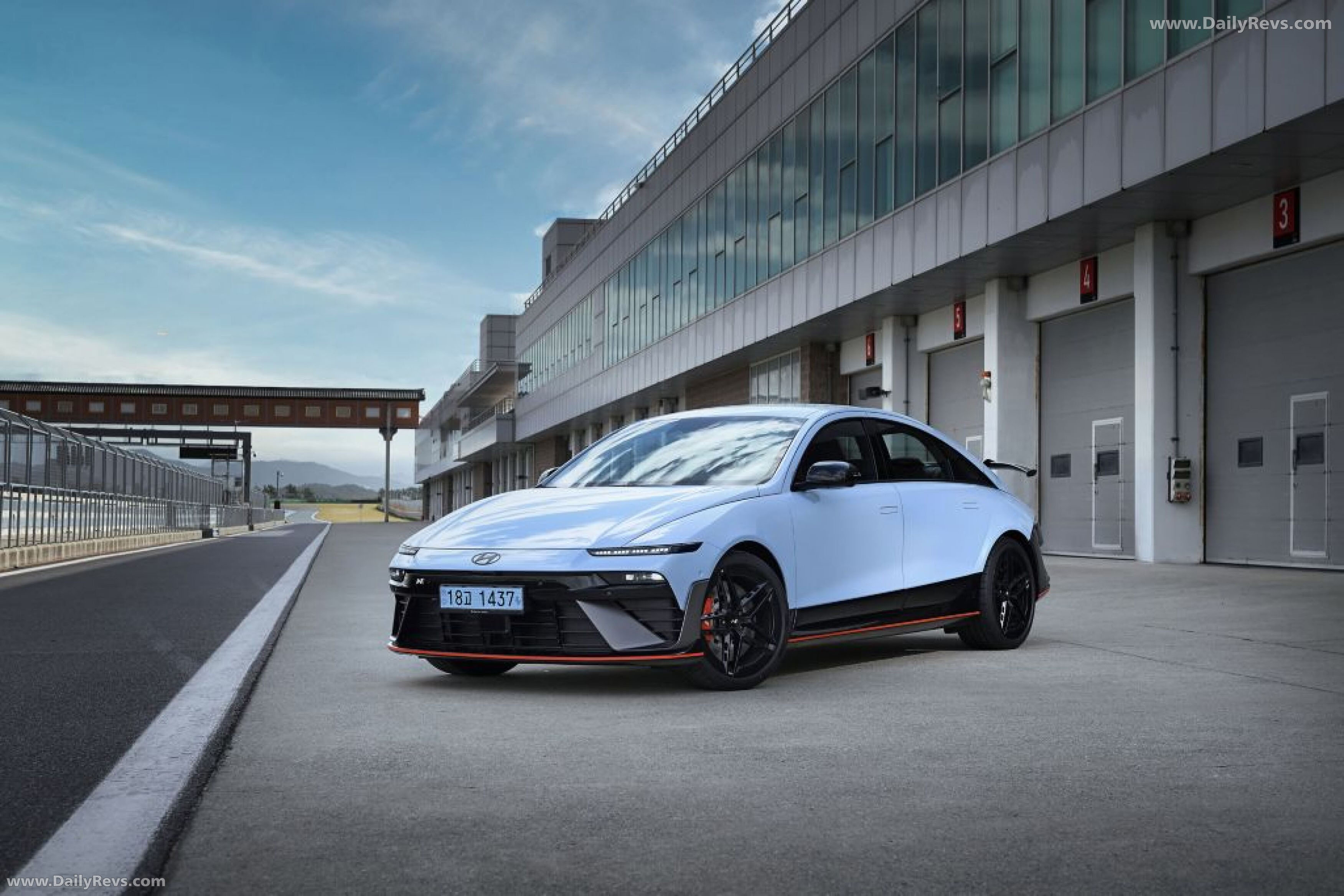
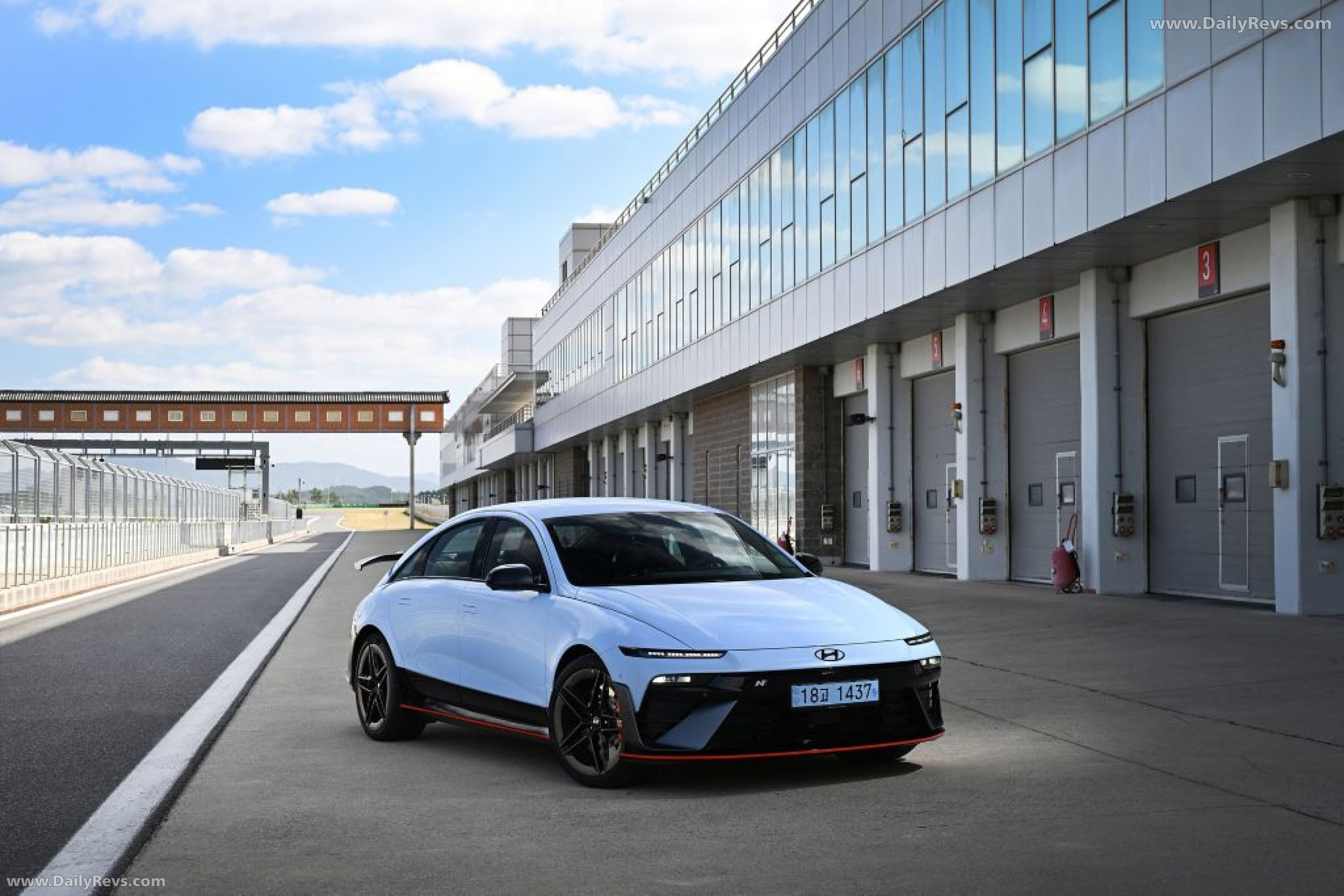
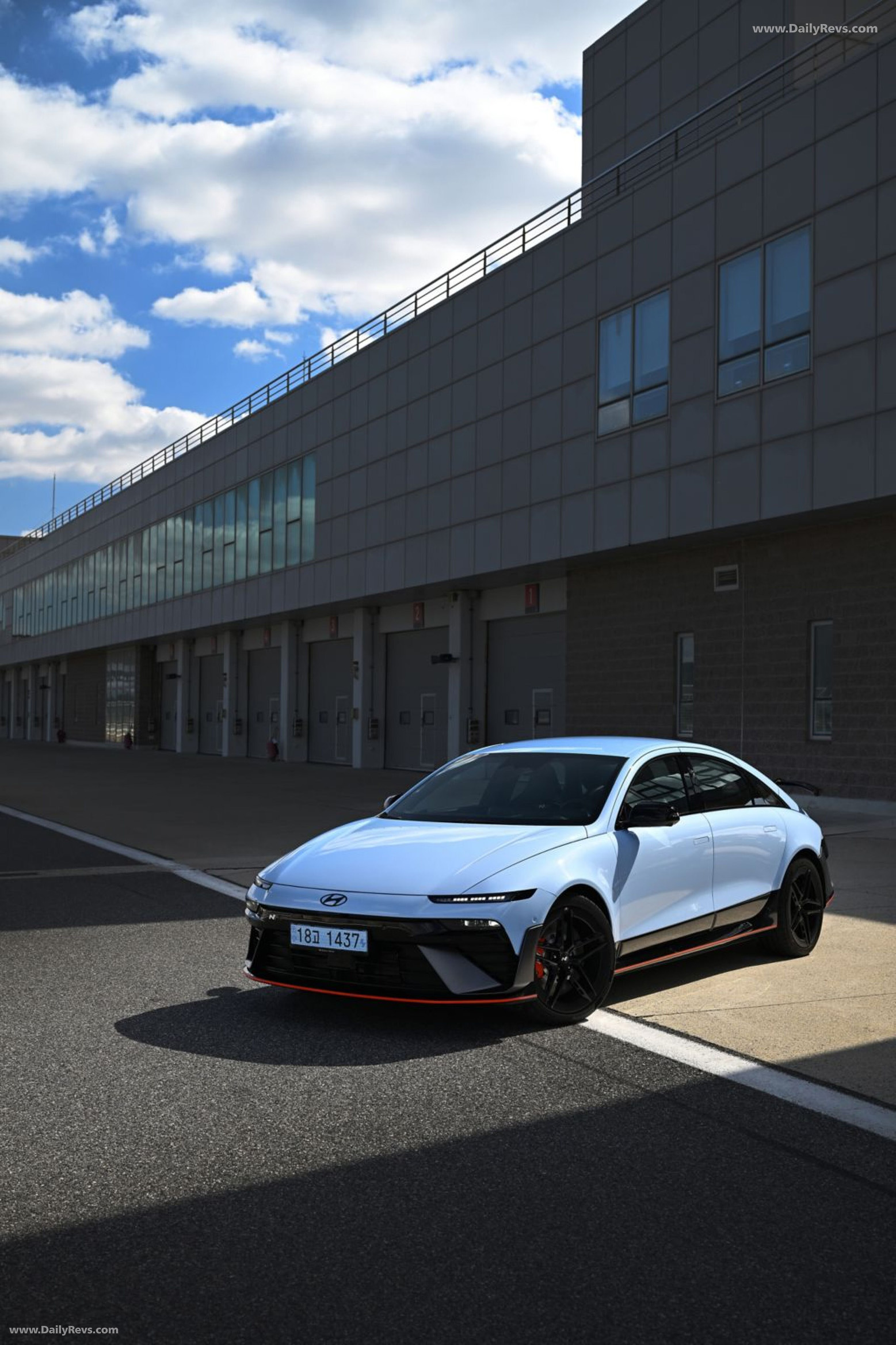
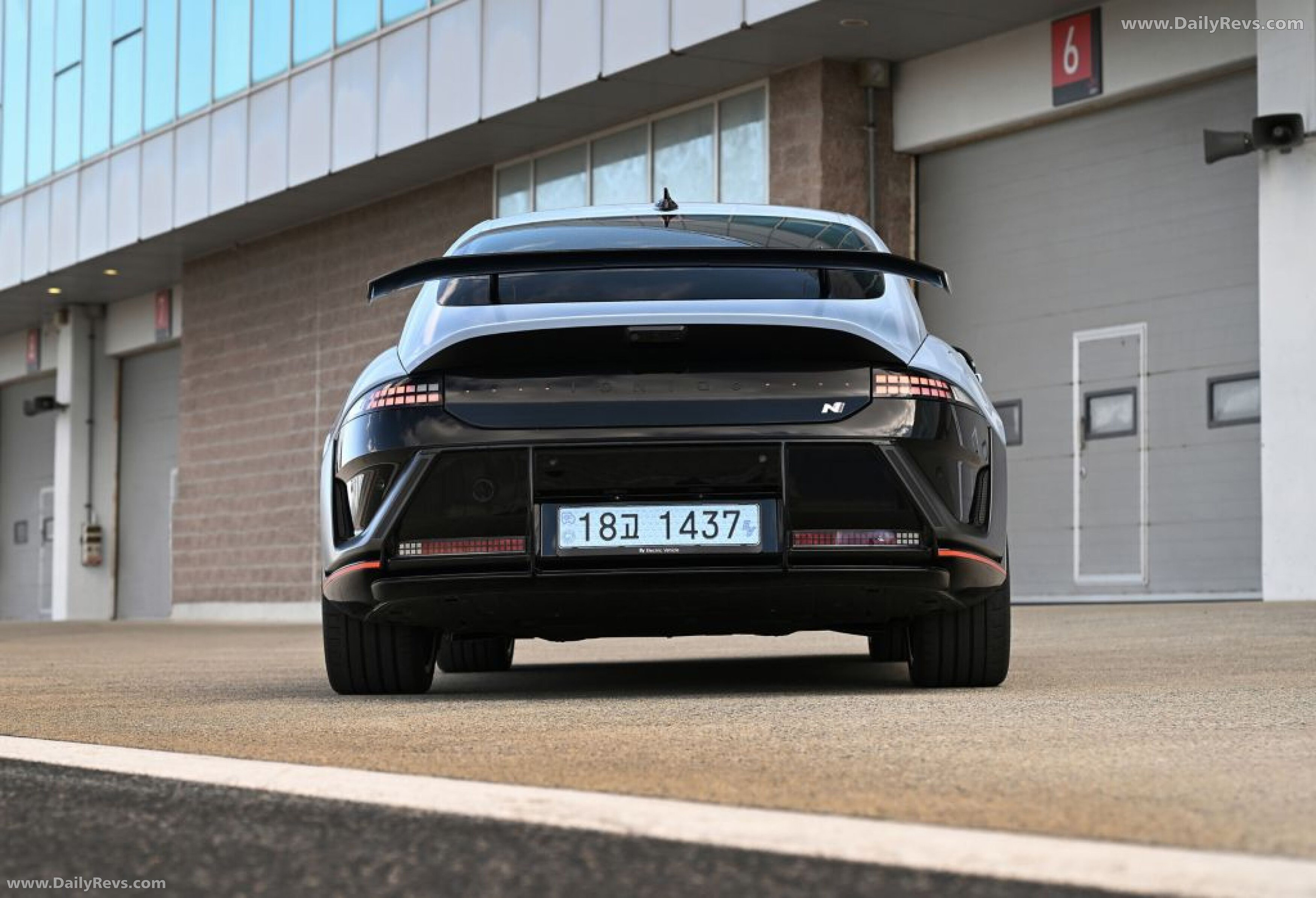
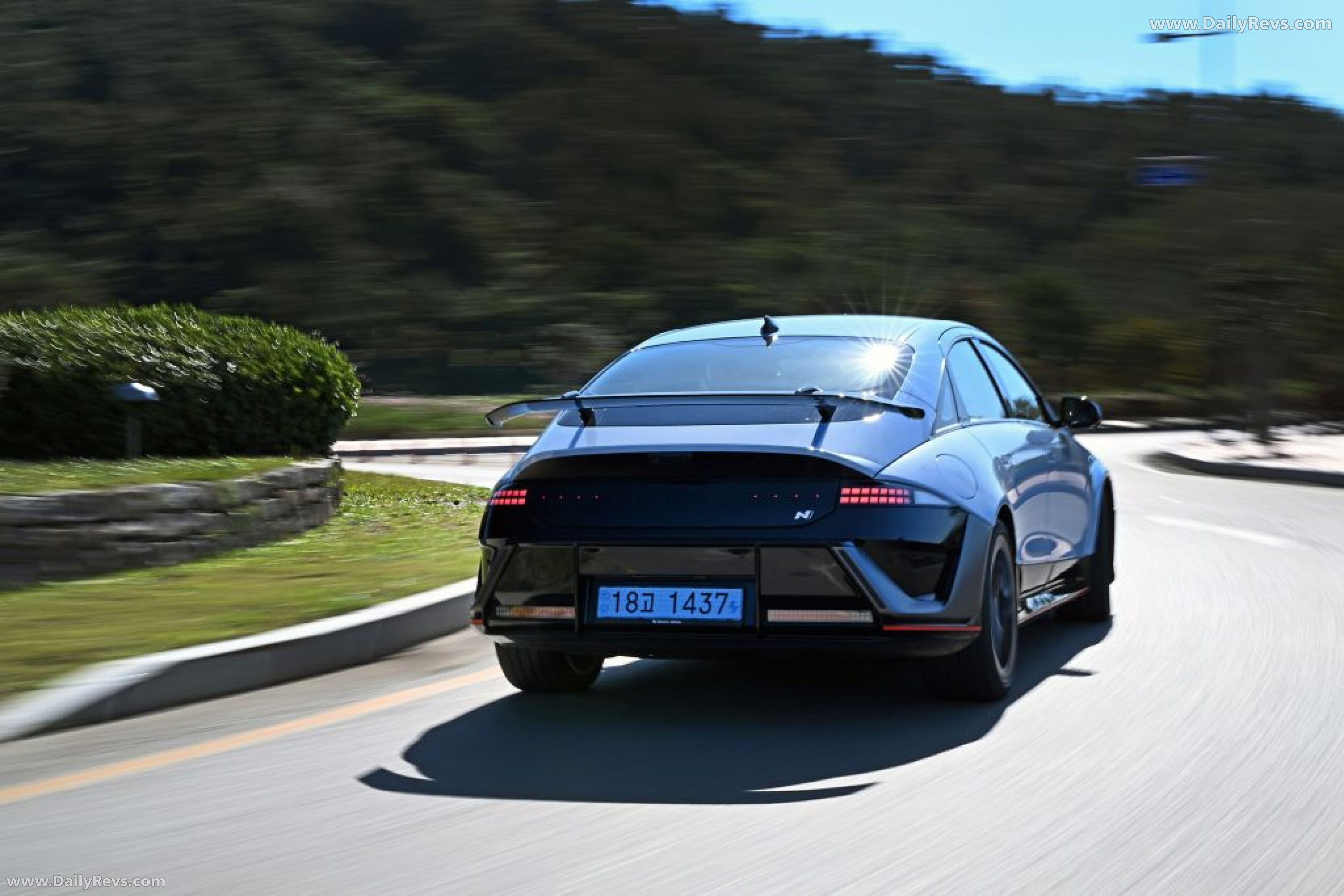
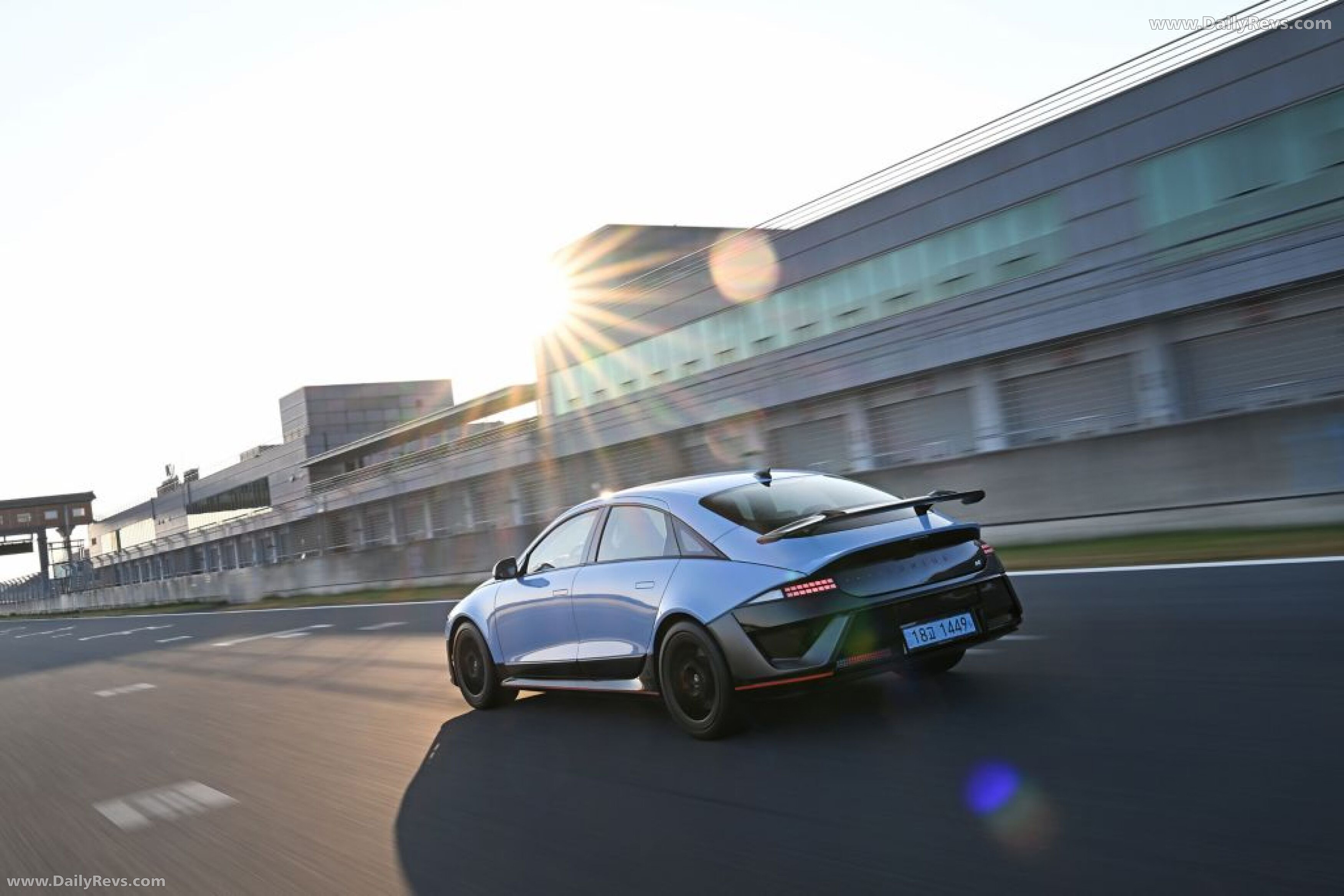
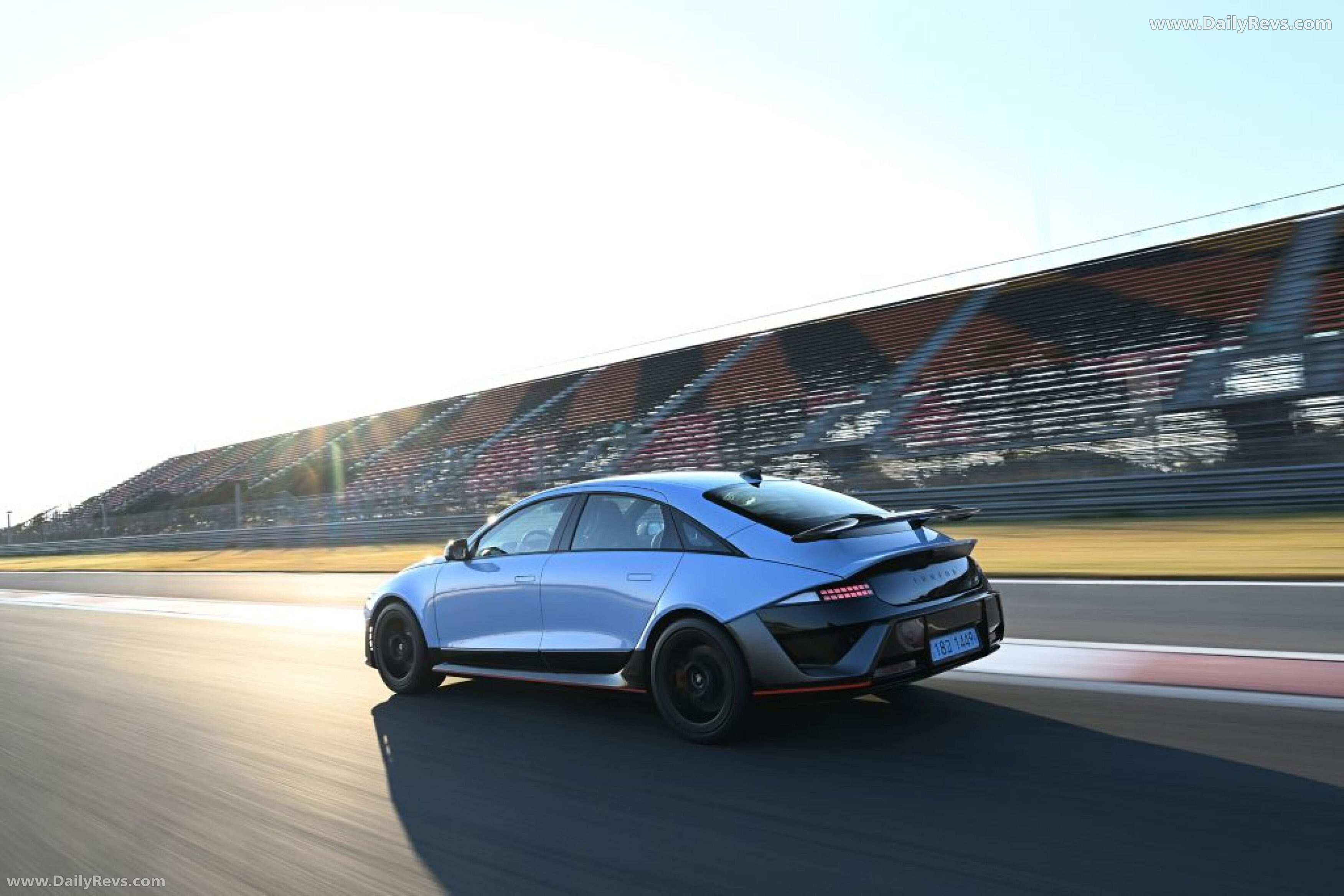
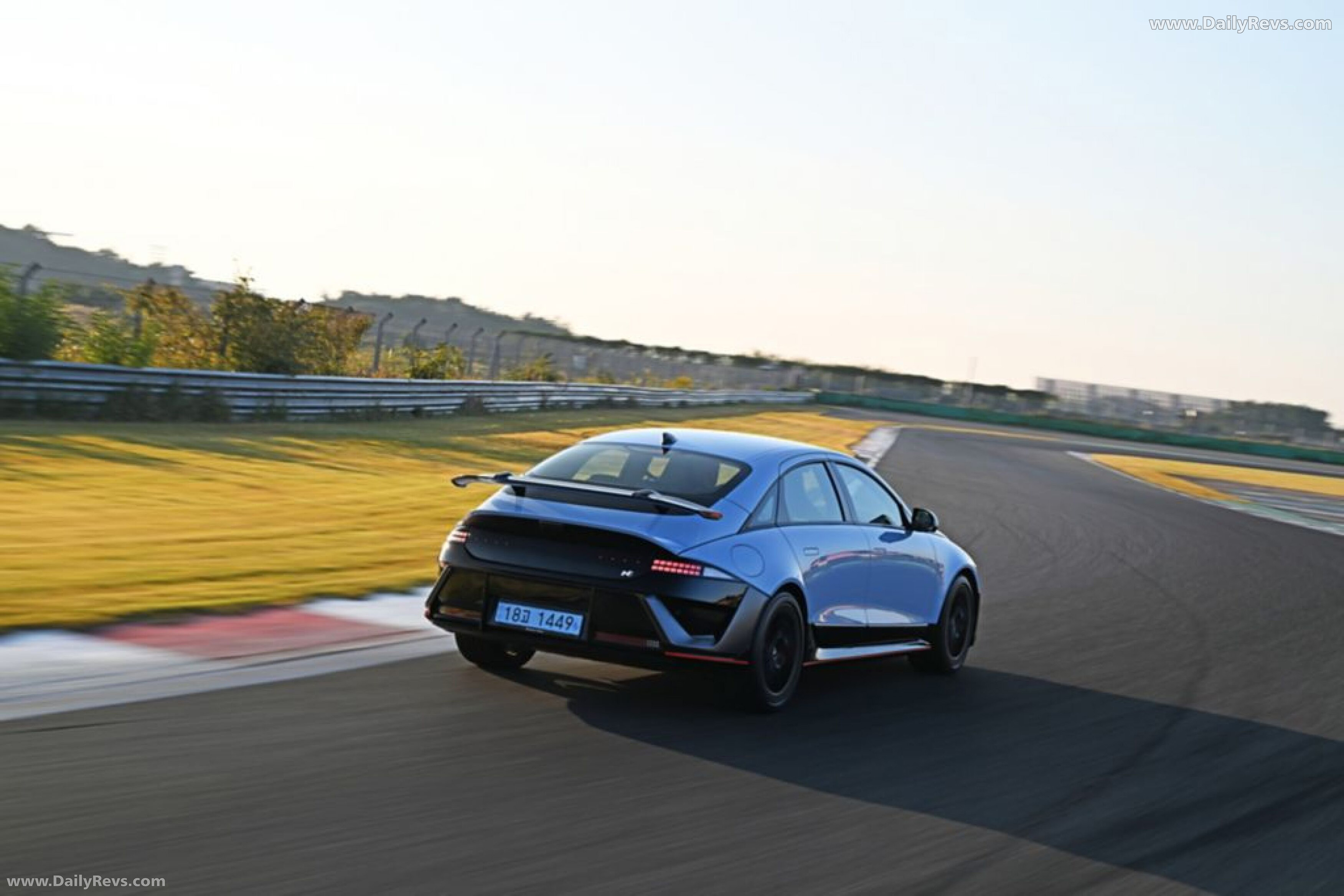
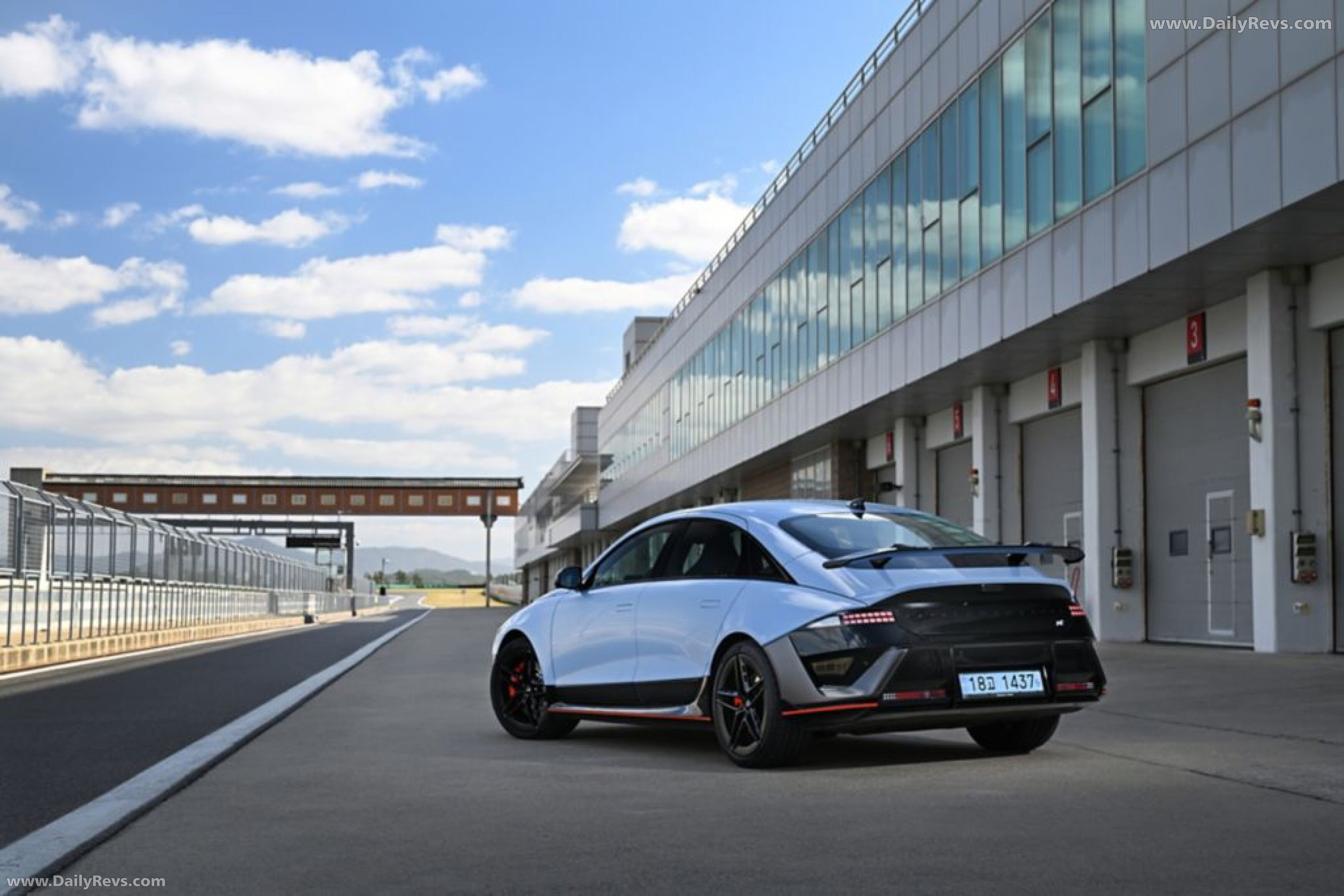
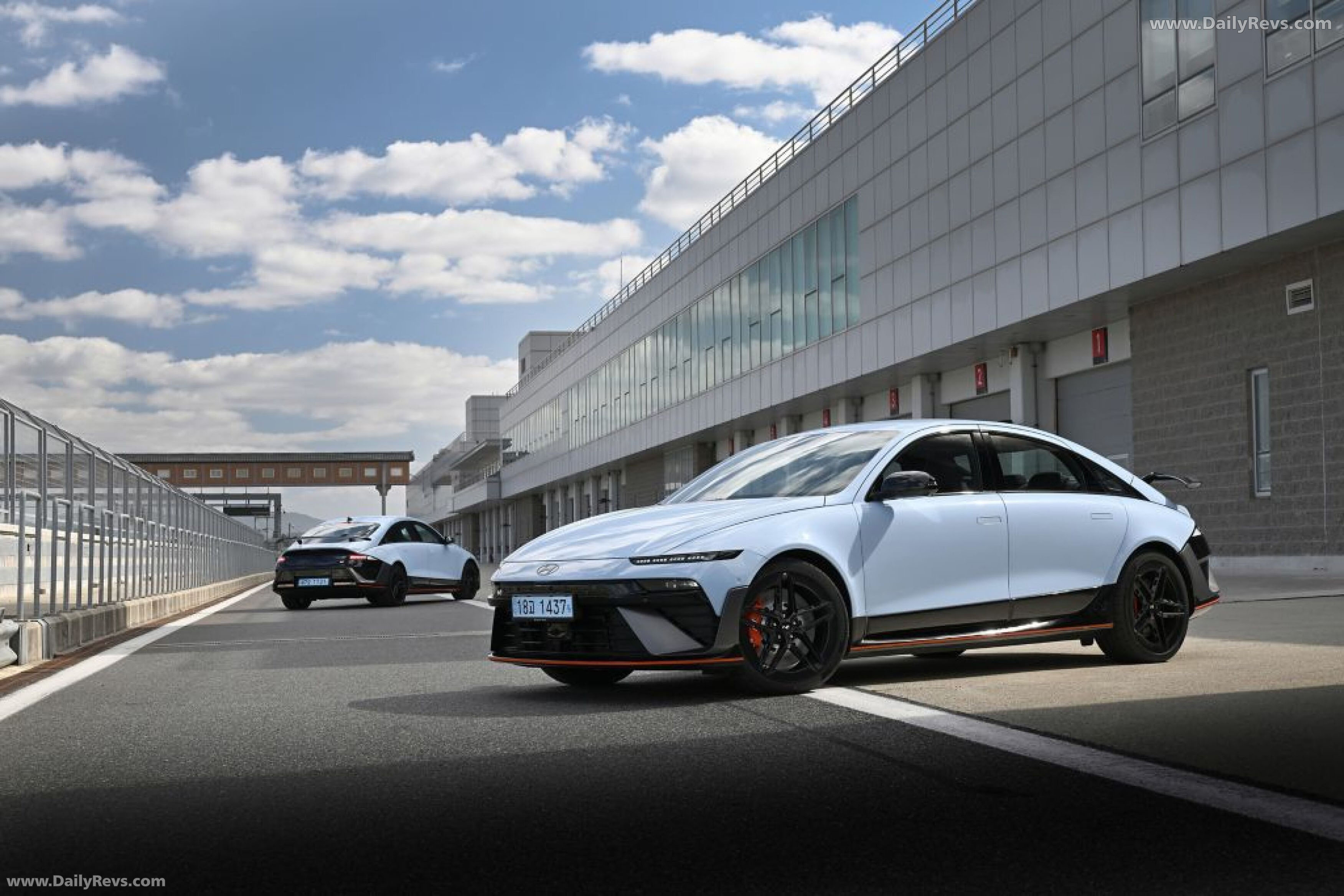
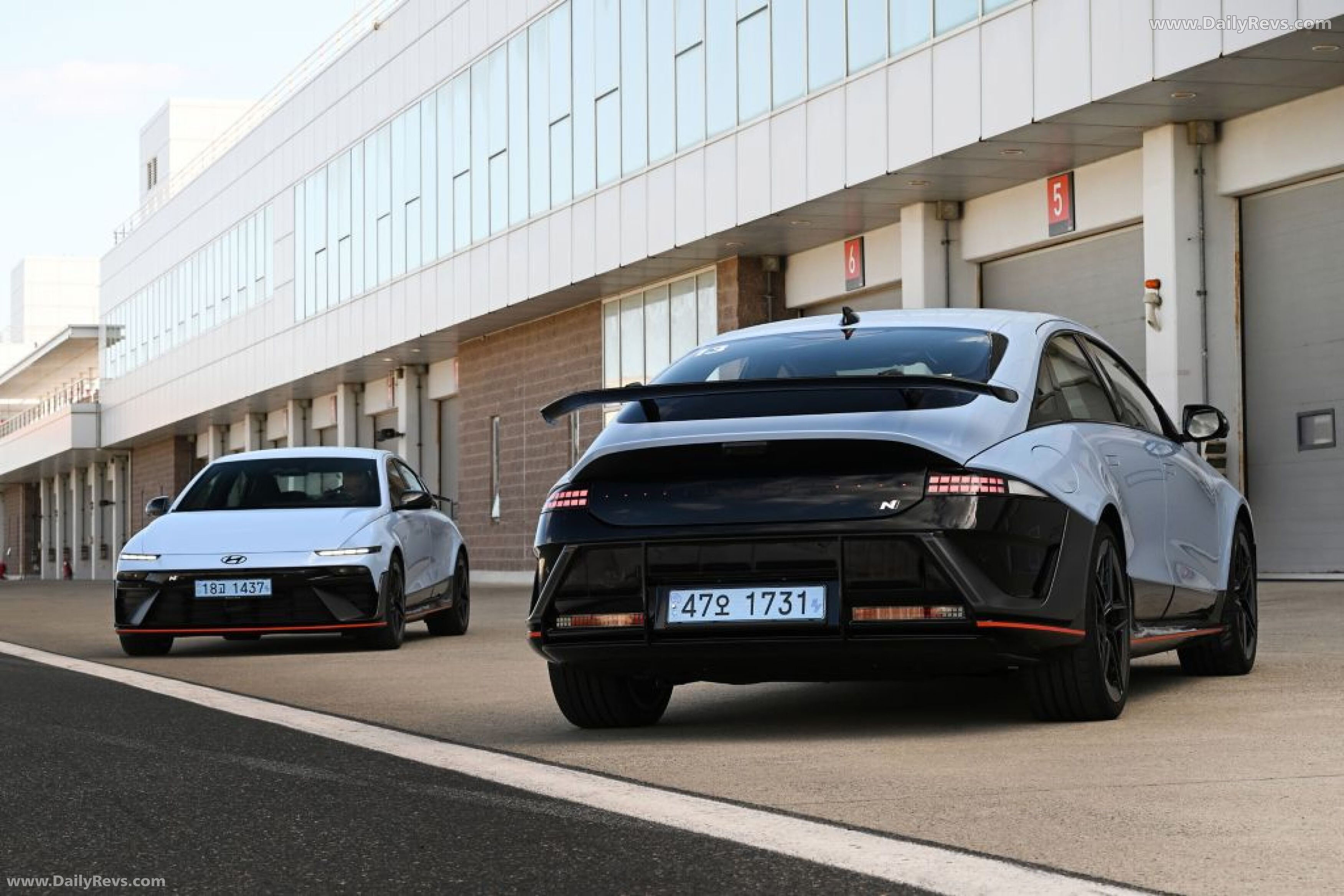
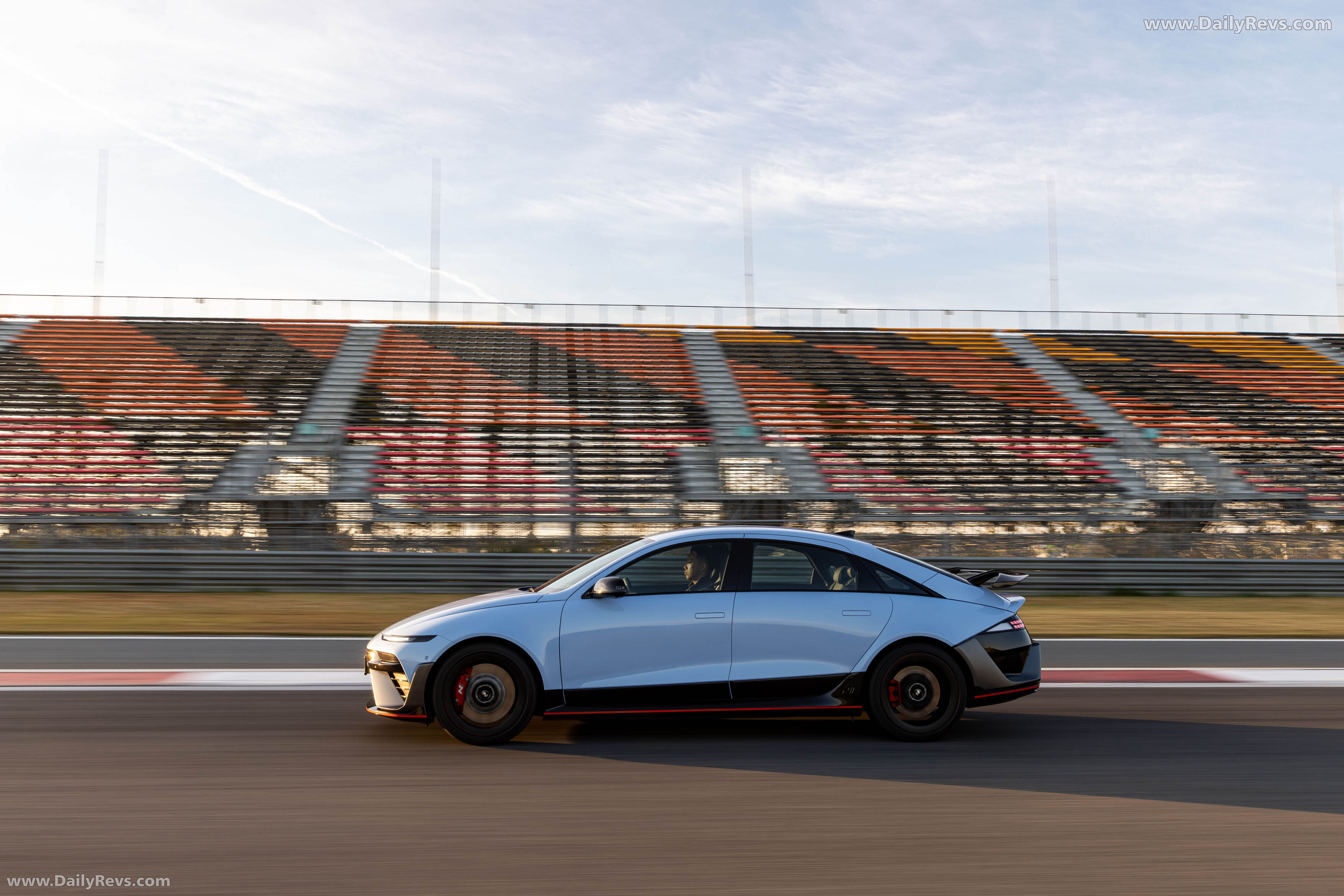
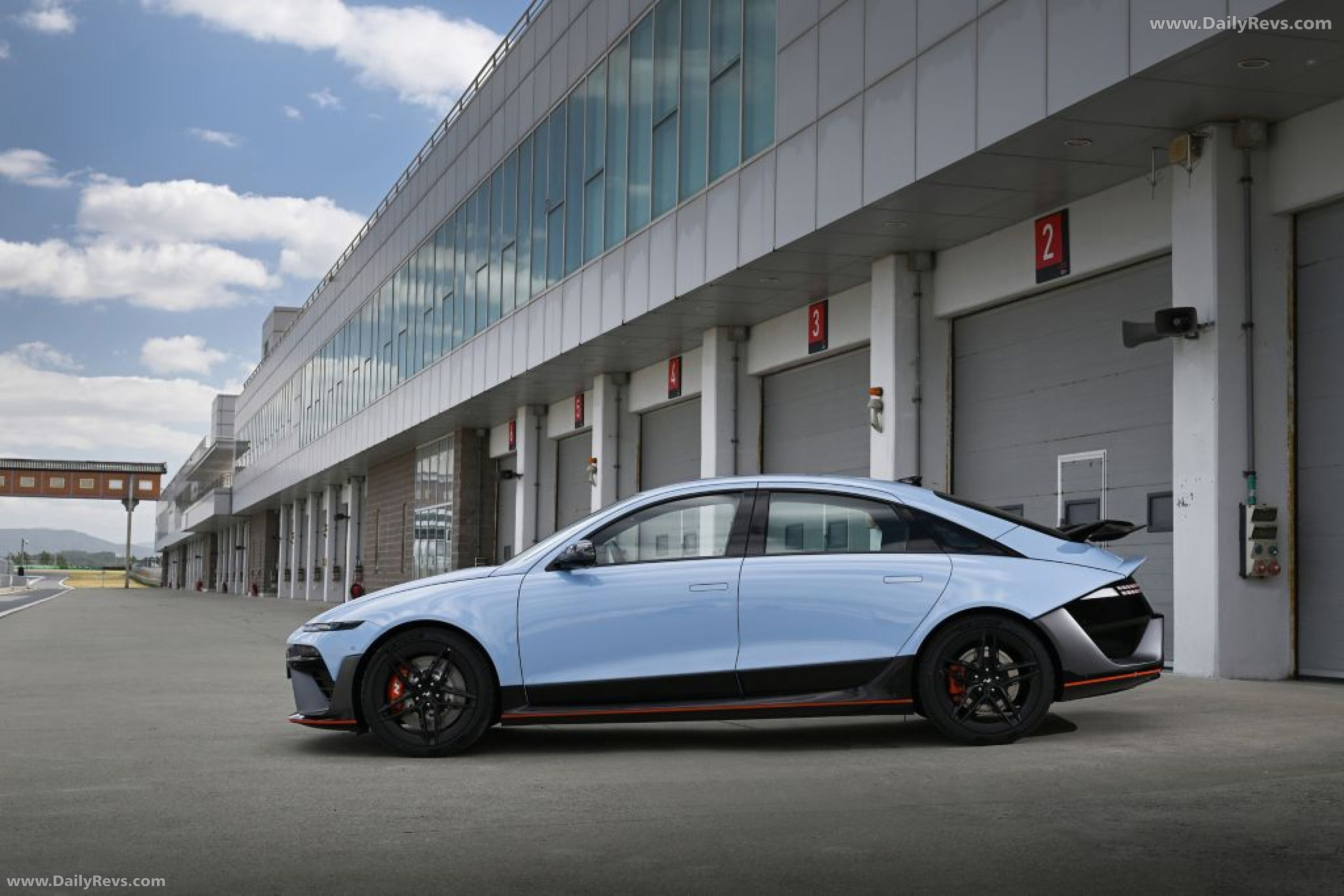
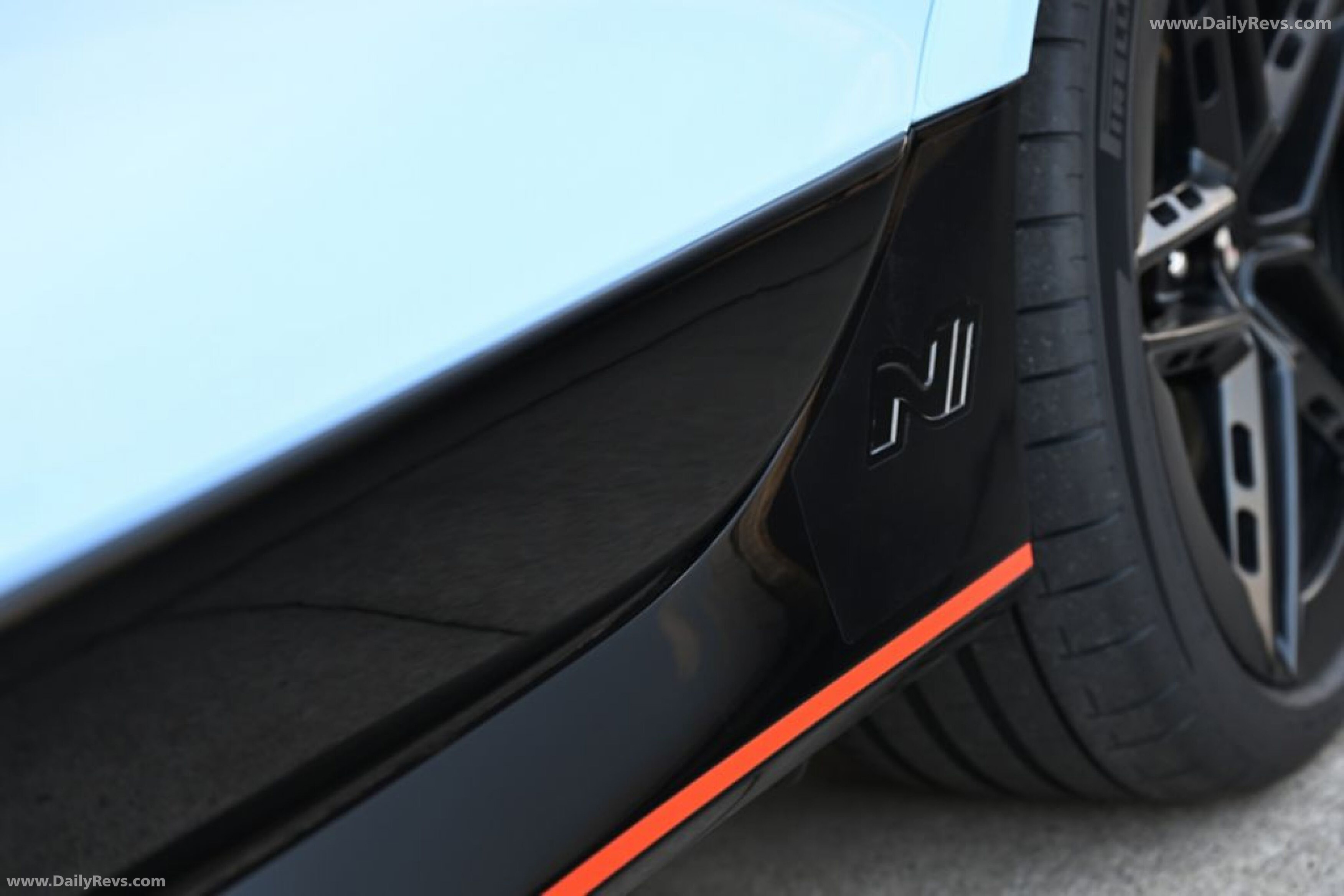
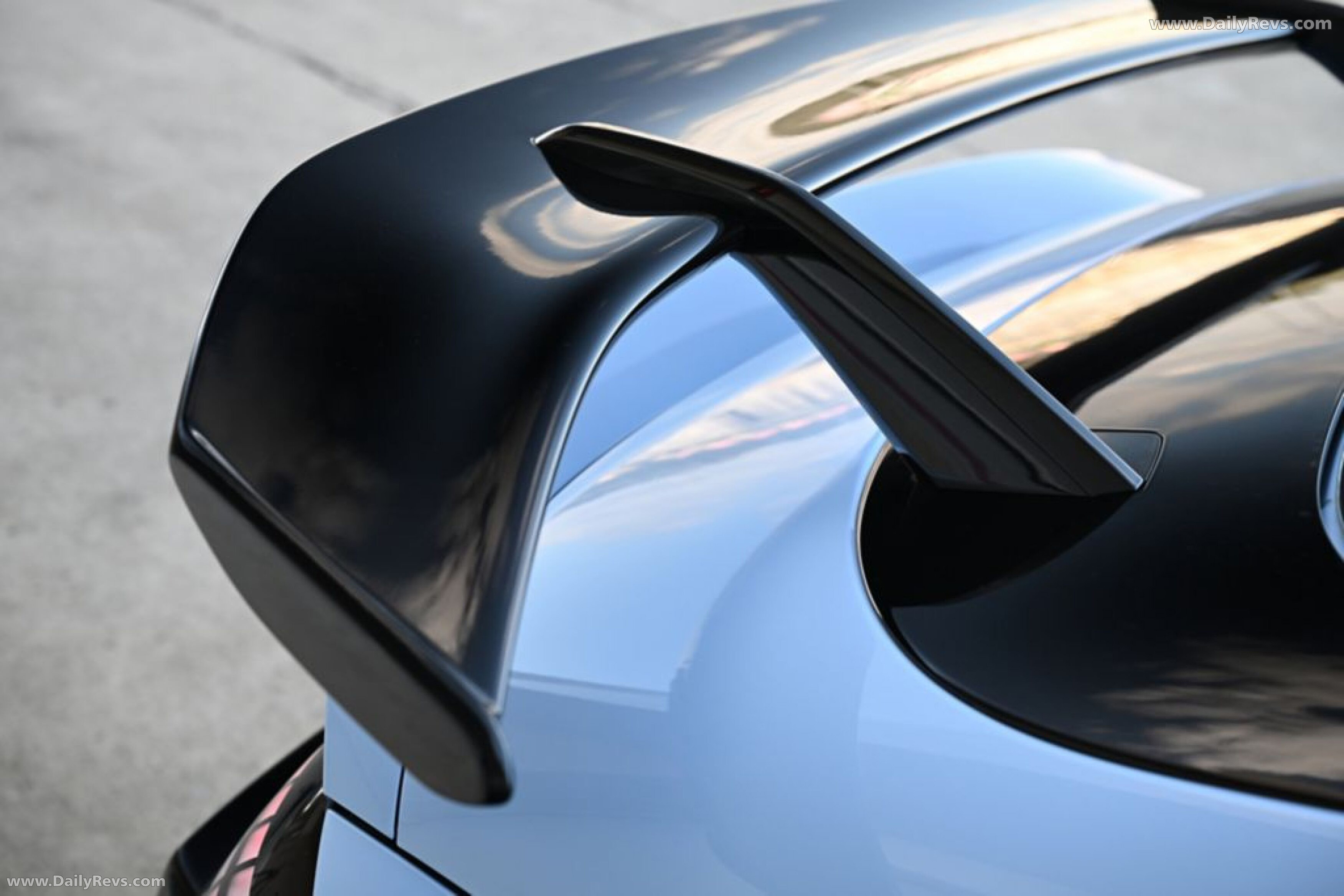
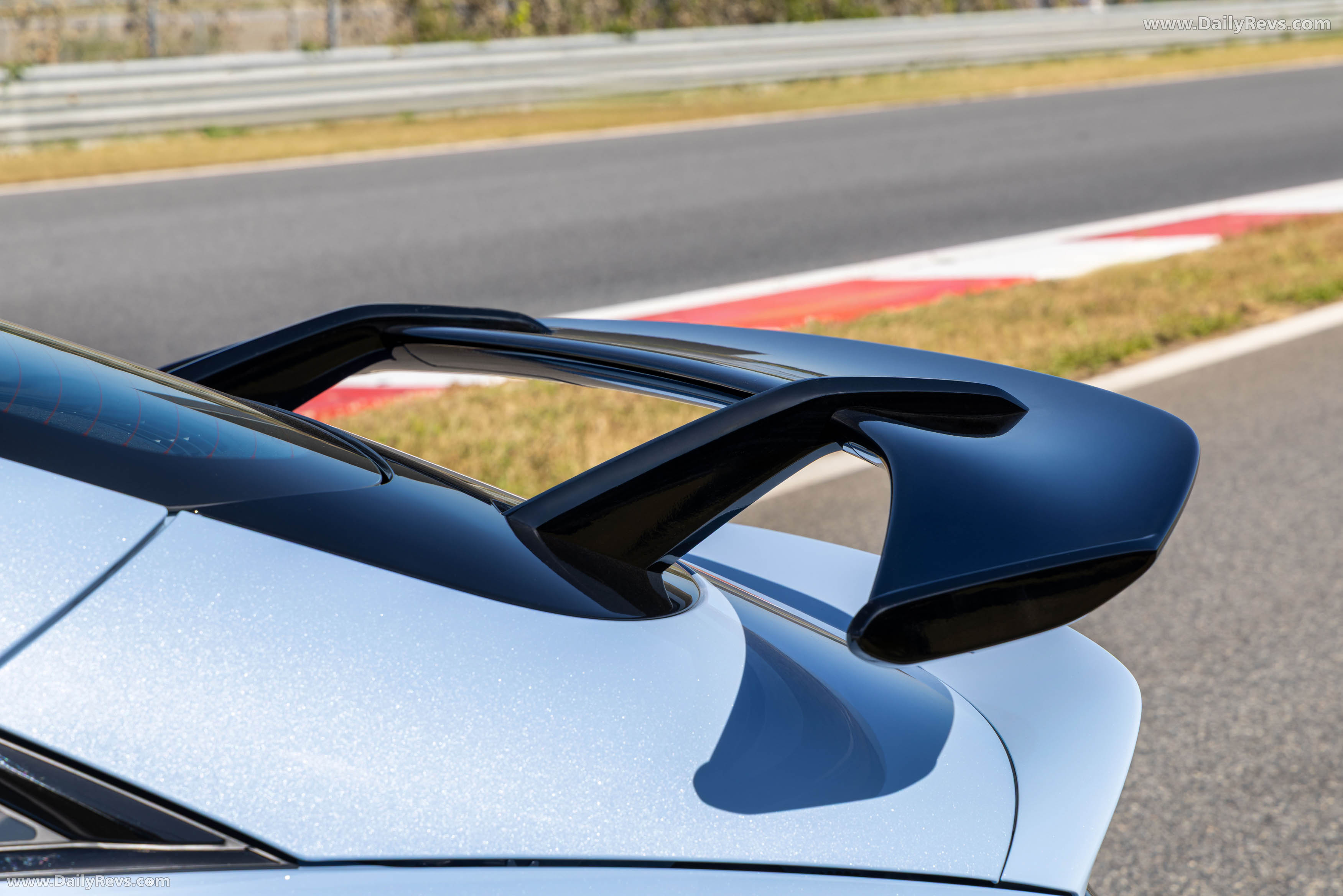
Hyundai has just dropped the 2026 Hyundai IONIQ 6 N, and yes, it’s louder-looking than any previous IONIQ. The new EV rides the line between everyday usability and race-day ready. With that target keyword early: the 2026 Hyundai IONIQ 6 N brings sharp angles, flared arches, and a clear "Corner Rascal" vibe thanks to that lofty swan‑neck wing.
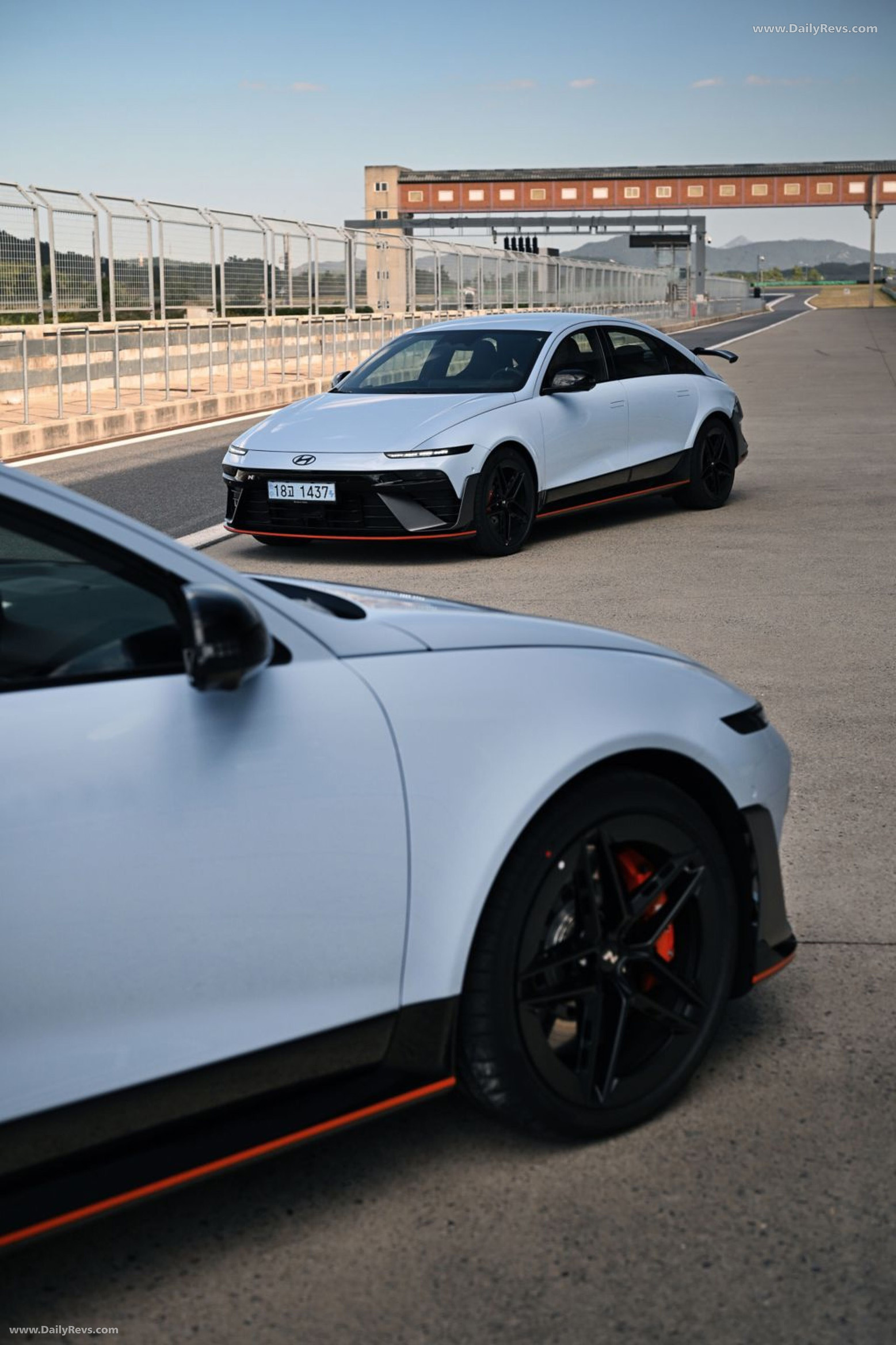
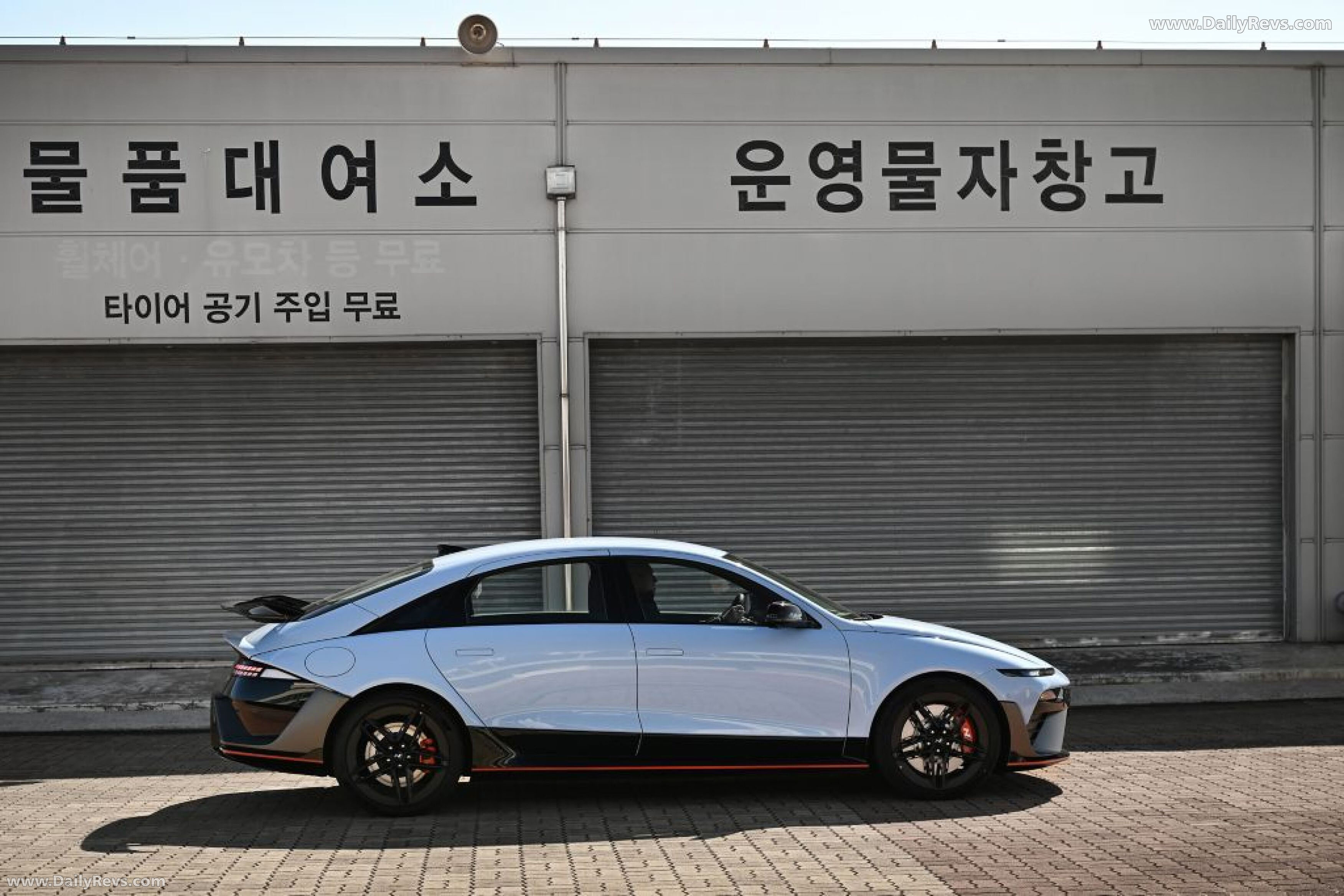
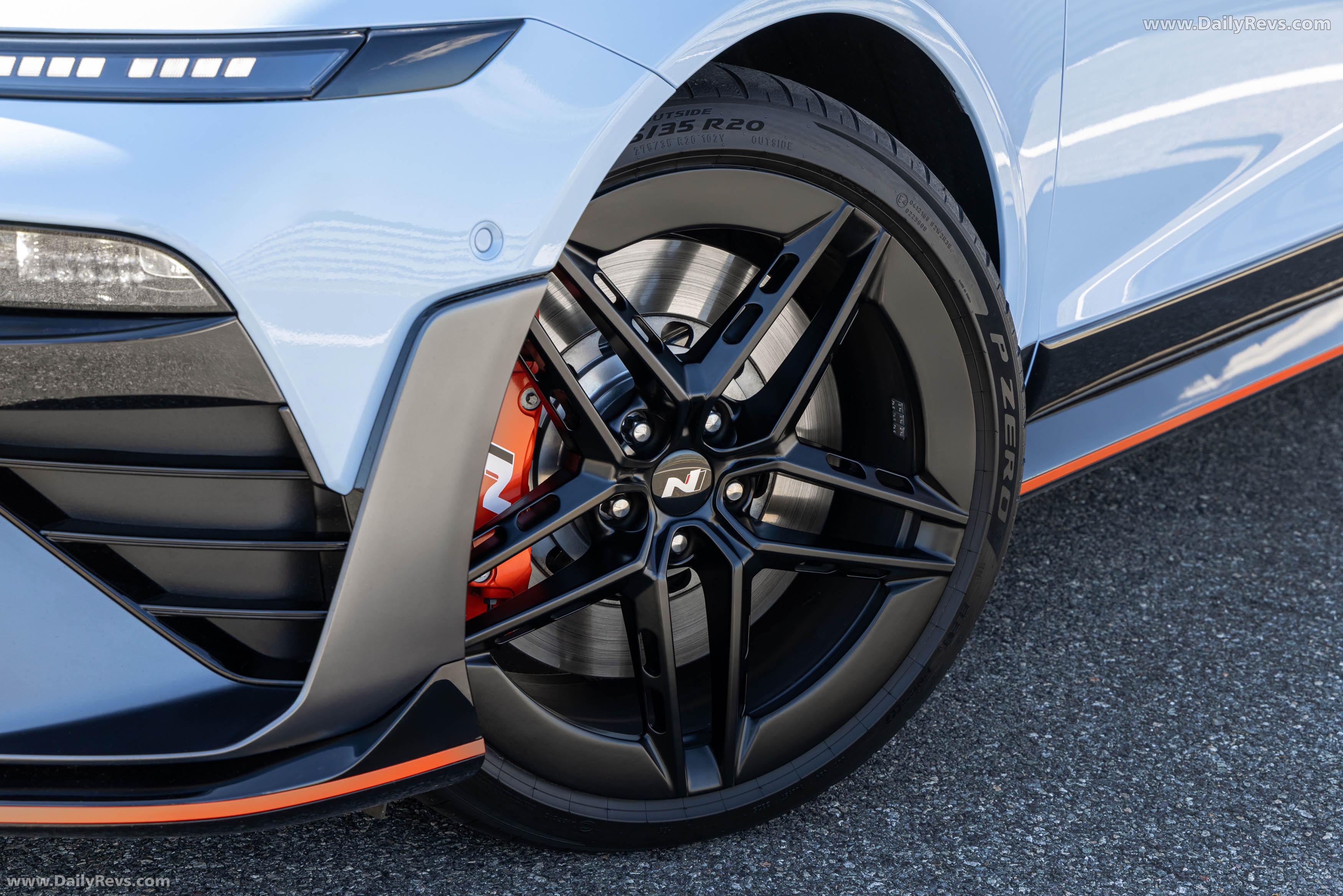
Visually, it’s an aggressive step forward. Wider fenders, big intakes, an aerodynamic spoiler—all hint at track focus. But Hyundai didn’t go for overkill. Instead, surfaces remain sleek so it still manages some elegance for everyday roads. The stance reads wide and planted, not wide and gangly. Global EV followers will notice something different: there’s real, purposeful substance under that dramatic look.
A Beast Under the Skin
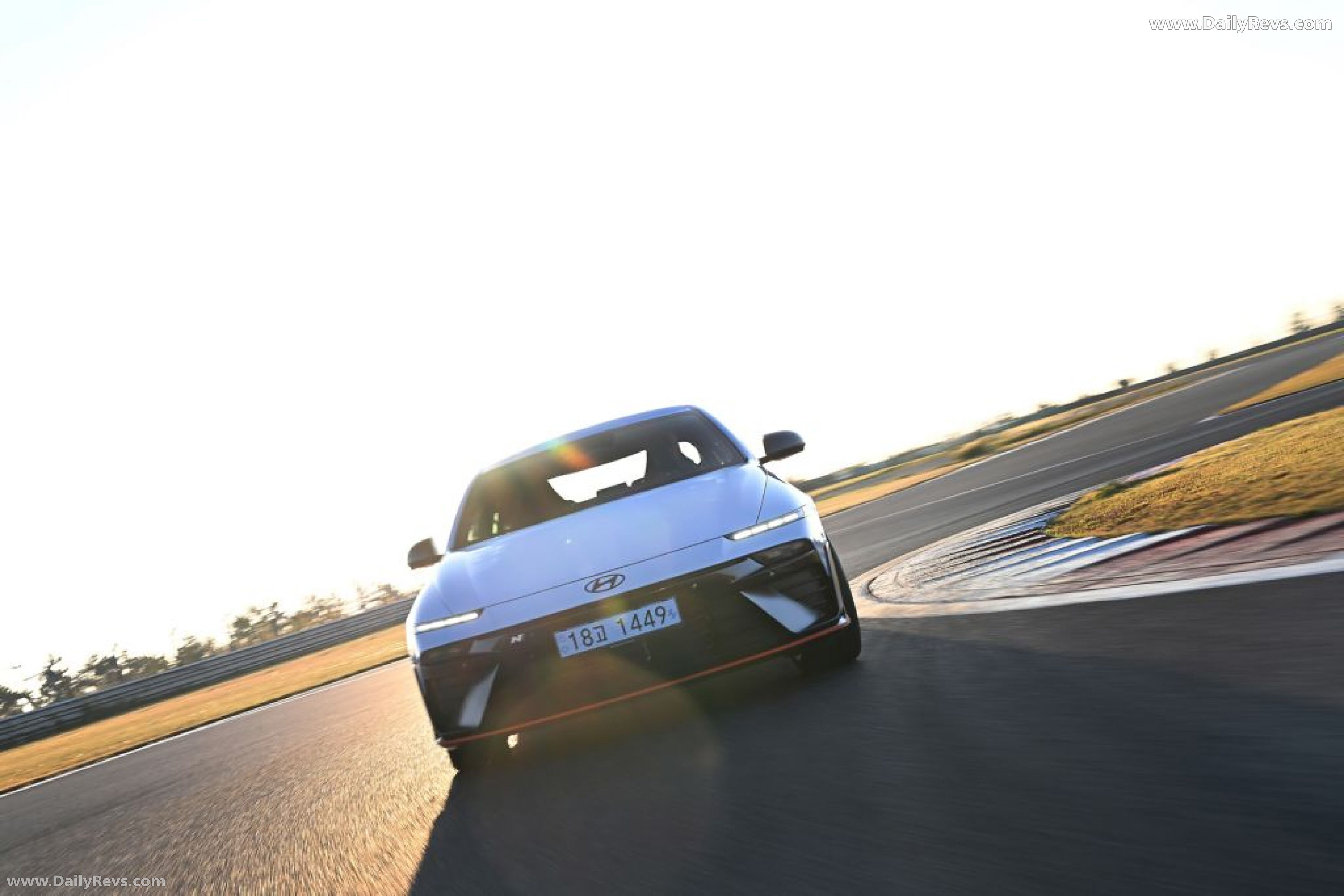
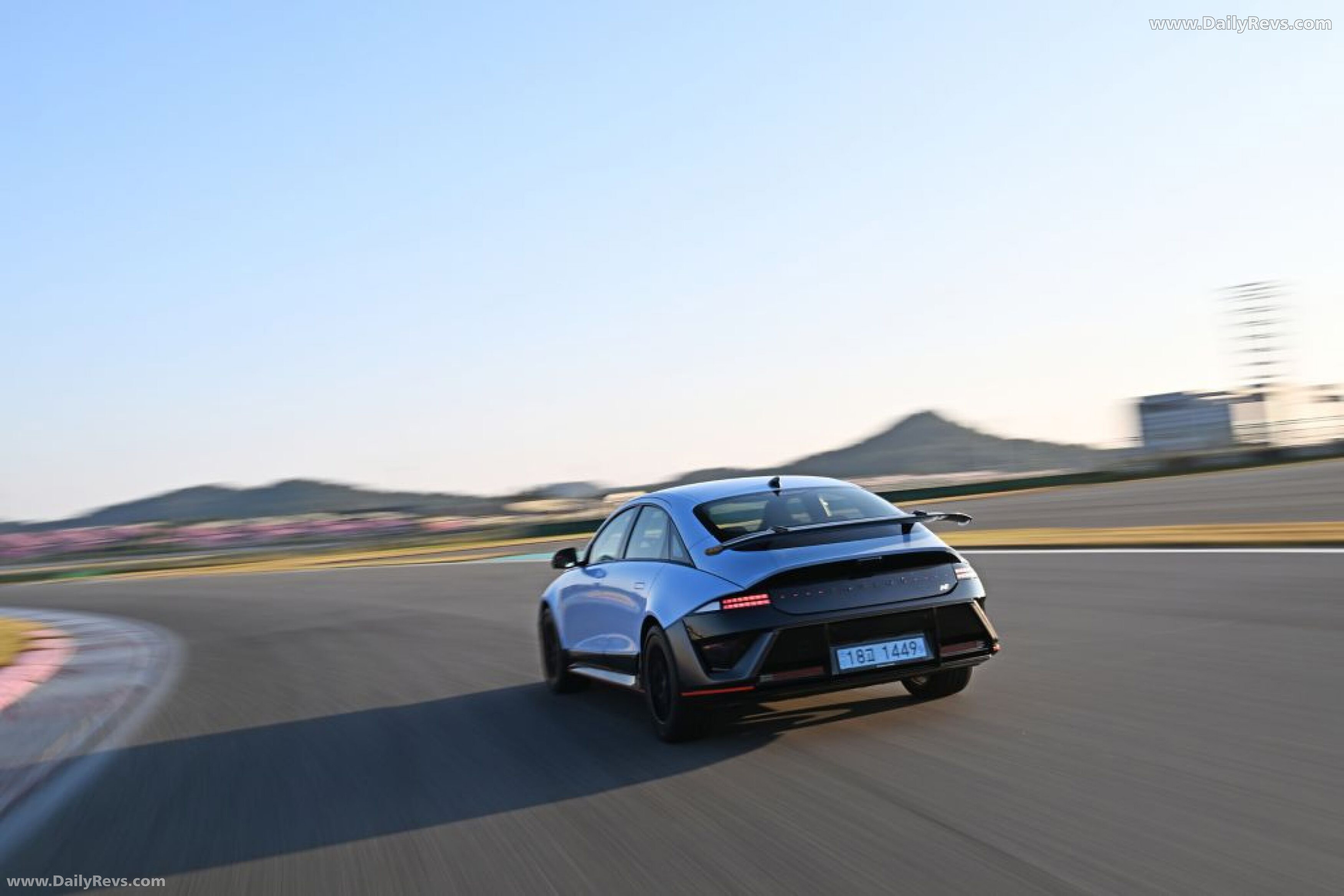
Behind the sharp exterior lies a dual‑motor setup delivering 650 PS (478 kW) and 770 Nm of torque, enough for a thrilling 0–100 km/h in 3.2 seconds and a top speed of 257 km/h. It’s more than just straight-line power—Hyundai emphasizes three pillars here: “Corner Rascal,” “Racetrack Capability,” and the idea of an “Everyday Sports Car.”
Hatch-Back Turned Track Tool
Eyebrows go up at the images showing thicker suspension arms, new geometry, and stroke-sensing ECS dampers tailored for both city bumps and track curves. That swan-neck wing isn’t just for looks—it’s there for balance at high speeds. Hyundai’s kept things tidy; panels flow without unnecessary creases. It doesn’t scream race car—but it doesn’t whisper either.
Sound, Software, and Style
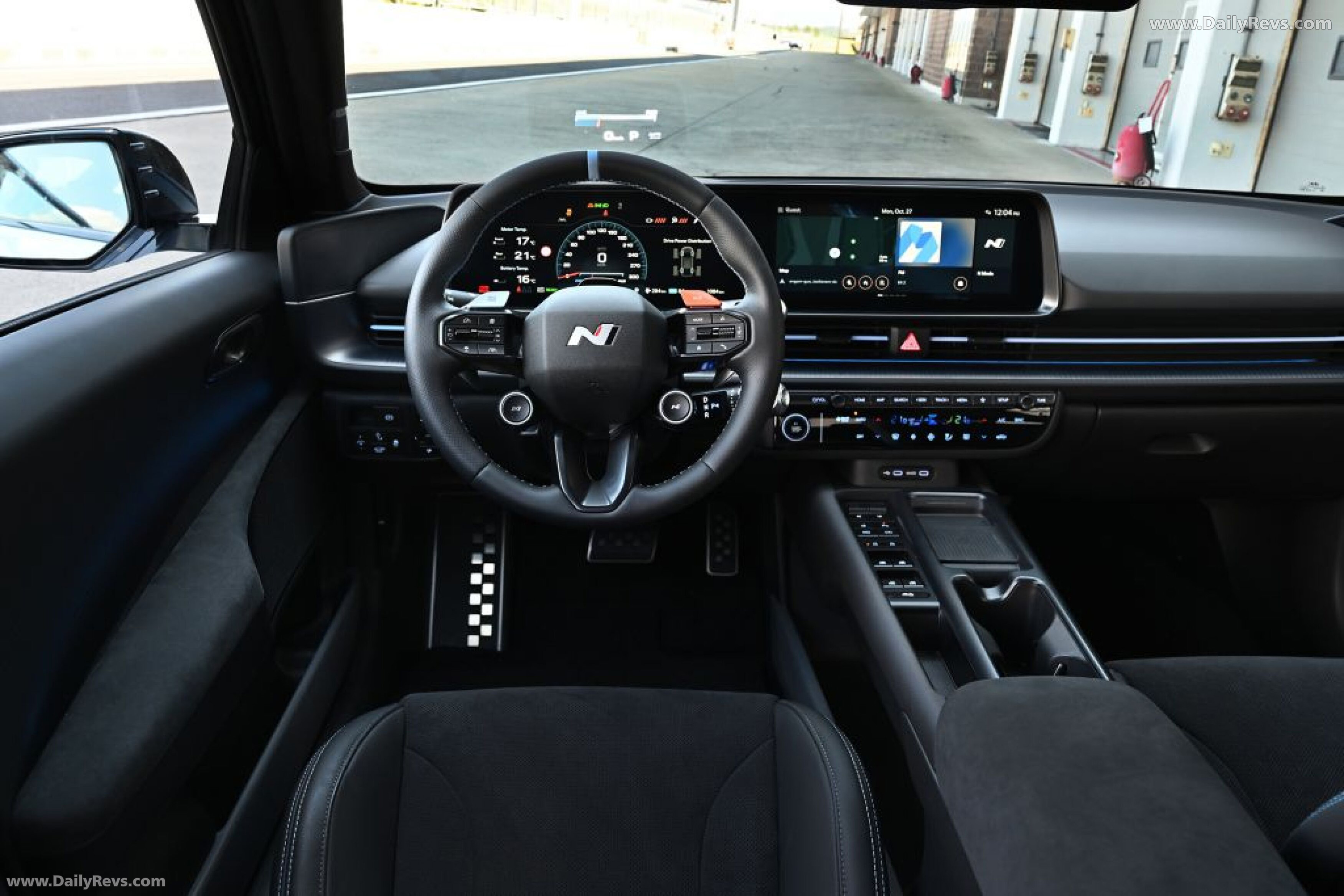
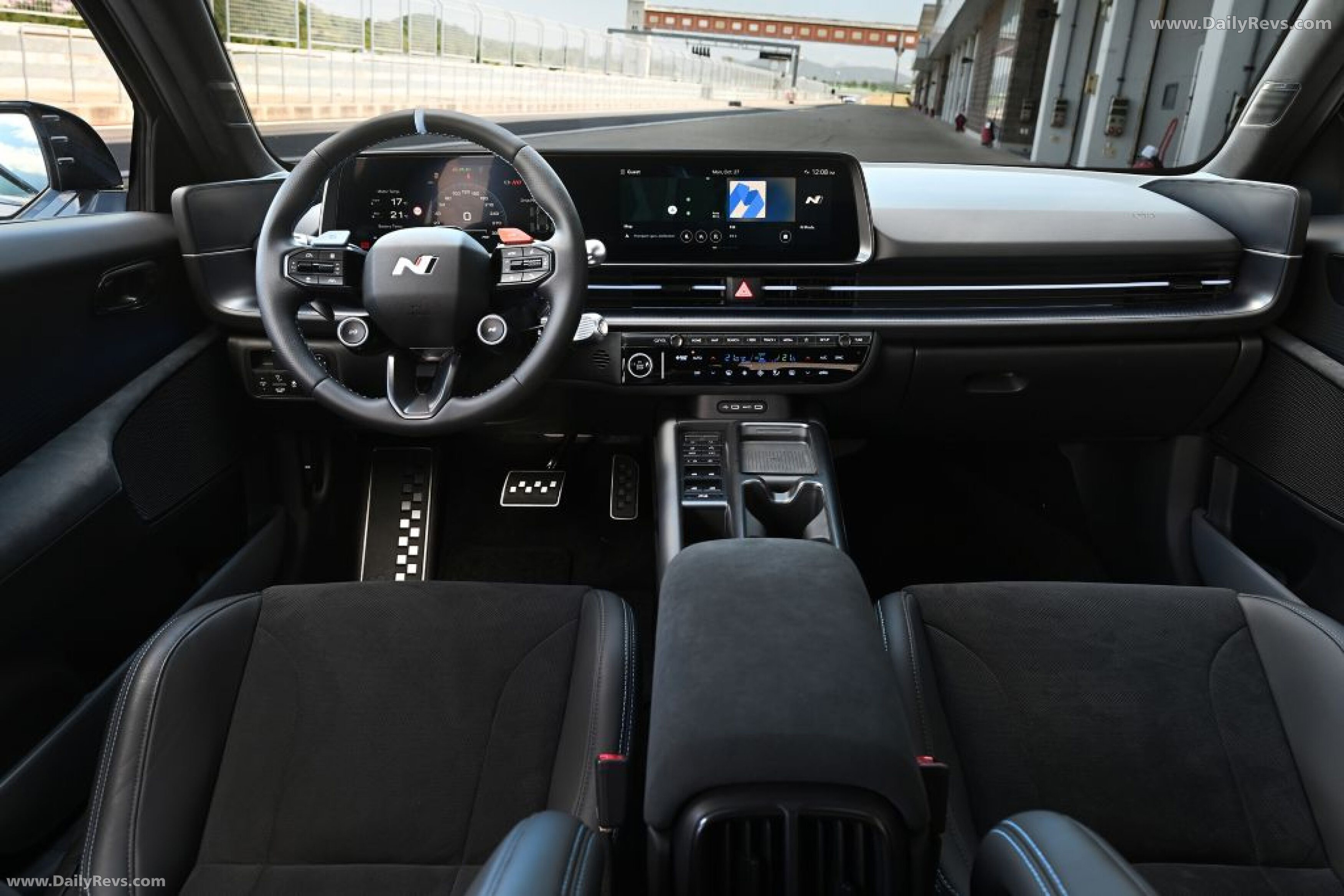
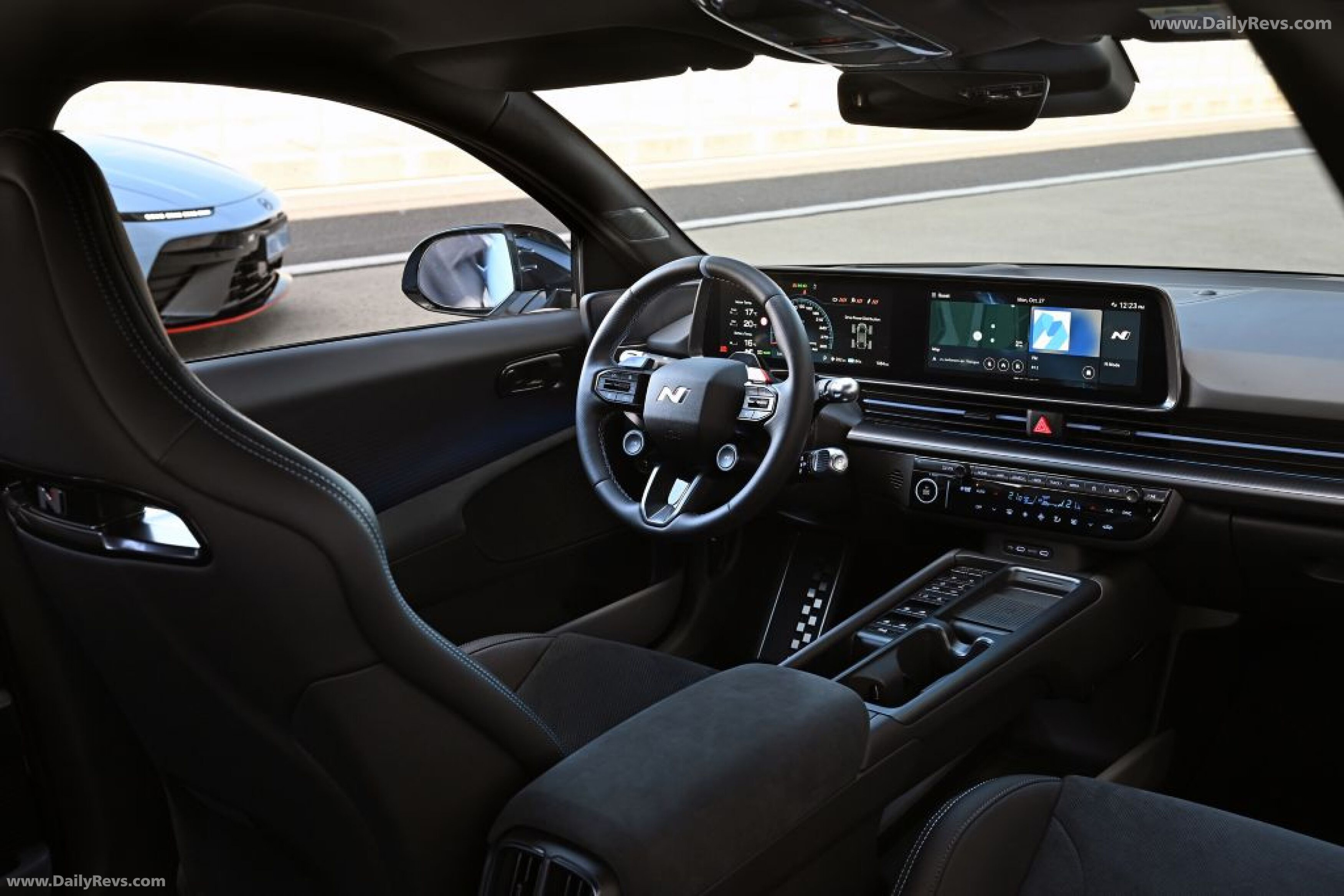
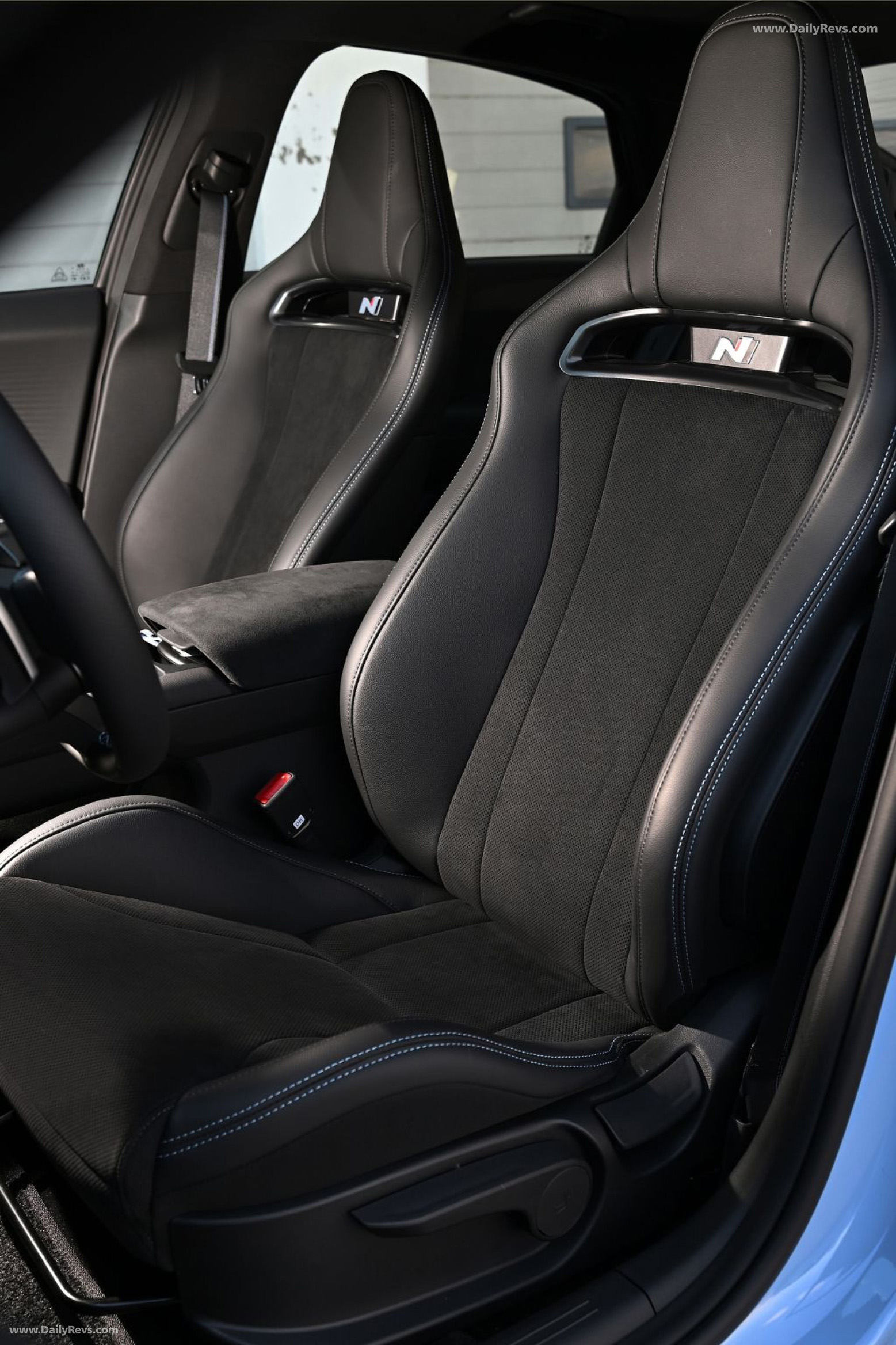
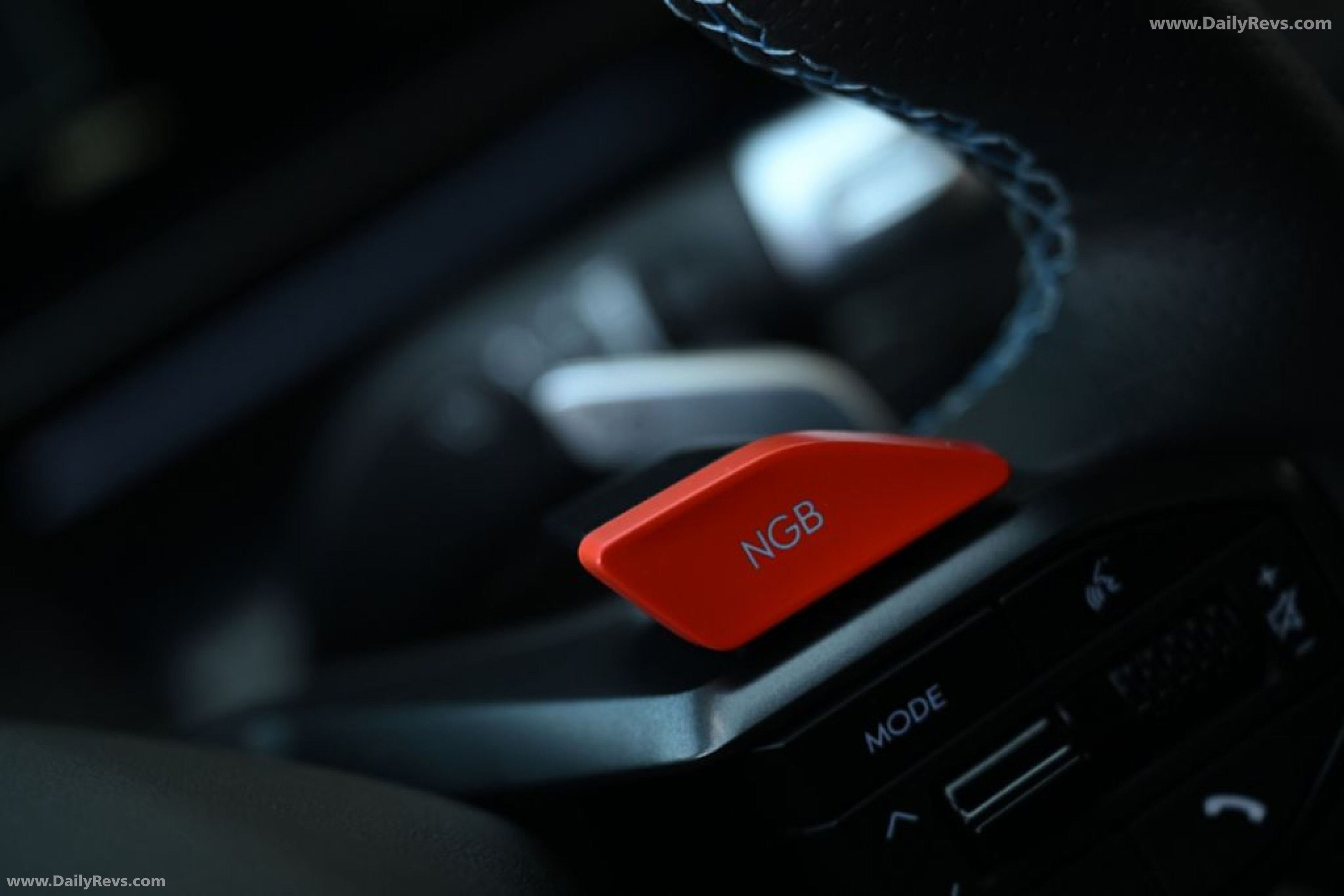
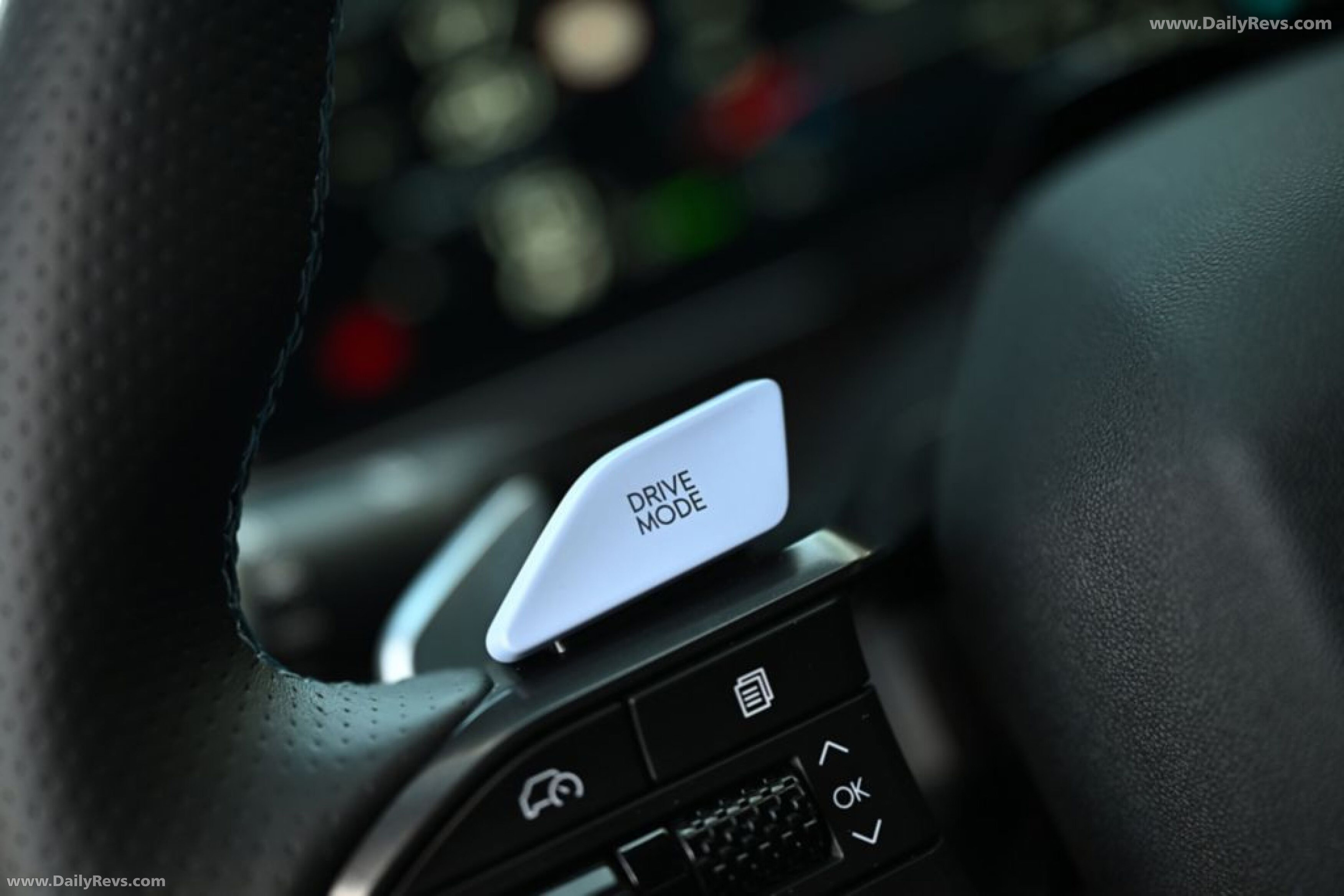
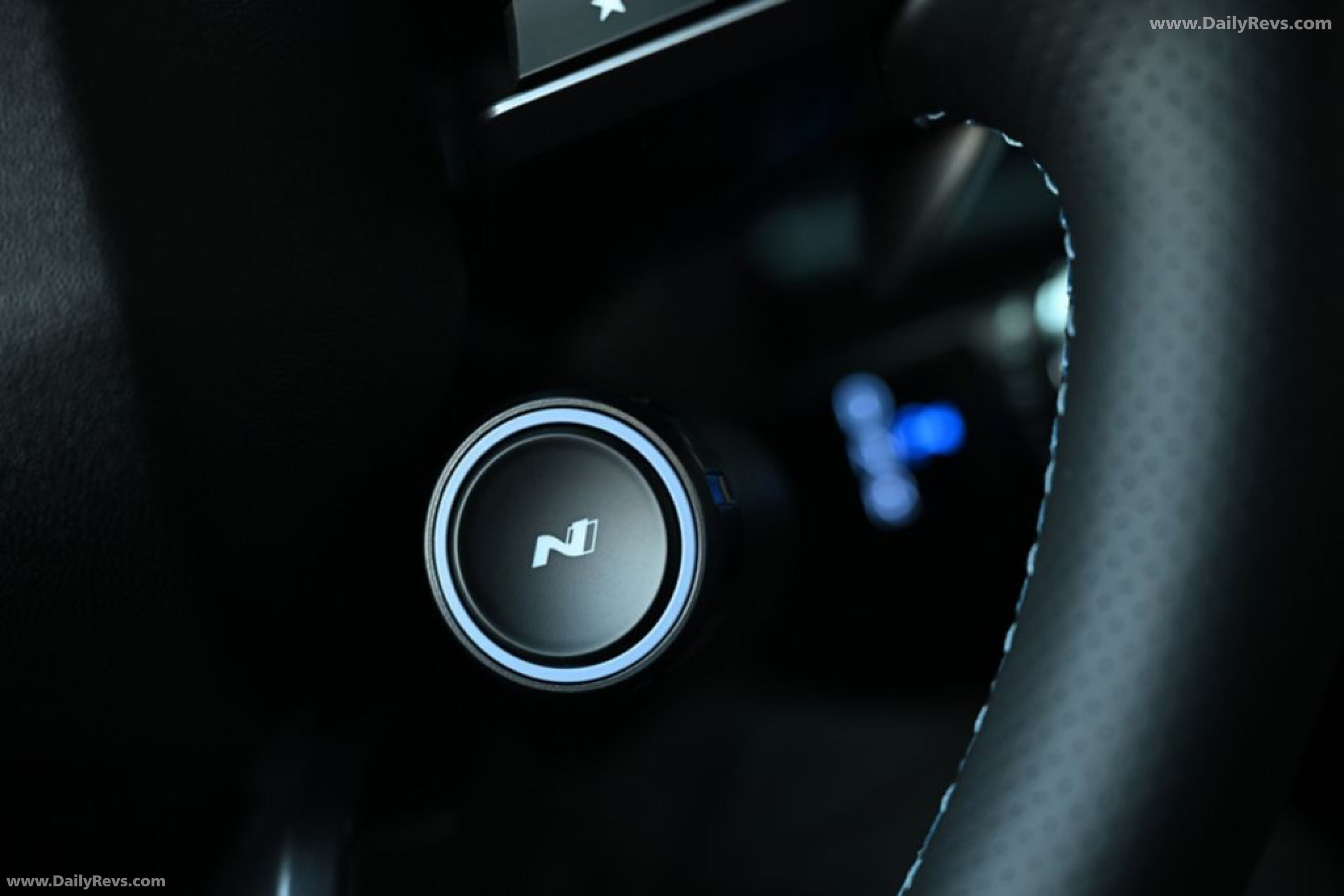
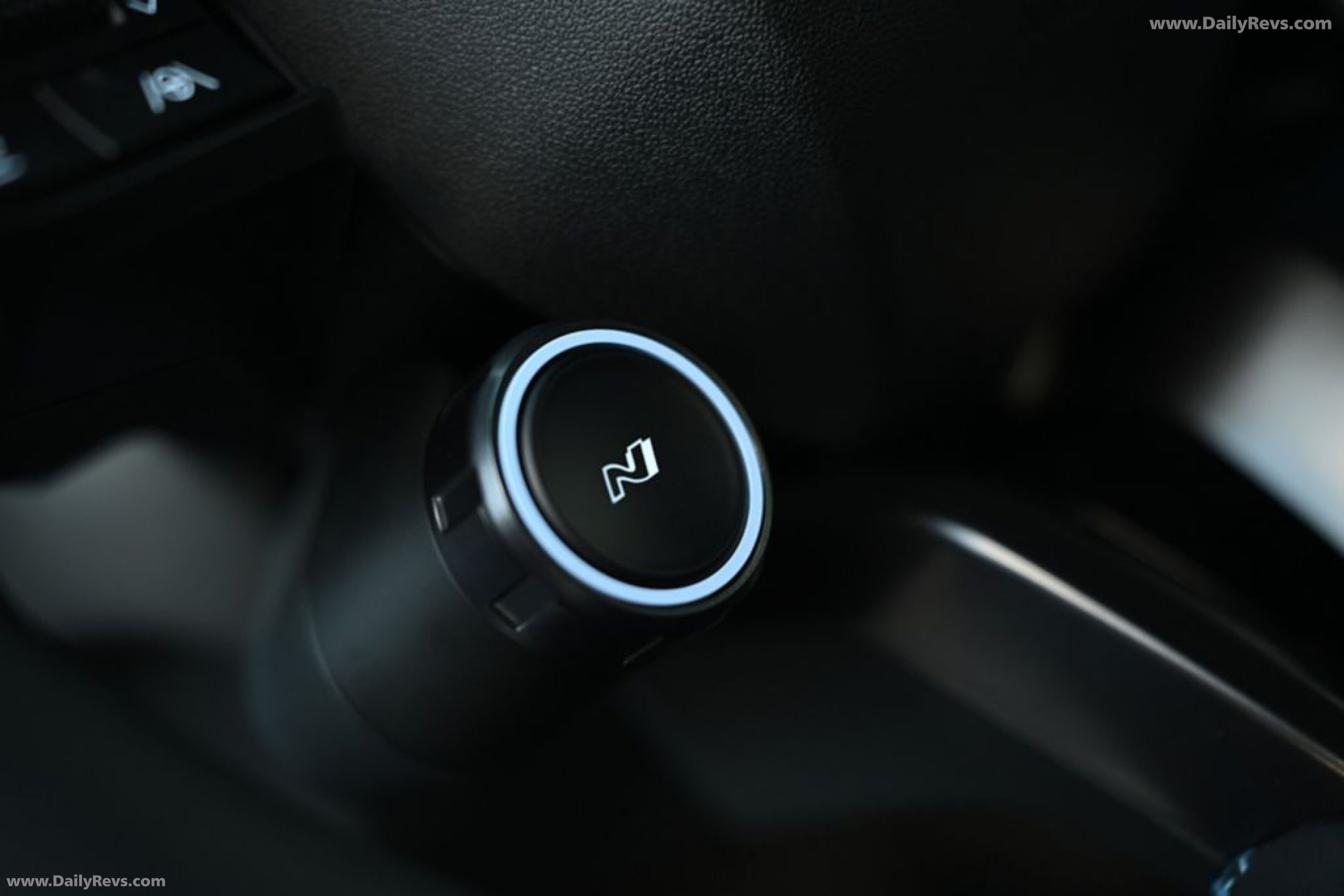
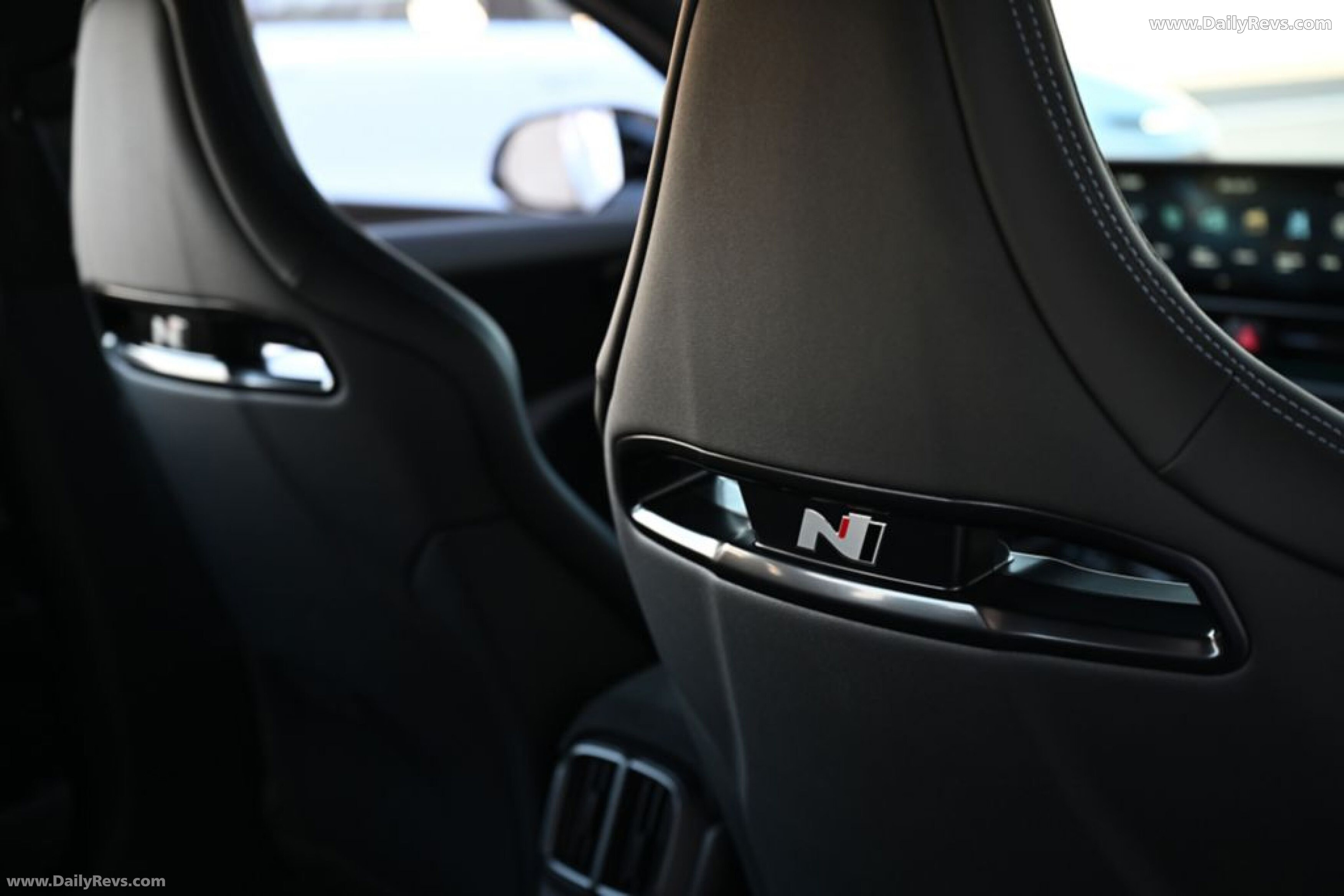
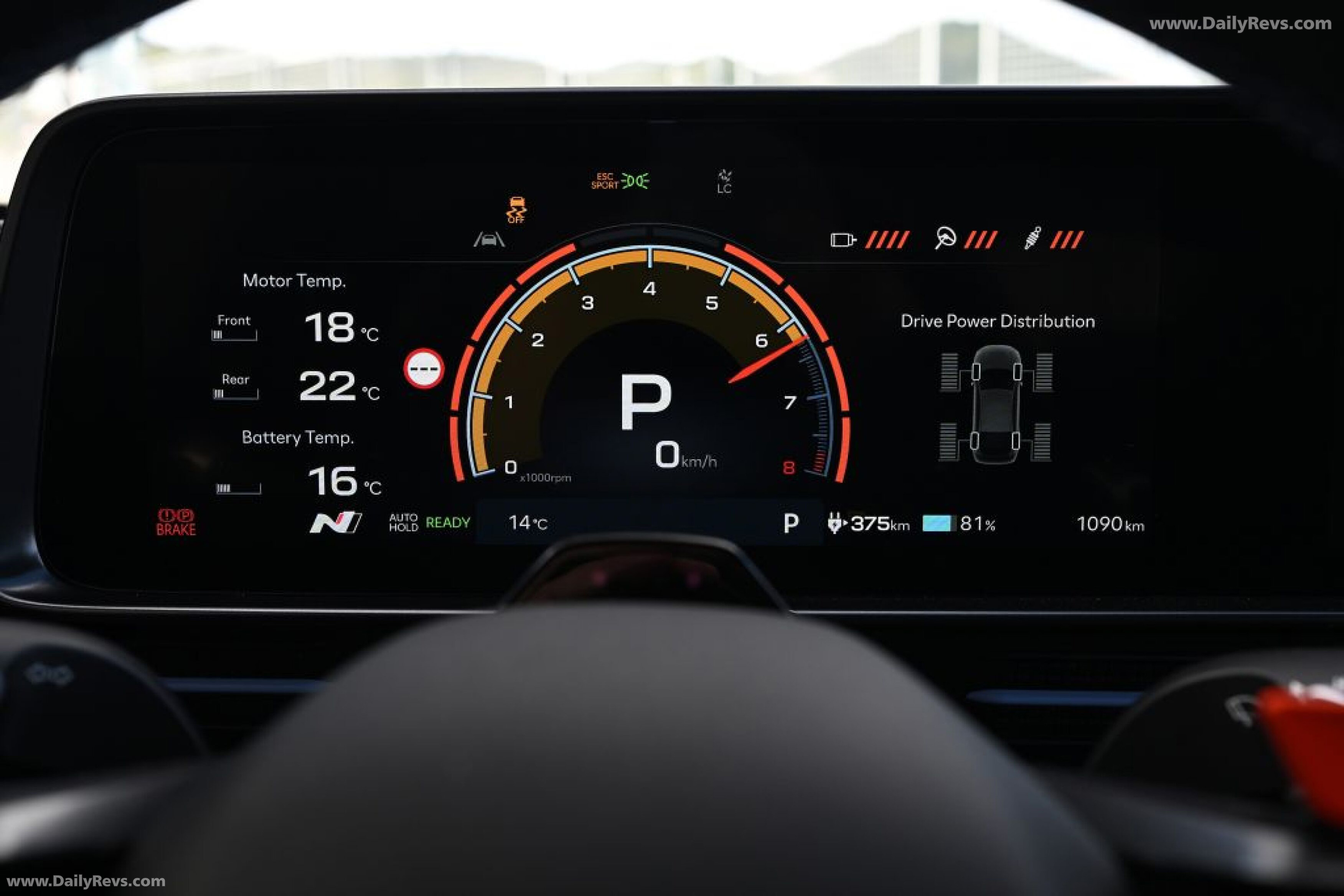
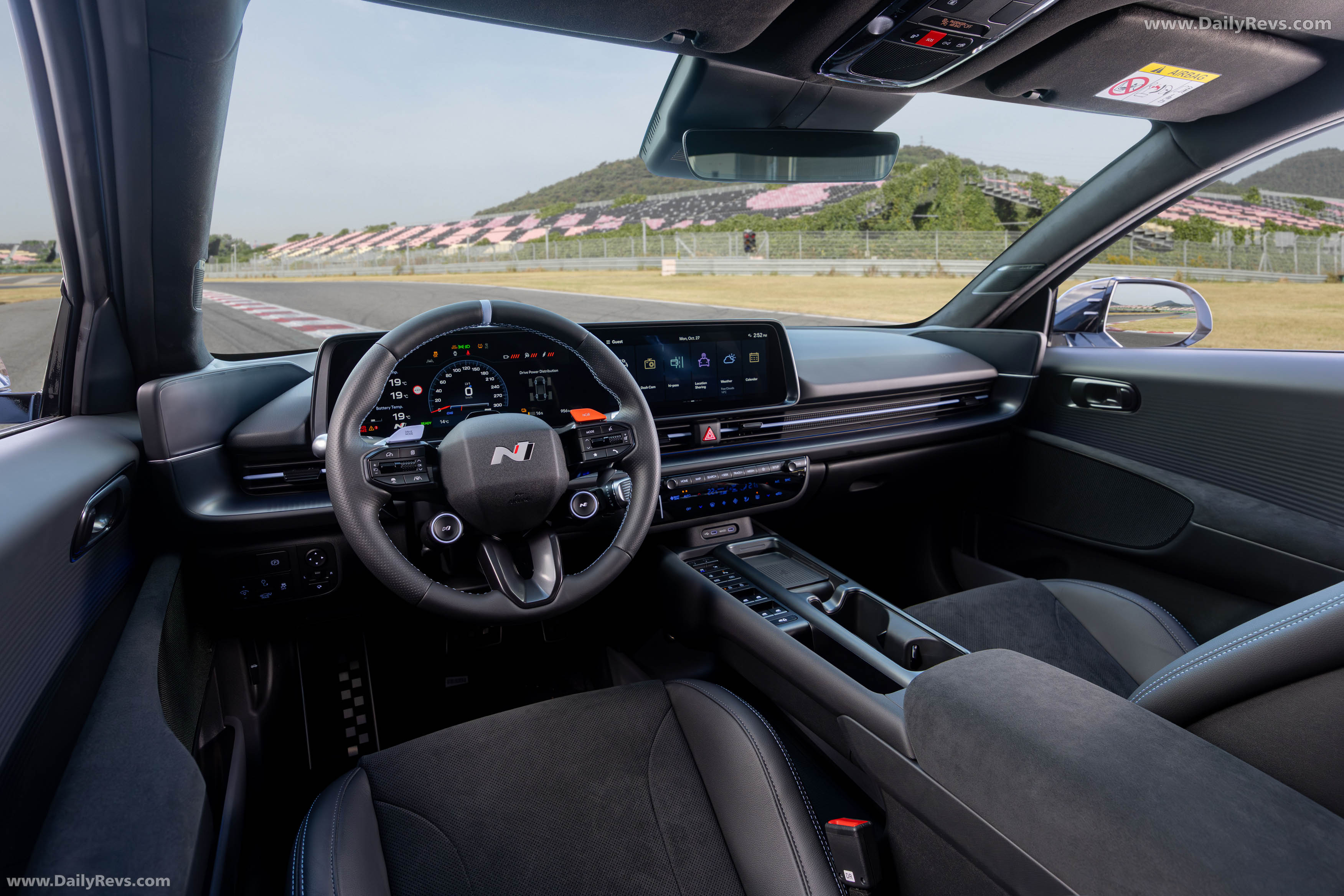
Inside, it’s more of the same smart tech from the standard IONIQ 6, with added “N Active Sound+” acoustic tuning. Little touches matter—ambient shift lights, N e‑Shift for virtual gear shifts, and track manager tools that hint at ghost car comparisons and drift support. Hyundai is also teasing “Drift Spec” variants and N performance parts, meaning a broader ecosystem could follow.
Context in the EV Race
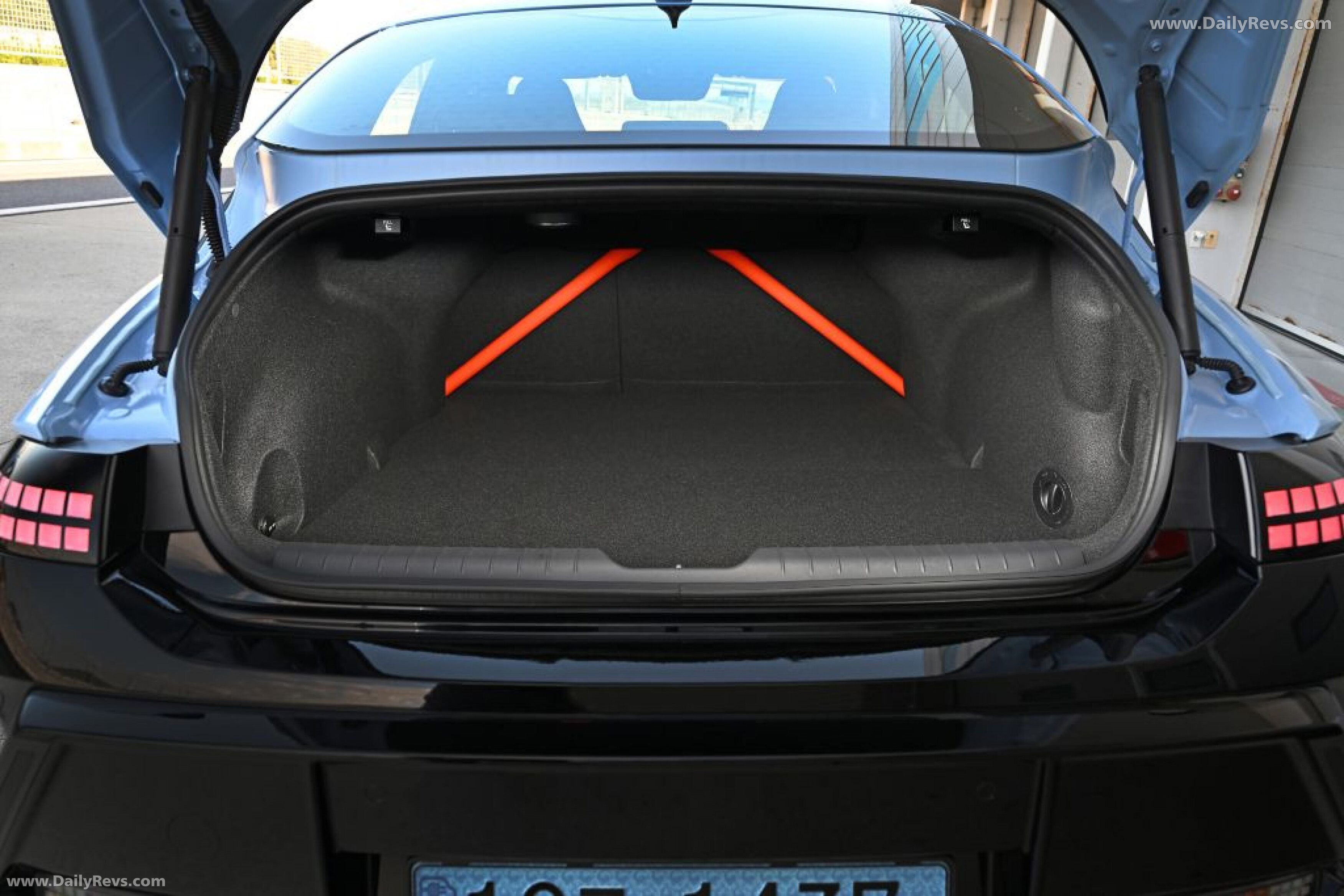
It arrives with intent: Porsche Taycan, BMW i4 M50, and even Tesla’s Model S might eye it as competition. But Hyundai isn’t trying to out-muscle them—it’s aiming for a more tactile, responsive middle ground. Fast, sure, but also balanced. Track-ready, but still four-door practical.
Technical Specification
Performance
- Combined power output: 601 hp (448 kW)
- Peak power with N Grin Boost: 641 hp (478 kW)
- Maximum torque: 770 Nm (569 lb-ft)
- Acceleration (0–100 km/h): 3.2 seconds
- Top speed: 257 km/h (160 mph)
Body Measurements
- Length: 4,935 mm (194.3 in)
- Width: 1,940 mm (76.4 in)
- Height: 1,496 mm (58.9 in)
- Wheelbase: 2,965 mm (116.7 in)
Powertrain
- Dual permanent-magnet synchronous motors
- Front motor output: 223 hp
- Rear motor output: 378 hp
- All-wheel-drive system
- Single-speed automatic transmission
- Integrated N e-Shift for simulated gear changes
Battery & Charging
- Battery capacity: 84 kWh (gross)
- 800V architecture
- DC fast-charging: up to 350 kW
- Charging time (10–80%): under 18 minutes (approximate)
Range & Efficiency
- Estimated WLTP range: 469 km (291 miles)
- Estimated EPA range: 386 km (240 miles)
- Curb weight: approx. 2,087 kg (4,600 lb)
Capacities & Features
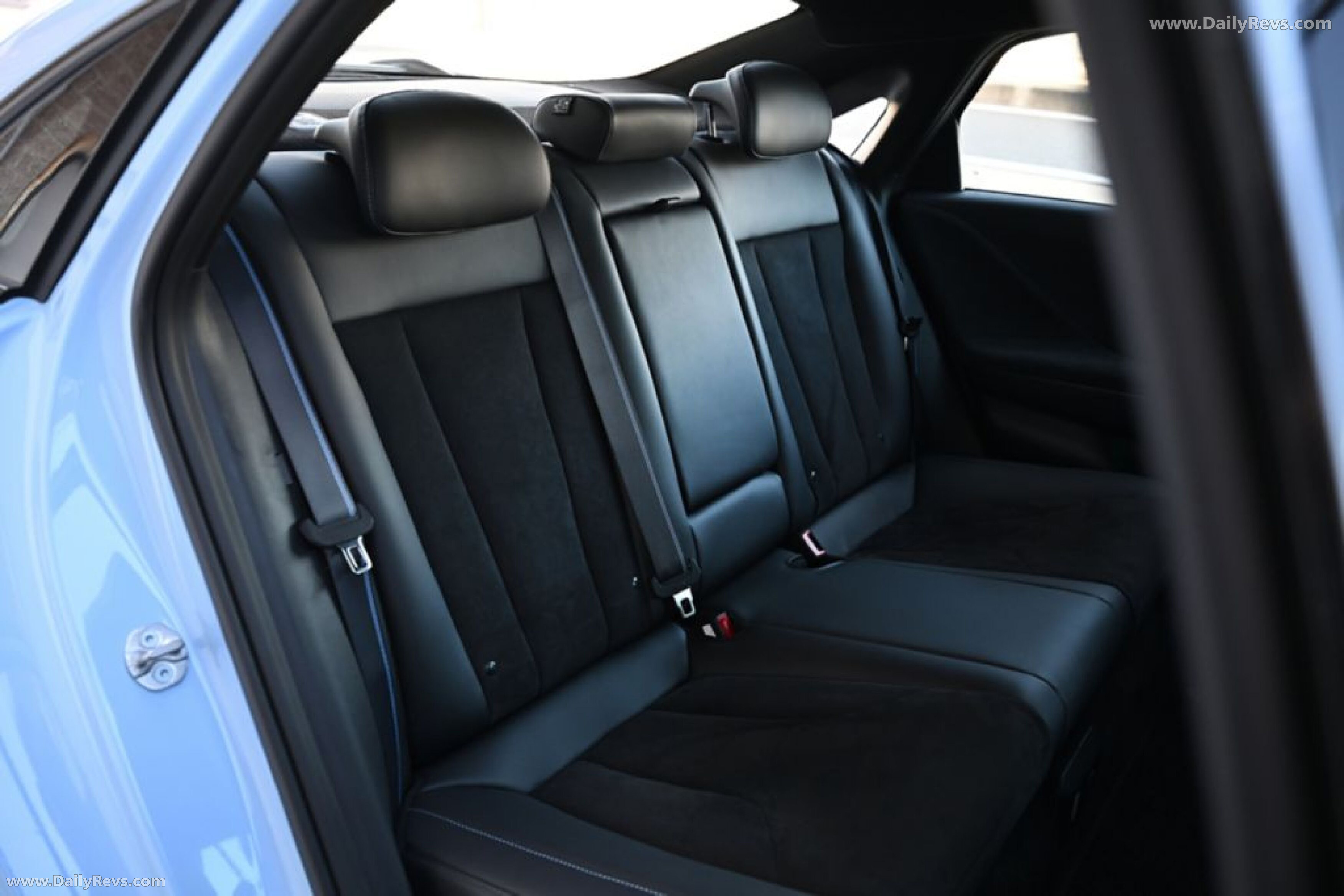
- Seating: 5 passengers
- Suspension: Electronically Controlled Suspension (ECS) with stroke sensors
- Drive modes: Normal, Sport, Eco, N, N Drift
- N Active Sound+ with customizable acoustic profiles
Price
- Estimated starting price: $68,000–$75,000 USD