2026 Honda Super-One
By Lorenzo Bianchi February 13, 2026
Spiritual successor to the 1980s City Turbo II with wider stance and custom chassis.
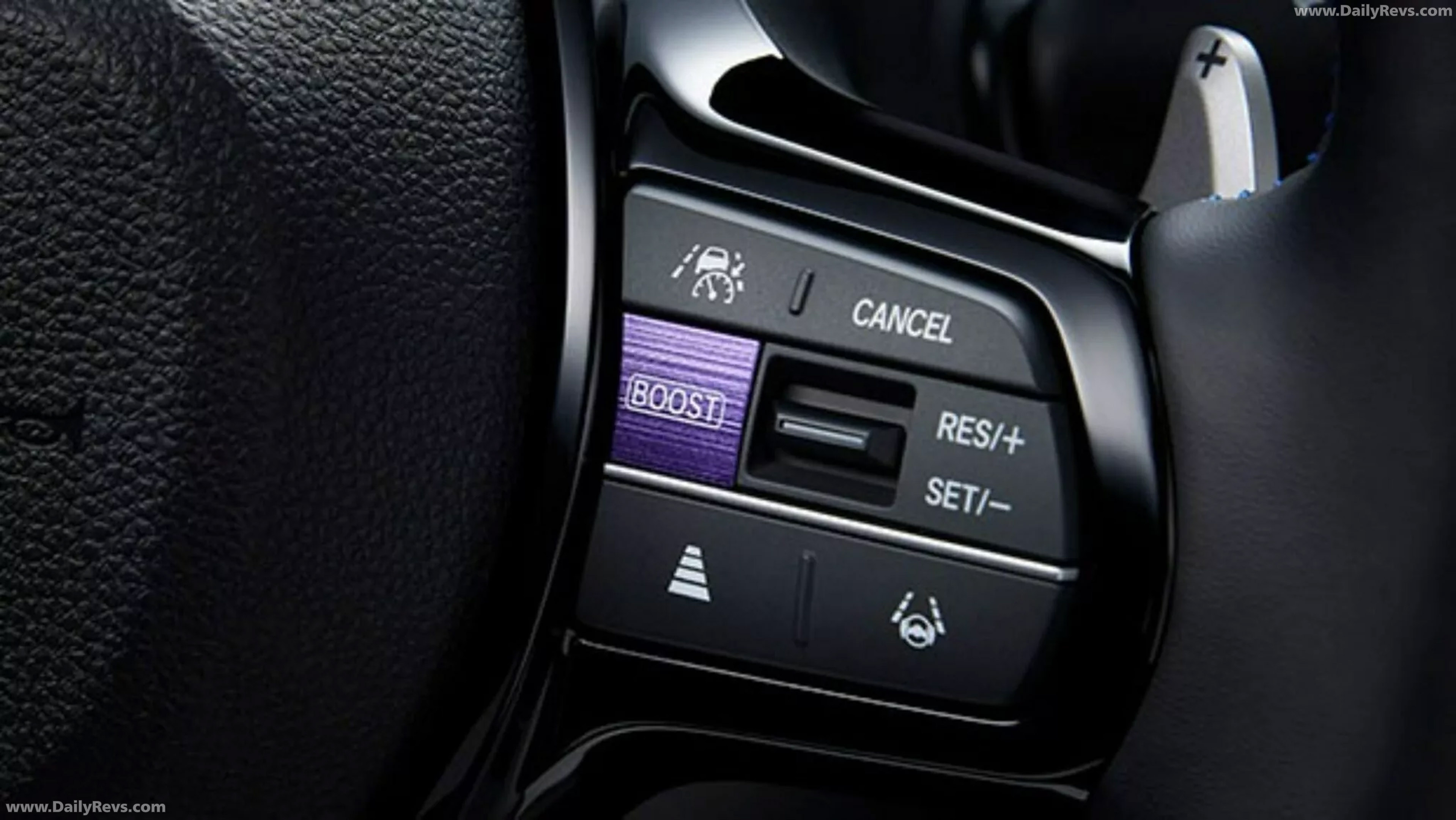
Front-mounted EV motor delivers 94 hp in Boost Mode.
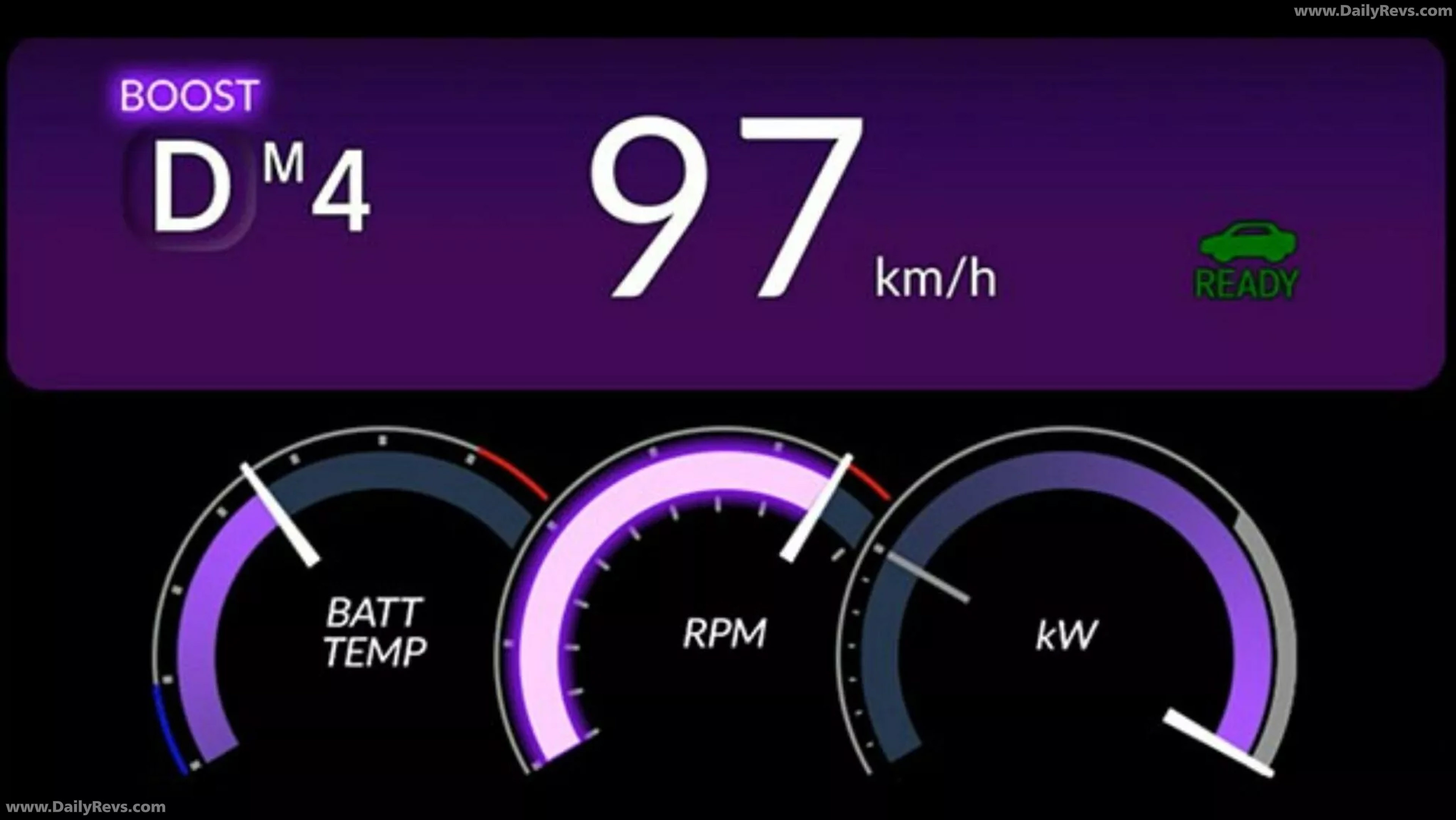
Synthesized gearshift sounds and Boost Mode tachometer add character.
A Spiritual Successor to the City Turbo II
The 2026 Honda Super-One arrives with a clear reference point. Honda describes it as a spiritual successor to the City Turbo II “Bulldog” of the 1980s, drawing a direct line from that compact performance icon to a new electric-era hot hatch.
First shown as a prototype at the Japan Mobility Show, the production-ready Super-One has now been revealed via a dedicated teaser site ahead of its domestic launch. While based on the N-One e:, the Super-One moves beyond cosmetic revision. Its stance, chassis and power delivery are tuned to create a more assertive personality.
Wider Body and Revised Proportions
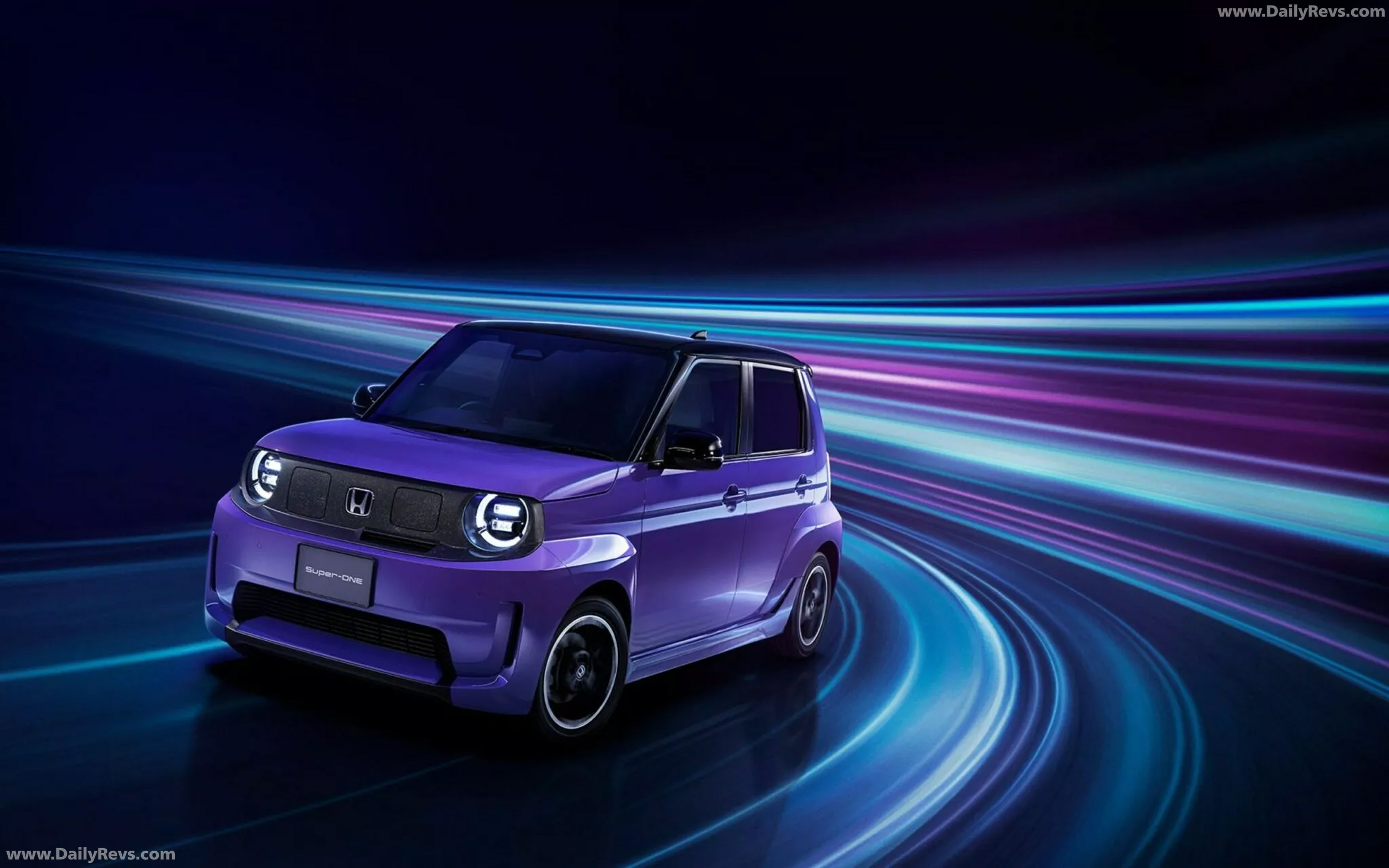
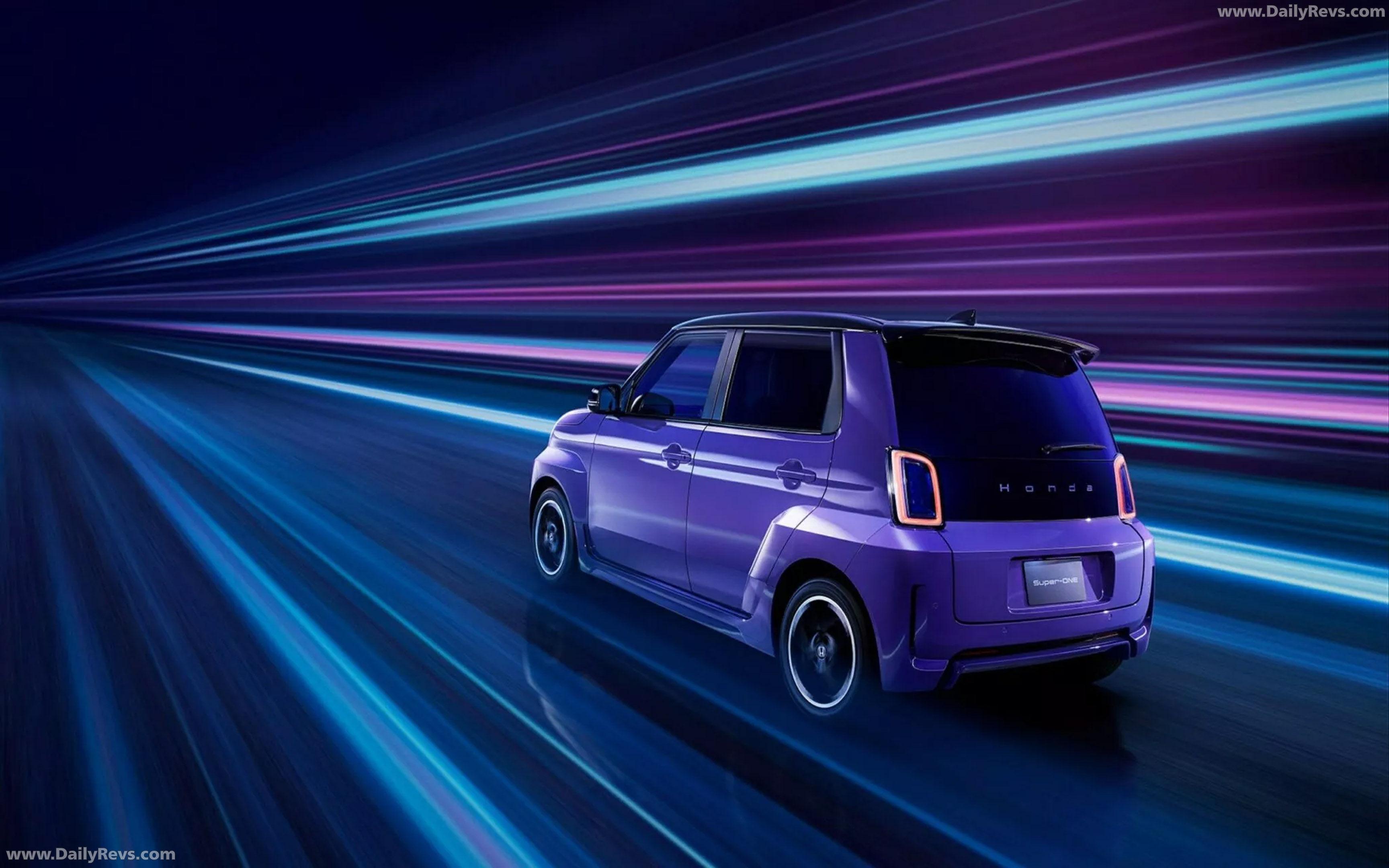
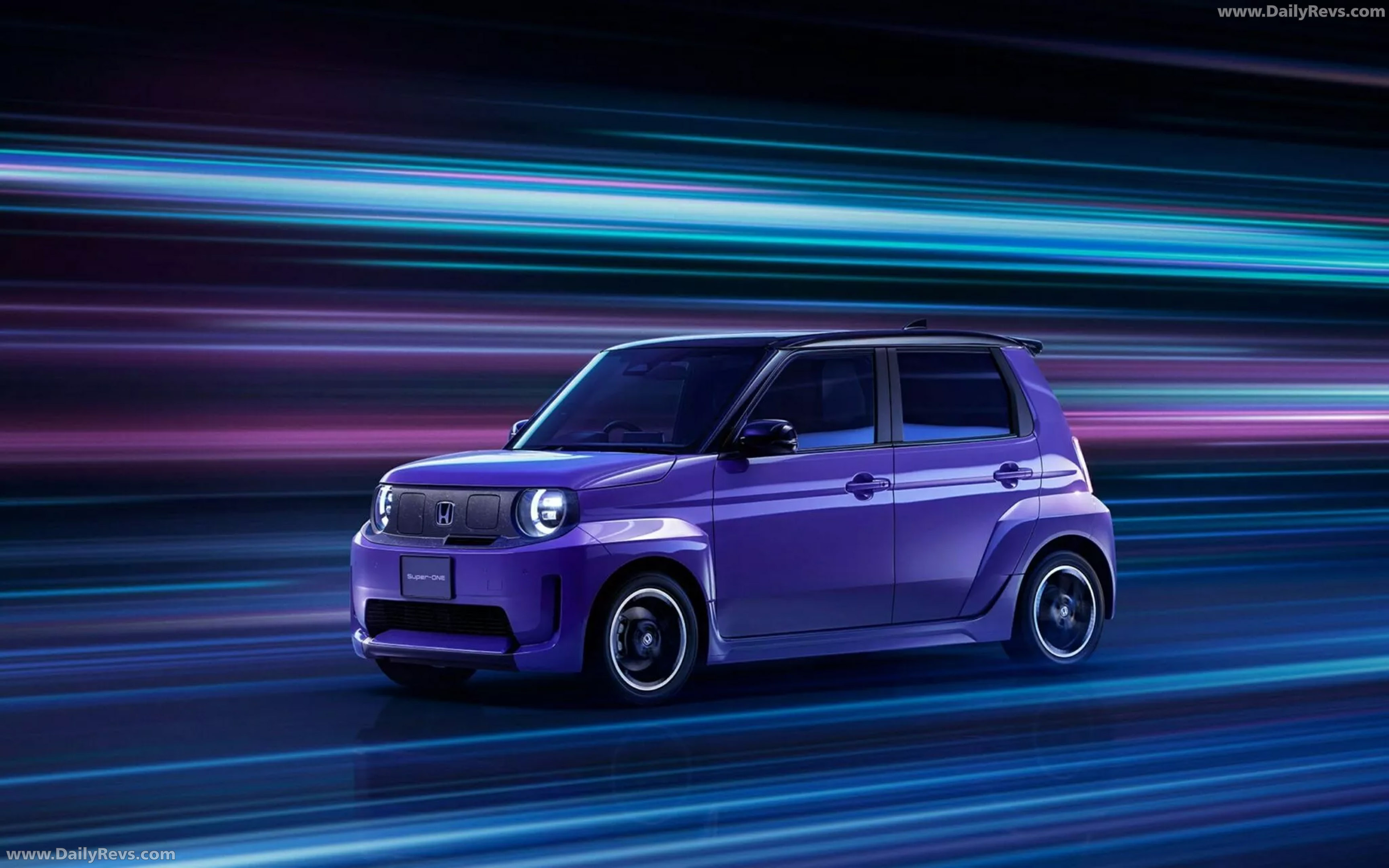
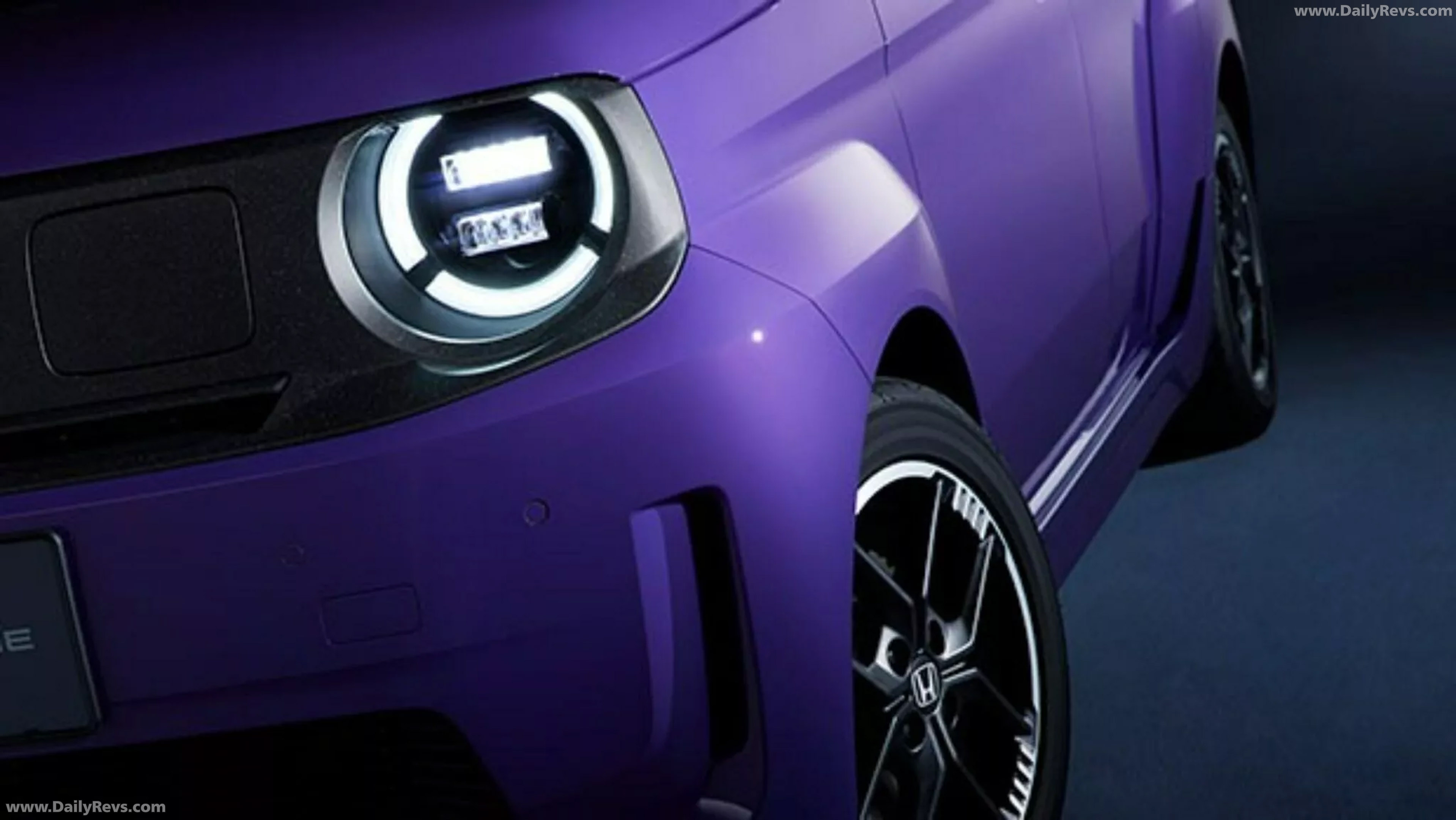
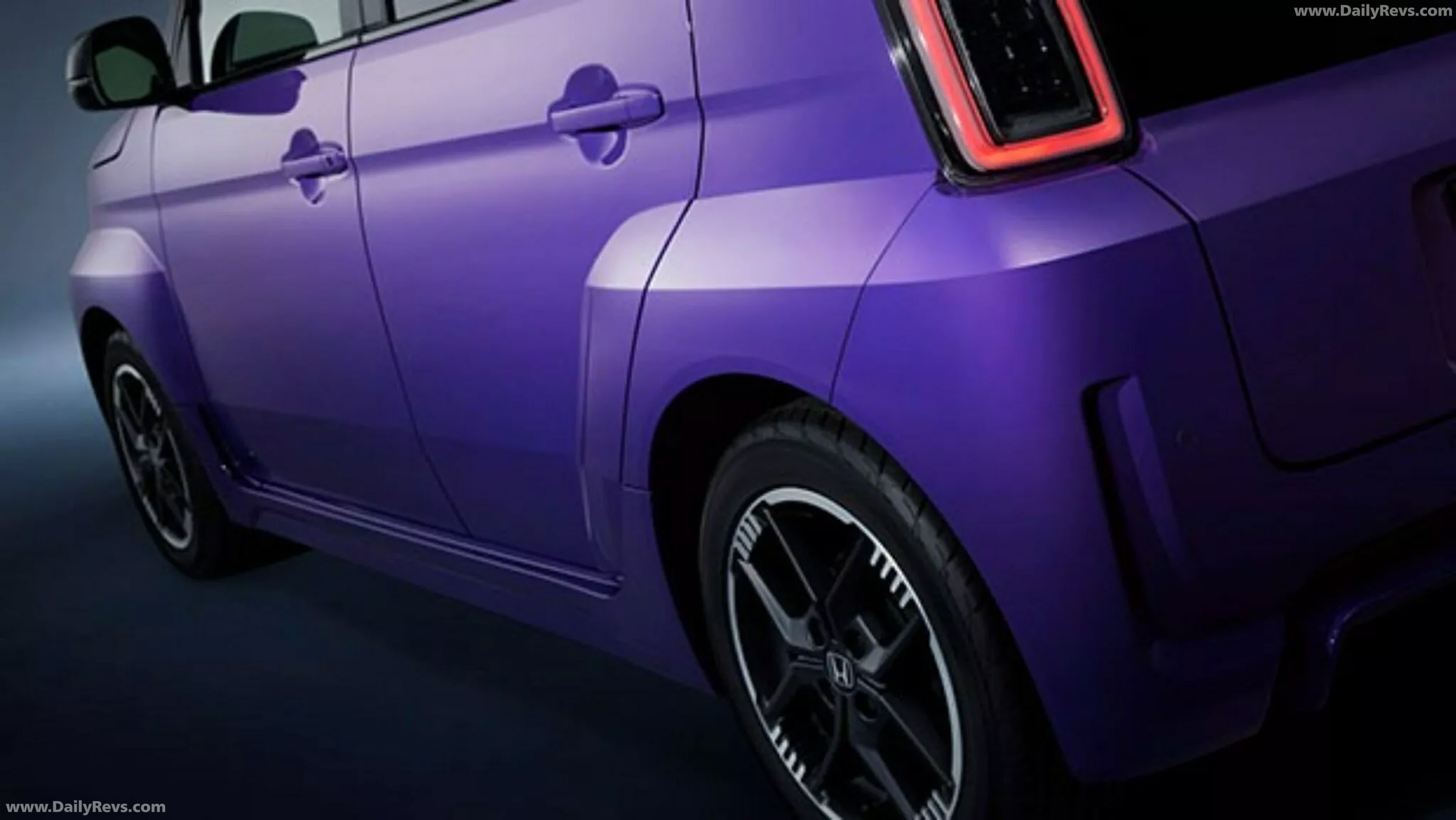
Visually, the Super-One separates itself immediately from the standard N-One e:. Reshaped bumpers incorporate functional air ducts, while blistered fenders push the body outward to emphasize width. A roof spoiler completes the rear profile, reinforcing the hot hatch brief.
The dimensions tell the same story. At 3,589 mm long, 1,573 mm wide and 1,616 mm tall, the Super-One is 194 mm longer, 98 mm wider and 71 mm taller than the N-One e:, though the 2,520 mm wheelbase is retained.
The widened track and lowered suspension contribute to a more planted stance.
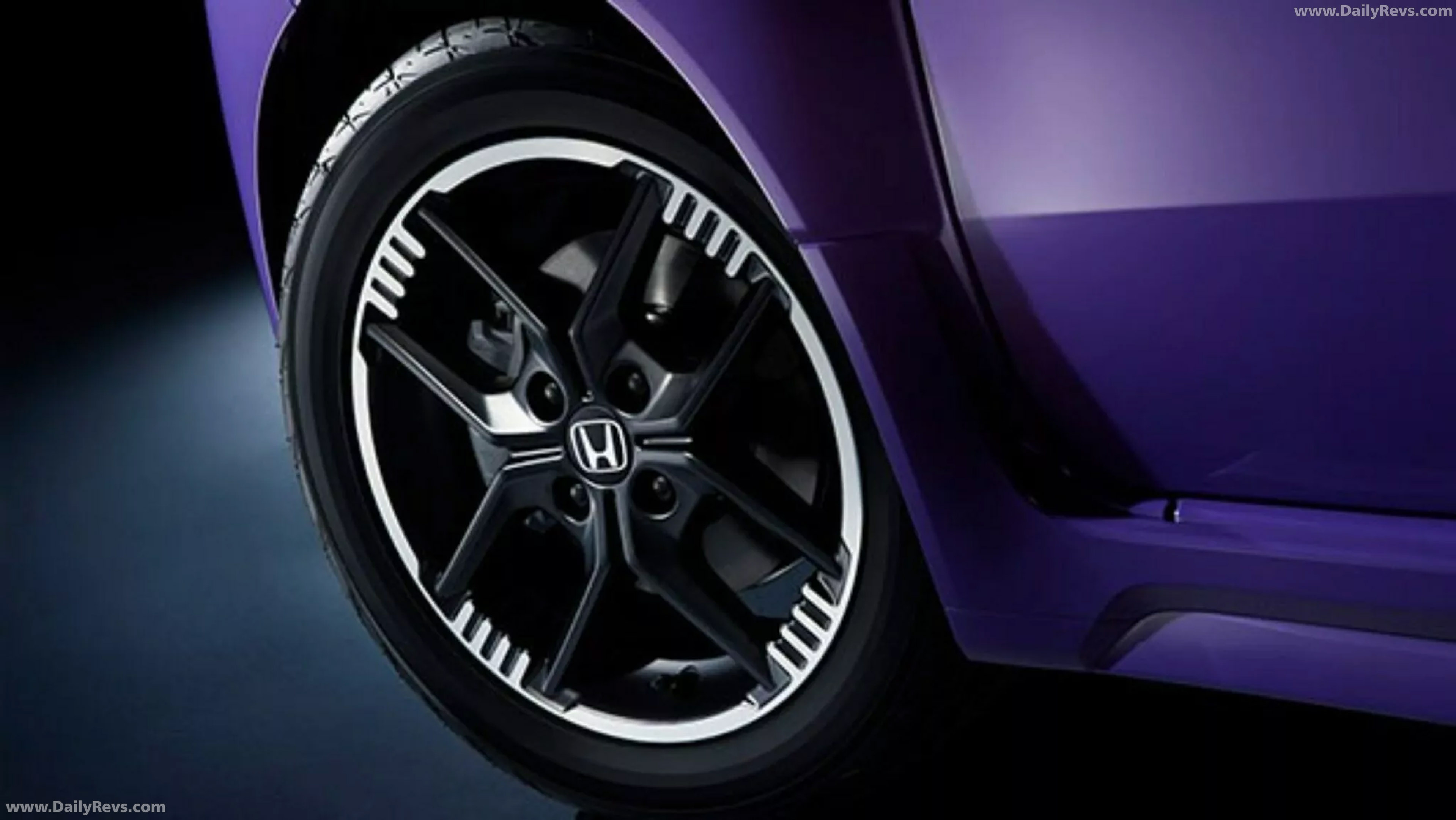
Fifteen-inch alloy wheels finished in matte Berlina Black with a machined face sit over wider Yokohama tyres. A new colour, Boost Violet Pearl, is offered exclusively on the Super-One, alongside Platinum White Pearl, Crystal Black Pearl, Citron Yellow Pearl and Mono Gray in monotone or bi-tone finishes.
Interior With Intentional Drama
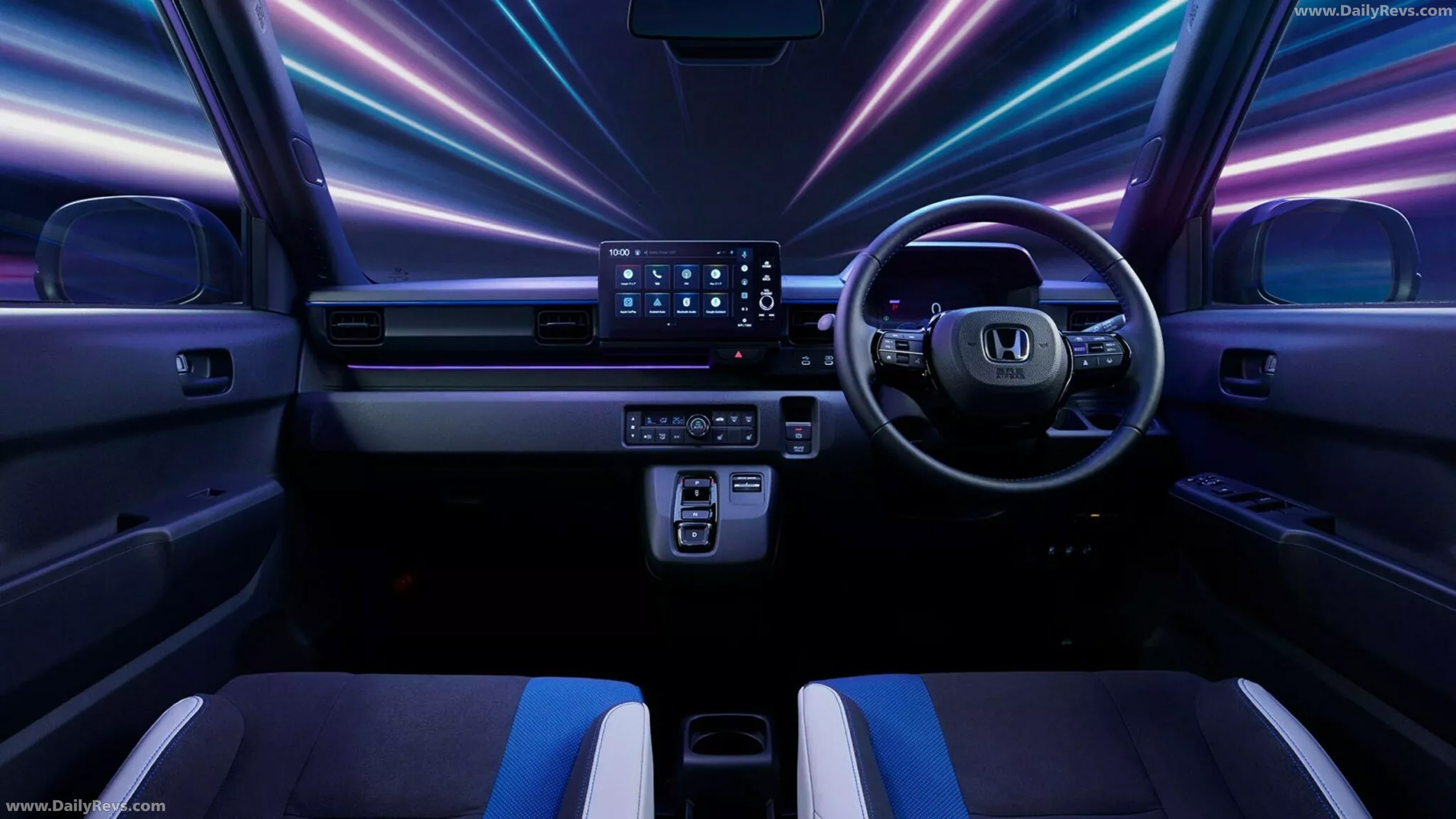
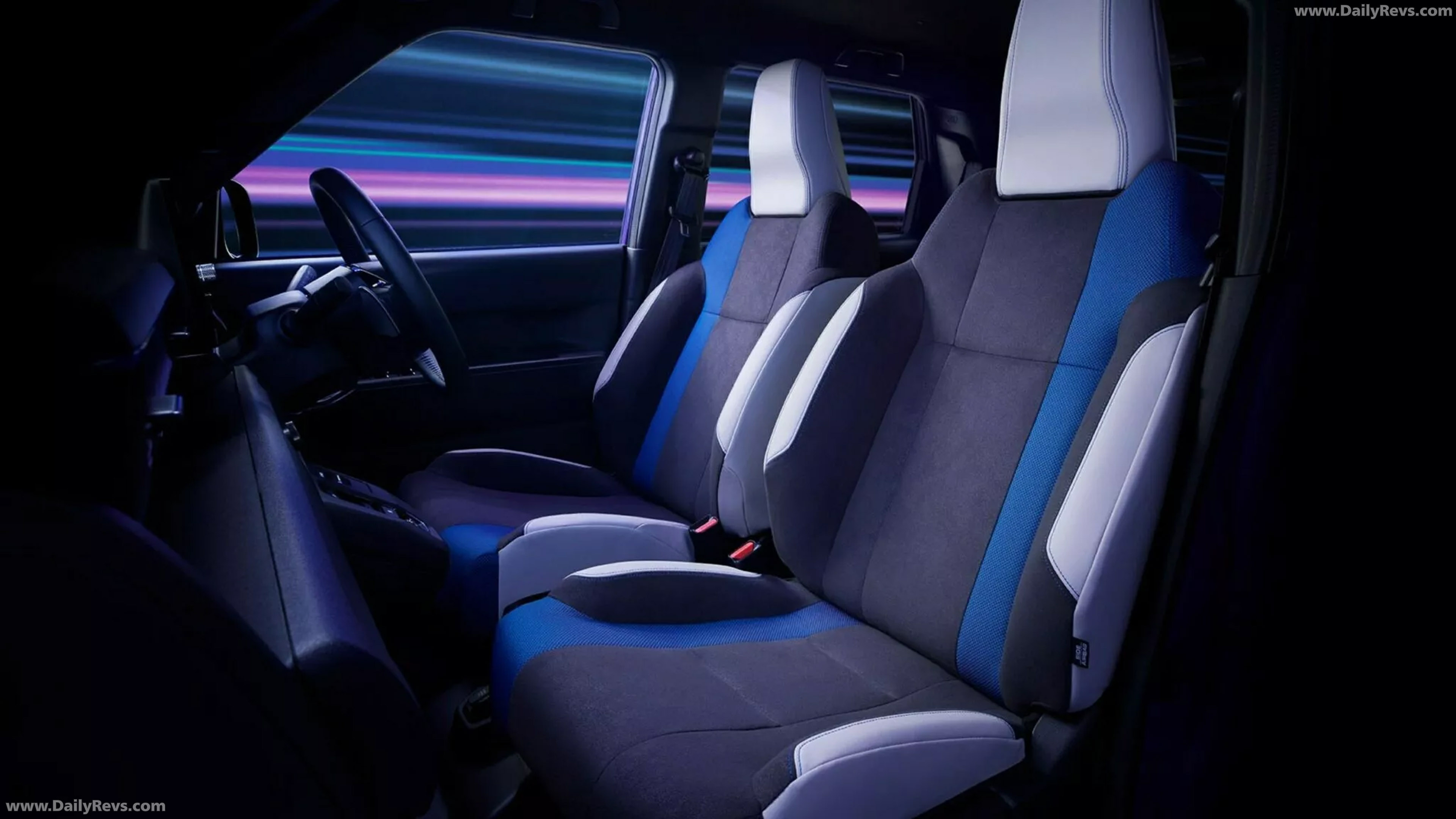
Inside, the architecture largely carries over from the N-One e:, but the Super-One introduces more focused detailing. Seats feature heavier bolsters with purple accents, and the 7-inch digital instrument cluster gains bespoke graphics. When Boost Mode is engaged, the display switches to a simulated tachometer.
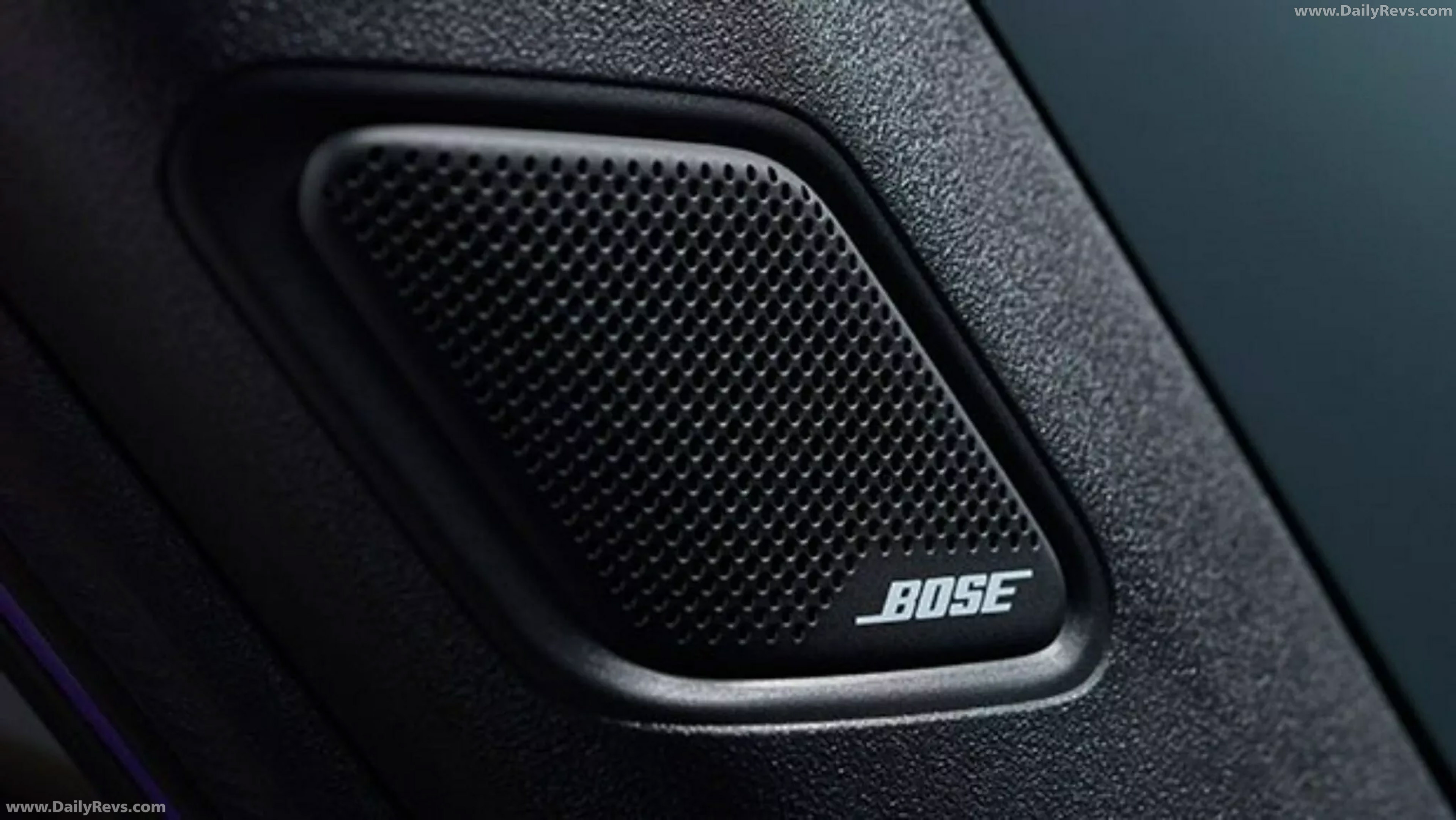
Active Sound Control uses the standard eight-speaker Bose audio system to replicate gear shifts and engine growl, deliberately adding theatre to what would otherwise be near-silent acceleration.
Equipment includes a 9-inch infotainment display, heated front seats, a heated steering wheel and Honda’s full suite of advanced driver assistance systems.
Electric Power and Chassis Tuning
The 2026 Honda Super-One is driven by a front-mounted electric motor. While Honda has not officially confirmed output, earlier information suggests 94 hp (70 kW / 95 PS) is available in Boost Mode.
That represents a significant increase over the 63 hp of the N-One e:.
Battery capacity and range have not yet been disclosed. The N-One e, for example, has a 29.6 kWh battery. According to Honda, the Super-One has a specially designed chassis with wider tracks and a lowered suspension for better handling.
Its classification changes from kei car to passenger vehicle due to its wider width, which reflects both its increased performance focus and its enlarged footprint.
Pricing and Market Position
Honda is reportedly aiming for ¥3,000,000 to ¥3,500,000 before incentives; pricing details will be provided later.
That positions the Super-One above the standard N-One e: within Honda’s compact EV range.
Following its Japanese debut, the Super-One is expected to reach markets including the UK, Europe, Australia, New Zealand and select Asian regions.
In a segment increasingly defined by efficiency metrics, the 2026 Honda Super-One leans toward character. It attempts to reintroduce playfulness into the electric city car, not through excess power, but through proportion, sound and deliberate attitude.