2025 Honda Super-N Concept
By Lorenzo Bianchi October 29, 2025
Honda's N Series platform served as the inspiration for this small EV.
Exclusive Boost Mode mimics gear changes and engine noise.
Production is scheduled to begin in 2026 in Japan, the UK, and Asia.
A Small EV That Wants to Inspire Feelings
The 2025 Honda Super-N Concept, Honda's most recent prototype, serves as a reminder that driving need not be made boring by electrification. This small EV, which was unveiled at the Japan Mobility Show 2025, continues Honda's long-standing practice of balancing functionality and fun, which was once the hallmark of vehicles like the Civic Si and the original CR-X.
Developed under the theme “e: Dash BOOSTER,” the Super-N Concept (known as Super-ONE in Japan) aims to make everyday driving feel engaging again. Honda describes it as an EV that excites through sensation — visual, auditory, and tactile — not just acceleration figures.
Design That Suggests Movement
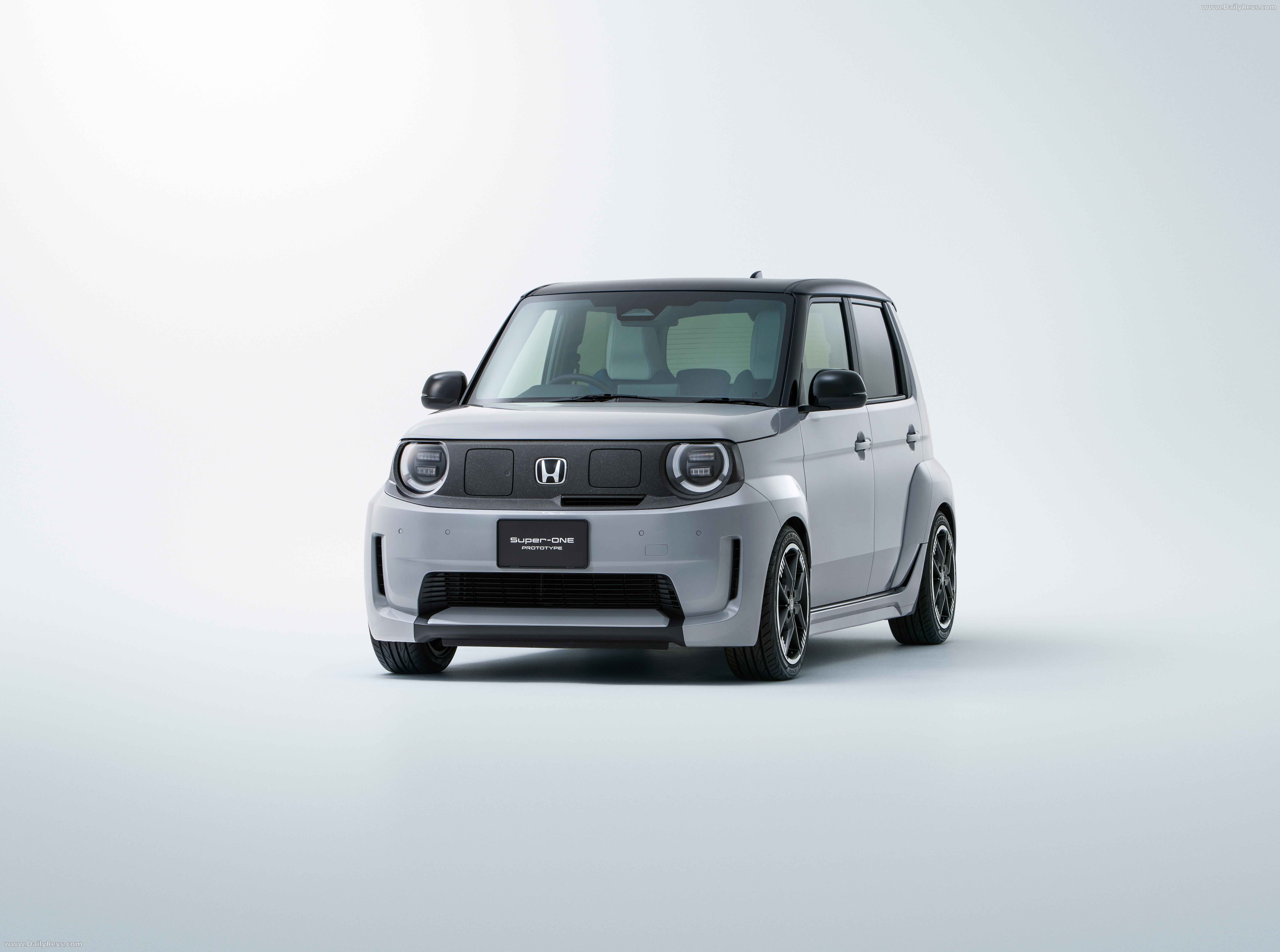
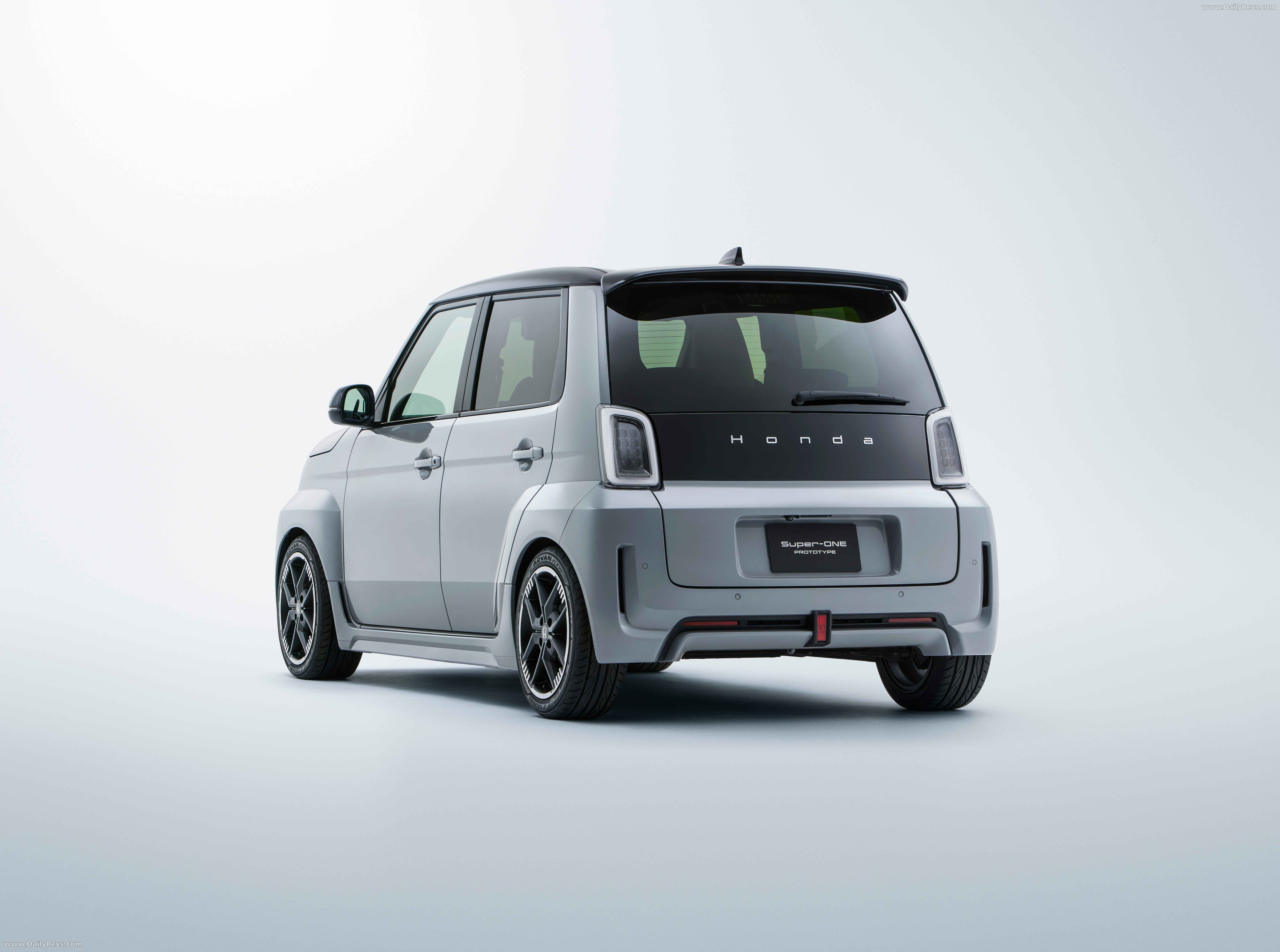
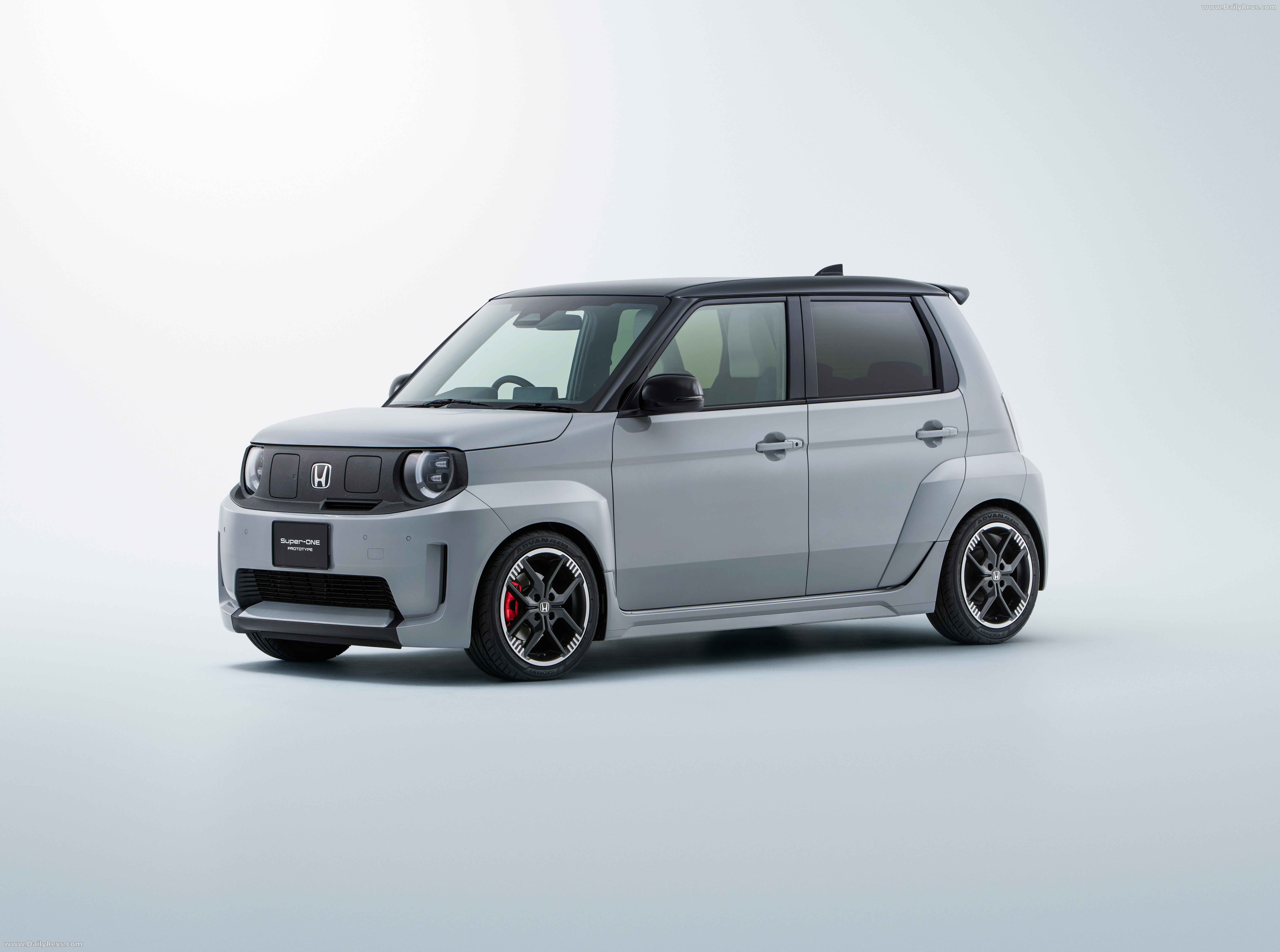
The design feels taut and expressive, even when standing still. A wide stance, flared blister fenders, and extended tread give it a grounded, athletic look. Honda’s designers leaned into functional beauty — aerodynamic channels at the front and rear improve airflow while doubling as cooling ducts. The result is a shape that reads both modern and purposeful, echoing the brand’s focus on lightness and response.
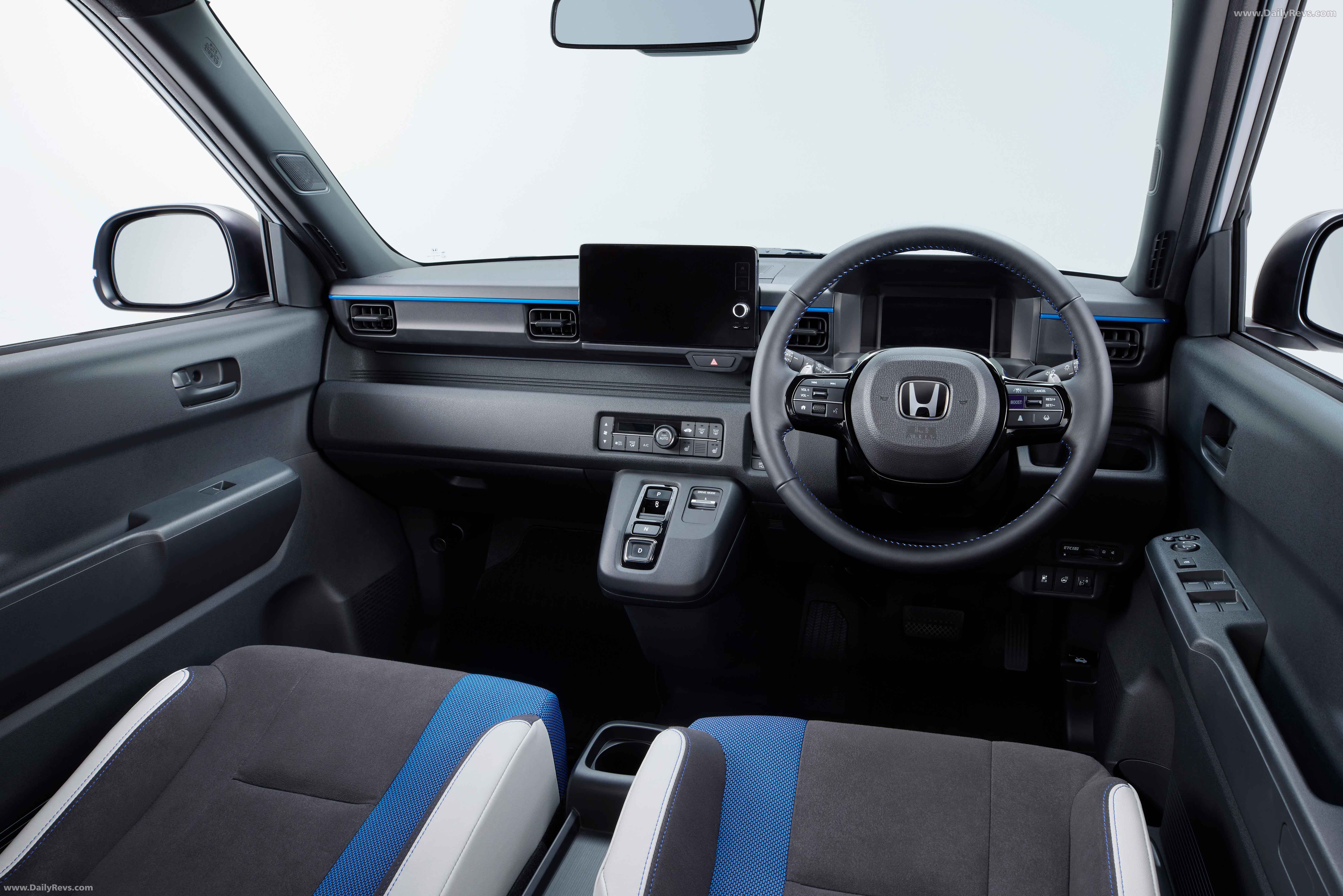
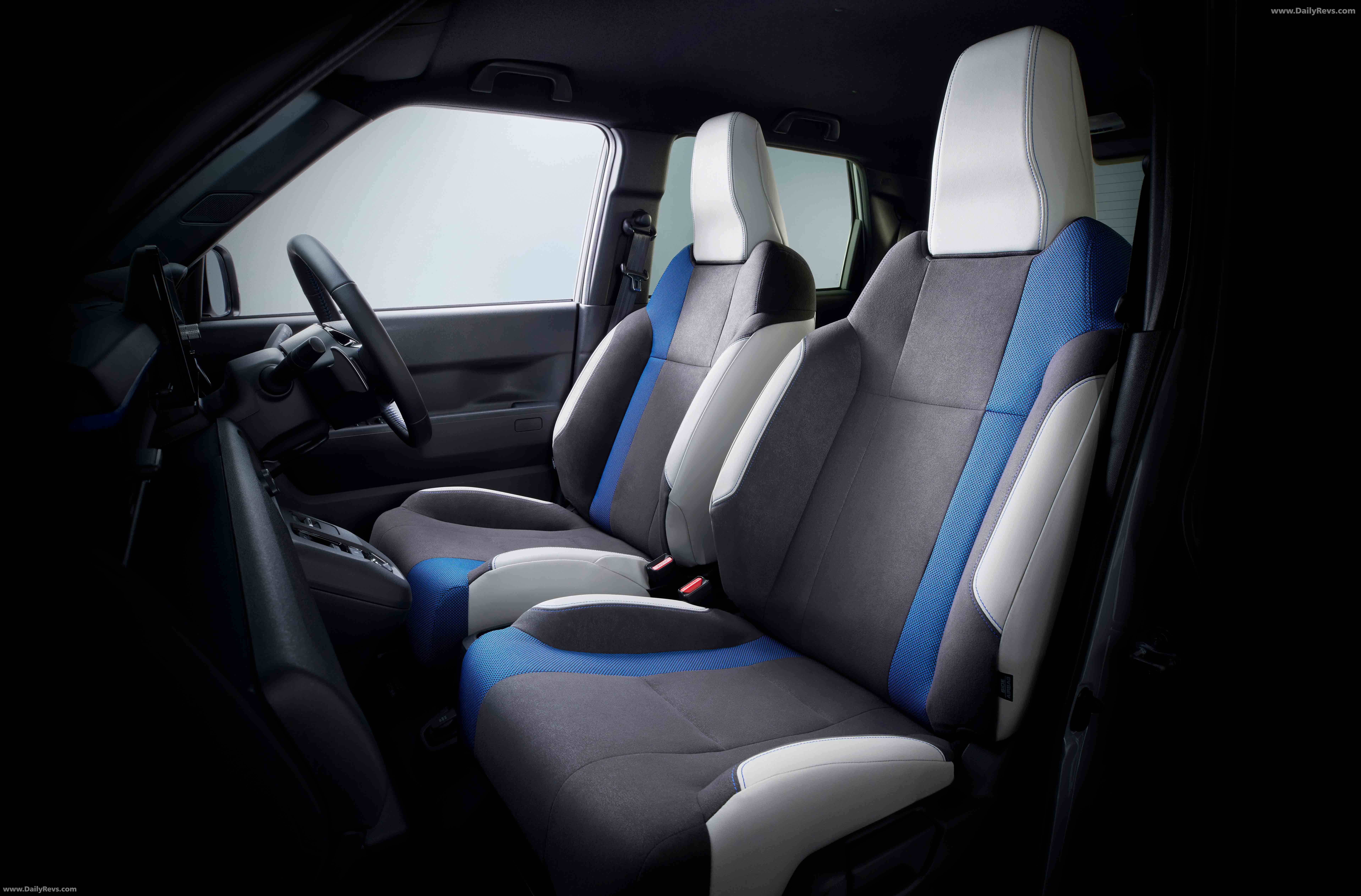
The interior follows the same discipline. A horizontal instrument panel opens up the cabin visually, while sport seats — developed specifically for this model — hold the driver in a low, confident position. The asymmetric use of blue trim adds a sense of character without excess.
Boost Mode: Simulated Power, Real Emotion
Central to the Super-N’s personality is Boost Mode, a driving mode exclusive to this concept. Activate it, and the compact EV delivers sharper throttle response and a simulated 7-speed shift experience, complete with Active Sound Control that produces an artificial yet convincing engine note tied to driver input. It’s an unusual feature for an EV, but it works — aiming to replicate the feedback loop of a traditional gearbox, the kind enthusiasts still miss.
Honda’s engineers have tuned this mode to stimulate all senses. In Boost Mode, drivers not only hear the synthetic revs but feel subtle vibrations through the seat and steering column — cues meant to mimic the mechanical feedback of combustion power.
Readying for Production
Honda says the Super-N Concept is more than a design study. The car has already undergone real-world testing across Japan, the UK, and Asia, with prototypes completing evaluation runs at Goodwood earlier this year. A production model derived from this concept is scheduled to launch in 2026, wearing the Super-ONE name in Japan and the Super-N badge in the UK and select Asian markets.
Compact, emotive, and unmistakably Honda, the Super-N marks the company’s latest attempt to keep the “fun to drive” ethos alive in the electric era. It’s not trying to outmuscle rivals — it’s trying to make the driver feel something again.
Technical Specifications
- Vehicle Type: Compact electric vehicle (concept)
- Platform: Based on Honda N Series architecture
Powertrain and Performance
- Propulsion: Fully electric drivetrain
- Drive Mode: Exclusive “Boost Mode” with simulated 7-speed shift logic
- Sound System: Active Sound Control (ASC) for synthetic engine tone feedback
Chassis and Design
- Body Style: 3-door hatchback (compact)
- Construction: Lightweight structure emphasizing rigidity and aerodynamics
- Suspension: Optimized for balance and agility (specific components not detailed)
- Aerodynamics: Functional front and rear ducts for airflow management
Dimensions
- Overall size and wheelbase: [Unverified] (not provided by Honda)
- Stance: Wide track with extended tread for enhanced stability
Interior and Equipment
- Seating: Two front sport seats designed for lateral support
- Dashboard: Horizontal layout emphasizing visibility and control focus
- Trim: Blue-accent detailing unique to the concept model
- Instrumentation: Digital display integrating drive mode and sensory feedback systems
Technology and Driving Experience
- Drive Modes: Normal / Boost
- Sensory Simulation: Coordinated seat and steering feedback tied to throttle input in Boost Mode
- Infotainment: Minimalist interface prioritizing driver engagement
Production Outlook
- Development: Tested in Japan, the UK, and Asia
- Planned Market Launch: 2026 (Super-ONE in Japan, Super-N in UK and Asia)