2026 Honda Super-N
By Lorenzo Bianchi April 11, 2026
Up to 199 miles city range with compact lightweight EV platform.
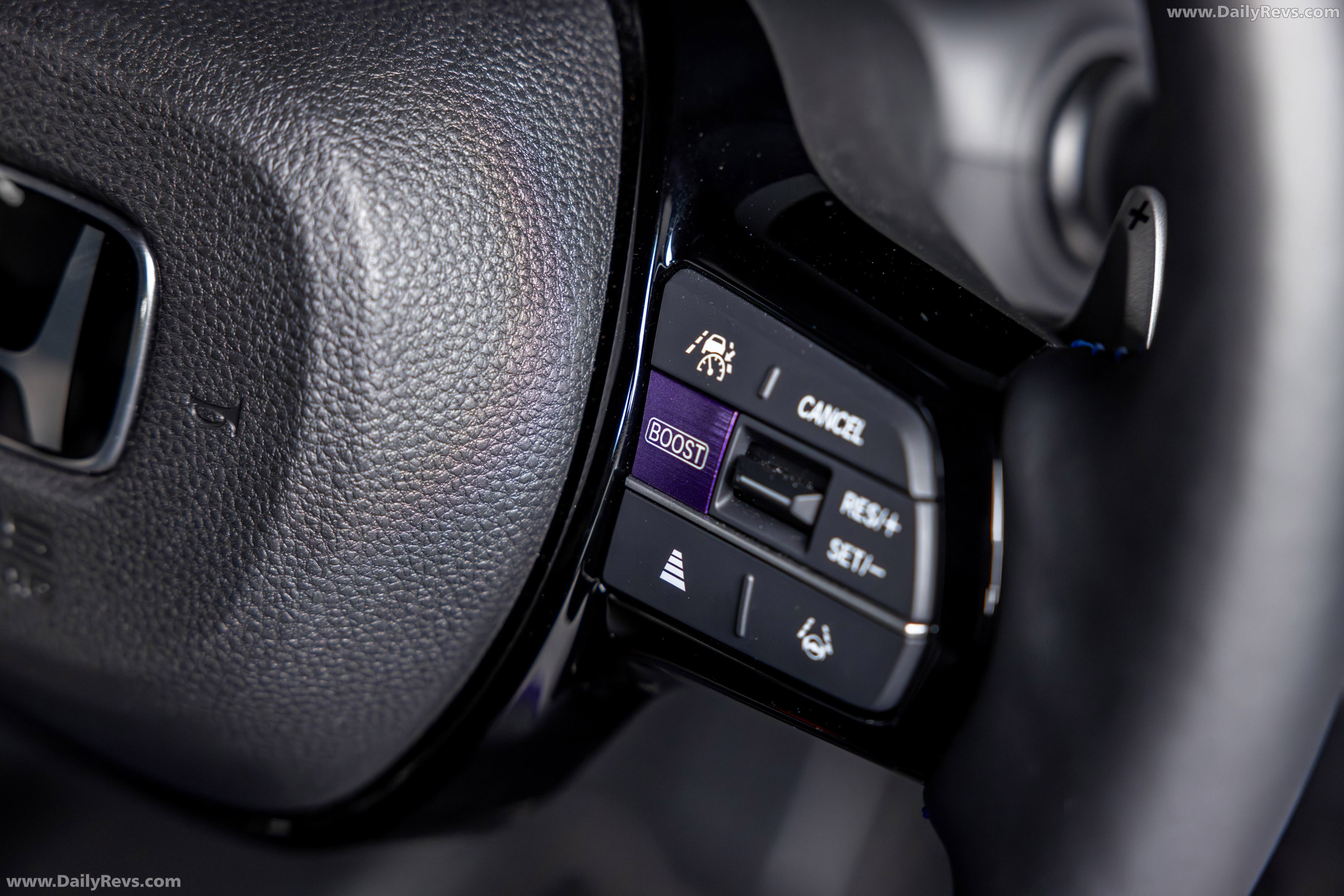
BOOST Mode increases output to 70 kW with simulated gearbox.
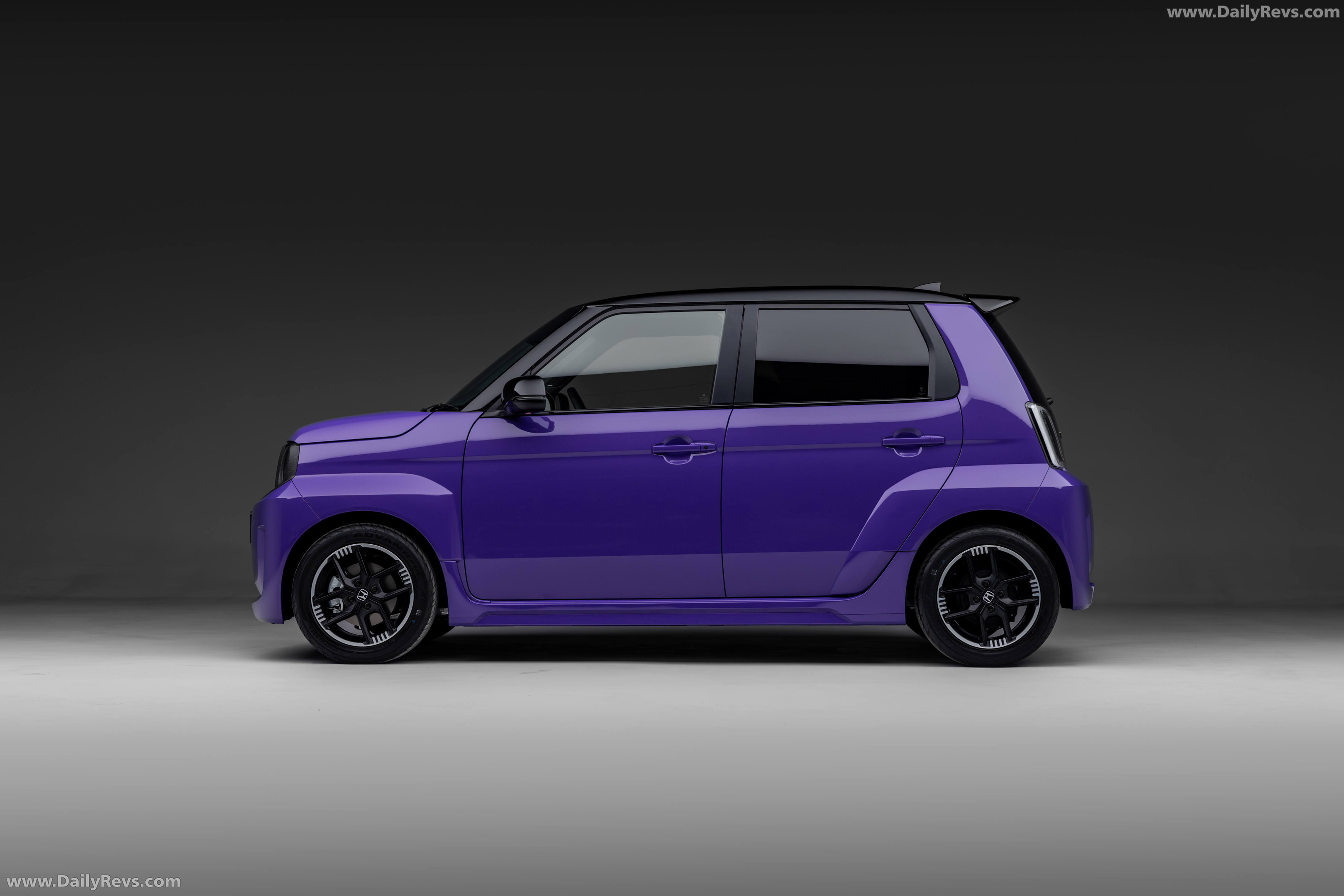
Retro-inspired design with wide stance and compact proportions.
A compact EV shaped by retro cues
The 2026 Honda Super-N leans into a familiar idea, but interprets it through a smaller, electric format.
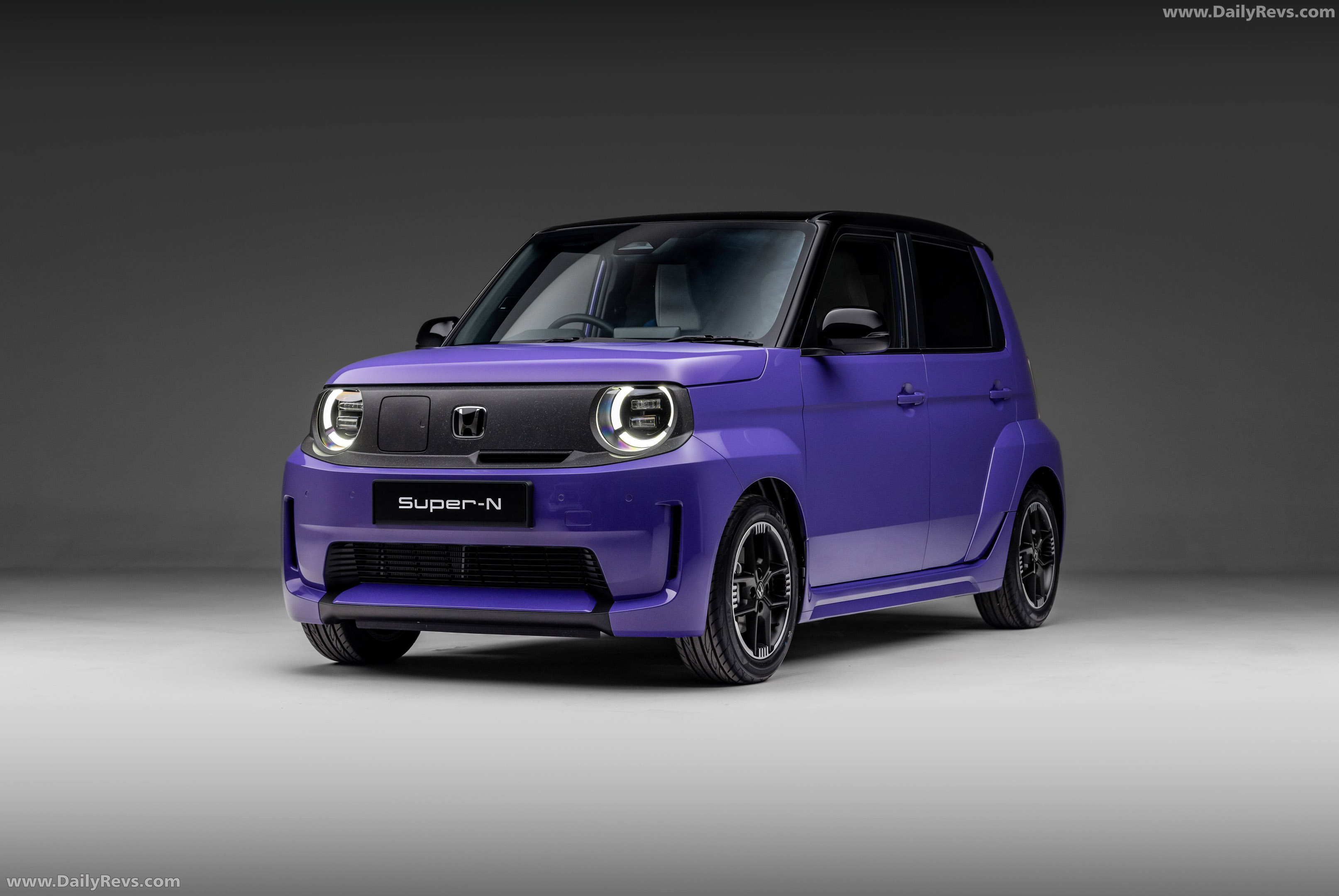
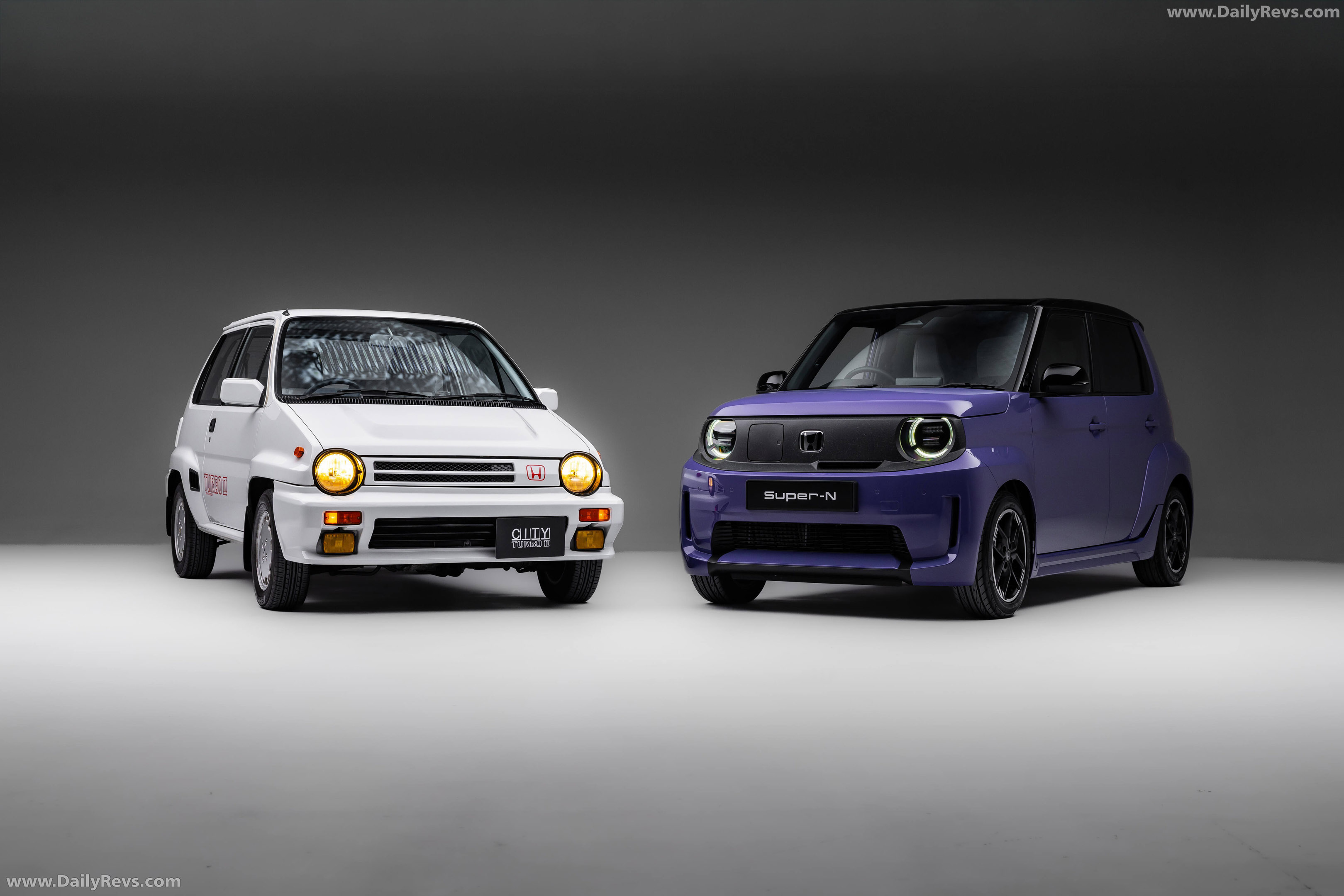
Its design draws heavily from the 1980s City Turbo II. That influence is easy to spot. The proportions are compact, the stance is wider than expected for a car this size, and the bumpers sit more prominently within the overall shape.
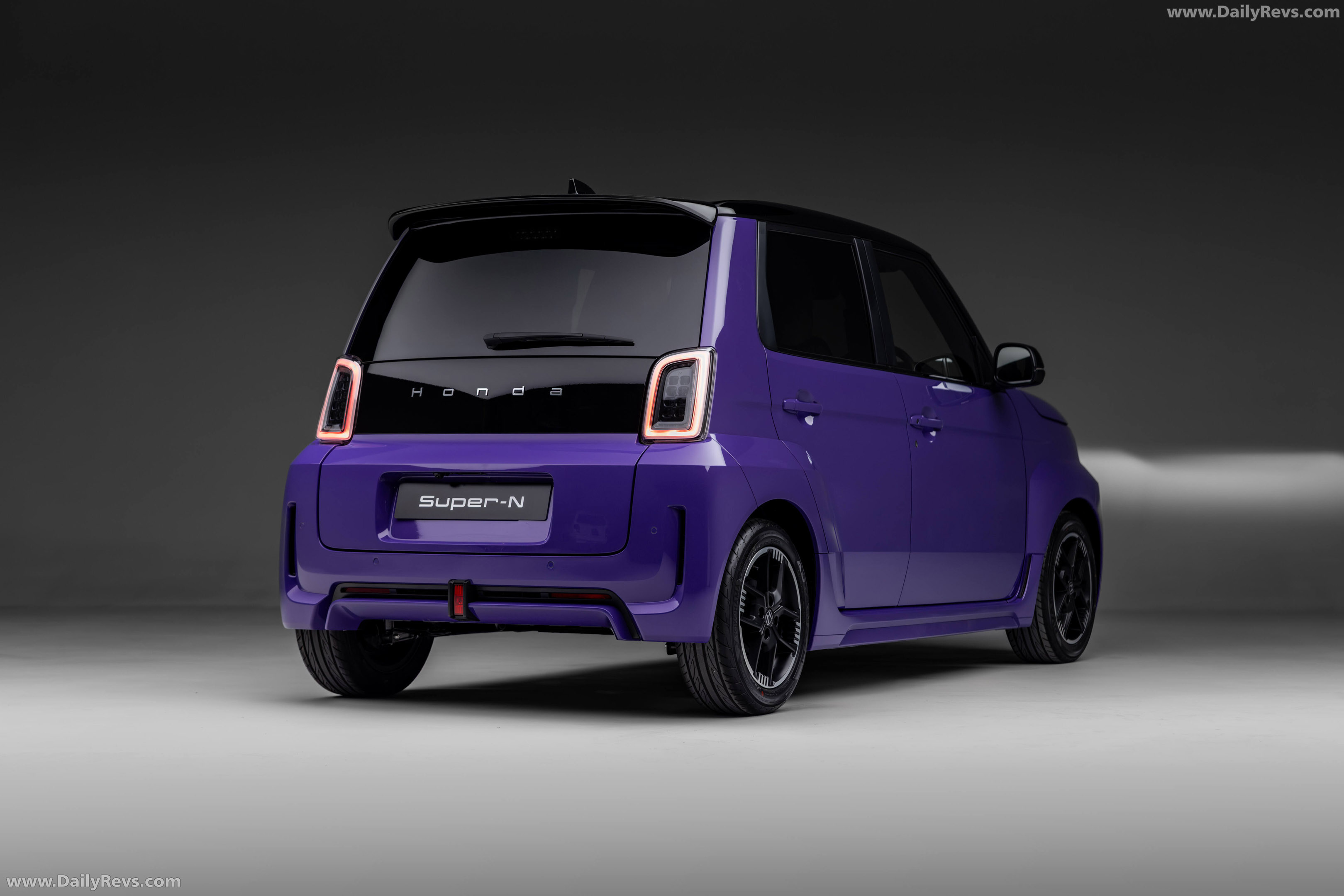
There are also functional details built into the design. Larger aero ducts and squared-off surfaces suggest airflow management rather than decoration. It gives the car a slightly more purposeful look than most small EVs.
Even at a glance, it feels distinct. Not just another rounded city car.
Small footprint, but visually planted
The Super-N is built on Honda’s lightweight N Series platform, originally developed for kei cars.
That keeps the footprint tight. Short length, compact width, and an emphasis on efficiency. But visually, it doesn’t feel narrow. The stance is pushed outward, with wheels sitting closer to the edges of the body.
The result is a car that looks more stable than its size suggests. There’s a sense of width that contrasts with its overall compact dimensions. [Inference]
Interior keeps things simple but focused
Inside, the approach is straightforward.
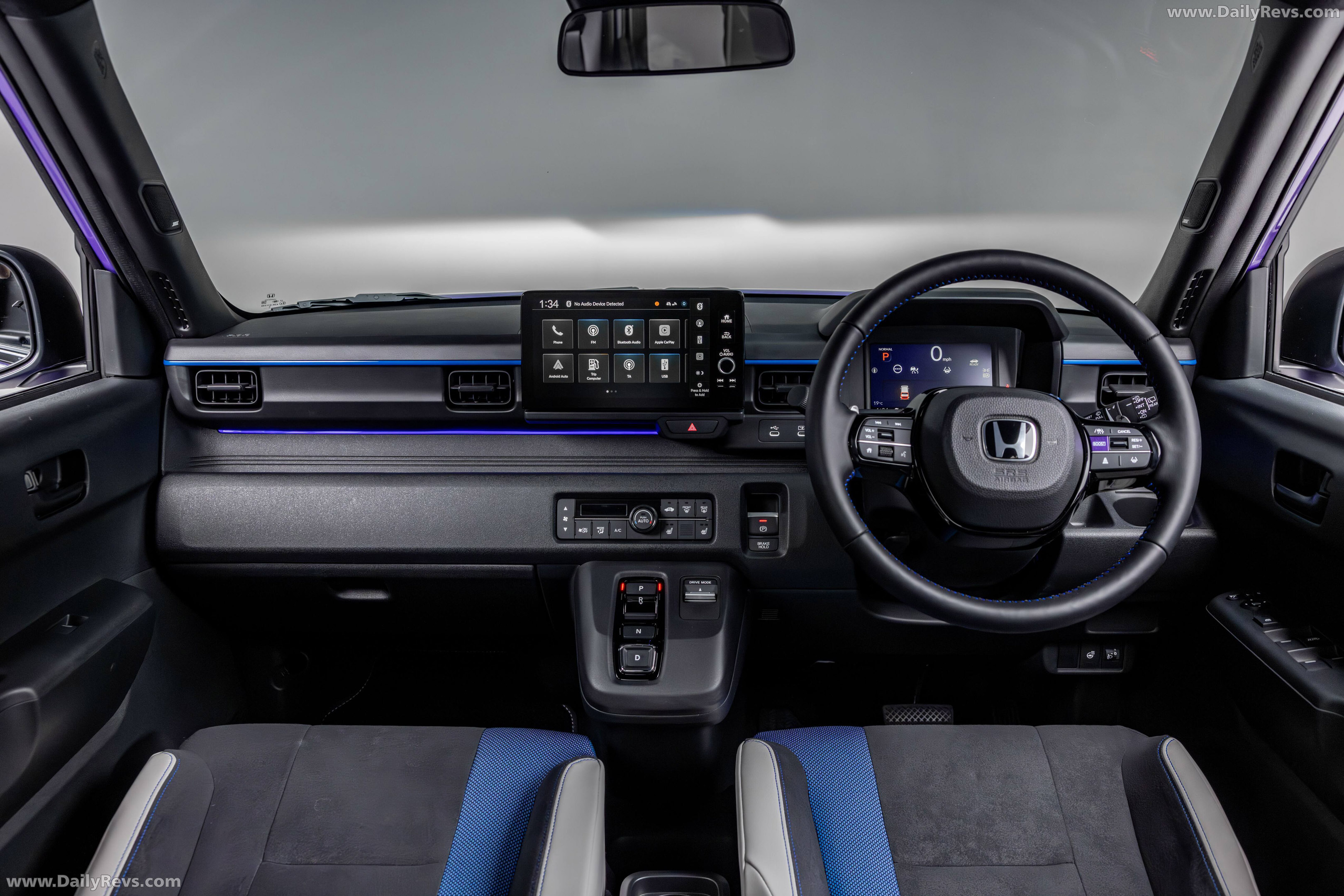
Seats have been redesigned to offer better support, which makes sense given the car’s more dynamic intent. The layout itself remains uncluttered, following Honda’s usual philosophy of prioritising usable space.
There are visual touches that tie back to the car’s inspiration. Blue accents run through the cabin, referencing the original City Turbo II. Ambient lighting adds another layer, shifting from blue to purple when BOOST Mode is activated.
It’s a small detail, but it reinforces the idea that the car is trying to create a more engaging driving environment, even at lower speeds.
Electric setup focused on city use
The Super-N’s performance isn’t defined by outright power figures.
Instead, it’s built around a compact e-Axle, delivering between 47 kW and 70 kW depending on mode. BOOST Mode unlocks the higher output, giving the car a sharper response when needed.
There’s also a simulated seven-speed transmission paired with an Active Sound Control system. It introduces artificial gear shifts and engine sound, which changes how the car feels under acceleration.
Whether that adds to the experience or not will depend on the driver. [Inference]
Range sits at up to 199 miles in city conditions, with a combined figure closer to 128 miles. That places it firmly in the urban EV category.
Practicality remains part of the brief
Despite the focus on driving feel, the Super-N hasn’t moved away from everyday usability.
Its compact size makes it easier to place in tight environments, while the lightweight construction helps efficiency. Honda’s “Man Maximum, Machine Minimum” approach is evident here, prioritising cabin space over mechanical bulk.
Customization options are also part of the package. Buyers can choose from various colours, including two-tone finishes with a contrasting black roof and rear spoiler.
Positioned as an accessible urban EV
The 2026 Honda Super-N is aimed at a specific audience.
It’s designed for city use first, with pricing expected to come in below £20,000 in the UK. That places it within reach of a broader group of buyers compared to larger EVs.
More than anything, it focuses on character. Compact, lightweight, and slightly unconventional in how it delivers its performance. For urban driving, that combination could be enough to set it apart.