


2026 Ford Ranger MS-RT PHEV
By Lorenzo Bianchi September 13, 2025
New plug-in hybrid system pairs a 2.3-litre EcoBoost with electric power for 400 PS and 650 Nm.
Motorsport-inspired design includes a wider track, unique bumpers, and 21-inch alloys.
Sits alongside the Raptor as a flagship, but aimed squarely at on-road performance.
A Performance Pickup with a Plug
Ford’s Ranger is already the best-selling pickup in Europe, and the 2026 Ranger MS-RT PHEV aims to make that crown shine a little brighter. Developed with long-time motorsport partner MS-RT, this new flagship injects electrification into the mix without losing the raw muscle buyers expect from a Ranger.
Production kicks off late in 2025, with first deliveries in early 2026. It’s a key step in Ford’s electrification strategy, giving customers another choice as regulations tighten and city centres demand cleaner vehicles.
Road Presence that Speaks Volumes
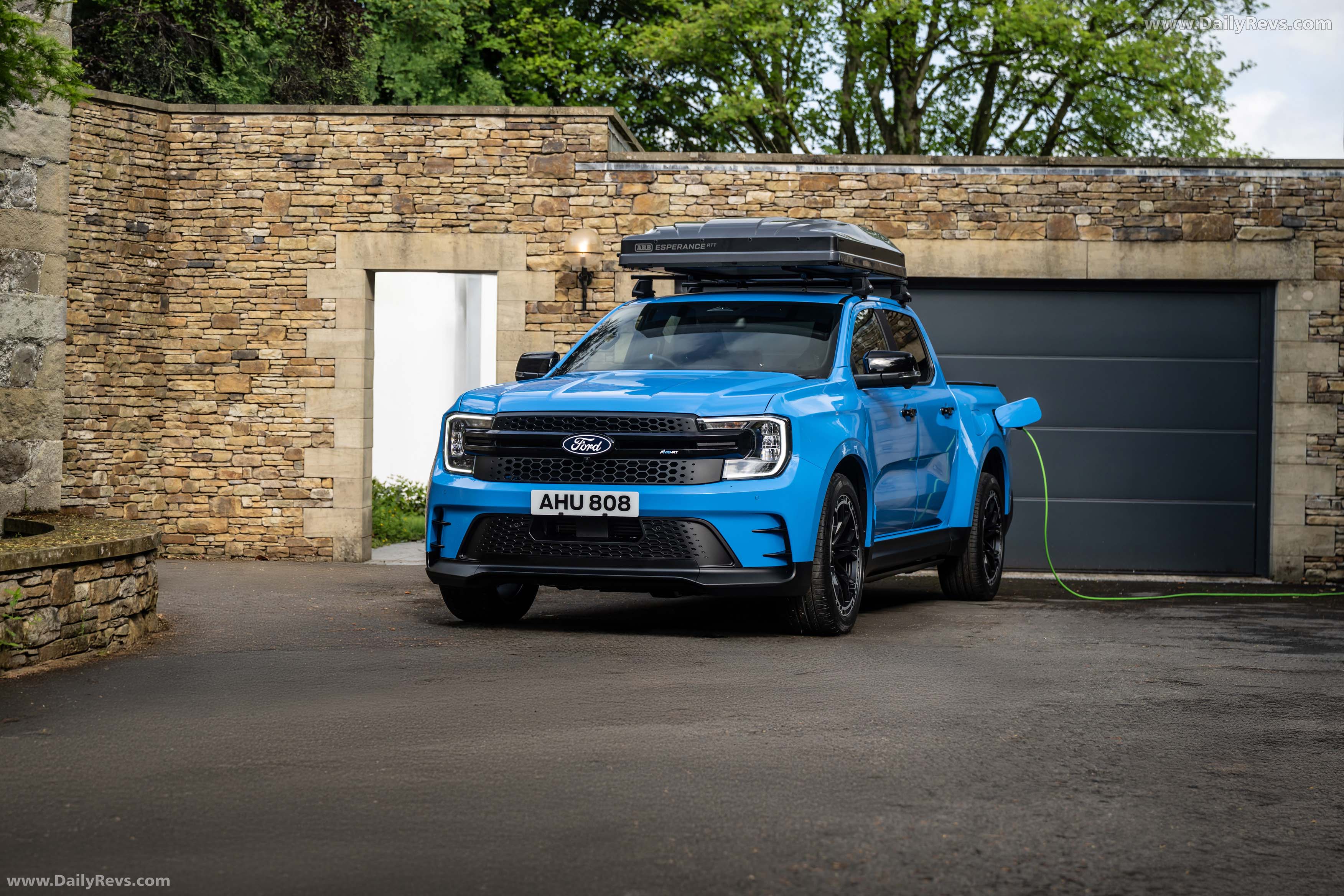
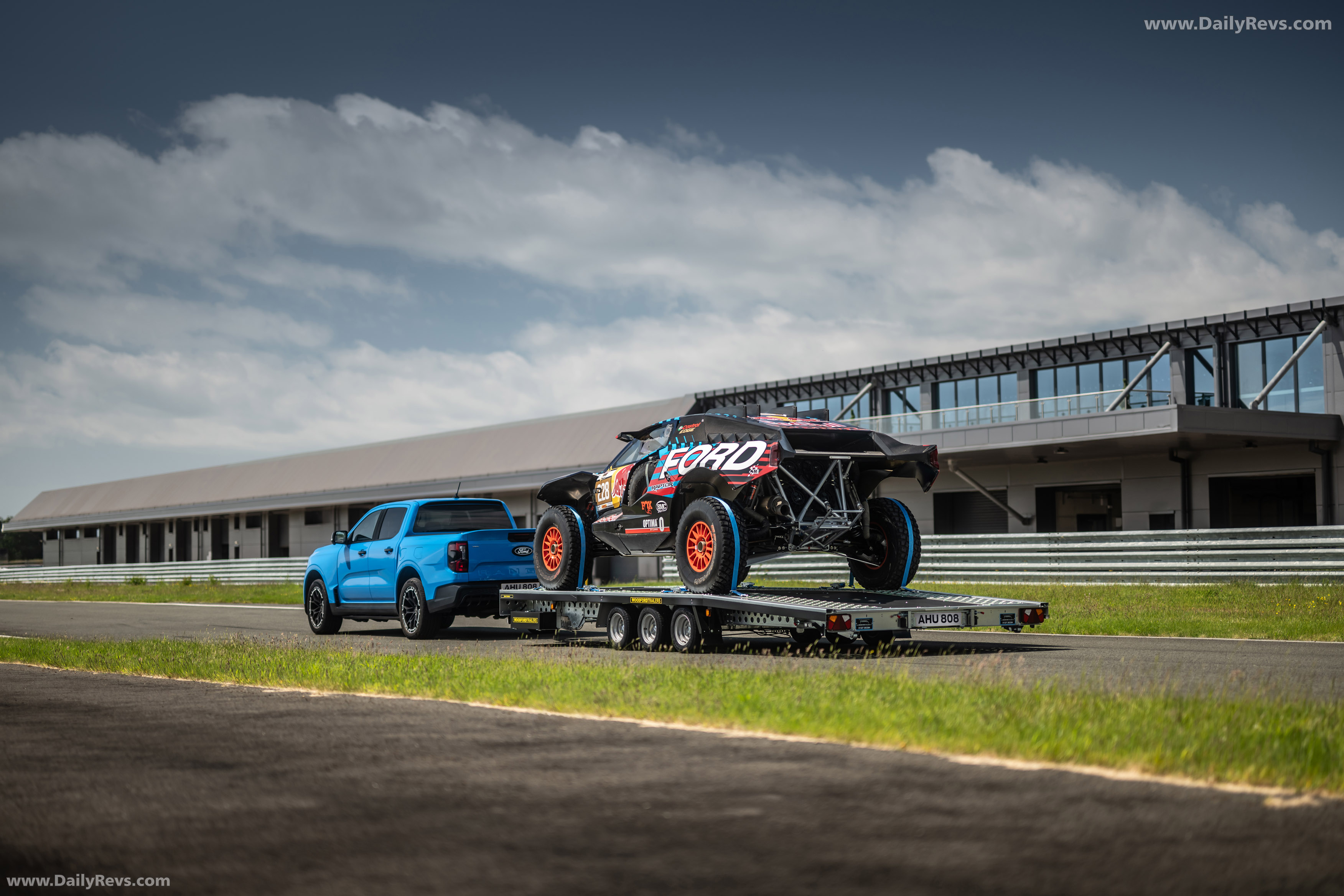
Visually, the MS-RT PHEV doesn’t whisper its intentions. It’s been given a full motorsport makeover: a reshaped front bumper, deeper aero elements, and a reworked grille that plants the truck firmly in performance territory. The track has been widened by about 40 mm, and those pumped-up arches are filled with 21-inch diamond-cut alloys — the biggest ever fitted to a Ranger from the factory.
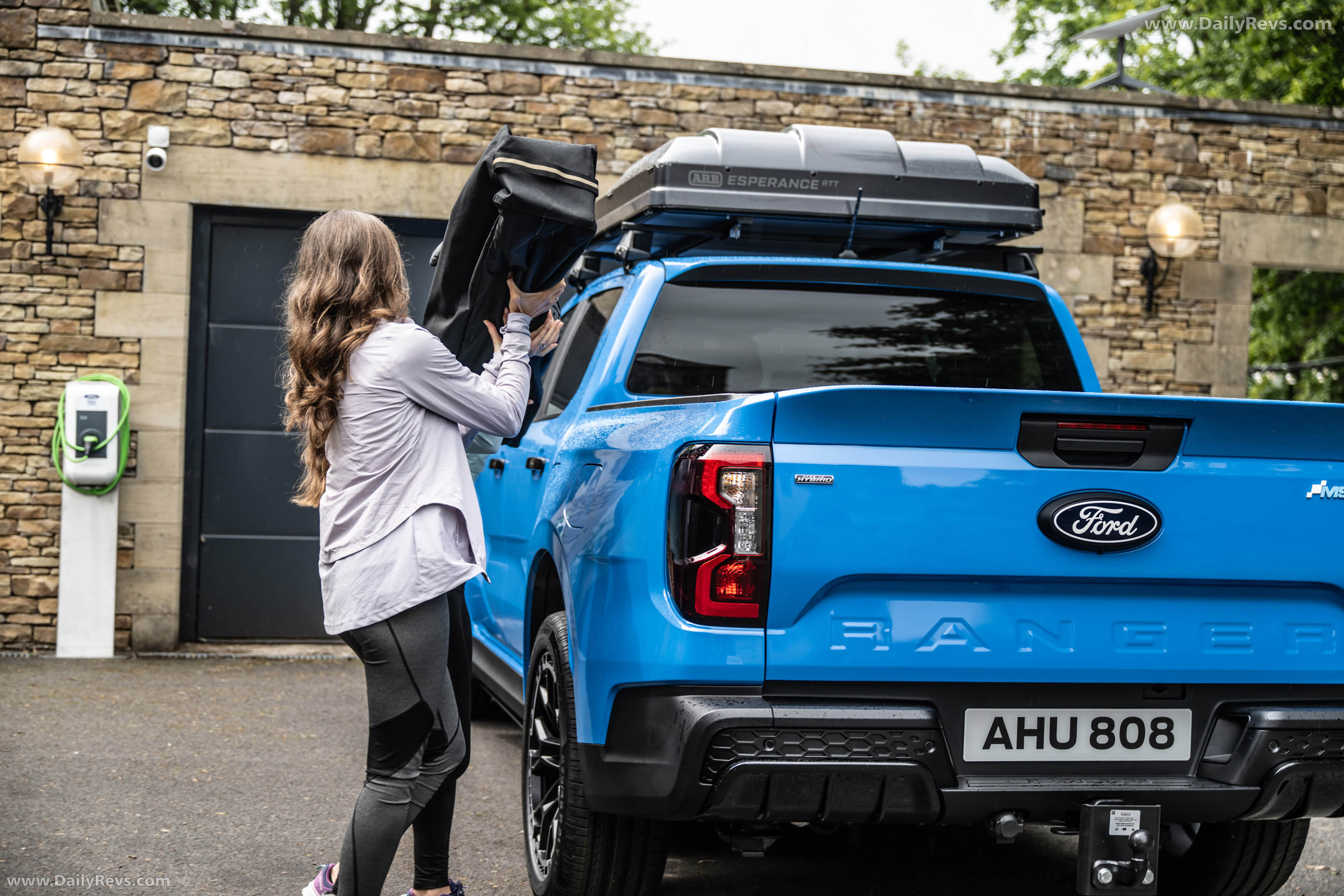
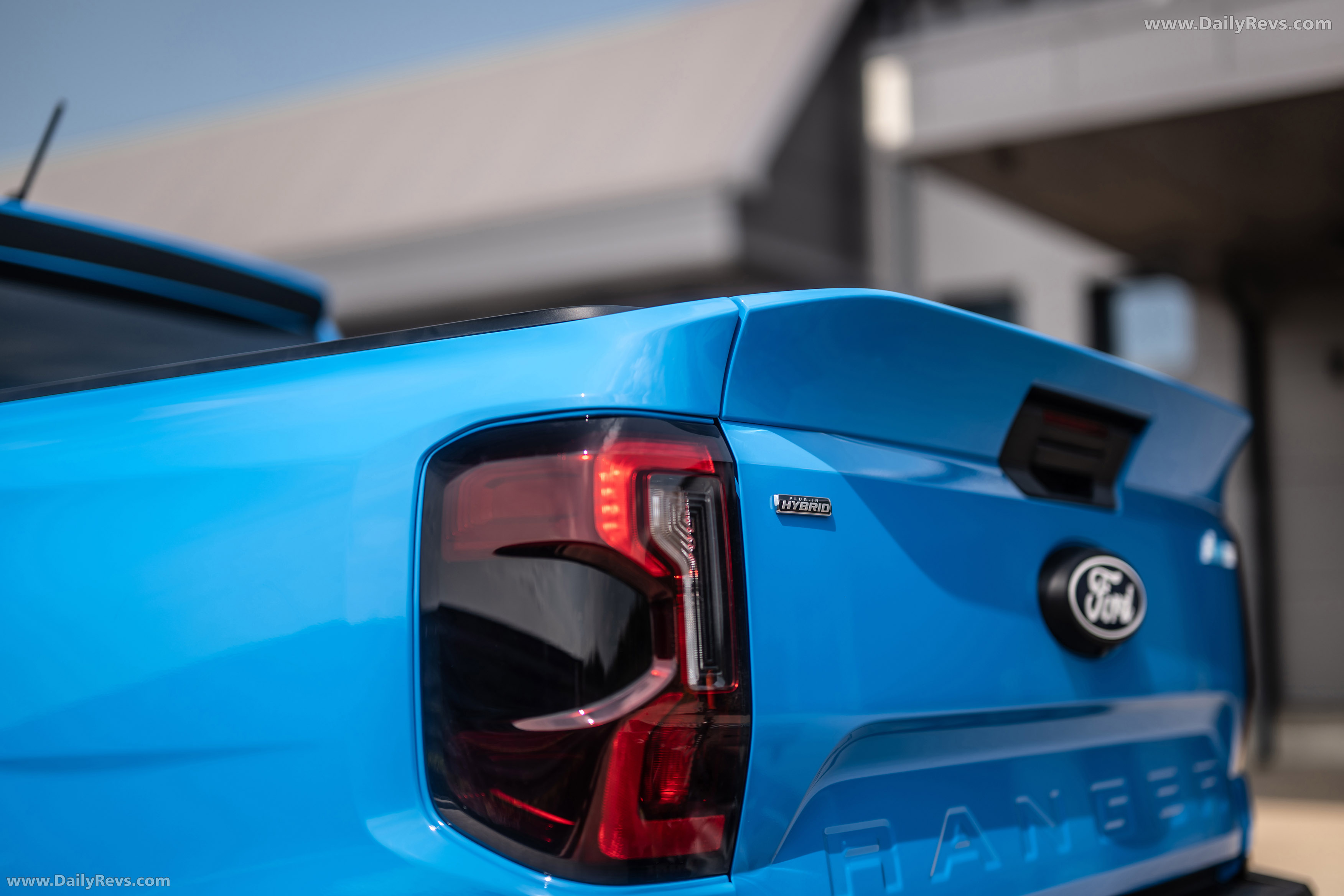
At the back, a sportier bumper and twin-exit exhaust finishers underline its focus. A full-width LED light bar stretches across the tailgate, a touch borrowed from Ford’s latest design language and one that makes the pickup look broader still. The paint palette has been tuned to match, with bold shades like Nitrous Blue ensuring this isn’t a truck that blends into traffic.
Powertrain with Purpose
Under the skin, the Ranger MS-RT PHEV uses a 2.3-litre EcoBoost petrol engine teamed with an electric motor and battery pack. Together, the setup produces 400 PS (294 kW) and a stout 650 Nm of torque. That makes it the most powerful road-going Ranger yet.
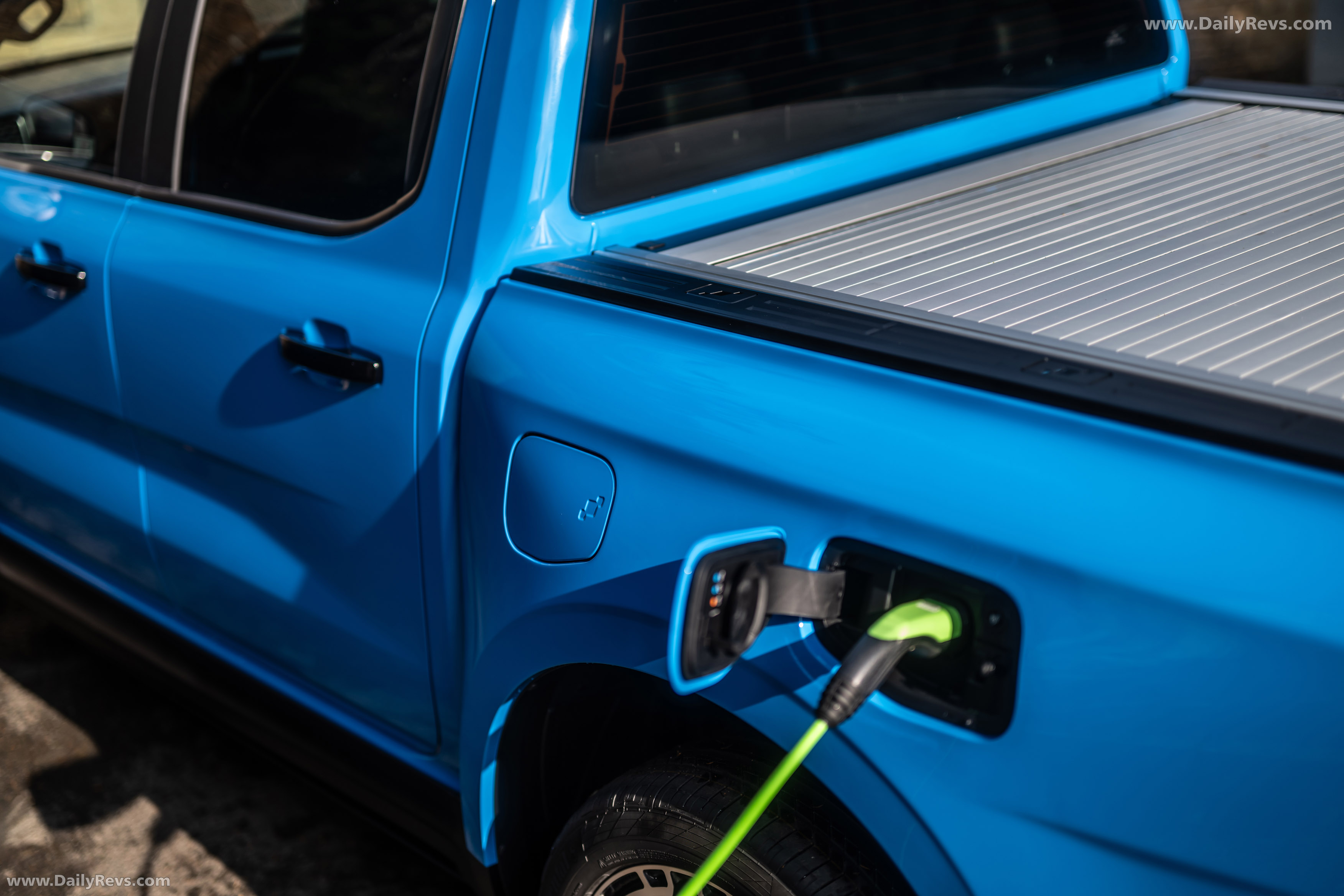
It’s not just about muscle. The plug-in system gives an electric-only range of up to 40 km (WLTP), enough for short commutes or emission-restricted city runs. Charging options include both home wallboxes and public charging points, keeping flexibility front and centre.
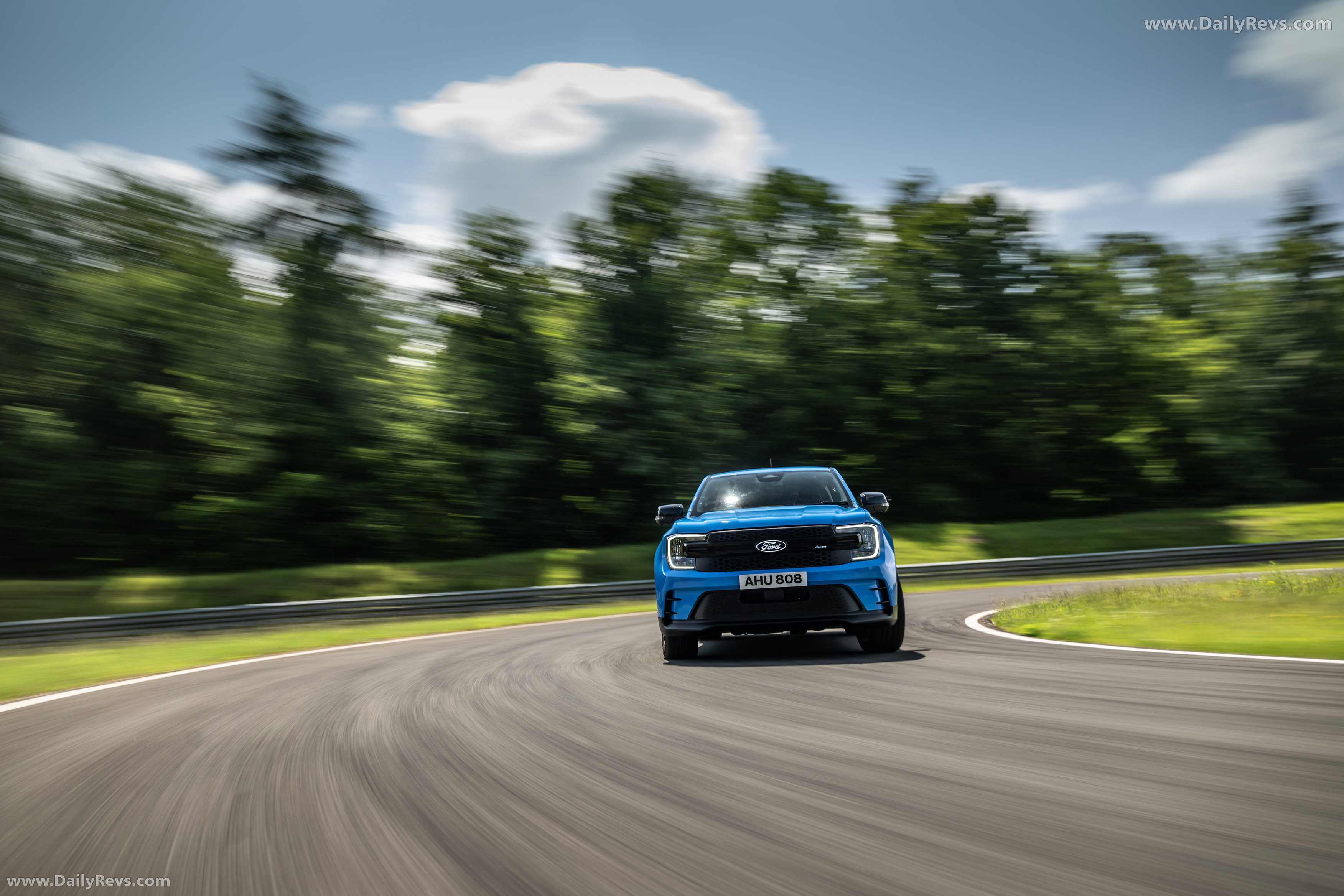
All-wheel drive remains, but the suspension has been recalibrated to favour tarmac. Lower ride height, stiffer settings, and that wider track make it clear this isn’t a Raptor rival off the beaten path — it’s the Ranger tuned for sharp road manners.
A Cabin with Motorsport Cues
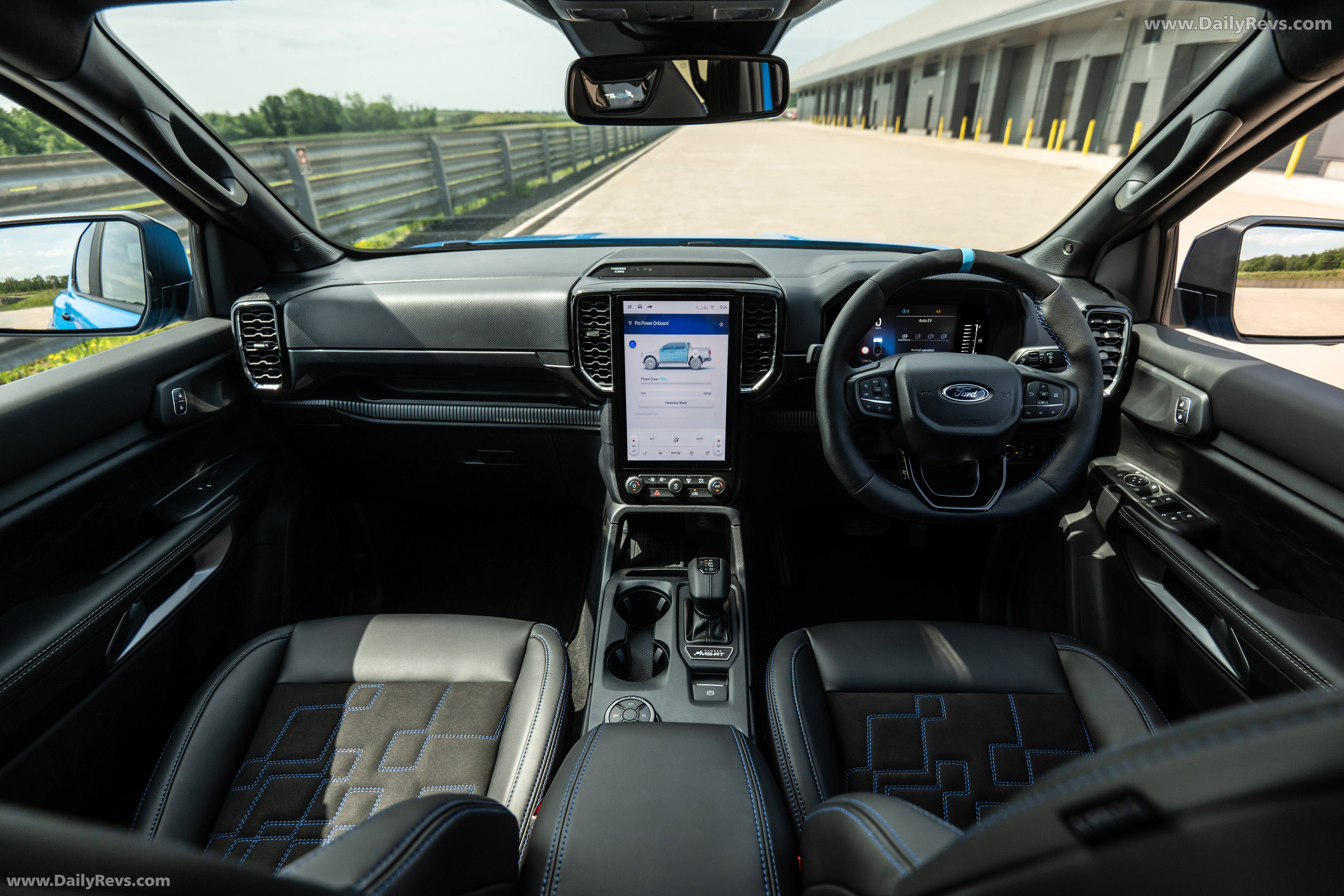
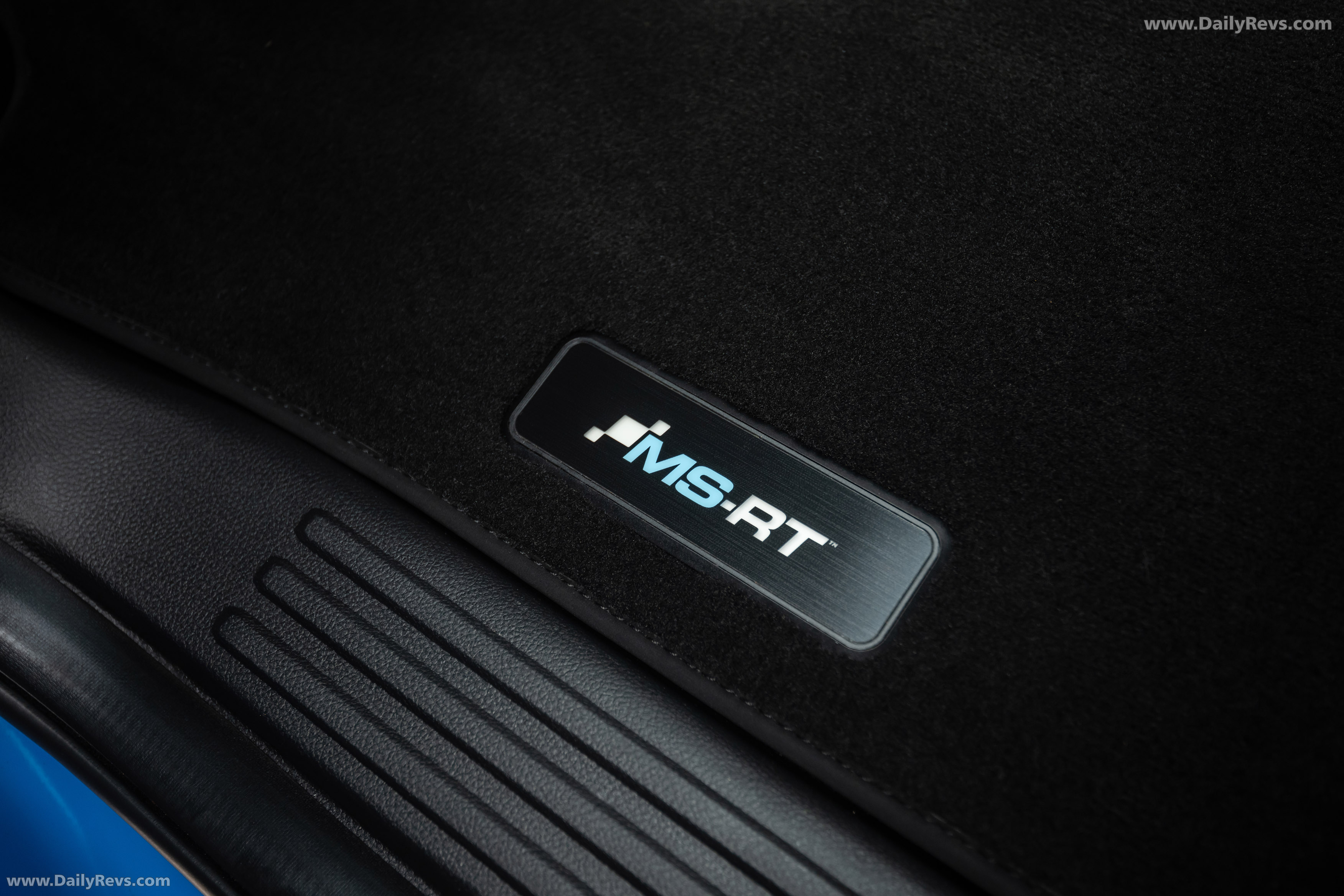
Step inside and the MS-RT touches continue. The sports seats, trimmed in eco-leather and suede, get extra bolstering for support, while blue stitching and MS-RT badging carry the theme across the cabin. A reshaped heated steering wheel, complete with a blue 12 o’clock marker, gives a subtle nod to racing tradition.
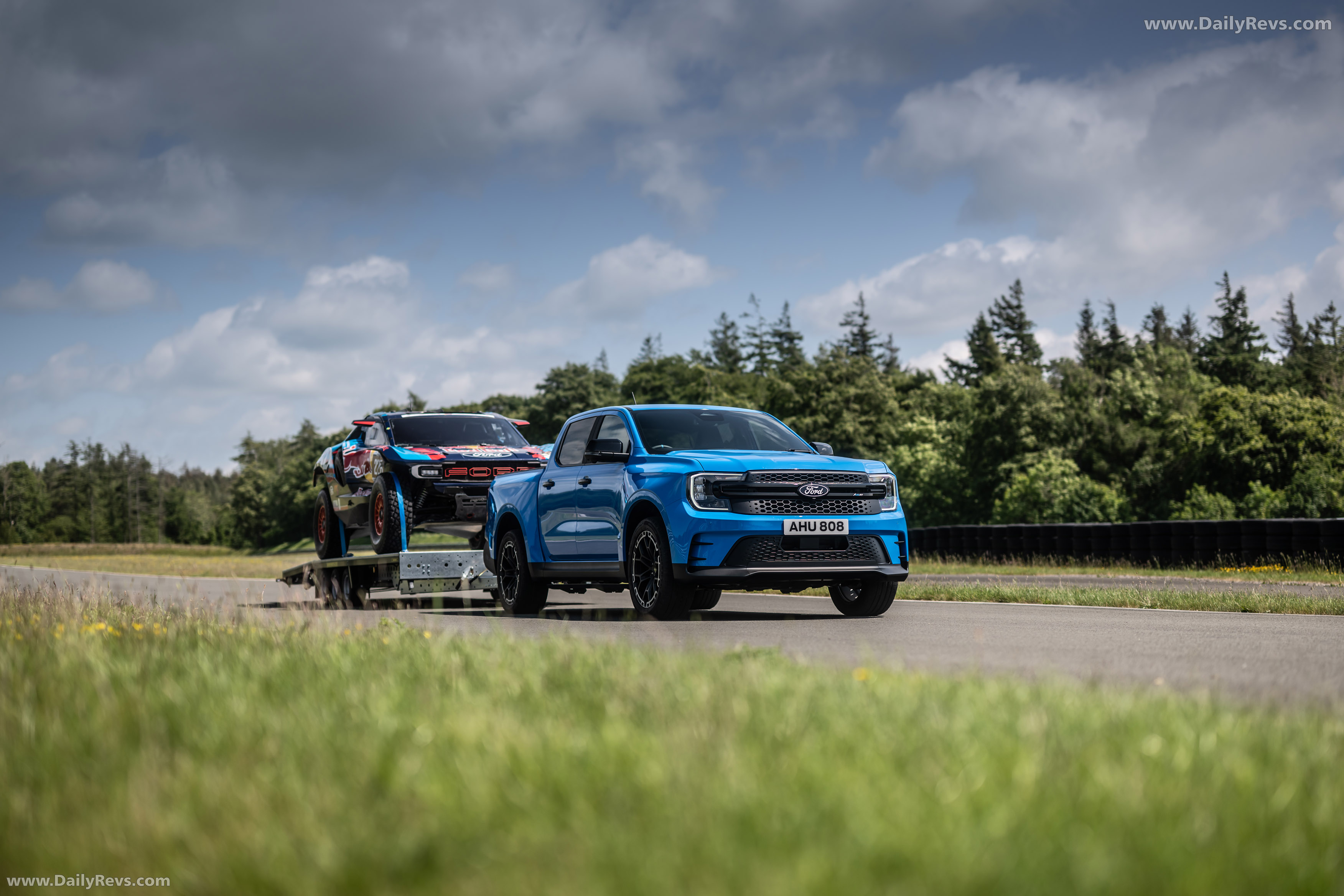
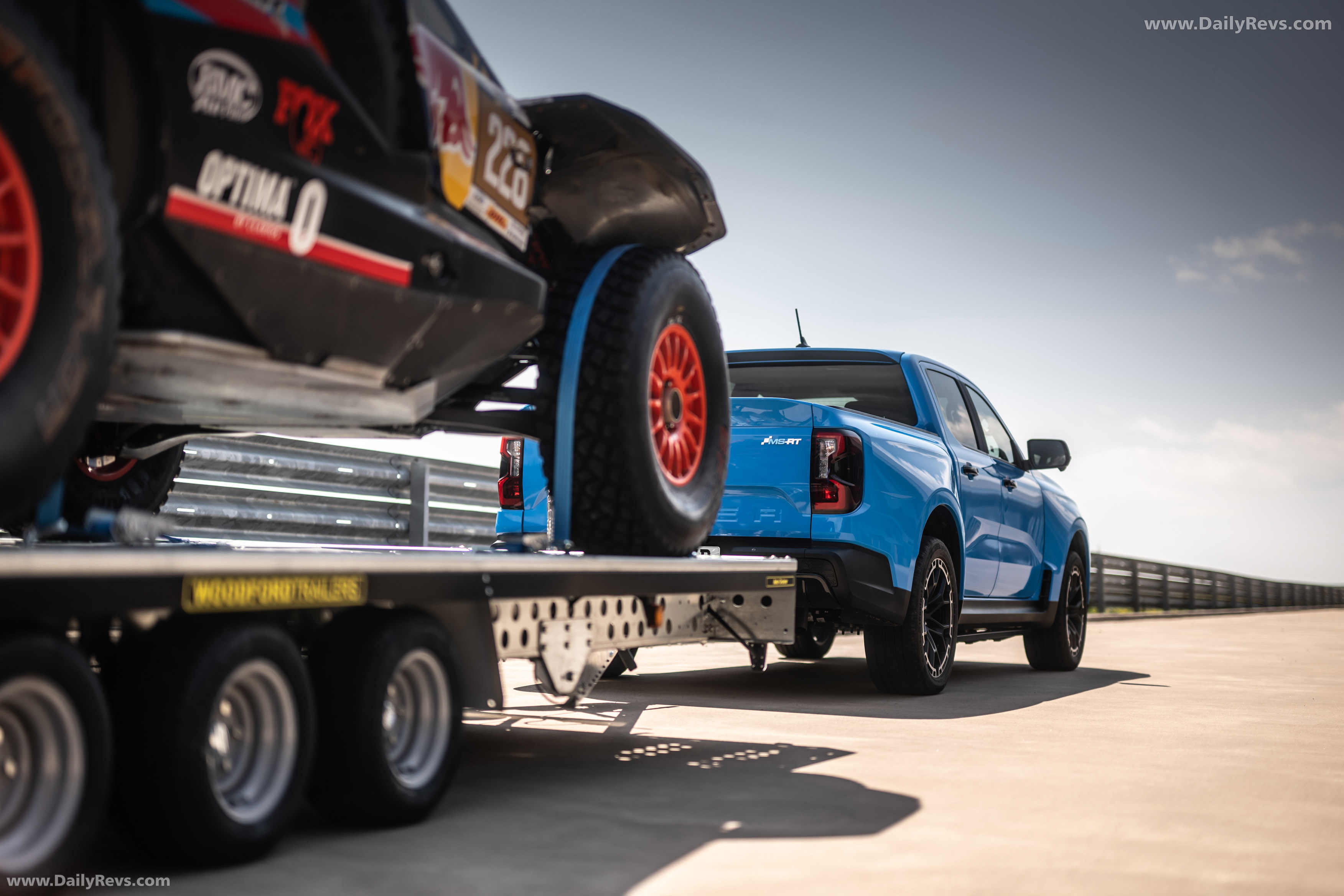
Technology doesn’t take a back seat either. Ford’s SYNC 4 infotainment runs through a 12-inch central screen, paired with a digital instrument cluster and wireless smartphone connectivity. Space remains generous, with seating for five and the practicality of a double-cab layout. Payload is around 1,000 kg, and towing capacity is rated at 3,500 kg — so while it’s styled like a sports truck, it still does the heavy lifting.
Ford is very deliberate with where this model sits. The Ranger Raptor is the off-road hero, built to dominate dunes and trails. The MS-RT PHEV, meanwhile, is the street fighter: wide, low, and powerful, with a hybrid system that cuts emissions while delivering serious pace.
That makes it unique among rivals. The Toyota Hilux GR Sport and Volkswagen Amarok PanAmericana lean more toward rugged versatility. The Ranger MS-RT PHEV aims at buyers who spend more time on-road but still want a pickup with presence — and the ability to slip into urban low-emission zones without worry.
Ford hasn’t locked in pricing yet. Industry estimates put the MS-RT PHEV somewhere between £55,000 and £60,000 in the UK, positioning it above the Wildtrak and close to the Raptor. Order books open late 2025, with first deliveries rolling out in early 2026.
Technical Specification
Performance
- Power output: 400 PS (294 kW)
- Torque: 650 Nm
- Electric-only driving range: up to 40 km (WLTP)
- Drivetrain: All-wheel drive
Body Measurements
- Wheelbase: 3,270 mm (128.7 in)
- Overall length: 5,370 mm (211.4 in)
- Overall width: 2,220 mm (87.4 in) including mirrors
- Overall height: 1,884 mm (74.2 in)
- Track width: widened by 40 mm over standard Ranger
- Wheel size: 21-inch diamond-cut alloy wheels
Powertrain
- Engine: 2.3-litre EcoBoost petrol
- Electric motor: Plug-in hybrid system with lithium-ion battery pack
- Transmission: Automatic
- Drive system: Permanent all-wheel drive
Capacities
- Seating: 5 passengers (double cab)
- Payload: approx. 1,000 kg
- Towing capacity: up to 3,500 kg
- Battery charging: Compatible with home wallbox and public charging stations
Price
- Expected starting price: £55,000–£60,000 (UK market estimate)
- Availability: Order books open late 2025, first deliveries early 2026